
• Skip to primary navigation
  • Skip to main content
  • Skip to primary sidebar

Earth Wise

A look at our changing environment.

  • Home
  • About Earth Wise
  • Where to Listen
  • All Articles
  • Show Search
Hide Search
You are here: Home / Archives for animals

animals

Artificial Light And Nature | Earth Wise

December 4, 2020 By EarthWise Leave a Comment

Light pollution has far reaching consequences

Most of us are familiar with air pollution, water pollution, soil pollution, and noise pollution.  But it turns out that light can also be a pollutant as well. 

Light pollution is a consequence of industrial civilization.  Sources of light pollution include building interior and exterior lighting, advertising billboards, factories, commercial properties, streetlights, and sporting venues.      

According to findings in a new report from the University of Exeter, artificial nighttime lighting has a wide range of effects across the natural world and should be limited wherever possible.  The research team analyzed more than 100 studies and found that artificial lighting has widespread impacts on both animals and plants. 

In the study, which was funded by the Natural Environment Research Council in the U.K., researchers consistently found changes to animals’ bodies and behavior as a result of artificial lighting.  In particular, levels of the sleep cycle-regulating hormone melatonin were reduced by exposure to artificial lighting at night in all animal species studied. 

Exposure to artificial nighttime lighting also affected the timing of animals’ activities.  For rodents, which are largely nocturnal, the duration of activity was often reduced by exposure to nighttime lighting.  On the other hand, for diurnal birds, exposure to nighttime lighting led to an extension of the duration of their activities.  

Previous studies have found other wide-ranging impacts of nighttime lighting, from reducing pollination by insects to trees budding earlier in spring.  

Artificial nighttime lighting is human driven and very disruptive to the natural world.  While there’s no off switch for the planet, we could reduce the amount of light pollution drastically with no impact on our lives. 

**********

Web Links

Artificial night lighting has widespread impacts on nature

Photo, posted July 29, 2017, courtesy of spacedust2019 via Flickr.

Earth Wise is a production of WAMC Northeast Public Radio.
Climate Change and Komodo Dragons | Earth Wise

October 12, 2020 By EarthWise Leave a Comment

climate change threatens komodo dragons

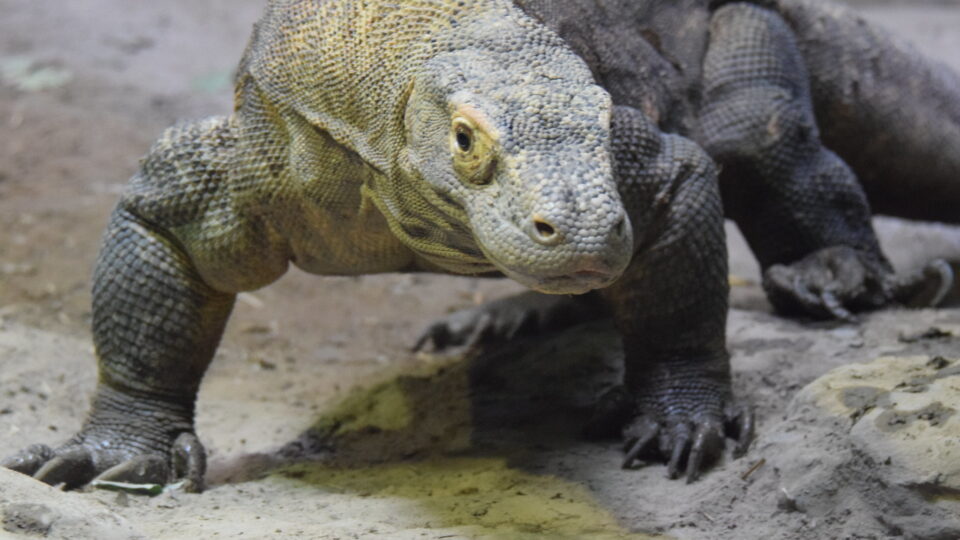
The Komodo dragon is the world’s largest and most iconic lizard.  Growing up to 10 feet long and weighing up to 360 pounds, Komodo dragons are endemic to five islands in southeast Indonesia, four of which are part of Komodo National Park, as well as a fifth that has three nature reserves.  Komodo dragons have existed on earth for at least four million years, and it’s estimated that 4,000 of them survive in the wild today.

But according to a new study by researchers from the University of Adelaide and Deakin University in Australia, Komodo dragons could soon be driven to extinction.  The research team found that the impacts of both global warming and sea level rise are likely to cause a sharp decline in  available habitat for Komodo dragons.  Current conservation strategies are not enough to avoid climate-driven Komodo dragon population declines. 

The study, which was recently published in the journal Ecology and Evolution, involved close collaboration with Komodo National Park and the Eastern Lesser Sunda Central Bureau for Conservation of Natural Resources.

Climate-change-informed decisions should be a common part of conservation practice.  According to the research team’s conservation model, Komodo dragons on two of the five Indonesian islands are less vulnerable to climate change.  But those two islands might not be enough for the survival of the species.  Conservation managers may need to translocate Komodo dragons in the future – to sites where these animals have not been found for decades – in order to protect the species from extinction. 

Without taking immediate action to mitigate climate change, the research team says many range-restricted species like Komodo dragons are at risk of extinction.

**********

Web Links

Climate change threatens Komodo dragons

Photo, posted August 6, 2016, courtesy of Tony Alter via Flickr.

Earth Wise is a production of WAMC Northeast Public Radio.

The Cost of Cleaning Up Ocean Plastic | Earth Wise

October 7, 2020 By EarthWise Leave a Comment

Cleaning up ocean plastic carries a large price tag

Small island developing states increasingly find themselves with large amounts of plastic waste.  A recent study looked at the financial cost for removing it.

Aldabra Atoll is a UNESCO World Heritage Site in the Seychelles.  It is the world’s second-largest coral atoll and is the home of 307 species of animals and plants, including the largest population of giant tortoises in the world.  Aldabra has been called one of the wonders of the world and one of the crown jewels of the Indian Ocean.

Last year, a team from the University of Oxford and the Seychelles Island Foundation, spent five weeks removing litter that had washed up on Aldabra’s shores.  In total, they removed 25 tons of plastic litter which, to their surprise, was dominated by waste from the fishing industry.  The researchers now estimate that over 500 tons of litter remain on the island, 83% of which consists of buoys, ropes, nets, and, of all things, over 300,000 individual flipflops.  This is the largest accumulation of plastic waste reported for any single island in the world.

According to the study, the cost to clean up the entire island would be nearly $5 million, requiring 18,000 person-hours of labor.  A project of this magnitude is beyond the capacity of non-profit organizations like the Seychelles Islands Foundation.

The plastic pollution in Aldabra is related to the fishing industry in Seychelles, which provides tuna to high-income markets around the world.  The research highlights how even remote highly protected island ecosystems are impacted by global pollution and how difficult and costly it is to remedy.

**********

Web Links

Millions of dollars to clean up tuna nets and flip flops from island state

Photo, posted December 27, 2016, courtesy of David Stanley via Flickr.

Earth Wise is a production of WAMC Northeast Public Radio.
An Environmental Victory In Cameroon | Earth Wise

September 23, 2020 By EarthWise Leave a Comment

Preserving biodiversity in Cameroon

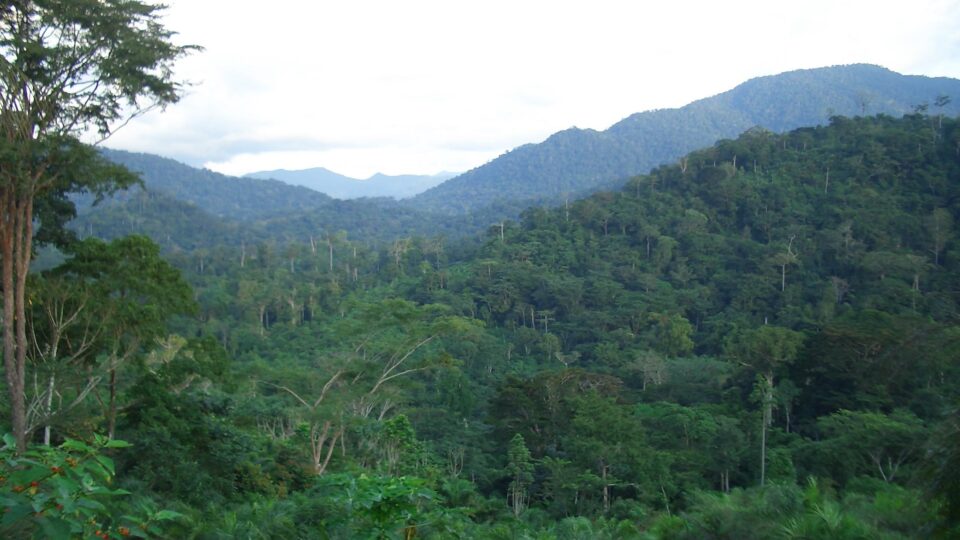
The Ebo Forest in Cameroon is one of the last intact forests in central Africa and is a biodiversity hotspot, home to hundreds of rare plants and animal species, including tool-using Nigeria-Cameroon chimpanzees, western gorillas, forest elephants, red colobus monkeys, and giant goliath frogs.  The 600 square miles of mountain slopes and river valleys are covered by thick tree canopies that shelter a fascinating array of species.

This past July, Cameroon Prime Minister Joseph Dion Ngute signed a decree that turned half of the Ebo Forest into a so-called forest management unit, meaning that the government could begin to sell logging concessions.

However, on August 11, Ngute, at the direction of President Paul Biya, withdrew the decree, suspending any logging plans.  President Biya also ordered a delay to reclassify an additional 160,000 acres of the Ebo, which might have opened up even more forest for logging.

Apart from its rich biodiversity, the Ebo Forest is culturally and societally important for the Banen Indigenous people, who consider it to be their sacred ancestral home.  The Banen were ousted from the forest in the 1960s but took up settlements just a few miles from its borders.  They still rely on the forest for food and medicines.  Meanwhile, the proximity of the forest to big cities makes it an easy target for bushmeat poachers.

Both conservation groups and indigenous leaders welcomed the withdrawal of the decree but remain concerned about the future of the Ebo Forest.  Conservation groups hope that the international community will seize the opportunity to work with the government of Cameroon to make the Ebo Forest a permanent showcase for long-term conservation in harmony with very challenged communities.

**********

Web Links

Cameroon Cancels Plan to Log Half of the Ebo Forest, a Key Biodiversity Hotspot in Central Africa

Photo, posted September 17, 2005, courtesy of Salva le Foreste via Flickr.

Earth Wise is a production of WAMC Northeast Public Radio.
Artificial Aquatic Polyps | Earth Wise

September 16, 2020 By EarthWise Leave a Comment

Aquatic robots can clean water

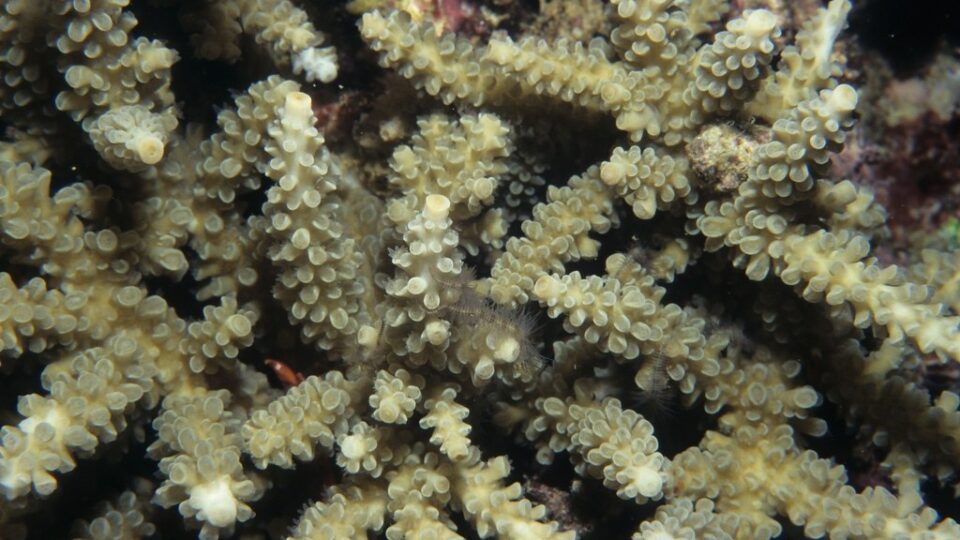
Corals are often mistaken for rocks because of their hardened surfaces.  And, since they attach or “take root” to the sea floor, they are often mistaken for plants.  But unlike rocks, corals are alive.  And unlike plants, corals do not make their own food.  Corals are actually animals. 

Most of these structures that we call “coral” are made up of hundreds to thousands of tiny coral creatures called polyps.  A coral polyp, which is often no thicker than a nickel, has a saclike body and mouth that is encircled by stinging tentacles.  Polyps are responsible for a host of ecosystem services, including nourishing corals, and aiding coral survival by generating self-made currents through the motion of their soft bodies. 

Inspired by these marine organisms, researchers from the University of Warwick in the UK and Eindhoven University of Technology in the Netherlands have collaborated to develop an artificial aquatic polyp capable of removing contaminants from water.  The 1 square centimeter wireless robot polyp can attract, grasp, and release objects, moving under the influence of a magnetic field and whose “tentacles” are triggered by light. 

The next step for the researchers is to see if the technology can be successfully scaled up from laboratory to pilot scale.  In order for that to happen, the team has to design an array of artificial polyps capable of working harmoniously together.   

Corals are an incredibly important part of ocean ecosystems.  And while it remains to be seen how much value artificial polyps can achieve in future applications, it serves as another example of scientists emulating nature to create more sustainable designs. 

**********

Web Links

Aquatic robots can remove contaminant particles from water

An artificial aquatic polyp that wirelessly attracts, grasps, and releases objects

Photo, posted April 14, 2011, courtesy of Derek Keats via Flickr.

Earth Wise is a production of WAMC Northeast Public Radio.
Giant Jellyfish | Earth Wise

August 28, 2020 By EarthWise Leave a Comment

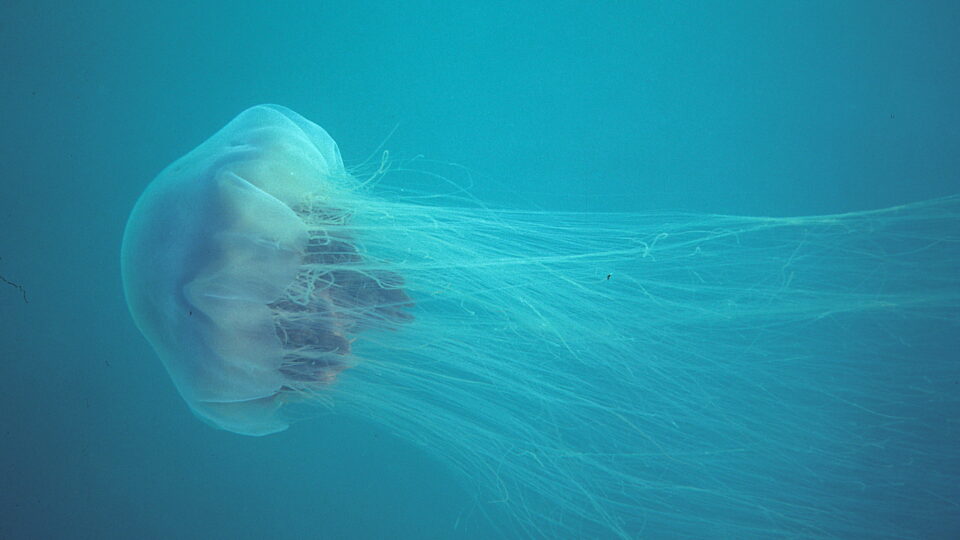
There have been recent news stories about giant jellyfish washing ashore from Maine to the south coast of Massachusetts.  These stories have claimed that some of these lion’s mane jellyfish have been the largest on record and even might be the largest animals in the ocean.

The truth of these accounts is rather suspect.  For one thing, it is rather difficult to measure the size of a jellyfish when it is out of the water.  Gravity compresses and spreads out the bell portion of the animal, and that makes up the bulk of its mass.  For example, a jellyfish bell that measures four feet across on the beach would appear to be much smaller if the animal was floating in the water.

Some claims that lion’s mane jellyfish are larger than blue whales date back a full century and are very much disputable.  The claimed size certainly included the animal’s long tentacles, and such things hardly compare with a blue whale.

In any event, the current spate of jellyfish sightings is not necessarily that unusual.  Many factors influence jellyfish populations, including water temperature and food supply.  It is possible that warming water temperatures may be influencing the jellyfish population this year, but there is not enough data to know for sure.

People do need to be cautious around lion’s mane jellyfish.  They do sting and while their stings are not as bad as those of a number of other species, they can be a problem for people who have allergic reactions.  Furthermore, the stinging cells remain active in a jellyfish that has washed ashore.

Sightings of these animals are continuing, and reports of larger specimens continue as well, even if they don’t compare with blue whales.

**********

Web Links

Jellyfish larger than blue whales?

Photo, posted September 13, 2015, courtesy Derek Keats via Flickr.

Earth Wise is a production of WAMC Northeast Public Radio.
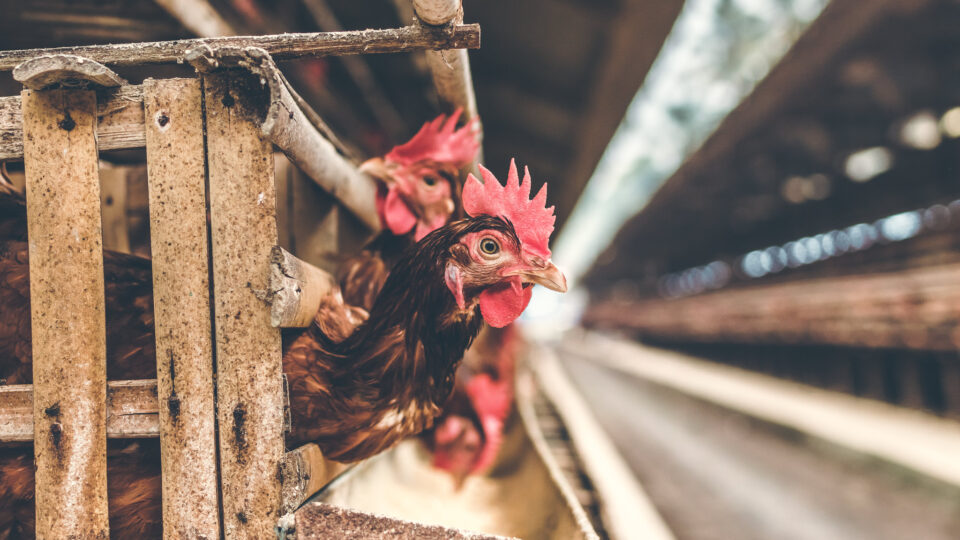
Livestock Expansion And Global Pandemics | Earth Wise

August 18, 2020 By EarthWise 1 Comment

Livestock expansion a factor in pandemics

The domestication of cows, pigs, chickens, and other animals as livestock for their meat, milk, and eggs was historically revolutionary.  It boosted food security by giving people a readily-available means of feeding themselves as opposed to more traditional methods such as hunting and fishing. 

But animal agriculture has plenty of drawbacks.  The industrialization of animal agriculture has led to horrendous conditions.  Animals are kept in huge quantities and packed together with little regard for their health and welfare.  This approach to agriculture is simply designed to maximize production while minimizing costs. 

With its chemical inputs and toxic outputs, intensive animal agriculture is also a major threat to the environment.  In fact, it’s a major driver of habitat degradation and biodiversity loss all around the globe.   

But it’s not just animals and the planet that pay a price.  Humans have inherited several lethal pathogens from livestock over the years, including the influenza virus that likely jumped to humans from poultry.

According to a study recently published in Biological Conservation,  there is a connection between the global increase in the emergence of infectious diseases and epidemics, the accelerated loss of biodiversity, and the expansion of livestock.  In the study, the research team from the Institute of Evolution Sciences of Montpellier cross referenced databases on human and animal health, livestock expansion, and biodiversity loss between 1960-2019.  The team found that the number of epidemics identified in humans increased in correlation with both biodiversity loss and livestock expansion. 

In the era of COVID-19, it’s important to understand how global livestock expansion directly threatens both human health and the health of the planet. 

**********   

Web Links

Livestock expansion is a factor in global pandemics

Photo, posted July 22, 2018, courtesy of Artem Beliakin via Flickr.

Earth Wise is a production of WAMC Northeast Public Radio.
More Carbon Dioxide From Thawing Permafrost | Earth Wise

July 30, 2020 By EarthWise Leave a Comment

Climate models underestimate CO2 emissions from thawing permafrost

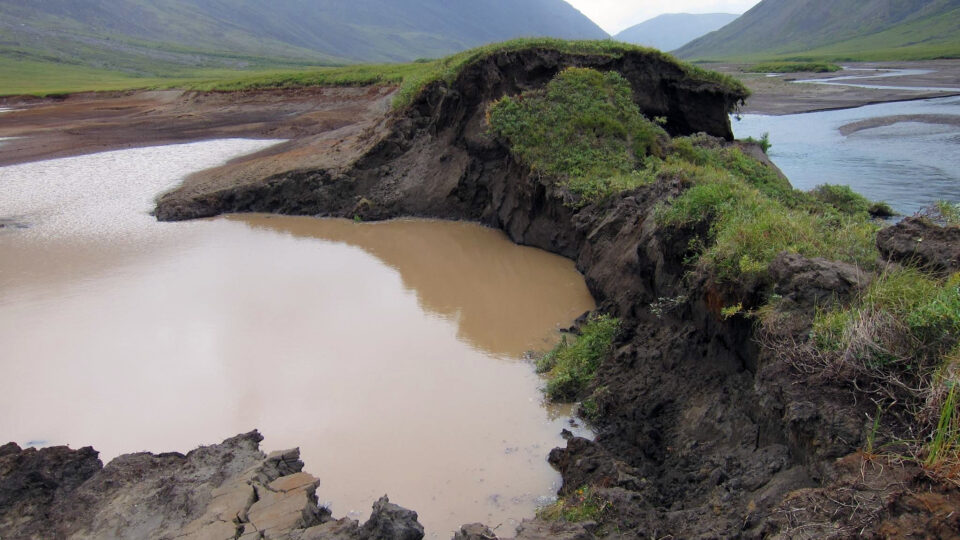
The Arctic is warming much faster than the rest of the planet.  Stories about the loss of polar ice and hundred-degree temperatures in Siberia have become commonplace.  One of the most troubling aspects of the warming Arctic is the thawing of permafrost.  Permafrost is ground that remains frozen for at least two years; some of it has been frozen for tens or hundreds or even thousands of years.  Found under a layer of soil, permafrost is composed of rock, soil, sediments, and varying amounts of ice.  It stores the carbon-based remains of plants and animals that froze before they could decompose.  Permafrost covers almost a quarter of North America, but it is starting to thaw.

Scientists estimate that there are more than 16,000 billion tons of carbon locked away in Arctic permafrost, which is almost double the amount of carbon that is currently in the atmosphere.  Climate models predict that the warming of the Arctic could lead to 5 to 15% of that carbon to be emitted as carbon dioxide by the year 2,100, which would be enough to raise global temperatures by 0.3 to 0.4 degrees Celsius.

New research has increased this estimate because it includes a key pathway for CO2 to enter the atmosphere that earlier models ignored.   When carbon from thawing permafrost escapes into Arctic lakes and rivers, it is oxidized by ultraviolet and visible light and it then escapes into the atmosphere as CO2.  This process is known as photomineralization and is estimated to raise permafrost-related CO2 emissions by 14%.

Recent studies project that with every 1-degree Celsius increase in temperature, 1.5 million square miles of permafrost could be lost through thawing.

**********

Web Links

Climate Models Underestimate CO2 Emissions from Permafrost by 14 Percent, Study Finds

Photo, posted July 7, 2014, courtesy of NPS Climate Change via Flickr.

Earth Wise is a production of WAMC Northeast Public Radio.
Monitoring Wildlife For Warning Signs of the Next Pandemic | Earth Wise

July 29, 2020 By EarthWise Leave a Comment

Monitoring wildlife to prevent the next pandemic

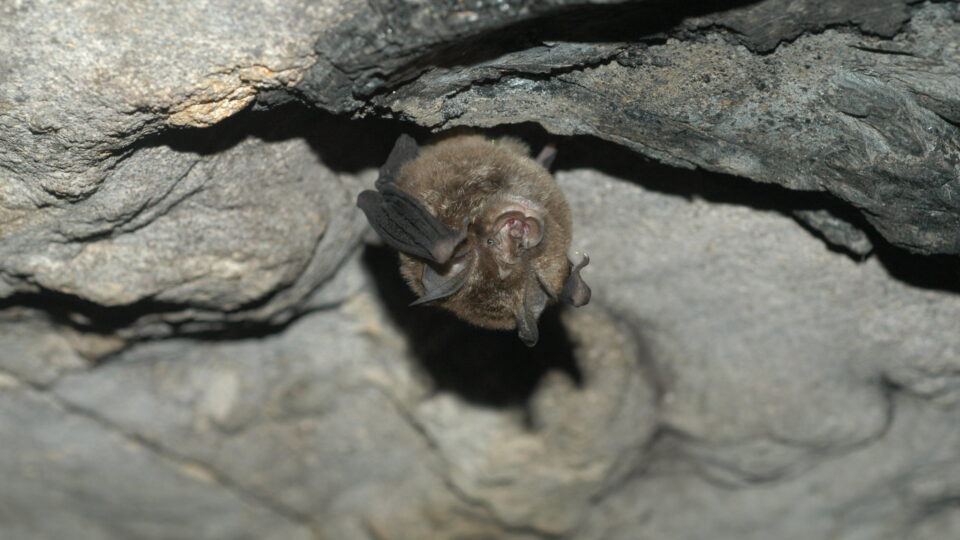
According to the World Health Organization, the coronavirus that causes COVID-19 likely originated in wild bats near Wuhan, China, and may have been passed to a second animal species before infecting people.  Since then, according to data from Johns Hopkins University, more than 13 million people around the world have been infected by COVID-19 and about 600,000 have died. 

But despite the ever-present threat of a new virus sparking the next pandemic, there is currently no global system to screen for viruses in wild animals that could eventually spill over to humans. 

In an article recently published in the journal Science, a group of scientists is calling for the creation of a decentralized global system of wildlife surveillance.  The establishment of this global system could help identify viruses in wild animals that have the potential to infect and sicken people before another global disease outbreak begins. 

According to the scientists, coronaviruses alone have caused outbreaks in humans three times in the last 20 years:  SARS (or Severe Acute Respiratory Syndrome), MERS (or Middle East Respiratory Syndrome), and COVID-19. 

While it’s impossible to know today how often viruses jump from animals to humans, human activity is making such spillover events more and more likely.  For instance, many continue to develop wild animal habitat to build new homes or businesses.  Some catch wild animals and re-sell them either for consumption or as exotic pets.  Parts from these wild animals are often shipped around the world as trinkets or as ingredients for traditional medicines. 

A global system that could identify potentially harmful viruses before they jump to humans is technologically feasible, affordable, and clearly necessary. 

**********

Web Links

COVID-19 Dashboard by the Center for Systems Science and Engineering (CSSE) at Johns Hopkins University (JHU)

Global wildlife surveillance could provide early warning for next pandemic

Photo, posted January 15, 2008, courtesy of Doug Beckers via Flickr.

Earth Wise is a production of WAMC Northeast Public Radio.
PFAS In The Food Chain | Earth Wise

July 8, 2020 By EarthWise Leave a Comment

PFAS in the food chain

Per- and polyfluoroalkyl substances (PFAS) are a family of human-made chemicals that have been manufactured and used in a variety of industries around the globe.  PFOA and PFOS have been the most extensively produced and the most extensively studied of these chemicals. 

Exposure to PFAS has been linked to a host of adverse health effects, including thyroid hormone disruption and cancer.

PFAS compounds can be found in such things as non-stick cookware, stain-resistant carpets, water-repellent outdoor gear, and food packaging, like fast food wrappers and microwave popcorn bags. 

According to a new study, researchers from North Carolina State University have found PFAS substances in every step of the Yadkin-Pee Dee River food chain, even though the river doesn’t have a known industrial input of these compounds. 

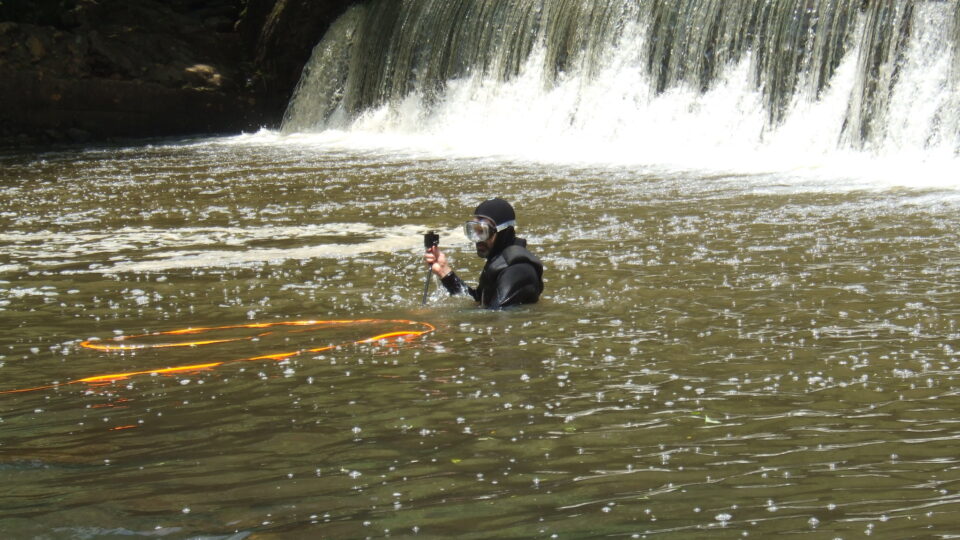
The team collected water, sediment, algae, plant, insect, fish, crayfish, and mollusk samples at five sites along the river and analyzed them for 14 different PFAS compounds.  Nearly every sample tested contained PFAS compounds.  Biofilm contained the largest concentrations of 10 of the 14 PFAS compounds measured.  Insects, which primarily eat biofilm, had the greatest accumulation of PFAS compounds of all the living taxa the researchers sampled. 

When PFAS compounds are present at every step of the food chain, the compounds accumulate at each step leading to greater concentrations in animals that sit higher on the food chain – including humans.  This is known as biomagnification. 

Studies like this that reveal how prevalent PFAS can be within ecosystems without an industrial input highlight the need for further research into how these compounds affect the environment and human health.

*********

Web Links

PFAS present throughout the Yadkin-Pee Dee river food chain

Photo, posted May 24, 2011, courtesy of the U.S. Fish and Wildlife Service via Flickr.

Earth Wise is a production of WAMC Northeast Public Radio.
Animals And Social Distancing | Earth Wise

June 16, 2020 By EarthWise Leave a Comment

social distancing to prevent disease

As the spread of COVID-19 continues throughout the U.S. and around the world, health officials continue to ask people to keep physical space between themselves and others outside their homes.  It’s an important and effective way to slow down and prevent the spread of disease. 

But it’s not just humans who can benefit from social distancing.  It turns out that animals can, too.

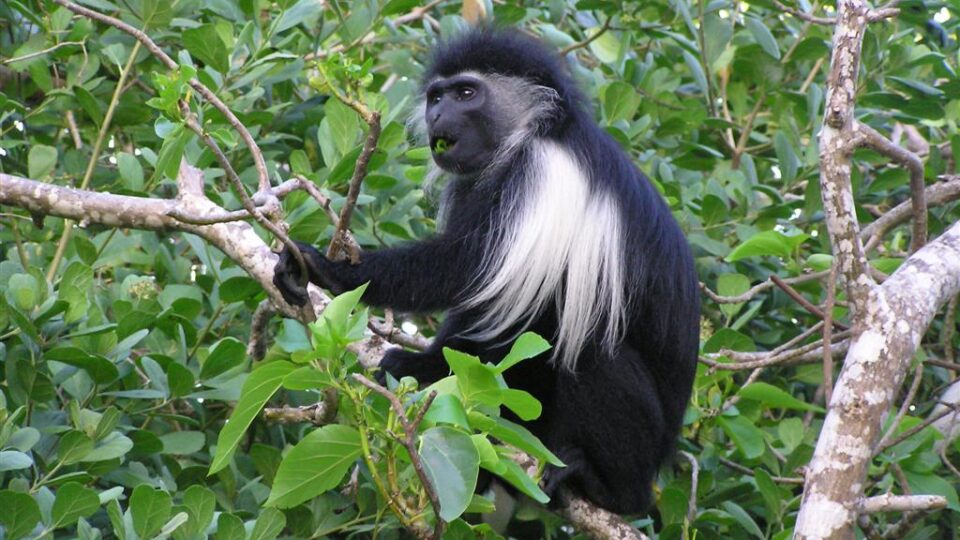
Microorganisms living on or inside our bodies are important for both our health and for the development of disease.  Researchers from the University of Texas at San Antonio have found evidence for the importance of social distancing to minimize the spread of microbes among individuals.   The researchers studied wild monkeys to find out what role diet, genetics, social groupings, and distance in a social network play when it comes to the microbes found inside the gut.  The gut microbiome refers to all the microorganisms living in the digestive tract. 

The research team studied the fecal matter of 45 female colobus monkeys that congregated in eight different social groups in a small forest in Ghana.  The researchers observed major differences in gut microbiomes between the eight social groups.  But individual monkeys from different groups that were more closely connected to the population’s social network had more similar gut microbiomes.  The findings, recently published in the journal Animal Behaviour, indicate that microbes may be transmitted between monkeys during occasional encounters with other monkeys from different social groups.

Learning how microorganisms pass among monkeys can help researchers understand how diseases spread.  Understanding how diseases spread can help guide decision making during this pandemic and any future disease outbreaks. 

**********

Web Links

Even animals benefit from social distance to prevent disease, research shows

Photo, posted January 10, 2007, courtesy of Silke Baron via Flickr.

Earth Wise is a production of WAMC Northeast Public Radio.

Living In Extreme Heat | Earth Wise

June 3, 2020 By EarthWise Leave a Comment

extreme heat from climate change

Global climate change has already left observable effects on the planet.  Glaciers have shrunk, trees are flowering sooner, plant and animal ranges have shifted, and so on. Many effects of climate change that scientists had predicted in the past are now occurring.  The loss of sea ice, intensifying heat waves, and accelerating sea level rise are some examples.

According to a new study recently published in the journal Proceedings of the National Academy of Sciences, climate change is going to affect humans earlier, harder, and more widely than previously projected.  The research team found that one billion people will be either displaced or endure insufferable heat for every one degree Celsius rise in global temperatures.  

Under a worst case climate scenario, land that one third of the world’s population currently calls home will be as hot as the hottest parts of the Sahara desert within 50 years.  Even under a more optimistic climate outlook, 1.2 billion people will still be exposed to temperatures outside the climate niche in which humans have thrived for at least 6,000 years.

The majority of the human population has always lived in regions where the average annual temperatures were between 43 degrees Fahrenheit and 82 degrees Fahrenheit.  These are ideal temperatures for human health and for food production.  But this temperature range is shrinking and shifting as a result of climate change. 

The study’s authors predict there will be more change in the next 50 years than there has been in the past 6,000 years.  They hope their findings will convince policymakers to accelerate their plans for emissions reductions and other climate mitigation strategies.   

**********

Web Links

Future of the human climate niche

One billion people will live in insufferable heat within 50 years – study

Photo, posted November 22, 2008, courtesy of Ronnie Finger via Flickr.

Earth Wise is a production of WAMC Northeast Public Radio.
The Largest U.S. Solar Project | Earth Wise

May 28, 2020 By EarthWise Leave a Comment

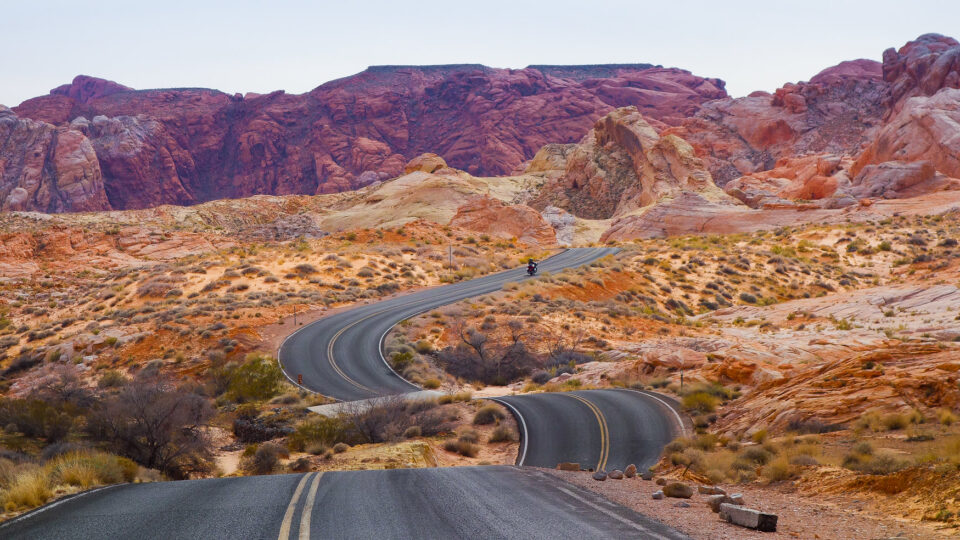
The largest solar project to date in the U.S. has received final approval from the Department of the Interior.   A $1 billion, 690-megawatt solar array will be built on federal land in the Mojave Desert in Nevada.   The project includes battery energy storage and is expected to produce enough electricity to power more than a quarter million homes.  It will also offset the greenhouse gas emissions equivalent to about 83,000 cars a year.

The current largest U.S. installation, the Solar Star Farm in Southern California, completed in 2015, generates 579 megawatts of power.

Construction of the Gemini Solar Array is expected to start sometime this year and be completed by 2022 or 2023.  The first phase of the project will cover 11 square miles of desert land about 30 miles northeast of Las Vegas.

Some conservation groups have fought against the project, saying that it will destroy thousands of acres of habitat for endangered desert tortoises as well as other rare plant and animal species.  The groups agree that solar energy is a good thing but are convinced that the location selected is the wrong one. 

Interior Department representatives note that the Gemini Project will provide jobs and economic growth at a time when many Americans in general and Nevada citizens in particular are struggling with the impact of the COVID-19 pandemic.

The project is projected to generate $713 million in economic activity and employ about 2,000 people during construction.  However, once it is up and running, it will employ just 19 full-time workers.

**********

Web Links

The Largest Solar Project in the U.S. Gets Green Light

Photo, posted January 26, 2014, courtesy of Jannes Glas via Flickr.

Earth Wise is a production of WAMC Northeast Public Radio.
Moving Up And Away | Earth Wise

May 21, 2020 By EarthWise Leave a Comment

Climate change and habitat

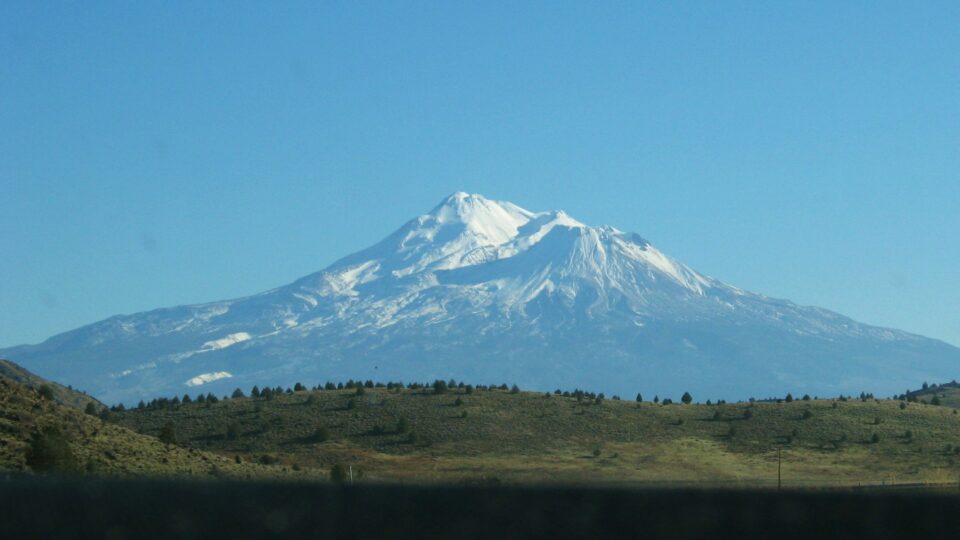
A new study by the Wildlife Conservation Society, the US Forest Service, and UC Berkeley has shown that mountain-dwelling species trying to escape warming temperatures may also be finding refuge from human pressure.

The study shows that nearly 60% of the world’s mountainous areas are under intense human pressure.  Most of that pressure occurs at lower elevations and mountain bases, where more people live, grow food, and build roads.  The researchers used climate models to predict how various species would move as the climate changes.   Based upon these predictions, they found that species tend to move to higher elevations, where temperatures are lower.  But those elevations also have more intact land for species because there is less human activity.

Mountains are home to over 85% of the world’s amphibians, birds, and mammals and these species are at risk from human activities such as agriculture, livestock grazing, and development.  These things reduce their habitats, but meanwhile the warming climate pushes them upslope as they struggle to find tolerable temperatures.

The researchers point to their study as new guidance for conservation efforts.  They warn that many conservation efforts don’t take into account the effects of human pressure.   Factoring in human pressure reveals the true extent of mountainous areas for species that are restricted to intact landscapes.  These are often the species that are of greatest concern to conservationists.  This true shape refers to how much land area is potentially available as habitat for a species as it moves up in elevation.  

The results offer a glimmer of hope for mountain-based species under climate change as they move away from the most intense human activity.

**********

Web Links

Climate change may push some species to higher elevations — and out of harm’s way

Photo, posted November 22, 2007, courtesy of Flickr.

Earth Wise is a production of WAMC Northeast Public Radio.

Coronavirus Shutdowns And The Environment | Earth Wise

May 11, 2020 By EarthWise Leave a Comment

coronavirus shutdown and the environment

Our stories often discuss how human activities change the natural environment.  With most of us confined to our homes, the lack of human activities is having profound effects on the environment.  We are talking about some of these this week.

The COVID-19 pandemic is a global catastrophe, but it has ironically been a boon for the environment.  By taking billions of people off the streets around the globe and slashing all forms of travel, the global environment has seen dramatic changes.

Sea turtles in many countries are prospering by not having to compete with humans for precious beach space.  Animals everywhere have more freedom to roam and are taking advantage of the opportunity. The Himalayas are visible from parts of India for the first time in decades.

Satellite imagery has shown dramatic drops in nitrogen dioxide emissions in China, where pollution from vehicles is a serious public health problem.  Similar reductions in air pollution are evident in India, Italy and even in Los Angeles.  The city that is notorious for its smog suddenly has pristine air.

In Venice, water in the canals has become clear in the absence of heavy boat traffic stirring up sediments from the bottom.  Wildlife that normally is invisible such as jellyfish are being spotted.

Not all the changes to animal behavior are desirable.  Some wildlife that have become dependent on humans as a source of food are becoming aggressive and are taking to the streets of cities to look for food.  Monkeys in Thailand are mobbing towns and brawling, hunting for things to eat.  Rats in New York City are fighting over suddenly meager food supplies.

In many ways, the natural world is reacting to much of humanity sheltering in place.

**********

Web Links

On Earth Day 2020, coronavirus shutdowns are a gift to the environment

Photo, posted April 2, 2020, courtesy of Flickr.

Earth Wise is a production of WAMC Northeast Public Radio.
Melting Permafrost | Earth Wise

February 26, 2020 By EarthWise Leave a Comment

Thawing Permafrost Is Transforming the Arctic

The Arctic is warming faster than any region on Earth and mostly we’ve been hearing about the rapid disappearance of Arctic sea ice.  But the land in the Arctic is also undergoing major changes, especially to the permafrost that has been there for millennia.

Permafrost occurs in areas where the temperature of the ground remains below freezing for two years or more.  About a quarter of the Northern Hemisphere’s landscape meets this criterion.  Most of the world’s permafrost is found in northern Russia, Canada, Alaska, Iceland, and Scandinavia.

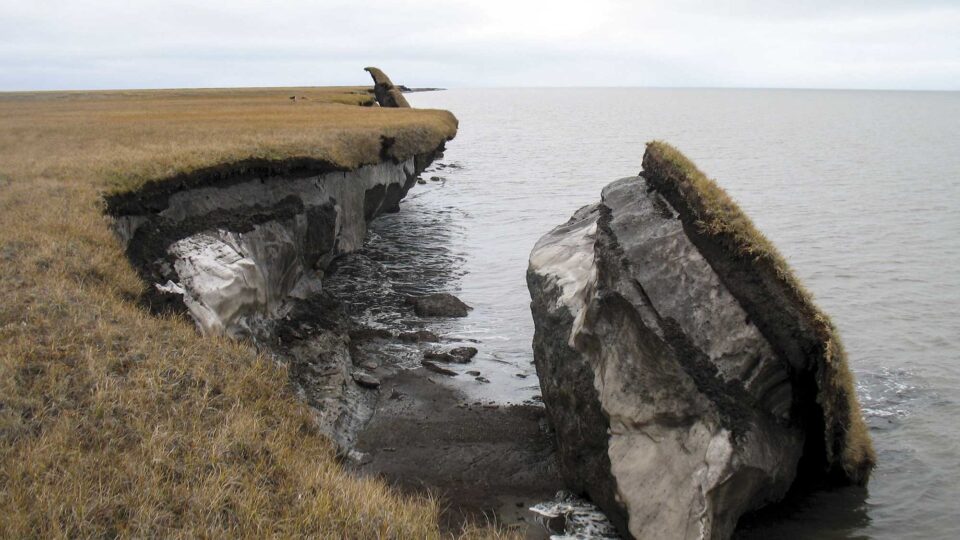
Permafrost regions previously carpeted in cranberries, blueberries, shrubs, sedges, and lichen are now being transformed into nothing but mud, silt, and peat.  So-called regressive thaw slumps – essentially landslides – are creating large craters in the landscape.  (The Batagaika Crater in the Yana River Basin of Siberia is a kilometer long and 100 meters deep).

Apart from the violence being done to the Arctic landscape, the greatest concern is that the permafrost has locked in huge stores of greenhouse gases, including methane, carbon dioxide, and nitrous oxide.  It is estimated that the permafrost contains twice as much carbon as is currently contained in the atmosphere.  As the permafrost thaws, these gases will be released.  With them will be pathogens from bygone millennia whose impact cannot be predicted.  Climatologists estimate that 40% of the permafrost could be gone by the end of the century.

As the permafrost thaws, the region’s ecosystems are changing, making it increasingly difficult for subsistence indigenous people and Arctic animals to find food.  Landslides are causing stream flows to change, lakes to suddenly drain, seashores to collapse, and water chemistry to be altered.

The warming Arctic is about much more than disappearing sea ice.

**********

Web Links

How Thawing Permafrost Is Beginning to Transform the Arctic

Photo, posted February 9, 2017, courtesy of the U.S. Geological Survey via Flickr.

Earth Wise is a production of WAMC Northeast Public Radio.
What’s On Nature’s Calendar? | Earth Wise

January 29, 2020 By EarthWise 1 Comment

Nature Calendar Flux

The Inuit Calendar is based on six seasons defined by weather, ice, animal migration, daylight hours and the night sky.  All these variables are in flux according to Harvard Narwhal Biologist Dr. Martin Nweeia.  Last August in the high Canadian Arctic, at 72 degrees north latitude, temperatures were at an astounding 70 degrees during the day. In 2018, the same region at the same time of year, experienced one of the coldest August months in 15 years.  

Disappearing sea ice in Hudson Bay affects migration patterns of ice-dependent species like narwhal and beluga whales and now allows more shipping traffic which produces more marine noise pollution and the risk of an oil spill. As a natural resource, the Arctic has significant deposits of iron ore, gold, diamonds, phosphate, and bauxite, so cargo shipments are increasing yearly.  

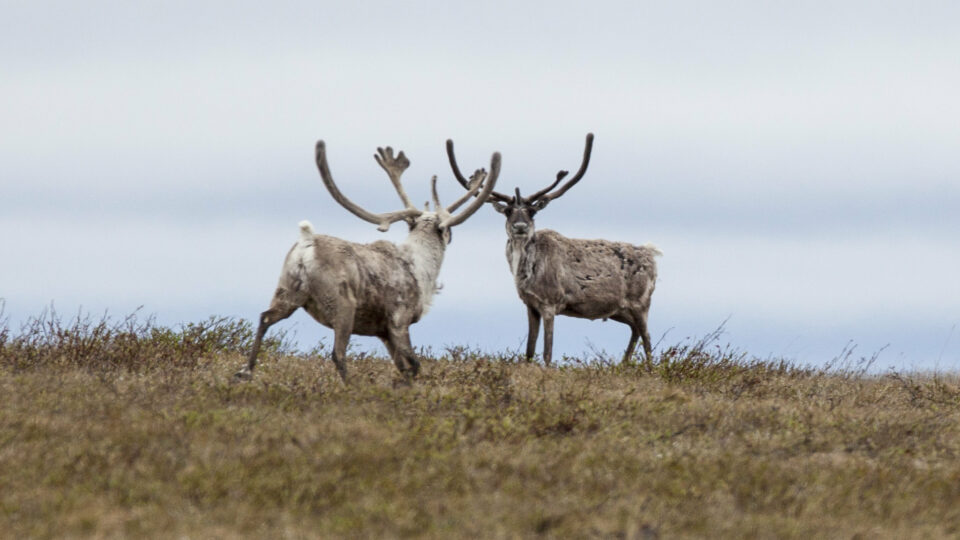
The disappearance of caribou herds and altered migrations of other animals have also blurred the seasonal changes. Caribou numbers have decreased by more than half in the last two decades.  Narwhal populations are remaining steady but are experiencing migration shifts resulting in their appearance at new locations and their absence from traditional areas.  Even the timing of the migration has changed, shifting two weeks later from normal late summer – early fall patterns.  

The night sky, which has long had identifiable reference points for Inuit observers, is also changing causing speculation about changes in the magnetic field and a polar shift or flipping of the poles. The earth’s magnetic north has been shifting toward Siberia at an alarming 30 miles each year since 2015.  Every million years, it is estimated that the poles flip three times.  No one knows if or when it will happen again. That’s a calendar with some unexpected dates. 

**********

–Earth Wise acknowledges script contribution from Dr. Martin Nweeia of Harvard University.

Web Links

Migratory Tundra Caribou and Wild Reindeer

Earth’s magnetic field is acting up and geologists don’t know why

Photo, posted June 27, 2014, courtesy of the Bureau of Land Management via Flickr.

Earth Wise is a production of WAMC Northeast Public Radio.
Dangerous Smoke From Australia’s Wildfires | Earth Wise

January 13, 2020 By EarthWise Leave a Comment

wildfire smoke in Sydney, Australia

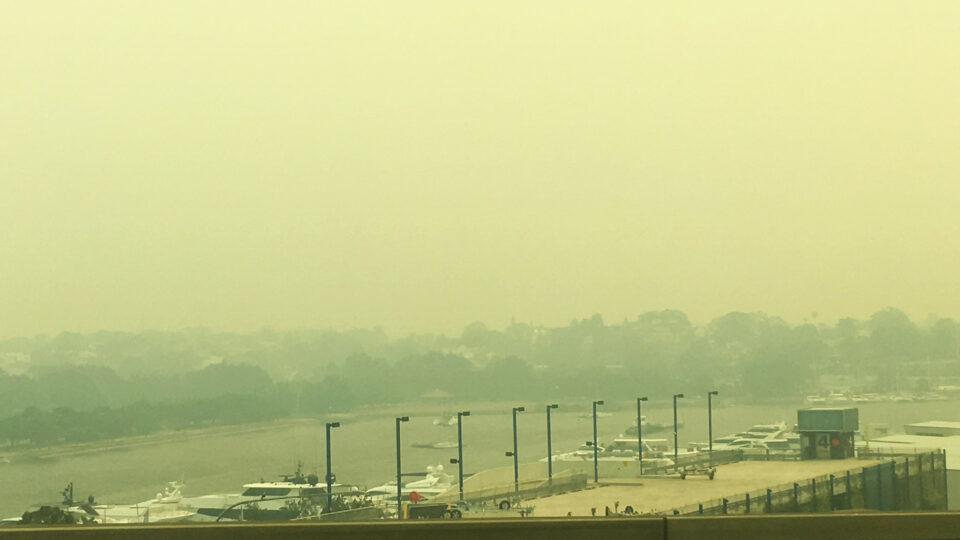
Wildfires raging across Australia have devastated large swathes of land and prompted one of the largest evacuations in the country’s history.  The fires, which have scorched approximately 20 million acres, have also killed 27 people and affected an estimated one billion animals at the time of this recording. The fire season, though still young, already ranks as among the worst in Australia’s recorded history. 

Away from the flames, millions more in Australia are breathing unhealthy air as a result of the smoke from these wildfires. Wildfires release all sorts of dangerous air pollutants, like carbon monoxide and nitrous oxide.  But wildfires also release fine particulate matter (more commonly referred to as PM2.5), which can be transported long distances.  Breathing in these microscopic particles can lead to respiratory and cardiovascular problems.  High levels of PM2.5 are particularly harmful to older people, young children, and those with weakened immune systems.  

The Australian capital city of Canberra has been covered in a thick haze of smoke from nearby wildfires.  Canberra recorded its worst air quality day on January 2nd, when levels of PM2.5 spiked to more than 200 micrograms per cubic meter during the worst hour.

Smoke has also been fouling Sydney’s air off and on for months, with PM2.5 readings hitting nearly 400 micrograms per cubic meter last month during the highest hour of pollution. 

The U.S. EPA has in place an annual PM2.5 standard of 12 micrograms per cubic meter and a daily (or 24 hour) standard of 35. 

According to the IPCC, southern Australia is expected to see increased risk of fire as the planet continues to warm.  Regrettably, this could be the new normal. 

********** 

Web Links

Millions of Australians Are Choking on Smoke From Wildfires

Photo, posted December 5, 2019, courtesy of Flickr.

Earth Wise is a production of WAMC Northeast Public Radio.
Bioacoustics

December 5, 2019 By EarthWise Leave a Comment

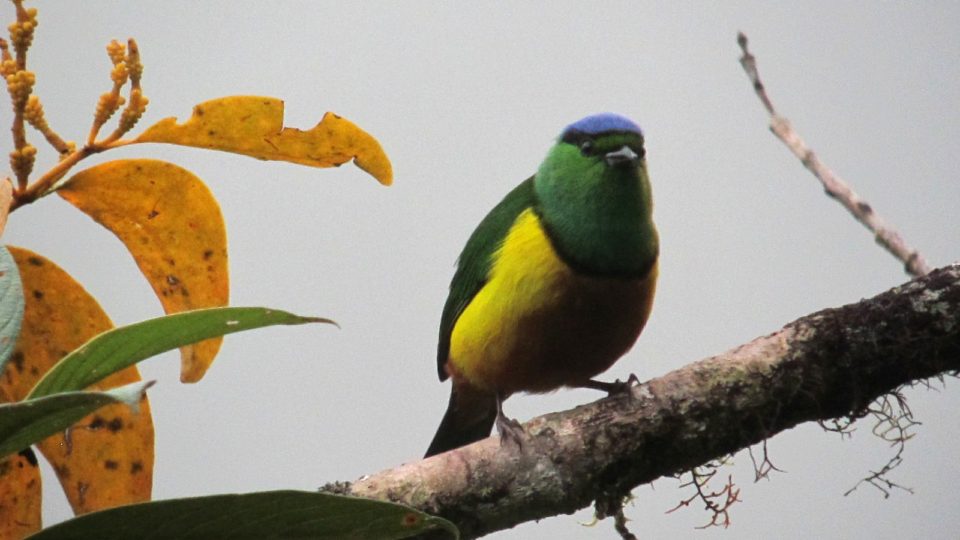
Researchers are increasingly placing microphones in forests and other ecosystems to monitor birds, insects, frogs, and other animals.  Advances in technology are enabling the wide-spread use of bioacoustics as an important research tool.

Studying animals in their natural habitat Is often a difficult task.  For one thing, many animals are difficult to find, and the presence of humans disrupts their behavior or even drives them off.  Remote cameras are useful, but cameras can only see what is in front of them and aren’t much use for detecting small animals, hidden animals, or ones high up in trees.

Biologists have long recognized the value of recording sound to identify animals and learn about their havior.  Animal sounds can be as definitive a means of identification as visual images and microphones can pick up the sounds from animals located anywhere within their detection range.

The two advances in technology that are turning bioacoustics into a widely used tool are a steep drop in the price of recording equipment and the rapidly expanding capabilities of user-friendly artificial intelligence algorithms.

Autonomous environmental audio recorders tended to cost between $500 and $1000 until quite recently.  Now, such equipment can be had for as little as $70.

The other big challenge is analyzing audio data.  Finding specific animal sounds among hundreds of hours of recordings is an untenably tedious task.  Identifying the characteristic sounds of specific species in crowded environments is a tricky business.  But neural network-based artificial intelligence technology is making such big data analysis quite practical and, remarkably, it is becoming quite user-friendly.

**********

Web Links

Listening to Nature: The Emerging Field of Bioacoustics

Photo, posted January 28, 2013, courtesy of Felix Uribe via Flickr.

Earth Wise is a production of WAMC Northeast Public Radio.
Reducing Methane From Animals

September 3, 2019 By EarthWise Leave a Comment

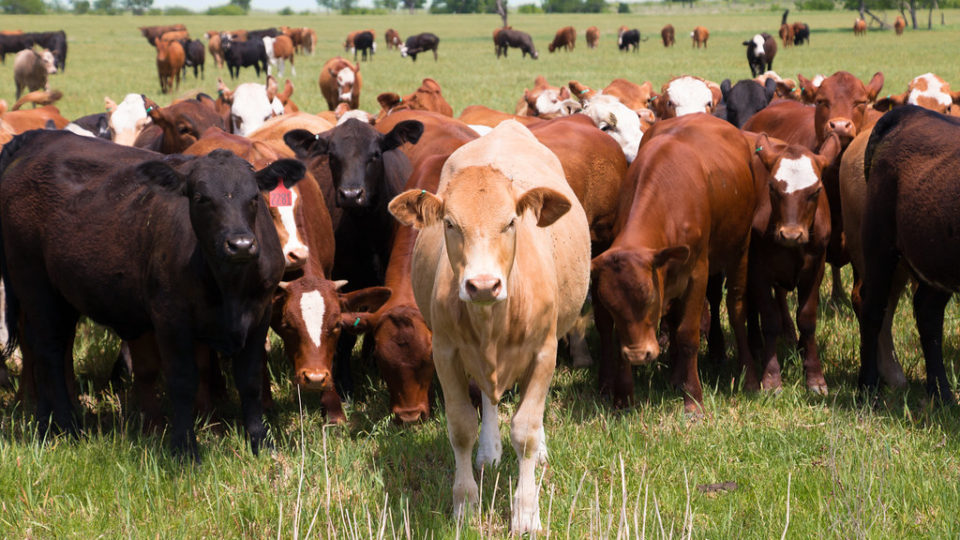
Methane emissions from ruminant livestock are currently estimated to be more than 100 million tons each year and, after rice agriculture, represent the biggest human-initiated methane source.  Given that fact, there is widespread encouragement for people to reduce their consumption of meat in order to reduce the amount of the potent greenhouse gas going into the atmosphere.

But an additional strategy to lower global methane emissions is to actually reduce the amount of methane produced by each animal.  To that end, researchers at the University of Otago in New Zealand have now identified new processes that control methane production in the stomachs of sheep and similar animals like cattle and deer.

They determined the specific microbes and enzymes that control the supply of hydrogen, which is the main energy source for methane producing microbes, known as methanogens.  Their work is focused on the development of small molecule inhibitors and vaccines to specifically target the production of methane by methanogens.  By reducing the supply of hydrogen to methanogens, it is possible to reduce animal methane emissions.

The research involved studying two types of sheep – those producing large amounts of methane and those producing less.  They found that the most active hydrogen-consuming microbes differed between the sheep.  Specifically, in the low methane emitting sheep, hydrogen consuming bacteria dominated over methanogens.

Ultimately, a strategy might emerge to introduce feed supplements that encourage non-methane producers to out-compete methanogens.  Controlling the supply of hydrogen to the methanogens will lead to reduced methane emissions. 

Having low-emission cattle would definitely help reduce the impact of agriculture on the climate.

**********

Web Links

Scientists discover processes to lower methane emissions from animals

Photo, posted April 7, 2017, courtesy of Flickr.

Earth Wise is a production of WAMC Northeast Public Radio.

  • « Go to Previous Page
  • Page 1
  • Interim pages omitted …
  • Page 4
  • Page 5
  • Page 6
  • Page 7
  • Page 8
  • Page 9
  • Go to Next Page »

Primary Sidebar

Recent Episodes

  • An uninsurable future
  • Clean energy and jobs
  • Insect declines in remote regions
  • Fossil fuel producing nations ignoring climate goals
  • Trouble for clownfishes

WAMC Northeast Public Radio

WAMC/Northeast Public Radio is a regional public radio network serving parts of seven northeastern states (more...)

Copyright © 2026 ·