• Skip to primary navigation
  • Skip to main content
  • Skip to primary sidebar

Earth Wise

A look at our changing environment.

  • Home
  • About Earth Wise
  • Where to Listen
  • All Articles
  • Show Search
Hide Search
You are here: Home / Archives for algae

algae

Refugee Corals

August 30, 2019 By EarthWise Leave a Comment

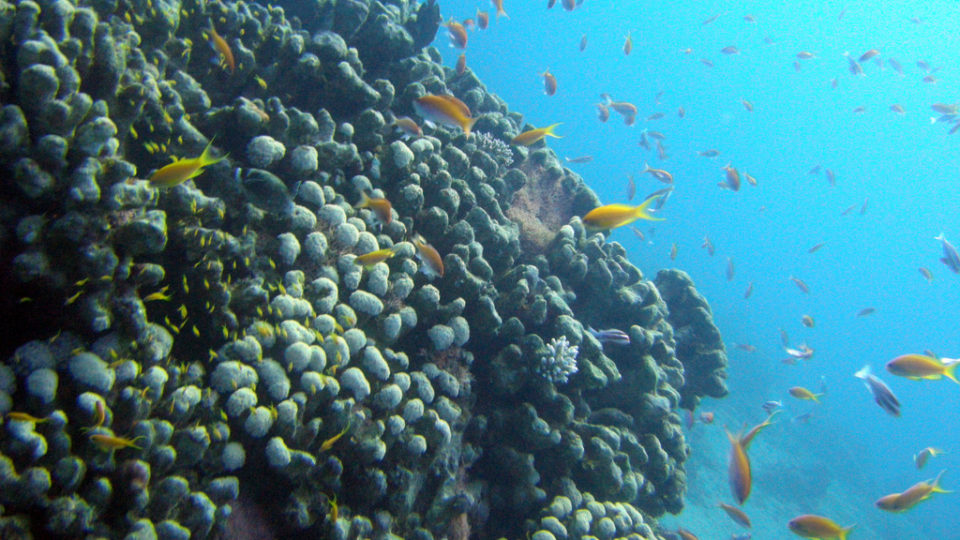
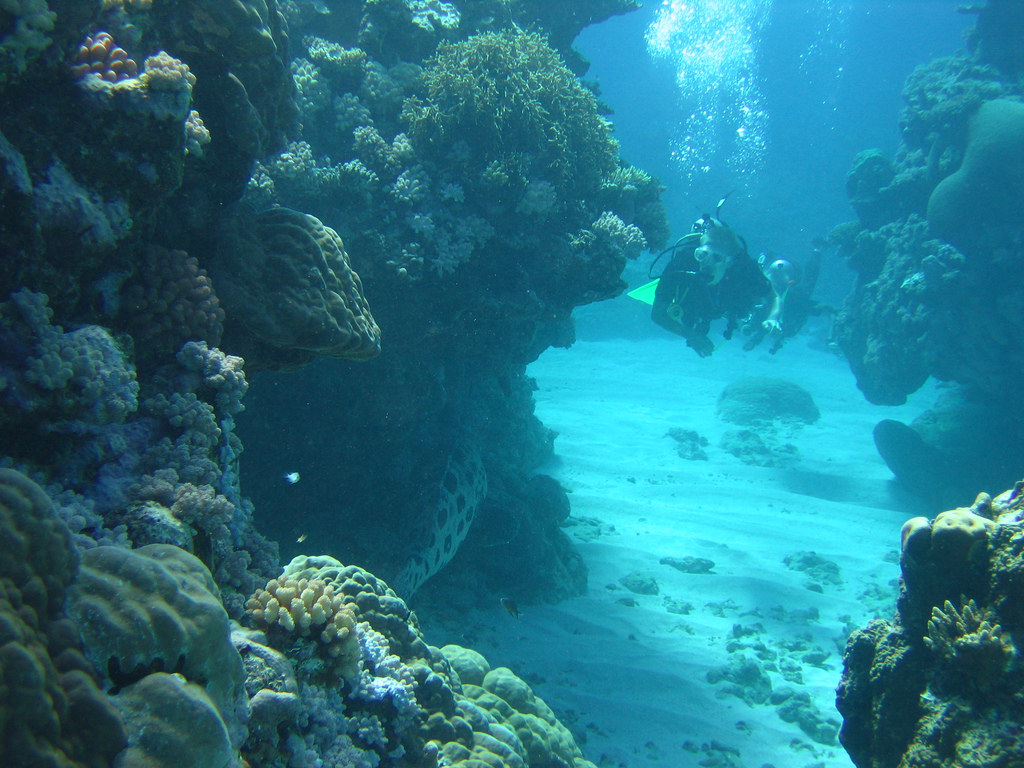
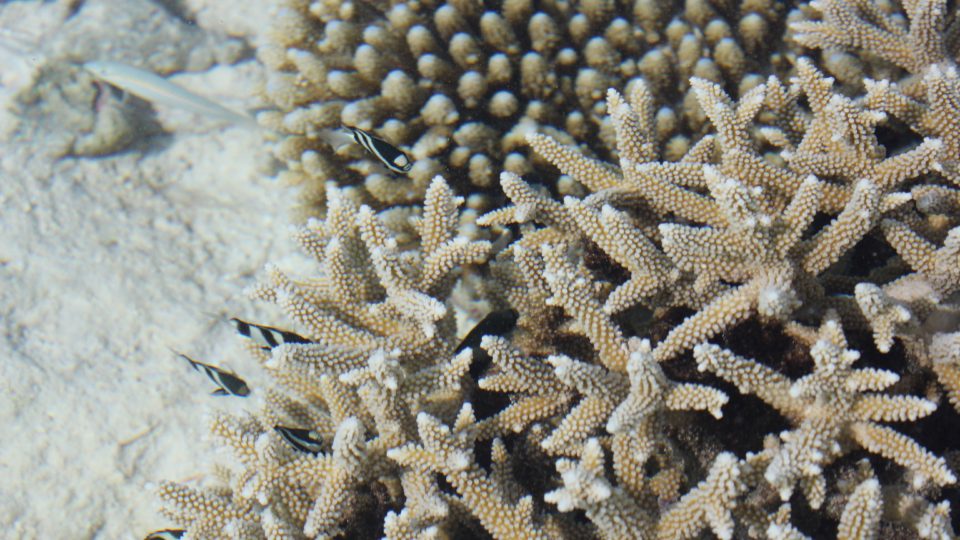
As climate change warms the ocean, subtropical environments are becoming more favorable for corals than the equatorial waters where they traditionally thrived.  As a result, drifting coral larvae are settling and growing in new regions.

According to new research in the journal Marine Ecology Progress Series, the number of young corals on tropical reefs has declined by 85% over the past 40 years.  At the same time, the numbers on subtropical reefs has doubled.

Only certain types of coral can reach these new subtropical locations.  That depends on how far the microscopic larvae can swim and drift on currents before they exhaust their limited fat stores.  Thus, the reef ecosystems that develop have new blends of species that have previously never coexisted.  It is not clear how long it will take for the new systems to reach equilibrium.

Coral reefs are complicated systems that depend on the interplay between species to enable their healthy functioning.  Apart from the corals themselves, there are the coraline algae that symbiotically coexist with them.  How all of this will play out in these evolving ecosystems is unknown.

In the meantime, the research has found that these refugee corals are settling at latitudes up to 35 degrees both north and south of the equator.  It is no longer so clear what constitute native species in the reefs.  It remains to be seen whether new reefs in subtropical oceans can support the incredible biodiversity seen in tropical reefs.  But ultimately, these changing ecosystems could potentially bring new resources and opportunities, such as fishing and tourism, to places where they never existed before.

**********

Web Links

Coral Reefs Shifting Away from Equatorial Waters

Photo, posted March 22, 2011, courtesy of Simone Lovati via Flickr.

Earth Wise is a production of WAMC Northeast Public Radio.
Forecasting A Massive Dead Zone

June 18, 2019 By EarthWise Leave a Comment

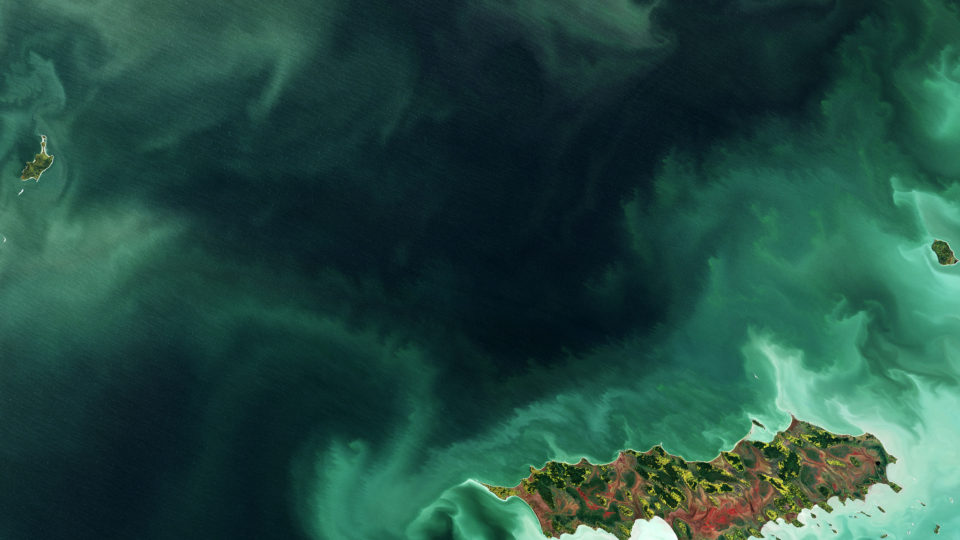
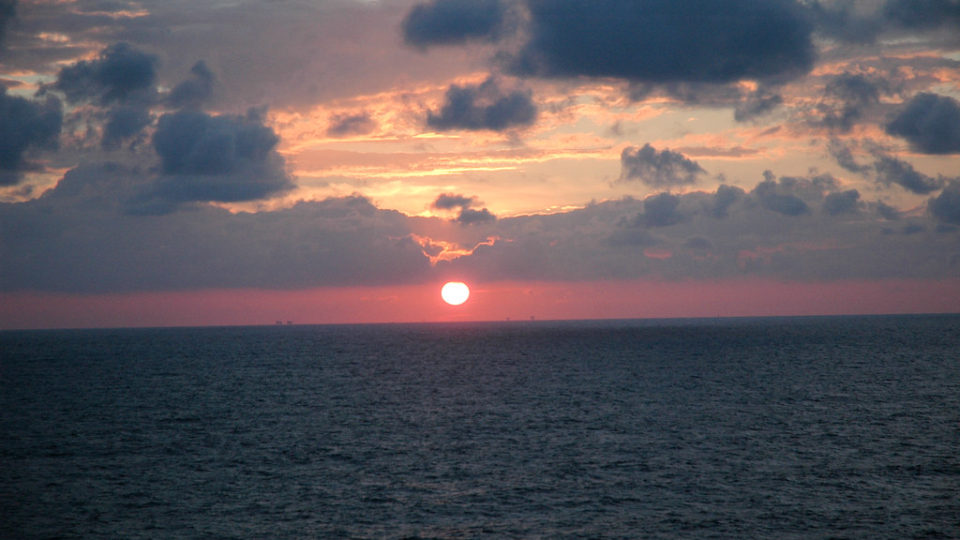
The Gulf of Mexico dead zone occurs every summer, and is considered one of the largest dead zones in the world.  This cyclical event occurs where the Mississippi River empties into the Gulf of Mexico, just off the coast of Louisiana and Texas. 

This annual dead zone is primarily caused by excess nutrient pollution from human activities, such as urbanization and agriculture, occurring throughout the Mississippi River watershed.  Washed off the land by spring rains, these excess nutrients stimulate an overgrowth of algae once they reach the Gulf of Mexico.  The algae in the Gulf eventually die, and then sink and decompose in the water. The resulting area of the ocean ends up with a condition known as hypoxia, which is an insufficient amount of oxygen to support most marine life.  In hypoxic or dead zones, animals that can’t swim away will often suffocate and die. 

Scientists from the National Oceanic and Atmospheric Administration estimate that this year the dead zone in the Gulf of Mexico will be approximately 8,000 square miles, which is roughly the size of Massachusetts.  The research team uses U.S. Geological Survey river flow and nutrient data to make its forecast. 

According to NOAA, the abnormally high amount of spring rainfall is a major factor contributing to this year’s dead zone.  Last month, nitrate loads entering the Mississippi River watershed were 18% above the long-term average, and phosphorus loads were about 49% above the long-term average. 

While the 2019 forecast is slightly less than the record size of more than 8,700 square miles set in 2017, it’s still much larger than the five year average size of 5,700. 

**********

Web Links

Very large dead zone forecast for the Gulf of Mexico

Massive 8,000-mile ‘dead zone’ could be one of the gulf’s largest

Photo, posted May 22, 2009, courtesy of Michael McCarthy via Flickr.

Earth Wise is a production of WAMC Northeast Public Radio.
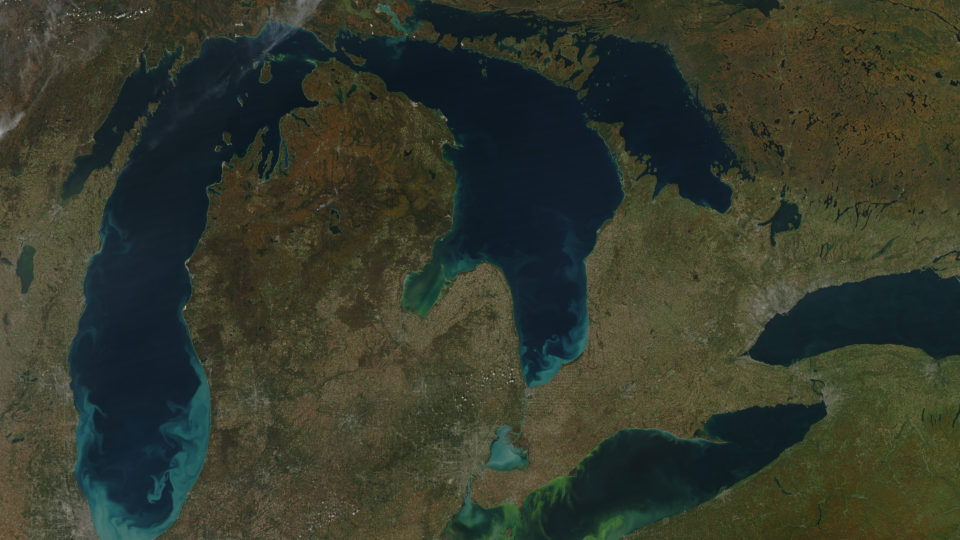
Protection From Toxic Algae

March 28, 2019 By EarthWise Leave a Comment

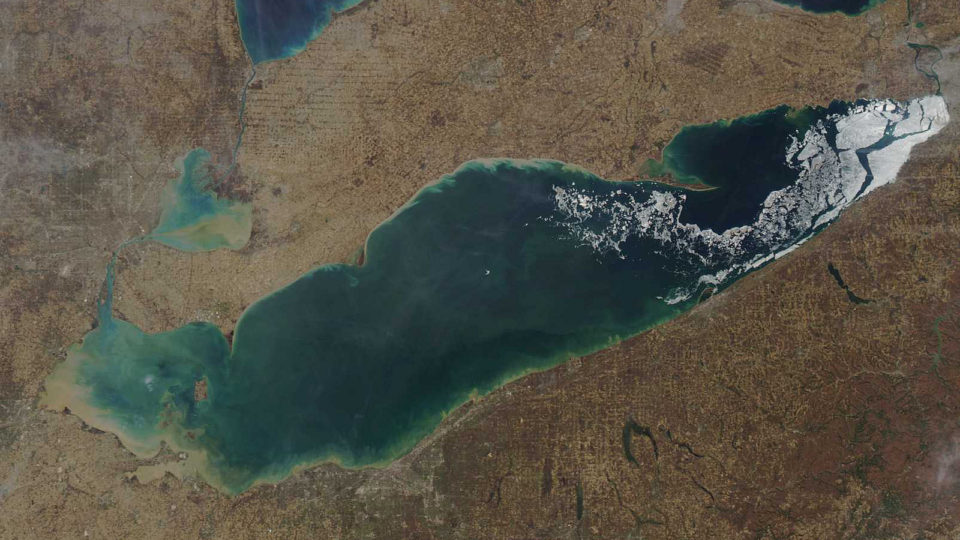
Toxic algal blooms have been a growing problem in recent years associated with warming waters and nutrient-rich agricultural runoff in lakes, rivers, and oceans.  In 2014, an algal bloom in Lake Erie left half a million residents of Toledo, Ohio without safe drinking water for three days.

The most common toxic substance released by algal blooms in the lake is called microcystin, which is closely linked to liver cancer and other diseases.  Toxicologists measure microcystin and other contaminants using the metric of parts per billion.  The EPA recommends that young children not drink water containing more than 0.3 parts per billion and adults no more than 1.6 parts per billion of microcystin.

Scientists at the University of Toledo have been working on developing a biofilter that uses naturally occurring Lake Erie bacteria to remove microcystin released by algal blooms and thereby reduce or eliminate the use of chlorine and other chemicals.

They have successfully isolated a number of types of bacteria that degrade microcystin toxin at a daily rate of up to 19 parts per billion.  To their knowledge, such bacteria have not been previously used to fight algal blooms in other parts of the world.  Based on the recorded toxin levels in Lake Erie in recent years, the bacteria would be able to effectively remove microcystin from water supplies.  None of the 13 bacterial isolates they found have any association with human disease so their use in future water-purifying biofilters should not pose a public health concern.

The researchers are now developing and testing biofilters, which are water filters containing the specialized bacteria that will degrade the toxins from lake water as it flows through the filter.

**********

Web Links

Scientists advance new technology to protect drinking water from Lake Erie algal toxins

Photo, posted April 30, 2014, courtesy of NOAA via Flickr.

Earth Wise is a production of WAMC Northeast Public Radio.
Greenland Turning Pink

November 20, 2018 By EarthWise Leave a Comment

https://earthwiseradio.org/wp-content/uploads/2018/11/EW-11-20-18-Greenland-Turning-Pink.mp3

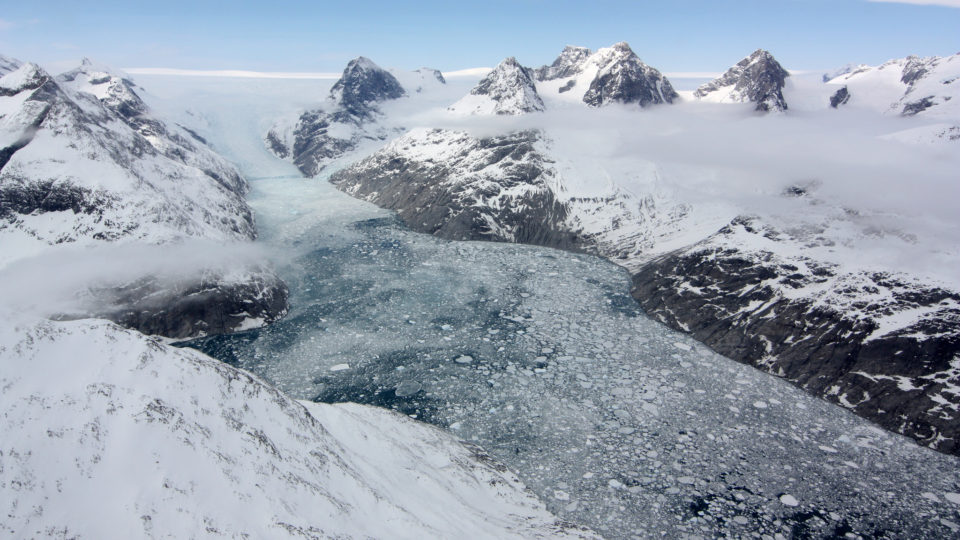
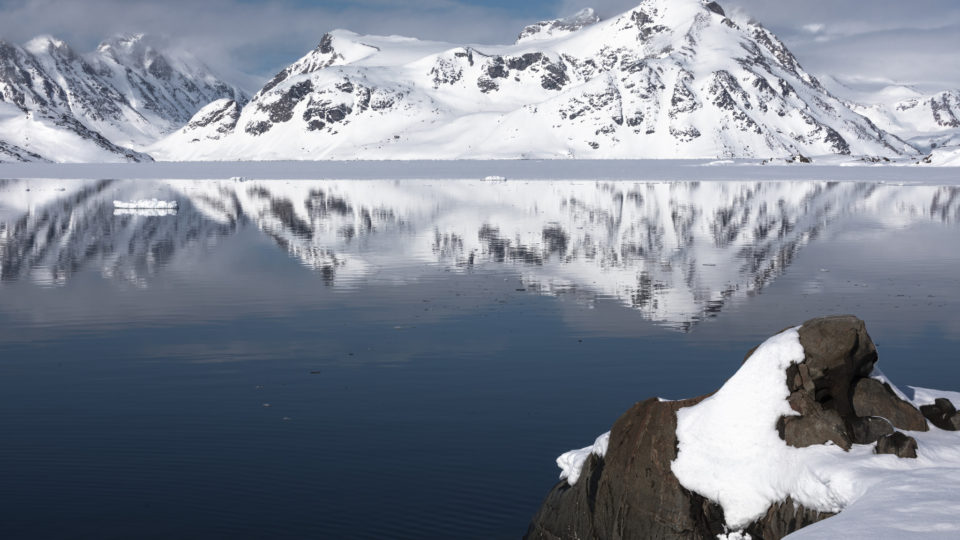
A burgeoning ecosystem of algae is turning parts of the Greenland ice sheet pinkish-red.  It isn’t just colorful.  It is contributing more than a little to the melting of one of the biggest frozen bodies of water in the world.

[Read more…] about Greenland Turning Pink

Heat-Resistant Corals

August 31, 2018 By EarthWise Leave a Comment

https://earthwiseradio.org/wp-content/uploads/2018/08/EW-08-31-18-Heat-Resistant-Corals.mp3

All over the world, coral reefs are being wiped out by rising sea temperatures brought about by climate change.  When sea temperatures get too high, the symbiotic relationship between coral polyps and microscopic algae living within the coral breaks down and the coral either digests or expels the algae.   The result is coral bleaching which weakens, and if it persists, kills the coral.

[Read more…] about Heat-Resistant Corals

Saildrones For Science

July 11, 2018 By EarthWise Leave a Comment

https://earthwiseradio.org/wp-content/uploads/2018/07/EW-07-11-18-Saildrones-for-Science.mp3

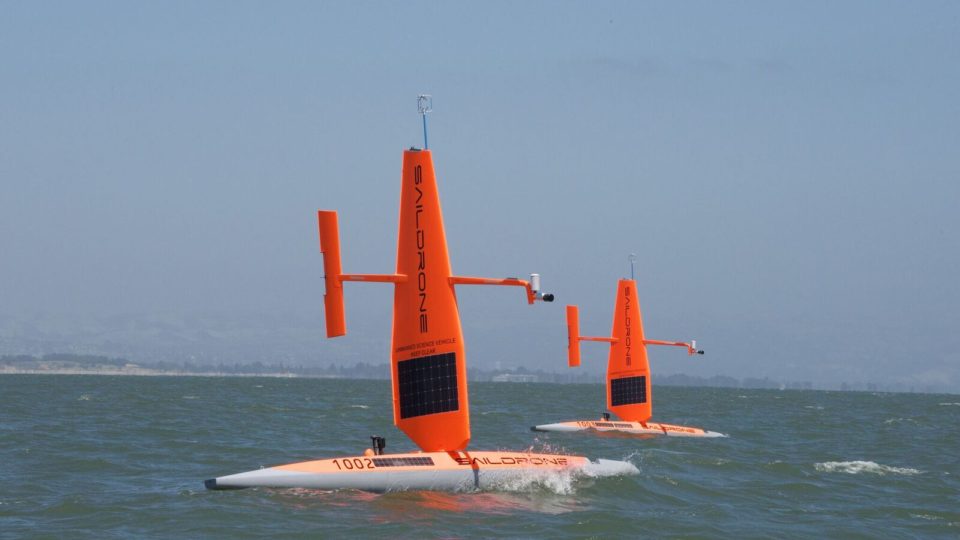
Nine years ago, engineer Richard Jenkins broke the world land speed record for a wind-powered vehicle with a sailboat on wheels driving across a dry lakebed at 126 miles per hour.  After years of engineering development, his technology has now taken on the form of a saildrone that can autonomously sail the sea gathering ecologic, oceanic and atmospheric data.

[Read more…] about Saildrones For Science

Are We Drinking Plastic?

April 26, 2018 By EarthWise Leave a Comment

https://earthwiseradio.org/wp-content/uploads/2018/04/EW-04-26-18-Are-We-Drinking-Plastic.mp3

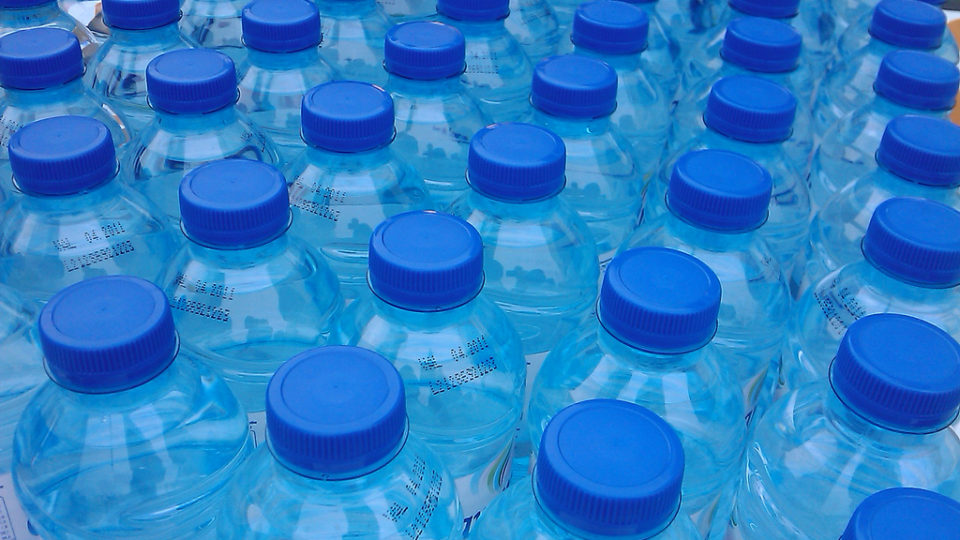
Almost everyone everywhere comes into contact with plastic everyday.  Its use has increased 20-fold in the past half-century, and production is expected to double again in the next 20 years.  But is plastic so ubiquitous that we are unwittingly drinking the stuff?

[Read more…] about Are We Drinking Plastic?

Disappearing Lakes

April 6, 2018 By EarthWise Leave a Comment

https://earthwiseradio.org/wp-content/uploads/2018/04/EW-04-06-18-Disappearing-Lakes.mp3

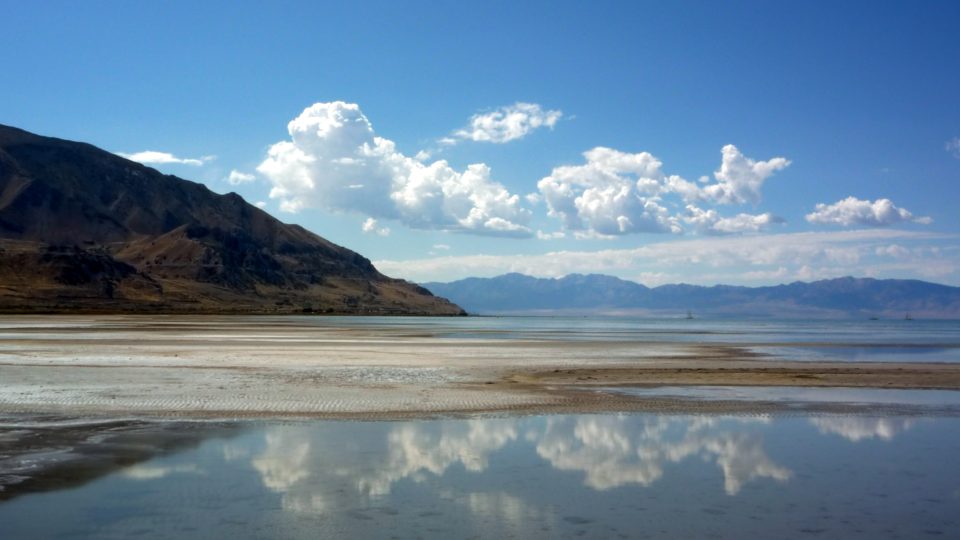
Some of the world’s biggest lakes are drying up as a consequence of the warming climate, persistent drought, and overuse by people draining crucial water sources.

[Read more…] about Disappearing Lakes

Nitrogen Pollution

March 30, 2018 By EarthWise Leave a Comment

https://earthwiseradio.org/wp-content/uploads/2018/03/EW-03-30-18-Nitrogen-Pollution.mp3

Earth system scientists say that there are four major human-caused forces that threaten to cause irreversible and abrupt environmental upheaval:  climate change, deforestation, biodiversity loss, and excess nitrogen.

[Read more…] about Nitrogen Pollution

Algae And The Greenland Ice Sheet

February 2, 2018 By EarthWise Leave a Comment

https://earthwiseradio.org/wp-content/uploads/2018/02/EW-02-02-18-Algae-and-the-Greenland-Ice-Sheet.mp3

The Greenland Ice Sheet is the second largest ice body in the world, after the Antarctic ice sheet.  It is about 1,500 miles long, nearly 900 miles across at its widest point, and averages more than a mile in thickness.  It has experienced record melting in recent years and is a source of great concern as the climate continues to warm. The Greenland Ice Sheet is losing an estimated 270 billion tons of ice each year.   If the entire sheet were to melt, global sea levels would rise by 24 feet which, of course, would be a world-wide catastrophe.

[Read more…] about Algae And The Greenland Ice Sheet

Disappearing Kelp Forests

January 9, 2018 By EarthWise Leave a Comment

https://earthwiseradio.org/wp-content/uploads/2018/01/EW-01-09-18-Disappearing-Kelp-Forests.mp3

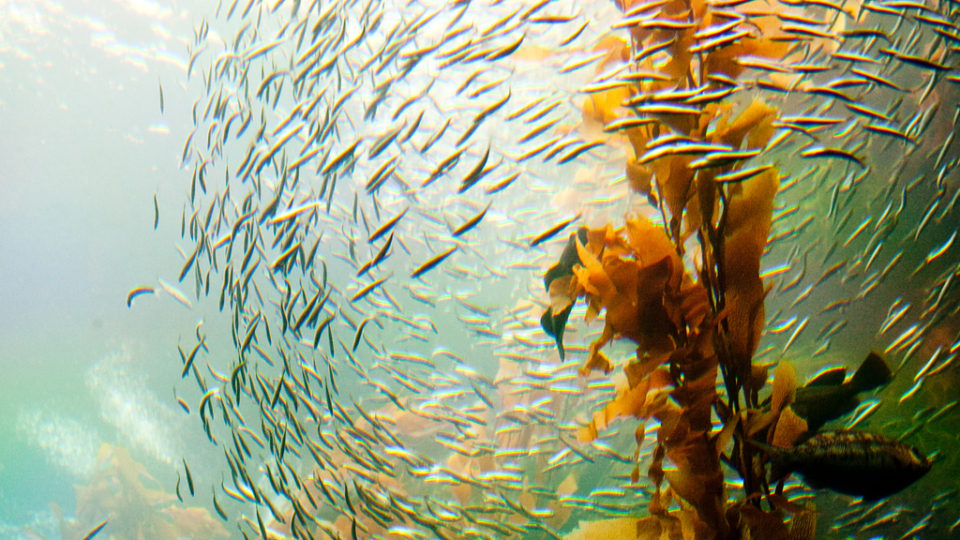
In recent decades, ocean temperatures in many places have warmed by nearly 3 degrees Fahrenheit.  An effect of this warmer water is the decimation of what were once luxuriant giant kelp forests in eastern Australia and Tasmania.  There used to be thick canopies covering much of the region’s coastal sea surface, but they have wilted in the intolerably warm and nutrient-poor water.

[Read more…] about Disappearing Kelp Forests

New Rules For Ocean Conservation

September 21, 2017 By EarthWise Leave a Comment

https://earthwiseradio.org/wp-content/uploads/2017/08/EW-09-21-17-New-Rules-for-Ocean-Conservation.mp3

In a recent report to a United Nations ocean conference, scientists are warning that new rules are desperately needed to protect marine life in the open seas.  That’s because more than 60% of the ocean has no conservation rules since it’s located outside national jurisdictions.  The open ocean is at risk from climate change, over-fishing, deep sea mining, farm pollution, and plastics pollution. 

[Read more…] about New Rules For Ocean Conservation

Global Warming And The Nitrogen Problem

September 13, 2017 By EarthWise

https://earthwiseradio.org/wp-content/uploads/2017/09/EW-09-13-17-Global-Warming-and-the-Nitrogen-Problem.mp3

Excess nitrogen in the environment is a big problem.  The most visible aspect of the problem is the spread of toxic algae blooms in oceans, lakes and other bodies of water.  But there are other effects as well such as unwanted alterations to ecosystems.

[Read more…] about Global Warming And The Nitrogen Problem

California Sea Lions

May 24, 2017 By EarthWise

https://earthwiseradio.org/wp-content/uploads/2017/05/EW-05-24-17-California-Sea-Lions.mp3

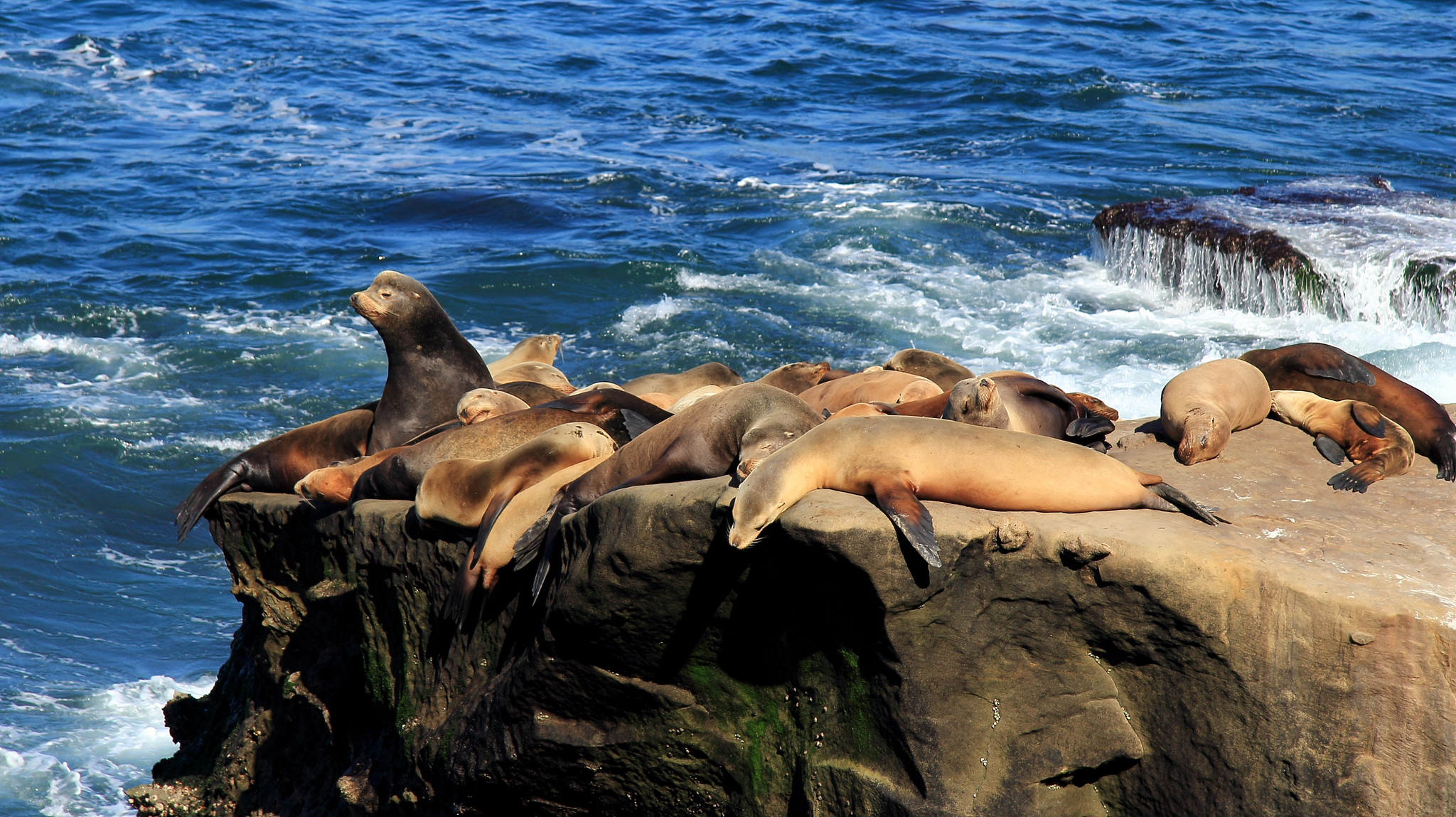
Sea lions in California are under duress from a rather unassuming source: algae.  Driven by higher water temperatures and pollution, toxic algae is leading to fatal brain damage in many California sea lions. 

[Read more…] about California Sea Lions

Melting Ice Adds Life To The Sea

May 19, 2017 By EarthWise

https://earthwiseradio.org/wp-content/uploads/2017/04/EW-05-19-17-Melting-Ice-Adds-Life-to-the-Sea.mp3

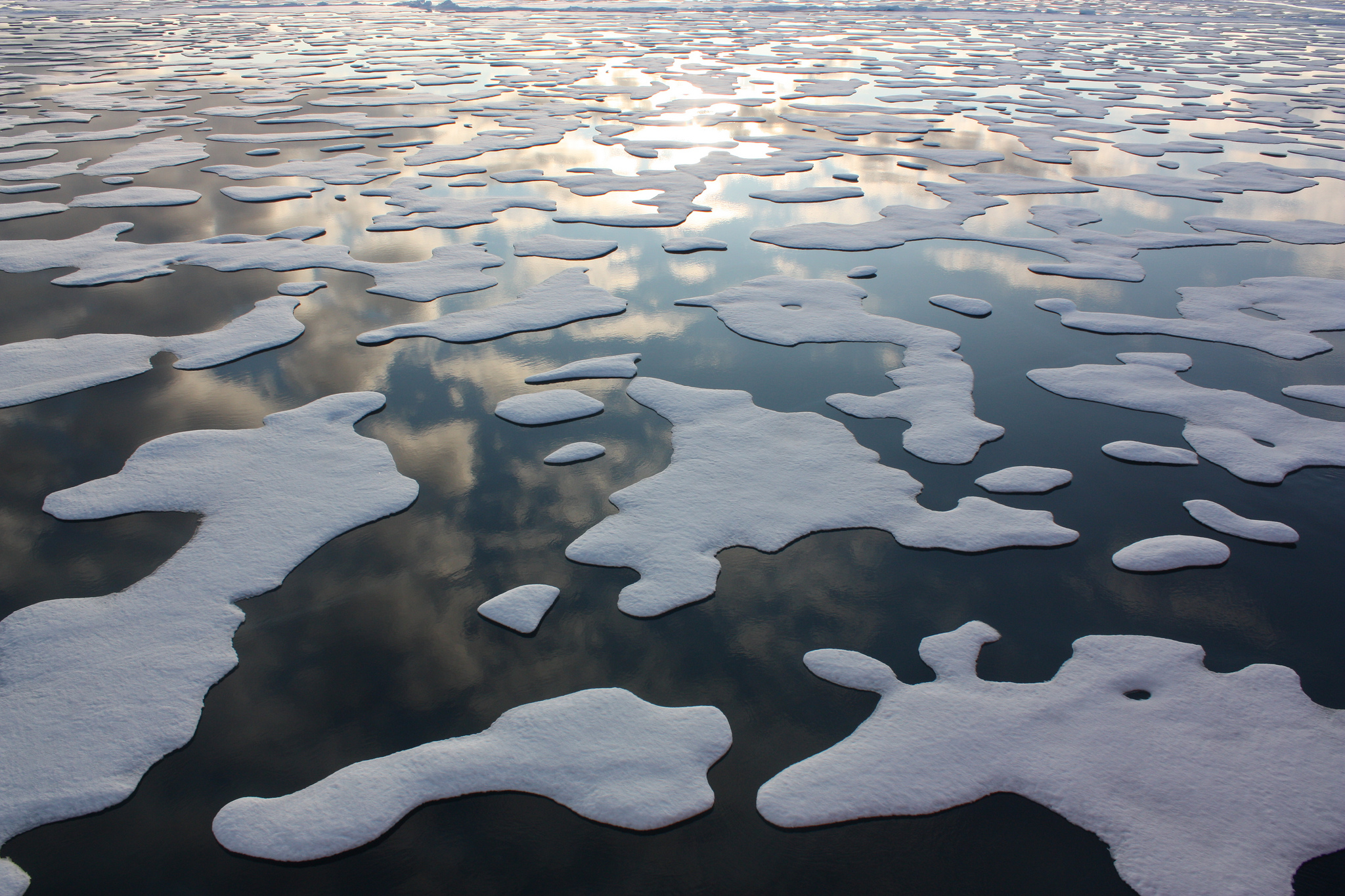
The changing climate has many effects upon the world’s ecosystems, some of which are surprising.  One of these relates to the effect of the increasing melting of ice in the Arctic.  The ice melt is leading to more life in the Arctic sea.

[Read more…] about Melting Ice Adds Life To The Sea

The Great Barrier Reef

April 27, 2017 By EarthWise

https://earthwiseradio.org/wp-content/uploads/2017/04/EW-04-27-17-The-Great-Barrier-Reef.mp3

According to a new paper published in the journal Nature, global warming has damaged huge sections of Australia’s Great Barrier Reef.  The authors of the paper warn that the resilience of the reef – which is the world’s largest living structure – is waning rapidly.

[Read more…] about The Great Barrier Reef

Islands Ditching Diesel

March 31, 2017 By EarthWise

https://earthwiseradio.org/wp-content/uploads/2017/03/EW-03-31-17-Islands-Ditching-Diesel.mp3

Islands around the world have a difficult time developing the infrastructure for electricity generation.  Many are simply too small or too poor for conventional power plants.  The most common electricity source on islands is diesel generators which are not environmentally friendly and result in some of the most expensive electricity in the world.

[Read more…] about Islands Ditching Diesel

A Better Way To Farm Algae

March 7, 2017 By EarthWise

https://earthwiseradio.org/wp-content/uploads/2017/03/EW-03-07-17-A-Better-Way-to-Farm-Algae.mp3

Microalgae biofuels may provide a viable alternative to fossil fuels.  Algae efficiently use CO2 and can produce biomass very quickly.  Some species can double their mass in as little as 6 hours.   Such single-celled organisms are amenable to high-throughput techniques to evolve new strains, unlike terrestrial biomass sources like corn which can take years to modify.

[Read more…] about A Better Way To Farm Algae

Lake Baikal

January 4, 2017 By EarthWise

https://earthwiseradio.org/wp-content/uploads/2016/12/EW-01-04-17-Lake-Baikal.mp3

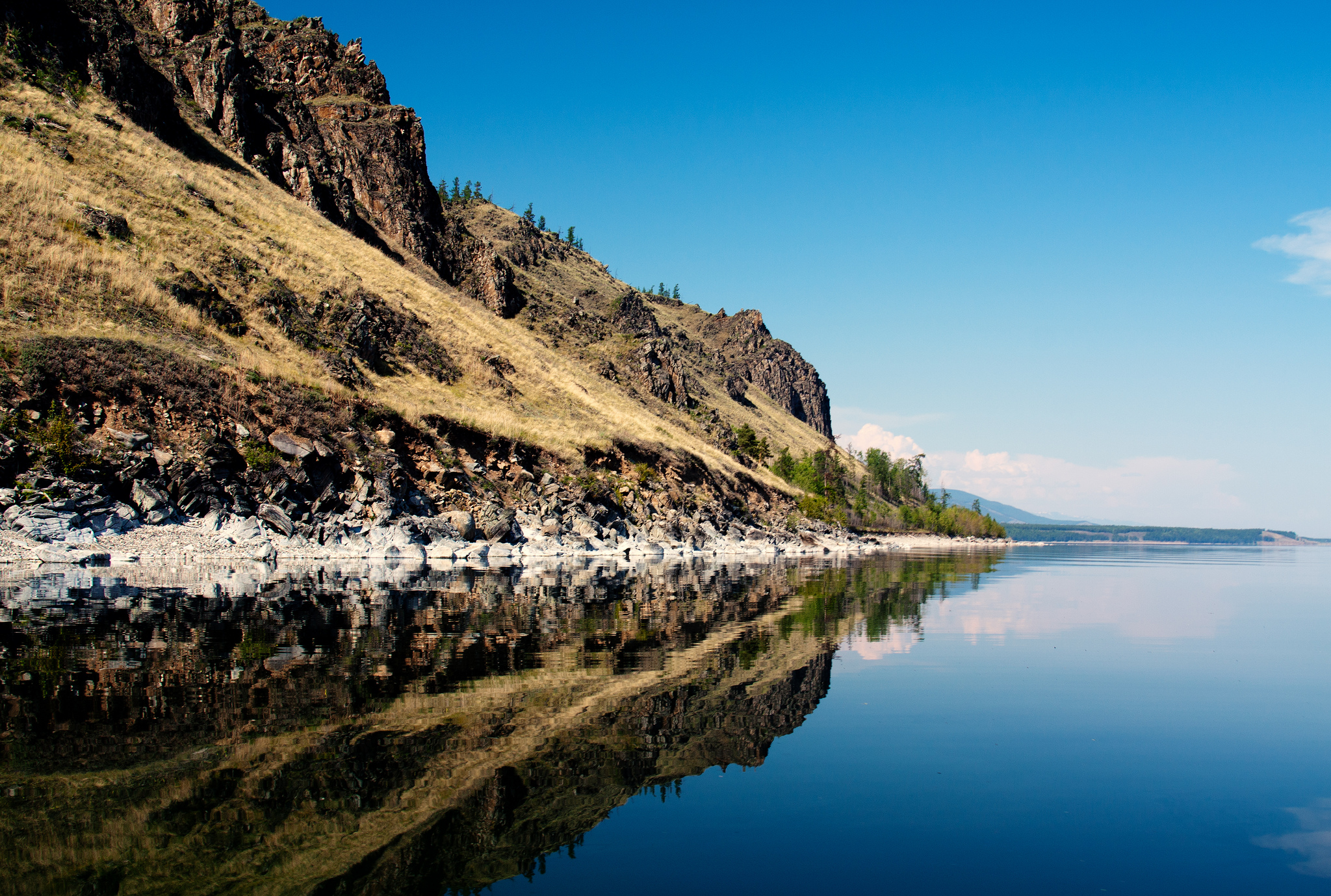
Lake Baikal is an ancient and massive body of freshwater found in the mountainous Russian region of Siberia.  Deep and voluminous, Lake Baikal holds 20% of the planet’s unfrozen freshwater.  And it’s often been described as the world’s cleanest and most pristine lake. 

[Read more…] about Lake Baikal

The Zombieless Apocalypse

November 29, 2016 By WAMC WEB

https://earthwiseradio.org/wp-content/uploads/2016/11/EW-11-29-16-The-Zombieless-Apocalypse.mp3

Post-apocalyptic fiction is all the rage these days.  There are numerous stories featuring an endless list of civilization-ending disasters:  asteroid collisions, cataclysmic earthquakes, nuclear wars, supervolcanoes, pandemics…  the list goes on and on.   Most of the time, humanity either perishes entirely, is reduced to a handful of heroic and astonishingly resourceful souls, or ends up inexplicably as zombies staggering around the landscape in search of brains.

[Read more…] about The Zombieless Apocalypse

  • « Go to Previous Page
  • Page 1
  • Page 2
  • Page 3
  • Page 4
  • Go to Next Page »

Primary Sidebar

Recent Episodes

  • An uninsurable future
  • Clean energy and jobs
  • Insect declines in remote regions
  • Fossil fuel producing nations ignoring climate goals
  • Trouble for clownfishes

WAMC Northeast Public Radio

WAMC/Northeast Public Radio is a regional public radio network serving parts of seven northeastern states (more...)

Copyright © 2026 ·