• Skip to primary navigation
  • Skip to main content
  • Skip to primary sidebar

Earth Wise

A look at our changing environment.

  • Home
  • About Earth Wise
  • Where to Listen
  • All Articles
  • Show Search
Hide Search
You are here: Home / Archives for air

air

Cleaning Up Abandoned Wells | Earth Wise      

March 3, 2022 By EarthWise Leave a Comment

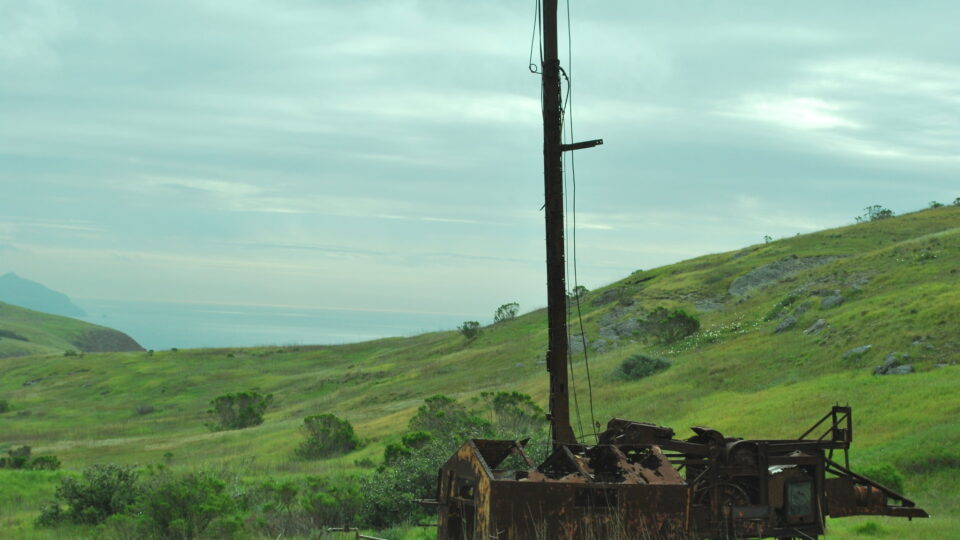
Addressing the abandoned oil and gas wells

There are 130,000 documented abandoned oil and gas wells in the US, according to the Department of the Interior.  The key word is documented.  According to an EPA study in 2018, the actual number of abandoned wells could be as high as two or three million.  According to an analysis by the Environmental Defense Fund and McGill University, about nine million people in the United States live within a mile of one of these wells.

Some of these wells might be fairly harmless, and others might be quite dangerous.  Wells can emit a variety of gasses, including methane, which is a far stronger greenhouse gas than carbon dioxide.  Leaking wells are a major source of air and groundwater pollution.  Apart from methane, substances such as arsenic can continue to leak from wells even after they are no longer operational.

At the end of January, the Biden Administration announced a series of new actions to tackle methane pollution.  Among these measures is $1.15 billion in funds from the Department of the Interior that states can use to seal up abandoned oil and gas wells.  That funding comes from the Bipartisan Infrastructure Law passed in November, which sets aside $4.7 billion for a federal program dedicated to orphaned wells.

Addressing the largely ignored problem of abandoned wells is important from the standpoint of climate pollution as well as human health.  Efforts to plug the wells will also provide high-paying jobs

Other methane-reduction measures include increased enforcement from the Department of Transportation on reducing pipelines leaks, research funding for limiting methane emissions from beef and dairy farming, and technical assistance from the Department of Energy on well-plugging efforts.

**********

Web Links

Photo, posted March 23, 2011, courtesy of David Stone via Flickr.

Earth Wise is a production of WAMC Northeast Public Radio.

A Car-Free Zone In Berlin | Earth Wise

February 22, 2022 By EarthWise Leave a Comment

Berlin aims going car-free

The regional parliament in Berlin is considering the creation of a car-free zone in the German capital as a result of a petition from a local advocacy group.  The group – called the People’s Decision for Auto-Free Berlin – collected 50,000 signatures, which was enough to require the Berlin Senate to take up the issue.

The city ban would apply to the space ringed by the S-Bahn train line, which circles the city center.  Known as the Ringbahn, the area enclosed was already established as a low-emission zone in 2008.  It is 34 square miles in area, larger than Manhattan.  The ban would restrict vehicle use to trucks, taxis, emergency vehicles, and limited car-sharing programs.

In Berlin, a combination of regular trains, ample bike lanes, and a robust network of public buses makes getting around without a car more practical than in many other major cities.  In fact, automobiles account for only 17% of trips inside of the Ringbahn.

Even so, there is still a lot of car traffic in the city center.  Advocates for the plan believe it would lead to a city with cleaner air and more livable spaces for its citizens.

If the Berlin Senate rejects the measure, the advocacy group will seek to collect 175,000 signatures, which would force the Senate to consider the matter for a second time.  If it is rejected again, it would automatically go to a referendum in 2023.

In Europe, it appears that the revolution in transportation may not just be one about electric vehicles, but in some places may be toward the removal of vehicles in general.

**********

Web Links

Berlin Looks to Create Car-Free Zone Larger Than Manhattan

Photo, posted March 30, 2019, courtesy of Falco Ermert via Flickr.

Earth Wise is a production of WAMC Northeast Public Radio.

The Importance Of City Trees | Earth Wise

January 28, 2022 By EarthWise Leave a Comment

The importance of street trees in cities

It is well known that green spaces can improve the quality of life and create a better climate in cities.  City trees and vegetation can help reduce urban heat island effects by shading buildings and roads, deflecting radiation from the sun, and releasing moisture into the atmosphere.  City trees and green spaces have also been proven to increase property values, promote wildlife and plant diversity, reduce noise pollution, and improve human health.  But how important are trees and vegetation for producing cleaner air in cities?

According to a new study led by researchers at the University of Gothenburg in Sweden, trees do contribute to cleaner air in cities, but the degree to which they do so varies greatly between different locations. 

The research team measured air pollutants across seven urban settings in the city of Gothenburg, and compared them with pollutants on the leaves of deciduous trees.  The researchers chose to focus on polycyclic aromatic hydrocarbons (PAHs), which are pollutants generated primarily during the incomplete combustion of organic materials, like coal, oil, and wood.

The results revealed that the pollutants in leaves did increase over time.  The researchers were able to show a clear correlation between the level of air pollutants and the concentration of pollutants in leaves. 

But at the same time, the researchers discovered that pollution levels varied greatly between measurement sites.  For example, the levels of PAHs were seven times higher at the most polluted site (the city’s main bus station) than they were at a location on the periphery of the city.

The research team hopes its findings will be used to help guide the planning of future urban landscapes.

**********

Web Links

Trees are important for cleaner air in cities

Photo, posted November 5, 2021, courtesy of Maria Eklind via Flickr.

Earth Wise is a production of WAMC Northeast Public Radio.

Removing Carbon With The Oceans | Earth Wise

January 26, 2022 By EarthWise Leave a Comment

Oceans play a huge role in climate

There is increasing concern that reducing carbon emissions alone will not be sufficient to stabilize the climate and that technologies that actively remove carbon dioxide from the air will be needed.  There has been a fair amount of analysis of the efficacy of storing carbon in agricultural soil and in forests, but there has not been comparable studies of the risks, benefits, and trade-offs of ocean-based strategies. 

The oceans currently absorb about a quarter of the world’s carbon dioxide emissions.  There are multiple ways in which oceans could be induced to store much more.  A new report from the National Academies of Sciences, Engineering, and Medicine looks at several ocean carbon dioxide removal strategies in terms of efficacy, potential costs, and potential environmental risks.

One approach involves adding nutrients to the ocean surface to increase photosynthesis by phytoplankton.  The approach has a medium to high chance of being effective and has medium environmental risks.

Another approach is large-scale seaweed farming that transports carbon to the deep ocean or into sediments.   It has medium efficacy chances but higher environmental risks.

Protection and restoration of coastal ecosystems including marine wildlife would have the lowest environmental risk but only low to medium efficacy.

Chemically altering ocean water to increase its alkalinity in order to enhance reactions that take up carbon dioxide would be highly effective but a medium environmental risk.

The report describes some other approaches as well.  It recommends a $125 million research program to better understand the technological challenges as well as the potential economic, social, and environmental impacts of increasing the oceans’ absorption of carbon dioxide.

**********

Web Links

Oceans Could Be Harnessed to Remove Carbon From Air, Say U.S. Science Leaders

Photo, posted August 21, 2016, courtesy of Quinn Dombrowski via Flickr.

Earth Wise is a production of WAMC Northeast Public Radio.
Alaskan Icemageddon | Earth Wise

January 25, 2022 By EarthWise 1 Comment

Wild weather in Alaska

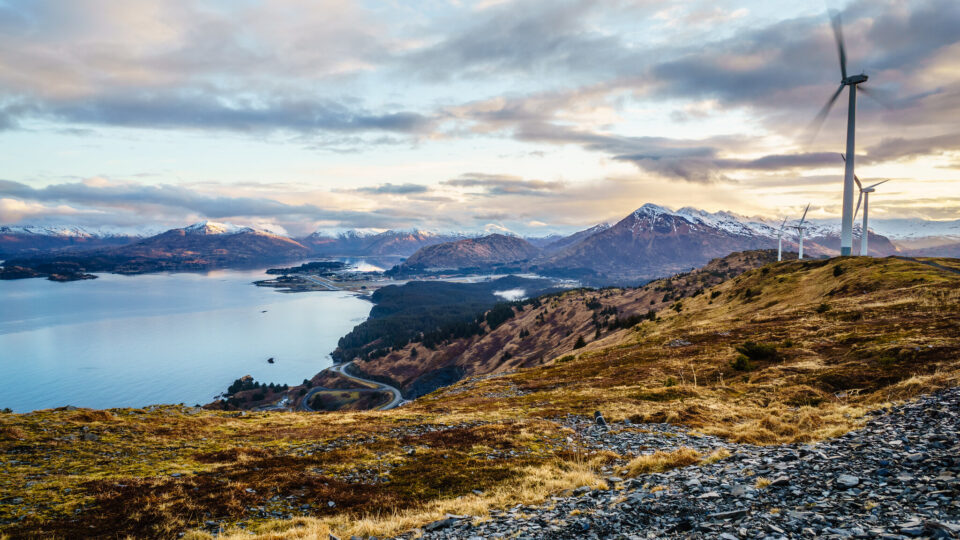
December saw some wild weather in Alaska.  A combination of record high temperatures and torrential rainstorms resulted in the coining of the term “Icemageddon” to describe what was going on with the weather.

Kodiak Island in southern Alaska saw a high temperature of 67 degrees on December 26, which was warmer than it was in Southern California that same day.  This set an all-time record for the warmest December day in Alaska.  Such a high temperature is amazing considering how little sunlight Alaska gets at this time of year.  And with warmer air comes wetter air, as the atmosphere is capable of holding more water vapor as temperatures increase.

As a result, that same day saw the interior of the state get an inch of rain in just a few hours, something that hadn’t happened for decades.  But then, when temperatures plummeted again, all that rainwater froze.

Huge sheets of ice blocked roads and choked traffic in Fairbanks, Alaska’s second largest city.  Indeed, it was the state’s transportation department that came up with the term icemageddon to describe the situation.

The extreme warmth in December is related to the same weather pattern that brought cold, wintry weather to the Pacific Northwest and Northern California.  Those weather conditions resulted in hundreds of cancelled flights in Seattle, where temperatures dropped into the 20s, and in massive amounts of snowfall in the Sierra Nevada mountains in California.  A strong area of high pressure anchored in the Northern Pacific resulted in a clockwise flow around it drawing warmer, more tropical air from the Pacific up to Alaska.

Climate change continues to push the envelope on what sort of weather is possible all over the world.

**********

Web Links

Alaska faces ‘Icemageddon’ as temperatures swing wildly

Photo, posted April 30, 2015, courtesy of Naql via Flickr.

Earth Wise is a production of WAMC Northeast Public Radio.

Nanoplastics In The Air | Earth Wise

December 17, 2021 By EarthWise Leave a Comment

Austria, Silvretta mountains

The world is awash in plastic.  Discarded plastic litters our roadways, woodlands, and beaches.  It piles up in landfills.  Plastic enters the oceans by the millions of tons.  And plastic is finding its way even to remote and supposedly pristine parts of the world.

A team of researchers has found nanoplastics at the isolated high-altitude Sonnblick Observatory in the Austrian Alps.  This is the first time the particles were found in the area.  The researchers were looking for certain organic particles and only found the nanoplastics by chance.

The detected plastic particles were less than 200 nanometers in size, about one hundredth the width of a human hair.  It is highly unlikely that such particles originated in remote Alpine areas.

The researchers were looking for organic particles by taking samples of snow or ice, evaporating them, and then burning the residue to detect and analyze the vapors.  They described the detection method as essentially like a mechanical nose.  In this case, the nose smelled burning plastics in the form of polypropylene and polyethylene terephthalate.

Looking into the issue, the researchers found a strong correlation between high concentrations of nanoplastics and winds coming from the direction of major European cities – especially Frankfurt and the industrial Ruhr area of Germany, but also the Netherlands, Paris, and even London.

Modeling supports the idea that nanoplastics are transported by air from distant urban places.  This is particularly worrisome because it means that there are likely hotspots of nanoplastics in our cities and in the air that we are breathing.  Plastics appear to be everywhere.

**********

Web Links

Nanoplastics found in the Alps, transported by air from Frankfurt, Paris and London

Photo, posted July 1, 2013, courtesy of Robert J. Heath via Flickr.

Earth Wise is a production of WAMC Northeast Public Radio.
Metals In Western Water Supplies | Earth Wise

October 29, 2021 By EarthWise Leave a Comment

Acid rock drainage are contaminating western water supplies

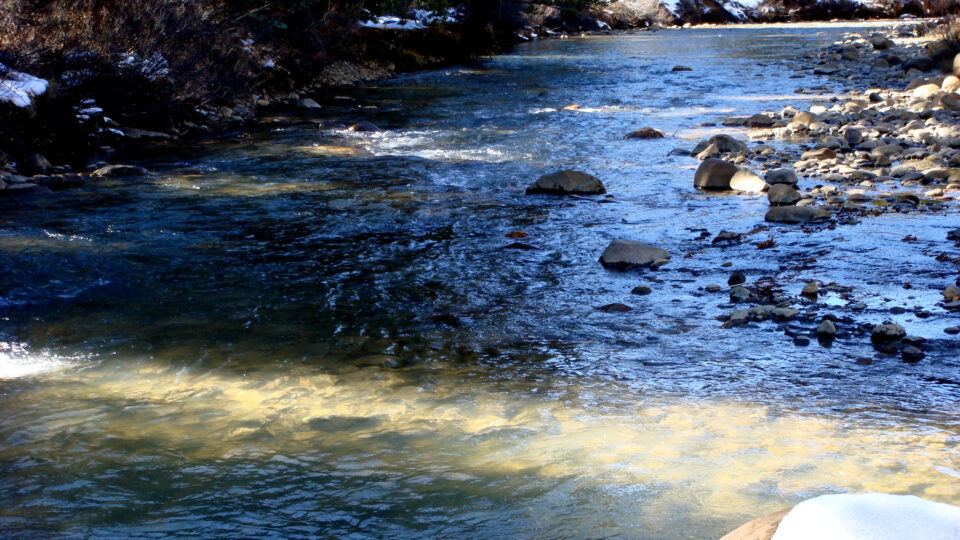
A new study published by the University of Colorado Boulder looked at the problem of rivers being contaminated by acid rock drainage.  Rocks that include sulfide-based minerals, such as pyrite, oxidize when exposed to air and water.  The resulting chemical reaction produces sulfuric acid which, when present in water, dissolves metals like lead, cadmium, and zinc.  The recent study found that rare earth elements are also leached out of rock by this process.

Rock drainage occurs naturally throughout the western United States, but historic mines that disturbed large amounts of rocks and soil have dramatically increased this process and have led to growing downstream water pollution.  Upwards of forty percent of the headwaters of major rivers in the West are contaminated by some form of acid mine or rock drainage.

The warming climate has brought longer summers and less snow in winters.  Longer, lower stream flows make it easier for metals to leach into watersheds and concentrate the metals that would otherwise be diluted by snowmelt.

Rare earth elements are essential components of many high-tech devices such as computers, hard drives, and cell phones.  There is not a long history of studying the hazards they might represent when they enter the environment.

The study looked at the Snake River watershed in Colorado and found that increasing amounts of rare earth elements are entering Colorado water supplies.  Concentrations of rare earth elements are not ordinarily monitored and there are no water quality standards set for them.

According to the researchers, once rare earth elements get into water, they tend to stay there.  Traditional treatment processes don’t remove them.  It is a growing problem that needs to be addressed.

**********

Web Links

Rare earth elements and old mines spell trouble for Western water supplies

Photo, posted October 27, 2007, courtesy of Dion Gillard via Flickr.

Earth Wise is a production of WAMC Northeast Public Radio.
Wildfires And The Climate | Earth Wise

September 24, 2021 By EarthWise Leave a Comment

Wildfires had a bigger impact on climate than the pandemic lockdowns

Scientists from the National Center for Atmospheric Research recently published a study analyzing the events that influenced the world’s climate in 2020.  Among these were the pandemic-related lockdowns that reduced emissions and resulted in clearer air in many of the world’s cities.

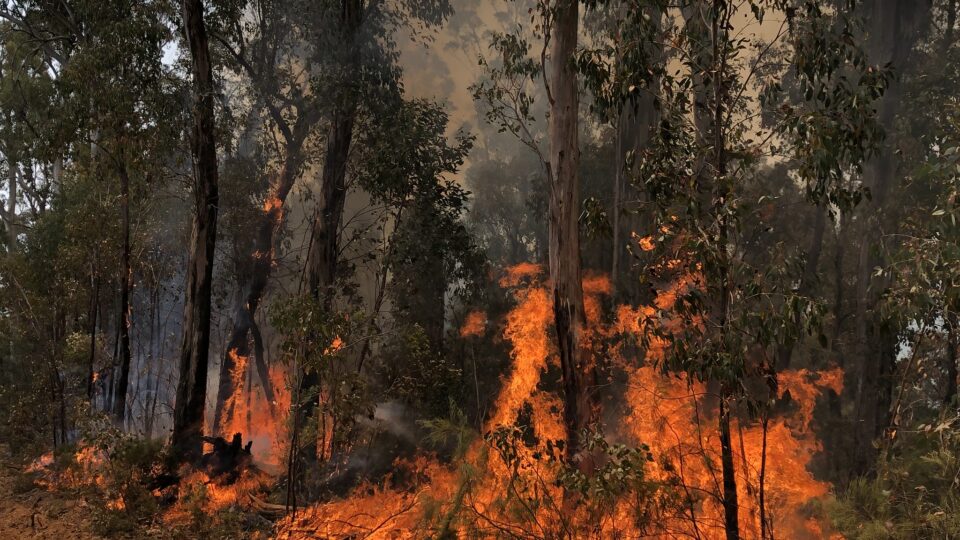
While this was a significant event, the study found that something entirely different had a more immediate effect on global climate:  the enormous bushfires that burned in Australia from late 2019 to 2020, producing plumes of smoke that reached the stratosphere and circled much of the southern hemisphere.

Those fires sprung up in September 2019 and lasted until March 2020.  The fires burned more than 46 million acres (about 72,000 square miles), which is roughly the same area as the entire country of Syria.  Thousands of homes and other buildings were lost.

Major fires inject so many sulfates and other particles into the atmosphere that they can disrupt the climate system, push tropical thunderstorms northward from the equator, and potentially influence the periodic warming and cooling of tropical Pacific Ocean waters known as El Nino and La Nina.

According to the study, the COVID-19 lockdowns actually had a slight warming influence on global climate, as a result of clearer skies enabling more heat to reach the earth’s surface.  In contrast, the Australian bushfires cooled the Southern Hemisphere because the atmospheric particles reflected some of the incoming solar radiation back to space.

This summer, there have been raging wildfires in the western US and Canada, which have affected air quality in many parts of the nation and have been a serious health hazard.  Undoubtedly, these fires are influencing the climate system as well in ways that we are still trying to understand.

**********

Web Links

Bushfires, not pandemic lockdowns, had biggest impact on global climate in 2020

Photo, posted January 18, 2020, courtesy of BLM-Idaho via Flickr.

Earth Wise is a production of WAMC Northeast Public Radio.
Carbon Capture And The Infrastructure Bill | Earth Wise

September 17, 2021 By EarthWise Leave a Comment

carbon capture in the infrastructure bill

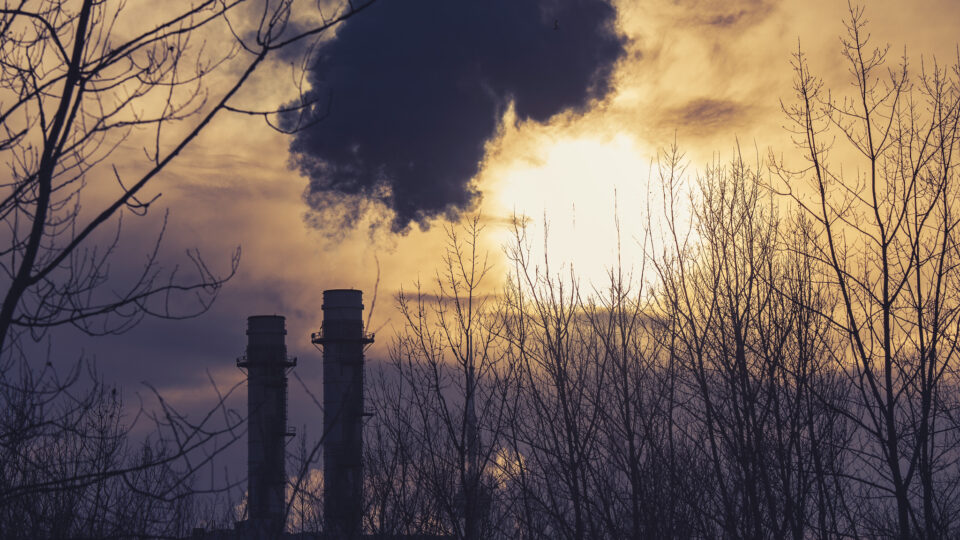
The trillion-dollar infrastructure bill contains a variety of provisions related to energy and the environment.  Among them is authorization for more than $12 billion for carbon capture technologies, including direct air capture and demonstration projects on coal, natural gas, and industrial plants and supporting carbon dioxide infrastructure.

Inclusion of this provision has largely been driven by energy companies, electrical utilities, and other industrial sectors.  The strongest proponents have been fossil fuel companies.  The reasons are fairly clear.

Support for carbon capture and storage (or CCS) technologies would yield billions of dollars for corporate polluters while allowing them to continue to burn fossil fuels.  To date, CCS technology has not progressed very far.  It is very expensive and has done little to reduce emissions. 

The strongest argument against directing significant resources into CCS for the power sector is that the plummeting costs of wind and solar energy have made renewable energy sources competitive with or cheaper than burning fossil fuels to generate electricity.  Adding expensive carbon capture equipment to a power plant only makes the economics of using fossil fuels worse.

The infrastructure bill does promote direct air capture technology, which is literally pulling carbon dioxide out of the air independent of any industrial activities generating it.  Given the world’s progress on reducing emissions, direct air capture technology may be an essential part of the global strategy to combat climate change.  If infrastructure funds largely go in that direction rather than for propping up fossil fuel companies, they may prove to be of great value.

**********

Web Links

Fossil Fuel Companies Are Quietly Scoring Big Money for Their Preferred Climate Solution: Carbon Capture and Storage

Photo, posted March 15, 2021, courtesy of Michael Swan via Flickr.

Earth Wise is a production of WAMC Northeast Public Radio.

Harvesting Water From Air | Earth Wise

May 17, 2021 By EarthWise Leave a Comment

Solving the water crisis by harvesting it from the air

Developing new technologies that harvest water from the air is a growing field of research driven by the fact that more and more people live in areas where fresh water is in short supply.  Estimates are that roughly half the world’s population lives in regions with severe freshwater shortages for at least one month each year.

We have previously discussed some of the novel approaches that researchers are taking to enhance water harvesting.  The work at UC Berkeley using metalorganic frameworks is a notable example.

One of the key problems in harvesting water from air is that many droplets that condense from water vapor in the air are too small to be collected and when they cover a surface, they can actually impede further condensation.

University of Texas at Dallas researchers have developed a novel surface that encourages tiny water droplets to move spontaneously into larger droplets.  The droplets actually self-climb along an oil, ramp-shaped meniscus.  The meniscus acts like a bridge along which microdroplets spontaneously climb upward and coalesce with larger water droplets.  They call this the coarsening droplet phenomenon.  It is enabled by a liquid lubricant with a unique hydrophilic nature.  They actually discovered the lubricant’s special properties by accident when in a lubricant test they observed smaller water droplets propel themselves into larger droplets.

Based on experimental data, the coarsening surface enhances the water harvesting rate 200% higher than other techniques.  The team continues to work on ways to use the new lubricant to make sustainable water harvesting systems that are mobile, smaller in size, lower in weight, and less expensive.  If they are successful, they will essentially be able to harvest water anywhere that has air.

**********

Web Links

New Physical Phenomenon Aids Harvest of Water from Air

Photo, posted April 26, 2014, courtesy of Toukou Sousui via Flickr.

Earth Wise is a production of WAMC Northeast Public Radio.
Restoring Environmental Rules Will Take Time | Earth Wise

February 17, 2021 By EarthWise Leave a Comment

Restoring Obama-era environmental rules will take time

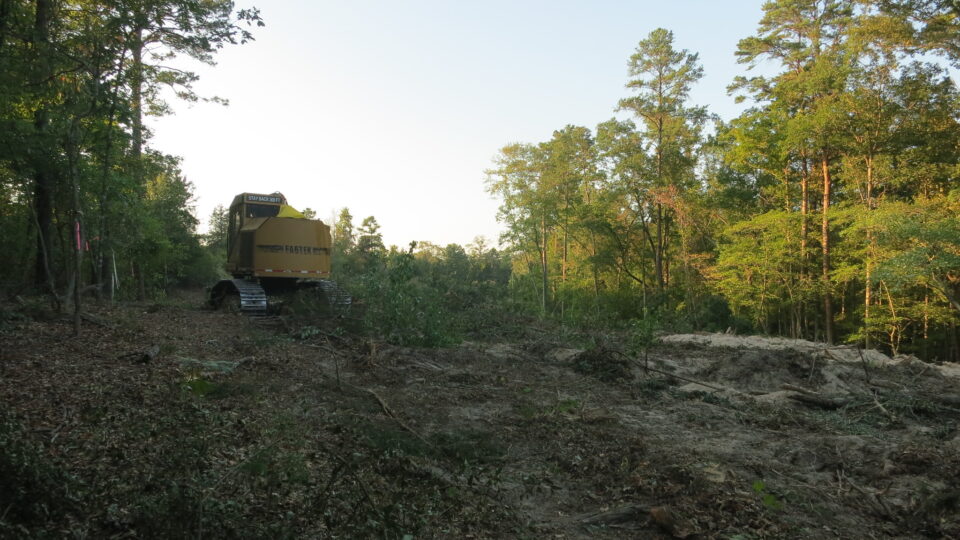
Over the previous four years, the Trump administration weakened or rolled back more than 100 rules and regulations on air, water, public lands, endangered species, and climate change.  The Biden administration has vowed to review these changes and restore the environmental protections that were removed or weakened.

The process of restoring environmental protections generally fall into a few broad categories.  Some changes can happen by executive order.  The President can cancel individual fossil fuel infrastructure projects or reinstate federal protection of specific places.  On his first day in office, President Biden rescinded the construction permit for the Keystone XL pipeline.

The President is also expected to restore federal protection to the Bears Ears and Grand Staircase-Escalante national monuments in Utah, which the Trump administration opened up to mining, logging, and drilling.

However, it could take two years or more to restore Obama-era climate change regulations including limits on emissions, rules on industrial emissions of toxic pollutants such as mercury, and protections on wetlands and waterways.

Reinstating comprehensive regulations on air, water, and climate pollution will take years because the Trump administration, rather than eliminating rules entirely, often replaced them with weaker regulations.  Replacing the weak regulations cannot just happen by executive order.  The process involves scientific and economic analysis, and that takes time.

After four years of shrinking budget and shrinking staff, the Environmental Protection Agency has a lot of catching up to do and will need to prioritize its actions in order to deal with the most damaging consequences of the previous administration.

**********

Web Links

Restoring Environmental Rules Rolled Back by Trump Could Take Years

Photo, posted September 25, 2012, courtesy of Tar Sands Blockade via Flickr.

Earth Wise is a production of WAMC Northeast Public Radio.
Mollusks And Microplastics | Earth Wise

January 26, 2021 By EarthWise Leave a Comment

Microplastics are contaminating marine creatures

Plastic debris comes in all different shapes and sizes, but pieces that are less than five millimeters in length are called microplastics.  Microplastics are everywhere, including in the food we eat, the water we drink, and the air we breathe.

Much of the oceanic microplastic pollution comes from the breakdown of plastic litter.  Another source of microplastic pollution is microbeads.  Microbeads, which are sometimes added to cleansing and exfoliating personal care products, pollute the environment when they get flushed down the drain.  

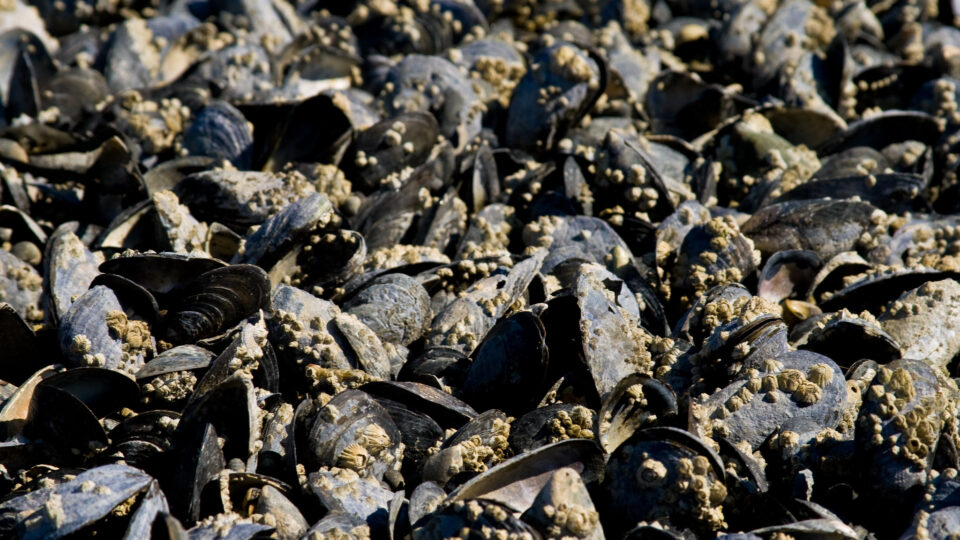
According to a new study by researchers at Hull York Medical School and the University of Hull in the U.K., mussels, oysters and scallops have the highest levels of microplastic contamination among seafood.  The research team examined 50 studies between 2014 and 2020 to determine the levels of microplastic contamination globally in fish and shellfish.  The team found that microplastic content was 0-10.5 microplastics per gram in mollusks, 0.1-8.6 microplastics per gram in crustaceans, and 0-2.9 microplastics per gram in fish.  

The researchers found that mollusks collected off the coasts of Asia were the most heavily contaminated with microplastics.  China, Australia, Canada, Japan and the United States are among the largest consumers of mollusks, followed by Europe and the U.K.

While the human health implications of consuming microplastics are not well understood, early evidence from other studies suggest they do cause harm. 

According to the research team, more data is needed from different parts of the world in order to better understand how microplastics vary between different oceans, seas, and waterways.

**********

Web Links

Highest levels of microplastics found in molluscs, new study says

Photo, posted September 3, 2007, courtesy of Andrew Malone via Flickr.

Earth Wise is a production of WAMC Northeast Public Radio.
Renewable Energy And Green Ammonia | Earth Wise

January 20, 2021 By EarthWise Leave a Comment

A breakthrough in greening ammonia

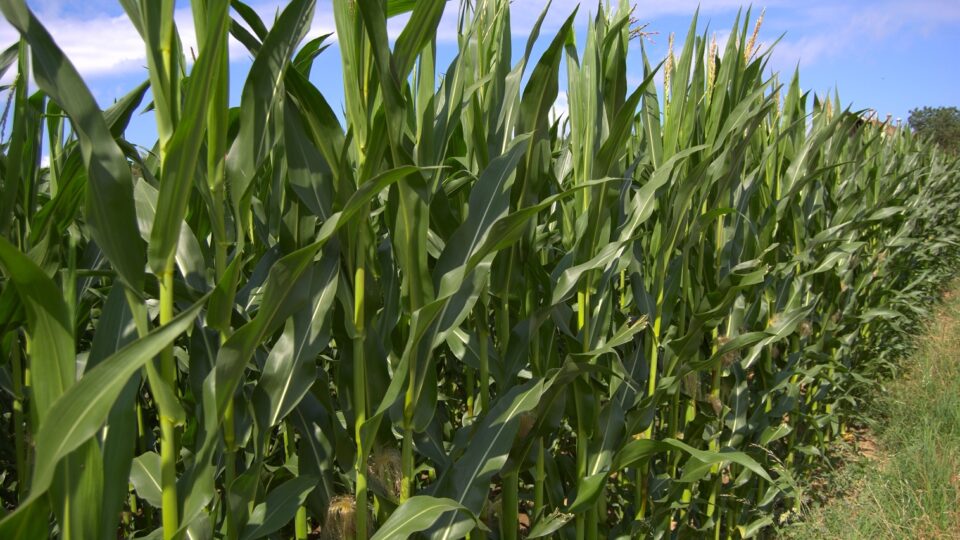
Several different clean technology trends may come together on farms across the country where wind turbines could power devices that produce green ammonia for fertilizer and zero emission fuel.

Distributed wind is a kind of renewable energy that doesn’t get much attention.  It refers to turbines that are used to generate electricity for on-site use, as for a factory or a farm.  It typically involves smaller turbines than the behemoths that are used in giant wind farms.

Installing a wind turbine or two on a farm could be quite valuable if the electricity generated could be used to make green ammonia.  Such an application would eliminate the problem of “stranded wind”, which is when a location has lots of wind but lacks access to the electricity transmission infrastructure.

If farmers could utilize wind energy to produce ammonia, they could make their own fertilizer as well as fuel and get relief from price spikes and uncertainties in the commodities market.  Of course, they would also make use of the electricity they generate on site.

Most ammonia is produced using a proven technology called the Haber-Bosch process.   Ammonia contains only nitrogen and hydrogen, both of which can be extracted from the air.  The trick is how to do it efficiently using renewable electricity.   The Department of Energy has a program called the REFUEL Initiative, which aims at deploying renewable energy to produce ammonia.  The University of Minnesota, among other places, has multiple programs dedicated to green ammonia technology. 

There is encouraging progress being made that may ultimately result in a common sight of wind turbines on farms producing fertilizer, fuel, and electricity.

**********

Web Links

The Renewable Energy Cows Come Home, Now With Green Ammonia

Photo, posted July 15, 2009, courtesy of Daniel_Bauer via Flickr.

Earth Wise is a production of WAMC Northeast Public Radio.

Self-Watering Soil | Earth Wise

December 9, 2020 By EarthWise Leave a Comment

Self-watering soil could help conserve water

Researchers at the University of Texas at Austin have created a new type of soil that can pull water from the air and distribute it to plants.  Such soil has the potential to expand the map of farmable land to previously inhospitable places as well as to reduce water use in agriculture in an era of growing droughts.

The team’s atmospheric water irrigation system makes use of super-moisture-absorbent gels to capture water from the air.  When they are heated to a high enough temperature, the gels release the water, making it available to plants.

The gels in the soil pull water out of the air during cooler, more humid periods at night and when the sun heats the soil during the day, the water-containing gels release their contents into the soil.

Each gram of soil can extract about 3-4 grams of water.  Depending on the specific crop, somewhere between a couple of ounces and 2 pounds of the soil can provide enough water to irrigate a square yard of farmland.

Experiments on the soil found that it retains water better than the sandy soils found in dry areas and needs much less water to grow plants.

In one experiment, radish plants germinated in the soil all survived a 14-day period without any irrigation beyond the initial watering when they were planted.  Radish plants in ordinary sandy soil irrigated for the first four days of the experiments lasted no more than two days further without watering.

The Austin group has been developing gel-polymer materials that work like super-sponges for two years.  These materials extract large amounts of water from the ambient air, clean it, and release it when heated with solar energy.

**********

Web Links

Self-Watering Soil Could Transform Farming

Photo, posted October 21, 2020, courtesy of the U.S. Department of Agriculture via Flickr. USDA Media by Lance Cheung.

Earth Wise is a production of WAMC Northeast Public Radio.
A New Super-Enzyme For Breaking Down Plastic | Earth Wise

November 13, 2020 By EarthWise Leave a Comment

Breaking down plastic

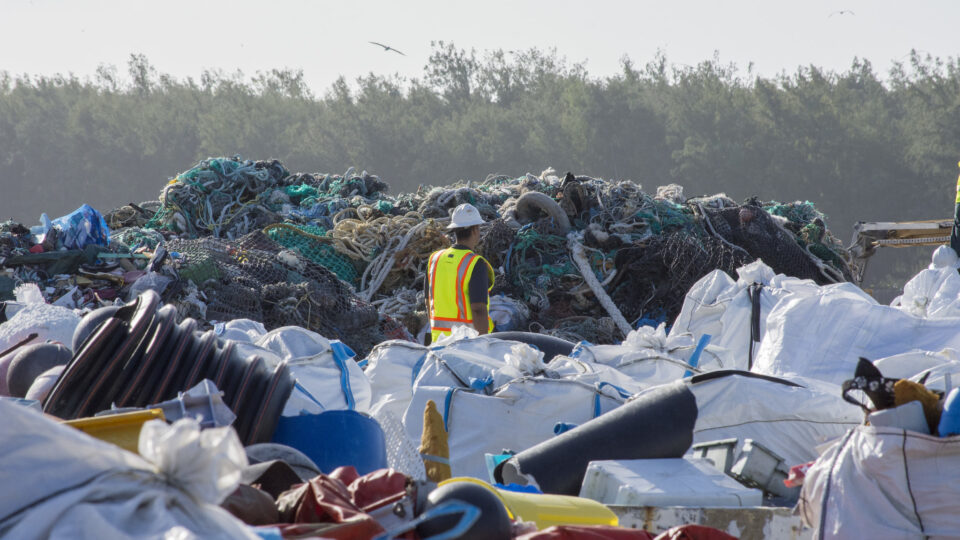
The problems caused by plastic waste continue to grow.  Plastic pollution is everywhere, from the Arctic to the depths of the ocean.  We consume microplastics in our food and breathe them in the air.  It is very difficult to break down plastic bottles into their chemical constituents in order to make new ones from old ones. Therefore, we continue to produce billions of single-use plastic bottles, creating more and more new plastic from oil each year. 

Scientists at the University of Portsmouth in the UK have developed a new super-enzyme that degrades plastic bottles six times faster than before.  They believe that the new enzyme could be used for plastic recycling within a year or two.

The super-enzyme was derived from bacteria that naturally have the ability to eat plastic.  The researchers engineered it by linking two separate enzymes, both of which were found in a plastic-eating bug discovered in a Japanese waste site in 2016.  They revealed an engineered version of the first enzyme in 2018, which started breaking down plastic in a few days.  They had the idea that connecting two enzymes together would speed up the breakdown of plastic.  Such linkage could not happen naturally in a bacterium. 

Carbios, a French company, announced a different enzyme in April that can degrade plastic bottles within 10 hours but requires heating above 160 degrees Fahrenheit.  The new super-enzyme works at room temperature.

The team is now examining how the enzymes can be tweaked to make them work even faster.  Meanwhile, they plan to work in partnership with companies like Carbios, to bring super-enzymes for breaking down plastics into commercial use.

**********

Web Links

New Super-Enzyme Can Break Down Plastic at Rapid Pace

Photo, posted March 24, 2017, courtesy of the USFWS – Pacific Region via Flickr. Photo credit: Holly Richards/USFWS.

Earth Wise is a production of WAMC Northeast Public Radio.
Lead Exposure Remains A Persistent Problem | Earth Wise

October 29, 2020 By EarthWise Leave a Comment

lead exposure remains a global problem

According to a new report from UNICEF and the international nonprofit Pure Earth, a staggering number of children – approximately 800 million or one out of every three globally – may have dangerously high levels of lead in their blood.    

Long-term exposure to lead can cause serious health problems, especially in children.  Children are particularly vulnerable because their early years are characterized by rapid growth and brain development. 

Lead is a powerful neurotoxin that can cause damage even at low levels of exposure.  Lead poisoning can be acute, and can cause all sorts of health issues, including stomach pain, brain damage, and even death.  Because lead accumulates in the body over time, lead poisoning can develop slowly. The most common symptom of lead poisoning is lethargy.  Lead exposure can also contribute to a lower IQ and behavioral problems that can last a lifetime.     

Lead is a naturally occurring element found in small amounts in earth’s crust.  But as a result of human activities, lead can be found in all parts of the environment, including the air, soil, and water. 

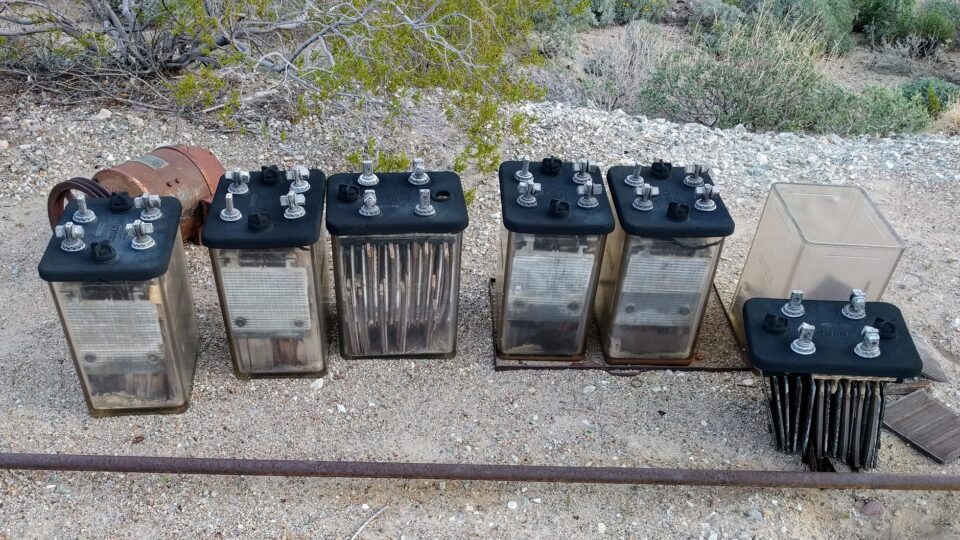
According to the report, much of the lead poisoning comes from lead-acid batteries that are not properly recycled.  Water pipes, paint, canned foods, makeup, toys, and even contaminated spices can all be sources of lead exposure.  Lead was also previously added to gasoline and traces of this remain in soil samples today. 

The report found that children in low- or middle-income countries, especially in South Asia and among marginalized groups in general, are most vulnerable to lead poisoning. 

Lead exposure remains a dangerous and persistent problem all around the world. 

**********

Web Links

The Toxic Truth: Children’s Exposure to Lead Pollution Undermines a Generation of Future Potential

800 million children still exposed to lead

Photo, posted February 11, 2017, courtesy of J. Brew via Flickr.

Earth Wise is a production of WAMC Northeast Public Radio.

A Fabric To Keep You Cool | Earth Wise

September 1, 2020 By EarthWise Leave a Comment

cooling fabric technology

About 10% of all electricity consumption in the U.S. is devoted to keeping us cool with air conditioning and other methods.  Researchers at two universities in Shanghai, China have developed a new material that can be made into clothing that cools the wearer without using any electricity.

The new fabric transfers heat, allows moisture to evaporate from the skin, and repels water.  Cooling off a person’s body is much more efficient than cooling off an entire room or a building.  There have been textiles and types of clothing designed to perform the cooling function, but most of those have disadvantages.  These include some combination of poor cooling capacity, high energy consumption, complex and time-consuming manufacturing, and high cost.

The researchers wanted to develop a personal cooling fabric that can efficiently transfer heat away from the body while at the same time being breathable, water resistant and easy to make.

The new fabric is made by electrospinning an ordinary polyurethane polymer with a water-repelling fluorinated version of polyurethane polymer along with a thermally conductive filler composed of boron nitride nanosheets.  The resultant material is a nanofibrous membrane that repels water from the outside but has large enough pores to allow sweat to evaporate from the skin and air to circulate. 

Tests of the membrane demonstrated higher thermal conductivity than other conventional or high-tech fabrics.  Used in clothing, the material would be more effective than previous fabrics in conducting heat away from the body. It may be possible to beat the heat without turning on the AC.   These membranes could also be useful for solar energy collection, seawater desalination, and thermal management of electronic devices.

**********

Web Links

New fabric could help keep you cool in the summer, even without A/C

Photo courtesy of the American Chemical Society on Youtube.

Earth Wise is a production of WAMC Northeast Public Radio.
Dust From The Sahara | Earth Wise

July 9, 2020 By EarthWise Leave a Comment

hazardous air quality

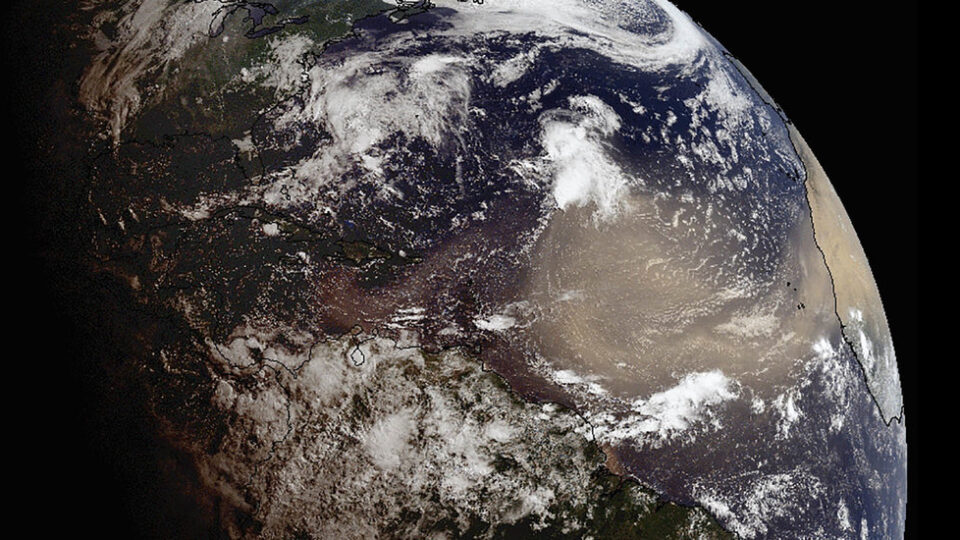
A vast cloud of dust from the Sahara Desert blanketed the Caribbean in late June before drifting across the southeastern U.S.  The phenomenon is nothing new; only the magnitude of the occurrence this time around was unusual.  According to experts, this is the most significant Sahara dust event in 50 years.

The Sahara Desert is the major source on Earth of mineral dust, with some 60-200 million tons of it per year being lifted into the atmosphere.  Convection currents over hot desert areas lift the dust to very high altitudes.  From there, it can be transported worldwide by winds.   The dust, combined with the extremely hot, dry air of the Sahara Desert often forms an atmospheric layer called the Saharan Air Layer, which can have significant effects on tropical weather by interfering with the development of hurricanes.  The Saharan Air Layer typically moves across the North Atlantic every three to five days from late spring to early fall, peaking in the middle of the summer.  It can occupy a layer as much as two miles thick in the atmosphere.

The dust plume this summer was highly visible from space, covering thousands of miles of the Atlantic Ocean and the Caribbean Sea.

A common effect of Sahara dust is that normally blue skies can acquire a milky haze, but beyond that can lead to spectacular sunsets.  But apart from the visual spectacle, the dust can aggravate the conditions of people with asthma, respiratory illnesses, and allergies. On the positive side, as long as the dust is around, it is much less likely that tropical storms and hurricanes will form.

**********

Web Links

Sahara dust blankets Caribbean, air quality hazardous

Photo, posted June 22, 2020, courtesy of Sagar Rana via Flickr.

Earth Wise is a production of WAMC Northeast Public Radio.

Planting Trees and Climate Change | Earth Wise

June 1, 2020 By EarthWise Leave a Comment

tree plantings and climate change

Forests are among the most important natural carbon sinks.  Trees remove carbon from the air and store it in their trunks, branches, and leaves, and transfer part of it into the soil.  But in some regions, these natural carbon sinks are starting to weaken due to deforestation, forest degradation, and the impacts of climate change.  This problem has led some climate mitigation projects to focus on increasing the overall number of trees on the planet. 

But, according to a paper recently published in the journal Science, “we can’t plant our way out of climate change.”  That’s the simple message from Restoration Ecologist Karen Holl and University of São Paulo Professor Pedro Brancalion to anyone who thinks planting one trillion trees will reverse the effects of climate change.  They say planting more trees is only one piece of the puzzle.  Any initiatives like 1t.org or the Trillion Tree Campaign must be done carefully and be accompanied by commitments to long-term management.

Tree plantings can provide many environmental benefits, including improving water quality, biodiversity, and increasing shade.  But trees can sometimes have undesirable impacts, such as harming native species and ecosystems or reducing water availability, depending on where and how the trees are planted.

The authors suggest four principles that should guide forest enhancement initiatives: reduce forest clearing and degradation, balance ecological and social goals, view tree plantings as one part of a multifaceted solution, and plan, coordinate and monitor the work. 

While tree plantings can clearly be part of the solution, slowing the pace of climate change requires a comprehensive approach that must start with burning less fossil fuels.

**********

Web Links

Challenges in tree-planting programs

Planting trees is no panacea for climate change

Photo, posted December 1, 2019, courtesy of Akuppa John Wigham via Flickr.

Earth Wise is a production of WAMC Northeast Public Radio.

The Lockdown Cleans Up Indian Air | Earth Wise

May 13, 2020 By EarthWise Leave a Comment

Coronavirus lockdown cleans the air

Our stories often discuss how human activities change the natural environment.  With most of us confined to our homes, the lack of human activities is having profound effects on the environment.  We are talking about some of these this week.

India suffers from some of the worst air pollution in the world.  Of the most polluted cities in the world, 21 out of 30 were in India in 2019.  According to World Health Organization standards, at least 140 million people in India breathe air containing 10 times or more greater levels than the safe limit for pollutants.  Air pollution contributes to the premature death of 2 million Indians every year.

Half of India’s air pollution comes from industry, 27% from vehicles, and 17% from crop burning.  Crop burning is prevalent because it is much cheaper than mechanical tilling after the harvest.

On March 25, the Indian government placed its 1.3 billion citizens under a strict lockdown to reduce the spread of COVID-19.   The country-wide mandate decreased activity at factories and drastically reduced car, bus, truck, and airplane traffic.

Within one week, NASA satellite sensor observed aerosol levels at a 20-year low for this time of year in northern India.  Aerosols are tiny solid and liquid particles suspended in the air that reduce visibility and can damage the human lungs and heart.  Some aerosols have natural sources, such as dust storms, volcanic eruptions, and forest fires.  But many come from human activities such as the burning of fossil fuels and croplands.  Scientists expected to see changes in atmospheric conditions during the Indian lockdown, but the current changes are dramatic.  They also present a unique opportunity to separate how natural and human sources of aerosols affect the atmosphere.

**********

Web Links

Airborne Particle Levels Plummet in Northern India

Photo, posted April 29, 2020, courtesy of Flickr.

Earth Wise is a production of WAMC Northeast Public Radio.

  • « Go to Previous Page
  • Page 1
  • Interim pages omitted …
  • Page 3
  • Page 4
  • Page 5
  • Page 6
  • Page 7
  • Interim pages omitted …
  • Page 9
  • Go to Next Page »

Primary Sidebar

Recent Episodes

  • An uninsurable future
  • Clean energy and jobs
  • Insect declines in remote regions
  • Fossil fuel producing nations ignoring climate goals
  • Trouble for clownfishes

WAMC Northeast Public Radio

WAMC/Northeast Public Radio is a regional public radio network serving parts of seven northeastern states (more...)

Copyright © 2026 ·