
• Skip to primary navigation
  • Skip to main content
  • Skip to primary sidebar

Earth Wise

A look at our changing environment.

  • Home
  • About Earth Wise
  • Where to Listen
  • All Articles
  • Show Search
Hide Search
You are here: Home / Archives for agriculture

agriculture

Fighting Disease in Cavendish Bananas | Earth Wise

January 31, 2022 By EarthWise Leave a Comment

Cavendish bananas account for about half of global banana production and the vast majority of bananas entering international trade.  The plant is unable to reproduce sexually and instead is propagated via identical clones.  So, the genetic diversity of the Cavendish banana is exceedingly low. 

In 2008, Cavendish cultivars in Sumatra and Malaysia started to be attacked by Panama disease, a wilting disease caused by a fungus.  In 2019, Panama disease was discovered on banana farms in the coastal Caribbean region, its first occurrence in the Americas.  In the 1950s, Panama disease wiped out the Gros Michel banana, the commercial predecessor of the Cavendish.

Scientists at the University of Cambridge have found a novel way to combine two species of grass-like plants – which include bananas, rice, and wheat – using embryonic tissue from their seeds.  The technique allows beneficial characteristics, such as disease resistance, to be added to the plants.

Joining the shoot of one plant to the root of another to grow as one plant is known as grafting.  It was thought to be impossible to do with grass-like plants – called monocotyledonous  grasses – because they lack a certain tissue type in their stems.  But the new research, published in the journal Nature, showed it can be done with the plants in their earliest embryonic stages.

Cavendish bananas are sterile, so disease resistance can’t be bred into future generations.  But the grafting technique may provide a way to produce Cavendish banana plants that are resistant to Panama disease.  It may be possible to save an important food crop before it is too late.

**********

Web Links

New grafting technique could combat the disease threatening Cavendish bananas

Photo, posted July 1, 2015, courtesy of Augustus Binu via Flickr.

Earth Wise is a production of WAMC Northeast Public Radio.

Removing Carbon With The Oceans | Earth Wise

January 26, 2022 By EarthWise Leave a Comment

Oceans play a huge role in climate

There is increasing concern that reducing carbon emissions alone will not be sufficient to stabilize the climate and that technologies that actively remove carbon dioxide from the air will be needed.  There has been a fair amount of analysis of the efficacy of storing carbon in agricultural soil and in forests, but there has not been comparable studies of the risks, benefits, and trade-offs of ocean-based strategies. 

The oceans currently absorb about a quarter of the world’s carbon dioxide emissions.  There are multiple ways in which oceans could be induced to store much more.  A new report from the National Academies of Sciences, Engineering, and Medicine looks at several ocean carbon dioxide removal strategies in terms of efficacy, potential costs, and potential environmental risks.

One approach involves adding nutrients to the ocean surface to increase photosynthesis by phytoplankton.  The approach has a medium to high chance of being effective and has medium environmental risks.

Another approach is large-scale seaweed farming that transports carbon to the deep ocean or into sediments.   It has medium efficacy chances but higher environmental risks.

Protection and restoration of coastal ecosystems including marine wildlife would have the lowest environmental risk but only low to medium efficacy.

Chemically altering ocean water to increase its alkalinity in order to enhance reactions that take up carbon dioxide would be highly effective but a medium environmental risk.

The report describes some other approaches as well.  It recommends a $125 million research program to better understand the technological challenges as well as the potential economic, social, and environmental impacts of increasing the oceans’ absorption of carbon dioxide.

**********

Web Links

Oceans Could Be Harnessed to Remove Carbon From Air, Say U.S. Science Leaders

Photo, posted August 21, 2016, courtesy of Quinn Dombrowski via Flickr.

Earth Wise is a production of WAMC Northeast Public Radio.
Lake Tuz Is Disappearing | Earth Wise

January 10, 2022 By EarthWise Leave a Comment

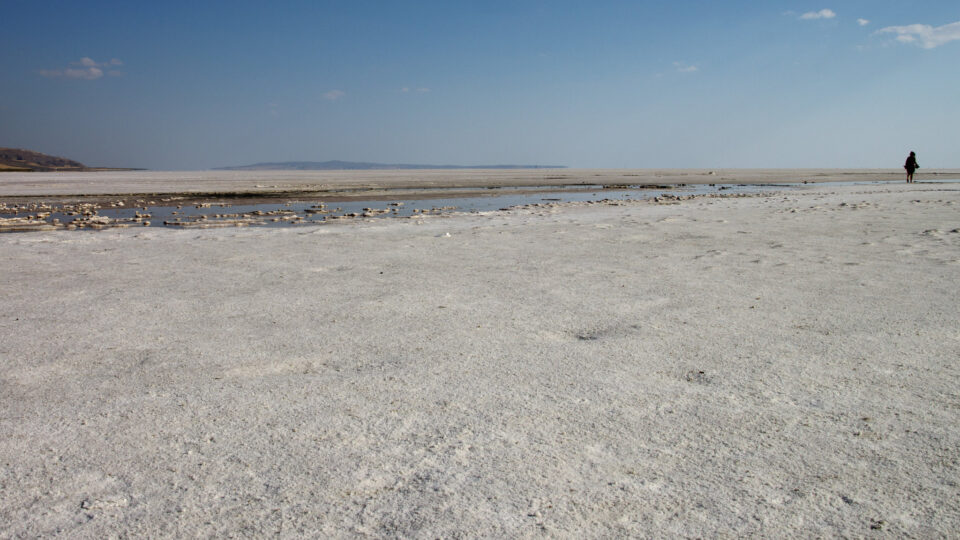
Lake Tuz is Turkey’s second-largest lake and one of the world’s largest hypersaline lakes.  Its high salt content makes it an ideal breeding ground for some migratory bird species, including flamingos, which are often present there in huge numbers in the spring and summer.

Now, Lake Tuz rarely spans an area much larger than a puddle. In some summers, it completely dries up.  It did so this past summer, which resulted in the deaths of thousands of flamingos.

According to experts, Lake Tuz is a victim of climate change-induced drought, which has hit the region hard, and decades of harmful agricultural policies that exhausted the underground water supply.

Water in this region has become increasingly scarce.  The Mediterranean Basin has already seen more frequent and intense droughts, and is considered a climate change hotspot. 

According to new research, which was recently published in the journal Regional Environmental Change, Lake Tuz generally contained enough water in August for the lake to be considered permanent up until 2000.  But between 2001 and 2016, something shifted.  Water spanned less than 20% of the lake in every August except for one, and droughts became more frequent and intense. And in some years, the lake completely dried up.   

What caused this change?  According to the research team, Lake Tuz’s decline coincided with the excessive use of groundwater and surface water resources responsible for feeding the lake.  Some streams were rerouted for agricultural purposes, while others were dammed.  And when surface water sources dwindled, people turned to groundwater that historically fed the springs in Lake Tuz. 

Lake Tuz may be on the brink of extinction. 

**********

Web Links

Impact of climate variability on the surface of Lake Tuz (Turkey), 1985–2016

Disappearing Lake Tuz

Photo, posted August 16, 2021, courtesy of Godot via Flickr.

Earth Wise is a production of WAMC Northeast Public Radio.
Crops Threatened With Extinction | Earth Wise

January 4, 2022 By EarthWise Leave a Comment

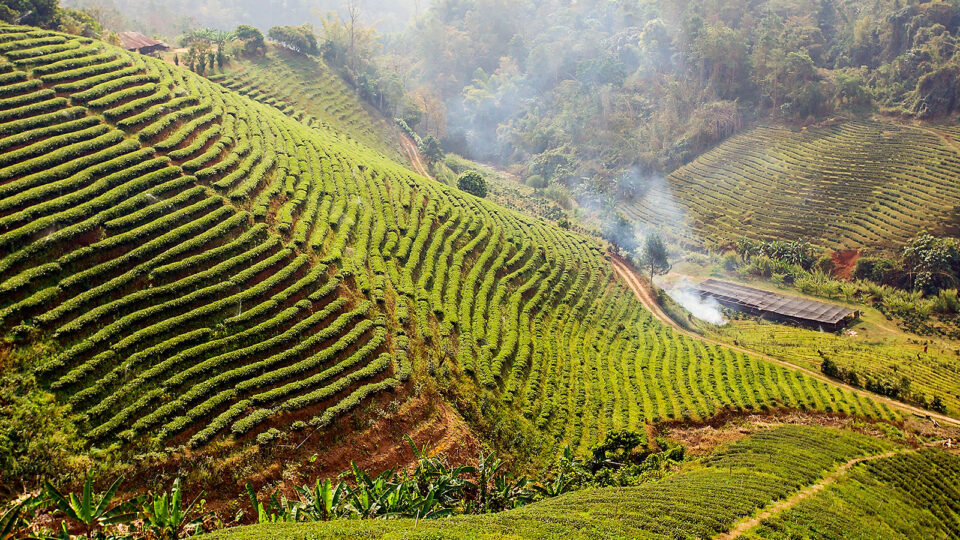
Crop variety and diversity are critically important for global food security as well as for the livelihoods of millions of people.  This diversity entails both the different species of food crops as well as the so-called farmer varieties of crops that in many cases have been cultivated and safeguarded for millennia.

It is well-known that many of these crops and varieties have been rapidly disappearing, but data has been scarce on just how many have been lost, how many we are losing, and which ones are the most threatened going forward.

A new study utilizes a methodology known as the Varietal Threat Index, which was developed by the Alliance of Bioversity International and CIAT, the International Center for Tropical Agriculture.  The study assessed about 600 farmers from seven Indian states, covering five different agroecological areas.  The farmers were selected based on their knowledge of crops and varieties across the 17 study sites.

The farmers listed the crops and varieties grown in their households, noted their uses, and indicated their spread and abundance, including information on varieties grown during the previous ten years which were no longer grown.

The results of the study showed that while there is a significant diversity of landraces – which are local varieties of species developed over time – more than 50% are threatened.  The trend is that crops and varieties mostly used for consumption are most often under threat, whereas varieties with multiple uses are less likely to be threatened.

Studies of this type can aid the development of targets and indicators to monitor the global status of plant genetic resources for food and agriculture and help inform urgent priority conservation actions.

**********

Web Links

More than half of surveyed crop varieties are under threat of extinction, according to study in India

Photo, posted February 21, 2014, courtesy of Atibordee Kongprepan via Flickr.

Earth Wise is a production of WAMC Northeast Public Radio.

Eating To Help The Planet | Earth Wise

November 30, 2021 By EarthWise Leave a Comment

Agriculture accounts for more carbon dioxide emissions than transportation.  Producing our food is one of the largest contributors to climate change.   Experts agree that the world cannot achieve net zero emission targets without changing our diets.  Be that as it may, we still have to eat. 

According to experts from Oxford University, there are things we as individuals can do to lower the impact of the food system on the climate.

There are three primary actions that would have the greatest impact: avoiding eating too much, cutting down on food waste, and reducing consumption of meat and dairy.

We all know that overeating is bad for our health, but it is also bad for the environment as it drives excess production and the emissions associated with it.

Food waste occurs across the supply chain but much of it is in the hands of consumers.  Food waste costs us a lot of money and is associated with emissions that are ultimately unnecessary.  The goal of the consumer should be to buy only the food one needs and to eat what one buys.

Meats, particularly from ruminant animals, result in the highest emissions per pound of food compared with vegetables, grains, and such.  Some people have given up animal proteins entirely, but properly managed livestock are an important part of the agricultural ecosystem and provide valuable services including enhancing the carbon sequestering ability of grasslands.  Nevertheless, it is important to reduce the global demand for meat and thereby prevent the need to clear more land for livestock and reduce emissions from meat animals.  So, we should all eat less meat and dairy even if we don’t become vegetarians.

**********

Web Links

How can we eat without cooking the planet?

Photo, posted September 17, 2017, courtesy of Ella Olsson via Flickr.

Earth Wise is a production of WAMC Northeast Public Radio.
Greenhouse Gas Removal And Net Zero | Earth Wise

November 18, 2021 By EarthWise Leave a Comment

Reducing the amount of greenhouse gas emissions can slow the progress of global warming but only reaching and sustaining net zero global emissions can halt the progress of climate change.

The move to renewable power and the use of electric transport are substantial and essential ways to reduce emissions.  But even if these transitions take place on a rapid timescale, they will not eliminate all emissions.  Many industrial activities and, especially, agriculture will continue to contribute substantial greenhouse gas emissions.   There are efforts to reduce the contributions of these things, but there are no zero-emission substitutes for most of them.

As a result, actually removing CO2 from the atmosphere once it is there is essential to achieve net zero emissions.  If greenhouse gas removal can be scaled up sufficiently, it opens the option of going “net negative”, which would be the ideal way to mitigate and, better still, reverse the effects of climate change.

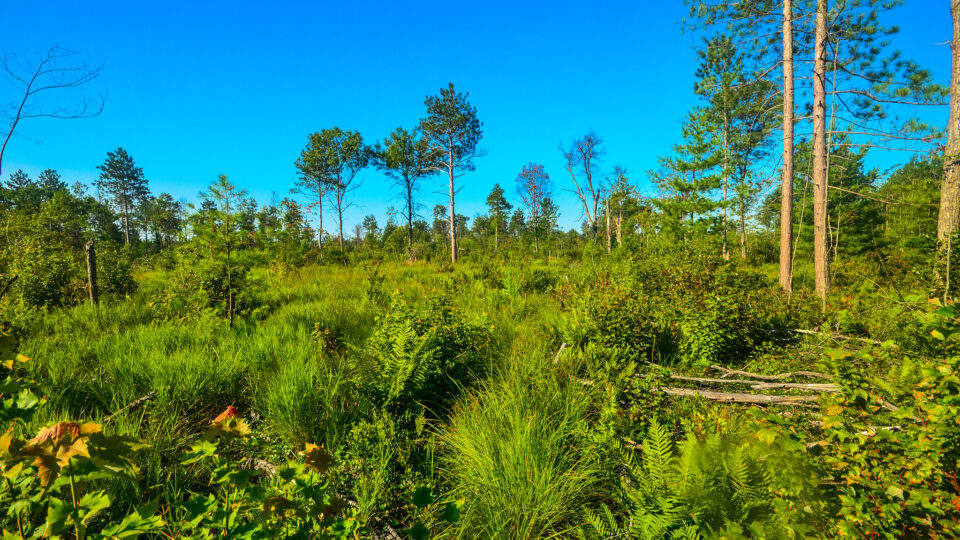
There are multiple approaches to carbon dioxide removal.  Some are natural, involving ways of capturing and storing carbon in trees, biochar, and peatlands.  Others are technological.  An example is the system that has just gone into operation in Iceland that uses fans, chemicals, and heat to capture CO2 and then mineralize it in volcanic rock.   Another is a system being tested in the UK that captures CO2 from growing biomass and pipes it to storage under the North Sea.

Much of the attention on carbon capture technology is aimed at trapping the emissions from fossil fuel power plants, but the need to remove carbon dioxide that has entered the atmosphere in other ways is ultimately far greater.

**********

Web Links

CO2 removal is essential to achieving net zero

Photo, posted August 17, 2013, courtesy of Joshua Mayer via Flickr.

Earth Wise is a production of WAMC Northeast Public Radio.

A New Low For Lake Powell | Earth Wise

November 2, 2021 By EarthWise Leave a Comment

Water levels in Lake Powell have reached new lows

Lake Powell is the second largest reservoir by capacity in the United States.  It straddles the border of southeastern Utah and northeastern Arizona and was created by the Glen Canyon Dam, completed in 1963.  The reservoir serves as a bank account of water that is drawn upon in times of drought and has made it possible to weather extended droughts by sustaining the needs of cities, industries, and agriculture in western states.  Hydroelectric power by the dam’s eight generators provides electricity to seven states.

As a result of the protracted drought in the west, the water levels in Lake Powell have reached the lowest point since 1969.  As of September 20, the lake held only 30% of its capacity and federal managers started releasing water from upstream reservoirs to help keep Lake Powell from dropping below the so-called minimum power threshold which is the water elevation that must be maintained to keep the dam’s hydropower turbines working properly.

With the entire Lower Colorado River water system below 40% of capacity, Bureau of Reclamation recently announced that water allocations in the U.S. Southwest would be cut over the next year.  The Colorado River basin is managed to provide water to millions of people including those in San Diego, Las Vegas, Phoenix, and Los Angeles. 

Successive dry winter seasons over the past two years along with a failed 2020 summer southwestern monsoon, have led to the lowest precipitation levels on record in the Southwest going at least as far back as 1895.  With warm temperatures, reduced snowpack, and increased evaporation of soil moisture, most of the American West suffers from persistent and widespread drought.

**********

Web Links

Lake Powell Reaches New Low

Photo, posted June 28, 2021, courtesy of the USFWS – Mountain Prairie via Flickr.

Earth Wise is a production of WAMC Northeast Public Radio.

The Spotted Lantern Fly Is A Big Problem | Earth Wise

October 27, 2021 By EarthWise Leave a Comment

The spotted lantern fly poses a big threat to agriculture

The spotted lanternfly is an invasive pest from Asia that arrived in the United States seven years ago.  It is a handsome and colorful insect, but it feeds on the sap of more than 70 plant species, leaving them susceptible to disease and destruction from other natural antagonists.  It destroys fruit crops, trees, and plants by hopping from plant to plant, crop to crop, and tree to tree.

Several states have established quarantines aimed at preventing the spread of the insects.  Pennsylvania, where they were first detected in the U.S., issued an Order of Quarantine and Treatment that imposes fines and even potential criminal penalties on anyone who intentionally moves a spotted lanternfly, at any stage of its life, from one sort of location to another.  The insects hop and fly only short distances, but they can hitch a ride on vehicles, clothing, and other objects that people bring with them.  They have now spread to at least nine states, primarily in the Northeast.

Lanternflies arrived in New York City last year and quickly made it to the Most Wanted List for environmentalists.  The City’s Parks Department says: “If you see a spotted lanternfly, squish it, dispose of it, and report it to us.”  New York’s Department of Agriculture has asked people in the Finger Lakes region, home of numerous vineyards, to collect specimens and provide specifics on where they were found.

Lanternflies are harmless to humans, but they threaten everything from oak, walnut, and poplar trees to grapes, almonds, and fruit orchards.  As the species continues to spread across the country, federal and state officials have a unified message:  if you come across a spotted lanternfly, kill it.

**********

Web Links

Die, Beautiful Spotted Lanternfly, Die

Photo, posted August 30, 2018, courtesy of the USDA via Flickr.

Earth Wise is a production of WAMC Northeast Public Radio.
Wastewater And Ammonia | Earth Wise

October 22, 2021 By EarthWise Leave a Comment

Ammonia is the second most produced chemical in the world.  More than half of it is used in agriculture to produce various kinds of fertilizer, to produce cotton defoliants that make cotton easier to pick, and to make antifungal agents for fruits.  Globally, ammonia represents more than a $50 billion a year market.

Current methods to make ammonia require enormous amounts of heat – generated by burning fossil fuels – to break apart nitrogen molecules so that they can bind to hydrogen to form the compound. Ammonia production accounts for about 2% of worldwide fossil energy use and generates over 400 million tons of CO2 annually.

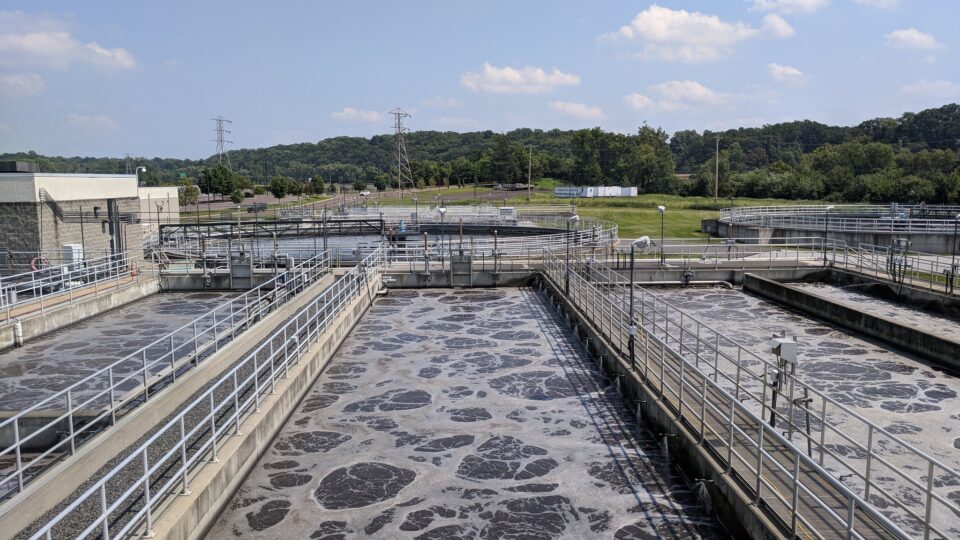
Engineers at the University of Illinois Chicago have created a solar-powered electrochemical reaction that uses wastewater to make ammonia and does it with a solar-to-fuel efficiency that is 10 times better than previous comparable technologies.

The process uses nitrate – which is one of the most common groundwater contaminates – to supply nitrogen and uses sunlight to power the reaction.  The system produces nearly 100% ammonia with almost no hydrogen side reactions.  No fossil fuels are needed, and no carbon dioxide or other greenhouse gases are produced.  The new method makes use of a cobalt catalyst that selectively converts nitrate molecules into ammonia.

Not only is the reaction itself carbon-neutral, which is good for the environment, but if it is scaled up for industrial use, it will consume wastewater, thereby actually being good for the environment.  The new process is the subject of a patent filing and the researchers are already collaborating with municipal corporations, wastewater treatment centers, and others in industry to further develop the system.

**********

Web Links

Combining sunlight and wastewater nitrate to make the world’s No. 2 chemical

Photo, posted August 29, 2018, courtesy of Montgomery County Planning Commission via Flickr.

Earth Wise is a production of WAMC Northeast Public Radio.
Reducing Agriculture’s Carbon Footprint | Earth Wise

September 29, 2021 By EarthWise Leave a Comment

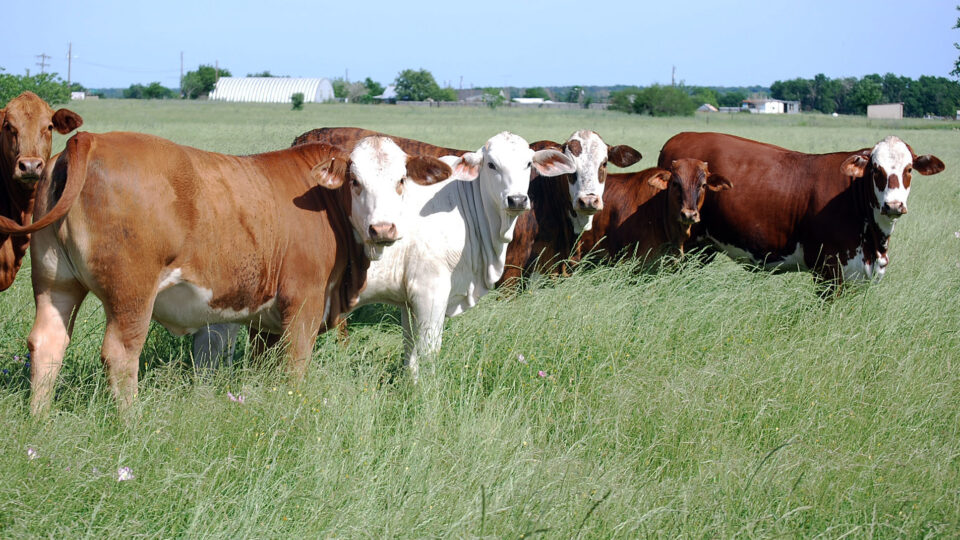
Sustainable solutions for animal grazing agriculture

Agriculture is responsible for about 10% of greenhouse gas emissions.  Those emissions come from livestock such as cows, the disturbance of agricultural soils, and activities like rice production.

Recent research from Texas A&M University presents sustainable solutions for grazing agriculture.  According to the research, published in the Journal of Soil and Water Conservation, ruminant animals like cattle contribute to the maintenance of healthy soils and grasslands, and proper grazing management can reduce the industry’s carbon emissions and overall footprint.

Grassland ecosystems co-evolved with herbivores over thousands of years.  These complex, dynamic ecosystems include grasses, soil biota, grazing animals, and predators.  The ecosystems degrade in the absence of periodic grazing.

The research contends that ruminant livestock are an important tool for achieving sustainable agriculture with appropriate grazing management.  With such management, grazing cattle on permanent perennial grasslands helps develop soil biology to improve soil carbon, rainfall infiltration, and soil fertility.

Permanent cover of forage plants is highly effective in reducing soil erosion and increasing soil infiltration.  Ruminants consuming grazed forages under appropriate management results in considerably more carbon sequestration than carbon emissions.

This overall approach is known as regenerative agriculture and is built around the ideas of practices that restore soil health and ecosystem function to support healthy agroecosystems. 

These ideas constitute alternatives to ones that call for the reduction or elimination of cattle and livestock agricultural production.  The future of agriculture needs to consider the full impacts of the entire food production chain and its environmental impacts.

**********

Web Links

Grazing Cattle Can Reduce Agriculture’s Carbon Footprint

Photo, posted April 27, 2010, courtesy of Beverly Moseley/USDA NRCS Texas via Flickr.

Earth Wise is a production of WAMC Northeast Public Radio.
Wine And Wildfire Smoke | Earth Wise

September 22, 2021 By EarthWise Leave a Comment

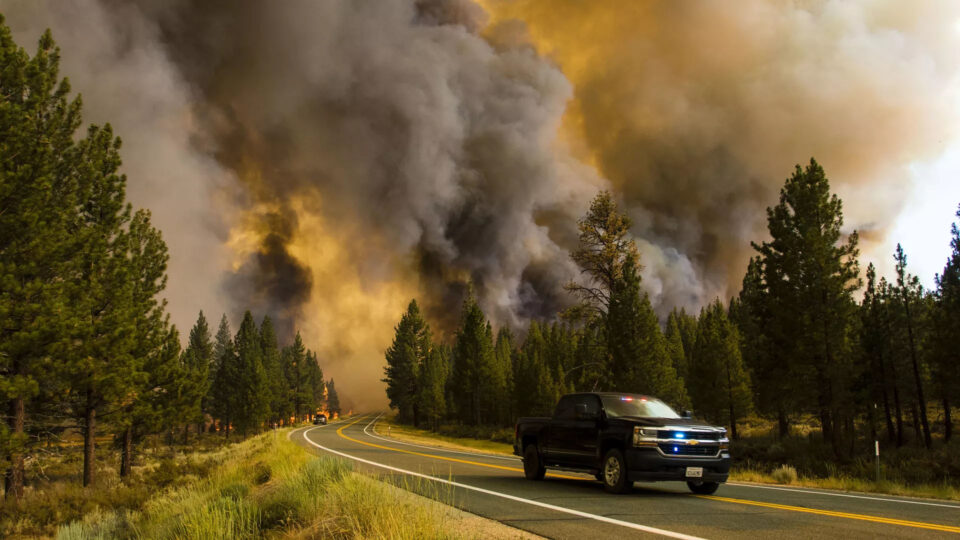
Wildfire smoke devastating some vineyards

Rising global temperatures have made droughts and heatwaves more common and intense, leading to larger and more destructive wildfires.   In 2020, wildfires in California blackened more than 4 million acres, the largest wildfire season on record.   With its continuing drought, California has already had 1.5 million acres burned by wildfires this year, and the fires continue.

Wildfires can cause extensive damage throughout the agricultural industry by destroying crops and killing livestock.  But the fires can have a unique effect on the wine industry:  wine grapes can be affected by smoke taint.

Vineyards have demonstrated themselves to be good fire breaks.  They definitely help prevent the movement of wildfires.  But there is no way to stop smoke from the fires from drifting into vineyards.  By far, the damage caused by smoke far outweighs direct losses from fires in vineyards.

Winemakers sometimes add subtle smoky notes to their vintages by aging them in toasted oak barrels.   But wildfire smoke permeating vineyards – even from distant blazes – can end up making wines undrinkable.  Smoke-tainted wines end up having unpleasant aromas that people describe as being like disinfectants or burnt rubber. 

With wildfires an increasingly persistent presence in California, the state’s $43 billion wine industry is facing a major challenge.  An estimated 165,000 to 325,000 tons of California wine grapes went unharvested last year, adding up to more than $600 million in losses from fire and smoke.  The industry will need to figure out ways to detect and manage smoke taint as the problem isn’t going to go away.

**********

Web Links

Wildfire Smoke: An Emerging Threat to West Coast Wines

Photo, posted July 25, 2021, courtesy of Felton Davis via Flickr.

Earth Wise is a production of WAMC Northeast Public Radio.
Saving Water At Power Plants | Earth Wise

September 21, 2021 By EarthWise Leave a Comment

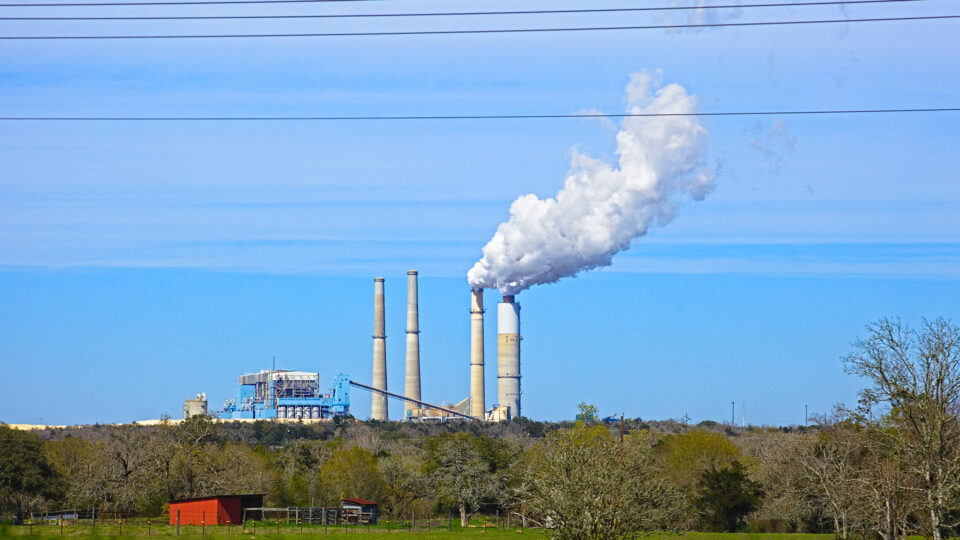
Reducing the water needs of power plants

Nearly 40% of all the water taken from lakes, rivers, and wells in the U.S. isn’t used for agriculture, drinking, or sanitation.  It is used to cool power plants that produce electricity by burning fossil fuels or with nuclear reactors.   Two-thirds of these power plants use evaporative cooling, which produces huge white plumes billowing from cooling towers.

A new company using technology developed at MIT has the goal of reducing the water needs of power plants and helping to alleviate water shortages in areas where power plants strain the capacity of local water systems.

The technology is relatively simple in principle but developing it to the point where it can be applied at full scale at industrial power plants was a greater challenge. 

The basic idea is to capture water droplets from both natural fog and from the plumes from power plant cooling towers.  The MIT researchers had to improve the efficiency of fog-harvesting systems, which previously captured only 1-3% of the water droplets that pass through them.  They found that water vapor collection could be made much more efficient by zapping the tiny droplets of water with an ion beam, giving them a slight electric charge, thereby making it easy to capture them with the metal mesh of the harvesting system.

The system can essentially eliminate cooling tower plumes and produce large quantities of high-purity water in the process, which has uses at many power plants.  The new company, called Infinite Cooling, has arranged to install their equipment on two operating commercial power plants later this year.  They expect the system to reduce the overall need for water by 20%.

**********

Web Links

Vapor-collection technology saves water while clearing the air

Photo, posted March 5, 2019, courtesy of Sam LaRussa via Flickr.

Earth Wise is a production of WAMC Northeast Public Radio.

Promoting Biodiversity In Agriculture | Earth Wise

September 13, 2021 By EarthWise Leave a Comment

The best methods to promote biodiversity in agriculture

The organic foods industry is one of the fastest growing agricultural segments in the United States.  According to the Organic Trade Association, U.S. organic sales reached $61.9 billion in 2020, a jump of more than 12% over the previous year. 

Organic food has many benefits.  Organic food is free of antibiotics, growth hormones, and GMOs, and is grown using fewer pesticides.  Organic farming tends to be better for the environment by reducing pollution, conserving water, reducing soil erosion, increasing soil fertility, and using less energy.   And it’s also better for the health of nearby wildlife as well as the people who live close to farms. 

But when it comes to promoting biodiversity in agriculture, is organic farming the only alternative to conventional agriculture? It turns out it’s not – at least according to a new study recently published in the journal Trends in Ecology and Evolution. 

According to an international research team led by the University of Göttingen in Germany, a landscape mosaic of natural habitats and small-scale and diverse cultivated areas is the key to promoting biodiversity on a large scale in both conventional and organic agriculture.

According to the research team, areas cultivated to organic standards have one third more species, but don’t reach the yield level of conventional farming.  This means that more land would need to be cultivated organically in order to produce the same amount of food.  But as larger areas are cultivated, the advantages for biodiversity would disappear.    

Landscapes with small fields, long edges, high crop diversity, and at least 20% near-natural habitats can promote biodiversity significantly more than just organic certification.   

**********

Web Links

U.S. Organic Industry Survey 2021

Promoting biodiversity-friendly landscapes – beyond organic farming

Photo, posted August 29, 2019, courtesy of Lance Cheung/USDA via Flickr.

Earth Wise is a production of WAMC Northeast Public Radio.
RNA Modification For Plants | Earth Wise

September 8, 2021 By EarthWise Leave a Comment

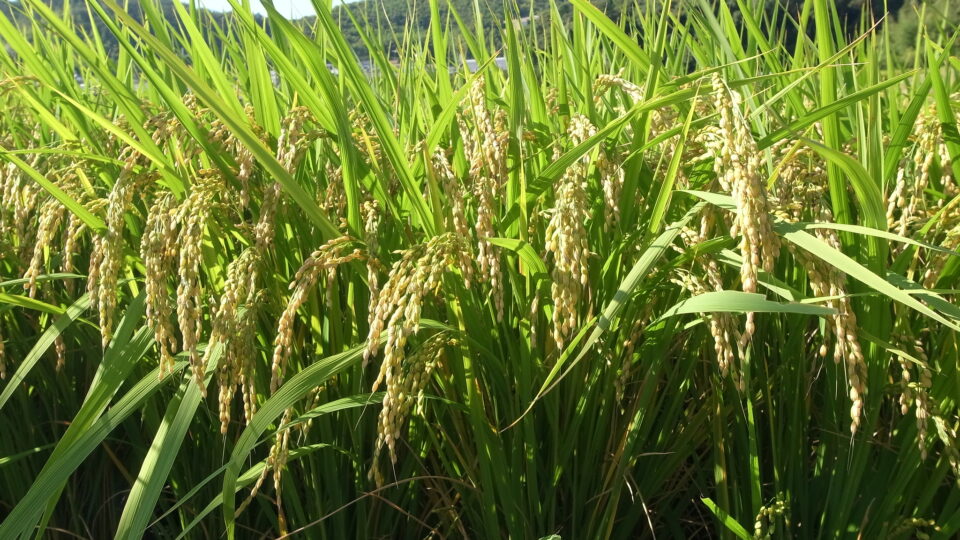
Manipulating RNA can lead to huge increases in crop yields

We have heard a lot about RNA this past year as messenger RNA vaccine technology has been used for the first time to combat the Covid-19 pandemic.  Now RNA-based technology has shown promise to make major contributions to agriculture.

A group of researchers at the University of Chicago and two Chinese universities have announced that manipulating RNA can allow plants to yield dramatically more crops as well as have better drought resistance.

Adding  gene encoding for a protein called FTO to both rice and potato plants increased their yield by 50% in initial field tests.  The plants were larger, produced longer root systems, and could better tolerate drought conditions.  Further analysis showed that the plants had increased their rate of photosynthesis.

FTO protein erases chemical marks on RNA.  Specifically, it controls a process known as m6A, which is a key modification of RNA.  The FTO erases m6A to reduce some of the signals that tell plants to slow down and reduce growth.  Plants modified with the addition of FTO produced significantly more RNA than control plants.

Experiments with both rice plants and potato plants – which are completely unrelated – demonstrated the same results, indicating that the technique could be broadly applicable.  (The genetic modification is rather simple to make and has worked with every type of plant the researchers have tried it with so far).

These results are just the beginning but demonstrate the potential of a technology that could help address problems of poverty and food insecurity at a global scale as well as responding to climate change.  The world depends on plants for everything from wood, food, and medicine, to flowers and oils. This technique has the potential to dramatically increase the stock material we can get from most plants.

**********

Web Links

RNA breakthrough creates crops that can grow 50% more potatoes, rice

Photo, posted September 22, 2014, courtesy of Toshiyuki Imai via Flickr.

Earth Wise is a production of WAMC Northeast Public Radio.

Understanding Geoengineering | Earth Wise

September 7, 2021 By EarthWise Leave a Comment

Climate mitigation measures increasingly discussing geoengineering

The most recent report from the UN Intergovernmental Panel on Climate change includes discussion of a number of extreme and untested solutions to the climate crisis.  Among these are solar geoengineering – modifying clouds or spraying tiny reflective particles into the upper atmosphere in order to block some of the sun’s light and thereby cool the planet.  The underlying principles are relatively straightforward.

There have been various models that predict the extent to which solar geoengineering would lower the earth’s average temperature.  What hasn’t been modeled to any real extent is what other effects it would have.

The new report discusses the results of models that predict how temperatures would vary at different latitudes and how geoengineering would affect rainfall and snowfall.  According to the models, releasing sulfate aerosols into the upper atmosphere to block sunlight would lower average precipitation.  But every region would be affected differently.  Some regions would gain in an artificially cooler world, but others might, for example, suffer by no longer having suitable conditions to grow crops.

The drop in temperature would allow the planet’s carbon sinks (plants, soils, and oceans) to take up more carbon dioxide from the atmosphere.  However, as long as people continue to pollute, carbon dioxide would continue to make the oceans more acidic, causing significant harm to marine ecosystems.  Furthermore, solar geoengineering would have to be an ongoing process that would go on indefinitely and if it were to suddenly stop, it would lead to rapid warming.

The more we learn about geoengineering, the more it becomes clear that there would be many side effects as well as serious moral, political, and practical issues.  Society has to consider if all these things represent too much danger to allow us to seriously consider such a strategy.

**********

Web Links

In the New UN Climate Report, a Better Understanding of Solar Geoengineering

Photo, posted September 9, 2012, courtesy of Kelly Nighan via Flickr.

Earth Wise is a production of WAMC Northeast Public Radio.
Climate Change And Kenya’s Tana River Basin | Earth Wise

September 6, 2021 By EarthWise Leave a Comment

Climate change threatens biodiversity within the Tana River Basin

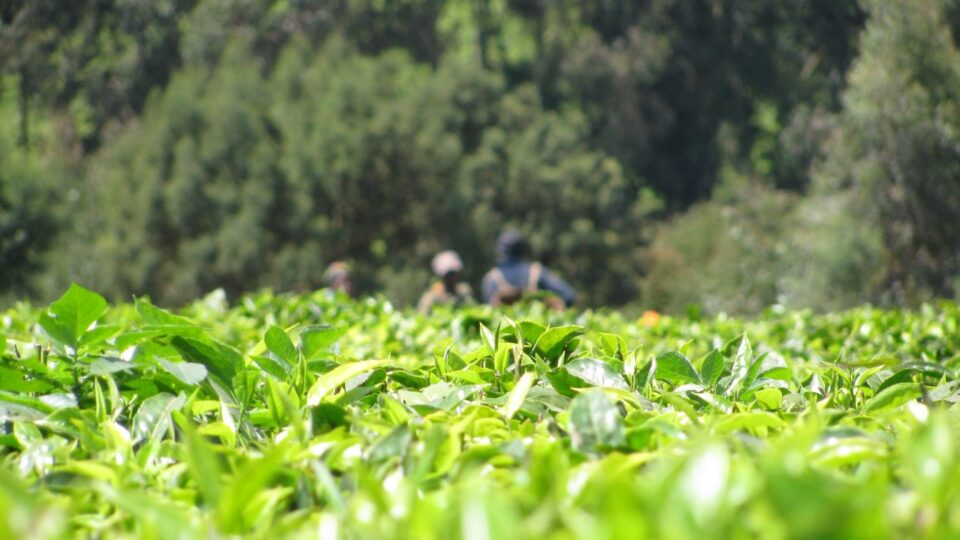
The Tana River is the longest river and most important waterway in Kenya.  It flows 620 miles from its headwaters in the Abderdare mountain range and Mount Kenya to the Indian Ocean.  The Tana River produces approximately half of the country’s electricity, and supplies Nairobi, the capital of Kenya, with 80% of its water.   

According to the United Nations Environment Programme, eight million people live along the Tana River, where coffee, tea, corn and other crops are grown for export, and fishing and cattle grazing help produce food for large portions of the country’s population. 

But the long-term ability of the river to provide these and other essential services is increasingly under threat due to many factors, including pollution, soil erosion, deforestation, and poor land use practices.   

Climate change is also complicating matters.  According to new research from the University of East Anglia, many species within the Tana River Basin will be unable to survive if global temperatures continue to rise at the current pace.  However, the study, which was recently published in the journal PLOS ONE, also found that many of these species could be saved if the world could meet the climate goals of the Paris Agreement. 

Globally, climate and land use changes are the two biggest threats to biodiversity.  According to researchers, 36% of the Tana River Basin has already been converted to agriculture. 

The research team says stronger commitments on climate change are needed from global leaders.  The climate and biodiversity crises can only be solved with urgent action to reduce global greenhouse gas emissions. 

**********

Web Links

The impact of climate change on Kenya’s Tana river basin

Economics of Ecosystem Services of the Tana River Basin

Photo, posted August 19, 2010, courtesy of Luigi Guarino via Flickr.

Earth Wise is a production of WAMC Northeast Public Radio.

Wild Pigs And The Environment | Earth Wise

September 3, 2021 By EarthWise Leave a Comment

Wild pigs cause significant climate damage all around the globe

There are millions of wild pigs in the world with the largest numbers in the United States and Australia but significant numbers in South America, Europe, and China.  In the US, there are as many as 9 million feral swine living in 38 states.  A conservative estimate indicates that they cause about $1.5 billion in property and agricultural damage each year in this country.

Researchers in Australia have studied the climate damage wild pigs are causing across five continents.  According to the study, by uprooting carbon trapped in soil, wild pigs are releasing over 5 million tons of carbon dioxide annually, which is the equivalent of 1.1 million cars.

When soils are disturbed from humans plowing a field, or from wild animals uprooting, carbon is released into the atmosphere.  According to the researchers, wild pigs are just like tractors plowing through fields, turning over soil to find food.

The study used predictive population models coupled with advanced mapping techniques to pinpoint the damage wild pigs are causing.  According to the models, pigs are currently uprooting an area between 14,000 and 47,000 square miles, which is an enormous amount of land.  The effects are not just on the health of the soil and on carbon emissions.  This much damage also threatens biodiversity and food security.

Wild pigs are basically a human-caused problem, being either feral descendants of domestic swine, or hybrids of domestic swine and wild boars.  Wild pigs are prolific and their numbers have been expanding rapidly  Controlling their populations will require cooperation and collaboration across multiple jurisdictions.

**********

Web Links

The climate impact of wild pigs greater than a million cars

Photo, posted July 1, 2017, courtesy of Shiva Shenoy via Flickr.

Earth Wise is a production of WAMC Northeast Public Radio.
Better Ways To Make Bioplastics | Earth Wise

August 27, 2021 By EarthWise Leave a Comment

How to replace plastic

The world produces over 300 million tons of plastics each year, mostly produced from petroleum.  The environmental consequences are substantial and there is a critical need to replace as much of that plastic production with biodegradable plastics as possible.  Thus, there is global research aimed at making bioplastics more economical and as environmentally friendly as possible.

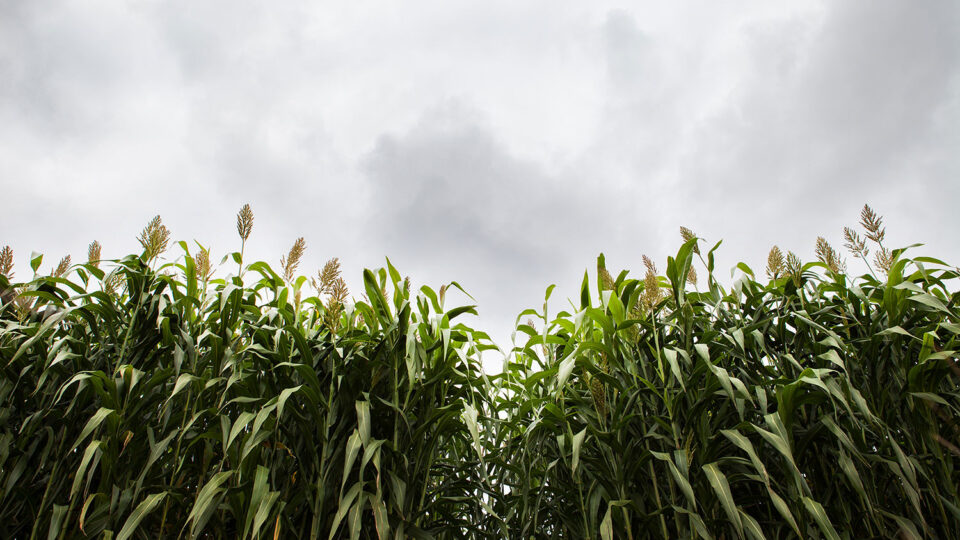
Researchers at Texas A&M University have developed an improved approach for making bioplastics from corn stubble, grasses, and mesquite agricultural production.  Apart from the obvious environmental benefits of having biodegradable plastics, producing bioplastics from common agricultural waste would create new revenue streams for farmers as well as the people who transport harvested feedstock and byproduct crops to refinery operations.

The key to bioplastic production is the efficient extraction and use of lignin, the organic polymer that is the primary structural support material in most plants.  The new research takes five conventional pretreatment technologies for plant materials and modifies them to produce both biofuel and plastics together at a lower cost.  The new method is called “plug-in preconditioning processes of lignin” and it can be directly and economically added into current biorefineries.  The process is designed to integrate dissolving, conditioning, and fermenting lignin, extracting energy from it and making it easily adaptable to biorefinery designs.

The so-called bioeconomy currently supports some 286,000 jobs.  Innovation is the key to achieving more widespread use of biodegradable plastic.  With improved economics of so-called lignocellulosic biorefineries, there can be new avenues to use agricultural waste to produce biodegradable plastics.

**********

Web Links

‘Plugging in’ to produce environmentally friendly bioplastics

Photo, posted November 5, 2015, courtesy of Kathryn Faith via Flickr.

Earth Wise is a production of WAMC Northeast Public Radio.
Seeds And Climate Change | Earth Wise

August 19, 2021 By EarthWise Leave a Comment

Engineering seeds to succeed as the climate changes

Farmers and agricultural communities around the world are on the frontlines of climate change.  They are among the first to feel the impacts of hotter temperatures as well as more frequent and intense droughts and precipitation. These challenges pose a massive threat to both farmer livelihoods and global food security.

As the planet continues to heat up, many arid regions that already have marginal conditions for agriculture will be increasingly under stress. As a result, researchers from the Massachusetts Institute of Technology and the King Mohammed VI Polytechnic University in Morocco are working on a promising new way to protect seeds from this stress during their crucial germination phase. Their simple and inexpensive process, which was recently described in a paper published in the journal Nature Food, also provides plants with extra nutrition at the same.

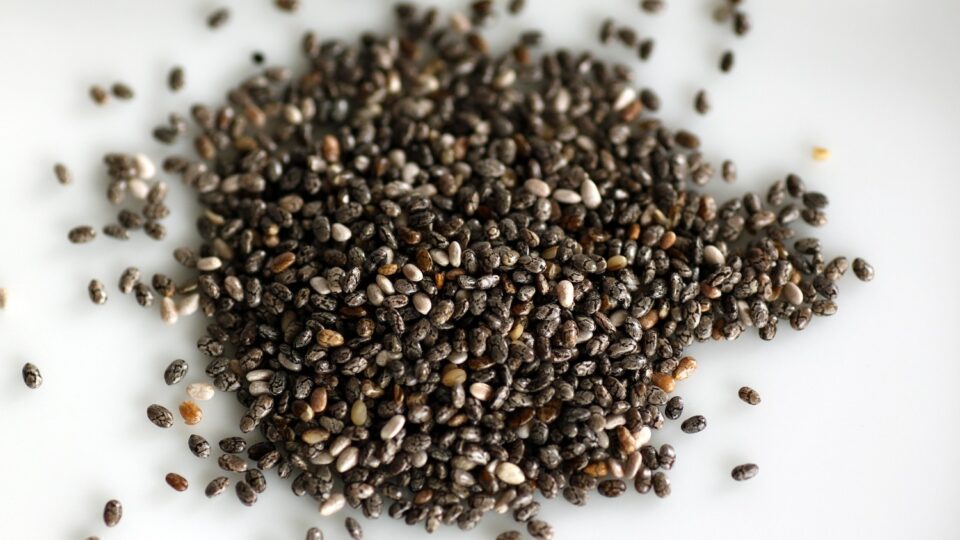
The research team has developed a two layer coating for seeds designed for tackling issues related to drought. Drawing inspiration from natural coatings that occur on some seeds like chia seeds, the first layer is designed to protect the seeds from drying out. It provides a gel-like coating that grips any moisture that comes along and surrounds the seed with it.  The second (inner) layer of the coating contains preserved microorganisms called rhizobacteria, as well as some nutrients to help the seeds grow. 

The materials for the coatings are biodegradable, readily-available, and often used in the food industry already.  According to researchers, early tests using common beans have demonstrated encouraging results in Morocco, and more field tests of the seeds are currently underway.

As the climate continues to change, more innovations like this will be necessary for global food security.

**********

Web Links

Engineering seeds to resist drought

Photo, posted September 17, 2010, courtesy of Stacy via Flickr.

Earth Wise is a production of WAMC Northeast Public Radio.
The Importance Of Double-Cropping | Earth Wise

July 28, 2021 By EarthWise Leave a Comment

Double-cropping is important to feed a growing global population

In agriculture, double-cropping is the practice of growing two or more crops or commodities on the same piece of land in the same calendar year.  In Brazil, grain production has increased more than fourfold between 1980 and 2016.  The country now stands as the world’s largest exporter of soybeans and the second largest exporter of corn.  There were two primary drivers of this increase in food production: cropland expansion and double-cropping. 

Cropland expansion has long been recognized as a key driver behind the increase in Brazil’s agricultural output.  But cropland expansion is also a threat to biodiversity by driving habitat loss, deforestation, and an increase in carbon emissions. 

A new study recently published in the journal Nature Food quantified for the first time the impact that double-cropping had on helping Brazil achieve its tremendous growth in grain production.  The international research team examined data from three key agricultural regions in Brazil: the Centre-West, Southeast-South, and Matopiba region.  These three regions accounted for 79% of soybean production and 85% of  corn production in 2016. 

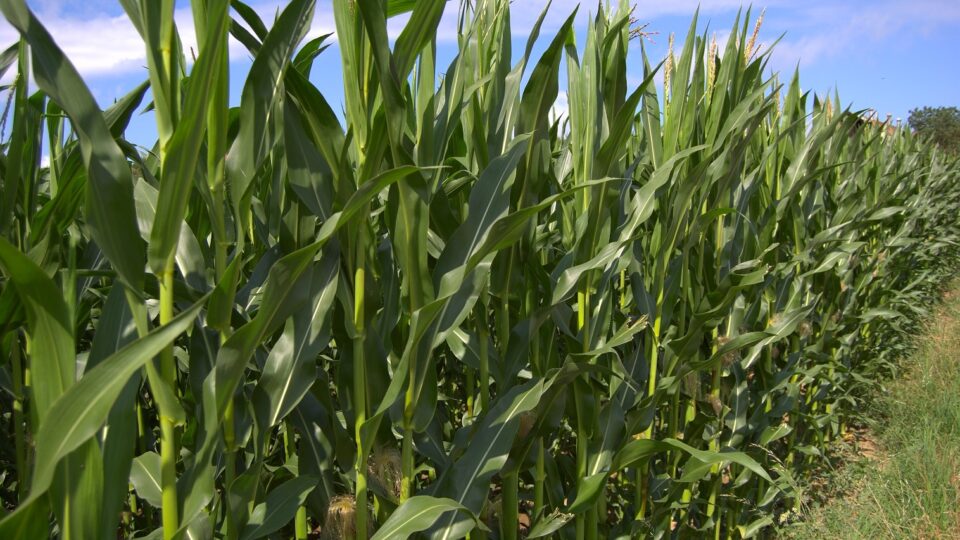
Soybean fields account for more than one third of Brazil’s cropland.  While the increase in soybean production was largely a result of cropland expansion, the increase in corn production was a result of double-cropping. 

Between 2003 and 2016, the study found that double-cropping in Brazil offset the equivalent of approximately 190 million acres of arable land for corn production. (This is more than twice the annual harvested area of corn in the United States).

Double-cropping represents a way to produce more food without clearing more land. 

**********

Web Links

The impact of double-cropping

Photo, posted July 15, 2009, courtesy of Daniel Bauer via Flickr.

Earth Wise is a production of WAMC Northeast Public Radio.

  • « Go to Previous Page
  • Page 1
  • Interim pages omitted …
  • Page 4
  • Page 5
  • Page 6
  • Page 7
  • Page 8
  • Interim pages omitted …
  • Page 15
  • Go to Next Page »

Primary Sidebar

Recent Episodes

  • An uninsurable future
  • Clean energy and jobs
  • Insect declines in remote regions
  • Fossil fuel producing nations ignoring climate goals
  • Trouble for clownfishes

WAMC Northeast Public Radio

WAMC/Northeast Public Radio is a regional public radio network serving parts of seven northeastern states (more...)

Copyright © 2026 ·