
• Skip to primary navigation
  • Skip to main content
  • Skip to primary sidebar

Earth Wise

A look at our changing environment.

  • Home
  • About Earth Wise
  • Where to Listen
  • All Articles
  • Show Search
Hide Search
You are here: Home / Archives for agriculture

agriculture

A Pesticide From Beer | Earth Wise

July 23, 2021 By EarthWise Leave a Comment

Creating a pesticide from beer

Researchers from the Neiker Basque Institute for Agricultural Research and Development in Spain have demonstrated that a combination of rapeseed cake and beer bagasse can be used to reduce populations of soil parasites and increase crop yields. 

Beer bagasse is spent brewers’ grain – the stuff that is left over after the beer is made.  Beer brewing generates substantial amounts of by-products, including large amounts of spent grain.  It already has some practical uses, including as a feedstock for biofuel, as a food additive, and it even has some medical uses.  But the new research has shown that the bagasse can be the basis for a biodisinfestation treatment to be used in agriculture.  The aim is to disinfect soils, protect soil microorganisms, and increase crop yields.

The actual material studied was a mixture of beer bagasse, rapeseed cake, and a generous amount of fresh cow manure.  The high nitrogen content of the mixture promotes the activity of beneficial microorganisms in the soil, which helps to break down organic matter and kill off nematodes and other parasites that damage crops.

Nematodes are common parasites that can penetrate plant roots to lay their eggs, which damages the root and prevents the plants from absorbing nutrients effectively.  Application of the bagasse-based mixture over 12 months increased crop yields by 15% and boosted healthy soil microbes.

The study demonstrated that agricultural byproducts can be an effective treatment for root-knot nematodes and other soil parasites, increase crop yields, and help promote sustainable food systems to reduce waste from the agricultural industry.  The researchers hope to identify other potential organic treatments for tackling soil parasite problems.

**********

Web Links

Beer byproduct mixed with manure proves an excellent organic pesticide

Photo, posted July 1, 2011, courtesy of Quinn Dombrowski via Flickr.

Earth Wise is a production of WAMC Northeast Public Radio.
Peatlands And Greenhouse Gas Emissions | Earth Wise

July 21, 2021 By EarthWise Leave a Comment

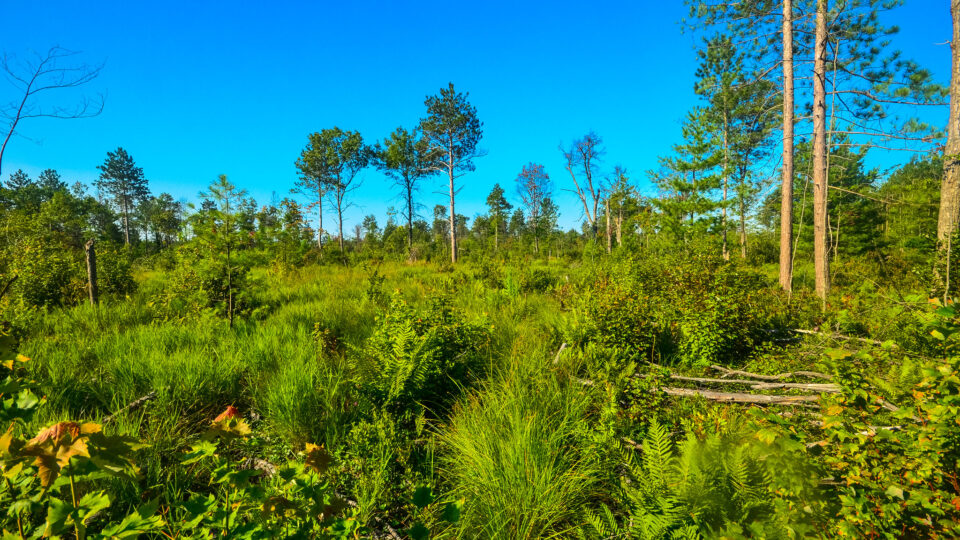
Peatlands play a significant role in greenhouse gas emissions

As the world seeks to reduce the greenhouse gas emissions that have been warming the climate, most of the focus has been on the primary contributors to the problem, such as the burning of fossil fuels.  But there are many smaller contributors to greenhouse gas emissions that individually play only a minor role but collectively add up to significant amounts.  One of these is the emissions from peatlands.

Peatlands are a type of wetland that occur in almost every country on Earth, covering 3% of the global land surface.  They are terrestrial ecosystems in which waterlogged conditions prevent plant material from fully decomposing.  As a result, the production of organic matter exceeds its decomposition, which results in a net accumulation of peat.  Peatlands are, in fact, the largest natural terrestrial carbon store, storing more over 700 billion tons of carbon, more than all other types of vegetation combined.

Human activity, such as creating drainage in peatlands for agriculture and forest plantation, results in the release of over 1.6 billion tons of CO2 into the atmosphere each year. This constitutes 3% of all global greenhouse gas emissions caused by human activities.

Large numbers of people rely on peatlands for their livelihoods, so it is not reasonable for these emission-generating activities to be greatly curtailed.  But researchers at the University of Leicester in the UK analyzed the potential effects of cutting the current drainage depths in croplands and grasslands on peat in half and showed that this could reduce CO2 emissions by more than 500 million tons a year. This equates to one percent of all greenhouse gas emissions caused by human activities.

There are numerous opportunities to reduce emissions a little bit at a time.

**********

Web Links

Better peatland management could cut half a billion tonnes of carbon

Photo, posted August 17, 2013, courtesy of Joshua Mayer via Flickr.

Earth Wise is a production of WAMC Northeast Public Radio.
Protecting Bees From Pesticides | Earth Wise

July 15, 2021 By EarthWise Leave a Comment

A new technology that can protect bees from pesticides

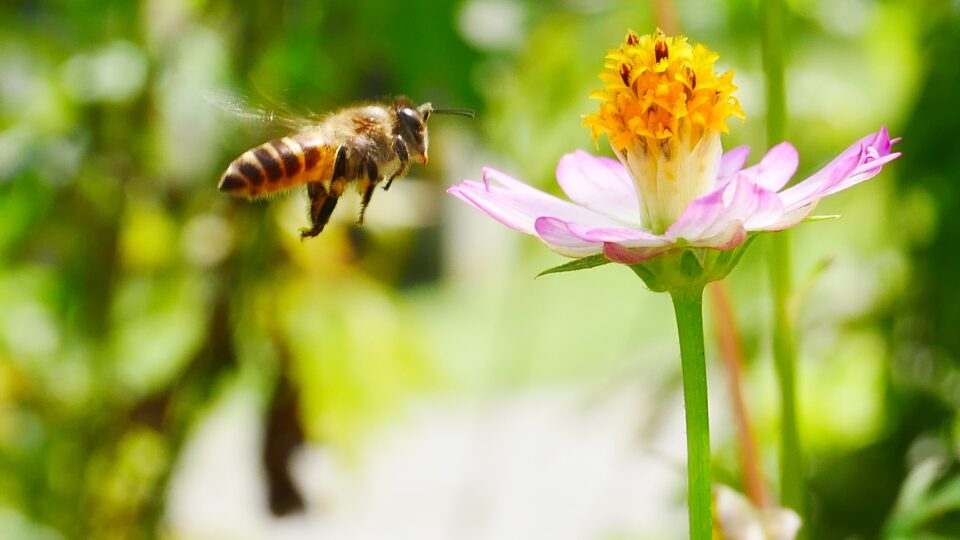
Studies have shown that the wax and pollen in 98% of beehives in the U.S. are contaminated with an average of six pesticides.  These substances lower bees’ immunity to devastating varroa mites and other pathogens.  By some estimates, pesticides cause beekeepers to lose about a third of their hives every year on average.

Researchers at Cornell University have developed a new technology that effectively protects bees from insecticides.  The insecticide antidote delivery method is now the basis of a new company called Beemunity.

The Cornell researchers developed a uniform pollen-sized microparticle filled with enzymes that detoxify organophosphate insecticides before they are absorbed and can harm bees.  Organophosphate insecticides account for about a third of the insecticides on the market.  The microparticles have a protective casing that allows the enzymes to move past the bees’ crop (basically the stomach), which is acidic and would otherwise break them down.  The safeguarded enzymes then enter the midgut, where digestion occurs and where toxins and nutrients are absorbed.  There the enzymes act to break down and detoxify the organophosphate insecticides.

In experimental tests, bees that were fed the enzyme-filled microparticles had a 100% survival rate after exposure to the insecticide malathion.  Unprotected control bees died within days.

The Cornell work appears to represent a low-cost, scalable solution to the insecticide toxicity issue and may help to protect essential pollinators.

**********

Web Links

Pollen-sized technology protects bees from deadly insecticides

Photo, posted January 30, 2020, courtesy of George Tan via Flick.

Earth Wise is a production of WAMC Northeast Public Radio.
Turning Atmospheric Carbon Into Useful Materials | Earth Wise

July 7, 2021 By EarthWise Leave a Comment

Transforming atmospheric carbon into useful materials

Plants have the ability to capture carbon dioxide from the atmosphere and incorporate it into leaves, fruits, wood, and other plant materials.  This beneficial process is mostly temporary, as much of this carbon dioxide from plant matter ends up back in the atmosphere through decomposition, or even burning.

Researchers at the Salk Institute have proposed a more permanent fate for captured carbon by turning plant matter into a valuable industrial material called silicon carbide.

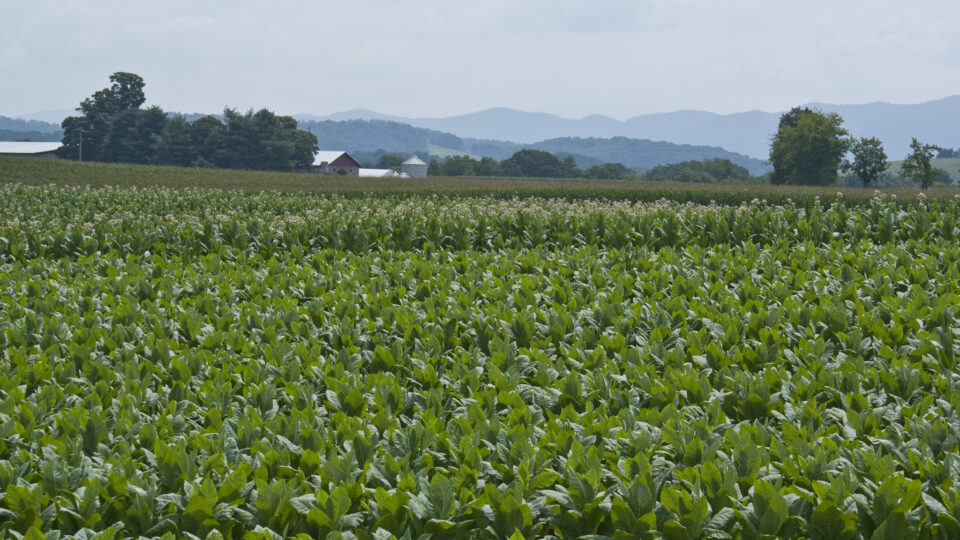
In a recent study published in the journal RSC Advances, Salk scientists transformed tobacco and corn husks into silicon carbide and evaluated and quantified the benefits of the process.

The researchers used a previously reported method to transform plant matter into silicon carbide in three stages and carefully tracked the carbon utilization at each stage.

Stage one is growing the plants.  They used tobacco from seed, chosen for its short growing season.  Then the harvested plants are frozen, ground into a powder, and treated with chemicals including a silicon-containing compound.  Finally, the powder is subjected to a high-temperature process resulting in the production of silicon carbide.

Their analysis showed that much of the carbon sequestered by growing the plants could be preserved through the full process and the amount of energy required for the production of the silicon carbide (mostly from the high-temperature process) is comparable to current manufacturing processes for the material.

Permanently sequestering carbon from agricultural waste products by incorporating it into a valuable industrial material would be a valuable addition to strategies for reducing greenhouse gases in the atmosphere.

**********

Web Links

Transforming Atmospheric Carbon Into Industrially Useful Materials

Photo, posted August 3, 2013, courtesy of AJ Garrison via Flickr.

Earth Wise is a production of WAMC Northeast Public Radio.
A Global Assessment Of Groundwater Wells | Earth Wise

May 19, 2021 By EarthWise Leave a Comment

Groundwater wells are at risk

Water is a fundamental need for every human being on the planet.  Each person requires more than five gallons of clean and safe water a day for drinking, cooking, and keeping clean.

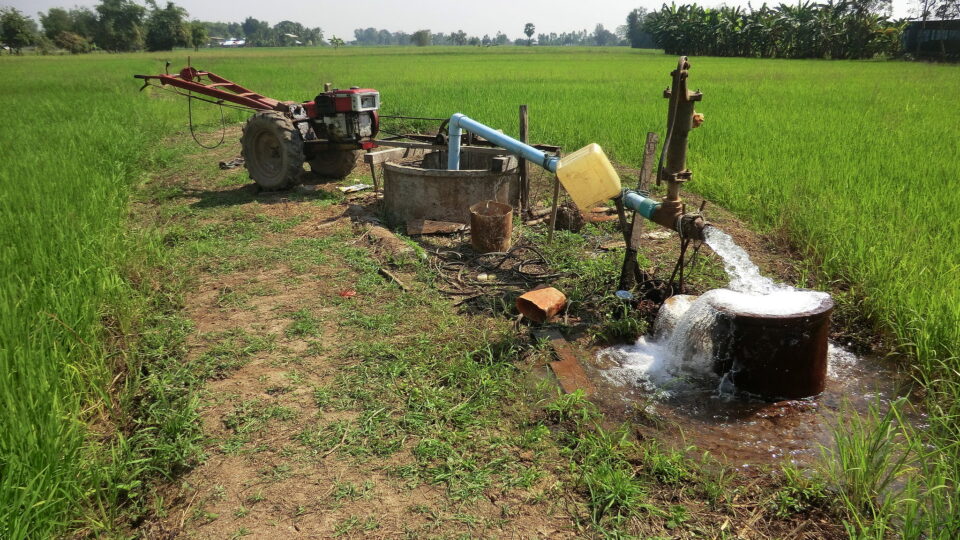
Groundwater wells remain one of the primary sources of drinking water.  In fact, more than half of the world’s population gets its drinking water from groundwater wells.  Groundwater wells also sustain more than 40% of irrigated agriculture.

Researchers from UC Santa Barbara have recently compiled the most comprehensive assessment of groundwater wells to date.  Their research, which was recently published in the journal Science, spanned 40 countries, which collectively account for more than 50% of all groundwater pumping. 

According to the survey’s findings, many wells are at risk of running dry – up to one in five wells, to be exact.  The researchers compared the depths of water tables against well depths. They found that 6% to 20% of the wells in the study were at risk of running dry if water levels continue to decline by just a few meters.

In many areas where groundwater levels are declining, the research team found that new wells are not being drilled deeper to keep pace with the falling water table. As a result, newer wells are just as vulnerable as older wells should groundwater levels continue to decline.  

The researchers hope to expand on this study to include data from China, Iran, and Pakistan, three major users of groundwater from which the researchers could not obtain records.  The researchers also plan to investigate how quickly water tables are dropping and where the trend is accelerating.   

**********

Web Links

The largest assessment of global groundwater wells finds many are at risk of drying up

Photo, posted January 20, 2018, courtesy of François Molle via Water Alternatives Photos on Flickr.

Earth Wise is a production of WAMC Northeast Public Radio.
The Cost Of Invasive Species | Earth Wise

May 7, 2021 By EarthWise Leave a Comment

Invasive species cost the global economy trillions of dollars

A new study published in Nature has tried for the first time to put a price tag on the impact of invasive species.  Researchers have been studying the effects of invasive species for decades, but it is a problem that has not really captured the attention of the public and policy makers.

According to the research by scientists at the French National Museum of Natural History, from 1970 to 2017, invasive species have cost the global economy at least $1.28 trillion dollars in damages and efforts to control them.

The team screened over 19,000 published papers, ultimately analyzing nearly 2,000 that detailed costs of various invasions at particular times.   Annual costs roughly doubled every six years, reaching a yearly bill of $162 billion in 2017.

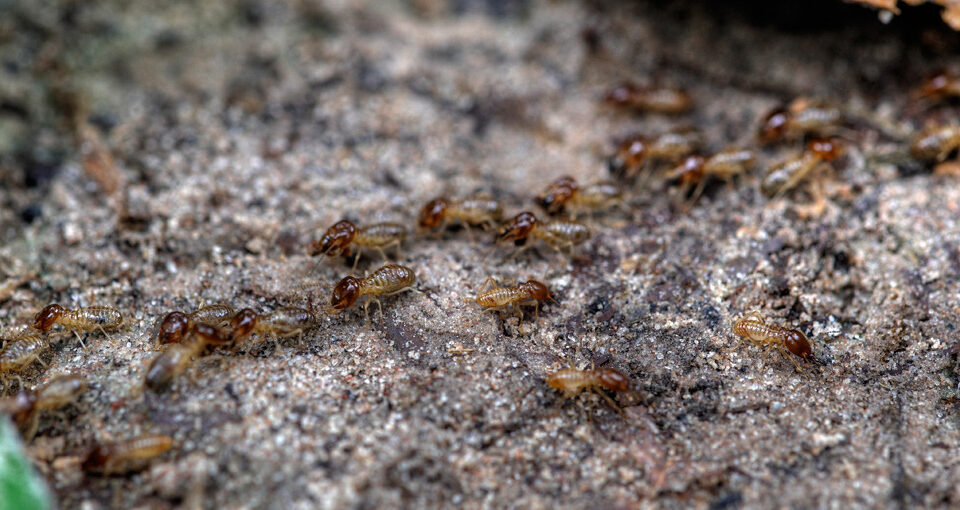
The five costliest invasive species are Aedes mosquitos, rats, cats, termites, and fire ants, collectively accounting for a quarter of the global damage.

Asian tiger mosquitos and yellow fever mosquitos alone accounted for $149 billion in damage to public health as they spread from country to country.  Rats hitchhike on human boats and drive native species to extinction on islands around the world.  Cats inflict damage primarily by their impact on native biodiversity.  By some estimates, they kill a billion birds each year in the US alone.   Termites, as they spread across the globe, wreak havoc on all sorts of infrastructure.  Fire ants can feed on a variety of seedlings, from citrus to soybeans, reduce the size of grazing lands for livestock and bite and sting farm animals and humans.

The study shows invasive species are a massive problem that is getting worse.

**********

Web Links

Invasive Species Cost Billions of Dollars in Damages Annually, Researchers Find

Photo, posted March 29, 2012, courtesy of Aleksey Gnilenkov via Flickr.

Earth Wise is a production of WAMC Northeast Public Radio.
Climate Change And Farming Productivity | Earth Wise

May 3, 2021 By EarthWise Leave a Comment

Climate change is already hindering farm productivity

The future potential impacts of anthropogenic climate change on global agricultural systems has been well studied, but how human-caused climate change has already affected the agricultural sector is not as well understood.  But a new study led by researchers at Cornell University and supported by the USDA National Institute of Food and Agriculture and the National Science Foundation examined this issue. 

Despite important agricultural breakthroughs in technology, fertilizer use and global trade during the past 60 years, it turns out that the climate crisis is already eroding farm productivity.  According to the study, which was recently published in the journal Nature Climate Change, global farming productivity is 21% lower than it could have been without climate change.  This is the equivalent of losing approximately seven years of farm productivity increases since the 1960s. 

The researchers developed a model linking annual changes in weather and productivity with output from the latest climate models over six decades to quantify the effect of anthropogenic climate change on what economists call “total factor productivity.” This measure captures the overall productivity of the agricultural sector. 

The research team reviewed 200 variations of the model, but the results remained largely consistent:  anthropogenic climate change is already slowing down global food production.  The researchers say the historical impacts of climate change have been larger in naturally warmer climates, like in parts of Africa, Asia, and Latin America.   

Climate change is not some distant problem to solve in the future.  It is already having an impact on the planet and it needs to be addressed now.

**********

Web Links

Climate change cut global farming productivity 21% since 1960s

Photo, posted October 2, 2013, courtesy of the United Soybean Board via Flickr.

Earth Wise is a production of WAMC Northeast Public Radio.

Solar Energy And Agriculture | Earth Wise

March 10, 2021 By EarthWise Leave a Comment

Co-developing land for both solar and solar power could provide huge benefits with minimal costs

According to a new study by Oregon State University researchers, co-developing land for both solar voltaic power and agriculture could provide 20% of total electricity generation in the United States with an investment of less than 1% of the annual U.S. budget.

The concept is known as agrivoltaics – using the same land for both growing crops and generating solar energy.  The proponents of agrivoltaics say that it provides more food, more energy, lower water demand, lower carbon emissions, and more prosperous rural communities.

According to the study, wide-scale installation of agrivoltaic systems could lead to an annual reduction of 330,000 tons of carbon dioxide emission in the U.S. – the equivalent of taking 75,000 cars off the road – and the creation of more than 100,000 jobs in rural communities.  All of this could be achieved with minimal effects on crop yields.

The study finds that an area about the size of Maryland would be needed for agrivoltaics to produce 20% of U.S. electricity generation.  That area of 13,000 square miles constitutes about 1% of current U.S. farmland.

The cost of the solar installations would be $1.1 trillion over 35 years and they would pay for themselves from the electricity generated within 17 years.  Installing the arrays would create the equivalent of 117,000 jobs lasting 20 years.

The researchers are going to install a fully functional solar farm on 5 acres of university owned land to demonstrate to the agricultural community and potential future funders how the study’s findings can be applied in real world agricultural systems.

*********

Web Links

Combining solar energy and agriculture to mitigate climate change, assist rural communities

Photo, posted October 11, 2011, courtesy of Michael Coghlan via Flickr.

Earth Wise is a production of WAMC Northeast Public Radio.
Understanding How To Enhance Desalination | Earth Wise

February 16, 2021 By EarthWise Leave a Comment

How to improve desalination

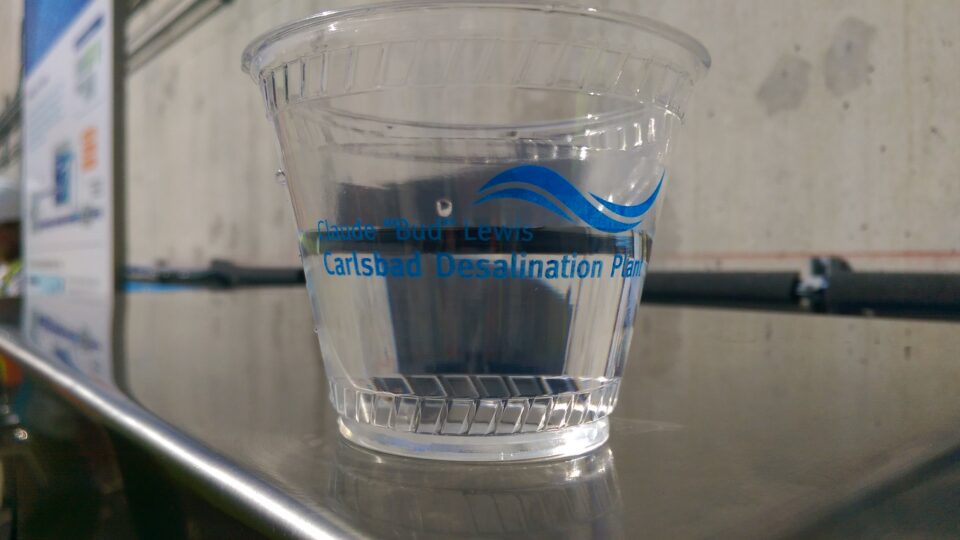
Desalination is the process of removing mineral components – notably salt – from saline water, generally seawater.  Over 16,000 desalination plants operate across 177 countries, generating 25 billion gallons of fresh water each year.  Currently, desalination accounts for about 1% of the world’s drinking water.

The leading process for desalination in terms of installed capacity as well as new installations is reverse osmosis that makes use of a thin-film composite membrane based on ultra-thin polyamide.

Despite the fact that these membranes are widely used for desalination, they are actually rather poorly understood.  It has not been known exactly how water moves through them.  As a result, much of the progress made on the technology over the decades has been essentially based on guesswork.

A team of researchers at the University of Texas, Austin has used advanced microscopy techniques to solve some of the mysteries of reverse osmosis membranes.  By mapping membranes at very high resolution – less than half the diameter of a DNA strand – they gained a much better understanding of what makes a membrane better at reverse osmosis.

They found that desalination membranes are inconsistent in mass distribution and density and that these inconsistencies can impair membrane performance.  It turns out that inconsistencies and dead zones in membranes play a bigger role than membrane thickness.  By making the membranes more uniform in density at the nanoscale, they were able to increase desalination efficiency 30 to 40 percent, therefore cleaning more water with less energy and at lower cost.

Producing fresh water is not just essential for public health, it is also crucial for use in agriculture and energy production.

**********

Web Links

Nanoscale control of internal inhomogeneity enhances water transport in desalination membranes

Photo, posted February 13, 2017, courtesy of Jacob Vanderheyden via Flickr.

Earth Wise is a production of WAMC Northeast Public Radio.
Renewable Energy And Green Ammonia | Earth Wise

January 20, 2021 By EarthWise Leave a Comment

A breakthrough in greening ammonia

Several different clean technology trends may come together on farms across the country where wind turbines could power devices that produce green ammonia for fertilizer and zero emission fuel.

Distributed wind is a kind of renewable energy that doesn’t get much attention.  It refers to turbines that are used to generate electricity for on-site use, as for a factory or a farm.  It typically involves smaller turbines than the behemoths that are used in giant wind farms.

Installing a wind turbine or two on a farm could be quite valuable if the electricity generated could be used to make green ammonia.  Such an application would eliminate the problem of “stranded wind”, which is when a location has lots of wind but lacks access to the electricity transmission infrastructure.

If farmers could utilize wind energy to produce ammonia, they could make their own fertilizer as well as fuel and get relief from price spikes and uncertainties in the commodities market.  Of course, they would also make use of the electricity they generate on site.

Most ammonia is produced using a proven technology called the Haber-Bosch process.   Ammonia contains only nitrogen and hydrogen, both of which can be extracted from the air.  The trick is how to do it efficiently using renewable electricity.   The Department of Energy has a program called the REFUEL Initiative, which aims at deploying renewable energy to produce ammonia.  The University of Minnesota, among other places, has multiple programs dedicated to green ammonia technology. 

There is encouraging progress being made that may ultimately result in a common sight of wind turbines on farms producing fertilizer, fuel, and electricity.

**********

Web Links

The Renewable Energy Cows Come Home, Now With Green Ammonia

Photo, posted July 15, 2009, courtesy of Daniel_Bauer via Flickr.

Earth Wise is a production of WAMC Northeast Public Radio.
Compost And Landfills | Earth Wise

January 19, 2021 By EarthWise Leave a Comment

the importance of landscaping

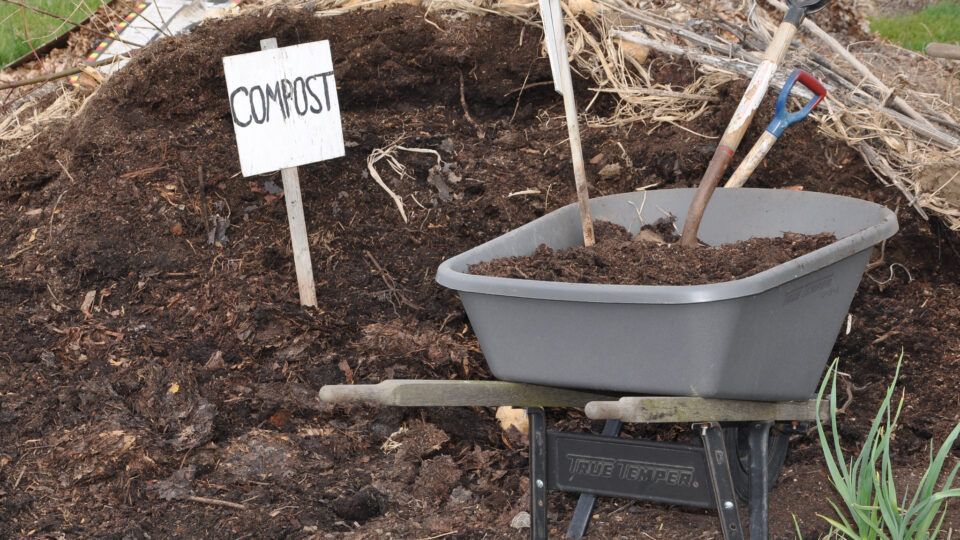
Composting is popular as a way to keep solid waste out of landfills and many people turn much of their kitchen waste into rich soil amendments.   Cities and towns across the country have composting programs that collect waste from residents to produce large quantities of compost rather than adding the waste to landfills.  A new study from North Carolina State University looked into the environmental benefits of actually using compost at landfills.

Most municipal composting programs require that the compost they produce gets used “beneficially”.  The new research shows that using compost as an alternative daily cover at landfills is competitive and often superior to the use of compost as a soil amendment in terms of its environmental benefits.

Landfills apply a layer of daily cover to reduce odors, reduce windblown debris, and keep vermin out of landfill waste.  Federal regulations require six inches of soil as a daily cover.

Compost from food waste in particular is not always suitable for soil amendment in gardens and agricultural fields because it often contains broken glass and other contaminants.

The North Carolina State study looked at the environmental impact of using compost as daily cover in landfills compared with its use as a soil amendment.  They looked at global warming potential, acidification potential, eutrophication (which is the amount of nutrients released to ground and surface water), cumulative energy demand, and the depletion of resources.

The study concluded that using compost as landfill daily cover is environmentally superior with regard to eutrophication, acidification, and global warming potential.  On the other hand, soil amendment was better in terms of resource depletion and cumulative energy demand.

**********

Web Links

Applying Compost to Landfills Could Have Environmental Benefits

Photo, posted April 22, 2008, courtesy of Alachua County via Flickr.

Earth Wise is a production of WAMC Northeast Public Radio.
Non-Native Plants And Insect Decline | Earth Wise

January 15, 2021 By EarthWise Leave a Comment

The impact of non-native plants on insect decline

Global insect populations have been in decline since the beginning of the 20th century.  The decline accelerated during the 1950s and 1960s, and it has reached alarming levels during the past 20 years.

The causes of plummeting insect populations include habitat destruction, deforestation, climate change, light pollution, and the rise of industrial agriculture.  This so-called insect apocalypse is being mirrored by a bird Armageddon because so many bird species depend on insects for their diets.

A still controversial, but increasingly likely factor in the decline of insect populations is the spread of non-native plants in agriculture, agroforestry, and horticulture.  A recent study published in the journal Ecological Entomology presents recent data supporting the proposition that the widespread displacement of native plants is a key cause of insect declines. 

Many insects depend on a limited number of plants for survival.  In many cases, insects’ diets are restricted to a single plant family.  When native host plants dwindle or disappear from an area, the population of insects that depend on those plants shrinks.

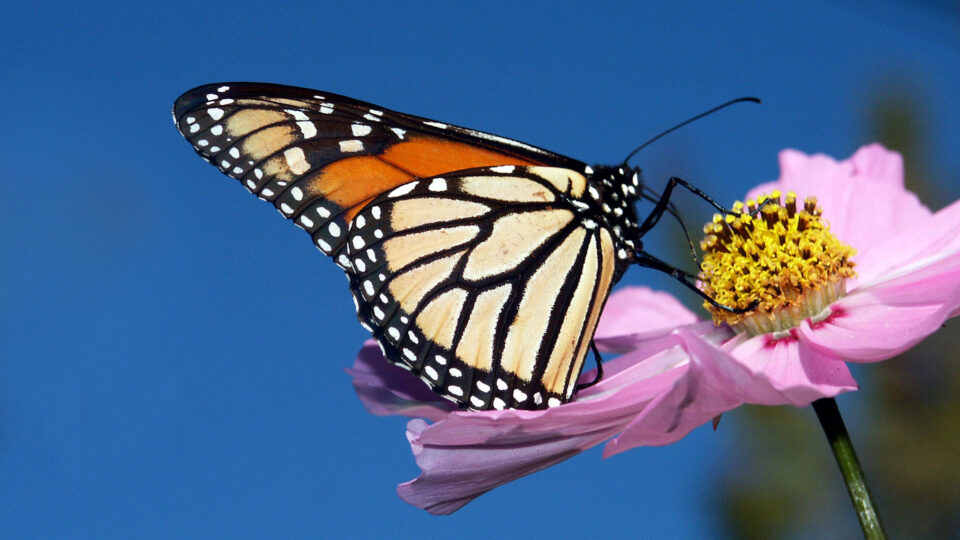
There are examples of insects that adopt introduced plants as food sources, such as silver-spotted skipper butterfly larvae feeding on invasive kudzu in the eastern U.S.  But generally, the widespread incursion of non-native plants is harmful to native insect populations.

Non-native plants are especially popular for horticulture.  Millions of acres of potential insect habitat have been transformed into food deserts for native insects.  The authors of the recent study recommend that Americans should extensively include native plants in their yards to help preserve insect diversity.

**********

Web Links

How Non-Native Plants Are Contributing to a Global Insect Decline

Photo, posted May 2, 2004, courtesy of Bernard Spragg via Flickr.

Earth Wise is a production of WAMC Northeast Public Radio.
Europe’s Green Deal: Bad For The Planet? | Earth Wise

December 28, 2020 By EarthWise Leave a Comment

Europe's Green Deal might simply be exporting its environmental pollution

In 2019, the European Union announced the “Green Deal,” a comprehensive program aimed at making Europe the first climate-neutral continent, implementing environmentally friendly transport, increasing recycling, and expanding renewable energy.

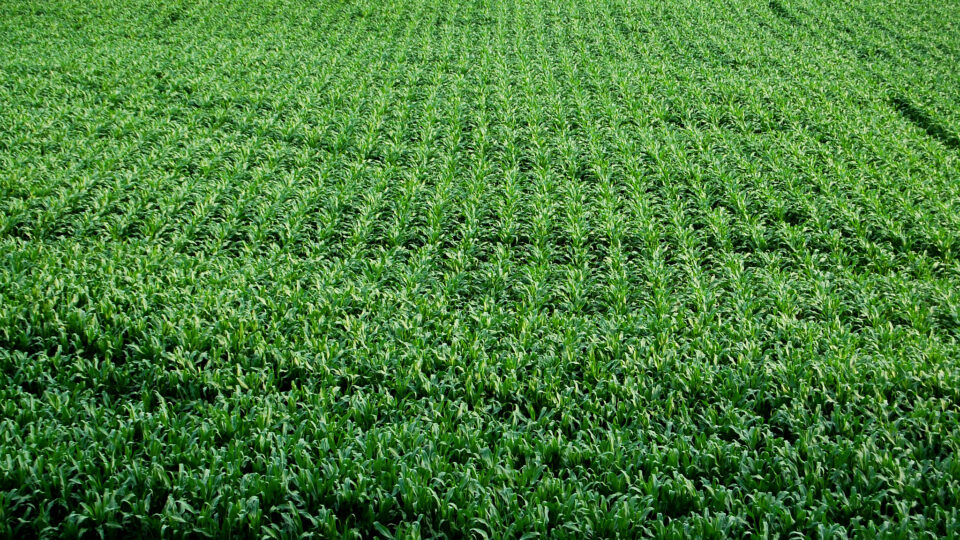
The Green Deal involves significant changes to European agriculture.  Over the next ten years, under the ambitious environmental program, at least a quarter of all agricultural areas will be farmed organically, the use of fertilizers and pesticides greatly reduced, 3 billion trees planted, 15,000 miles of rivers restored, and the population declines of pollinators reversed.

However, in a recent article published in Nature, scientists at the Karlsruhe Institute of Technology show that this Green Deal might actually be a bad deal for the planet.

The problem is that the EU is likely to basically be outsourcing environmental damage by its high imports of agricultural products.

According to the Karlsruhe study, the EU annually imports millions of tons of agricultural products, as much as 20% of its produce and much of its meat and dairy products.  Quite often, these imports come from countries whose environmental laws are far less stringent than those in Europe.

The EU cannot impose environmental standards on other countries, but it can demand that goods entering the European market meet EU requirements.  The study points out that Europe’s carbon footprint has to be evaluated on a global basis.  If the EU is truly to become a climate-neutral continent, it must include foreign trade goals and requirements in its environmental programs.  Otherwise, Europe will simply be outsourcing its environmental problems and will continue to cause damage to the planet.

**********

Web Links

Green Deal: Good for a Climate-neutral Europe – Bad for the Planet

Photo, posted July 17, 2009, courtesy of Edmund Garman via Flickr.

Earth Wise is a production of WAMC Northeast Public Radio.

The First Earth Fund Awards | Earth Wise

December 25, 2020 By EarthWise Leave a Comment

Environmental organizations receiving large grants

Last February, Amazon CEO Jeff Bezos announced that he was launching the Bezos Earth Fund that would grant money to scientists, activists, NGOs and others making an effort to help preserve and protect the natural world.  The fund would start out with $10 billion and would begin issuing grants later in the year.

In November, the first Earth Fund award recipients were announced.  In total, 16 organizations will be receiving nearly $800 million in funding.

The largest awards include the following:  the Environmental Defense Fund received $100 million to build and launch MethaneSAT, a satellite that will locate and measure sources of methane pollution around the world and provide public access to data that assures accountability.

The Natural Resources Defense Council was awarded $100 million to advance climate solutions and legislation at the state level, promote policies and programs focused on reducing oil and gas production, protect and restore ecosystems that store carbon, and accelerate sustainable and regenerative agriculture practices.

The Nature Conservancy also received $100 million and plans to use the money to help protect the Emerald Edge forest.  (That is the largest intact coastal rainforest on Earth, spanning 100 million acres through Washington, British Columbia and Alaska).

The World Resources Institute will receive $100 million, doled out over five years, to be used to develop a satellite-based monitoring system to advance natural climate solutions around the world.

An additional $100 million award went to the World Wildlife Fund to help protect and restore mangroves, develop new markets for seaweed as an alternative to fossil fuel-based products, and to protect forests and other ecosystems around the world.

**********

Web Links

The organizations that will benefit from Bezos’ $791M and what will they do with the money

Photo, posted March 4, 2015, courtesy of Kevin Gill via Flickr.

Earth Wise is a production of WAMC Northeast Public Radio.
A Palm Oil Replacement | Earth Wise

December 15, 2020 By EarthWise Leave a Comment

A possible replacement for palm oil

In the 1990s, cardiovascular health issues associated with partially hydrogenated oils containing harmful trans fats became a focus of great concern.  As a result, food companies looked for substitutes and the alternative they identified was palm oil.  Its ability to remain solid at room temperature made it well suited for many food applications.  Unfortunately, that property stems from its high saturated fat content, which means it also increases the risk of coronary heart disease.

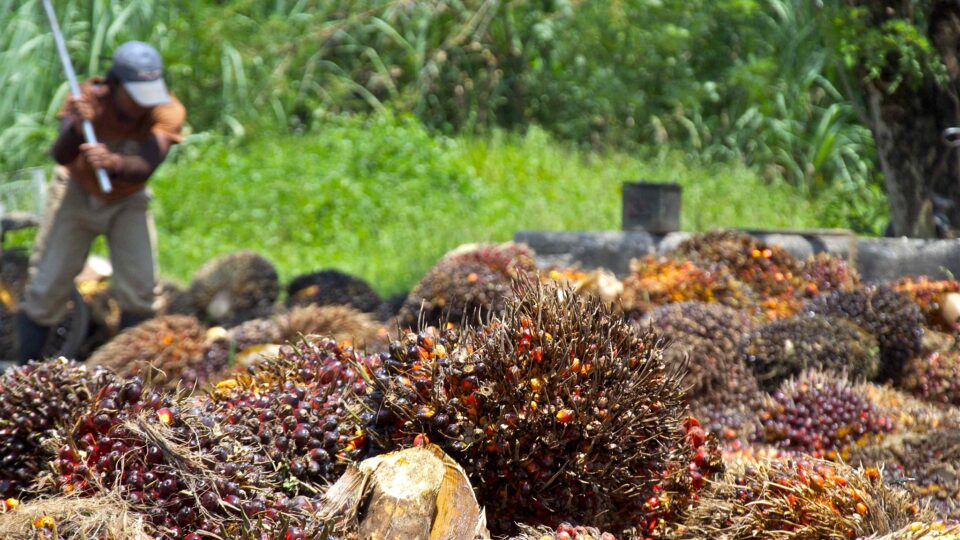
The widespread use of palm oil has also caused significant environmental problems.  Palm oil plantations have replaced millions of acres of tropical forests, destroying the habitat for numerous species and threatening biodiversity.

Other potential replacements for partially hydrogenated oils such as coconut oil tend to be more costly, limited in supply, and also high in saturated fats.

Food scientists at the University of Guelph in Ontario, Canada, recently demonstrated the use of enzymatic glycerolysis (EG) to turn liquid vegetable oils into solid fats.  Their process is able to produce solid fats with the textural and structural properties desired by consumers.

The process is fairly simple, relatively easy to scale up, and is amenable to smaller food production or even local production.  Using it would enable food producers to use all sorts of readily available vegetable oils that can be produced in parts of the world that are not necessarily tropical regions.

Palm oil use is not going to go away, but this work may point a way to help slow down the destruction of ecosystems and animal habitats as well lead to more sustainable and healthy food sources.

*********

Web Links

U of G Food Scientists Find Palm Oil Alternative That’s Good for Human, Planet Health

Photo, posted February 21, 2010, courtesy of Craig Morey via Flickr.

Earth Wise is a production of WAMC Northeast Public Radio.

Self-Watering Soil | Earth Wise

December 9, 2020 By EarthWise Leave a Comment

Self-watering soil could help conserve water

Researchers at the University of Texas at Austin have created a new type of soil that can pull water from the air and distribute it to plants.  Such soil has the potential to expand the map of farmable land to previously inhospitable places as well as to reduce water use in agriculture in an era of growing droughts.

The team’s atmospheric water irrigation system makes use of super-moisture-absorbent gels to capture water from the air.  When they are heated to a high enough temperature, the gels release the water, making it available to plants.

The gels in the soil pull water out of the air during cooler, more humid periods at night and when the sun heats the soil during the day, the water-containing gels release their contents into the soil.

Each gram of soil can extract about 3-4 grams of water.  Depending on the specific crop, somewhere between a couple of ounces and 2 pounds of the soil can provide enough water to irrigate a square yard of farmland.

Experiments on the soil found that it retains water better than the sandy soils found in dry areas and needs much less water to grow plants.

In one experiment, radish plants germinated in the soil all survived a 14-day period without any irrigation beyond the initial watering when they were planted.  Radish plants in ordinary sandy soil irrigated for the first four days of the experiments lasted no more than two days further without watering.

The Austin group has been developing gel-polymer materials that work like super-sponges for two years.  These materials extract large amounts of water from the ambient air, clean it, and release it when heated with solar energy.

**********

Web Links

Self-Watering Soil Could Transform Farming

Photo, posted October 21, 2020, courtesy of the U.S. Department of Agriculture via Flickr. USDA Media by Lance Cheung.

Earth Wise is a production of WAMC Northeast Public Radio.

Essential Oils And Organic Crops | Earth Wise

November 6, 2020 By EarthWise Leave a Comment

Essential oils as natural pesticides

Essential oils are concentrated liquids extracted from plants.  They are called “essential” in the sense that they contain the essence of the fragrance that is characteristic of the plant.  Essential does not mean indispensable or usable by the human body.  But despite that fact, essential oils have been used in folk medicine throughout history. 

In recent times, essential oils have frequently been used in aromatherapy.  Generally speaking, medicinal uses of essential oils are controversial, and, in some cases, they have even been demonstrated to be dangerous.

Research has shown that essential oils have potential as natural pesticides.  Recently, the USDA has funded research into the use of essential oils to battle pests and diseases of organic crops.

U.S. organic food sales topped $50 billion in 2018 and fruits, vegetables, and other specialty crops combined make up more than a third of organic sales.  In order to meet consumer demand, farmers need ways to battle pests and diseases that often accompany organic crop growth.

A four-year project at the University of Hawaii at Manoa is entitled “Plant Safety, Horticultural Benefits, and Disease Efficacy of Essential Oils for Use in Organically Grown Fruit Crops:  From the Farm to the Consumer.”   The researchers will work with certified organic producers in Hawaii, Florida, South Carolina, Georgia, and California to evaluate the effectiveness of plant essential oils on major fruit pathogens such as avocado scab, anthracnose fungal disease, and powdery mildew on targeted tropical and temperate fruit crops such as avocado, mango, blueberry, and peach.

The goal is increase orchard productivity of the expanding organic fruit industry.

**********

Web Links

Essential oils could keep pests, disease from organic crops

Photo, posted January 6, 2015, courtesy of Abi Porter via Flickr.

Earth Wise is a production of WAMC Northeast Public Radio.
Bees Threatening Bees | Earth Wise

October 16, 2020 By EarthWise Leave a Comment

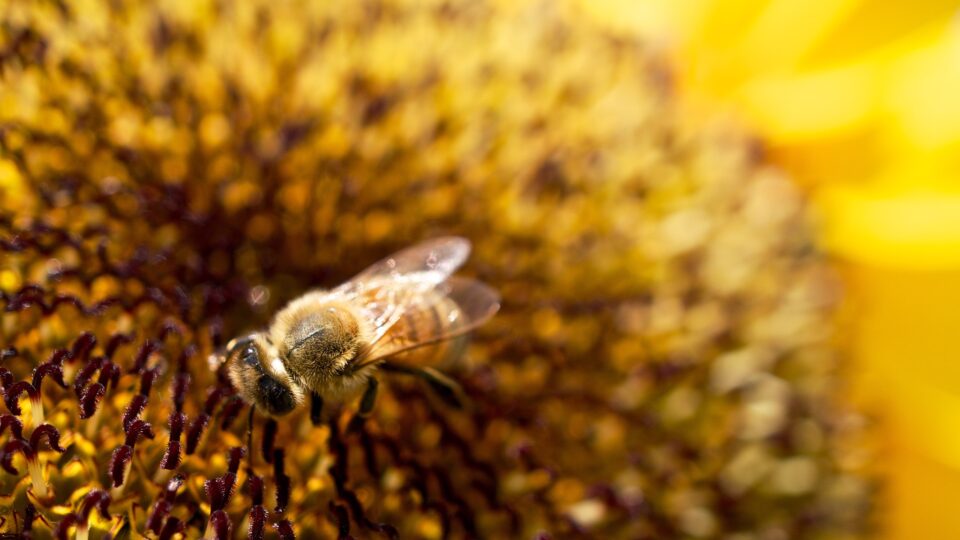
bees threatening bees

Domesticated honeybees are an essential part of our agricultural system, being responsible for one in every three bites of food Americans consume and contributing $15 billion a year to the value of the nation’s crop production.  Millions of bee colonies are trucked across the country every year to pollinate cranberries, melons, broccoli, blueberries, and cherries, and also to produce honey.

After the growing seasons, honeybees are trucked to various locations to rest and rebuild their population and to replenish bees lost to disease and pesticides.  Some of these locations are in national forests.  Thousands of hives belonging to 112 apiaries are currently permitted in national forests by the Department of Agriculture.  This presents a problem because these hives are being permitted on public lands with virtually no environmental review and with little consideration of the impact these colonies can have on local wild bee populations.

The 4,000 wild bee species in the U.S. consume up to 95% of local available pollen.  Nearly 40 federally listed threatened or endangered species of bees, butterflies, and flower flies depend on national forest land for their survival.  And now the pollinators in these places, which were once refuges for these species and others, increasingly face competition from millions of domesticated honeybees.

Honeybees are super-foraging machines and are literally taking the pollen out of the mouths of other bees and pollinators.  Honeybees themselves have been facing numerous problems from habitat loss, pesticides, and other stress factors.  So, what is happening is essentially a pollinator habitat crunch that carries long-term implications for the U.S. food supply.  We need to find some answers and the sooner the better.

**********

Web Links

Will Putting Honey Bees on Public Lands Threaten Native Bees?

Photo, posted August 9, 2015, courtesy of Tak H. via Flickr.

Earth Wise is a production of WAMC Northeast Public Radio.
Crops May Need To Move | Earth Wise

October 5, 2020 By EarthWise Leave a Comment

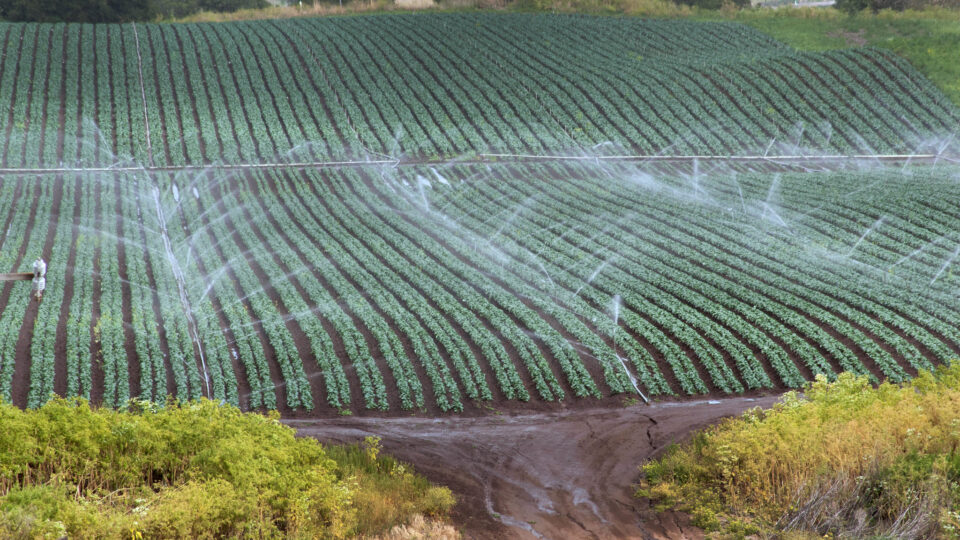
Climate change might force crops to move

California has unique micro-climate diversity that creates ideal growing conditions for a wide range of crops.  One third of the vegetables and two-thirds of the fruits and nuts we eat in this country are grown on the more than 76,000 farms in California.  But as the climate continues to change, many farmers have started to worry about where and when crops can be grown in the future.   Within the next 20 years or so, some parts of California may become too hot and dry to sustain agricultural production.

According to new research from the Lawrence Berkeley National Laboratory, by the years 2045-2049, warmer temperatures will have a significant effect on cool-season crops such as broccoli and lettuce such that their growing season will need to shift.  On the other hand, warm-season crops like cantaloupe, tomatoes, and carrots will need to move to entirely new growing locations.

The study looked at five key crops that are produced more in California than elsewhere and studied the climate conditions under which they prosper and those under which they fail.  They established the range of conditions for which the crops can remain successful.  Finally they looked at climate projections for various parts of the state.

California’s agriculture is an essential part of our food security, so it is important to predict how future warming will affect when and where crops can be grown.  Changing these things presents challenges.  For example, when considering relocating crops, growers have specialized knowledge of their land and their crops.  If crops need to move to a new area, either the farmers have to move to that area, or they have to grow a different crop.  Either way, it presents a practical and economic burden on the farmer.

**********

Web Links

Some of America’s Favorite Produce Crops May Need to Get a Move On by 2045

Photo, posted June 16, 2011, courtesy of the U.S. Department of Agriculture via Flickr.

Earth Wise is a production of WAMC Northeast Public Radio.

The Dangers Of Negative Emissions Technologies | Earth Wise

September 28, 2020 By EarthWise Leave a Comment

The dangers of negative emissions technologies

Reducing carbon emissions is not easy and there are plenty of people who don’t even want to try for various reasons, generally related to their perceived economic interests and convenience.  As a result, there is a great deal of interest in so-called negative emissions technologies or NETs.   These are methods for removing carbon dioxide from the atmosphere.  Even the UN Intergovernmental Panel on Climate Change assumes that NETs will play a role in mitigating the effects of climate change and meeting international goals.

The most widely studied approaches to negative emissions technology are bioenergy with carbon capture and storage – which entails growing crops for fuel, and then capturing and burying the CO2 produced from burning the fuel; planting more forests; and direct air capture, which involves actually pulling CO2 out of the air and storing it – probably underground. 

A new study published in Nature Climate Change points out that none of these technologies has even been tried at the demonstration scale, much less at the massive levels required to make a dent in current CO2 emissions. 

Their analysis of the biofuel and reforestation strategies show that each would take up vast land and water resources already needed for agriculture and nature.  Air capture uses less water than the other two approaches, but still uses quite a bit and even more energy, which if supplied by fossil fuels, would offset the benefits of carbon capture.

Negative emissions technologies may well play an important role in combating climate change, but it is essential that we understand what the consequences will be from implementing them.  We need to know the pitfalls that could arise.  It would be a major mistake to simply count on NETs to be some kind of silver bullet.

**********

Web Links

Remove CO2 from the air? Don’t bet on it before examining costs, researchers say

Photo, posted January 11, 2008, courtesy of Al Pavangkanan via Flickr.

Earth Wise is a production of WAMC Northeast Public Radio.

  • « Go to Previous Page
  • Page 1
  • Interim pages omitted …
  • Page 5
  • Page 6
  • Page 7
  • Page 8
  • Page 9
  • Interim pages omitted …
  • Page 15
  • Go to Next Page »

Primary Sidebar

Recent Episodes

  • An uninsurable future
  • Clean energy and jobs
  • Insect declines in remote regions
  • Fossil fuel producing nations ignoring climate goals
  • Trouble for clownfishes

WAMC Northeast Public Radio

WAMC/Northeast Public Radio is a regional public radio network serving parts of seven northeastern states (more...)

Copyright © 2026 ·