• Skip to primary navigation
  • Skip to main content
  • Skip to primary sidebar

Earth Wise

A look at our changing environment.

  • Home
  • About Earth Wise
  • Where to Listen
  • All Articles
  • Show Search
Hide Search
You are here: Home / Archives for agriculture

agriculture

Aphids And Monarchs | Earth Wise

September 15, 2023 By EarthWise Leave a Comment

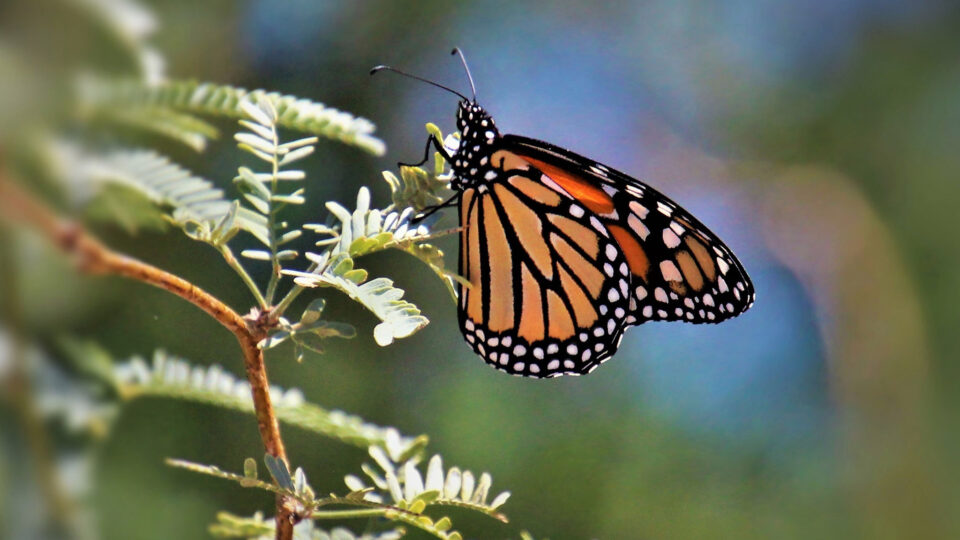
Aphids are negatively impacting monarch butterfly populations

Last year, the monarch butterfly was officially designated as endangered by the International Union for Conservation of Nature.  Estimates are that the overall population of the species has dropped between 20% and 90% over the past several decades. 

The migratory western population of monarchs is at the greatest risk of extinction, having declined by as much as 99.9% between the 1980s and 2021.  Legal and illegal logging and deforestation to make space for agriculture and urban development has destroyed much of the butterflies’ winter shelter in Mexico and California and pesticides and herbicides throughout the butterflies’ range kills both the butterflies and the milkweed that their larvae feed on.

A new study by the University of Florida has found that aphids feeding on the milkweed that grows across the southern portions of the US causes the butterflies to lay fewer eggs on the plants and the caterpillars developing on those plants were slower to mature.  The study showed that monarch laid three times as many eggs on aphid-free plants as they did on aphid-infested plants.

For years, there have been efforts to plant milkweed in urban areas to support monarch populations.  However, aphids and other insect pests often reach high densities on plants in urban settings. 

The researchers are advising home gardeners in the southern U.S. who want to conserve monarch butterflies to make use of safe techniques to limit aphid populations such as insecticidal soap.  This may not always be an option and the researchers are investigating other options to keep aphids at low levels that aren’t harmful to monarchs.

**********

Web Links

Aphids make tropical milkweed less inviting to monarch butterflies, study finds

Photo, posted October 12, 2018, courtesy of Renee Grayson via Flickr.

Earth Wise is a production of WAMC Northeast Public Radio

Lakes Are Shrinking | Earth Wise

September 11, 2023 By EarthWise Leave a Comment

A study by the University of Colorado Boulder has found that more than half of the world’s largest lakes have shrunk over the last three decades.  This is a very big problem because about one-quarter of the Earth’s population lives in the basin of a drying lake.  People depend on lakes for drinking water and irrigation and lakes are central to the survival of local ecosystems as well as migrating birds.  Lakes cover only about 3% of the planet, but they hold nearly 90% of the liquid surface freshwater.

The study used satellite observations from 1992 to 2020 to estimate the area and water levels of nearly 2,000 freshwater bodies.  These account for 96% of Earth’s total natural lake storage and 83% of that in man-made reservoirs.  About 53% of the world’s lakes have clearly shrunk, while only 22% have gained water.  The study estimates that about 160 trillion gallons of water has been lost over the 28-year period.  That’s about 17 times the maximum capacity of Lake Mead, the largest reservoir in the United States.

Many of the world’s most significant lakes have been shrinking. The dramatic declines in Lake Mead have been headline news for years.  The Caspian Sea, which is the world’s largest inland body of water – has long been declining.

The main causes of the decline in natural lakes are climate change and human consumption.  Reservoirs face an additional major problem of sediment buildup which reduces their storage capacity and diminishes their benefits of water supply, flood control, and hydropower.

Lake loss is a big problem.

**********

Web Links

More than half of the world’s largest lakes are drying up

Photo, posted April 10, 2018, courtesy of Ninara via Flickr.

Earth Wise is a production of WAMC Northeast Public Radio
Planting Rocks To Capture Carbon | Earth Wise

September 8, 2023 By EarthWise Leave a Comment

Getting humanity to stop dumping carbon dioxide into the atmosphere continues to be very challenging regardless of how increasingly apparent the need to do so becomes.  For this reason, climate change mitigation strategies increasingly include interventions in the form of removing carbon dioxide that is already there.  There are a variety of ways to draw carbon dioxide out of the atmosphere, but they face a host of technological, economic, and even environmental difficulties.

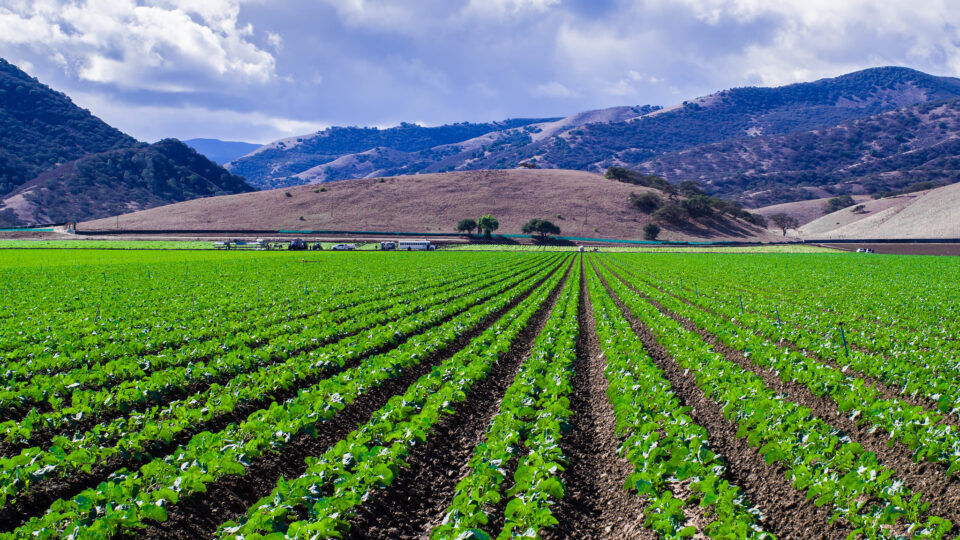
A new study at Yale University evaluated a type of climate intervention called enhanced rock weathering.  Rock weathering is a natural chemical process by which certain minerals absorb carbon dioxide over time.  Enhanced rock weathering is simply speeding up weathering such so it can have beneficial results soon enough to make a difference.

The study explored the potential of applying crushed basalt, which is a fast-weathering rock that forms when lava cools, to agricultural fields around the world.  Basically, the idea is for farmers to mix the crushed rocks into their fields. There is no real downside to doing this.  In fact, adding crushed basalt to fields rejuvenates depleted soils and helps counter ocean acidification.

The study simulated the results of enhanced rock weathering on 1,000 agricultural sites around the world.  Over a 75-year period, these sites would remove 64 billion tons of carbon dioxide from the atmosphere.  This is roughly the amount climate scientists believe is needed to take out of the atmosphere. 

Enhanced rock weathering has been used on a small scale on farms around the world.  Perhaps it is time to ramp up its use.

**********

Web Links

‘Planting’ rocks in farms, along with emissions reductions, could help meet key IPCC carbon removal goal

Photo, posted January 14, 2023, courtesy of Ron Reiring via Flickr.

Earth Wise is a production of WAMC Northeast Public Radio
Protecting The Amazon Rainforest | Earth Wise

September 5, 2023 By EarthWise Leave a Comment

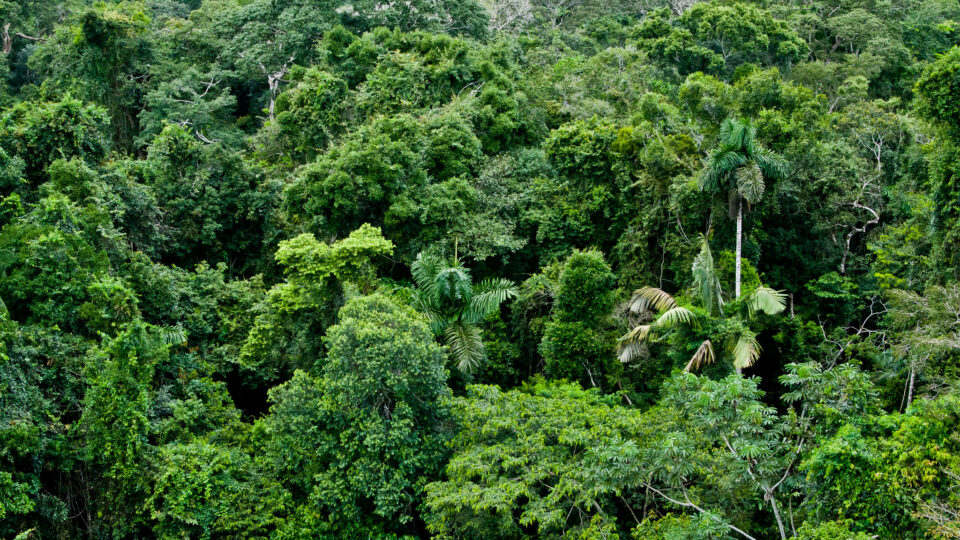
The Amazon rainforest absorbs one-fourth of all the carbon dioxide absorbed by the land of the Earth.  It is by far the world’s largest rainforest, bigger than the next two largest – in the Congo Basin and Indonesia – combined.  Nearly two-thirds of it is found in Brazil but the more than 2 million square miles of rainforest includes portions in 8 countries.

The amount of carbon dioxide absorbed by the Amazon rainforest is 30% less today than it was in the 1990s as a result of deforestation, to a great extent driven by cattle ranching as well as other agricultural activities.

In early August, the leaders of the eight countries that are home to the Amazon River basin agreed to work together to conserve the rainforest.  The agreement, called the Belém Declaration, provides a roadmap to stave off the rampant deforestation. 

The agreement provides coordination between the countries of Bolivia, Brazil, Colombia, Ecuador, Guyana, Peru, Suriname, and Venezuela to establish law enforcement to combat illegal mining and logging as well as to pool development funds for conservation and sustainable employment.  Despite the unity portrayed at the meeting, many of the governments in South America are in a precarious position because of various economic and political struggles

Apart from its critical climate impact, the Amazon rainforest is a haven for biodiversity and further deforestation would be disastrous for tens of thousands of species and could transform it into a net emitter rather than absorber of greenhouse gases.  Some parts of the region have already reached that point.

**********

Web Links

Amazon Countries, Led by Brazil, Sign a Rainforest Pact

Photo, posted October 17, 2016, courtesy of Yeoboya via Flickr.

Earth Wise is a production of WAMC Northeast Public Radio

The Climate Impact Of Diets | Earth Wise

August 24, 2023 By EarthWise Leave a Comment

What we eat has a major impact on the environment

The food system is responsible for 70% of the world’s freshwater use and almost 80% of freshwater pollution.  About three-quarters of the ice-free land area of the planet has been affected by human use, primarily for agriculture.  Land-use change such as deforestation is a major source of biodiversity loss.  What we choose to eat has a major effect on how the food system impacts the environment.

A comprehensive study by researchers at several UK universities has found that a plant-based diet yields one-fourth as much greenhouse gases as a diet rich in meat.  Vegan diets produce 75% less heat-trapping gas, generate 75% less water pollution, and use 75% less land than meat-rich diets.

Just going to a low-meat diet cuts the environmental cost of a high-meat diet in half.  Pescatarian diets perform better than low-meat diets, and vegetarian diets do even a little better than that.

There are a variety of reasons why many people won’t, can’t, or even shouldn’t become vegans.  What should be learned from this study is that our dietary choices have a major environmental impact.  So, taking actions like cutting down the amount of meat and dairy – which most people can do with relative ease – can be valuable.

There are many choices with respect to where we live, how we get from place to place, where we get our food, and, yes, what food we eat, that impact the environment.  We are not all going to do the best possible thing in all these cases, but if we each make some choices that at least help, it can make a big difference.

**********

Web Links

Vegan Diets Have One-Fourth the Climate Impact of Meat-Heavy Diets, Study Finds

Photo, posted November 5, 2017, courtesy of Stephanie Kraus via Flickr.

Earth Wise is a production of WAMC Northeast Public Radio

Saving Our Soil | Earth Wise

July 14, 2023 By EarthWise Leave a Comment

Saving our soil is critical for our food security and climate change mitigation

The majority of food we eat is grown in topsoil, that carbon-rich, black soil that nurtures everything from carrots to watermelons.  The fertility of this soil has developed over eons.    

But over the past 160 years, the Midwestern United States has lost 63.4 billion tons of topsoil due to farming practices.  In fact, Midwestern topsoil is eroding between 10 and 1,000 times faster than it did in the pre-agricultural era.  The rate of erosion is 25 times greater than the rate at which topsoil forms.

According to new research from the University of Massachusetts-Amherst, this rapid and unsustainable rate of topsoil erosion can be drastically reduced by utilizing an agricultural method already in practice: No-till farming.  This method, which is currently practiced on 40% of cropland acres in the Midwest, can extend our current level of soil fertility for the next several centuries.   

In the study, which was recently published in the journal Earth’s Future, the research team looked at the current business-as-usual method, under which approximately 40% of the midwestern U.S.’s acres are no-till farmed, all the way up to 100% adoption of no-till methods. 

If the U.S.’s current agricultural practices remain largely unchanged, approximately 9.6 billion tons of topsoil will be lost over the next century alone.  However, approximately 95% of the erosion in the business-as-usual scenario could be prevented by adopting 100% no-till farming practices. 

Saving our soil by improving our farming methods has implications for everything from food security to climate change mitigation. 

**********

Web Links

Saving Our Soil: How to Extend U.S. Breadbasket Fertility for Centuries

Photo, posted January 19, 2022, courtesy of Terri Dux via Flickr.

Earth Wise is a production of WAMC Northeast Public Radio
Fewer Farms In The World | Earth Wise

June 30, 2023 By EarthWise Leave a Comment

Fewer farms in the world could have troubling consequences

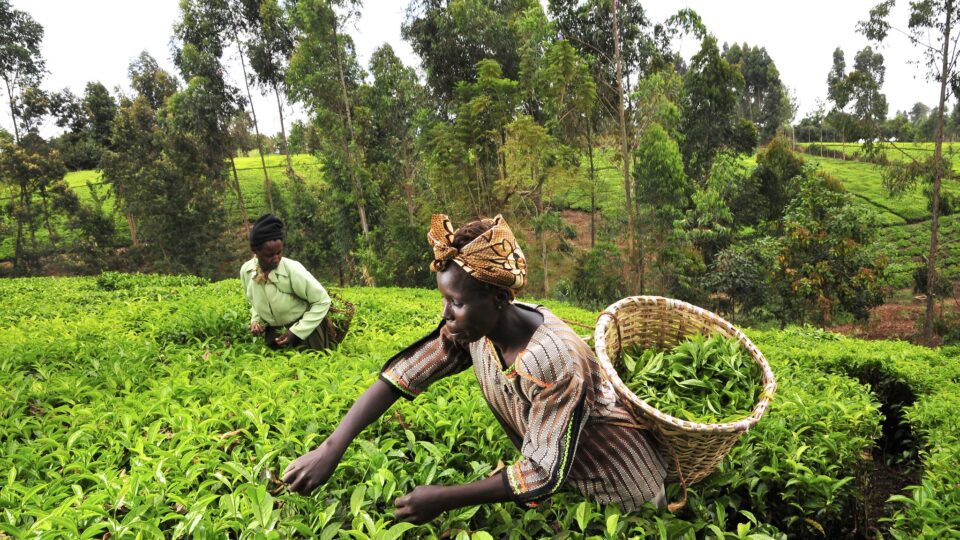
A new study by the University of Colorado Boulder looked at the trends in the number and size of farms around the world starting from the 1960s and projecting through the end of the 21st century.

The analysis shows that the number of farms globally will shrink in half while the size of the average existing farms doubles.

The study used data from the UN Food and Agricultural Organization on agricultural area, GDP per capita, and rural population size of more than 180 countries.  The analysis found that the number of farms around the world would drop from 616 million in 2020 to 272 million in 2100.  A key reason for the trend is that as a country’s economy grows, more people migrate to urban areas, leaving fewer people in rural areas to tend the land.

This decline has been ongoing in the US and Europe for decades.  For example, in the US, there were 200,000 fewer farms in 2022 than in 2007.

This trend has troubling consequences.  Larger farms typically have less biodiversity and more monocultures.  The greater biodiversity and crop diversity of smaller farms makes them more resilient to pest outbreaks and climate shocks.

Currently, 600 million farms provide for 8 billion people. By the end of the century, it is likely that half the number of farmers will be feeding even more people.  That is a weighty responsibility for agricultural workers.  Support systems and education for farmers becomes ever more important.

**********

Web Links

The number of farms in the world is declining, here’s why it matters to you

Photo, posted January 18, 2011, courtesy of 2010 CIAT / Neil Palmer via Flickr.

Earth Wise is a production of WAMC Northeast Public Radio
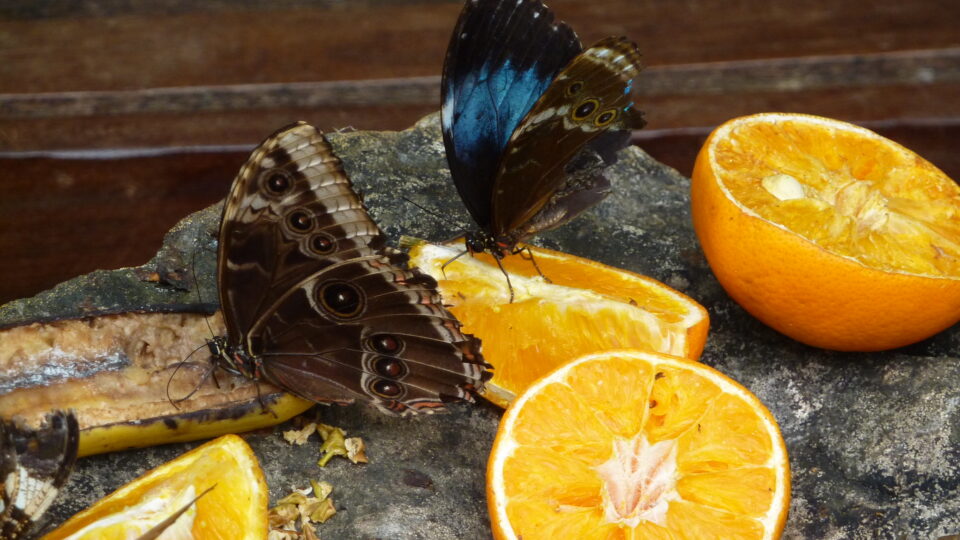
Energy From Fruit Waste | Earth Wise

June 20, 2023 By EarthWise Leave a Comment

In the Back to the Future films, Doc Brown ran his DeLorean time machine on food scraps.  It was a fun bit of science fiction.  But researchers at the University of British Columbia Okanagan in Canada are investigating the potential for using food waste to generate power.

Food waste is not a candidate to replace solar or wind power, but it could be a source of energy for powering fuel cells.  As it is, food waste represents a sustainability challenge because of its detrimental impacts on the economy and the environment.  Organic waste represents a significant fraction of the material in landfills and contributes to methane production, air pollution, and other harmful pollutants.

The UBC researchers focused on fruit waste, which is abundantly available in agricultural regions.  They have devised microbial fuel cells that convert fruit waste into electrical energy using an anaerobic anode compartment.  That is a chamber in which anaerobic microbes – ones that don’t need oxygen – utilize the organic matter to convert it into energy.  The microbes consume the fruit waste and produce water while generating bioelectricity.

It is not like the Back to the Future time machine where you can just toss in scraps of whatever is on hand.  Different types of fruits provide different results when used in the microbial fuel cell. The process works best when the food waste is separated and ground into small particles.  There is a long way to go before the technology could produce bioenergy on a commercial scale, but there is considerable potential for doing something useful with something that is currently worthless.

**********

Web Links

UBCO researchers aim to energize fruit waste

Photo, posted July 24, 2011, courtesy of Andrew Girdwood via Flickr.

Earth Wise is a production of WAMC Northeast Public Radio
Here Come The Lanternflies | Earth Wise

May 15, 2023 By EarthWise Leave a Comment

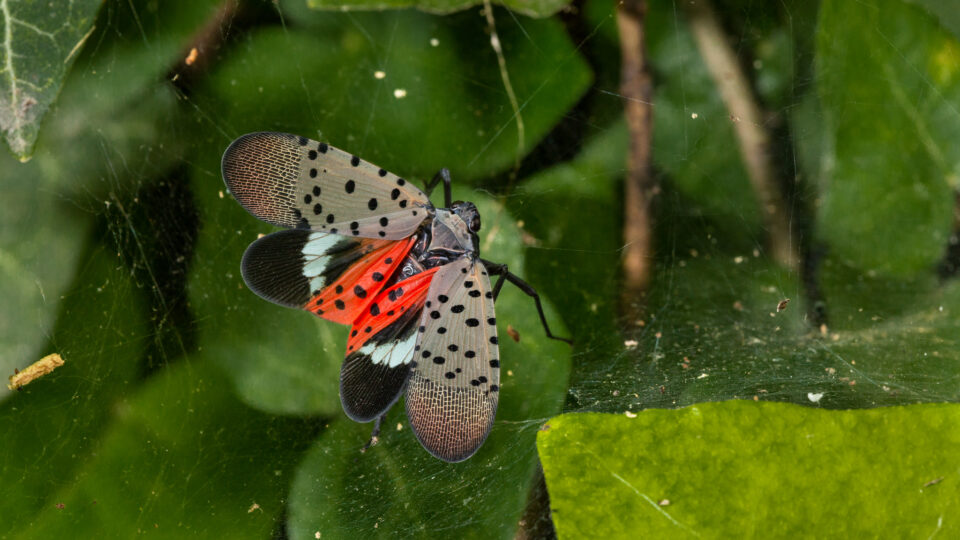
The spotted lanternfly is an invasive pest from Asia that primarily feeds on tree of heaven, which is itself an invasive species that has become widespread.  The real problem is that the lanternfly can also feed on some 70 other plants such as grapevines, maples, fruit trees, and more.

The lanternfly was first discovered in the US in Pennsylvania in 2014 and has since spread to 14 states including New York, Massachusetts, Connecticut, and Rhode Island.  (It was first spotted in New York in Staten Island in 2020 and has continued to spread).

The insect poses a significant threat to New York’s agricultural and forest health. Both the adults and nymphs feed on the sap of plants which stresses them making them vulnerable to diseases and other insect attacks.  They also secrete a sticky substance that attracts molds and interferes with photosynthesis.

Lanternflies are not strong fliers.  They mostly spread through human activity by laying their eggs on vehicles, firewood, outdoor furniture, and other objects that people transport.

The bout of unusually warm weather that the Northeast experienced in early spring is likely to have jumpstarted the spotted lanternfly timeline and hatching could be bumped up to as early as May.

Agriculture officials are asking for people to look for spotted lanternfly egg masses and scrape them off with implements with a sharp edge.  Adult insects should be reported to local authorities and should be killed if at all possible.  There is lots of information online about how to recognize the egg masses and the insects.  Spotted lanternflies are not a direct threat to humans, but they have the potential to cause great harm to vineyards, orchards, and forests.

**********

Web Links

Spotted Lanternfly

Photo, posted September 12, 2018, courtesy of the U.S. Department of Agriculture via Flickr.

Earth Wise is a production of WAMC Northeast Public Radio
Two Lost Lakes Return To California | Earth Wise

May 10, 2023 By EarthWise Leave a Comment

Two lost lakes return to California following recent rains

The recent siege of powerful storms in California driven by a series of atmospheric rivers has had a significant effect on the severe drought that has plagued most of the state for many years.  Many of the state’s reservoirs are at the highest level they have been for decades.   The snowpack in the Sierras is well over 200% of its historical average.  Many parts of the state are no longer considered to be in drought conditions, and, in fact, flooding has been a serious problem in some areas.  This flooding has had some surprising results.

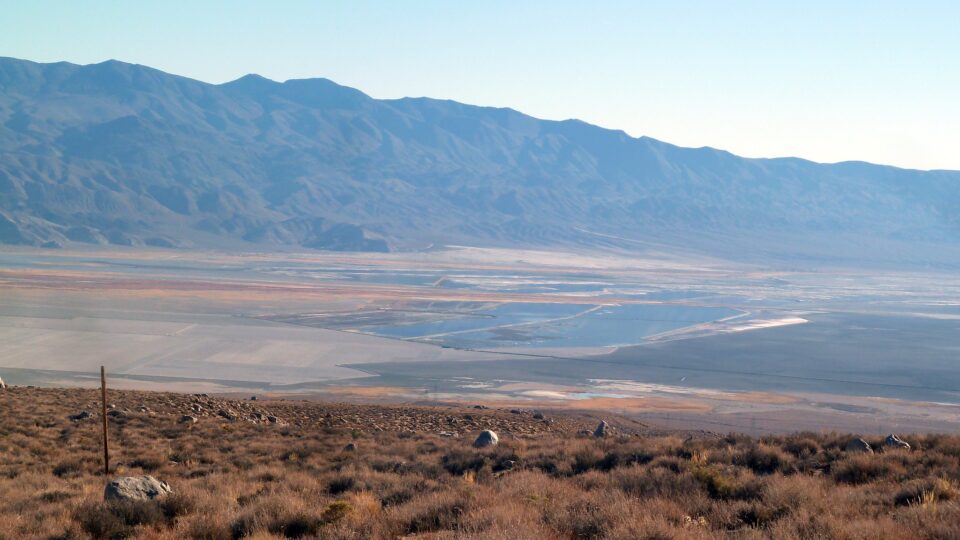
Two California lakes that drained a century ago have reappeared as a result of floodwaters from the recent storms.

Tulare Lake, in California’s Central Valley used to be fed by rain and snowmelt from the Sierras.  A system of dams and canals constructed in the early 20th century to support regional agriculture diverted water away from the lake.  It used to be the largest freshwater lake in the West but farmers ultimate planted crops in the dried lakebed.

The atmospheric river events in March inundated that farmland and once again there is water in Tulare Lake.

Owens Lake, on the eastern side of the Sierra Nevada, was long fed by mountain streams.  The 1913 construction of the Los Angeles Aqueduct redirected water to that city and desiccated the lake.   Floodwaters in March caused a partial collapse of the aqueduct and when the spill gates on the aqueduct were opened to drain the damaged areas, floodwaters poured in and partially refilled the lake.

California has suffered from drought for many years.  With its massive snowpack, as the weather warms, the state may face even more flooding.

**********

Web Links

Two Long-Drained California Lakes Refilled by Floodwaters, Satellite Images Show

Photo, posted November 10, 2014, courtesy of CN via Flickr.

Earth Wise is a production of WAMC Northeast Public Radio
Seaweed On The Way | Earth Wise

April 28, 2023 By EarthWise Leave a Comment

Massive blob of sargassum heading towards the Gulf of Mexico

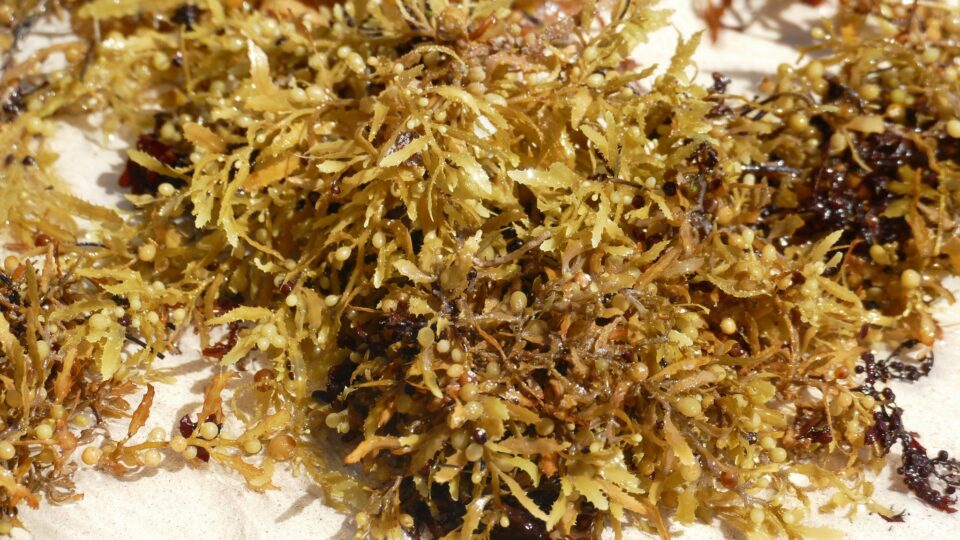
A type of seaweed called sargassum has long formed large blooms in the Atlantic Ocean.  It gets its name from the Sargasso Sea in the western Atlantic.  Since 2011, scientists have been tracking massive accumulations of the stuff each year that starts out off the coast of Africa and works its way across the Atlantic to end up in the Gulf of Mexico. 

The amount of sargassum present each year can shift depending on factors like changes in nutrients, rainfall, and wind conditions.  But since the 1980s, nitrogen content in the Atlantic has gone up by 45%.  This is likely due to human activities such as agriculture and fossil fuel production dumping materials into the rivers that feed into the ocean.

According to recent observations, the mass of seaweed now heading for Florida and other coastlines throughout the Gulf of Mexico may be the largest on record.  The giant blob of sargassum spans more than 5,000 miles in extent.  It is moving west and will pass through the Caribbean and up into the Gulf during the summer.  The seaweed is expected to become prevalent on beaches in Florida around July.

The seaweed provides food and protection for fishes, mammals, marine birds, crabs, sea turtles, and more.  But unfortunately, when sargassum hits the beaches, it piles up in mounds that can be difficult to walk through and eventually emits a gas that smells like rotten eggs.

Tourist destinations in the Caribbean region have their work cut out for them to remove seaweed that can pile up several feet deep.  For example, in Barbados, locals were using 1,600 dump trucks a day to clean their beaches.  Caribbean and Florida resorts spend millions of dollars each year to remove sargassum seaweed.

**********

Web Links

A 5,000-mile-wide blob of seaweed is headed for Florida, threatening tourism across the Caribbean

Photo, posted February 24, 2020, courtesy of Bernard Dupont via Flickr.

Earth Wise is a production of WAMC Northeast Public Radio
An Accelerating Rate Of Mountain Forest Loss | Earth Wise

April 27, 2023 By EarthWise Leave a Comment

Recent study demonstrates how mountain forest loss is accelerating

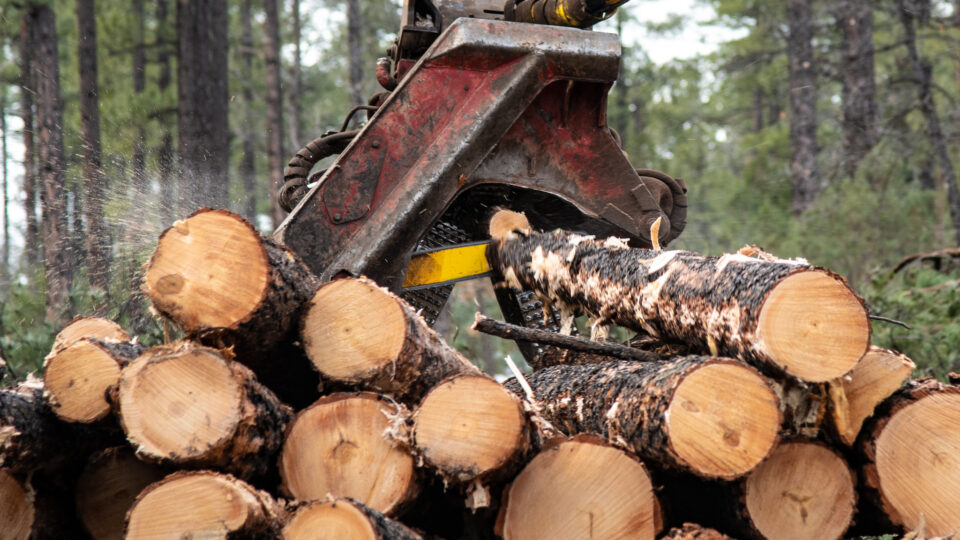
Mountains contribute disproportionately to the Earth’s diversity of life.  While mountains account for about 25% of the land area on Earth, they are home to more than 85% of the mammal, bird, and amphibian species.  But alarmingly, forested mountain habitats in which these species live are disappearing, and they appear to be disappearing at an accelerating rate.

According to a new study recently published in the journal One Earth, more than 300,000 square miles of mountain forest has been lost globally since 2000, which is an area larger than the state of Texas. 

A research team led by scientists from Leeds University in the United Kingdom and the Southern University of Science and Technology in China tracked changes in mountain forests on an annual basis from 2001 to 2018.  The researchers found logging to be the biggest driver of mountain forest loss, responsible for 42% of the overall decline.  This is followed by wildfires at 29%, so-called “slash-and-burn” cultivation at 15%, and permanent or semi-permanent agriculture at 10%.  Significant losses occurred in Asia, Africa, Europe, Australia, and South America, but not in Oceania or North America.

The research team also found that the rate of mountain forest loss seems to be accelerating: in fact, the annual rate of loss increased 50% from 2010-2018 when compared with 2001-2009.

While developing additional forest protection strategies and interventions is critical, the researchers emphasize the importance of also considering food production, livelihoods, and human wellbeing in any new measures.

**********

Web Links

Mountain forests are being lost at an accelerating rate, putting biodiversity at risk

Photo, posted December 6, 2018, courtesy of Lance Cheung / USDA via Flickr.

Earth Wise is a production of WAMC Northeast Public Radio
Giant Farming Robots | Earth Wise

April 20, 2023 By EarthWise Leave a Comment

Farmers are perpetually engaged in a battle against weeds, which can strangle crops and destroy their yields.  There are basically two ways to fight weeds:  spraying herbicides that are bad for the environment and human health or using human labor to pull the weeds by hand. 

Both choices are increasingly undesirable.  Herbicide resistance is a growing problem facing farms around the world and widespread labor shortages in the agricultural sector are making it increasingly difficult to use human resources to combat weeds.

A startup company called FarmWise founded by an MIT engineering alumnus is providing a third option for farmers.  The company has developed giant autonomous weeding robots that use artificial intelligence to cut out weeds without damaging crops.

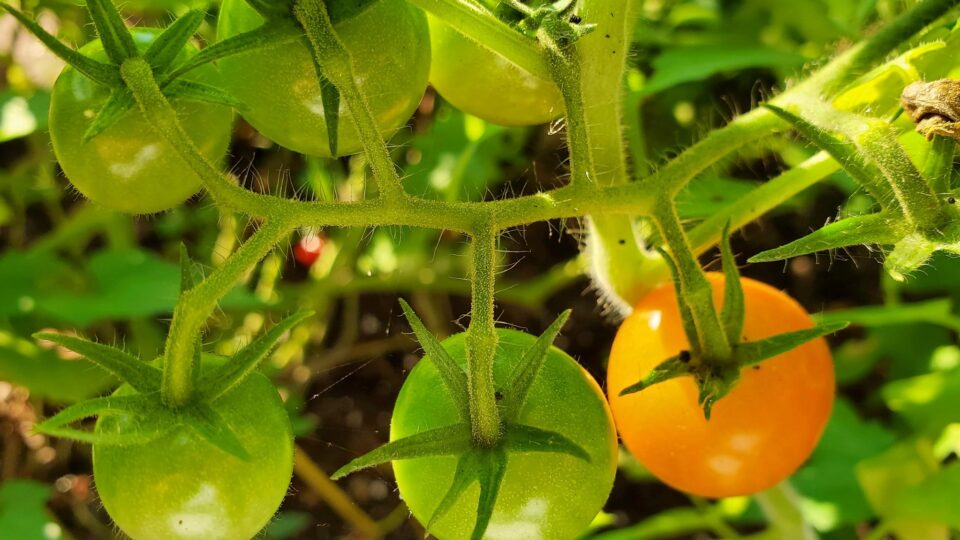
The company’s first product is called the Titan.  It looks like a large tractor without a driver’s seat.  It uses machine vision to distinguish weeds from crop plants like leafy greens, cauliflower, artichokes, and tomatoes.  It snips off the weeds with sub-inch precision.

Fifteen titan robots have been roaming the fields of 30 large farms in California and Arizona for several years.  A newer robot, called the Vulcan, is more lightweight and is pulled by a tractor.  FarmWise continues to add new crops to its database so that the robots can be used to fight weeds in more and more kinds of farms.

Weed problems are especially acute for farmers of specialty crops, which grow on smaller farms than corn and soybeans, and have unique growing practices, which limit the effectiveness of chemical and technical solutions. 

The overall goal of FarmWise is to turn artificial intelligence into a tool that is as reliable and dependable as GPS is now in the farming industry.

**********

Web Links

Titanic robots make farming more sustainable

Photo, posted August 23, 2021, courtesy of Carol VanHook via Flickr.

Earth Wise is a production of WAMC Northeast Public Radio
Antibiotics In Animal Agriculture | Earth Wise

April 13, 2023 By EarthWise Leave a Comment

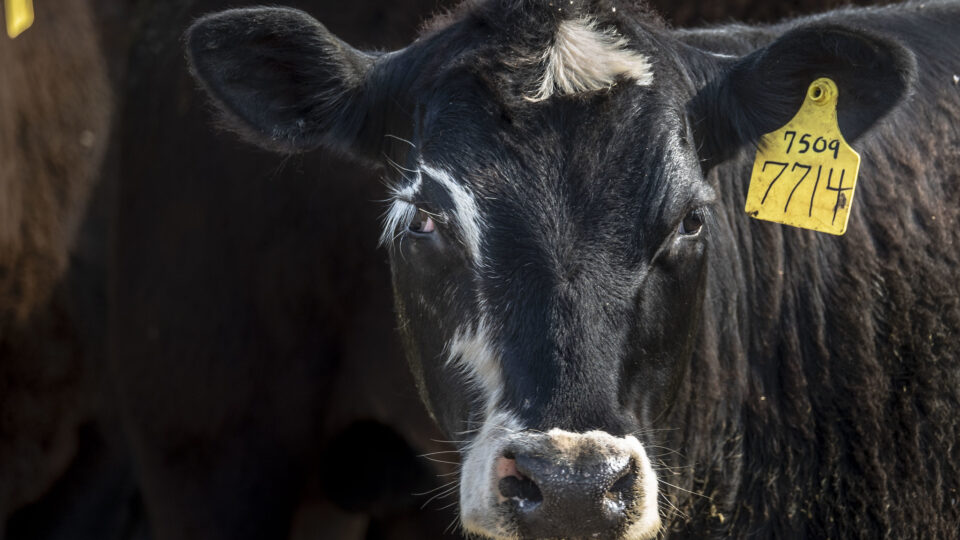
In animal agriculture, farmers use antibiotics to treat, prevent, and control animal diseases, and to increase the productivity of their operations.  According to the FDA, approximately 80% of all antibiotics sold in the U.S. are purchased for use in food-producing animals. 

The routine administration of antibiotics to farm animals for non-therapeutic purposes promotes the development of antibiotic-resistant bacteria, with repercussions for human and animal health.  As antibiotic-resistant bacteria spreads, medicines used to treat human diseases can become less effective. 

According to a new study led by researchers from the University of Washington, a California policy restricting the use of antibiotics in farm animals is associated with a reduction in one type of antibiotic-resistant infection in people in the state.  The findings, recently published in the journal Environmental Health Perspectives, suggest that regulations limiting the use of antibiotics in livestock can significantly impact human health. 

In 2018, California Senate Bill 27 banned routine preventive use of antibiotics in food-animal production and any antibiotic use without a veterinarian’s prescription.  Last year, the European Union passed a law restricting antibiotic use to only sick animals on farms.  And coming this June, most antibiotics – those that are medically important to humans and animals – will be by prescription only in the United States.  

Despite these changes, antibiotic resistance is projected to remain one of the biggest threats to human health over the next 50 years because resistance continues to grow and few new antibiotics are coming online. 

**********

Web Links

Restricting antibiotics for livestock could limit spread of antibiotic-resistant infections in people

Ranchers should prepare now for 2023 animal antibiotic guidelines

Photo, posted May 8, 2018, courtesy of Preston Keres / USDA via Flickr.

Earth Wise is a production of WAMC Northeast Public Radio

Spiders And Pest Control | Earth Wise

April 5, 2023 By EarthWise Leave a Comment

Using spiders as pest control in agriculture

Climate change facilitates the spread of invasive pest species by expanding their habitable environment ranges.  In conventional agriculture, farmers depend on chemical pesticides to control agricultural pests.  But 99% of all synthetic chemicals, including pesticides, are made from fossil fuels, and turning petrochemicals into pesticides requires massive amounts of energy.  These chemical pesticides also pollute the air and water, and destroy biodiversity by killing many non-target species as well.  

According to new research led by scientists from the University of Portsmouth in the U.K., groups of spiders could be used as an environmentally-friendly way to protect crops against agricultural pests.  The study, which was recently published in the journal Insects, suggests that web-building groups of spiders can be used to control populations of the tomato leafminer moth, a devastating pest of commercially important crops like tomatoes and potatoes.

The research team explored the use of tropical tent spiders for this pest control.  They are found in colonies around the world, and their range overlaps with regions of moth infestations, including Mediterranean Europe, Africa, Asia, and the Middle East.

In lab settings, different types of prey were introduced to colonies of spiders of varying body sizes.  The research team found that the larger spiders built larger webs and caught more prey, including tomato leafminer moths and fruit flies.   

Tropical tent spiders could be an effective and climate-friendly way to control flying insect pests.  However, more research is needed to ensure that these spiders don’t negatively impact crop pollination by also catching pollinators.

**********

Web Links

Using spiders as environmentally-friendly pest control

Photo, posted June 10, 2018, courtesy of Lies Van Rompaey via Flickr.

Earth Wise is a production of WAMC Northeast Public Radio

How To Meet Protected Land Targets | Earth Wise

March 30, 2023 By EarthWise Leave a Comment

How to meet protected land targets

More than half of the world’s countries have set a target of setting aside 30% of land and sea areas across the globe for conservation by 2030, in order to preserve and protect nature and essential services to people.  This pledge creates some difficult questions to answer.

What sorts of land should be protected and where should it be located?  What effects of these new land protections will there be on carbon emissions and the climate and on land usage for food production and energy generation?  Policymakers have to grapple with such questions in order to move forward on these ambitious biodiversity protection goals.

A recent study by the Lawrence Berkeley National Laboratory attempts to answer many of these questions.  The study found that meeting the 30% goal could lead to substantial regional shifts in land use and, in some cases, still fail to protect some of the most important biodiversity hotspots.

Protecting land entails tradeoffs with other land uses and can have negative impacts on the agricultural sector as well as land use for bioenergy crops and forest land use for timber.

In particular, the study found that the amount of land used for crops for conversion into biofuels could be significantly impacted by doubling current protected areas while still preserving the amount of land used for food crops.  This is particularly true for land in Russia and Canada.

The study also found that while it may be possible to meet the 30% target by only protecting agriculturally unsuitable land, it may not end up protecting many of the world’s 36 identified biodiversity hotspots.  The uneven distribution of species has a significant bearing on how to manage the conservation of biodiversity.

**********

Web Links

Doubling Protected Lands for Biodiversity Could Require Tradeoffs With Other Land Uses, Study Finds

Photo, posted September 19, 2020, courtesy of John Brighenti via Flickr.

Earth Wise is a production of WAMC Northeast Public Radio

Distributed Wind Energy | Earth Wise

March 17, 2023 By EarthWise 1 Comment

When we think about wind power, we are usually talking about increasingly giant windfarms – either on land or offshore – that produce power on a utility scale.  But there is also distributed wind energy, which refers to wind technologies in locations that directly support individuals, communities, and businesses.  

Distributed wind can be so-called behind-the-meter applications that directly offset retail electricity usage much as rooftop solar installations do.  It can also be front-of-the-meter applications where the wind turbines are connected to the electricity distribution system and supplies energy on a community scale.  Distributed wind installations can range from a several-hundred-watt little turbine that powers telecommunications equipment to a 10-megawatt community-scale energy facility. As of 2020, there were nearly 90,000 distributed wind turbines in the U.S. with a total capacity of about 1 GW.

A study by the National Renewable Energy Laboratory has estimated the potential for distributed wind energy in the U.S.   According to the new analysis, the country has the ability to profitably provide nearly 1,400 GW of distributed wind energy capacity. 

Entire regions of the country have abundant potential. The regions with the best economic prospects have a combination of high-quality wind, relatively high electricity rates, and good siting availability.  Overall, the Midwest and Heartland regions had the highest potential especially within agricultural land.

Realizing this outcome for distributed wind will require improved financing and performance to lower costs, relaxation of siting requirement to open up more land for wind development, and continued investment tax credits and the use of net metering.

**********

Web Links

U.S. has potential for 1,400 GW distributed wind energy, NREL finds

Photo, posted January 3, 2009, courtesy of skyseeker via Flickr.

Earth Wise is a production of WAMC Northeast Public Radio
Solar Power At Night | Earth Wise

March 16, 2023 By EarthWise Leave a Comment

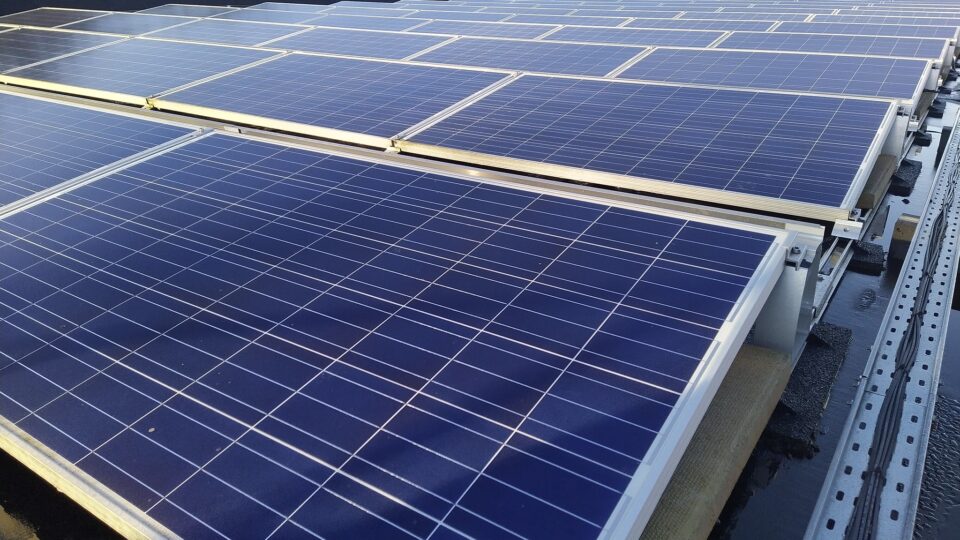
The use of solar power has grown tremendously in recent years as it has declined in price and become far more competitive with other forms of electricity generation.  Its fundamental drawback, of course, is that it only works when the sun is shining.  Solar panels don’t produce any power at night.  That is, until now, apparently.

A team of engineers at Stanford University have developed a new kind of solar cell that is capable of generating at least some electricity at night.  Published in the journal Applied Physics Letters, the research describes a device that can be a continuous renewable power source for both day and nighttime.

The device incorporates a thermoelectric generator that produces electricity from the small difference in temperature between the ambient air and the solar cell itself.  The amount of power produced is far less than the solar cell generates from sunlight, but the device can provide nighttime standby lighting and power in off-grid and mini-grid applications.

Mini-grid applications are independent electricity networks that are used for small populations that may be too isolated to be connected to the main power grid.  Nearly 600 million people in Africa currently live without access to electricity, primarily in rural areas.  A standalone solar system operating independently of any power grid can meet many electricity needs such as phone charging and lighting, but such systems may not be able to handle large electrical need such as powering machinery and agricultural equipment.  Mini-grids are larger installations that can provide power to a small rural community.

With innovations like the new Stanford device, a solar mini-grid may be able to keep running at some level even at night.

**********

Web Links

Solar panels that can generate electricity at night have been developed at Stanford

Photo, posted December 15, 2021, courtesy of Pete via Flickr.

Earth Wise is a production of WAMC Northeast Public Radio

Fake Meat And Climate | Earth Wise

March 10, 2023 By EarthWise 1 Comment

Investors have poured billions of dollars into efforts to replace animal proteins with plant-based substitutes or even laboratory-grown animal cells.  Replacing meats with these products is certainly a favorable development for the climate, but it is not likely to offset livestock agriculture’s climate and land use impacts anytime soon.

According to research at Stanford University, even optimistic estimates are that only something like 5% of dietary protein will come from these technologies by 2030.  That just isn’t fast enough to put a real dent in the food-related emissions problem.

Stanford environmental scientist David Lobell suggests that there should be much more focus on reducing emissions of animal-based systems.  There really hasn’t been much effort in this area because it is only recently that the climate impact of animal agriculture has been a topic of public concern.  One problem is that it is difficult for investors to monetize investments in approaches for lowering animal agriculture emissions.  These might include alternative feeds or supplements or vaccinations that inhibit methane-producing microorganisms in animals’ digestive systems.

Another approach to the problem is changing the mix of animal proteins in people’s diets.  Chicken and pork are half as bad as dairy per pound of protein, and about one-tenth as bad as beef, in terms of emissions.

Dairy is a major issue. There has been quite a lot of progress in increasing the use of dairy-free milk, but over the past 40 years, Americans have cut their consumption of milk in half but doubled their consumption of cheese.  Progress in dairy-free cheese has not been anywhere near as successful as that of dairy-free milk.  But new products are entering the marketplace all the time.

**********

Web Links

Is fake meat a real solution? Stanford expert explains

Photo, posted June 17, 2019, courtesy of Christolph Scholz via Flickr.

Earth Wise is a production of WAMC Northeast Public Radio
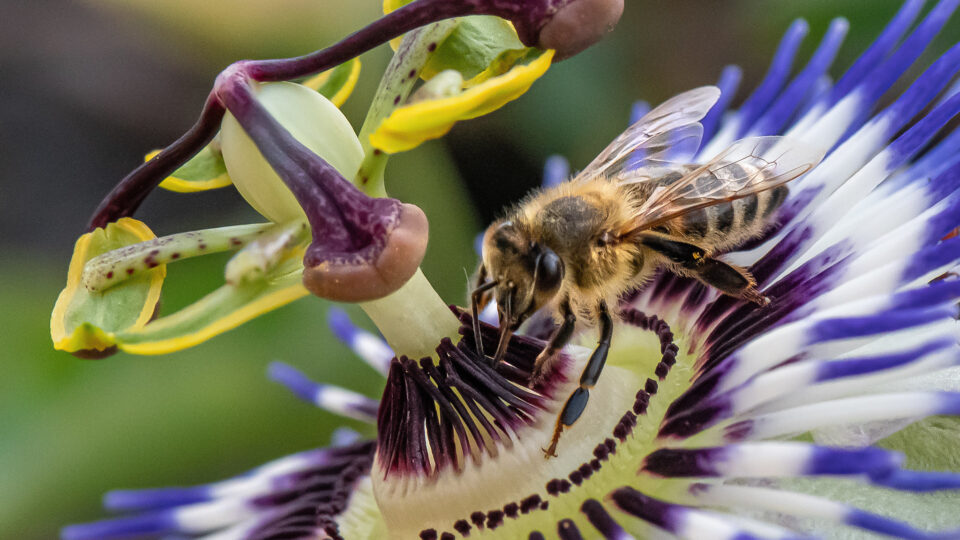
A Vaccine For Bees | Earth Wise

February 27, 2023 By EarthWise Leave a Comment

USDA grants conditional license for a honey bee vaccine

The US has seen annual reductions in honey bee colonies since 2006.  According to the USDA, there are many factors that have contributed to the decline.  These include parasites, pests, insecticides, disease, and a phenomenon called Colony Collapse Disorder in which worker bees abandon a hive and leave behind the queen.

One of major threats to bee colonies is American foulbrood disease, which is a bacterial condition that attacks bee larvae.  It is highly contagious and has no cure.  Until now, the only treatment method required burning the colony of infected bees along with the hives and equipment and treating nearby bee colonies with antibiotics.

Recently, the USDA has approved a conditional license for the world’s first vaccine for honey bees.  The vaccine contains inactive bacteria of the type that causes American foulbrood disease.

The vaccine is incorporated into the royal jelly fed by worker bees to the queen bee.  The queen ingests the feed and keeps some of vaccine in her ovaries.  This gives bee larvae immunity to the disease as they hatch and thereby reduces death from the illness.

According to the California State Beekeepers Association, the new vaccine could be a major breakthrough for protecting bees.  Preventing the infection in hives could avoid costly, destructive measures and allow the beekeepers to focus on other important elements of keeping bees healthy.

Bees as pollinators play a critical role in many ecosystems.  For humankind, pollinators such as bees, birds, and bats are responsible for about a third of the world’s crop production.

**********

Web Links

US approves world’s first vaccine for declining honey bees

Photo, posted June 6, 2022, courtesy of Bernd Thaller via Flickr.

Earth Wise is a production of WAMC Northeast Public Radio

  • « Go to Previous Page
  • Page 1
  • Page 2
  • Page 3
  • Page 4
  • Page 5
  • Page 6
  • Interim pages omitted …
  • Page 15
  • Go to Next Page »

Primary Sidebar

Recent Episodes

  • An uninsurable future
  • Clean energy and jobs
  • Insect declines in remote regions
  • Fossil fuel producing nations ignoring climate goals
  • Trouble for clownfishes

WAMC Northeast Public Radio

WAMC/Northeast Public Radio is a regional public radio network serving parts of seven northeastern states (more...)

Copyright © 2026 ·