• Skip to primary navigation
  • Skip to main content
  • Skip to primary sidebar

Earth Wise

A look at our changing environment.

  • Home
  • About Earth Wise
  • Where to Listen
  • All Articles
  • Show Search
Hide Search
You are here: Home / Archives for study

study

Emissions From Global Computing

October 20, 2021 By EarthWise Leave a Comment

Global computing creates enormous amounts of carbon emissions

A recent study from Lancaster University in the UK has concluded that global computing is likely to be responsible for a greater share of greenhouse gas emissions than previously thought and that share is continuing to grow.

Previous calculations of the contributions from information and communications technology (or ICT) estimated that globally it accounts for 1.8 to 2.8% of total emissions.  According to the new study, these estimates likely fall short of the sector’s real climate impact because they only show a partial picture.

Prior estimates do not account for the full lifecycle and supply chain of ICT products and infrastructure.  They do not include the energy expended in manufacturing the products and equipment, the carbon cost associated with all the components in the products, and the operational carbon footprint of the companies producing those components. 

The study argues that the true contribution of ICT to global greenhouse gas emissions could be between 2.1 and 3.9%, which is more than the aviation industry.  Furthermore, the study warns that new trends in computing and ICT such as the use of big data and artificial intelligence, the so-called Internet of Things, and the use of blockchain and cryptocurrencies, risk driving further substantial growth in ICT’s greenhouse gas footprint.

It has been a commonly held believe that ICT and computing technologies lead to greater efficiencies across many other sectors, leading to savings in net greenhouse gas emissions.  According to the new study, the historical evidence indicates the opposite.  ICT has driven wide-ranging efficiency and productivity improvements, but the net result in emissions has been that they have been growing steadily.

**********

Web Links

Emissions from computing and ICT could be worse than previously thought

Photo, posted March 13, 2018, courtesy of Flickr.

XXXXXXXXXX
Coral Reefs And Ecosystem Services

October 18, 2021 By EarthWise Leave a Comment

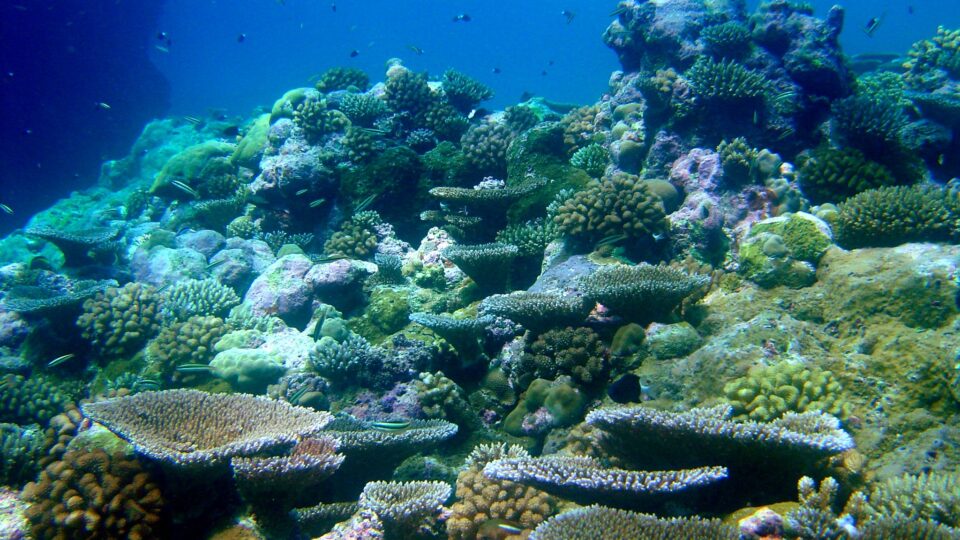
The ecosystem services of coral reefs

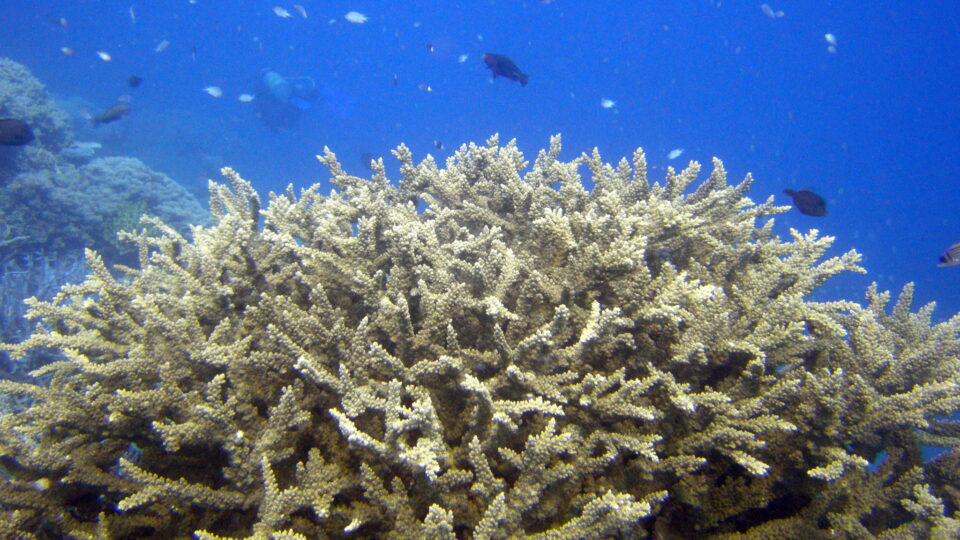
A new study led by the University of British Columbia provides the first comprehensive look at what climate change, overfishing, and habitat destruction of coral reefs mean for their ecosystem services.  For humans, this means how the global decline in coral reefs has affected their ability to provide essential benefits including food, livelihoods, and protection from storms.

The study found that global coverage of living corals has declined by about half since the 1950s and the diversity of reef species has declined by more than 60%.  So, it is no surprise that there has been a significant loss in the ability of reefs to provide ecosystem services.

The study analyzed data from coral reef surveys around the world, fisheries catches, indigenous consumption, and more.  Apart from the declines in reef coverage and biodiversity, the study found that fish catches on coral reefs peaked in 2002 and has steadily declined since then, despite increased fishing efforts.

The findings of the study led the researchers to conclude that continued degradation of coral reefs in the years to come threaten the well-being and sustainable development of millions of people in communities on the coast that depend on coral reefs.  Fish and fisheries provide essential nutrients in places with few alternative sources of nutrition.  Coral reef biodiversity and fisheries have added importance for indigenous communities, where important cultural relationships exist with reefs.

The study’s authors say that the results are a call to action.  The level of destruction happening all over the world’s coral reefs is threatening people’s culture, their daily food, and their history.  It is not just an environmental issue; it is a human rights issue.

**********

Web Links

Photo, posted September 22, 2010, courtesy of David Burdick / NOAA Photo Library via Flickr.

XXXXXXXXXXX

Wildfires And Algal Blooms

October 12, 2021 By EarthWise Leave a Comment

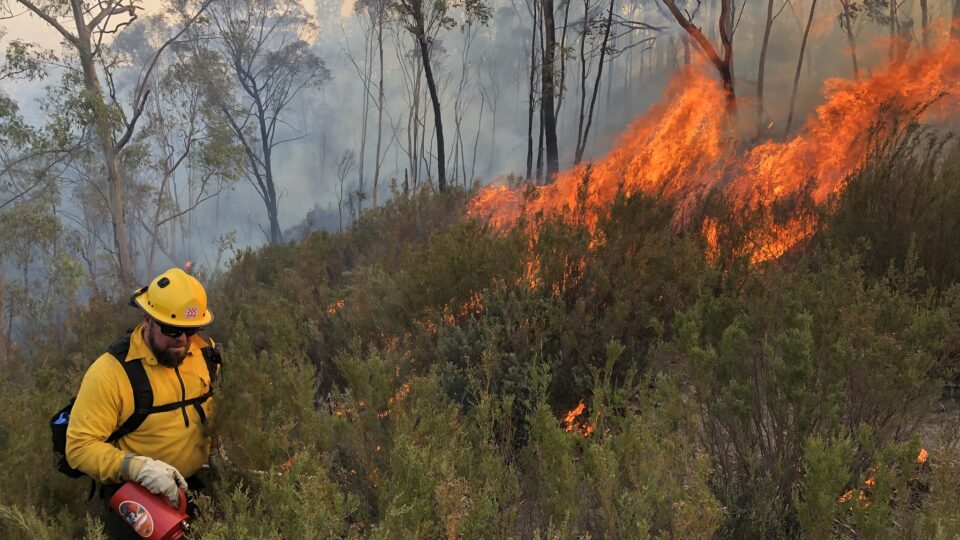
Australia is no stranger to wildfires. But the 2019-2020 season proved to be particularly severe: wildfires destroyed 3,100 homes, displaced 65,000 people, and burned more than 72,000 square miles – roughly the same size as Washington State. The season is colloquially referred to as the Black Summer.

According to a new study recently published in the journal Nature, clouds of smoke and ash from these wildfires triggered widespread algal blooms thousands of miles downwind to the east in the Southern Ocean.

The study, which was led by researchers from Duke University, shows that aerosol particles in the smoke and ash fertilized the water as they fell into it.  This provided the nutrients that fueled unprecedented blooms in that region, conclusively linking for the first time a large-scale response in marine life to fertilization by pyrogenic iron aerosols from a wildfire.

This finding raises questions about the role wildfires may play in the growth of phytoplankton, the microscopic marine algae that – through photosynthesis – absorbs large amounts of climate-warming carbon dioxide from Earth’s atmosphere. 

According to the research team, the Australian algal blooms were so extensive that the subsequent increase in photosynthesis may have temporarily offset a substantial portion of the wildfires’ CO2 emissions.  It remains to be seen how much of the absorbed CO2 remains safely stored in the ocean and how much it has been released back into the atmosphere. 

The researchers plan to investigate the fate of the phytoplankton further.  They also plan more research to better predict where and when aerosol deposition will boost phytoplankton growth in the future.  

**********

Web Links

Australian wildfires triggered massive algal blooms in Southern Ocean

Photo, posted January 12, 2020, courtesy of BLM-Idaho via Flickr.

XXXXXXXXXXXXXXX

People And The Earth’s Increasing Heat | Earth Wise

September 23, 2021 By EarthWise Leave a Comment

Humans are driving climate change

A new study by Princeton University and the National Oceanic and Atmospheric Administration had found clear evidence that human activity is the primary cause of the significant increase in heat stored in our planet.  In fact, the study found that there is less than a 1% chance that natural variability is the sole cause of the increase.

The researchers looked at data from satellite observations to determine the amount of energy received by the earth and the amount reflected and emitted by the Earth.  In a balanced physical system, the amount of incoming energy should equal the amount of outgoing energy.  But the earth’s system is not balanced at this point.  More energy is coming in than going out, which is driving changes in the climate system.  There have been other studies looking at the human influence on the climate, but this new study is the first to examine a 20-year continuous satellite energy balance record to see if natural fluctuations in the climate system or human activities is the primary driver for the significant change in the planet’s energy balance.

The study examined 50 different climate models to look at this energy balance under scenarios where there was no human influence.  These include changes in the sun’s output, volcanic eruptions, variations in pollution aerosols, and more.

The results, to no great surprise, are that increasing greenhouse gases over the last twenty years is by far the most important driver for the energy imbalance.  This imbalance is what is driving rising temperatures, increasing sea levels, and causing other climate changes.

**********

Web Links

Human activities responsible for rapid increase in Earth’s heat

Photo, posted May 6, 2021, courtesy of Marlis Borger via Flickr.

Earth Wise is a production of WAMC Northeast Public Radio.

Promoting Biodiversity In Agriculture | Earth Wise

September 13, 2021 By EarthWise Leave a Comment

The best methods to promote biodiversity in agriculture

The organic foods industry is one of the fastest growing agricultural segments in the United States.  According to the Organic Trade Association, U.S. organic sales reached $61.9 billion in 2020, a jump of more than 12% over the previous year. 

Organic food has many benefits.  Organic food is free of antibiotics, growth hormones, and GMOs, and is grown using fewer pesticides.  Organic farming tends to be better for the environment by reducing pollution, conserving water, reducing soil erosion, increasing soil fertility, and using less energy.   And it’s also better for the health of nearby wildlife as well as the people who live close to farms. 

But when it comes to promoting biodiversity in agriculture, is organic farming the only alternative to conventional agriculture? It turns out it’s not – at least according to a new study recently published in the journal Trends in Ecology and Evolution. 

According to an international research team led by the University of Göttingen in Germany, a landscape mosaic of natural habitats and small-scale and diverse cultivated areas is the key to promoting biodiversity on a large scale in both conventional and organic agriculture.

According to the research team, areas cultivated to organic standards have one third more species, but don’t reach the yield level of conventional farming.  This means that more land would need to be cultivated organically in order to produce the same amount of food.  But as larger areas are cultivated, the advantages for biodiversity would disappear.    

Landscapes with small fields, long edges, high crop diversity, and at least 20% near-natural habitats can promote biodiversity significantly more than just organic certification.   

**********

Web Links

U.S. Organic Industry Survey 2021

Promoting biodiversity-friendly landscapes – beyond organic farming

Photo, posted August 29, 2019, courtesy of Lance Cheung/USDA via Flickr.

Earth Wise is a production of WAMC Northeast Public Radio.

Carbon From 25 Cities | Earth Wise

September 10, 2021 By EarthWise Leave a Comment

Urban carbon emissions are a major driver of climate change

There are roughly 10,000 cities in the world, defined as places with at least 50,000 inhabitants with a sufficient population density.  Roughly half the world’s population lives in cities.

Urban carbon emissions are one of the world’s biggest problems with respect to the climate.  A new study has determined that just 25 cities globally are responsible for 52% of urban greenhouse gas emissions.

The study gathered data on greenhouse gas emissions in 167 cities in 53 countries.  The results were that megacities in Asia, such as Shanghai and Tokyo, were among the biggest total emitters, and that major cities in Europe, the US, and Australia tended to have larger per capita emissions.  Several Chinese cities, however, matched levels seen in developed countries.  Researchers tracked emissions over time in 42 of the cities studied.  Some cities saw declining emissions in the period between 2005 and 2016.  These included Oslo, Houston, Seattle, and Bogota.  Others saw large increases, including Rio de Janeiro, Johannesburg, and Venice.

The largest sources of emissions are power generation, industry, and transportation.  In a third of the cities, road transportation alone accounted for over 30% of emissions.  (Railways, waterways, and aviation combined only accounted for less than 15% of total emissions).

Half of the world’s population lives in cities, but cities are responsible for more than 70% of greenhouse gas emissions.  Thus, cities have a big responsibility for the decarbonization of the global economy.  Of the 167 cities in the study, 113 have set emission-reduction targets.  But as the study shows, cities have much more work to do to meet the goals of the Paris Climate Agreement.

**********

Web Links

Two Dozen Large Cities Produce 52 Percent of Urban Carbon Emissions

Photo, posted December 1, 2017, courtesy of Hector Galbis via Flickr.

Earth Wise is a production of WAMC Northeast Public Radio.

Spending Habits And Carbon Emissions | Earth Wise

September 1, 2021 By EarthWise Leave a Comment

Consumption choices have a major impact on carbon emissions

According to a new Swedish study recently published in the Journal of Industrial Ecology, men spend their money on greenhouse gas-emitting goods and services, such as meat and fuel, at a much higher rate than women. 

The study looked at the carbon emissions created by consumption among categories like food, clothing, furniture, and vacations to see if households could reduce their greenhouse gas emissions by buying different products and services.  The research team reviewed Swedish government data through 2012 and analyzed the spending habits of households, single men, and single women. 

According to the study, single Swedish men spent about 2% more money overall than single Swedish women.  But the stuff that the men bought created 16% more greenhouse gases than the stuff that the women bought.  That’s because men were more likely to spend money on high-emitting categories, like fuel for cars, while women spent more on less-emitting categories like furniture, health care, and clothing. 

For both men and women, vacations were a major source of emissions, accounting for approximately one-third of their total carbon footprint. 

While the carbon impact of men’s and women’s diets were nearly equal, men spent more money on meat while women spent more on dairy.  Both meat and dairy production are major sources of global greenhouse gas emissions.   

The study found single people were responsible for more greenhouse gas emissions than married people or people in households. 

According to the research team, people could decrease their carbon emissions nearly 40% by making more environmentally-friendly choices, including switching to plant-based foods and traveling by train as opposed to flying or driving when possible. 

**********   

Web Links

Men have a bigger carbon footprint than women, climate study finds

Photo, posted June 17, 2012, courtesy of Stephen Ausmus/USDA via Flickr.

Earth Wise is a production of WAMC Northeast Public Radio.

Soaring Heat And Inner-City Neighborhoods | Earth Wise

August 31, 2021 By EarthWise Leave a Comment

Inner cities especially vulnerable to climate change

The record-breaking heatwaves this summer have exposed the special vulnerability inner cities have to the effects of summer heat.  Climate change has exacerbated and supercharged heatwaves, as was seen in Seattle and Portland in late June.

Urban cores can be 10 degrees or more warmer than the surrounding countryside.  The urban heat island effect is a result of how cities are built, with so much pavement, so many buildings, and not enough trees.  On top of this, decades of disinvestment in neighborhoods where people of color live have left them especially vulnerable to heat as their homes are not able to cope with it.

In New York City, some residents of Hunts Point in the Bronx keep lists of neighbors they check on to help keep the most vulnerable alive during heat waves.  The city has subsidized 74,000 air conditioners for low-income, elderly residents, and is spending millions to plant trees.  In Phoenix, the hottest big city in the country, officials are working to develop new models for cooler public housing and cooling for streets and pedestrian corridors.

A study, published in 2020, looked at the linkage between higher heat island temperatures and past practices of redlining, where home loans and insurance were unavailable to people in neighborhoods of color.  In 94 of 108 communities studied, the formerly redlined neighborhoods had higher surface temperatures.

Cities are confronted with two heat problems:  emergencies that require immediate action to save lives, and long-term issues related to combating soaring temperatures in heat islands strengthened by global warming. In many cases, cities are not prepared for either problem.  Dealing with and adapting to heat is essential to the long-term viability and quality of life in our cities.

**********

Web Links

A Triple Whammy Has Left Many Inner-City Neighborhoods Highly Vulnerable to Soaring Temperatures

Photo, posted May 27, 2014, courtesy of Dan DeLuca via Flickr.

Earth Wise is a production of WAMC Northeast Public Radio.

Coral Reefs And Fish Survival | Earth Wise

August 25, 2021 By EarthWise Leave a Comment

The warming and acidifying oceans threaten corals, fish, and livelihoods

The precarious state of the world’s coral reefs has been a highly visible subject for a decade or more.  Mostly what we hear about is the loss of some of the most beautiful sights on the planet. But there is far more at stake than scenic wonders.

The warming and acidifying of ocean waters are causing corals to increasingly bleach and often die.  Corals provide a unique food source for some species of fish and a three-dimensional habitat for many others.  The fish that depend on corals are often prey for fish that don’t depend directly on corals and so on up the food chain.

What happens to fish when coral reefs disappear?  The fish species that feed on corals will starve while others will seek alternative rocky habitats.

A new study by the University of Helsinki uses statistical methods to predict how fish diversity will respond to declines in coral diversity. It concludes that a future coral loss might cause a 40% reduction in reef fish diversity globally.  This is more than a loss of colorful sights for snorkelers; reef fishes provide essential protein for millions of people around the world.

The estimate of potential loss of fish species greatly exceeds the number of species known to depend directly or even indirectly on coral.  The implication is that coral reef food webs will begin to unravel if corals go extinct.  This unraveling is expected to be worse in some places than others.  The Central Pacific, for example, could lose 60% of its reef fish.

For both snorkelers and for the millions who depend upon reef fishes for food, the need for greater efforts to conserve and restore coral reefs is apparent.

**********

Web Links

A fu­ture ocean that is too warm for cor­als might have half as many fish spe­cies

Photo, posted September 27, 2009, courtesy of Matt Kieffer via Flickr.

Earth Wise is a production of WAMC Northeast Public Radio.

Disposable Masks And The Environment | Earth Wise

August 12, 2021 By EarthWise Leave a Comment

Disposable masks have a huge financial and environmental cost

The Covid-19 pandemic has made face masks and other personal protective equipment essential for healthcare workers.  Disposable N95 masks became the key requirement to help prevent the spread of the coronavirus.  But the wide use of these masks has both financial and environmental costs.

The pandemic is estimated to generate over 7,000 tons of medical waste each day and much of that is in the form of disposable masks.  Even though the pandemic has slowed down in many places, health care workers are continuing to wear masks most of the time.

A new study at MIT has looked at the financial and environmental cost of several different mask usage scenarios with an eye on trying to reduce the toll created by the continued need for using them.

If every health care worker in the US used a new N95 mask for each patient they encountered during the first six months of the pandemic, the total number of masks required would be over 7 billion, at a cost of over $6 billion and would generate 92,000 tons of waste (the equivalent of 252 Boeing 747 jets.)

Decontaminating regular N95 masks so that health care workers can wear them for more than one day could drop costs and environmental waste by at least 75% compared with using a new mask for every patient encounter. 

Fully reusable N95 masks could offer an even greater reduction in waste, but such masks are not yet commercially available.  MIT researchers are developing a reusable N95 mask made of silicone rubber that contains an N95 filter than can either be discarded or sterilized after use.  They have started a new company with the goal of commercializing the masks.

**********

Web Links

The environmental toll of disposable masks

Photo, posted August 4, 2020, courtesy of the U.S. Navy / Mass Communication Specialist 3rd Class Jake Greenberg via Flickr.

Earth Wise is a production of WAMC Northeast Public Radio.

The Importance Of Urban Green Spaces | Earth Wise

August 10, 2021 By EarthWise Leave a Comment

Every urban green space is critically important to mental and physical well-being

Projections are that 68% of the global population will be living in cities by 2050.  It is therefore not surprising that urban green spaces are critically important for promoting mental and physical well-being.

An international study, published in Science Advances, took soil samples from different types of urban green spaces and comparable neighboring natural ecosystems in 56 cities from 17 countries across six continents.

The study concluded that even roadside plantings contribute a range of important microbial communities that are critical for sustaining productive ecosystems services, such as filtering pollutants and sequestering carbon dioxide.

Parks and gardens constitute most of the open spaces available for recreational activities in cities and play important roles in curbing pollution, reducing noise, and lowering air temperatures.

In addition, human exposure to soil microbes has been shown to be beneficial to human health by promoting effective immunoregulation functions and reducing allergies. The study found that city parks and even roadside plantings support a great variety of different microbes that are different from natural ecosystems. 

We think of roadsides as being barren but the vegetation along footpaths and roadsides are important microbial habitats.  Some European cities, such as Bern in Switzerland, have instituted policies to protect the natural vegetation along footpaths and roadsides.

The new study is a part of a series of research efforts looking at the important of green spaces for ecosystem health.  As the world becomes increasingly urbanized, every bit of greenery in cities and highways is important and is needed for sustaining a healthy environment.

***********

Web Links

Every spot of urban green space counts

Photo, posted June 3, 2013, courtesy of Manuel MV via Flickr.

Earth Wise is a production of WAMC Northeast Public Radio.

The Importance Of Double-Cropping | Earth Wise

July 28, 2021 By EarthWise Leave a Comment

Double-cropping is important to feed a growing global population

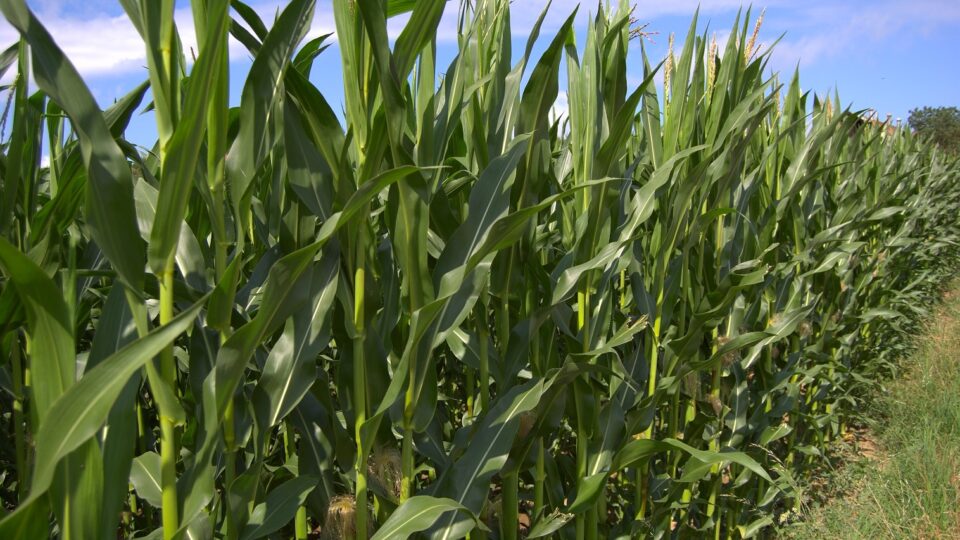
In agriculture, double-cropping is the practice of growing two or more crops or commodities on the same piece of land in the same calendar year.  In Brazil, grain production has increased more than fourfold between 1980 and 2016.  The country now stands as the world’s largest exporter of soybeans and the second largest exporter of corn.  There were two primary drivers of this increase in food production: cropland expansion and double-cropping. 

Cropland expansion has long been recognized as a key driver behind the increase in Brazil’s agricultural output.  But cropland expansion is also a threat to biodiversity by driving habitat loss, deforestation, and an increase in carbon emissions. 

A new study recently published in the journal Nature Food quantified for the first time the impact that double-cropping had on helping Brazil achieve its tremendous growth in grain production.  The international research team examined data from three key agricultural regions in Brazil: the Centre-West, Southeast-South, and Matopiba region.  These three regions accounted for 79% of soybean production and 85% of  corn production in 2016. 

Soybean fields account for more than one third of Brazil’s cropland.  While the increase in soybean production was largely a result of cropland expansion, the increase in corn production was a result of double-cropping. 

Between 2003 and 2016, the study found that double-cropping in Brazil offset the equivalent of approximately 190 million acres of arable land for corn production. (This is more than twice the annual harvested area of corn in the United States).

Double-cropping represents a way to produce more food without clearing more land. 

**********

Web Links

The impact of double-cropping

Photo, posted July 15, 2009, courtesy of Daniel Bauer via Flickr.

Earth Wise is a production of WAMC Northeast Public Radio.

Greenhouse Gas Emissions From Water Reservoirs | Earth Wise

July 27, 2021 By EarthWise Leave a Comment

Water reservoirs produce a surprising amount of greenhouse gas emissions

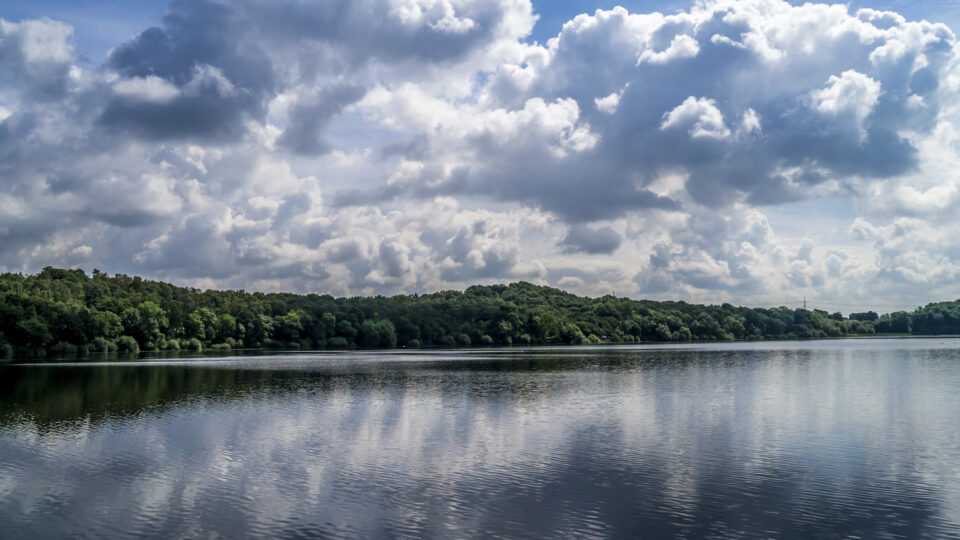
A new study by researchers from Washington State University and the University of Quebec at Montreal looked at greenhouse gas emissions from water reservoirs.  It is perhaps surprising to think that water reservoirs are a source of greenhouse gas emissions at all, but that much was already known.  The new study found that those emissions are actually around 29% higher than previously thought.

Overall, the researchers found that the world’s water reservoirs annually produce methane, carbon dioxide, and other greenhouse gases at an amount equivalent to 1.07 billion tons of carbon dioxide.   That is a small fraction of the 36 billion tons produced by fossil fuels and other industrial sources, but it is by no means a negligible amount.   In fact, it is more greenhouse gases than emitted by the entire country of Germany, which is the world’s sixth largest emitter.

Decomposing plant matter near the bottom of reservoirs fuels the production of methane, which is far more potent than carbon dioxide in warming the atmosphere.  This methane degassing accounts for about 40% of emissions from reservoirs.

The study is particularly important because it may be possible to reduce methane emissions from reservoirs by selectively only withdrawing water from near the reservoirs’ surface, which tends to be relatively methane-poor compared to greater depths.  In a related study, reducing withdrawal depth by 10 feet in a Malaysian reservoir reduced methane degassing emissions by 92%.

Human-generated greenhouse gas emissions come from a surprisingly wide range of sources and it is worthwhile studying as many of them as possible in the hope of finding additional ways to reduce the total.

**********

Web Links

Greenhouse gas emissions from water reservoirs higher than previously expected

Photo, posted July 22, 2016, courtesy of Iain Merchant via Flickr.

Earth Wise is a production of WAMC Northeast Public Radio.

Butterflies And Moths In A Changing World | Earth Wise

July 20, 2021 By EarthWise Leave a Comment

Climate change is putting immense pressure on species for change.

Extinction is a part of life.  Plant and animal species disappear all the time.  In fact, approximately 98% of all the organisms that have ever existed on planet earth are now extinct. Earth’s so-called ‘normal’ rate of extinction is thought to be somewhere between 0.1 and 1 species per 10,000 species per 100 years. 

But anthropogenic climate change is bringing about rapid change in nature. Put more simply, human activity is killing nature at an unprecedented rate.  According to many scientists, the earth’s sixth mass extinction has already begun. Mass extinctions are defined as times when the Earth loses more than 75% of its species in a geologically short interval.

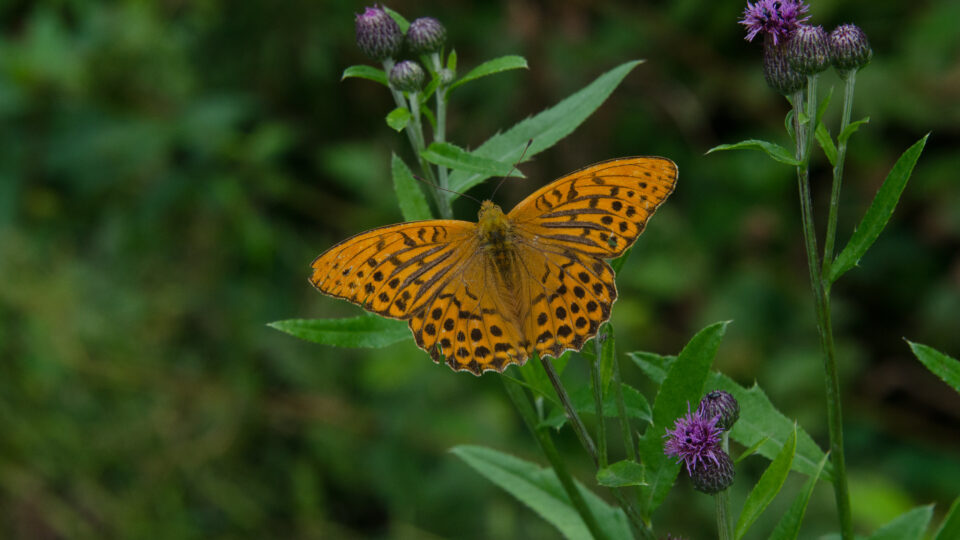
The changing climate puts immense pressure on species for change.  According to a new study by researchers from the University of Helsinki and the Finnish Environment Institute, the few butterfly and moth species capable of adjusting to the changing climate by moving up their flight period and moving further north have fared the best.

In Finland, researchers compared temporal shifts in the flight period and spatial shifts in the northern range boundary of 289 moth and butterfly species, as well as changes in abundance over a roughly 20-year period.

They found that about 45% of species that either moved northward or advanced their flight period fared much better than the roughly 40% of species that did not respond in either way.  On average, the populations of these poorly responding species declined.  But the 15% of species that did both had the largest increase in abundance. 

The ability to adapt to a changing climate is going to be vital for species survival. 

**********  

Web Links

Butterflies and moths have difficulty adjusting to a rapidly changing climate

What is mass extinction and are we facing a sixth one?

Photo, posted August 16, 2017, courtesy of Tero Laakso via Flickr.

Earth Wise is a production of WAMC Northeast Public Radio.

Plastic Pollution And The Galapagos Islands | Earth Wise

July 12, 2021 By EarthWise 1 Comment

Plastic pollution is infiltrating the pristine Galapagos Islands

The proliferation of plastics remains one of the world’s most challenging environmental problems.  Plastic pollution can be found in some of the most remote regions of the planet, including atop the world’s tallest mountains and in the deepest depths of the ocean.  Even the Galapagos Islands, a volcanic archipelago in the Pacific Ocean, are no exception.

According to a new study by researchers from the University of Exeter, the Galapagos Conservation Trust, and the Galapagos Science Center, plastic pollution has been found in seawater, on beaches, and inside marine animals at the Galapagos Islands. 

In the most polluted hotspots, more than 400 plastic particles were found per square metre of beach. The researchers found that only 2% of macroplastic pollution – plastic fragments larger than five millimeters – was identified as coming from the Galapagos islands. All seven of the marine invertebrate species examined – 52% of individuals tested – were found to contain microplastics.

Significant accumulations of plastic were also found in key habitats, including rocky lava shores and mangroves. In fact, plastics were found in all marine habitats at the island of San Cristobal, which is where Charles Darwin first landed in Galapagos.

Most of the plastic pollution in the Galapagos appears to arrive via ocean currents. According  to the research team, the highest levels of plastic pollution were found on east-facing beaches, which are exposed to pollution carried across the ocean on the Humboldt Current. 

The pristine images of the Galapagos, a world-famous biodiversity haven, might give the impression that the region is protected from plastic pollution.  But clearly that is not the case.

**********

Web Links

Plastic in Galapagos seawater, beaches and animals

Photo, posted April 12, 2012, courtesy of Ben Tavener via Flickr.

Earth Wise is a production of WAMC Northeast Public Radio.

Overwintering Fires | Earth Wise

July 6, 2021 By EarthWise Leave a Comment

Early detection of overwintering fires could help with fire management

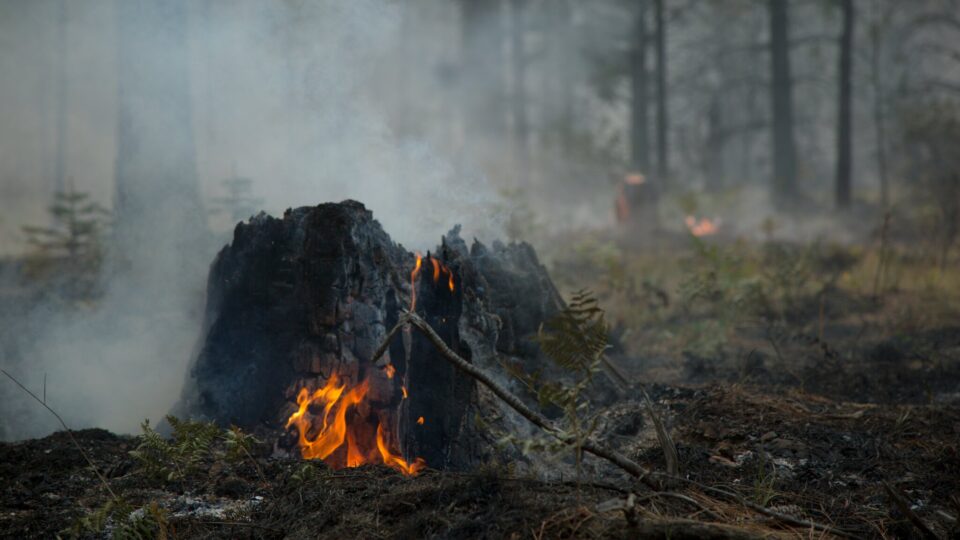
Fires that go on for long periods of time, surviving the snow and rain of winter to reemerge in the spring, are becoming more common in high northern latitudes as the climate warms.  Such fires are called holdover fires, hibernating fires, overwintering fires, or even zombie fires.  Whatever people choose to call them, this type of wildfire is occurring more often.

These smoldering fires start out as flaming fires but then enter an energy-saver mode.  They start above ground but then smolder in the soil or under tree roots through the winter.  They barely survive based on the oxygen and fuel resources that they have but can transition back into flaming fires once conditions are more favorable.

Dutch researchers used ground-based data with fire detection data from NASA’s Moderate Resolution Imaging Spectroradiometer instruments on the Terra and Aqua satellites to study fires in the boreal forests of Alaska and Canada’s Northwest Territories.  They found a way to identify overwintering fires based on their unique characteristics.  

Their data indicates that overwintering fires tend to be linked to high summer temperatures and large fire seasons.  Between 2002 and 2018, overwintering fires generally accounted for a small amount of the total burned area in the region but in individual years with hot and severe fire seasons, the number can escalate.  In 2008 in Alaska, for example, overwintering fires accounted for nearly 40% of the burned area.

Early detection of these overwintering fires could help with fire management and reduce the amount of carbon – which is stored in large amounts in the region’s organic soils – that gets released to the atmosphere during fires.

**********

Web Links

Overwintering Fires on the Rise

Photo, posted September 14, 2017, courtesy of Andrew R. Mitchell/USDA via Flickr.

Earth Wise is a production of WAMC Northeast Public Radio.

Surviving Climate Change | Earth Wise

June 30, 2021 By EarthWise Leave a Comment

What species will survive climate change?

The sixth mass extinction of wildlife on Earth is happening now.  According to an analysis published last year in the journal Proceedings of the National Academy of Sciences, more than 500 species of land animals are on the brink of extinction and are likely to be lost within the next 20 years. Without the impact of humans, this quantity of extinctions would have taken thousands of years. 

Anthropogenic climate change continues to exacerbate problems that drive species to the brink.  Which species will be able to adapt and survive?

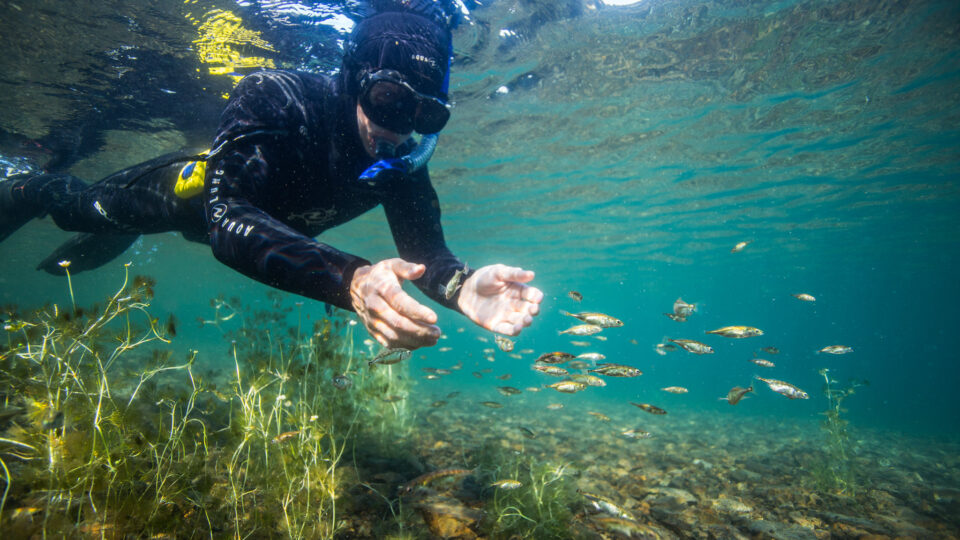
Using genome sequencing, a research team from McGill University in Montreal has found that some fish, like the threespine stickleback, can adapt very rapidly to extreme seasonal changes. Known for their different shapes, sizes, and behaviors, stickleback fish can live in both saltwater and freshwater, and can tolerate a wide range of temperatures.

Stickleback fish, which can be found in different estuaries along coastal California, provided researchers with an opportunity to study natural selection in real-time.  The researchers analyzed six populations of threespine stickleback fish before and after seasonal changes to their environment.   The research team discovered evidence of genetic changes driven by the seasonal shifts in habitat that mirrored the differences found between long-established freshwater and saltwater populations.  Since these genetic changes occurred in independent populations over a single season, the study highlights just how quickly the effects of natural selection can be detected. 

These findings suggest that scientists may be able to use the genetic differences that evolved in the past as a way to predict how species may adapt to climate change in the future.

**********

Web Links

Which animals will survive climate change?

Sixth Mass Extinction of Wildlife Accelerating- Study

Photo, posted August 3, 2015, courtesy of Jason Ching/University of Washington via Flickr.

Earth Wise is a production of WAMC Northeast Public Radio.

Protecting The Ocean Has Multiple Benefits | Earth Wise

June 21, 2021 By EarthWise Leave a Comment

The benefits of protecting the ocean

An international team of authors from 18 institutions has recently published a paper in the journal Nature that offers a solution that addresses several of humanity’s most pressing problems at the same time.  The paper provides a comprehensive assessment of where strict ocean protection can contribute to a more abundant supply of healthy seafood, help address climate change, and protect embattled species and habitats.

The study identified specific areas of the ocean that could provide all of these benefits if they were protected.  Currently, only about 7% of the ocean is under any kind of protection.  According to the study, if the appropriate 30% of the ocean was protected by the actions of the relevant countries by 2030, the cited benefits would be realized.

Safeguarding these regions would protect nearly 80% of marine species while increasing fishing catches by almost 9 million tons a year. It would also prevent the release of more than 1 billion tons of carbon dioxide by protecting the seafloor from bottom trawling, which is a widespread and destructive fishing practice.

Ocean life has been declining worldwide because of overfishing, habitat destruction, and climate change.  The study pioneers a new way to identify the places that – if protected – will boost food production and safeguard marine life, while at the same time reducing carbon emissions.  The study finds that countries with large national waters and large industrial trawl fisheries have the highest potential to contribute to climate change mitigation by protecting the carbon stored on the ocean floor.  The ocean covers 70% of the Earth and its importance in solving the challenges of our time must not be underestimated.

**********

Web Links

Three Times the Gains

Photo, posted January 10, 2016, courtesy of Hafsteinn Robertsson via Flickr.

Earth Wise is a production of WAMC Northeast Public Radio.

Sea Turtles And The Sargasso Sea | Earth Wise

June 15, 2021 By EarthWise Leave a Comment

Understanding the migratory patterns of sea turtles

The lifecycle of sea turtles includes a longstanding mystery, often called the “lost years”.  Turtles hatching from nests along Florida’s Atlantic coast head into the ocean and are generally not seen again for several years before they return in their adolescence. Very little is known about where they spend this time in the open ocean.

Researchers at the University of Central Florida have learned that green turtles as well as loggerhead turtles – both iconic species in conservation efforts – may be spending their youth in the legendary Sargasso Sea.  The Sargasso Sea is located off the east coast of the U.S. in the North Atlantic Ocean.  It has frequently been featured in popular culture, such as in the novel Twenty Thousand Leagues Under the Sea, as a place where ships could be trapped in thick mats of floating, brown Sargassum seaweed for which the sea is named.

The researchers tracked the baby turtles by attaching advanced, solar-powered tracking devices, about an inch long, to their shells.  They used a special adhesive that held the devices to the turtle shells but would allow the devices to fall off after a few months causing no harm to the turtles or inhibiting shell growth or behavior.

It was previously thought that baby turtles would passively drift in sea currents and simply ride those currents until their later juvenile years.  The new research shows that the turtles actively orient to go into the Sargasso Sea.

Studies of where turtles go as they develop are fundamental to sound sea turtle conservation.  If we don’t know where turtles are and what parts of the ocean are important to them, we are doing conservation blindfolded.

**********

Web Links

Legendary Sargasso Sea May be Sea Turtles’ Destination during Mysterious ‘Lost Years’

Photo, posted October 23, 2016, courtesy of Kris-Mikael Krister via Flickr.

Earth Wise is a production of WAMC Northeast Public Radio.

Progress Towards Carbon-Free Power | Earth Wise

June 3, 2021 By EarthWise Leave a Comment

Making progress towards carbon-free power

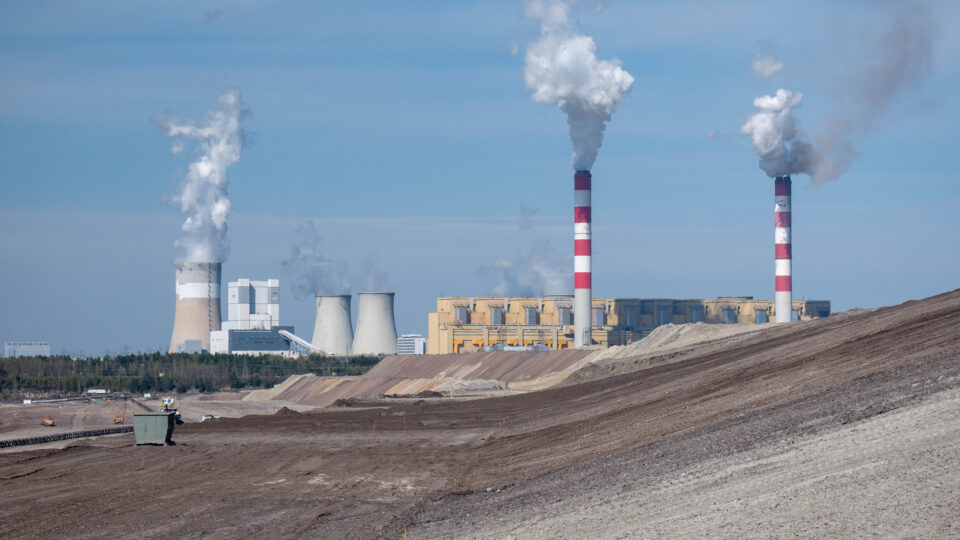
Climate change has driven countries, states, utilities, and corporations to set goals to eliminate power-sector carbon emissions.  So far, 17 U.S. states plus Washington, D.C. and Puerto Rico have adopted laws or executive orders to achieve 100% carbon-free electricity over the next couple of decades.  Forty-six U.S. utilities have pledged to go carbon-free no later than 2050.   Adding these together, these government and industry goals cover about half of the U.S. population and economy.

New research from the Lawrence Berkeley National Laboratory has analyzed historical trends to determine how much progress the power sector has already made in reducing emissions.  The study focused on the 2005 Annual Energy Outlook from the U.S. government’s Energy Information Administration.

If the previous growth in emissions had continued from 2005 to 2020, annual CO2 emissions would have risen from 2,400 to 3,000 million metric tons.  But actual 2020 emissions fell to only 1,450 metric tons.  So, by this metric, the U.S. power sector cut emission by 52% below projected levels.

According to the study, total consumer electricity costs were 18% lower than projected values, but meanwhile, the number of jobs in electricity generation was 29% higher. 

Among the driving forces for these trends were wind and solar power dramatically outperforming earlier expectations, delivering 13 times more generation in 2020 than projected. 

The study shows that dramatic changes in emissions are possible over a 15-year span, but much has to happen over the next 15 years to ensure the progress required to meet the ambitious goals set for emissions reductions.

**********

Web Links

U.S. Power Sector is Halfway to Zero Carbon Emissions

Photo, posted April 18, 2020, courtesy of Roman Ranniew via Flickr.

Earth Wise is a production of WAMC Northeast Public Radio.

  • « Go to Previous Page
  • Page 1
  • Interim pages omitted …
  • Page 12
  • Page 13
  • Page 14
  • Page 15
  • Page 16
  • Interim pages omitted …
  • Page 24
  • Go to Next Page »

Primary Sidebar

Recent Episodes

  • An uninsurable future
  • Clean energy and jobs
  • Insect declines in remote regions
  • Fossil fuel producing nations ignoring climate goals
  • Trouble for clownfishes

WAMC Northeast Public Radio

WAMC/Northeast Public Radio is a regional public radio network serving parts of seven northeastern states (more...)

Copyright © 2026 ·