• Skip to primary navigation
  • Skip to main content
  • Skip to primary sidebar

Earth Wise

A look at our changing environment.

  • Home
  • About Earth Wise
  • Where to Listen
  • All Articles
  • Show Search
Hide Search
You are here: Home / Archives for species

species

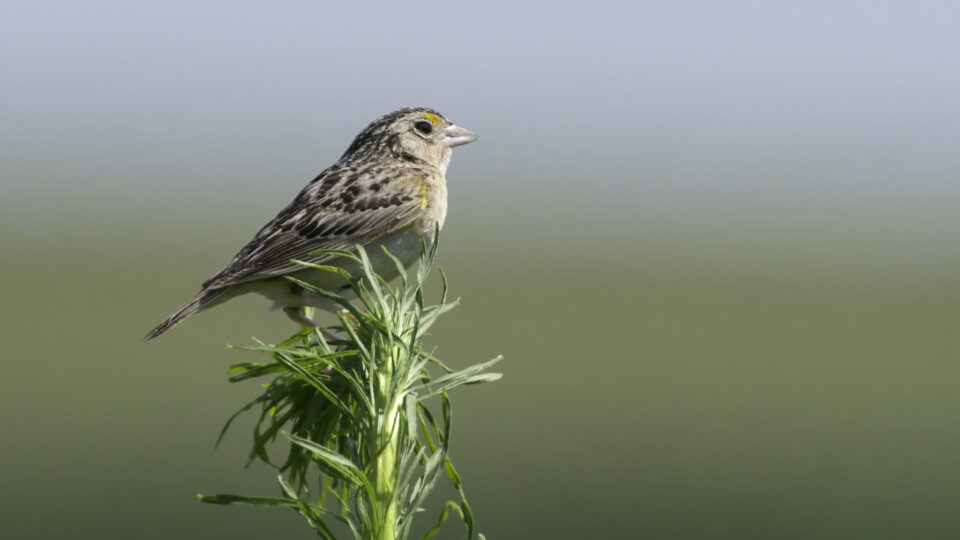
The State Of The Birds | Earth Wise

November 28, 2022 By EarthWise Leave a Comment

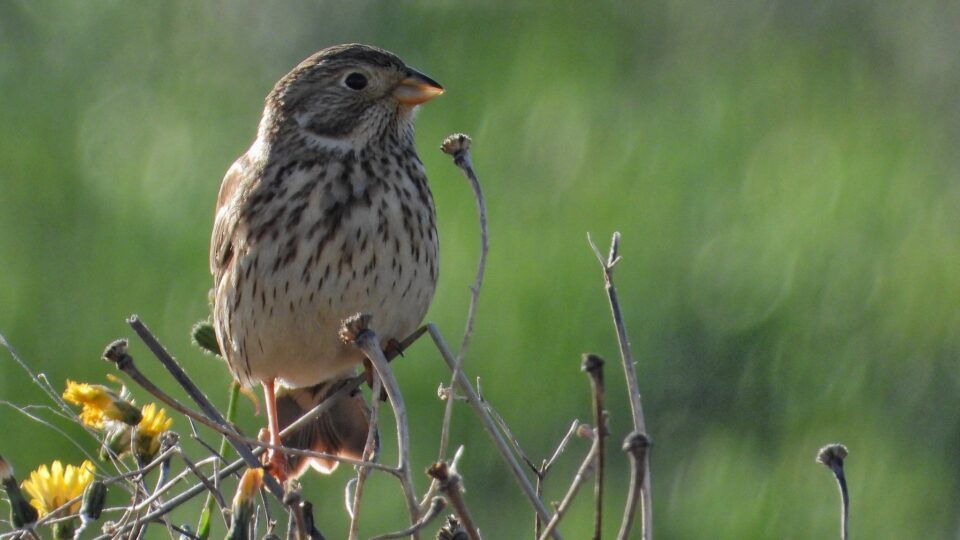
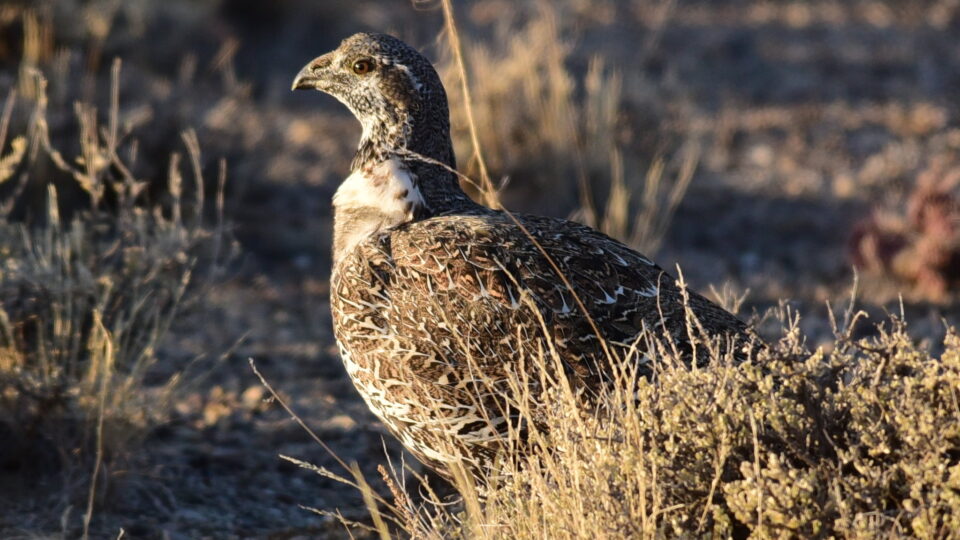
The U.S. Committee of the North American Bird Conservation Initiative has published the State of the Birds 2022, an assessment of bird populations in North America. The news is not good.  The report identifies 70 Tipping Point species, which are those that have lost half or more of their breeding population since 1970 and are on track to lose another half or more in the next 50 years. According to research published in Science in 2019, the United States and Canada have lost 3 billion breeding birds since 1970, which is about a quarter of the total population.

More than half of the bird species in the United States are in decline. According to the Conservation Initiative, the tipping point species in particular require proactive conservation protections to avoid becoming endangered.  Species that inhabit grasslands are declining more rapidly, while waterfowl like ducks and geese are actually increasing.  That increase is most likely a result of the investments in conservation funded by the hunting industry.

Those waterfowl gains demonstrate that when there are concerted efforts to protect and promote bird populations, positve changes can happen.  Some say that protecting birds is not a high priority given all the other crises in the world, but what is good for birds is also good for people.  For example, planting trees and other vegetation to enhance bird habitat also helps to sequester carbon, protect coastlines from storm surges, increase groundwater recharge, and reduce urban heating effects.

The loss of 3 billion birds is a major biodiversity crisis and requires action.  Bird conservation benefits wildlife, people, entire ecosystems, and our planet.

**********

Web Links

What’s Good for Birds Is Good for People and the Planet. But More Than Half of Bird Species in the U.S. Are in Decline

Photo, posted November 4, 2020, courtesy of Tom Koerner/U.S. Fish and Wildlife Service via Flickr.

Earth Wise is a production of WAMC Northeast Public Radio
The Living Planet Index | Earth Wise

November 22, 2022 By EarthWise Leave a Comment

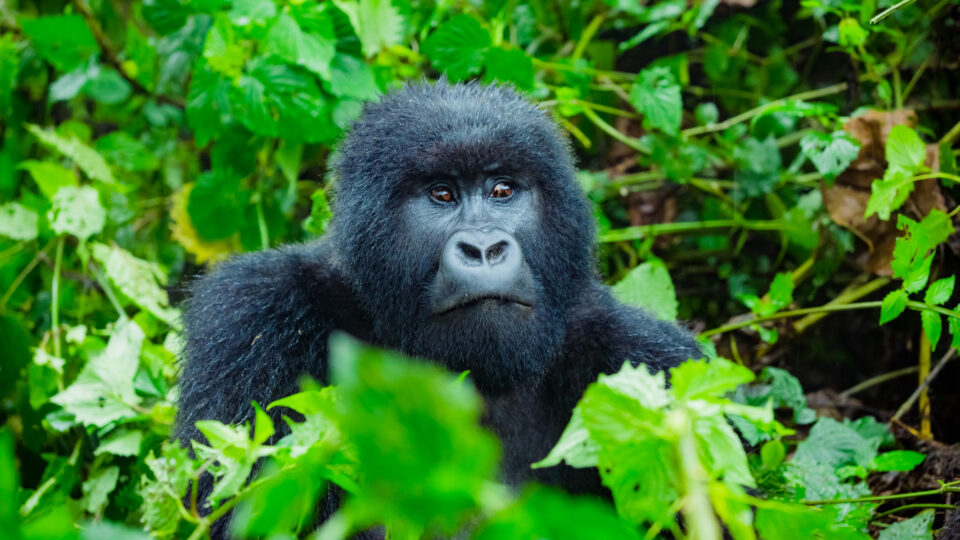
The World Wildlife Fund and the Zoological Society of London recently published the latest Living Planet Index, which is designed to measure how animal populations are changing through time.  The purpose is to provide an assessment of the health of ecosystems and the state of biodiversity.

The LPI only looks at the population of vertebrates:  birds, mammals, reptiles, amphibians, and fish.  The latest survey looked at how populations have changed between 1970 and 2018.  The results are that populations of these animal groups have declined by an average of 69% over that 48-year period.

This result highlights a very real and very severe crisis of biodiversity loss.  However, it does not mean that there are 2/3 fewer animals today than 48 years ago.  The way the index is calculated is to look at the changes in individual populations of over 5,000 different species.  Then these individual relative declines are averaged to get the result.  

There are shortcomings in the LPI.  For example, individual species that have seen massive population declines will bring the average down.  But even removing the outliers both of a negative and a positive impact does not dramatically change the result.

There is no perfect indicator for biodiversity and ecosystem health.  The Living Planet Index is nonetheless a useful metric and indicates that many species around the world are in decline.  Policymakers and environmental advocates need to make decisions about conservation and protection measures and this index is one tool they can use.

**********

Web Links

There’s a frightening new report about wildlife declines. But many are getting the story wrong.

Photo, posted October 12, 2019, courtesy of Visit Rwanda via Flickr.

Earth Wise is a production of WAMC Northeast Public Radio

The Snail Darter Is Safe | Earth Wise

November 14, 2022 By EarthWise Leave a Comment

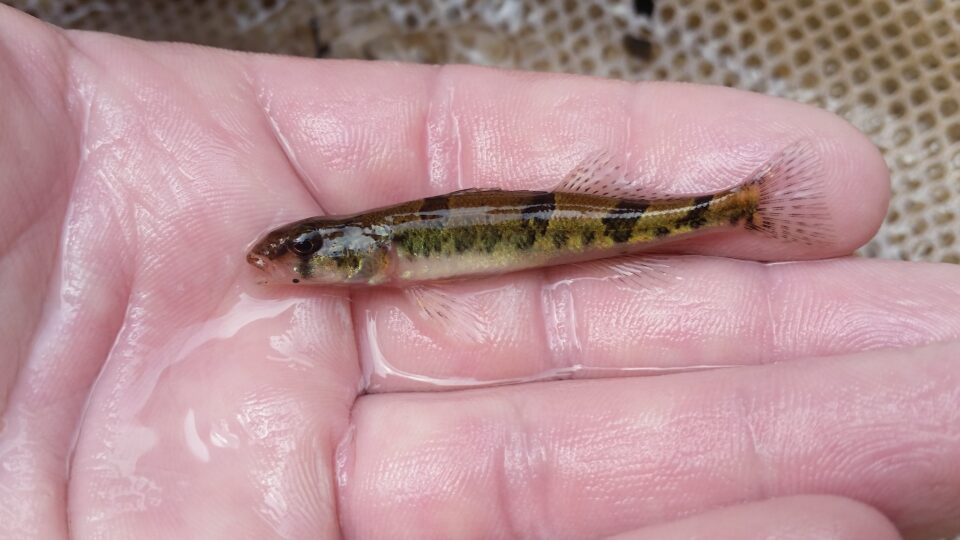
The snail darter population has recovered

The snail darter is a three-inch-long snail-eating fish that was once only found in the Little Tennessee River.  When that river was going to be dammed by the Tellico Dam under construction in the 1970s, the snail darter was listed on the endangered species list and the little fish subsequently became the subject of a legal battle that made it all the way up to the U.S. Supreme Court.   With the dam project 95% complete in 1978, the Supreme Court blocked further construction, citing the Endangered Species Act.  A year later, Congress exempted the project from the requirements of the Act, thereby clearing the way for the completion of the dam.

In order to save the snail darter, biologists transplanted the fish into several other nearby rivers and waterways.  In addition, the Tennessee Valley Authority modified the operation of the Tellico Dam to release more oxygen-rich water downstream.  Beyond those measures, the river cleanup under the Clean Water Act further aided the fish’s recovery.

In 1984, the snail darter was removed from the endangered species list and was listed as threatened or vulnerable.  Recently, the U.S. Department of the Interior officially removed the snail darter from the federal list of threatened and endangered wildlife. 

The snail darter is the fifth fish species to be delisted because its population has recovered.  It is the first in the eastern United States.  With better management of water releases at dams, many other imperiled aquatic species could be recovered.

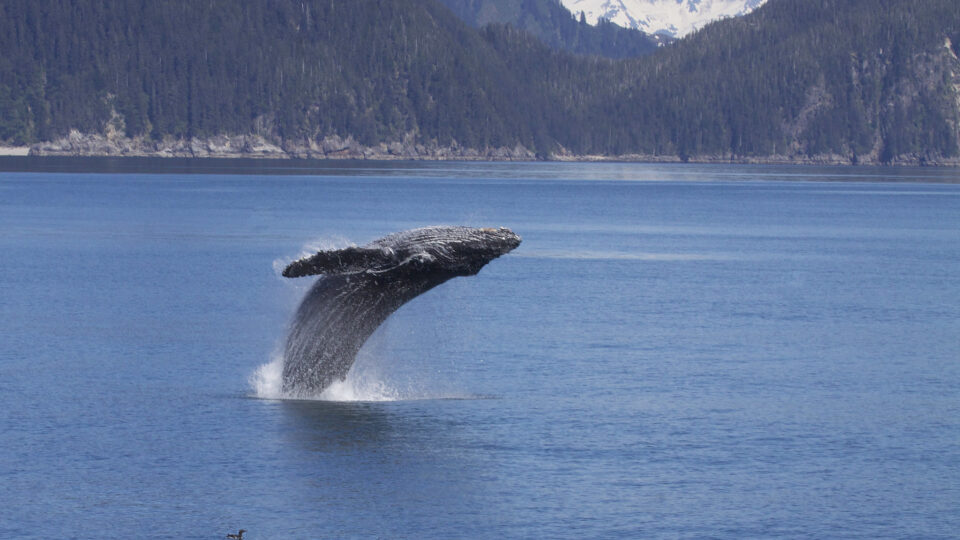
Overall, more than 50 plants and animals have recovered under federal protection, including American alligators, humpback whales, peregrine falcons, and bald eagles.

**********

Web Links

Once at Center of Controversial Case, the Snail Darter Fish Is No Longer Threatened

Photo, posted July 22, 2015, courtesy of The U.S. Fish and Wildlife Service via Flickr.

Earth Wise is a production of WAMC Northeast Public Radio
Planting Millions Of Trees Isn’t So Easy | Earth Wise

November 11, 2022 By EarthWise Leave a Comment

Mass tree plantings are not always effective

There are initiatives around the world to plant millions of trees as a way to fight climate change.  Unfortunately, scientists have observed that many of these projects are ill-conceived and poorly managed.  Some have failed to grow any forests at all.

One such project was an attempt to plant a million mangrove seedlings in coastal mud on the Filipino island of Luzon in 2012.  Ten years later, less than 2% of the trees have survived.  The other 98% have died or have washed away.  The problem was that the site of the project was ecologically unsuited to mangroves because it is too waterlogged and there is no oxygen available except in a few sheltered spots.

In 2019, the Turkish government managed the planting of 11 million trees in 2,000 sites across the country.  A later survey found that 90% had died, although the government denies that assertion.

Many other projects have also had dismal results.  The causes of failure vary but include planting single species of trees that become vulnerable to disease, competing demands for land, changing climate, planting in areas not previously forested, and lack of ongoing care for the saplings including watering them.

Nobody is opposed to mass tree planting.  There is no anti-tree lobby.  But tree planting is sometimes a form of greenwashing.  It is great for public relations but unless it is done properly with appropriate planning, it can be a waste of effort and money.  The result can be a phantom forest that does nothing for the climate.

Forest planting can work if the social and environmental conditions are right, and if planting is followed by long-term monitoring and care of the trees.

**********

Web Links

Phantom Forests: Why Ambitious Tree Planting Projects Are Failing

Photo, posted April 20, 2016, courtesy of the U.S. Navy / Mass Communication Specialist 2nd Class John Benson via Flickr.

Earth Wise is a production of WAMC Northeast Public Radio

Climate Change And Crabs | Earth Wise

November 8, 2022 By EarthWise Leave a Comment

Climate change wreaking havoc on Arctic crab populations

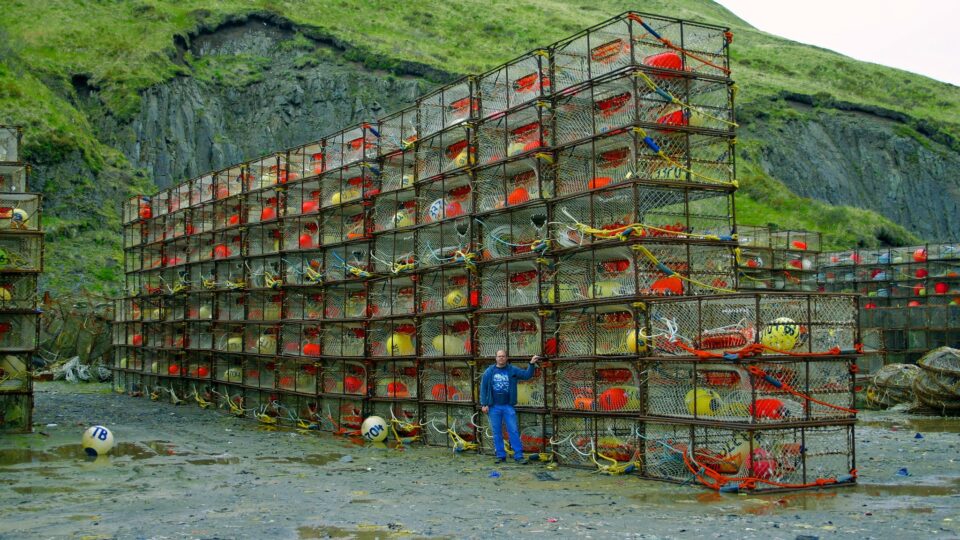
Globally, there are more than 6,000 species of crabs.  In Alaska’s waters alone, there are 18 species, including 10 that are commercially fished.  The perils of crab fishing in this region, including freezing temperatures, turbulent seas, and raising full pots that can weigh well over a ton, have been highlighted for many years in the reality TV series Deadliest Catch.        

One of those commercially-fished species is the Alaska snow crab.  Alaska snow crabs are a cold-water species found off the coast of Alaska in the Bering, Beaufort, and Chukchi Seas. 

In October, officials in Alaska announced that the upcoming winter snow crab season would be canceled for the first time ever due to a sharp population decline. While the number of juvenile snow crabs was at record highs just a few years ago, approximately 90% of snow crabs mysteriously disappeared ahead of last season.  Officials also canceled the Bristol Bay red king crab harvest for similar reasons for the second year in a row.

The closures dealt a severe blow to crab fishers in the region.  According to the Alaska Seafood Marketing Institute, Alaska’s crab fishing industry is worth more than $200 million. 

The canceled seasons also raise questions about the role of climate change in the snow crab population crash. While the causes of the decline are still being researched, scientists suspect that warmer temperatures are responsible.  Temperatures in the Arctic region have warmed four times faster than the rest of the planet. 

As the climate continues to change, the warming waters around Alaska may become increasingly inhospitable to snow crabs and other species.   

**********

Web Links

Alaska’s Bering snow crab, king crab seasons canceled

Alaska cancels snow crab season for first time after population collapses

Photo, posted November 16, 2010, courtesy of David Csepp / NOAA via Flickr.

Earth Wise is a production of WAMC Northeast Public Radio
Insects In A Changing Climate | Earth Wise

October 27, 2022 By EarthWise Leave a Comment

Insects can be found in every environment on Earth and are critical components of many ecosystems.  They perform countless important functions, including aerating and fertilizing soil as well as pollinating flowers.  In fact, according to the USDA, 75% of the world’s flowering plants and about 35% of the world’s food crops depend on animal pollinators, the majority of which are insects, to reproduce.

According to a study published in the journal Nature earlier this year, the combination of climate change and intensive agriculture is having a profound impact on both the abundance and diversity of insects.  In regions where substantial warming had occurred and where land had been converted for intensive farming, insects were nearly 50% less abundant and more than 25% fewer species were observed.  Tropical regions were among those most at risk for heavy losses.

According to a new study recently published in the journal Global Change Biology, tropical insects will be even more susceptible to climate change than previously thought.  In a five-year study conducted in Peru, researchers from the Florida Museum of Natural History found that insect populations declined 50% following short periods of drought and following short periods of heavy rainfall.  Insect populations decreased after three months of dry weather, but also decreased after three months of exceptionally wet weather.   

Researchers have known that tropical insects don’t tend to do well when their habitats dry out.  But the researchers were surprised to discover that these insects were equally averse to increased precipitation.  Alarmingly, precipitation is expected to become more frequent and more intense as a consequence of the changing climate. 

***********

Web Links

Tropical insects are extremely sensitive to changing climates

Photo, posted June 11, 2016, courtesy of Z. Leng via Flickr.

Earth Wise is a production of WAMC Northeast Public Radio
Why Do Woodpeckers Peck? | Earth Wise

October 21, 2022 By EarthWise Leave a Comment

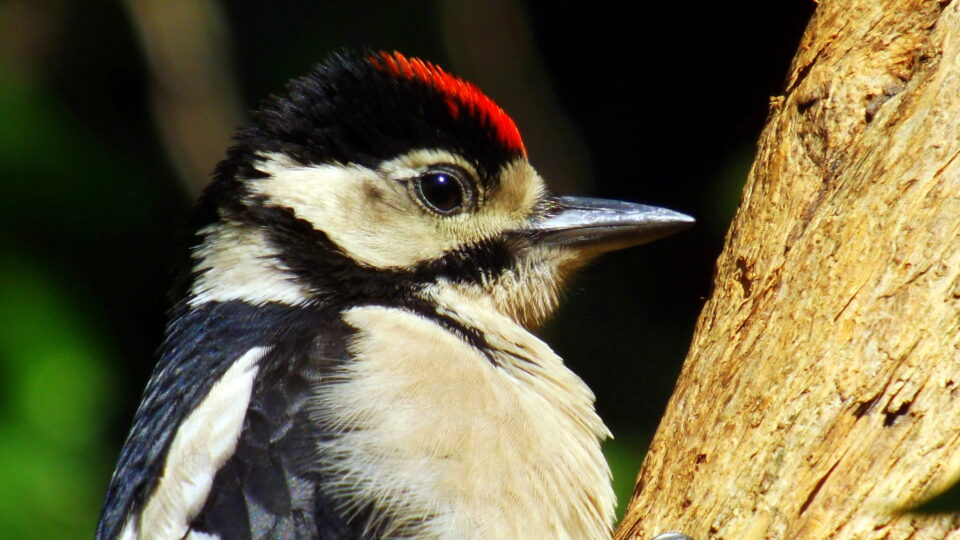
Scientists understand why woodpeckers peck

Most of us have heard the sound of a woodpecker drumming on a nearby tree, or unfortunately, on the walls of our house where it can be very destructive.  We were often told that the birds were hunting for insects inside the wood, or perhaps trying to open up a nest. But a new study at Brown University has found evidence that woodpeckers are just additional musicians in the bird orchestra who happen to be percussionists.

The researchers studied the forebrains of birds and found characteristic gene expression specializations in songbirds.  Songbirds sing to communicate for various reasons – such as staking out territory or seeking mates.  The study looked at birds that are not known to sing, such as the emu, penguin, flamingo, and woodpeckers.  It turns out that among these, only woodpeckers had forebrains that anatomically resembled those of songbirds.  The study is the first time a neural basis has been identified for the communication activities of animals other than primates.

There are over 200 species of woodpeckers around the world and each species has its own characteristic drumming speed and rhythms.  Woodpecker drumming may well have evolved through a form of vocal learning, which is the way songbirds learn to make their own melodious sounds.  And like the calls of songbirds, these drumming patterns change depending on what the birds want to communicate and to whom.

So, the little downy woodpecker that is poking holes in your walls is probably not hunting for insects.  It is more likely to be telling another woodpecker to get out of its territory.

**********

Web Links

Why do woodpeckers peck? New discovery about bird brains sheds light on intriguing question

Photo, posted June 15, 2021, courtesy of Tony Oldroyd via Flickr.

Earth Wise is a production of WAMC Northeast Public Radio
visit site by the doctor who prescribed the drug. Prescription. If the drug is sold in Russia without a prescription, it is necessary to make sure that the drug will also be sold abroad without it. You can find out in advance and, for example, write a letter to a specific pharmacy abroad, or you can be reinsured and ask to make a prescription form for the drug from your doctor.

Coping With Climate Change | Earth Wise

October 11, 2022 By EarthWise Leave a Comment

Animals will cope with climate change differently

Extreme weather events including prolonged drought and heavy rainfall are becoming more common and more severe as global temperatures rise.  As the climate continues to change in the coming decades, how will animals respond? 

Researchers from the University of Southern Denmark have examined how different mammals react to climate change. They analyzed data on population fluctuations from 157 mammal species around the world.  They compared these fluctuations with weather and climate data from the same time period.  The research team had 10 or more years of data for each species studied. 

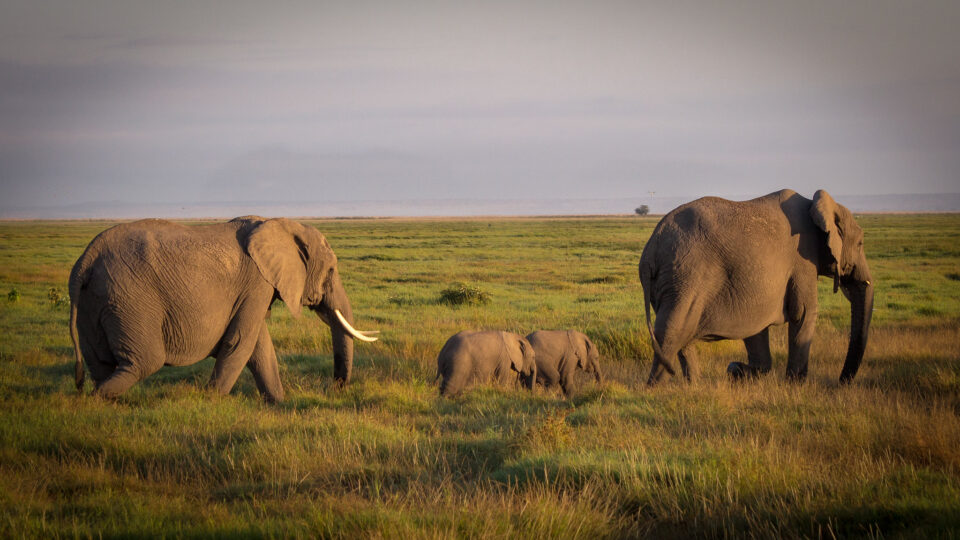
The researchers found that mammals that live for a long time and/or produce less offspring –  like llamas, elephants, bears, and bison – are more climate resilient than small mammals with short lives — like mice, possums, lemmings, and rare marsupials. 

For example, large, long-lived mammals can invest their energy into one offspring, or simply wait for better times if conditions become challenging.  On the other hand, small, short-lived mammals like rodents have more extreme population changes in the short term. In the event of a prolonged drought, large portions of their food base may rapidly disappear, and they are left to starve because they have limited fat reserves.

However, the research team notes that the ability of a species to withstand climate change must not be the only factor when assessing a species’ vulnerability.  In fact, in many cases, habitat destruction, poaching, pollution, and invasive species pose a larger threat to animal species than climate change. 

While the study only examined 157 species, the findings enable researchers to also predict how animals they know less about will react to climate change.

********** 

Web Links

Which animals can best withstand climate change?

Photo, posted July 8, 2018, courtesy of Ray via Flickr.

Earth Wise is a production of WAMC Northeast Public Radio
Pacific Bluefin Tuna On The Rebound | Earth Wise

September 21, 2022 By EarthWise Leave a Comment

The Pacific Bluefin Tuna is a commercially valuable species that is especially prized in Japan.  The fish is particularly valued for sashimi and sushi and large specimens have been known to fetch enormous prices at seafood auctions.

Aggressive fishing reduced the bluefin biomass through the late 1990s and 2000s to only a few percent of its potential unfished levels.  Beginning in 2011, The Western and Central Pacific Fisheries Commission began management measures that reduced the catch of smaller bluefin as well as limited the catch of larger bluefin.  The goal was to allow more fish to grow to maturity.  The Inter-American Tropical Tuna Commission adopted similar resolutions a year later.  Despite these efforts, increasing concern about declining bluefin levels led to a petition to list the species as endangered.  The National Oceanic and Atmospheric Administration’s Fisheries organization determined that while the population was near historical lows, the remaining 1.6 million fish was a sufficient number to avoid the risk of extinction and that the measures in place were sufficient.

A new assessment of the bluefin population has shown that the species is now increasing and includes many younger fish that will help accelerate its rebound.  The assessment by NOAA showed that the bluefin stock was greater than the first rebuilding target set for 2019. 

According to the NOAA Fisheries biologists that performed the assessment, the species has responded exactly as predicted given the actions that were taken.  The bluefin tuna is an amazingly resilient fish and it is continuing to demonstrate that fact.

**********

Web Links

International Actions Pay Off For Pacific Bluefin Tuna as Species Rebounds at Accelerating Rate

Photo, posted June 1, 2022, courtesy of Philippe Yuan via Flickr.

Earth Wise is a production of WAMC Northeast Public Radio

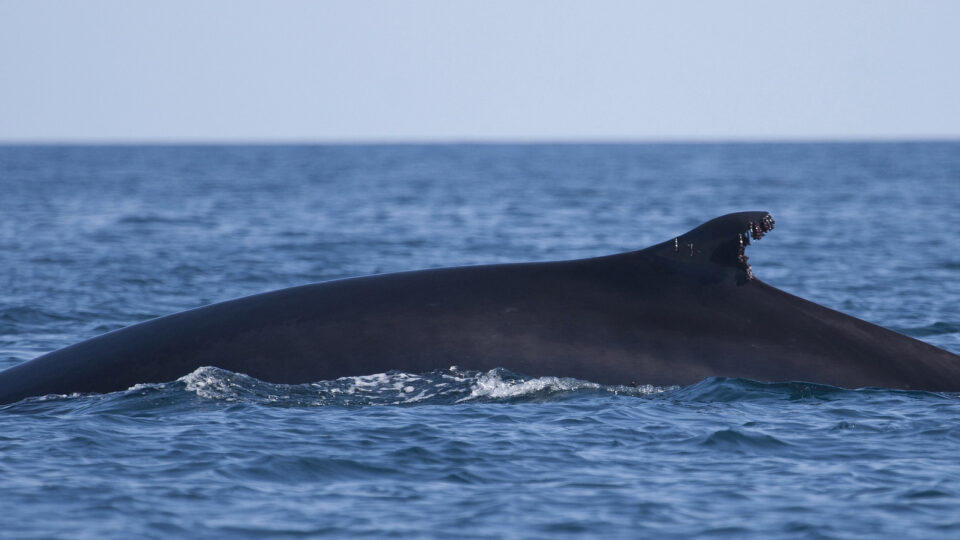
Return Of The Fin Whale | Earth Wise

August 15, 2022 By EarthWise Leave a Comment

Fin whales making a comeback

The fin whale is the second largest whale species and therefore the second largest creature on Earth.  They can grow to more than 80 feet in length.  From 1904 to 1976, there was massive industrial whaling in the Southern Ocean surrounding Antarctica.  During that period, whalers killed about 700,000 fin whales, reducing their population by 99%.  The species was nearly extinct.

In 1982, the International Whaling Commission voted to ban commercial whaling.  Since that time, fin whales started to make a comeback in their historical feeding grounds.

During a nine-week expedition in the waters around the Antarctic Peninsula, researchers encountered the largest gathering of fin whales ever documented.  About 150 fin whales were seen diving and lunging against the water’s surface.  It was a feeding frenzy triggered by large amounts of krill in the water.  The actions of the whales are known as a “whale pump” that drives the krill to the surface.  Not only does it provide huge amounts of food for the whales but also for other animals, including seabirds and seals.

Forty years after the commercial whaling ban, the number of fin whales has been increasing.  Large groups were observed in a 2013 survey.  Aerial surveys in 2018 and 2019 recorded 100 groups of fin whales, usually composed of a just a handful of individuals.  They did document eight large groups of up to 150 individuals.

Not all species of whales have rebounded so successfully since the whaling ban.  The rebound in fin whale population is not only good for the whales, but for the entire ecosystem in the Southern Ocean.  It is a glimmer of good news in a time of great challenges for global biodiversity and for marine life in particular.

**********

Web Links

Once Facing Extinction, Massive Fin Whales Have Returned to Antarctic Waters

Photo, posted November 15, 2007, courtesy of Gregory Smith via Flickr.

Earth Wise is a production of WAMC Northeast Public Radio.

North American Birds And Climate Change | Earth Wise

August 10, 2022 By EarthWise Leave a Comment

Climate change negatively impacting north american birds

Most plants and animals live in areas with specific climate conditions, such as rainfall patterns and temperature, that enable them to thrive. Any change in the climate of an area can affect the plants and animals living there, which in turn can impact the composition of the entire ecosystem.   

As such, the changing climate poses many challenges to plants and animals.  For example, appropriate climatic conditions for many species are changing.  As a result, some may even disappear altogether.  These problems can be compounded when the climate is changing in tandem with other human-caused stressors, such as land use change.

When there is increasing divergence between suitable climatic conditions for a particular species and its abundance and distribution through time, this is known as climate decoupling.

According to a new study recently published in the journal Nature Ecology & Evolution, some species of North American birds have not fully adjusted their distributions in response to climate change.  The areas where these birds live have become more decoupled from their optimal climate conditions.  Climate decoupling as a result of ongoing climate change could lead to additional stressors on many bird species and exacerbate bird population declines.

In the study, the research team analyzed data on bird population changes through time from the North American Bird Survey.  They found that at least 30 out of 114 species (or 26%) of North American birds have become less well adjusted to their climate over the last 30 years. This means that their distributions and abundances were increasingly decoupled from climate over time.

The researchers also found that the overall trend of climate decoupling shows no signs of slowing down. 

**********

Web Links

North American birds not fully adjusting to changing climate

Photo, posted July 16, 2016, courtesy of Kelly Azar via Flickr.

Earth Wise is a production of WAMC Northeast Public Radio.

Environmental DNA | Earth Wise

August 5, 2022 By EarthWise Leave a Comment

Marine protected areas are sections of the ocean where governments place limits on human activity.  They are intended to provide long-term protection to important marine and coastal ecosystems.  MPAs are important because they can protect depleted, threatened, rare, and endangered species and populations.

In January 2020, the Republic of Palau in the western Pacific Ocean created one of the world’s largest marine protected areas.  The Palau National Marine Sanctuary covers 80% of the country’s economic zone and prohibits all extractive activity like fishing and mining over a 183,000 square mile area in order for the island nation to ensure its food security and grow its economy in the face of climate change.

The Marine Sanctuary is an ambitious enterprise.  The question is how Palau can evaluate whether and how well it is working?

A team of scientists from Stanford University and Palau-based colleagues are making use of Environmental DNA – or eDNA – technology to monitor the large-scale marine protected area.  eDNA is the cells, waste, viruses, and microorganisms that plants and animals leave behind.  Samples of marine eDNA effectively provide a fingerprint of the organisms that have recently passed through the water in a given area.  This gives scientists a way to assess an ecosystem’s biodiversity and keep track of the types of species inhabiting a specific area.  Using eDNA, it is possible to keep track of all the  organisms that live below the surface and learn about things we can’t even see.

The team has embarked on a program of periodic sampling of the waters off Palau and hope to be able to monitor the results of establishing the Marine Sanctuary.

**********

Web Links

eDNA: Bringing biodiversity to the surface

Photo, posted June 12, 2013, courtesy of Gregory Smith via Flickr.

Earth Wise is a production of WAMC Northeast Public Radio.

Heatwaves And Bird Populations | Earth Wise

July 28, 2022 By EarthWise Leave a Comment

How the changing climate is affecting bird populations

The increased occurrence and intensity of heatwaves around the world is affecting most living things.  Heatwaves can be lethal for warm-blooded animals – including people – but the behavioral and physiological effects of sub-lethal heat have not been extensively studied.  Heat that doesn’t kill animals can still impact their ability to adapt and thrive as the climate changes.

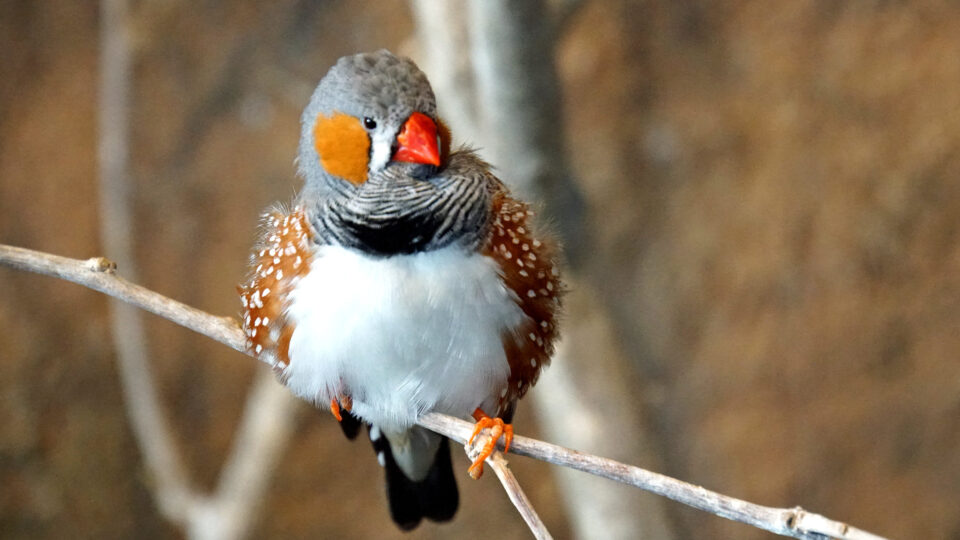
Researchers at the University of Tennessee in Knoxville recently published a new study that examined how heat impacts the behavior and physiology of Zebra finches.  They exposed the birds to a four-hour heat challenge, similar to what wild birds might experience during a hot summer afternoon.   They used Zebra finches because these songbirds experience extreme temperature fluctuations in their native Australia.

The team measured heat effects on thermoregulatory behavior, how heat alters gene activity in tissues critical to reproduction, and how heat affects the area of the brain that controls singing.  The evidence showed that even sub-lethal heat can change a bird’s ability to reproduce both from the functioning of its reproductive system and its motivational circuits for mating behavior.

The researchers found that some individual birds were better able to minimize the physiological effect of heat, for example by adjusting their behavior to dissipate heat.  Some individuals and even some species are likely to be able to adapt to increasingly extreme temperatures.

Global bird populations have been dramatically declining over the past few decades.  Previous studies have shown that birds sing less during heatwaves. Based on the new study, it appears that increasing heatwaves may be a potential underlying mechanism for the decline in bird populations.

**********

Web Links

New Research Suggests Heat Waves Could Lead to Avian Population Decline

Photo, posted August 22, 2017, courtesy of Dennis Jarvis via Flickr.

Earth Wise is a production of WAMC Northeast Public Radio.

Climate Resilient Microalgae | Earth Wise

July 21, 2022 By EarthWise Leave a Comment

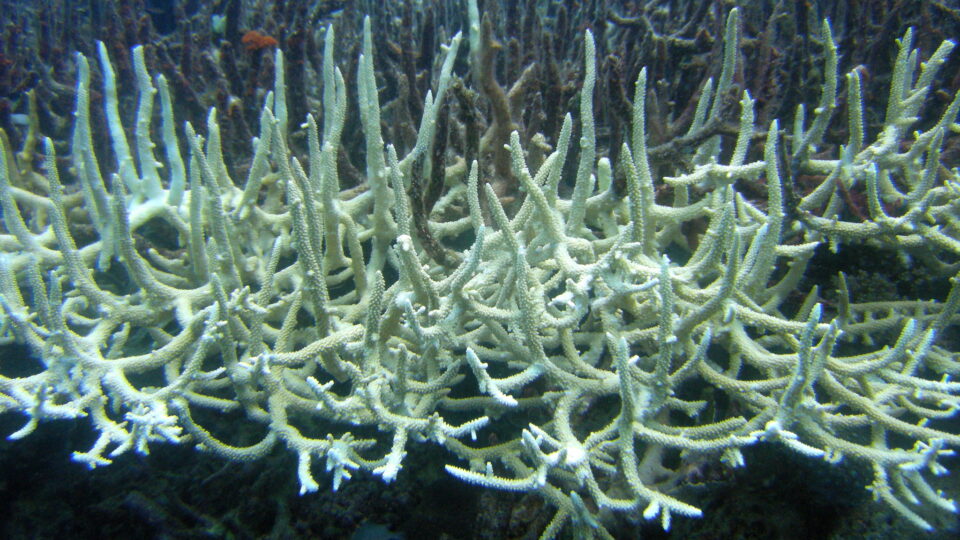
The plight of the world’s coral reefs has been a growing environmental crisis for many years.  Coral reefs provide sustenance and income to half a billion people, are major tourist attractions, protect coastlines, and are important centers of biodiversity.   And because of the warming climate as well as other effects of human activity, more than half of the world’s coral reefs are under stress.

The primary threat is coral bleaching, which is the disruption of the symbiotic relationship between coral polyps (which are tiny animals) and the heavily pigmented microalgae that live within the coral structures and provide most of the energy for the polyps. When corals are stressed, often because water temperatures are too high, they expel the microalgae within them.  The structures then become transparent, leaving only the white skeletal corals.  Bleached corals aren’t dead, but they are at great risk of starvation and disease until and unless new symbiont algae are acquired.

A new study by scientists at Uppsala University in Sweden investigated how different species of coral symbiont algae react to temperature stress.  They discovered differences among symbiont cells that enable the prediction of how temperature stress tolerant the cells are.  Such predictive ability could provide the means to identify and select more temperature-tolerant coral symbionts that could conceivably be introduced into coral host larvae in order to make corals more robust against climate change.

The research has a ways to go, but the new tools may help coral reef monitoring and increase the speed at which reef restoring efforts can create stocks of climate-resistant symbionts.

**********

Web Links

Climate resilient microalgae could help restore coral reefs

Photo, posted September 28, 2009, courtesy of Matt Kieffer via Flickr.

Earth Wise is a production of WAMC Northeast Public Radio.

A Giant Tortoise Is Not Extinct | Earth Wise

July 4, 2022 By EarthWise Leave a Comment

The Galapagos Islands are famous for their tortoises, among many other things. A few million years ago, some giant tortoises from South America were somehow carried across hundreds of miles of ocean to the islands – perhaps on driftwood during storms.  Tortoises don’t swim, so any that made to an island could only breed with others on that same island.   The result was rapid evolution of tortoise species in the Galapagos.  Today, there are 14 different species of giant tortoises there.

Centuries ago, tortoise populations in the Galapagos were decimated by European sailors who hunted them for food.   The giant reptiles could be kept alive on ships with little food or water, so they became a great source of meat.

On the island of Fernandina, there was a species of Galapagos tortoise known as the “fantastic giant tortoise.”  Only a single one of these was ever found and that was in 1906.  It ended up being preserved as a museum specimen.

In 2019, a female tortoise living on Fernandina was located and genome sequencing has only recently been successfully completed for that living specimen and the century-old one in the museum which compared them to sequences of the other 13 species of Galapagos tortoise.  That analysis showed that the two were indeed the same species and are distinct from all the others.

The female tortoise, who has been named Fernanda, now resides at the Galapagos National Park Tortoise Center, which is a rescue and breeding facility.  She is well over 50 years old.  Recent tracks and scat on Fernandina Island provide evidence that there may still be others of her kind.  The experts are trying to do what they can to keep the species alive.

**********

Web Links

‘Fantastic giant tortoise,’ believed extinct, confirmed alive in the Galápagos

Photo, posted January 1, 2019, courtesy of Pedro Szekely via Flickr.

Earth Wise is a production of WAMC Northeast Public Radio.

Declining Bird Populations | Earth Wise

June 16, 2022 By EarthWise Leave a Comment

A study by scientists from multiple institutions around the world including Cornell University has found that significant declines in bird populations are taking place across the planet.  Loss and degradation of natural habitats, direct overexploitation of many species, and climate change are driving the bird population declines.

According to the study, approximately 48% of existing bird species worldwide are known or suspected to be undergoing population declines.  The populations of 39% of bird species appear to be stable.  Only 6% of birds have increasing populations.

A study in 2019 determined that nearly 3 billion breeding birds have been lost in the U.S. and Canada over the past 50 years.  The new study shows that the same patterns of population decline and extinction are happening globally.  According to the study, there are now the first signs of a new wave of extinctions of continentally distributed bird species.

The ultimate fate of bird populations is strongly dependent on stopping the loss and degradation of habitats.   Habitat loss is generally driven by human demand for resources.  Reducing the human footprint on the natural world is what is needed.  Birds are a highly visible indicator of environmental health, and their declining populations signal a much wide loss of biodiversity and threats to human health and wellbeing.

There is a global network of bird conservation organizations trying to prevent further loss of bird species and bird abundance.  Keeping track of the situation is essential and there is growing participation by the public in bird monitoring.  But ultimately, it depends on governments and society in general to support sustainable resource use and learn how to share the planet with nature.

**********

Web Links

Global Bird Populations Steadily Declining

Photo, posted January 9, 2022, courtesy of Martien Brand via Flickr.

Earth Wise is a production of WAMC Northeast Public Radio.

Assessing Human-Caused Wildlife Mortality | Earth Wise

May 31, 2022 By EarthWise Leave a Comment

Assessing the impact humans have on wildlife mortality

Bycatch is the fishing industry term used to describe the deaths of non-target fish and ocean wildlife during the fishing process.  Some bycatch species are thrown away because regulations prohibit them from being kept.  Others are thrown out because they won’t fetch high enough prices.  According to some estimates, global bycatch amounts to about 10% of the world’s total catch. 

Approximately half of global bycatch is a result of trawling.  Trawling is a method of commercial fishing that involves pulling or dragging a fishing net – called a trawl – through the water or across the seabed in hopes of catching fish.  Commercial fishing companies favor towing trawl nets because large quantities of fish can be caught.  But the method is destructive to the seafloor and leads to the indiscriminate catch of all sorts of species, including whales, dolphins, porpoises, sharks, seals, rays, turtles, and seabirds. 

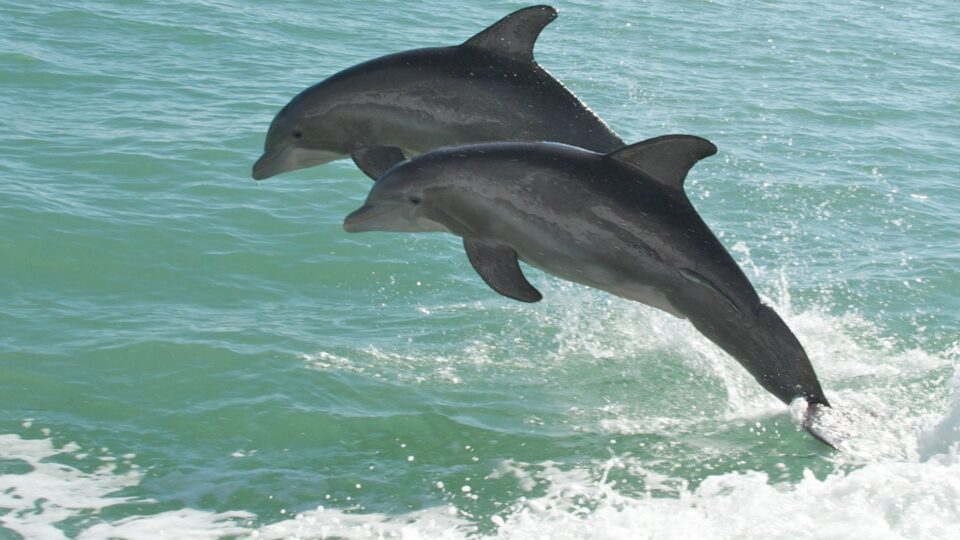
Researchers have developed a new method to assess the sustainable levels of human-caused wildlife mortality.  When this method is applied to a trawl fishery in Australia, it shows that the dolphin capture is not sustainable.  The study, led by scientists at the University of Bristol in the U.K. and United Arab Emirates University, modeled different levels of dolphin capture, including those reported in logbooks and those reported by independent observers.  According to the findings, which were recently published in the journal Conservation Biology, even the lowest recorded dolphin capture rates are not sustainable. 

The new approach is extremely adept at assessing human-caused mortality to wildlife, and can be applied to fisheries bycatch, hunting, lethal control measures, or even wind turbine collisions.

**********

Web Links

Wasted Catch

Dolphin bycatch from fishing practices unsustainable, study finds

Photo, posted May 18, 2011, courtesy of Pete Markham via Flickr.

Earth Wise is a production of WAMC Northeast Public Radio.

Climate Change And The Next Pandemic | Earth Wise

May 26, 2022 By EarthWise Leave a Comment

Climate change could lead to the next pandemic

As the planet continues to heat up, animals big and small are moving towards the poles to escape the heat.  According to researchers, these animals are likely to come into contact with other animals that they normally wouldn’t, and are likely to relocate to regions with large human populations.  These factors create opportunities for pathogens to get into new hosts, which dramatically increases the risk of a viral jump to humans.  Climate change could lead to the next pandemic.      

An international research team led by scientists at Georgetown University recently made this connection between climate change and viral transmission.  In the study, which was recently published in the journal Nature, researchers conducted the first comprehensive assessment of how climate change will restructure the global mammalian virome.  Their work focused on geographic range shifts. 

As animals eccounter other animals for the first time, the study projects that they will share thousands of viruses.  And as animals increasingly move into the same areas as humans, there will be greater opportunities for these viruses to jump to humans.  The research team says that the impact on conservation and human health could be alarming as viruses jump between species at unprecedented rates. 

In our warming world, much of this process may unfortunately already be underway.  And efforts to reduce greenhouse gas emissions may not be enough to stop these events from unfolding. 

According to the study, climate change will become the biggest upstream risk factor for disease emergence, eclipsing deforestation, industrial agriculture, and the wildlife trade.  Pairing wildlife disease surveillance with real-time studies of environmental change may be part of the solution to predicting and preventing the next pandemic. 

**********

Web Links

Climate change could spark the next pandemic, new study finds

Coronavirus and Climate Change

Photo, posted October 16, 2014, courtesy of Shawn Thomas / NPS via Flickr.

Earth Wise is a production of WAMC Northeast Public Radio.

Climate Change And Forest Loss | Earth Wise

May 23, 2022 By EarthWise Leave a Comment

India is one of the most biodiverse countries in the world.  An estimated 47,000 plant species and 89,000 animal species can be found in India, with more than 10% of each thought to be on the list of threatened species. 

India is also among the top ten countries in the world in terms of total forest coverage.  According to Indian government data, the total forest and tree cover in India is 312,000 square miles, which is 24.62% of the geographical area of the country.

However, forest loss in India has been a problem for many decades driven largely (researchers thought) by land use change.  But it turns out that climate change may also have been contributing to forest loss, and its impact is projected to become an even bigger problem in the coming years. 

In the first ever national-scale study of the relationship between forest loss and rainfall and temperature trends in India, researchers from the University of Reading in the U.K. found that climate change may have contributed to large declines in forest since the turn of the century.

The study, which was recently published in the journal Global Change Biology, found far greater forest losses were observed where and when the climate was changing most rapidly.  Decreases in rainfall had the strongest impact on forest loss. 

These findings exacerbate concerns about the already-worrying levels of deforestation in the country, and contradict official reports that have shown relatively small decreases in forest coverage in recent years. 

The research team warns that rapid changes to the climate in some regions will require targeted preservation action to reduce the risk to biodiversity in India. 

*********

Web Links

Indian forest loss ‘worse than feared’ due to climate change

Photo, posted January 20, 2013, courtesy of Dicky Broadhurst / Frontier Official via Flickr.

Earth Wise is a production of WAMC Northeast Public Radio.

Record Levels Of Deforestation In The Amazon | Earth Wise

March 25, 2022 By EarthWise Leave a Comment

Record levels of deforestation in the Amazon Rainforest

The Amazon rainforest is the largest rainforest in the world, covering more than 2.5 million square miles.  It’s home to 10% of all known species in the world.  The Amazon rainforest’s biodiversity is so rich that scientists are still discovering new plant and animal species today.  

The Amazon rainforest absorbs huge amounts of carbon dioxide from Earth’s atmosphere, making it a key part of mitigating climate change.  The vast rainforest acts as what’s known as a carbon sink.  Simply put, a carbon sink is anything that absorbs more carbon from the atmosphere than it releases.  But as trees in the Amazon disappear, so does the ability of the rainforest to absorb carbon dioxide.

Deforestation of the Amazon rainforest remains a major problem.  According to satellite data from the Brazilian government, the number of trees cut down in the Brazilian Amazon in January far exceeded deforestation figures for the same month last year.  Approximately 166 square miles of land was deforested in January alone, which is five times greater than what was lost in January, 2021.

Cattle ranching – both for beef and for leather – remains the leading cause of deforestation in the Amazon rainforest.  Trees in the Amazon are also cut down for their wood, as well as to clear the land in order to grow food crops, such as soy, sugar, and oil palm. 

Many companies have pledged to achieve “net zero” deforestation in their supply chains over the years, but most have not lived up to the commitment. 

Deforestation is not only a major driver of climate change, but it’s also the leading cause of species extinction.  Preserving the Amazon rainforest is vital. 

**********

Web Links

Amazon deforestation: Record high destruction of trees in January

Greenpeace calls on fast food giants to take a stand against Bolsonaro’s Amazon destruction

Hundreds of Companies Promised to Help Save Forests. Did They?

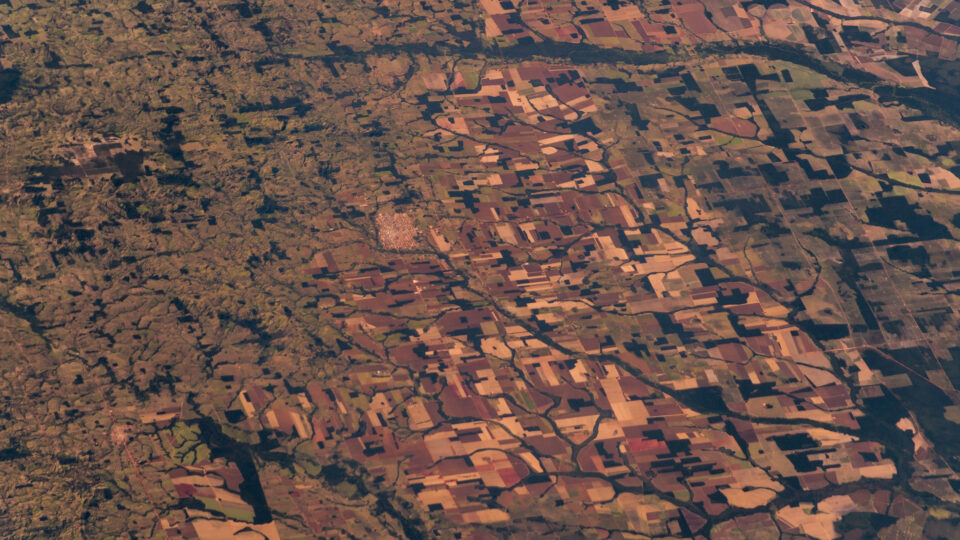
Photo, posted July 14, 2018, courtesy of Alexander Gerst via Flickr.

Earth Wise is a production of WAMC Northeast Public Radio.

  • « Go to Previous Page
  • Page 1
  • Interim pages omitted …
  • Page 3
  • Page 4
  • Page 5
  • Page 6
  • Page 7
  • Interim pages omitted …
  • Page 11
  • Go to Next Page »

Primary Sidebar

Recent Episodes

  • An uninsurable future
  • Clean energy and jobs
  • Insect declines in remote regions
  • Fossil fuel producing nations ignoring climate goals
  • Trouble for clownfishes

WAMC Northeast Public Radio
WAMC/Northeast Public Radio is a regional public radio network serving parts of seven northeastern states (more...)
Copyright © 2026 ·