
• Skip to primary navigation
  • Skip to main content
  • Skip to primary sidebar

Earth Wise

A look at our changing environment.

  • Home
  • About Earth Wise
  • Where to Listen
  • All Articles
  • Show Search
Hide Search
You are here: Home / Archives for science

science

Fighting Disease in Cavendish Bananas | Earth Wise

January 31, 2022 By EarthWise Leave a Comment

Cavendish bananas account for about half of global banana production and the vast majority of bananas entering international trade.  The plant is unable to reproduce sexually and instead is propagated via identical clones.  So, the genetic diversity of the Cavendish banana is exceedingly low. 

In 2008, Cavendish cultivars in Sumatra and Malaysia started to be attacked by Panama disease, a wilting disease caused by a fungus.  In 2019, Panama disease was discovered on banana farms in the coastal Caribbean region, its first occurrence in the Americas.  In the 1950s, Panama disease wiped out the Gros Michel banana, the commercial predecessor of the Cavendish.

Scientists at the University of Cambridge have found a novel way to combine two species of grass-like plants – which include bananas, rice, and wheat – using embryonic tissue from their seeds.  The technique allows beneficial characteristics, such as disease resistance, to be added to the plants.

Joining the shoot of one plant to the root of another to grow as one plant is known as grafting.  It was thought to be impossible to do with grass-like plants – called monocotyledonous  grasses – because they lack a certain tissue type in their stems.  But the new research, published in the journal Nature, showed it can be done with the plants in their earliest embryonic stages.

Cavendish bananas are sterile, so disease resistance can’t be bred into future generations.  But the grafting technique may provide a way to produce Cavendish banana plants that are resistant to Panama disease.  It may be possible to save an important food crop before it is too late.

**********

Web Links

New grafting technique could combat the disease threatening Cavendish bananas

Photo, posted July 1, 2015, courtesy of Augustus Binu via Flickr.

Earth Wise is a production of WAMC Northeast Public Radio.
How Quickly Can The Planet Recover? | Earth Wise

December 6, 2021 By EarthWise Leave a Comment

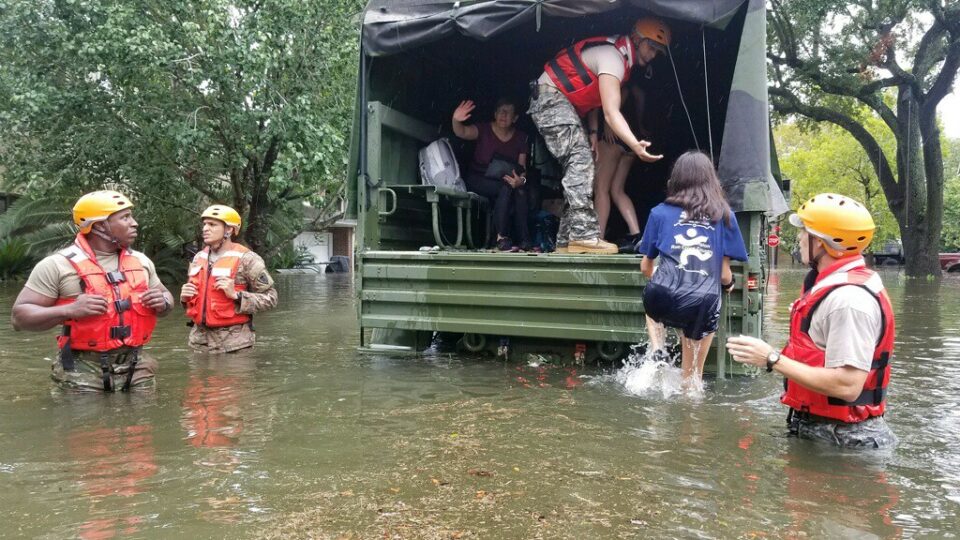
Climate change refers to long-term shifts in temperatures and weather patterns.  Historically, these shifts were natural.  But since the Industrial Revolution, scientists have found that the main driver of climate change has been human activities, primarily by adding significant amounts of greenhouse gases into the atmosphere through the burning of fossil fuels. 

Today, climate change is destabilizing Earth’s temperature equilibrium and is having a widespread impact on humans, animals, and the environment.  Some of the consequences of anthropogenic climate change include warmer air and ocean temperatures, shrinking glaciers, increasing spread of pests and pathogens, declining biodiversity, and more intense and frequent extreme weather events. 

But how quickly can the climate recover from the warming caused by an increase in carbon dioxide in the atmosphere? 

Researchers from Johannes Gutenberg-University Mainz in Germany looked into this question by investigating the significant rise in global temperatures that took place 56 million years ago.  Likely triggered by a volcanic eruption,  the increase of between 5 and 8 degrees Celsius was the fastest natural period of global warming that has impacted the climate. 

Because higher temperatures cause rocks to weather faster, the research team decided to analyze the weathering processes that occurred during the warming event 56 million years ago.  Their findings, which were recently published in the Journal Science Advances, indicate that the climate took between 20,000 and 50,000 years to stabilize following the rise in global temperatures.

Climate change is not some distant problem.  It is happening now and it poses a serious threat to all forms of life.  We need to address the problem with more urgency. 

**********

Web Links

How quickly does the climate recover?

Photo, posted August 27, 2017, courtesy of Lt. Zachary West (100th MPAD) / Texas Military Department via Flickr.

Earth Wise is a production of WAMC Northeast Public Radio.
Plastic Pollution And The Galapagos Islands | Earth Wise

July 12, 2021 By EarthWise 1 Comment

Plastic pollution is infiltrating the pristine Galapagos Islands

The proliferation of plastics remains one of the world’s most challenging environmental problems.  Plastic pollution can be found in some of the most remote regions of the planet, including atop the world’s tallest mountains and in the deepest depths of the ocean.  Even the Galapagos Islands, a volcanic archipelago in the Pacific Ocean, are no exception.

According to a new study by researchers from the University of Exeter, the Galapagos Conservation Trust, and the Galapagos Science Center, plastic pollution has been found in seawater, on beaches, and inside marine animals at the Galapagos Islands. 

In the most polluted hotspots, more than 400 plastic particles were found per square metre of beach. The researchers found that only 2% of macroplastic pollution – plastic fragments larger than five millimeters – was identified as coming from the Galapagos islands. All seven of the marine invertebrate species examined – 52% of individuals tested – were found to contain microplastics.

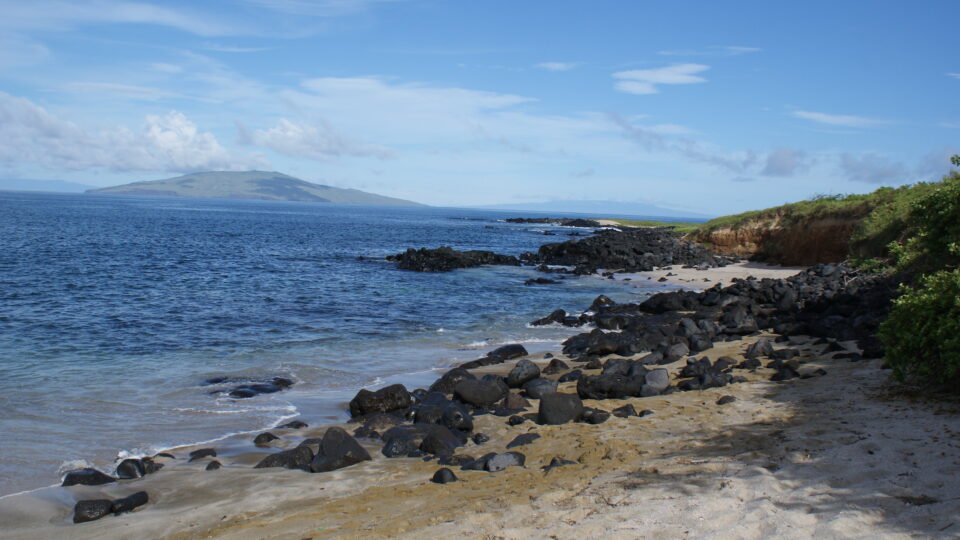
Significant accumulations of plastic were also found in key habitats, including rocky lava shores and mangroves. In fact, plastics were found in all marine habitats at the island of San Cristobal, which is where Charles Darwin first landed in Galapagos.

Most of the plastic pollution in the Galapagos appears to arrive via ocean currents. According  to the research team, the highest levels of plastic pollution were found on east-facing beaches, which are exposed to pollution carried across the ocean on the Humboldt Current. 

The pristine images of the Galapagos, a world-famous biodiversity haven, might give the impression that the region is protected from plastic pollution.  But clearly that is not the case.

**********

Web Links

Plastic in Galapagos seawater, beaches and animals

Photo, posted April 12, 2012, courtesy of Ben Tavener via Flickr.

Earth Wise is a production of WAMC Northeast Public Radio.
Surviving Climate Change | Earth Wise

June 30, 2021 By EarthWise Leave a Comment

What species will survive climate change?

The sixth mass extinction of wildlife on Earth is happening now.  According to an analysis published last year in the journal Proceedings of the National Academy of Sciences, more than 500 species of land animals are on the brink of extinction and are likely to be lost within the next 20 years. Without the impact of humans, this quantity of extinctions would have taken thousands of years. 

Anthropogenic climate change continues to exacerbate problems that drive species to the brink.  Which species will be able to adapt and survive?

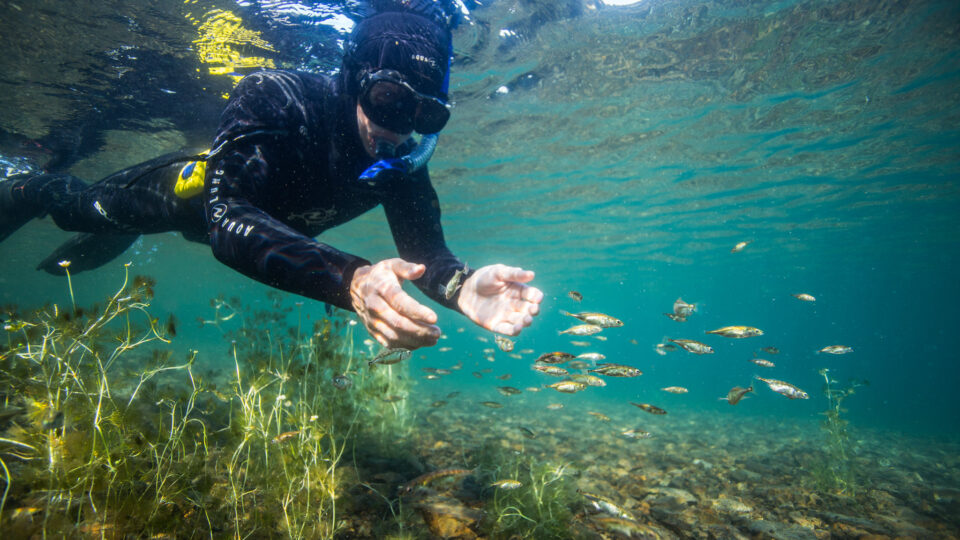
Using genome sequencing, a research team from McGill University in Montreal has found that some fish, like the threespine stickleback, can adapt very rapidly to extreme seasonal changes. Known for their different shapes, sizes, and behaviors, stickleback fish can live in both saltwater and freshwater, and can tolerate a wide range of temperatures.

Stickleback fish, which can be found in different estuaries along coastal California, provided researchers with an opportunity to study natural selection in real-time.  The researchers analyzed six populations of threespine stickleback fish before and after seasonal changes to their environment.   The research team discovered evidence of genetic changes driven by the seasonal shifts in habitat that mirrored the differences found between long-established freshwater and saltwater populations.  Since these genetic changes occurred in independent populations over a single season, the study highlights just how quickly the effects of natural selection can be detected. 

These findings suggest that scientists may be able to use the genetic differences that evolved in the past as a way to predict how species may adapt to climate change in the future.

**********

Web Links

Which animals will survive climate change?

Sixth Mass Extinction of Wildlife Accelerating- Study

Photo, posted August 3, 2015, courtesy of Jason Ching/University of Washington via Flickr.

Earth Wise is a production of WAMC Northeast Public Radio.
Forests And Climate Change | Earth Wise

June 17, 2021 By EarthWise Leave a Comment

Planting new trees is not enough to mitigate climate change

A carbon sink is anything that absorbs more carbon from the atmosphere than it releases.  Examples of carbon sinks include the ocean, soil, and plants.  In contrast, a carbon source is anything that releases more carbon into the atmosphere than it absorbs.  Volcanic eruptions and burning fossil fuels are two examples.

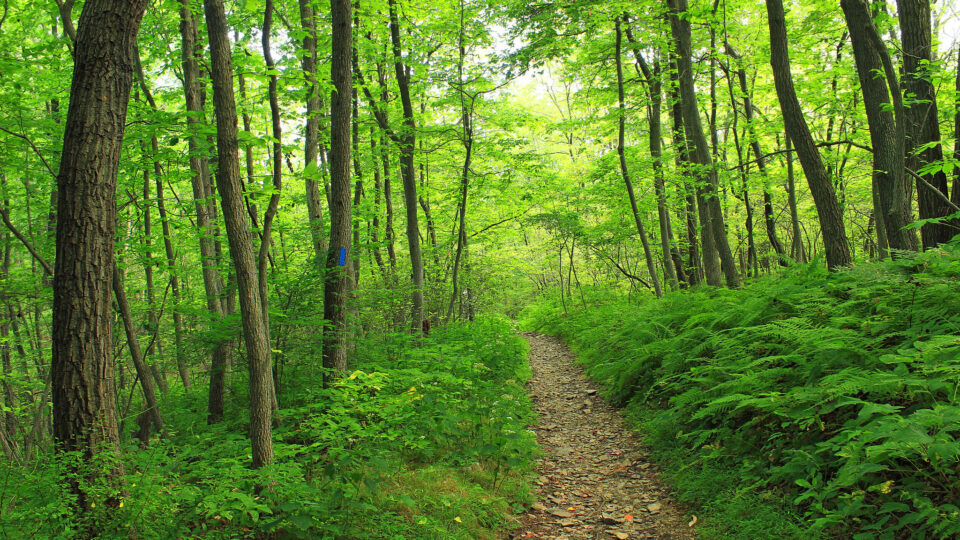
Forests are among the most important carbon sinks.  Trees remove carbon from the air and store it in their trunks, branches, and leaves, and transfer some of it into the soil.  But in many regions, deforestation, forest degradation, and the impacts of climate change are weakening these carbon sinks. As a result, some climate activists advocate for large-scale tree-planting campaigns as a way to remove heat-trapping CO2 from the atmosphere and help mitigate climate change. 

But according to a new study recently published in the journal Science, planting new trees as a substitute for the direct reduction of greenhouse gas emissions could be a pipe dream.  While planting trees is easy, inexpensive, and can help slow climate warming, the ongoing warming would be simultaneously causing the loss of other trees.  Instead, the research team says it makes more sense to focus on keeping existing forests healthy so they can continue to act as carbon sinks, and to reduce emissions as much as possible and as quickly as possible.        

But keeping forests healthy will require a paradigm shift in forest management.  Instead of trying to maintain forests as they were in the 20th century, the research team says forests need to be managed proactively for the changes that can be anticipated. 

One thing is clear: We cannot plant our way out of the climate crisis.

**********

Web Links

Forests and climate change: ‘We can’t plant our way out of the climate crisis’

Photo, posted August 9, 2015, courtesy of Nicholas A. Tonelli via Flickr.

Earth Wise is a production of WAMC Northeast Public Radio.
What Does Conservation Really Mean? | Earth Wise

June 2, 2021 By EarthWise Leave a Comment

Determining the most important species to preserve and protect

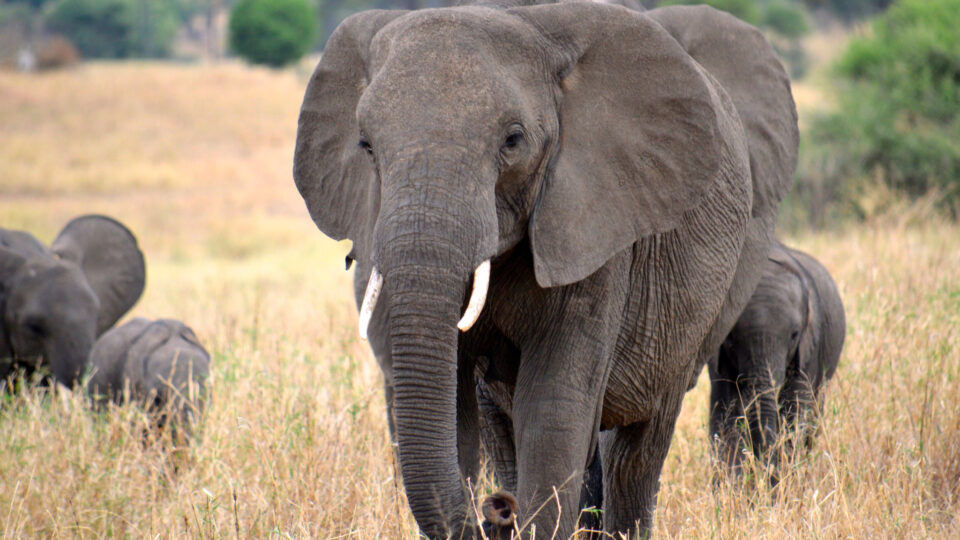
There is a great deal of interest in protecting nature and, in many cases, restoring aspects of nature that have been lost.  But what do these things really mean?

What is most important?  Protecting iconic species?  Strengthening nature’s resilience?  Several recent scientific papers address these questions and come up with rather different answers.

It isn’t even clear what constitutes a pristine ecosystem.  According to some experts, ecosystems that have lost most of their large mammal species, for example, cannot be considered intact.  By that standard, only a tiny fraction of the world’s ecosystems remains intact.

Other experts contend that preserving individual species is not what really matters.  Studies have shown that many ecosystems have undergone and continue to undergo massive species shifts over time with frequent extinctions along the way.  Nevertheless, the ecosystems continue to flourish with new species replacing others to perform the various functions required.

Some perspectives consider intact ecosystems to be those devoid of human influence.  But that notion is not universally held.   There is the idea that most of the world’s ecosystems were essentially untouched until perhaps 500 years ago when European exploration expanded greatly.  But the reality is that even 12,000 years ago, nearly three-quarters of terrestrial nature was inhabited, used, and shaped by people.  However, those human interactions were similar to how many indigenous and local peoples across the globe still live, not like the interactions of modern civilization that result in massive changes to ecosystems.

**********

Web Links

Species or Ecosystems: How Best to Restore the Natural World?

Photo, posted November 21, 2003, courtesy of Megan Coughlin via Flickr.

Earth Wise is a production of WAMC Northeast Public Radio.
A Global Assessment Of Groundwater Wells | Earth Wise

May 19, 2021 By EarthWise Leave a Comment

Groundwater wells are at risk

Water is a fundamental need for every human being on the planet.  Each person requires more than five gallons of clean and safe water a day for drinking, cooking, and keeping clean.

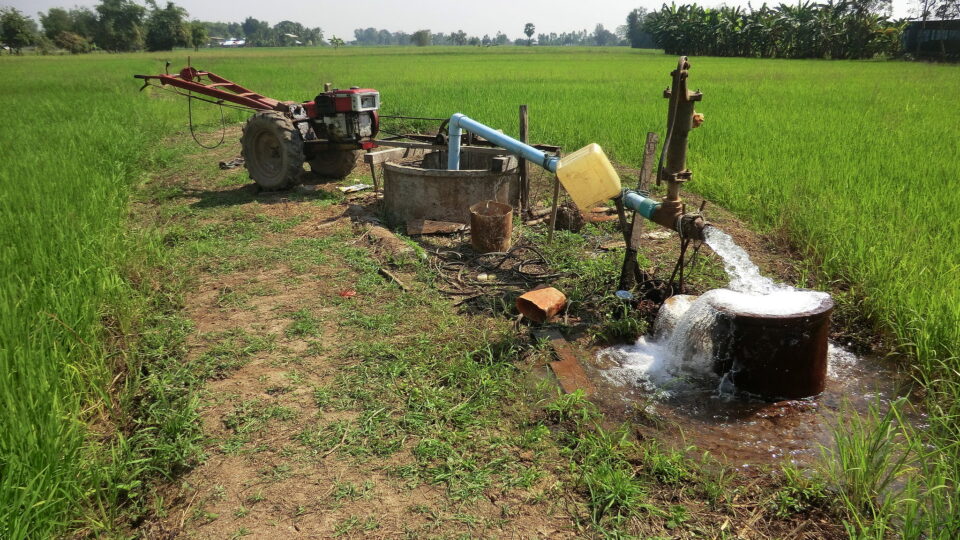
Groundwater wells remain one of the primary sources of drinking water.  In fact, more than half of the world’s population gets its drinking water from groundwater wells.  Groundwater wells also sustain more than 40% of irrigated agriculture.

Researchers from UC Santa Barbara have recently compiled the most comprehensive assessment of groundwater wells to date.  Their research, which was recently published in the journal Science, spanned 40 countries, which collectively account for more than 50% of all groundwater pumping. 

According to the survey’s findings, many wells are at risk of running dry – up to one in five wells, to be exact.  The researchers compared the depths of water tables against well depths. They found that 6% to 20% of the wells in the study were at risk of running dry if water levels continue to decline by just a few meters.

In many areas where groundwater levels are declining, the research team found that new wells are not being drilled deeper to keep pace with the falling water table. As a result, newer wells are just as vulnerable as older wells should groundwater levels continue to decline.  

The researchers hope to expand on this study to include data from China, Iran, and Pakistan, three major users of groundwater from which the researchers could not obtain records.  The researchers also plan to investigate how quickly water tables are dropping and where the trend is accelerating.   

**********

Web Links

The largest assessment of global groundwater wells finds many are at risk of drying up

Photo, posted January 20, 2018, courtesy of François Molle via Water Alternatives Photos on Flickr.

Earth Wise is a production of WAMC Northeast Public Radio.
Should We Block The Sun? | Earth Wise

May 10, 2021 By EarthWise Leave a Comment

The risks of geoengineering need to be better understood

There is growing concern that greenhouse gas emissions are not falling quickly enough to avoid dangerous levels of global warming.  As a result, there is the impetus to examine other options.  Among these are geoengineering, which is one of the most contentious issues in climate policy.  Geoengineering embodies many risks that make even seriously considering it seem risky in itself.

Despite this, the National Academies of Science, Engineering, and Medicine has issued a report saying that governments urgently need to know whether solar geoengineering could work and what its side effects might be.

Solar geoengineering is also called solar radiation modification, which entails reflecting more of the sun’s energy back into space.  This would likely be accomplished by injecting aerosols into the atmosphere, much like what happens after large volcanic eruptions.

Schemes for solar geoengineering raise numerous issues.  Although solar geoengineering might cool the earth’s surface to a global temperature target, the cooling may not be evenly distributed, affecting many ecosystem functions and biodiversity.   It would likely upset regional weather patterns in potentially devastating ways, for example by changing the behavior of the monsoon in South Asia.  It might dangerously relax public commitments to reduce greenhouse emissions. 

Despite these concerns, or perhaps because of them, the committee that produced the report believes that technology to reflect sunlight deserves substantial funding and should be researched as rapidly and effectively as possible.  Once any geoengineering projects get into the hands of policymakers, they may gather momentum that bypasses the advice of scientists.  So, it important to make progress on the science while geoengineering is still only theoretical.

**********

Web Links

Should We Block the Sun? Scientists Say the Time Has Come to Study It.

To intervene or not to intervene? That is the future climate question

Photo, posted August 3, 2018, courtesy of Tomasz Baranowski via Flickr.

Earth Wise is a production of WAMC Northeast Public Radio.
Restoring Environmental Rules Will Take Time | Earth Wise

February 17, 2021 By EarthWise Leave a Comment

Restoring Obama-era environmental rules will take time

Over the previous four years, the Trump administration weakened or rolled back more than 100 rules and regulations on air, water, public lands, endangered species, and climate change.  The Biden administration has vowed to review these changes and restore the environmental protections that were removed or weakened.

The process of restoring environmental protections generally fall into a few broad categories.  Some changes can happen by executive order.  The President can cancel individual fossil fuel infrastructure projects or reinstate federal protection of specific places.  On his first day in office, President Biden rescinded the construction permit for the Keystone XL pipeline.

The President is also expected to restore federal protection to the Bears Ears and Grand Staircase-Escalante national monuments in Utah, which the Trump administration opened up to mining, logging, and drilling.

However, it could take two years or more to restore Obama-era climate change regulations including limits on emissions, rules on industrial emissions of toxic pollutants such as mercury, and protections on wetlands and waterways.

Reinstating comprehensive regulations on air, water, and climate pollution will take years because the Trump administration, rather than eliminating rules entirely, often replaced them with weaker regulations.  Replacing the weak regulations cannot just happen by executive order.  The process involves scientific and economic analysis, and that takes time.

After four years of shrinking budget and shrinking staff, the Environmental Protection Agency has a lot of catching up to do and will need to prioritize its actions in order to deal with the most damaging consequences of the previous administration.

**********

Web Links

Restoring Environmental Rules Rolled Back by Trump Could Take Years

Photo, posted September 25, 2012, courtesy of Tar Sands Blockade via Flickr.

Earth Wise is a production of WAMC Northeast Public Radio.
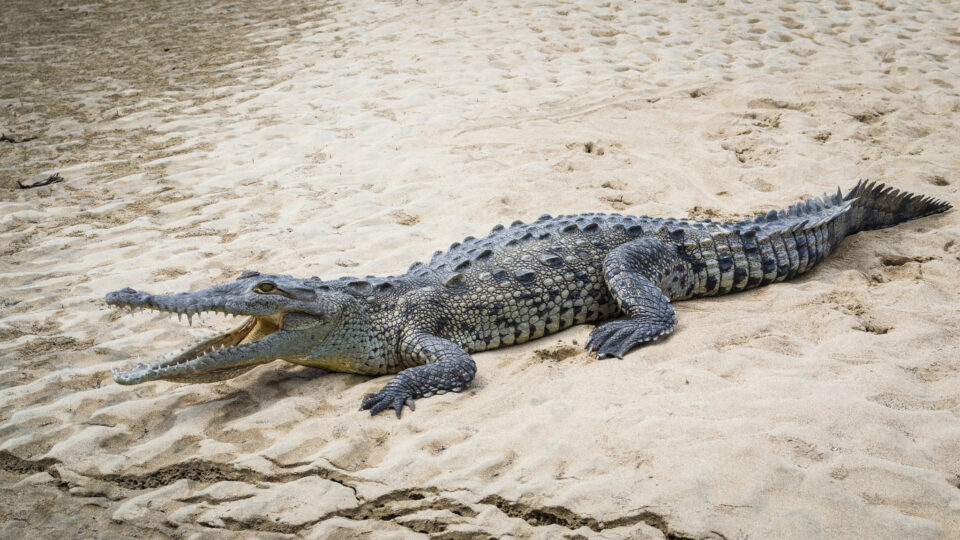
Why Have Crocodiles Changed So Little Over Time? | Earth Wise

February 9, 2021 By EarthWise Leave a Comment

Why haven't crocodiles evolved?

Crocodiles today look very similar to ones from the Jurassic period some 200 million years ago.  In fact, there are very few species of crocodilians alive today – approximately two dozen to be exact.  Many other species have achieved a diversity of many thousands of species in the same amount of time. 

During prehistoric times, many more types of crocodiles roamed the earth, including some as big as dinosaurs and other serpentine forms that lived in the sea.  

According to findings by scientists at the University of Bristol in the U.K., a stop-start pattern of evolution could explain why crocodiles have changed so little over time. In the study, which was recently published in the journal Nature Communications Biology, researchers describe how crocodiles follow a pattern of evolution known as “punctuated equilibrium.”  In other words, crocodiles’ rate of evolution is generally slow, but occasionally picks up because the environment has changed.     

According to the research team, this slow rate of evolution is how crocodile diversity became so limited.  It appears crocodiles arrived at a body that was efficient and versatile.  They didn’t need to continue to change in order to survive.

This efficiency and versatility could be an explanation for why crocodiles survived the meteor impact that wiped out the dinosaurs.  Since crocodiles can’t control their body temperature and rely on the environment for warmth, they generally fare better in warm conditions.  During the age of dinosaurs, the climate was warmer than it is today, which could explain why crocodile diversity was higher.  

The scientists next step is to try to figure out why some prehistoric crocodiles died out while others did not. 

**********

Web Links

Why crocodiles have changed so little since the age of the dinosaurs

Photo, posted December 26, 2012, courtesy of Nicholas Smith via Flickr.

Earth Wise is a production of WAMC Northeast Public Radio.

Cell-Based Meat And Seafood | Earth Wise

February 8, 2021 By EarthWise Leave a Comment

Reimagining meats and seafood

We have heard about laboratory meat for a number of years, generally in terms of something that may happen at some point in the indeterminate future. But at least for a couple of California companies, that future is now.

These high-tech companies are producing products – real meat and seafood – that are originally cultured from animal cells but are made without the actual animal.

San Francisco-based Eat Just makes chicken nuggets that have recently gained regulatory approval in Singapore and are now available to order at a downtown restaurant.  San Diego’s BlueNalu creates cell-based seafood fillets including yellowtail, mahi-mahi, red snapper, and tuna.

The companies use stem cells obtained from actual animals and cultivate them in steel tanks with the same nutrients that living animals consume.  The original cell donor is not sacrificed.  The harvested cells multiply and are eventually shaped to form meat or fish that cooks, looks, and tastes just like its natural counterpart.

The “mouth feel” of conventional meat or fish can be mimicked by recreating the same proportions of muscle, fat, and connective tissue in the cell-based product.  Eat Just says their product cooks, looks, and tastes like chicken because it is chicken.  BlueNalu says their product has all the same characteristics as fish because it is fish.

These products have major environmental, safety, and ethical advantages.  The big question is whether people will eat them.  Is there an “ick factor” to overcome?  Ultimately, the key thing is how they taste.  If they pass muster on that score and cell-based meats and seafood are scaled up and accepted, we can have the nutritional and sensory advantages of meat proteins without the environmental, ethical and safety disadvantages.

**********

Web Links

Can We Enjoy Meat and Seafood and Save the Planet?

Photo, posted February 1, 2012, courtesy of Andrea Parrish-Geyer via Flickr.

Earth Wise is a production of WAMC Northeast Public Radio.
Restoring Coastal Ecosystems | Earth Wise

February 1, 2021 By EarthWise Leave a Comment

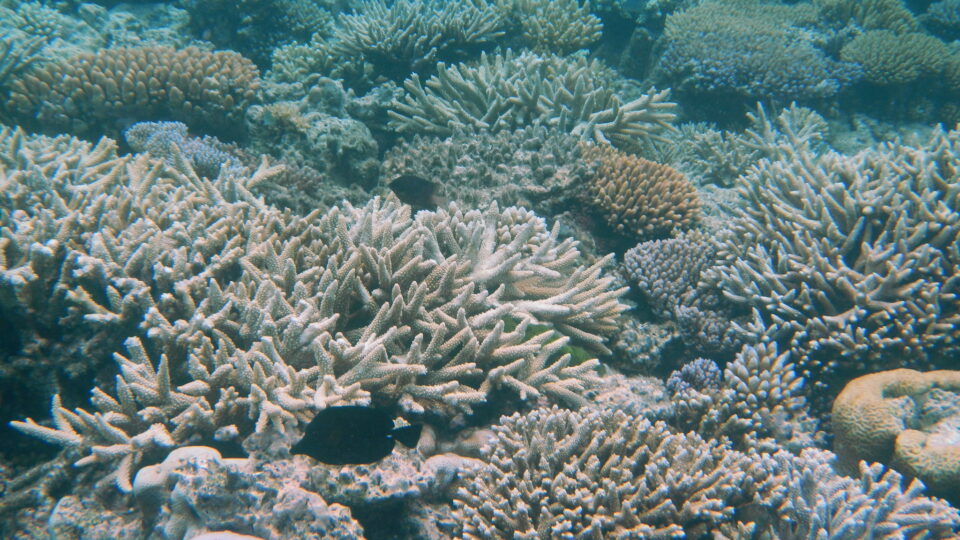
Developing hardier corals for endangered reefs that resist the effects of climate change

Research published by CSIRO, Australia’s national science agency, examined the positive effects of restoration efforts for coastal ecosystems in terms of biodiversity, local economies, and human wellbeing.

Coastal ecosystems include saltmarshes, mangroves, seagrasses, oyster reefs, kelp beds, and coral reefs.  All of these have suffered declines of up to 85% over recent decades.  The research identified a number of successful coastal and marine restoration projects in recent years that indicate the likelihood that such efforts could be expanded by as much as a factor of ten to support human health and wellbeing, boost the adaptation response to climate change, and generate jobs. 

Some of the successful efforts identified included projects in the Great Barrier Reef to harvest coral larvae to boost large-scale coral restoration efforts.   Simple changes to how saltmarshes are planted have resulted in doubled survivorship and biomass.  In the U.S., the propagation of seagrass seeds has resulted in seagrass meadows recovering in areas where they had been lost decades ago.  In Indonesia, recovery of reefs impacted by blast fishing has been achieved by placing rocks or other hard structures underwater to help with coral colonization.

Investing in coral restoration creates jobs and can be used as a strategy to boost economic recovery and coastal marine health.  Restoration of marine habitats like kelp forests and oyster reefs has improved commercial and recreational fishing.

The United Nations has recognized the importance of coastal restoration and has declared the Decade on Ecosystem Restoration to start from 2021.

**********

Web Links

Scientists shine light on ‘bright spots’ to restore coastal ecosystems

Photo, posted November 29, 2012, courtesy of Robert Linsdell via Flickr.

Earth Wise is a production of WAMC Northeast Public Radio.
Why Do Trees Change Color? | Earth Wise

December 24, 2020 By EarthWise Leave a Comment

Explaining the magnificent spectacle of fall foliage

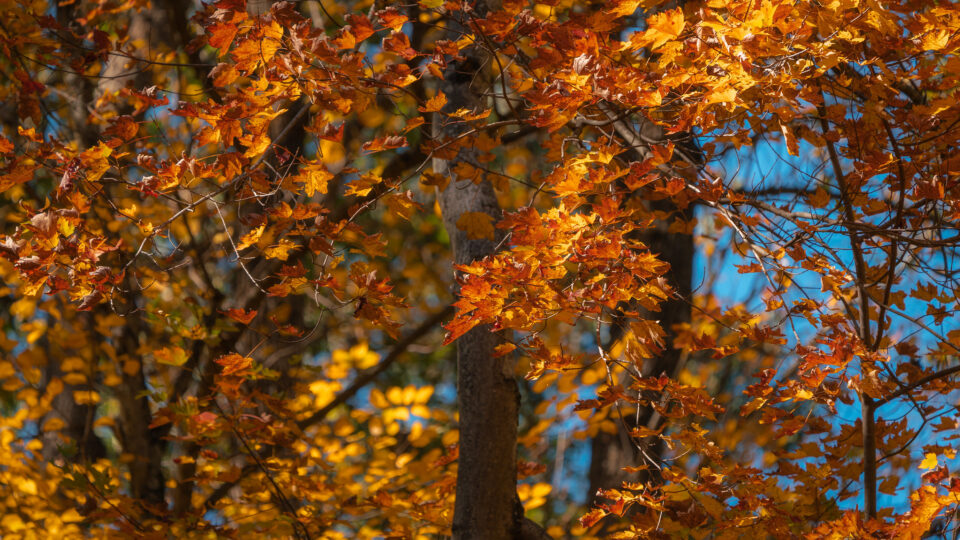
We had a particularly colorful fall in the Northeast this year.  Almost everywhere you looked, there were brilliant displays of yellow, orange, and red.  The colors of fall are a result of chemistry and environmental events that may have taken place many months in the past.

The color of leaves comes from 4 pigments whose effects are governed by photosynthesis.  The one that is actually used in photosynthesis is chlorophyll and it causes leaves to be green.  But when a tree begins to prepare for dormancy, it stops producing chlorophyll, the green pigmentation fades, and the other pigments that were already in the leaves become visible.

There are xanthoplylls, which are the yellow pigments that are seen the most in fall trees.  They are the same pigments that color egg yolks and sometimes parts of the human eye.  They are only produced by plants and appear in humans and animals only through consumption.

There are carotenes, which are the orange pigments found in fruits and vegetables, such as carrots, oranges, some bell peppers and squashes.

And there is anthocyanin, which is the pigment found in blueberries, blackberries, and red or violet roses.  Its color depends on the pH level of the plant; higher pH leads to darker color.  This is the pigment seen in red maples, black cherry trees, Shumard oaks, and more.  Only 10% of trees in temperate climates produce anthocyanin and its red pigmentation and most of those trees are in New England.

All these pigments serve purposes.  They help trees absorb light energy, prevent sun damage, and even regulate how much energy chlorophyll produces.

There are complicated chemical and environmental factors at play in fall foliage but when they come together like they did this year, it’s a magnificent spectacle.

**********

Web Links

Why Do Trees Change Color?

Photo, posted October 17, 2020, courtesy of John Brighenti via Flickr.

Earth Wise is a production of WAMC Northeast Public Radio.
The Toughest Beetle Of Them All | Earth Wise

December 3, 2020 By EarthWise Leave a Comment

Studying the toughest beetle of them all

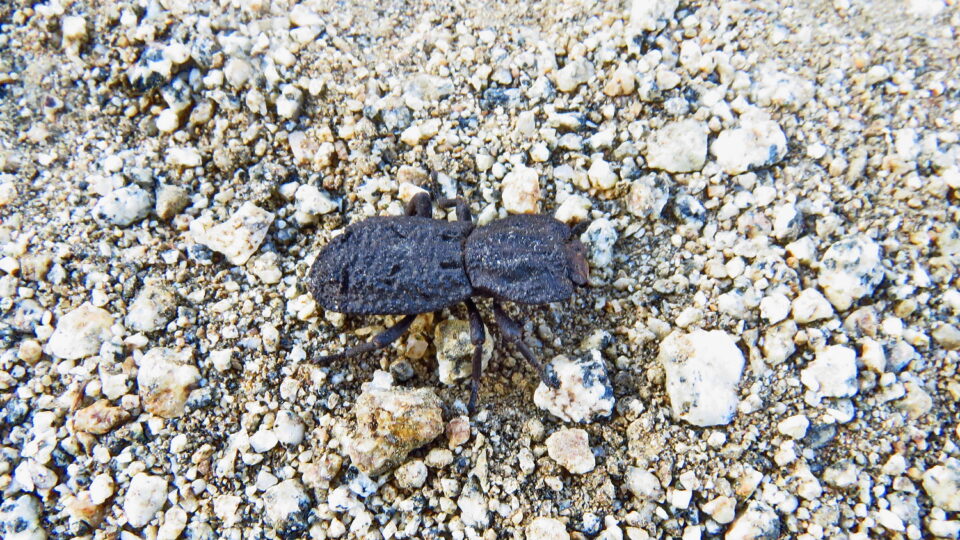
In 2015, UC Riverside materials scientists placed a mottled black beetle in a parking lot and ran it over with a Toyota Camry.  Twice.  Crushed beneath the wheels of a 3,500-pound sedan, the inch-long insect made it through without a scratch.

For the past five years, a group of scientists have been studying this remarkable bug, which has the splendid name of the diabolical ironclad beetle. Using a combination of advanced microscopy, mechanical testing, and computer simulations, the researchers have figured out the secret of this beetle’s crush resistance.

The beetle’s super-toughness lies in two armorlike structures called elytra that meet in a line, called a suture, running the length of the abdomen.  The suture acts like a jigsaw puzzle.  It connects various exoskeletal blades – the puzzle pieces – in the abdomen under the elytra.   These structural components can act in different ways.  The interconnecting blades lock to prevent themselves from pulling out of the suture.  The suture and blades delaminate, leading to a graceful deformation rather than catastrophic failure.  These strategies dissipate energy to circumvent fracturing.

The researchers found that the diabolical ironclad beetle – just had to say that name again – can take on an applied force of about 150 newtons, a load at least 39,000 times its body weight.  (That’s the equivalent of a 150-pound person resisting the crush of about 25 blue whales).

An ongoing challenge for structural engineering is how to join together different materials without limiting their ability to support loads.  The strategies evolved in these beetles may be applicable in gas turbines of aircraft, for example, where metals and composite materials are joined together with mechanical fasteners.   We can learn things from the toughest beetle of them all.

**********

Web Links

Diabolical ironclad beetles inspire tougher joints for engineering applications

Photo, posted April 9, 2017, courtesy of Vahe Martirosyan via Flickr.

Earth Wise is a production of WAMC Northeast Public Radio.

More Extreme Weather | Earth Wise

November 23, 2020 By EarthWise Leave a Comment

the costs of extreme weather

If it seems like natural disasters happen more frequently than they used to, that is because they do.  A new report from the United Nations entitled “The Human Cost of Disasters 2000-2019” provides the facts.  From 2000 to 2019, there were 7,348 natural disasters around the world, compared with 4,212 natural disasters from 1980-1999. 

The culprit is the climate.  Climate-related disasters increased from 3,556 events during the 1980-1999 period to 6,681 in the past 20 years, again an increase of more than 3,000.

The global economic losses associated with natural disasters have been staggering.  The earlier 20-year period saw $1.63 trillion in losses while the recent period resulted in $2.97 trillion in losses.   Disasters killed 1.19 million people in the earlier period and 1.23 million in the recent period.  It is a testimonial to the skills and efforts of disaster management agencies, civil protection departments, fire brigades, public health authorities, the Red Cross and Red Crescent, and many NGOs that the cost in human lives was not much greater over the past 20 years.

According to a statement from the UN, human society is being willfully destructive.  They draw that conclusion in light of reviewing the disaster events over the past 20 years and seeing the failure of society to act on science and early warnings to invest in prevention, climate change adaptation, and disaster risk reduction.  

**********

Web Links

Extreme Weather Events Have Increased Significantly in the Last 20 Years

Photo, posted September 18, 2020, courtesy of the National Guard via Flickr.

Earth Wise is a production of WAMC Northeast Public Radio.
A Room-Temperature Superconductor | Earth Wise

November 18, 2020 By EarthWise Leave a Comment

room temperature superconductor

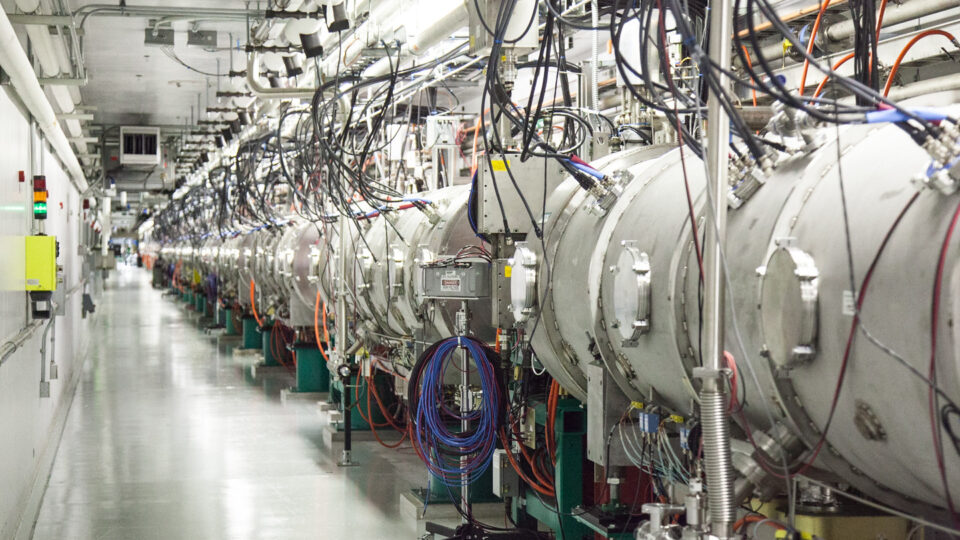
One of the Holy Grails of science has apparently been found:  a room-temperature superconductor.   In a paper recently published in Nature, scientists from the University of Rochester and collaborators announced that they had observed superconductivity at 59 degrees Fahrenheit in an exotic material they produced in the laboratory.

Superconductivity is a phenomenon occurring in certain materials characterized by the total absence of electrical resistance.  Current flowing in a closed loop of superconducting wire can go on forever.  Superconductors have other unique characteristics as well, all of which combine to make them quite useful in a number of applications.  Superconductors are used in high-powered magnets in particle accelerators and in MRI machines.  They continue to be developed for use in electrical power transmission, energy storage, communication filters, magnetic sensors, and more.

The problem with superconductors is that they only work at very low temperatures.  For most of a century – after superconductivity was discovered in 1911 – those temperatures were very close to absolute zero:  459 degrees below zero Fahrenheit.  (In the late 1980s, so-called high-temperature superconductors were discovered.  Those materials superconduct at the temperature of liquid nitrogen:  about 320 degrees below zero).

The dream has been to find a superconductor that works at ambient temperatures.  The Rochester team has produced tiny amounts of a mysterious combination of hydrogen, carbon, and sulfur which, when subjected to extraordinarily high pressures (over 2 million atmospheres), superconducts at the temperature of a pleasant fall day.

 There is no practical value for this first room-temperature superconductor, but it proves that superconductivity can exist at ambient temperature.  Once something is shown to exist at all, there is reason to hope that it can occur in ways that are easier and more practical to attain.

**********

Web Links

First room-temperature superconductor excites — and baffles — scientists

Photo, posted June 18, 2013, courtesy of Oak Ridge National Laboratory via Flickr.

Earth Wise is a production of WAMC Northeast Public Radio.
Do Forests Grow Better With Our Help? | Earth Wise

November 9, 2020 By EarthWise Leave a Comment

forest restoration

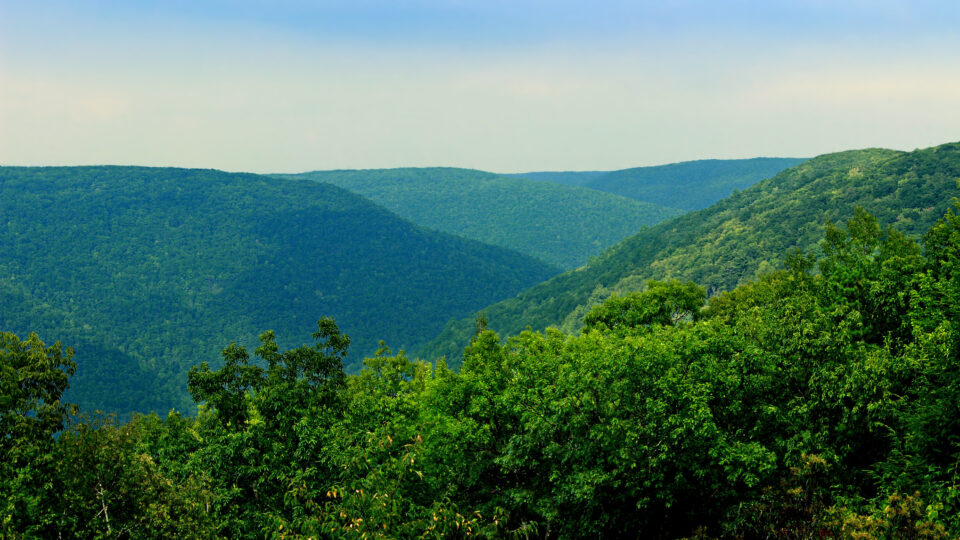
Tree planting has become a worldwide cause.  International calls to plant a trillion trees to combat climate change have led to multiple initiatives by countries around the world.  Even the current U.S. administration, with support from businesses and nonprofits has promised to plant over 800 million trees across an estimated 2.8 million acres.  Planting trees is widely seen to be a vital nature-based solution to climate change; a way of moderating its effects as the world works to reduce carbon emissions.  However, recent studies have created some pushback from that view.

The new studies are not opposed to trees.  What they have revealed is that allowing forests to grow back naturally is a better strategy than planting trees.  The new data has shown that, among other things, estimates of the rate of carbon accumulation by natural forest regrowth have on average been 32% too low and, for tropical forests, have been 53% too low.

A new study published in Nature identified 1.67 billion acres that could be set aside to allow trees to regrow.  It excludes land under cultivation or built on, along with various existing valuable ecosystems. 

Natural regrowth allows nature to select which tree species take hold and turns out to happen quite rapidly and in a widespread manner.  The great thing about natural restoration of forests is that it often requires nothing more than human inaction.  Because it requires no policy initiatives, investments, or oversight, data on its extent is rather scarce.  But the data we have reveals that wherever forests have been allowed to recover on their own, it appears to happen rapidly and with great success.

**********

Web Links

Natural Debate: Do Forests Grow Better With Our Help or Without?

Photo, posted September 5, 2015, courtesy of Nicholas A. Tonelli via Flickr.

Earth Wise is a production of WAMC Northeast Public Radio.
Artificial Aquatic Polyps | Earth Wise

September 16, 2020 By EarthWise Leave a Comment

Aquatic robots can clean water

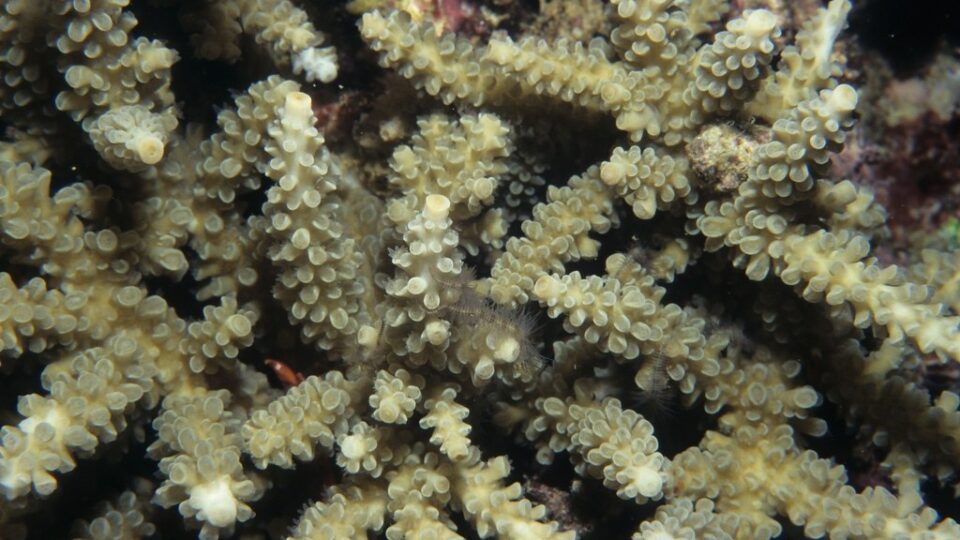
Corals are often mistaken for rocks because of their hardened surfaces.  And, since they attach or “take root” to the sea floor, they are often mistaken for plants.  But unlike rocks, corals are alive.  And unlike plants, corals do not make their own food.  Corals are actually animals. 

Most of these structures that we call “coral” are made up of hundreds to thousands of tiny coral creatures called polyps.  A coral polyp, which is often no thicker than a nickel, has a saclike body and mouth that is encircled by stinging tentacles.  Polyps are responsible for a host of ecosystem services, including nourishing corals, and aiding coral survival by generating self-made currents through the motion of their soft bodies. 

Inspired by these marine organisms, researchers from the University of Warwick in the UK and Eindhoven University of Technology in the Netherlands have collaborated to develop an artificial aquatic polyp capable of removing contaminants from water.  The 1 square centimeter wireless robot polyp can attract, grasp, and release objects, moving under the influence of a magnetic field and whose “tentacles” are triggered by light. 

The next step for the researchers is to see if the technology can be successfully scaled up from laboratory to pilot scale.  In order for that to happen, the team has to design an array of artificial polyps capable of working harmoniously together.   

Corals are an incredibly important part of ocean ecosystems.  And while it remains to be seen how much value artificial polyps can achieve in future applications, it serves as another example of scientists emulating nature to create more sustainable designs. 

**********

Web Links

Aquatic robots can remove contaminant particles from water

An artificial aquatic polyp that wirelessly attracts, grasps, and releases objects

Photo, posted April 14, 2011, courtesy of Derek Keats via Flickr.

Earth Wise is a production of WAMC Northeast Public Radio.

Hacking Photosynthesis | Earth Wise

September 14, 2020 By EarthWise Leave a Comment

benefits of hacking photosynthesis

A team led by the University of Illinois has been pursuing a project called Realizing Increased Photosynthetic Efficiency or RIPE, which has the aim of improving photosynthesis in order to provide farmers with higher-yielding crops in an increasingly challenging climate.  Photosynthesis is the natural, sunlight-powered process that plants use to convert carbon dioxide into sugars that fuel growth, development, and for us, crop yield.

If we think of photosynthesis as a factory line composed of multiple machines, the growth of plants is limited by the slowest machines in the line.  The RIPE project has identified some steps in photosynthesis that are slower than others and are attempting to enable plants to build more machines to speed up those slower steps.

The researchers modeled a total of 170 steps in the process of photosynthesis to identify how plants could manufacture sugars more efficiently.  In the study, the team increased crop growth by 27% by resolving two constraints:  one in the first part of photosynthesis where plants turn light energy into chemical energy and one in the second part when carbon dioxide is turned into sugars.

The researchers effectively hacked photosynthesis by adding a more efficient transport protein from algae to enhance the energy conversion process. 

In the greenhouse, these changes improved crop productivity by 52%, but in field trials, which are a more important test, these photosynthetic hacks boosted crop production by 27%.

Ultimately, the team hopes to translate these discoveries to a series of staple food crops, such as cassava, cowpea, corn, soybean and rice, which are needed to feed the world’s growing population this century.

**********

Web Links

Photosynthetic hacks can boost crop yield, conserve water

Photo, posted June 14, 2017, courtesy of Alex Holyoake via Flickr.

Earth Wise is a production of WAMC Northeast Public Radio.
The Decline Of Pollinators Threatens Food Security | Earth Wise

August 24, 2020 By EarthWise Leave a Comment

Pollinator decline threatens food security

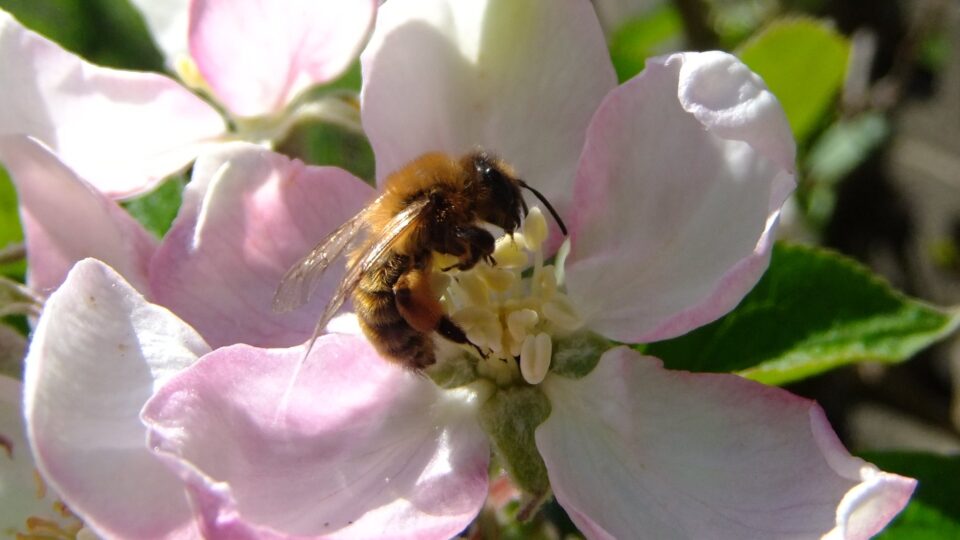
Scientists have been sounding the alarm on the global struggle of pollinators for many years.  According to a United Nations-sponsored report, 40% of invertebrate pollinator species, including bees and butterflies, are facing extinction.  Approximately 80% of all flowering plant species, which are responsible for 35% of global food production, depend on pollination. 

According to new research led by Rutgers University, crop yields for apples, blueberries, and cherries in the United States are being reduced by a lack of pollinators.  The study, the most comprehensive of its kind to date, found that crop production would be increased if crop flowers received more pollination.  In the U.S., the production of crops that depend on pollinators generates more than $50 billion a year.    

For the study, which was recently published in the journal Proceedings of the Royal Society B, researchers collected data on insect pollination of crop flowers and yield of apples, highbush blueberries, sweet cherries, tart cherries, almonds, watermelons, and pumpkins at 131 farms across the United States and British Columbia, Canada.  Four of those seven crops – apples, blueberries, sweet cherries, and tart cherries – showed evidence of being limited by pollination, meaning that their yields are lower than they would be with full pollination. 

The researchers observed that honey bees and wild bees provided similar amounts of overall pollination, so managing habitat for native bee species or stocking more honey bees would boost pollination levels and, in turn, crop production.

Bees and other pollinators play a critical role in food production, and their continued decline could have devastating consequences.

**********

Web Links

Decline of bees, other pollinators threatens US crop yields

Photo, posted April 22, 2012, courtesy of Flickr.

Earth Wise is a production of WAMC Northeast Public Radio.

  • « Go to Previous Page
  • Page 1
  • Page 2
  • Page 3
  • Page 4
  • Page 5
  • Interim pages omitted …
  • Page 9
  • Go to Next Page »

Primary Sidebar

Recent Episodes

  • An uninsurable future
  • Clean energy and jobs
  • Insect declines in remote regions
  • Fossil fuel producing nations ignoring climate goals
  • Trouble for clownfishes

WAMC Northeast Public Radio

WAMC/Northeast Public Radio is a regional public radio network serving parts of seven northeastern states (more...)

Copyright © 2026 ·