
• Skip to primary navigation
  • Skip to main content
  • Skip to primary sidebar

Earth Wise

A look at our changing environment.

  • Home
  • About Earth Wise
  • Where to Listen
  • All Articles
  • Show Search
Hide Search
You are here: Home / Archives for science

science

Conserving The Colorado River | Earth Wise

August 13, 2020 By EarthWise Leave a Comment

Colorado River Water and Climate Adaptation

Last year, we talked about the troubles facing the Colorado River.  Nearly two decades of drought conditions have reduced the water levels of the two largest reservoirs of Colorado River water and have threatened the water supply of millions of people in the region.  Clear scientific evidence shows that climate change is constricting the iconic river and will do further damage as temperatures rise.

Faced with these facts, water resource managers have been implementing conservation policies in the region and the results so far are very encouraging.

The use of Colorado River water in the three states of the river’s lower basin – Arizona, California, and Nevada – fell to a 33-year low in 2019.  The three states consumed just over 6.5 million acre-feet for the year, which is about 1 million acre-feet less than the three states are entitled to use under the legal agreement that allocates Colorado River water.

The last time water consumption from the river was that low was in 1986, which is the year that Arizona opened a large canal that extracts river water for its entitlement. 

A key indicator of river health is the depth of Lake Mead, the largest reservoir of Colorado River water.  It has been steadily dropping in recent years, but last year, with the reduced consumption, the water level actually increased by 12 feet.

According to water managers, the steady drop in water consumption in recent years is a sign that conservation efforts are working and that there are strategies that can deal with chronic shortages on the river in the future.  It represents an important demonstration that it is possible to use less water in a region that irrigates 5 million acres of farmland and has 40 million people in 2 countries and 29 tribal nations.

**********

Web Links

Remarkable Drop in Colorado River Water Use a Sign of Climate Adaptation

Photo, posted July 7, 2015, courtesy of Flickr.

Earth Wise is a production of WAMC Northeast Public Radio.
Increasing Air Pollution | Earth Wise

July 27, 2020 By EarthWise Leave a Comment

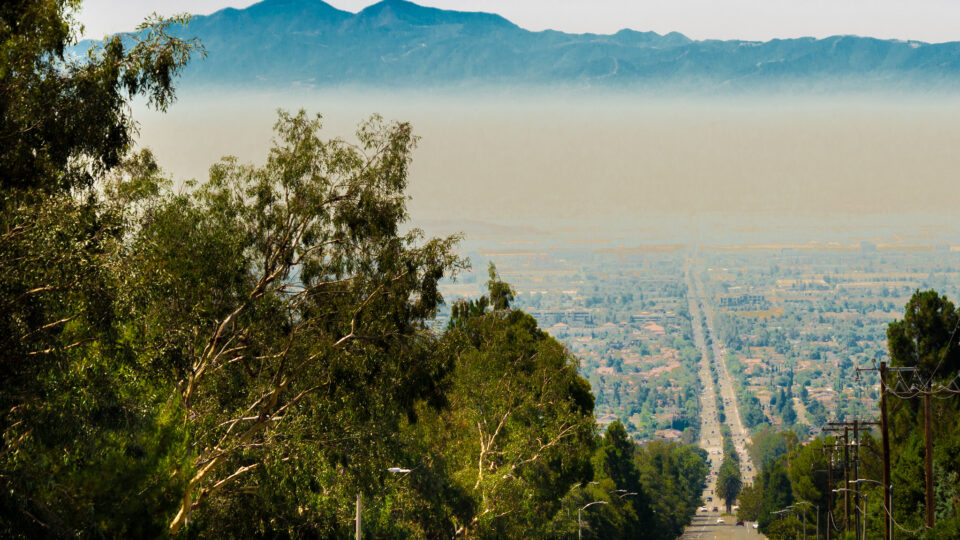
Half of the global population is exposed to increasing air pollution

According to researchers from the University of Exeter, half of the world’s population is exposed to increasing air pollution despite global efforts to improve air quality.  The study, which was completed in conjunction with the World Health Organization, suggests that air pollution represents a major and growing threat to human health. 

For the study, which was recently published in the journal Climate and Atmospheric Science, the researchers reviewed global air quality trends between 2010 and 2016.  The research team examined those findings against a backdrop of global policies to reduce air pollution.  The researchers used ground monitoring data and satellite data to develop yearly air quality profiles for individual countries and regions. 

The scientists focused on fine particulate matter, which is a mixture of solid particles and liquid droplets found in the air.  Some of the particles, like dust, soot, or smoke, are large enough to be seen by the naked eye.  Others are so small that they can only be seen using a microscope.  Inhaling fine particulate matter can cause all sorts of health issues, including asthma, respiratory inflammation, and even promote cancer. 

For much of the world’s population, the consequences of polluted air are more deadly than war, violence, and many diseases.  According to the World Health Organization, more than four million deaths every year can be attributed to outdoor air pollution.  Some of the major sources of air pollution include coal-fired power plants, agriculture, transportation, and deforestation. 

The study found that low and middle income countries experience the highest burden of air pollution around the world, with the largest concentrations found in central and southeastern Asia.

More long term policies are needed to curb this growing threat to public health. 

***********

Web Links

Half of the world’s population exposed to increasing air pollution

Photo, posted August 2, 2019, courtesy of Ron Reiring via Flickr.

Earth Wise is a production of WAMC Northeast Public Radio.
Mangrove Trees And Climate Change | Earth Wise

July 7, 2020 By EarthWise Leave a Comment

climate change threatens mangrove trees

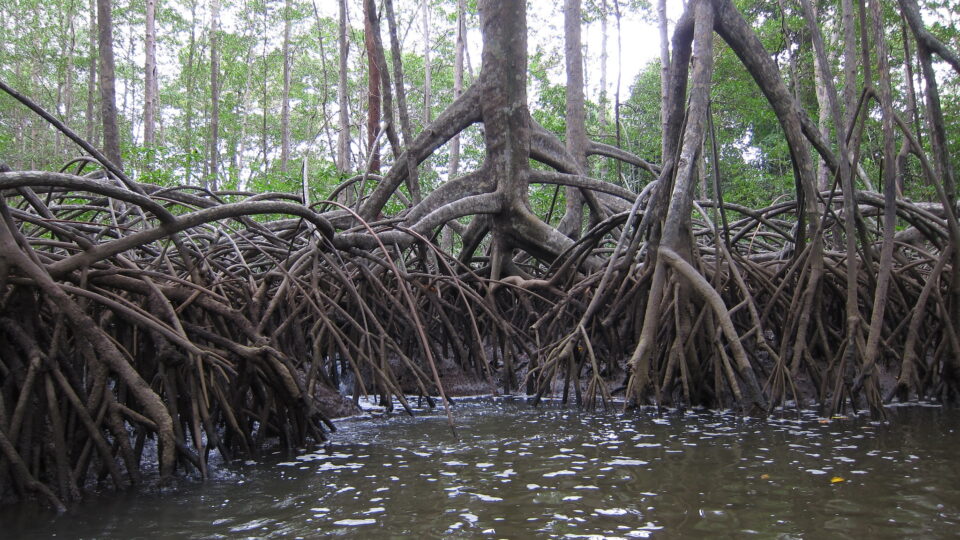
Mangrove trees are small trees that grow in coastal saline or brackish water at tropical and subtropical latitudes.  Many mangrove trees can be identified by their dense tangle of prop roots.  These roots make the trees appear as if they are standing on stilts above the water.  The tangle of roots allows mangrove trees to handle the daily rise and fall of tides and to slow the movement of tidal waters.  

Mangrove forests provide many ecosystem services, including stabilizing the coastline by reducing erosion from storm surges, waves, and tides.  The intricate root system of mangrove trees are attractive to fish and other species seeking food and shelter from predators.  Mangrove forests also store large amounts of carbon.     

But according to a new study recently published in the journal Science, mangrove trees won’t survive sea level rise by 2050 if greenhouse gas emissions aren’t reduced.  

Using sediment data from 78 locations over the last 10,000 years, an international team of scientists led by Macquarie University in Australia estimated the chances of mangrove trees survival based on the projected rates of future sea-level rise.

When sea level rise rates exceeded 6 millimeters per year, which is similar to estimates under high-emissions scenarios for 2050, researchers found that mangrove trees were unlikely to keep pace with the rising water levels.  But when the annual increase was 5 millimeters or less – which is the projected low-emissions scenario this century – mangrove trees are much more likely to survive. 

These findings underscore the importance of reducing greenhouse gas emissions to mitigate rapid sea level rise.  The future of mangrove trees may depend on it.  

**********

Web Links

Mangrove trees won’t survive sea-level rise by 2050 if emissions aren’t cut

Photo, posted December 17, 2012, courtesy of Edward Stojakovic via Flickr.

Earth Wise is a production of WAMC Northeast Public Radio.
Microplastic Hotspots In The Ocean | Earth Wise

June 4, 2020 By EarthWise Leave a Comment

microplastics pollution

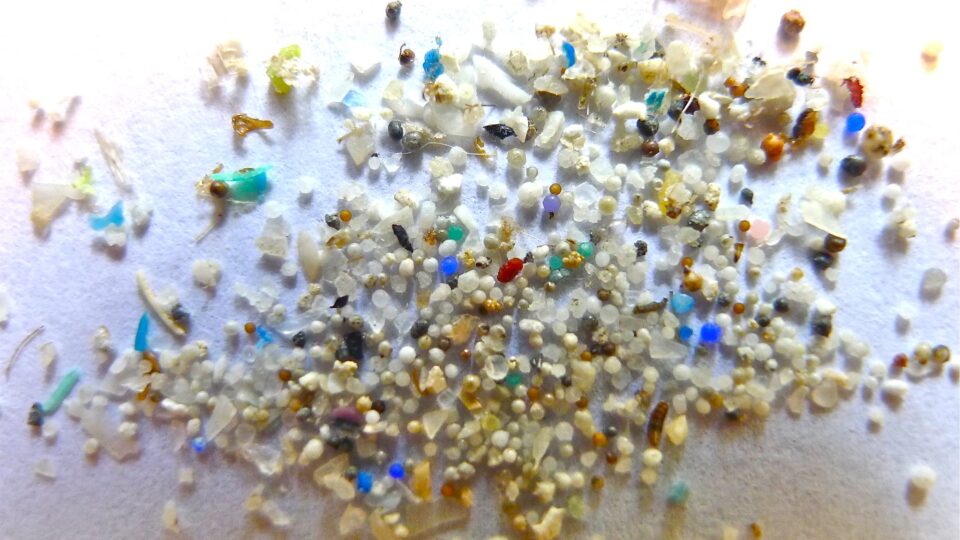
Many of us are aware of the infamous ocean “garbage patches” of floating plastic.  The Great Pacific Garbage Patch is roughly the size of Texas.  But over 10 million tons of plastic waste enter the oceans each year and the floating patches only account for 1% of that total.  The remaining 99% of the plastic ends up in the deep ocean, generally in the form of microplastics – tiny fragments of large plastic debris that have broken down as well as manufactured polyethylene beads used in various products.

According to a new study published in the journal Science, there are actually microplastic hotspots on the ocean floor, formed by deep-sea currents that act as conveyer belts moving the tiny plastic fragments around.  One of these hotspots – in the Tyrrhenian Sea off the west coast of Italy – contained 1.9 million microplastic pieces in just one square meter of seafloor.  This is the highest reported value for any place in the world.

Because of their small size, microplastics can be ingested by organisms across all levels of the marine food chain and eventually find their way into human diets. 

The spatial distribution and ultimate fate of ocean microplastics are strongly controlled by near-bed thermohaline currents.  These are deep-ocean currents driven by differences in water density, which is controlled by temperature and salinity.  Thermohaline currents are known to supply oxygen and nutrients to the flora and fauna found at the ocean bottom.  As a result, deep sea biodiversity hotspots are likely to be in same places where there are microplastic hotspots.

The discovery of these deep- sea hotspots is just another reason why we need behavior and policy interventions to limit the flow of plastics into natural environments.

**********

Web Links

Seafloor microplastic hotspots controlled by deep-sea circulation

Photo, posted September 6, 2012, courtesy of Oregon State University via Flickr.

Earth Wise is a production of WAMC Northeast Public Radio.

Planting Trees and Climate Change | Earth Wise

June 1, 2020 By EarthWise Leave a Comment

tree plantings and climate change

Forests are among the most important natural carbon sinks.  Trees remove carbon from the air and store it in their trunks, branches, and leaves, and transfer part of it into the soil.  But in some regions, these natural carbon sinks are starting to weaken due to deforestation, forest degradation, and the impacts of climate change.  This problem has led some climate mitigation projects to focus on increasing the overall number of trees on the planet. 

But, according to a paper recently published in the journal Science, “we can’t plant our way out of climate change.”  That’s the simple message from Restoration Ecologist Karen Holl and University of São Paulo Professor Pedro Brancalion to anyone who thinks planting one trillion trees will reverse the effects of climate change.  They say planting more trees is only one piece of the puzzle.  Any initiatives like 1t.org or the Trillion Tree Campaign must be done carefully and be accompanied by commitments to long-term management.

Tree plantings can provide many environmental benefits, including improving water quality, biodiversity, and increasing shade.  But trees can sometimes have undesirable impacts, such as harming native species and ecosystems or reducing water availability, depending on where and how the trees are planted.

The authors suggest four principles that should guide forest enhancement initiatives: reduce forest clearing and degradation, balance ecological and social goals, view tree plantings as one part of a multifaceted solution, and plan, coordinate and monitor the work. 

While tree plantings can clearly be part of the solution, slowing the pace of climate change requires a comprehensive approach that must start with burning less fossil fuels.

**********

Web Links

Challenges in tree-planting programs

Planting trees is no panacea for climate change

Photo, posted December 1, 2019, courtesy of Akuppa John Wigham via Flickr.

Earth Wise is a production of WAMC Northeast Public Radio.

A New Membrane For Converting Carbon Dioxide | Earth Wise

March 24, 2020 By EarthWise Leave a Comment

Efficiently transforming CO2 into fuel

Methanol is a valuable chemical used as fuel in the production of countless products. Carbon dioxide is a greenhouse gas that is produced by countless industrial processes.  Carbon dioxide can be converted into methanol, which is one way all that CO2 can be put to good use instead of causing harm. 

In research recently published in Science, chemical engineers from Rensselaer Polytechnic Institute have developed a process that converts CO2 to methanol in a more efficient way by using a highly effective separation membrane they produced.  

The chemical reaction responsible for the transformation of CO2 into methanol also produces water, which severely restricts the continued reaction. The Rensselaer team has found a way to filter out the water as the reaction is happening, without losing other essential gas molecules. 

They produced a membrane made up of sodium ions and zeolite crystals that was able to carefully and quickly permeate water through small pores — known as water-conduction nanochannels — without losing gas molecules. The sodium ions effectively only allow water to go through. When water was effectively removed from the process, the team found that the chemical reaction was able to happen very quickly. By removing the water, the equilibrium shifts, which means more CO2 will be converted and more methanol will be produced.  

The team is now working to develop a scalable process and a startup company that would allow this membrane to be used commercially to produce high purity methanol.  This membrane could also be used to improve a number of other reactions. 

In industry there are many reactions limited by water and this RPI membrane could be an important enhancement for many of them. 

**********

Web Links

Water-Conducting Membrane Allows Carbon Dioxide To Transform into Fuel More Efficiently

Photo courtesy of RPI.

Earth Wise is a production of WAMC Northeast Public Radio.

Storing CO2 Underground | Earth Wise

February 19, 2020 By EarthWise Leave a Comment

carbon dioxide and storage

Capturing the carbon dioxide emitted from power plants and factories and safely storing it so it can’t enter the atmosphere has long been an attractive and desirable goal.  Even though the use of renewable energy sources has been expanding rapidly, it will still be a long time before fossil fuel plants go away entirely.

The most widely considered method of carbon capture and storage is underground storage.  The idea is to send the carbon dioxide through a pipeline to a place where underground rock formations can store it safely and permanently.  Typically, it would be pumped deep underground – often more than half a mile down – and the site would be monitored to make sure the CO2 doesn’t leak back up to the atmosphere or into the water table.

A new study looked at how much carbon dioxide the suitable geological formations on Earth can store.  The conclusion of the study is that drilling about 12,000 carbon storage wells globally could provide enough capacity to store 6 to 7 billion tons of CO2 a year by 2050.  That is about 13% of global emissions.

Drilling 12,000 wells is equivalent to the amount of oil and gas drilling that has taken place just in the Gulf of Mexico over the last 70 years.  The study identified locations worldwide that could handle the pressures associated with storing injected carbon dioxide.

So far, less than two dozen projects exist that capture and store carbon dioxide from fossil fuel plants.  In total, these plants can capture about 36 million tons a year, which is far less than what is needed.  But the new study at least shows that finding places to put captured carbon is not a problem.

**********

Web Links

Ample Geological Capacity Exists to Store Large Quantities of Captured CO2

Photo courtesy of Equinor.

Earth Wise is a production of WAMC Northeast Public Radio.
The Value Of Abandoned Agricultural Lands | Earth Wise

February 18, 2020 By EarthWise Leave a Comment

Abandoned Agricultural Lands Could Help Save the Planet

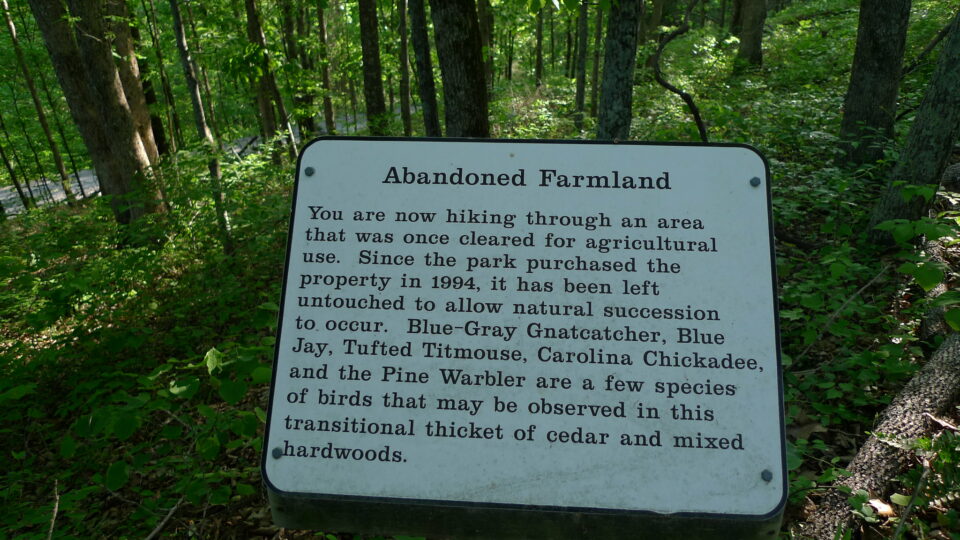
It is perhaps surprising to learn that more land is now being abandoned by farming than converted to it. In fact, abandonment of rural lands has become one of the most dramatic planet-wide changes of the modern era, affecting millions of square miles of land.

In part, it is due to rural flight driven by the economic, social, and educational appeal of cities.  It is also a result of climate change and the globalization of the food supply chain.  The global footprint of agriculture has been decreasing over the past twenty years but the global food supply isn’t shrinking.  The lost land has generally been marginal and farming elsewhere has become more productive.

Many researchers see abandoned agricultural lands as a huge opportunity for ecological restoration and strengthening of biodiversity.   Others see these lands as an opportunity for a massive program to plant trees to reduce carbon dioxide in the atmosphere.  A recent study published in Science estimated that planting trees on abandoned agricultural lands could remove 25% of the carbon dioxide humans have added to the atmosphere.

There are strong criticisms to all of these ideas.  In most cases, the studies don’t incorporate the social context of why these lands are in transition, the potential effects on local populations, whether the lands are publicly or privately owned, and whether lands now suitable for regeneration will remain so as climate change advances.

Current government initiatives on degraded lands typically lack even rudimentary planning.  There are real opportunities presented by the vast amounts of abandoned agricultural lands, but there are many caveats and many issues to confront.  As a society, we have barely begun to even think about what to do.

**********

Web Links

Could Abandoned Agricultural Lands Help Save the Planet?

Photo, posted May 9, 2010. courtesy of Flickr.

Earth Wise is a production of WAMC Northeast Public Radio.

How Environmentally Friendly Are We? | Earth Wise

January 27, 2020 By EarthWise 1 Comment

Many of us are very concerned about the environment and want to try to do the right things as we go about our daily lives.  New research from the University of Gothenburg shows that we tend to overestimate just how much we are actually doing.

A study of over 4,000 people in United States, England, India, and Sweden revealed that most people are convinced that they act more environmentally friendly than the average person.  Their actions might include buying eco-labelled products, saving household energy, recycling, driving a hybrid or electric car, and reducing purchases of plastic bags.  Participants in the survey rated themselves as more environmentally active than other people, including both unknown people as well as their own friends.

The results are in keeping with a general tendency people have to overestimate their own abilities.  Studies over the years have shown that most people consider themselves, for example, to be more honest, more creative, and better drivers than others.  This sort of over-optimism apparently also applies to environmentally friendly behaviors.

The data from the survey revealed that the participants were more likely to overestimate their engagement in activities they perform often and draw the faulty conclusion that the things they do often, they in fact do more often than others.

A consequence of thinking that you are more environmentally friendly than other people is that it can reduce the motivation to act environmentally friendly in the future.  In fact, when we think we are more environmentally friendly than others, we actually end up becoming less environmentally friendly.

Logically speaking, the majority of people cannot be more environmentally friendly than the average person.  We are not living in Lake Wobegone where all children are above average.

**********

Web Links

The majority consider themselves more environmentally friendly than others

Photo, posted March 6, 2014, courtesy of Karlis Dambrans via Flickr.

Earth Wise is a production of WAMC Northeast Public Radio.
A Possible Storage Breakthrough: Solar Energy | Earth Wise

January 10, 2020 By EarthWise 2 Comments

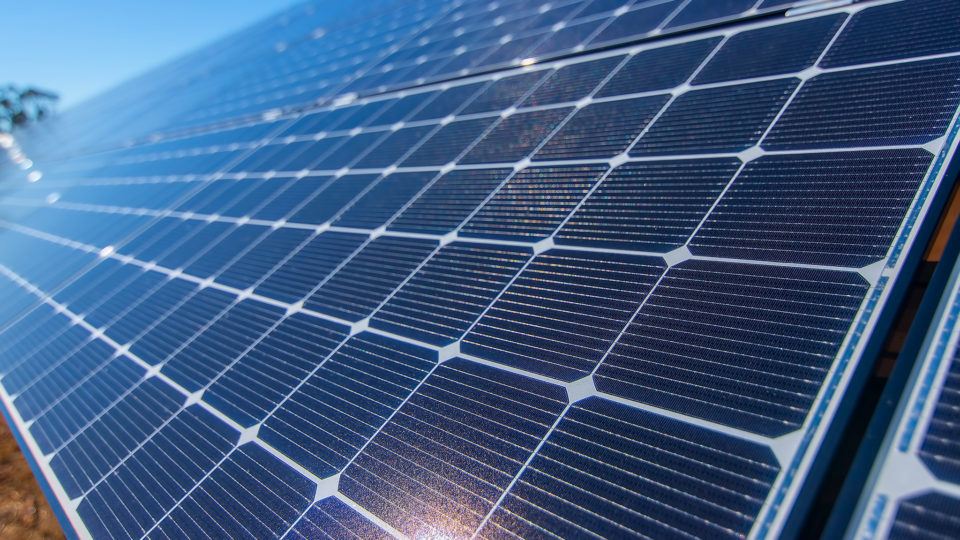
Solar energy is a nearly unlimited resource, but it is only available to us when the sun is shining.  For solar power to provide for the majority of our energy needs, there needs to be a way to capture the energy from the sun, store it, and release it when we need it.  There are many approaches to storing solar energy, but so far none have provided an ideal solution.

Scientists at the Chalmers Institute of Technology in Sweden have developed a way to harness solar energy and keep it in reserve so it can be released on demand in the form of heat—even decades after it was captured. Their solution combines several innovations, including an energy-trapping molecule, a storage system, and an energy-storing laminate for windows and textiles.

The energy-trapping molecule is made up of carbon, hydrogen, and nitrogen.  When hit by sunlight, the molecule captures the sun’s energy and holds on to it until it is released as heat by a catalyst.  The specialized storage unit is claimed to be able to store energy for decades.  The transparent coating that the team developed also collects solar energy and releases heat.  Using it would reduce the amount of electricity required for heating buildings.

So far, the team has concentrated on producing heat from stored solar energy.  It is unclear whether the technology can be adapted to produce electricity, which would be even more valuable.  In any event, the team does not yet have precise cost estimates for its technology, but there are no rare or expensive elements required, so the economics seem promising.  There is much more work to be done, but this could be a very important technology for the world’s energy systems.

**********

Web Links

An Energy Breakthrough Could Store Solar Power for Decades

Photo courtesy of Flickr.

Earth Wise is a production of WAMC Northeast Public Radio.
Keeping Plants Plump

December 3, 2019 By EarthWise Leave a Comment

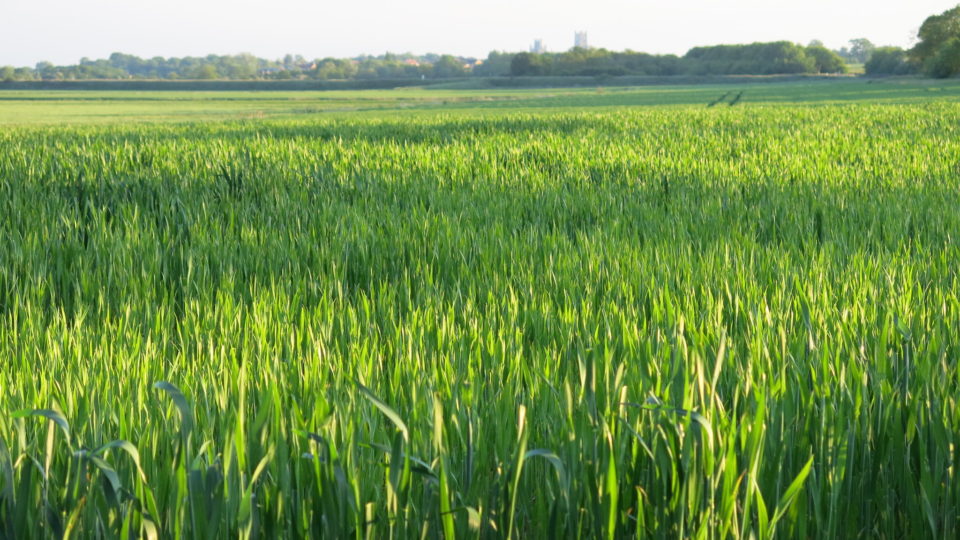
The leading cause of crop failures worldwide is drought.  Ironically, the very close runner-up is flooding.  Facing a changing and increasingly erratic climate, farmers need all the help they can get in protecting their crops.

Researchers at the University of California, Riverside, have created a chemical to help plants hold onto water, which could stem the tide of massive annual crop losses from drought.  Details of the team’s work is described in a paper published in Science.

The chemical is called Opabactin, but is also known as “OP.” OP is gamer slang for overpowered, referring to the best character or weapon in a game.

OP mimics abscisic acid, or ABA, which is the natural hormone produced by plants in response to drought stress.  ABA slows a plant’s growth, so it doesn’t consume more water than is available and doesn’t wilt.  OP is 10-times stronger than ABA, which makes it a super hormone.  It works fast.  Within hours, there is a measurable improvement in the amount of water plants release.  Because it works so quickly, OP could give farmers more flexibility in how they deal with drought.   Plants can’t predict the future, but if, for example, farmers think there is a reasonable chance of drought, they could make decisions such as to apply OP to improve crop yields.

The research team is now trying to find a second chemical tool.  Whereas OP slows down plant growth, the team wants to find a molecule that will accelerate it.  Such a molecule could be useful in controlled environments such as indoor greenhouses.  There are times when you want to speed up growth and times when you want to slow it down.

**********

Web Links

Game changer: New chemical keeps plants plump

Photo, posted June 7, 2013, courtesy of Bayer CropScience UK via Flickr.

Earth Wise is a production of WAMC Northeast Public Radio.
Safe And Simple Hydrogen Peroxide

November 29, 2019 By EarthWise Leave a Comment

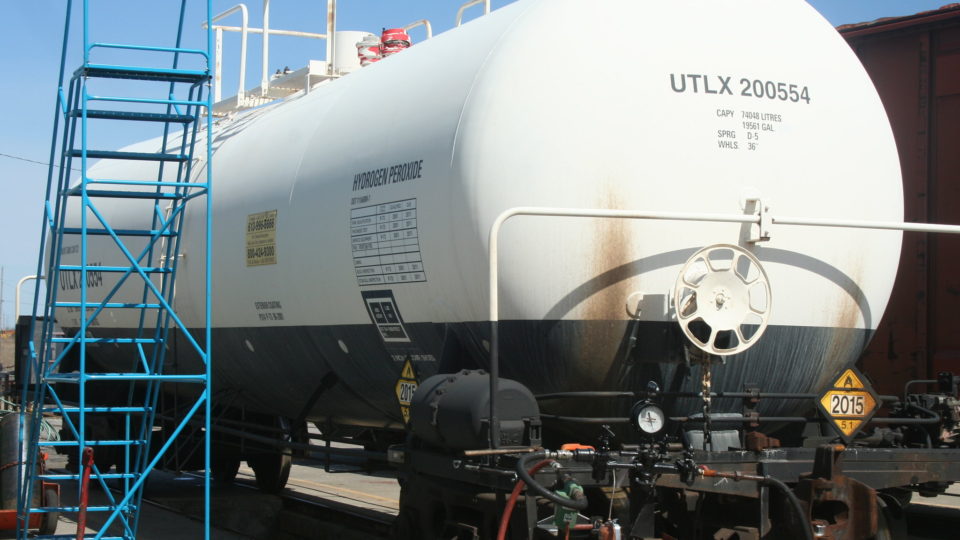
We don’t think about hydrogen peroxide very often.  Perhaps we have a bottle of it under our bathroom sink that we haven’t touched in a few years.   But it is an important product manufactured in the millions of tons each year and the basis of a $6 billion global business.

Hydrogen peroxide is widely used as an antiseptic, a detergent, in cosmetics, as a bleaching agent, in water purification, and in many other applications.  It is produced in industrial concentrations of up to 60% in solution with water in order to maximize the economics of transportation.  This makes transportation hazardous and costly because the concentrated form is unstable.  Most applications use a far more diluted form.

Researchers at Rice University have developed a new method for producing hydrogen peroxide that is much simpler and safer than the current technology, which actually dates back to the 1930s.  The Rice technique requires only air, water and electricity to produce the chemical.  The electrosynthesis process, which is detailed in the journal Science, uses an oxidized carbon nanoparticle-based catalyst.

The process could enable point-of-use production of pure hydrogen peroxide solutions, which would eliminate the need to transport the hazardous concentrated chemical.  The use of a solid electrolyte instead of the traditional liquid electrolyte eliminates the need for product separation or purification that is part of the current technology.

In the future, instead of storing containers of hydrogen peroxide, hospitals that use it as a disinfectant could turn on a spigot and get, for example a 3% solution on demand.  Instead of storing chemicals to disinfect swimming pool water, future homeowners could flick a switch and turn on their peroxide reactor to clean their pools.

**********

Web Links

Water + air + electricity = hydrogen peroxide

Photo, posted April 19, 2009, courtesy of Robert Taylor via Flickr.

Earth Wise is a production of WAMC Northeast Public Radio.

The March Of The Penguins Toward Extinction

November 28, 2019 By EarthWise Leave a Comment

According to a new study from the Woods Hole Oceanographic Institution, the warming climate may render emperor penguins extinct by the end of this century.  The study, which was part of an international collaboration between scientists, finds that emperor penguins will likely experience an 86% decline by 2100 if the global climate continues to warm at the current rate.  At that point, it would be very unlikely for them to recover, according to the study’s lead author.       

The research was funded by the National Science Foundation and recently published in the journal Global Change Biology.

The fate of emperor penguins is largely tied to the fate of sea ice.  The penguins use sea ice as a place for breeding, feeding, and molting.  They look for very specific conditions of sea ice – it must be locked in to the Antarctic shoreline but also close enough to open seawater to give them access to food. The study predicts that this sea ice will gradually disappear, depriving the birds of their habitat, food sources, and ability to raise their young.     

The researchers combined two existing computer models to study three different climate change scenarios.  If the average global temperature increases by only 1.5 degrees Celsius, the study found that only 5% of sea ice would be lost by 2100, resulting in a 19% drop in penguin colonies.  If the planet warms by 2 degrees Celsius, the sea ice loss nearly triples and more than a third of penguin colonies disappear.  The ‘business as usual’ scenario where the planet continues to warm at the current rate will ensure a near complete loss of emperor penguin colonies by 2100. 

**********

Web Links

Unless warming is slowed, emperor penguins will be marching towards extinction

Photo, posted January 15, 2011, courtesy of Eli Duke via Flickr.

Earth Wise is a production of WAMC Northeast Public Radio.
Predicting Lightning Strikes

November 19, 2019 By EarthWise Leave a Comment

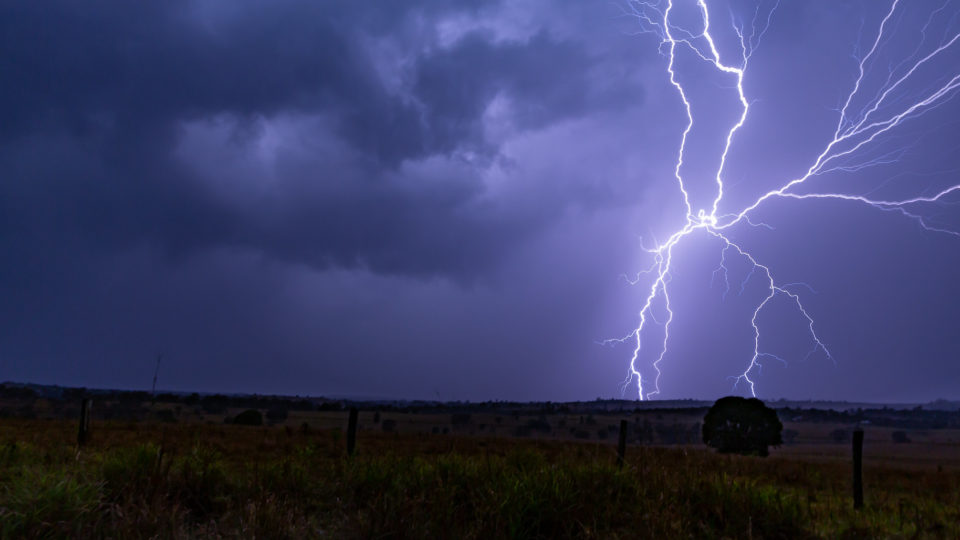
Lightning is one of the most unpredictable phenomena in nature.  Approximately 100 lightning bolts strike earth’s surface every second, and each lightning bolt can contain up to one billion volts of electricity.  Lightning regularly kills both people and animals and sets homes and forests on fire.  It’s also been known to ground airplanes. 

Researchers at EPFL – a research institute and university in Switzerland – have developed a novel way to predict where and when lightning will strike.  The system relies on a combination of standard data from weather stations and artificial intelligence to predict lightning strikes to the nearest 10 to 30 minutes and within a radius of less than 20 miles.  The simple and inexpensive system was outlined in a research paper recently published in Climate and Atmospheric Science, a Nature partner journal.   

According to researchers, the current systems for predicting lightning strikes are slow, expensive, and complex, relying on external data acquired by satellite and radar.  The new inexpensive system from EPFL uses real time data that can be obtained from any weather station, meaning it can cover remote regions that are out of radar and satellite range and where communication networks are lacking.  The quick predictions from the system allow alerts to be issued before a storm has even formed. 

The system uses a machine-learning algorithm that’s been trained to recognize conditions that lead to lightning.  The researchers took into account atmospheric pressure, air temperature, relative humidity, and wind speed, among other things.  After training the algorithm, the system was able to predict lightning strikes accurately nearly 80% of the time.

This system is a simple way to predict a complex phenomenon. 

**********

Web Links

Using AI to predict where and when lightning will strike

Photo, posted December 14, 2018, courtesy of Flickr.

Earth Wise is a production of WAMC Northeast Public Radio.
Breaking Down Forever Chemicals

October 25, 2019 By EarthWise Leave a Comment

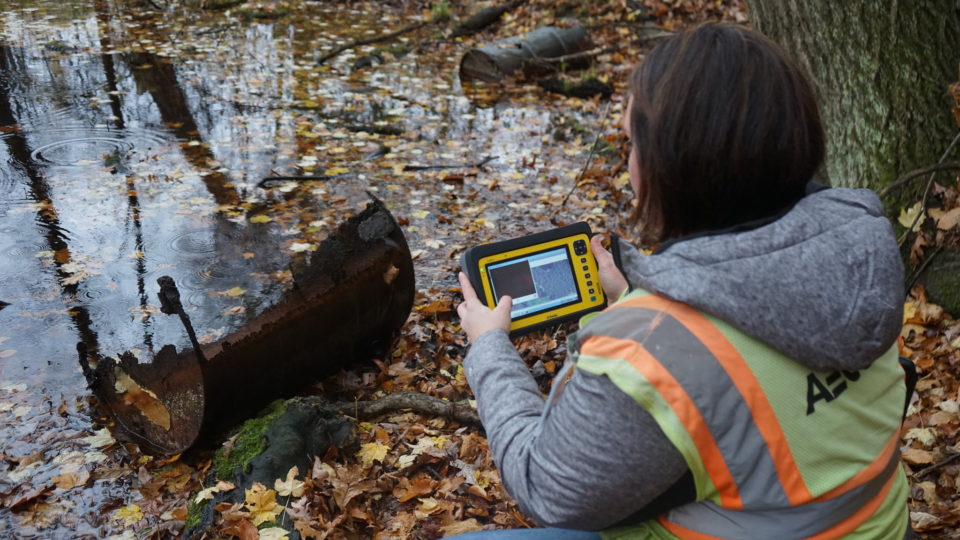
One of the toughest classes of pollutants are per- and polyfluoralkyl substances, or PFAS, as they are known.  PFAS are often called “forever chemicals” because they are extremely long-lasting and difficult to clean up.  They are found in household products including non-stick pans, dental floss, water-repellent fabrics, and many others.  They can be found extensively in U.S. waterways and soil.

PFAS move through the food chain, accumulating in humans at levels that scientists say can cause adverse health effects.  While these have not been definitively proven, there is evidence that higher cholesterol levels, cancer, thyroid disruption, and low infant birth rates are all associated with PFAS ingestion.

PFAS are difficult to get rid of because their carbon-fluorine covalent bonds are some of the strongest in organic chemistry.  Researchers at Princeton University have been studying a process known as Feammox in which ammonium breaks down in acidic, iron-rich soils in New Jersey wetlands and similar locations.  They found that this reaction takes place when a bacterium called Acidimicrobium A6 is present.

Using gene-sequencing techniques, they found that the microbe has characteristics that could help break down carbon-fluorine bonds, and therefore break down PFAS.  In tests using microbe-loaded soil samples, they found that the bacterium removed 60% of PFAS pollutants within 60 days.

The research has been published in the journal Environmental Science and Technology and the team is now testing the bacterium’s effectiveness over different time-spans in lab conditions before testing it in the field.

**********

Web Links

New Jersey Soil Microbe Shown to Break Down ‘Forever Chemicals’

Photo, posted November 9, 2017, courtesy of the Department of Environmental Quality via Flickr.

Earth Wise is a production of WAMC Northeast Public Radio.

Birds Are Disappearing

October 16, 2019 By EarthWise 1 Comment

A new analysis, published in the journal Science, reports that the number of birds in the United States and Canada has fallen by 29% since 1970.  There are 2.9 billion fewer birds in the two countries now than there were 50 years ago.

The analysis is the most comprehensive attempt to date to look at the status of avian populations.  The results were a shock to researchers and conservation organizations.

It is well-known that some bird species have become vulnerable to extinction, but the new study, which surveyed more than 500 species, uncovered steep losses even among such traditionally abundant birds as robins and sparrows.

There appear to be multiple causes for the steep declines.  The largest ones are likely habitat loss and the wider use of pesticides.  Rachel Carson’s 1962 book Silent Spring warned of the dangers of pesticides and took its title from a world that has lost its birds.

The survey includes 76% of all bird species in the US and Canada, but actually represents almost the entire population of birds.  Grassland species have suffered the biggest declines by far, as a result of modern agriculture and development.  Pesticides, such as neonicotinoids, make it harder for birds to put on weight needed for migration, delaying their travel.

There are a few bright spots:  bald eagles are thriving, and falcon and waterfowl populations are on the upswing.  These are species that have been the subject of conservation measures in recent decades.

Stopping the bird decline will require a great deal of effort to defend habitats, restrict chemicals, and redesign buildings.  Without that effort, birds will continue to disappear.

**********

Web Links

Birds Are Vanishing From North America

Photo, posted April 1, 2012, courtesy of Barry Skeates via Flickr.

Earth Wise is a production of WAMC Northeast Public Radio.
Cleaner Air Saves Lives

September 25, 2019 By EarthWise Leave a Comment

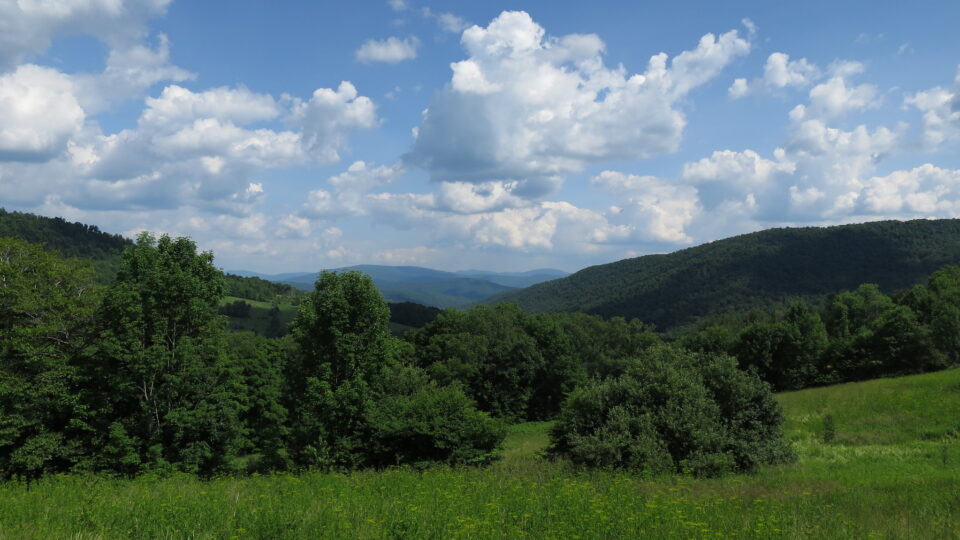
A new study by Columbia University has concluded that lower air pollution levels saved an estimated 5,660 lives in New York State in 2012, compared to 2002 mortality levels.

The study looked at New York State levels of the specific type of pollution known as fine particulate matter, referred to as PM2.5.  These microscopic particulates are a mixture of solid particles and liquid droplets that either come from burning fuel or are formed in the atmosphere as a result of complex reactions of chemicals such as sulfur dioxide and nitrogen oxides from power plants, industries, and automobiles.

Long-term exposure to PM2.5 can lead to respiratory and cardiovascular problems.

The study looked at extensive amounts of data to analyze trends in PM2.5 levels across New York State.  The data showed that PM2.5 levels dropped by 28 to 37% between 2002 and 2012.  This was a result of continued progress in cleaner vehicles, the reduction of high sulfur-dioxide emitting coal-burning power plants, and other air pollution reduction programs.  They calculated that this amount of reduction in PM2.5 reduced the air pollution mortality burden for New York State residents by 67% – from 8,410 premature deaths in 2002 to 2,750 deaths in 2012.

The study provides evidence that emission controls on air pollutants – which were initiated by the Clean Air Act of 1970 and later expanded in 1990 – have improved public health across New York State.  According to the researchers, the study is a key step to documenting the health benefits from cleaner air.

**********

Web Links

Air Pollution Cuts Are Saving Lives in New York State

Photo, posted June 29, 2014, courtesy of Paul Comstock via Flickr.

Earth Wise is a production of WAMC Northeast Public Radio.
The Decline Of Earth’s Largest Freshwater Creatures

September 23, 2019 By EarthWise Leave a Comment

While nearly 70% of the globe is covered by water, only 2.5% of it is freshwater.  The rest is saline and ocean-based.  And only 1% of our freshwater is easily accessible, with much of it locked away in snowfields and glaciers.  

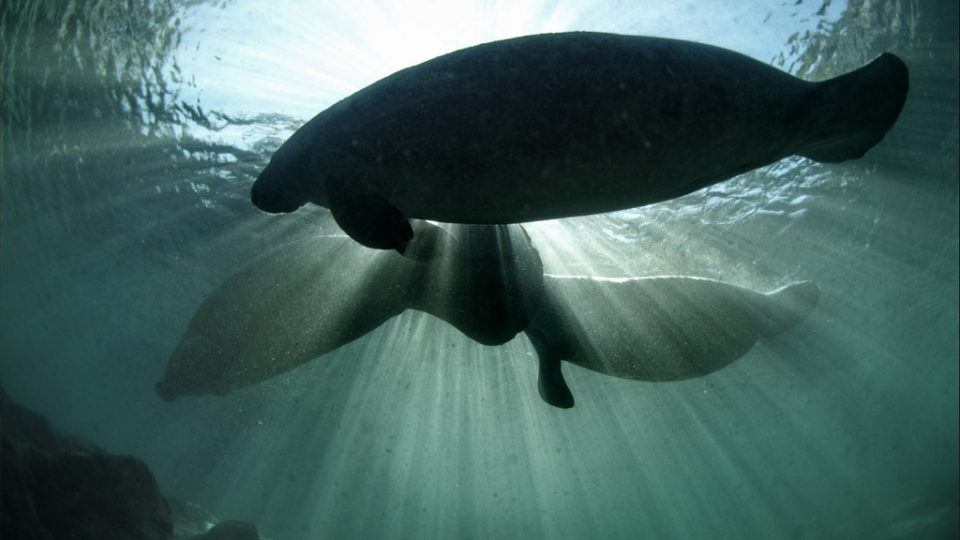
Despite freshwater only making up a small fraction of all water on the planet, it’s home to one third of all vertebrate species.  Some have survived hundreds of millions of years, but many of the world’s largest freshwater creatures – including fish, reptiles, amphibians, and mammals – may soon find themselves on the brink of extinction.

According to a study recently published in the journal Global Change Biology, scientists from the Leibniz-Institute of Freshwater Ecology and Inland Fisheries and international colleagues have quantified the global decline of freshwater megafauna for the first time.  In four decades since 1970, the global populations of these freshwater giants have declined 88% – twice as much as the loss of vertebrate populations on land or in the oceans. 

Freshwater megafauna include all freshwater animals that weigh 30 kilograms (about 66 pounds) or more, such as certain dolphins, beavers, crocodiles, turtles and sturgeons.

Overexploitation is one of the main threats to freshwater megafauna.  (These animals are often targeted for their meat, eggs, and skin).  The other main threat is the loss of free-flowing rivers. Many of the world’s large rivers are already highly fragmented, which impacts access to spawning and feeding grounds.  The research team says another 3700 large dams are planned or under construction, including 800 in habitats rich with freshwater megafauna, including the Amazon, Congo, and Ganges river basins.

Current conservation measures are clearly failing our freshwater creatures. 

********** 

Web Links

88 percent decline of big freshwater animals

Earth’s largest freshwater creatures at risk of extinction

Photo, posted March 25, 2012, courtesy of the U.S. Fish and Wildlife Service via Flickr.

Earth Wise is a production of WAMC Northeast Public Radio.

The State Of The Climate

September 19, 2019 By EarthWise Leave a Comment

The federal government has issued the annual State of the Climate report and it is a sobering one.  The report states that carbon dioxide in the atmosphere rose to levels the world has not seen in at least 800,000 years.  Global carbon dioxide concentrations reached a record 407.4 parts per million during 2018.  That is 2.4 ppm more than 2017.

Other greenhouse gases like methane and nitrous oxide also continued their rapid increase.  Taken together, the global warming power of greenhouse gases was 43% stronger than it was in 1990.

Along with greenhouse gases, global sea levels also reached their highest levels on record for the seventh consecutive year.  Ocean levels are rising about an inch per decade, but that number may rise if ice melt at the poles continues to accelerate.

Global temperatures had their fourth highest level on record in 2018, slightly lagging 2016, 2015, and 2017 for the highest ever.  A La Niña over the Pacific cooled ocean waters for part of 2018, keeping temperatures a bit lower.  So far, 2019 is on track to be the warmest year in recorded history.

Global sea temperatures also set a record level in 2018.  And glaciers continued to melt at an alarming rate for the 30th consecutive year.

The State of the Climate report is yet another in a series of expert, science-based reports that continue to sound the alarm about the climate crisis.  Climate change is affecting our weather, agricultural productivity, water supply, public health and national security.  Unfortunately, the facts continue to be drowned out for many people by blogs, pundits, and posts on social media.

**********

Web Links

Greenhouse Gases Reach Unprecedented Level

Photo, posted January 13, 2014, courtesy of Ronnie Robertson via Flickr.

Earth Wise is a production of WAMC Northeast Public Radio.
Controlling Malaria Without Chemicals

August 28, 2019 By EarthWise Leave a Comment

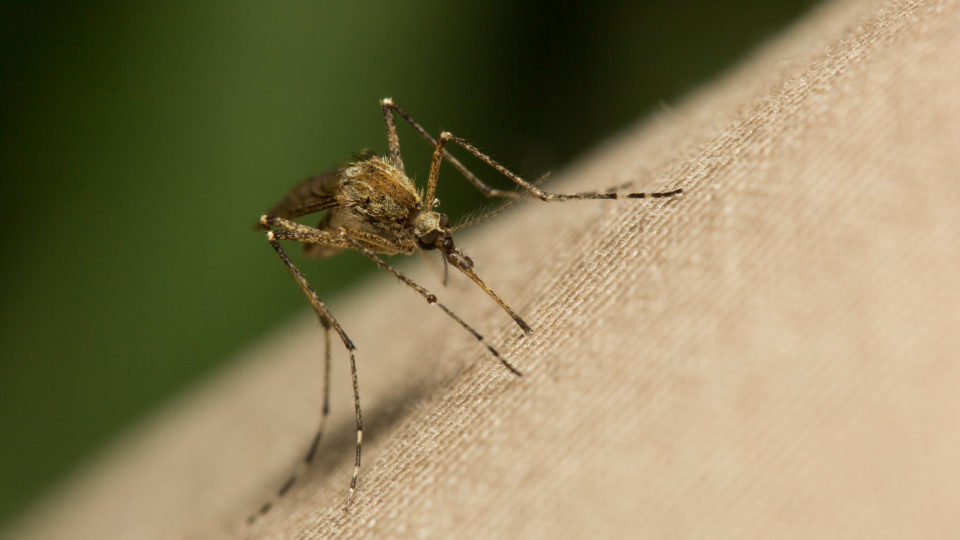
Nearly half of the world’s population lives in areas vulnerable to malaria.  The disease kills roughly 450,000 people each year, most of them children and pregnant women.  Malaria is spread by Anopheles mosquitoes and, over time, the mosquitoes have been developing resistance to the chemical insecticides that are used to control them.  In addition, there is great concern about the toxic side effects of the chemicals used on the mosquitoes.

About 30 years ago, scientists identified a type of bacteria that kills Anopheles, but the mechanism was not understood.  As a result, the bacteria could not be replicated or used as an alternative to chemical insecticides.

But now, an international research team, headed by researchers at UC Riverside, has identified the neurotoxin produced by the bacteria and has determined how it kills Anopheles.  The work is described in a paper published in Nature Communications.

It took the team 10 years to achieve a breakthrough in understanding the bacteria.  Modern gene sequencing techniques were the key.

While many neurotoxins target vertebrates and are highly toxic to humans, the neurotoxin that kills Anopheles mosquitoes does not affect humans, vertebrates, fish, or even other insects.  Known as PMP1, the substance is not even toxic to mice when given by direct injection.

The team has applied for a patent on this discovery and hopes to find partners to help them develop the bacteria-based insecticide.

There is a high likelihood that PMP1 actually evolved to kill the Anopheles mosquito.  This finding opens the door to new avenues of research into other environmentally friendly insecticides that would be targeted at other disease-spreading pests.

**********

Web Links

Controlling deadly malaria without chemicals

Photo, posted June 9, 2018, courtesy of Mario Yardanov via Flickr.

Earth Wise is a production of WAMC Northeast Public Radio.

  • « Go to Previous Page
  • Page 1
  • Page 2
  • Page 3
  • Page 4
  • Page 5
  • Page 6
  • Interim pages omitted …
  • Page 9
  • Go to Next Page »

Primary Sidebar

Recent Episodes

  • An uninsurable future
  • Clean energy and jobs
  • Insect declines in remote regions
  • Fossil fuel producing nations ignoring climate goals
  • Trouble for clownfishes

WAMC Northeast Public Radio

WAMC/Northeast Public Radio is a regional public radio network serving parts of seven northeastern states (more...)

Copyright © 2026 ·