• Skip to primary navigation
  • Skip to main content
  • Skip to primary sidebar

Earth Wise

A look at our changing environment.

  • Home
  • About Earth Wise
  • Where to Listen
  • All Articles
  • Show Search
Hide Search
You are here: Home / Archives for research

research

Methane Leaks Are Worse Than We Thought | Earth Wise

May 4, 2022 By EarthWise Leave a Comment

Methane leaks are worse than was previously thought

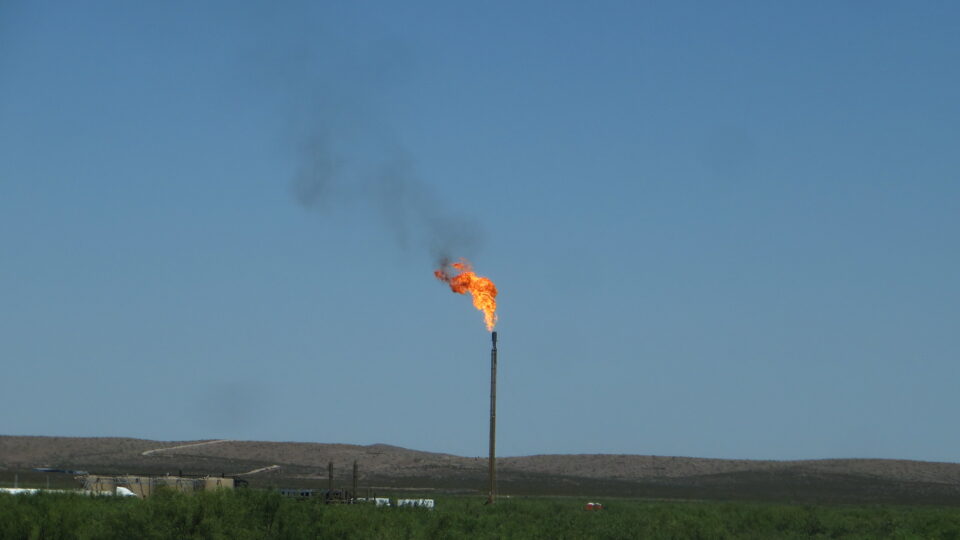
Methane leaking from oil and gas wells is a real problem for the environment because methane is far more potent at trapping heat than carbon dioxide.   The EPA has estimated that about 1.4% of the methane produced by wells nationally leaks into the atmosphere.   However, environmental experts and energy industry engineers have been concerned that leaks from mines, wells, refineries, storage facilities, and pipelines are vastly underreported.  But until recently, there really wasn’t a good way to find out.

Researchers at Stanford University have developed a technique based on the use of hyperspectral cameras mounted to airplanes.  The cameras measure sunlight reflected off of chemicals in the air that are invisible to the human eye.  Each chemical, including methane, has a unique fingerprint.  Using these sensors, methane is easy to spot and the technique can measure the output of individual wells.

The researchers performed a study of almost every oil and gas asset in the New Mexico Permian Basin, one of the largest and highest-producing oil and gas regions in the world.  They surveyed the sites for an entire year.  They estimate that more than 9% of all methane produced in the region is being leaked into the skies, far more than EPA estimates.

The positive outcome of the survey is that the researchers found that fewer than 4% of the 26,000 sites studied produced half of all the methane emissions observed.  Being able to identify the so-called super-emitter sites and dealing with them could lead to a major improvement in the situation.

The new technique is more accurate, faster, and more cost-effective than current ways to monitor emissions.

**********

Web Links

Stanford-led study: Methane leaks are far worse than estimates, at least in New Mexico, but there’s hope

Photo, posted July 10, 2016, courtesy of Ken Lund via Flickr.

Earth Wise is a production of WAMC Northeast Public Radio.
Birds Bees And Coffee | Earth Wise

May 3, 2022 By EarthWise Leave a Comment

Biodiversity adds value to agriculture

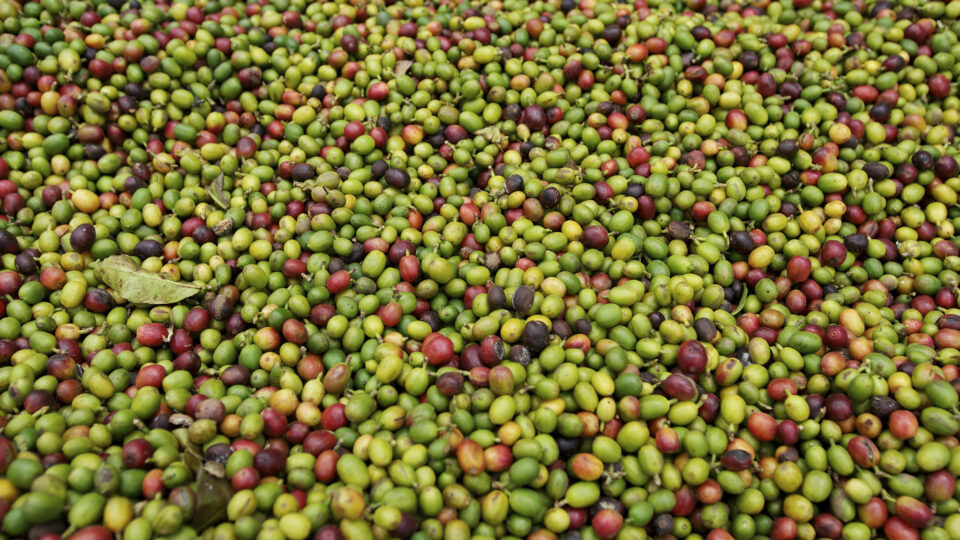
A new study by the University of Vermont in collaboration with researchers from three Latin American countries looked at the effects of birds and bees on coffee crops.  They found that coffee beans are bigger and more plentiful when birds and bees team up to protect and pollinate coffee plants.

The real-world study manipulated coffee plants across 30 farms by excluding birds and bees with a combination of large nets and small lace bags.  They looked at four scenarios:  bird activity alone (pest control), bee activity alone (pollination), no bird and bee activity at all, and a natural environment where birds and bees were free to pollinate and eat insects that otherwise damage coffee plants.

The study looked at fruit set, fruit weight, and fruit uniformity – important factors that determine the quality and price of the coffee crop.  The results were that the combined positive effects of birds and bees were greater than their individual effects.   Without birds and bees, the average coffee yield on the farms declined nearly 25%.  That is important information for the $26 billion coffee industry.

A surprising result of the study is that many birds providing pest control to coffee plants in Costa Rica had migrated thousands of miles from Canada and the U.S.

Previous studies looked at the benefits of natural factors separately and then added them up.  But the new study demonstrates that nature is an interacting system with both synergies and trade-offs.  Past assessments of individual ecological services may have underestimated the benefits biodiversity provides to agriculture and human wellbeing.  Ecosystems services are more valuable together than separately.

**********

Web Links

The Secret to Better Coffee? The Birds and the Bees

Photo, posted March 2, 2012, courtesy of Caroline Gluck/Oxfam via Flickr.

Earth Wise is a production of WAMC Northeast Public Radio.
A Better Way To Capture Carbon | Earth Wise

April 29, 2022 By EarthWise Leave a Comment

Developing a better way to capture carbon

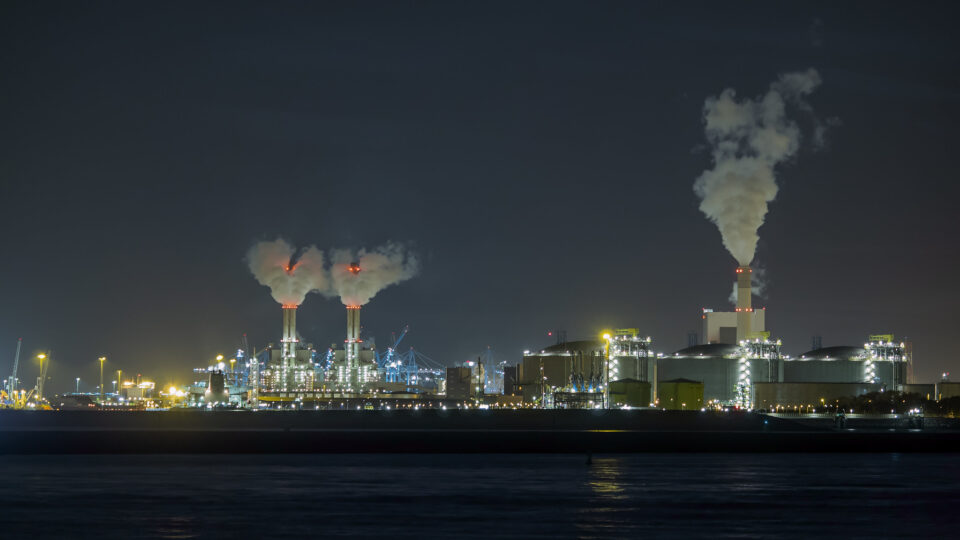
The goal of carbon capture and storage technology is to remove carbon dioxide from the atmosphere and safely store it for the indefinite future.  There are existing industrial facilities that capture carbon dioxide from concentrated sources – like the emissions from power plants.  The technology currently captures and stores only about a tenth of a percent of global carbon emissions.

Most existing CCS technologies use chemical binders to trap carbon dioxide quickly and efficiently, but they are extraordinarily energy intensive as well as expensive.

Researchers at the University of Colorado Boulder have developed a new tool that could lead to more efficient and cheaper ways to capture carbon dioxide directly out of the air.  The tool predicts how strong the bond will be between carbon dioxide and a candidate molecule for trapping it – that is, a binder.  This new electrochemical diagnostic tool can be used to identify suitable molecular candidates for capturing carbon dioxide from everyday air.

Current carbon capture technologies are very expensive at the scale required to be able to turn the captured CO2 into useful substances, such as carbonates – which are an ingredient in cement – or formaldehyde or methanol, which can be used as fuels.  Making useful materials out of the captured CO2 is an important way to offset the cost of capturing it that merely storing it away does not permit.

The new electrochemical analytical tool developed by the Colorado researchers offers the potential for identifying binders that will be more efficient and less expensive, thereby making direct air carbon capture a realistic part of the efforts to address climate change.

**********

Web Links

New method could lead to cheaper, more efficient ways to capture carbon

Photo, posted October 25, 2015, courtesy of Frans Berkelaar via Flickr.

Earth Wise is a production of WAMC Northeast Public Radio.
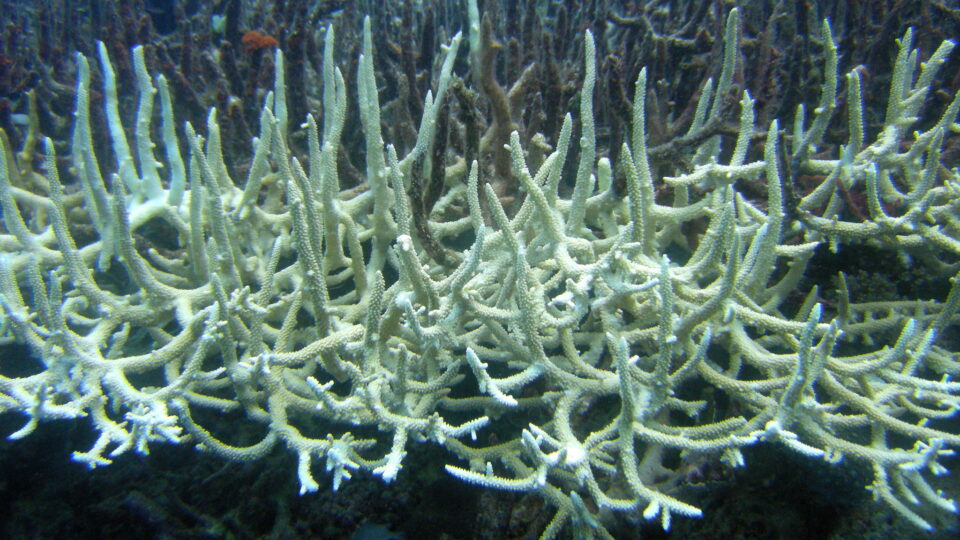
More Bleaching In The Great Barrier Reef | Earth Wise

April 27, 2022 By EarthWise Leave a Comment

Continued coral bleaching in the Great Barrier Reef

Australia’s Great Barrier Reef is an ecosystem that can be seen from space.  It has now suffered its 6th mass coral bleaching event since 1998.  Previous events happened in 1998, 2002, 2006, 2016, and 2017.  This latest bleaching has occurred even though this is a La Niña year, when more rain and cooler temperatures are supposed to help protect delicate corals.

An aerial survey of 750 separate reefs across much of the 1500 mile-long Great Barrier Reef system found severe bleaching among 60% of the corals.  The bleaching covers an area even wider than the back-to-back outbreaks in 2016 and 2017.

The bleaching is a product of a summer in Australia that started early.  December temperatures were already warmer than the historical February summer maximums.  Globally, 2021 was the hottest year on record for the world’s oceans for the sixth year in a row.

Bleached coral can recover if temperatures cool down for a long enough period, but this is becoming increasingly rare.  Between 2009 and 2019, 14% of the world’s coral reefs were lost for good.

In Australia, the plight of the Great Barrier Reef has become politicized.  The current government is not supportive of efforts to reduce the country’s fossil fuel dependence and has worked to keep the reef from being placed on the list of endangered world heritage sites.  Instead of pushing for emissions cuts, Australia has focused on a variety of long-shot projects aimed at helping the reef.

The fact is that coral reefs cannot cope with the current rate of warming and unless that slows down soon, they will simply not survive for long.

**********

Web Links

‘Can’t Cope’: Australia’s Great Barrier Reef Suffers 6th Mass Bleaching Event

Photo, posted September 28, 2009, courtesy of Matt Kieffer via Flickr.

Earth Wise is a production of WAMC Northeast Public Radio.

A Solar-Powered Target Store | Earth Wise

April 26, 2022 By EarthWise Leave a Comment

Target among many retailers adopting renewables

Many companies have made sustainability commitments of various types. Environmental organizations have urged big-box and grocery stores to install solar panels on their rooftops and parking lots thereby reducing their energy usage and expanding the country’s supply of renewable energy.  These places occupy large areas and therefore are capable of supporting large solar arrays.

According to a report by two environmental advocacy groups, rooftop solar panels on retail stores could generate enough electricity to power the equivalent of nearly 8 million U.S. homes.

Target Stores are one of the retailers that has been making an effort to be a greener company.  Target has installed solar panels on about 25% of its approximately 1,900 stores.  The Target store in Vista, California, about 40 miles north of San Diego, is the company’s most sustainable store.  It already had solar panels on its rooftop, powering a portion of the store.

But now it has installed massive carports topped with solar panels high above its parking lot.  With these panels, this Target can now produce enough renewable energy to power the entire store, from its refrigeration to its heating and air conditioning. Adding in some of the other energy-saving features of the store, Target expects to produce 10% more energy than the store needs, which it will return to the local power grid.  This is Target’s first net-zero energy store.

Target is not the only big retailer going solar.   Home Depot, Lowe’s, and Walmart all have been installing solar panels on some of their rooftops.  Even some restaurants are trying to reach sustainability goals with solar panels.  This is a trend that hopefully will continue to grow.

**********

Web Links

Target looks to massive solar panels in a California parking lot as a green model to power its stores

Photo, posted June 30, 2014, courtesy of Mike Mozart via Flickr.

Earth Wise is a production of WAMC Northeast Public Radio.

River Of Dust | Earth Wise               

April 25, 2022 By EarthWise Leave a Comment

Every year, more than 100 million tons of dust blow out of North Africa.  Strong seasonal winds lift the dust from the Sahara Desert northward.  A few times a year, the winds from the south are strong and persistent enough to drive the dust all the way to Europe.

On March 15, a large plume of Saharan dust blew out of North Africa and crossed the Mediterranean into Western Europe.  European cities were blanketed with the dust, degrading their air quality, and turning skies orange.  Alpine ski slopes were stained with the dust.

These dust events are associated with so-called atmospheric rivers that arise from storms.  Such rivers usually bring extreme moisture but can also carry dust.  Over the past 40 years, nearly 80% of atmospheric rivers over northwestern Africa have led to extreme dust events over Europe.  The March 15 event was associated with Storm Celia, a powerful system that brought strong winds, rain, sleet, hail, and snow to the Canary Islands.

Atmospheric dust plays a major role in climate and biological systems.  The dust absorbs and reflects solar energy and also fertilizes ocean ecosystems with iron and other minerals.

The climate effects of dust are complicated.  Dust can decrease the amount of sunlight reaching the surface, affect cloud formation, and decrease temperatures.  But dust also darkens the snowpack, leading to more rapid snowmelt.  A 2021 dust event resulted in a rapid melt of Alpine snow, reducing its depth by half in less than a month.

The effects of this year’s dust event are not yet known, but this atmospheric river associated with Storm Celia appeared to carry less water and more dust compared with the 2021 event.

**********

Web Links

An Atmospheric River of Dust

Photo, posted December 2, 2019, courtesy of Catherine Poh Huay Tan via Flickr.

Earth Wise is a production of WAMC Northeast Public Radio.
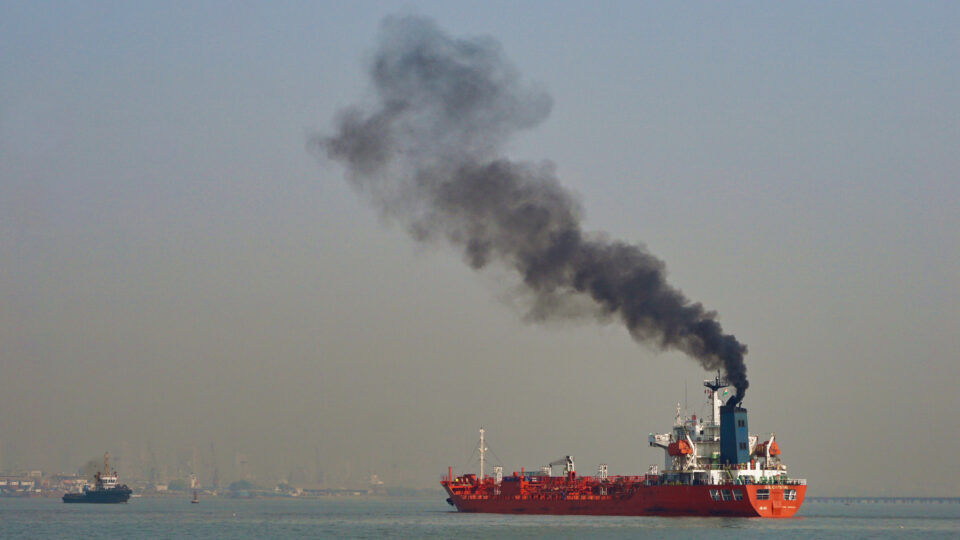
Turning Pollution Into Cash | Earth Wise     

April 22, 2022 By EarthWise Leave a Comment

Developing ways to turn pollution into cash

Power plants and other industrial facilities are a major source of carbon emissions.  There are a variety of techniques under development to prevent those emissions by capturing them rather than releasing them into the atmosphere.  All of them add costs to the functioning of the facility.  A good way to offset those costs is to convert the emissions into useful products, ideally making it profitable to capture emissions.

Engineers at the University of Cincinnati have developed an electrochemical system that converts carbon dioxide into ethylene, which is a chemical used in a wide range of manufacturing.  Ethylene has sometimes been called “the world’s most important chemical”.  It is used in many kinds of plastics, textiles, and the rubber found in tires and insulation. It is also used in heavy industry such as steel and cement plants as well as in the oil and gas industry.

The Cincinnati process is a two-stage cascade reaction that converts carbon dioxide to carbon monoxide and then into ethylene.  It is based on the underlying principle of the plug-flow reactor that is used for variety of production applications.  The study, published in the journal Nature Catalysis, demonstrates that the process has high ethylene selectivity – meaning that it effectively isolates the desired compound – as well as high productivity – meaning that it makes a lot of it.  The system will take more time to become truly economical, but the researchers are continuing to make progress on that front with improved catalysts.

The researchers believe that this technique can reduce carbon emissions and make a profit doing it.  Power plants and other facilities emit a lot of carbon dioxide.  With this process, it may be possible to capture it and produce a valuable chemical.

**********

Web Links

Conversion process turns pollution into cash

Photo, posted February 27, 2018, courtesy of Cyprien Hauser via Flickr.

Earth Wise is a production of WAMC Northeast Public Radio.

Floating Offshore Wind | Earth Wise

April 21, 2022 By EarthWise Leave a Comment

Floating offshore wind becoming a reality

According to a new report by the Global Wind Energy Council, floating offshore wind technology is on track to grow from a miniscule market to a substantial contribution to the world’s energy supply over the next decade.  Furthermore, the United States represents one of the countries with the greatest potential.

Wind power is stronger and steadier in the ocean than on land, so the use of offshore wind is rapidly expanding.  However, because most installations are based on fixed structures attached to the sea bottom, they cannot be installed in very deep or complex seabed locations.

Floating offshore wind is based on structures that are anchored to the seabed only by means of flexible anchors, chains, or steel cables.  Apart from making it feasible to place wind turbines in deeper and more distant locations, floating turbines and platforms can also be built and assembled on land and then towed to the offshore installation site.

The floating offshore wind industry is currently in a pre-commercial phase but has great potential.  Many offshore locations with great potential in terms of their wind resources are unsuitable for conventional installations either because of the depth of the seabed or its complex structure.  This is particularly true of the waters off the coasts of California, Oregon, and the Gulf Coast, which otherwise offer excellent wind resources.

There are many issues to deal with in expanding the use of floating offshore wind, including transporting the power to shore and the ability of the local power grids to handle the incoming power.  On the other hand, distantly placed floating offshore wind reduces environmental concerns and eliminates issues associated with the visual impact of wind farms for coastal residents.

**********

Web Links

What’s the potential of floating offshore wind?

Photo, posted May 10, 2015, courtesy of Olin Gilbert via Flickr.

Earth Wise is a production of WAMC Northeast Public Radio.
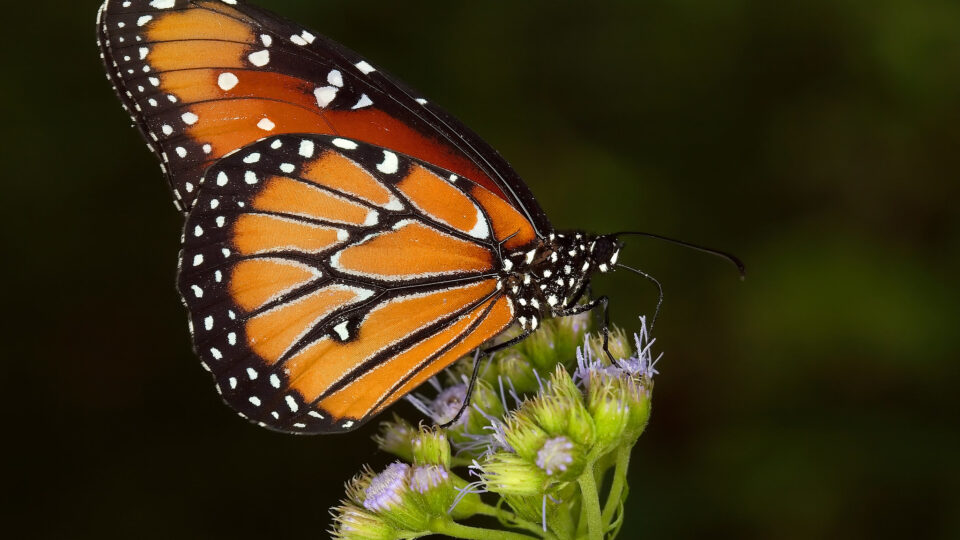
The Plight Of Monarch Butterflies | Earth Wise

April 20, 2022 By EarthWise Leave a Comment

The monarch butterfly is one of the world’s best-known butterflies and has become the symbol for a whole class of imperiled pollinators.  Populations of the iconic orange-and-black insects have declined dramatically in recent decades. 

According to the U.S. Fish and Wildlife Service, the eastern monarch population has dropped 88% between 1996 and 2020.  Habitat loss, pesticide use, and global climate change are some of the factors driving monarch butterfly population declines. 

According to a new study led by scientists at Emory University, monarch butterflies are also increasingly plagued by a debilitating parasite.  The study, which was recently published in The Journal of Animal Ecology, reviewed 50 years of data on the infection rate of wild monarch butterflies by the protozoan Ophryocystis elektrosirrha (or O.E.).  The research team found that the O.E. infection rate had increased from less than 1% of the eastern monarch population in 1968 to as much as 10% today.

The O.E. parasite invades the gut of monarch caterpillars.  If the adult butterfly leaves the pupal stage with a severe parasitic infection, it begins oozing fluids from its body and dies. If the infection is lighter and the butterfly survives, it will not fly as well or live as long as uninfected butterflies.  

The study found that one of the contributors to the rise in parasitism is the increased density of monarchs in places where they lay their eggs.  The increased density may be due to several factors, including the loss of habitat, the widespread planting of non-native milkweed, and by people raising large numbers of monarchs in confined spaces. 

If the infection rate continues to increase, monarch butterfly populations will likely continue to plummet. 

**********

Web Links

Monarch butterflies increasingly plagued by parasites

Plight of the Monarch

Saving The Monarch Butterfly

Photo, posted September 18, 2008, courtesy of Roy Niswanger via Flickr.

Earth Wise is a production of WAMC Northeast Public Radio.
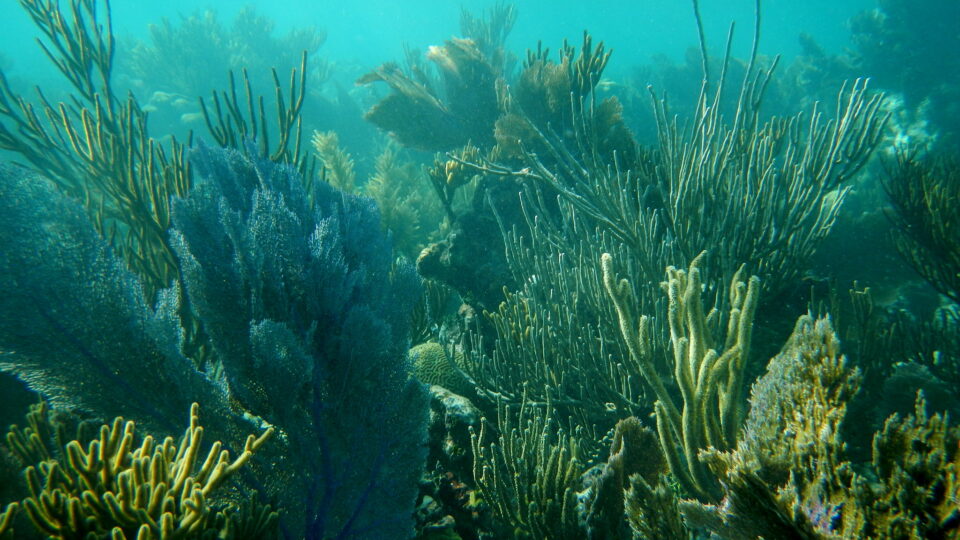
Training Corals To Tolerate Heat | Earth Wise

April 19, 2022 By EarthWise Leave a Comment

Conditioning corals to tolerate heat

When ocean water is too warm, corals expel the algae that lives in their tissues, which causes the coral to turn completely white.  This is called coral bleaching.   When this happens, the coral is not dead.  However, corals are dependent upon the symbiotic relationship with algae and if conditions don’t improve, they don’t let the algae back in and the corals will die.

According to the National Oceanic and Atmospheric Administration, between 2014 and 2017, around 75% of the world’s tropical coral reefs experienced heat stress severe enough to trigger bleaching.  For 30% of the world’s reefs, the heat stress was enough to kill the coral.

According to new research by the University of Miami published in the journal Coral Reefs, corals subjected to a stressful regimen of very warm water in the laboratory came to be more tolerant of high temperatures, offering a potential tool for preserving ailing coral reefs.

In the study, some corals were kept in water at a constant temperature of 82 degrees while others saw water temperatures fluctuating between 82 degrees and 88 degrees.  After 90 days of this treatment, the corals exposed to variable temperatures were able to tolerate high heat for longer periods before bleaching.  This training regime is akin to an athlete preparing for a race.

The findings suggest a possible approach for restoring coral reefs.  Nursery-raised corals that are “trained” to tolerate heat could be planted onto reefs endangered by warming waters.  Reefs populated by corals with boosted stamina to heat stress could have a greater chance of surviving the warming waters of the oceans.

**********

Web Links

Some Corals Can Be Conditioned to Tolerate Heat, Study Finds

Photo, posted December 16, 2015, courtesy of Big Cypress National Preserve via Flickr.

Earth Wise is a production of WAMC Northeast Public Radio.
Getting Rid Of Single-Use Plastics | Earth Wise

April 15, 2022 By EarthWise Leave a Comment

Banning single-use plastics

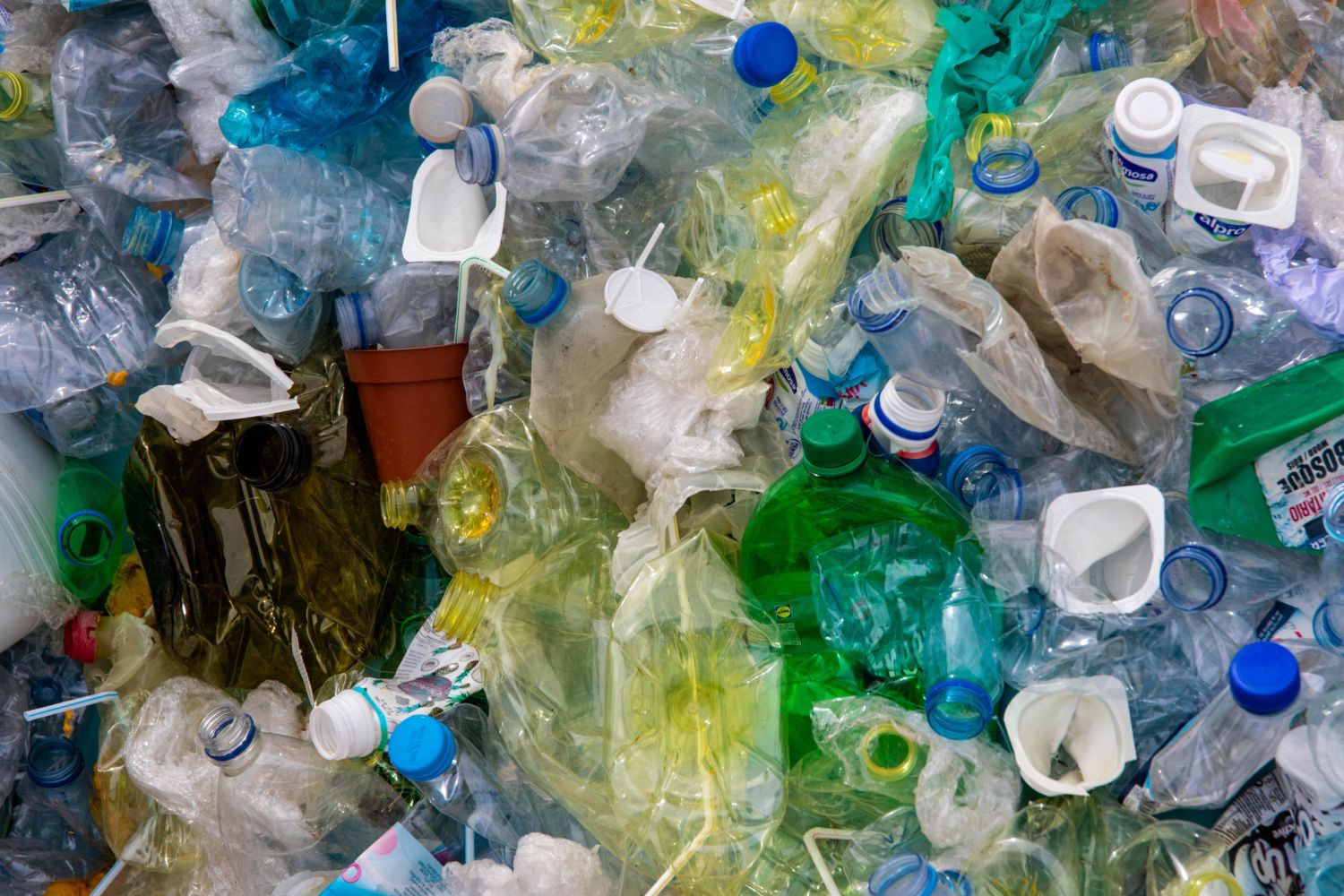
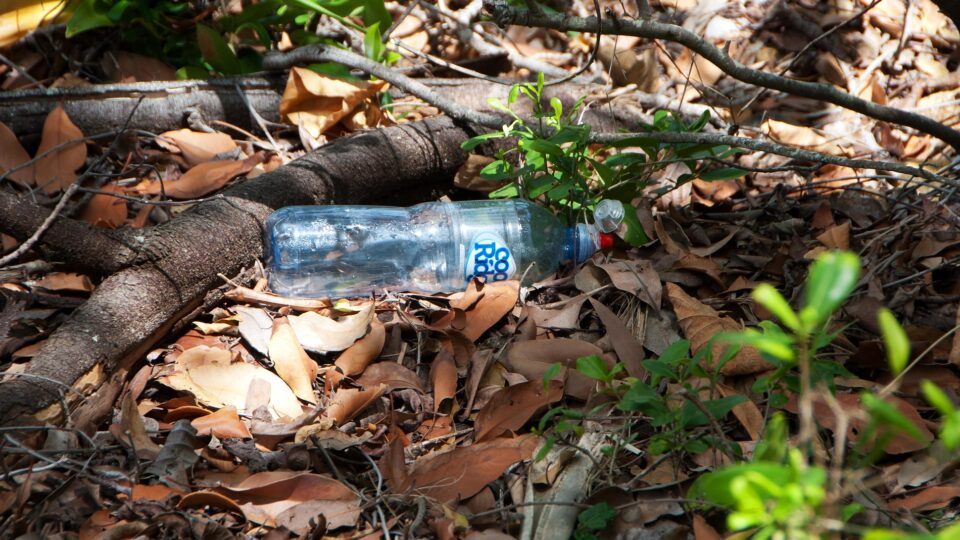
Single-use plastics are used only once before they are recycled – or more likely – simply thrown away.  These are things like plastic bags, straws, coffee stirrers, soda and water bottles, and most food packaging.  They are primarily made from fossil fuel-based chemicals.

Since the 1950s, over 9 billion tons of plastics have been produced, and half of that has been in the past 15 years.  There are uses for plastic that are not only reasonable, but are even important, such as for surgical gloves.  But for the most part, single-use plastic is the poster child of our throwaway culture that is bad for the environment, for wildlife, and even for human health.

Many cities, states, and even countries are moving toward greatly limiting or outright banning single-use plastics.  A recent global survey indicates that the great majority of people around the world are with the program.

According to a 28-country survey from marketing firm Ipsos and the activist group Plastic Free July, three out of four people around the world agree with a ban on single-use plastics.  The poll of more than 20,000 people showed that in Latin America, China, and India, more than 80% agree that a ban should happen as soon as possible.  Unfortunately, Canada, the United States, and Japan were the least supportive countries.  In particular, only 40% of Japanese respondents favored a ban.

Ninety percent of respondents globally support an international treaty to combat plastic pollution and eighty percent said they personally want to buy products with as little plastic packaging as possible.  Unfortunately, people in wealthy countries, which produce the most plastic waste, are less likely to support a ban.  Those countries typically export their waste to the developing world.

**********

Web Links

Three in Four People Worldwide Support a Ban on Single-Use Plastics

Photo, posted April 13, 2006, courtesy of Leonard J Matthews via Flickr.

Earth Wise is a production of WAMC Northeast Public Radio.
Humans And Microplastics | Earth Wise

April 13, 2022 By EarthWise Leave a Comment

Microplastics impact on human health

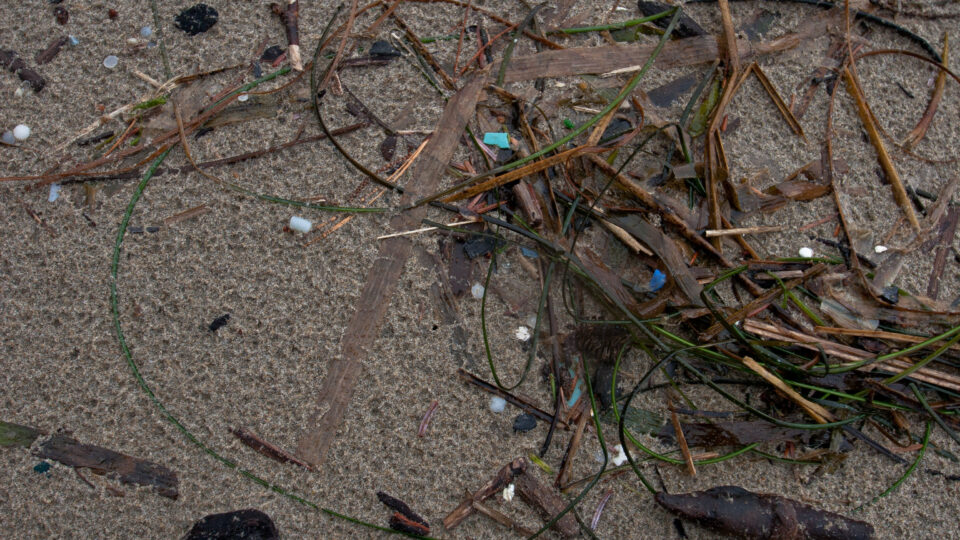
While plastic comes in all different shapes and sizes, those that are less than five millimeters in length are called microplastics.  Primary sources of microplastics include microfibers from clothing, microbeads, and plastic pellets (known as nurdles).  Secondary sources of microplastics come from larger plastic debris, like bottles and bags, that degrades into smaller bits over time. 

Microplastic pollution can be found everywhere on earth, from the top of the tallest mountains to the bottom of the deepest oceans.  Microplastics are in the food we eat, the water we drink, and the air we breathe. 

According to research recently published in the journal Exposure & Health, humans ingest an average of five grams of plastic particles per week. This is roughly equivalent to the weight of a credit card.  The plastic particles are trafficked in via food, such as seafood and salt in particular, as well as water.  In fact, those who rely on plastic bottled water for their drinking needs ingest an additional 1,700 plastic particles each week.   

Microplastics have also been detected in human blood for the first time.  According to new research recently published in the journal Environment International, scientists detected microplastics in nearly 80% of the people they tested. 

Half of the blood samples contained PET plastic, which is commonly used for drinking bottles.  One third of the blood samples contained polystyrene plastic, which is often used for food packaging.  One quarter of the blood samples contained polyethylene plastic, which is used to make things like shopping bags and detergent bottles. 

With plastic production predicted to double by 2040, more research is urgently needed to understand how ingesting microplastics affects human health.

**********

Web Links

Health risk due to micro- and nanoplastics in food

Microplastics found in human blood for first time

Discovery and quantification of plastic particle pollution in human blood

Photo, posted November 3, 2012, courtesy of Laura via Flickr.

Earth Wise is a production of WAMC Northeast Public Radio.
Dangers Of Thawing Permafrost | Earth Wise

April 12, 2022 By EarthWise Leave a Comment

The danger thawing permafrost poses

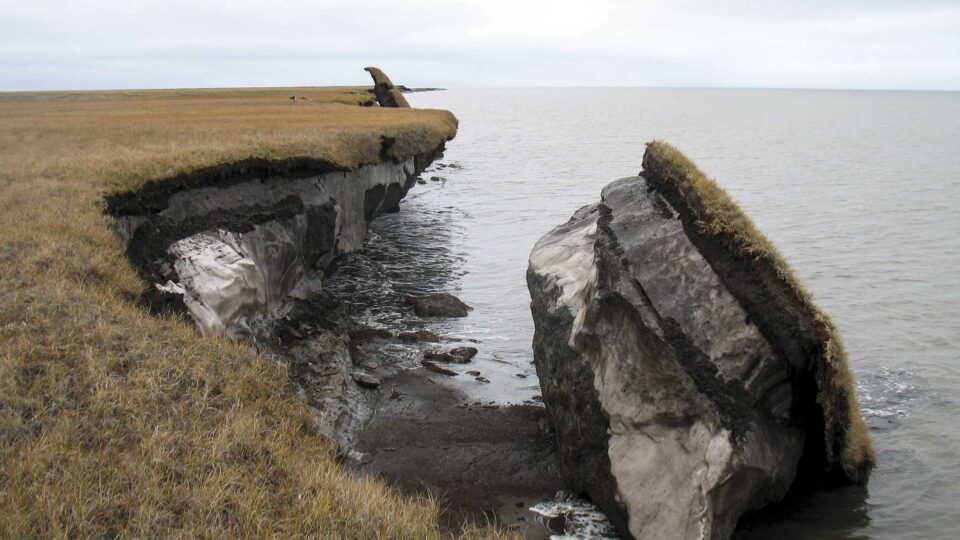
The thawing of the permafrost in the Arctic is a major concern from the standpoint of the potential release of enormous amounts of carbon dioxide trapped in it.  There are nearly 2,000 billion tons of carbon there, which is as much as humanity releases into the atmosphere in 50 years.  But greenhouse gases are not the only danger posed by permafrost thawing.  There are also microbes, unknown viruses, and chemicals that could be very dangerous.

More than 100 diverse microorganisms in Siberia’s deep permafrost have been found to be antibiotic resistant.  The deep permafrost is one of the few environments on Earth that have not been exposed to modern antibiotics.  As the permafrost thaws, its bacteria could mix with meltwater and create new antibiotic-resistant strains.

By-products of fossil fuels – introduced into permafrost environments since the beginning of the industrial revolution – are present.  Metal deposits including arsenic, mercury, and nickel, have been mined for decades and have contaminated large areas.

Now-banned pollutants and chemicals – including DDT – came to the Arctic through the atmosphere and over time have become trapped in the permafrost.

There is now ongoing research further characterizing the microbes frozen in permafrost and providing more precise measurement of emissions hotspots in permafrost regions.  Scientists are increasingly turning to integrated Earth observations from the ground, the air, and space.

There are models that predict the gradual release of emissions from permafrost over the next century.  Other models say it could happen within just a few years.  The worst-case scenario would be utterly catastrophic but none of the scenarios portend anything good.

**********

Web Links

Thawing Permafrost Could Leach Microbes, Chemicals Into Environment

Photo, posted February 9, 2017, courtesy of Benjamin Jones/USGS via Flickr.

Earth Wise is a production of WAMC Northeast Public Radio.

Houseplants And Indoor Air Quality | Earth Wise

April 11, 2022 By EarthWise Leave a Comment

Many of us have houseplants in our homes and offices.  The foliage and flowers add beauty and comfort to our indoor spaces.  But it turns out that there are health advantages as well.

Many studies have demonstrated that indoor houseplants can help keep you happier and healthier by improving your mood, reducing fatigue, lowering stress and anxiety, and improving focus.  Houseplants can also improve indoor air quality.

According to a new study by researchers from the University of Birmingham in the U.K. in partnership with the Royal Horticultural Society, ordinary houseplants can potentially make a significant contribution to reducing indoor air pollution.

The researchers tested three types of houseplants commonly found in homes in the U.K: Peace lily, corn plant, and fern arum.  These plants are easy to maintain and not overly expensive. 

In the study, the research team exposed these houseplants to nitrogen dioxide, which is a common indoor pollutant.  The plants were isolated in a test chamber containing levels of nitrogen dioxide comparable to what might be in an office situated next to a busy road.  The researchers found that all the plants were able to remove about half of the nitrogen dioxide in the chamber in just one hour.    

In a poorly ventilated small office with high levels of air pollution, the researchers calculated that five houseplants would remove up to 20% of the nitrogen dioxide.  In a larger space, the effect would be smaller – around 3.5% – although this figure could be increased by adding more plants.

Bringing nature indoors is one way to breathe cleaner air.

**********

Web Links

Common houseplants can improve air quality indoors

Reducing air pollution with plants

Photo, posted September 21, 2014, courtesy of Olin Gilbert via Flickr.

Earth Wise is a production of WAMC Northeast Public Radio.

Octopuses And Litter | Earth Wise

April 8, 2022 By EarthWise Leave a Comment

Octopuses are using ocean trash

Octopuses are remarkably intelligent animals.  They have a larger brain for their body size than all other animals apart from birds and mammals.  They exhibit high-order cognitive behaviors including tool use and problem solving.  Some captive octopuses learned to shoot jets of water at aquarium light switches to turn them off.  Others have learned to unscrew jar lids to get at food.

A recent analysis of underwater imaging has shown that octopuses are increasingly using discarded bottles, cans, and other human-generated litter as shelter or as a place to lay eggs.

The research documented 24 species of octopus sheltering inside glass bottles, cans, and even an old battery.  Some buried themselves under a mixture of bottle caps and seashells.  Others even carried plastic items around while walking on just two tentacles to disguise themselves from predators.

The octopuses showed a preference for unbroken items and for darker or opaque containers.  Normally, octopuses make use of natural shelters such as seashells.  Whether they are making use of litter simply because there is so much of it around or because there is an increasing lack of natural items is not clear.

As with all other aspects of the growing problem of litter in the oceans, this new trend is not a good one.  Sheltering or laying eggs inside discarded tires, batteries, or plastic items has the potential to expose octopuses to heavy metals and other harmful chemicals.

Octopuses are intelligent and resourceful animals, and they will use whatever they have at their disposal to continue sheltering or moving around with protection from potential predators.

**********

Web Links

Octopuses Have Learned to Make Use of Ocean Litter, Study Finds

Photo, posted May 13, 2014, courtesy of Elias Levy via Flickr.

Earth Wise is a production of WAMC Northeast Public Radio.

Spring is Sooner And Warmer In The United States | Earth Wise

April 7, 2022 By EarthWise Leave a Comment

Spring is arriving earlier

Despite some March snowstorms in the Northeast, the record shows that spring is getting warmer and coming sooner in the United States.

The independent research organization Climate Central analyzed 52 years of spring data across the United States.  Half of the 234 locations studied had an increase in their average spring temperatures of at least 2 degrees.  About 70% of the locations had at least 7 extra days above their normal spring temperatures.  About the only part of the country where spring hasn’t gotten much warmer is in the upper Midwest.

Over that time period, the average spring temperature in Albany, NY has increased by 2.1 degrees.  And compared with 1970, there are now 11 more warm spring days in New York’s Capital Region.

Spring warming has been greatest in the Southwest.  The three cities with the largest temperature increases were Reno, Nevada at 6.8 degrees, Las Vegas, Nevada with 6.2 degrees, and El Paso, Texas with 5.9 degrees.

Spring has been arriving early as a result of the warming conditions, cutting into the cold winter months.  While an early spring sounds like nothing but good news, the shift can cause problems.  An early spring and early last freeze can lengthen the growing season.  With it comes the arrival of mosquitoes and pollen and its associated allergy season.

A greater problem is that spring warming can disrupt the timing of ecosystem events.  For example, migratory birds could show up at the wrong time, impacting their food availability and breeding success.

As the overall climate changes, so does the spring.

**********

Web Links

2022 Spring Package

Photo, posted March 20, 2011, courtesy of Suzie Tremmel via Flickr.

Earth Wise is a production of WAMC Northeast Public Radio.

Cloud Seeding And The Western Drought | Earth Wise

April 6, 2022 By EarthWise Leave a Comment

The massive megadrought affecting the American West is now considered to be the driest two-decade period in the past 1,200 years.  The lengthy drought has led to increased wildfires, reduced agricultural productivity, and reduced electricity generation by hydropower plants.  The historically low water levels in the largest two reservoirs in the U.S. – Lake Mead and Lake Powell – has triggered reductions in water allocations to Arizona, Nevada, and Mexico.

Several western states have expanded cloud seeding programs in an attempt to increase precipitation.  During the past two years, Idaho, Utah, Colorado, Wyoming, and California have all stepped up their cloud seeding efforts.  Outside of the US, the United Arab Emirates and China both have implemented massive cloud seeding programs.

A study by researchers at the University of Colorado and the National Center for Atmospheric Research looked at the ability of cloud seeding to increase snowfall.  The study unambiguously demonstrated that cloud seeding can increase snowfall.  Just how effective it is in terms of how much additional snow seeding produces is less clear.

Given the dire need for water and the fact that cloud seeding is not especially expensive, governments and other users are not hesitating to make use of it.

Unfortunately, the study shed no light on the efficacy of warm weather seeding to produce rain.  There is in fact little evidence that seeding clouds to produce rain accomplishes very much.  Once again, the prevailing view is that it is worth trying.  There do not appear to be environmental downsides to seeding.

The hope is that cloud seeding may at least restore clouds to the state they had been in before industrial pollution and other human activities affected them.

**********

Web Links

Can Cloud Seeding Help Quench the Thirst of the U.S. West?

Photo, posted November 21, 2013, courtesy of Sharon Tate Soberon via Flickr.

Earth Wise is a production of WAMC Northeast Public Radio.

Electric Pickup Trucks | Earth Wise

April 5, 2022 By EarthWise Leave a Comment

There are more and more electric cars on the market as auto manufacturers move toward fleet-wide electrification.  In the United States, pickup trucks are massively popular.  The top three selling vehicles in the country are all trucks, led by the Ford F-Series.  Thus, it is no surprise that automakers are now turning their attention to electric pickup trucks.

Some of the trucks are from established manufacturers like Ford and Chevy and others from new companies like Rivian.  The Ford F-150 Lightning is bound to be a big seller.  There are hundreds of thousands of pre-orders for Tesla’s exotic Cybertruck, now expected to enter the market next year.

A recent study looked at the environmental impact of pickup truck electrification.  The central question is what does the transition to electric trucks mean for the overall decarbonization of the transportation industry?

Researchers from the University of Michigan and the Ford Motor Company conducted a cradle-to-grave assessment of the life cycle of pickup trucks and compared the implications of truck electrification to those of sedans and SUVs.

The study found that replacing an internal combustion-powered vehicle with a battery-powered vehicle results in greater total greenhouse gas emission reductions as the size of the vehicle increases, which is no real surprise considering how much more gas larger vehicles use.

The study also found that manufacturing electric vehicles produces more emissions than gas-powered vehicles, but the impact is offset by savings in their operation.  Breakeven time is little more than a year.

Basically, the results are that replacing gas-powered trucks with electric trucks is even a bigger win for the planet than replacing gas cars with electric cars.  Let’s hope we see plenty of electric trucks on the roads in the near future.

**********

Web Links

Study: Greater greenhouse gas reductions for pickup truck electrification than for other light-duty vehicles

Photo, posted September 22, 2020, courtesy of Steve Jurvetson via Flickr.

Earth Wise is a production of WAMC Northeast Public Radio.
Americans And Lead Exposure | Earth Wise

April 4, 2022 By EarthWise Leave a Comment

The legacy of lead remains a problem

Long-term exposure to lead can cause serious health problems, especially in children.  Children are particularly vulnerable because their early years are characterized by rapid growth and brain development.

Lead is a powerful neurotoxin that can cause damage even at low levels of exposure.  Lead poisoning can be acute, and can cause all sorts of health issues, including stomach pain, brain damage, and even death.  Because lead accumulates in the body over time, lead poisoning can develop slowly. Exposure to lead can also contribute to a lower IQ and behavioral problems that can last a lifetime.

Lead is a naturally occurring element found in small amounts in earth’s crust.  But as a result of human activities, lead can be found in all parts of the environment, including the air, soil, and water.

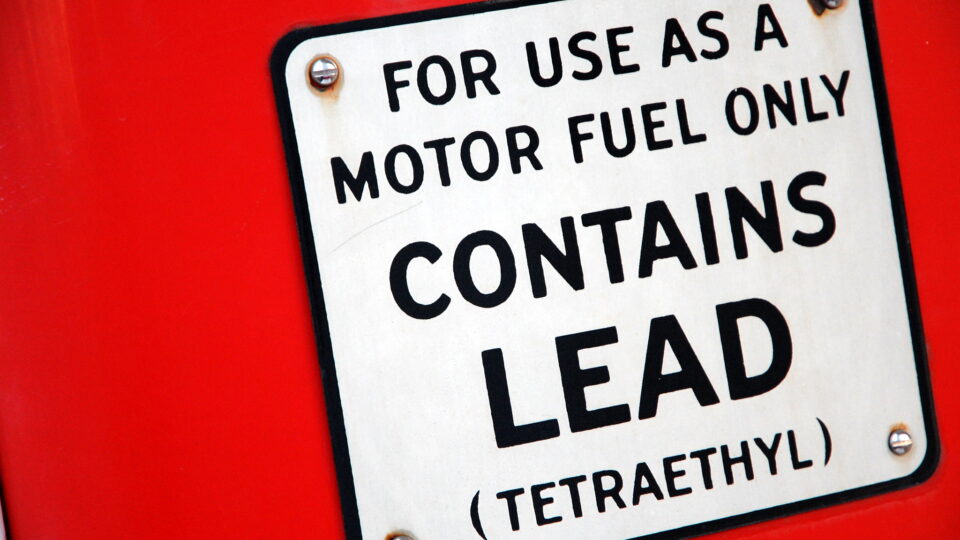
According to a new study recently published in the journal Proceedings of the National Academy of Sciences, approximately half of U.S. adults alive today were exposed to harmful levels of lead as children from the burning of leaded gasoline.  The research team estimates that lead contamination has lowered those Americans’ IQ scores by more than two points on average.

In the study, the researchers used data on childhood blood-lead levels, leaded gasoline use, and population to gauge the lifetime exposure of every American adult in 2015.  They found that more than 170 million Americans had exposure to concerning levels of lead as children.  Those who grew up in the 60s and 70s, when the burning of leaded gasoline was at its peak, had the greatest exposure, losing up to six IQ points on average. 

The legacy of lead exposure remains a persistent problem.

**********

Web Links

Half of Americans Exposed to Harmful Levels of Lead as Children

Lead Exposure Remains A Persistent Problem

Photo, posted February 13, 2010, courtesy of Steve Snodgrass via Flickr.

Earth Wise is a production of WAMC Northeast Public Radio.
A Historic Western Drought | Earth Wise

April 1, 2022 By EarthWise Leave a Comment

A historic drought in the American west

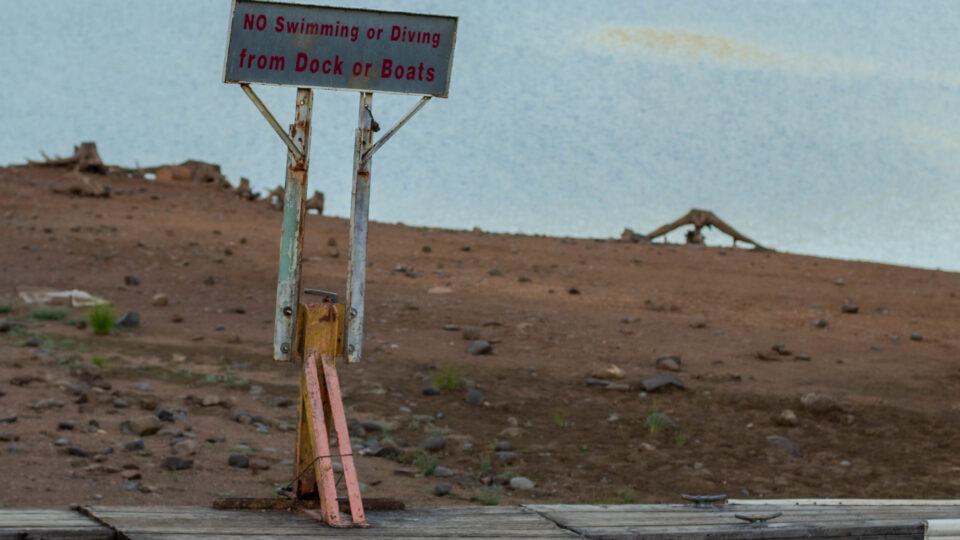
The American Southwest has suffered from drought conditions since the year 2000.  The drought has reduced water supplies, devastated farmers and ranchers, and it has helped to fuel numerous wildfires across the region.  It has generally been considered to be worst in 500 years.

According to a recent analysis, the drought has become so severe that it has actually led to the driest two decades in at least 1,200 years and the changing climate is largely responsible.  The summer of 2021 was especially dry; about 2/3 of the West was in severe drought conditions.

Scientists at UCLA used tree ring data to gauge drought.  Based on that analysis, 2000-2021 is the driest 22-year period since 800 A.D. which is as far back as the data goes.

The study confirmed the role of temperature, more than precipitation, in driving exceptional droughts.  Precipitation levels can go up and down over time and can vary in different regions.  But the ongoing emissions of greenhouse gases into the atmosphere are causing temperatures to generally rise over time.  Warmer temperatures make the air more capable of pulling water out of the soil, out of vegetation, out of crops, and out of forests.  All of that makes drought conditions more severe.

A megadrought is generally considered to be one that is both severe and long.  But even during one, there can be wet years.  2005 was a notable one.  But there must be enough consecutive wet years to actually end a drought.

Several previous megadroughts over the past 1,200 years lasted as long as 30 years.  So, the current drought is in full swing and may go on for a long time to come.

**********

Web Links

How Bad Is the Western Drought? Worst in 12 Centuries, Study Finds.

Photo, posted September 25, 2021, courtesy of David Sierralupe via Flickr.

Earth Wise is a production of WAMC Northeast Public Radio.

  • « Go to Previous Page
  • Page 1
  • Interim pages omitted …
  • Page 40
  • Page 41
  • Page 42
  • Page 43
  • Page 44
  • Interim pages omitted …
  • Page 60
  • Go to Next Page »

Primary Sidebar

Recent Episodes

  • An uninsurable future
  • Clean energy and jobs
  • Insect declines in remote regions
  • Fossil fuel producing nations ignoring climate goals
  • Trouble for clownfishes

WAMC Northeast Public Radio

WAMC/Northeast Public Radio is a regional public radio network serving parts of seven northeastern states (more...)

Copyright © 2026 ·