• Skip to primary navigation
  • Skip to main content
  • Skip to primary sidebar

Earth Wise

A look at our changing environment.

  • Home
  • About Earth Wise
  • Where to Listen
  • All Articles
  • Show Search
Hide Search
You are here: Home / Archives for production

production

Groundwater and climate change

February 22, 2024 By EarthWise Leave a Comment

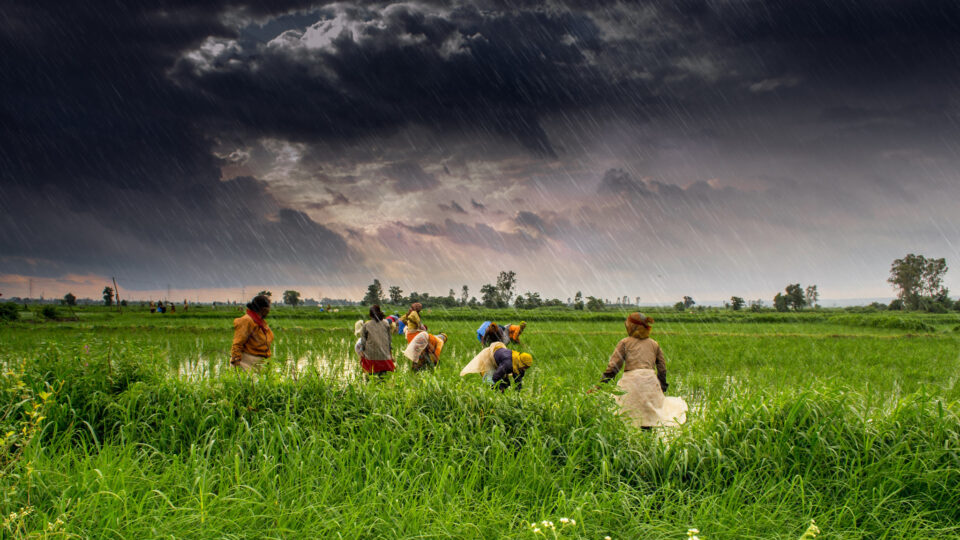
Groundwater is the vast reserve of water beneath Earth’s surface.  It’s an essential resource for humans, plants, animals, and other living organisms.  According to the United States Geological Survey, about 30% of all readily available freshwater in the world is groundwater.  In areas lacking sufficient surface water supply from rivers and reservoirs,  groundwater is critical for meeting the region’s drinking water and food production needs.

But climate change, as well as global population growth, is stressing groundwater resources.  As precipitation becomes less reliable due to climate change, surface water bodies can drop too low to provide the needed water.  As a result, people turn to groundwater. Depletion of groundwater is already a significant problem, and over-pumping will only increase further as climate change makes traditional sources of water less reliable.

According to a new study led by researchers from the University of Michigan, farmers in India have adapted to warming temperatures by intensifying the withdrawal of groundwater used for irrigation.  The study, which was published in the journal Science Advances, found that the rate of groundwater loss could triple by 2080 if this trend continues, further threatening India’s food and water security. 

India is the second-largest global producer of common cereal grains such as rice and wheat, and recently passed China as the world’s most populous nation. Without interventions to conserve groundwater, the research team finds that warming temperatures will likely amplify India’s groundwater depletion problem, further threatening the country’s food and water security.  

********** 

Web Links

Groundwater depletion rates in India could triple in coming decades as climate warms, study shows

Where is Earth’s Water?

Photo, posted August 2, 2013, courtesy of Rajarshi MITRA via Flickr.

Earth Wise is a production of WAMC Northeast Public Radio
Sustainable hydrogen from methane

February 14, 2024 By EarthWise Leave a Comment

Creating sustainable hydrogen from methane

Hydrogen could serve as a viable alternative to fossil fuels that can be used directly as a fuel or can be used to generate electricity to power cars and other devices. However, large-scale production of hydrogen currently relies on fossil fuels and creates carbon emissions in the process.

So-called green hydrogen involves using electricity to split water into its component elements to produce it.  If the electricity is generated without emissions, then the hydrogen is truly green.

Another way to get hydrogen is by breaking down hydrocarbons like methane, which itself is a very powerful greenhouse gas.  This so-called blue hydrogen could be environmentally friendly if an appropriate method for producing it can be developed.

Existing techniques for converting methane into hydrogen involve the use of metal catalysts – often nickel – that are energy-intensive to mine and manufacture, and can negatively affect the environment.  Research at the University of Surrey in the UK has shown promising results for the use of nitrogen-doped nanocarbons as metal-free catalysts for the direct conversion of methane into hydrogen.  One of the biggest problems with using metal catalysts for hydrogen production is that they get poisoned by carbon.  The carbon that comes out of the methane ends up stopping the catalyst from continuing to do its chemical job.  It turns out that the doped nanocarbon approach to hydrogen catalysis appears to be resistant to this problem.

The development of sustainable hydrogen production methods, including efficient and sustainable electrolysis of water as well as catalysis of hydrocarbons like methane, is crucial to realizing the potential of hydrogen fuel as a clean energy source.

**********

Web Links

‘Game-changing’ findings for sustainable hydrogen production

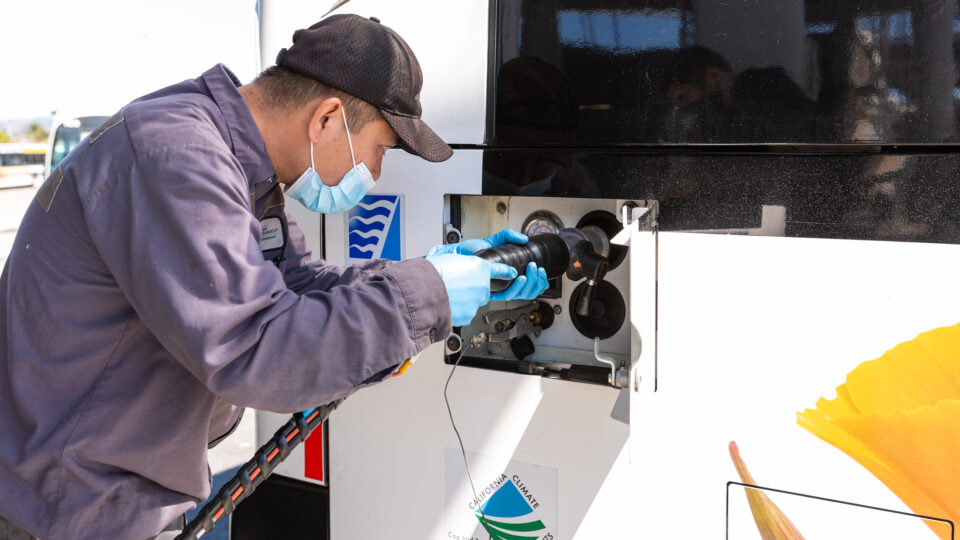
Photo, posted April 30, 2021, courtesy of California Energy Commission via Flickr.

Earth Wise is a production of WAMC Northeast Public Radio

One in five cars will be electric this year

February 12, 2024 By EarthWise Leave a Comment

Electric cars are taking over

There has been lots of turbulence in the electric car industry of late.  Part of it is aggressive publicity campaigns spreading misinformation and part of it is the natural fits and starts associated with major change.  But apart from the ups and downs of individual companies and countries, analysts are projecting another record year for the sales of electric vehicles and are expecting that plug-in cars will account for 20% of all car sales globally.  Much of the growth will be driven by China, where 38% of new car sales will be electric cars.

Global sales of plug-in cars are expected to grow by 21% this year, according to Bloomberg New Energy Finance.  Total projected sales are 16.7 million cars, including 1.9 million in the U.S., 3.4 million in Europe, and 9.7 million in China.  Because of the rapid adoption of electric cars in China, that country is expected to reach peak gasoline demand this year.  In other words, the use of gasoline in China will be diminishing from now on.

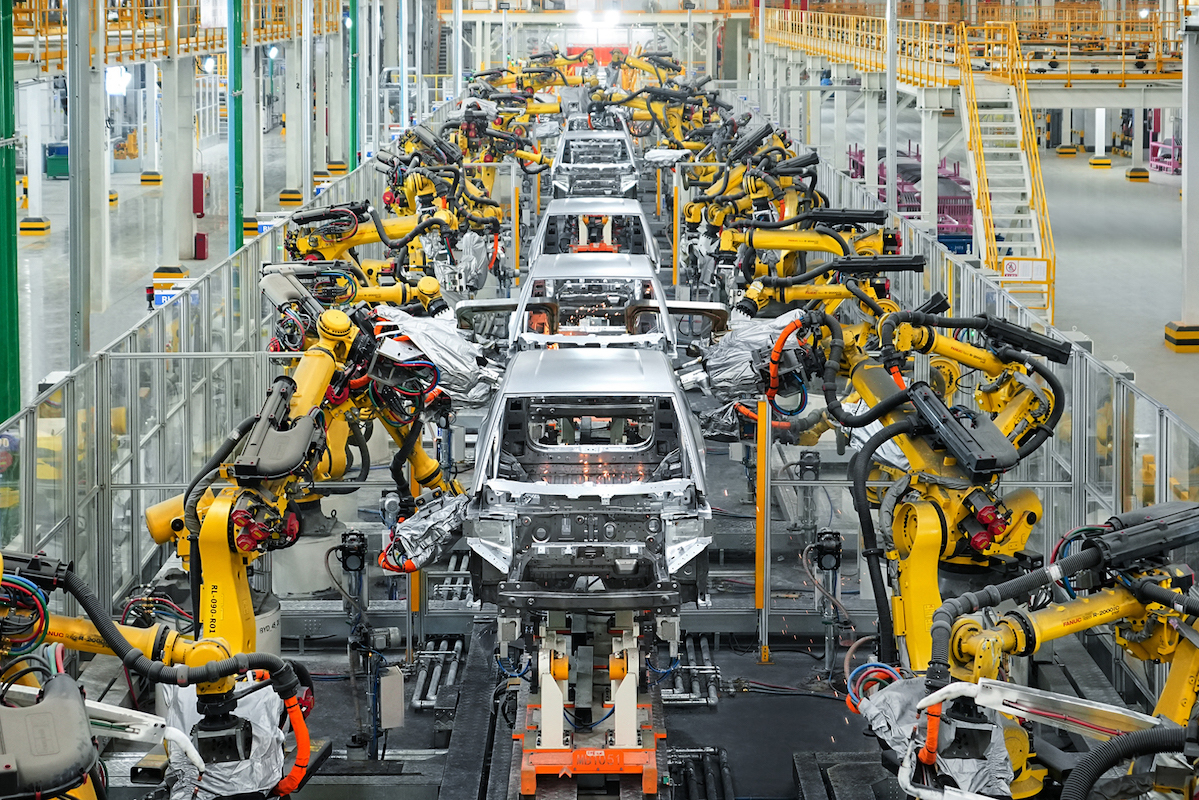
The auto industry is in flux.  The traditional big automakers are currently slowing down EV manufacturing as they work to come up to speed with the technology and market demand.  Meanwhile, EV-only carmakers such as Tesla in the U.S. and BYD in China are ratcheting up production. BYD is focusing on emerging economies with its lower-priced offerings.

In the U.S., EV adoption has been slowed somewhat by high interest rates and the slow rollout of EVs by the Big Three automakers.  But many new vehicles by a growing list of automakers will provide customers with more and more choices of EVs to suit diverse tastes and needs.

**********

Web Links

This Year One in Five Cars Sold Globally Will Be an EV

Photo, posted November 18, 2023, courtesy of RL via Flickr.

Earth Wise is a production of WAMC Northeast Public Radio

A giant underground battery

February 5, 2024 By EarthWise Leave a Comment

Building a giant underground battery

Two up-and-coming energy technologies are coming together near a tiny town in central Utah.  Outside of the town of Delta, population 3,600, two caverns, each as deep as the Empire State Building, are being created from an underground salt formation to be used to store hydrogen gas.  The gas will be used as a fuel in a new electricity generation plant.

The plant will replace an aging local coal-fired power plant.  The new plant will burn a mixture of natural gas and hydrogen – green hydrogen produced without emitting greenhouse gases. To produce the hydrogen, the facility will operate 40 giant electrolyzers that will use excess solar and wind power generated at times of low demand to split water molecules into hydrogen and oxygen.

The caverns were created by a process called solution mining in which high-pressure water is pumped down into salt deposits that are dissolved. The resulting caverns are 200 feet in diameter and 1,200 deep and lie 3,000 to 4,000 feet below the surface.  Hydrogen cannot escape through the thick salt layers.

The amount of energy that can be stored in the form of hydrogen fuel in these caverns is massive – far more than all the battery storage installed in the U.S. to date.  Chevron has a majority stake in one of the projects and will supply the natural gas.  The facility is expected to go online in 2025.

While this will produce far fewer emissions than existing coal plants, it is not carbon-free.  Currently, turbine technology cannot operate with pure hydrogen fuel.  The Delta plant will run on only 30% hydrogen.  The hope is that turbine technology will improve in the future and permit operation on pure hydrogen.

**********

Web Links

A Huge Underground Battery Is Coming to a Tiny Utah Town

Photo, posted September 9, 2013, courtesy of Scott via Flickr.

Earth Wise is a production of WAMC Northeast Public Radio

How to reduce pollution from food production

January 17, 2024 By EarthWise Leave a Comment

Present in animal manure and synthetic fertilizers, nitrogen is an essential nutrient for plant growth and is a critical input to enhance agricultural productivity on farms around the world.  But excessive and inefficient use of this nutrient is widespread.  In fact, up to 80% of it leaks into the environment, mostly in various polluting forms of nitrogen: ammonia and nitrogen oxides (which are harmful air pollutants), nitrous oxide (a potent greenhouse gas), and nitrate (which affects water quality).

A new report prepared for the United Nations has put forth some solutions to greatly reduce nitrogen pollution from agriculture in Europe.  A group of researchers coordinated by the U.K. Centre for Ecology & Hydrology, the European Commission, the Copenhagen Business School, and the National Institute for Public Health and the Environment of The Netherlands produced the report.

In it, the research team puts forth its recipe to reduce nitrogen pollution in Europe.  The report’s ingredients include:

  • Reducing by 50% the average European meat and dairy consumption
  • More efficient fertilizer application and manure storage
  • Reducing food production demand by reducing food waste by retailers and consumers
  • Better wastewater treatment to capture nitrogen from sewage
  • Adopting policies addressing food production and consumption to transition them towards more sustainable systems

Taking action to reduce nitrogen pollution will require a holistic approach involving farmers, policymakers, retailers, water companies, and individuals. 

Do Europeans have an appetite for change?

**********

Web Links

Scientists provide recipe to halve pollution from food production

Photo, posted March 10, 2022, courtesy of USDA NRCS Montana via Flickr.

Earth Wise is a production of WAMC Northeast Public Radio

Brownfields and solar power

December 19, 2023 By EarthWise Leave a Comment

Repurposing brownfields for solar power generation

Brownfields are blighted lands that have suffered environmental contamination, making it very difficult to redevelop them or make good use of them.  Generally, they are previously used lands that have the presence or at least the potential presence of hazardous substances, pollutants, or other contaminants at levels exceeding health-based or environmental standards.  There are nearly half a million brownfields in the U.S. that are ripe for repurposing.

One very attractive use for brownfields is to convert them to “brightfields,” which is the colloquial term for brownfields redeveloped into solar projects.  Estimates are that nearly 200,000 U.S. brownfield sites are eligible for brightfield conversion, which could provide hundreds of gigawatts of energy production.  Over 10,000 of these sites are inactive landfills, which alone could power 8 million homes.  Many of these sites have sat unused for decades.

A recent success story took place in Old Bridge Township, New Jersey where an abandoned waste site – designated a Superfund site by the EPA for decades – has now become a solar project that will generate more than $1.2 million a year for the township and will provide reduced-cost electricity for 400 homes, half of which are low- and moderate-income residents.

The site was on the EPA list of Superfund National Priorities , meaning it was considered one of the most serious abandoned hazardous waste sites.  Such sites required continuous monitoring, modifications, and cleanup. 

Projects like the Old Bridge solar project are likely to become increasingly common in the future, as legacy liabilities can be turned into valuable assets.

**********

Web Links

How solar installations give new life to blighted brownfields

Photo, posted November 11, 2015, courtesy of Martin Malec via Flickr.

Earth Wise is a production of WAMC Northeast Public Radio
Are we really serious about eliminating fossil fuels?

December 15, 2023 By EarthWise Leave a Comment

Almost all the countries around the world have pledged to take action to reduce planet-warming emissions by expanding the use of renewable energy sources and phasing out fossil fuels.  But very few countries seem to be taking the fossil fuel phase-out seriously.

Almost all the top 20 fossil-fuel producing countries plan to produce more oil, gas, and coal in 2030 than they do today.  Countries are doubling down on fossil fuel production, which will make it virtually impossible to limit global warming to 2 degrees Celsius.

Despite having an administration that takes climate issues very seriously, the United States is now the world’s biggest crude oil producer and is ramping up exports of natural gas.  Brazil, under its environmental champion President da Silva, plans to increase oil production by 63% and more than double its gas output over the next decade.  India, which has promised to expand renewable energy production, will more than double its production of coal by 2030.  Canada, which has a net-zero commitment enacted as law, will boost its oil output by 25% in the next 12 years.  Meanwhile, countries like Saudi Arabia and Russia aren’t even pretending to make the transition away from fossil fuels.

Governments and citizens around the world may be serious about the climate crisis and are taking various actions.  But the world cannot address climate change without tackling its root cause.  The overwhelming force of greed and the power wielded by the fossil fuel industry has created a dynamic that is making real progress nearly impossible as fossil fuels continue to power the world.

**********

Web Links

Coming Soon: More Oil, Gas and Coal

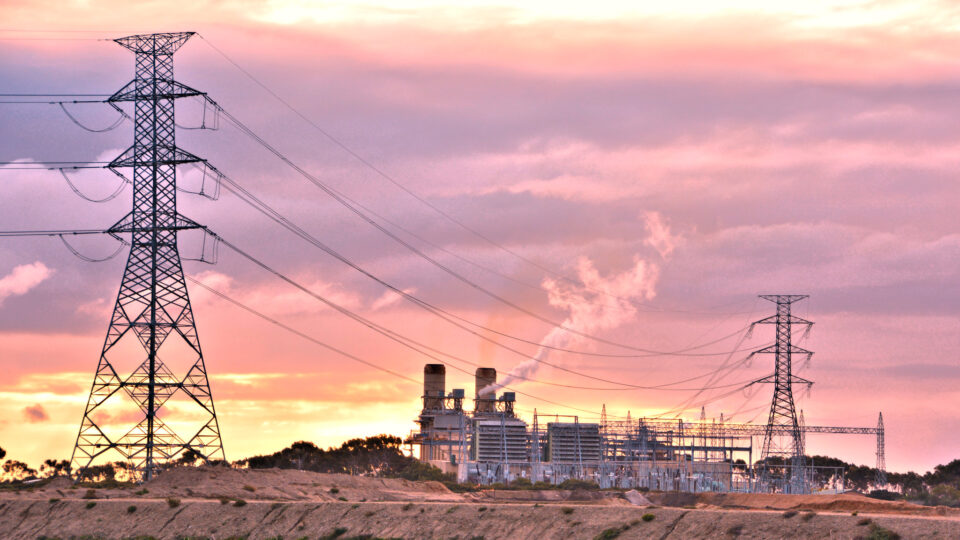
Photo, posted June 22, 2020, courtesy of John Morton via Flickr.

Earth Wise is a production of WAMC Northeast Public Radio

Farming the frozen north

November 28, 2023 By EarthWise Leave a Comment

Climate change may open new regions to agriculture

Agriculture is the primary cause of land-based biodiversity loss.  As the global population grows, agricultural production needs to keep pace.  Estimates are that production needs to double by 2050.  How this can be accomplished without doing further harm to the environment and biodiversity is extremely challenging.

Climate change adds further complications to the challenge.  As the climate warms in the middle latitudes, agricultural zones may need to shift northward to regions which have evolved to have more suitable climates.  This represents a very real threat to the wilderness areas of Canada, Russia, and Scandinavia.  These places represent a significant fraction of the world’s wilderness areas outside of Antarctica.

According to researchers at the University of Exeter in the UK, if the forces driving climate change are not diminished, over the next 40 years warming temperatures are expected to make more than 1 million square miles newly suitable for growing crops.  As cropland goes barren in areas that have warmed too much, northern wilderness could be turned over to farming.  The vital integrity of these valuable areas could be irreversibly lost.

The study, published in the journal Current Biology, also says that climate change will shrink the variety of crops that can be grown on 72% of the land that is currently farmed worldwide.  Given this situation along with the rising global population, it is essential that land be used more efficiently.  We can feed a larger population from the farmland we already have, but people need to reduce meat consumption, cut food waste, and grow crops suited to their local climate.

**********

Web Links

Warming Could Make Northern Wilderness Ripe for Farming, Study Finds

Photo, posted September 7, 2016, courtesy of Scott via Flickr.

Earth Wise is a production of WAMC Northeast Public Radio
Fossil-free fertilizer

November 9, 2023 By EarthWise Leave a Comment

A fossil fuel-free ammonia plant in Kenya

Ammonia is a major industrial commodity.  About 70% of it is used to make fertilizer, with the rest for a wide range of industrial applications.  Ammonia is the starting point for all mineral nitrogen fertilizers. 

Typically, ammonia is a byproduct of isolating hydrogen from natural gas, which releases large amounts of carbon dioxide.  On a global scale, the climate impact of ammonia production is comparable to that of air travel.  The world needs more ammonia but really cannot afford the emissions that come with its production.

There are also political implications of ammonia production.  Because it relies so heavily on natural gas, ammonia supply is vulnerable to disruptions from events like the Russian invasion of Ukraine.  Sanctions imposed after the invasion have hindered fertilizer exports, driving up costs, especially in places like Africa.

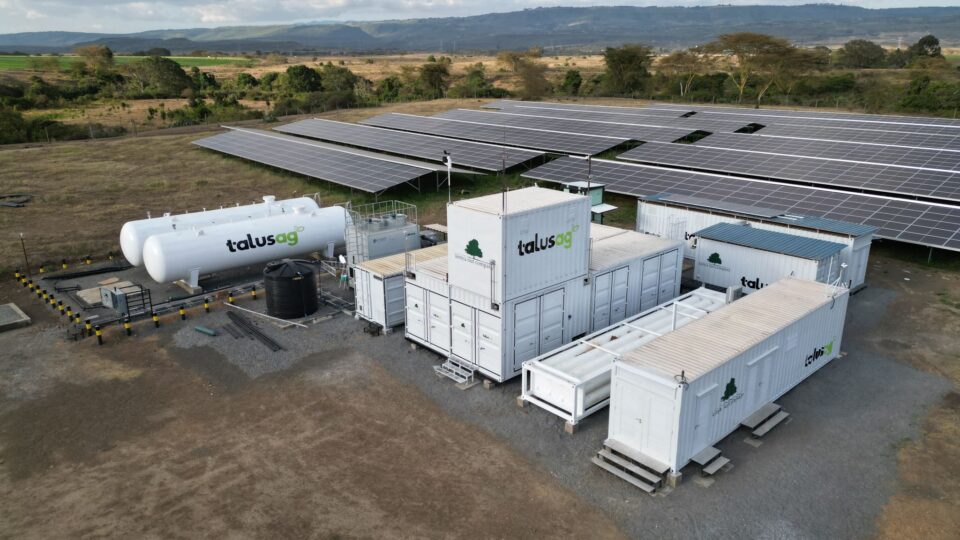
A small fertilizer plant near Nairobi, Kenya will be the first farm in the world to produce its own nitrogen fertilizer on site that is free of fossil fuels.  The plant is being built by an American startup company Talus Renewables and will use solar power to strip hydrogen from water.  The hydrogen will then bond with nitrogen from the air to form liquid ammonia.  The plant will produce one ton of ammonia each day.

The typical bag of fertilizer in sub-Saharan Africa travels 6,000 miles to get there, which of course only adds to the environmental burden of using it as well as its cost.  By building a small green ammonia plant like the one coming online in Kenya, it is possible to locally produce a critical raw material in a carbon-free manner.

**********

Web Links

Farm in Kenya First to Produce Fossil-Free Fertilizer On Site

Photo courtesy of Talus Renewables via LinkedIn.

Earth Wise is a production of WAMC Northeast Public Radio
Hydrogen hubs

November 2, 2023 By EarthWise Leave a Comment

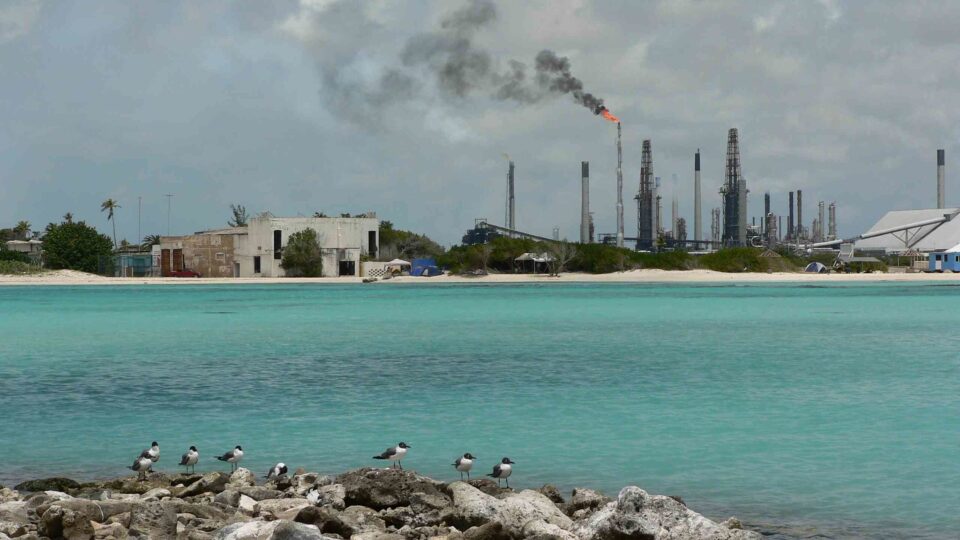
The Infrastructure Investment and Jobs Act of 2021 earmarked $7 billion in federal funding aimed at accelerating the commercial-scale deployment of hydrogen as well as driving down its cost.  Clean hydrogen is considered to be a key technology for cleaning up hard-to-decarbonize industrial sectors like refining, chemicals, and heavy-duty transport. 

On October 13th, the Department of Energy named seven regional clean hydrogen hubs which will provide clean hydrogen production, storage, delivery, and end-use components.  The so-called H2Hubs are expected to collectively produce three million metric tons of hydrogen annually. 

One selected project is the Appalachian Hydrogen Hub that includes West Virginia, Ohio, Kentucky, and Pennsylvania.  Another is the California Hydrogen Hub, that will produce hydrogen exclusively from renewable energy and biomass.  Then there is the Gulf Coast Hydrogen Hub, centered in the Houston, Texas region.  A fourth hub is the Heartland Hydrogen Hub, which includes Minnesota, North Dakota, and South Dakota.  A fifth hub is the Mid-Atlantic Hydrogen Hub, that includes Pennsylvania, Delaware, and New Jersey.  The sixth is the Midwest Hydrogen Hub that includes Illinois, Indiana, and Michigan.  Finally, there is the Pacific Northwest Hydrogen Hub that includes Washington, Oregon, and Montana.

Each of these hubs involve multiple partner organizations in their regions and each has specific goals and strategies. The seven centers are located all around the country and are intended to jumpstart a national network of clean hydrogen producers, consumers, and connective infrastructure.

**********

Web Links

Hydrogen hubs have arrived. Here are the big winners of the $7 billion sweepstakes

Photo, posted August 17, 2010, courtesy of David Stanley via Flickr.

Earth Wise is a production of WAMC Northeast Public Radio

Plastics In The Air | Earth Wise

October 25, 2023 By EarthWise Leave a Comment

Plastic pollution is a growing problem

Plastic pollution is a big deal.  There are plastics clogging up landfills and waterways and accumulating in the oceans, choking turtles and seabirds.  Annual production of plastics has grown from 2 million tons a year in 1950 to more than 450 million tons today.

As if plastic problems weren’t already big enough, it is becoming increasingly clear that there are growing amounts of microplastic particles in the air. Bits of plastic are lofted into the sky from seafoam bubbles and from spinning tires on highways.  The particles are so light that they can travel for thousands of miles, far from where they originate.

Studies in recent years documented the presence of plastic particles even in places like the Pyrenees in Europe and in federally protected areas of the US.  Other studies have measured the quantity of plastic in the air of various locations and have looked at the origins of the particles.

In the western US, over 80% of microplastics came from roads where vehicles kick up particles from tires and brakes.   In remote areas of the Pacific, there is less than a single particle of plastic per cubic meter of air.  In cities like London and Beijing, on the other hand, there can be several thousand particles per cubic meter.

Microplastics can act as airborne aerosols, like dust, salt, soot, volcanic ash, and other particles.  Aerosols play an important role in the formation of clouds and in temperature regulation on the earth.  At low concentrations, such as exist in most places, microplastic aerosols don’t have much of an effect.  But there are more in the atmosphere all the time and, at this point, scientists don’t really know what effect they will have.

**********

Web Links

Microplastics Are Filling the Skies. Will They Affect the Climate?

Photo, posted August 28, 2014, courtesy of Alan Levine via Flickr.

Earth Wise is a production of WAMC Northeast Public Radio
Electric Steel Furnaces | Earth Wise

August 29, 2023 By EarthWise 1 Comment

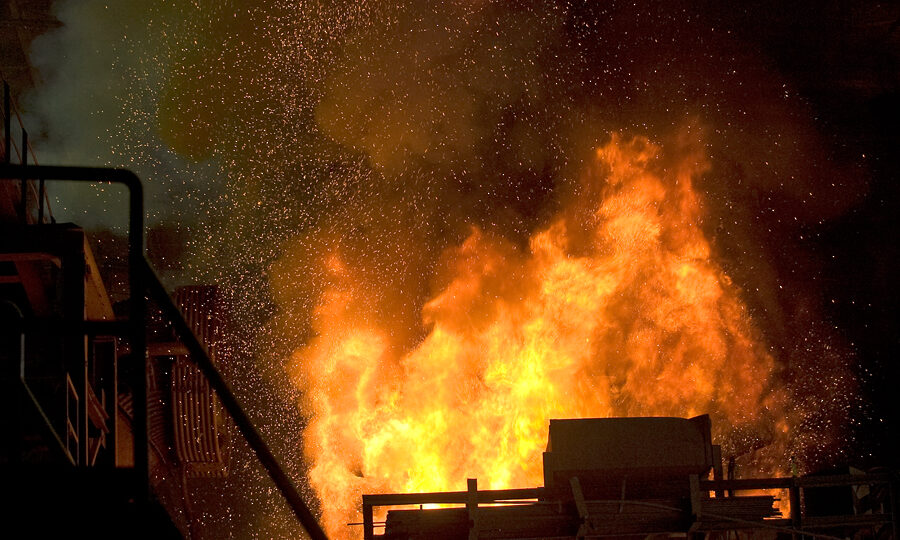
Steel was first made thousands of years ago.  The discovery that heating up iron ore in a hot enough charcoal fire could purify the iron into a strong and valuable material was the start of the Iron Age.  In many ways, things have changed very little since then.

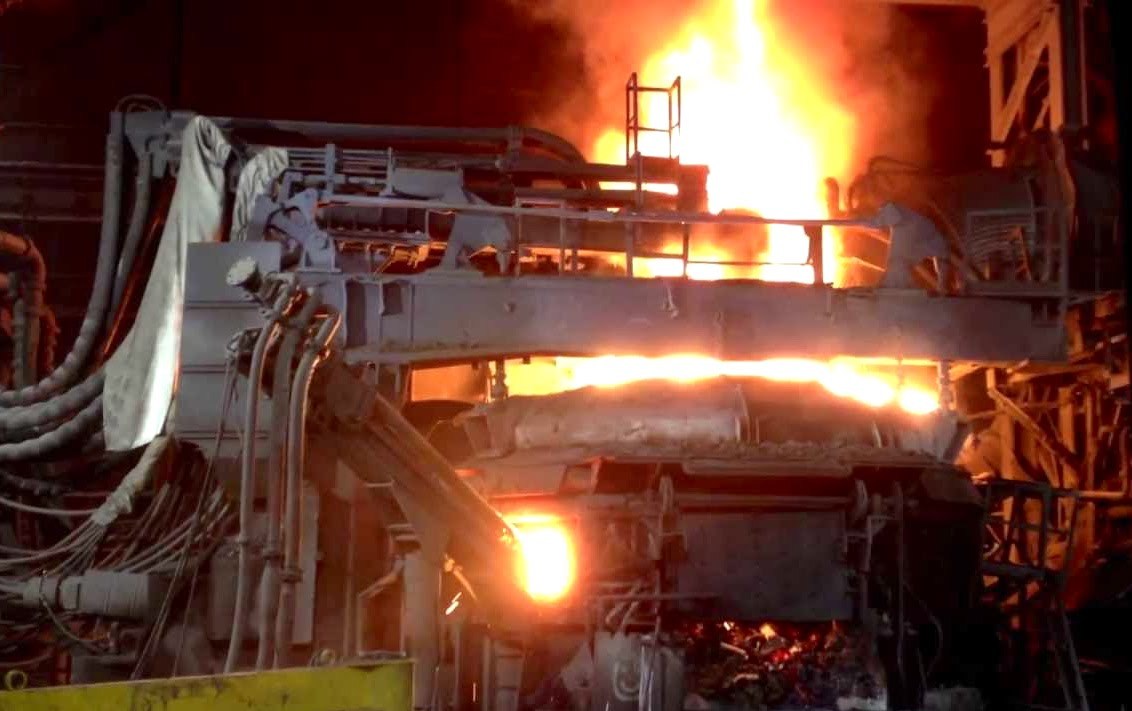
Global iron and steel production accounts for 7% of society’s carbon emissions. Making steel generally involves burning coal in a blast furnace to produce the very high temperatures required to turn iron into steel.  The coal is used both as a feedstock and as a fuel.  Steel is made from iron and a substance called coke, which is basically coal that has been carbonized at high temperatures.  Coal itself is burned to provide the high temperatures needed.

A new analysis from the Global Energy Monitor think tank shows that the global steel industry is slowly embracing electric-arc furnaces to produce the necessary heat, which is a cleaner alternative.  The analysis found that 43% of forthcoming steelmaking capacity will rely on electric-arc furnaces, up from 33% last year.

According to the study, the shift to cleaner steel is not happening fast enough.  To meet the emissions reductions goals of the Paris Climate Agreement, electric-arc furnaces must account for 53% of global steelmaking capacity by 2050.  Based on the current plans, those furnaces would only account for 32% of total capacity by that year.

In order to meet these goals, the steel industry will need to retire or cancel about 381 million tons of coal-based manufacturing capacity and add 670 million tons of electric-arc furnace capacity. 

**********

Web Links

Steel Industry Pivoting to Electric Furnaces, Analysis Shows

Photo, posted March 3, 2012, courtesy of Jeronimo Nisa via Flickr.

Earth Wise is a production of WAMC Northeast Public Radio
Cleaner And Greener Steel | Earth Wise

August 14, 2023 By EarthWise Leave a Comment

Researchers are developing a cleaner and greener steel

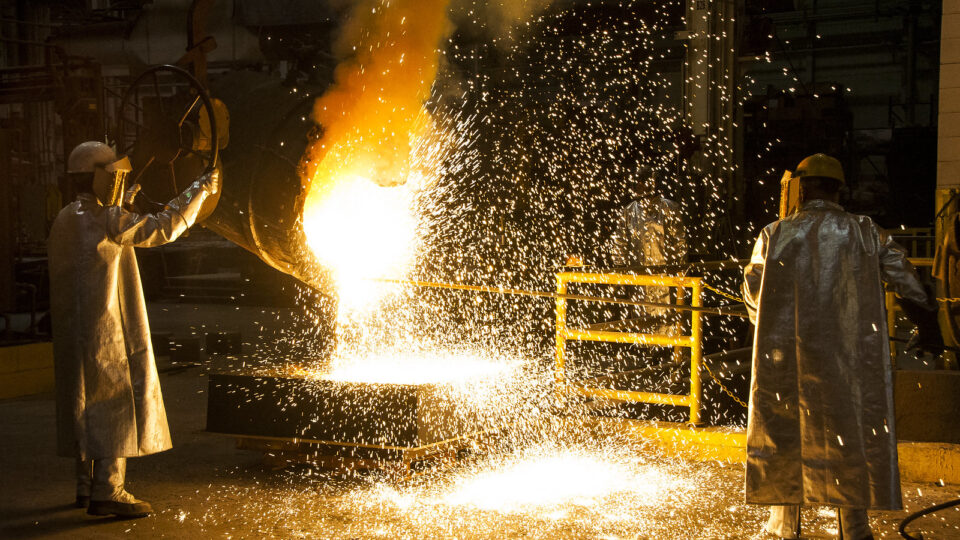
Producing construction materials like concrete and steel is a major contributor to greenhouse gas emissions.  Between 7 and 8% of emissions are due to steelmaking alone, which has been done pretty much the same way for more than a century.

Iron ore is smelted with high-carbon fuel and is turned into so-called pig iron in a blast furnace, which creates the key raw material for the steel industry.  The process uses huge amounts of energy (still often generated by burning fossil fuels) and releases carbon dioxide as a byproduct. 

The Department of Energy is sponsoring 40 projects at universities, national laboratories and companies in 21 states aimed at reducing industrial carbon pollution.  Ten of those projects are focused on decarbonizing iron and steel. These initiatives are part of the overall effort to move the nation towards a net-zero emissions economy by 2050.

A team headed by Case Western Reserve University that includes Lawrence Livermore National Laboratory, the University of Arizona, and steel company Cleveland-Cliffs Inc. has developed a promising new zero-carbon, electrochemical process for producing steel.

The process is a novel molten salt electrolysis method that is low-cost, capable of achieving high rates, and uses environmentally benign chemicals.  The process does not use carbon at all.  Using molten salts, electrochemistry can be performed at moderately high temperatures rather than the temperatures of nearly 3000 degrees Fahrenheit used for conventional steelmaking.  The goal is to enable steel production that is both economically viable at an industrial scale and that is environmentally sustainable.

**********

Web Links

Case Western Reserve leading research to develop zero-carbon, electrochemical process to produce iron metal as part of U.S. Department of Energy effort

Photo, posted January 11, 2017, courtesy of Kevin Casey Fleming via Flickr.

Earth Wise is a production of WAMC Northeast Public Radio
Global Aquaculture And Environmental Change | Earth Wise

August 9, 2023 By EarthWise Leave a Comment

Climate change threatens viability of aquaculture

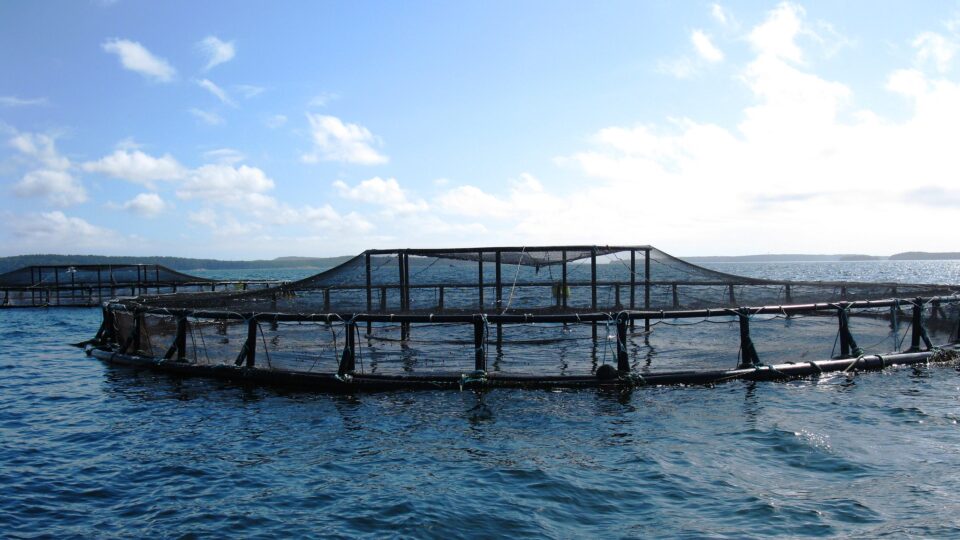
Blue foods are fish, invertebrates, algae, and aquatic plants that are captured or cultured in freshwater and marine ecosystems.  They include approximately 2,200 species of fish, shellfish, plants and algae as well as more than 500 species farmed in freshwater.  Blue foods play a central role in food and nutrition security for billions of people, and are a cornerstone of the livelihoods, economies, and cultures of many communities around the world.

But many of the world’s largest aquatic food producers are highly vulnerable to human-induced environmental change.  According to a new paper recently published in the journal Nature Sustainability, more than 90% of global blue food production is at risk from environmental changes, with top producers like the United States, Norway, and China facing the biggest threat.  Alarmingly, the research also found that some of the highest-risk countries in Asia, Latin America and Africa demonstrate the lowest capacity for adaptation. 

The paper is the first-ever global analysis of environmental stressors impacting the production quantity and safety of blue foods. A total of 17 anthropogenic stressors were surveyed, including rising seas and temperatures, ocean acidification, changes in rainfall, algal blooms, pollution, and pesticides. 

The research is one of seven scientific papers published by the Blue Food Assessment as part of a global effort to inform future aquatic food sustainability. 

The report calls for more transboundary collaboration and for a diversification of blue food production in high-risk countries to cope with the impact of environmental change. 

**********

Web Links

Vulnerability of blue foods to human-induced environmental change

New research finds that more than 90% of global aquaculture faces substantial risk from environmental change

Photo, posted December 30, 2014, courtesy of NOAA’s National Ocean Service via Flickr.

Earth Wise is a production of WAMC Northeast Public Radio

Liquid Fuel From Sunshine | Earth Wise

July 6, 2023 By EarthWise Leave a Comment

Producing liquid fuel from sunshine

A key goal of artificial photosynthesis research is to be able to produce a useful liquid fuel using only carbon dioxide, water, and sunlight in a single step.  Such a so-called solar fuel would produce net zero carbon emissions and would be completely renewable.

Bioethanol has long been touted as a green alternative to fossil fuels, since it is made from plants rather than petroleum.  But producing it takes up agricultural land that could be used to grow food instead and there are emissions associated with many aspects of the process by which plant mass becomes fuel.

Researchers from the University of Cambridge in the UK have developed a so-called artificial leaf that produces ethanol or propanol – usable liquid fuels – in a single step.  They developed a copper and palladium-based catalyst that allows the artificial leaf to directly produce multicarbon complex chemicals.  Earlier versions of artificial leaves could make simple chemicals, such as syngas, which would then require additional processing to turn into high-density fuels.

The new device produces liquid fuel from carbon dioxide and water simply by shining sunlight on it.

At present, the artificial leaf is a proof-of-concept device that exhibits only modest efficiency.  The researchers are working to optimize the device’s light absorbers so that they can better make use of sunlight and to optimize the catalyst so that it can convert more of the sunlight into fuel.  In addition, the device needs to be scaled up so that it can produce large volumes of fuel.

All that being said, it is an important step towards people being able to do what plants have been doing for millions of years.

**********

Web Links

Driving on sunshine: clean, usable liquid fuels made from solar power

Photo, posted March 23, 2015, courtesy of Astro via Flickr.

Earth Wise is a production of WAMC Northeast Public Radio
Offshore Wind In Maine | Earth Wise

June 15, 2023 By EarthWise Leave a Comment

Offshore wind is coming to Maine

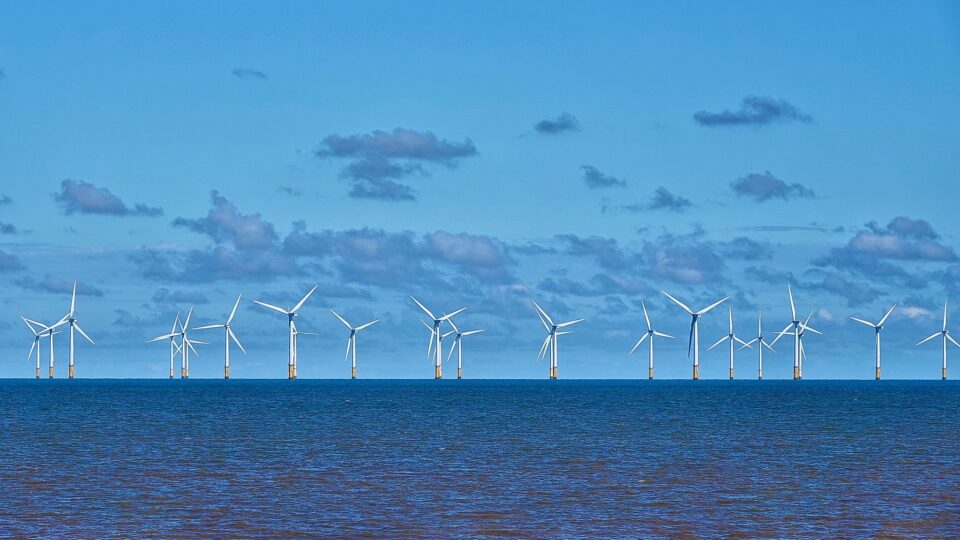
There are currently only two small offshore wind farms operating in the United States, but there are now several more under construction or in the permitting process.  Substantial wind farms are expected to come online over the next five years off the coasts of Virginia, New Jersey, Massachusetts. North Carolina, Delaware, Rhode Island, and New York.   There has been a recent auction for offshore wind sites off the California coast as well.

In April, the Bureau of Ocean Energy Management issued its Gulf of Maine Call for Information and Nominations, inviting public comment and assessing the interest in areas offshore of Maine, New Hampshire, and Massachusetts.  This is the first official step in the lengthy process that leads to offshore wind development in new areas.  Last year, the Department of the Interior defined an area of about 13.7 million acres in the Gulf of Maine that could end up providing energy leases for windfarm development.

The Biden administration has set a goal of deploying 30 gigawatts of offshore wind electricity generation by 2030, which is enough to power more than 10 million homes. It would also create thousands of jobs across manufacturing, shipbuilding, port operations, construction, and other industrial sectors.  Existing offshore wind projects have been structured to develop American-based supply chains for the offshore wind industry.

The European Union currently has over 15 gigawatts of installed offshore wind, has a target of 60 gigawatts by 2030, and 300 gigawatts by 2050.  The EU has five substantial sea basins which have tremendous potential for wind energy generation.  As a result, offshore wind is the centerpiece of the ambitious European Green Deal.

**********

Web Links

U.S. moves to develop offshore wind in the Gulf of Maine

Photo, posted August 31, 2022, courtesy of Nina Ali via Flickr.

Earth Wise is a production of WAMC Northeast Public Radio
Reducing Cattle-Driven Deforestation | Earth Wise

June 14, 2023 By EarthWise Leave a Comment

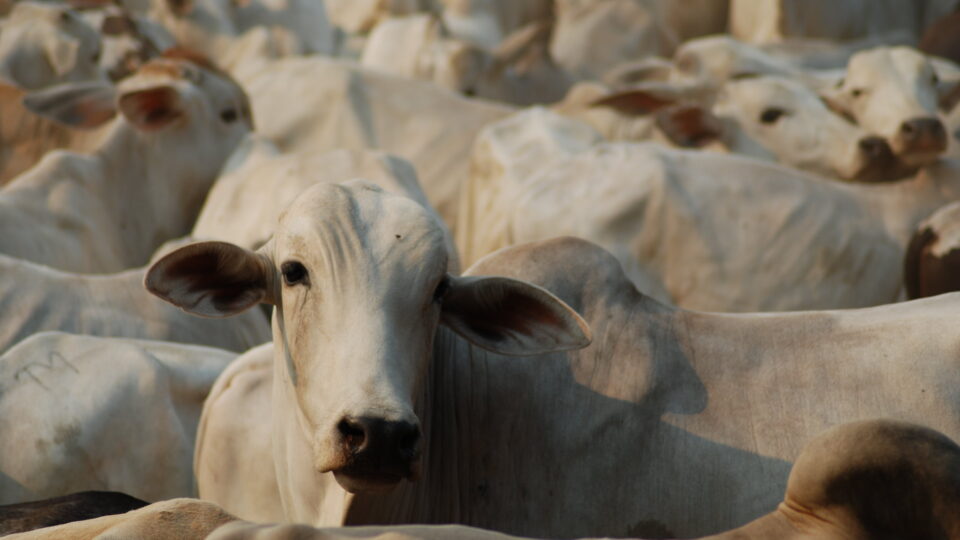
The Amazon rainforest is the biggest rainforest in the world, larger than the next two biggest combined.  It covers more than three million square miles, roughly the size of the lower 48 states.  The Amazon functions as a critical sink for carbon in the atmosphere.

However, human activity has removed more than 10% of the vegetation from the Amazon rainforest since the 1960s.  Cattle ranching accounts for roughly 70% of Amazon deforestation – much of which is illegal.   

According to a study recently published in the journal Global Environmental Change, companies’ ‘zero-deforestation’ commitments could reduce cattle-driven deforestation in the Brazilian Amazon by 50%.   Better adoption and implementation of company supply chain policies for Brazilian beef and leather could significantly reduce carbon emissions. 

Between 2010 and 2018, some of the world’s largest slaughterhouses reduced cattle-driven deforestation by 15% through their commitment to zero-deforestation policies.  If these policies were fully implemented and adopted across all cattle companies operating in the Amazon, more than 9,200 square miles of forest could have been spared over the same time period, effectively halving the cattle-driven deforestation in Brazil.  

Zero-deforestation commitments currently cover 82% of beef exported from the Brazilian Amazon for trade internationally.  However, a large amount of beef production destined for Brazil’s domestic markets is not covered.

The researchers say a mix of interventions by both the private and public sector is needed to improve cattle-rearing practices and help reduce deforestation in countries like Brazil.

**********

Web Links

Companies’ zero-deforestation commitments have potential to halve cattle-driven deforestation in Brazilian Amazon

Photo, posted January 17, 2011, courtesy of Kelly Sato via Flickr.

Earth Wise is a production of WAMC Northeast Public Radio
Carbon-Negative Concrete | Earth Wise

June 6, 2023 By EarthWise Leave a Comment

Researchers exploring a carbon-negative concrete

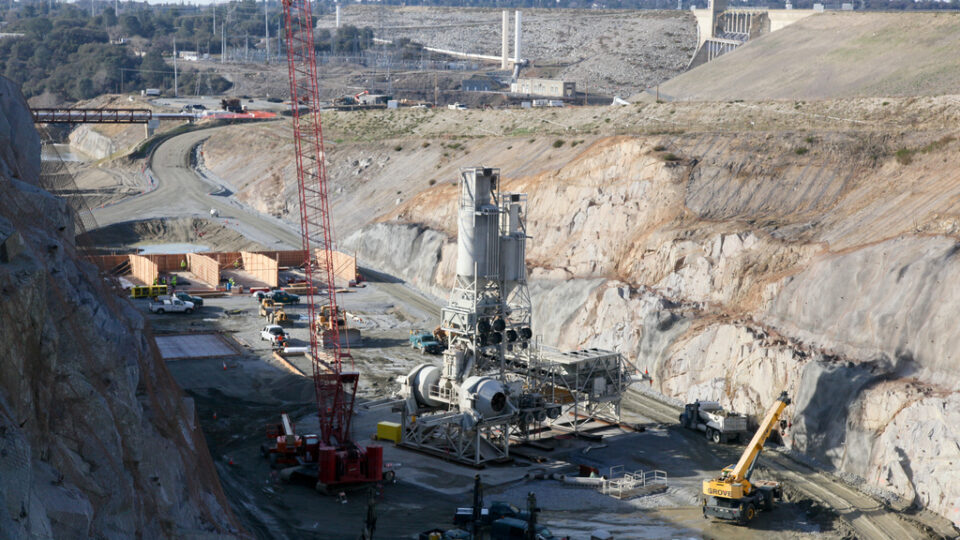
Concrete is a mainstay of modern civilization.  The world produces more than 4 billion tons of it each year and the process requires high temperatures, mostly obtained by burning fossil fuels.  The chemical reactions that produce concrete also produce large amounts of carbon dioxide.  In all, cement production is responsible for about 8% of total global carbon emissions by human activities.

This situation is the impetus for a wide range of research activities aimed at reducing the environmental impact of concrete production.  Researchers at Washington State University have recently developed a way of making carbon-negative concrete: a recipe for concrete that absorbs large amounts of carbon dioxide.

There have been attempts in the past to add biochar to concrete.  Biochar is a type of charcoal made from organic waste that sucks up carbon dioxide from the air.  In earlier attempts, even adding 3% of biochar would dramatically reduce the strength of the concrete.

The WSU researchers found that treating biochar with concrete washout wastewater makes it possible to add much more biochar to concrete without reducing its strength.  Mixing it with biochar adds calcium, which induces the formation of the mineral calcite, which in turn strengthens the concrete.

The researchers were able to add up to 30% biochar to their cement mixture.  Within a month, the resultant concrete was comparable in strength to ordinary concrete.  But at the same time, the biochar was able to absorb up to 23% of its weight in carbon dioxide from the air.  The new concrete is potentially the most environmentally friendly concrete ever developed.

**********

Web Links

Researchers develop carbon-negative concrete

Photo, posted January 31, 2012, courtesy of Michael J. Nevins / U.S. Army Corps of Engineers via Flickr.

Earth Wise is a production of WAMC Northeast Public Radio
Rare Earths And The Energy Transition | Earth Wise

May 19, 2023 By EarthWise Leave a Comment

Mining rare earths key to completing the energy transition

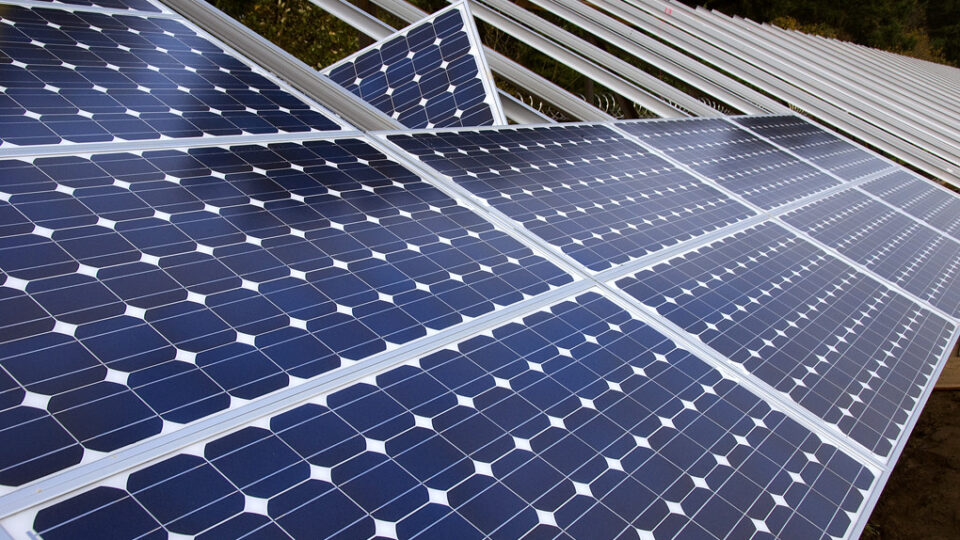
Limiting the rise in global temperature to no more than 1.5 degrees Celsius requires decarbonization.  This means slashing fossil fuel use, switching to renewable energy sources, and electrifying as many sectors of the economy as possible.  Doing these things requires huge numbers of wind turbines, solar panels, electric vehicles, and storage batteries.   All of them use rare earth elements and other critical metals.

The 17 rare earth elements are actually common, but they are called rare because they are seldom found in sufficient quantities to be extracted easily or economically. 

China once supplied 97% of the world’s rare earth elements as a result of government support, cheap labor, lax environmental regulations, and low prices.  Once the world started to realize the dangers of being so dependent on China, many countries began developing their own rare earth element production. (However, today China still produces 60-70% of the world’s rare earth elements).

It is difficult to mine rare earth elements without causing environmental damage.  The prevalent extraction techniques involve toxic chemicals that can leach into the environment and, because rare earths are often found near radioactive elements, mining often brings dangerous radioactive waste into the environment.

Researchers are working on ways to make rare earth mining more sustainable.  Some of these include biomining – which uses microbes to extract rare earths from ores, electrical methods to free rare earths from ores, and so-called agromining, which is growing plants that hyperaccumulate rare earths from the soil into their tissues.

Making rare earth mining more sustainable and less harmful to the environment is an essential part of the world’s future.

**********

Web Links

The Energy Transition Will Need More Rare Earth Elements. Can We Secure Them Sustainably?

Photo, posted November 18, 2008, courtesy of the Oregon Department of Transportation via Flickr.

Earth Wise is a production of WAMC Northeast Public Radio

Banning Gas-Powered Cars | Earth Wise

May 12, 2023 By EarthWise Leave a Comment

The European Union has banned the sale of new gas-powered cars starting in 2035.  The vote came after weeks of negotiations related to possible exemptions to the rule.

Germany lobbied for an exemption to be made for cars powered by e-fuels.  These are made by combining hydrogen with carbon dioxide that has been removed from the atmosphere using processes powered by renewable energy.  Because of this source of the carbon dioxide, such fuels are considered to be carbon neutral.  The EU agreed to grant this exemption, so there can be cars that run only on e-fuels after 2035.

About a quarter of carbon emissions in the EU come from transportation.  The new law requires a 55% drop in carbon emissions from new cars by 2030.  Poland voted against the new law, while Bulgaria, Romania, and Italy abstained.  (Italy wanted an exemption for biofuels, but it was not granted).

Here in the US, seven states have adopted rules banning the sale of new gas-powered cars in 2035.  These are California, Maryland, Massachusetts, New Jersey, New York, Oregon, and Washington. 

California has committed to having 35% of new car sales being zero-emission vehicles by 2026, and the number rising to 68% by 2030.

As these policies proliferate around the world, the auto industry is moving ahead to keep up with them.  Most automakers are planning to have substantial parts of their product line be electric by 2030.  Given the financial and physical inertia involved in shifting to electric vehicle production, regardless of what happens with policies around the world, there is little possibility of turning back from the electric vehicle transition.

**********

Web Links

EU Approves 2035 Ban on Sales of Gas-Powered Cars

Photo, posted May 31, 2012, courtesy of Mike Norton via Flickr.

Earth Wise is a production of WAMC Northeast Public Radio
  • « Go to Previous Page
  • Page 1
  • Page 2
  • Page 3
  • Page 4
  • Page 5
  • Interim pages omitted …
  • Page 9
  • Go to Next Page »

Primary Sidebar

Recent Episodes

  • An uninsurable future
  • Clean energy and jobs
  • Insect declines in remote regions
  • Fossil fuel producing nations ignoring climate goals
  • Trouble for clownfishes

WAMC Northeast Public Radio
WAMC/Northeast Public Radio is a regional public radio network serving parts of seven northeastern states (more...)

Copyright © 2026 ·