• Skip to primary navigation
  • Skip to main content
  • Skip to primary sidebar

Earth Wise

A look at our changing environment.

  • Home
  • About Earth Wise
  • Where to Listen
  • All Articles
  • Show Search
Hide Search
You are here: Home / Archives for problems

problems

Europe’s Green Deal: Bad For The Planet? | Earth Wise

December 28, 2020 By EarthWise Leave a Comment

Europe's Green Deal might simply be exporting its environmental pollution

In 2019, the European Union announced the “Green Deal,” a comprehensive program aimed at making Europe the first climate-neutral continent, implementing environmentally friendly transport, increasing recycling, and expanding renewable energy.

The Green Deal involves significant changes to European agriculture.  Over the next ten years, under the ambitious environmental program, at least a quarter of all agricultural areas will be farmed organically, the use of fertilizers and pesticides greatly reduced, 3 billion trees planted, 15,000 miles of rivers restored, and the population declines of pollinators reversed.

However, in a recent article published in Nature, scientists at the Karlsruhe Institute of Technology show that this Green Deal might actually be a bad deal for the planet.

The problem is that the EU is likely to basically be outsourcing environmental damage by its high imports of agricultural products.

According to the Karlsruhe study, the EU annually imports millions of tons of agricultural products, as much as 20% of its produce and much of its meat and dairy products.  Quite often, these imports come from countries whose environmental laws are far less stringent than those in Europe.

The EU cannot impose environmental standards on other countries, but it can demand that goods entering the European market meet EU requirements.  The study points out that Europe’s carbon footprint has to be evaluated on a global basis.  If the EU is truly to become a climate-neutral continent, it must include foreign trade goals and requirements in its environmental programs.  Otherwise, Europe will simply be outsourcing its environmental problems and will continue to cause damage to the planet.

**********

Web Links

Green Deal: Good for a Climate-neutral Europe – Bad for the Planet

Photo, posted July 17, 2009, courtesy of Edmund Garman via Flickr.

Earth Wise is a production of WAMC Northeast Public Radio.
A New Super-Enzyme For Breaking Down Plastic | Earth Wise

November 13, 2020 By EarthWise Leave a Comment

Breaking down plastic

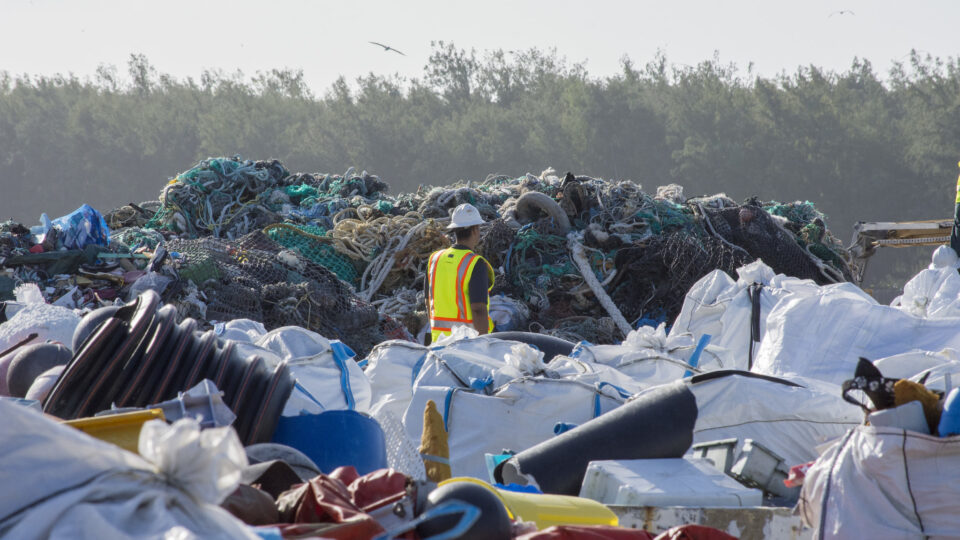
The problems caused by plastic waste continue to grow.  Plastic pollution is everywhere, from the Arctic to the depths of the ocean.  We consume microplastics in our food and breathe them in the air.  It is very difficult to break down plastic bottles into their chemical constituents in order to make new ones from old ones. Therefore, we continue to produce billions of single-use plastic bottles, creating more and more new plastic from oil each year. 

Scientists at the University of Portsmouth in the UK have developed a new super-enzyme that degrades plastic bottles six times faster than before.  They believe that the new enzyme could be used for plastic recycling within a year or two.

The super-enzyme was derived from bacteria that naturally have the ability to eat plastic.  The researchers engineered it by linking two separate enzymes, both of which were found in a plastic-eating bug discovered in a Japanese waste site in 2016.  They revealed an engineered version of the first enzyme in 2018, which started breaking down plastic in a few days.  They had the idea that connecting two enzymes together would speed up the breakdown of plastic.  Such linkage could not happen naturally in a bacterium. 

Carbios, a French company, announced a different enzyme in April that can degrade plastic bottles within 10 hours but requires heating above 160 degrees Fahrenheit.  The new super-enzyme works at room temperature.

The team is now examining how the enzymes can be tweaked to make them work even faster.  Meanwhile, they plan to work in partnership with companies like Carbios, to bring super-enzymes for breaking down plastics into commercial use.

**********

Web Links

New Super-Enzyme Can Break Down Plastic at Rapid Pace

Photo, posted March 24, 2017, courtesy of the USFWS – Pacific Region via Flickr. Photo credit: Holly Richards/USFWS.

Earth Wise is a production of WAMC Northeast Public Radio.

Tree-Planting Is Not Necessarily A Good Thing | Earth Wise

July 31, 2020 By EarthWise Leave a Comment

Tree planting is not always beneficial

There is no question that forests have a major role in efforts to combat climate change as well as to slow biodiversity loss.   As a result, tree-planting on a massive scale has gained traction as a strategy and there have been major commitments made to plant billions of trees around the world.

A new study at Stanford University has rigorously analyzed the potential effects of these efforts and has found some significant problems.  For example, the Bonn Challenge, which seeks to restore an area of forest more than eight times the size of California over the next 10 years, has 80% of its commitments in the form of  planting monoculture tree plantations or a limited mix of trees that produce fruit and rubber, rather than restoring natural forests.   The problem is that plantations have significantly less potential for carbon sequestration, habitat creation, and erosion control than natural forests.  The potential benefits of the planting dwindle further if planted trees replace natural flora – forests, grasslands, or savannahs – which are ecosystems that have evolved to support local biodiversity.

The study looked at previous policies that created subsidies for planting trees.  Chile’s Decree Law, in effect from 1974 to 2012, has served as a model for similar policies in a number of countries.  Those subsidies further reduced native forest cover by encouraging the establishment of plantations in places where forests might have naturally regenerated.  The subsidies expanded the area covered by trees, but decreased the area of native forests.

The study recommends that nations should design and enforce their forest subsidy policies to avoid undesirable ecological impacts and actually promote the recovery of carbon- and biodiversity-rich ecosystems.

**********

Web Links

Poorly designed tree-planting campaigns could do more harm than good, according to Stanford researcher and others

Photo, posted April 28, 2016, courtesy of the U.S. Department of State via Flickr.

Earth Wise is a production of WAMC Northeast Public Radio.

Safer Disposal Of Printed Circuit Boards | Earth Wise

March 4, 2020 By EarthWise Leave a Comment

Disposing of Printed Circuit Boards More Safely

Printed circuit boards are key elements of modern electronic devices that support and connect all of their electronic components.  On average, they are composed of 30% metallic and 70% nonmetallic substances.

Once the circuit boards have served their purpose, they are often burned or buried in landfills, and can pollute the air, soil, and water.  The biggest problem is that they have brominated flame retardants added to them in order to keep them from catching fire.  Compounds in brominated flame retardants have been linked to endocrine disorders and fetal tissue damage.

Many circuit boards are recycled to recover valuable materials – generally the metals they contain.  But recycling has its own problems.  Metallic components can be recovered from crushed circuit boards by magnetic and high-voltage electrostatic separations.  When the metals are removed, what remains are resins, reinforcing materials, brominated flame retardants, and other additives, which are of little value and present various dangers.

Researchers at Sun Yat-sen University in China have developed a ball-milling method to break down these potentially harmful compounds, enabling safe disposal.  A ball mill is a rotating machine that uses small agate balls to grind up materials. The researchers also added iron powder, which helps remove bromine from organic compounds by breaking the carbon-bromine bonds in the flame retardants.  The result was particles with half of their bromine content removed as well as decomposition of phenolic resin compounds.

The ever-increasing proliferation of device technology had led to a new set of pollution and waste challenges facing society.  Research on ways to reduce the impact of high-tech garbage is an important need for society.

**********

Web Links

Toward safer disposal of printed circuit boards

Photo, posted February 18, 2018, courtesy of Diego Torres Silvestre via Flickr.

Earth Wise is a production of WAMC Northeast Public Radio.

Cleaner Air Saves Lives

September 25, 2019 By EarthWise Leave a Comment

A new study by Columbia University has concluded that lower air pollution levels saved an estimated 5,660 lives in New York State in 2012, compared to 2002 mortality levels.

The study looked at New York State levels of the specific type of pollution known as fine particulate matter, referred to as PM2.5.  These microscopic particulates are a mixture of solid particles and liquid droplets that either come from burning fuel or are formed in the atmosphere as a result of complex reactions of chemicals such as sulfur dioxide and nitrogen oxides from power plants, industries, and automobiles.

Long-term exposure to PM2.5 can lead to respiratory and cardiovascular problems.

The study looked at extensive amounts of data to analyze trends in PM2.5 levels across New York State.  The data showed that PM2.5 levels dropped by 28 to 37% between 2002 and 2012.  This was a result of continued progress in cleaner vehicles, the reduction of high sulfur-dioxide emitting coal-burning power plants, and other air pollution reduction programs.  They calculated that this amount of reduction in PM2.5 reduced the air pollution mortality burden for New York State residents by 67% – from 8,410 premature deaths in 2002 to 2,750 deaths in 2012.

The study provides evidence that emission controls on air pollutants – which were initiated by the Clean Air Act of 1970 and later expanded in 1990 – have improved public health across New York State.  According to the researchers, the study is a key step to documenting the health benefits from cleaner air.

**********

Web Links

Air Pollution Cuts Are Saving Lives in New York State

Photo, posted June 29, 2014, courtesy of Paul Comstock via Flickr.

Earth Wise is a production of WAMC Northeast Public Radio.

Exotic Pets Can Become Problems

August 26, 2019 By EarthWise Leave a Comment

Each year, millions of exotic animals are sold as pets around the world.  The term “exotic” lacks a set definition but is generally used to refer to an animal that’s wild or more unusual than standard pets, like cats and dogs. 

The exotic pet trade is a multi-billion dollar industry,  involving tens of millions of individual animals from thousands of species, including reptiles, amphibians, fish, birds, and mammals.

Some of the exotic pet trade is legal, but a lot of it isn’t.  Many animals are illegally captured from the wild to meet the global demand for exotic pets. 

People often purchase exotic animals without completely understanding the consequences.  Some exotic pets, for example, can live nearly twice as long as the average dog.  Caring for exotic pets can be both expensive and risky, since they are largely undomesticated (and therefore can have unpredictable behavior).

As a result, it’s not uncommon for owners to release exotic pets intentionally.  When this happens, the consequences can be catastrophic.  Sometimes the animal dies from starvation or predation, but in other instances, the animal proliferates and becomes an invasive species.

Invasive species are the second largest driver of biodiversity loss worldwide, and they cost the U.S. $120 billion a year. 

According to an academic review recently published in the journal Frontiers in Ecology and the Environment, the exotic pet trade is one of the primary causes of the spread of invasive species and has fueled the establishment of hundreds of them.  Tegus, Burmese pythons, and red lionfish are examples of pets-turned-pests. 

The best way to combat this trend is through education, detection, and rapid response. 

**********

Web Links

Why you should never release exotic pets into the wild

Photo, posted September 19, 2010, courtesy of Mike Baird via Flickr.

Earth Wise is a production of WAMC Northeast Public Radio.
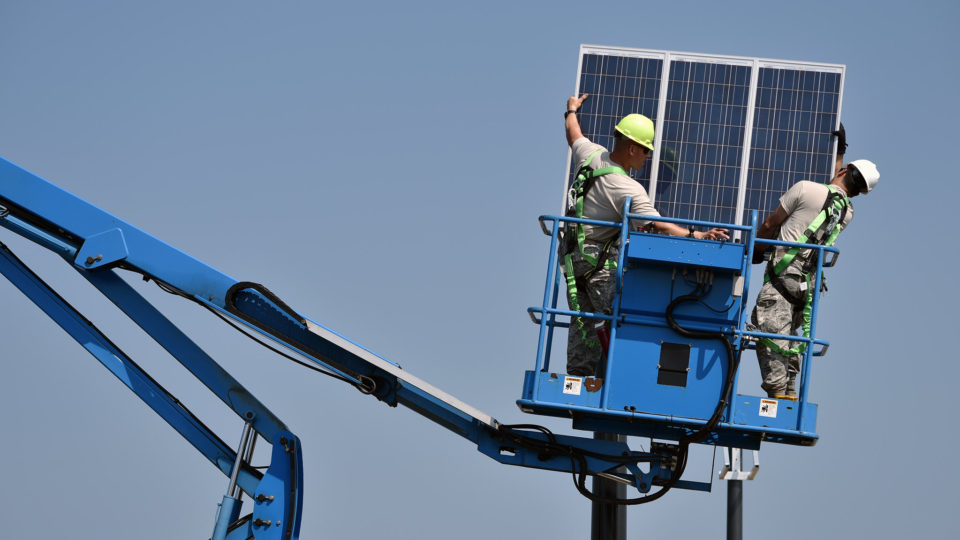
Complications For New York Solar Farms

July 12, 2019 By EarthWise Leave a Comment

A study by engineers at Cornell University looked at the implications of adding utility-scale solar farms throughout New York State.  Adding such farms could reduce demand for electricity from conventional sources by nearly 10% in some places.  But the engineers caution that winters in upstate New York could create some novel problems for the state’s power system.

Electrical energy demand tends to be low around midday when many people are not home.  Electrical production from solar farms is high at that time when the sun is at its highest position in the sky.  This can lead to what power system operators call “ramping”, which is the term for rapid increases or decreases in demand.

This sort of ramping was first discussed in California years ago.  When people wake up and prepare for the day, there is a morning peak in electrical load, which occurs before solar production ramps up.   When people get home from work in the evening, energy demands create a second peak.  A graph of this lack of synchronicity of load and supply looks a little like the shape of a duck and is popularly known as the duck curve.

The Cornell engineers figured out that maximum ramping in New York – where electrical demand and electricity supply from solar farms are out of synch- will take place in the winter.  In fact, when there are several days of sunshine in a row during winter, the largest ramping in the New York power system will take place.

The general issue of having solar energy available when it is most needed is one that is the driver for energy storage technology. If the energy can be provided when demand calls for it, there would be no more ramping.

**********

Web Links

Winter could pose solar farm ‘ramping’ snag for power grid

Photo, posted September 8, 2015, courtesy of New York National Guard via Flickr.

Earth Wise is a production of WAMC Northeast Public Radio.
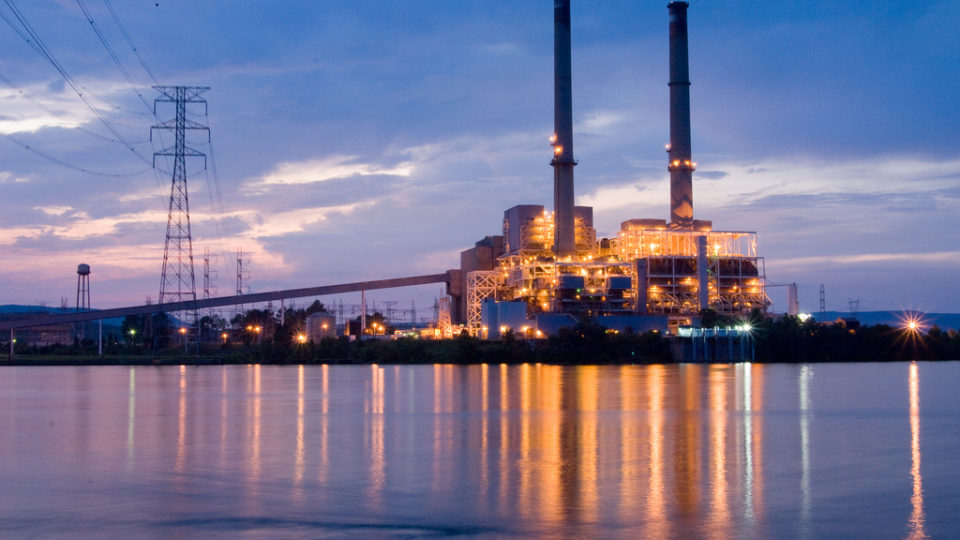
The Changing Face of Electricity

March 15, 2019 By EarthWise Leave a Comment

The New York Times recently published an article on how electricity is made in the United States on a state-by-state basis and how it has been changing over the past two decades.  Two conclusions to draw are that the mix of energy sources is wildly different from one state to another and that the mix has been changing rather dramatically in many places.

Overall, the past two decades have seen the dramatic rise in the use of natural gas and a dramatic drop in the use of coal.  Coal plants used to account for over half of the electricity produced in the U.S. at the turn of the 21st century.  Now natural gas has passed coal as the largest energy source at roughly 1/3 of the total generated.

Switching from coal to natural gas is a good thing since modern gas power plants emit only about half the carbon dioxide as modern coal plants.  But industry spin about “clean gas” is just spin.  Gas is not really clean; it is just cleaner than coal.  So, having the electric grid powered by gas is not really going to solve our emissions problems.

That being said, there are still states that make nearly all their electricity with coal.  Indiana, Kentucky, Missouri, Utah, Wyoming, and West Virginia are on that list.  Meanwhile, Delaware, Massachusetts, Mississippi, Nevada, and Rhode Island are powered mostly by gas. Idaho, Oregon, Washington, and Vermont rely heavily on hydropower.

Newer renewables like solar and wind are starting to make major contributions in many states.  Wind contributes only 6% nationwide but is much bigger in places like Iowa, Kansas, Minnesota, the Dakotas, Oklahoma and Texas. 

The face of electricity continues to change.

**********

Web Links

How Does Your State Make Electricity?

Photo, posted March 5, 2010, courtesy of Tennessee Valley Authority via Flickr.

Earth Wise is a production of WAMC Northeast Public Radio.
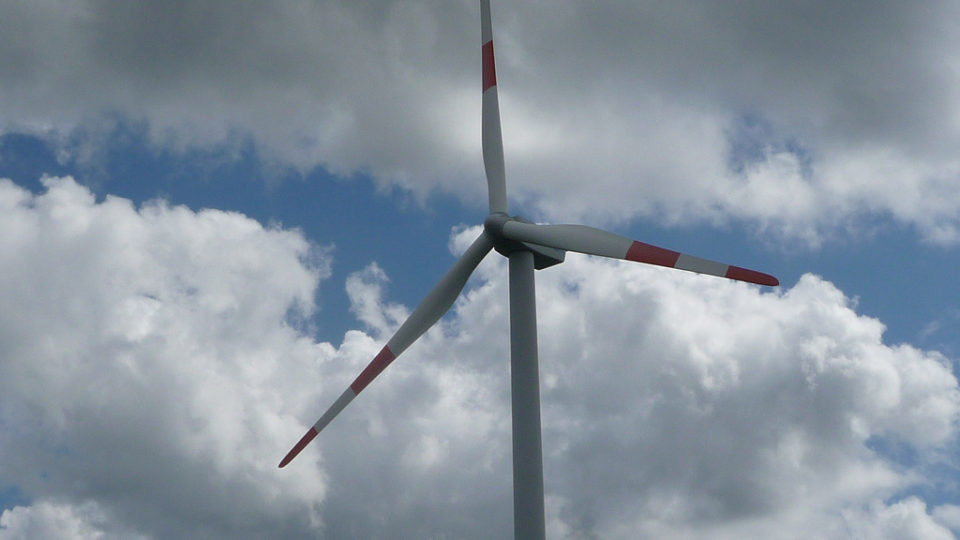
Can Germany Meet Its Energy Goals?

February 4, 2019 By EarthWise Leave a Comment

Germany has been a global leader in efforts to decarbonize its massive economy.  A national initiative known as Energiewende – or clean energy transition – has been in place since 2010 and relies heavily on renewable energy sources, energy efficiency, and energy demand management.

The program has involved some of the most aggressive deployment of renewable energy sources in the world.  Germany was the first country to install 1 GW of solar energy and still has the 5th largest amount of solar power in the world despite actually being a country with fairly limited sunshine.  Germany has nearly 30,000 wind turbines, most of which are onshore, unlike many other countries in northern Europe.  Over the past five years, government support and cost to consumers for the shift to clean energy have totaled over $180 billion.

However, despite these efforts, Germany’s greenhouse gas emissions have not declined as rapidly as expected, even though nearly 40% of the country’s electricity now comes from renewable sources.

This lack of expected success comes as a shock to the environmentally conscious German population, nearly 90% of which supports the program.

There are two major problems Germany faces.  One is that Germany is Europe’s largest producer of coal, which still generates more than a third of the country’s power.  The other is that Germany’s large auto industry is still married to gas- and diesel-fueled cars and emissions from the country’s cars are a big problem.

The Energiewende program was driven by political will and investment certainty.  It is unclear whether Germany can muster these forces again.  The Merkel government has dragged its feet on environmental issues in recent years.  It remains to be seen what effect shifting political power in Germany will have.

**********

Web Links

Carbon Crossroads: Can Germany Revive Its Stalled Energy Transition?

Photo, posted August 15, 2011, courtesy of Flickr.

Earth Wise is a production of WAMC Northeast Public Radio.
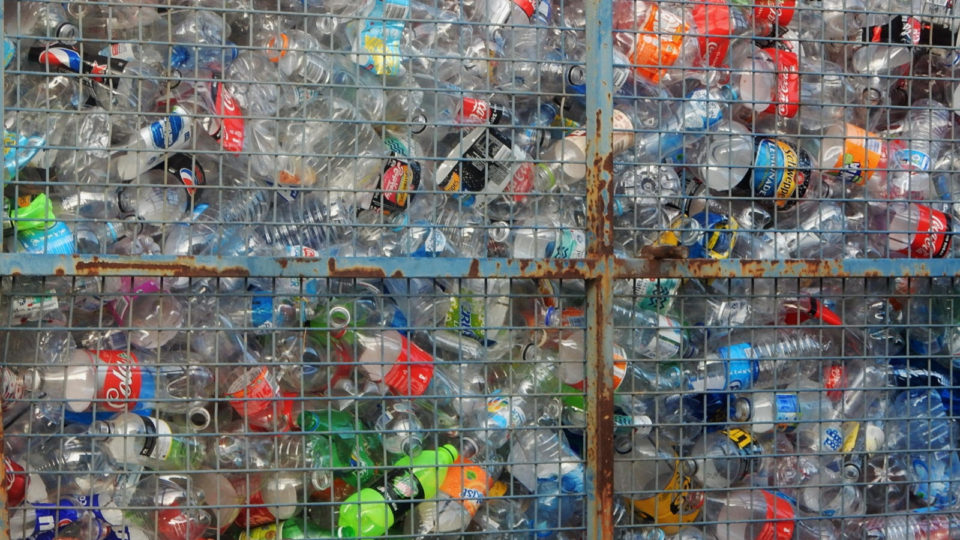
Plastic Bottles

November 19, 2018 By EarthWise Leave a Comment

https://earthwiseradio.org/wp-content/uploads/2018/10/11-19-18-Plastic-Bottles.mp3

Plastic straws have become outcasts these days and for good reasons.  But they are not the only bad actors in the world of plastic products.  Single-use plastic water bottles are another example of a real trouble maker.

[Read more…] about Plastic Bottles

Dirty Air In The National Parks

August 27, 2018 By EarthWise Leave a Comment

https://earthwiseradio.org/wp-content/uploads/2018/08/EW-08-27-18-Dirty-Air-in-National-Parks.mp3

Our national parks are supposed to be places that allow us to commune with nature.  They offer incredible vistas and amazing sights.  As a result, millions of Americans and visitors from around the world are drawn to these places – too many millions, in fact.

[Read more…] about Dirty Air In The National Parks

Green Solutions To Storm Water Runoff

July 5, 2018 By EarthWise Leave a Comment

https://earthwiseradio.org/wp-content/uploads/2018/07/EW-07-05-18-Green-Storm-Water-Solutions.mp3

Philadelphia, America’s fifth largest city, has struggled with storm water runoff problems since the days of Benjamin Franklin.  The city’s numerous streams that run into the Schuylkill and Delaware Rivers were eventually covered with brick arches or cemented into underground sewers.  The network of underground-to-riverfront outfalls through increasingly-larger pipes is pretty much how all U.S. cities have been coping with storm water for over 200 years.

[Read more…] about Green Solutions To Storm Water Runoff

How Safe Is Drinking Water?

March 26, 2018 By EarthWise Leave a Comment

https://earthwiseradio.org/wp-content/uploads/2018/03/EW-03-26-18-How-Safe-Is-Drinking-Water.mp3

Water is life.  It’s a fundamental need for every human being on the planet.  Each person requires more than five gallons of clean and safe water a day for drinking, cooking, and keeping clean.  Dirty water, on the other hand, can be deadly.  An estimated 1.8 million people die every year as a result of diarrheal diseases like cholera.  And tens of millions of people are seriously sickened by water-related maladies. 

[Read more…] about How Safe Is Drinking Water?

Banning Foreign Trash

February 6, 2018 By EarthWise Leave a Comment

https://earthwiseradio.org/wp-content/uploads/2018/02/EW-02-06-18-Banning-Foreign-Trash.mp3

Since the 1980s, China has been the largest importer of foreign trash.  In 2012, up to 56% of global exported plastic waste wound up in China.  The trash has been both a valuable resource for the country’s booming manufacturing sector as well as an enormous source of environmental and health problems.   

[Read more…] about Banning Foreign Trash

Parking For Dollars

September 28, 2017 By EarthWise Leave a Comment

https://earthwiseradio.org/wp-content/uploads/2017/08/EW-09-28-17-Parking-for-Dollars.mp3

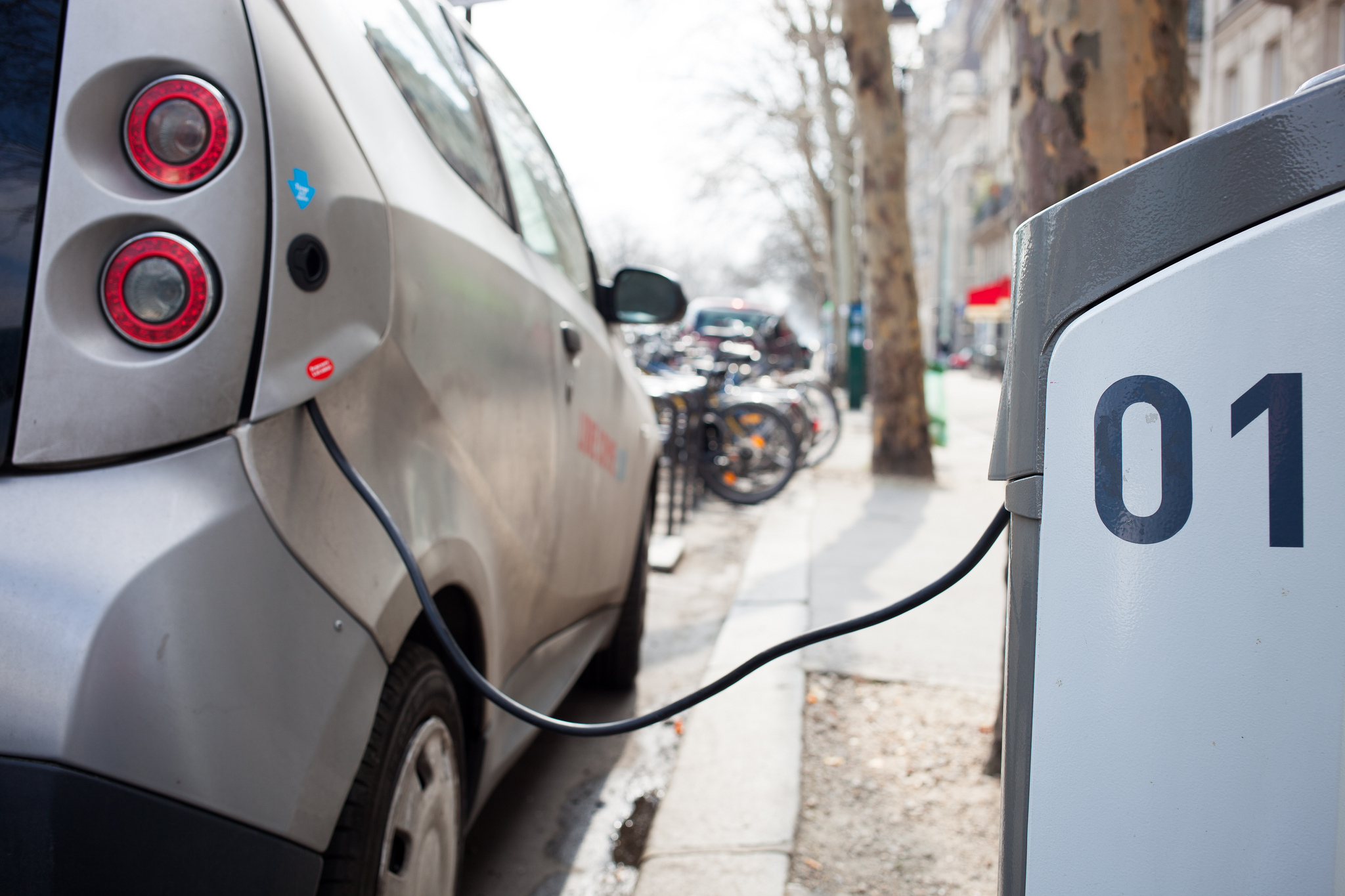
In a trial taking place in Denmark, some electric car owners are earning more than $1,500 a year just by parking their cars and feeding excess power back into the grid.

[Read more…] about Parking For Dollars

A Plastics Promise

July 19, 2017 By EarthWise

https://earthwiseradio.org/wp-content/uploads/2017/07/EW-07-19-17-A-Plastics-Promise.mp3

It’s estimated that five to thirteen million tons of plastic enters our oceans annually, where much of it can linger for hundreds of years.  According to a report by the World Economic Forum and the Ellen MacArthur Foundation, scientists estimate that there is 165 million tons of plastic swirling about in the oceans right now.   And we are on pace to have more plastic than fish (by weight) in the world’s oceans by 2050. That’s some scary stuff. 

[Read more…] about A Plastics Promise

Improving Energy Storage

June 22, 2017 By EarthWise

https://earthwiseradio.org/wp-content/uploads/2017/06/EW-06-22-17-Improving-Energy-Storage.mp3

The transition to sustainable energy sources faces many challenges.  One important one is to make those sources as reliable as conventional energy systems.  For technologies like solar and wind power, which can’t operate around the clock, an enabling element is effective energy storage.   Energy storage is critical for both the electricity grid and for transportation.

[Read more…] about Improving Energy Storage

Tires From Trees

March 16, 2017 By EarthWise

https://earthwiseradio.org/wp-content/uploads/2017/02/EW-03-16-17-Tires-from-Trees.mp3

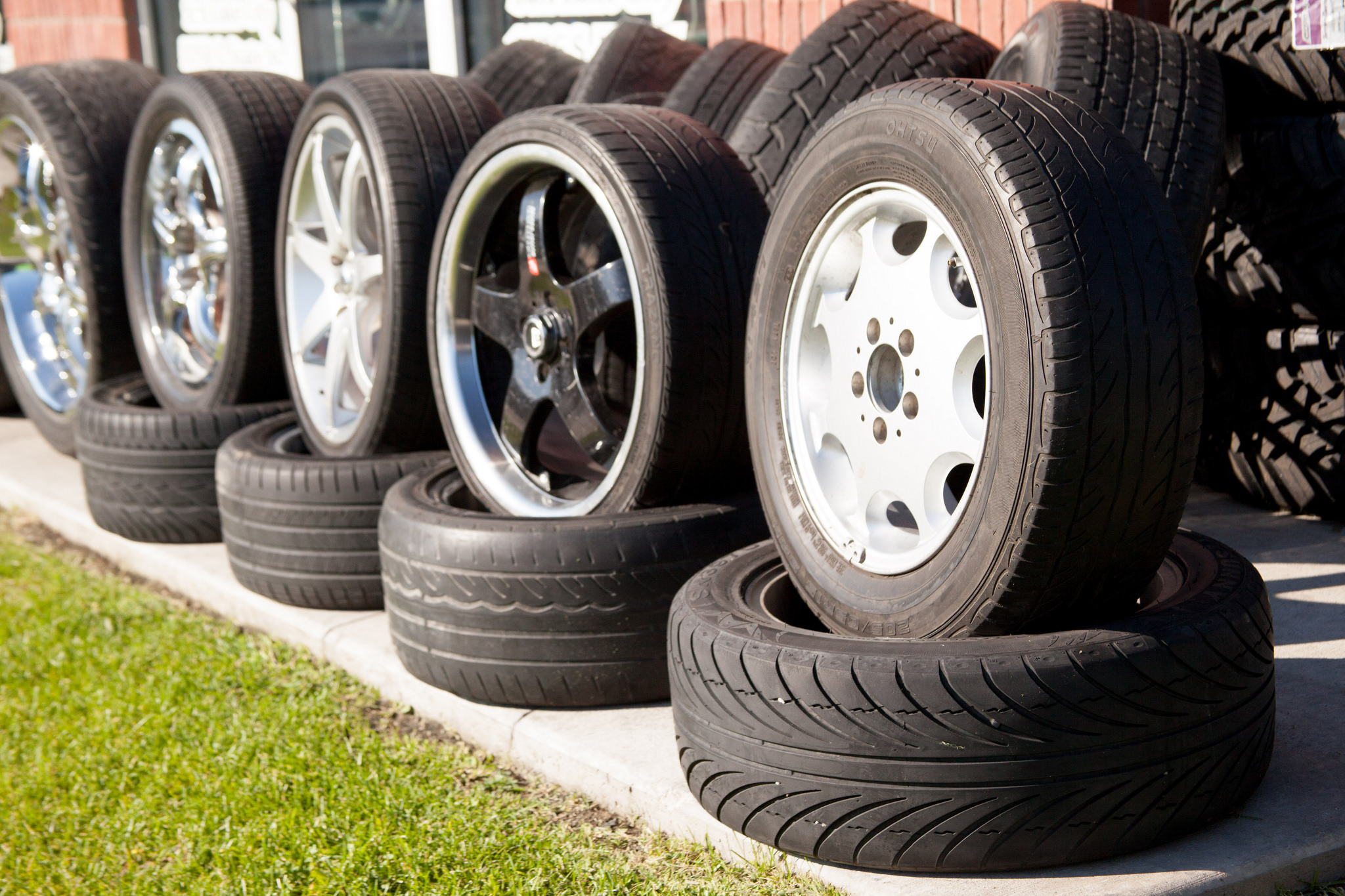
Car tires are generally considered environmentally unfriendly because they are predominantly made from fossil fuels.  Natural rubber is generally not used anymore; most tires are made from isoprene, which is chemically very like rubber but is produced by thermally breaking apart molecules in petroleum in a process called cracking.  The isoprene is separated out and purified and then reacted to form the artificial rubber that is the major component in car tires.  The tires eventually end up discarded in giant piles that represent one of our biggest waste disposal problems.

[Read more…] about Tires From Trees

Produce Stickers

February 21, 2017 By EarthWise

https://earthwiseradio.org/wp-content/uploads/2017/02/EW-02-21-17-Stickering-Produce.mp3

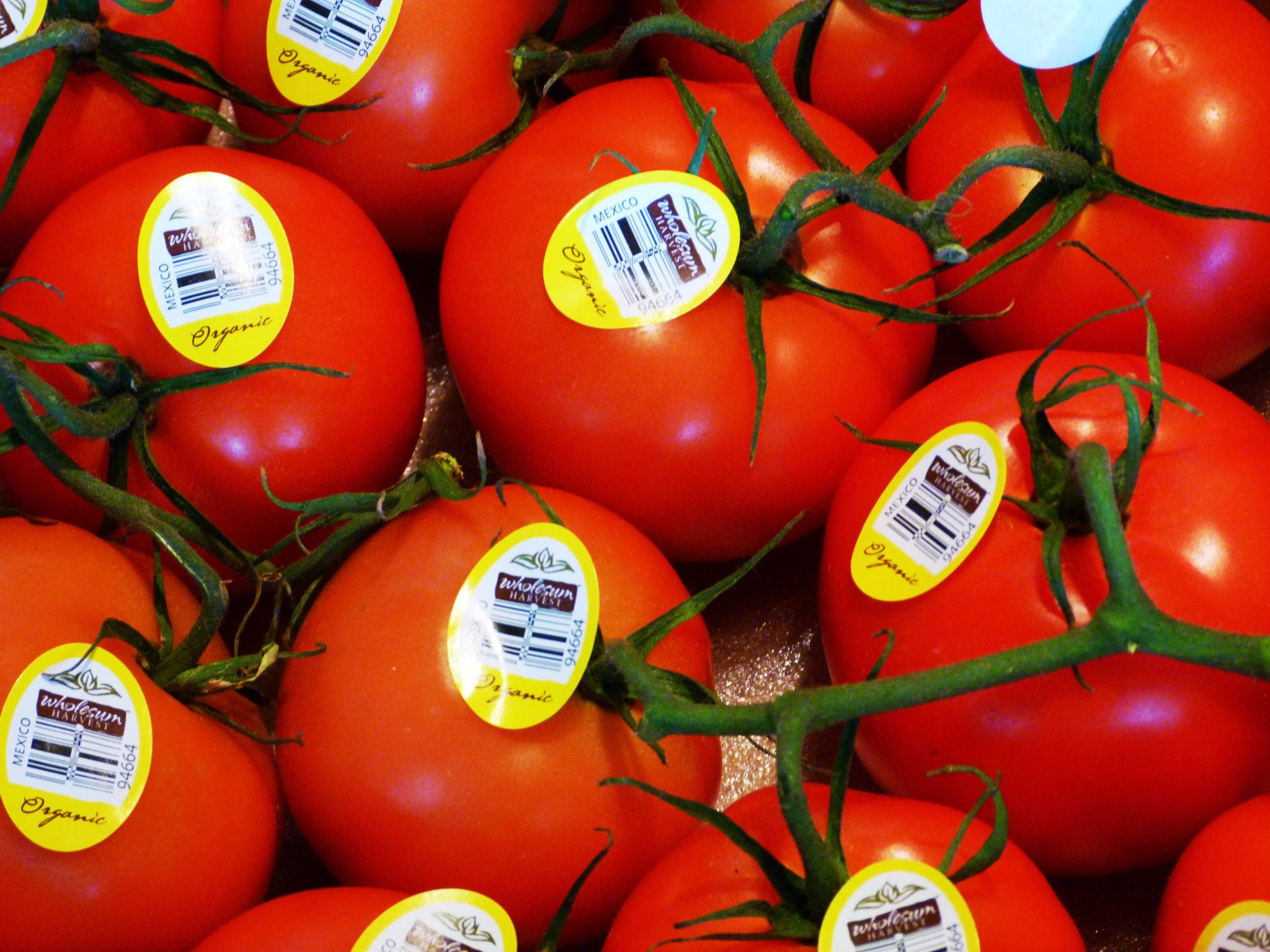
The fruit and vegetables in most grocery stores these days come with little stickers on them with a numerical code identifying the produce for the cashier at the checkout counter.  They are quite helpful for the cashier but a real irritation for the customer.  Half the time it is difficult to get the labels off the piece of produce and sometimes we don’t notice them at all and end up with a little paper sticker in our salad.

[Read more…] about Produce Stickers

A Soy-Based Air Filter

February 16, 2017 By EarthWise

https://earthwiseradio.org/wp-content/uploads/2017/02/EW-02-16-17-Soy-Based-Air-Filter.mp3

Particulate matter and toxic chemical pollutants are a pervasive problem in the air people breathe in many places.  Poor air quality causes health problems worldwide and is a factor in diseases such as asthma, heart disease and lung disease.

[Read more…] about A Soy-Based Air Filter

  • « Go to Previous Page
  • Page 1
  • Page 2
  • Page 3
  • Go to Next Page »

Primary Sidebar

Recent Episodes

  • An uninsurable future
  • Clean energy and jobs
  • Insect declines in remote regions
  • Fossil fuel producing nations ignoring climate goals
  • Trouble for clownfishes

WAMC Northeast Public Radio

WAMC/Northeast Public Radio is a regional public radio network serving parts of seven northeastern states (more...)

Copyright © 2026 ·