plastics
Dioxane And Drinking Water
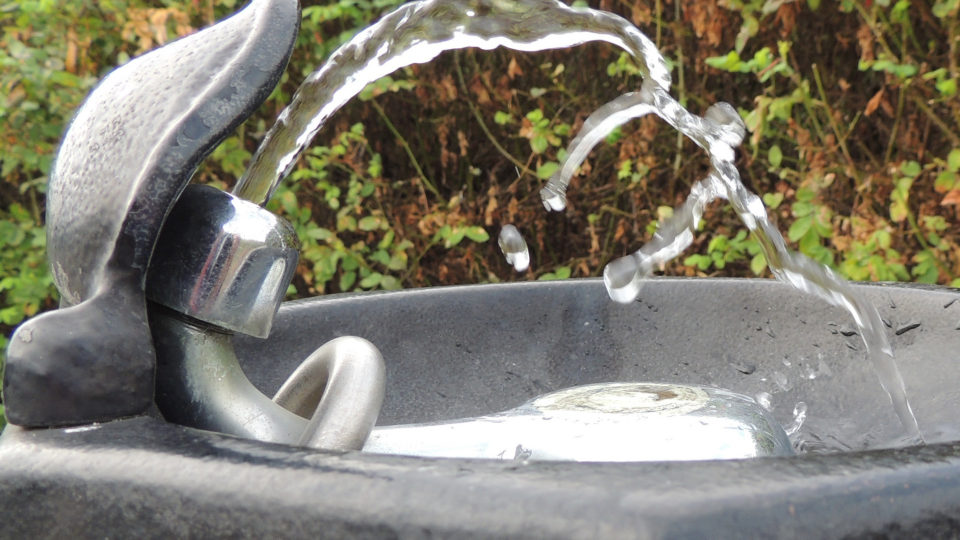
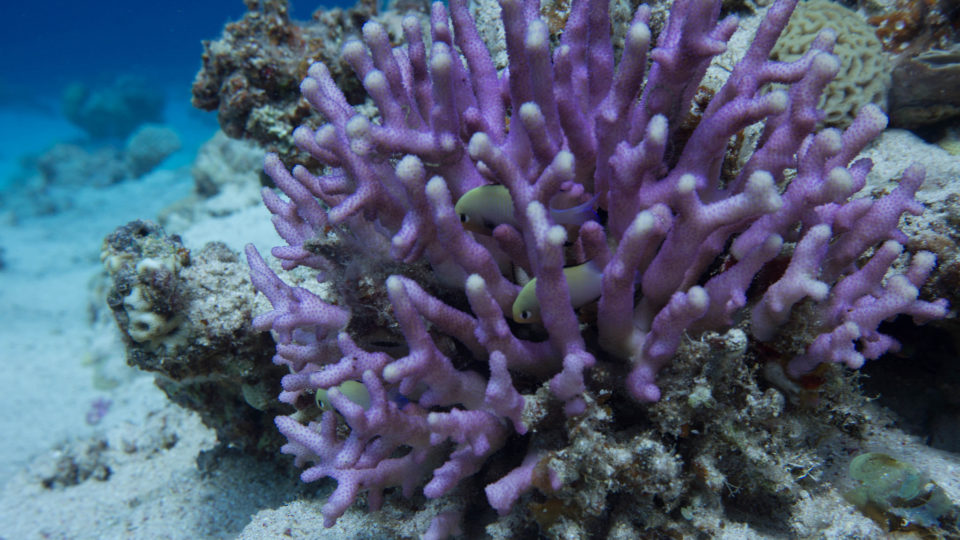
A byproduct of plastics production, dioxane is a clear, synthetic, liquid solvent that easily mixes with water. It’s frequently used in paint strippers, dyes, and varnishes, as well as shampoos and body washes – particularly those that are sudsy. Dioxane doesn’t really biodegrade and is widely regarded as a contaminant.
Biodegradable Microbeads
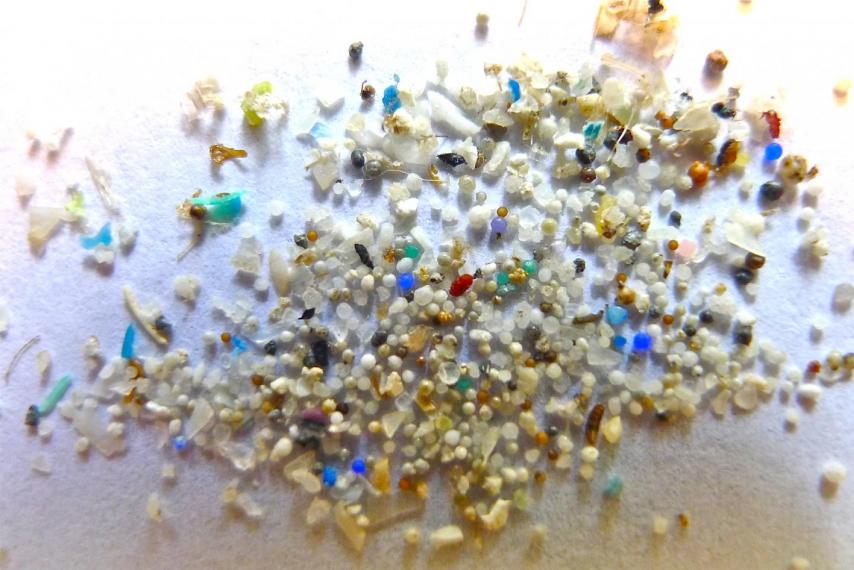
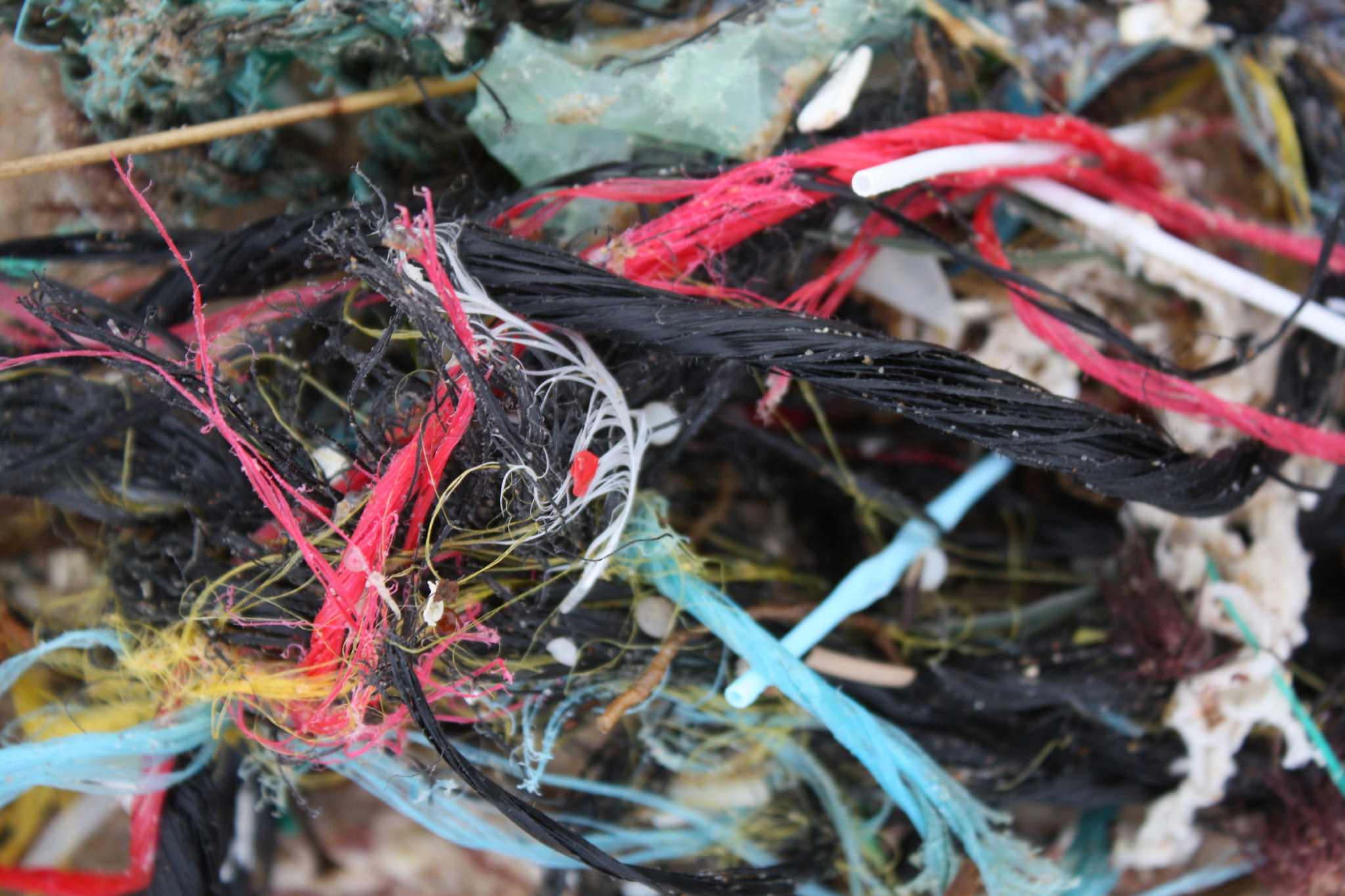
Microbeads are little spheres of plastic less than half a millimeter in diameter that are added to a variety of personal care and cleaning products such as cosmetics, sunscreens and fillers. They give these products a desirable smooth texture. However, they are so small that sewage filtration systems can’t remove them and they end up in rivers and oceans where they are ingested by birds, fish and other marine life.
A Plastics Promise
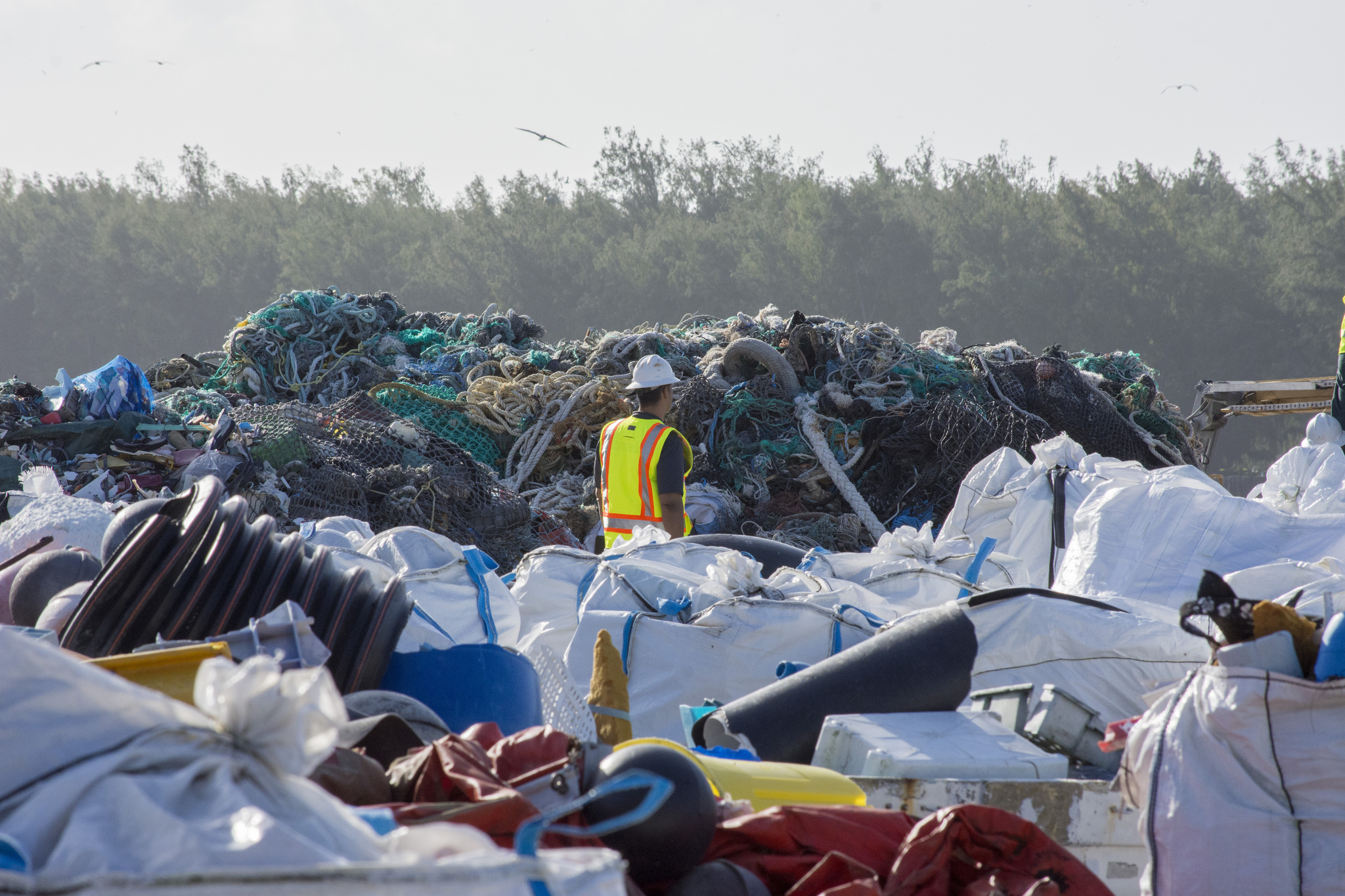
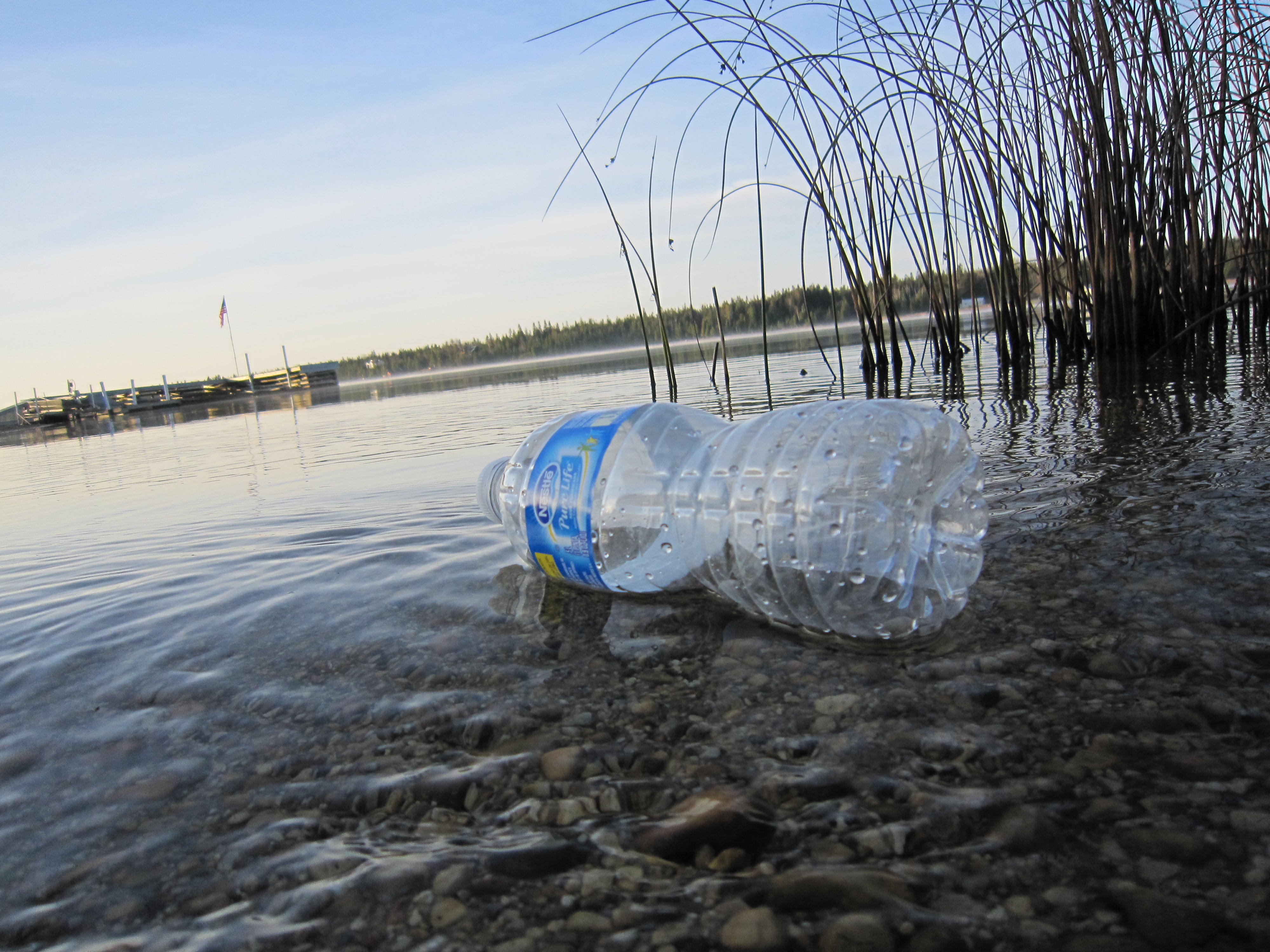
It’s estimated that five to thirteen million tons of plastic enters our oceans annually, where much of it can linger for hundreds of years. According to a report by the World Economic Forum and the Ellen MacArthur Foundation, scientists estimate that there is 165 million tons of plastic swirling about in the oceans right now. And we are on pace to have more plastic than fish (by weight) in the world’s oceans by 2050. That’s some scary stuff.
Edible Tableware
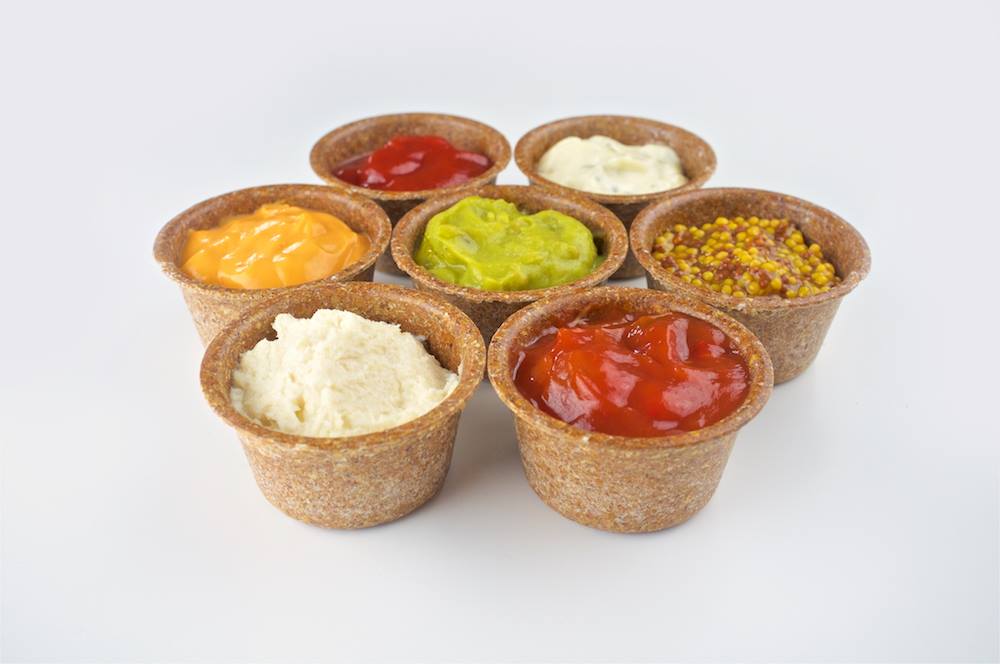
The problems caused by plastics in the environment continue to mount. Major companies around the world are endorsing and promoting efforts to combat the problem including the New Plastics Economy Initiative which aims to have 70% of plastic packaging reused and recycled globally, which is five times more than the current percentage.
Making Biofuel Cost Effective

Biofuels are considered to be a sustainable alternative to fossil fuels. However, they are generally more expensive than competing fossil fuels. Government subsidies, such as we have for ethanol in this country, have been necessary to make biofuels competitive in the marketplace.
Baltimore’s Trash Wheels
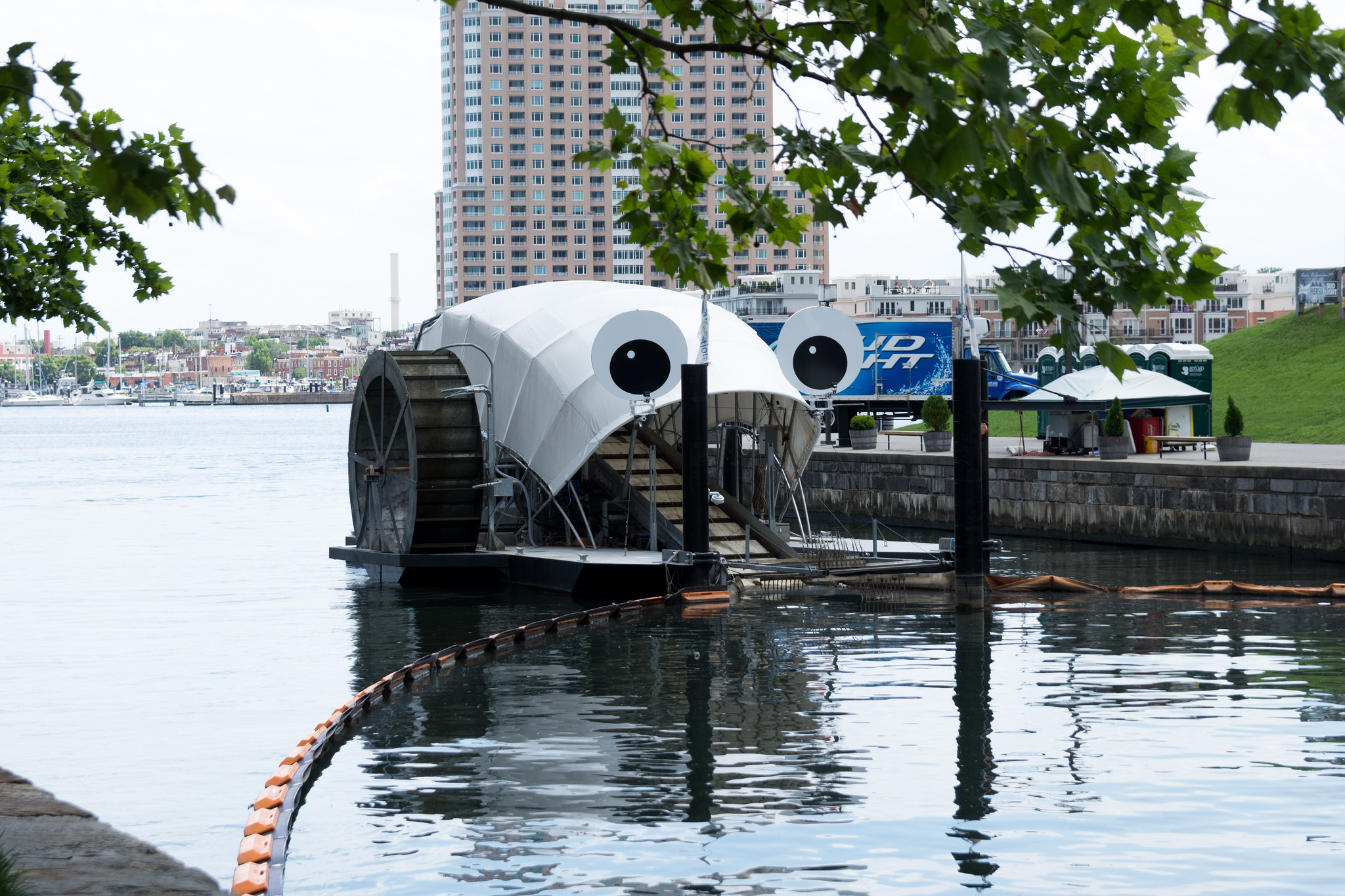
Baltimore’s harbor is cleaner than it has been in decades thanks to the efforts of two solar- and hydro-powered trash interceptors built to look like googly-eyed cartoon characters. In fact, they are known as Mr. Trash Wheel and Professor Trash Wheel.
Animal Welfare
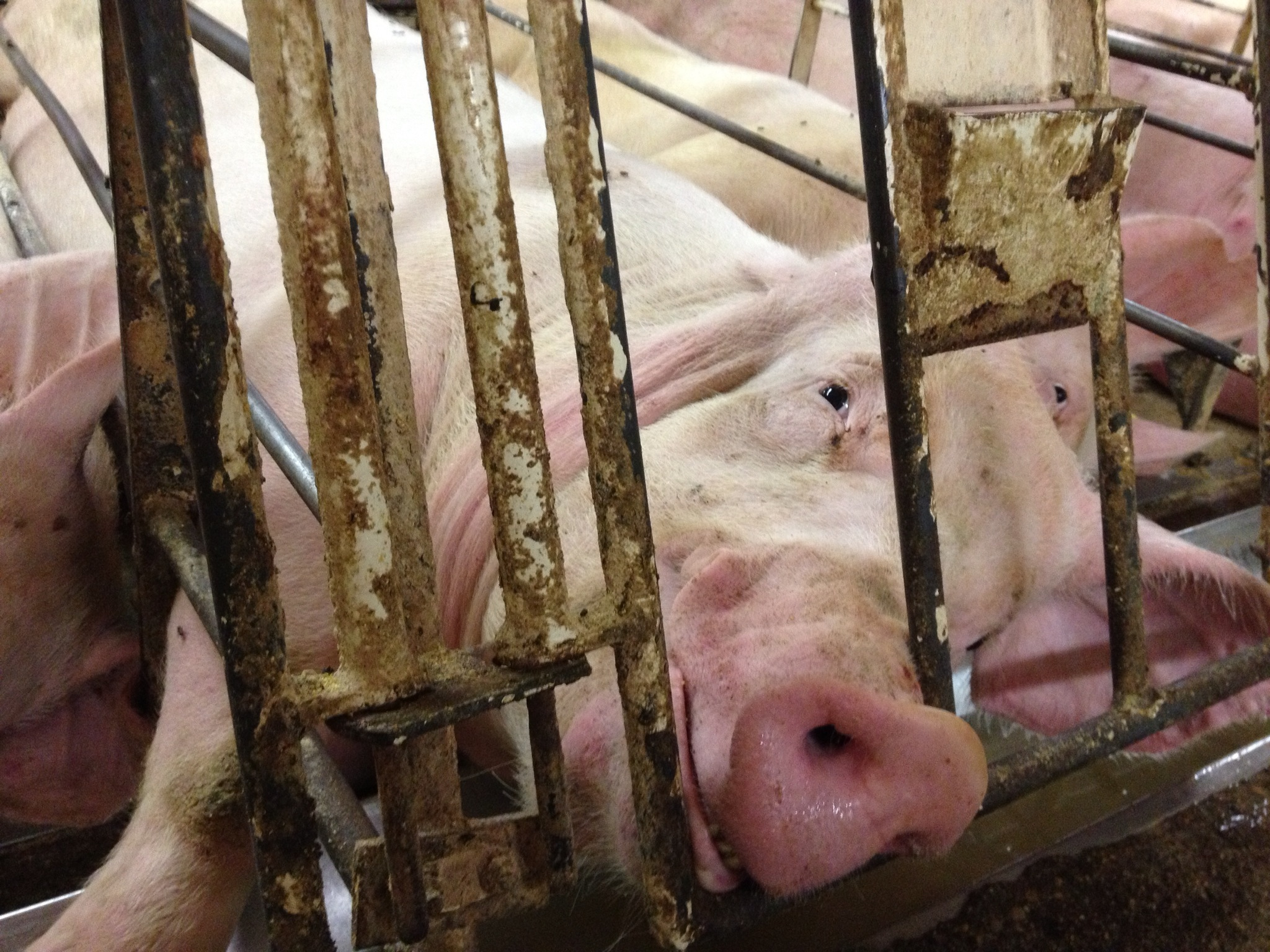
One week from today many of us will head to the polls to make critical decisions about who will represent us in the White House, in Congress, and in state and local offices. And in several states, people will also vote on the humane treatment of animals.
Recycled Plastic Lumber
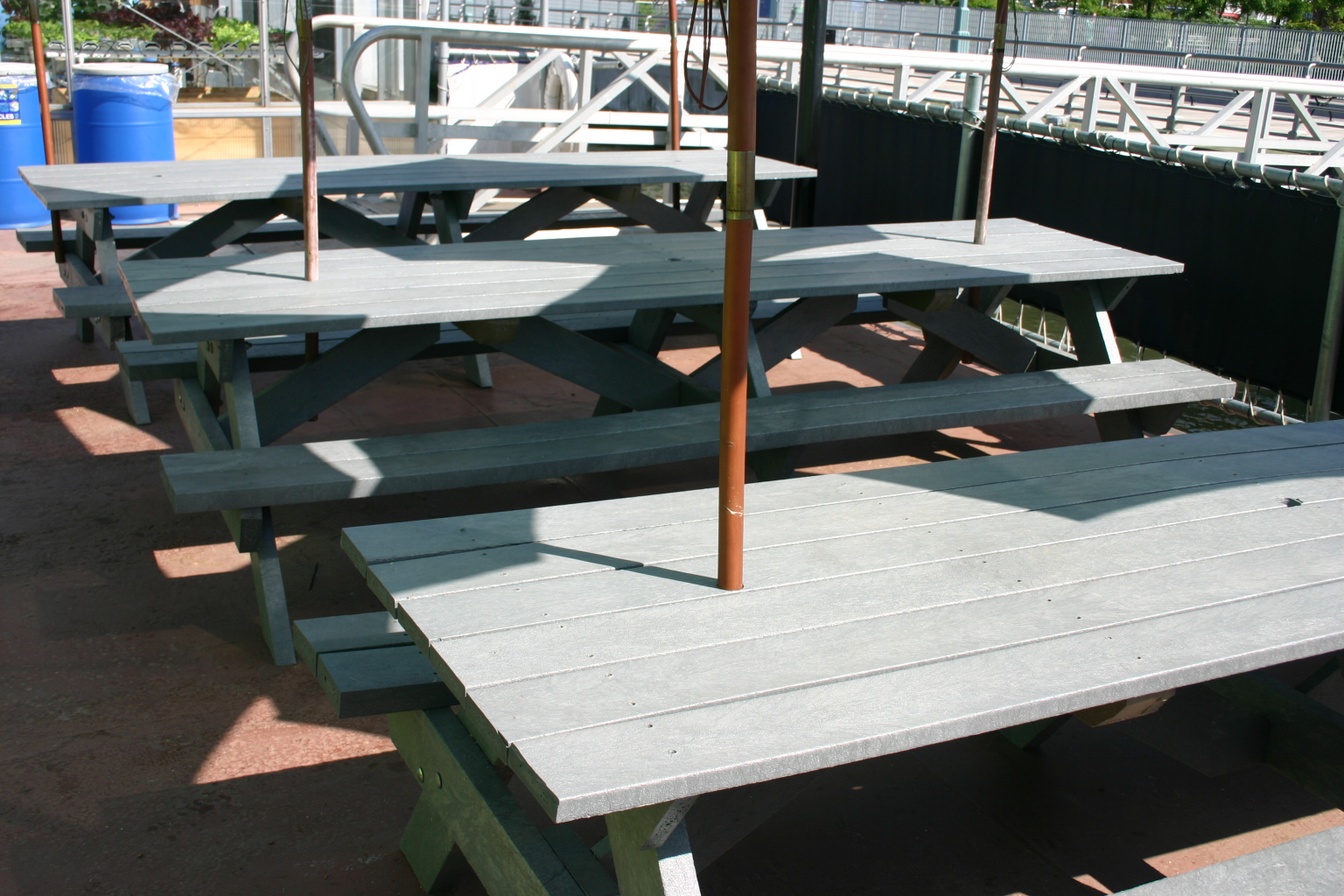
One of the most notable success stories in recycling is that of structural plastic lumber. The material is mostly polyethylene reinforced with stiff plastics or recycled composites. Made from milk containers, coffee cups, and other recycled plastics, structural plastic lumber is lighter than steel, longer-lasting than natural lumber and strong enough to support 120-ton locomotives.