• Skip to primary navigation
  • Skip to main content
  • Skip to primary sidebar

Earth Wise

A look at our changing environment.

  • Home
  • About Earth Wise
  • Where to Listen
  • All Articles
  • Show Search
Hide Search
You are here: Home / Archives for plastics

plastics

Better Ways To Make Bioplastics | Earth Wise

August 27, 2021 By EarthWise Leave a Comment

How to replace plastic

The world produces over 300 million tons of plastics each year, mostly produced from petroleum.  The environmental consequences are substantial and there is a critical need to replace as much of that plastic production with biodegradable plastics as possible.  Thus, there is global research aimed at making bioplastics more economical and as environmentally friendly as possible.

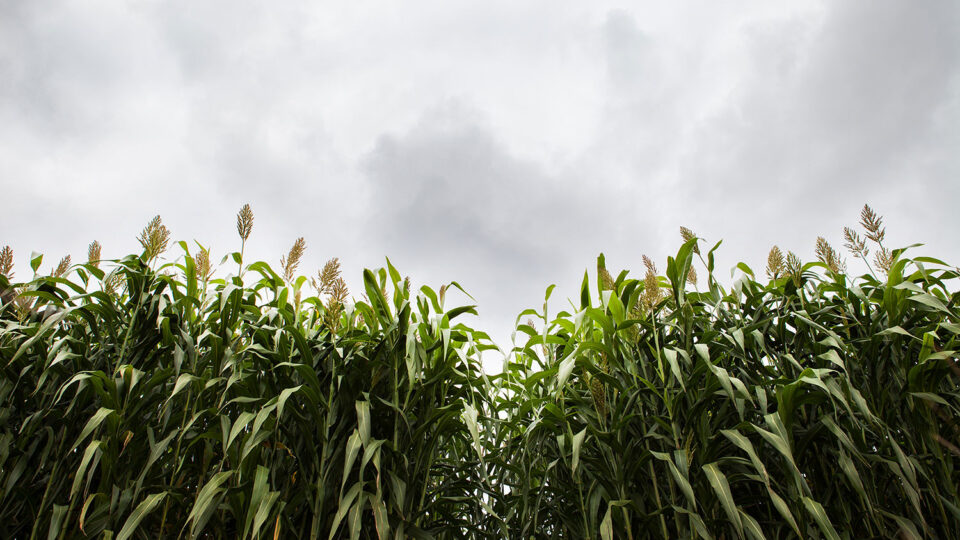
Researchers at Texas A&M University have developed an improved approach for making bioplastics from corn stubble, grasses, and mesquite agricultural production.  Apart from the obvious environmental benefits of having biodegradable plastics, producing bioplastics from common agricultural waste would create new revenue streams for farmers as well as the people who transport harvested feedstock and byproduct crops to refinery operations.

The key to bioplastic production is the efficient extraction and use of lignin, the organic polymer that is the primary structural support material in most plants.  The new research takes five conventional pretreatment technologies for plant materials and modifies them to produce both biofuel and plastics together at a lower cost.  The new method is called “plug-in preconditioning processes of lignin” and it can be directly and economically added into current biorefineries.  The process is designed to integrate dissolving, conditioning, and fermenting lignin, extracting energy from it and making it easily adaptable to biorefinery designs.

The so-called bioeconomy currently supports some 286,000 jobs.  Innovation is the key to achieving more widespread use of biodegradable plastic.  With improved economics of so-called lignocellulosic biorefineries, there can be new avenues to use agricultural waste to produce biodegradable plastics.

**********

Web Links

‘Plugging in’ to produce environmentally friendly bioplastics

Photo, posted November 5, 2015, courtesy of Kathryn Faith via Flickr.

Earth Wise is a production of WAMC Northeast Public Radio.
Regulating Plastic Pollution | Earth Wise

August 11, 2021 By EarthWise Leave a Comment

Instituting regulations for plastics that transcend borders is complicated but necessary

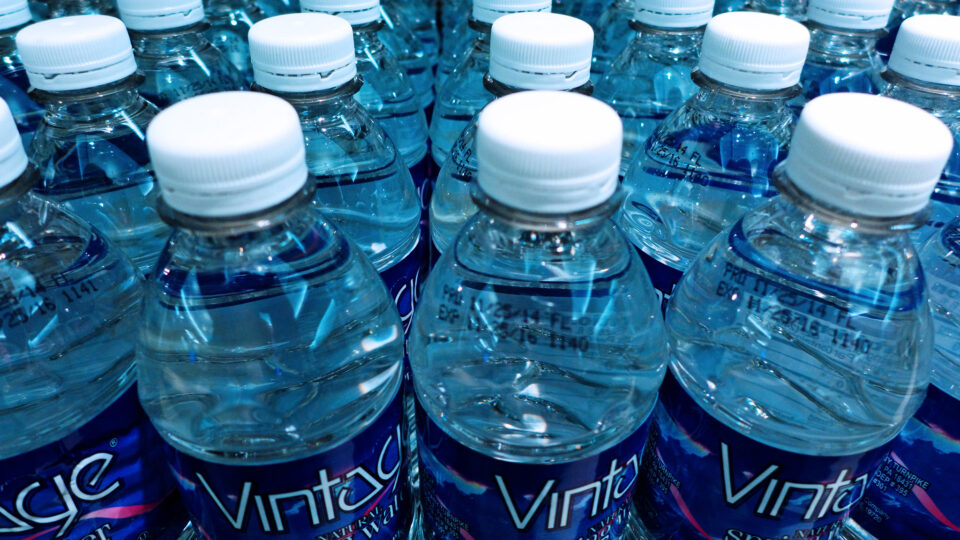
Much of the world is united in the desire to do something about the problem of plastic waste.  But putting in place regulations that transcend national borders is complicated.

One hundred fifteen countries have established bans on plastic bags, but globally, there are seven different definitions of what is considered a plastic bag.  Things like bag thickness can determine whether something even counts as a plastic bag.  These differences create loopholes that enable illegal bags to be used.  For a global company like Nestle, which sells food products in 187 countries, it means complying with 187 different sets of national regulations on plastic packaging.

At least 100 nations have expressed support for a global plastic treaty.  Preliminary talks are dealing with issues like setting a specific date to eliminate plastic from spilling into the ocean, creating a harmonized set of definitions and standards, coordination of national targets and plans, and creating a fund to build waste management facilities where they are most needed in less developed countries.

New plastic waste is created at a rate of over 300 million tons a year.   To date, 75% of all plastic ever produced has become waste, and plastic production is expected to triple by 2050.

With public concern about plastic waste growing and increasing support by countries around the world, there is growing optimism that a global treaty to address plastic waste could be approved on a pace that could make a difference.  Negotiations for international treaties can drag on for a decade or more.  There is not that kind of time to spare in this case, so perhaps urgency will drive more efficient action.

**********

Web Links

Global treaty to regulate plastic pollution gains momentum

Photo, posted February 3, 2015, courtesy of Thad Zajdowicz via Flickr.

Earth Wise is a production of WAMC Northeast Public Radio.

Plastic Pollution And The Galapagos Islands | Earth Wise

July 12, 2021 By EarthWise 1 Comment

Plastic pollution is infiltrating the pristine Galapagos Islands

The proliferation of plastics remains one of the world’s most challenging environmental problems.  Plastic pollution can be found in some of the most remote regions of the planet, including atop the world’s tallest mountains and in the deepest depths of the ocean.  Even the Galapagos Islands, a volcanic archipelago in the Pacific Ocean, are no exception.

According to a new study by researchers from the University of Exeter, the Galapagos Conservation Trust, and the Galapagos Science Center, plastic pollution has been found in seawater, on beaches, and inside marine animals at the Galapagos Islands. 

In the most polluted hotspots, more than 400 plastic particles were found per square metre of beach. The researchers found that only 2% of macroplastic pollution – plastic fragments larger than five millimeters – was identified as coming from the Galapagos islands. All seven of the marine invertebrate species examined – 52% of individuals tested – were found to contain microplastics.

Significant accumulations of plastic were also found in key habitats, including rocky lava shores and mangroves. In fact, plastics were found in all marine habitats at the island of San Cristobal, which is where Charles Darwin first landed in Galapagos.

Most of the plastic pollution in the Galapagos appears to arrive via ocean currents. According  to the research team, the highest levels of plastic pollution were found on east-facing beaches, which are exposed to pollution carried across the ocean on the Humboldt Current. 

The pristine images of the Galapagos, a world-famous biodiversity haven, might give the impression that the region is protected from plastic pollution.  But clearly that is not the case.

**********

Web Links

Plastic in Galapagos seawater, beaches and animals

Photo, posted April 12, 2012, courtesy of Ben Tavener via Flickr.

Earth Wise is a production of WAMC Northeast Public Radio.
Marine Debris | Earth Wise

July 8, 2021 By EarthWise Leave a Comment

Marine debris poses a perilous threat to communities all around the world

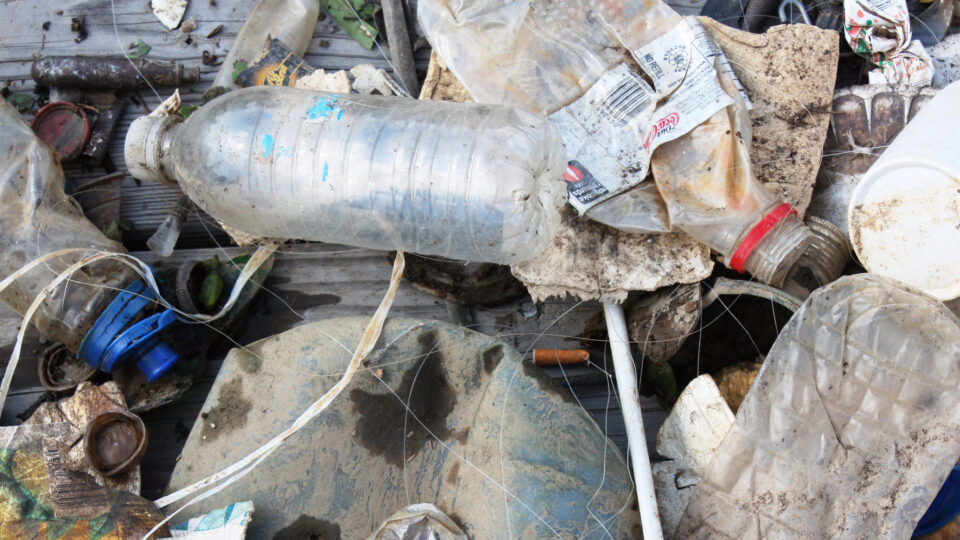
Marine debris is a troubling issue around the world.  For most people, it is unsightly and perhaps inconvenient, but for many it is a critical problem that has serious impacts on many aspects of life.  This is especially the case for indigenous communities for whom the natural environment around the ocean is central to subsistence, recreation, culture, and economic opportunities.

The National Oceanic and Atmospheric Administration sponsors a Marine Debris Program that supports multiple projects.  In Alaska’s Pribilof Islands, the indigenous communities of St. George and St. Paul Islands conduct regular cleanups to protect and steward the natural resources that they depend on.  They make use of unmanned aircraft system surveys to target removal and monitoring efforts.

Another NOAA-sponsored program works to clean up the Maybeso Estuary in Alaska’s Prince of Wales Islands.  The project has removed 35,000 pounds of debris, freeing the flow of the salmon stream and restoring the area as a prime hotspot for fishing, boating, and outdoor recreation.

In Washington State’s Olympic Coast, the Makah Tribe has a project to locate and remove derelict crab pots and fishing lines from 80 miles of fishing area and marine sanctuary.  Derelict fishing gear can trap and entangle animals, degrade habitat, imperil navigation, and interfere with fishing.  The project team is working with tribal stakeholders on promoting marine debris awareness.

All of these communities have cared for the environment for generations, but marine debris poses perilous threats to their territories and community action is needed to preserve and protect these remarkable places.

**********

Web Links

Lives and Livelihoods Disrupted by Marine Debris

Photo, posted September 11, 2015, courtesy of NOAA’s National Ocean Service via Flickr.

Earth Wise is a production of WAMC Northeast Public Radio.
Breaking Down Polystyrene | Earth Wise

April 20, 2021 By EarthWise Leave a Comment

Scientists have developed a way to break down polystyrene

The proliferation of global plastic waste continues to be a growing problem for the world.  Hundreds of millions of tons of plastics are produced each year and most of it is used once and then discarded.  The properties that make plastics so attractive – durability and chemical stability – make it difficult to do anything with discarded plastics other than deposit them in landfills – where they don’t easily degrade over time – or burn them, which dumps carbon dioxide and various hazardous gases into the atmosphere.

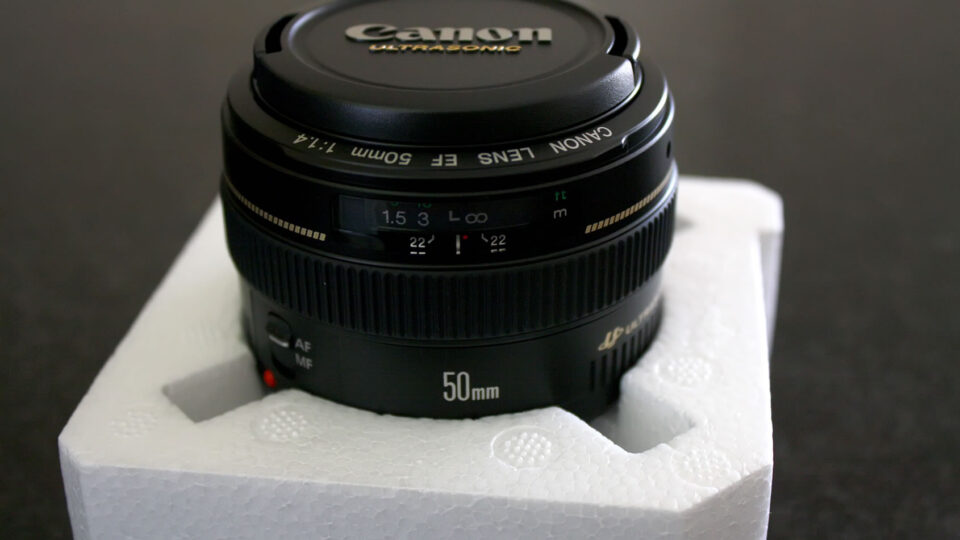
Polystyrene is one of the most widely used plastics.  It is found in foam packaging materials, disposable food containers, plastic cutlery, storage containers, and many other places. 

Recycling plastics like polystyrene is generally not economically feasible.  Sorting plastics by type is time and labor intensive and the chemical processes required to break down plastics into usable precursor materials require significant energy input and the use of toxic solvents.

Recently, a team of scientists at Ames Laboratory in Iowa has developed a process based on ball-milling that deconstructs commercial polystyrene in a single step, at room temperature, in ambient atmosphere, and in the absence of harmful solvents.

Ball-milling is a technique that places materials in a milling vial with metal ball bearings which is then agitated to initiate a chemical reaction.  This approach is known as mechanochemistry.

The method represents an important breakthrough that enables dismantling of a polymer that includes its chemical breakdown without requiring solvents or the high temperatures generally needed to thermally decompose it.  This discovery opens up new avenues for low-temperature recovery of monomers from polymer-based systems that include composites and laminates.  It could be a very useful weapon in the battle against plastic waste.

**********

Web Links

Polystyrene waste is everywhere, and it’s not biodegradable. Scientists just found a way to break it down.

Photo, posted December 11, 2010, courtesy of Warrenski via Flickr.

Earth Wise is a production of WAMC Northeast Public Radio.
A Sustainable Polymer From Wood | Earth Wise

February 24, 2021 By EarthWise Leave a Comment

A step closer to making plastics more sustainable

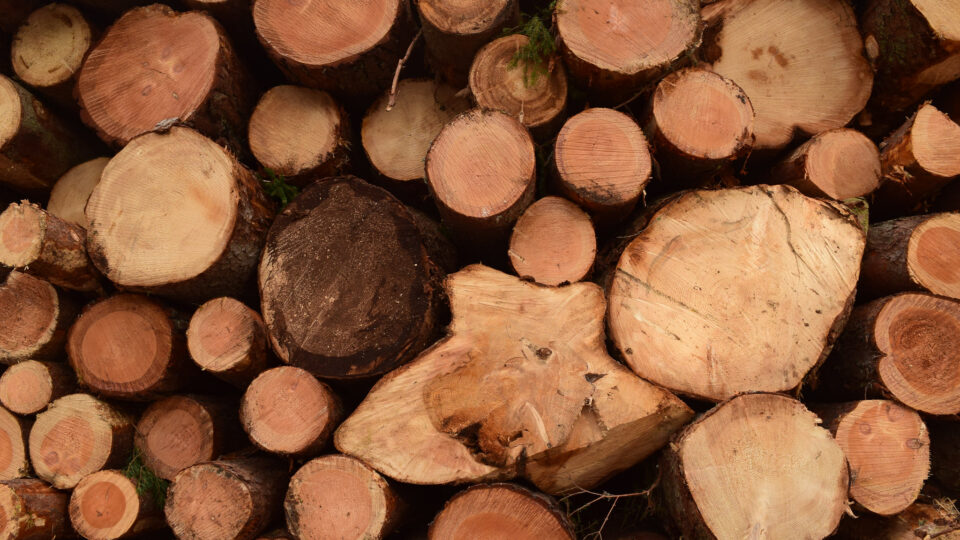
Scientists from the University of Bath in the UK have developed a sustainable polymer using xylose, a sugar found in wood.

The new polymer is a member of the polyether family.  It could be used in a variety of applications, including being a building block for polyurethane, used for example in mattresses and shoe soles. It could also be a bio-derived alternative to polyethylene glycol, a chemical widely used in biomedicine, or in polyethylene oxide, which is sometimes used as an electrolyte in batteries.

Xylose, also known as wood sugar, is one of the most abundant carbohydrates on earth, second only to glucose. Apart from comprising 5-20% of hardwoods, xylose is a major component of straw, corncobs, and many other plant materials.

The new polymer could reduce reliance on crude oil products and its properties can be easily controlled to make the material flexible or crystalline.  Added functionality could be added to it by binding other chemical groups such as fluorescent probes or dyes to the sugar molecule for biological or chemical sensing applications.

Tweaking the physical and chemical properties of bio-derived polymers has previously been a very difficult thing to do.  The Bath researchers discovered that combining two mirror-image chemical forms of xylose results in a stronger and more adaptable material.  They have filed a patent for their technology and are seeking industrial collaborators for further development.

The reliance of plastics and polymers on fossil fuels is a major problem.  Bio-derived polymers, such as this new one, are an important part of the effort to make plastics sustainable.

**********

Web Links

Scientists make sustainable polymer from sugars in wood

Photo, posted January 25, 2017, courtesy of Keith Double via Flickr.

Earth Wise is a production of WAMC Northeast Public Radio.

Replacing Plastic Tableware | Earth Wise

December 30, 2020 By EarthWise Leave a Comment

Replacing plastics

Plastics have been described as the “ubiquitous workhorse material of the modern economy.”  But their versatility, pliability, and durability comes at a heavy price to the environment.  Plastic pollution is quite literally everywhere.  Plastic debris and microplastic particles can be found in every corner of the globe, including the Arctic and Antarctic. 

The scourge of plastic pollution is driving scientists to create ecologically-friendly alternatives.  According to a paper recently published in the journal Matter, scientists have developed “green” tableware made from sugarcane and bamboo that doesn’t sacrifice on convenience or functionality.  This eco-friendly tableware could serve as a permanent replacement for plastic cups and other disposable plastic containers. 

Traditional plastic polymers, a product of petroleum, can take as long as 1,000 years to decompose in landfills.  The new material only takes 60 days to break down.

To create this material, scientists used bamboo and bagasse, also known as sugarcane pulp.  Bagasse is one of the largest food-industry waste products.  The researchers wound the fibers together to form a mechanically stable and biodegradable material.  They added an alkyl ketene dimer, an eco-friendly chemical, to increase the oil and water resistance of the material.  The green material is durable enough to hold liquids like hot coffee and hot greasy foods like pizza.   

There’s another advantage: the green material’s manufacturing process emits 97% less CO2 than the process to make commercial plastic containers.  The next step is to lower the manufacturing cost.  While the cost of cups made from the green material is $2,333 per ton, traditional cups made from plastic are still slightly cheaper at $2,177 per ton.

**********

Web Links

This tableware made from sugarcane and bamboo breaks down in 60 days

Photo, posted May 19, 2013, courtesy of Henry Burrows via Flickr.

Earth Wise is a production of WAMC Northeast Public Radio.
A New Super-Enzyme For Breaking Down Plastic | Earth Wise

November 13, 2020 By EarthWise Leave a Comment

Breaking down plastic

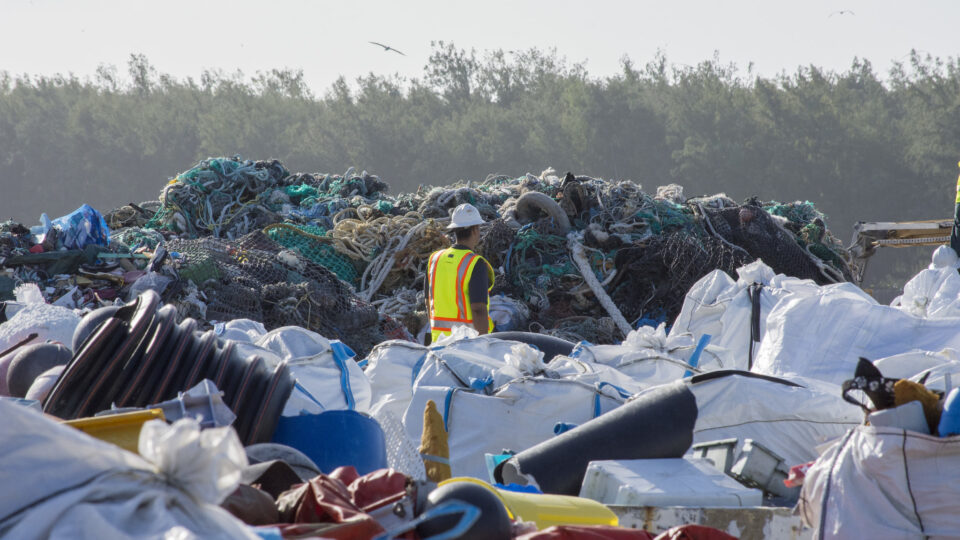
The problems caused by plastic waste continue to grow.  Plastic pollution is everywhere, from the Arctic to the depths of the ocean.  We consume microplastics in our food and breathe them in the air.  It is very difficult to break down plastic bottles into their chemical constituents in order to make new ones from old ones. Therefore, we continue to produce billions of single-use plastic bottles, creating more and more new plastic from oil each year. 

Scientists at the University of Portsmouth in the UK have developed a new super-enzyme that degrades plastic bottles six times faster than before.  They believe that the new enzyme could be used for plastic recycling within a year or two.

The super-enzyme was derived from bacteria that naturally have the ability to eat plastic.  The researchers engineered it by linking two separate enzymes, both of which were found in a plastic-eating bug discovered in a Japanese waste site in 2016.  They revealed an engineered version of the first enzyme in 2018, which started breaking down plastic in a few days.  They had the idea that connecting two enzymes together would speed up the breakdown of plastic.  Such linkage could not happen naturally in a bacterium. 

Carbios, a French company, announced a different enzyme in April that can degrade plastic bottles within 10 hours but requires heating above 160 degrees Fahrenheit.  The new super-enzyme works at room temperature.

The team is now examining how the enzymes can be tweaked to make them work even faster.  Meanwhile, they plan to work in partnership with companies like Carbios, to bring super-enzymes for breaking down plastics into commercial use.

**********

Web Links

New Super-Enzyme Can Break Down Plastic at Rapid Pace

Photo, posted March 24, 2017, courtesy of the USFWS – Pacific Region via Flickr. Photo credit: Holly Richards/USFWS.

Earth Wise is a production of WAMC Northeast Public Radio.
More Bugs That Eat Plastic | Earth Wise

September 29, 2020 By EarthWise Leave a Comment

Breaking down plastic with beetles

The world continues to struggle with the proliferation of plastic that is polluting the environment.  The Great Pacific Garbage Patch has now grown so large that it has spread across an area four times the size of California.  But there is no silver bullet in the struggle to reduce plastic pollution.  Reducing the use of plastic is probably the most viable approach, but increased recycling, the use of bioplastics, and various other strategies must play a role.

The essence of the problem is that plastic takes from decades to hundreds of years to decompose naturally.  The world produces billions of tons of plastic waste each year and less than 10% of it is recycled.  As a result, researchers around the world seek ways to safely and economically accelerate the decomposition of plastics.

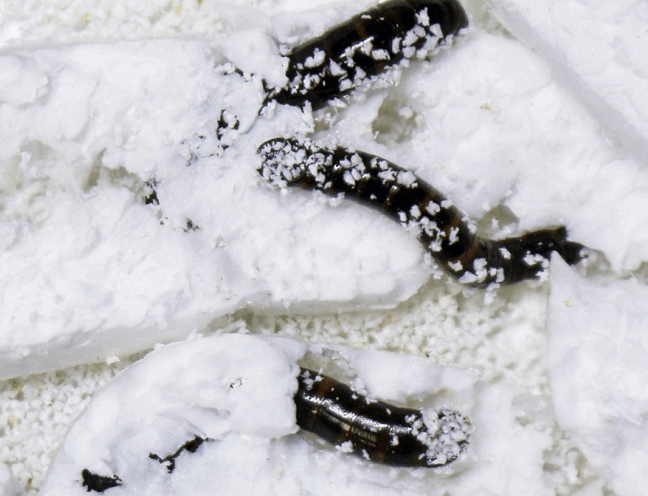
A research team at Andong National University in South Korea has discovered the larvae of a particular species of darkling beetle can decompose polystyrene, which is one of the trickiest plastics to break down.  There are thousands of species of darkling beetles found in different habitats all over the world.  The one they identified is indigenous to East Asia.

The beetle larvae can consume polystyrene and reduce both its mass and molecular weight.  Furthermore, they found that the bacteria in the gut of the larvae could oxidize and change the surface property of polystyrene.  The handful of bacterial strains they identified were not like those of earlier insects found to degrade polystyrene.  As result, the researchers are hopeful that it may be possible to break down the plastic using other insects that feed on rotten wood.  Apart from the insects themselves, using just the bacterial strains found in the darkling beetles may prove to be an effective method for decomposing polystyrene.

**********

Web Links

A New Species of Darkling Beetle Larvae That Degrade Plastic

Photo courtesy of Flickr.

I farmaci a base di erbe e omeopatici rappresentano una percentuale significativa (circa una confezione su otto) dell’assortimento da banco delle farmacie. Nel 2017, i farmaci a base di erbe hanno registrato vendite per 1,48 milioni di euro e 120 milioni di confezioni, mentre maschioforte.com i farmaci omeopatici hanno registrato vendite per 630 milioni di euro e 52 milioni di confezioni, secondo l’Associazione federale dell’industria farmaceutica (Bundesverband der Pharmazeutischen Industrie – BPI).

Earth Wise is a production of WAMC Northeast Public Radio.
Finding Plastic In Seafood | Earth Wise

September 15, 2020 By EarthWise Leave a Comment

plastic in seafood

Researchers from the University of Exeter in the UK and the University of Queensland in Australia have developed a new method for identifying and measuring the presence of five different types of plastic in seafood.

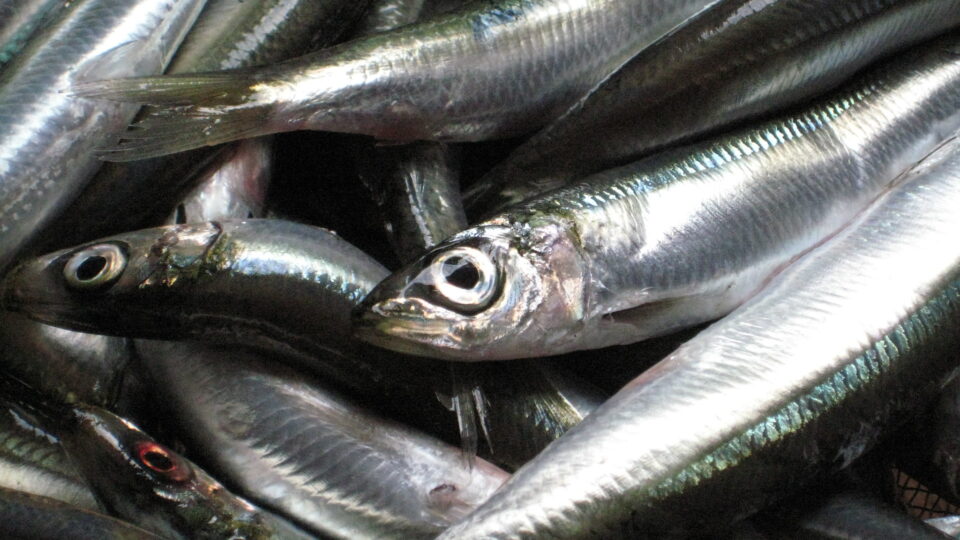
The researchers purchased oysters, prawns, squid, crabs, and sardines from a market in Australia and analyzed them using the new technique.  They found plastic in every single sample.

Their findings showed that the amount of plastics present varies greatly among species and differs between individuals of the same species.  The measured plastic levels were 0.04 mg per gram of seafood in squid, 0.07 mg in prawns, 0.1 mg in oysters, 0.3 mg in crabs, and 2.9 mg in sardines. 

All the plastics are types commonly used in plastic packaging and synthetic textiles and are increasingly found in marine litter:  polystyrene, polyethylene, polyvinyl chloride, polypropylene, and polymethyl methacrylate.

The new method treats the seafood tissues with chemicals that dissolve the plastics present within them.  The resulting solution is then analyzed using a highly sensitive technique called Pyrolysis Gas Chromatography Mass Spectrometry which both identifies and quantifies the plastics.

Microplastics are an increasing source of pollution for much of the planet, including the oceans where they are eaten by all types of marine creatures ranging from planktonic organisms to large mammals.  Microplastics enter our diet not only from seafood, but also from bottled water, sea salt, beer, and honey, as well as from dust that settles on our food.

**********

Web Links

Seafood study finds plastic in all samples

Photo, posted June 23, 2007, courtesy of Flickr.

Earth Wise is a production of WAMC Northeast Public Radio.
Sustainable Flip-Flops | Earth Wise

September 9, 2020 By EarthWise Leave a Comment

Sustainable technologies

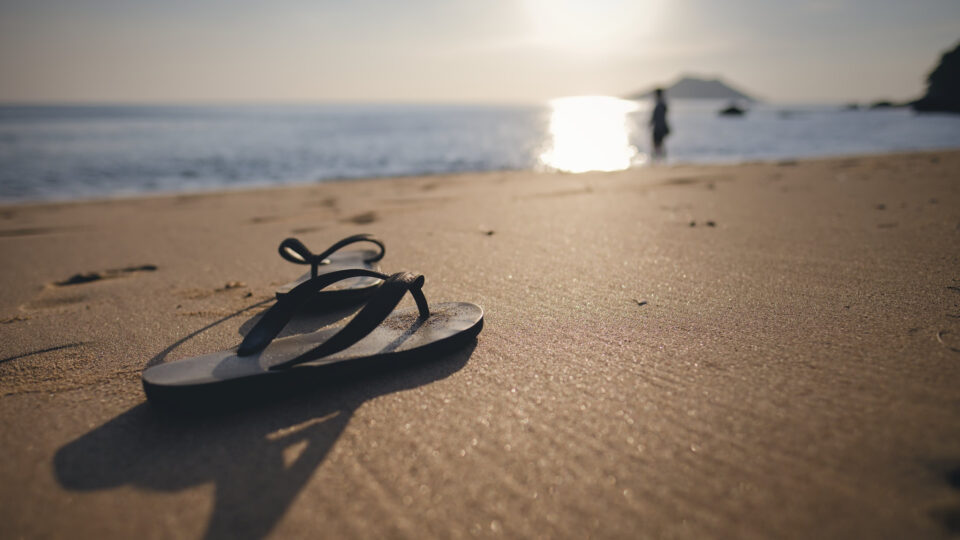
Flip-flops are the world’s most popular shoe.  They are lightweight, comfortable, affordable, and durable.  In fact, the global market for flip-flops is expected to reach a whopping $23.8 billion by the year 2025. 

But the popularity comes with a price.  Flip-flops account for a troubling percentage of plastic waste that ends up in our landfills and oceans.  As a result, demand for alternatives is compelling researchers to develop more sustainable versions of the popular footwear.

Scientists at the University of California San Diego have spent years working on this issue, and recently announced a breakthrough.  According to a study recently published in Bioresource Technology Reports, the research team has formulated polyurethane foams – made from algae oil – to meet commercial specifications for mid-sole shoes and the foot-bed of flip-flops.   In other words, the scientists have created sustainable, biodegradable, and consumer-ready materials that could replace plastics in some footwear. 

The UC San Diego scientists collaborated with Algenesis Materials – a technology startup – on the research.  Together, they worked to not only create the shoes, but to degrade them as well.  The team tested their customized foams by immersing them in traditional compost and soil.  The algae-based materials degraded after just 16 weeks.  

The life of any material should be proportionate to the life of the product.  The researchers point out that it doesn’t make sense to create a product that will last 500 years if it’ll only be used for a year or two. 

The research team is currently working on production details with its manufacturing partners.  The creation of biodegradable flip-flops that meet commercial footwear standards could eliminate tons of plastic waste from the environment.   

************ 

Web Links

New science behind algae-based flip-flops

Flip Flops Market Size Worth $23.8 Billion by 2025

Photo, posted December 12, 2019, courtesy of Flickr.

Earth Wise is a production of WAMC Northeast Public Radio.
Recycling Tough Plastics | Earth Wise

September 3, 2020 By EarthWise Leave a Comment

recycling tough plastics

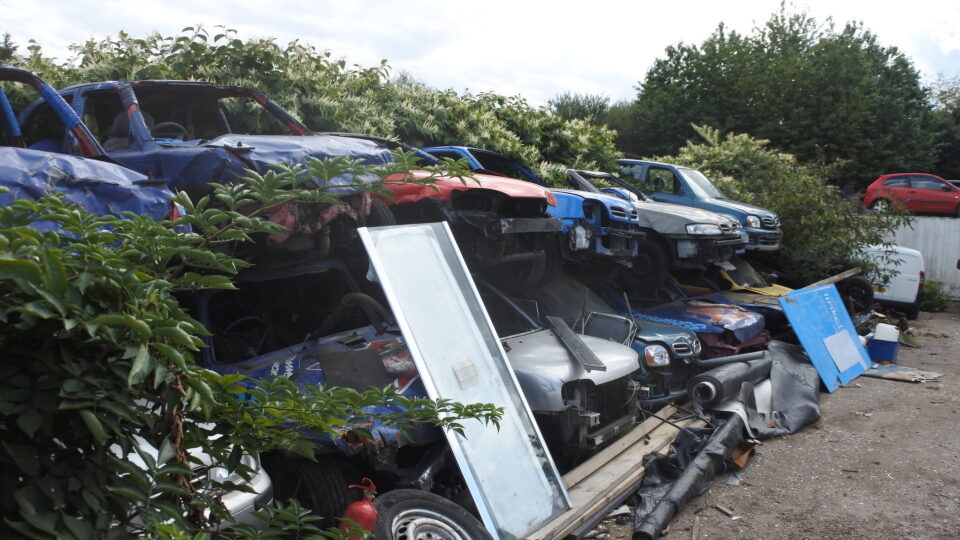
Thermoset plastics are ones that contain polymers that cross-link together during the curing process to form an irreversible chemical bond.  This improves the material’s mechanical properties, provides chemical resistance, heat resistance, and structural integrity.  Thermosets include epoxies, polyurethanes, and rubber used for tires.  The big problem with thermosets is that they cannot be easily recycled or broken down after use.

Seventy-five percent of all plastics are thermoplastics, which can be recycled by heating them until they become liquid and can then be remolded.   Thermoset plastics, on the other hand, have such strong chemical bonds that they simply will not melt.  They will typically burn before they can be remolded.

Chemists at MIT have recently developed a way to modify thermoset plastics with a chemical linker that makes them much easier to break down, but still retain the mechanical properties that make them so useful.

In a study published in Nature, the researchers produced a degradable version of a thermoset plastic called pDCPD.  They then broke the plastic down into a powder and were able to use the powder to create more pDCPD.  The paper also proposed a theoretical model that suggests that their approach could be used for a wide range of other plastics and polymers, including rubber.

By adding a chemical called a silyl ether monomer to the liquid precursors that from pDCPD plastic, they found that the resultant material retained its mechanical strength but can be broken down into a soluble powder upon exposure to fluoride ions.

Using this approach with other thermoset materials, the researchers believe it will be possible to create recyclable versions of many of the toughest plastic materials.

**********

Web Links

Chemists make tough plastics recyclable

Photo, posted September 1, 2019, courtesy of Luke McKernan via Flickr.

Earth Wise is a production of WAMC Northeast Public Radio.
PPE Pollution | Earth Wise

June 25, 2020 By EarthWise Leave a Comment

PPE is polluting the environment

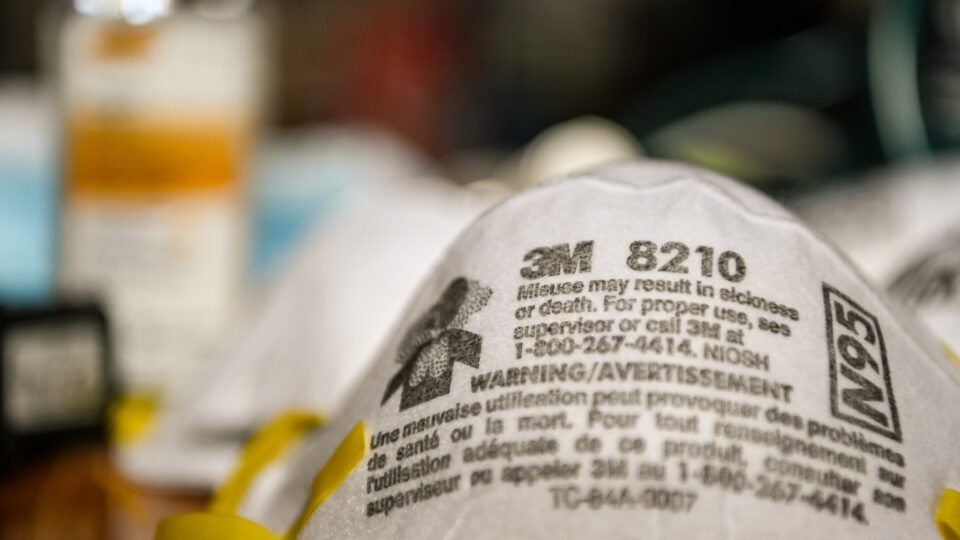
While the COVID-19 pandemic and its shutdown of so many human activities has reduced many kinds of pollution, it has also managed to create a new source of pollution:  face masks and sanitary gloves.

Divers from a French non-profit organization called Operation Clean Sea are already finding gloves, masks, and hand sanitizer bottles beneath the waves of the Mediterranean, along with the usual litter of disposable cups and aluminum cans. In France, authorities have ordered 2 billion disposable masks. Given that, there may soon be the risk of having more masks in the Mediterranean than jellyfish.  In Hong Kong, face masks have been piling up on beaches and nature trails.  Even in Hong Kong’s isolated and uninhabited Soko Islands, dozens of masks are showing up on a small stretch of beach.

Disposable masks may feel like soft cotton, but almost all of them are made from non-biodegradable material such as polypropylene.  When such masks are discarded into storm drains, they end up in rivers and seas.  With a lifespan of hundreds of years, these masks are an ecological timebomb.  Land-based activity accounts for 80% of ocean pollution, and half of that is a direct result of single-use plastics.  Many of the CDC’s recent recommendations for reopening offices and businesses actually recommend the increased use of them, and for sensible reasons.

The best we can all do is to wear reusable masks and to try to wash our hands more often rather than putting on another pair of latex gloves.  Given that there are alternatives, we don’t need to make plastic the solution to protect us from Covid-19.

**********

Web Links

COVID-19 Masks Are Polluting Beaches and Oceans

Photo, posted March 28, 2020, courtesy of Michael Swan via Flickr.

Earth Wise is a production of WAMC Northeast Public Radio.

Microplastics And Florida’s Birds of Prey | Earth Wise

June 19, 2020 By EarthWise Leave a Comment

Microplastics found in Florida's birds of prey

Plastic debris comes in all different shapes and sizes, but those that are less than five millimeters in length are called microplastics.  Some microplastics come from larger plastic debris that degrades into smaller bits over time.  Another type of microplastics – called microbeads – are intentionally manufactured tiny plastic beads that are added as exfoliants to some health and beauty products. 

According to a new study published in the journal Environmental Pollution, researchers have confirmed and quantified the presence of microplastics in terrestrial and aquatic birds of prey in Florida for the first time.  This research is important because these birds of prey, including ospreys, hawks, and owls, are critical to maintaining a healthy ecosystem.  The accumulation of microplastics in their digestive systems could lead to a myriad of health issues, including starvation.  

Working with the Audubon Center for Birds of Prey in Florida, the research team from the University of Central Florida was able to examine the stomachs of 63 deceased birds.  The team found microplastics in every bird it examined, extracting nearly 1,200 pieces of plastic in total.  Microfibers represented 86% of the plastic pieces. 

It’s common for plastic microfibers to enter ecosystems through the wastewater from washing machines.  A 2016 study found that 700,000 plastic fibers come off in a typical wash.  While there are lots of variables, synthetic fabrics account for 60% of the material used in clothing worldwide. 

To help cut down on plastic in the environment, the research team suggests removing plastics from open landfills, purchasing only natural fabrics and clothing, and modifying water treatment facilities to capture microplastics. 

**********

Web Links

Microplastics found in Florida’s birds of prey for first time

Photo, posted April 15, 2016, courtesy of Andy Morffew via Flickr.

Earth Wise is a production of WAMC Northeast Public Radio.
Microplastic Hotspots In The Ocean | Earth Wise

June 4, 2020 By EarthWise Leave a Comment

microplastics pollution

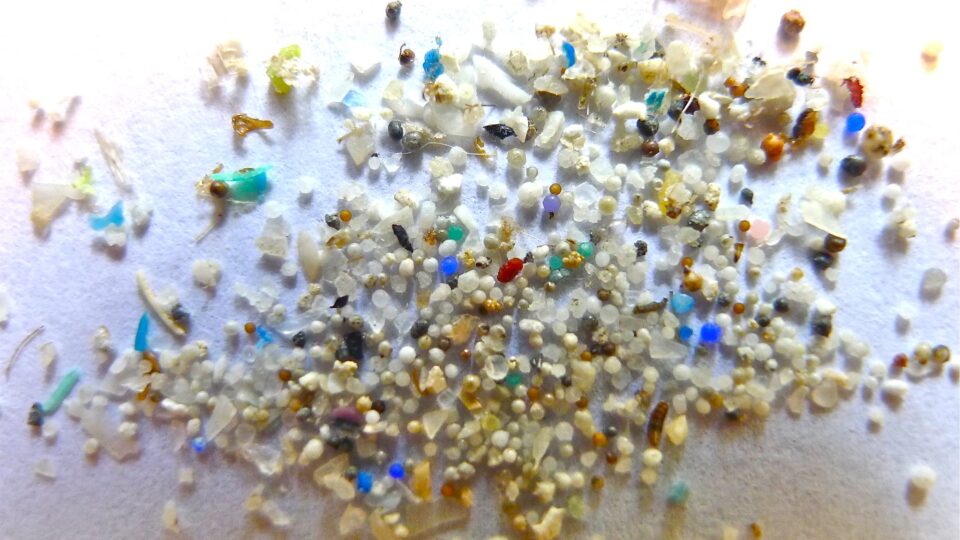
Many of us are aware of the infamous ocean “garbage patches” of floating plastic.  The Great Pacific Garbage Patch is roughly the size of Texas.  But over 10 million tons of plastic waste enter the oceans each year and the floating patches only account for 1% of that total.  The remaining 99% of the plastic ends up in the deep ocean, generally in the form of microplastics – tiny fragments of large plastic debris that have broken down as well as manufactured polyethylene beads used in various products.

According to a new study published in the journal Science, there are actually microplastic hotspots on the ocean floor, formed by deep-sea currents that act as conveyer belts moving the tiny plastic fragments around.  One of these hotspots – in the Tyrrhenian Sea off the west coast of Italy – contained 1.9 million microplastic pieces in just one square meter of seafloor.  This is the highest reported value for any place in the world.

Because of their small size, microplastics can be ingested by organisms across all levels of the marine food chain and eventually find their way into human diets. 

The spatial distribution and ultimate fate of ocean microplastics are strongly controlled by near-bed thermohaline currents.  These are deep-ocean currents driven by differences in water density, which is controlled by temperature and salinity.  Thermohaline currents are known to supply oxygen and nutrients to the flora and fauna found at the ocean bottom.  As a result, deep sea biodiversity hotspots are likely to be in same places where there are microplastic hotspots.

The discovery of these deep- sea hotspots is just another reason why we need behavior and policy interventions to limit the flow of plastics into natural environments.

**********

Web Links

Seafloor microplastic hotspots controlled by deep-sea circulation

Photo, posted September 6, 2012, courtesy of Oregon State University via Flickr.

Earth Wise is a production of WAMC Northeast Public Radio.

Plants Paying For Biofuels | Earth Wise

May 7, 2020 By EarthWise Leave a Comment

Plants can make biofuels cheaper

Biofuels are an important element in broader strategies to replace petroleum in transportation fuels like gasoline, diesel, and jet fuel.  The idea is that biofuels recycle carbon by getting it from growing plants rather than from fossil sources.  The biggest problem with biofuels is that they cost more than conventional petroleum fuels, so there is economic incentive to keep burning the fossil fuels.

One strategy to make biofuels cost competitive is to have the plants provide additional economic benefits beyond being a feedstock for fuel.  This in principle can be done by engineering plants to produce valuable chemical compounds, or bioproducts, as they grow.  Bioproducts include such things as flavoring agents and fragrances as well as biodegradable plastic.  These bioproducts can be extracted from the plants and then the remaining plant material can be converted to fuel. 

Researchers at Lawrence Berkeley National Laboratory recently published a study to determine what quantities of bioproducts plants need to produce to result in cost-effective biofuel production.

The study looked at a compound called limonene, which is used for flavoring and fragrance.  They calculated that if this compound was accumulated at 0.6% of the biomass dry weight, it would offer net economic benefits to biorefineries.  This corresponds to recovering 130 pounds of limonene from 10 tons of sorghum on an acre of land.

Such quantities are completely practical but, on the other hand, none of these substances are needed in huge quantities. Just six refineries could supply the world with limonene.  So, fuel crops would need to be engineered to produce a broad range of bioproducts to enable a viable cost-effective biofuel industry.

**********

Web Links

Making Biofuels Cheaper by Putting Plants to Work

Photo, posted September 28, 2019, courtesy of Michele Dorsey Walfred via Flickr.

Earth Wise is a production of WAMC Northeast Public Radio.

Keep Track Of Your LEGOs | Earth Wise

April 9, 2020 By EarthWise Leave a Comment

plastics in the ocean

Plastics in the ocean are a global problem that has attracted a great deal of attention.  Most of the concern surrounds grocery bags, bottles, six-pack rings, and similar items.  Recent research looked at another source of plastic pollution:  LEGOs.

According to environmental scientists at the University of Plymouth in the United Kingdom, it can take more than a thousand years for LEGO bricks to break down in the ocean.  The iconic toys are made from a strong plastic called acrylonitrile butadiene styrene or ABS.  Pieces of LEGOs are commonly found in ocean trash hotspots and wash up on shores across the globe by the thousands.

LEGOs are one of the most popular children’s toys in history and part of what makes them so popular is their durability.  Barefooted parents stepping on one on the floor in a dark room can attest to that fact.  But the full extent of their durability came as a surprise to the researchers.

The scientists analyzed pieces of weathered LEGOs collected from beaches, confirmed their age, and compared them to unweathered LEGOs from the 70’s and 80’s.  They were able to determine the extent to which LEGOs had been worn down by ocean waves, sand, and salt over time.  And it was surprisingly little.

LEGO has acknowledged the environmental impact of its products and has launched a goal to make its bricks from more sustainable sources such as sugarcane-based polyethylene by 2030, as well as improve its efforts to recycle and reuse old LEGO plastic.

Meanwhile, we should all we careful of where our old LEGOs end up.

**********

Web Links

LEGO Bricks Could Linger in the Ocean for 1,300 Years, Study Finds

Photo, posted August 24, 2015, courtesy of Juan Luis via Flickr.

Earth Wise is a production of WAMC Northeast Public Radio.
Much More Microplastics In The Ocean | Earth Wise

January 28, 2020 By EarthWise Leave a Comment

microplastics in ocean image

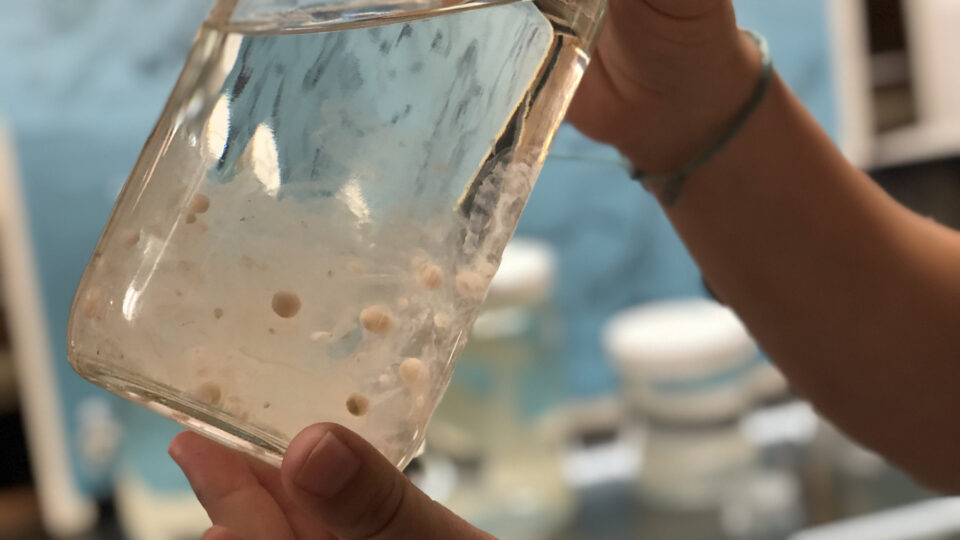
We’ve been hearing more and more about plastic contamination (microplastics) in the ocean.  It is pulled from the nostrils of sea turtles, found in Antarctic waters, and tracked in increasing quantities in sedimentary layers dating back to the 1940s.  A new study by researchers from the Scripps Institution of Oceanography suggests that there could be a million times more pieces of plastic in the ocean than previously estimated.

Oceanographers found that some of the tiniest countable microplastic particles in seawater occur at much higher concentrations than previously measured.  Apparently, the traditional way of counting marine microplastics most likely misses the smallest particles, and therefore underestimates the number of particles by a factor of anywhere from 10,000 to a million.

The new measurements estimate that the oceans may be contaminated by 8 million pieces of so-called mini-microplastics per cubic meter of water.  Earlier studies that only looked at larger pieces of plastic found only 10 pieces per cubic meter. 

Microplastic studies typically trawl or pull a fine net behind a ship to collect samples.  But the meshes previously used could only capture plastics as small as 333 microns.  The new study found plastic particles as small as 10 microns, which is less than the width of a human hair.

Plastics keep breaking down into smaller and smaller particles, but they are so chemically strong that their chemical bonds don’t break down. They remain bits of plastic.  Scientists are concerned that these particles can get small enough to enter the human bloodstream.  The potential effects on human health are not well known and not extensively studied.

The problem of plastics just keeps getting bigger.

**********

Web Links

Microplastics a million times more abundant in the ocean than previously thought

Photo courtesy of UC San Diego.

Earth Wise is a production of WAMC Northeast Public Radio.
Mealworms And Plastic | Earth Wise

January 21, 2020 By EarthWise Leave a Comment

Mealworms and Plastic

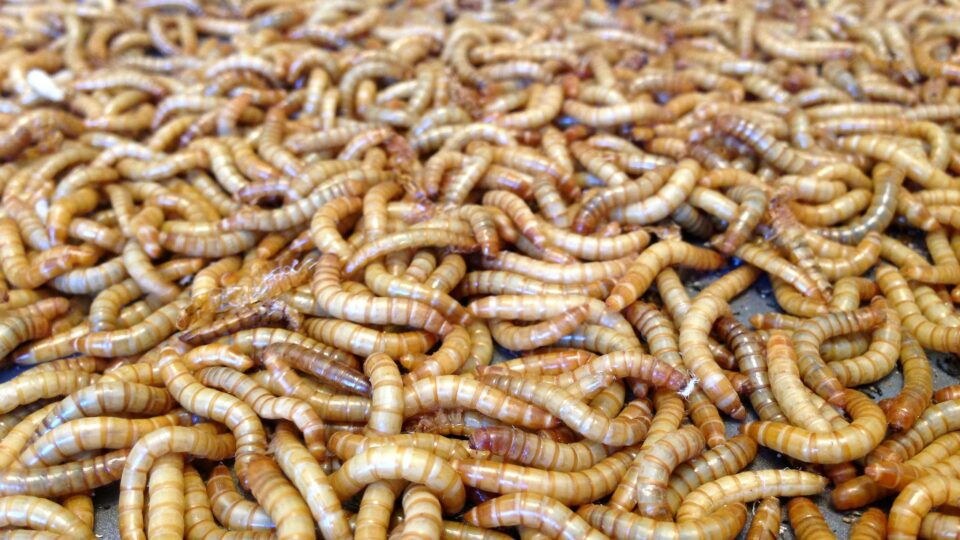
Mealworms are widely cultivated beetle larvae that people feed to pets and to wild birds.  But it turns out, they may have an even more valuable purpose:  they can eat plastic and even plastic containing dangerous chemical additives.

Four years ago, researchers at Stanford discovered that mealworms can actually subsist on a diet of various types of plastic.  They found that microorganisms in the worms’ guts actually biodegrade the plastic.  It might be possible to cultivate the worms using unrecyclable plastic, rather than feeding them grains and fruits.   However, there is the issue of whether it would be safe to feed the plastic-eating worms to other animals, given the possibility that harmful chemicals in plastic additives might accumulate in the worms over time.

Recently, the Stanford researchers studied what happens when the worms ingested Styrofoam or polystyrene.  The plastic commonly used for packaging and insulation typically contains a flame retardant called hexabromocyclododecane, or HBCD.  Studies have shown that HBCD can have significant health and environmental impacts, ranging from endocrine disruption to neurotoxicity.

According to the study, mealworms in the experiment excreted about half of the polystyrene they consumed as tiny, partially degraded fragments and the other half as carbon dioxide.  With it, they excreted the HBCD.  Mealworms fed a steady diet of HBCD-laden polystyrene were as healthy as those eating a normal diet.  And shrimp fed a steady diet of the HBCD-ingesting mealworms also had no ill effects.

It is true that the HBCD excreted by the worms still poses a hazard and must be dealt with in some manner, but mealworms may have a role to play in dealing with unrecyclable plastics like Styrofoam.

**********

Web Links

Stanford researchers show that mealworms can safely consume toxic additive-containing plastic

Photo, posted May 11, 2015, courtesy of Flickr.

Earth Wise is a production of WAMC Northeast Public Radio.
Carbon Capture As Big Business

December 26, 2019 By EarthWise Leave a Comment

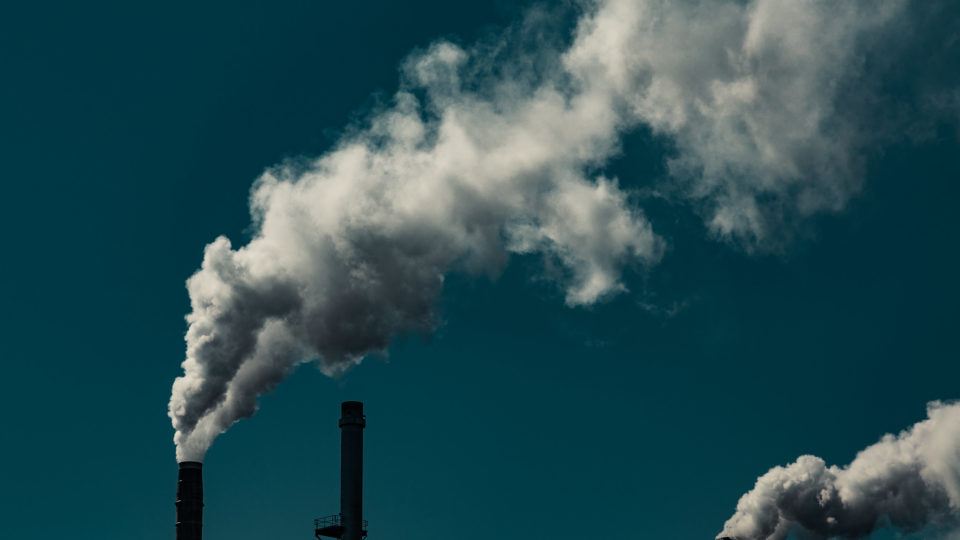
Removing greenhouse gasses from the atmosphere is an essential part of the overall effort to achieve zero net carbon emissions and stabilize the climate.  Since we have not been able to reduce emissions fast enough to do the job, it is important to find ways to pull carbon dioxide out of the atmosphere.

There are many ways to do it, but they tend to be rather expensive and, so far, the need to mitigate climate change does not seem to provide sufficient incentive. A new study by researchers at UCLA, the University of Oxford, and five other institutions, analyzed the possibility of creating a large global industry based on capturing carbon dioxide and turning it into commercial products.

The study investigated the potential future scale and cost of 10 different ways to use carbon dioxide, including in fuels and chemicals, plastics, building materials, soil management, and forestry.  The study looked at processes using carbon dioxide captured from waste products that are produced by burning fossil fuels as well as by simply capturing it directly from the atmosphere.  The study also looked at processes that use carbon dioxide captured biologically by photosynthesis.

The conclusions of the study were that on average each of the ten utilization pathways could use about half a billion tons of carbon dioxide that would otherwise escape into the atmosphere.  Thus, theoretically, these various pathways could take more than five billion tons of CO2 out of the atmosphere.   Currently, fossil fuel combustion emits about 40 billion tons of carbon dioxide.

The authors of the study stress that there is no silver bullet in the fight against climate change.  It will require multiple approaches – including CO2 removal for industrial use – to make real progress

**********

Web Links

Carbon dioxide capture and use could become big business

Photo, posted September 18, 2015, courtesy of Tony Webster via Flickr.

Earth Wise is a production of WAMC Northeast Public Radio.

  • « Go to Previous Page
  • Page 1
  • Page 2
  • Page 3
  • Page 4
  • Go to Next Page »

Primary Sidebar

Recent Episodes

  • An uninsurable future
  • Clean energy and jobs
  • Insect declines in remote regions
  • Fossil fuel producing nations ignoring climate goals
  • Trouble for clownfishes

WAMC Northeast Public Radio

WAMC/Northeast Public Radio is a regional public radio network serving parts of seven northeastern states (more...)

Copyright © 2026 ·