• Skip to primary navigation
  • Skip to main content
  • Skip to primary sidebar

Earth Wise

A look at our changing environment.

  • Home
  • About Earth Wise
  • Where to Listen
  • All Articles
  • Show Search
Hide Search
You are here: Home / Archives for plastics

plastics

Turning Trash Into Treasure

December 12, 2019 By EarthWise Leave a Comment

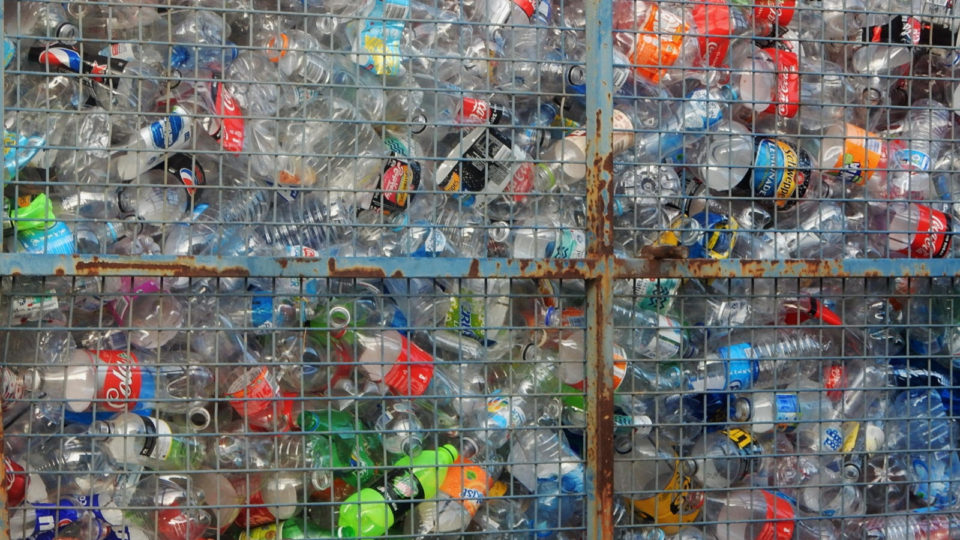
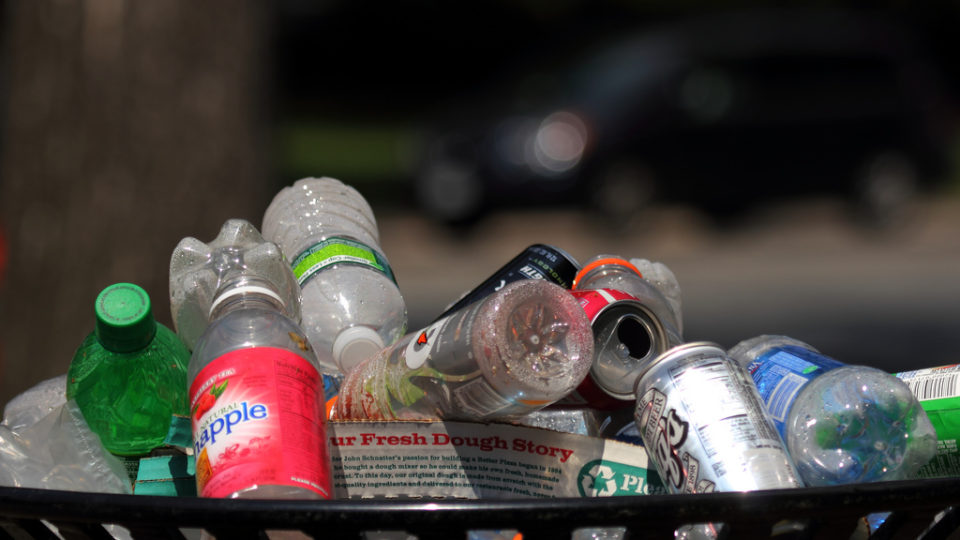
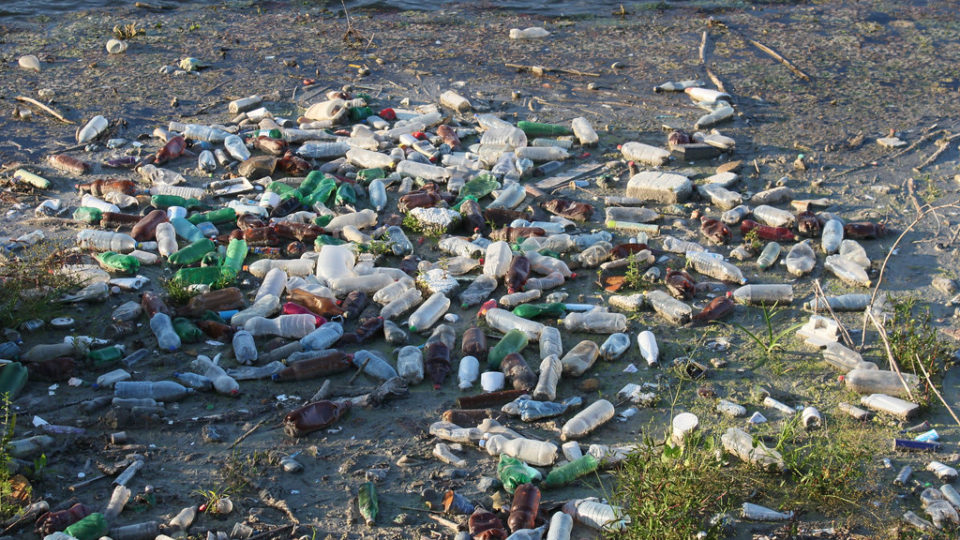
Every year, 380 million tons of plastic are created worldwide, and that number continues to grow.  Furthermore, more than 75% of these materials are discarded after one use.  Much of it ends up in oceans and waterways, harming wildlife and spreading toxins.

Recycling most plastics is difficult because while they can be melted and reprocessed, the resultant material is not as structurally strong as the original material.  Thus, plastics are often down-cycled such as turning plastic bottles into molded park benches.

Researchers at Northwestern University, Argonne National Laboratory, and Ames Laboratory have developed a new method for upcycling abundant, seemingly low-value plastics into high-quality liquid products, such as motor oils, lubricants, detergents, and even cosmetics.  The catalytic method  could remove plastic pollution from the environment and contribute to a circular economy.

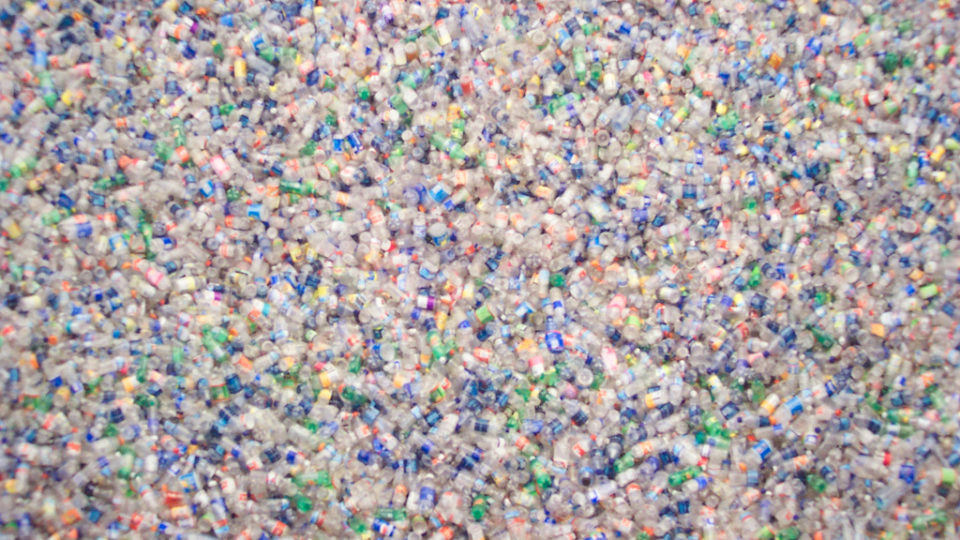
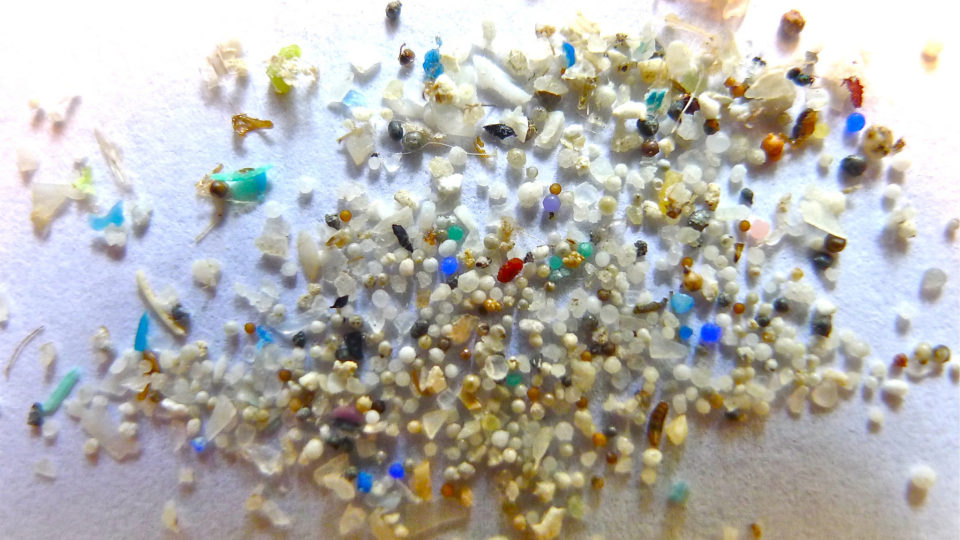
Plastics don’t degrade when disposed of because they have very strong carbon-carbon bonds.  Instead they just break into smaller bits, known as microplastics.  The researchers viewed these strong bonds as an opportunity rather than a problem.

The new technique actually recoups the high energy that holds these bonds together by catalytically converting polyethylene molecules into value-added commercial products.  The catalyst consists of platinum nanoparticles deposited onto perovskite nanocubes.  Under moderate pressure and temperature, the catalyst cleaves the carbon-carbon bonds in plastic to produce high-quality liquid hydrocarbons. 

The researchers believe these findings could lead to a future in which we can continue to benefit from plastic materials but do so in a way that is sustainable and less harmful to the environment.

**********

Web Links

Turning plastic trash into treasure

Photo, posted August 15, 2012, courtesy of Emilian Robert Vicol via Flickr.

Earth Wise is a production of WAMC Northeast Public Radio.
Removing Microplastics with Magnetism

October 7, 2019 By EarthWise 2 Comments

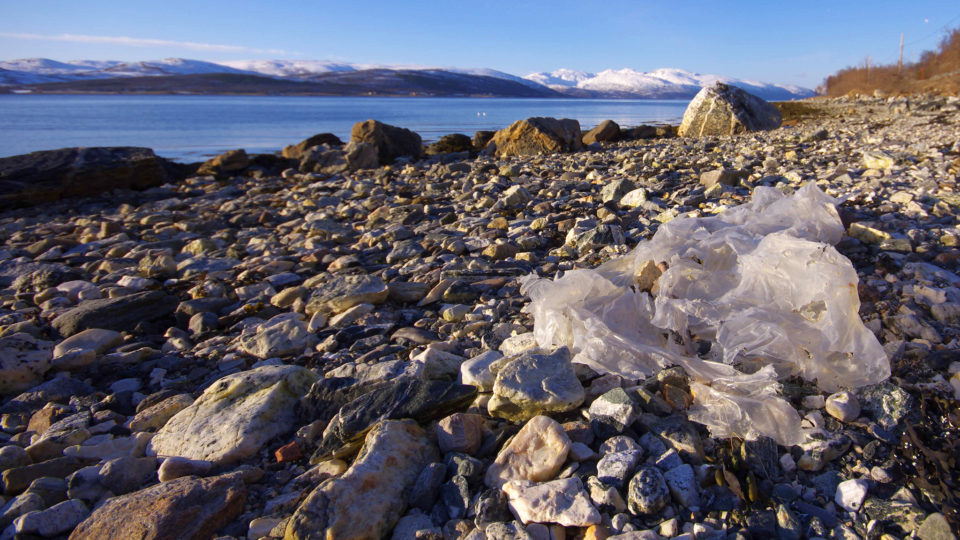
A new method for removing microplastics from the oceans has emerged from, of all things, a science fair project.  An Irish 18-year-old named Fionn Ferreira developed his project for the annual Google Science Fair and it won the grand prize of $50,000 in educational funding.

The teenager was walking on the beach in his hometown and ran across a stone with oil and plastic stuck to it and became focused on the problem of microplastics increasingly entering the environment.

His idea was to make use of ferrofluids, which are nontoxic magnetic fluids made of oil and magnetite, which is an iron-based mineral.  In the presence of water, the ferrofluids attract microplastics because both have similar properties.

Ferreira added oil and magnetite to water and mixed in a solution of microplastic particles.  When the microplastics latched onto the ferrofluids, he dipped a magnet into the solution several times and the magnet removed both substances, leaving clear water.  After almost 1000 tests, he demonstrated the method to be 88% effective in removing a variety of microplastics from water; a result even better than his original hypothesis of an 85% removal rate.

Ferreira is planning to further his education at a prestigious chemistry institute in the Netherlands starting in the fall.

According to a recent study, Americans eat, drink and breathe between 74,000 and 121,000 microplastic particles each year and, if they drink bottle water only instead of tap water, an additional 90,000 particles.  So, a science fair project that might provide a way to get rid of most these things is definitely prize-worthy.

**********

Web Links

This Irish teenager may have a solution for a plastic-free ocean

Photo, posted April 25, 2016, courtesy of Boe Eide via Flickr.

Earth Wise is a production of WAMC Northeast Public Radio.
Mistaking Plastic For Food

September 27, 2019 By EarthWise Leave a Comment

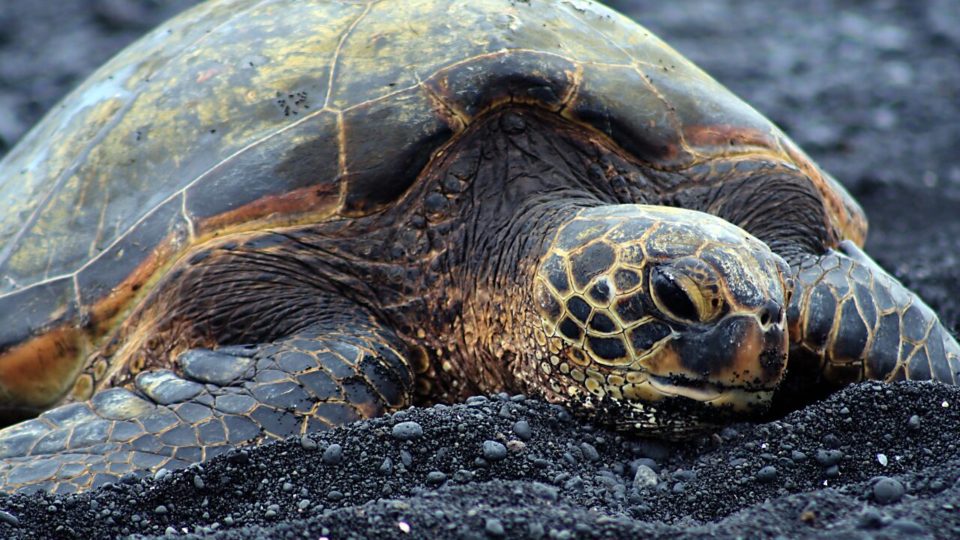
Green sea turtles are one of the world’s largest species of turtle, with some measuring close to four feet long and weighing up to nearly 300 pounds.  Their range extends throughout tropical and subtropical seas around the world, with the largest nesting populations found in Costa Rica and Australia. 

Green sea turtles get their name from the green layer of fat under their shell, as opposed to their shell itself, which can be brown, green, yellow, and/or black.  Scientists believe the green coloring of their fat is a result of their diet.  Unlike most other sea turtles, green sea turtles eat marine plants such as seaweed and seagrass.

But new research suggests that green sea turtles are also more likely to swallow plastic because it resembles their natural diet. The scientists from the University of Exeter and the Society for the Protection of Turtles who examined green sea turtles that washed up on beaches in Cyprus found they favored narrow lengths of plastic in natural colors (like green and black) as opposed to debris of other shapes and colors. 

Researchers were able to examine the full gastrointestinal tract of 19 green sea turtles.  They found pieces of plastic inside every one of them, with the number of pieces ranging from three to 183.  Smaller turtles tended to contain more plastic, possibly because they are less experienced or because diet choices change with age and size. 

Previous research has suggested that leatherback sea turtles also eat plastic that resembles their food: jellyfish. 

Researchers hope these findings will help motivate us to continue to work on reducing our overall plastic consumption and pollution.

***********

Web Links

Green turtles eat plastic that looks like their food

Photo, posted September, 2007, courtesy of Brock Roseberry via Flickr.

Earth Wise is a production of WAMC Northeast Public Radio.
Fishers Helping To Clean The Oceans

August 2, 2019 By EarthWise Leave a Comment

Marine litter – particularly plastics – is a global, persistent, and increasing threat to the oceans.  Much of it comes from discarded materials on shore that makes their way to the sea but waste from the fishing industry is a also a major contributor to the problem. 

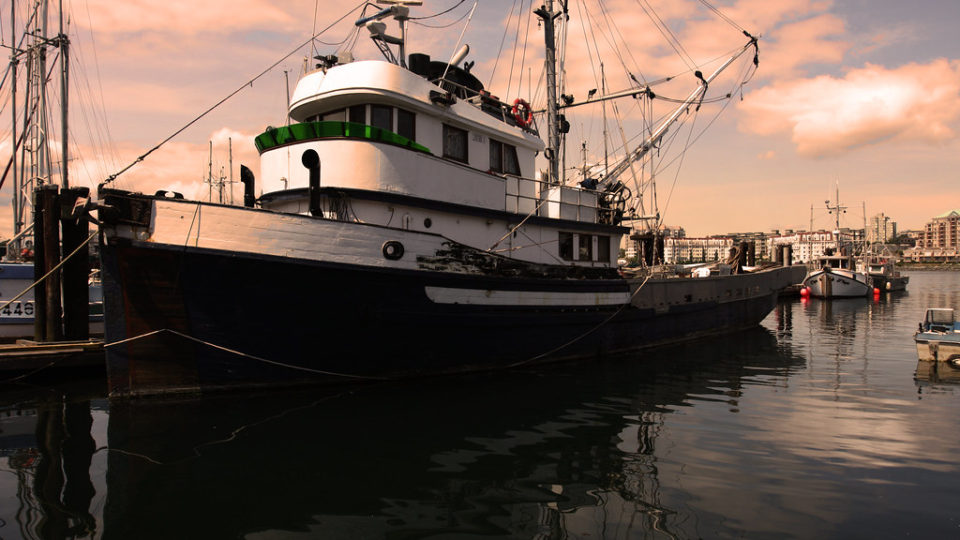
Commercial fishers are acutely aware of the potential for marine litter to damage and even destroy their livelihoods and are starting to try to be part of the solution instead of just part of the problem.

An initiative called Fishing for Litter, which has been operating around the British coastline since 2006, is an example.

With hubs in Scotland and South West of England, FFL aims to reduce the amount of marine litter in the sea by physically removing it while also highlighting the importance of good waste management in the fishing fleet.  Fishers have to assume responsibility for their own waste and dispose of it in a responsible manner.  They also have a unique ability to access remote and hard to reach marine litter caused by others.

A survey of 120 commercial fishers revealed that they often found marine litter in their hauls and that keeping the sea and coasts clean was important to them. 

The responsibility for reducing marine litter does not belong to any single industry or organization.  It requires a collective global change of behavior.  The problem directly affects fishers, so they are especially motivated to do something about it.   They can make an important contribution to an issue that ultimately affects us all.  Groups like Fishing for Litter are providing a model for behavior that we can only hope that others around the world can emulate.

**********

Web Links

Fishers keen to help address the problem of marine litter

Photo, posted July 9, 2009, courtesy of Rennett Stowe via Flickr.

Earth Wise is a production of WAMC Northeast Public Radio.
The Microplastic Diet

July 29, 2019 By EarthWise Leave a Comment

According to a new study published in the journal Environmental Science & Technology, Americans consume more than 70,000 microplastic particles every year from the food they eat, the water they drink, and the air they breathe.

While the health impacts of ingesting these tiny particles are largely unknown, there is the potential for the plastic to enter human tissues and cause an immune response or perhaps release toxic chemicals into the body.

The analysis by biologists at the University of Victoria in Canada examined data from 26 previous studies on microplastic contamination.  It found that Americans eat and drink an estimated 39,000 to 52,000 microplastic particles each year, depending on their age and sex.  The numbers jump to 74,000 to 121,000 when inhalation of microplastics is included.

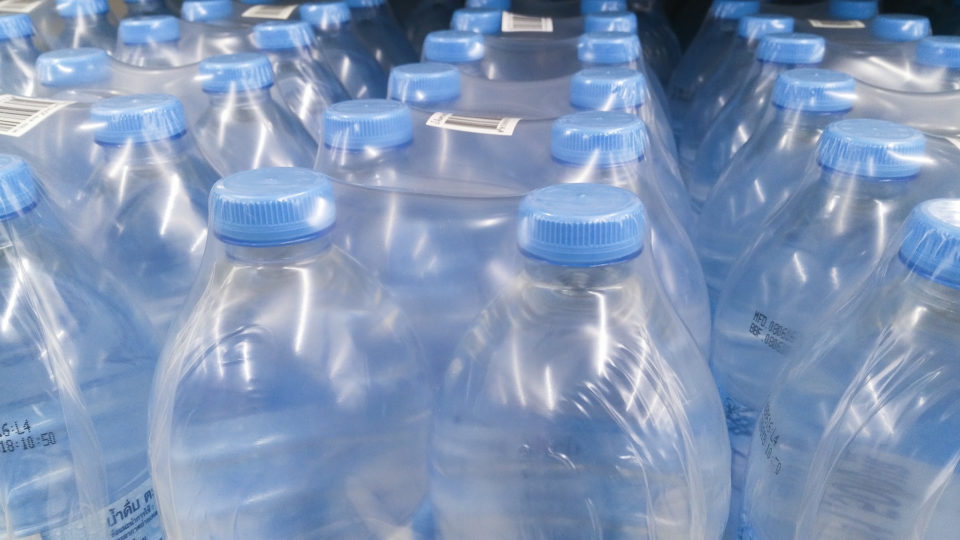
Americans who drink water solely from plastic bottles consume an additional 90,000 particles annually, compared to only 4,000 particles for people who only drink tap water.

The researchers warn that their findings are likely to be drastic underestimates of the problem.  Several major U.S. food groups – including poultry, beef, dairy, grains, and vegetables – have not been studied for their microplastic contamination.  Thus, the estimate of microparticle ingestion is associated with only 15% of an average person’s caloric intake.  Furthermore, there is no assessment currently available for how much plastic might be entering our bodies from food packaging.

The report’s findings suggest that microplastics will continue to be found in the majority if not all items intended for human consumption.  Realistically, the only way to reduce the human consumption of microplastics will be to reduce the production and use of plastics.

**********

Web Links

Americans Consume Tens of Thousands of Microplastic Particles Every Year

Photo, posted June 18, 2016, courtesy of Sirirat Kornsongkaew via Flickr.

Earth Wise is a production of WAMC Northeast Public Radio.
Packing With Banana Leaves

July 25, 2019 By EarthWise Leave a Comment

More and more places are instituting bans on single-use plastic bags.  Places like California and Hawaii already have bans in place and New Jersey is considering such a ban.  New York’s law will go into effect next March.  Supermarkets will no longer provide plastic bags at the checkout line.  But the laws have some exceptions, including the plastic bags used to hold produce and to pack up meats.

Banning or reducing single-use plastic bags is a growing trend in Asia as well including places like South Korea, Vietnam and Thailand.

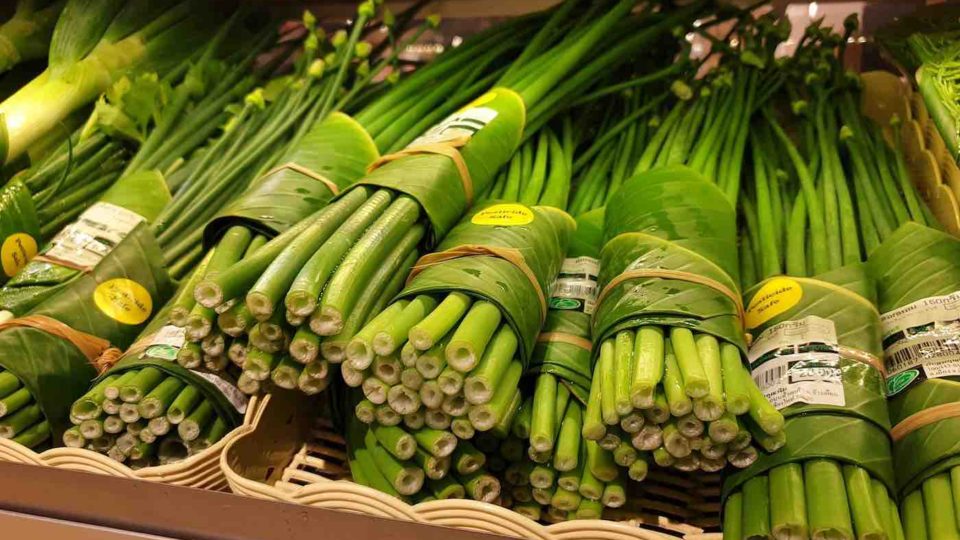
One supermarket in Thailand came up with a novel approach to eco-friendly packaging:  wrapping produce in banana leaves.  The idea quickly became a viral hit on social media and drew the attention of supermarkets in Vietnam.  Several big supermarket chains in that country also began experimenting with banana leaves as a packaging alternative.

Representatives of Vietnam’s Lotte Mart chain said that the banana leaf packaging was still in the testing phase, but they plan to replace plastic with leaves nationwide very soon.  Aside from wrapping vegetables and fruits, the grocery chain intends to also use the leaves for fresh meat products.

Customers seem to be quite positive about the new packaging noting that it is actually quite attractive visually.  The banana leaf packaging also makes people more aware of the need for protecting the environment.

While Vietnam is a relatively small country, it turns out that it ranks number four in the world for the largest amount of plastic waste dumped into the ocean.  The country disposes of about 2,500 tons of plastic waste per day. So, efforts like the banana leaf packaging are not just symbolically important, they are genuinely a major environmental imperative.

**********

Web Links

Supermarkets in Asia are Now Using Banana Leaves Instead of Plastic Packaging

Photo courtesy of Perfect Homes Chiangmai via Facebook.

Earth Wise is a production of WAMC Northeast Public Radio.
Supermarkets And Zero-Waste

May 6, 2019 By EarthWise Leave a Comment

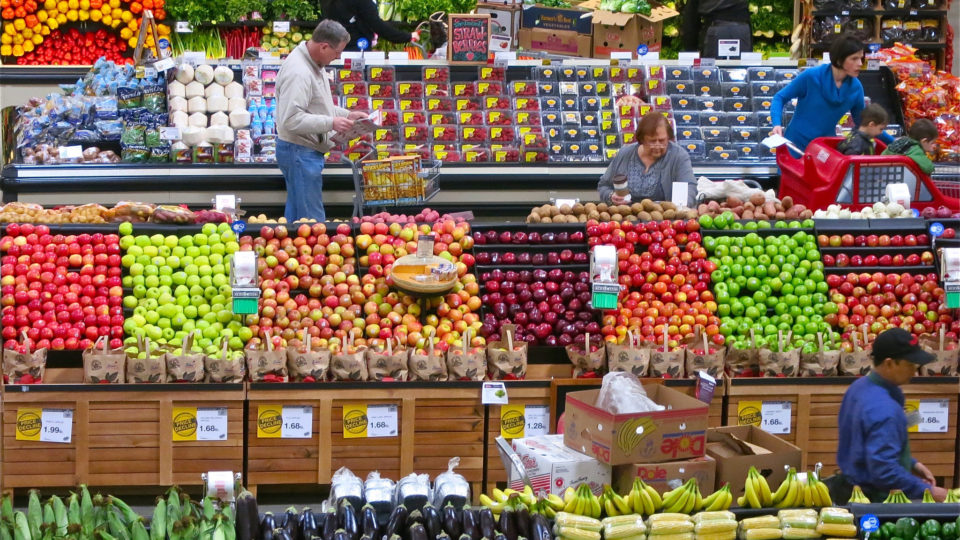
There are about 38,000 supermarkets in the United States alone and they are responsible for vast quantities of waste in the form of single-use plastic bags, plastic containers that store food products, and food waste as well.  Globally, over 80% of poll respondents feel strongly that companies should help improve the environment.  Responding to this message, markets are starting to make changes.

In a number of places, there are now markets that are package-free.  The Nada grocery store in Vancouver and Precycle in Brooklyn are examples of zero waste grocery stores.  Websites like Litterless provide online help for customers trying to find packaging-free grocery stores.

Markets are not only changing their packaging, they are using artificial intelligence to develop more sustainable production processes and seeking other ways to reduce waste.

On average, Americans throw away over 300 plastic bags a year, but an increasing number of grocery retailers are making commitments to more sustainable, plastic-free options.  It isn’t just small stores either.  Grocery giant Kroger plans to eliminate plastic bags in its stores by 2025.  When that happens, it means that 6 billion plastic bags will no longer be distributed.  Big Y stores will fully transition to reusable bags by next year.  More and more cities and states are banning or imposing fees on plastic bags. 

An interesting statistic shows that the age group of Americans that is leading the adoption of reusable grocery bags is not millennials but in fact is people over 50.  With multiple generations now indicating that they want shopping to be more sustainable, it is likely that supermarkets will strive to help make that happen.

**********

Web Links

Why More Supermarkets Are Committing to Zero-Waste

Photo, posted March 4, 2013, courtesy of Dean Hochman via Flickr.

Earth Wise is a production of WAMC Northeast Public Radio.
China And Plastic Waste

April 26, 2019 By EarthWise Leave a Comment

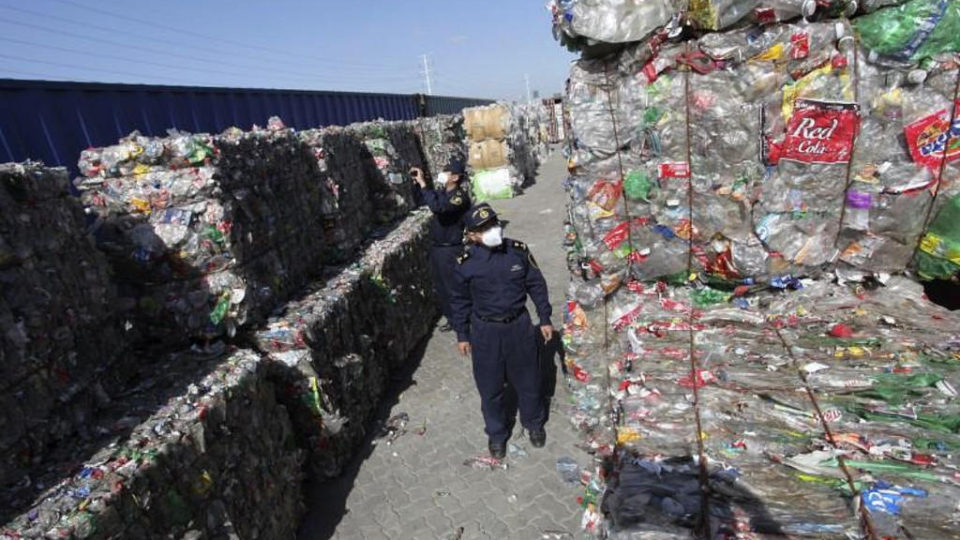
In January 2018, China enacted its “National Sword” policy which banned the import of most plastics and other materials headed for that country’s recycling processors.  Those processors had handled nearly half of the world’s recyclable waste for the past quarter century.  China took this step because the deluge of soiled and contaminated materials was overwhelming its processing facilities and creating yet another environmental problem for the country, this time not even of its own making.

Prior to China’s ban, 95% of the plastics collected for recycling in the European Union and 70% in the U.S. were sold and shipped to Chinese processors.  A combination of favorable rates for shipping in cargo vessels that carried Chinese goods abroad and low Chinese labor rates made it a very profitable enterprise.

Before China’s ban, only 9% of globally discarded plastics were being recycled and 12% were burned.  The rest ended up in landfills or simply dumped into the environment.  Over the coming decade, as many as 11 million tons of plastic will have to find a new place to be processed or otherwise disposed of.  There is already evidence that plastic waste is accumulating in countries that are dependent on exporting.  In many places, including a number of American cities, there are curtailed collections and new restrictions on what kinds of plastics are accepted.

Some experts are hopeful that China’s ban might actually have an upside if it leads to better solutions for managing the world’s waste.  North America and Europe need to expand processing capabilities and manufacturers need to make their products more easily recyclable.  Mostly, the Chinese ban should be a wake-up call to the world on the need to greatly reduce single-use plastics.

**********

Web Links

Piling Up: How China’s Ban on Importing Waste Has Stalled Global Recycling

Photo, posted August 8, 2017, courtesy of Sino-German Urbanisation Partnership via Flickr.

Earth Wise is a production of WAMC Northeast Public Radio.
Balloons And Seabirds

March 19, 2019 By EarthWise Leave a Comment

It’s no secret that there is a ton of plastic in the ocean – millions of tons, in fact.  Scientists estimate that there is more 165 million tons of plastics swirling about in our oceans today, with an additional 8.8 million tons flowing in every year.  As the oceans swell with plastic debris, many marine species wind up ingesting the stuff – often with dire consequences.

All this plastic trash winds up affecting more than just aquatic species, too.  According to researchers from the University of Tasmania, a seabird that ingested a single piece of plastic has a 20% chance of mortality.  This statistic jumps to 50% if the seabird consumes nine pieces of plastic. 

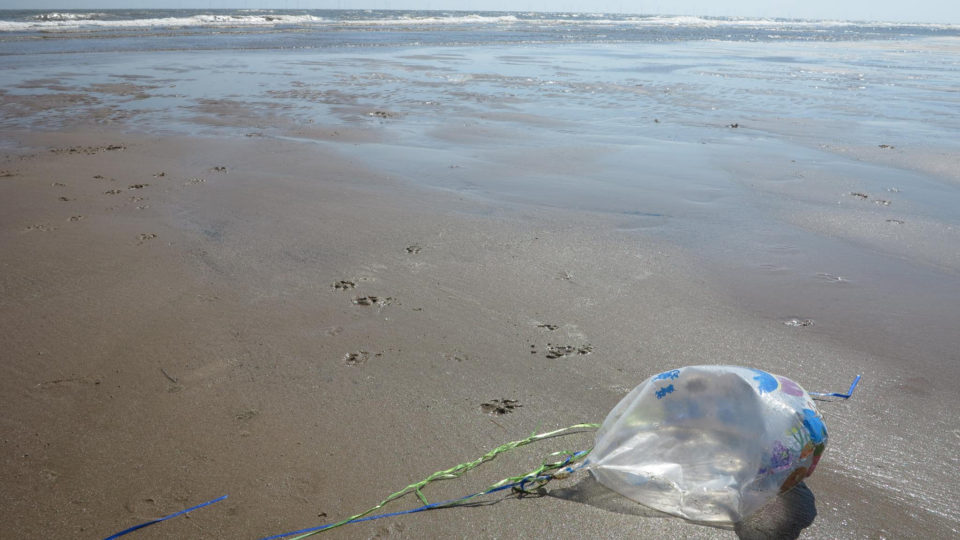
The study, which was recently published in the journal Scientific Reports, also found that while hard plastics account for the majority of plastic debris ingested, it’s far less likely to prove fatal than soft plastics, such as balloons. 

In fact, the researchers found that balloons or balloon fragments were the number one marine debris risk of mortality for seabirds, killing almost one in five of the seabirds that ingested them. 

The leading cause of death among the seabirds studied was blockage of the gastrointestinal tract.  While soft plastics only accounted for 5% of the ingested plastics, they were responsible for more than 40% of seabird mortality.  But the researchers make clear that hard plastics were still responsible for more than half of the study’s seabird deaths.  

If we want to reduce the number of marine species dying from plastic ingestion, we need to reduce the volume of plastic going into the ocean and do what we can to remove what’s already there. 

**********

Web Links

Balloons the number 1 marine debris risk of mortality for seabirds

Photo, posted July 24, 2014, courtesy of Flickr.

Earth Wise is a production of WAMC Northeast Public Radio.
Sustainable Plastics

January 28, 2019 By EarthWise Leave a Comment

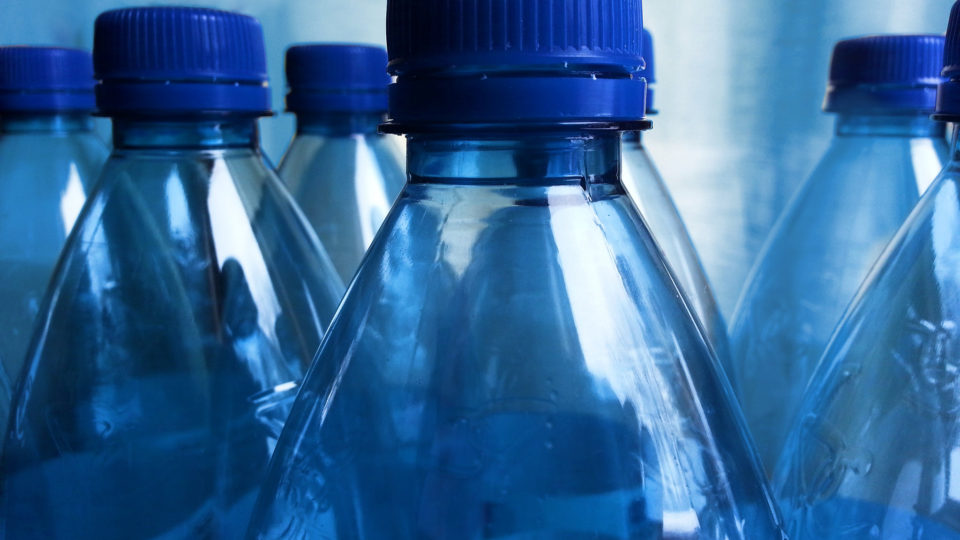
According to the United Nations, plastic accounts for up to 90% of all the pollutants in the ocean. Conventional plastics take hundreds of years to decay, so all the plastic that gets into the oceans piles up and endangers marine life and pollutes the environment. Unfortunately, there are few comparable, environmentally friendly alternatives.  

An often-proposed solution is bioplastics, which are not made from petroleum and degrade quickly.  The downside of bioplastics is that growing the plants or bacteria used to make the plastic requires fertile soil and fresh water, which are scarce commodities in many places.

One such place is Israel.  So, researchers there at Tel Aviv University have developed a process to make a bioplastic polymer that doesn’t require land or fresh water.  The new polymer is derived from microorganisms that feed on seaweed.  It is biodegradable, produces zero toxic waste and recycles into organic waste.

The polymer is called polyhydroxyalkanoate, or PHA for short.  The raw material is multicellular seaweed, cultivated in the ocean.  These algae are eaten by single-celled microorganisms, which also grow in salty seawater and produce a polymer that can be used to make bioplastic.  PHA is already produced in commercial quantities, but it is currently made from plants that require agricultural land and fresh water.  The new process would enable countries with limited fresh water, such as Israel, China and India, to switch from petroleum-based plastics to biodegradable plastics.

Plastics from fossil sources are one of the world’s biggest pollution problems.  The new study shows that it is possible to produce bioplastic completely based on marine resources in an environmentally-friendly process. 

**********

Web Links

Sustainable ‘plastics’ are on the horizon

Photo, posted March 14, 2015, courtesy of Flickr.

Earth Wise is a production of WAMC Northeast Public Radio.
Microplastics And Humans

November 27, 2018 By EarthWise Leave a Comment

https://earthwiseradio.org/wp-content/uploads/2018/10/EW-11-27-18-Microplastics-and-Humans.mp3

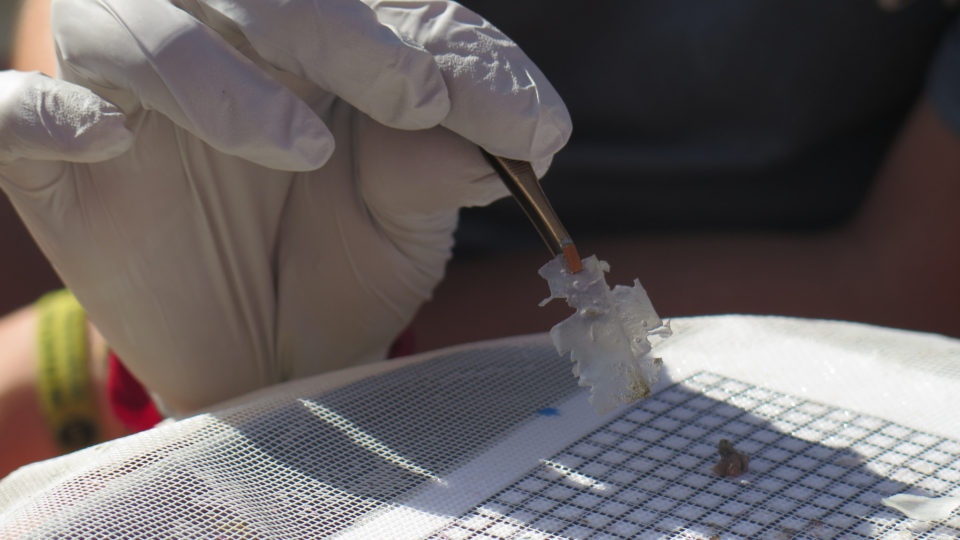
Microplastics are everywhere.  The tiny plastic particles pose a massive environmental challenge.  Microplastics are polluting oceans at an alarming rate.  Much of the oceanic microplastics result from the breakdown of plastic litter.  Another source of microplastics pollution is microbeads.  Microbeads, which are commonly added to cleansing and exfoliating personal care products, pollute the environment when they get flushed down the drain.   

[Read more…] about Microplastics And Humans

Plastic Bottles

November 19, 2018 By EarthWise Leave a Comment

https://earthwiseradio.org/wp-content/uploads/2018/10/11-19-18-Plastic-Bottles.mp3

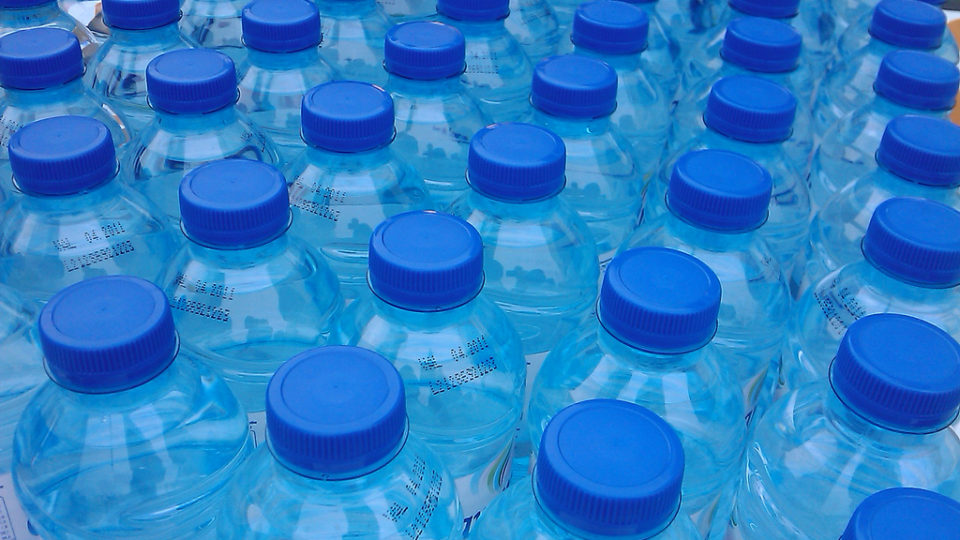
Plastic straws have become outcasts these days and for good reasons.  But they are not the only bad actors in the world of plastic products.  Single-use plastic water bottles are another example of a real trouble maker.

[Read more…] about Plastic Bottles

Turning Plastic Waste Into Green Energy

November 14, 2018 By EarthWise 1 Comment

https://earthwiseradio.org/wp-content/uploads/2018/11/EW-11-14-18-Turning-Plastic-Waste-into-Green-Energy.mp3

In the Back to the Future movies, the DeLorean time machine ran on garbage.  We aren’t any closer to building time machines, but it might soon be practical to produce fuel from garbage.

[Read more…] about Turning Plastic Waste Into Green Energy

Legos And Plastics

October 23, 2018 By EarthWise Leave a Comment

https://earthwiseradio.org/wp-content/uploads/2018/10/EW-10-23-18-Legos-and-Plastics.mp3

Globally, consumers are voicing concerns about the impact of plastic waste on the planet. Conscious of these consumer concerns, many companies are trying to switch to recyclable or less-polluting packaging.  Some are even ditching plastics all together. 

[Read more…] about Legos And Plastics

Designing Plastic To Fall Apart

September 17, 2018 By EarthWise Leave a Comment

https://earthwiseradio.org/wp-content/uploads/2018/09/EW-09-17-18-Designing-Plastic-to-Fall-Apart.mp3

In the 1940s and 1950s, synthetic polymers became very popular.  These man-made materials were designed to be cheap and durable and soon began replacing metals and glass in everything from automobiles and airplanes to bottles and dishes.

[Read more…] about Designing Plastic To Fall Apart

New Zealand Bans Plastic Bags

September 3, 2018 By EarthWise Leave a Comment

https://earthwiseradio.org/wp-content/uploads/2018/09/EW-09-03-18-New-Zealand-Bans-Plastic-Bags.mp3

In an effort to tackle plastic pollution, New Zealand is joining a growing list of countries banning single-use plastic bags for good.  Prime Minister Jacinda Ardern says in a press statement that the ban was necessary to safeguard New Zealand’s clean and green reputation.

[Read more…] about New Zealand Bans Plastic Bags

Microplastics In Soil

May 4, 2018 By EarthWise Leave a Comment

https://earthwiseradio.org/wp-content/uploads/2018/05/EW-05-04-18-Microplastics-in-Soil.mp3

Many of us are well aware of the environmental challenge faced because of the proliferation of plastics.  Since plastic does not decompose naturally, most of it remains in our environment. Only 12% has been incinerated and only 9% has been recycled.  A great deal of plastic ends up in the ocean and other bodies of water.  Much of it breaks down into small particles – microplastics – which are now ubiquitous in the oceans.  There are also microplastics that started out that way in the form of little beads used in the cosmetics industry.  Studies have found microplastics in the bodies of 73% of fish from the North Atlantic.

[Read more…] about Microplastics In Soil

Are We Drinking Plastic?

April 26, 2018 By EarthWise Leave a Comment

https://earthwiseradio.org/wp-content/uploads/2018/04/EW-04-26-18-Are-We-Drinking-Plastic.mp3

Almost everyone everywhere comes into contact with plastic everyday.  Its use has increased 20-fold in the past half-century, and production is expected to double again in the next 20 years.  But is plastic so ubiquitous that we are unwittingly drinking the stuff?

[Read more…] about Are We Drinking Plastic?

The Last Straw

February 27, 2018 By EarthWise Leave a Comment

https://earthwiseradio.org/wp-content/uploads/2018/02/EW-02-27-18-The-Last-Straw-1.mp3

Every day, Americans throw away 500 hundred million plastic straws.  That’s enough to circle the Earth twice.  Each one of us uses more than 35,000 of them in a lifetime.  And these estimates are probably low.

[Read more…] about The Last Straw

Is The World’s Largest Sea Turtle No Longer Endangered?

January 29, 2018 By EarthWise 3 Comments

https://earthwiseradio.org/wp-content/uploads/2018/01/EW-01-29-18-Sea-Turtles.mp3

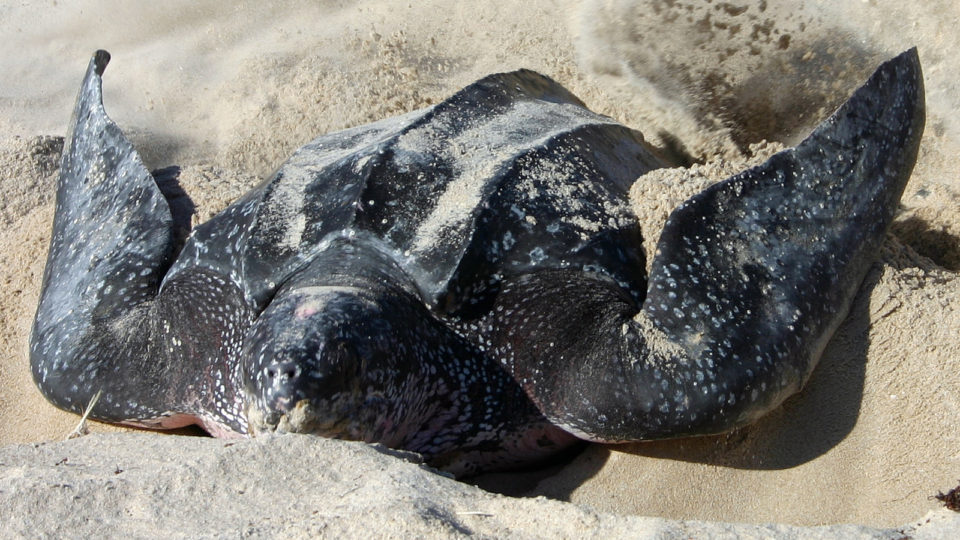
The rapid disappearance of many plants and animals around the world has many scientists saying we are experiencing a sixth mass extinction – the first since the dinosaurs were wiped out some 66 million years ago.  Despite all sorts of conservation efforts, living things are struggling as a result of climate change, habitat loss, and countless other natural and manmade pressures.  Conservation success stories have been few and far between. 

[Read more…] about Is The World’s Largest Sea Turtle No Longer Endangered?

  • « Go to Previous Page
  • Page 1
  • Page 2
  • Page 3
  • Page 4
  • Go to Next Page »

Primary Sidebar

Recent Episodes

  • An uninsurable future
  • Clean energy and jobs
  • Insect declines in remote regions
  • Fossil fuel producing nations ignoring climate goals
  • Trouble for clownfishes

WAMC Northeast Public Radio

WAMC/Northeast Public Radio is a regional public radio network serving parts of seven northeastern states (more...)

Copyright © 2026 ·