• Skip to primary navigation
  • Skip to main content
  • Skip to primary sidebar

Earth Wise

A look at our changing environment.

  • Home
  • About Earth Wise
  • Where to Listen
  • All Articles
  • Show Search
Hide Search
You are here: Home / Archives for ocean

ocean

Pesticides In The Great Barrier Reef

November 7, 2019 By EarthWise Leave a Comment

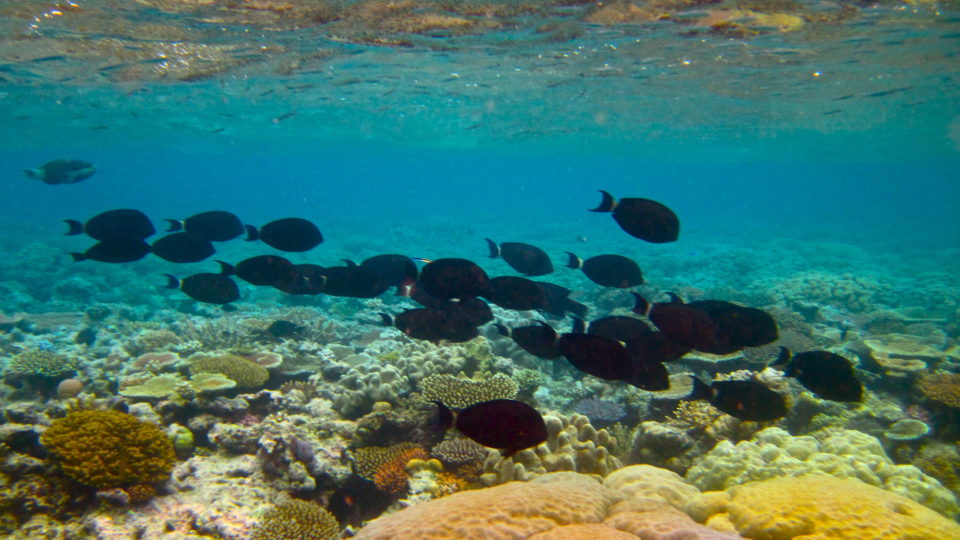
Australia’s Great Barrier Reef is one of the greatest natural wonders in the world and it has been under siege by warming waters and ocean acidification.  Widespread coral bleaching has damaged or destroyed large portions of the 1,400-mile long coral reef system.  But the effects of climate change are not the only threat to the reef.  Pesticides found in waterways that flow into the Great Barrier Reef are another serious problem.

According to a new study by the University of Queensland, the combined toxicity of 22 of the most common pesticides that flow into the Reef are not meeting pollution reduction targets.

Different pesticides affect different organisms.  Herbicides affect organisms that photosynthesize such as seagrass, corals, mangroves, and algae.  Insecticides affect insect larvae in freshwater, and crustaceans such as crabs, prawns, and lobsters.  Previous assessments have only examined individual pesticides and only for limited times.  The new study has utilized a methodology that estimates the combined toxicity of multiple pesticides found in the waterways that discharge into the Reef and does it for the entire wet season.

The research revealed that the pesticide reduction target set in the Australian Government’s Reef 2050 Water Quality Improvement Plan is not being met.  Only one natural resource management region – the Cape York region – was found to be meeting its target.

By having estimates of the risk posed by pesticides in the various regions and individual waterways, governments, farmers, and conservationists can see which areas pose the greatest risk and where to maximize efforts.  Stakeholders have to come together to reduce pesticide concentrations through better management practices and by using less toxic pesticides.

**********

Web Links

High pesticide concentrations continue to enter Great Barrier Reef

Photo, posted July 29, 2010, courtesy of Kyle Taylor via Flickr.

Earth Wise is a production of WAMC Northeast Public Radio.
A New Kind Of Coral Nursery

October 22, 2019 By EarthWise Leave a Comment

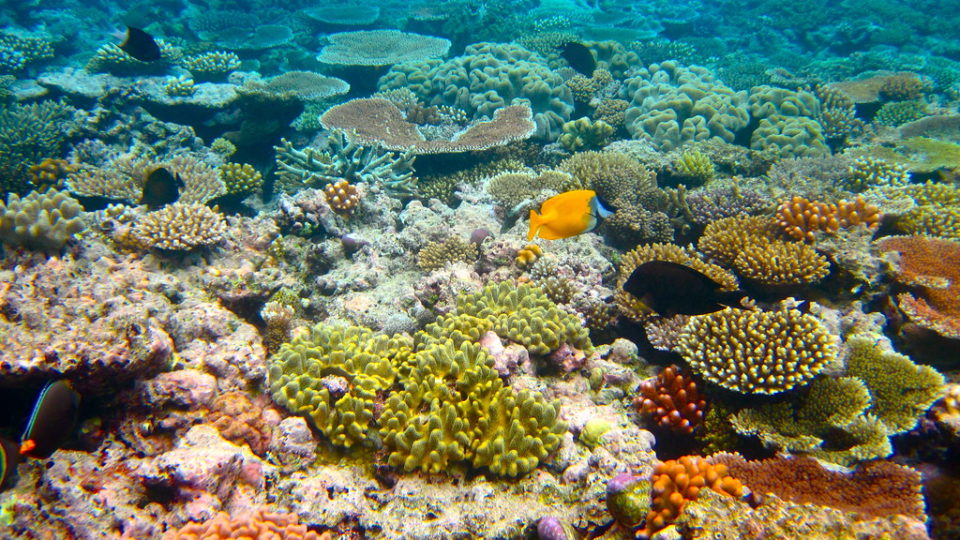
Coral reefs around the world are struggling from warming waters and increasing ocean acidification driven by excess carbon dioxide.  Many of the world’s greatest reefs – such as Australia’s Great Barrier Reef – have seen steep declines over the past decade.

But apart from the global environmental threat, reefs also are often damaged by various marine accidents such as ships grounding on them.   Such events can severely damage a reef and scatter countless small coral fragments onto the seafloor.  These small pieces of coral are not actually dead; they can continue on with their lives if they are relocated to a suitable environment such as a coral nursery.

Coral nurseries are generally small installations that allow coral fragments – typically pieces about 4 inches in length – to recover from their reef breaking up and to grow until they are large enough for conservation managers to replant them into reefs that need them.  This strategy works well in places where corals grow relatively quickly – such as Florida and the Caribbean – but not as well in places where coral grows more slowly, such as Hawaii.

Recently, coral experts at the National Oceanic and Atmospheric Administration working with mechanical engineering students at the University of Hawaii have developed a new type of coral nursery that can save fully formed coral colonies as opposed to small coral fragments.

The nurseries are large, carefully designed structures that can be loaded up with corals that have become detached from their reefs.  Some of these new structures were installed in the waters of Oahu in the summer of 2018 and were populated with corals.  The relocated corals, which would have otherwise died, are now recovering nicely in their new coral daycare centers and will soon be replanted back into the reef.

**********

Web Links

NOAA Develops A New Type of Coral Nursery

Photo, posted July 29, 2010, courtesy of Kyle Taylor via Flickr.

Earth Wise is a production of WAMC Northeast Public Radio.
Removing Microplastics with Magnetism

October 7, 2019 By EarthWise 2 Comments

A new method for removing microplastics from the oceans has emerged from, of all things, a science fair project.  An Irish 18-year-old named Fionn Ferreira developed his project for the annual Google Science Fair and it won the grand prize of $50,000 in educational funding.

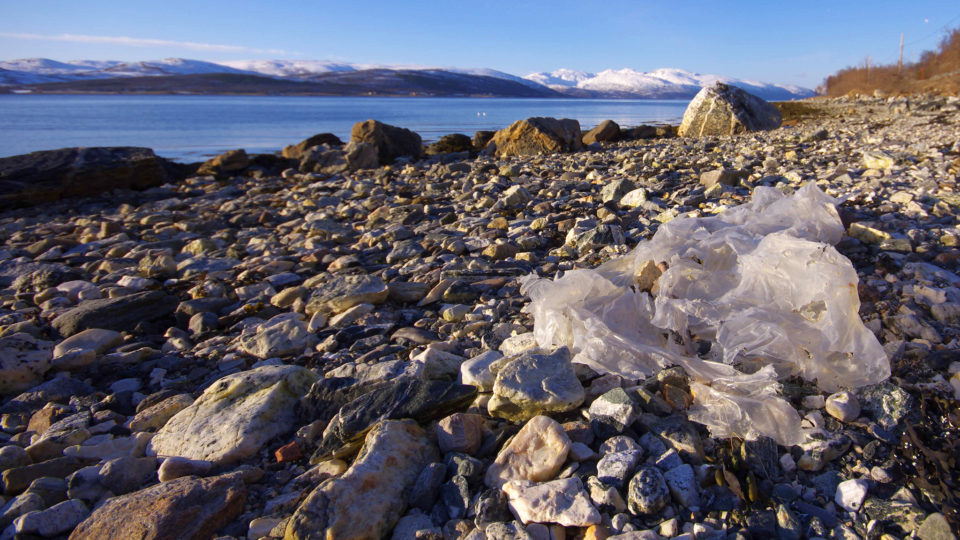
The teenager was walking on the beach in his hometown and ran across a stone with oil and plastic stuck to it and became focused on the problem of microplastics increasingly entering the environment.

His idea was to make use of ferrofluids, which are nontoxic magnetic fluids made of oil and magnetite, which is an iron-based mineral.  In the presence of water, the ferrofluids attract microplastics because both have similar properties.

Ferreira added oil and magnetite to water and mixed in a solution of microplastic particles.  When the microplastics latched onto the ferrofluids, he dipped a magnet into the solution several times and the magnet removed both substances, leaving clear water.  After almost 1000 tests, he demonstrated the method to be 88% effective in removing a variety of microplastics from water; a result even better than his original hypothesis of an 85% removal rate.

Ferreira is planning to further his education at a prestigious chemistry institute in the Netherlands starting in the fall.

According to a recent study, Americans eat, drink and breathe between 74,000 and 121,000 microplastic particles each year and, if they drink bottle water only instead of tap water, an additional 90,000 particles.  So, a science fair project that might provide a way to get rid of most these things is definitely prize-worthy.

**********

Web Links

This Irish teenager may have a solution for a plastic-free ocean

Photo, posted April 25, 2016, courtesy of Boe Eide via Flickr.

Earth Wise is a production of WAMC Northeast Public Radio.
The ‘Biggest Ever’ Arctic Expedition

October 3, 2019 By EarthWise Leave a Comment

The Arctic is warming faster than any other region on Earth.  In fact, it’s warming at a rate of almost twice the global average.  And, since what happens in the Arctic doesn’t stay in the Arctic, the world is already feeling the effects: rising sea levels, changes in climate and precipitation patterns, increasing severe weather events, and so on. 

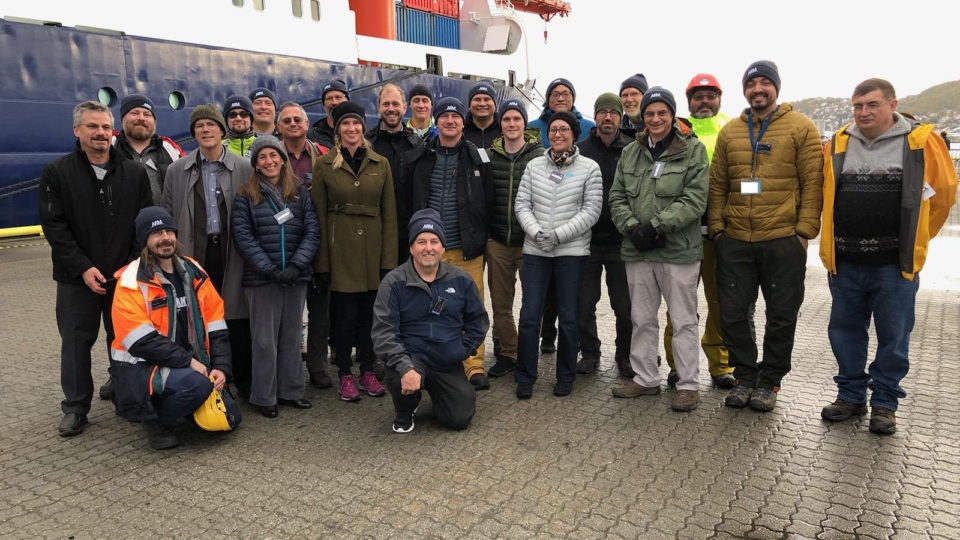
As a result, researchers from more than a dozen countries have launched the biggest and most complex expedition ever attempted in the Arctic.  They plan to freeze Germany’s largest research vessel, the Polarstern, into Arctic sea ice, where it will remain trapped for twelve months.  The ship will drift with the sea ice as the sea ice drifts.  The vessel will serve as a research laboratory, hosting a rotating crew of 300 scientists.  The ice, the ocean, the atmosphere, and even the wildlife will all be sampled.  This year-long journey will give researchers their closest look at how the polar climate and its fragile ecosystems are changing. 

Led by the Alfred Wegener Institute for Polar and Marine Research in Germany, the Multidisciplinary drifting Observatory for the Study of Arctic Climate project (or MOSAiC) is expected to cost about $150 million. 

One major goal of MOSAiC is to improve strikingly uncertain climate projections for the Arctic.  Climate models disagree on how much more the Arctic will warm as the concentration of greenhouse gases in the atmosphere rises and sea ice shrinks.  Some project a 5ºC rise by 2100 relative to the 1986-2005 average.  Others predict a 10ºC increase. 

Understanding the complex processes occurring in the Arctic is essential for projecting the future impacts of climate change. 

**********

Web Links

Climate scientists prepare for largest ever Arctic expedition

Climate change: Polarstern leaves for ‘biggest ever’ Arctic expedition

Image courtesy of the U.S. Department of Energy Atmospheric Radiation Measurement (ARM) user facility.

Earth Wise is a production of WAMC Northeast Public Radio.
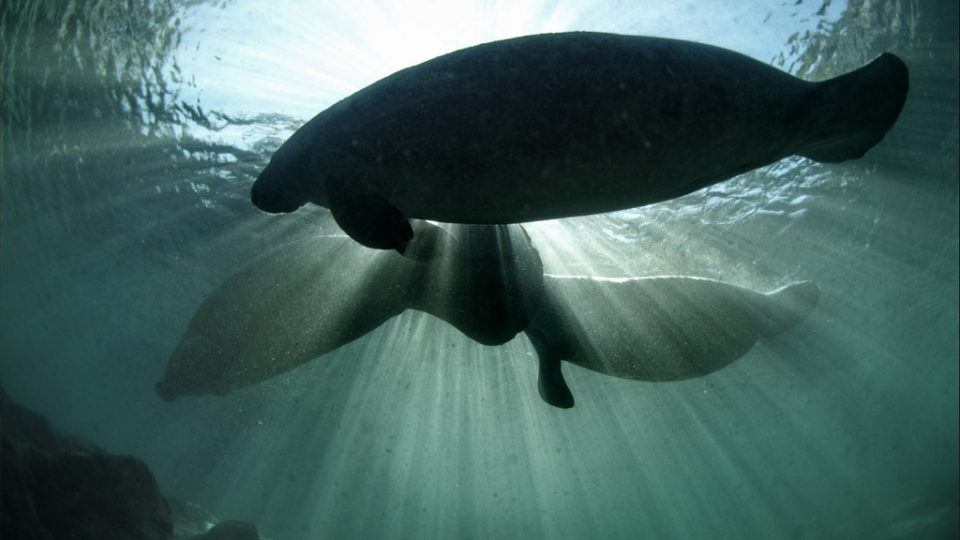
The Decline Of Earth’s Largest Freshwater Creatures

September 23, 2019 By EarthWise Leave a Comment

While nearly 70% of the globe is covered by water, only 2.5% of it is freshwater.  The rest is saline and ocean-based.  And only 1% of our freshwater is easily accessible, with much of it locked away in snowfields and glaciers.  

Despite freshwater only making up a small fraction of all water on the planet, it’s home to one third of all vertebrate species.  Some have survived hundreds of millions of years, but many of the world’s largest freshwater creatures – including fish, reptiles, amphibians, and mammals – may soon find themselves on the brink of extinction.

According to a study recently published in the journal Global Change Biology, scientists from the Leibniz-Institute of Freshwater Ecology and Inland Fisheries and international colleagues have quantified the global decline of freshwater megafauna for the first time.  In four decades since 1970, the global populations of these freshwater giants have declined 88% – twice as much as the loss of vertebrate populations on land or in the oceans. 

Freshwater megafauna include all freshwater animals that weigh 30 kilograms (about 66 pounds) or more, such as certain dolphins, beavers, crocodiles, turtles and sturgeons.

Overexploitation is one of the main threats to freshwater megafauna.  (These animals are often targeted for their meat, eggs, and skin).  The other main threat is the loss of free-flowing rivers. Many of the world’s large rivers are already highly fragmented, which impacts access to spawning and feeding grounds.  The research team says another 3700 large dams are planned or under construction, including 800 in habitats rich with freshwater megafauna, including the Amazon, Congo, and Ganges river basins.

Current conservation measures are clearly failing our freshwater creatures. 

********** 

Web Links

88 percent decline of big freshwater animals

Earth’s largest freshwater creatures at risk of extinction

Photo, posted March 25, 2012, courtesy of the U.S. Fish and Wildlife Service via Flickr.

Earth Wise is a production of WAMC Northeast Public Radio.
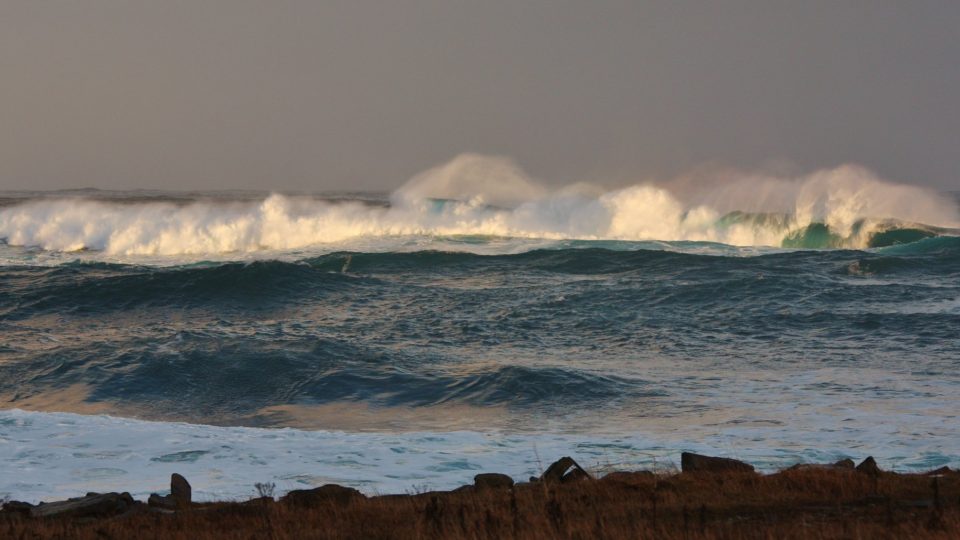
The State Of The Climate

September 19, 2019 By EarthWise Leave a Comment

The federal government has issued the annual State of the Climate report and it is a sobering one.  The report states that carbon dioxide in the atmosphere rose to levels the world has not seen in at least 800,000 years.  Global carbon dioxide concentrations reached a record 407.4 parts per million during 2018.  That is 2.4 ppm more than 2017.

Other greenhouse gases like methane and nitrous oxide also continued their rapid increase.  Taken together, the global warming power of greenhouse gases was 43% stronger than it was in 1990.

Along with greenhouse gases, global sea levels also reached their highest levels on record for the seventh consecutive year.  Ocean levels are rising about an inch per decade, but that number may rise if ice melt at the poles continues to accelerate.

Global temperatures had their fourth highest level on record in 2018, slightly lagging 2016, 2015, and 2017 for the highest ever.  A La Niña over the Pacific cooled ocean waters for part of 2018, keeping temperatures a bit lower.  So far, 2019 is on track to be the warmest year in recorded history.

Global sea temperatures also set a record level in 2018.  And glaciers continued to melt at an alarming rate for the 30th consecutive year.

The State of the Climate report is yet another in a series of expert, science-based reports that continue to sound the alarm about the climate crisis.  Climate change is affecting our weather, agricultural productivity, water supply, public health and national security.  Unfortunately, the facts continue to be drowned out for many people by blogs, pundits, and posts on social media.

**********

Web Links

Greenhouse Gases Reach Unprecedented Level

Photo, posted January 13, 2014, courtesy of Ronnie Robertson via Flickr.

Earth Wise is a production of WAMC Northeast Public Radio.
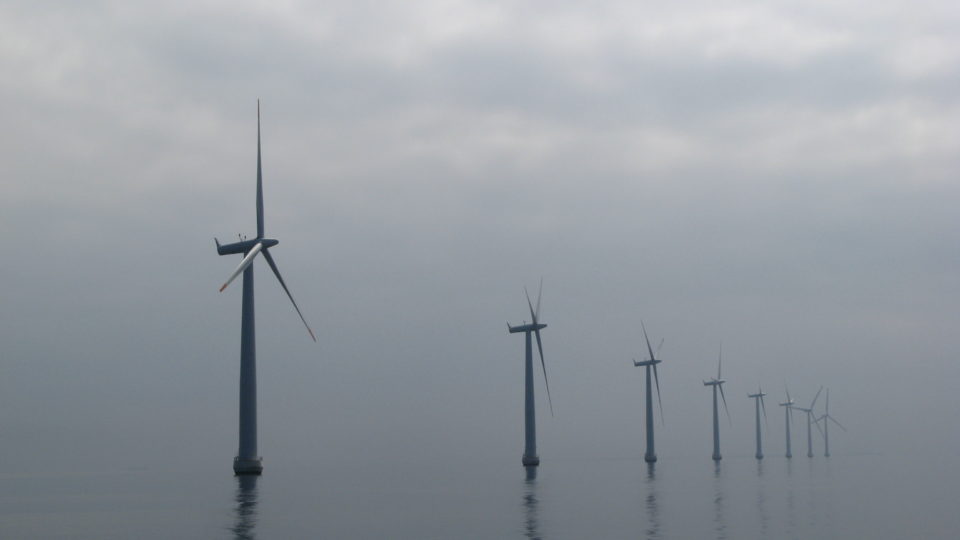
New York Offshore Wind

September 18, 2019 By EarthWise Leave a Comment

New York has passed ambitious legislation to reduce the carbon emissions that cause climate change, but the state needs to start taking action to make those reductions possible.  One such action it has taken is an agreement that will enable the construction of two large offshore wind projects.

The projects are to be built off the coast of Long Island.  One will be 14 miles south of Jones Beach and the other 30 miles north of Montauk.  The wind farms will be built by a division of Equinor, a major Danish energy company, and a joint venture between Orsted, another Danish company, and Eversource Energy, an American firm.

The two New York wind farms are expected to be operational within the next five years and have the capacity to produce 1,700 megawatts of electricity.  That is about 20% of Governor Andrew Cuomo’s overall goal for offshore wind.

Wind farms are a major energy source in the United States, now providing about 7% of the country’s electricity.  That compares with only 2% in 2010. But nearly all American wind turbines are on land.  There is only one small offshore wind farm in the US off the coast of Rhode Island.  Things are very different in Europe.  For example, Britain expects to get 10% of its electricity from offshore wind next year, which is up from less than 1% in 2010.

Developers of offshore wind farms have struggled to gain a foothold in the US.  Some projects have foundered because of cost issues, but others have faced opposition from politicians and coastal-property owners.  But assuming the New York wind projects clear permitting and environmental hurdles, offshore wind may finally be on the move in the US.

**********

Web Links

New York Awards Offshore Wind Contracts in Bid to Reduce Emissions

Photo, posted May 22, 2007, courtesy of Flickr.

Earth Wise is a production of WAMC Northeast Public Radio.
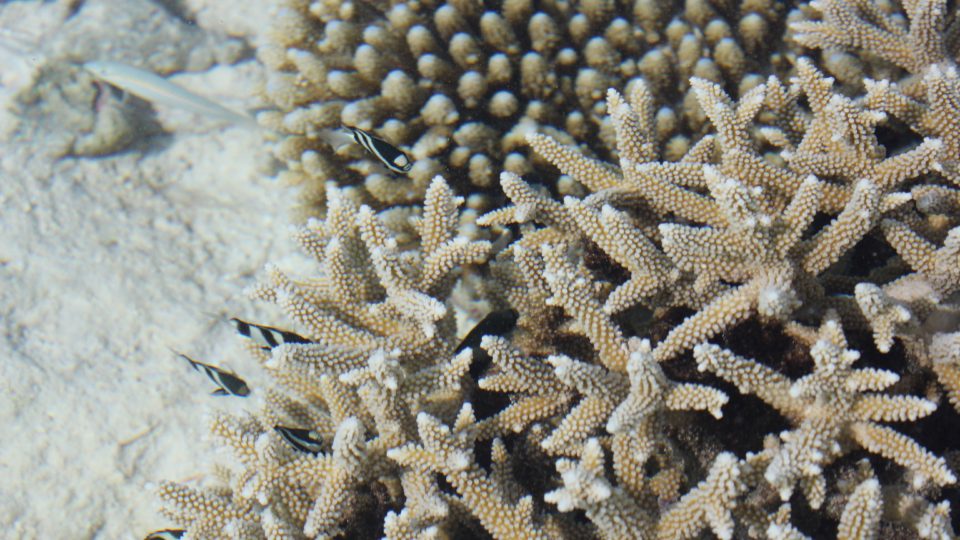
Refugee Corals

August 30, 2019 By EarthWise Leave a Comment

As climate change warms the ocean, subtropical environments are becoming more favorable for corals than the equatorial waters where they traditionally thrived.  As a result, drifting coral larvae are settling and growing in new regions.

According to new research in the journal Marine Ecology Progress Series, the number of young corals on tropical reefs has declined by 85% over the past 40 years.  At the same time, the numbers on subtropical reefs has doubled.

Only certain types of coral can reach these new subtropical locations.  That depends on how far the microscopic larvae can swim and drift on currents before they exhaust their limited fat stores.  Thus, the reef ecosystems that develop have new blends of species that have previously never coexisted.  It is not clear how long it will take for the new systems to reach equilibrium.

Coral reefs are complicated systems that depend on the interplay between species to enable their healthy functioning.  Apart from the corals themselves, there are the coraline algae that symbiotically coexist with them.  How all of this will play out in these evolving ecosystems is unknown.

In the meantime, the research has found that these refugee corals are settling at latitudes up to 35 degrees both north and south of the equator.  It is no longer so clear what constitute native species in the reefs.  It remains to be seen whether new reefs in subtropical oceans can support the incredible biodiversity seen in tropical reefs.  But ultimately, these changing ecosystems could potentially bring new resources and opportunities, such as fishing and tourism, to places where they never existed before.

**********

Web Links

Coral Reefs Shifting Away from Equatorial Waters

Photo, posted March 22, 2011, courtesy of Simone Lovati via Flickr.

Earth Wise is a production of WAMC Northeast Public Radio.
A Giant Seaweed Bloom

August 19, 2019 By EarthWise Leave a Comment

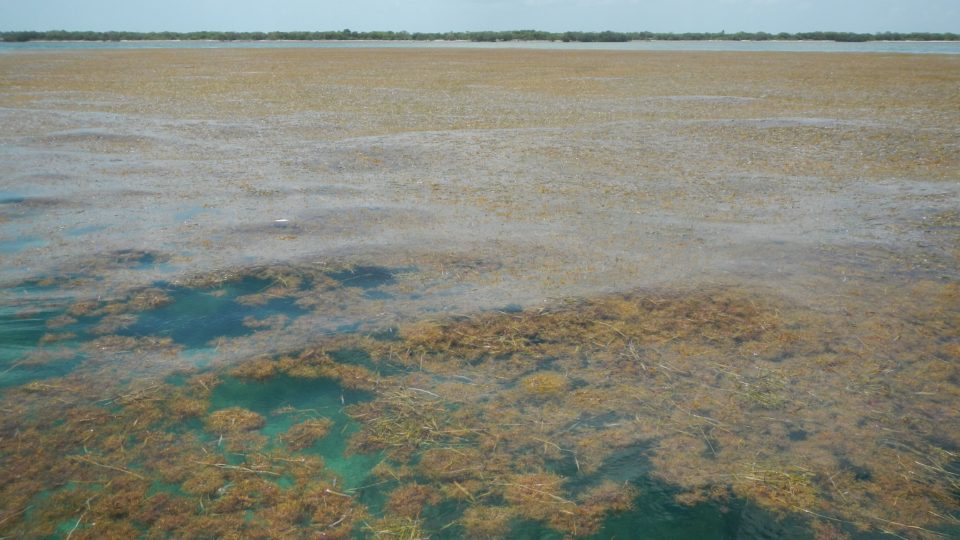
Scientists using data from NASA satellites have discovered and documented the largest bloom of seaweed in the world, stretching all the way from West Africa to the Gulf of Mexico.  The gigantic macroalgae bloom has been dubbed the Great Atlantic Sargassum Belt. 

The brown seaweed floats in surface water and in recent years has become a problem to shorelines lining the tropical Atlantic, Caribbean Sea, Gulf of Mexico, and east coast of Florida.  The stuff carpets popular beach destinations and crowded coastal waters. In 2018, more than 20 million tons of it floated on the ocean surface.

Scientists have been studying the Sargassum algae using satellites since 2006, but the major blooms have only started appearing since 2011.  They have occurred every year between 2011 and 2018 except for 2013.  Before 2011, most of the free-floating Sargassum in the ocean was primarily found in patches around the Gulf of Mexico and the Sargasso Sea located on the western edge of the central Atlantic Ocean.

Sargassum provides habitat for turtles, crabs, fish and birds, and produces oxygen via photosynthesis.  However, too much of it can crowd out many marine species.

According to researchers, the ocean’s chemistry must have changed in order for the bloom to get so out of hand.  The factors involved include a large seed population left over from a previous bloom, nutrient input from West Africa, and nutrient input from the Amazon River.  The increase in nutrients may be a result of deforestation and fertilizer use.

Climate-change effects on precipitation and ocean currents ultimately do play a role in this, but increased ocean temperatures do not.  Unfortunately, these giant seaweed blooms are probably here to stay.

**********

Web Links

NASA Satellites Find Biggest Seaweed Bloom in the World

Photo courtesy of NASA.

Earth Wise is a production of WAMC Northeast Public Radio.
Fishers Helping To Clean The Oceans

August 2, 2019 By EarthWise Leave a Comment

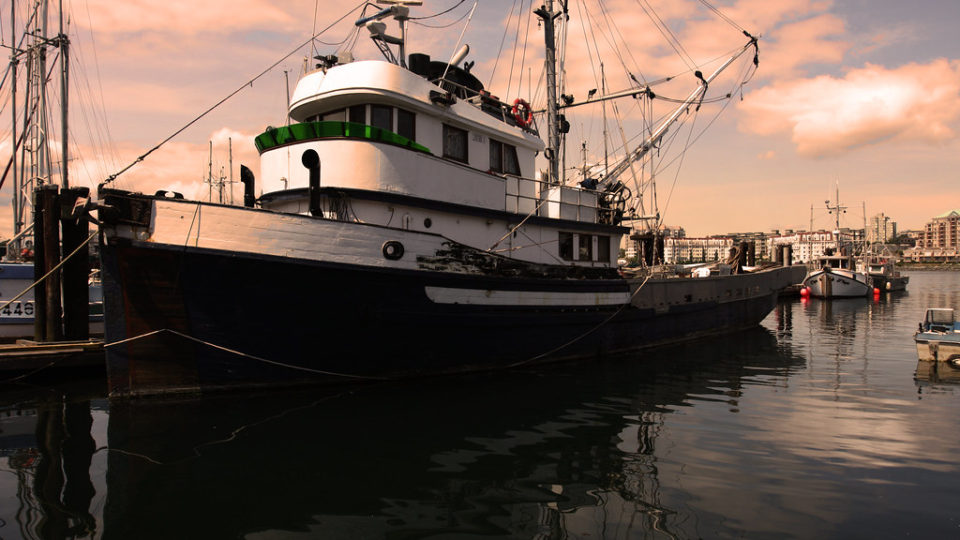
Marine litter – particularly plastics – is a global, persistent, and increasing threat to the oceans.  Much of it comes from discarded materials on shore that makes their way to the sea but waste from the fishing industry is a also a major contributor to the problem. 

Commercial fishers are acutely aware of the potential for marine litter to damage and even destroy their livelihoods and are starting to try to be part of the solution instead of just part of the problem.

An initiative called Fishing for Litter, which has been operating around the British coastline since 2006, is an example.

With hubs in Scotland and South West of England, FFL aims to reduce the amount of marine litter in the sea by physically removing it while also highlighting the importance of good waste management in the fishing fleet.  Fishers have to assume responsibility for their own waste and dispose of it in a responsible manner.  They also have a unique ability to access remote and hard to reach marine litter caused by others.

A survey of 120 commercial fishers revealed that they often found marine litter in their hauls and that keeping the sea and coasts clean was important to them. 

The responsibility for reducing marine litter does not belong to any single industry or organization.  It requires a collective global change of behavior.  The problem directly affects fishers, so they are especially motivated to do something about it.   They can make an important contribution to an issue that ultimately affects us all.  Groups like Fishing for Litter are providing a model for behavior that we can only hope that others around the world can emulate.

**********

Web Links

Fishers keen to help address the problem of marine litter

Photo, posted July 9, 2009, courtesy of Rennett Stowe via Flickr.

Earth Wise is a production of WAMC Northeast Public Radio.
The Largest Offshore Wind Farm

July 30, 2019 By EarthWise 1 Comment

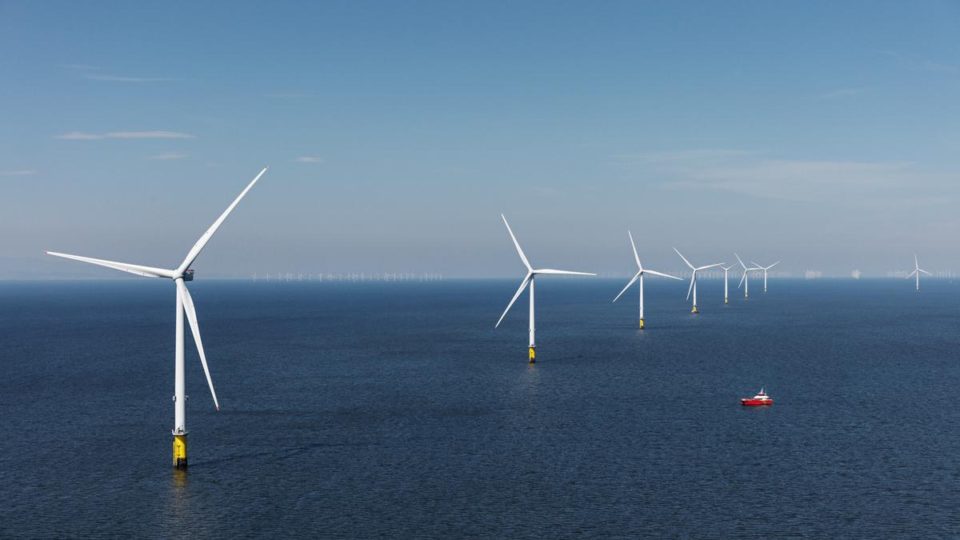
The world’s largest offshore wind farm recently began operations in the North Sea, a notoriously gusty stretch of open water that has become home to multiple large wind farms.  The new Hornsea One wind farm is located 75 miles off the east coast of Yorkshire in the United Kingdom.

The first 50 turbines are now in operation and are generating electricity for up to 287,000 homes.  When the farm is completed sometime next year, it will have 174 turbines with a total capacity of 1.2 gigawatts, enough to power a million homes.  The farm will send electricity to the UK, Netherlands, Belgium, Germany, and Scandinavia.  The Hornsea One farm will have more than twice the capacity of the current largest offshore operation, which is also in the UK.

Because the farm is so far from shore, teams of workers will live at sea for two to four weeks at a time maintaining it.  Such operations are unprecedented and required new ways of operating to overcome the logistical and technical challenges of operating a massive power station far from land.

The UK has the largest offshore wind generating capacity in Europe, now more than 8.2 gigawatts and accounting for 44% of Europe’s offshore wind capacity.  All that capacity is one of the big reasons that the UK has been successfully weaning itself off of coal for increasingly long periods of time.

Meanwhile, the US continues to lag far behind in offshore wind with a grand total of 0.03 gigawatts of installed capacity.  That situation may be changing after the federal government auctioned off 3 major tracts of ocean late last year that potentially could generate over 4 gigawatts of power if fully developed.

**********

Web Links

The World’s Largest Offshore Wind Farm Just Came Online

Photo credit: Hornsea Project One.

Earth Wise is a production of WAMC Northeast Public Radio.

Fresh Water Under The Sea

July 18, 2019 By EarthWise Leave a Comment

A new survey of the sub-seafloor off the U.S. Northeast coast has revealed the existence of a gigantic aquifer of relatively fresh water trapped in porous sediments lying beneath the salty ocean.  This appears to be the largest such formation ever found.

The newly-discovered aquifer stretches from the shore at least from Massachusetts to New Jersey and extends more-or-less continuously out about 50 miles to the edge of the continental shelf.   The deposits begin at around 600 feet below the ocean floor and bottom out at about 1,200 feet.  If all that water was found on the surface, it could create a lake some 15,000 miles in area.  The researchers estimate that the region holds at least 670 cubic miles of fresh water.

Researchers made use of innovative measurements of electromagnetic waves to map the water, which had not been detected by other technologies.   It was already known that fresh water existed in places under the sea bottom as a result of oil drilling as far back as the 1970s.  But there was previously no hint of the extent of the undersea aquifer. 

The water probably was trapped by sediments deposited during the last ice age when sea levels were much lower.  But modern subterranean runoff from land sources might also be a contributor.

If water from the aquifer was to be withdrawn, it would still have to be desalinated for most uses, but the cost would be much less than processing ordinary seawater.  There is probably no need to do this in the Northeastern US, but the discovery suggests that such aquifers probably lie off many other coasts worldwide and could provide desperately needed water in places like southern California, Australia, the Mideast or Saharan Africa.

**********

Web Links

Scientists Map Huge Undersea Fresh-Water Aquifer Off U.S. Northeast

Photo, courtesy of August 1, 2015, courtesy of Michael Vadon via Flickr.

Earth Wise is a production of WAMC Northeast Public Radio.
Climate Change Is Not Natural

July 5, 2019 By EarthWise Leave a Comment

It has been the overwhelming consensus of the scientific community for a long time that human activity and other external factors are responsible for the continuing rise in global temperature.  Despite this widespread agreement, there have been those who argue that natural ocean cycles might be influencing global warming over the course of multiple decades.

A new study, published in the Journal of Climate, provides an answer to the question of how much influence natural cycles might have, and that answer is very little to none.

The study looked at observed ocean and land temperature data since 1850 and, apart from human-induced factors such as greenhouse gas concentrations, took into account other occurrences such as volcanic eruptions, solar activity, and air pollution peaks.  The findings demonstrated that slow-acting ocean cycles do not explain the long-term changes in global temperatures.

Based on the study, the researchers can state with confidence that human factors like greenhouse gas emissions and particulate pollution, along with year-to-year changes caused by natural phenomena like volcanic eruptions or El Niño, are sufficient to explain virtually all the long-term changes in temperature.  The idea that the oceans could have been driving the climate either in a colder or warmer direction for multiple decades in the past and therefore will do so in the future is unlikely to be correct.

A number of previous studies have compared flawed observations with flawed modeling results to claim that naturally-occurring ocean cycles have played a large role in global temperatures.  The new study shows that such cycles have little influence on the climate.  Reducing greenhouse gas emissions is really what we need to do.

**********

Web Links

Global temperature change attributable to external factors, confirms new study

Photo, posted November 13, 2007, courtesy of Flickr.

Earth Wise is a production of WAMC Northeast Public Radio.
Rapid Antarctic Melting

June 28, 2019 By EarthWise 1 Comment

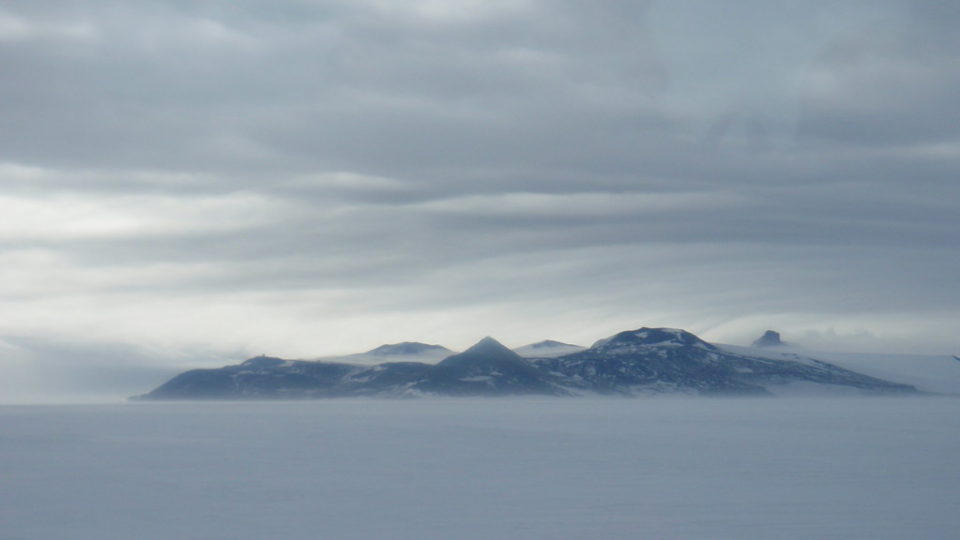
The Ross Ice Shelf in Antarctica is the world’s largest ice shelf, covering an area roughly the size of France.  Scientists have spent several years building up a record of how the northwest sector of the enormous ice shelf interacts with the ocean beneath it.  Their results show that the ice is melting much more rapidly than previously thought because of in-flowing warm water.

In general, the stability of ice shelves is thought to be mostly influenced by their exposure to warm deep ocean water.  But the new research has found that surface water heated by the sun also plays a crucial role in melting ice shelves.

The interactions between ice and ocean water that occur hundreds of meters below the surface of ice shelves have a direct impact on long-term sea level.  The Ross Ice Shelf stabilizes the West Antarctic ice sheet by blocking the ice that flows into it from some of the world’s largest glaciers.

When ice shelves collapse, the glaciers that feed them can speed up by a factor of two or three.  None of the collapsing shelves in the past have come anywhere close to the size of the Ross Ice Shelf, which is more than 100 times bigger.

The new study by New Zealand’s National Institute of Water and Atmospheric Research showed that sun-heated surface water flowing into the cavity under the ice shelf near Ross Islands caused melt rates to nearly triple during the summer months.  This indicates that the loss of sea ice resulting from climate change is likely to increase melt rates in the future.  While the Ross Ice Shelf is still considered to be relatively stable, the new findings show that it may be more vulnerable than previously thought.

**********

Web Links

Rapid melting of the world’s largest ice shelf linked to solar heat in the ocean

Photo, posted February 15, 2009, courtesy of Alan Light via Flickr.

Earth Wise is a production of WAMC Northeast Public Radio.
Making Roads From Ocean Plastic

June 7, 2019 By EarthWise Leave a Comment

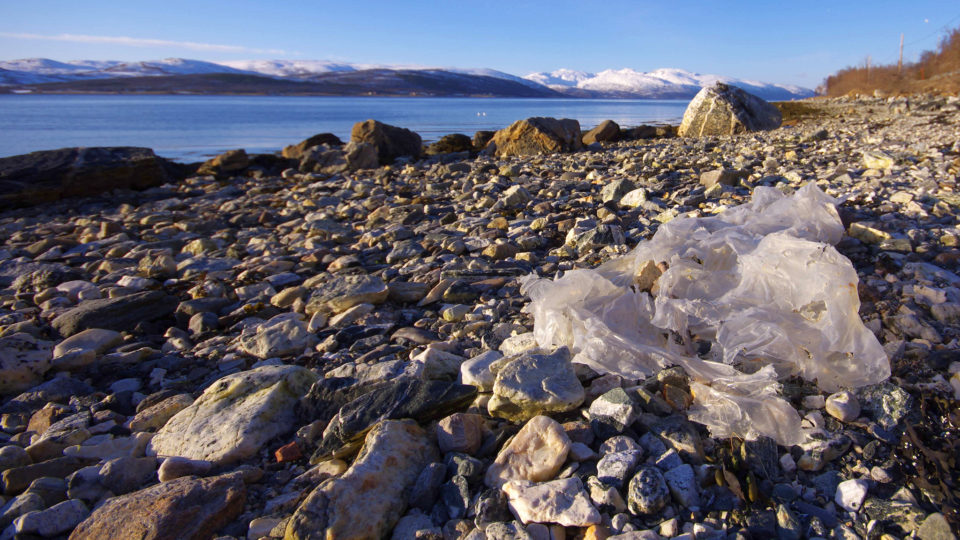
Like many other places around the world, India has a big problem with plastic waste.  Its 1.3 billion people each use an average of 24 pounds of plastic per year and much of it ends up in the Arabian Sea and Indian Ocean.

Fishermen in India’s southern state of Kerala have taken on the battle against plastic waste in the ocean by launching a campaign called Suchitwa Sagaram, or Clean Sea, in which they are collecting the plastic and bringing it back to shore.

In the first 10 months of the program, fisherman have removed 25 tons of plastic from the Arabian Sea.  Once the plastic waste reaches shore, it is fed into a plastic shredding machine.  As is the case for many of India’s plastic recycling schemes, the shredded plastic from the sea is converted into material that is used for road surfacing.

There are more than 20,000 miles of plastic roads in India, mostly in rural areas.  In fact, more than half the roads in the southern state of Tamil Nadu are plastic.  Such roads have become popular because they are more resilient to India’s searing heat.  The melting point of plastic roads is around 150 degrees Fahrenheit as compared to 122 degrees for conventional roads.

Roads made from recycled plastic are also cheaper than ones using conventional plastic additives.  A mile of plastic road uses the equivalent of a million and a half plastic bags and saves about a ton and a half of asphalt.  Overall, plastic roads are about 8% cheaper than conventional roads and create jobs for people in the fishing communities.

India’s plastic roads are a promising way to fight the problem of ocean plastic pollution.

**********

Web Links

These Indian fishermen take plastic out of the sea and use it to build roads

Photo, posted April 25, 2016, courtesy of Bo Eide via Flickr.

Earth Wise is a production of WAMC Northeast Public Radio.
Edible Six-Pack Rings

June 4, 2019 By EarthWise Leave a Comment

There has much talk about plastic straws and their harmful effects on the environment.  But much like the straws, plastic six-pack rings are also enemies of the ocean.  While straws and six-pack rings account for only a tiny fraction of all the plastic trash in the ocean, images of marine animals tangled up in the rings have sparked public backlash against these common items.  The soft but tough plastic rings are transparent which means that in the water animals don’t even see them.  They end up tangled in the loops, which can cut into their skin and constrict parts of their bodies, leading to serious injury or death.  Birds, turtles, and otters are among the frequent victims of six-pack rings.

Plastic straws have readily available alternatives such as paper straws and reusable straws.  But the plastic rings that have been available for more than 40 years are not as easy to replace.  By law, six-pack rings are photo-degradable, so they do gradually disintegrate when exposed to direct sunlight.  But even then, they remain quite dangerous at least for a while.

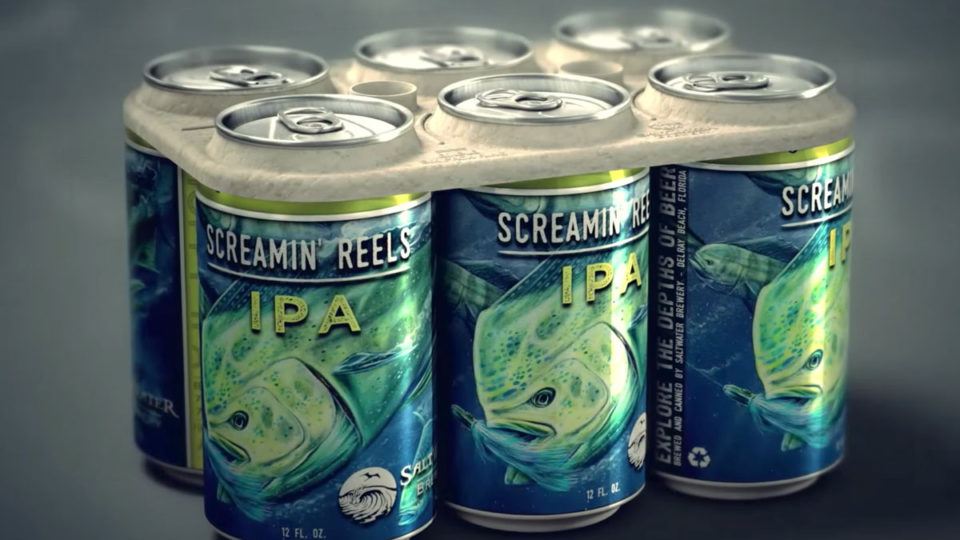
The Saltwater Brewery in Delray Beach, Florida, recently has released edible six-pack rings, representing a brand-new approach to sustainable beer packaging.  The rings are 100% biodegradable and edible.  They are actually made from barley and wheat ribbons from the brewing process.  This packaging can be safely eaten by animals that may come into contact with them in the wild.

Producing the edible rings represents a big investment for a small brewery but the company hopes to influence larger brewers and inspire them to get on board with the safer packaging.

**********

Web Links

Saltwater Brewery Creates Edible Six-Pack Rings

Photo courtesy of Saltwater Brewery.

Earth Wise is a production of WAMC Northeast Public Radio.
Climate Change And Dolphins

May 27, 2019 By EarthWise Leave a Comment

We don’t think of heatwaves as something that affects the ocean, but increasingly, as the planet warms, there have been instances where ocean water temperatures become much higher than normal for extended periods of time.  There has been much discussion of this phenomenon with regard to coral reefs where the catastrophic rise in coral bleaching events has been the result.

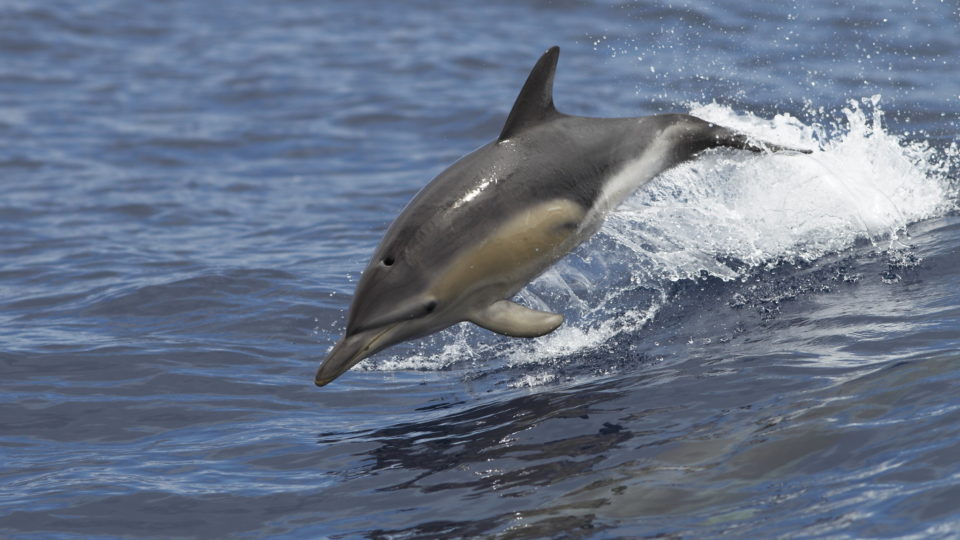
Recently, a study at the University of Zurich looked at the effects of ocean heatwaves on marine life higher in the food chain.  They studied the well-known dolphin population in Shark Bay, Western Australia.

In early 2011, a heatwave caused water temperatures in Shark Bay to rise more than 4 degrees above the annual average for an extended period.  This led to a substantial loss of seagrass, which is a driving factor in the Shark Bay ecosystem.

The researchers investigated how this environmental damage affected survival and reproduction of dolphins, using long-term data on hundreds of animals collected over a ten-year period from 2007 to 2017.

Their analysis showed that dolphins’ survival rate dropped by 12% and female dolphins were giving birth to fewer calves.  That phenomenon that began in 2011 lasted at least until 2017.

The researchers were surprised by the extent and the duration of the influence of the heatwave, especially the fact that the reproductive rate of dolphins had not returned to normal even after 6 years.

This study shows for the first time that marine heatwaves not only affect organisms at the lower levels of the food chain, but also might have considerable long-term consequences for the animals at the top, such as dolphins.

**********

Web Links

Climate change is a threat to dolphins’ survival

Photo, posted December 14, 2014, courtesy of Ed Dunens via Flickr.

Earth Wise is a production of WAMC Northeast Public Radio.
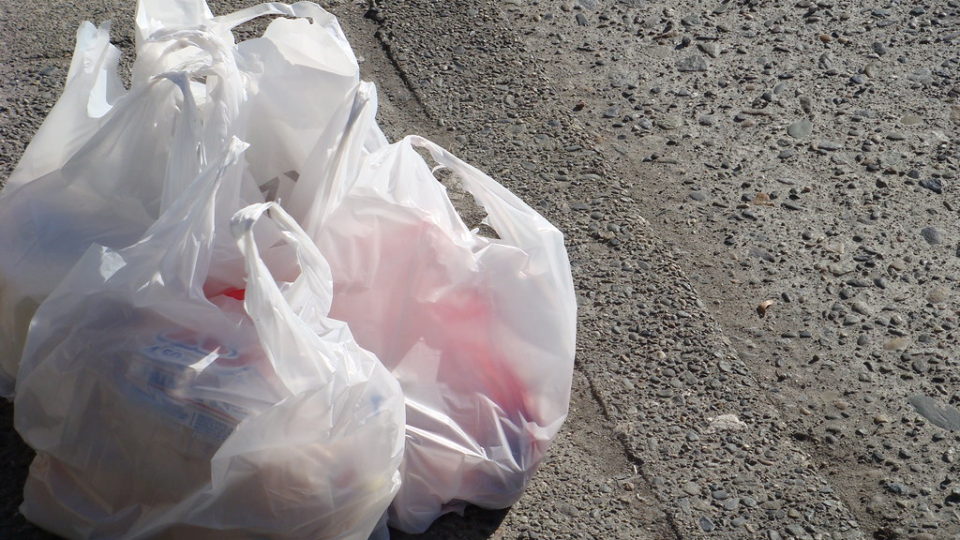
Getting Rid Of Plastic Here And Abroad

May 23, 2019 By EarthWise Leave a Comment

Efforts in the fight against plastic pollution are really stepping up these days. 

New York State lawmakers have agreed to impose a statewide ban on most types of single-use plastic bags from retail sales.  The ban would be the second statewide ban after California, which banned the bags in 2016.  Hawaii effectively also has such a ban since all of the state’s counties have their own bans.

The New York ban would begin next March and would forbid stores from providing customers with single-use plastic bags.  There are a number of exceptions, including food takeout bags in restaurants, bags used to wrap deli or meat counter products, and newspaper bags.  New York counties could opt into a plan to charge a 5-cent fee on paper bags, with proceeds going to the state’s Environmental Protection Fund.  Some environmentalists point out, however, that paper bags have their own issues.  While they do decompose in landfills, they have a substantial carbon footprint since they are made from wood and being heavier, they are more costly to ship.  Business groups are concerned about the forthcoming ban based on increased costs.

Meanwhile, European Union member states have reached a provisional agreement to introduce restrictions on single-use plastic products.  In 2021. European citizens will say goodbye to plastic cutlery, plastic plates and plastic straws among other products.

According to the European Commission, plastics make up 85% of beach litter in the Mediterranean.  Large plastic pieces injure, suffocate, and often kill marine animals but microplastics have reached record levels of concentration – over a million fragments per square kilometer – in the Mediterranean.

Both here and abroad, the war on plastics is heating up.

**********

Web Links

Plastic Bags to Be Banned in New York; Second Statewide Ban, After California

The End Of Plastic Cutlery, Plates And Straws: EU Market Says Goodbye To Single-Use Plastic Products

Photo, posted March 20, 2007, courtesy of Flickr.

Earth Wise is a production of WAMC Northeast Public Radio.
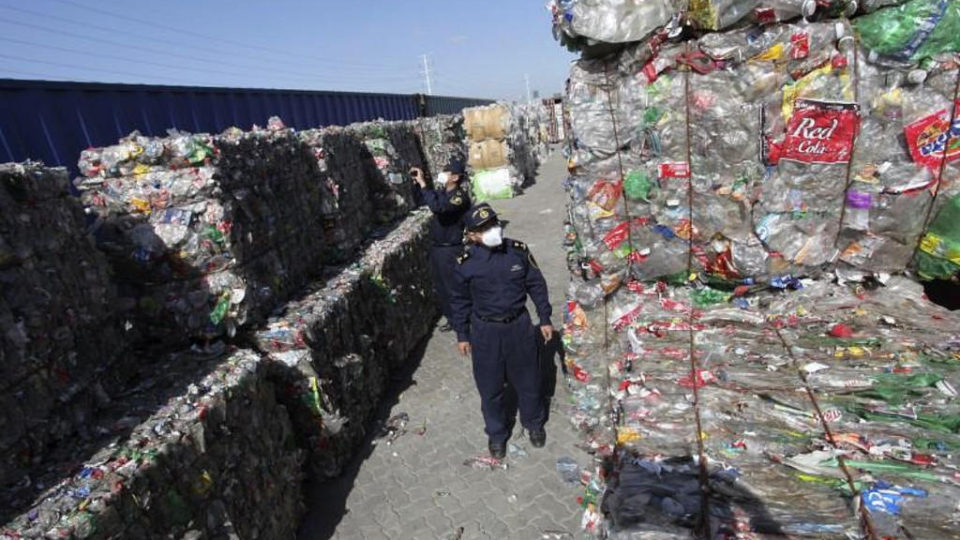
China And Plastic Waste

April 26, 2019 By EarthWise Leave a Comment

In January 2018, China enacted its “National Sword” policy which banned the import of most plastics and other materials headed for that country’s recycling processors.  Those processors had handled nearly half of the world’s recyclable waste for the past quarter century.  China took this step because the deluge of soiled and contaminated materials was overwhelming its processing facilities and creating yet another environmental problem for the country, this time not even of its own making.

Prior to China’s ban, 95% of the plastics collected for recycling in the European Union and 70% in the U.S. were sold and shipped to Chinese processors.  A combination of favorable rates for shipping in cargo vessels that carried Chinese goods abroad and low Chinese labor rates made it a very profitable enterprise.

Before China’s ban, only 9% of globally discarded plastics were being recycled and 12% were burned.  The rest ended up in landfills or simply dumped into the environment.  Over the coming decade, as many as 11 million tons of plastic will have to find a new place to be processed or otherwise disposed of.  There is already evidence that plastic waste is accumulating in countries that are dependent on exporting.  In many places, including a number of American cities, there are curtailed collections and new restrictions on what kinds of plastics are accepted.

Some experts are hopeful that China’s ban might actually have an upside if it leads to better solutions for managing the world’s waste.  North America and Europe need to expand processing capabilities and manufacturers need to make their products more easily recyclable.  Mostly, the Chinese ban should be a wake-up call to the world on the need to greatly reduce single-use plastics.

**********

Web Links

Piling Up: How China’s Ban on Importing Waste Has Stalled Global Recycling

Photo, posted August 8, 2017, courtesy of Sino-German Urbanisation Partnership via Flickr.

Earth Wise is a production of WAMC Northeast Public Radio.
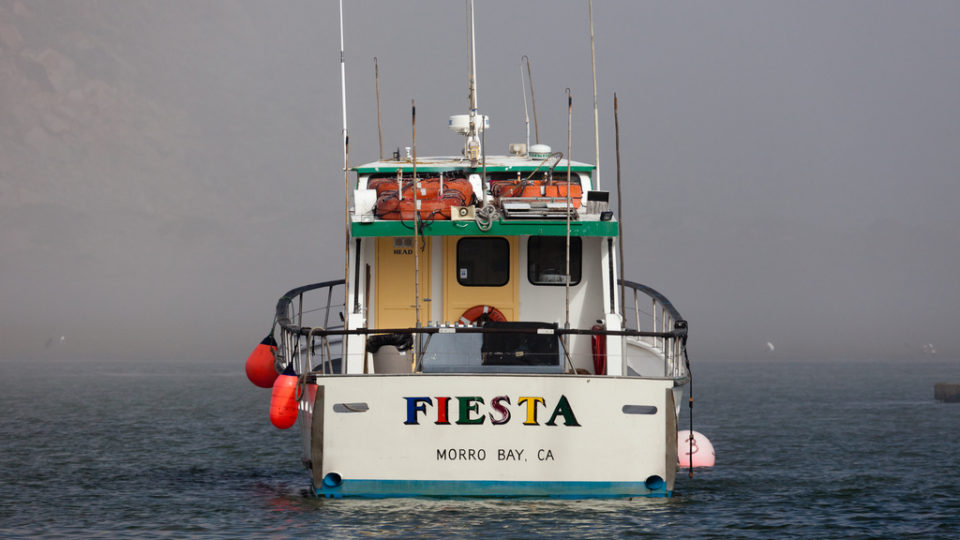
Fish And Ships

April 25, 2019 By EarthWise Leave a Comment

Solutions to overfishing of certain tuna and shark populations have been hindered by some significant unknowns:  where the fishing is happening, and where the fish are.  But researchers from Stanford University have recently shed some light on this mystery. 

According to a paper recently published in the journal Science Advances, the researchers have developed a map of shark, tuna, and ship movements that could help ocean managers identify regions of the sea where vulnerable species may be at risk. 

The researchers’ work builds on a 2018 study in which four years of satellite vessel movement data was used to develop a machine learning algorithm that mapped the footprint of 70,000 different fishing vessels around the world.  In their paper, the researchers zeroed in on the activities of 900 vessels from 12 countries in the northeast Pacific Ocean to figure out to what degree fishing fleets, sharks, and tunas overlapped. 

The researchers combined the vessel data with the ocean habitat preferences of sharks and tunas obtained from a decade-long tracking program called Tagging of Pacific Predators (or TOPP).  According to the IUCN, most of the 876 individuals tagged in TOPP belong to species that are either threatened or near-threatened.

By synthesizing this data, researchers were able to map where sharks and tunas would have the highest overlap with commercial fishing vessels.  Increasing the transparency of where fish meets fleets will allow ocean managers to determine where international protections may be needed. 

The United Nations is currently developing the world’s first legally binding treaty to protect international waters.  The Stanford University researchers hope their findings can help with this treaty’s formulation. 

**********

Web Links

Tunas, sharks and ships at sea

Photo, posted June 20, 2011, courtesy of Mike Baird via Flickr.

Earth Wise is a production of WAMC Northeast Public Radio.

  • « Go to Previous Page
  • Page 1
  • Interim pages omitted …
  • Page 7
  • Page 8
  • Page 9
  • Page 10
  • Page 11
  • Interim pages omitted …
  • Page 16
  • Go to Next Page »

Primary Sidebar

Recent Episodes

  • An uninsurable future
  • Clean energy and jobs
  • Insect declines in remote regions
  • Fossil fuel producing nations ignoring climate goals
  • Trouble for clownfishes

WAMC Northeast Public Radio

WAMC/Northeast Public Radio is a regional public radio network serving parts of seven northeastern states (more...)

Copyright © 2026 ·