• Skip to primary navigation
  • Skip to main content
  • Skip to primary sidebar

Earth Wise

A look at our changing environment.

  • Home
  • About Earth Wise
  • Where to Listen
  • All Articles
  • Show Search
Hide Search
You are here: Home / Archives for ocean

ocean

More Antarctic Warming

April 23, 2019 By EarthWise Leave a Comment

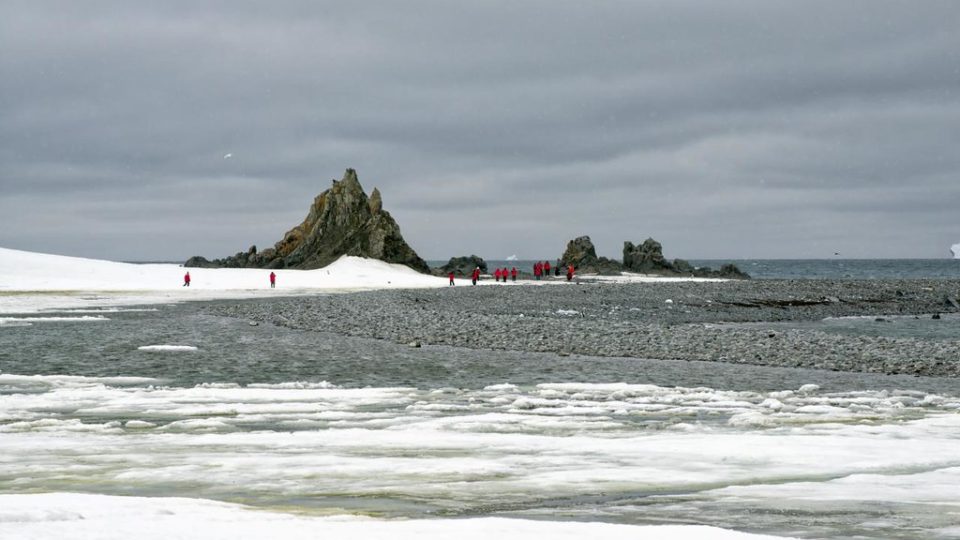
East Antarctica is the coldest place on Earth.  It makes up two-thirds of the continent, is home to the South Pole, and has vast ice sheets that have been around for tens of millions of years and are nearly three miles thick in places.  Temperatures there hover around 67 degrees below zero.  In 2010, a few spots on East Antarctica’s polar plateau reached a record-breaking 144 degrees below zero.

But almost unbelievably, parts of the East Antarctic seem to be melting.

Scientists are seeing worrying signs of ice loss in the East Antarctic.  Glaciers are starting to move more quickly and are dumping their ice into the Southern Ocean.  Satellite images show the fast-moving ice.  The biggest glacier – the Totten Glacier – alone contains enough ice to raise global sea levels by over 12 feet.

The Antarctic as a whole contains about 90% of the planet’s ice.  In theory, if it all melted, it would raise global sea levels by an average of 200 feet.

The growing concerns about eastern Antarctica are not that its interior plateau will soon start to melt.  It is still extremely cold there and should stay that way for a long time.  But its edges, which are in contact with warming ocean waters, are the real worry.  As the region’s ice shelves, which float atop the Southern Ocean, erode, the vast glaciers behind them could rapidly accelerate their slide into the sea.

Today, satellites show huge glaciers moving rapidly toward the coast, with wide rivers of ice sometimes moving several miles a year.  In the face of rapid change and limited data, it is difficult to predict what the Antarctic will do in the future.  But it doesn’t look good.

**********

Web Links

Polar Warning: Even Antarctica’s Coldest Region Is Starting to Melt

Photo, posted January 3, 2013, courtesy of Christopher Michel via Flickr.

Earth Wise is a production of WAMC Northeast Public Radio.
Rigs To Reefs

March 29, 2019 By EarthWise Leave a Comment

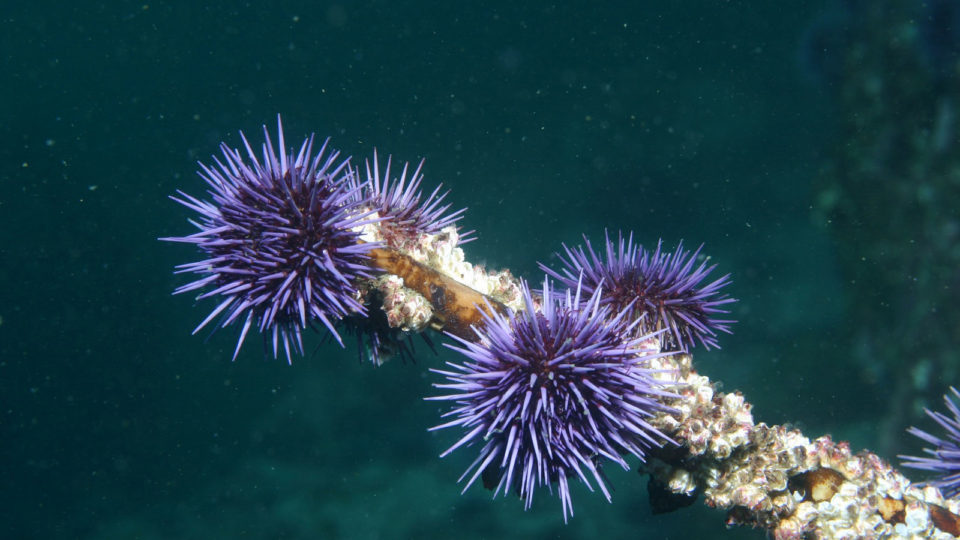
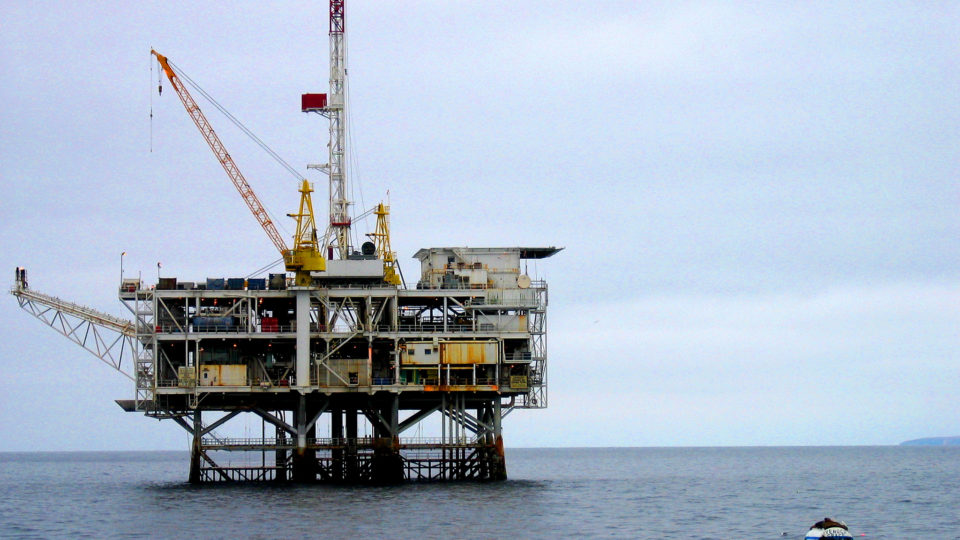
There are about 6,000 offshore oil platforms in the world’s oceans.  They have an immense presence physically, financially and environmentally.  As these massive structures extract hydrocarbons from deep beneath the sea, they also undergo a remarkable transformation under the water.  The enormous substructures that support the platforms become vertical reefs, home to millions of individual plants and animals.

Over time, many oil platforms are decommissioned, and their owners are faced with the choice of either removing them entirely or transitioning them into permanent reefs.   Traditional practice was to restore the site to its original condition, but more recently the idea of “reefing” old platforms has gained popularity.  As of 2016, more than 11% of decommissioned platforms in the U.S. portion of the Gulf of Mexico have become permanent reefs.

Decommissioning and completely removing a platform is a daunting and pricey proposition.  The most recent estimate for removing all platforms off the coast of California alone totals $8 billion.  Modifying the platforms to serve as permanent reefs cuts these costs significantly, especially those associated with hauling, cleaning and disposing of the underwater support structure, which will have thousands of tons of sea-life clinging to it by the time it is removed.

Converting the structure into a permanent reef means making it free of any hydrocarbons or other hazardous materials. But this is still a far cheaper venture than total removal.  Studies of oil rigs as underwater habitats have shown them to be some of the most productive in the world.  They are 3-dimensional reefs whose open construction allows currents to pass through bringing lots of nutrients.

Over time, more and more oil platforms will be decommissioned. Many may end up remaining as permanent homes for undersea life.

**********

Web Links

Rigs to Reefs

Photo, posted August 21, 2011, courtesy of Marianne Muegenburg via Flickr

Earth Wise is a production of WAMC Northeast Public Radio.
Balloons And Seabirds

March 19, 2019 By EarthWise Leave a Comment

It’s no secret that there is a ton of plastic in the ocean – millions of tons, in fact.  Scientists estimate that there is more 165 million tons of plastics swirling about in our oceans today, with an additional 8.8 million tons flowing in every year.  As the oceans swell with plastic debris, many marine species wind up ingesting the stuff – often with dire consequences.

All this plastic trash winds up affecting more than just aquatic species, too.  According to researchers from the University of Tasmania, a seabird that ingested a single piece of plastic has a 20% chance of mortality.  This statistic jumps to 50% if the seabird consumes nine pieces of plastic. 

The study, which was recently published in the journal Scientific Reports, also found that while hard plastics account for the majority of plastic debris ingested, it’s far less likely to prove fatal than soft plastics, such as balloons. 

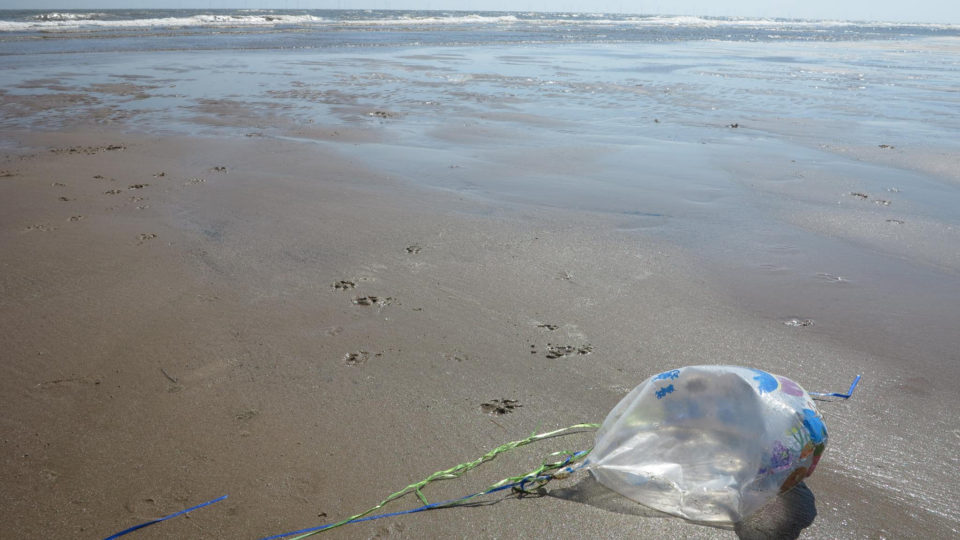
In fact, the researchers found that balloons or balloon fragments were the number one marine debris risk of mortality for seabirds, killing almost one in five of the seabirds that ingested them. 

The leading cause of death among the seabirds studied was blockage of the gastrointestinal tract.  While soft plastics only accounted for 5% of the ingested plastics, they were responsible for more than 40% of seabird mortality.  But the researchers make clear that hard plastics were still responsible for more than half of the study’s seabird deaths.  

If we want to reduce the number of marine species dying from plastic ingestion, we need to reduce the volume of plastic going into the ocean and do what we can to remove what’s already there. 

**********

Web Links

Balloons the number 1 marine debris risk of mortality for seabirds

Photo, posted July 24, 2014, courtesy of Flickr.

Earth Wise is a production of WAMC Northeast Public Radio.
The Problem Of Microplastics

February 15, 2019 By EarthWise Leave a Comment

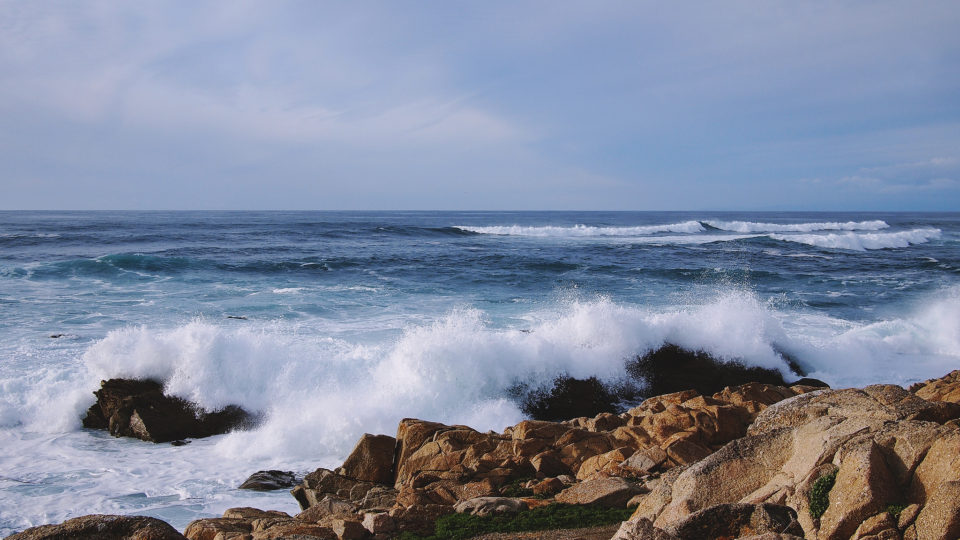
In recent years, there have been multiple reports of microplastic contamination seemingly everywhere:  in the ocean, in lakes and rivers, in beverages and foods, and in the bodies of birds, fish, and even people.  As the world tries to come to grips with this growing problem, there are many things that we simply don’t know.

Microplastics are usually formed by the breakdown of larger pieces of plastic.  Shopping bags and cups degrade into microplastics.  Microfiber clothing generates microplastics in washing machines.  And some manufacturers still intentionally add microplastics to personal care products like toothpaste and facial scrubs.

Technically, a microplastic is any piece of plastic measuring five millimeters in size down to one micron – which is one thousandth of a millimeter.  But there can be even smaller plastic particles classified as sub-microplastics and even nanoplastics.

A real concern is that it is not actually clear how dangerous microplastics are for living organisms.  We know that aquatic and terrestrial species – including humans – can and do absorb microplastic particles, but whether there is actual toxicity and the nature of any detrimental effects is not yet well understood.

Another real problem is that it is actually not easy to distinguish microplastics from other particles in a given sample.   When you are looking at a particle that is smaller than a millimeter in size, it is not easy to tell whether it is a grain of sand, a bit of cellulose from a plant, or a microplastic.  There are reliable and definitive ways to analyze samples for microplastics, but they are not as simple and commonplace as just looking through a microscope.

Microplastics are a rapidly growing problem and we don’t even really know how big and how bad the problem is.

**********

Web Links

How dangerous is microplastic?

Photo, posted January 10, 2015, courtesy of Daria Nepriakhina via Flickr.

Earth Wise is a production of WAMC Northeast Public Radio.
Examining Sea Level Rise

January 17, 2019 By EarthWise Leave a Comment

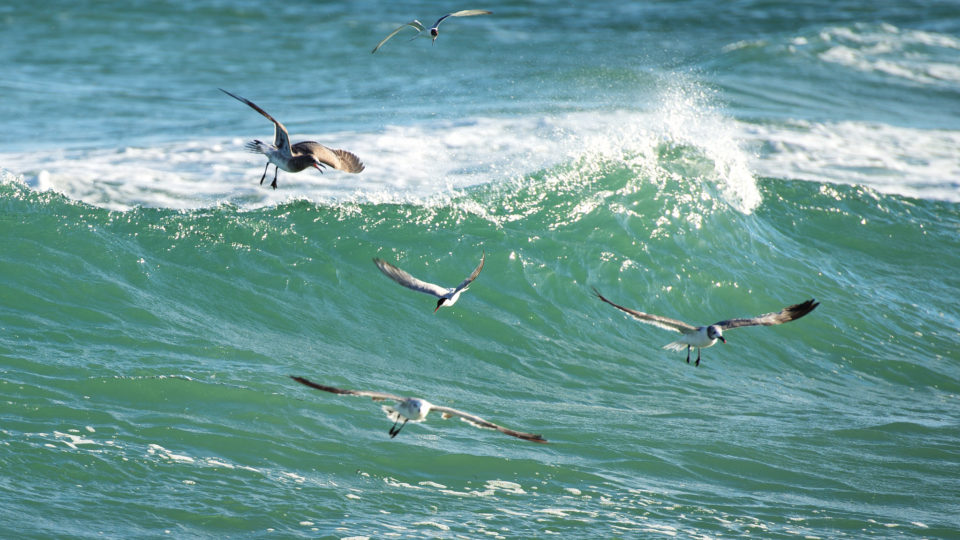
It’s no secret that sea levels along the East Coast of the United States are rising.  But what’s less known is that the water isn’t rising at the same rate everywhere.  As the climate continues to change, some cities may remain dry while others struggle to keep water out. 

During the 20th century, sea levels rose about 18 inches near Cape Hatteras in North Carolina and along the Chesapeake Bay in Virginia.  During that same time period, New York City and Miami experienced a 12 inch sea level rise, while the waters near Portland, Maine only rose 6 inches.  According to a study recently published in the journal Nature, there’s an explanation for this. 

The variation is a result of a phenomenon called “post-glacial rebound.”  During the last ice age, huge sheets of ice once covered land areas in the Northern Hemisphere, including parts of the Northeast U.S.  The weight of the ice weighted down the land like a boulder on a trampoline.  At the same time, peripheral lands such as the U.S. mid-Atlantic coast rose up.  As the ice melted, the previously weighted-down regions rebounded while the peripheral lands began to sink.  While these ice sheets disappeared some 7,000 years ago, this see-sawing of post-glacial rebound continues to this day. 

Researchers combined data from GPS satellites, tide gauges, and fossils in sediment with complex geophysical models to produce this comprehensive view of sea level change since 1900.  While post-glacial rebound accounts for most of the sea level variation along the East Coast, researchers noted that when that factor is stripped away, “sea level trends increased steadily from Maine all the way down to Florida.”

**********

Web Links

Why is sea level rising faster in some places along the US East Coast than others?

Photo, posted August 24, 2014, courtesy of Bill Dickinson via Flickr.

Earth Wise is a production of WAMC Northeast Public Radio.
New Ocean Energy Technologies

December 26, 2018 By EarthWise Leave a Comment

https://earthwiseradio.org/wp-content/uploads/2018/12/EW-12-26-18-New-Ocean-Energy-Technologies.mp3

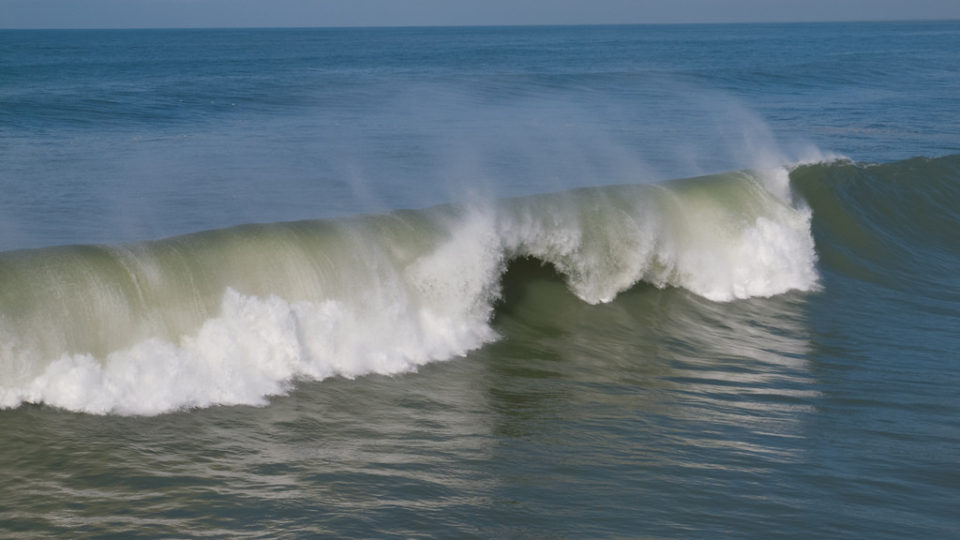
The ocean energy sector is still at an early stage of development.  Despite the fact that the ocean is permanently in motion, extracting energy from that motion on a major scale continues to be a challenge.  But the potential benefits of ocean technologies are compelling enough that many approaches continue to be pursued.

[Read more…] about New Ocean Energy Technologies

The Cockroaches Of The Ocean

December 14, 2018 By EarthWise Leave a Comment

https://earthwiseradio.org/wp-content/uploads/2018/12/EW-12-14-18-The-Cockroaches-of-the-Ocean.mp3

The coast of Northern California is home to underwater forests – huge, sprawling tangles of brown seaweed.  Kelp forests play a similar role in the oceans as the one that ordinary tree forests play on land.  Like trees, kelp absorbs carbon emissions and provides critical habitat and food for a wide range of species.

[Read more…] about The Cockroaches Of The Ocean

A Better Filter For Saltwater

November 26, 2018 By EarthWise Leave a Comment

https://earthwiseradio.org/wp-content/uploads/2018/10/EW-11-26-18-A-Better-Saltwater-Filter.mp3

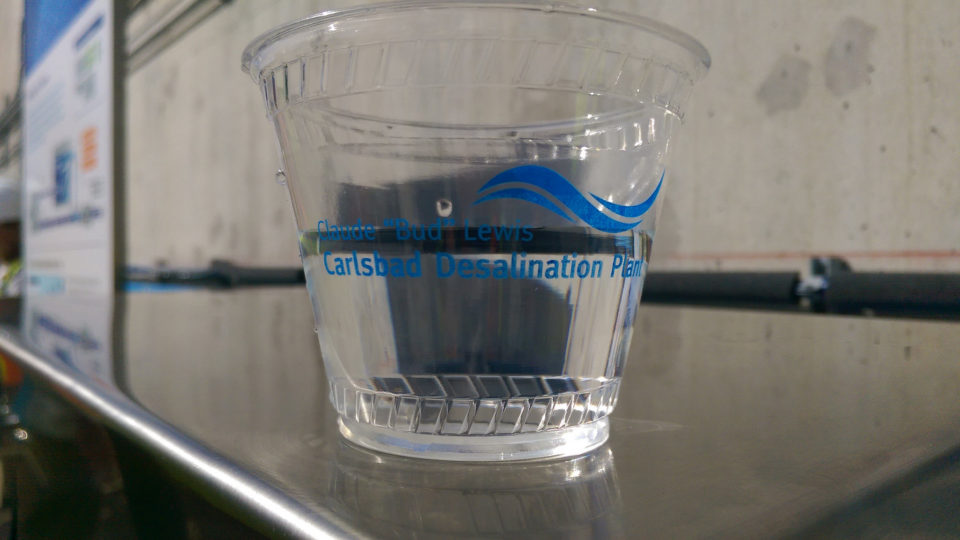
Turning seawater into drinkable water is a highly desirable capability given that fresh water is generally in short supply and seawater is endlessly abundant.  Desalination plants typically strain salt out of seawater by pumping it through films made of polyamide.  Polyamide filters are riddled with tiny pores that allow water molecules to squeeze through, but not sodium ions.

[Read more…] about A Better Filter For Saltwater

Shifting Climate Zones

November 16, 2018 By EarthWise Leave a Comment

https://earthwiseradio.org/wp-content/uploads/2018/11/EW-11-16-18-Shifting-Climate-Zones.mp3

As the climate warms, the planet’s landscape is changing.  The Arctic ice is shrinking, the ocean is rising altering coastlines, and plants, animals and diseases are on the move.  The world’s climate zones are changing in significant and measurable ways.

[Read more…] about Shifting Climate Zones

How To Measure Carbon Emissions

November 5, 2018 By EarthWise Leave a Comment

https://earthwiseradio.org/wp-content/uploads/2018/11/EW-11-05-18-How-To-Measure-Carbon-Emissions.mp3

The Paris climate accord by nearly 200 countries seeks to reduce global carbon emissions.  But how can the actions of these countries be monitored, reported, and verified?  It is not an easy task.

[Read more…] about How To Measure Carbon Emissions

Airports and Rising Seas

October 18, 2018 By EarthWise Leave a Comment

https://earthwiseradio.org/wp-content/uploads/2018/10/EW-10-18-18-Airports-and-Rising-Seas.mp3

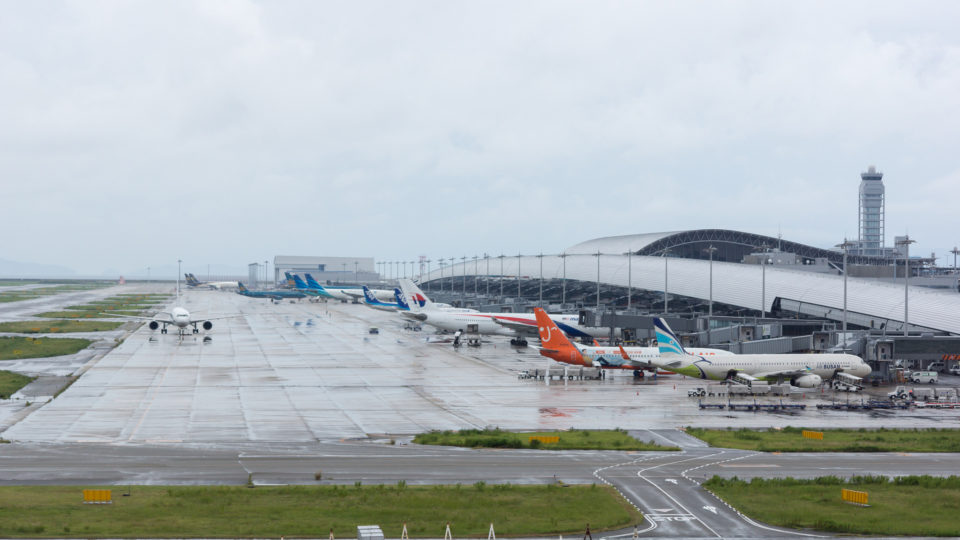
There are many low-lying coastal airports around the world.  These airports are increasingly vulnerable to the rising sea levels and the more extreme weather brought about by climate change.  

[Read more…] about Airports and Rising Seas

Cleaning Up the Garbage Patch

October 16, 2018 By EarthWise Leave a Comment

https://earthwiseradio.org/wp-content/uploads/2018/10/EW-10-16-18-Cleaning-Up-The-Garbage-Patch.mp3

We have been talking about the Great Pacific Garbage Patch for several years.  Two years ago, we reported on the activities of a company called Ocean Cleanup, founded five years ago by an 18-year-old Dutch entrepreneur named Boyan Slat.  Two years ago, the company was conducting comprehensive surveys of the patch, which covers an area twice the size of Texas and contains some 80,000 tons of plastic debris.

[Read more…] about Cleaning Up the Garbage Patch

Where Does The Plastic Go?

October 15, 2018 By EarthWise Leave a Comment

https://earthwiseradio.org/wp-content/uploads/2018/09/EW-10-15-18-Where-Does-Plastic-Go.mp3

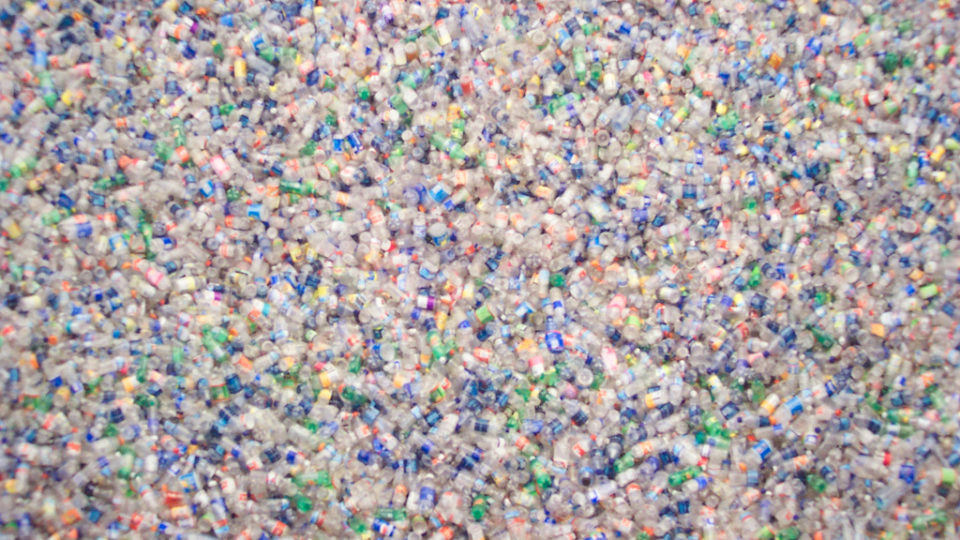
The glut of plastic in the oceans is a global problem.  About 9 million tons of plastic enter the oceans each year.  Much of it is discarded fishing gear, plastic bags, and other macroscopic objects.  But a great deal of it is in the form of microplastics or small particles.  Some microplastics come from cosmetics and other products containing them but a lot of them are the result of larger plastic objects breaking down into small particles.

[Read more…] about Where Does The Plastic Go?

Designing Plastic To Fall Apart

September 17, 2018 By EarthWise Leave a Comment

https://earthwiseradio.org/wp-content/uploads/2018/09/EW-09-17-18-Designing-Plastic-to-Fall-Apart.mp3

In the 1940s and 1950s, synthetic polymers became very popular.  These man-made materials were designed to be cheap and durable and soon began replacing metals and glass in everything from automobiles and airplanes to bottles and dishes.

[Read more…] about Designing Plastic To Fall Apart

Feeding Seaweed To Cows

August 16, 2018 By EarthWise Leave a Comment

https://earthwiseradio.org/wp-content/uploads/2018/08/EW-08-16-18-Feeding-Seaweed-to-Cows.mp3

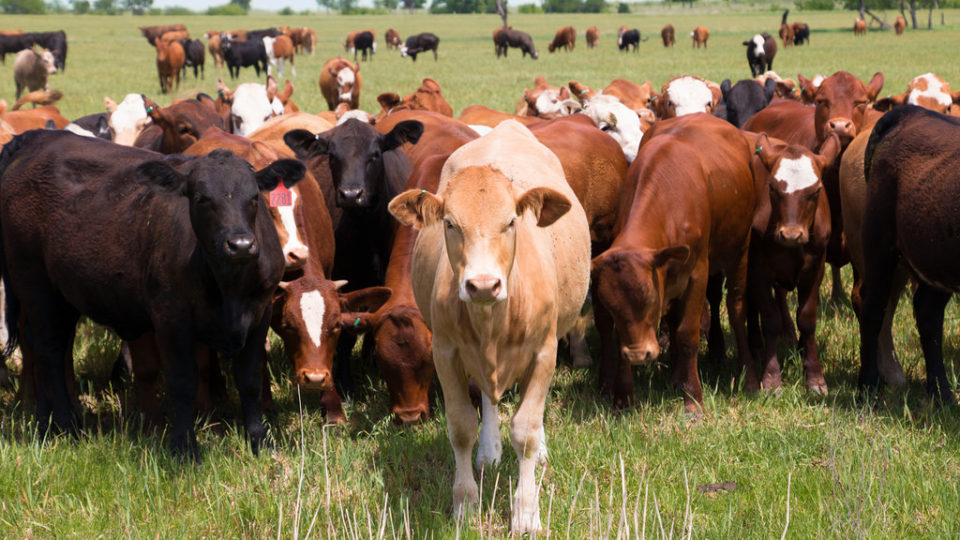
Methane emissions are a real problem.  As a greenhouse gas, methane has at least 25 times the heat-trapping power of carbon dioxide.  More than a third of all the methane that humans are responsible for putting into the atmosphere comes from domestic livestock:  cattle, sheep, goats and buffalo.  In California alone, dairy cows along with a smaller number of beef cattle emit the heat trapping equivalent of the emissions from 2.5 million cars.

[Read more…] about Feeding Seaweed To Cows

A Small Win For Coral

August 15, 2018 By EarthWise Leave a Comment

https://earthwiseradio.org/wp-content/uploads/2018/08/EW-08-15-18-A-Small-Win-for-Coral.mp3

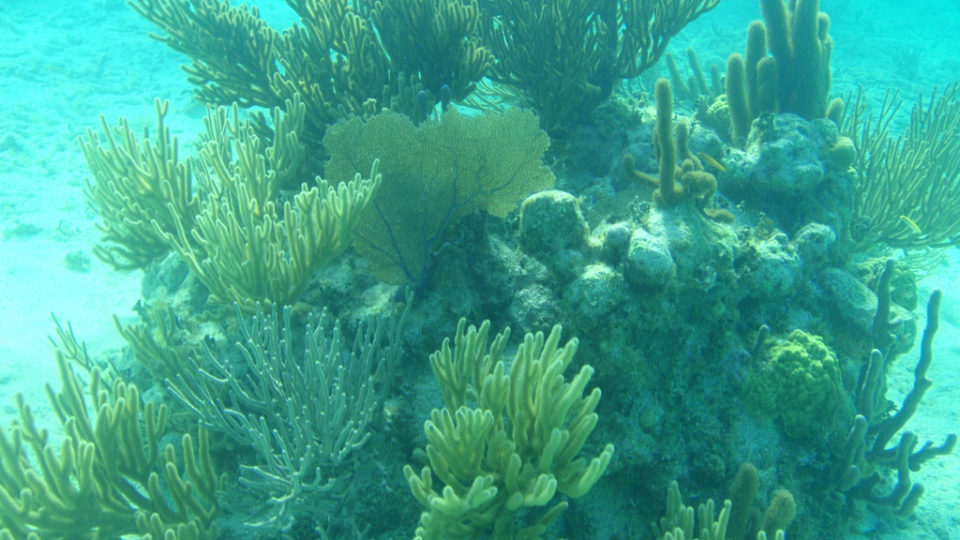
The Belize Barrier Reef is the largest barrier reef system in the Northern Hemisphere.  It extends roughly 200 miles, and is made up of a series of coral reefs, cays and islands, many of which are covered with mangroves. It was designated a Unesco World Heritage Site in 1996, and added to its endangered list in 2009.  

[Read more…] about A Small Win For Coral

Progress On Plastic Straws

August 10, 2018 By EarthWise Leave a Comment

https://earthwiseradio.org/wp-content/uploads/2018/08/EW-08-10-18-Progress-on-Plastic-Straws.mp3

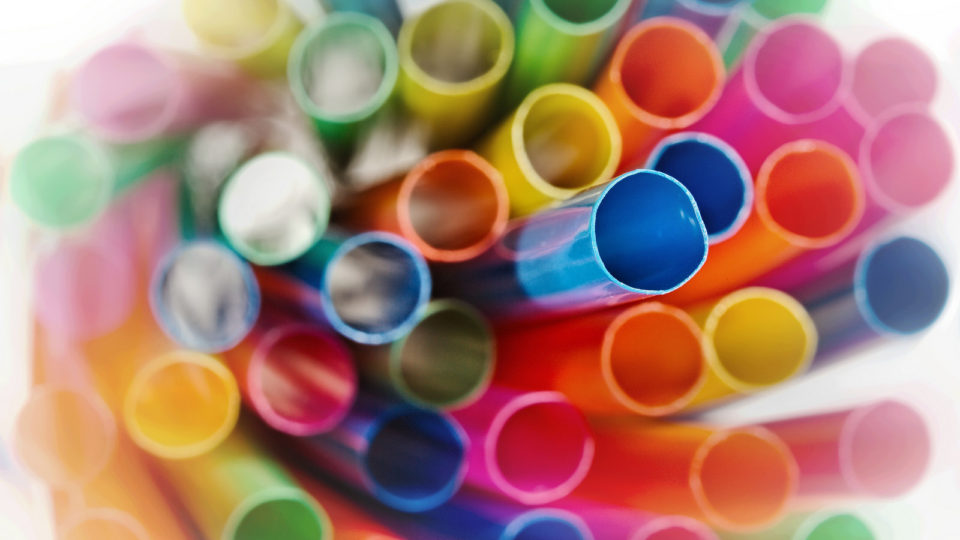
Earlier this year we talked about the contributions of plastic straws to the global problem of plastic waste.  Americans throw away an astounding 500 million straws a day.  But global campaigns to reduce the use of plastic straws are starting to make real headway.

[Read more…] about Progress On Plastic Straws

Saildrones For Science

July 11, 2018 By EarthWise Leave a Comment

https://earthwiseradio.org/wp-content/uploads/2018/07/EW-07-11-18-Saildrones-for-Science.mp3

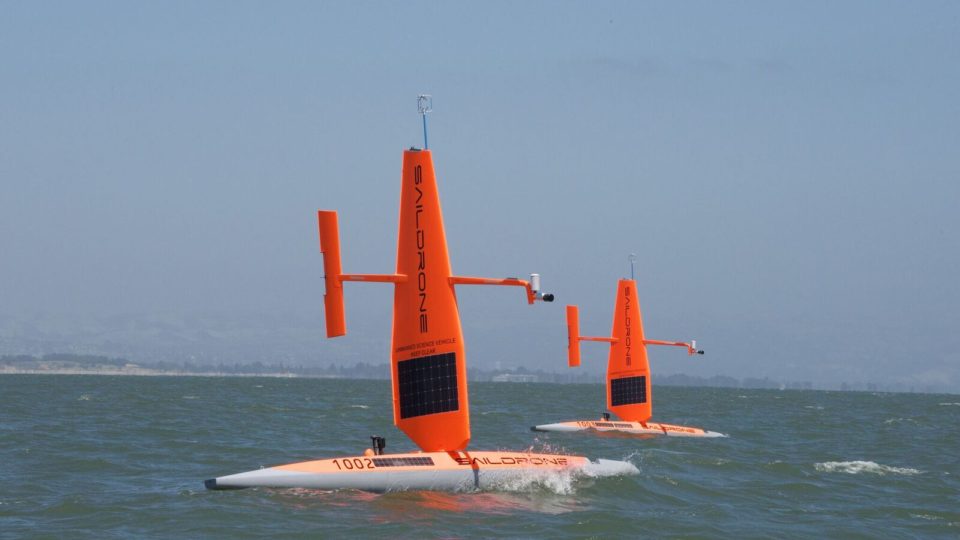
Nine years ago, engineer Richard Jenkins broke the world land speed record for a wind-powered vehicle with a sailboat on wheels driving across a dry lakebed at 126 miles per hour.  After years of engineering development, his technology has now taken on the form of a saildrone that can autonomously sail the sea gathering ecologic, oceanic and atmospheric data.

[Read more…] about Saildrones For Science

Coral Nurseries

July 9, 2018 By EarthWise Leave a Comment

https://earthwiseradio.org/wp-content/uploads/2018/06/EW-07-09-18-Coral-Nurseries.mp3

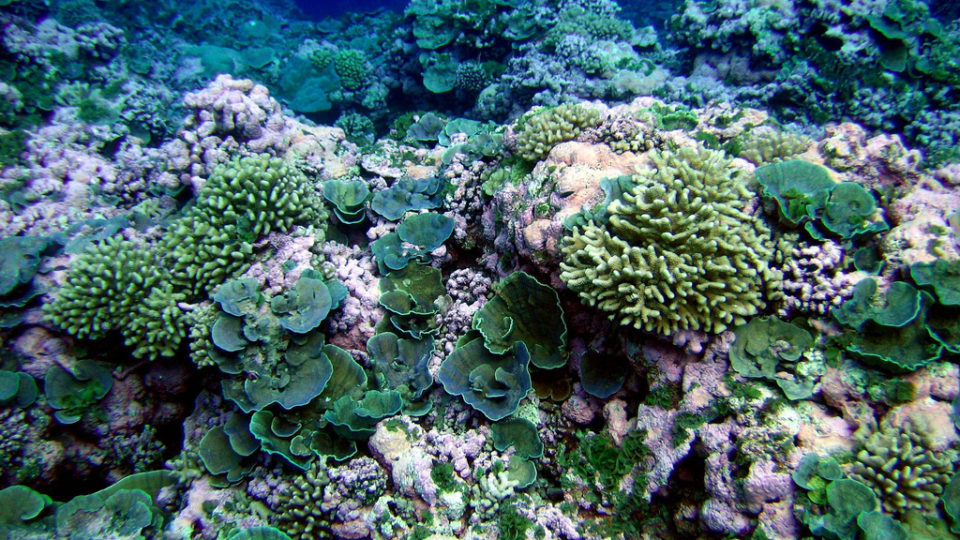
In the past, coral conservationists focused their efforts on protecting reefs from direct environmental threats such as land-based pollution and damaging fishing practices.   These efforts continue, but as coral reefs face increasingly dire threats, conservationists are turning toward more proactive approaches.

[Read more…] about Coral Nurseries

Losing Forests Is Felt Far Away

July 6, 2018 By EarthWise 2 Comments

https://earthwiseradio.org/wp-content/uploads/2018/06/EW-07-06-18-Losing-Forests-is-Felt-Far-Away.mp3

Large areas of forests in our country are vulnerable to drought, fires and disease.  When forests are heavily damaged, there are well-known local impacts:  drier soils, stronger winds, increased erosion, loss of shade and loss of habitat.

[Read more…] about Losing Forests Is Felt Far Away

  • « Go to Previous Page
  • Page 1
  • Interim pages omitted …
  • Page 8
  • Page 9
  • Page 10
  • Page 11
  • Page 12
  • Interim pages omitted …
  • Page 16
  • Go to Next Page »

Primary Sidebar

Recent Episodes

  • An uninsurable future
  • Clean energy and jobs
  • Insect declines in remote regions
  • Fossil fuel producing nations ignoring climate goals
  • Trouble for clownfishes

WAMC Northeast Public Radio

WAMC/Northeast Public Radio is a regional public radio network serving parts of seven northeastern states (more...)

Copyright © 2026 ·