
• Skip to primary navigation
  • Skip to main content
  • Skip to primary sidebar

Earth Wise

A look at our changing environment.

  • Home
  • About Earth Wise
  • Where to Listen
  • All Articles
  • Show Search
Hide Search
You are here: Home / Archives for ocean

ocean

Forests And Climate Change | Earth Wise

June 17, 2021 By EarthWise Leave a Comment

Planting new trees is not enough to mitigate climate change

A carbon sink is anything that absorbs more carbon from the atmosphere than it releases.  Examples of carbon sinks include the ocean, soil, and plants.  In contrast, a carbon source is anything that releases more carbon into the atmosphere than it absorbs.  Volcanic eruptions and burning fossil fuels are two examples.

Forests are among the most important carbon sinks.  Trees remove carbon from the air and store it in their trunks, branches, and leaves, and transfer some of it into the soil.  But in many regions, deforestation, forest degradation, and the impacts of climate change are weakening these carbon sinks. As a result, some climate activists advocate for large-scale tree-planting campaigns as a way to remove heat-trapping CO2 from the atmosphere and help mitigate climate change. 

But according to a new study recently published in the journal Science, planting new trees as a substitute for the direct reduction of greenhouse gas emissions could be a pipe dream.  While planting trees is easy, inexpensive, and can help slow climate warming, the ongoing warming would be simultaneously causing the loss of other trees.  Instead, the research team says it makes more sense to focus on keeping existing forests healthy so they can continue to act as carbon sinks, and to reduce emissions as much as possible and as quickly as possible.        

But keeping forests healthy will require a paradigm shift in forest management.  Instead of trying to maintain forests as they were in the 20th century, the research team says forests need to be managed proactively for the changes that can be anticipated. 

One thing is clear: We cannot plant our way out of the climate crisis.

**********

Web Links

Forests and climate change: ‘We can’t plant our way out of the climate crisis’

Photo, posted August 9, 2015, courtesy of Nicholas A. Tonelli via Flickr.

Earth Wise is a production of WAMC Northeast Public Radio.
Sea Turtles And The Sargasso Sea | Earth Wise

June 15, 2021 By EarthWise Leave a Comment

Understanding the migratory patterns of sea turtles

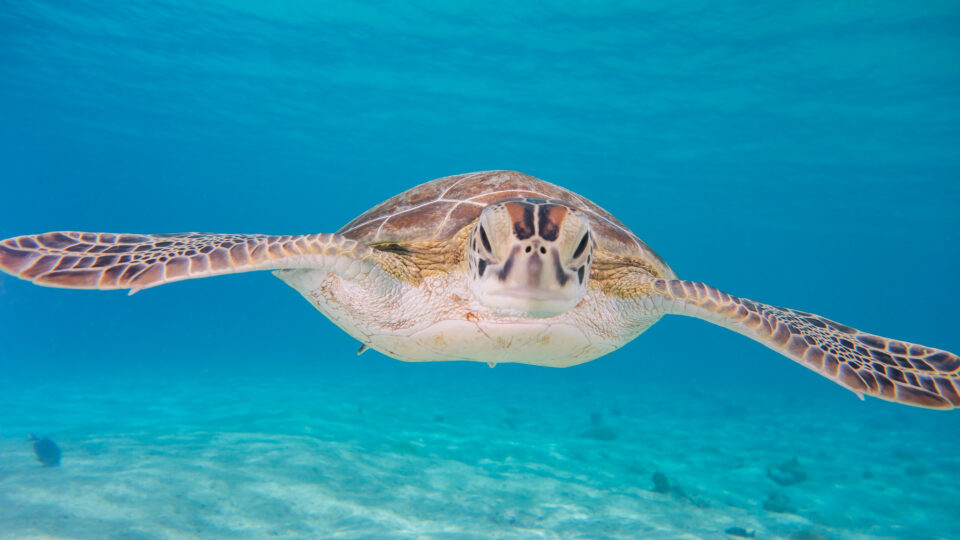
The lifecycle of sea turtles includes a longstanding mystery, often called the “lost years”.  Turtles hatching from nests along Florida’s Atlantic coast head into the ocean and are generally not seen again for several years before they return in their adolescence. Very little is known about where they spend this time in the open ocean.

Researchers at the University of Central Florida have learned that green turtles as well as loggerhead turtles – both iconic species in conservation efforts – may be spending their youth in the legendary Sargasso Sea.  The Sargasso Sea is located off the east coast of the U.S. in the North Atlantic Ocean.  It has frequently been featured in popular culture, such as in the novel Twenty Thousand Leagues Under the Sea, as a place where ships could be trapped in thick mats of floating, brown Sargassum seaweed for which the sea is named.

The researchers tracked the baby turtles by attaching advanced, solar-powered tracking devices, about an inch long, to their shells.  They used a special adhesive that held the devices to the turtle shells but would allow the devices to fall off after a few months causing no harm to the turtles or inhibiting shell growth or behavior.

It was previously thought that baby turtles would passively drift in sea currents and simply ride those currents until their later juvenile years.  The new research shows that the turtles actively orient to go into the Sargasso Sea.

Studies of where turtles go as they develop are fundamental to sound sea turtle conservation.  If we don’t know where turtles are and what parts of the ocean are important to them, we are doing conservation blindfolded.

**********

Web Links

Legendary Sargasso Sea May be Sea Turtles’ Destination during Mysterious ‘Lost Years’

Photo, posted October 23, 2016, courtesy of Kris-Mikael Krister via Flickr.

Earth Wise is a production of WAMC Northeast Public Radio.
Accelerating Global Glacier Loss | Earth Wise

June 10, 2021 By EarthWise Leave a Comment

Global glacier loss is accelerating

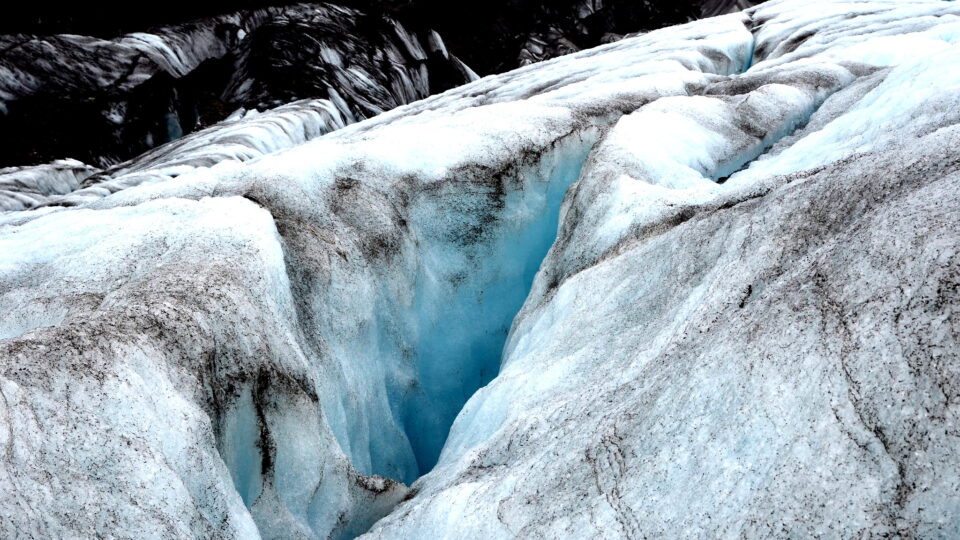
Glaciers represent the snows of centuries compressed over time to form flowing rivers of ice.  Glaciers always change, accumulating snow in the winter and losing ice to melting in the summer.  But in recent times, the melting has been outpacing the accumulation.

Glaciers are a sensitive indicator of climate change.  They have been melting at a high rate since the mid-20th century – regardless of altitude or latitude. But up until recently, the full extent of glacial ice loss has only been partially measured and understood.

Now, according to new research led by scientists from ETH Zurich in Switzerland and the University of Toulouse in France, nearly all the world’s glaciers are becoming thinner and losing mass.  And the changes are accelerating.  The study, which is the most comprehensive and accurate of its kind to date, is the first to include all the world’s glaciers – around 220,000 in total – excluding the Greenland and Antarctic ice sheets. The research team’s findings were recently published in the journal Nature.

Between 2000 and 2019, the world’s glaciers lost an average of more than 294 billion tons of ice per year.  Between 2000 and 2004, glaciers lost an average of about 250 billion tons of ice each year.  But between 2015 and 2019, ice mass loss jumped up to an average of approximately 328 billion tons annually.    

Glacial melt is responsible for 21% of the observed sea level rise during this two decade time period studied.

This research is just another reminder of how we need to act urgently if we want to prevent the worst-case climate change scenario from becoming a reality. 

**********

Web Links

Global glacier retreat has accelerated

Photo, posted September 17, 2015, courtesy of Richard Whitaker via Flickr.

Earth Wise is a production of WAMC Northeast Public Radio.
A Green Light For Commercial-Scale Offshore Wind | Earth Wise

May 27, 2021 By EarthWise Leave a Comment

Offshore wind era in United States begins

The Biden administration has given final approval to a project it hopes will usher in a new era of wind energy in the United States.  The greenlight was announced by the Department of the Interior on May 11.

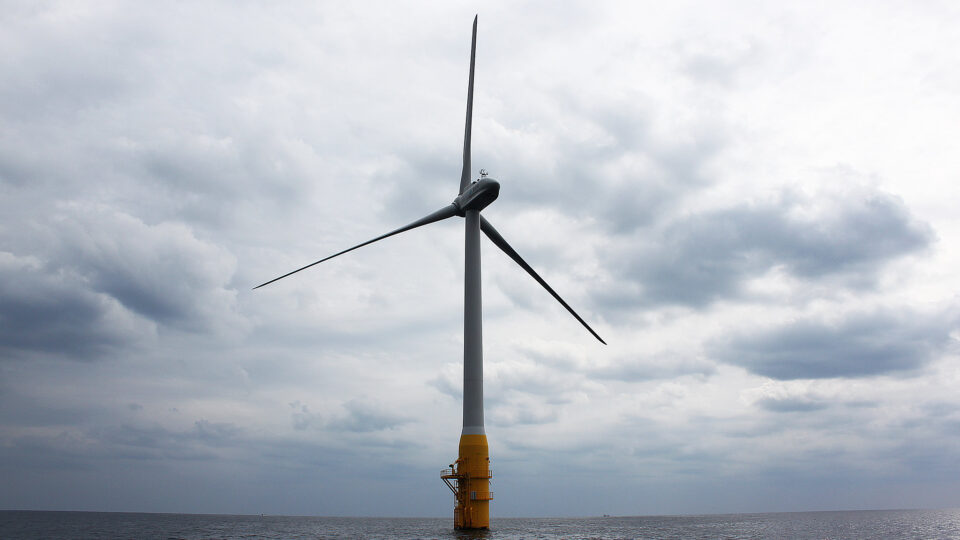
The Vineyard Wind project intends to install up to 84 huge wind turbines about 12 nautical miles off the cost of Martha’s Vineyard, Massachusetts.  In total, Vineyard Wind could generate 800 megawatts of electricity, enough to power about 400,000 homes.  The construction project will create about 3,600 jobs.  The $2.8 billion project is a joint venture of the energy firms Avangrid Renewables and Copenhagen Infrastructure Partners.

The idea of a wind farm off the Massachusetts coast was conceived 20 years ago but ran into repeated setbacks, delays, and well-funded opposition from waterfront property owners concerned about what will ultimately be the barely discernable sight of tiny blips on the distant horizon.  The Trump administration moved to cancel the permitting process for Vineyard Wind, but the Biden administration revived the project in March as part of its greater efforts to tackle climate change.

Electricity generated by Vineyard Wind will travel via cables buried six feet below the ocean floor to Cape Cod, where they will connect to a substation and feed into the New England grid.  The project is expected to begin delivering wind-powered electricity in 2023.

The Biden administration says that it intends to fast-track permits for other wind projects off the Atlantic Coast and that it will offer $3 billion in federal loan guarantees for offshore wind projects and invest in upgrades to ports across the United States to support wind turbine construction.

**********

Web Links

Biden Administration Approves Nation’s First Major Offshore Wind Farm

Photo, posted February 8, 2007, courtesy of mmatsuura via Flickr.

Earth Wise is a production of WAMC Northeast Public Radio.
Rising Seas In The Maldives | Earth Wise

May 24, 2021 By EarthWise Leave a Comment

Rising seas are threatening the Maldives

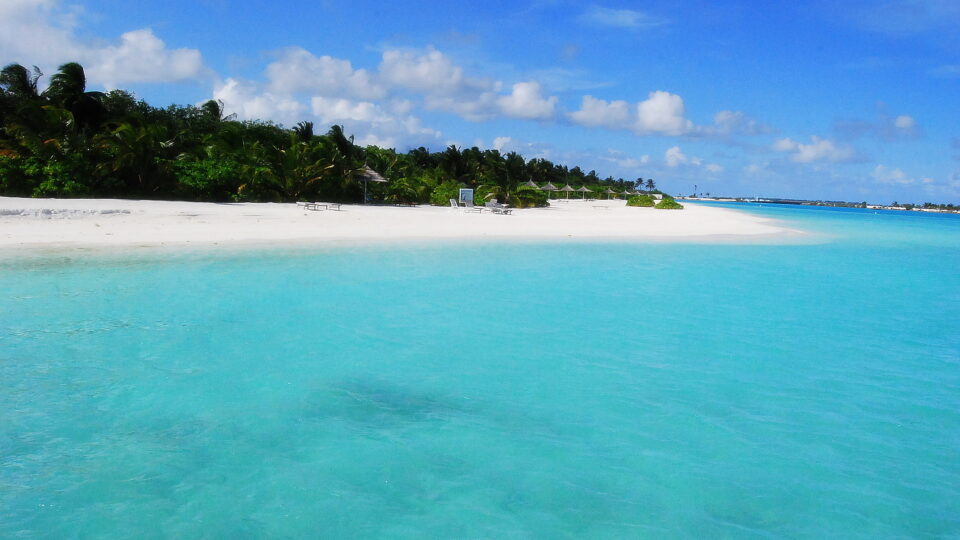
The Republic of Maldives is an archipelago in the Indian Ocean, southwest of Sri Lanka and India and about 400 miles from the Asian mainland.  It is one of the world’s most geographically dispersed sovereign states, the smallest Asian country by land area, and, with a little over 500,000 inhabitants, the second least populous country in Asia.  With its spectacular scenic beauty, it is also a premier tourist attraction.

With more than 80% of its 1,190 coral islands standing less than 1 meter above sea level, the Maldives has the lowest terrain of any country in the world.  As a result, the Maldives is particularly vulnerable to the sea level rise associated with climate change.

Some studies predict a grim future for the Maldives as well as other low-lying islands.  One study concluded that the islands could become uninhabitable by 2050 as wave-driven flooding becomes more common and freshwater becomes limited.

The Maldives government has explored plans to purchase land on higher ground in other countries.  Planners are also working to enhance the resilience of the country’s current islands.   An example is Hulhumalé, a newly constructed artificial island northeast of the country’s capital, Malé.

Construction of Hulhumalé began in 1997 and it now covers 1.5 square miles, making it the fourth largest island in the Maldives.  Its population is now more than 50,000, with more than 200,000 expected to eventually move there.  The new island, built by pumping sand from the seafloor onto a coral platform, rises about 2 meters above sea level.  The extra height could make the new island a refuge for Maldivians driven off lower-lying islands by the rising seas.

**********

Web Links

Preparing for Rising Seas in the Maldives

Photo, posted June 15, 2009, courtesy of Elena N via Flickr.

Earth Wise is a production of WAMC Northeast Public Radio.
Seagrasses And Ocean Acidification | Earth Wise

May 13, 2021 By EarthWise Leave a Comment

Seagrass can buffer ocean acidification

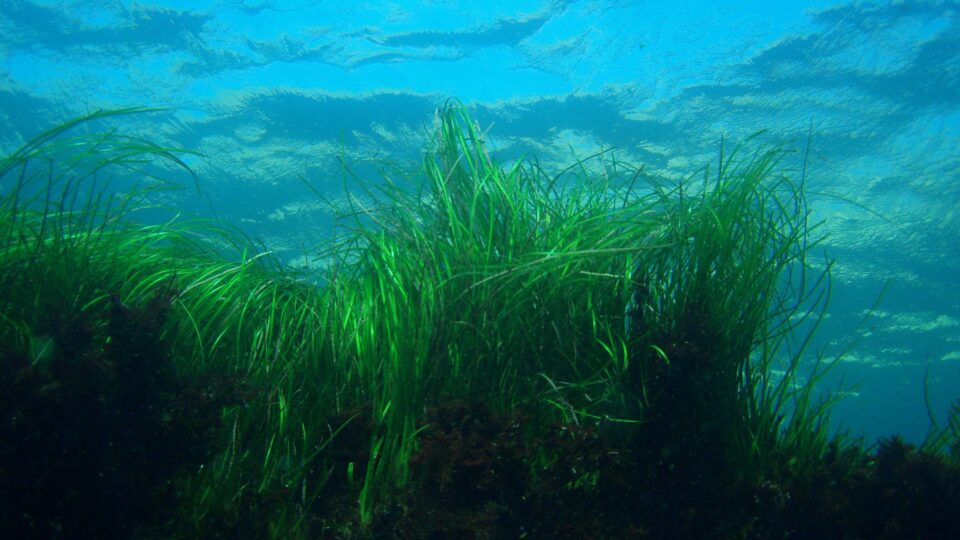
Seagrasses are the basis of important marine ecosystems.   Sea turtles, bat rays, leopard sharks, fish, and harbor seals are just some of the marine creatures that visit seagrass ecosystems for the food and habitat they provide.  They are nursery grounds for many aquatic animals and many birds visit seagrass meadows to dine on what lives within them.  They may seem like slimy grasses that we walk through along some shorelines, but they are important.

These marine forests are valuable for many different reasons including climate mitigation and erosion control.  A third of the carbon dioxide emitted across the globe is absorbed by the ocean and seagrass meadows are an important carbon sink.

A new study, recently published in the journal Global Change Biology, investigated how seagrasses can buffer ocean acidification.  The six-year-long study found that these ecosystems can alleviate low ocean pH – that is, more acidic – conditions for extended periods of time, even at night in the absence of photosynthesis. 

In some places, the pH buffering from the seagrasses brings the local environments back to preindustrial pH conditions, like what the ocean might have experienced around the year 1750.

Seagrasses naturally absorb carbon as they photosynthesize when the sun is out, which drives the buffering ability.  The study found the surprising result that the effects of pH buffering even persisted during the night, when there is no photosynthesis.

The study has implications for aquaculture management as well as climate change mitigation, and conservation and restoration efforts.  Globally, seagrass ecosystems are in decline.  These results show how important it is to help them survive and prosper.

**********

Web Links

Seagrasses Turn Back the Clock on Ocean Acidification

Photo, posted October 13, 2010, courtesy of Claire Fackler, CINMS, NOAA via Flickr.

Earth Wise is a production of WAMC Northeast Public Radio.
A Giant Breakaway Iceberg | Earth Wise

April 7, 2021 By EarthWise Leave a Comment

A giant iceberg has broken free

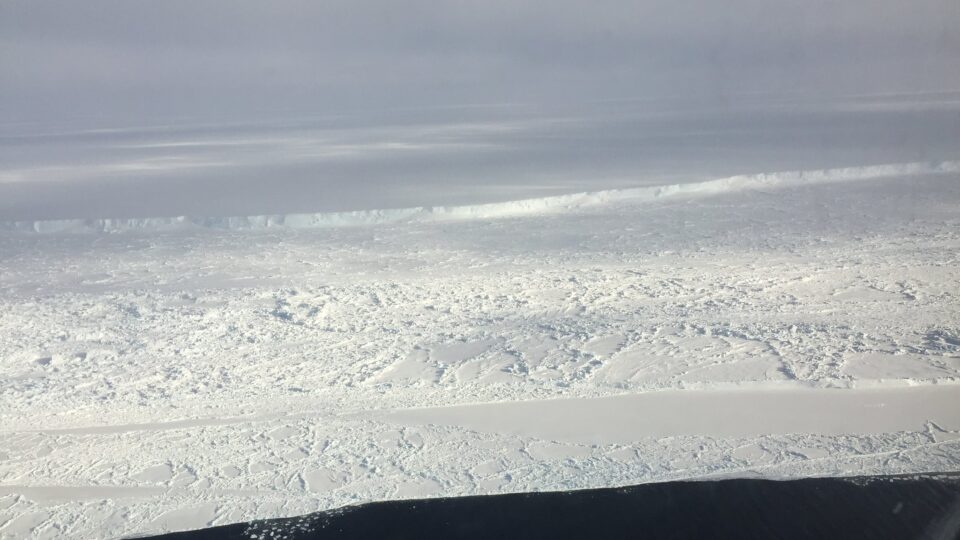
Scientists have been closely monitoring multiple cracks and chasms that have formed in the 500-foot-thick Brunt Ice Shelf in Antarctica over the past few years.  In late 2019, a new crack was spotted in a portion of the shelf north of an area known as the McDonald Ice Rumples.  The rift was monitored by satellite imaging and was seen by February as moving about 15 feet a day.

In the early hours of February 26th, the crack widened rapidly before finally breaking free from the rest of the floating ice shelf.  News reports around the world have described the massive 500-square-mile iceberg by comparing it to the size of well-known cities:  1.5 times the size of greater Paris, 10 times the size of San Francisco, twice the size of Chicago, nearly the size of Greater London, and so on.

Antarctica is known for churning out some enormous bergs.  The new iceberg, which has been named A-74, is huge, but doesn’t compare to the iceberg A-68 that calved from the Larson C Ice Shelf in 2017.  That one was almost five times larger.

The calving of A-74 does not pose a threat to the presently unmanned British Antarctic Survey’s Halley VI Research Station, which was repositioned in 2017 to a more secure location after the ice shelf was deemed to be unsafe.  The section where the station now sits is still holding on, but when it eventually breaks, it will likely create a berg nearly 700 square miles in size.

It remains to be seen what will become of the new iceberg.  Most likely, it will eventually get caught up in the Weddell Gyre, a clockwise-rotating ocean flow in the Southern Ocean that covers an area more than half the size of the US.

**********

Web Links

Breakup at Brunt

Photo, posted October 27, 2016, courtesy of NASA/Nathan Kurtz via Flickr.

Earth Wise is a production of WAMC Northeast Public Radio.
The Collapse of Northern California Kelp Forests | Earth Wise

March 30, 2021 By EarthWise Leave a Comment

The California kelp forests are collapsing

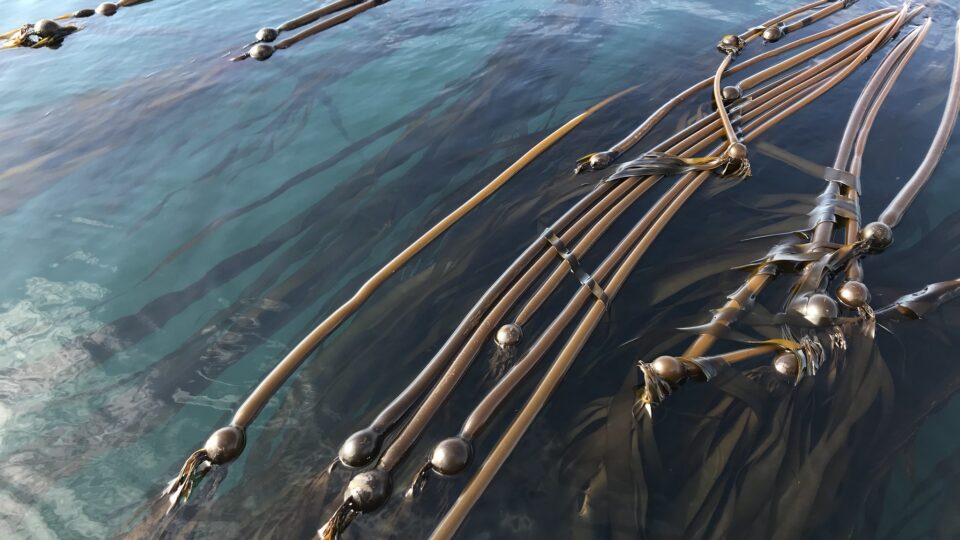
For thousands of years, thick canopies of kelp formed an underwater forest spanning the coast of Northern California.  Kelp is the cornerstone of a rich subtidal community, providing food and habitat for all sorts of marine creatures.  But in recent years, a shocking transformation has occurred.  Satellite imagery reveals that the area covered by kelp forests off the coast of Northern California has declined by more than 95%.  Only a few small, isolated patches remain.  

In a new study, researchers at the University of California Santa Cruz found that the kelp forest decline was an abrupt collapse as opposed to a gradual decline. 

According to the study, which was recently published in the journal Communications Biology, kelp forests north of San Francisco were resilient to warming events in the past, like El Niños and marine heatwaves. But the decline of a key sea urchin predator – the sunflower sea star – from sea star wasting disease caused the kelp forests’ resiliency to plummet.  Sea urchins are voracious consumers of kelp.     

But it was a series of events – not just the sea urchins – that combined to decimate the Northern California kelp forest.   A marine heatwave that became known as “the blob” developed in 2014 and moved down the West Coast in 2015.  Around the same time, a strong El Niño event developed and brought warmer water up the coast from the south.  The warming ocean waters combined with the ravenous sea urchin population resulted in the dramatic decline of kelp. 

According to researchers, the prospects for a Northern California kelp forest recovery remain poor unless sea urchin predators return to the ecosystem. 

********** 

Web Links

The collapse of Northern California kelp forests will be hard to reverse

Photo, posted August 13, 2019, courtesy of Sara Hamilton of OSU College of Science via Flickr.

Earth Wise is a production of WAMC Northeast Public Radio.

Saving The Queen Conch | Earth Wise

February 3, 2021 By EarthWise Leave a Comment

A new manual to help save Queen Conch

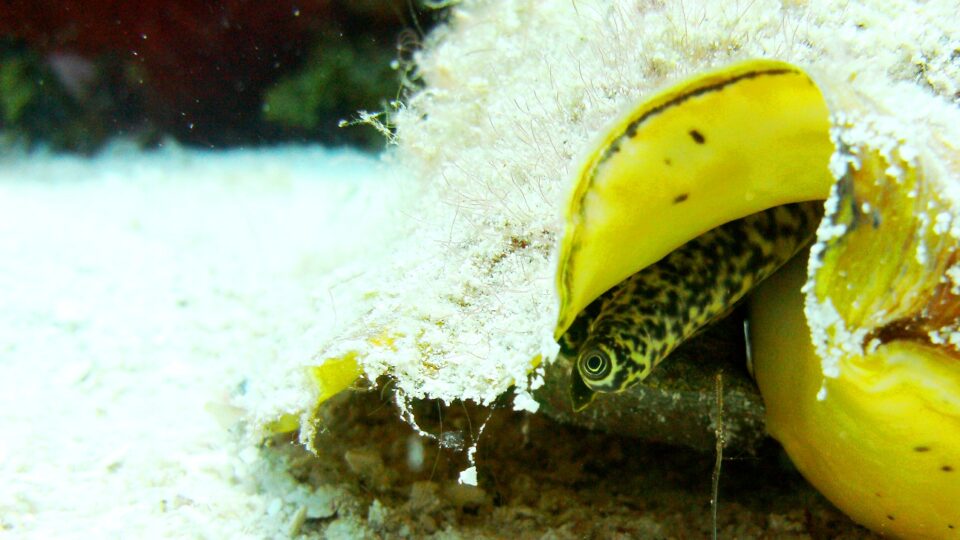
Queen conchs are large sea snails belonging to the same taxonomic group as clams, oysters, and squid.  They live on coral reefs or seagrass meadows in warm, shallow waters.  Queen conchs are found throughout the Caribbean Sea and Gulf of Mexico, ranging as far north as Bermuda and as far south as Brazil.

Reaching up to 12” long and living up to 40 years, the queen conch is prized as a delicacy and revered for its shell.  It’s the second most important sea-bottom fishery in the Caribbean region, trailing only the spiny lobster. 

But queen conchs face a challenge.  Their populations are in a steady rate of decline as a result of overfishing, habitat degradation, and hurricane damage.  In some places, the numbers are so low that remaining conchs cannot find breeding partners.  The situation is urgent from both an ecological and economical perspective. 

As a result, Megan Davis, a scientist from Florida Atlantic University who spent more than four decades researching queen conch, has released an 80-page, step-by-step user manual about how to care for the species. Her work was recently published in the National Shellfisheries Association’s Journal of Shellfish Research.

According to Davis, aquaculture, along with conservation of breeding populations and fishery management, are ways to help ensure longevity of the queen conch.  With requests for mariculture guidance pouring in from communities throughout the Caribbean, Davis and her collaborators are expanding their queen conch conservation, education, and restorative mariculture program.

Their desired outcomes include creating protected breeding areas, establishing sustainable hatcheries, and repopulating protected habitats.

**********

Web Links

‘Hail to the queen’: Saving the Caribbean queen conch

Photo, posted June 3, 2012, courtesy of Christopher Gonzalez via Flickr.

Earth Wise is a production of WAMC Northeast Public Radio.
Record Heat In The Arctic | Earth Wise

January 13, 2021 By EarthWise Leave a Comment

Heat in the Arctic is breaking records

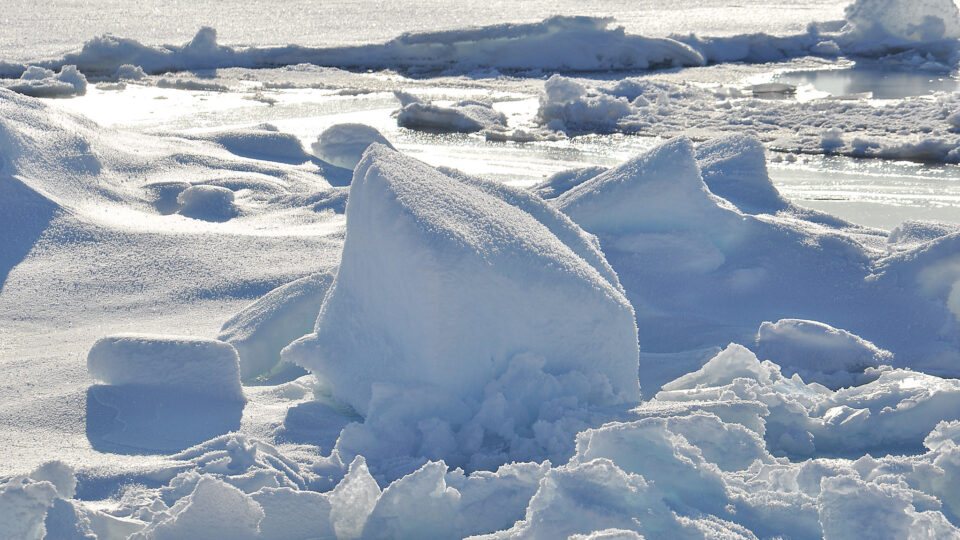
By mid-November, the Arctic stays dark around the clock and twilight does not return until the end of January.  But even as winter darkness descended upon the Arctic this year, record-breaking high temperatures in the region continued.  In late November, temperatures across the entire Arctic basin were 12 degrees Fahrenheit above normal and some locations saw temperatures as high as 30 degrees above normal.

The entire summer and fall in the Arctic were characterized by exceptionally warm temperatures.  In June, the Siberian town of Verkhoyansk – located north of the Arctic Circle – registered a high temperature of 100.4 degrees.  The refreezing of the Arctic Ocean was greatly delayed this year.  The Northeast Passage along the Siberian Coast remained navigable for a record 112 days before freezing in November, breaking the previous record by more than a month.  The extent of sea ice covering the Arctic Ocean in October was the lowest ever recorded for that month.

The strongest warming occurring in the Arctic is during the fall.  That is because rapidly disappearing sea ice is enabling the dark waters of the Arctic Ocean to absorb heat in the summer and then radiate it back into the atmosphere until late in the fall.  The Arctic region is heating up three times faster than the rest of the planet, which has led to the volume of sea ice decreasing by 2/3 in the past 40 years.

According to researchers, the extreme heat in Siberia this year would have been virtually impossible without human-caused climate change and became 600 times more likely because of human emissions of greenhouse gases.

**********

Web Links

Record-shattering Warmth Pushes Arctic Temperatures to 12 Degrees F Above Normal

Photo, posted September 1, 2009, courtesy of the U.S. Geological Survey via Flickr. Photo Credit: Patrick Kelley, U.S. Coast Guard.

Earth Wise is a production of WAMC Northeast Public Radio.
Caribbean Coral Reefs Under Siege | Earth Wise

January 4, 2021 By EarthWise Leave a Comment

Coral reefs face myriad of dangers

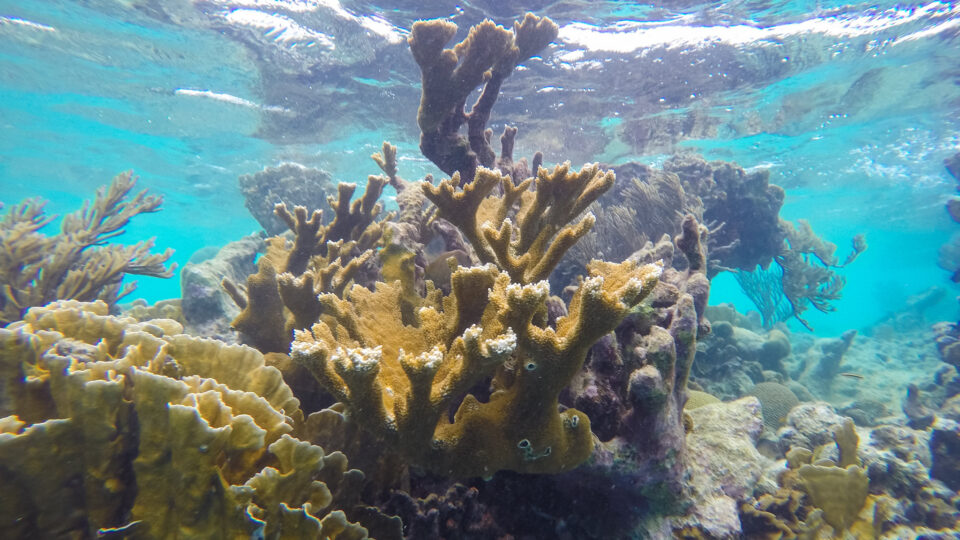
Coral reefs around the world have been suffering from warming seas and increasing acidification, both a result of human activity.  In the Caribbean, a new threat has emerged in the form of invasive algae.

New research published in Scientific Reports explains how an aggressive, crust-like alga is overgrowing shallow reefs and taking the place of coral that was damaged by powerful storms that exposed areas of the undersea rock where corals grew. 

Researchers from Oxford University, the Carnegie Institution, and California State University Northridge have been studying these peyssonnelid algal crusts, or PACs, for several years in the U.S. Virgin Islands.  The PAC has been out-competing coral larvae for surface space and then growing over the existing reef architecture, greatly damaging delicate reef ecosystems.

New corals actually prefer to settle on crusty surfaces created by a different type of algae called crustose algae, or CCA.  CCA acts as guideposts for coral larvae by producing biochemical signals as part of a microbial community that entice baby coral to affix itself.

In contrast, the destructive PAC algae exclude coral settlement. The researchers determined that the microbial community associated with PAC algae is deployed to deter grazing from fish and other marine creatures.  Unfortunately, it also deters coral.

Fragile coral ecosystems are already under assault by environmental pollution and global warming.  Now, in the aftermath of powerful hurricanes like Irma and Maria, algal crusts are taking over reef communities and posing an existential threat to Caribbean corals.

*********

Web Links

An unusual microbiome characterises a spatially-aggressive crustose alga rapidly overgrowing shallow Caribbean reefs

Photo, posted January 11, 2015, courtesy of Falco Ermert via Flickr.

Earth Wise is a production of WAMC Northeast Public Radio.
Return Of The Blue Whales | Earth Wise

December 21, 2020 By EarthWise Leave a Comment

Blue whales making a comeback

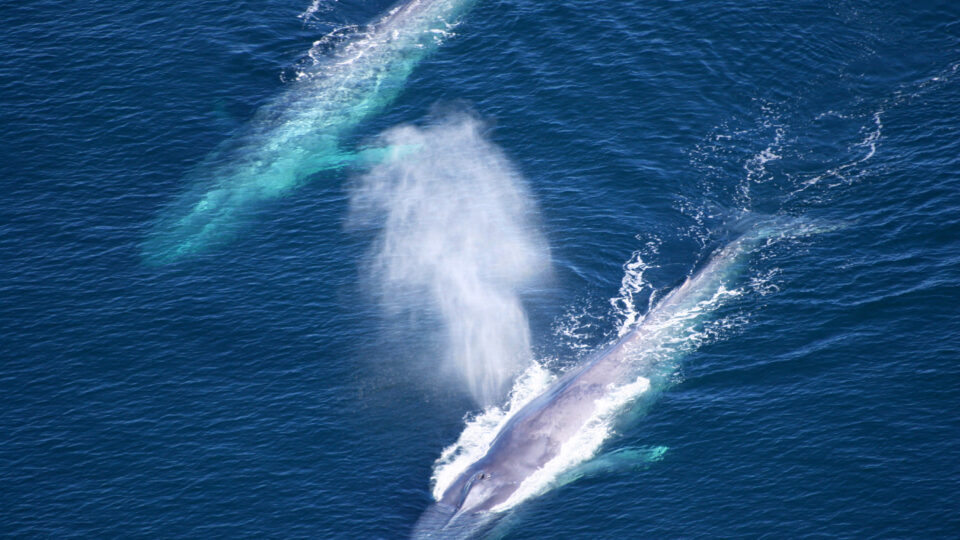
An international research team has revealed that critically endangered Antarctic blue whales have returned to the sub-Antarctic island of South Georgia, 50 years after whaling just about wiped them out.  Other recent research has found that humpback whales are also returning to the region.

Blue whales were commonplace off South Georgia before 20th century industrial whaling taking place between 1904 and 1971 killed over 42,000 of them there.  Most of that number were killed before the mid-1930s.  As a result, blue whales essentially vanished from the region.  Whale survey ships sighted only a single blue whale between 1998 and 2018.

But things have changed in recent years.  A survey this past February resulted in 58 blue whale sightings and numerous acoustic detections.  Although commercial whaling was banned in the area in the 1960s, it has taken a long time for the whales to make a comeback.

Researchers are not sure why blue whales have taken so long to return to the area.  It may be that so many were killed over the years that the remaining population had little or no cultural memory of South Georgia Island as a foraging ground, and that it is only now being rediscovered.

In total, 41 individual blue whales have been photo-identified from South Georgia over the past 10 years, although none of those matched the 517 whales in the current Antarctic blue whale photographic catalogue.  Dedicated whale surveys are difficult in a region known for its harsh weather and inaccessibility but are crucial to the future management of South Georgia’s seas.  In any case, researchers see the recent sightings as a very positive step forward for conservation of the Antarctic blue whale. 

*********

Web Links

Blue whales return to South Georgia after near extinction

Photo, posted September 7, 2007, courtesy of the NOAA Office of National Marine Sanctuaries via Flickr. Photo credit: NOAA.

Earth Wise is a production of WAMC Northeast Public Radio.
More Plastic Pollution From The United States | Earth Wise

December 7, 2020 By EarthWise Leave a Comment

United States remains a top plastic polluter

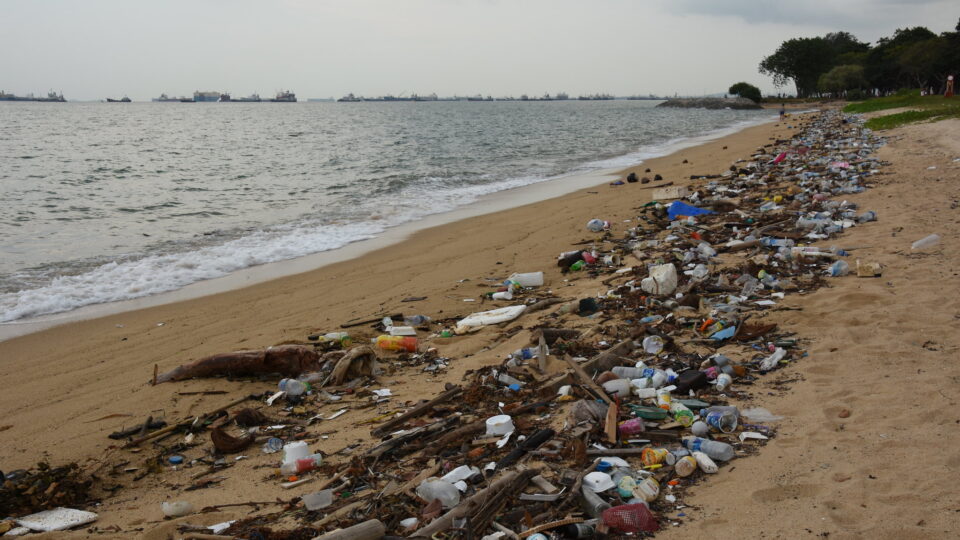
A new study published in the journal Science Advances has revealed that the United States is contributing far more to coastal plastic pollution than was previously believed.  A previous study using 2010 data ranked the US 20th globally, in its contribution to ocean plastic pollution from mismanaged waste.  The new study ranks the U.S. third among the world’s countries.

The largest contributor to the discrepancy is that the earlier study did not account for plastic scrap exports.  Using plastic waste generation data from 2016 – which is the most recent global data available – the study’s authors calculated that more than half of all plastics collected for recycling in the US were shipped abroad.  This amounts to over 2 million tons.  Of this amount, some 88% went to countries struggling to effectively manage, recycle, or dispose of plastics, and between 15-25% was, in fact, low-value or contaminated, meaning that it was effectively unrecyclable.  When all of these factors were taken into account, the researchers estimated that a million tons of US-generated plastic waste ended up polluting the environment.  It just occurred beyond our own borders.

Overall, 2-3% of all plastic waste generated in the US – about a million tons – is either littered or illegally dumped into the domestic environment.  When this is combined with the exported waste, the US is responsible for more than 2 million tons of plastic waste being dumped into the environment.  About two-thirds of that ends up in coastal environments, where it is likely to enter the ocean by wind or through waterways.

The United States generates the most plastic waste of any country in the world.  Unfortunately, we have been operating under the illusion that we were doing a pretty good job of dealing with it.

*********

Web Links

New Study Reveals United States a Top Source of Plastic Pollution in Coastal Environments

Photo, posted April 3, 2015, courtesy of Vaidehi Shah via Flickr.

Earth Wise is a production of WAMC Northeast Public Radio.
Even The Deep Sea Is Warming | Earth Wise

November 17, 2020 By EarthWise Leave a Comment

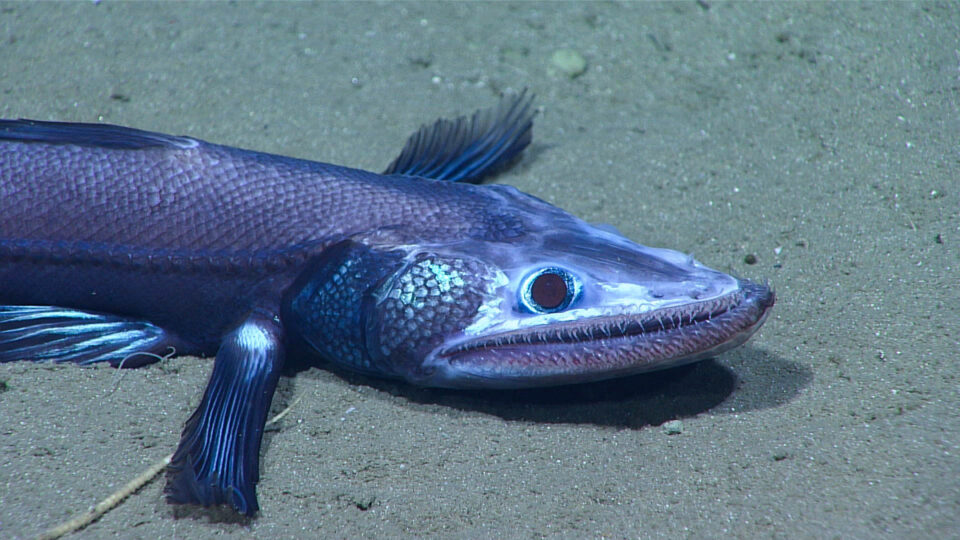
the deep sea is warming

Approximately 75% of the area covered by ocean is deep, dark, and cold.  This is known as the deep sea.  But even in these remote regions of the planet things are heating up. 

According to a new study published in the journal Geophysical Research Letters, researchers analyzed a decade of hourly temperature readings at four depths in the Atlantic Ocean’s Argentine Basin, off the coast of Uruguay.  The research team selected recording depths that would best represent the average depth of the ocean, which is just over 12,000 feet. 

The researchers found that deep sea temperatures fluctuate more than was previously known.  They also detected a warming trend at the bottom of the ocean.  In fact, all recordings indicated a warming trend of 0.02 to 0.04 degrees Celsius per decade between 2009 and 2019.  This is a significant warming trend in the deep sea because temperature fluctuations are typically measured in thousandths of a degree. 

Researchers say this increase is consistent with warming trends in the shallow ocean associated with anthropogenic climate change.  However, they say more research is needed to better understand what is driving the warming temperatures in the deep sea. 

A better understanding of what is driving these changes could have far-reaching implications.  Since oceans absorb a significant amount of the world’s heat, learning about the oceans’ temperature trends could help researchers better understand temperature fluctuations in the atmosphere as well.

The researchers hope their findings will demonstrate the need to survey deep ocean temperatures annually in order to better identify the long-term trends. 

**********

Web Links

The deep sea is slowly warming

Photo, posted July 1, 2018, courtesy of NOAA Ocean Exploration and Research via Flickr.

Earth Wise is a production of WAMC Northeast Public Radio.
A New Super-Enzyme For Breaking Down Plastic | Earth Wise

November 13, 2020 By EarthWise Leave a Comment

Breaking down plastic

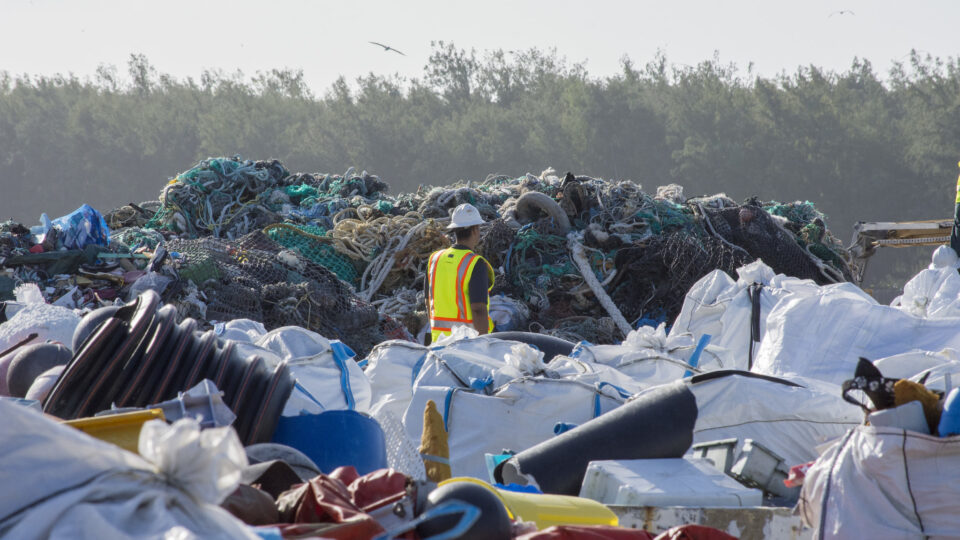
The problems caused by plastic waste continue to grow.  Plastic pollution is everywhere, from the Arctic to the depths of the ocean.  We consume microplastics in our food and breathe them in the air.  It is very difficult to break down plastic bottles into their chemical constituents in order to make new ones from old ones. Therefore, we continue to produce billions of single-use plastic bottles, creating more and more new plastic from oil each year. 

Scientists at the University of Portsmouth in the UK have developed a new super-enzyme that degrades plastic bottles six times faster than before.  They believe that the new enzyme could be used for plastic recycling within a year or two.

The super-enzyme was derived from bacteria that naturally have the ability to eat plastic.  The researchers engineered it by linking two separate enzymes, both of which were found in a plastic-eating bug discovered in a Japanese waste site in 2016.  They revealed an engineered version of the first enzyme in 2018, which started breaking down plastic in a few days.  They had the idea that connecting two enzymes together would speed up the breakdown of plastic.  Such linkage could not happen naturally in a bacterium. 

Carbios, a French company, announced a different enzyme in April that can degrade plastic bottles within 10 hours but requires heating above 160 degrees Fahrenheit.  The new super-enzyme works at room temperature.

The team is now examining how the enzymes can be tweaked to make them work even faster.  Meanwhile, they plan to work in partnership with companies like Carbios, to bring super-enzymes for breaking down plastics into commercial use.

**********

Web Links

New Super-Enzyme Can Break Down Plastic at Rapid Pace

Photo, posted March 24, 2017, courtesy of the USFWS – Pacific Region via Flickr. Photo credit: Holly Richards/USFWS.

Earth Wise is a production of WAMC Northeast Public Radio.
Using CO2 To Convert Seawater Into Drinking Water | Earth Wise

October 27, 2020 By EarthWise Leave a Comment

Converting Seawater into Drinking Water

A chemist at the University of Copenhagen has invented a technology that uses carbon dioxide to convert seawater into drinking water within minutes.  This desalination technology has the potential to replace electricity with CO2 and be used in survival gear and in large-scale industrial plants in places where people don’t have clean drinking water.

Over 800 million people worldwide lack access to clean drinking water and that number is growing rapidly.  Seawater is a vital source of drinking water in many parts of the world, but desalination faces the major challenge of being highly energy intensive.  Desalination plants use huge amounts of fossil fuel-generated electricity and therefore contribute to climate change.

The Copenhagen technology is reminiscent of a SodaStream machine.  Carbon dioxide is added to water, initiating a chemical reaction.  But instead of using it for bubbly carbonation, it is used to separate salt from water.  It works by adding a chemical called CO2-responsive diamine to saltwater.  The diamine compound binds with the added CO2 and acts as a sponge to absorb the salt, which can then be separated.  The entire process takes one to ten minutes.  Once the CO2 is removed, the salt is released again, allowing the diamine to be reused for several more rounds of desalination.

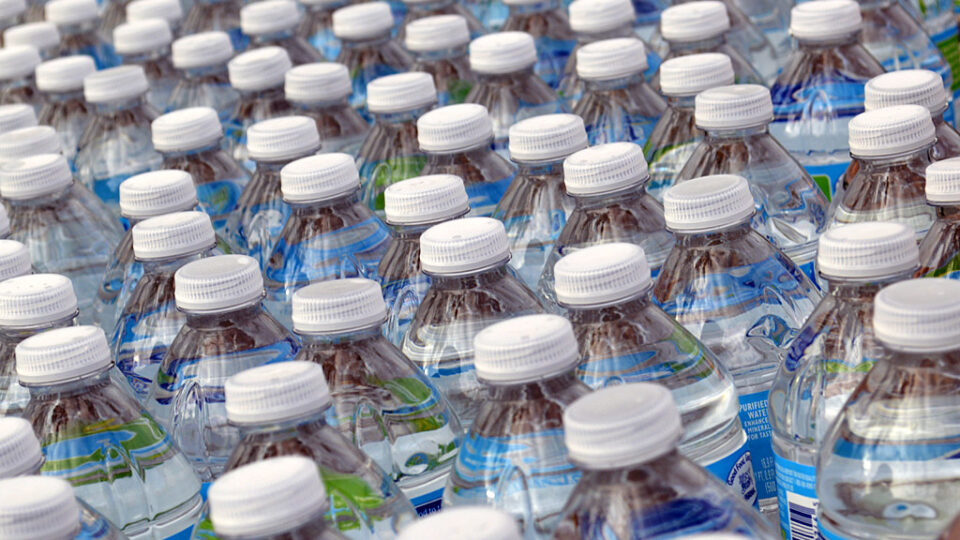
In the laboratory, the method removed 99.6% of the salt in seawater.  The technology is still being developed to lower its price and optimize the recycling process.  It is also being tested on a small scale in the form of water bottles fitted with special filters that can be used in lifeboats or in other outdoor settings.  Ultimately, it could be used to greatly reduce the energy consumption of desalination plants.

**********

Web Links

Chemist uses CO2 to convert seawater into drinking water

Photo, posted January 10, 2015, courtesy of Daniel Orth via Flickr.

Earth Wise is a production of WAMC Northeast Public Radio.
Carbon In The Ocean | Earth Wise

October 13, 2020 By EarthWise Leave a Comment

carbon uptake by the ocean

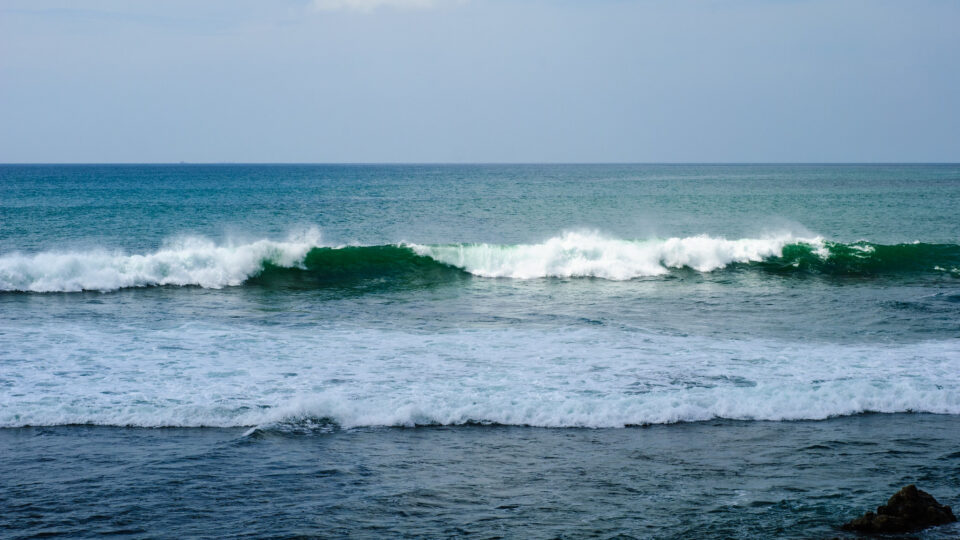
New research from the University of Exeter in the UK reveals that the world’s oceans soak up more carbon than previously believed.  Previous estimates of the movement of carbon between the atmosphere and the oceans did not account for the temperature differences between the water’s surface and a few meters below.

The new model includes this factor and finds that there is a significantly higher flux of carbon into the oceans.

The study calculated carbon dioxide fluxes from 1992 to 2018 and found that at certain times and locations there was up to twice as much CO2 contained in the ocean as determined from previous models.

The temperature differences between the surface of the ocean and the water at a depth of a few meters is important because the amount of carbon dioxide that can be absorbed in water depends very strongly on the temperature of the water.   Anyone with a home soda maker knows this well as the devices always work much better with refrigerated water than room temperature water.

The difference in ocean carbon dioxide uptake measured from satellite data and calculated in the new modeling amounts to about 10% of global fossil fuel emissions, so it is a very significant revision.  The revised estimate for carbon dioxide uptake actually agrees much better with an independent method for calculating the amount of carbon dioxide in the oceans.  Those measurements came from a global ocean survey performed by research ships over decades.

Now that two so-called big data estimates of the ocean sink for CO2 agree pretty well, there is greater confidence that we understand this important aspect of the planet’s carbon cycle.

**********

Web Links

Ocean carbon uptake widely underestimated

Photo, posted December 30, 2012, courtesy of Jerome Decq via Flickr.

Earth Wise is a production of WAMC Northeast Public Radio.
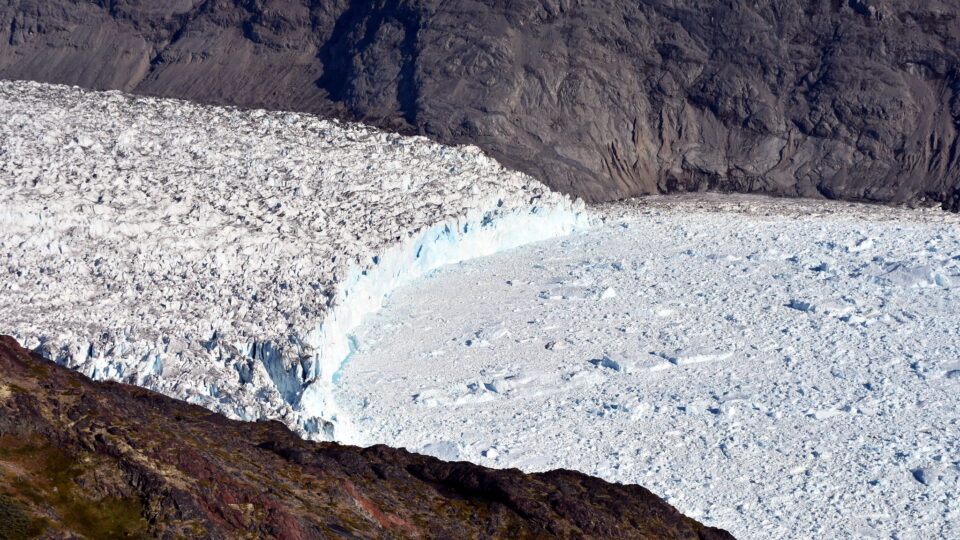
Greenland Glaciers Past The Point Of No Return | Earth Wise

September 18, 2020 By EarthWise Leave a Comment

warming greenland glaciers

Forty years of satellite data from Greenland shows that the glaciers on the island have shrunk so much that even if global warming came to an abrupt halt, the Greenland ice sheet would continue to shrink.

This conclusion was published in the journal Communications Earth and Environment by researchers at Ohio State University.  According to their study, Greenland’s glaciers have passed a tipping point where the snowfall that replenishes the ice sheet each year can no longer keep up with the ice that is flowing into the ocean from the glaciers.

The study analyzed monthly satellite data from more than 200 large glaciers that drain into the ocean around Greenland.  It looked at how much ice breaks off into icebergs or melts from the glaciers into the ocean as well as the amount of snowfall each year that replenishes the glaciers.

Throughout the 1980s and 90s, these two processes were mostly in balance, keeping the ice sheet intact.  But the amount of ice being lost each year started to increase steadily around the year 2000 while there was no increase in snowfall.   Both processes fluctuate from year to year, but the baseline for ice loss has steadily risen.  Before 2000, the Greenland ice sheet had about the same chance of gaining or losing mass each year.  At this point, the ice sheet is likely to gain mass in only one out of every 100 years.

Large glaciers in Greenland have retreated about 2 miles since 1985, so that many of them are sitting in deeper water with more ice in contact with warmer water making it harder for glaciers to grow back.  At this point, even if the climate reverses its trend, the ice sheet will continue to lose mass.

**********

Web Links

Warming Greenland ice sheet passes point of no return

Photo, posted August 27, 2015, courtesy of Joxean Koret via Flickr.

Earth Wise is a production of WAMC Northeast Public Radio.
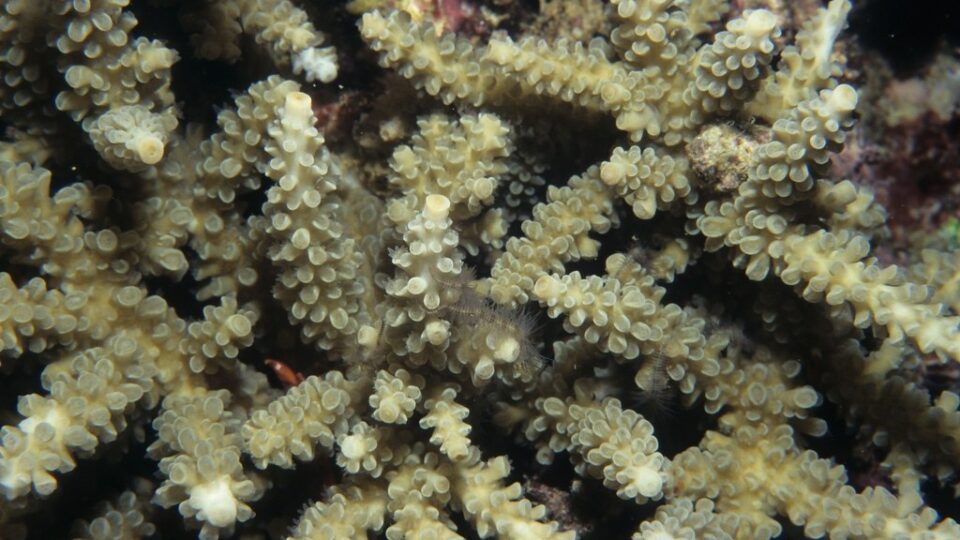
Artificial Aquatic Polyps | Earth Wise

September 16, 2020 By EarthWise Leave a Comment

Aquatic robots can clean water

Corals are often mistaken for rocks because of their hardened surfaces.  And, since they attach or “take root” to the sea floor, they are often mistaken for plants.  But unlike rocks, corals are alive.  And unlike plants, corals do not make their own food.  Corals are actually animals. 

Most of these structures that we call “coral” are made up of hundreds to thousands of tiny coral creatures called polyps.  A coral polyp, which is often no thicker than a nickel, has a saclike body and mouth that is encircled by stinging tentacles.  Polyps are responsible for a host of ecosystem services, including nourishing corals, and aiding coral survival by generating self-made currents through the motion of their soft bodies. 

Inspired by these marine organisms, researchers from the University of Warwick in the UK and Eindhoven University of Technology in the Netherlands have collaborated to develop an artificial aquatic polyp capable of removing contaminants from water.  The 1 square centimeter wireless robot polyp can attract, grasp, and release objects, moving under the influence of a magnetic field and whose “tentacles” are triggered by light. 

The next step for the researchers is to see if the technology can be successfully scaled up from laboratory to pilot scale.  In order for that to happen, the team has to design an array of artificial polyps capable of working harmoniously together.   

Corals are an incredibly important part of ocean ecosystems.  And while it remains to be seen how much value artificial polyps can achieve in future applications, it serves as another example of scientists emulating nature to create more sustainable designs. 

**********

Web Links

Aquatic robots can remove contaminant particles from water

An artificial aquatic polyp that wirelessly attracts, grasps, and releases objects

Photo, posted April 14, 2011, courtesy of Derek Keats via Flickr.

Earth Wise is a production of WAMC Northeast Public Radio.
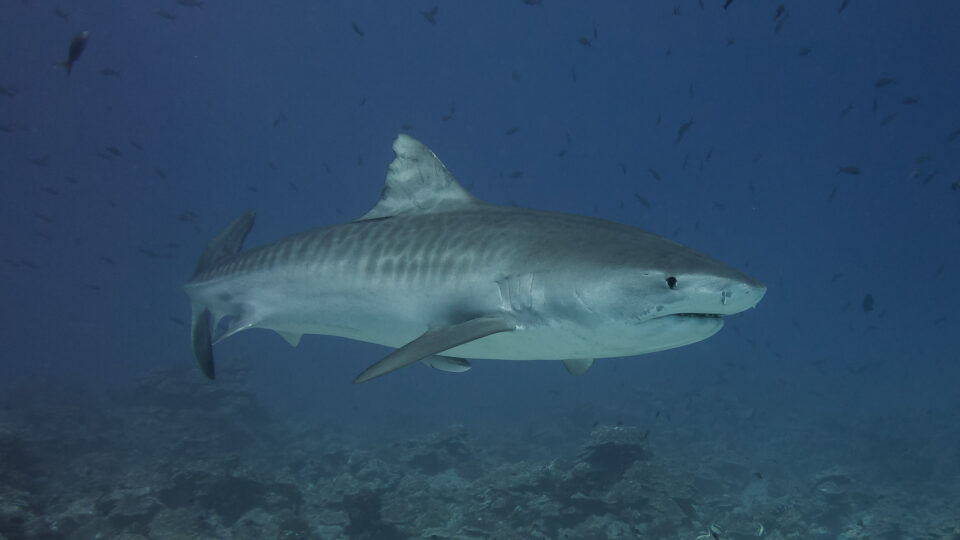
Sharks On The Decline | Earth Wise

September 4, 2020 By EarthWise Leave a Comment

shark populations declining

During the past 70 years, global shark populations have been on the decline.   Many species have become threatened or endangered.  Conservation efforts have been underway in many places, but shark populations continue to be at risk because of over-fishing and habitat loss.

A comprehensive study by marine biologists at Texas A&M University deployed more than 15,000 baited remote underwater video stations on 371 coral reefs in 58 countries.   The study included 59 different shark species in the Atlantic, Pacific and Indian Oceans.  The researchers were surprised to find that no sharks at all were detected in almost 20% of the locations surveyed and were almost completely absent from coral reefs in several nations. 

Scientists believe that demand for shark products, such as fins and meat, and bycatch (that is, sharks captured in nets by fisherman trapping other kinds of fish) are strong contributors to the widespread declines in shark numbers around the world.

The study shows that if corrective steps are not taken in regions where marine management is still ineffective, continued depletion of shark populations is highly likely. 

Sharks have important roles in marine ecosystems.  When their habitats deteriorate and their populations decrease, ecosystem stability and health is degraded because sharks help regulate prey populations.

Some countries, notably the Bahamas, are combating the problem by providing sanctuaries for sharks where fishing and harvesting is prohibited.  Such places support some of the healthiest shark populations in the world.  However, the decline of coral reefs is just another challenge facing shark populations around the world.

**********

Web Links

Study Shows Alarming Decline In Shark Numbers Around The World

Photo, posted January 9, 2017, courtesy of Kris-Mikael Krister via Flickr.

Earth Wise is a production of WAMC Northeast Public Radio.

  • « Go to Previous Page
  • Page 1
  • Interim pages omitted …
  • Page 5
  • Page 6
  • Page 7
  • Page 8
  • Page 9
  • Interim pages omitted …
  • Page 16
  • Go to Next Page »

Primary Sidebar

Recent Episodes

  • An uninsurable future
  • Clean energy and jobs
  • Insect declines in remote regions
  • Fossil fuel producing nations ignoring climate goals
  • Trouble for clownfishes

WAMC Northeast Public Radio

WAMC/Northeast Public Radio is a regional public radio network serving parts of seven northeastern states (more...)

Copyright © 2026 ·