fuel

The Methanol Economy
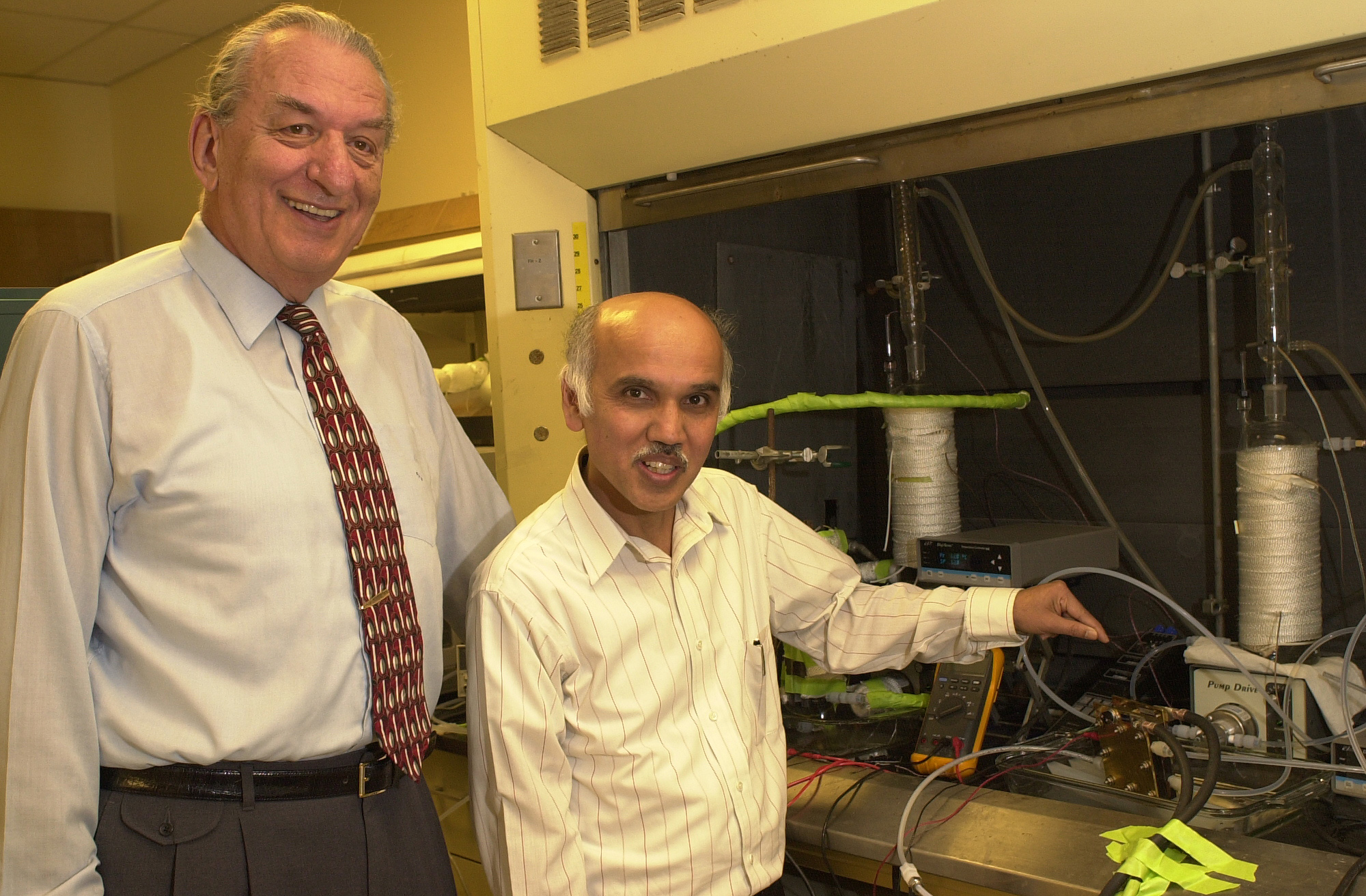
The methanol economy is an idea that was promoted by the late Nobel-prize-winning chemist George Olah since the 1990s. The idea is to replace fossil fuels with methanol for energy storage, ground transportation fuel, and raw material for hydrocarbon-based products. Methanol is the simplest alcohol and can be produced from a wide variety of sources ranging from fossil fuels to agricultural products to just carbon dioxide. Methanol can be used directly as a fuel or it can be reformed into hydrogen, which can then itself be used as a fuel.
A Hydrogen-Powered Train

It seems like something out of a science fiction movie, but a nearly silent train that glides along its tracks emitting nothing but water is a reality. In March, Germany conducted successful tests of the world’s first “Hydrail,” which is a hydrogen-powered, zero-emission train.
Hydrogen On Demand
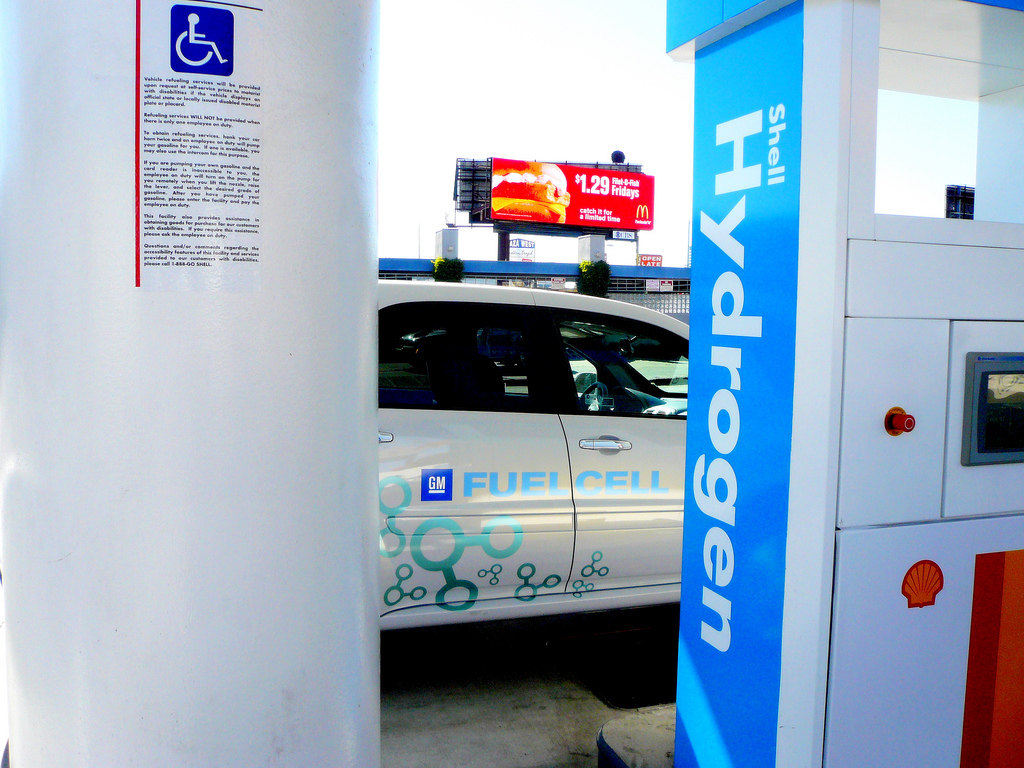
Researchers at the Technion-Israel Institute of Technology have developed a new method for producing hydrogen from water using solar energy. If successfully developed, their approach would make it possible to produce hydrogen in a centralized manner at the point of sale such as at a fueling station for hydrogen-powered cars.
A Hydrogen Sponge
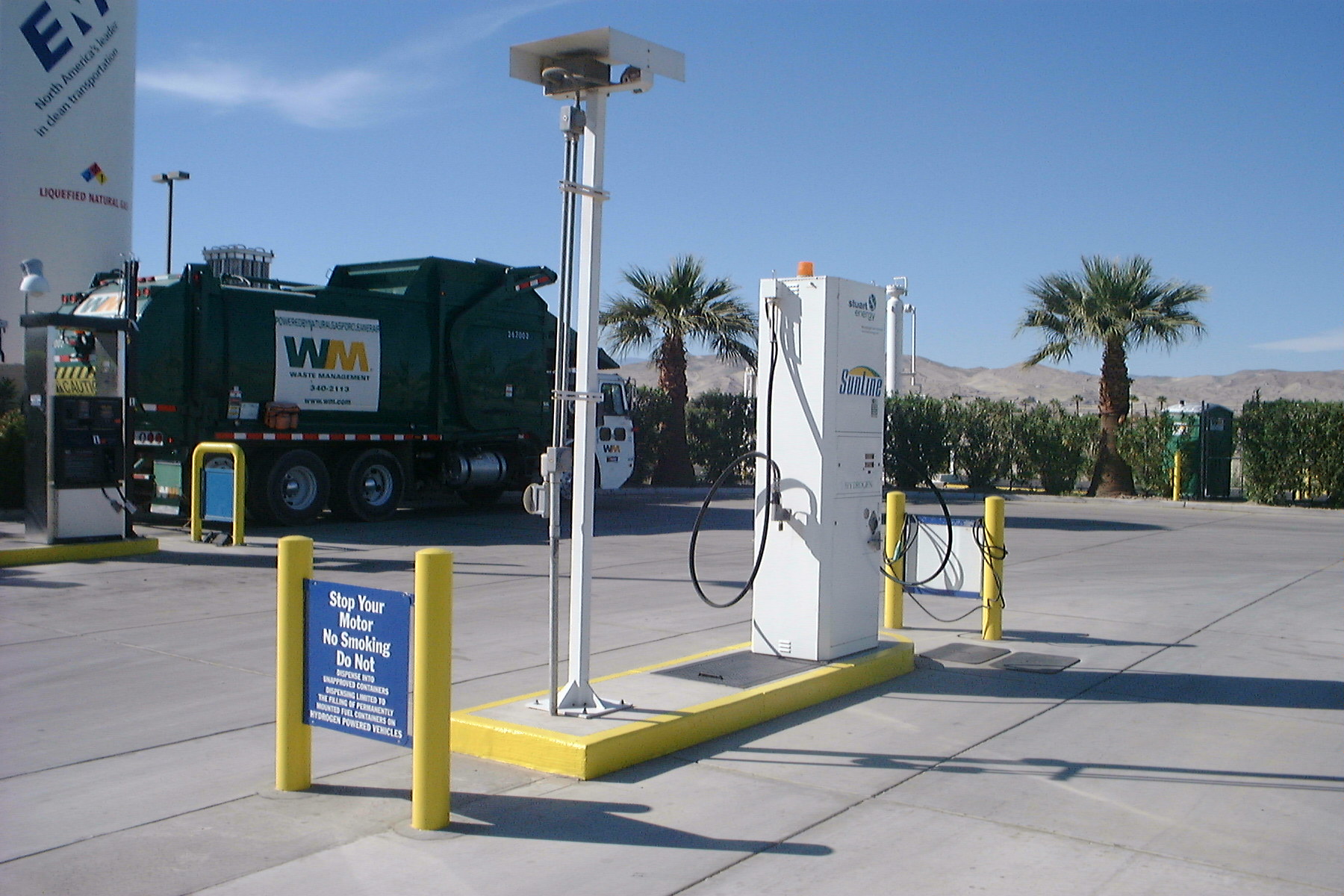
Hydrogen fuel cell electric vehicles are just starting to enter the market but they have a long way to go before they can even catch up with their battery-powered counterparts. Powering cars with hydrogen has the advantage that fueling the vehicle is much like what we are used to: pull up to the pump, fill your tank for a few minutes, and drive off.
Accidental Ethanol From Carbon Dioxide
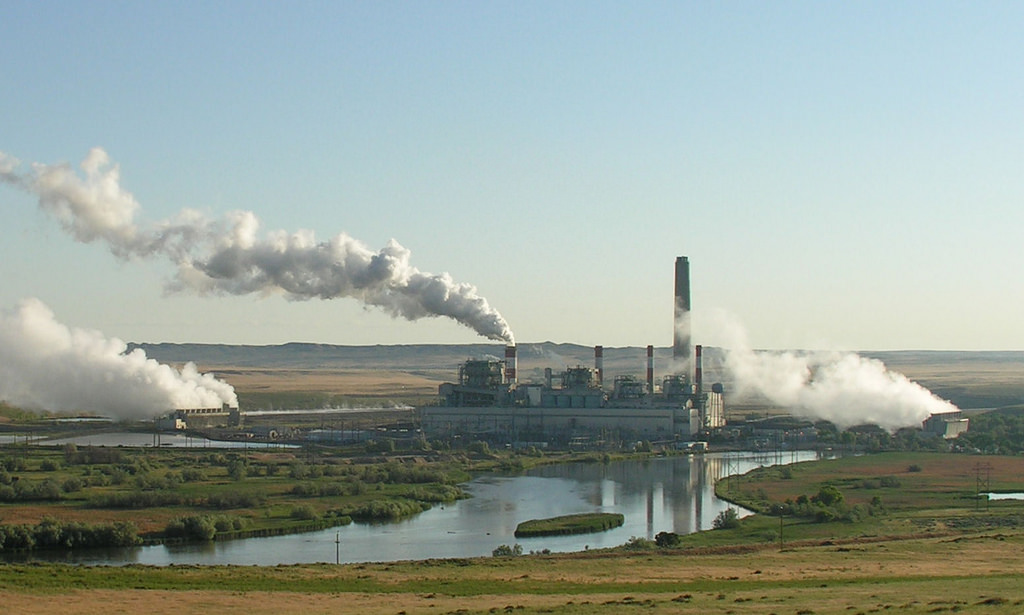
Scientists at the Oak Ridge National Laboratory in Tennessee were trying to find a series of chemical reactions that could turn carbon dioxide into a useful fuel. But the unexpected occurred: they found that the first step in their process actually got the job done all by itself. The reaction turns CO2 into ethanol, which is already used to power generators and vehicles.
Canadian Carbon Tax

The Canadian government has chosen a carbon tax as its national policy to reduce greenhouse gas emissions. This aggressive move could have major repercussions around the world.
Turning Sunlight into Fuel

When looking at the best ways to meet humanity’s energy needs, there is little doubt that the sun is the ultimate answer. In one hour, the Earth receives enough energy from the sun to meet all of our needs for a year. Despite this fact, the world currently only gets about 1% of its energy directly from the sun.
Jet Fuel From Steel Plants

Industries around the world are working to reduce their carbon emissions. One very carbon-intensive industry is the airline industry and it is struggling to find ways to reduce its emissions even while air travel continues to be on the rise worldwide.
The Carbon XPrize
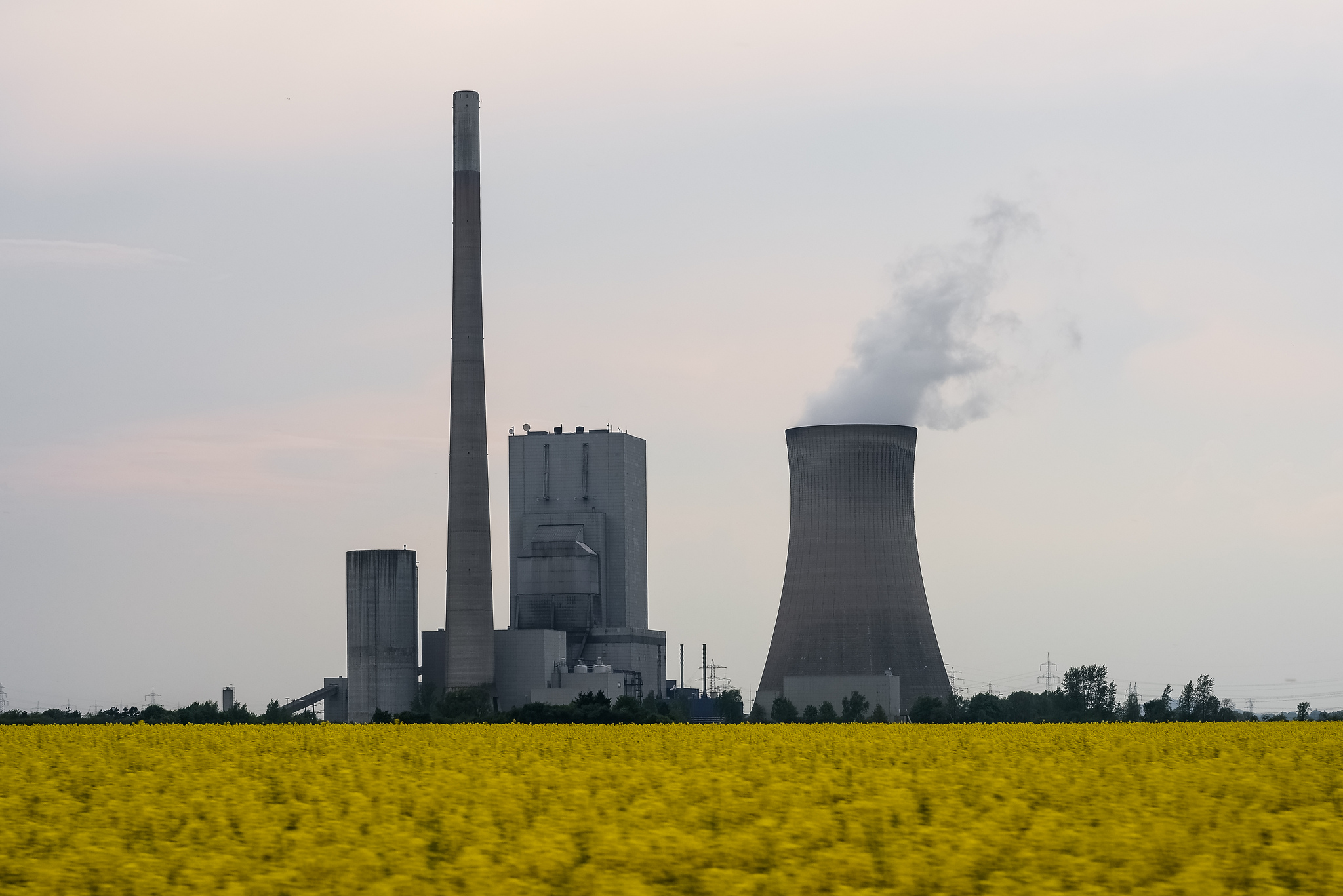
The Carbon XPrize is a five-year, $20 million competition to identify ways to convert carbon emissions into successful, profitable and useful products. Forty-seven organizations from seven countries are competing for the prizes and include large companies, startups and university researchers.
Hydrogen From The Ocean

Hydrogen is the most abundant element in the universe. Estimates are that it comprises 75% of all matter. There is plenty of it here on earth too, but almost none of it is in its elemental form. It is mostly bound up in compounds like water.
The Struggle For Fuel Economy

Five years ago, the Obama Administration announced that the Corporate Average Fuel Economy or CAFE standard for the year 2025 would be 54.5 miles-per-gallon. They estimated that improving the average fuel economy of cars and light-duty trucks to this level would save car owners $1.7 trillion at the pump and eliminate more than 6 billion metric tons of greenhouse gas emissions.
Recycling CO2
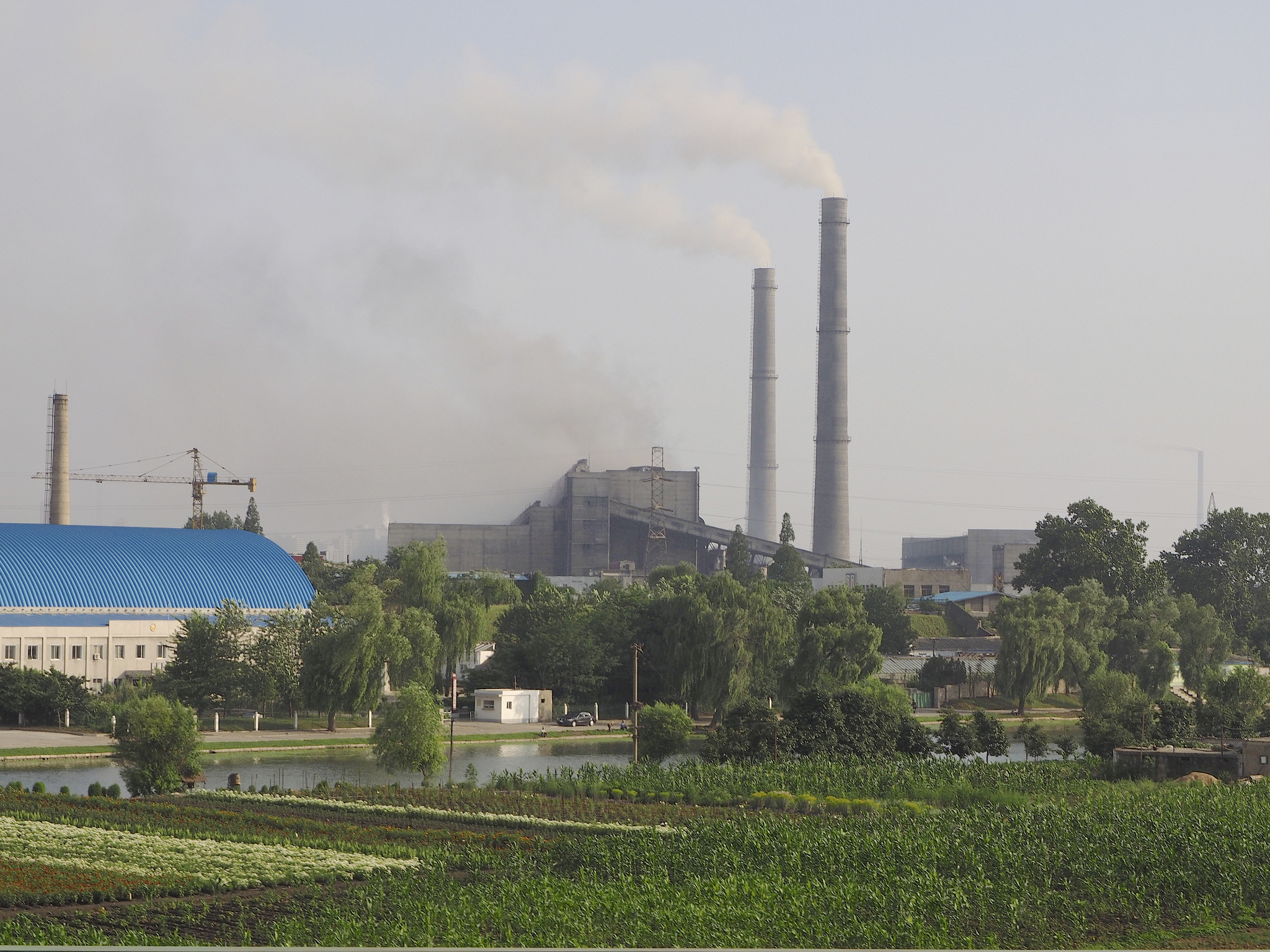
The X Prize Foundation provides financial incentives for innovative solutions to various technical challenges. Topics have ranged from developing spacecraft to trying to create a real-world version of the Star Trek tricorder. Last year, the foundation launched a $20 million challenge to come up with technologies by the year 2020 that turn carbon dioxide captured from the smokestacks of power plants into useful products.
Electric Buses And Trucks

We hear a great deal about electric cars these days. Will people buy them? Are they worth it? And, of course, there is the tremendous buzz surrounding Tesla’s forthcoming moderately-priced car. But there is also lots of activity in electrifying larger vehicles, including garbage trucks, city buses, and medium-sized trucks used by freight companies like FedEx.
Natural World Heritage Sites

Natural world heritage sites exemplify the world’s greatest areas of natural beauty, ecology, geology, and biodiversity. They are recognized internationally for their value as places with significance that is “so exceptional as to transcend national boundaries and be of common importance for present and future generations of all humanity.” Many of these areas also are a vital source of food, fuel, and water for rural communities, and provide a revenue stream for national economies through tourism and recreation. The livelihoods of some 11 million people are directly dependent on these areas.
Stop Putting Food Waste Down The Drain

Should we really be putting food scraps down our sinks? Advertisements for kitchen garbage disposals assure us that these devices are a ‘hygienic way of eliminating waste and keeping odors at bay’ – but behind marketing materials questions remain.
River Conservation And Hydropower

Rivers concentrate the water and resources of an entire region. They are literally the lifeblood of much of the world’s fish population. They are also the fuel for hydropower, a critical energy source for human civilization.
Turning Air Into Fuel
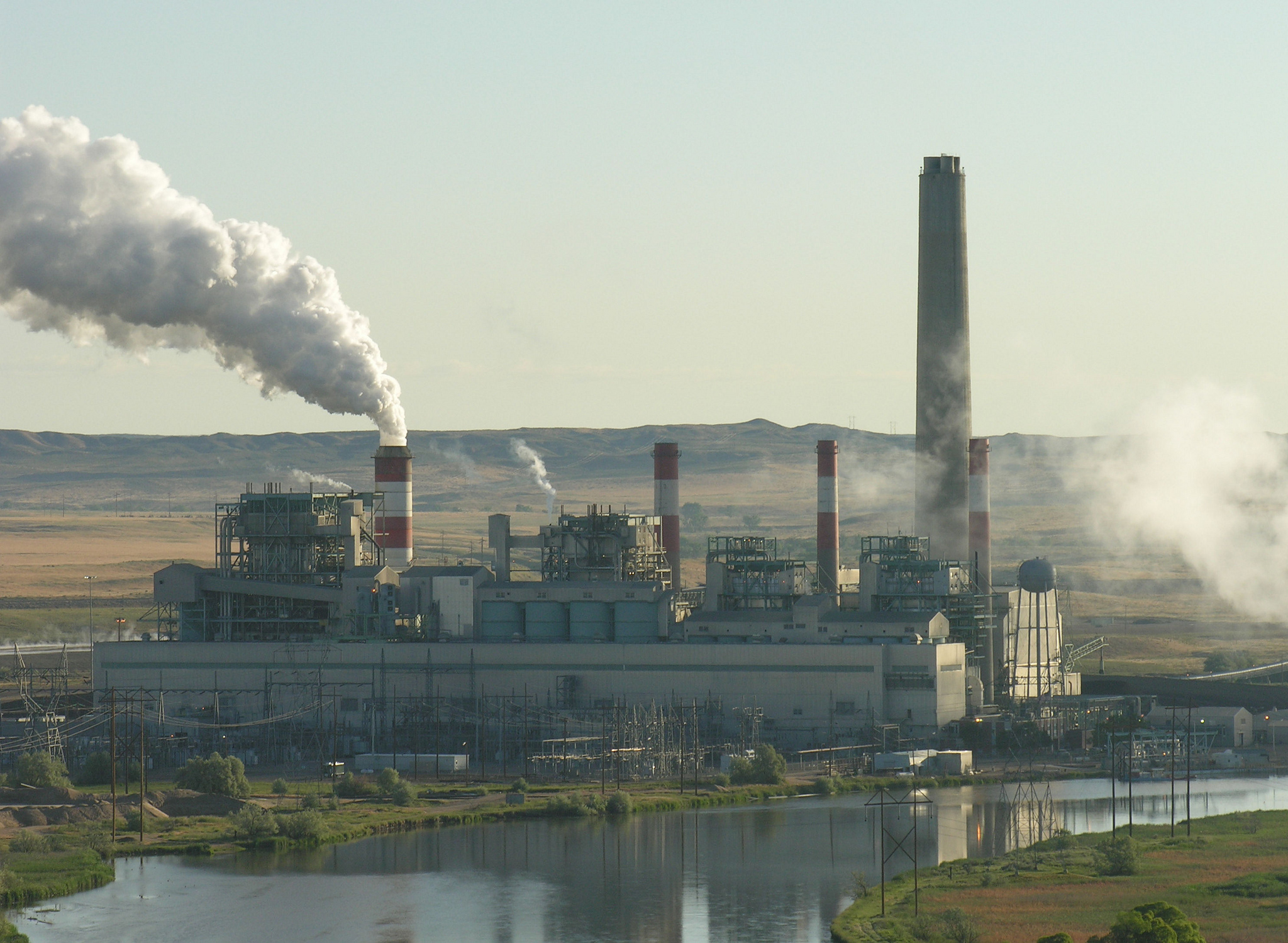
There is a global effort underway to combat climate change. The carbon dioxide in the atmosphere is the primary culprit. As a result, there are two things to do about it: reduce the amount of CO2 we are dumping into the atmosphere and try to remove some of what is already there.