• Skip to primary navigation
  • Skip to main content
  • Skip to primary sidebar

Earth Wise

A look at our changing environment.

  • Home
  • About Earth Wise
  • Where to Listen
  • All Articles
  • Show Search
Hide Search
You are here: Home / Archives for fossil fuels

fossil fuels

Hybrid-Electric Aircraft

May 20, 2019 By EarthWise Leave a Comment

The commercial aviation industry is a major source of carbon dioxide emissions and, as other industries try to move towards decarbonization, its share is getting larger.  But reducing emissions from aircraft is challenging because powering planes without burning fossil fuel is hard to do.

The biggest problem is that powering aircraft with electric motors instead of fossil fuel motors requires so much energy that the batteries needed to supply it become impractically heavy.  While research goes on to develop lighter-weight batteries, an interim concept may pay dividends.

Just as hybrid cars represent a stepping stone towards full electrification, hybrid-electric aircraft may be a way to obtain substantial reductions in aircraft emissions.  The idea is to use battery-powered electric motors to power planes, but to greatly reduce the capacity requirements of the batteries by having an on-board fossil-fuel generator to charge the batteries and supply additional needed power.

A study by the University of Illinois looked at the potential emissions reductions for hybrid-electric aircraft taking into account the emissions associated with generating the electricity that charges the batteries in the plane.  The requirements in the study were that the plane needs to be able to carry the same number of passengers and travel the same distance as current aircraft. 

The results were that a drivetrain that gets 50% of its power from battery charge reduced emissions by about 50% over the full lifecycle of the plane.

As batteries get lighter and the electric grid gets greener, the possibility of making major reductions in aircraft carbon emissions looks increasingly realistic.  But there is a long way to go.

**********

Web Links

Study Examines Commercial Hybrid-Electric Aircraft, Reduced Carbon Emissions

Photo, posted September 26, 2014, courtesy of Jeff Turner via Flickr.

Earth Wise is a production of WAMC Northeast Public Radio.

Drilling In California

May 16, 2019 By EarthWise Leave a Comment

More than one million acres of public and private land in California may soon be opened up to oil drilling and hydraulic fracturing, according to a plan recently released by the Trump Administration.  The proposal raises environmental concerns, and comes at a time when opposition to oil and gas drilling in the state is growing.  

The plan, put forth by the Bureau of Land Management, would end a five-year moratorium in the state on leasing federal public land to oil and gas developers.  In 2013, a federal judge put the moratorium in place until the environmental risks of hydraulic fracturing, or fracking, could be better evaluated.

Fracking is the process of injecting liquid at high pressure underground in order to crack open rocks and extract oil or gas.  Well-documented risks associated with fracking include air and water pollution, as well as increased risks of oil spills and earthquakes.

Nevertheless, the Bureau of Land Management, which is part of the U.S. Department of the Interior, released its 174-page environmental impact statement with the proposal to open up 1,011,470 acres of land to fossil fuel extraction, impacting the California counties of Fresno, Kern, Kings, San Luis Obispo, Santa Barbara, Tulare, and Ventura. 

Unsurprisingly, the draft plan has been praised by industry groups who say concerns are misguided, and slammed by environmentalists who say the move poses a serious public health risk and could lead to a “fracking frenzy.”

The proposal is now subject to a 45-day period for public comment, after which the Interior Department will determine how to proceed.  A link to weigh in on the proposal can be found here.

*********

Web Links

Trump fracking plan targets over 1 million acres in California

Bakersfield Field Office Hydraulic Fracturing Draft Supplemental Environmental Impact Statement

Photo, posted March 14, 2010, courtesy of Mike Baird via Flickr.

Earth Wise is a production of WAMC Northeast Public Radio.

Plant-Based Jet Fuels

May 9, 2019 By EarthWise Leave a Comment

The global aviation industry uses a whole lot of fuel:  more than 5 million barrels a day.  It is an incredibly energy-intensive industry and almost all of its energy comes from petroleum-based fuels.

While other large energy sectors such as electric power, ground transportation and commercial buildings have well-defined pathways to adopting renewable energy sources, the aviation industry does not have such a straightforward way to make a transition to sustainability.  Electrifying planes using batteries or fuel cells is very challenging for a number of reasons, notably the weight restrictions on aircraft.  So liquid biofuels as replacements for petroleum-based fuels remain the most promising approach.

A new study at the Lawrence Berkeley National Laboratory concludes that sustainable plant-based biofuels could provide a competitive alternative to conventional petroleum fuels if current development and scale-up initiatives are successful.

Multidisciplinary teams based at the Department of Energy’s Joint BioEnergy Institute are focused on optimizing each stage of the bio-jet fuel production process.  This includes bioengineering ideal source plants and developing methods for efficiently isolating the carbohydrates in non-food biomass that bacteria can digest and bioconvert into fuel molecules.

The critical issue is cost.  The theoretical cost of bio-jet fuel has come down dramatically in recent years but is still around $16 a gallon.  The cost of standard jet fuel is about $2.50 a gallon.  So, the real challenge is bridging that gap.

Reducing the cost of the fuel could come both from the material and process improvements that are underway as well as by finding ways to turn the leftover lignin residuals from the bioconversion process into valuable chemicals. 

**********

Web Links

Bright Skies for Plant-Based Jet Fuels

Photo, posted March 28, 2009, courtesy of Yasuhiro Chatani via Flickr.

Earth Wise is a production of WAMC Northeast Public Radio.

Defusing The Methane Time Bomb

March 26, 2019 By EarthWise Leave a Comment

Permafrost is defined as soil that remains frozen for two or more consecutive years.  It is generally composed of rock, soil, sediments, and varying amounts of ice that binds it all together.  The permafrost of the Arctic represents one of the largest reservoirs of organic carbon in the world.  It covers vast regions of Siberia, northern Canada, Alaska and Greenland.

When permafrost thaws, microbes in the previously-frozen soil go to work digesting organic materials and release carbon dioxide and methane, both of which are greenhouse gases.  Methane is 25 times more effective in trapping heat in the atmosphere than carbon dioxide, so it represents the greater threat.  The massive amounts of methane that could be released by thawing permafrost have been described as a ticking time bomb threatening the world’s climate.  Unfortunately, the permafrost in the Arctic is already starting to thaw as a result of climate change.

A new study by researchers at the International Institute for Applied Systems Analysis looked into the prospects for neutralizing the threat posed by the release of methane from thawing permafrost.  They analyzed the relative contributions of potential methane emissions from the permafrost and existing ones from human activities.  Human-caused methane emissions from fossil fuel activities, waste dumps, and livestock constitute a major source of the gas.  

Their conclusion is that if we can greatly reduce human-generated methane release, the effects of uncontrolled Arctic methane emissions could be mitigated.   It is unclear whether we can do much to stave off the Arctic methane release at this point, but the release of methane from human activities is something we can do something about.  But the clock is ticking.

**********

Web Links

Diffusing the methane bomb: We can still make a difference

Photo, posted August 14, 2011, courtesy of Flickr.

Earth Wise is a production of WAMC Northeast Public Radio.
Renewables Taking Over In Britain

March 14, 2019 By EarthWise Leave a Comment

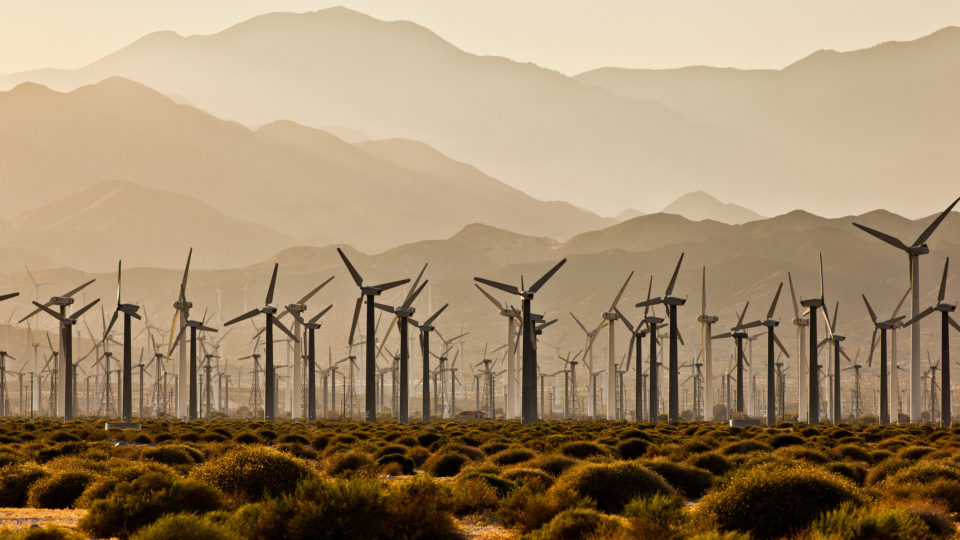
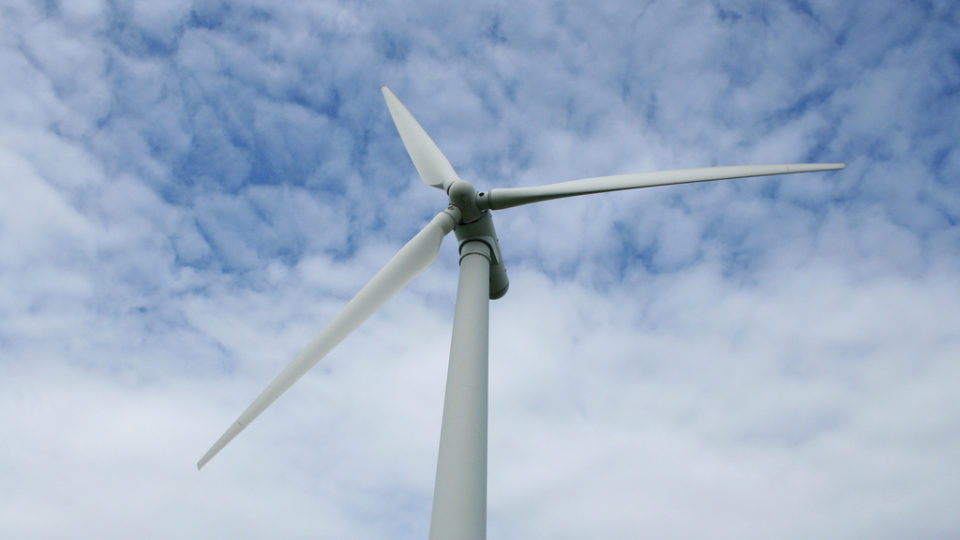
A year-and-a-half ago, we reported on the steep decline in the use of coal in Britain, including the conversion of the giant Drax Power Station from burning coal to running on wood chips.  Since then, Britain has been steadily moving away from fossil fuels and towards renewable energy sources.  The transformation is being driven by a surge in offshore wind farms currently under construction or about to begin operating.  Britain is in the process of adding over 6 GW of offshore wind to its current total of 8 GW.  Renewables generated one-third of the UK’s electricity last year, and half of that came from wind power. 

In 2018, coal- and gas-fired power stations generated about 131 terawatt-hours of electricity in Britain.  Renewable energy plants – including wind, solar, biomass, and hydropower – produced about 96 terawatt-hours.  Based on the new projects coming online, renewable sources could generate 121 TWh by 2020 and fossil fuel plants are likely to fall to 105.6 TWh as more coal plants are retired.  Thus, within the next year or so, renewables in Britain are likely to surpass fossil fuels in electricity generation.

The transformation in Britain has been rapid and dramatic.  In 1974, the country generated 80% of its electricity using coal.  By 2016, that number had dropped to 9%.  Last April, the British power grid went three days in a row without burning any coal.  The UK is expected to shut down its remaining coal plants by 2025, if not sooner. 

At the same time, Britain’s renewable energy capacity has more than quadrupled since 2010, jumping from 21 TWh that year to 96 TWh last year.  Britain’s energy mix is changing fast and getting significantly cleaner every year.

**********

Web Links

Renewables Could Surpass Fossil Fuels in Britain by 2020

Photo, posted August 2, 2008, courtesy of Richard Allaway via Flickr.

Earth Wise is a production of WAMC Northeast Public Radio.
Forecasting A Bad Year For Carbon

March 11, 2019 By EarthWise Leave a Comment

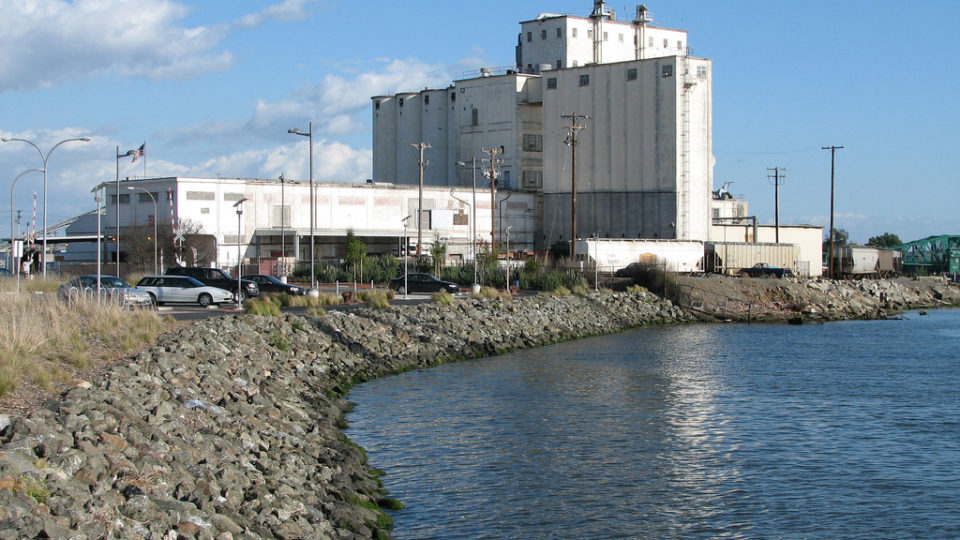
Carbon dioxide levels in the atmosphere are higher than they have been for hundreds of thousands of years, and they continue to grow.  The United Kingdom’s national meteorological service – known as the Met Office – issues annual predictions of global CO2 levels based in part on readings taken at the Mauna Loa observatory in Hawaii.  Their forecast for this year is that there will be one of the largest rises in atmospheric carbon-dioxide concentration in the 62 years of measurements at Mauna Loa.

Since 1958, there has been a 30% increase in the concentration of carbon dioxide in the atmosphere.  This has been caused by emissions from fossil fuels, deforestation and cement production.  The increase would actually have been even larger if it were not for natural carbon sinks in the form of various ecosystems that soak up some of the excess CO2.

Weather patterns linked to year-by-year swings in Pacific Ocean temperatures are known to affect the uptake of carbon dioxide by land ecosystems.  In years with a warmer tropical Pacific – such as El Niño years – many regions become warmer and drier, which limits the ability of plants to grow and to absorb CO2 .  The opposite happens when the Pacific is cool, as was the case last year.

The Met Office predicts that the contribution of natural carbon sinks will be relatively weak, so the impact of human-caused emissions will be larger than last year.  The predicted rise in atmospheric CO2 is 2.75 parts-per-million, which is among the highest rises on record.  The forecast for the average carbon dioxide concentration is 411 ppm, with peak monthly averages reaching almost 415 ppm.  With global emissions not really declining, the numbers just get higher and higher.

**********

Web Links

Faster CO₂ rise expected in 2019

Photo, posted March 18, 2006, courtesy of Darin Marshall via Flickr.

Earth Wise is a production of WAMC Northeast Public Radio.
A Quiet Clean Energy Revolution

March 5, 2019 By EarthWise Leave a Comment

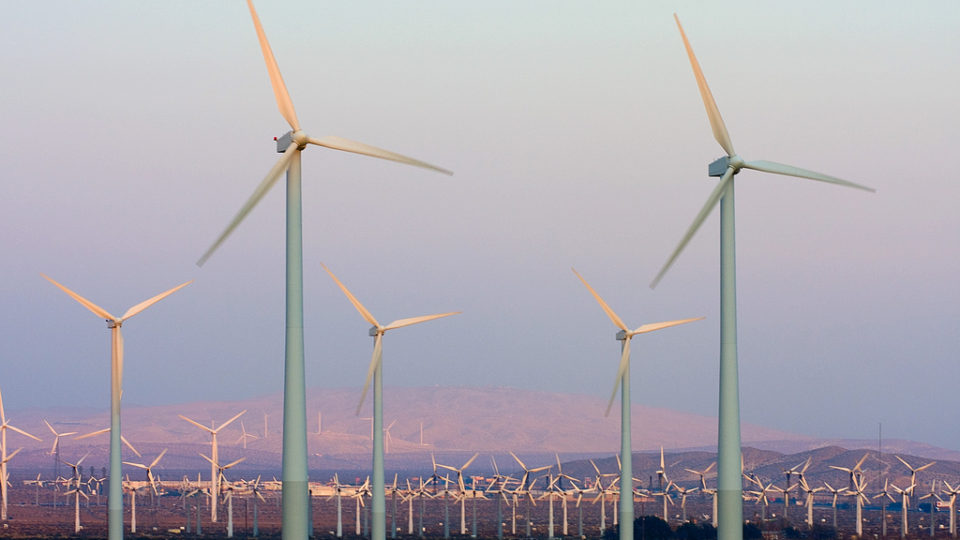
While the Trump administration seeks to prop up and promote use of fossil fuels, the country continues to move in the opposite direction.  Last year was actually a pretty positive year for clean energy in the U.S.

In terms of public opinion, 70% of Americans surveyed believe the country should produce 100% of its electricity from renewable energy sources and more than half of survey respondents think renewables are a good idea even if they raise energy bills.

Companies in the U.S. purchased a record 6.43 gigawatts of renewable power, enough to power 1.5 million homes.  The number of corporations entering into renewable energy deals doubled last year.

More than 300 U.S. cities, towns or counties have made commitments to climate action and, as of November, 99 cities have committed to 100% renewable energy, doubling the total from a year ago.

A number of gubernatorial candidates running on ambitious renewable energy platforms were elected in November including those in Illinois, Colorado, New Mexico, Maine and Nevada.

Utilities are responding to the growing demand for clean energy.  Consumers Energy in Michigan plans to cut carbon emissions by 80% and stop using coal.  Iowa-based MidAmerican Energy will become the first U.S. utility to source 100% of its electricity from renewable sources next year.  Xcel Energy, one of the biggest utilities in the country, has committed to be 80% carbon-free by 2030 and go completely carbon-free by 2050.

The fossil fuel industry with its supporters in high places is still kicking and screaming, but there is no doubt that the U.S. energy system is changing, and the quiet clean energy revolution will only pick up more steam in 2019.

**********

Web Links

The US Underwent a Quiet Clean Energy Revolution Last Year

Photo, posted August 15, 2009, courtesy of Ken via Flickr.

Earth Wise is a production of WAMC Northeast Public Radio.

Liquid Fuel From The Sun

February 21, 2019 By EarthWise Leave a Comment

Most forms of energy we use ultimately come from the sun in one way or another.  Even fossil fuels are the end product of millions of years of plant life that captured solar energy.  The advantage fossil fuels have over direct solar power is that they are, in fact, fuels and therefore can be stored for use when needed.

Scientists in Sweden have now developed a specialized fluid that absorbs some of the sun’s energy, holds it for months or even years, and then releases it when needed.  This solar thermal fuel is like a rechargeable battery for heat rather than electricity.

The special fluid is pumped through transparent tubes where ultraviolet light from the sun excites its molecules into an energized state.  A compound called norbornadiene is converted into quadricyclane. The quadricyclane is a quite stable substance until it is passed over a cobalt-based catalyst, which causes it to turn back into norbornadiene and release copious amounts of heat.

Such a solar thermal fuel could be stored in uninsulated tanks in homes or factories or piped or trucked to where it was needed.  It could then be used for water heaters, dishwashers, or clothes driers.  The room temperature fluid quickly warms to about 183 degrees when passed over the catalyst, plenty warm enough for heating a home or office.  Both the fuel and the catalyst are damaged very little by the reactions, so the process can be recycled many times.

There is much development work needed to optimize shelf life, energy density, good recyclability and other properties before this technology can be commercialized but there are at least 15 groups around the world now studying this intriguing way to get liquid fuel from the sun.

**********

Web Links

Scientists transform sunlight into a liquid fuel that can be stored for 18 years

Photo, posted August 17, 2009, courtesy of Hiromichi Torihara via Flickr.

Earth Wise is a production of WAMC Northeast Public Radio.
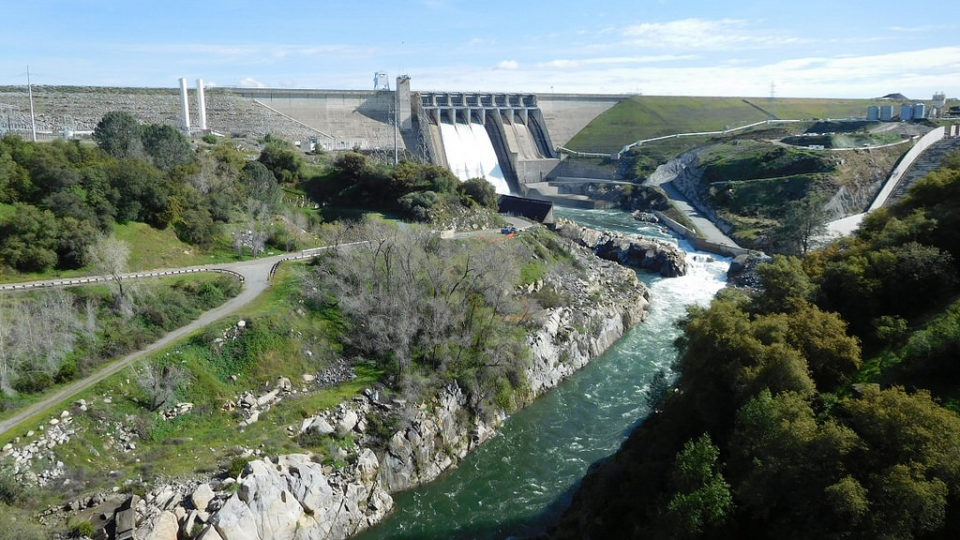
Droughts And Hydropower

February 7, 2019 By EarthWise Leave a Comment

Recent droughts in several western states have led to well-publicized problems including wildfires, loss of trees, and damage to crops.  A lesser-known impact of drought conditions has been increases in emissions of carbon dioxide and harmful air pollutants from power generation.

When hydropower runs low in a drought, western states tend to ramp up power generation – and therefore emissions – from fossil fuels.   According to a new study from Stanford University, droughts caused about 10 percent of the average annual carbon dioxide emissions from power generation in California, Idaho, Oregon and Washington between 2001 and 2015.

Water is used in electricity generation both directly for hydroelectric power and indirectly for cooling in thermoelectric power plants.  When water for hydropower comes up short because of drought conditions, natural gas or coal-fired power plants are brought online to pick up the slack.

These drought-induced shifts in energy sources led to an estimated 100 million tons of carbon dioxide across 11 western states between 2001 and 2015.  That is the equivalent of adding 1.4 million vehicles to the region’s roadways.  California, whose legislature has mandated that the state be carbon-free by 2045, contributed about half of this total.  Washington, which is considering a similar mandate, contributed nearly a quarter of the total.

Western states in recent years have suffered intense droughts that scientists expect to become more common as global warming continues to intensify.   The new study indicates that in regions where clean, reliable hydropower has been an important part of the energy mix, it will be increasingly necessary to provide clean backup energy sources in order to meet emission reduction targets.

**********

Web Links

Droughts boost emissions as hydropower dries up

Photo, posted March 7, 2016, courtesy of Flickr.

Earth Wise is a production of WAMC Northeast Public Radio.
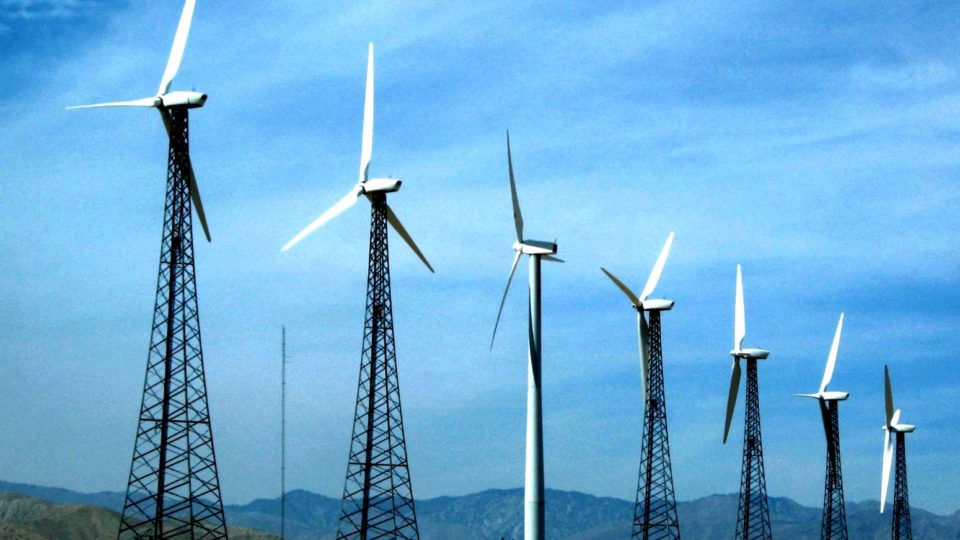
Energy Trends For A New Year

January 15, 2019 By EarthWise Leave a Comment

With a new year upon us, there are several energy trends to watch out for.

The most important one is that the fundamental shift toward slow-carbon technologies is continuing. This shift is taking place despite diminishing government policy support and even active government efforts to thwart it.  There is just too much momentum to stand in the way of low-carbon energy technologies.

Analysts at Bloomberg New Energy Finance estimate that over the next 30 years over 11 trillion dollars will be invested in energy power generation and power storage assets with 85% of it aimed at zero-carbon emission.  Dramatic reductions in green energy costs have resulted in legitimate cost competition between zero carbon sources of energy and fossil fuel generation.

In the coming year, battery technology will continue to play a growing role both as a storage medium for energy generated by sun and wind and for powering vehicles.

Another trend is that the world’s wealthiest economies are learning to grow without growing the demand for electricity.  This is important in the battle to reduce overall emissions.

Another key issue is addressing the energy needs of people who have no meaningful access to it and there are around 1.5 billion people in that category.   Emerging technologies based on solar power, wind energy, microgrids and other innovations mean that traditional power grids that remain out of reach to these people are not necessary.  There is the potential to address those needs without contributing to climate change.

The world is struggling to deal with the growing problem of the changing climate, but there are trends that provide at least some hope that we can move in the right direction.

**********

Web Links

Top 3 clean energy trends to watch out for in 2019

Photo, posted April 5, 2013, courtesy of Flickr. 

Earth Wise is a production of WAMC Northeast Public Radio.

A Water-Based Battery

January 3, 2019 By EarthWise Leave a Comment

https://earthwiseradio.org/wp-content/uploads/2019/01/EW-01-03-19-A-Water-Based-Battery.mp3

The transition from fossil fuel-based power plants to clean, renewable energy sources is accelerating as both wind and solar power get cheaper and increasingly become cost-competitive with traditional power sources.   The biggest stumbling block both energy sources face is that they cannot always supply power on demand but require the sun to shine and the wind to blow.

[Read more…] about A Water-Based Battery

Falling Behind On Climate Goals

December 24, 2018 By EarthWise Leave a Comment

https://earthwiseradio.org/wp-content/uploads/2018/12/EW-12-24-18-Falling-Behind-on-Climate-Goals.mp3

A series of reports from both the US Government and from the United Nations has underlined the dangers presented by the increasing effects of climate change.  To date, national commitments to reduce emissions have come up short.

[Read more…] about Falling Behind On Climate Goals

Solar Plus Storage In The Caribbean

November 22, 2018 By EarthWise Leave a Comment

https://earthwiseradio.org/wp-content/uploads/2018/11/EW-11-22-18-Solar-Plus-Storage-in-Caribbean.mp3

The Caribbean is home to nearly 30 island nations and more than 7,000 individual islands with a combined population of around 40 million.  All of the islands are susceptible to disasters such as hurricanes that can leave residents without electrical power for extended periods of time.

[Read more…] about Solar Plus Storage In The Caribbean

Responsible Investing On The Rise

November 6, 2018 By EarthWise Leave a Comment

https://earthwiseradio.org/wp-content/uploads/2018/10/EW-11-06-18-Responsible-Investing-On-The-Rise.mp3

Investors in the US are starting to catch up with their European counterparts with respect to taking environmental, social and governance (ESG) principles into account.

[Read more…] about Responsible Investing On The Rise

Electric Buses On The Rise

November 2, 2018 By EarthWise Leave a Comment

https://earthwiseradio.org/wp-content/uploads/2018/10/EW-11-02-18-Electric-Buses-on-the-Rise.mp3

Electric buses are replacing conventional diesel-fueled buses at an accelerating rate that is outpacing the adoption of battery-powered cars.  According to forecasts by Bloomberg New Energy Finance, by 2030 some 28% of car sales will be electric vehicles while 84% of new buses will be electric buses.  So far, some 12 years away, the actual adoption of electric buses is outpacing this optimistic projection.

[Read more…] about Electric Buses On The Rise

A Battery That Eats Carbon Dioxide

October 30, 2018 By EarthWise Leave a Comment

https://earthwiseradio.org/wp-content/uploads/2018/10/EW-10-30-18-A-Battery-That-Eats-CO2.mp3

Fossil fuel-based power plants are increasingly considering the use of carbon capture technologies as a way to reduce emissions.  The biggest challenge to the wide-spread adoption of such technology is its energy cost, which of course equates to economic cost.  Present-day power plants equipped with carbon capture systems can use up to 30% of the electricity they generate just to power the capture, release, and storage of carbon dioxide.

[Read more…] about A Battery That Eats Carbon Dioxide

Robo-Taxis And The Grid

October 25, 2018 By EarthWise Leave a Comment

https://earthwiseradio.org/wp-content/uploads/2018/10/EW-10-25-18-Robo-Taxis-And-The-Grid.mp3

The world of personal transportation is evolving.  There are three trends that are developing at the same time:  cars running on electricity rather than fossil fuels, cars operating autonomously, and people sharing vehicles instead of owning them.

[Read more…] about Robo-Taxis And The Grid

Peak Fossil Fuel Demand

October 19, 2018 By EarthWise Leave a Comment

https://earthwiseradio.org/wp-content/uploads/2018/10/EW-10-19-18-Peak-Fossil-Fuel-Demand.mp3

There used to be a lot of talk about peak oil.  Peak oil was the theorized point in time when the maximum rate of extraction of petroleum was reached, after which there would be a terminal decline.  It was often presented as a looming catastrophe for civilization.

[Read more…] about Peak Fossil Fuel Demand

The Famous 97%

October 5, 2018 By EarthWise Leave a Comment

https://earthwiseradio.org/wp-content/uploads/2018/10/EW-10-05-18-The-Famous-97-Percent.mp3

One still hears reference to “the debate on global warming”.  Is there really a debate?  Certainly, there are people who want to think there is, especially those with a vested interest in not doing anything about it.

[Read more…] about The Famous 97%

California vs. Fossil Fuels

September 19, 2018 By EarthWise Leave a Comment

https://earthwiseradio.org/wp-content/uploads/2018/09/EW-09-19-18-California-vs-Fossil-Fuels.mp3

California has led the way in deploying and committing to clean energy for a long time.  In August its legislature strengthened that commitment by passing a bill to stop using fossil fuels entirely by 2045.   It is the second state to do so, following Hawaii.  The bill still needs to be passed by the Senate and signed by the governor.  Both actions are expected to occur.

[Read more…] about California vs. Fossil Fuels

  • « Go to Previous Page
  • Page 1
  • Interim pages omitted …
  • Page 6
  • Page 7
  • Page 8
  • Page 9
  • Page 10
  • Page 11
  • Go to Next Page »

Primary Sidebar

Recent Episodes

  • An uninsurable future
  • Clean energy and jobs
  • Insect declines in remote regions
  • Fossil fuel producing nations ignoring climate goals
  • Trouble for clownfishes

WAMC Northeast Public Radio

WAMC/Northeast Public Radio is a regional public radio network serving parts of seven northeastern states (more...)

Copyright © 2026 ·