• Skip to primary navigation
  • Skip to main content
  • Skip to primary sidebar

Earth Wise

A look at our changing environment.

  • Home
  • About Earth Wise
  • Where to Listen
  • All Articles
  • Show Search
Hide Search
You are here: Home / Archives for farm

farm

The Value Of Abandoned Agricultural Lands | Earth Wise

February 18, 2020 By EarthWise Leave a Comment

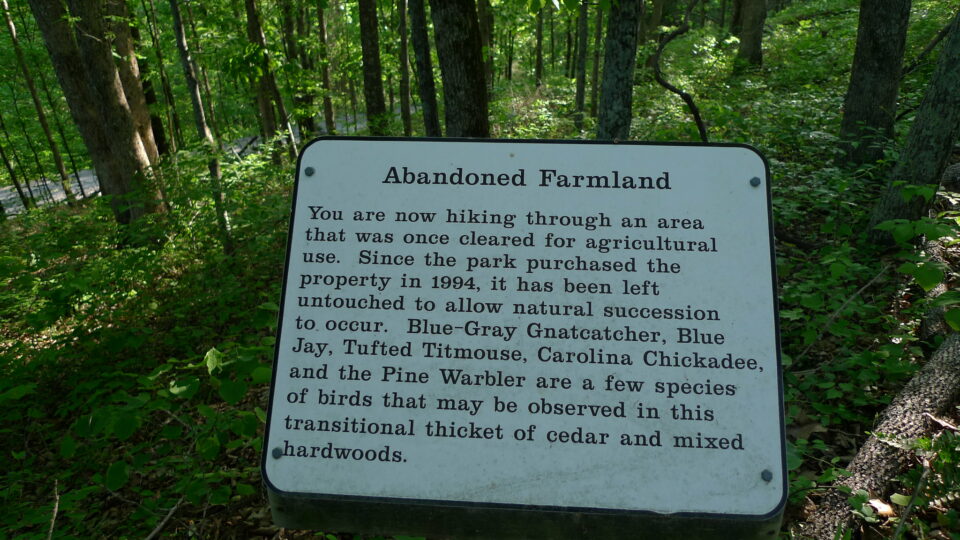
Abandoned Agricultural Lands Could Help Save the Planet

It is perhaps surprising to learn that more land is now being abandoned by farming than converted to it. In fact, abandonment of rural lands has become one of the most dramatic planet-wide changes of the modern era, affecting millions of square miles of land.

In part, it is due to rural flight driven by the economic, social, and educational appeal of cities.  It is also a result of climate change and the globalization of the food supply chain.  The global footprint of agriculture has been decreasing over the past twenty years but the global food supply isn’t shrinking.  The lost land has generally been marginal and farming elsewhere has become more productive.

Many researchers see abandoned agricultural lands as a huge opportunity for ecological restoration and strengthening of biodiversity.   Others see these lands as an opportunity for a massive program to plant trees to reduce carbon dioxide in the atmosphere.  A recent study published in Science estimated that planting trees on abandoned agricultural lands could remove 25% of the carbon dioxide humans have added to the atmosphere.

There are strong criticisms to all of these ideas.  In most cases, the studies don’t incorporate the social context of why these lands are in transition, the potential effects on local populations, whether the lands are publicly or privately owned, and whether lands now suitable for regeneration will remain so as climate change advances.

Current government initiatives on degraded lands typically lack even rudimentary planning.  There are real opportunities presented by the vast amounts of abandoned agricultural lands, but there are many caveats and many issues to confront.  As a society, we have barely begun to even think about what to do.

**********

Web Links

Could Abandoned Agricultural Lands Help Save the Planet?

Photo, posted May 9, 2010. courtesy of Flickr.

Earth Wise is a production of WAMC Northeast Public Radio.
Keeping Plants Plump

December 3, 2019 By EarthWise Leave a Comment

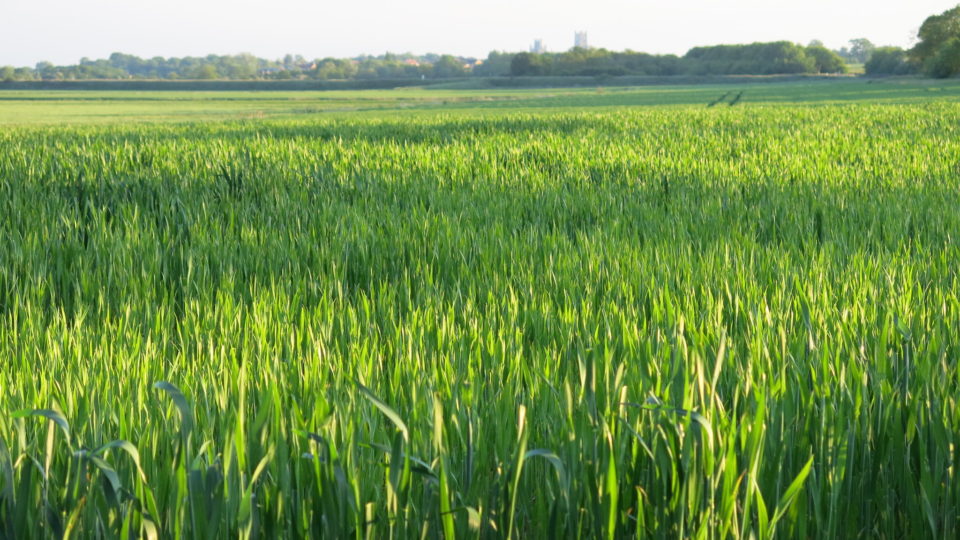
The leading cause of crop failures worldwide is drought.  Ironically, the very close runner-up is flooding.  Facing a changing and increasingly erratic climate, farmers need all the help they can get in protecting their crops.

Researchers at the University of California, Riverside, have created a chemical to help plants hold onto water, which could stem the tide of massive annual crop losses from drought.  Details of the team’s work is described in a paper published in Science.

The chemical is called Opabactin, but is also known as “OP.” OP is gamer slang for overpowered, referring to the best character or weapon in a game.

OP mimics abscisic acid, or ABA, which is the natural hormone produced by plants in response to drought stress.  ABA slows a plant’s growth, so it doesn’t consume more water than is available and doesn’t wilt.  OP is 10-times stronger than ABA, which makes it a super hormone.  It works fast.  Within hours, there is a measurable improvement in the amount of water plants release.  Because it works so quickly, OP could give farmers more flexibility in how they deal with drought.   Plants can’t predict the future, but if, for example, farmers think there is a reasonable chance of drought, they could make decisions such as to apply OP to improve crop yields.

The research team is now trying to find a second chemical tool.  Whereas OP slows down plant growth, the team wants to find a molecule that will accelerate it.  Such a molecule could be useful in controlled environments such as indoor greenhouses.  There are times when you want to speed up growth and times when you want to slow it down.

**********

Web Links

Game changer: New chemical keeps plants plump

Photo, posted June 7, 2013, courtesy of Bayer CropScience UK via Flickr.

Earth Wise is a production of WAMC Northeast Public Radio.
Agrivoltaics

September 24, 2019 By EarthWise Leave a Comment

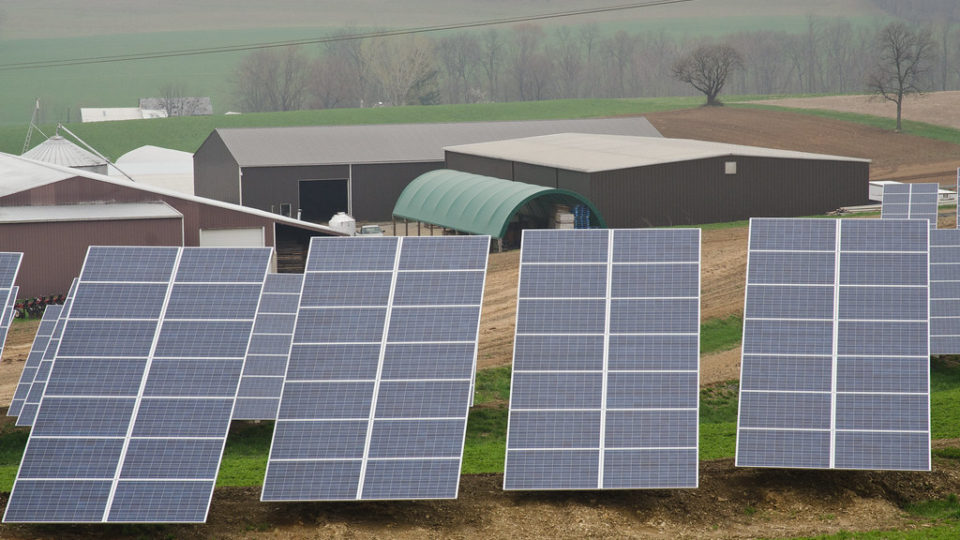
A new study by Oregon State University has found that the most productive places on Earth for solar power are farmlands.   In fact, if less than 1% of agricultural land was converted to solar panels, it would be sufficient to fulfill global electricity demand.

The concept of co-developing the same area of land for both solar photovoltaic power and conventional agriculture is known as agrivoltaics.

The synergy between agriculture and solar power is not surprising.   People have been growing crops around the planet for at least 8,000 years and, long ago, farmers found the best places to grow them which turn out to also the best places to harvest solar energy.  The needs for solar panels are pretty similar to those of food crops.  The efficiency of the panels decreases if they get too hot.  Barren land is hotter than cropland, so the productivity of solar panels is less in such places.

The Oregon State Study analyzed power production data collected by Tesla, which had installed five large grid-tied, ground-mounted solar electric arrays owned by Oregon State.  The researchers monitored air temperature, relative humidity, wind speed, wind direction, soil moisture, and incoming solar energy.  With the data, they developed a model for the best conditions for solar panel productivity and they coincide with excellent conditions for agriculture.  Solar panels are kind of like people with regard to the weather:  they are happier when it is cool and breezy and dry.

Previously-published research shows that solar panels actually increase crop yields on pasture or agricultural fields.

These new results have implications for the current practice of constructing large solar arrays in deserts.  Agricultural lands may be a much better option for both solar production and crop production.

**********

Web Links

Installing solar panels on agricultural lands maximizes their efficiency, new study shows

Photo, posted April 20, 2011, courtesy of U.S. Department of Agriculture via Flickr.

Earth Wise is a production of WAMC Northeast Public Radio.
The Largest Offshore Wind Farm

July 30, 2019 By EarthWise 1 Comment

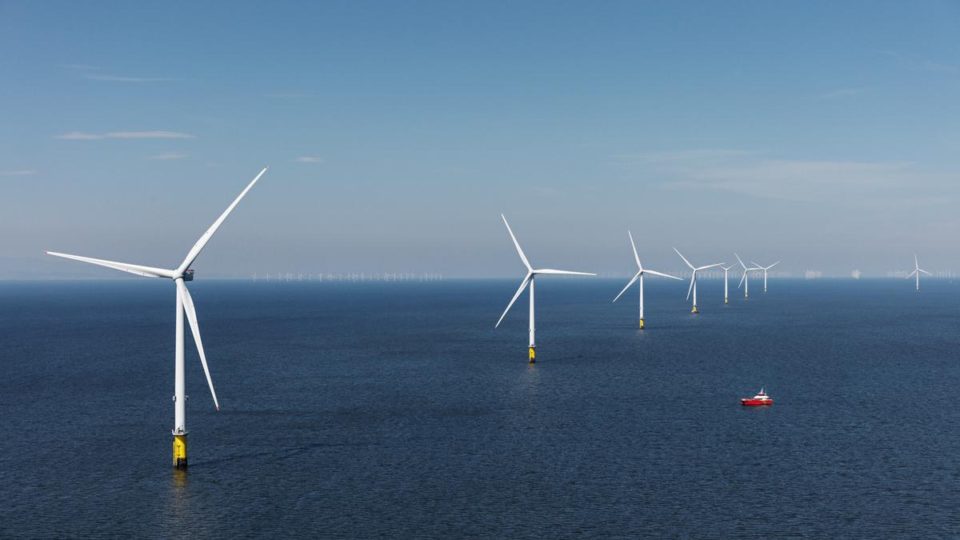
The world’s largest offshore wind farm recently began operations in the North Sea, a notoriously gusty stretch of open water that has become home to multiple large wind farms.  The new Hornsea One wind farm is located 75 miles off the east coast of Yorkshire in the United Kingdom.

The first 50 turbines are now in operation and are generating electricity for up to 287,000 homes.  When the farm is completed sometime next year, it will have 174 turbines with a total capacity of 1.2 gigawatts, enough to power a million homes.  The farm will send electricity to the UK, Netherlands, Belgium, Germany, and Scandinavia.  The Hornsea One farm will have more than twice the capacity of the current largest offshore operation, which is also in the UK.

Because the farm is so far from shore, teams of workers will live at sea for two to four weeks at a time maintaining it.  Such operations are unprecedented and required new ways of operating to overcome the logistical and technical challenges of operating a massive power station far from land.

The UK has the largest offshore wind generating capacity in Europe, now more than 8.2 gigawatts and accounting for 44% of Europe’s offshore wind capacity.  All that capacity is one of the big reasons that the UK has been successfully weaning itself off of coal for increasingly long periods of time.

Meanwhile, the US continues to lag far behind in offshore wind with a grand total of 0.03 gigawatts of installed capacity.  That situation may be changing after the federal government auctioned off 3 major tracts of ocean late last year that potentially could generate over 4 gigawatts of power if fully developed.

**********

Web Links

The World’s Largest Offshore Wind Farm Just Came Online

Photo credit: Hornsea Project One.

Earth Wise is a production of WAMC Northeast Public Radio.
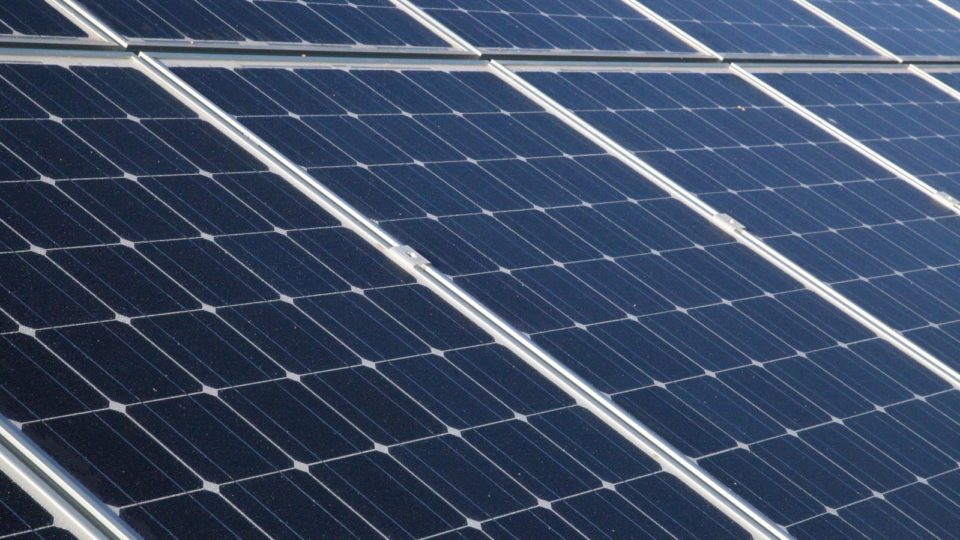
Capital Region Community Solar

July 19, 2019 By EarthWise Leave a Comment

New York’s Capital Region is getting a major new community solar farm.  A community solar farm is a solar power installation whose output is shared by multiple community subscribers who receive credit on their electricity bills for their share of the power produced.  The primary purpose of community solar is to allow members of a community to have the benefits of solar power even if they cannot or prefer not to install solar panels on their own property.

US Light Energy has broken ground on the Sugar Hill Solar Farm, to be located on 40 acres of land on the Sugar-Hill/Sugar-View Farm in Clifton Park.  The 7-megawatt, ground-mounted solar project will include nearly 20,000 solar modules.  When fully operational later this year, the facility is expected to produce more than 8.6 million kilowatt-hours of energy a year.

The farm will be part of New York state’s Community Solar Program, and the electricity it generates can be supplied to customers anywhere in National Grid’s existing distribution system.  Residential and commercial properties in Clifton Park will have 30 days to subscribe before the solar energy generated by the farm is opened to the general public.  Subscribers of community solar farms typically save 10% on their electricity bills.

There are already community solar programs in operation in several Capital Region communities, but this is the first one in the Clifton Park Area.  Apart from providing savings on utility bills, community solar allows consumers to support clean, locally generated power with little or no upfront costs.  Not everyone is in a position to put solar panels on their roof, but community solar is increasingly an option for New York residents.

**********

Web Links

Construction begins on 7-MW community solar farm in New York

Photo, posted March 19, 2012, courtesy of Kate Ausburn via Flickr.

Earth Wise is a production of WAMC Northeast Public Radio.
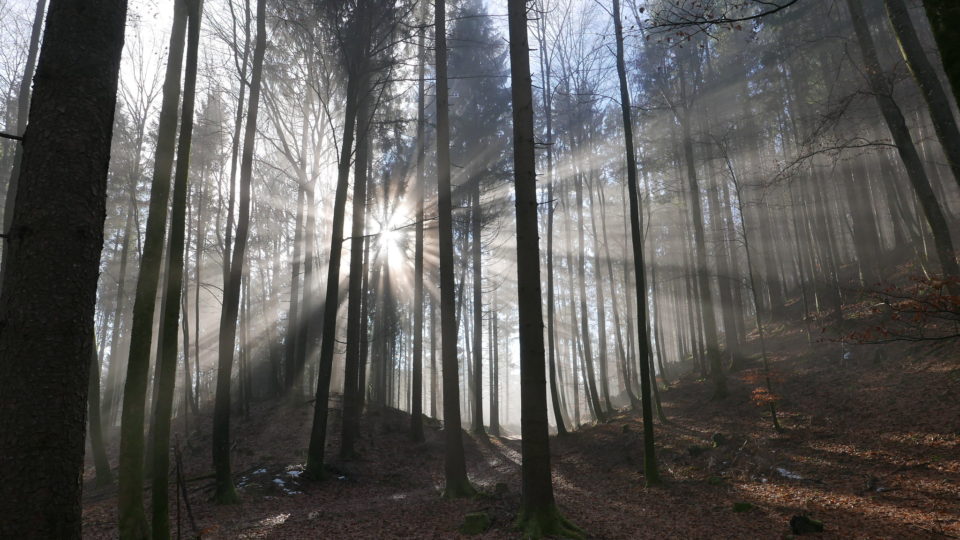
Sunlight As A Cash Crop

July 10, 2019 By EarthWise Leave a Comment

It isn’t so easy to be a farmer these days.  Farming has always involved long hours, hard work and the uncertainties of weather and yield.  The 21st Century has added new and unique challenges such as increasingly unpredictable weather, insect infestation and disease, and low commodity prices.  Add in sudden tariffs and farmers struggle even more to make ends meet.  The default rate for farmers’ loans is the the highest in at least nine years.

One thing that remains reliable for farmers is the sun.  It rises in the morning and goes down at night.  The sun can be trusted, unlike politicians, rain, or commodity prices.  These days, many farmers are taking advantage of the dependability of the sun to make money from a new cash crop: solar energy.

The trend is spreading.  North Carolina has been a leading solar energy state for several years and a 2017 report found that solar energy generates 30% of the income of many farms.  Typical annual rent payments for farmland by solar companies range from $500 to $1,400 per acre in North Carolina.

A growing list of states have clean energy mandates targeting 100% use of renewable energy.   These mandates provide incentives for farmers that make installing solar a financially smart decision and falling prices for solar installations make it an even better deal.

Solar works well when co-located on a farm and can be built in ways that minimizes impact.  It is quiet, uses almost no water, doesn’t pollute, and if it is decommissioned, the land can go back to its previous use.  If the solar facilities are raised up, the same land can be used to graze livestock or grow shade-tolerant crops.

**********

Web Links

Harvesting the sun is the new cash crop

Photo, posted December 25, 2017, courtesy of Flickr.

Earth Wise is a production of WAMC Northeast Public Radio.
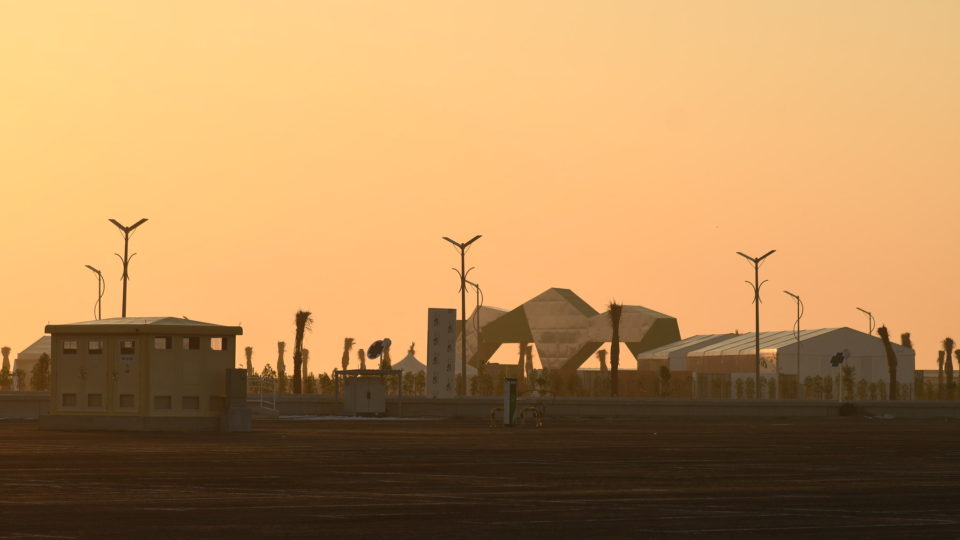
A Giant Solar Farm In Dubai

June 26, 2019 By EarthWise Leave a Comment

Like many places in the Middle East, Dubai made its fortune from oil.  But the Emirate’s oil resources are limited, and its economy has evolved in other directions.  Today, oil provides less than 5% of Dubai’s revenues; its economy relies on revenues from trade, tourism, aviation, real estate, and financial services.

Dubai is also away from fossil fuels to meet its energy needs. A monumental construction project is underway deep within Dubai’s desert interior which will be the largest solar energy facility in the world.

The Mohammed Bin Rashid Al Maktoum Solar Park – named after Dubai’s ruler – has been under development for 7 years.  Total investment in the project will be nearly $14 billion when it is completed in 2030.  It will have a total capacity of 5,000 megawatts, enough to power 1.3 million homes.  Only some large hydroelectric power plants, the largest nuclear power plants, and a couple of Asian coal plants have more generating capacity.

Phases one and two of the project are already complete and feature more than 2 million solar panels.  Phase three – well along the way in construction – will add another 3 million solar panels and should be completed next year.

Phase four will not involve solar panels but instead will make use of the world’s tallest concentrated solar power tower.  It will use mirrors to focus sunlight at the top of the tower to heat up molten salt that will power steam turbines to generate electricity and will be able to operate long after the sun goes down.

Currently, the Tengger Desert Solar Park in China is the largest photovoltaic park in the world, but a colossal farm in India will take its place in a few years.  Big solar is getting bigger all the time.

**********

Web Links

$13.6B record-breaking solar park rises from Dubai desert

Photo, posted December 15, 2018, courtesy of Anoop S. via Flickr.

Earth Wise is a production of WAMC Northeast Public Radio.
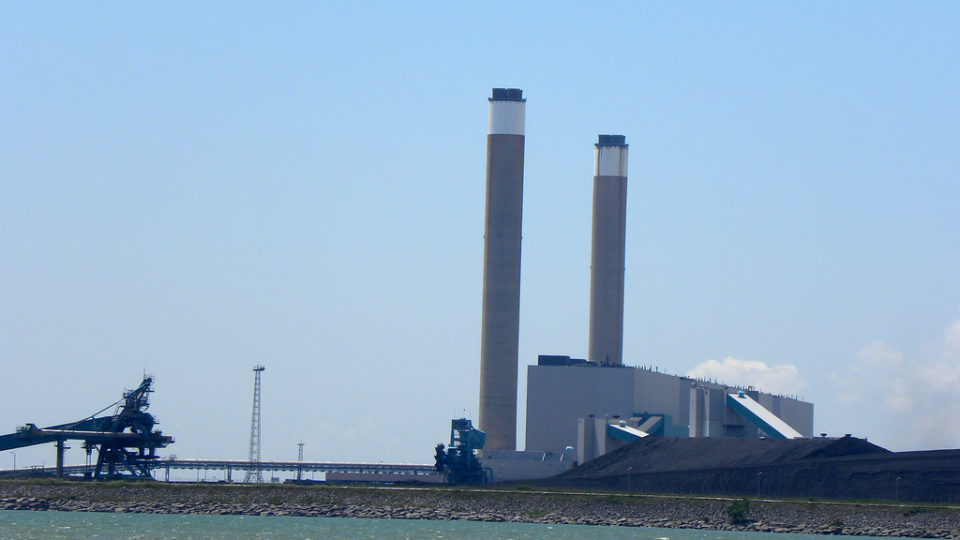
From Coal Plant To Solar Farm

June 5, 2019 By EarthWise Leave a Comment

The Nanticoke Generating Station in Ontario, Canada was the largest coal-fired power plant in North America.  It was commissioned in 1972 and was capable of providing nearly 4,000 megawatts of electrical power into the southern Ontario power grid.  At peak, the plant consumed nearly 40,000 tons of coal per day.

The government of Ontario eventually decided to phase out all of its coal plants about ten years ago but the decommissioning was delayed for a time because of the lack of replacement sources of energy.  The plant began to shut down its individual generating units starting in 2010.  By the end of 2013, the Nanticoke plant was shut down for good.

In 2016, a 44 MW solar power station was contracted for the site and construction began last year.  The plant opened at the beginning of April coinciding with the one-year anniversary of the demolition of Nanticoke’s smokestacks, which once stood 650 feet tall.

The new solar farm has 192,431 solar panels spread across 260 acres.  The facility, situated on the shores of Lake Erie in Ontario, will generate enough electricity to power more than 7,200 homes. 

The idea to use part of the retired coal plant’s property for a new solar farm was spearheaded and paid for by Ontario Power Generation, the Six Nations of the Grand River Development Corporation, and the Mississaugas of the Credit First Nation.

The Chief of the Mississaugas called the solar project an important economic development in the region and for tribal nations that sets the stage for future mutually-beneficial partnerships between Ontario Power Generation and others.

**********

Web Links

Canadian Coal-Fired Power Plant Transformed into Solar Farm

Photo, posted July 26, 2009, courtesy of Jason Paris via Flickr.

Earth Wise is a production of WAMC Northeast Public Radio.
Bring The Wild Back Into Farmlands

December 4, 2018 By EarthWise Leave a Comment

https://earthwiseradio.org/wp-content/uploads/2018/11/EW-12-04-18-Bring-the-Wild-Back.mp3

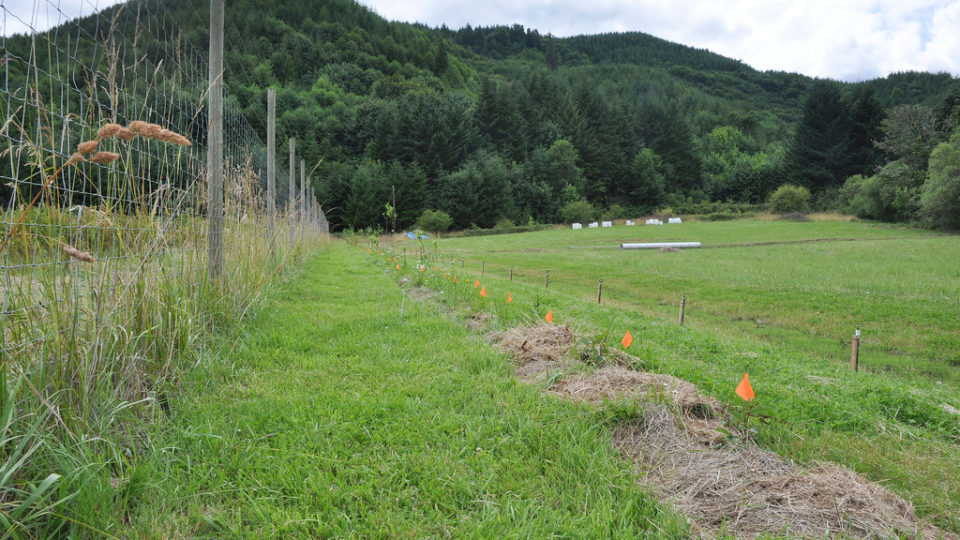
A recent study published in Science looks at the effects of maintaining at least a little bit of the wild on working lands including farmland, rangeland and forests.  The study concludes that doing so may be a key to preserving biodiversity in the face of climate change.

[Read more…] about Bring The Wild Back Into Farmlands

Reducing Food Waste

October 9, 2018 By EarthWise Leave a Comment

https://earthwiseradio.org/wp-content/uploads/2018/09/EW-10-09-18-Reducing-Food-Waste.mp3

Food waste is a huge problem.  About a third of all food produced globally goes to waste, and the numbers are even worse in the US.  If food waste was a country, it would be the world’s third largest emitter of greenhouse gases.  Worse yet, all of this takes place in a world where 850 million people are chronically undernourished.

[Read more…] about Reducing Food Waste

Land And Diets

September 13, 2018 By EarthWise Leave a Comment

https://earthwiseradio.org/wp-content/uploads/2018/09/EW-09-13-18-Land-and-Diets.mp3

Most of us are likely familiar with the saying ‘you are what you eat.’ But what we eat – those food choices – can have a profound impact on the planet. 

[Read more…] about Land And Diets

A Giant Wind Farm for Oklahoma

April 3, 2018 By EarthWise Leave a Comment

https://earthwiseradio.org/wp-content/uploads/2018/03/EW-04-03-18-A-Giant-Oklahoma-Wind-Farm.mp3

American Electric Power (AEP) is investing $4.5 billion to build the largest wind farm in the United States at a site in the Oklahoma panhandle.  Known as the Wind Catcher Energy Connection, the 2-gigawatt wind project will include 800 2.5-megawatt wind turbines built by General Electric.

[Read more…] about A Giant Wind Farm for Oklahoma

Farming In Solar Farms

March 19, 2018 By EarthWise Leave a Comment

https://earthwiseradio.org/wp-content/uploads/2018/03/EW-03-19-18-Farming-in-Solar-Farms.mp3

Utility-scale solar installations have been expanding rapidly.  The amount of land used for solar projects is becoming quite substantial.  The National Renewable Energy Laboratory (NREL) predicts that 3 million acres will be devoted to solar farms by 2030, and 6 million by 2050.  These numbers pale in comparison with the land used for corn, soybeans, and wheat, but are more than used for such familiar crops as oats, barley and rice.

[Read more…] about Farming In Solar Farms

A Solar-Powered Vertical Farm

November 21, 2017 By EarthWise 1 Comment

https://earthwiseradio.org/wp-content/uploads/2017/11/EW-11-21-17-A-Solar-Powered-Vertical-Farm.mp3

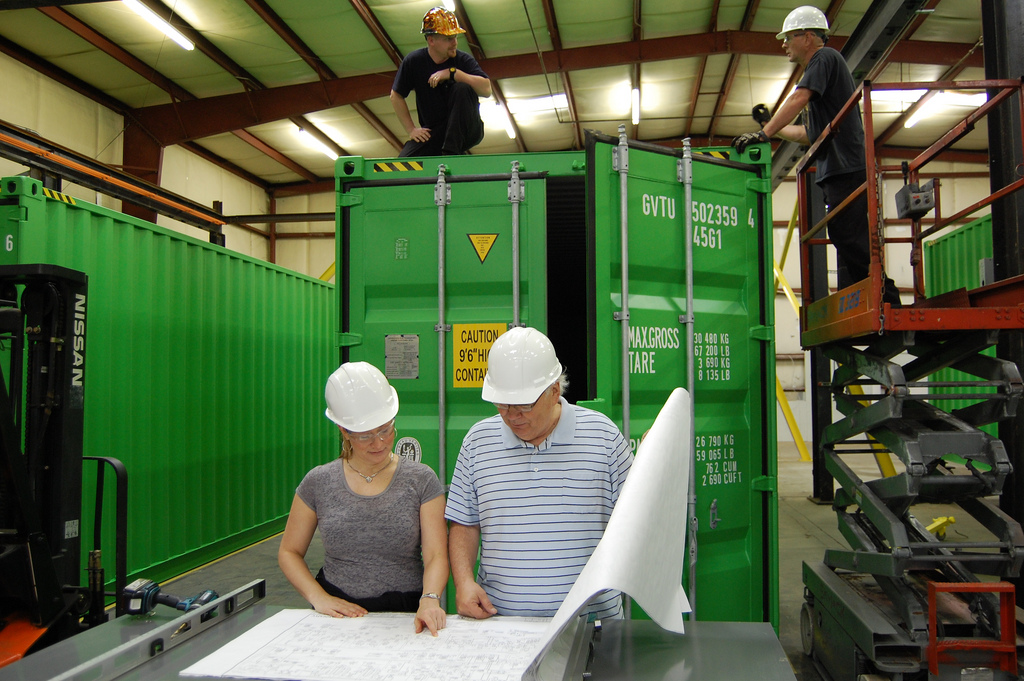
Vertical farming is a method for producing crops in vertically stacked layers or surfaces typically in a skyscraper, used warehouse, or shipping container.  Modern vertical farming uses indoor farming techniques and controlled-environment agriculture technology.

[Read more…] about A Solar-Powered Vertical Farm

Global Warming And The Nitrogen Problem

September 13, 2017 By EarthWise

https://earthwiseradio.org/wp-content/uploads/2017/09/EW-09-13-17-Global-Warming-and-the-Nitrogen-Problem.mp3

Excess nitrogen in the environment is a big problem.  The most visible aspect of the problem is the spread of toxic algae blooms in oceans, lakes and other bodies of water.  But there are other effects as well such as unwanted alterations to ecosystems.

[Read more…] about Global Warming And The Nitrogen Problem

A Better Way To Farm Algae

March 7, 2017 By EarthWise

https://earthwiseradio.org/wp-content/uploads/2017/03/EW-03-07-17-A-Better-Way-to-Farm-Algae.mp3

Microalgae biofuels may provide a viable alternative to fossil fuels.  Algae efficiently use CO2 and can produce biomass very quickly.  Some species can double their mass in as little as 6 hours.   Such single-celled organisms are amenable to high-throughput techniques to evolve new strains, unlike terrestrial biomass sources like corn which can take years to modify.

[Read more…] about A Better Way To Farm Algae

Restoring The Taste Of Tomatoes

March 1, 2017 By EarthWise

https://earthwiseradio.org/wp-content/uploads/2017/03/EW-03-01-17-Restoring-the-Taste-of-Tomatoes.mp3

Over the years, tomatoes have been selectively bred for qualities such as size and firmness for shipping purposes and appearance, but selection for flavor has generally been overlooked.  Many of us find that the tomatoes we buy in the grocery store just don’t taste like they used to.  In fact, often they don’t taste like much of anything.  Comparing them to the delicious local-grown varieties we can find during the summer provides evidence for this conclusion.

[Read more…] about Restoring The Taste Of Tomatoes

A Big Wind Farm for New York

February 27, 2017 By EarthWise

https://earthwiseradio.org/wp-content/uploads/2017/02/EW-02-27-17-A-Big-Wind-Farm-for-NY.mp3

The Board of Trustees of the Long Island Power Authority has voted to approve the nation’s largest offshore wind farm, which is also the first offshore wind farm in New York.  The South Fork Wind Farm, located 30 miles southeast of Montauk, New York, will be a 90 megawatt facility that will provide enough electricity to power 50,000 Long Island homes and help meet increasing electricity demand on the South Fork of Long Island.

[Read more…] about A Big Wind Farm for New York

Wind Farms And Ordinary Farms

January 18, 2017 By EarthWise

https://earthwiseradio.org/wp-content/uploads/2016/12/EW-01-18-17-Wind-Farms-and-Ordinary-Farms.mp3

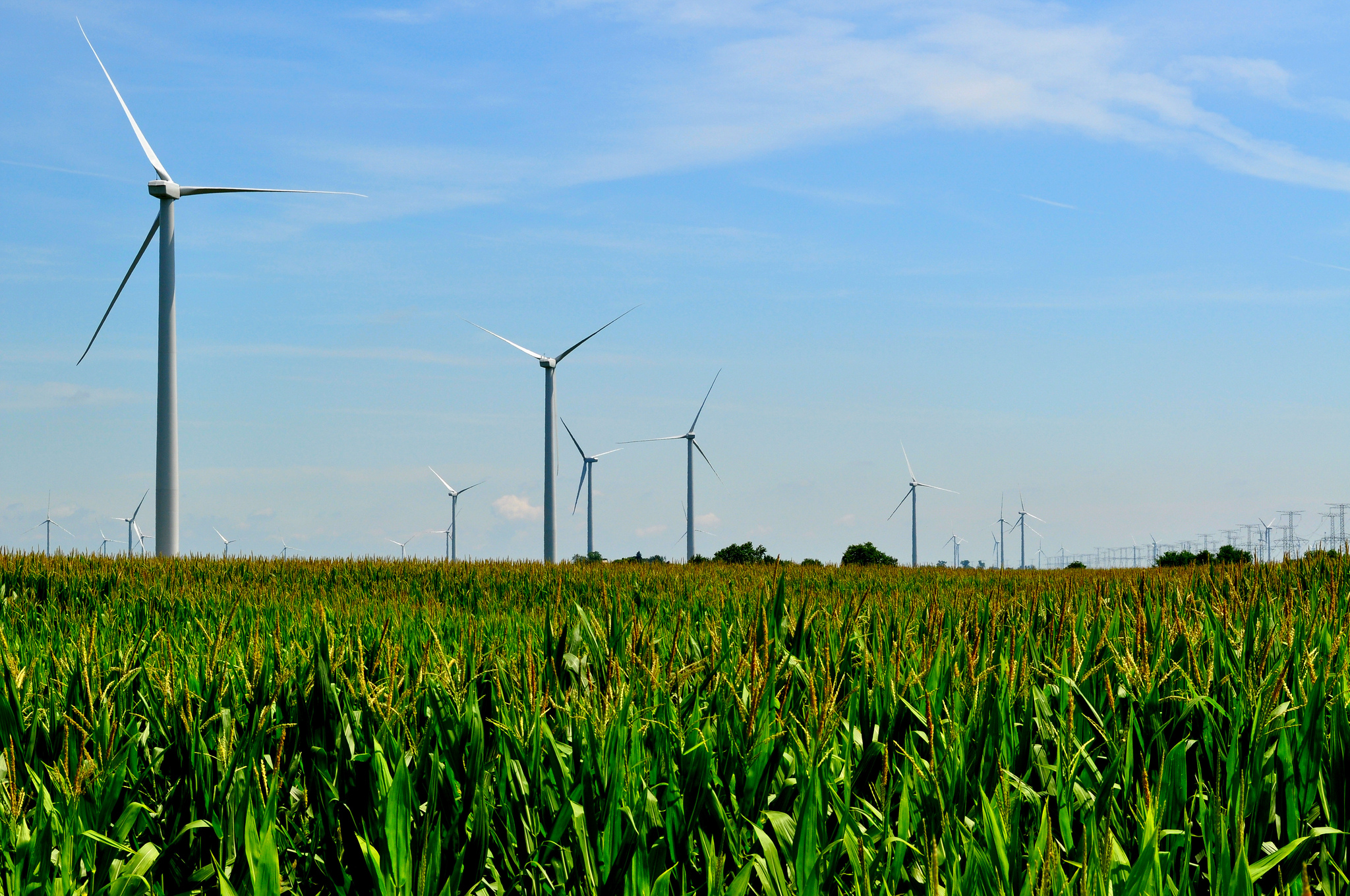
Farmers in many places have found additional sources of income by allowing wind turbines to be built on their land.  One example is the Amazon Wind Farm, which is a massive project of over 100 turbines near Elizabeth City, North Carolina.  The 494-foot tall turbine towers scattered over 34 square miles are rising up above farms that grow corn, wheat and soybeans.  It is the first utility-scale wind farm in the Southeast.

[Read more…] about Wind Farms And Ordinary Farms

Wiping Out Wildlife

December 1, 2016 By WAMC WEB

https://earthwiseradio.org/wp-content/uploads/2016/12/EW-12-01-16-Wiping-Out-Wildlife.mp3

According to a new report from the World Wildlife Fund, the world’s animal populations have suffered widespread population declines in the last half century.  And thousands of species are now scrambling to survive. 

[Read more…] about Wiping Out Wildlife

  • « Go to Previous Page
  • Page 1
  • Page 2
  • Page 3
  • Go to Next Page »

Primary Sidebar

Recent Episodes

  • An uninsurable future
  • Clean energy and jobs
  • Insect declines in remote regions
  • Fossil fuel producing nations ignoring climate goals
  • Trouble for clownfishes

WAMC Northeast Public Radio

WAMC/Northeast Public Radio is a regional public radio network serving parts of seven northeastern states (more...)

Copyright © 2026 ·