• Skip to primary navigation
  • Skip to main content
  • Skip to primary sidebar

Earth Wise

A look at our changing environment.

  • Home
  • About Earth Wise
  • Where to Listen
  • All Articles
  • Show Search
Hide Search
You are here: Home / Archives for electricity

electricity

Giant Wind Turbines | Earth Wise

October 19, 2021 By EarthWise Leave a Comment

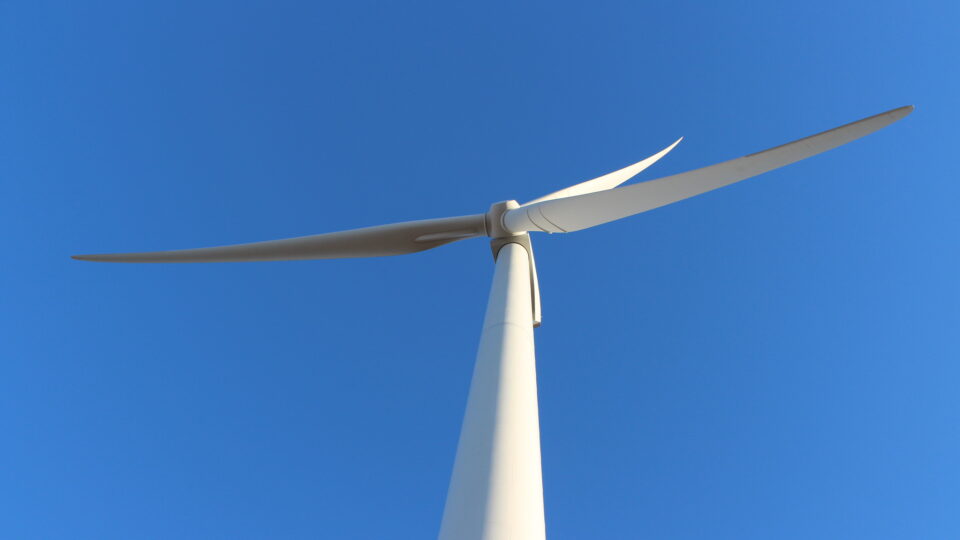
Wind turbines are getting enormous

Wind turbines keep getting bigger and bigger.  The reason is that the power a wind turbine can theoretically generate is proportional to the disk-shaped area swept out by its blades.  So, the bigger the blades, the more power can be produced by a single turbine.

That being said, real-world turbines don’t achieve their theoretical power output because they have limitations on efficiency.  Things like rotor blade friction and drag, gearbox losses, and generator losses limit the actual power output of a turbine. 

Despite all of these things, the latest and greatest wind turbines are absolutely enormous and produce almost unbelievable amounts of power.  Chinese manufacturer MingYang Smart Energy has recently unveiled an 866-foot tall, 16-megawatt capacity offshore wind turbine.  This narrowly exceeds both the Vestas V236 Turbine announced earlier this year and GE’s Haliade-X Turbine, rated at 15 megawatts and 14 megawatts respectively.

The rotor diameter of the giant Chinese turbine is nearly 800 feet, set by its 387-foot blades that sweep out an area of nearly 50,000 square feet.  A single one of these turbines can generate 80,000 MWh of electricity in a year, enough to power more than 20,000 households.  (It boggles the mind to consider that just one rotation of the blades of such a turbine can power a couple of homes for an entire day).

Offshore wind farms choose the largest wind turbines in part because of the high cost of installing turbines and transporting the electricity.  It is preferable to build fewer turbines because fewer towers, cables, and ground anchoring systems need to be constructed, making the project less complicated.

**********

Web Links

This 264-meter tall offshore wind turbine is now the largest of its kind

Photo, posted November 19, 2015, courtesy of Scott Flaherty / USFWS via Flickr.

Earth Wise is a production of WAMC Northeast Public Radio.
Solar Power In Australia | Earth Wise

October 13, 2021 By EarthWise Leave a Comment

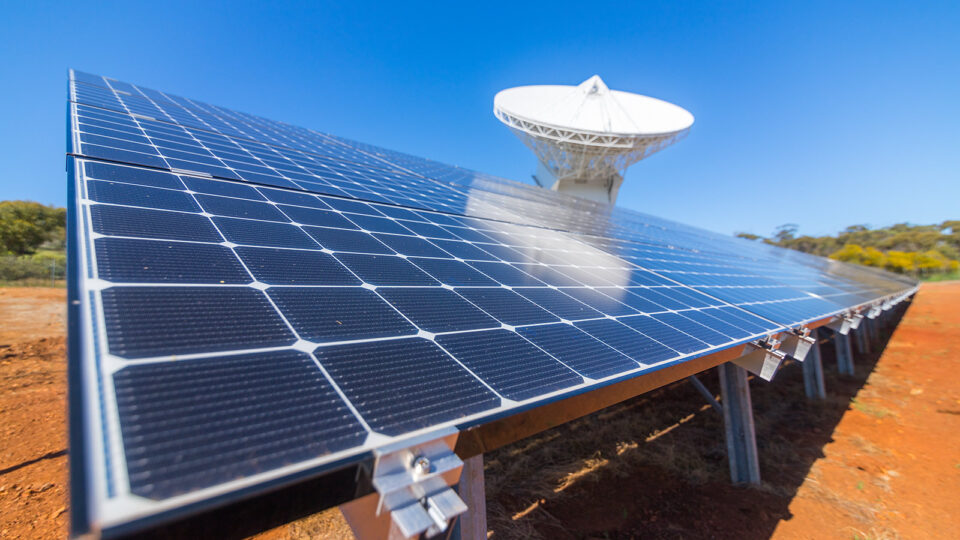
Solar power generation increasing in Australia

Historically, the electricity sector in Australia has been dominated by coal-fired power stations.  Even now, coal accounts for about 60% of Australia’s electricity generation.  But since 2005, wind power and rooftop solar have led to a fast-growing share of renewable energy in total electricity generation.

Australia is the second-largest exporter of coal in the world and has proven reserves equivalent to over 1,200 times its annual consumption.  Australia is home to four of the world’s ten biggest coal mines.  But despite this abundant resource, the country is increasing its use of renewable energy.

For just a few minutes on a sunny Sunday afternoon in August, more than half of Australia’s electricity came from solar power.  Low demand and sunny skies resulted in the contribution from coal dropping to a record low of 9,315 MW while solar power provided 9,427 MW.

In 2020, 24% of Australia’s electricity came from renewable energy, up from 21% the year before.  The increase was driven by a boom in solar installation.

Australia is still a long way from meeting its commitments under the Paris Climate Change agreement.  The country ultimately needs 51 GW of new renewable energy generation by 2042 but only 3 GW of new wind and solar projects have been committed to date.

Overall, Australia has promised what has been described as the fastest energy transition in the world.  It is all very ambitious, but Australia has a lot of work to do.

**********

Web Links

Solar power in Australia outstrips coal-fired electricity for first time

Photo, posted November 30, 2017, courtesy of D. O’Donnell / European Space Agency via Flickr.

Earth Wise is a production of WAMC Northeast Public Radio.
Wind Power Update | Earth Wise

October 8, 2021 By EarthWise Leave a Comment

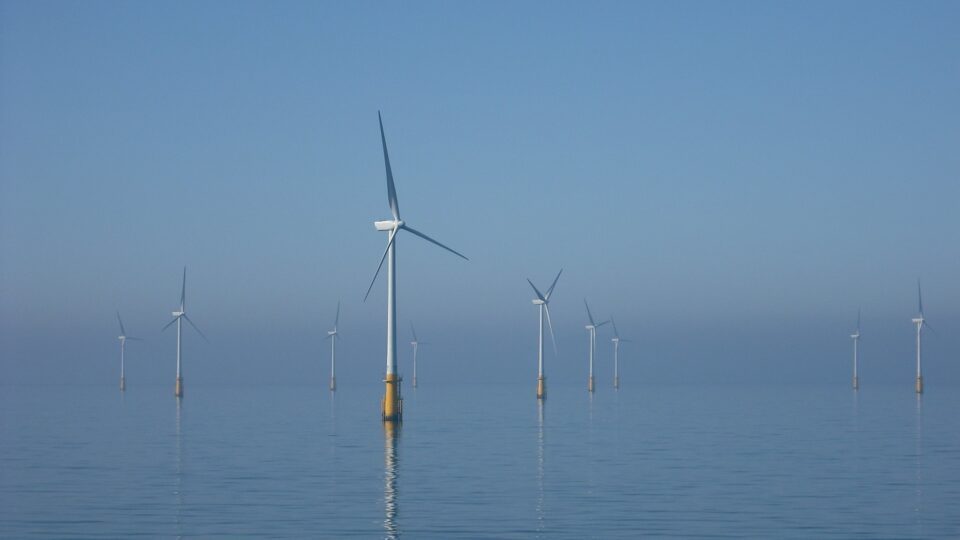
Wind power growth continues

The Department of Energy recently released three reports showing record growth in land-based wind energy, a growing number of offshore wind projects, and the continuing reduction in the cost of wind power.

The U.S. installed a record amount of land-based wind energy in 2020.  In total, 16,836 MW of new utility-scale land-based wind power capacity was added during the year, representing $24.6 billion in new wind power projects.  This was more added than from any other energy source and represented 42% of new U.S. energy capacity.

For the year, wind energy provided more than 10% of in-state electricity generation in 16 states.  Notably, wind provided 57% of Iowa’s electricity and more than 30% in Kansas, Oklahoma, South Dakota, and North Dakota.

As wind turbines continue to grow in size and power, they are producing more energy at lower cost.  Turbine prices have gone from $1,800/kW in 2008 to $770-850/kW now.

The pipeline for U.S. offshore wind energy projects has grown to 35,324 MW, a 24% increase over the previous year.   The Bureau of Ocean Management created five new wind energy areas in the New York Bight with a total of 9,800 MW of capacity. 

Distributed wind power, which are systems connected on the customer’s side of the power meter as opposed to those on the utility side, also saw increased growth last year. 

Wind power is a key element in the adminstration’s goal of having a decarbonized electricity sector by 2035.

**********

Web Links

DOE Releases New Reports Highlighting Record Growth & Declining Costs Of Wind Power

Photo, posted March 24, 2016, courtesy of Adam Dingley via Flickr.

Earth Wise is a production of WAMC Northeast Public Radio.

The Most Powerful Tidal Turbine Is Generating Power | Earth Wise

October 1, 2021 By EarthWise Leave a Comment

The movement of waves, tides, and currents in the ocean carry enormous amounts of energy that in principle could be harnessed and converted into electricity to help power our homes, buildings, and cities.  Oceans cover nearly three-quarters of our planet, and the most populated areas of the world are located near oceans.

Ocean energy technologies lag far behind solar and wind power and remain mostly undeveloped.  This is a result of the unique challenges standing in the way of widespread deployment.  There are the considerable expenses of early-stage development, the wide variety of technical approaches from which winning strategies have yet to emerge, and the substantial challenges of operating in the ocean environment that include the physical impact of waves and tides, powerful and unpredictable weather, and corrosion and bio-fouling from the ocean and its inhabitants.

Despite these challenges, there is ongoing progress on ocean energy.   The world’s most powerful tidal turbine has come online this past April.  Known as the Orbital O2, the floating turbine is anchored in Scotland’s Fall of Warness, where a subsea cable connects it to the European Marine Energy Center.

The turbine produces enough electricity to meet the demand of about 2,000 homes in the UK.  It is expected to operate for the next 15 years.

Built by the Scottish engineering company Orbital Marine, the O2 was financed by the ethical investment platform Abundance Investment as well as being supported by the Scottish government and the European Union.   Orbital Marine’s goal is to commercialize this technology to play a role in tackling climate change using this new green energy technology.

**********

Web Links

The world’s most powerful tidal turbine is now generating power

Photo, posted June 12, 2015, courtesy of David Stanley via Flickr.

Earth Wise is a production of WAMC Northeast Public Radio.
Electric Cars Are Coming Sooner Than Expected | Earth Wise

September 30, 2021 By EarthWise Leave a Comment

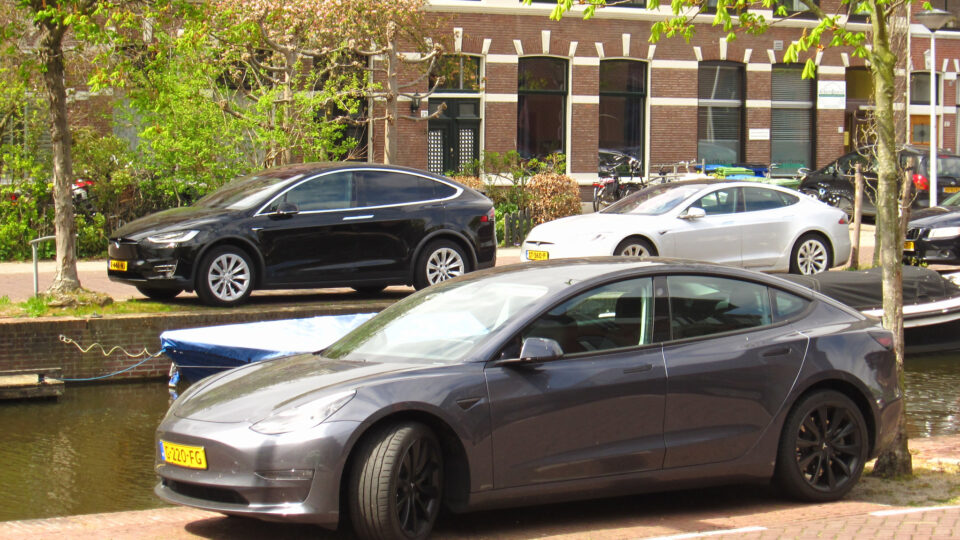
It is widely believed that electrification is the future for vehicles.  The only question is how long the transition will take.  Predictions are all over the map, but the recent trend is to revise those predictions to say it will happen sooner than previously thought.

A recent report from the international accounting firm Ernst & Young predicts that EV sales in the US, China, and Europe will surpass those of fossil-fuel-powered vehicles five years sooner than previously expected.  The report forecasts that fossil-fueled vehicles will represent less than 1% of global sales by 2045, taking their place among other historical but essentially abandoned technologies.

Europe is expected to be the leader in EV adoption.  The forecast is that EVs will surpass legacy vehicles by 2028.  China is expected to follow by 2033.  The US is lagging behind, but even here, electrics are expected to achieve a majority of car sales by 2036.

Plug-in vehicle sales have surpassed a 10% market share in California and Tesla now has a 1.7% share of the total US car market.  Norway is the global EV leader with 3 out of 4 car buyers choosing electrics.  In that country, Tesla’s Model 3 is the top-selling vehicle of any kind.  In Switzerland, 40% of car sales are EVs or hybrids.

There are many variables that will affect the timetable for the EV transition.  Among them are the timetable for widespread use of autonomous vehicle technology, the effects of policy initiatives by governments around the world, the development of charging infrastructure, and the evolution of electricity generation and energy storage.

In any case, looking at the product roadmap for virtually every automobile manufacturer makes it clear that electric cars are the future.

*********

Web Links

Ernst & Young: Electric Cars Are Coming Sooner Than Expected

Photo, posted April 25, 2021, courtesy of Rutger van der Maar via Flickr.

Earth Wise is a production of WAMC Northeast Public Radio.

Busting Electric Vehicle Myths | Earth Wise

September 20, 2021 By EarthWise Leave a Comment

Electric vehicles result in lower emissions than internal combustion vehicles

From the early days of hybrid vehicles right on through the current booming market for electric cars, there has been the contention by some people that these cars are responsible for comparable or even greater amounts of greenhouse gas emissions over their product lifetimes.  The arguments generally centered around the carbon costs of creating batteries for the cars as well as the emissions associated with generating the electricity used to charge them.

A new study published by the International Council for Clean Transportation reports a life cycle assessment (or LCA) that considers every source of carbon generated from the cradle to the grave of the vehicle.

Included in the assessment are the mining costs of the lithium to make batteries, the transportation of batteries across the world by container ship, the end-of-life burden, the mix of energy generation in various places around the world, and so on.

The results of the analysis are that even in India and China, which are the biggest burners of coal and oil on earth, it still results in lower emissions to drive an EV instead of an internal combustion vehicle.

Lifetime emissions of today’s average medium-size EVs are lower than comparable gasoline cars by 66-69% in Europe, 60-68% in the US, 37-45% in China, and 19-34% in India.  As electricity generation continues to further decarbonize, all these numbers will only get better.  While it is somewhat more carbon-intensive to manufacture an EV, it doesn’t take very long in the car’s life to come out ahead owning one.

Early skeptics of EVs and hybrids had more legitimate concerns a decade or so ago, but the advantages of these vehicles are now unambiguous.

**********

Web Links

One of the Biggest Myths About EVs is Busted in New Study

Photo, posted December 30, 2020, courtesy of Chris Yarzab via Flickr.

Earth Wise is a production of WAMC Northeast Public Radio.
Carbon Capture And The Infrastructure Bill | Earth Wise

September 17, 2021 By EarthWise Leave a Comment

carbon capture in the infrastructure bill

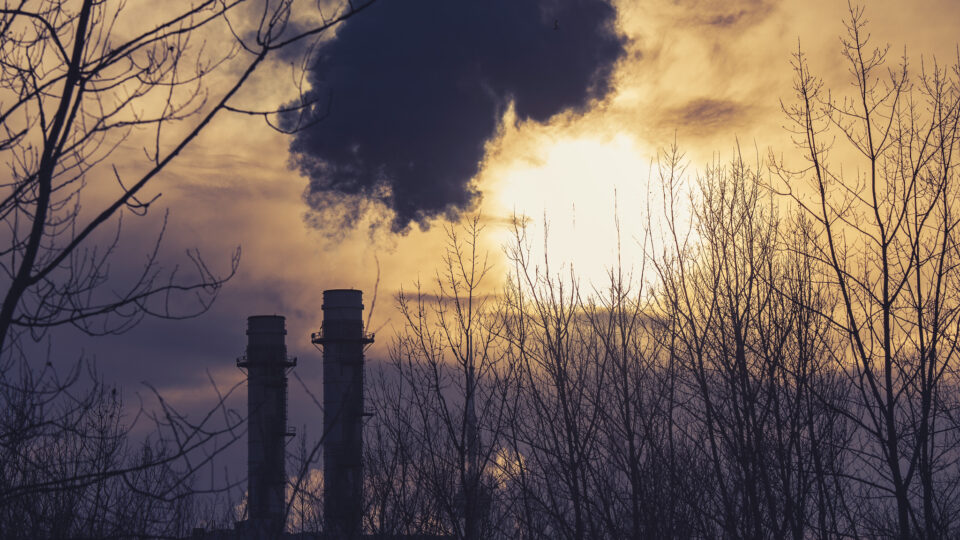
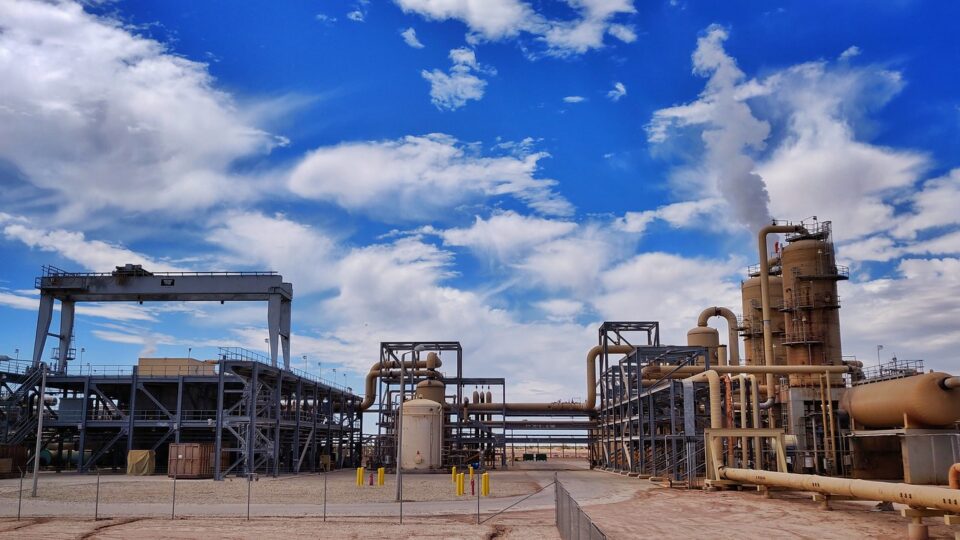
The trillion-dollar infrastructure bill contains a variety of provisions related to energy and the environment.  Among them is authorization for more than $12 billion for carbon capture technologies, including direct air capture and demonstration projects on coal, natural gas, and industrial plants and supporting carbon dioxide infrastructure.

Inclusion of this provision has largely been driven by energy companies, electrical utilities, and other industrial sectors.  The strongest proponents have been fossil fuel companies.  The reasons are fairly clear.

Support for carbon capture and storage (or CCS) technologies would yield billions of dollars for corporate polluters while allowing them to continue to burn fossil fuels.  To date, CCS technology has not progressed very far.  It is very expensive and has done little to reduce emissions. 

The strongest argument against directing significant resources into CCS for the power sector is that the plummeting costs of wind and solar energy have made renewable energy sources competitive with or cheaper than burning fossil fuels to generate electricity.  Adding expensive carbon capture equipment to a power plant only makes the economics of using fossil fuels worse.

The infrastructure bill does promote direct air capture technology, which is literally pulling carbon dioxide out of the air independent of any industrial activities generating it.  Given the world’s progress on reducing emissions, direct air capture technology may be an essential part of the global strategy to combat climate change.  If infrastructure funds largely go in that direction rather than for propping up fossil fuel companies, they may prove to be of great value.

**********

Web Links

Fossil Fuel Companies Are Quietly Scoring Big Money for Their Preferred Climate Solution: Carbon Capture and Storage

Photo, posted March 15, 2021, courtesy of Michael Swan via Flickr.

Earth Wise is a production of WAMC Northeast Public Radio.
Lower Power Sector Emissions | Earth Wise

September 16, 2021 By EarthWise Leave a Comment

Large decrease in United States power sector emissions

A combination of factors led to emissions from the U.S. power sector dropping 10% between 2019 and 2020, which was the largest one-year drop measured since annual reports first began being published in 1997.

The coronavirus pandemic was certainly a contributing factor, but the drop in emissions is part of a long-term trend being driven by increasing reliance on renewable energy sources, diminishing use of coal, and improving energy efficiency.

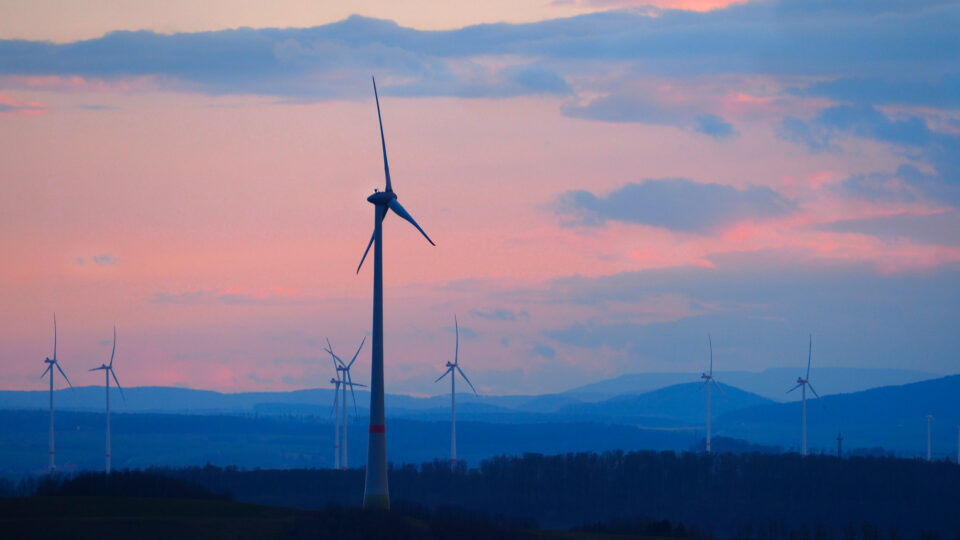
Between 2000 and 2020, power generation from solar, wind, and geothermal generation more than doubled.  Coupled with the declining use of coal power, power sector emissions during that period dropped by 37% even though the U.S. gross domestic product grew by 40% over the same years.   Overall, at this point zero-carbon electricity sources – which include wind, solar, geothermal, hydropower, and nuclear power – provide about 38% of U.S. electricity.

The Biden Administration has set a target of 100% zero-carbon power by the year 2035.  Given that the costs of wind and solar power continue to fall, there are power companies pushing for setting an intermediate goal of 80% clean power by 2030.

According to recent research, the increasingly attractive cost of renewable power along with the job creation associated with it means that reaching at least 90% clean power by the year 2035 could be achieved at no extra cost to consumers.  Being able to separate economic growth from emissions makes it far more likely that the goals of decarbonization can be met without encountering economic resistance. 

**********

Web Links

U.S. Power Sector Sees Biggest One-Year Drop in Emissions in More Than Two Decades

Photo, posted June 30, 2019, courtesy of Stephen Strowes via Flickr.

Earth Wise is a production of WAMC Northeast Public Radio.
Better Batteries For The Grid | Earth Wise

September 14, 2021 By EarthWise Leave a Comment

Building better batteries for energy storage

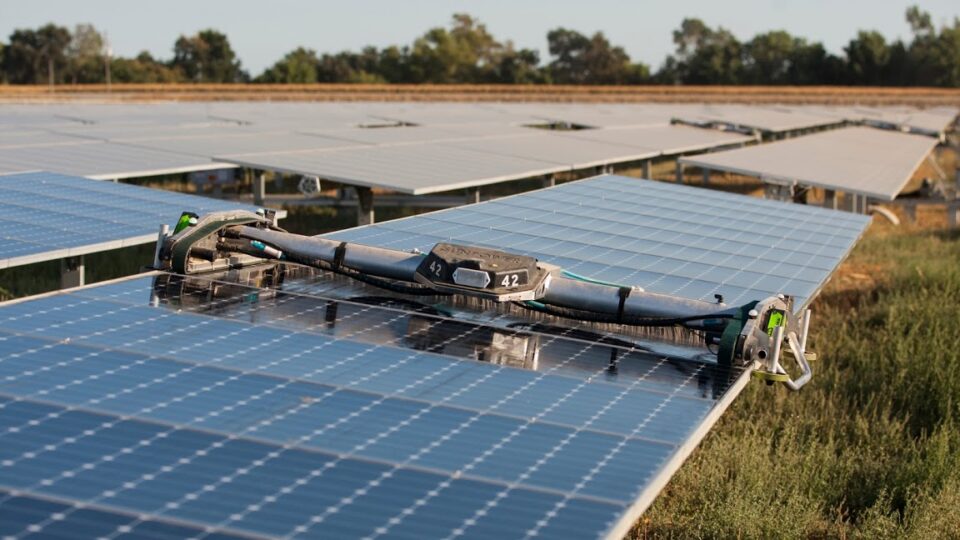
As more and more solar and wind power is added to the electric grid, the need for ways to store the energy produced increases.  Using batteries for this purpose is increasingly popular, mostly driven by the improving economics of the lithium-ion batteries used in electric vehicles as well as consumer electronics.

There are other battery technologies besides lithium ion that are not suitable for use in automobiles and cell phones but have potential advantages for the grid.  One such technology is molten sodium batteries.  These batteries have high energy density, a high efficiency of charge and discharge, and a long cycle life.  They are fabricated with inexpensive materials and they are especially suitable for large-scale grid energy storage because their economics improves with increasing size.

A drawback of molten sodium batteries is that they operate at 520-660 degrees Fahrenheit, which adds cost and complexity.  Researchers at Sandia National Laboratories have designed a new class of molten sodium batteries that operates at a much cooler 230 degrees Fahrenheit instead.

The battery chemistry that works at 550 degrees doesn’t work at 230 degrees. The Sandia group developed something they call a catholyte, which is a liquid mixture of two salts, in this case sodium iodide and gallium chloride.  (Gallium chloride is rather costly, so the researchers hope to replace it in a future version of the battery).

By lowering the operating temperature, there are multiple cost savings including the use of less expensive materials, the requirement for less insulation, and the use of thinner wire.

This work is the first demonstration of long-term, stable cycling of a low-temperature molten-sodium battery.  The hope is to have a battery technology that requires fewer cells, fewer connections between cells, and an overall lower cost to store electricity for the grid.

**********

Web Links

Sandia designs better batteries for grid-scale energy storage

Photo, posted March 14, 2021, courtesy of Michael Mueller via Flickr.

Earth Wise is a production of WAMC Northeast Public Radio.
Cutting The Cost Of Energy Storage | Earth Wise

September 9, 2021 By EarthWise Leave a Comment

Energy storage is the solution to the problem of intermittency with renewables

The cost of both solar and wind power continues to drop making the two renewable energy sources the cheapest way to make electricity in more and more places.  Given the virtually inexhaustible supply of both wind and sun power, these clean electricity sources can in principle meet all our energy needs.  The hang up is that both of them are intermittent sources – the wind doesn’t blow all the time and the sun doesn’t shine all the time.

The solution to the intermittency problem is energy storage.  If energy produced by wind and sun can be stored so it can be made available for use at any time, then the goal of having 100% clean energy can be realized.

Energy storage technology has continued to improve over time and to get cheaper.  The Department of Energy recently announced a new initiative aimed at accelerating both of these trends.

The new program – called Long Duration Storage Shot –  has the goal of reducing the cost of grid-scale, long-duration energy storage by 90% within this decade.

Long-duration energy storage is defined as systems that can store energy for more than ten hours at a time.  Such systems can support a low-cost, reliable, carbon-free electric grid that can supply power even when energy generation is unavailable or lower than demand.  With long-duration storage, solar-generated power can be used at night.

The program will consider multiple types of storage technologies – electrochemical (that is: batteries), mechanical, thermal, chemical carriers, and various combinations thereof.  Any technology that has the potential to meet the necessary duration and cost targets for long-term grid storage are fair game for the program.

**********

Web Links

DOE announces goal to cut costs of long-duration energy storage by 90%

Photo, posted October 16, 2017, courtesy of UC Davis College of Engineering via Flickr.

Earth Wise is a production of WAMC Northeast Public Radio.

Climate Change And Kenya’s Tana River Basin | Earth Wise

September 6, 2021 By EarthWise Leave a Comment

Climate change threatens biodiversity within the Tana River Basin

The Tana River is the longest river and most important waterway in Kenya.  It flows 620 miles from its headwaters in the Abderdare mountain range and Mount Kenya to the Indian Ocean.  The Tana River produces approximately half of the country’s electricity, and supplies Nairobi, the capital of Kenya, with 80% of its water.   

According to the United Nations Environment Programme, eight million people live along the Tana River, where coffee, tea, corn and other crops are grown for export, and fishing and cattle grazing help produce food for large portions of the country’s population. 

But the long-term ability of the river to provide these and other essential services is increasingly under threat due to many factors, including pollution, soil erosion, deforestation, and poor land use practices.   

Climate change is also complicating matters.  According to new research from the University of East Anglia, many species within the Tana River Basin will be unable to survive if global temperatures continue to rise at the current pace.  However, the study, which was recently published in the journal PLOS ONE, also found that many of these species could be saved if the world could meet the climate goals of the Paris Agreement. 

Globally, climate and land use changes are the two biggest threats to biodiversity.  According to researchers, 36% of the Tana River Basin has already been converted to agriculture. 

The research team says stronger commitments on climate change are needed from global leaders.  The climate and biodiversity crises can only be solved with urgent action to reduce global greenhouse gas emissions. 

**********

Web Links

The impact of climate change on Kenya’s Tana river basin

Economics of Ecosystem Services of the Tana River Basin

Photo, posted August 19, 2010, courtesy of Luigi Guarino via Flickr.

Earth Wise is a production of WAMC Northeast Public Radio.

The Potential Of Artificial Photosynthesis | Earth Wise

August 2, 2021 By EarthWise Leave a Comment

Artificial photosynthesis could dramatically improve our ability to power society cleanly and efficiently.

The sun is the primary source of energy on the earth.  Enough solar energy hits the earth in one hour to meet all of human civilization’s energy needs for an entire year.  The two leading forms of renewable energy – photovoltaic solar power and wind power – are ways of making use of the sun’s energy.  Wind power is indirectly provided by the sun; photovoltaic power uses sunlight to generate electricity.

The most efficient use of solar energy on the planet is one perfected by plants millions of years ago:  photosynthesis.  Photosynthesis is a complex sequence of processes by which plants convert sunlight and water into usable energy in the form of glucose.  Plants utilize a combination of pigments, proteins, enzymes, and metals to perform their magic.  If we can develop artificial photosynthesis, it would be a dramatic improvement of humans’ ability to power society cleanly and efficiently.  Whereas photovoltaics capture about 20% of the sun’s energy, photosynthesis stores 60% of the sun’s energy as chemical energy.

Researchers across the globe are working to develop artificial photosynthesis.  A group at Purdue university has been making progress in trying to mimic the ability of leaves to collect light and split water molecules to generate hydrogen. This is a critical step in photosynthesis that is accomplished by protein and pigment complexes known as “photosystems II”.  The Purdue group is experimenting with these proteins and various synthetic catalysts in order to try to develop artificial leaves based on abundant, nontoxic materials. 

It is likely to take a decade or more for artificial photosynthesis technology to become part of our energy system, but its ultimate potential is enormous.

**********

Web Links

Soaking up the sun: Artificial photosynthesis promises a clean, sustainable source of energy

Photo, posted June 14, 2007, courtesy of Alex Holyoake via Flickr.

Earth Wise is a production of WAMC Northeast Public Radio.

Floating Renewable Energy | Earth Wise

July 22, 2021 By EarthWise Leave a Comment

The next generation of offshore energy is under development

A team of researchers at Texas A&M University believes that the next generation of offshore energy could come in the form of a synergistic combination of multiple renewable energy generators installed on a floating offshore platform.

Their concept for the ocean renewable energy station comprises wind, wave, ocean current, and solar energy elements that could generate electricity for anything from a coastal or island community to a research lab or military unit.  The station would be tethered to the sea bottom and could be used in locations where the water depth increases quickly, such as along the U.S. Pacific Coast or Hawaii.

Offshore wind is already commercially competitive, while wave-energy converters so far have been less cost-effective and only useful for specialized, smaller-scale applications.  The proposed ocean renewable energy station would make use of multiple different methods of electricity generation and incorporate innovative smart materials in the wave energy converters that respond to changes in wave height and frequency and allow for more consistent power production.

Denmark is already building a huge multi-source, multi-purpose ocean energy island.  This world’s first energy island will be 30 acres in area and serve as a hub for 200 giant offshore wind turbines generating 3 GW of electric power.  It is the largest construction project in Danish history, and will cost an estimate $34 billion.  As well as supplying other European countries with electricity, the goal is to use the new offshore island to produce green hydrogen from seawater, which can also be exported.  Large battery banks on the island will store surplus electricity for use in times of high demand.

**********

Web Links

Research Underway On Floating Renewable Energy Station

Photo, posted September 27, 2014, courtesy of Eric Gross via Flickr.

Earth Wise is a production of WAMC Northeast Public Radio.
Record Carbon Dioxide Levels | Earth Wise

June 29, 2021 By EarthWise Leave a Comment

Carbon dioxide levels set another record despite pandemic shutdowns

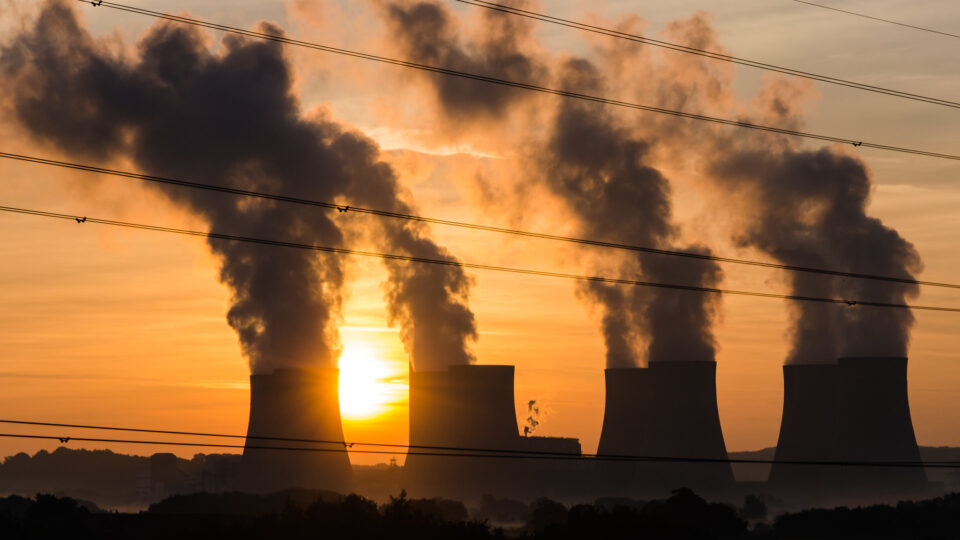
The coronavirus pandemic caused a temporary dip in the burning of fossil fuels around the world as many human activities were diminished or curtailed entirely.  Despite this, the amount of carbon dioxide in the atmosphere set a record in May, reaching the highest levels in human history.

Scientific instruments atop the Mauna Loa volcano in Hawaii measured an average of 419 parts per million for the month, according to analysis from both the Scripps Institution of Oceanography and the National Oceanic and Atmospheric Administration.

This level is about half a percent more than the previous record of 417 ppm, set in May of 2020.  Carbon dioxide is the largest greenhouse gas contributor driving global warming and, according to scientists, there hasn’t been this much of it in the atmosphere for millions of years.

Global emissions of carbon dioxide were actually 5.8 percent lower in 2020 than 2019, as a result of pandemic lockdowns.  This was the largest one-year drop ever recorded.  But humanity was still responsible for emitting more than 31 billion tons of carbon dioxide last year.  About half of that CO2 is absorbed by the world’s trees and oceans, but the other half lingers in the atmosphere for thousands of years, gradually warming the planet via the greenhouse effect.

As long as we keep emitting carbon dioxide, it is going to continue to pile up in the atmosphere.  The only way to stop it is for the world’s nations to zero out their net emissions, mostly by switching away from fossil fuels to technologies that do not emit carbon dioxide, such as electric vehicles fueled by wind, solar, or nuclear power.

**********

Web Links

Carbon Dioxide in Atmosphere Hits Record High Despite Pandemic Dip

Photo, posted August 7, 2013, courtesy of Gerry Machen via Flickr.

Earth Wise is a production of WAMC Northeast Public Radio.

California Offshore Wind | Earth Wise

June 28, 2021 By EarthWise Leave a Comment

Increasing support for California offshore wind

Offshore wind has been pretty much a non-starter in the U.S. until recently.  Now there is considerable activity in the Northeast Atlantic with major projects getting started off the coasts of Massachusetts, New York, and other eastern states.  The prospects for wind farms in the Pacific, on the other hand, have been pretty dismal.  There are significant logistical problems posed by a deep ocean floor and also opposition from the Navy that does not want obstacles for its ships.

A combination of progress in floating wind turbine technology and the arrival of an administration highly supportive of renewable energy technology has changed the situation.  In late May, the Navy abandoned its opposition to Pacific offshore wind and joined the Interior Department in giving support to allowing two areas off the California coast to be developed for wind turbines.

The plan allows commercial offshore wind farms in a 400-square-mile area in Morro Bay in central California, and in another area off the Humboldt Coast in Northern California.

The two California sites could support enough wind turbines to generate electricity to power 1.6 million homes.  That would make the California coast one of the largest generators of wind power in the world.  The forthcoming Vineyard Wind farm in Massachusetts is expected to have 84 giant turbines.  The two California sites could hold more than 300 turbines.

The offshore wind industry is booming around the world, especially near the coasts of Norway and the UK, where the water is shallow, and turbines can be anchored to the ocean floor.  By contrast, the Pacific Ocean floor drops steeply from the coastline, making it too deep to anchor wind towers.  The newly emerging technology of floating turbines is the key to establishing offshore wind in the Pacific.

**********

Web Links

Biden Opens California’s Coast to Wind Farms

Photo, posted August 7, 2013, courtesy of Ray Bouknight via Flickr.

Earth Wise is a production of WAMC Northeast Public Radio.
Utility-Scale Solar In Upstate New York | Earth Wise

June 22, 2021 By EarthWise 2 Comments

utility scale solar projects to generate jobs and profits to upstate ny communities

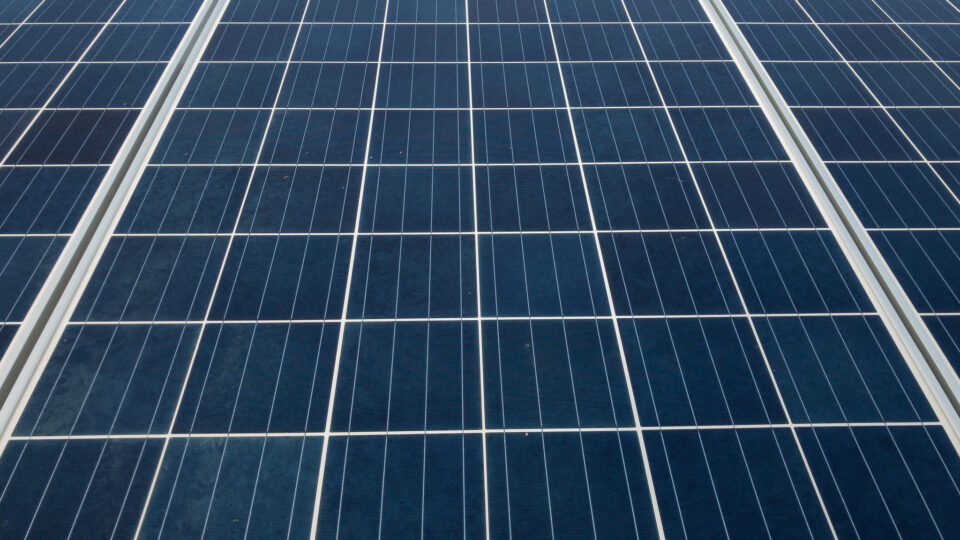
The first operational utility-scale solar projects in upstate New York are expected to commence commercial operations by the end of this year.  A portfolio of eight projects comprising over 200 megawatts of generating capacity is being developed by CS Energy in partnership with Goldman Sachs Renewable Power Group and NYSERDA.

The projects include three 27-megawatt installations in the Capital Region – in Easton and Stillwater, three 27-megawatt installations in the Mohawk Valley – in Mohawk and Pattersonville, and two 27-megawatt installations in the Southern Tier – in Willet and Greene.

The projects will support more than 500 jobs and represent more than $160 million of private investment that is expected to generate over $80 million in benefits to local communities and regions.  Those benefits will come to local landowners, property tax jurisdictions, and to local contractors who will provide ongoing operations and maintenance support for the projects.

The projects are the result of New York’s Clean Energy Standard, established in 2016 as well as 2019’s Climate Leadership and Community Protection Act.  These initiatives made commitments that 70% of the electricity consumed in New York would be generated by renewable energy sources by 2030. 

CS Energy has built over 150 megawatts of solar projects in New York to date.  By the end of this year, that number will be close to 500 megawatts.  CS Energy recently opened a regional headquarters in Albany to further support the company’s growth. The Goldman Sachs Renewable Power Group owns and operates more than 2.3 gigawatts of clean power across the country.

**********

Web Links

Upstate New York’s first utility-scale solar projects set to come online this year

Photo, posted October 16, 2019, courtesy of Jonathan Cutrer via Flickr.

Earth Wise is a production of WAMC Northeast Public Radio.

The World’s Largest Tidal Device | Earth Wise

June 18, 2021 By EarthWise Leave a Comment

the world's largest tidal power device will be operational soon

Most of the world’s activity in renewable energy is focused on solar and wind power.  The use of both is expanding rapidly. But there is also marine energy to be exploited.  Ocean waves and tidal movements hold huge amounts of energy.  Estimates are that the European Union could get 15% of its power from marine sources.  But ocean energy is currently expensive and there are significant technical challenges still to be overcome.

The world’s largest tidal power device will soon begin testing off the coast of Scotland.  The 680-ton, 240-foot-long, airplane-shaped device will be connected to the European Marine Energy Center for testing. 

The device, built by the Scottish company Orbital Marine Power, is designed to produce 2 megawatts of electricity, enough to power 2,000 homes.   It has a pair of 52-foot-long turbines attached to two wings.

Compared to wind and solar power, the marine energy sector has been much slower to develop because of the many difficulties of working in harsh marine environments as well as the technical challenges associated with harnessing power from waves and tides. But ocean waves and tidal movements hold enormous amounts of energy and have the advantage that they are available at all times, unlike wind and solar energy, which are variable in nature. 

Experts say that the future of tidal energy lies with arrays of floating or sea-bottom-mounted turbines that capture the energy of tidal currents in unobstructed waters.  There are various places around the world where this is an attractive opportunity, most notably in Nova Scotia’s Bay of Fundy, where the world’s most extreme tides – rising and falling more than 50 feet – contain vast amounts of power.

**********

Web Links

The World’s Largest Tidal Power Device Will Soon Begin Testing Off Scotland

Photo, posted May 18, 2017, courtesy of Chris via Flickr.

Earth Wise is a production of WAMC Northeast Public Radio.
Insanely Cheap Energy | Earth Wise

June 11, 2021 By EarthWise Leave a Comment

Solar power is cheapest energy option in most places

The International Energy Agency, founded in 1974, keeps track of the world’s energy systems and anticipates how they are likely to change over time.  Policymakers around the world look to the agency’s annual World Energy Outlook publication for guidance.

In 2000, the agency made the prediction that by the year 2020, there would be a total of 18 gigawatts of photovoltaic solar power installed.  Within seven years, that number was already too small.

The IEA was not the only source to miss the mark on solar power.  The head of solar analysis at BloombergNEF in 2005 expected solar to eventually supply 1% of the world’s electricity.  It is already 3% and Bloomberg now predicts that it will be 23% by 2050 and expects that to be an underestimate. 

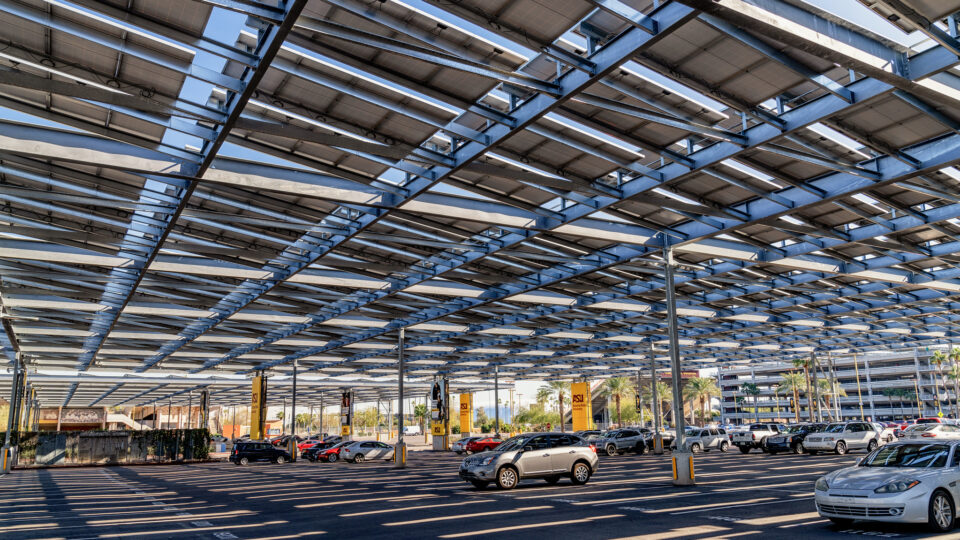
What has happened is that the world has unexpectedly gotten to the point where solar is the cheapest source of energy in most places.  Over the past decade, every time solar production capacity has doubled, its cost has dropped by 28%.

Historically, a combination of groundbreaking research in Australia and intense Chinese industrial development led to the creation of a massive new industry.  When Germany passed laws encouraging the use of solar power, suddenly there was massive global demand and a struggle to keep up with supply.

The industry had its fits and starts, and many players fell by the wayside.    But at this point, solar technology continues to get better and cheaper.  Market forces are pretty hard to beat and when solar technology can supply insanely cheap energy, it is going to be used in more and more places.

**********

Web Links

‘Insanely cheap energy’: how solar power continues to shock the world

Photo, posted January 10, 2020, courtesy of Tony Webster via Flickr.

Earth Wise is a production of WAMC Northeast Public Radio.
Floating Solar In New York’s Capital Region | Earth Wise

June 8, 2021 By EarthWise Leave a Comment

Co-developing land for both solar and solar power could provide huge benefits with minimal costs

We have previously talked about installing solar arrays on the surface of bodies of water.  The idea is especially attractive in places like Japan where land resources are scarce.  There are several floating solar installations in the UK and the idea is starting to catch on elsewhere as well.

It is quite possible that the largest municipally owned floating solar array may get built in the city of Cohoes in New York’s Capital Region if a project under consideration for federal funding moves forward.

The proposal is for an installation of 8,000 solar panels to cover about 2/3 of the 10-acre Cohoes reservoir.  Cohoes has wanted to erect a solar installation to generate power for its buildings but needed to find suitable vacant land.  The 10-acre manmade reservoir could be an excellent location for a floating solar array.

Cohoes would be the first community in the US to build and own a floating array on a manmade reservoir and could serve as a model for municipalities across the nation.  Such a project makes additional use of land that is already municipal property.  According to the city, the 3.2-megawatt array would generate over 4 million kilowatt hours of electricity per year, saving the city $300-350,000 annually.

Cohoes is seeking $4.59 million in federal funding to support the project and has the support of U.S. Representative Paul Tonko for possible inclusion in the 2022 federal budget. 

Apart from generating electricity, putting solar panels on the surface of a reservoir reduces evaporation, lowers algae growth, and actually improves solar panel performance because of the cooling effect of the water.

**********

Web Links

Cohoes reservoir could be a floating solar power pioneer

Photo courtesy of Michael Coghlan via Flickr.

Earth Wise is a production of WAMC Northeast Public Radio.
Progress Towards Carbon-Free Power | Earth Wise

June 3, 2021 By EarthWise Leave a Comment

Making progress towards carbon-free power

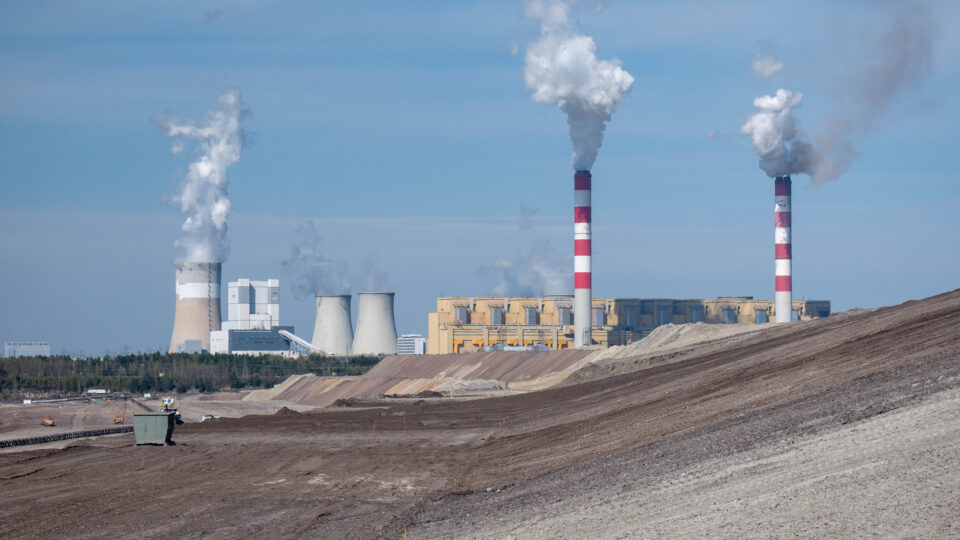
Climate change has driven countries, states, utilities, and corporations to set goals to eliminate power-sector carbon emissions.  So far, 17 U.S. states plus Washington, D.C. and Puerto Rico have adopted laws or executive orders to achieve 100% carbon-free electricity over the next couple of decades.  Forty-six U.S. utilities have pledged to go carbon-free no later than 2050.   Adding these together, these government and industry goals cover about half of the U.S. population and economy.

New research from the Lawrence Berkeley National Laboratory has analyzed historical trends to determine how much progress the power sector has already made in reducing emissions.  The study focused on the 2005 Annual Energy Outlook from the U.S. government’s Energy Information Administration.

If the previous growth in emissions had continued from 2005 to 2020, annual CO2 emissions would have risen from 2,400 to 3,000 million metric tons.  But actual 2020 emissions fell to only 1,450 metric tons.  So, by this metric, the U.S. power sector cut emission by 52% below projected levels.

According to the study, total consumer electricity costs were 18% lower than projected values, but meanwhile, the number of jobs in electricity generation was 29% higher. 

Among the driving forces for these trends were wind and solar power dramatically outperforming earlier expectations, delivering 13 times more generation in 2020 than projected. 

The study shows that dramatic changes in emissions are possible over a 15-year span, but much has to happen over the next 15 years to ensure the progress required to meet the ambitious goals set for emissions reductions.

**********

Web Links

U.S. Power Sector is Halfway to Zero Carbon Emissions

Photo, posted April 18, 2020, courtesy of Roman Ranniew via Flickr.

Earth Wise is a production of WAMC Northeast Public Radio.

  • « Go to Previous Page
  • Page 1
  • Interim pages omitted …
  • Page 14
  • Page 15
  • Page 16
  • Page 17
  • Page 18
  • Interim pages omitted …
  • Page 29
  • Go to Next Page »

Primary Sidebar

Recent Episodes

  • An uninsurable future
  • Clean energy and jobs
  • Insect declines in remote regions
  • Fossil fuel producing nations ignoring climate goals
  • Trouble for clownfishes

WAMC Northeast Public Radio

WAMC/Northeast Public Radio is a regional public radio network serving parts of seven northeastern states (more...)

Copyright © 2026 ·