• Skip to primary navigation
  • Skip to main content
  • Skip to primary sidebar

Earth Wise

A look at our changing environment.

  • Home
  • About Earth Wise
  • Where to Listen
  • All Articles
  • Show Search
Hide Search
You are here: Home / Archives for decline

decline

How Quickly Can The Planet Recover? | Earth Wise

December 6, 2021 By EarthWise Leave a Comment

Climate change refers to long-term shifts in temperatures and weather patterns.  Historically, these shifts were natural.  But since the Industrial Revolution, scientists have found that the main driver of climate change has been human activities, primarily by adding significant amounts of greenhouse gases into the atmosphere through the burning of fossil fuels. 

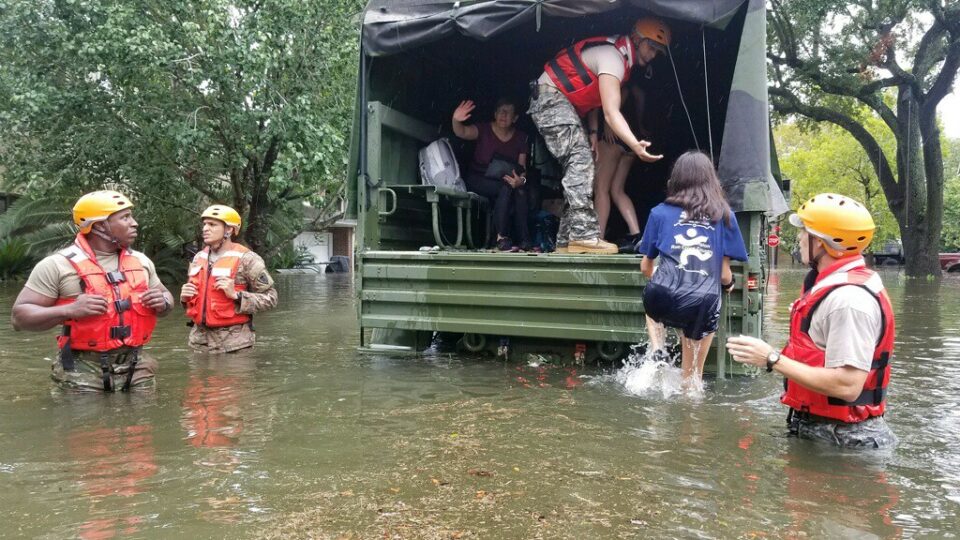
Today, climate change is destabilizing Earth’s temperature equilibrium and is having a widespread impact on humans, animals, and the environment.  Some of the consequences of anthropogenic climate change include warmer air and ocean temperatures, shrinking glaciers, increasing spread of pests and pathogens, declining biodiversity, and more intense and frequent extreme weather events. 

But how quickly can the climate recover from the warming caused by an increase in carbon dioxide in the atmosphere? 

Researchers from Johannes Gutenberg-University Mainz in Germany looked into this question by investigating the significant rise in global temperatures that took place 56 million years ago.  Likely triggered by a volcanic eruption,  the increase of between 5 and 8 degrees Celsius was the fastest natural period of global warming that has impacted the climate. 

Because higher temperatures cause rocks to weather faster, the research team decided to analyze the weathering processes that occurred during the warming event 56 million years ago.  Their findings, which were recently published in the Journal Science Advances, indicate that the climate took between 20,000 and 50,000 years to stabilize following the rise in global temperatures.

Climate change is not some distant problem.  It is happening now and it poses a serious threat to all forms of life.  We need to address the problem with more urgency. 

**********

Web Links

How quickly does the climate recover?

Photo, posted August 27, 2017, courtesy of Lt. Zachary West (100th MPAD) / Texas Military Department via Flickr.

Earth Wise is a production of WAMC Northeast Public Radio.
Perennials To Attract Pollinators | Earth Wise

November 26, 2021 By EarthWise Leave a Comment

Perennial plants to help support insects and pollinators

There has been a decline in the abundance of insect and other animal pollinators in many ecosystems worldwide that began being observed at the end of the 20th century.  Pollinators and their health have become growing concerns for the public and many states have enacted legislation related to pollinator decline.

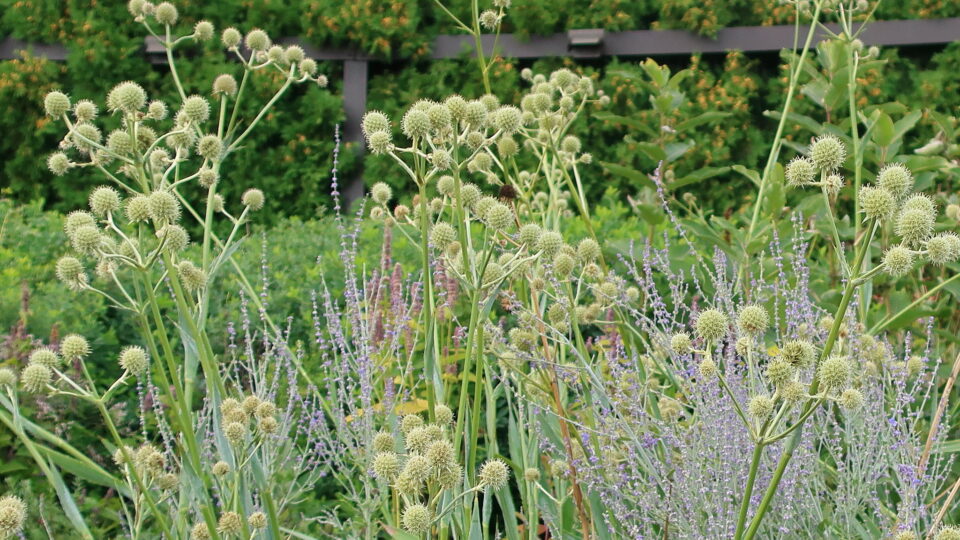
In many places, the pollinator decline has largely been driven by a loss of flowering plants in the landscape, the primary source of food for the pollinators.  A new study by Penn State researchers looked at the attractiveness to pollinators of various species of perennial flowering plants that people can plant in their gardens and other landscapes.

It turns out that there is considerable variation in how attractive different flowering plants are to pollinators.  Greenspaces such as parks and gardens have the potential to support very rich pollinator communities, even including rare or vulnerable species.

People generally select ornamental plants because of their appearance and growth habit, not because of their pollinator attraction.

The Penn State study looked at a variety of perennials and identified the most attractive plant cultivars, which can attract 4 times the number of pollinator species than the least attractive plants studied.

The most appealing plant is the ‘Blue Fortune’ giant hyssop.  Other highly attractive plants are the anise hyssop, the ‘Black Adder’ Agastache, the Cat’s Meow and Walker’s Low Nepetas, and the Triloba and Herbstonne Rudbeckias.

Many of these plants produce large floral displays and the researchers suggest that they should be prioritized when planting a pollinator garden amongst other species with comparably small floral displays and lower attractiveness to pollinators.

**********

Web Links

Popular perennial flowering plants can attract diverse mix of pollinators

Photo, posted September 7, 2019, courtesy of KM via Flickr.

Earth Wise is a production of WAMC Northeast Public Radio.

Disappearing Mountaintop Glacier Ice | Earth Wise

August 30, 2021 By EarthWise Leave a Comment

Climate changing is shrinking glaciers all around the world

A newly released study has found that mountaintop glacier ice in the tropics of all four hemispheres has diminished dramatically over the past 50 years.  Among the findings of the study, published in the journal Global and Planetary Change, are that a glacier near Puncak Jaya, in Papua New Guinea, lost about 93% of its ice between 1980 and 2018.  Between 1986 and 2019, the area covered by glaciers on top of Mt. Kilimanjaro in Africa decreased by nearly 75%.

The study combined NASA satellite imagery with data from ice cores drilled during field expeditions on tropical glaciers around the world.  The combination of measurements demonstrated that climate change is causing these glaciers to disappear and that the ice loss has accelerated in recent years.

The study looked at glacier ice in Kilimanjaro in Tanzania, the Andes in Peru and Bolivia, the Tibetan Plateau and the Himalayas, and ice fields in Papua, New Guinea.  Collecting ice cores from these places provides information on the climate in these regions over the centuries and millennia.  As snow falls on a glacier each year, it is buried and compressed to form layers that preserve the chemistry of snow, pollutants from the atmosphere, and biological material such as plants and pollen.

Glaciers in the tropics respond more quickly to climate change because they exist in the warmest areas of the world and survive only at very high altitudes. For many of these tropical glaciers, it is too late to prevent their demise.  It is not too late to attempt the slow down the buildup of greenhouse gases in the atmosphere that is causing the planet to warm, but we don’t have unlimited time to act.

**********

Web Links

Mountaintop glacier ice disappearing in tropics around the world

Photo, posted February 12, 2009, courtesy of Christoph Strassler via Flickr.

Earth Wise is a production of WAMC Northeast Public Radio.
Russian Forests And Climate Mitigation | Earth Wise

August 24, 2021 By EarthWise Leave a Comment

Russia's massive forests have enormous potential for impacting climate mitigation

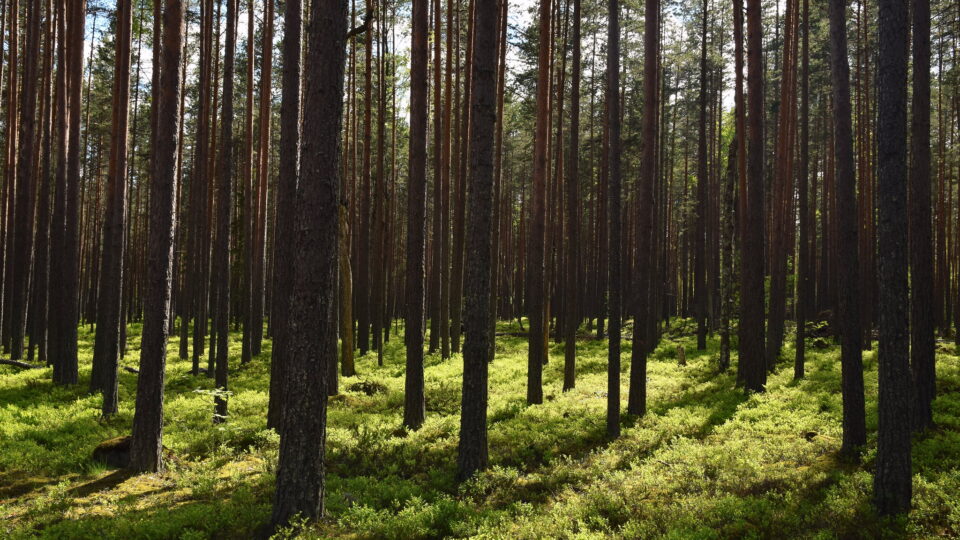
Russia is the largest country in area in the world, almost equal in size to the sum of the next two largest – Canada and the U.S.   Russia is also the world’s largest forest country, containing more than one-fifth of the world’s forests.  As a result, the country’s forests and forestry activities have enormous potential for impacting climate mitigation.

Since the dissolution of the USSR, there has been a decline in the availability of information on the state of Russia’s forests.  The Soviet Forest Inventory and Planning System compiled information until 1988.  Since then, the Russian National Forest Inventory has been the source of forest information on the national scale, and it hadn’t produced a comprehensive inventory until 2020.

The new data indicates that Russian forests have in fact accumulated a large amount of additional biomass over the intervening years.  Using the last Soviet Union report as a reference point, the new results show that the ongoing stock accumulation rate in Russian forests over the 26-year period is of the same magnitude as the net forest stock losses in tropical countries.

Thus, it is clear that Russian forests have great potential in terms of global climate mitigation as well as potential co-benefits relating to the green economy and sustainable development.   It is important to note that as the impact of climate change increases, disturbances to the Russian forests could have severe adverse effects on global climate mitigation efforts.

While much of the world’s attention is rightfully upon tropical rainforests in the Amazon and elsewhere, it is important to not ignore the largest country in the world hosting the largest land biome on the planet where even small percentage changes in the amount of forest biomass could have a major global impact.

**********

Web Links

Russian forests are crucial to global climate mitigation

Photo, posted June 6, 2015, courtesy of Raita Futo via Flickr.

Earth Wise is a production of WAMC Northeast Public Radio.
Coal In The UK And Asia | Earth Wise

August 20, 2021 By EarthWise Leave a Comment

Coal power is in a permanent decline

Coal was the driving force of the British industrial revolution beginning in the 18th century.  Coal was used for manufacturing iron, heating buildings, driving locomotives, and more.  Annual coal production in the UK peaked in the year 1913 at 316 million tons.  Until the late 1960s, coal was the main source of energy produced in the UK.

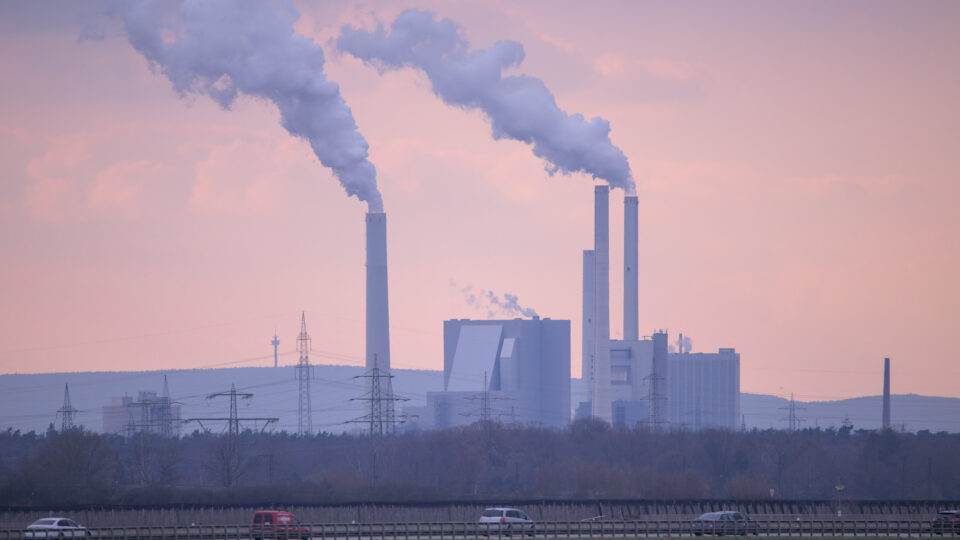
Recently, Britain announced that it plans to phase out coal power entirely by October 2024, one year earlier than its previous target date.  This is on the heels of a dramatic decline in coal usage over the past decade.  In 2012, coal accounted for 40% of the UK’s power generation.  By 2020, that number was 1.8%.

In both Europe and the United States, coal power is generally significantly more expensive than renewable power from the sun and wind.  As a result, market forces have driven the demise of coal power in those places.

The situation is different across much of Asia where coal power remains cost competitive.  Five Asian countries – China, India, Indonesia, Japan, and Vietnam – still have plans to build more than 600 new coal-fired power plants, which is bad news for the environment.  In 2020, China produced more than half of the world’s coal power, which reflects both the growth of coal in Asia and its decline in the U.S. and Europe.

Despite all this, experts predict that it will be more expensive to run almost all coal plants globally than to build new renewable energy projects by the year 2026.  Sooner or later, coal power will no longer make its unfortunate contributions to the world.

**********

Web Links

UK Aims to Dump Coal Early, While Asia Stays the Course

Photo, posted March 8, 2021, courtesy of Stanze via Flickr.

Earth Wise is a production of WAMC Northeast Public Radio.
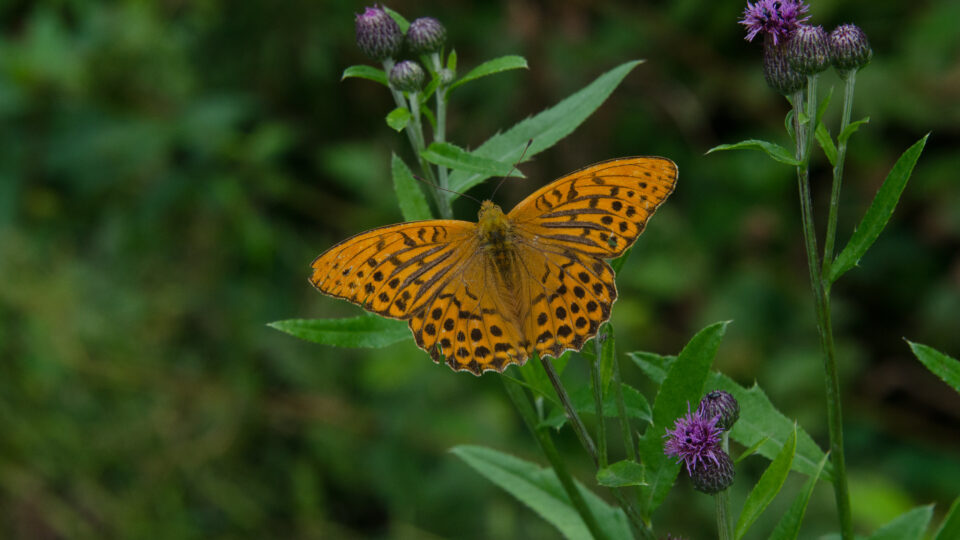
Butterflies And Moths In A Changing World | Earth Wise

July 20, 2021 By EarthWise Leave a Comment

Climate change is putting immense pressure on species for change.

Extinction is a part of life.  Plant and animal species disappear all the time.  In fact, approximately 98% of all the organisms that have ever existed on planet earth are now extinct. Earth’s so-called ‘normal’ rate of extinction is thought to be somewhere between 0.1 and 1 species per 10,000 species per 100 years. 

But anthropogenic climate change is bringing about rapid change in nature. Put more simply, human activity is killing nature at an unprecedented rate.  According to many scientists, the earth’s sixth mass extinction has already begun. Mass extinctions are defined as times when the Earth loses more than 75% of its species in a geologically short interval.

The changing climate puts immense pressure on species for change.  According to a new study by researchers from the University of Helsinki and the Finnish Environment Institute, the few butterfly and moth species capable of adjusting to the changing climate by moving up their flight period and moving further north have fared the best.

In Finland, researchers compared temporal shifts in the flight period and spatial shifts in the northern range boundary of 289 moth and butterfly species, as well as changes in abundance over a roughly 20-year period.

They found that about 45% of species that either moved northward or advanced their flight period fared much better than the roughly 40% of species that did not respond in either way.  On average, the populations of these poorly responding species declined.  But the 15% of species that did both had the largest increase in abundance. 

The ability to adapt to a changing climate is going to be vital for species survival. 

**********  

Web Links

Butterflies and moths have difficulty adjusting to a rapidly changing climate

What is mass extinction and are we facing a sixth one?

Photo, posted August 16, 2017, courtesy of Tero Laakso via Flickr.

Earth Wise is a production of WAMC Northeast Public Radio.
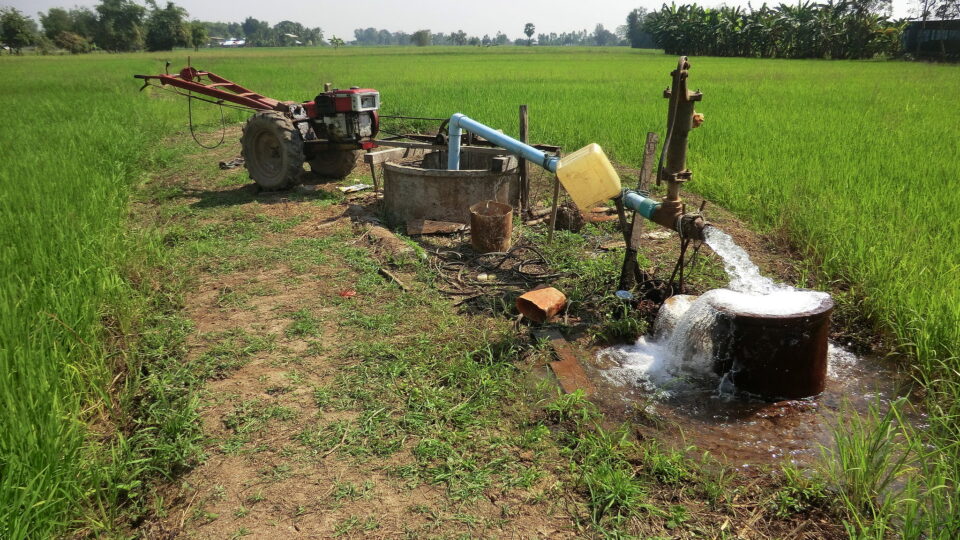
A Global Assessment Of Groundwater Wells | Earth Wise

May 19, 2021 By EarthWise Leave a Comment

Groundwater wells are at risk

Water is a fundamental need for every human being on the planet.  Each person requires more than five gallons of clean and safe water a day for drinking, cooking, and keeping clean.

Groundwater wells remain one of the primary sources of drinking water.  In fact, more than half of the world’s population gets its drinking water from groundwater wells.  Groundwater wells also sustain more than 40% of irrigated agriculture.

Researchers from UC Santa Barbara have recently compiled the most comprehensive assessment of groundwater wells to date.  Their research, which was recently published in the journal Science, spanned 40 countries, which collectively account for more than 50% of all groundwater pumping. 

According to the survey’s findings, many wells are at risk of running dry – up to one in five wells, to be exact.  The researchers compared the depths of water tables against well depths. They found that 6% to 20% of the wells in the study were at risk of running dry if water levels continue to decline by just a few meters.

In many areas where groundwater levels are declining, the research team found that new wells are not being drilled deeper to keep pace with the falling water table. As a result, newer wells are just as vulnerable as older wells should groundwater levels continue to decline.  

The researchers hope to expand on this study to include data from China, Iran, and Pakistan, three major users of groundwater from which the researchers could not obtain records.  The researchers also plan to investigate how quickly water tables are dropping and where the trend is accelerating.   

**********

Web Links

The largest assessment of global groundwater wells finds many are at risk of drying up

Photo, posted January 20, 2018, courtesy of François Molle via Water Alternatives Photos on Flickr.

Earth Wise is a production of WAMC Northeast Public Radio.
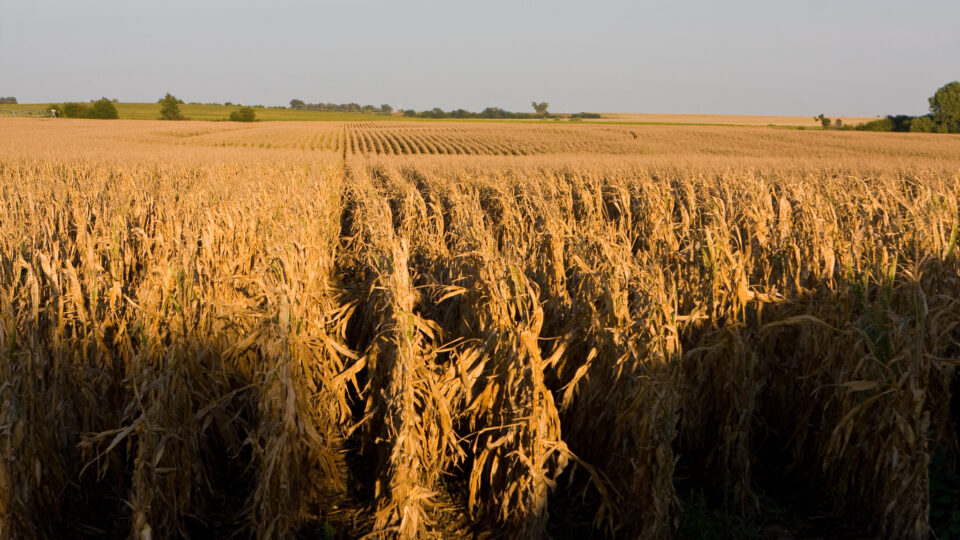
The Corn Belt Is Losing Topsoil | Earth Wise

April 16, 2021 By EarthWise 2 Comments

Erosion is claiming the corn belt's topsoil

According to a new study published in the Proceedings of the National Academy of Sciences, more than a third of the farmland in the U.S. Corn Belt has completely lost its carbon-rich topsoil due to erosion.   The affected area is nearly 100 million acres and the amount of carbon loss is nearly 2 million tons.

The study, led by scientists at the University of Massachusetts, Amherst, found that the greatest loss of carbon-rich topsoil was on hilltops and ridgelines.  This indicates that tillage – the repeated plowing of fields – was the primary cause of the erosion because loosened soils move downslope.

The loss of topsoil has reduced corn and soybean yields in the Midwest by 6%, resulting in a loss of nearly $3 billion a year for farmers.  In addition, the loosening of the topsoil increases runoff of sediment and nutrients into nearly waterways, worsening water quality.

Previous studies have shown that no-till farming practices can have a significant impact on reducing erosion.  A study published last November found that if farmers shifted entirely to no-till practices, it would reduce soil erosion from U.S. agricultural fields by more than 70%, as well as significantly reducing nutrient and sediment runoff. 

No-till farming is the practice of planting crops without tilling the soil.  Instead, seeds are planted through the remains of previous crops by planters or drills that cut seed furrows, place the seeds, and close the furrow.  Currently less than 15% of farmland in the upper Mississippi River watershed is farmed with no-till practices. 

Even partial changes in tilling practices could produce positive results for topsoil retention and for waterways.

**********

Web Links

One-Third of Farmland in the U.S. Corn Belt Has Lost Its Topsoil

Photo, posted September 15, 2010, courtesy of the United Soybean Board / Soybean Checkoff via Flickr.

Earth Wise is a production of WAMC Northeast Public Radio.

The Collapse of Northern California Kelp Forests | Earth Wise

March 30, 2021 By EarthWise Leave a Comment

The California kelp forests are collapsing

For thousands of years, thick canopies of kelp formed an underwater forest spanning the coast of Northern California.  Kelp is the cornerstone of a rich subtidal community, providing food and habitat for all sorts of marine creatures.  But in recent years, a shocking transformation has occurred.  Satellite imagery reveals that the area covered by kelp forests off the coast of Northern California has declined by more than 95%.  Only a few small, isolated patches remain.  

In a new study, researchers at the University of California Santa Cruz found that the kelp forest decline was an abrupt collapse as opposed to a gradual decline. 

According to the study, which was recently published in the journal Communications Biology, kelp forests north of San Francisco were resilient to warming events in the past, like El Niños and marine heatwaves. But the decline of a key sea urchin predator – the sunflower sea star – from sea star wasting disease caused the kelp forests’ resiliency to plummet.  Sea urchins are voracious consumers of kelp.     

But it was a series of events – not just the sea urchins – that combined to decimate the Northern California kelp forest.   A marine heatwave that became known as “the blob” developed in 2014 and moved down the West Coast in 2015.  Around the same time, a strong El Niño event developed and brought warmer water up the coast from the south.  The warming ocean waters combined with the ravenous sea urchin population resulted in the dramatic decline of kelp. 

According to researchers, the prospects for a Northern California kelp forest recovery remain poor unless sea urchin predators return to the ecosystem. 

********** 

Web Links

The collapse of Northern California kelp forests will be hard to reverse

Photo, posted August 13, 2019, courtesy of Sara Hamilton of OSU College of Science via Flickr.

Earth Wise is a production of WAMC Northeast Public Radio.
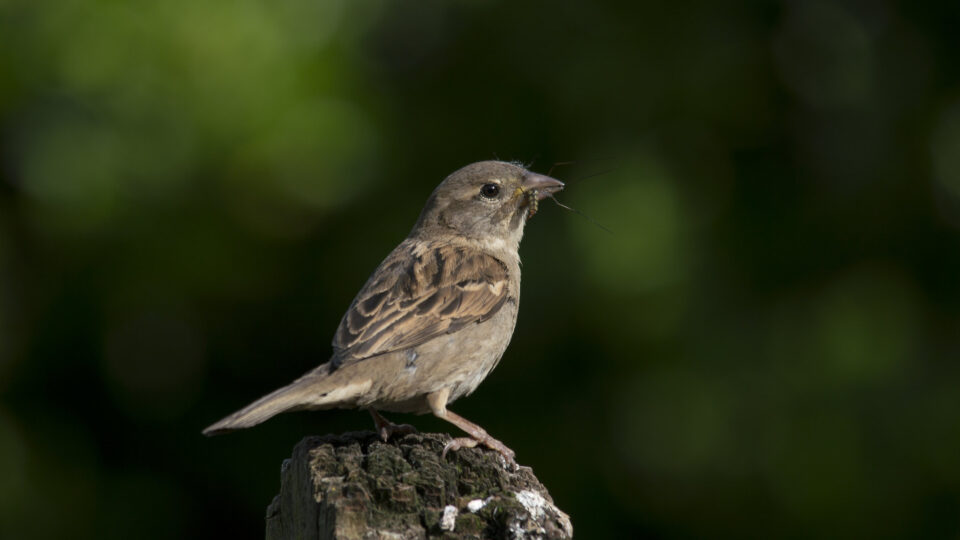

Even The Common House Sparrow Is Declining | Earth Wise

March 17, 2021 By EarthWise Leave a Comment

Even the common house sparrow is declining as the climate changes

According to the first-ever comprehensive assessment of net bird populations published in 2019, nearly three billion birds have disappeared in the United States and Canada since 1970.  The study, by researchers from the Cornell University Lab of Ornithology, found that North American bird populations have lost 2.9 billion breeding adults during that timespan.  Forests lost one billion birds, and grassland birds declined 53%. 

According to a newer study from Cornell University, it appears that even the common house sparrow is declining.  In parts of its native range in Europe, house sparrow numbers are down nearly 60%.  Researchers from the Cornell Lab of Ornithology sought to clarify the status of the species in the U.S. and Canada by using 21 years of citizen science data collected through its Project Feederwatch program. 

Project FeederWatch is a winter-long survey of birds that visit feeders at backyards, nature centers, community areas, and other locales. For the study, which was recently published in the Wilson Journal of Ornithology, the research team reviewed recorded observations of house sparrows during their non-breeding season.  These sightings from nearly 12,500 sites were used and cross-referenced with the National Land Cover database to determine whether the U.S. sightings came from rural or urban locations.  

From 1995 to 2016, researchers found that Feederwatch sites reporting house sparrows declined 7.5%, and the mean flock sizes declined 22%.  House sparrow populations declined in urban areas, but actually remained stable in rural areas. 

The researchers say a lack of green space and nesting sites in urban areas are likely factors in the population declines. 

**********

Web Links

Study finds even the common house sparrow is declining

Nearly 3 Billion Birds Gone

Photo, posted May 14, 2014, courtesy of Jacob Spinks via Flickr.

Earth Wise is a production of WAMC Northeast Public Radio.
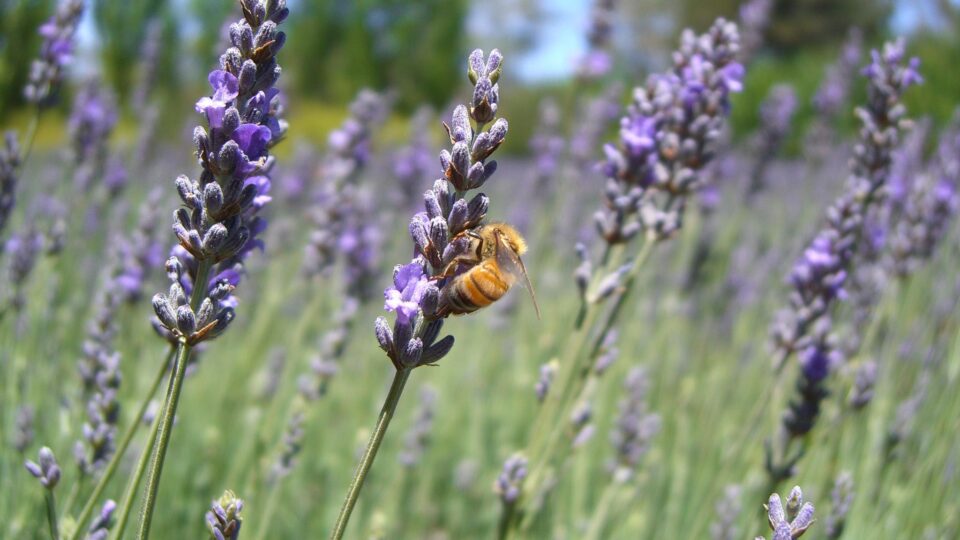
Not Enough Buzz For Bees | Earth Wise

February 11, 2021 By EarthWise Leave a Comment

The decline of bees is not getting enough attention

The dramatic worldwide decline in bees and other pollinating insects represents a serious threat to the global food supply, but it isn’t really getting much attention in the mainstream news.  Close to 75% of the world’s crops for human consumption depend, at least in part, on pollinators for sustained production, yield, and quality.

A new study by researchers at the University of Illinois Urbana-Champaign looked at nearly 25 million news items from six prominent sources, including The New York Times, The Washington Post, the Associated Press, as well as three overseas English-language news services.  The study found “vanishingly low levels of attention to pollinator population topics”, even compared with what many people consider to be the limited coverage of climate change.

The study made use of the Global News Index, which is a unique database of millions of news items from thousands of global sources published over decades.  It may be the largest academic study of the evolving nature of news coverage ever performed.

Even though the entomological community is highly focused on the impending pollinator crisis, the public is not paying much attention.  It is not even indifference; it is just that people don’t even know about it.

The majority of studies on pollinator decline have been done in Europe and North America, which means we don’t even know how serious the problem is given that most insect biodiversity is in the tropics.

Public awareness is important because individuals can make a difference by their decisions about what flowers to plant in their gardens, which weeds to tolerate in their yards, and how to manage insect pests.

The loss of pollinators is a very serious problem, and it is not likely to get enough attention if people don’t know about it.

**********

Web Links

Pollinators not getting the ‘buzz’ they need in news coverage

Photo, posted December 28, 2006, courtesy of Alpha via Flickr.

Earth Wise is a production of WAMC Northeast Public Radio.
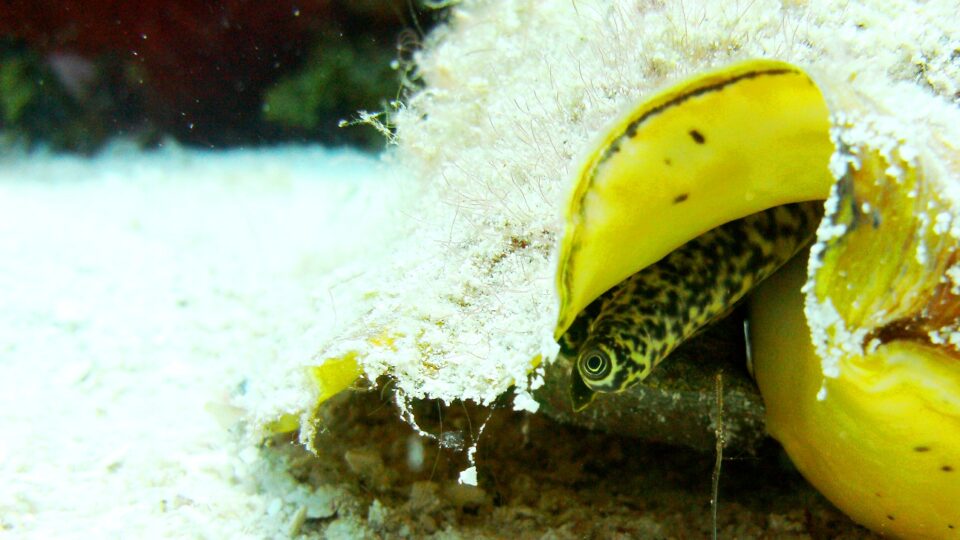
Saving The Queen Conch | Earth Wise

February 3, 2021 By EarthWise Leave a Comment

A new manual to help save Queen Conch

Queen conchs are large sea snails belonging to the same taxonomic group as clams, oysters, and squid.  They live on coral reefs or seagrass meadows in warm, shallow waters.  Queen conchs are found throughout the Caribbean Sea and Gulf of Mexico, ranging as far north as Bermuda and as far south as Brazil.

Reaching up to 12” long and living up to 40 years, the queen conch is prized as a delicacy and revered for its shell.  It’s the second most important sea-bottom fishery in the Caribbean region, trailing only the spiny lobster. 

But queen conchs face a challenge.  Their populations are in a steady rate of decline as a result of overfishing, habitat degradation, and hurricane damage.  In some places, the numbers are so low that remaining conchs cannot find breeding partners.  The situation is urgent from both an ecological and economical perspective. 

As a result, Megan Davis, a scientist from Florida Atlantic University who spent more than four decades researching queen conch, has released an 80-page, step-by-step user manual about how to care for the species. Her work was recently published in the National Shellfisheries Association’s Journal of Shellfish Research.

According to Davis, aquaculture, along with conservation of breeding populations and fishery management, are ways to help ensure longevity of the queen conch.  With requests for mariculture guidance pouring in from communities throughout the Caribbean, Davis and her collaborators are expanding their queen conch conservation, education, and restorative mariculture program.

Their desired outcomes include creating protected breeding areas, establishing sustainable hatcheries, and repopulating protected habitats.

**********

Web Links

‘Hail to the queen’: Saving the Caribbean queen conch

Photo, posted June 3, 2012, courtesy of Christopher Gonzalez via Flickr.

Earth Wise is a production of WAMC Northeast Public Radio.
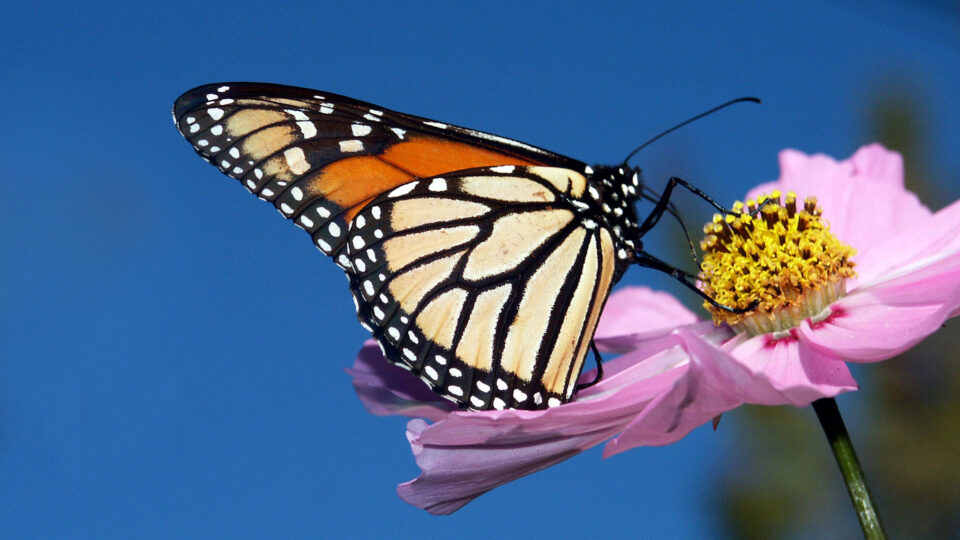
Non-Native Plants And Insect Decline | Earth Wise

January 15, 2021 By EarthWise Leave a Comment

The impact of non-native plants on insect decline

Global insect populations have been in decline since the beginning of the 20th century.  The decline accelerated during the 1950s and 1960s, and it has reached alarming levels during the past 20 years.

The causes of plummeting insect populations include habitat destruction, deforestation, climate change, light pollution, and the rise of industrial agriculture.  This so-called insect apocalypse is being mirrored by a bird Armageddon because so many bird species depend on insects for their diets.

A still controversial, but increasingly likely factor in the decline of insect populations is the spread of non-native plants in agriculture, agroforestry, and horticulture.  A recent study published in the journal Ecological Entomology presents recent data supporting the proposition that the widespread displacement of native plants is a key cause of insect declines. 

Many insects depend on a limited number of plants for survival.  In many cases, insects’ diets are restricted to a single plant family.  When native host plants dwindle or disappear from an area, the population of insects that depend on those plants shrinks.

There are examples of insects that adopt introduced plants as food sources, such as silver-spotted skipper butterfly larvae feeding on invasive kudzu in the eastern U.S.  But generally, the widespread incursion of non-native plants is harmful to native insect populations.

Non-native plants are especially popular for horticulture.  Millions of acres of potential insect habitat have been transformed into food deserts for native insects.  The authors of the recent study recommend that Americans should extensively include native plants in their yards to help preserve insect diversity.

**********

Web Links

How Non-Native Plants Are Contributing to a Global Insect Decline

Photo, posted May 2, 2004, courtesy of Bernard Spragg via Flickr.

Earth Wise is a production of WAMC Northeast Public Radio.
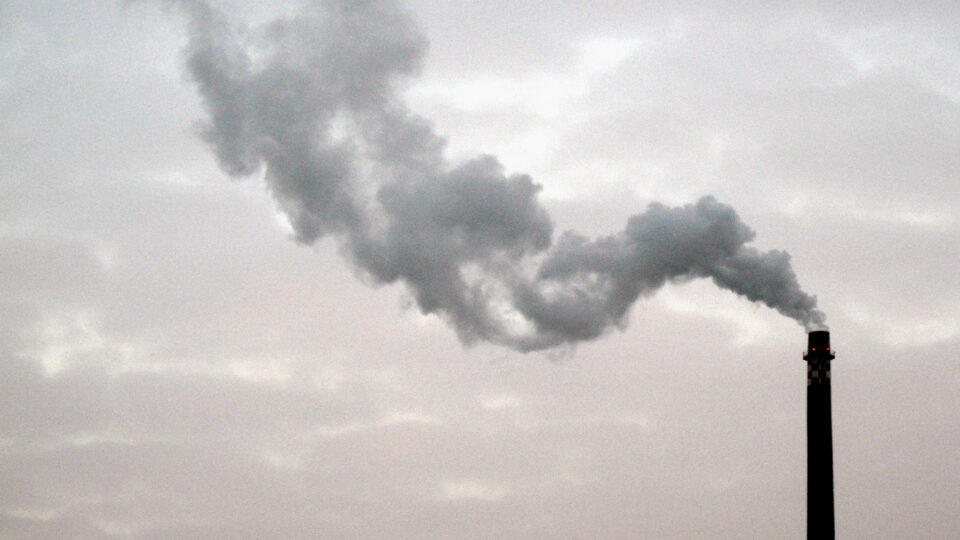
A Large Drop In U.S. Greenhouse Gas Emissions | Earth Wise

December 29, 2020 By EarthWise Leave a Comment

Greenhouse gas emissions in the United States has dropped

Greenhouse gas emissions in the U.S. in 2020 are on track to be at their lowest level in nearly 30 years as a result of the COVID-19 pandemic.  U.S. emissions haven’t been this low since 1983, when the economy was not even 40% of its current size.

According to a new study by the research group BloombergNEF, U.S. emissions for the year will be 9% lower than they were in 2019, which will be the largest yearly drop on record.  The report also anticipates that whatever happens in the pandemic, 2021 emissions will be well below pre-COVID levels as well.

The pandemic has inadvertently put the U.S. back on track to meet its original commitments to the Paris Climate Agreement, despite the fact that we have pulled out the agreement.  The incoming administration plans to return the U.S. to the pact.

Overall, U.S. emissions have been trending downward since 2008, primarily as a result of the lower dependence of the power sector on coal.  The report estimates that in the absence of the pandemic, 2020 emissions would have been 1% lower than last year’s.

The dramatic drop in emissions is not really a great cause for celebration.  Achieving significant emission reductions through massive economic hardship and societal disruption does not point the way towards making progress on climate change.  The economic upturn that will undoubtedly occur when the pandemic loses its grip on the world will lead to rebounding levels of greenhouse gas emissions.  But as is the case with all major crises, the current situation does present a chance to turn this temporary downturn in emissions into a more permanent one by making appropriate investments and policy changes.

*********

Web Links

Due to COVID-19, 2020 greenhouse gas emissions in the U.S. are predicted to drop to lowest level in three decades

Photo, posted January 13, 2013, courtesy of Onnola via Flickr.

Earth Wise is a production of WAMC Northeast Public Radio.

Europe’s Green Deal: Bad For The Planet? | Earth Wise

December 28, 2020 By EarthWise Leave a Comment

Europe's Green Deal might simply be exporting its environmental pollution

In 2019, the European Union announced the “Green Deal,” a comprehensive program aimed at making Europe the first climate-neutral continent, implementing environmentally friendly transport, increasing recycling, and expanding renewable energy.

The Green Deal involves significant changes to European agriculture.  Over the next ten years, under the ambitious environmental program, at least a quarter of all agricultural areas will be farmed organically, the use of fertilizers and pesticides greatly reduced, 3 billion trees planted, 15,000 miles of rivers restored, and the population declines of pollinators reversed.

However, in a recent article published in Nature, scientists at the Karlsruhe Institute of Technology show that this Green Deal might actually be a bad deal for the planet.

The problem is that the EU is likely to basically be outsourcing environmental damage by its high imports of agricultural products.

According to the Karlsruhe study, the EU annually imports millions of tons of agricultural products, as much as 20% of its produce and much of its meat and dairy products.  Quite often, these imports come from countries whose environmental laws are far less stringent than those in Europe.

The EU cannot impose environmental standards on other countries, but it can demand that goods entering the European market meet EU requirements.  The study points out that Europe’s carbon footprint has to be evaluated on a global basis.  If the EU is truly to become a climate-neutral continent, it must include foreign trade goals and requirements in its environmental programs.  Otherwise, Europe will simply be outsourcing its environmental problems and will continue to cause damage to the planet.

**********

Web Links

Green Deal: Good for a Climate-neutral Europe – Bad for the Planet

Photo, posted July 17, 2009, courtesy of Edmund Garman via Flickr.

Earth Wise is a production of WAMC Northeast Public Radio.
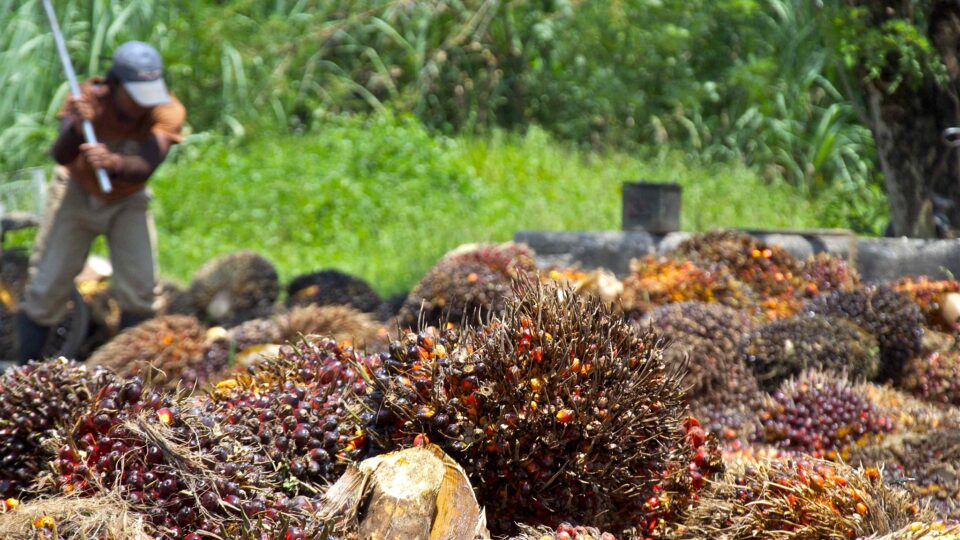
A Palm Oil Replacement | Earth Wise

December 15, 2020 By EarthWise Leave a Comment

A possible replacement for palm oil

In the 1990s, cardiovascular health issues associated with partially hydrogenated oils containing harmful trans fats became a focus of great concern.  As a result, food companies looked for substitutes and the alternative they identified was palm oil.  Its ability to remain solid at room temperature made it well suited for many food applications.  Unfortunately, that property stems from its high saturated fat content, which means it also increases the risk of coronary heart disease.

The widespread use of palm oil has also caused significant environmental problems.  Palm oil plantations have replaced millions of acres of tropical forests, destroying the habitat for numerous species and threatening biodiversity.

Other potential replacements for partially hydrogenated oils such as coconut oil tend to be more costly, limited in supply, and also high in saturated fats.

Food scientists at the University of Guelph in Ontario, Canada, recently demonstrated the use of enzymatic glycerolysis (EG) to turn liquid vegetable oils into solid fats.  Their process is able to produce solid fats with the textural and structural properties desired by consumers.

The process is fairly simple, relatively easy to scale up, and is amenable to smaller food production or even local production.  Using it would enable food producers to use all sorts of readily available vegetable oils that can be produced in parts of the world that are not necessarily tropical regions.

Palm oil use is not going to go away, but this work may point a way to help slow down the destruction of ecosystems and animal habitats as well lead to more sustainable and healthy food sources.

*********

Web Links

U of G Food Scientists Find Palm Oil Alternative That’s Good for Human, Planet Health

Photo, posted February 21, 2010, courtesy of Craig Morey via Flickr.

Earth Wise is a production of WAMC Northeast Public Radio.

Pandemic Lockdowns And Carbon Emissions | Earth Wise

November 25, 2020 By EarthWise Leave a Comment

pandemic impact on carbon emissions

The early months of the COVID-19 pandemic saw many human activities reduced to a fraction of what they were previously.  Notably, air pollution in major cities was dramatically lower than it had been in decades.  Now, a new study has looked at the effect of the pandemic shutdowns on carbon dioxide emissions.

An international team of climate scientists has published an assessment of carbon dioxide emissions by industry, transportation, and other sectors from January through June.  According to their measurements, this year’s pandemic lockdowns resulted in a 9% decline in emissions from 2019 levels.

An earlier study reported a 17% drop in CO2 emissions, but the new study was more comprehensive and detailed.

The new data includes estimates of day-by-day, sector-specific and country-level differences in CO2 emissions derived from frequently updated data sources, some of which are nearly in real-time.  It tracks the effects of COVID-19-related disruptions of human activities in China starting in February and in the United States and Europe in March through May.

The data revealed the resumption of emissions in many regions, such as in China, where they are now back to pre-pandemic levels.  Emissions in the Americas and Europe have been slower to recover, especially in the US, where COVID-19 hotspots are continuing to emerge. 

The reduction in carbon emissions has been due mostly to transportation with fewer people driving to work and traveling by air.  Even by June, when lockdowns were easing, global emissions were still significantly reduced.  In any case, a pandemic is a highly undesirable and unwelcome way to reduce carbon emissions, but the data from this year does show that it is effective.

**********

Web Links

Pandemic lockdowns caused steep and lasting carbon dioxide decline

Photo, posted August 7, 2020, courtesy of Michael Mueller via Flickr.

Earth Wise is a production of WAMC Northeast Public Radio.
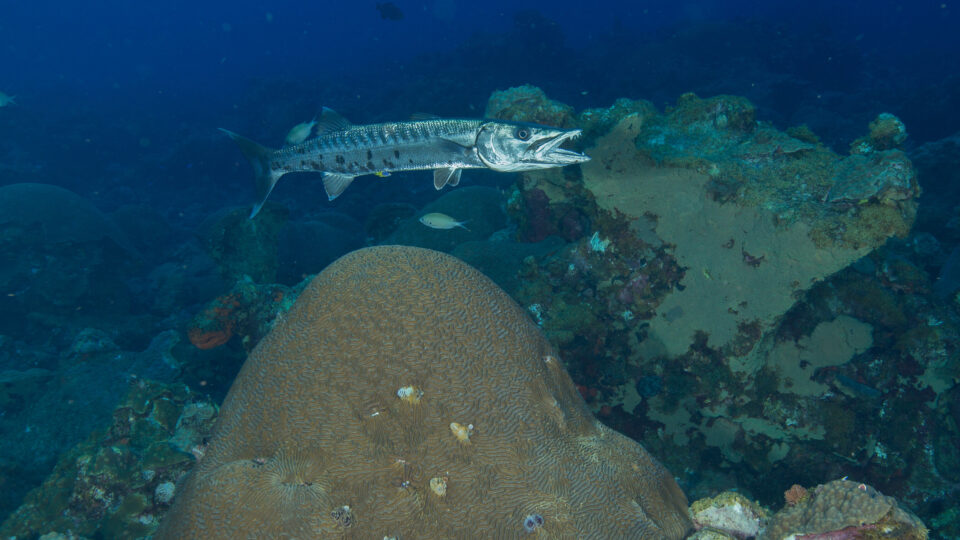
Artificial Reefs As Havens For Marine Predators | Earth Wise

October 28, 2020 By EarthWise Leave a Comment

Artificial reefs as habitat for marine predators

Climate change, pollution, development and other stresses have accelerated the decline of reef ecosystems across much of the world’s oceans in recent years.  Large predators such as sharks, mackerels, barracudas, jacks and others that formerly fed around reefs have had to venture outside their normal migratory routes in search of suitable alternatives.

According to a new study by Duke University, marine predators have taken up residence at shipwrecks and other artificial reefs.  The study surveyed 30 sites along the North Carolina coast and found that predator densities were up to five times larger at the 14 artificial reefs surveyed than at the 16 natural reefs in the survey.

Shipwrecks, particularly those that rose between 4 and 10 meters up into the water column, were a big favorite of the fishes.  Some of those sites supported predator densities up to 11 times larger than natural reefs or low-profile artificial reefs.  The shipwrecks are basically high-rise timeshares in the sea.

The findings of the survey show that artificial reefs can support large predators, supplementing natural reefs if the design and placement of the artificial reefs are appropriate.  In addition, when it comes to designing artificial reefs, there appears to be a height advantage.  So, reefs either made from sunken ships or at least made to resemble them would be desirable.

Because undersea predators help maintain healthy and sustainable populations of species lower in the food web, providing suitable habitat for the predators is extremely important.  Based on the study, it appears that the strategic use of artificial reefs can be an effective way to help counter the increasing loss of natural habitat on the ocean bottom.

**********

Web Links

Artificial Reefs Take on a Towering Presence as Havens for Marine Predators

Photo, posted July 29, 2014, courtesy of NOAA Photo Library via Flickr. Photo credit: Flower Garden Banks National Marine Sanctuary

Earth Wise is a production of WAMC Northeast Public Radio.
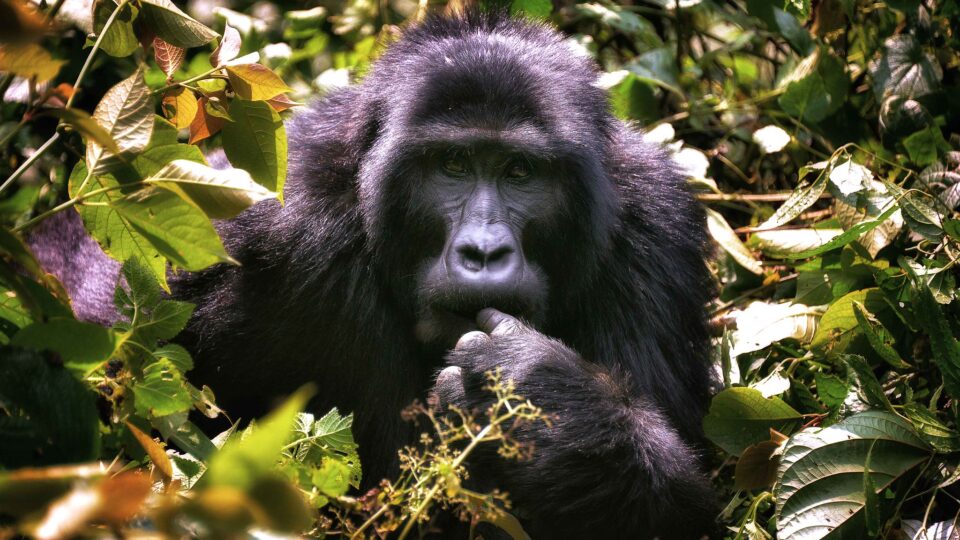
How To Bend The Curve On Biodiversity Loss | Earth Wise

October 15, 2020 By EarthWise Leave a Comment

how to bend the curve on biodiversity loss

Biodiversity has been declining at an alarming rate in recent years as a result of human activities, including land use changes, pollution, and climate change.  According to a 2019 UN report, one million species – out of an estimated eight million – are threatened with extinction.  Many scientists warn we are in the middle of the sixth mass extinction event in Earth’s history.  Previous mass extinction events wiped out up to 95% of all species and took ecosystems millions of years to recover. 

Fortunately, new research indicates that it might not be too late to bend the curve on biodiversity loss.  According to the report, which was recently published in the journal Nature, more ambitious conservation measures are needed in order to  preserve biodiversity.  In addition, more efficient food production and healthier and less wasteful consumption and trade are needed to bend the curve. 

If these measures are undertaken with unprecedented ambition and coordination, the research team says the efforts will provide an opportunity to reverse biodiversity loss by 2050.

But even under the best case scenario, ongoing land conversion will lead to further biodiversity losses before the curve starts to bend.  In fact, at least one third of projected losses in the coming years are unlikely to be avoided under any scenario.  Biodiversity losses were projected to be highest in the regions richest in biodiversity, including South Asia, Southeast Asia, Sub-Saharan Africa, the Caribbean, and Latin America. 

The study, which was led by the International Institute for Applied Systems Analysis in Austria, makes it clear that urgent action is needed this decade in order to have any chance of bending the curve. 

**********

Web Links

Curbing land clearing for food production is vital to reverse biodiversity declines

Photo, posted November 1, 2017, courtesy of Rod Waddington via Flickr.

Earth Wise is a production of WAMC Northeast Public Radio.
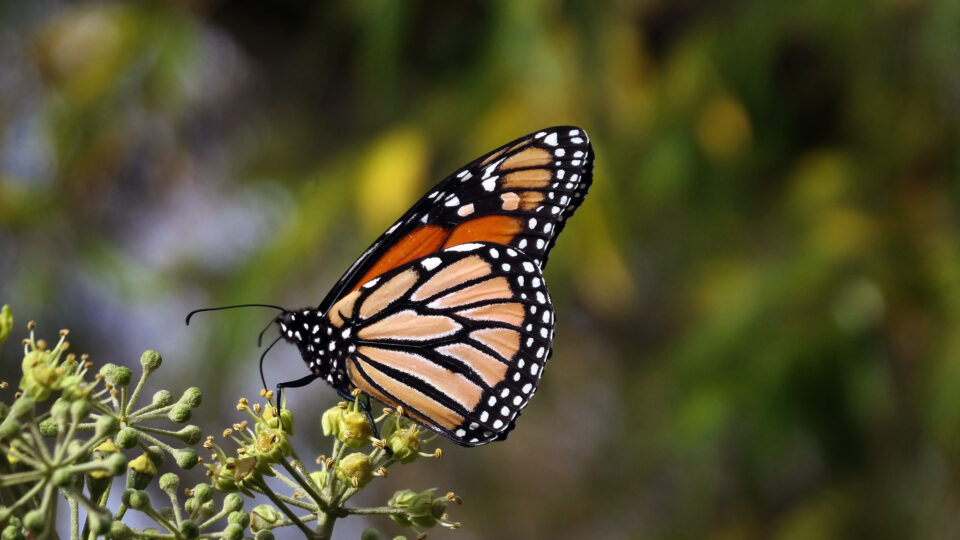
Global Decline In Wildlife | Earth Wise

October 14, 2020 By EarthWise Leave a Comment

global wildlife declining rapidly

According to a new report released by the World Wildlife Fund, global populations of mammals, birds, amphibians, reptiles, and fish have declined by 68% in less than half a century. 

The report presents a comprehensive overview of the state of the natural world based on the tracking of almost 21,000 populations of more than 4,000 vertebrate species between 1970 and 2016. 

The report shows that the main cause of the dramatic decline in species populations on land is habitat loss and degradation, which includes deforestation driven by food production.  Additional factors include land-use change and the use and trade of wildlife.

Wildlife populations found in freshwater habitats have suffered a decline of 84%, which is the steepest decline in any biome.

Insect populations have declined rapidly in many places, but most of the information about insects comes from a small number of countries in the northern hemisphere.  There is very little information from large parts of the world, such as Africa, South America, and Asia, where land-use change and agricultural expansion are happening fast.  What happens to insects matters a lot to humanity.  Insects play central roles in the world’s ecosystems as waste processors, pollinators, predators, and prey. 

The report is clear evidence of the damage human activity is doing to the natural world.  Threats to the integrity of ecosystems endanger humans and all of nature.  This is especially apparent in the midst of a global pandemic.  It is now more important than ever to take coordinated global action to halt and reverse the loss of biodiversity and wildlife populations across the globe.

**********

Web Links

Living Planet Report reveals 68% decline in global wildlife populations since 1970

Photo, posted May 7, 2020, courtesy of Bernard Spragg via Flickr.

Earth Wise is a production of WAMC Northeast Public Radio.

  • « Go to Previous Page
  • Page 1
  • Page 2
  • Page 3
  • Page 4
  • Page 5
  • Page 6
  • Page 7
  • Go to Next Page »

Primary Sidebar

Recent Episodes

  • An uninsurable future
  • Clean energy and jobs
  • Insect declines in remote regions
  • Fossil fuel producing nations ignoring climate goals
  • Trouble for clownfishes

WAMC Northeast Public Radio

WAMC/Northeast Public Radio is a regional public radio network serving parts of seven northeastern states (more...)

Copyright © 2026 ·