• Skip to primary navigation
  • Skip to main content
  • Skip to primary sidebar

Earth Wise

A look at our changing environment.

  • Home
  • About Earth Wise
  • Where to Listen
  • All Articles
  • Show Search
Hide Search
You are here: Home / Archives for decline

decline

Why are bees making less honey?

February 8, 2024 By EarthWise Leave a Comment

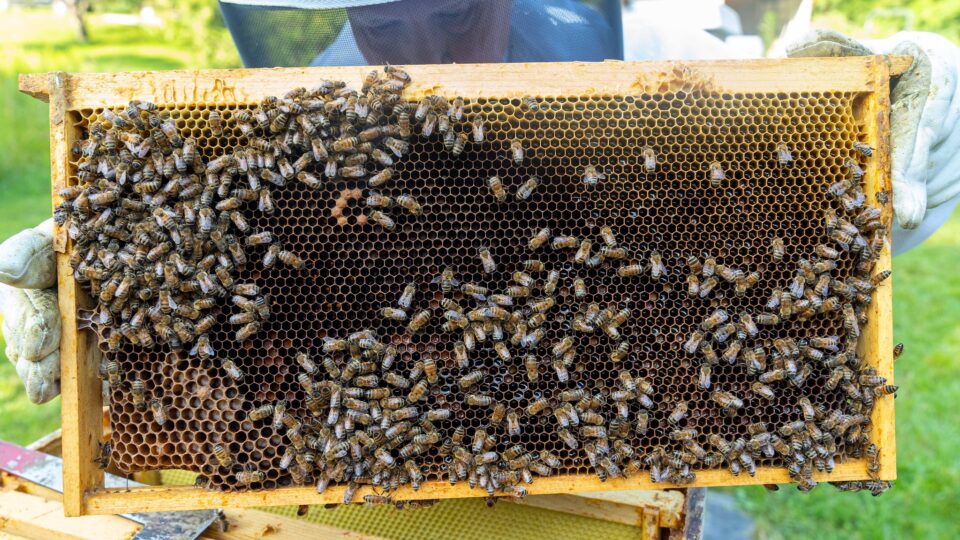
Honey bees are making less honey in the United States

Scientists have been sounding the alarm on the global struggle of pollinators for a long time.  According to the United Nations, nearly 35% of the invertebrate pollinator species, such as bees and butterflies, are facing extinction. And since 75% of the world’s food crops depend on pollination to some extent, the decline of pollinators poses a major threat to global food security.

Honey bees are among the struggling pollinators.  Honey bee colonies in the United States have experienced annual population declines since 2006.  But in addition to there being fewer bees, the bees that remain are also making less honey.  In fact, honey yields in the United States have been declining since the 1990s. 

A new study by researchers from Penn State University has solved some of the mystery.  Using five decades of data across the United States, the research team analyzed the factors that could be affecting the number of flowers growing in different regions, which, in turn, affects the amount of honey produced by bees. 

In the study, which was recently published in the journal Environmental Research, the scientists found that climate conditions and soil productivity were two of the biggest factors in estimating honey yields.  States in both warm and cool regions produced higher honey yields when they had productive soils.  These two factors set a baseline production level of honey, while herbicide use, weather, and land use changes influenced how much honey was produced in a given year. 

The study’s findings  provide valuable insights that should help beekeepers, growers, and land managers better support honey bees.

**********

Web Links

Why are bees making less honey? Study reveals clues in five decades of data

Photo, posted August 30, 2021, courtesy of Brandon O’Connor / NRCS via Flickr.

Earth Wise is a production of WAMC Northeast Public Radio
Lower carbon emissions in the U.S.

February 7, 2024 By EarthWise Leave a Comment

Carbon emissions in the United States are slowly falling

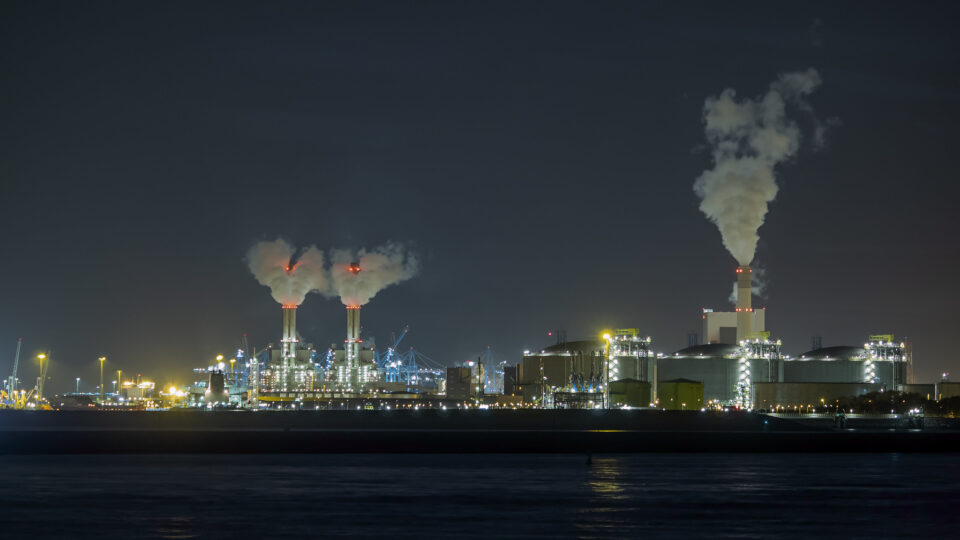
American greenhouse gas emissions in 2023 fell by 1.9%.  In total, U.S. emissions have now fallen by over 17% since 2005.  The largest factor in the decline has been the reduction in the burning of coal to produce electricity.  Coal-fired generation has fallen to its lowest level in half a century.

There was a huge drop in emissions at the start of the covid pandemic when large segments of the economy shut down.  But then there was a sharp rebound in emissions in the following two years when economic activity resumed.  But over the long term, American emissions have been trending downward as both cars and power plants have become cleaner and greener.

The decline in emissions is a good thing but hasn’t been nearly enough to meet the nation’s goals for trying to slow down global warming.  The U.S. has a goal of reducing emissions by 2030 to half of the 2005 level.  To achieve that goal, annual emissions would have to fall more than three times faster than they did last year for the rest of the decade.

The emissions data used for the current assessment included those from transportation, electricity generation, industry, and buildings.  It did not include pollution from agriculture, which accounts for about 10% of the nation’s greenhouse gases.

The 2022 Inflation Reduction Act provided record amounts of money for low-emissions technologies like solar panels, wind turbines, nuclear reactors, electric vehicles, and hydrogen fuels.  The full impact of these federal investments has yet to be seen, since many companies are still ramping up their efforts in clean energy.  How quickly emissions will fall as these efforts come to fruition remains to be seen.

**********

Web Links

U.S. Carbon Emissions Fell in 2023 as Coal Use Tumbled to New Lows

Photo, posted May 17, 2020, courtesy of Frans Berkelaar via Flickr.

Earth Wise is a production of WAMC Northeast Public Radio
Elephants and protected areas

February 6, 2024 By EarthWise Leave a Comment

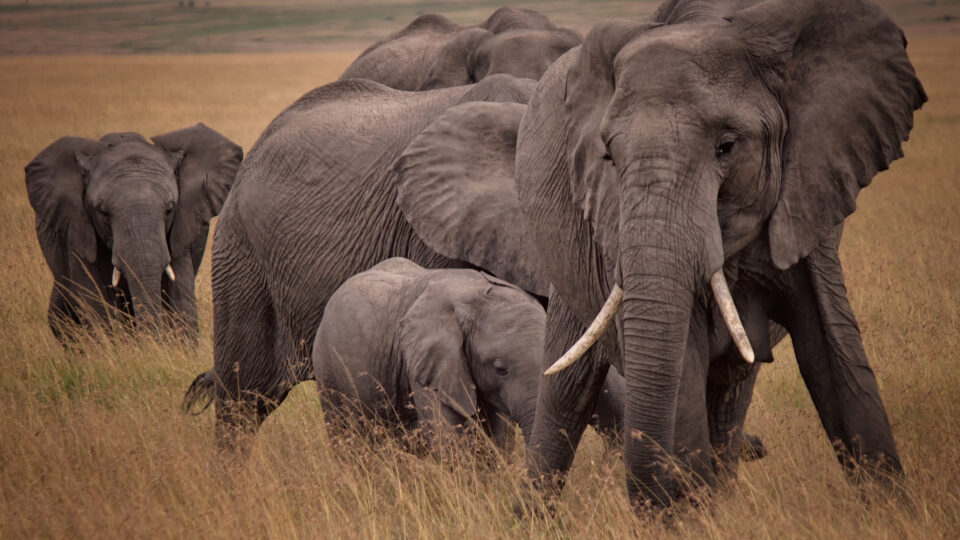
Standing up to 13 feet tall and weighing up to 7 tons, African savanna elephants are the largest species of elephant and the biggest terrestrial animal on Earth.  According to the World Wildlife Fund, African savanna elephants can be found in 23 countries and live in a variety of habitats, including savannas, forests, and deserts.  The largest populations are in Southern and Eastern African countries.

According to assessments from the International Union for Conservation of Nature, the population of African savanna elephants has decreased by at least 60% over the last 50 years.  Poaching and habitat loss are the two main drivers of the population decline.  In 2021, the status of the African savanna elephant was changed from vulnerable to endangered on the IUCN’s Red List of Threatened Species. 

However, according to a new study recently published in the journal Science Advances, conservation measures have successfully stopped African savanna elephant population declines across southern Africa.  The international team of researchers found that the pattern varies regionally, with some elephant populations soaring while others are still facing large declines.

Overall, the study found that there are the same number of elephants now as there were 25 years ago. According to researchers, the key to long-term elephant population growth and sustainability isn’t where a protected area is, but rather how connected it is to other protected or neutral areas around it. 

This isn’t a new concept; in fact, many parks have been connected to one another.  But this study helps prove that the method is effective for elephant conservation.  

**********

Web Links

Protected Areas for Elephants Work Best if They Are Connected

African elephant species now Endangered and Critically Endangered – IUCN Red List

African savanna elephant

Photo, posted October 20, 2018, courtesy of Ray via Flickr.

Earth Wise is a production of WAMC Northeast Public Radio
The slow decline of coal

January 25, 2024 By EarthWise Leave a Comment

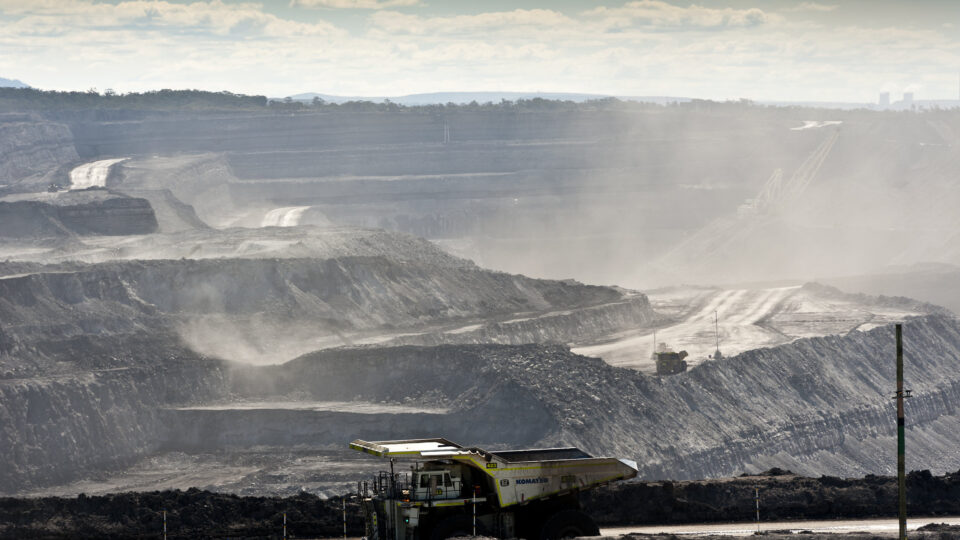
Despite the fact that coal is the dirtiest and most climate-harmful energy source we have, the global demand for it hit a record high in 2023. The demand for coal grew by 1.4% worldwide, according to an analysis by the International Energy Agency.

Coal use grew by 5% in China and 8% in India.  The two countries are the world’s largest producers and consumers of coal.  Meanwhile, coal use in the U.S. and the European Union fell by 20%.

Despite this discouraging news, the IEA forecasts that coal use will decline over the next two years.  There have been declines in coal demand a few times before, but they were driven by unusual events such as the collapse of the Soviet Union and the Covid-19 crisis.  But the IEA says that the forthcoming decline is different.  It will be driven by the formidable and sustained expansion of clean energy technologies.

According to the IEA, global coal demand will fall by 2.3% by 2026 even in the absence of new policies to curb coal use.  Forces at play will be increased hydropower in China as it recovers from drought and puts new wind and solar projects online.  China is responsible for more than half of global coal demand, but it is also responsible for more than half of the planned renewable power projects coming online over the next three years.  Experts believe that with these forthcoming projects, Chinese emissions may have peaked in 2023.

The projected drop in coal demand is still far short of what is required for the world to avoid catastrophic warming.  Much greater efforts are needed to meet international climate targets.

**********

Web Links

After a Record 2023, Coal Headed for Decline, Analysts Say

Photo, posted August 25, 2015, courtesy of Jeremy Buckingham via Flickr.

Earth Wise is a production of WAMC Northeast Public Radio

Disappearing snow crabs

November 21, 2023 By EarthWise Leave a Comment

Snow crabs disappeared

Alaska snow crabs are a cold-water species found off the coast of Alaska in the Bering, Beaufort, and Chukchi Seas. They are one of ten commercially-fished species in Alaskan waters. The perils of crab fishing in this region have been well documented for many years in the reality TV series Deadliest Catch.

Last year, officials in Alaska canceled the winter snow crab season for the first time ever due to a sharp population decline. While the number of juvenile snow crabs was at record highs just a few years earlier, approximately 90% of snow crabs mysteriously disappeared ahead of the 2021 season. 

This year, officials in Alaska have once again canceled the snow crab harvest season for the second year in a row, citing the overwhelming numbers of crabs – in the billions – missing from Alaskan waters. 

Scientists have suspected that the warming ocean temperatures triggered this snow crab population collapse.  But did the crabs move someplace else or die off?  According to a new study recently published by scientists at the National Oceanic and Atmospheric Administration, warmer ocean temperatures likely caused the snow crabs to starve to death.  The research team found a significant link between recent marine heat waves in the eastern Bering Sea and the sudden disappearance of the snow crabs that began showing up in surveys in 2021.

According to the study, warmer ocean water dramatically increases snow crabs’ caloric needs. But with the warmer water also disrupting much of the region’s food web, snow crabs had a hard time foraging for food and weren’t able to keep up.

Researchers expect the population may eventually find refuge in colder waters further north.

**********

Web Links

Climate Change And Crabs

Billions of crabs went missing around Alaska

Photo, posted August 28, 2013, courtesy of Boris Kasimov via Flickr.

XXXXXXXXXXXXXXXXXXXXX

Lakes Are Shrinking | Earth Wise

September 11, 2023 By EarthWise Leave a Comment

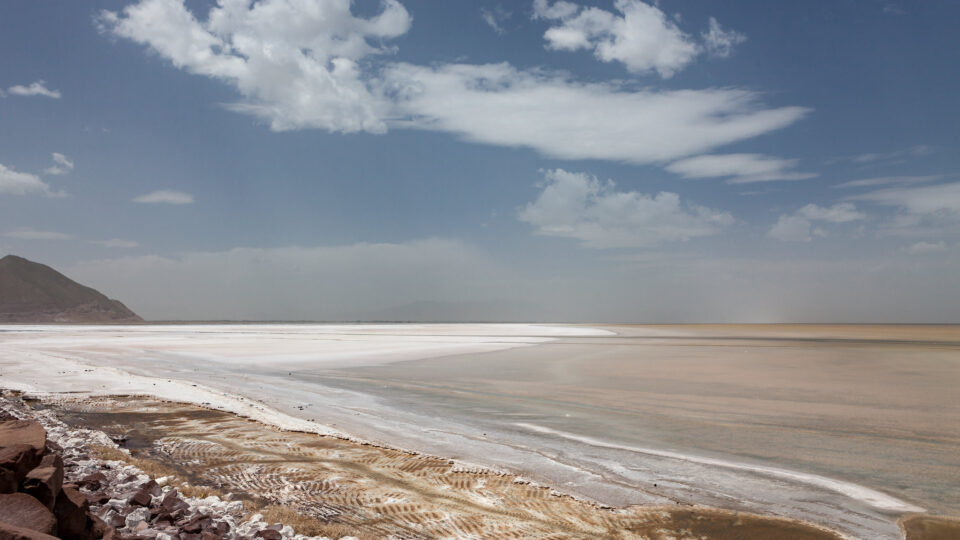
A study by the University of Colorado Boulder has found that more than half of the world’s largest lakes have shrunk over the last three decades.  This is a very big problem because about one-quarter of the Earth’s population lives in the basin of a drying lake.  People depend on lakes for drinking water and irrigation and lakes are central to the survival of local ecosystems as well as migrating birds.  Lakes cover only about 3% of the planet, but they hold nearly 90% of the liquid surface freshwater.

The study used satellite observations from 1992 to 2020 to estimate the area and water levels of nearly 2,000 freshwater bodies.  These account for 96% of Earth’s total natural lake storage and 83% of that in man-made reservoirs.  About 53% of the world’s lakes have clearly shrunk, while only 22% have gained water.  The study estimates that about 160 trillion gallons of water has been lost over the 28-year period.  That’s about 17 times the maximum capacity of Lake Mead, the largest reservoir in the United States.

Many of the world’s most significant lakes have been shrinking. The dramatic declines in Lake Mead have been headline news for years.  The Caspian Sea, which is the world’s largest inland body of water – has long been declining.

The main causes of the decline in natural lakes are climate change and human consumption.  Reservoirs face an additional major problem of sediment buildup which reduces their storage capacity and diminishes their benefits of water supply, flood control, and hydropower.

Lake loss is a big problem.

**********

Web Links

More than half of the world’s largest lakes are drying up

Photo, posted April 10, 2018, courtesy of Ninara via Flickr.

Earth Wise is a production of WAMC Northeast Public Radio
Air Pollution And Insects | Earth Wise

September 7, 2023 By EarthWise Leave a Comment

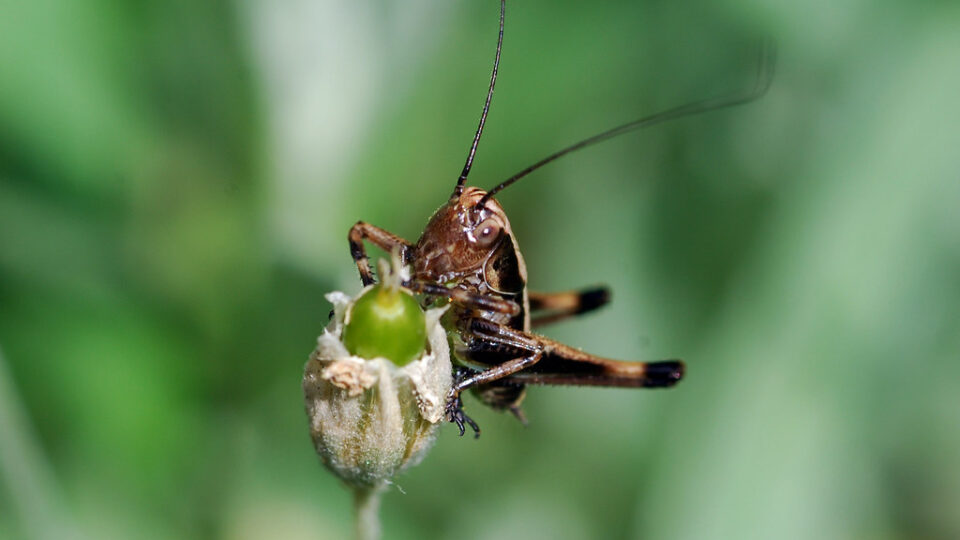
Air pollution may be causing global decline in insects

Insects can be found in every environment on Earth and play critical roles in the planet’s ecosystems.  Insects pollinate more than 80% of plants, including those that we eat and those that provide food and habitat for other species.  Without insects, we wouldn’t have the rich biodiversity that supports life on earth today.

But the world is experiencing a decline in overall insect populations as well as a collapse in insect diversity.  According to researchers from the University of Melbourne in Australia, Beijing Forestry University in China, and the University of California – Davis, air pollution particles may be the cause of the dramatic decline.  They found that an insect’s ability to find food and a mate is reduced when their antennae are contaminated by particulate matter. 

In the study, which was recently published in the journal Nature Communications, the research team exposed houseflies to varying levels of air pollution for just 12 hours and then placed the flies in a Y-shaped tube ‘maze’. Uncontaminated flies typically chose the arm of the Y-maze leading to a smell of food or sex pheromones, while contaminated flies selected an arm at random, with 50:50 probability.

Using a scanning electron microscope, the researchers also found that as air pollution increases, more particulate material collects on the sensitive antennae of houseflies. 

Insect antennae have olfactory receptors that detect odor molecules emanating from a food source, a potential mate, or a good place to lay eggs.  If an insect’s antennae are covered in particulate matter, a physical barrier is created between the smell receptors and air-borne odor molecules.

Air pollution poses a significant threat to insect populations around the world.   

**********

Web Links

Air pollution particles may be cause of dramatic drop in global insect numbers

Photo, posted June 13, 2008, courtesy of Allen Watkin via Flickr.

Earth Wise is a production of WAMC Northeast Public Radio
Missing Antarctic Sea Ice | Earth Wise

August 30, 2023 By EarthWise Leave a Comment

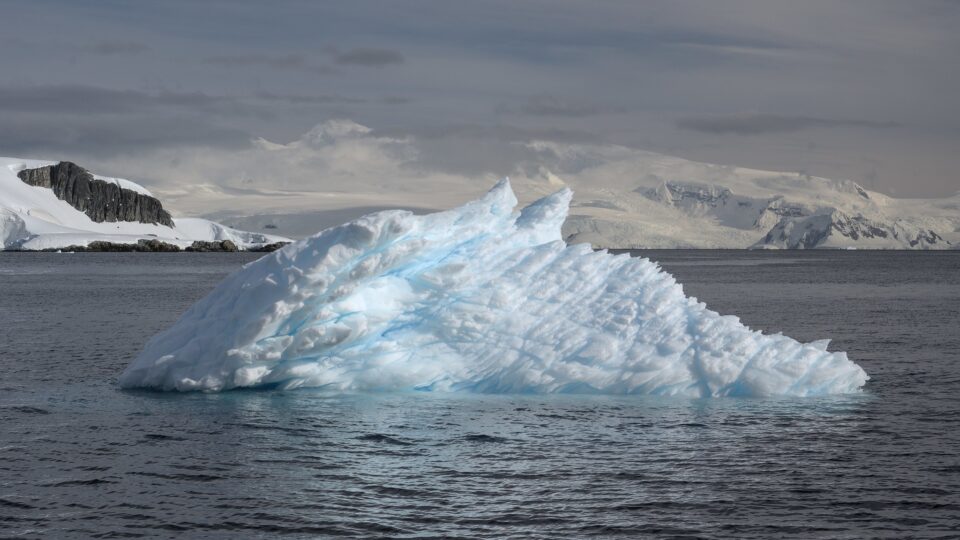
It is summer here in the United States, but it is winter in Antarctica.  Antarctic sea ice is water that forms and melts entirely in the ocean and it has a pattern of growth and reduction that has been monitored by satellites for the past 44 years.  The area of sea ice that surrounds the continent of Antarctica is known as the sea ice ‘extent’ and it had been quite stable for much of those years.

In 2016, the sea ice extent began to decline.  Since then, there have been several record summer lows with both the summers of 2021/22 and 2022/23 setting new minimum records.

This August, the deviation from all previous records intensified.  This winter’s sea ice extent is over 900,000 square miles below the long-term average, an area about the size of Greenland or, for example, Texas and Alaska combined.

Climate models have long predicted that Antarctic sea ice would reduce as a result of global warming but the current change to sea-ice extent is so dramatic that it is difficult to explain.  Sea ice extent is affected by multiple factors including the El Niño Southern Oscillation, the strength of the southern hemisphere jet stream, and regional low-pressure systems.  The warming climate is certainly the overall force that is changing Antarctic sea ice extent over time.

Antarctic sea ice extent is important because it covers a vast area of the dark Southern Sea with a bright white surface that reflects the sun’s energy back into space, helping to reduce temperatures at the pole and protecting glaciers and polar ice sheets. 

**********

Web Links

The mystery of the missing Antarctic sea ice

Photo, posted November 7, 2016, courtesy of Rob Oo via Flickr.

Earth Wise is a production of WAMC Northeast Public Radio
How To Support Pollinators | Earth Wise

August 4, 2023 By EarthWise Leave a Comment

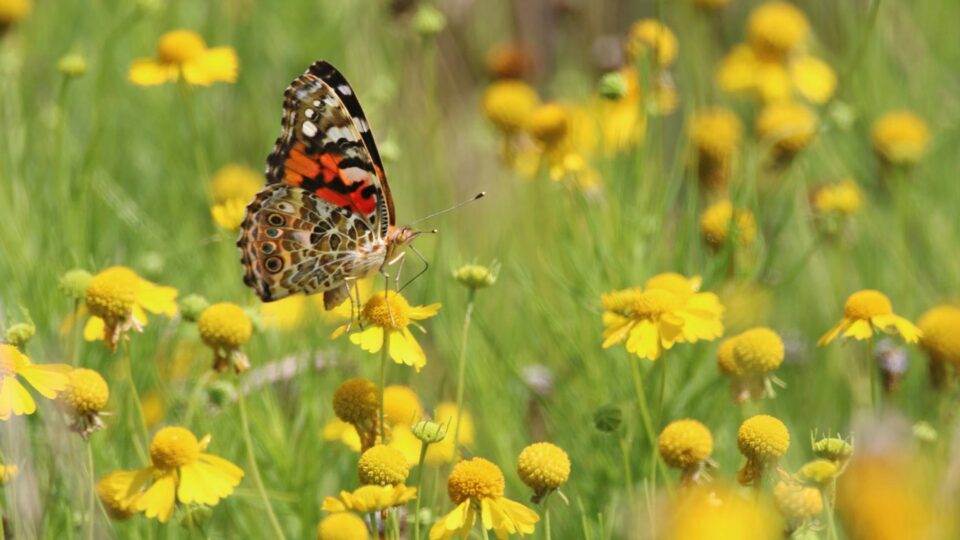
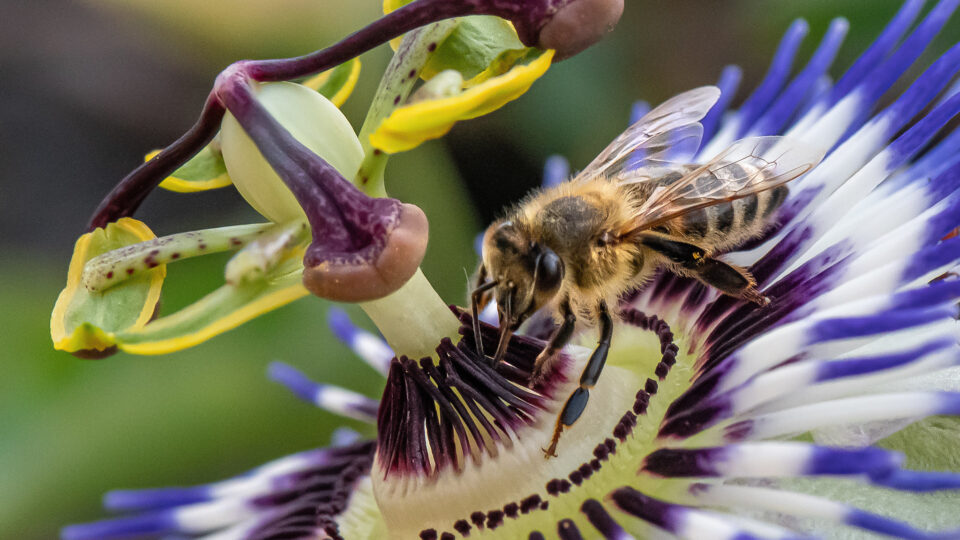
Pollinators of all sorts have been in decline for a while.  This is especially true of bees, bats, and monarch butterflies.  Without pollinators, fruits, vegetables, and other plants cannot provide their contributions to our food supply.  According to experts, about 30% of the food that ends up on our tables gets there because of pollinators.

Bees are the most efficient pollinators, but plenty of other insects do their share as well.  Butterflies and months, flies, beetles, and wasps all are good pollinators.  In addition to insects, birds and bats can also be pollinators. 

Entomologists at Texas A&M University have offered some science-based advice for homeowners who want to keep pollinators around and thriving during the summer months.

Pollinators need flowers that bloom at different times of the year.  So, home gardens should overlap blooms.  Native and drought-tolerant species are good additions to a garden or landscape.

Colorful gardens attract more pollinators because different pollinators are attracted to different colors.  Bumblebees like blues and purples; other bees are attracted to yellows and whites.  Butterflies like bright colors like oranges and pinks.

Plant flowers with different shapes and sizes because pollinators flower preferences come in all shapes and sizes.

Provide shelter for pollinators.  Houses for bees and other pollinators are available for purchase. Or people can make their own using plastic tubes.

And probably most importantly, go easy on pesticides.  If it is really necessary to apply pesticides, do it in the evening when most pollinators have called it a day.

Having a colorful garden with lots of variety is a fine addition to one’s home.  Beyond that, it is a valuable contribution to helping preserve essential pollinators.

**********

Web Links

Top Five Tips For Supporting Pollinators This Summer

Photo, posted August 14, 2017, courtesy of USFWS Midwest Region via Flickr.

Earth Wise is a production of WAMC Northeast Public Radio
Wind And Solar Pass Coal | Earth Wise

August 3, 2023 By EarthWise Leave a Comment

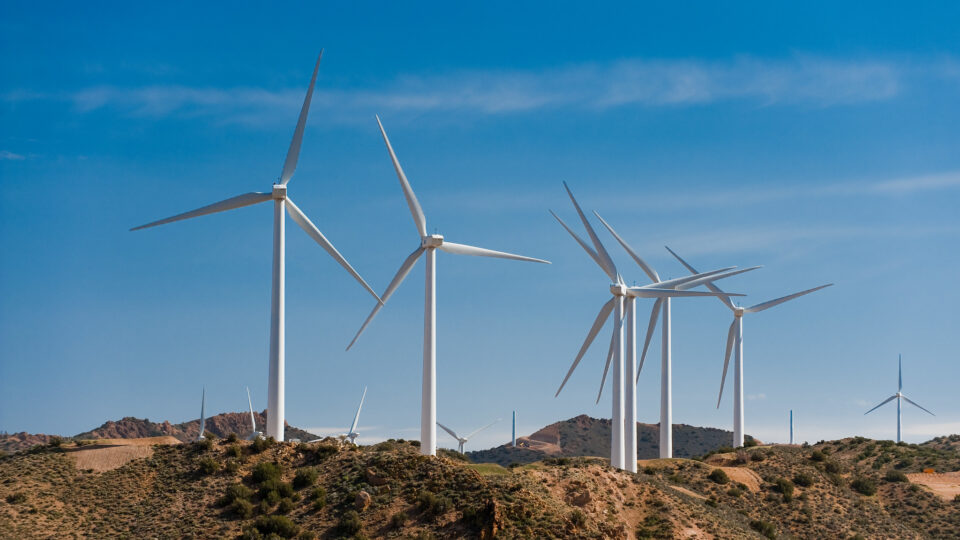
For the first five months of this year, wind and solar generated more electricity than coal in the United States.  This is a first.  Total renewable energy generation exceeded coal-fired power in both 2020 and 2022, but that counted hydroelectric power as one of the renewable sources.

This year, wind and solar alone generated a total of 252 terawatt-hours of energy through May compared with coal’s output of 249 terawatt-hours.  Hydropower generated an additional 117 terawatt-hours during that period.

While solar and wind power have been expanding at a rapid rate, the biggest change this year has been a precipitous drop in coal-fired generation due to a combination of low natural gas prices, a mild winter, and a series of coal plant retirements.

Coal generated almost half of the country’s electricity as recently as 2008.  Since then, coal has steadily declined as older coal plants shut down and were replaced by natural gas plants and renewable energy sources.  The coal industry had a bit of a reprieve last year when natural gas prices spiked in response to the disruptions in gas supplies in Europe due to the war in Ukraine.  The benchmark for natural gas prices – known as Henry Hub – was $8.81 in August 2022.  In May of this year, it was $2.15.  Given this trend, the demand for coal has steadily declined. 

The US has retired another 7% of the coal fleet – 14 gigawatts of capacity – since the start of 2022.  Meanwhile, power companies have added 22.5 GW of wind and solar capacity in just the past 12 months.

**********

Web Links

In a First, Wind and Solar Generated More Power Than Coal in U.S.

Photo, posted September 20, 2016, courtesy of Bureau of Land Management via Flickr.

Earth Wise is a production of WAMC Northeast Public Radio
Cryo Conservation | Earth Wise

August 2, 2023 By EarthWise Leave a Comment

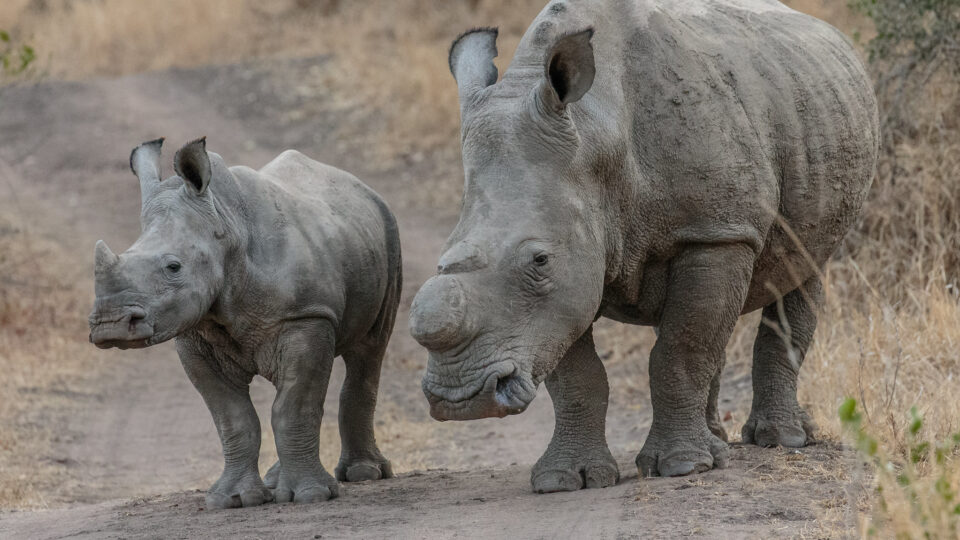
Recent studies have shown that there has been a 69% decline in global animal populations since 1970.  There is a biodiversity crisis in the world.  In the face of this situation, there is a growing interest in using cold storage to preserve genetic samples taken from animals threatened with extinction.

Just as egg-freezing is used to preserve human fertility for a later date, the cryogenic freezing of genetic material from animals could be important in reducing species extinctions.  Living cell banks – also known as cryobanks – could preserve genetic materials from animals that include skin cells, embryos, semen, and live tissues.  These materials could be cultured and used for various applications including DNA extraction, assisted reproduction, ensuring genetic diversity in animal populations, and potentially reintroducing species back into their natural habitats.

There is a facility called the Frozen Zoo at the San Diego Wildlife Alliance which has genetic material from 965 different species, including 5% of the vertebrates currently listed as threatened on the IUCN Red List.  Further sampling from zoos and aquariums could increase that representation to almost 17%.

Genetic samples of 50% of the species currently listed as extinct in the wild are already represented in the Frozen Zoo.  Further sampling from the zoological community could increase this number to 91%.  This could provide a critical lifeline for these species that are on the brink of extinction.  As wildlife populations continue to decline around the world, it is more critical than ever to collect and preserve genetic samples from threatened species.

**********

Web Links

Cryo conservation – a cool solution to saving species from extinction

Photo, posted September 30, 2018, courtesy of Andy Morffew via Flickr.

Earth Wise is a production of WAMC Northeast Public Radio
Ocean Oxygen Levels And The Future Of Fish | Earth Wise

June 23, 2023 By EarthWise Leave a Comment

How oxygen levels in the ocean will impact the future of fish

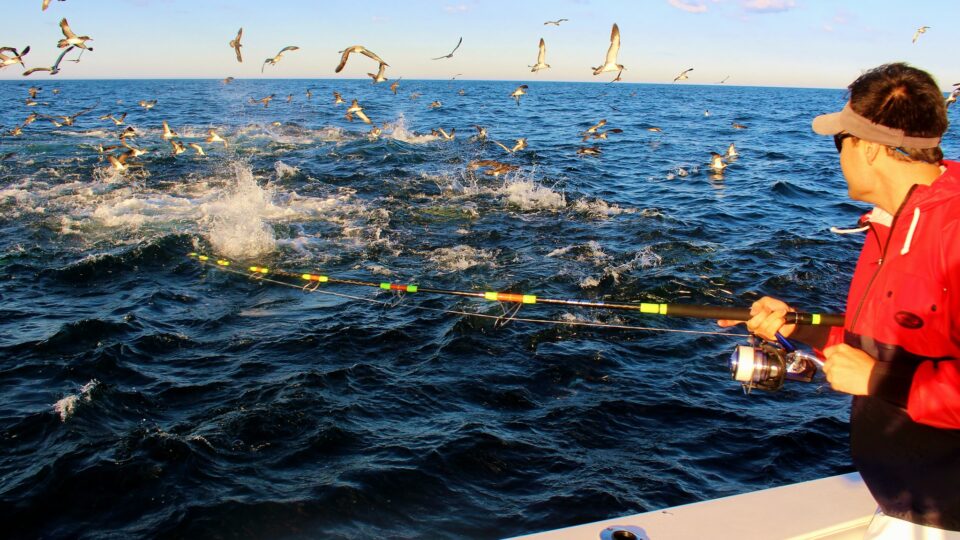
Climate change is creating a cascade of effects in the world’s oceans.  Not only are ocean temperatures on the rise, but oceans are becoming more acidic, and oxygen deprived.  The warming temperatures and acidification have grabbed headlines and prompted academic research. Declining oxygen levels have not garnered as much attention.  But they spell bad news for fish.

Oxygen levels in the world’s oceans have dropped over 2% between 1960 and 2010 and are expected to decline up to 7% over the next century.  There are places in the northeast Pacific that have lost more than 15% of their oxygen.  There are a growing number of “oxygen minimum zones” where big fish cannot survive but jellyfish can.

Oceans are losing oxygen for several reasons.  First, warmer water can hold less dissolved gas than colder water.  (This is why warm soda is flatter than cold soda.)  Deeper in the ocean, oxygen levels are governed by currents that mix oxygen-rich surface water from above.  Melting ice in the warming polar regions add fresh, less-dense water that resists downward mixing in key regions.  Finally, increasing amounts of ocean bacteria in warming waters gobble up oxygen creating dead zones in the ocean.

In many places, fish species that cannot cope with lower oxygen levels are migrating from their usual homes, resulting in a decline in species diversity.  Our future oceans – warmer and oxygen-deprived – will not only hold fewer kinds of fish, but also smaller fish and even more greenhouse-gas producing bacteria.   

Climate change is bad news for fish and for the more than 3 billion people in the world who depend on seafood as a significant source of protein.

**********

Web Links

As Ocean Oxygen Levels Dip, Fish Face an Uncertain Future

Photo, posted January 10, 2022, courtesy of Willy Goldsmith via Flickr.

Earth Wise is a production of WAMC Northeast Public Radio
Can All Plant Species Survive? | Earth Wise 

June 9, 2023 By EarthWise Leave a Comment

Many animal populations around the world are struggling and people are mostly to blame.  Species are declining because of all sorts of things including changes in land and sea use, pollution, invasive species, and climate change.

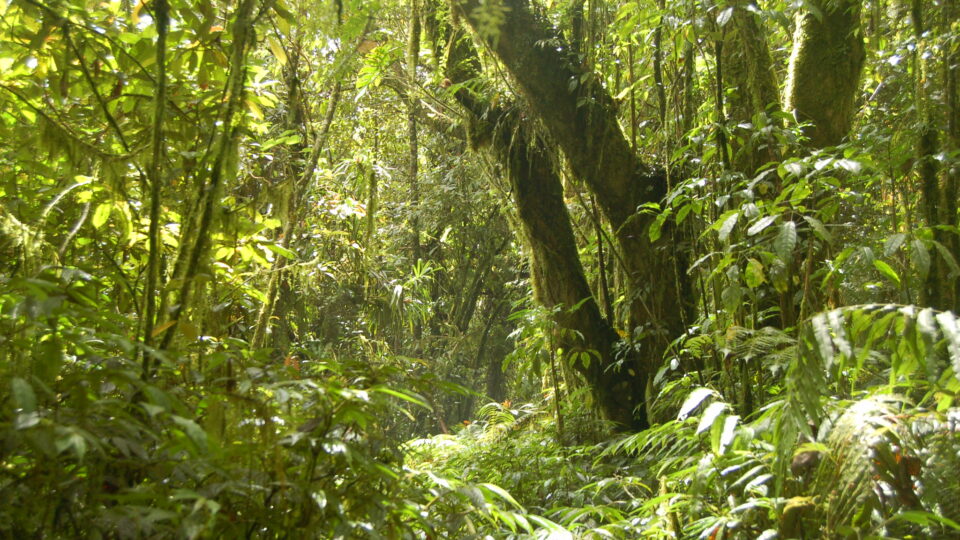
Like many animal species, plants are also struggling to adapt to a human-dominated world.  Plants provide the planet with food, oxygen, and energy, and are used to produce fibers, building materials, and medicines.  Even though plants are easier and cheaper to protect, they are often overlooked in conservation efforts. 

According to a paper recently published in the journal Trends in Plant Science, preventing all future land plant extinctions across the globe is possible with the right approaches.  The author of the paper, Richard Corlett of the Xishuangbanna Tropical Botanical Garden in China, writes that “if zero extinction is potentially achievable for plants, a less ambitious target would be inexcusable.” 

According to the paper, one big barrier in plant conservation is the lack of trained specialists, especially in tropical areas where there is a backlog of unidentified species.  It’s likely that many “dark extinctions,” which is when species slip away without us knowing they existed, have already occurred.

Another roadblock in preventing plant extinctions is information access, which can be solved by building an online “metaherbarium.”  This collaborative database would link digitized records from herbarium specimens with photographs, status assessments, and recovery plans.

Finally, the creation of “microreserves” – which are tiny pieces of protected land designed to get around space constraints – would further contribute to effective conservation of targeted plant species. 

Zero plant extinctions should be the goal.   

**********

Web Links

‘Zero plant extinction’ is possible, says plant ecologist

Photo, posted May 16, 2008, courtesy of Andrew Otto via Flickr.

Earth Wise is a production of WAMC Northeast Public Radio
Falling Lithium Prices | Earth Wise

May 1, 2023 By EarthWise Leave a Comment

Producers still working out how to meet the surging demand for lithium

Lithium, the key element in the batteries that power electric cars, as well as smartphones, tablets, and laptop computers, is sometimes called white gold.  Over time, the price of the metal has gone up and up.  But recently, and surprisingly, the price of lithium has actually gone down, helping to make electric vehicles more affordable.

Over the first couple of months of this year, the price of lithium has dropped by nearly 20%.  The price of cobalt, another important component of vehicle batteries, has fallen by more than half.  Even copper, another battery material, has seen its price drop by 18%.

Many analysts predicted that prices of these commodities would stay high or even climb higher.  The reason for the decline, as well as whether it is likely to persist, is the subject of much debate.

Some experts believe that the price drops are a result of demand not being as high as expected, perhaps related to slowing sales growth of EVs in Europe and China after certain subsidies expired.  Other industry experts said that the drop was a result of new mines and processing plants providing additional supply sooner than was thought possible.

Despite the price drops, mining and processing lithium remains an extraordinarily profitable business.  It costs from $5,000 to $8,000 to produce a ton of lithium that sells for ten times that amount.  With such fat profit margins, there is no shortage of banks and investors eager to finance lithium mining and processing projects.  Such profit margins are probably not sustainable and that will likely result in more reasonable prices over time.

There is plenty of lithium in the world.  The huge demand for it is a recent phenomenon and the world is still working out how to meet that demand.

**********

Web Links

Falling Lithium Prices Are Making Electric Cars More Affordable

Photo, posted January 9, 2023, courtesy of Phillip Pessar via Flickr.

Earth Wise is a production of WAMC Northeast Public Radio

Help For Kelp | Earth Wise

April 10, 2023 By EarthWise Leave a Comment

Sea urchins and climate change is devastating ocean kelp

The warming of the oceans has been causing the decimation of kelp forests.  The thick canopies covering coastal ocean regions have been wilting in warmer and nutrient-poor water.  Making matters much worse has been the explosion in population of sea urchins that thrive in warmer water.  The urchins gobble up the kelp, often resulting in so-called urchin barrens, largely devoid of life.

Kelp are considered a foundation species that occupy nearly half of the world’s marine ecoregions.  They thrive in cold water, where they form large underwater forests that provide essential habitat, food, and refuge for many species.  Kelp are often harvested for use in products ranging from toothpaste and shampoo to puddings and cakes.  Including the other services kelp provide, they are associated with billions of dollars in value annually.

On the North American Pacific Coast, a species of sea star consumes sea urchins.  However, these creatures are critically endangered. A marine wildlife epidemic known as sea star wasting syndrome, which began 10 years ago, has killed off more than 90% of the sunflower sea star population.   A new study by researchers at Oregon State University looked at the ability of sea stars to control sea urchin populations.

Lab experiments showed that sea stars consume urchins at a rate sufficient to maintain and possibly even restore the health of kelp forests.  The study shows that there is a clear link between the population crash of sea stars, the explosion in sea urchin populations, and the decline in kelp.

The study’s authors are calling for active management and a coordinated sea star recovery program to try to deal with the effects of a disease whose cause has not been determined.

**********

Web Links

Sea stars able to consume kelp-eating urchins fast enough to protect kelp forests, research shows

Photo, posted December 14, 2015, courtesy of Ed Dunens via Flickr.

Earth Wise is a production of WAMC Northeast Public Radio

Protecting Wetlands | Earth Wise

March 28, 2023 By EarthWise Leave a Comment

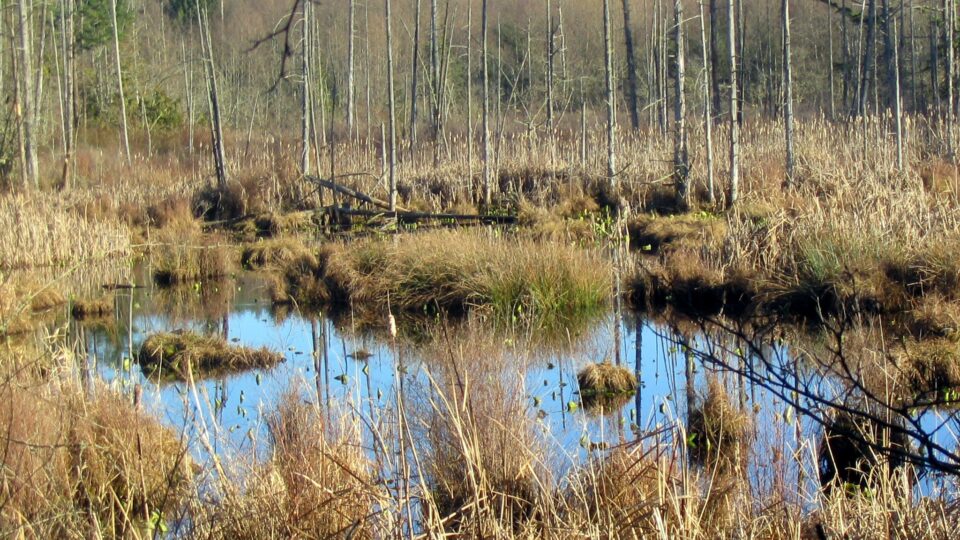
Wetlands are distinct ecosystems that are flooded or saturated by water, either permanently or seasonally.  They include mangroves, marshes, swamps, forested wetlands, bogs, wet prairies, and vernal pools.   The feature that most wetlands share is soil or substrate that is at least periodically saturated with or covered by water.

Wetlands are some of the most threatened ecosystems in the world.  While wetlands can be affected by a variety of natural stressors, including erosion, droughts, and storms, human activities have been the major driver of wetland decline. 

But according to a new study by researchers from McGill University in Canada, the global loss of wetland areas since 1700 has likely been overestimated.  The research team calculated that the area of wetland ecosystems around the world has declined 21-35% since 1700 as a result of human activities – far less than the 50-87% decline estimated in other studies.  The study’s focus beyond regions with historically high wetland losses and its avoidance of possibly misleading extrapolations likely resulted in the lower estimate.      

According to the study, which was published in the journal Nature, more than 2.1 million square miles of wetlands have been lost during the past 300 years – an area roughly the size of India.  The five countries with the highest wetland losses are the United States, China, India, Russia and Indonesia. 

But discovering that fewer wetlands have been historically lost than previously thought gives researchers a second chance to protect wetlands.  The findings of the study will help researchers prioritize global conservation and restoration actions.

**********

Web Links

A second chance to protect wetlands

Photo, posted February 2, 2005, courtesy of Jan Tik via Flickr.

Earth Wise is a production of WAMC Northeast Public Radio
Solar Power At Night | Earth Wise

March 16, 2023 By EarthWise Leave a Comment

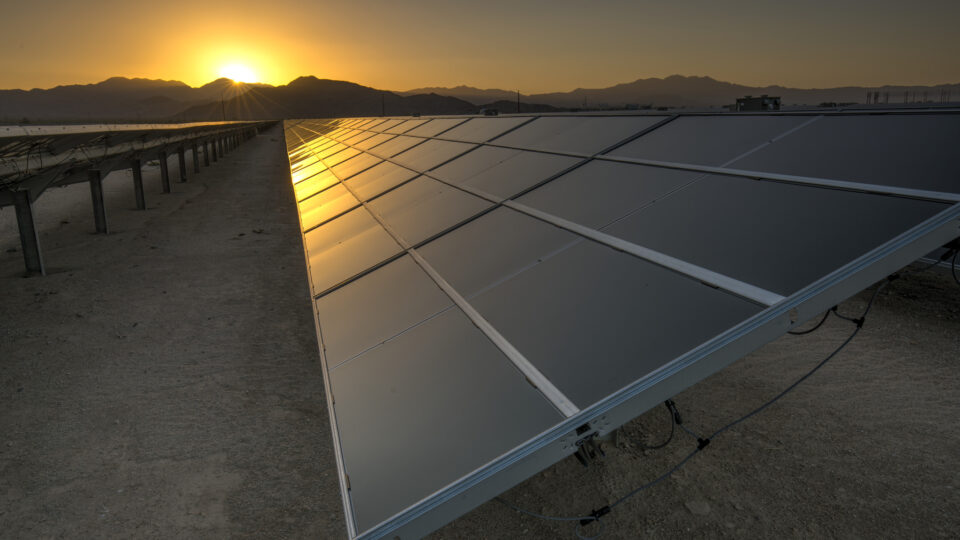
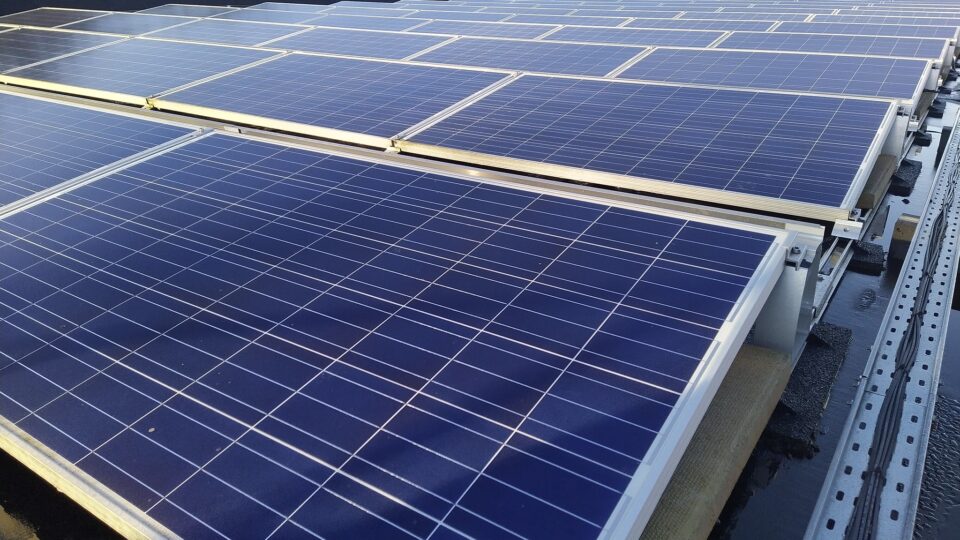
The use of solar power has grown tremendously in recent years as it has declined in price and become far more competitive with other forms of electricity generation.  Its fundamental drawback, of course, is that it only works when the sun is shining.  Solar panels don’t produce any power at night.  That is, until now, apparently.

A team of engineers at Stanford University have developed a new kind of solar cell that is capable of generating at least some electricity at night.  Published in the journal Applied Physics Letters, the research describes a device that can be a continuous renewable power source for both day and nighttime.

The device incorporates a thermoelectric generator that produces electricity from the small difference in temperature between the ambient air and the solar cell itself.  The amount of power produced is far less than the solar cell generates from sunlight, but the device can provide nighttime standby lighting and power in off-grid and mini-grid applications.

Mini-grid applications are independent electricity networks that are used for small populations that may be too isolated to be connected to the main power grid.  Nearly 600 million people in Africa currently live without access to electricity, primarily in rural areas.  A standalone solar system operating independently of any power grid can meet many electricity needs such as phone charging and lighting, but such systems may not be able to handle large electrical need such as powering machinery and agricultural equipment.  Mini-grids are larger installations that can provide power to a small rural community.

With innovations like the new Stanford device, a solar mini-grid may be able to keep running at some level even at night.

**********

Web Links

Solar panels that can generate electricity at night have been developed at Stanford

Photo, posted December 15, 2021, courtesy of Pete via Flickr.

Earth Wise is a production of WAMC Northeast Public Radio
Renewables’ Growing Share | Earth Wise

March 15, 2023 By EarthWise Leave a Comment

Not long ago, many states across the country were setting goals to obtain 20% of their electricity from renewable sources. For a few states, like New York and Washington, ample amounts of hydropower made 20% an easy target.  But for many others, 20% seemed like a very ambitious objective.

Things have certainly changed.  According to the latest monthly Short Term Energy Outlook, a report from the federal government, the combination of wind, solar, and other renewable sources will exceed one-quarter of the country’s generation by 2024.

Renewables are already at 24% of U.S. electricity generation and are expected to rise to 26% by next year.  Coal, which used to be the largest source of electricity, will continue to drop from its current 18% to 17% by next year.  Overall, renewables passed coal for the first full year in 2020.  Coal staged a bit of a comeback in 2021, but has once again resumed its decline.  Many coal-fired power plants continue to close, and there are not new ones being built because of diminishing economic benefits as well as concerns about emissions.

The largest source of electricity generation continues to be natural gas at 38%, but that number is also expected to slowly decrease over time. The growth in renewable energy is coming from wind and solar power.  Two-thirds of that growth is from solar and one-third is from wind. 

Together, wind and solar power will add up to 18% of the country’s electricity supply.  The government still tracks them lumped together as renewables, but both are so large and growing so quickly that the Energy Information Agency is likely to soon start tracking them as separate categories.

**********

Web Links

Renewables Projected to Soon Be One-Fourth of US Electricity Generation. Really Soon

Photo, posted April 18, 2011, courtesy of Allan Der via Flickr.

Earth Wise is a production of WAMC Northeast Public Radio
A Vaccine For Bees | Earth Wise

February 27, 2023 By EarthWise Leave a Comment

USDA grants conditional license for a honey bee vaccine

The US has seen annual reductions in honey bee colonies since 2006.  According to the USDA, there are many factors that have contributed to the decline.  These include parasites, pests, insecticides, disease, and a phenomenon called Colony Collapse Disorder in which worker bees abandon a hive and leave behind the queen.

One of major threats to bee colonies is American foulbrood disease, which is a bacterial condition that attacks bee larvae.  It is highly contagious and has no cure.  Until now, the only treatment method required burning the colony of infected bees along with the hives and equipment and treating nearby bee colonies with antibiotics.

Recently, the USDA has approved a conditional license for the world’s first vaccine for honey bees.  The vaccine contains inactive bacteria of the type that causes American foulbrood disease.

The vaccine is incorporated into the royal jelly fed by worker bees to the queen bee.  The queen ingests the feed and keeps some of vaccine in her ovaries.  This gives bee larvae immunity to the disease as they hatch and thereby reduces death from the illness.

According to the California State Beekeepers Association, the new vaccine could be a major breakthrough for protecting bees.  Preventing the infection in hives could avoid costly, destructive measures and allow the beekeepers to focus on other important elements of keeping bees healthy.

Bees as pollinators play a critical role in many ecosystems.  For humankind, pollinators such as bees, birds, and bats are responsible for about a third of the world’s crop production.

**********

Web Links

US approves world’s first vaccine for declining honey bees

Photo, posted June 6, 2022, courtesy of Bernd Thaller via Flickr.

Earth Wise is a production of WAMC Northeast Public Radio
Disappearing Glaciers | Earth Wise

February 20, 2023 By EarthWise Leave a Comment

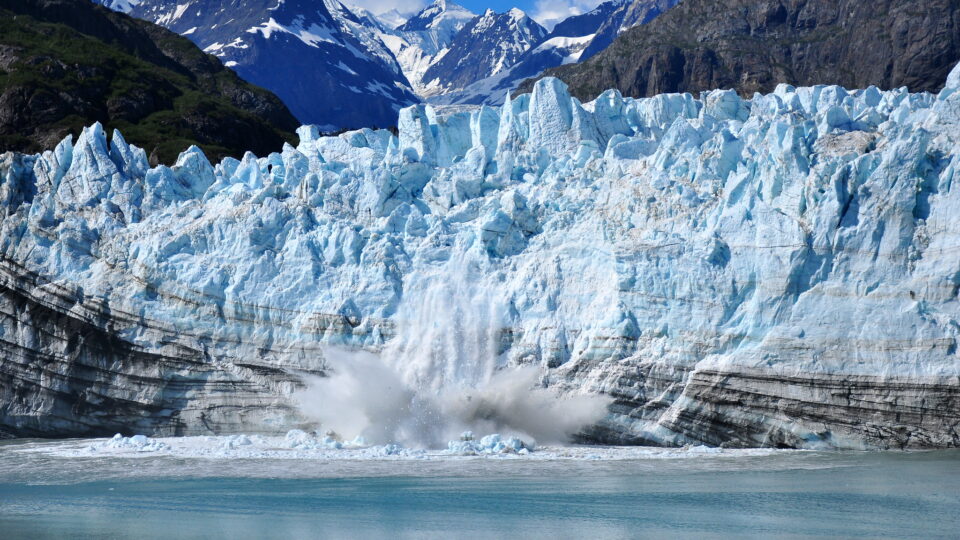
Glaciers are disappearing at a rapid rate

Glaciers are massive bodies of slowly moving ice.  Glaciers form on land, and represent the snows of centuries compressed over time.  They move slowly downward under the influence of their own weight and gravity. 

Most of the glaciers on the planet are found in the polar regions, including Antarctica, the Canadian Arctic, and Greenland.  Glaciers can also be found closer to the equator in mountain ranges, such as the Andes Mountain range in South America.  Glaciers are always changing, accumulating snow in the winter and losing ice to melting in the summer.  But in recent times, the melting has been outpacing the accumulation.

A new international study led by researchers at Carnegie Mellon University’s College of Engineering has produced new projections of glacier loss through the century under different emissions scenarios.  According to the projections, the world could lose as much as 41% of its total glacier mass this century – or as little as 26% – depending on climate change mitigation efforts. 

In a future with continued investments in fossil fuels (sometimes referred to as the “business as usual” scenario), more than 40% of the glacial mass will be gone by 2100, and more than 80% of glaciers by number could disappear.  Even in a best case scenario where the increase in global mean temperature is limited to 1.5° degrees Celsius relative to pre-industrial levels, more than 25% of glacial mass will be gone, and nearly 50% of glaciers by number will disappear.

Glaciers take a long time to respond to changes in climate.  A complete halt to emissions today would take anywhere from 30 to 100 years to be reflected in glacier mass loss rates.

**********

Web Links

Team projects two out of three glaciers could be lost by 2100

Ice, Snow, and Glaciers and the Water Cycle

Photo, posted August 13, 2010, courtesy of Kimberly Vardeman via Flickr.

Earth Wise is a production of WAMC Northeast Public Radio
  • « Go to Previous Page
  • Page 1
  • Page 2
  • Page 3
  • Page 4
  • Interim pages omitted …
  • Page 7
  • Go to Next Page »

Primary Sidebar

Recent Episodes

  • An uninsurable future
  • Clean energy and jobs
  • Insect declines in remote regions
  • Fossil fuel producing nations ignoring climate goals
  • Trouble for clownfishes

WAMC Northeast Public Radio

WAMC/Northeast Public Radio is a regional public radio network serving parts of seven northeastern states (more...)

Copyright © 2026 ·