A recent study has identified the steep decline of more than 300 species of mammals as a result of unregulated or illegal hunting. Humans are consuming many of the world’s wild mammals to the point of extinction.
decline
Disappearing Arctic Ice
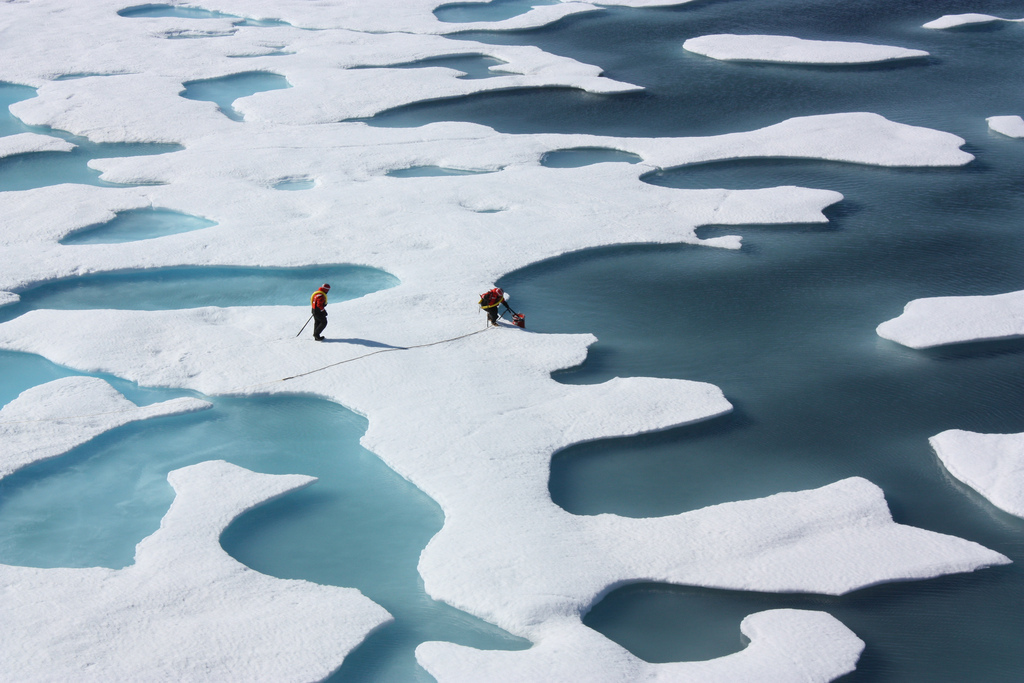
The top of the world is turning from white to blue in the summer. The ice that has long covered the north polar seas is melting away.
Wilderness Lost
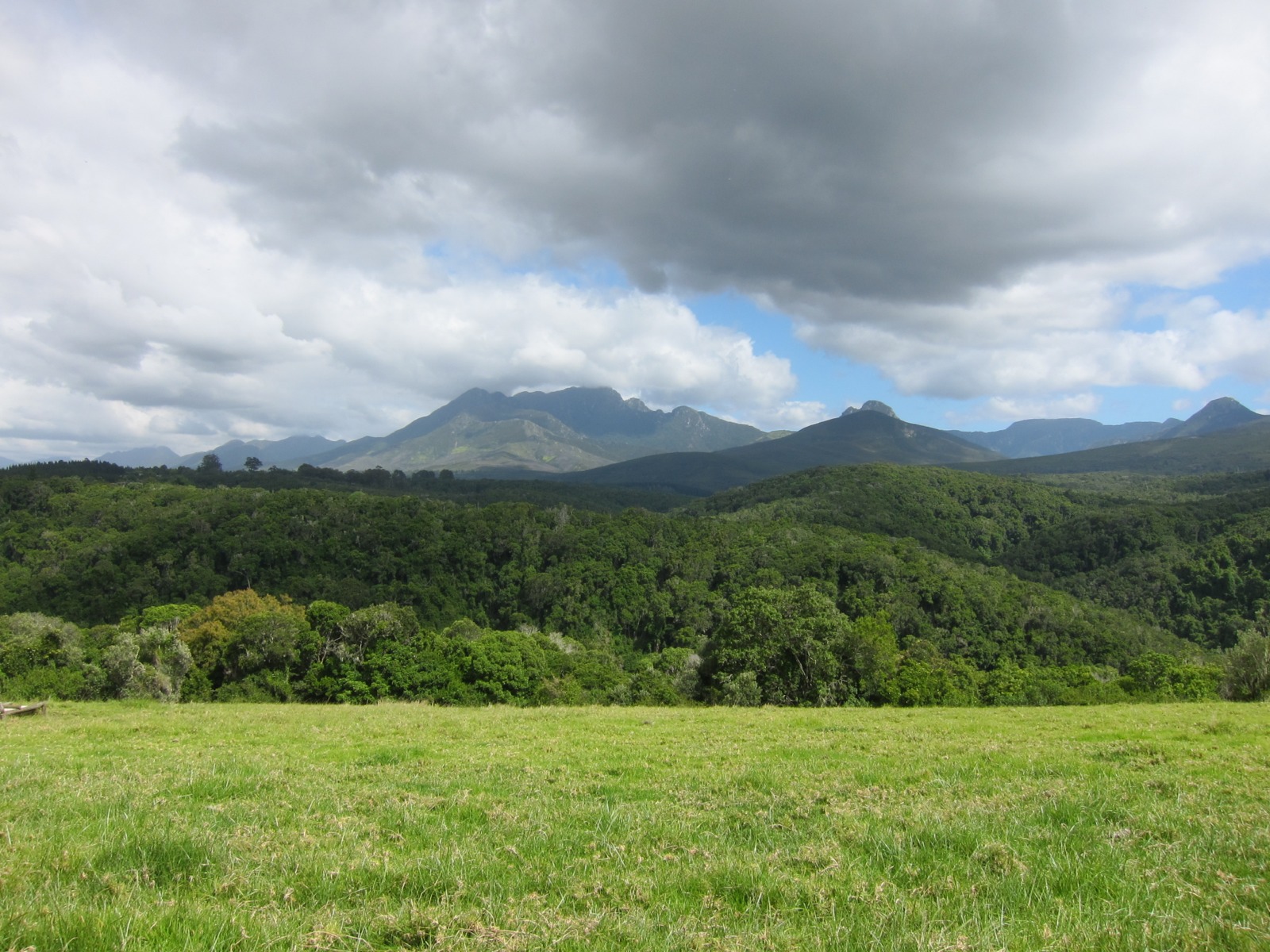
Wilderness areas are strongholds for biodiversity. They buffer and regulate local climates, and they support many of the world’s most politically and economically marginalized communities. While there is a great deal of attention being paid to the loss of species around the world, there is relatively little focus on the loss of entire ecosystems. Simply put, wilderness is on the decline, and it has been ever since human civilization began its inexorable expansion.
Dehorning Rhinos
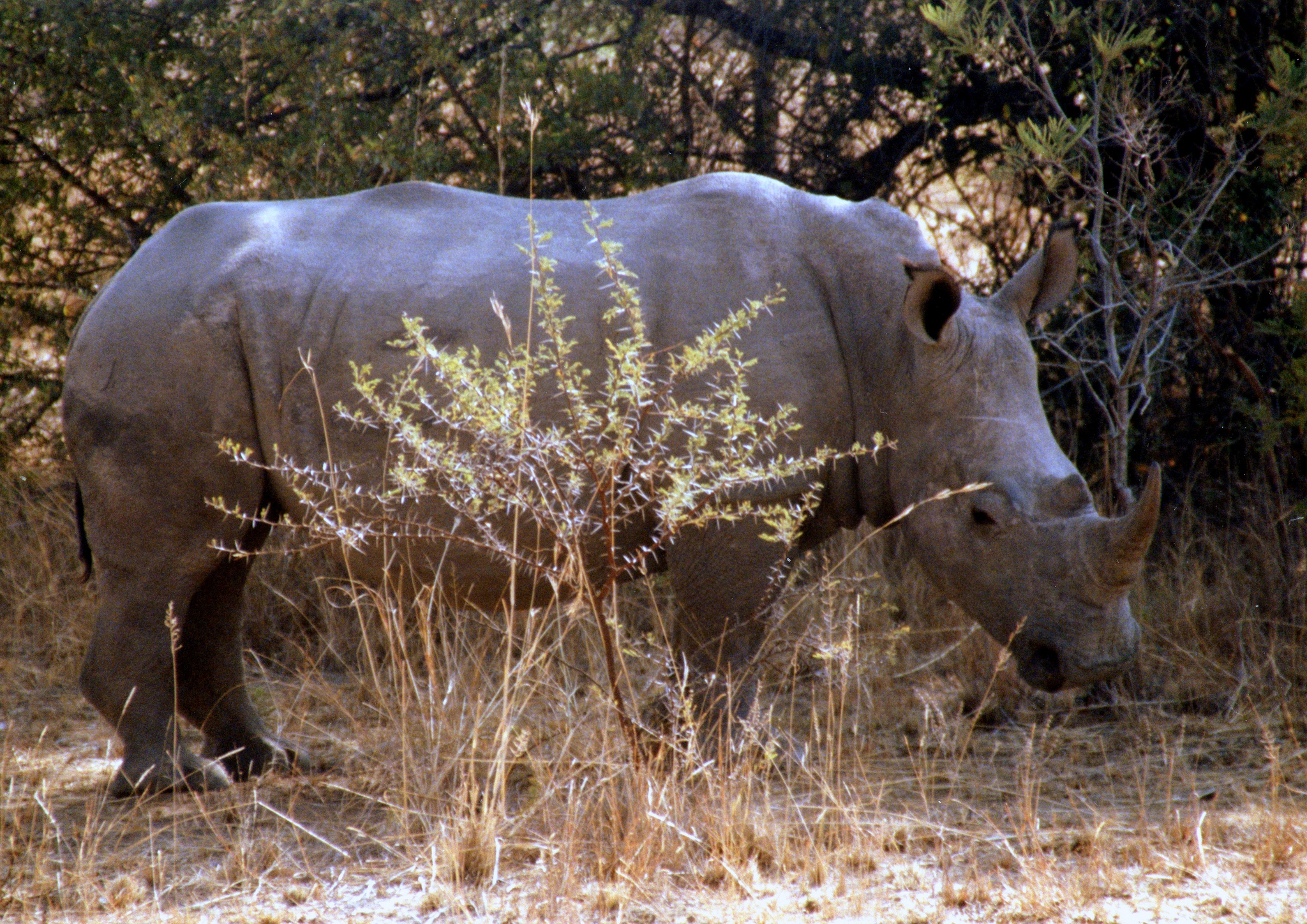
At the beginning of the 20th century, there were about 500,000 rhinos across Africa and Asia. By 1970, the number was down to 70,000. Today, there are less than 30,000 rhinos in the wild. The number of black rhinos dropped to as low as 2,300 in 1993. Aggressive conservation efforts have brought their numbers up to over 5,000 today.
Whale Sharks
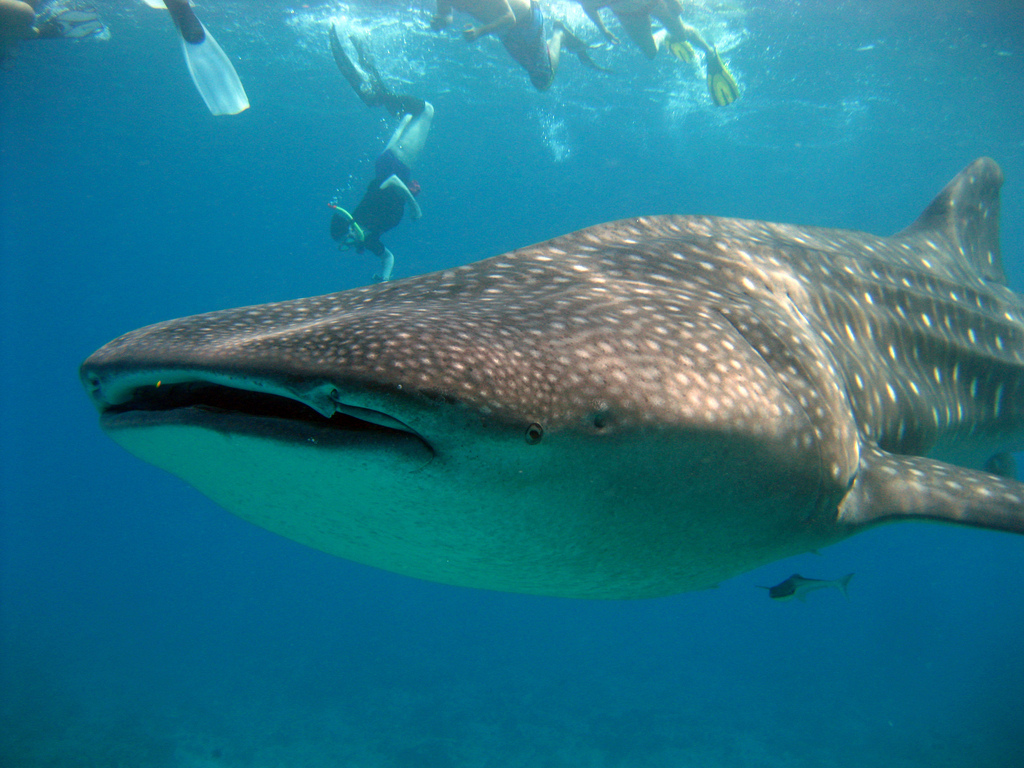
Whale sharks are the largest fish in the sea. They can grow more than 40 feet in length, weigh up to 47,000 lbs, and have a lifespan of about 70 years. They can be found cruising in the open waters of tropical oceans. But despite being enormous, whale sharks are no threat to humans. The docile beasts, which feed almost exclusively on plankton, have often been referred to as “gentle giants.”