death
2017 Was Hot
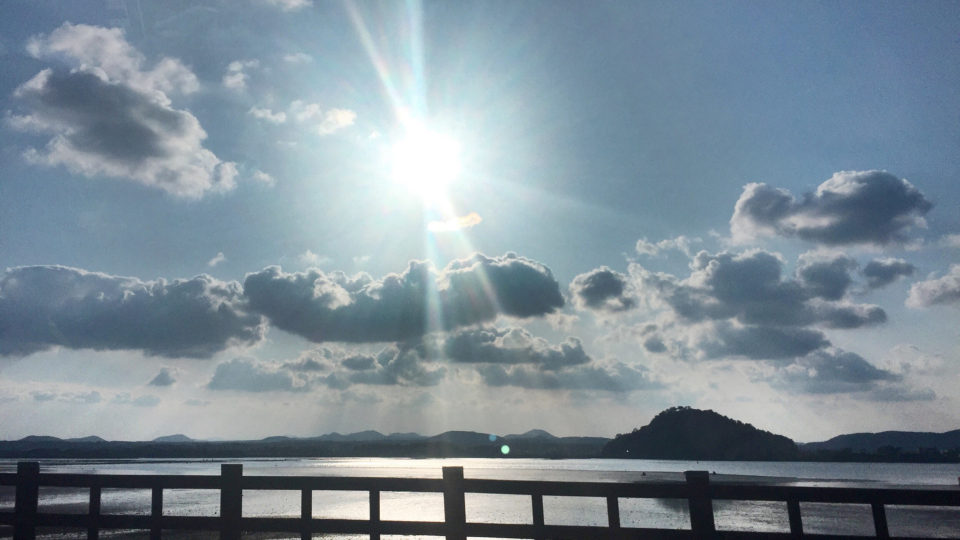
There’s no argument to be made about whether 2017 was hot or not. The only uncertainty is whether it was the second or third warmest year ever recorded.
Learning From Fire
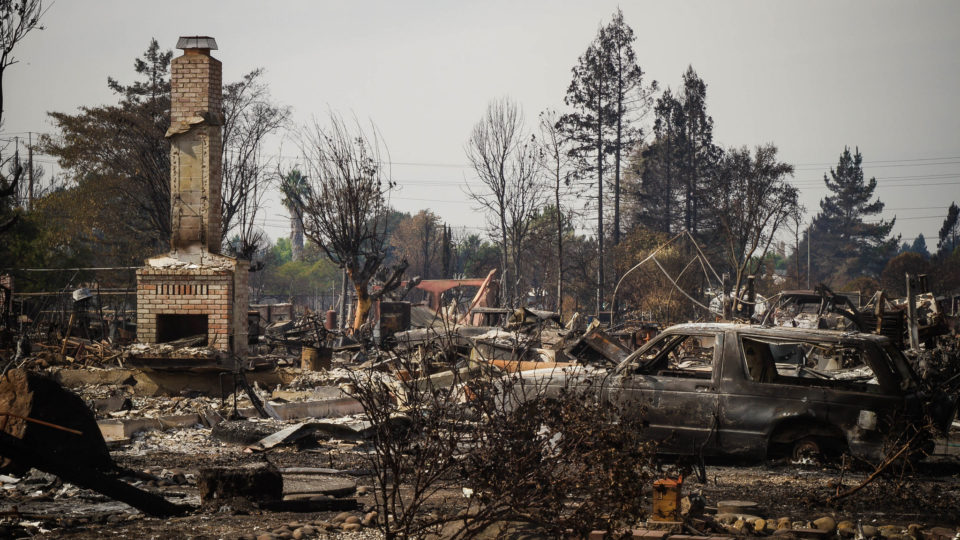
The Tubbs Fire was the huge wildfire that burned parts of Napa, Sonoma and Lake counties in Northern California in October. Between that fire and several smaller ones going on at the same time, at least 43 people died and over 8,400 homes and buildings were destroyed. The Tubbs Fire alone burned over 36,000 acres. The even larger December wildfires in Southern California scorched hundreds of thousands of acres in multiple counties.
Being Ready For Adverse Weather
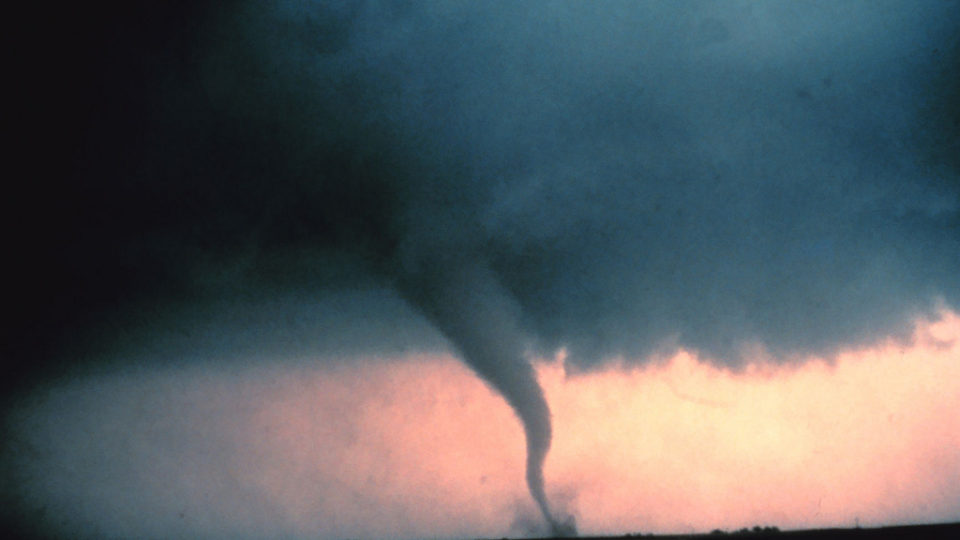
Severe weather is a major cause of death and destruction. Recent hurricanes provided all too many examples. The catastrophic flooding from Hurricane Harvey led to more than 60 deaths and necessitated thousands of emergency rescues. And yet, increasingly, weather events like hurricanes don’t occur without warning and accurate weather forecasts are increasingly common.
The Spread Of Bark Beetles
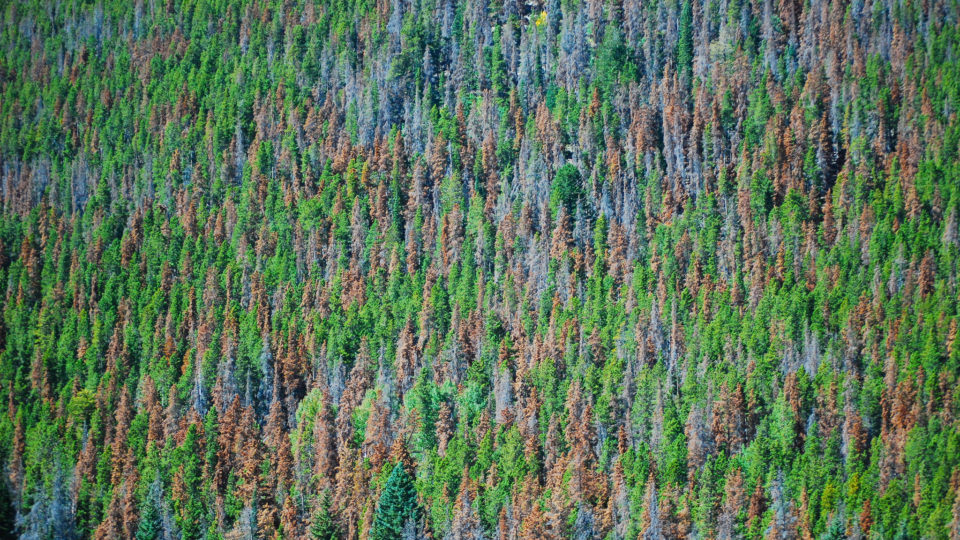
Bark beetles are a global scourge of evergreen forests. Mountain pine beetles have destroyed pine trees across western North America. Spruce beetles decimated spruce trees from New Mexico into Colorado and beyond. Altogether, bark beetles have ravaged 85,000 square miles of forest in the western U.S, an area the size of Utah, since 2000. They have killed trees across an additional 65,000 square miles of British Columbian forests and have caused millions of dollars of damage to the lumber industry in states like Alabama and Mississippi.
Raw Wastewater On Farms
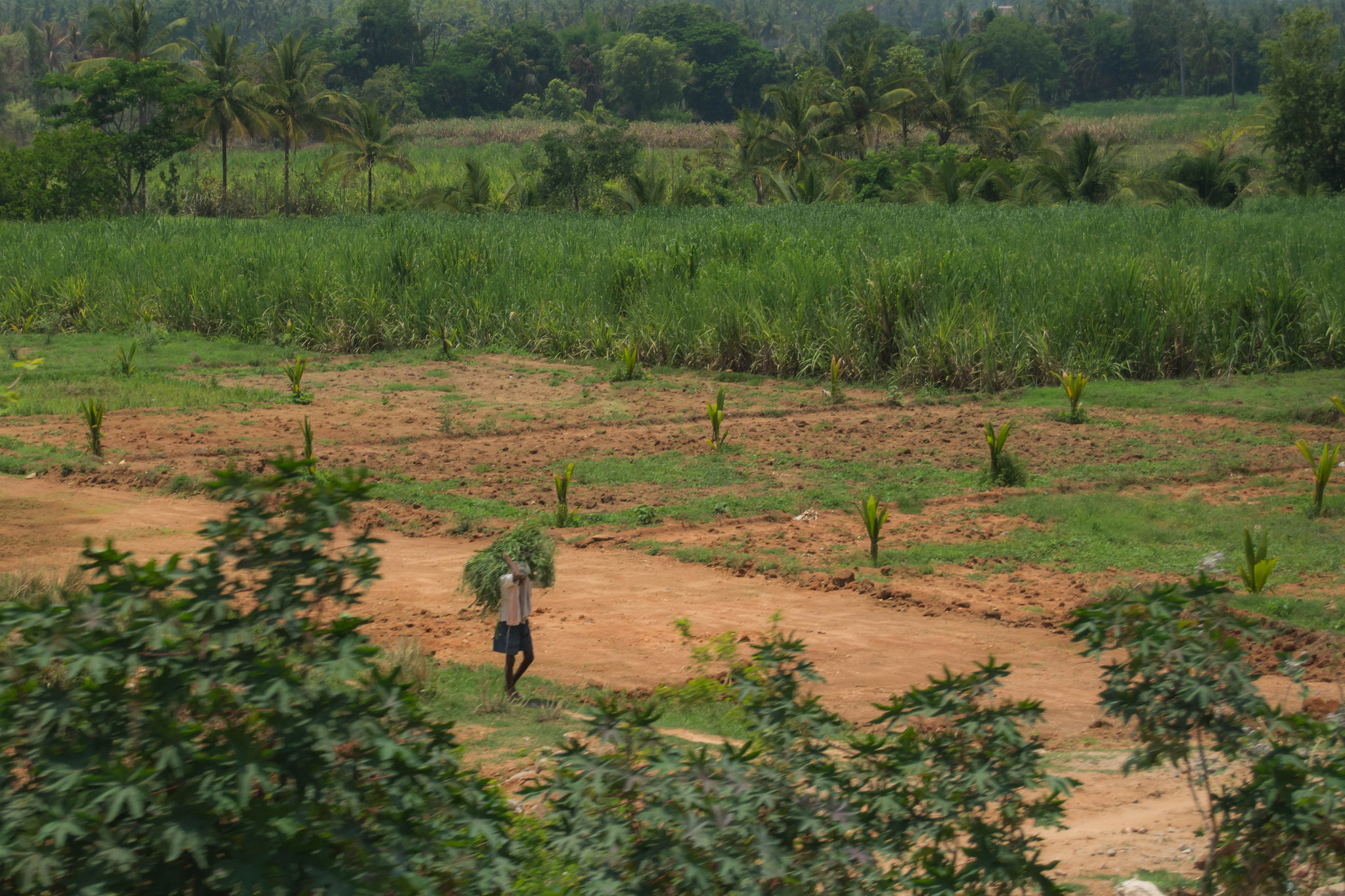
Clean water supplies are dwindling around the world. As a result, the use of untreated wastewater on farms for crop irrigation is on the rise.
Pedaling For Clean Air

Poor air quality is a problem all around the world. Exposure to air pollution is linked to the premature deaths of an estimated 6.5 million people every year, making it the fourth largest threat to human health, trailing only high blood pressure, dietary risks, and smoking.
Threats To Coral Reefs
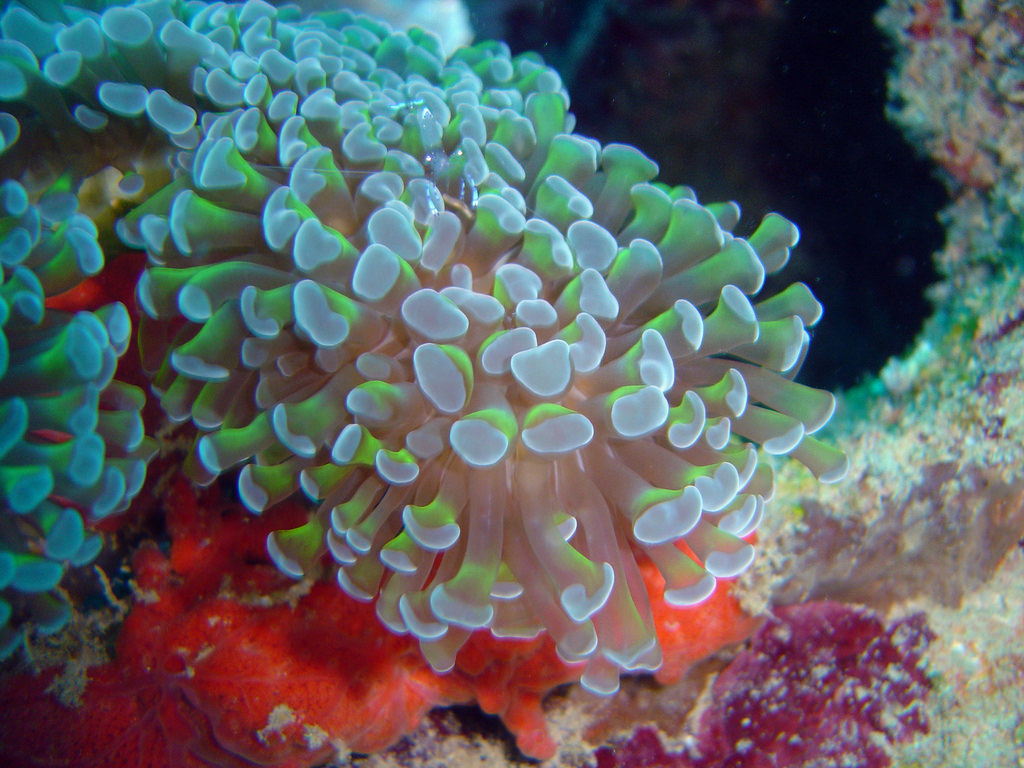
There has been much news recently about the growing bleaching events going on in the world’s coral reefs associated with ocean warming and acidification. The massive damage to Australia’s Great Barrier Reef is an ongoing tragedy.
The Great Barrier Reef
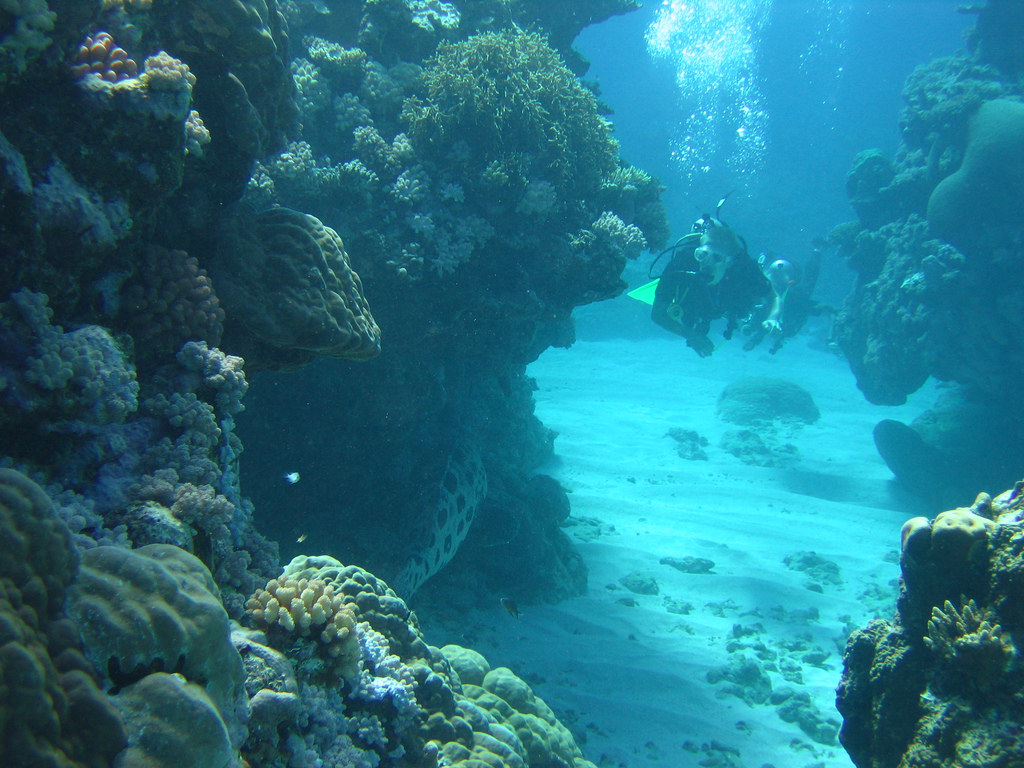
According to a new paper published in the journal Nature, global warming has damaged huge sections of Australia’s Great Barrier Reef. The authors of the paper warn that the resilience of the reef – which is the world’s largest living structure – is waning rapidly.
Coal And Chinese Air
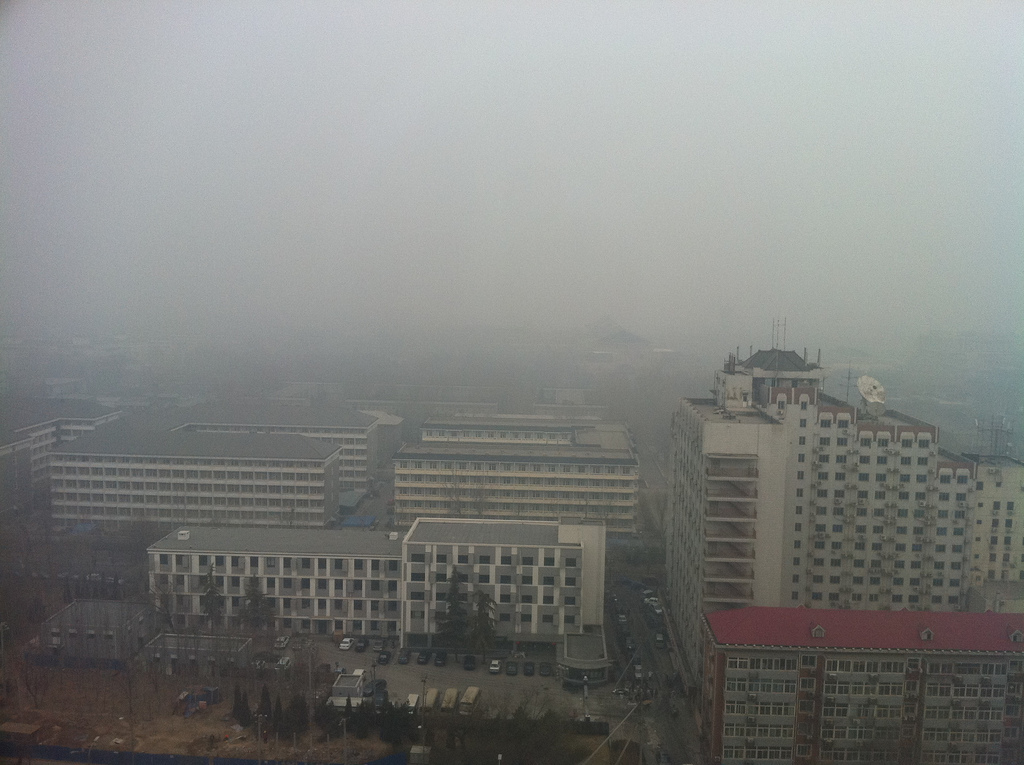
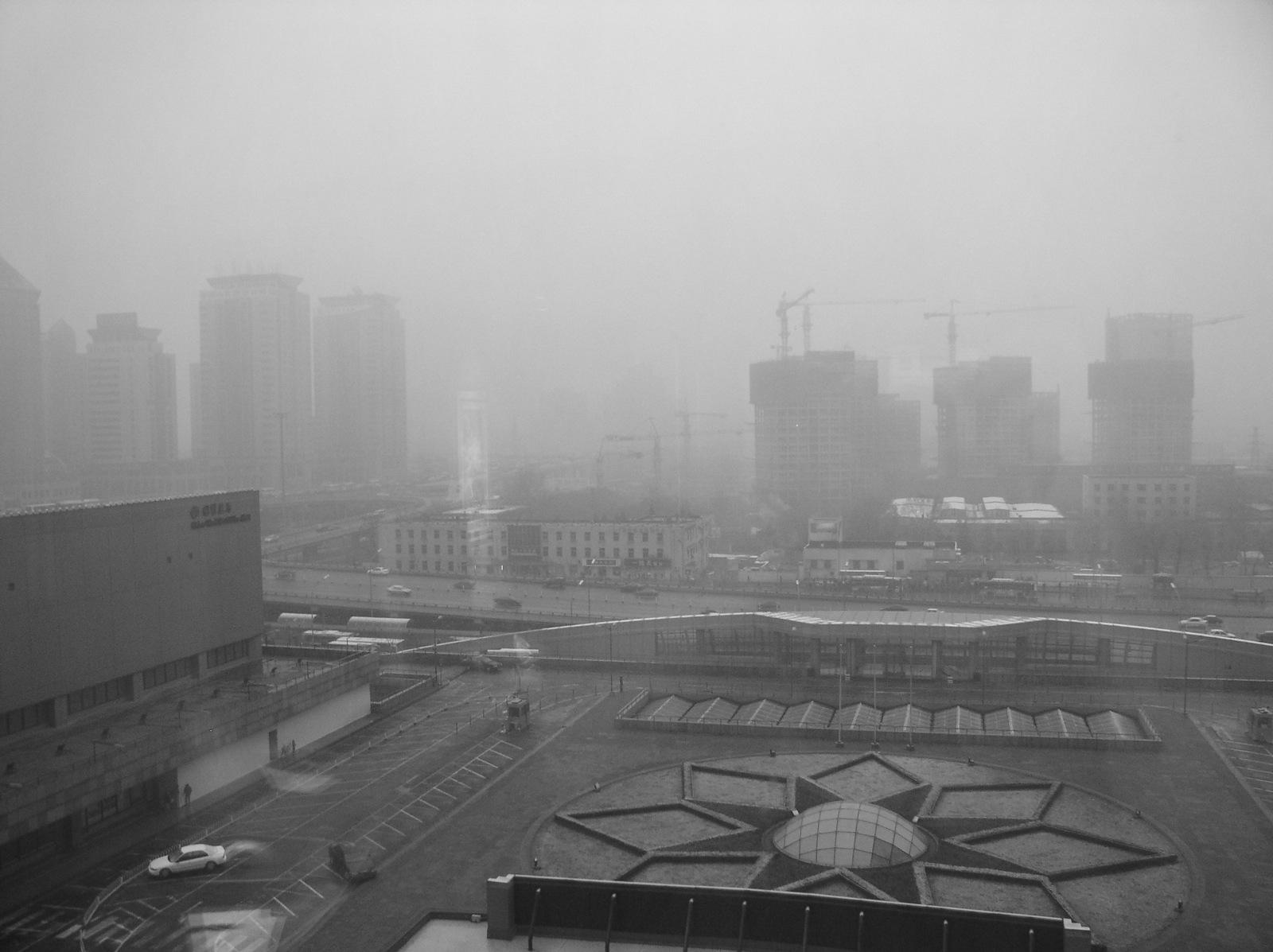
China has worked to reduce its coal consumption in recent years but the air quality in cities like Beijing is still notoriously poor and a major health hazard.
Climate Change And Reindeer
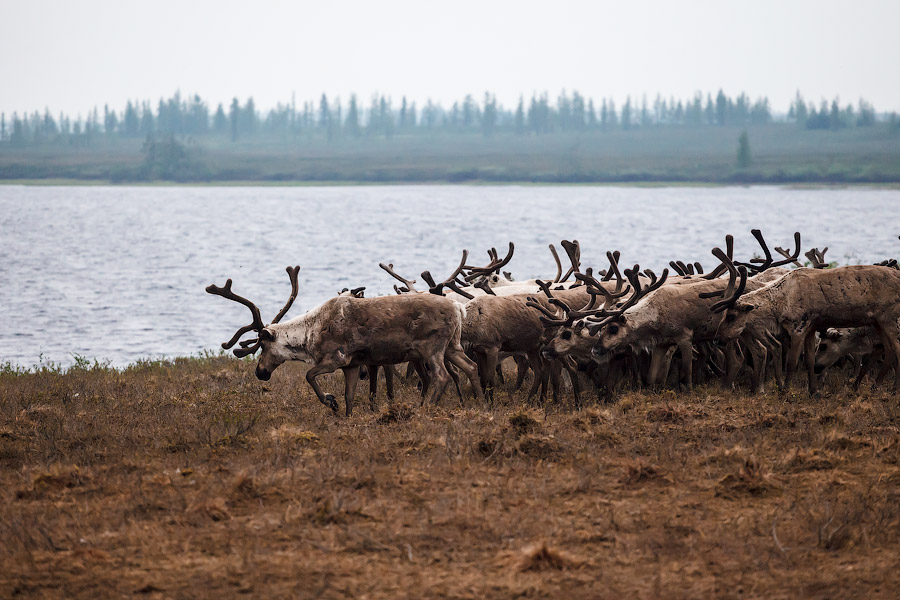
Hundreds of thousands of reindeer roam Russia’s Yamal Peninsula, which is located in northwestern Siberia, and are herded by the indigenous Nenets people, reportedly among the Arctic’s last truly nomadic reindeer herders. Reindeer provide these indigenous people with transportation, food, clothes, and even tools made from their bones. Reindeer are well suited for the freezing temperatures and thick snow of this climate. But they are not well suited for climate change.
Our Air Is Killing Us
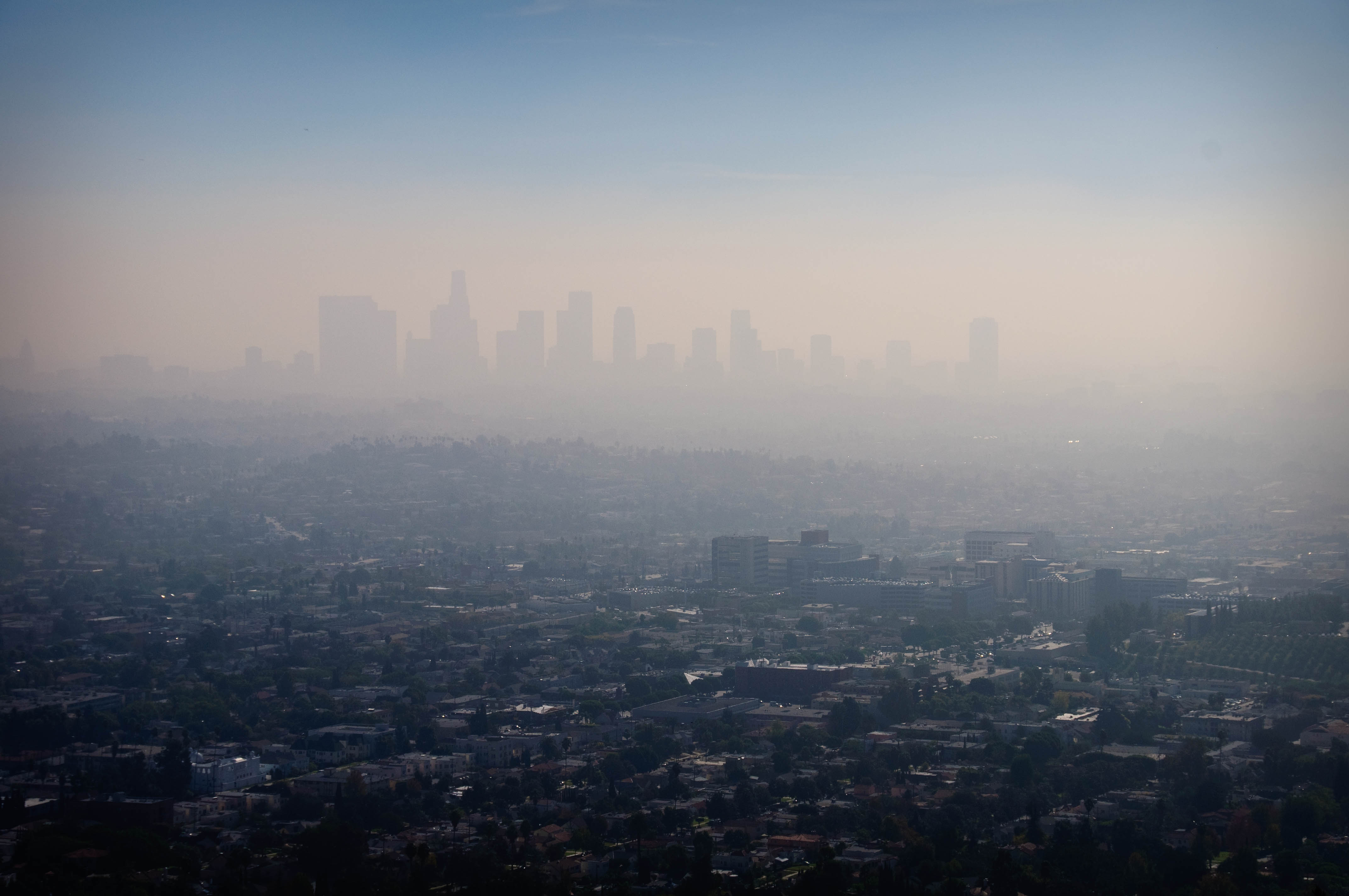
Poor air quality is a serious problem. Exposure to air pollution is linked to the premature deaths of an estimated 6.5 million people every year. This makes air pollution the fourth largest threat to human health. Only high blood pressure, dietary risks, and smoking are a bigger danger.
Should We Rescue Distressed Animals?
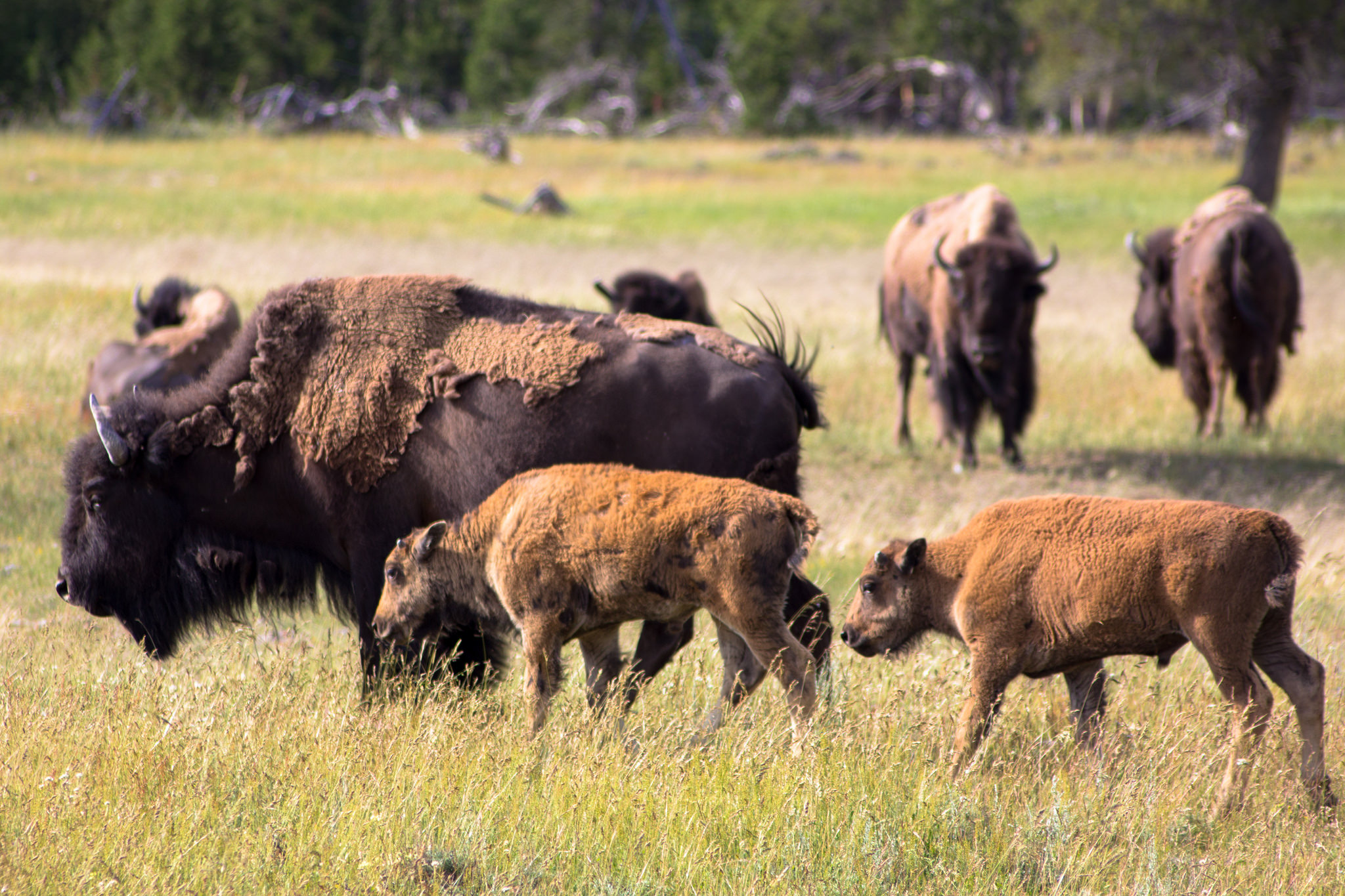
From time to time, we encounter wild animals in distress. A baby robin falls out of its nest. A fawn is orphaned when its mother is hit by a car. A bald eagle staggers on the ground, unable to fly.
Pakistan’s Green Tsunami
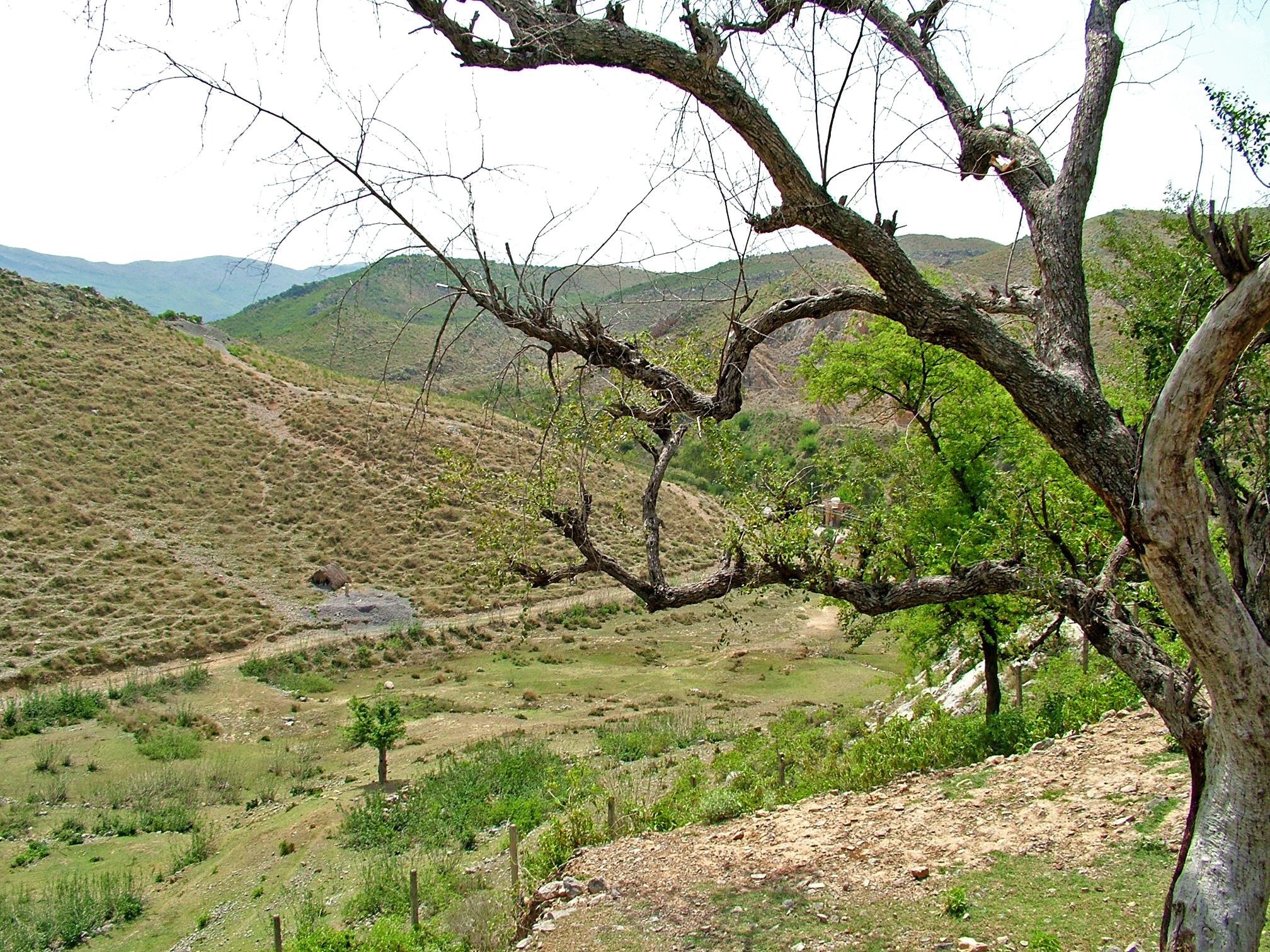
Pakistan has a terrible history of environmental degradation. Since it became an independent country in 1947, almost all of its primary forests have been cut down while its population has grown by an unbelievable 600 percent.
Nile Crocodiles In Florida
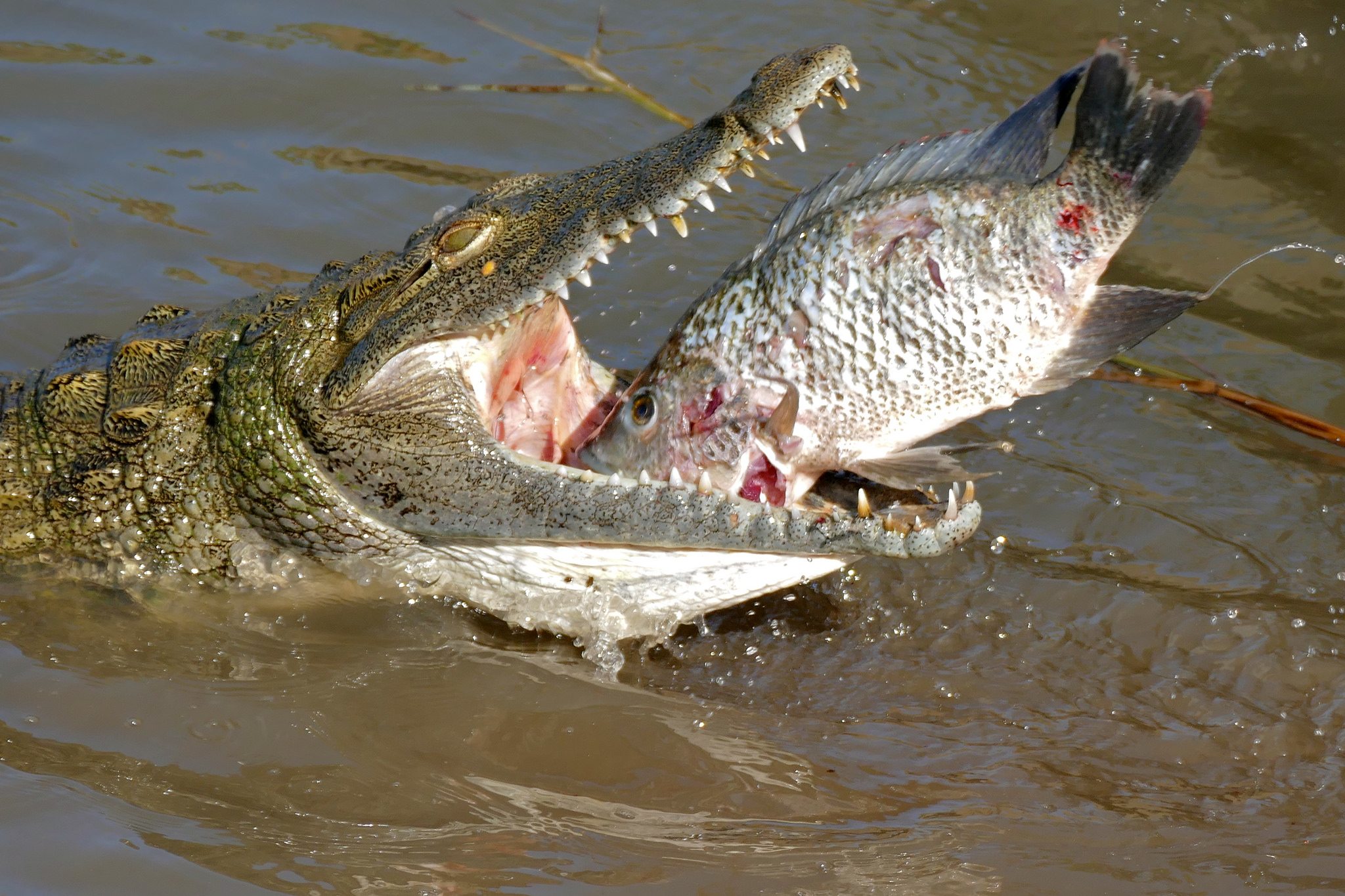
Nobody really knows how many alligators live in Florida. It’s estimated that there are anywhere from 1.3 million to 2 million alligators in the Sunshine State, which means there’s one gator for every 10-15 Floridians. It’s this ratio that makes it just about impossible for someone living in Florida not to encounter an alligator at some point. And if you have seen one recently and thought it looked a little bigger, you may be onto something.
Trouble For Vultures
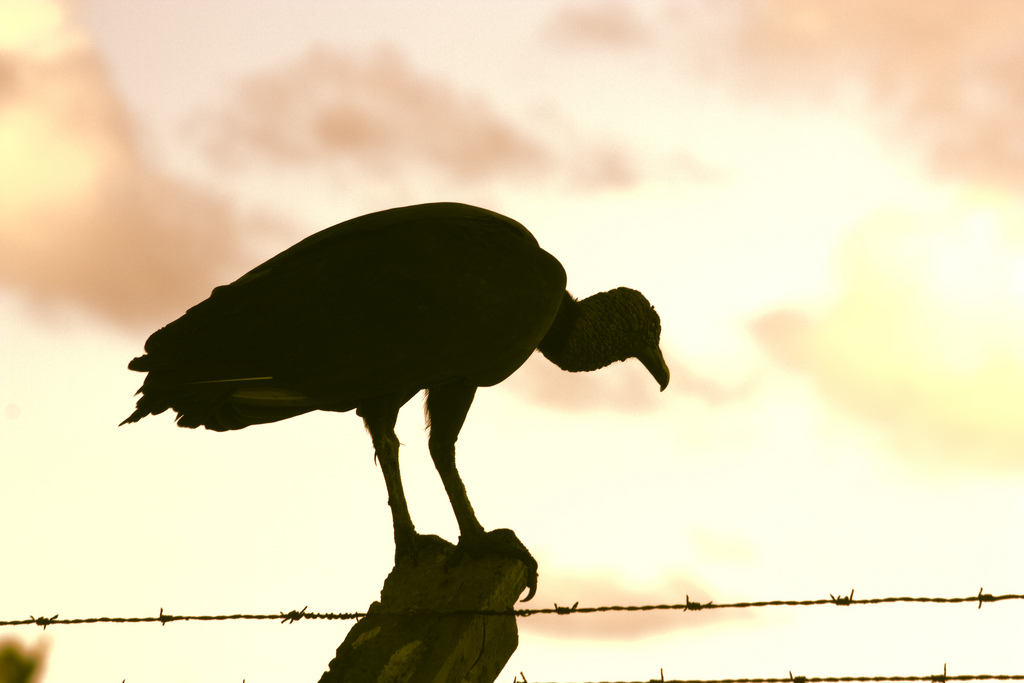
When we think of vultures, we picture big, ugly birds circling over a carcass in the desert. They are a stereotypical harbinger of death. But in many parts of the world, vultures are in danger of disappearing. Our knee-jerk reaction might well be “good riddance”, but as is the case for pretty much all participants in ecosystems, vultures have an important role to play. And when they aren’t around to play that role, bad things can happen.
Cyanide Fishing
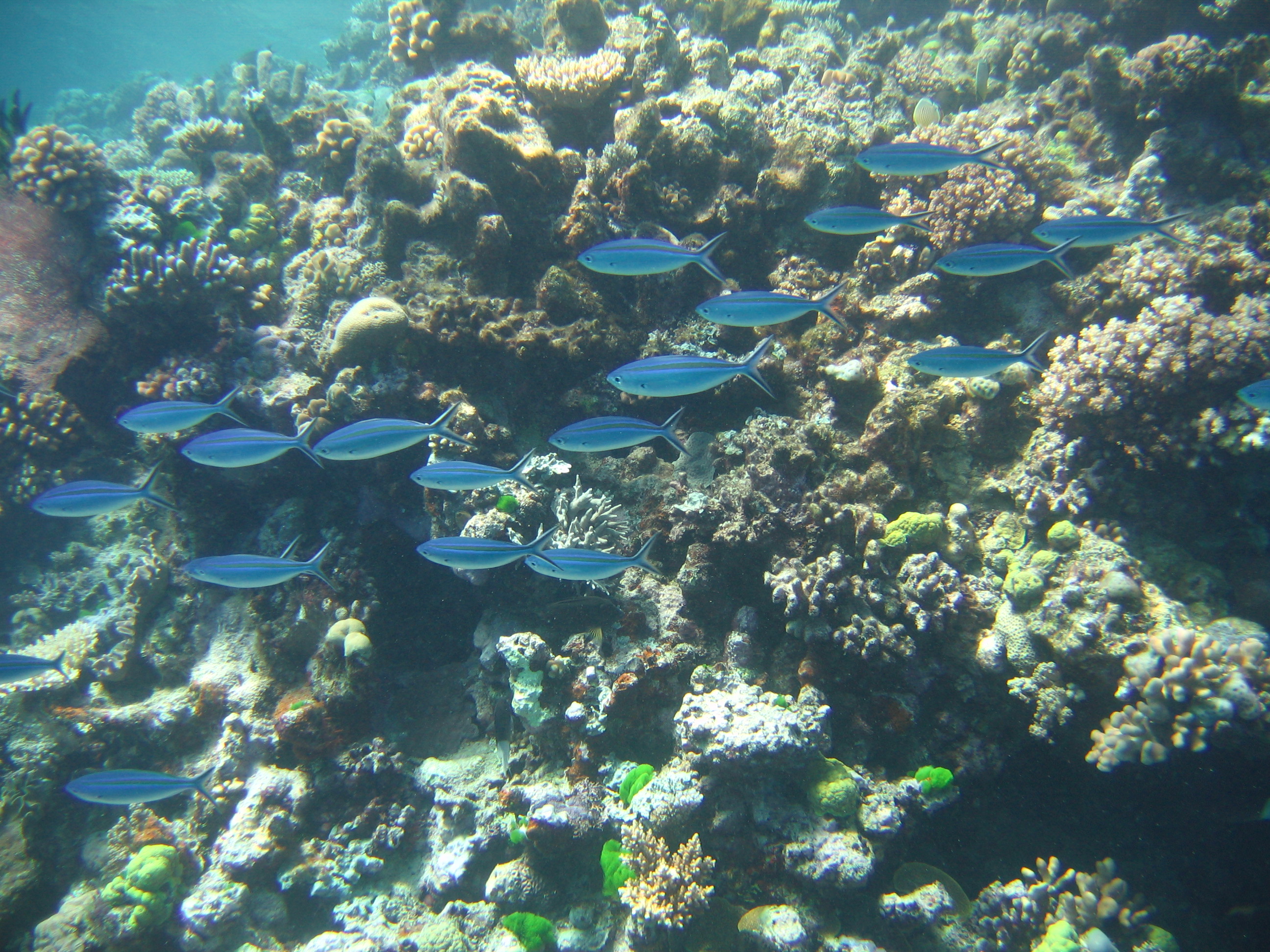
Most people listening to this have seen a saltwater aquarium before, and many of those likely owned one at some point. Maybe you still do. The bright coral and even brighter fish can be found in offices, restaurants, hotels, and homes all over the world.