• Skip to primary navigation
  • Skip to main content
  • Skip to primary sidebar

Earth Wise

A look at our changing environment.

  • Home
  • About Earth Wise
  • Where to Listen
  • All Articles
  • Show Search
Hide Search
You are here: Home / Archives for consequences

consequences

Cooling The Earth With A Warmer Arctic | Climate Change | Earth Wise

January 24, 2020 By EarthWise 1 Comment

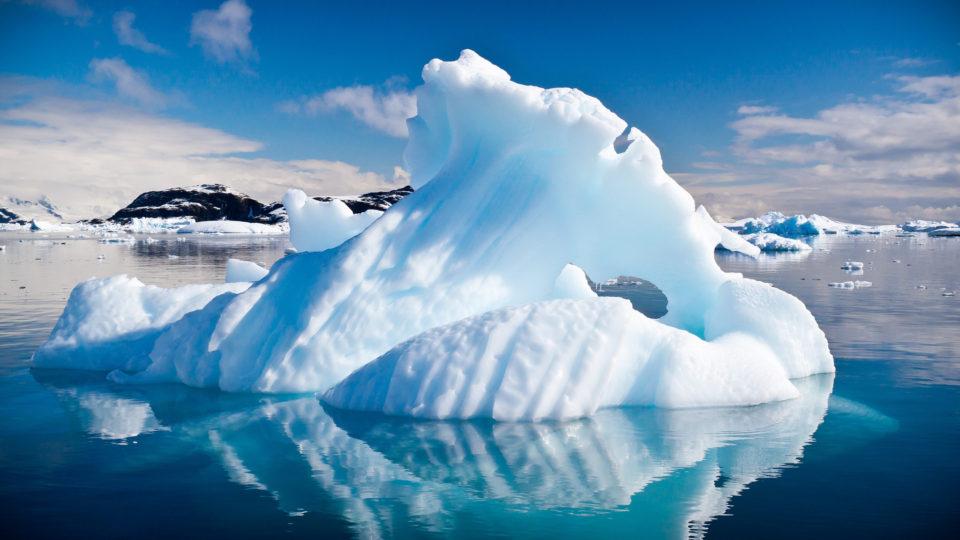
Melting Ice Cooling Earth Warmer Arctic Climate Change

Researchers are considering a wide range of approaches to mitigate the effects of global climate change.  Among these are various strategies of geoengineering, which must be viewed with enormous caution, given the high likelihood of unintended consequences from almost anything we might do.

Researchers at the International Institute for Applied Systems Analysis have investigated potential strategies for cooling the planet in the absence of Arctic sea ice.

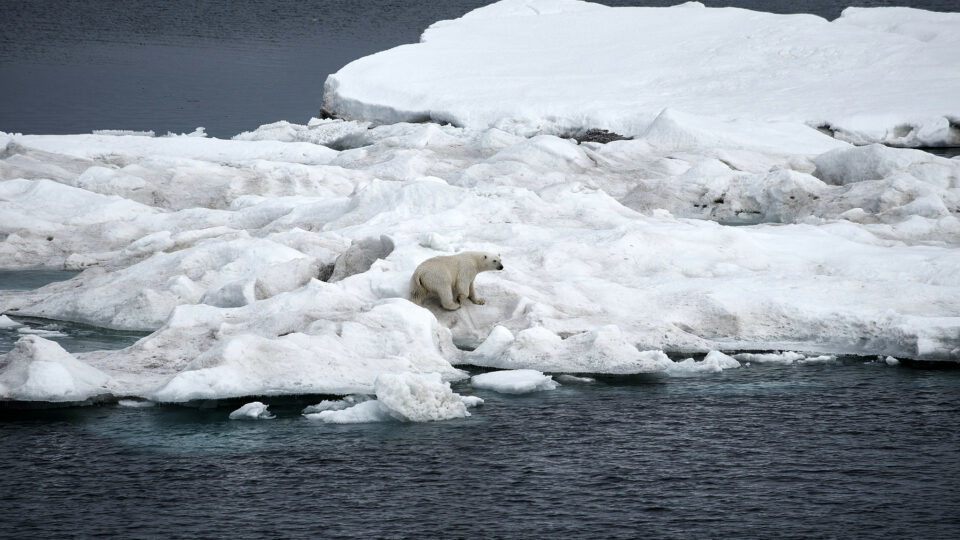
The Arctic region is heating up faster than any other place on earth and its sea ice is rapidly disappearing.  Estimates are that summer sea ice in the Arctic Ocean will be largely gone within a generation.  Arctic ice and snow reflect the sun’s energy into space, which helps to keep the planet cool.  What happens if that ice is gone?

The researchers explored the fact that the Arctic Ocean ice actually insulates the Arctic atmosphere from the warmer water under the ice.  Without the ice layer, the surface water would actually increase air temperatures by 20 degrees C during the winter.  That in turn would increase the heat irradiated into space and thereby cool down the planet.

The Arctic sea ice is in part maintained because the upper regions of the Arctic Ocean have lower salinity than the Atlantic Ocean.  This stops Atlantic water from flowing above the cold Arctic waters.  So, if we were to somehow deliberately increase the salinity of the Arctic Ocean surface water, warmer, less salty Atlantic Ocean water would flow in, increase the temperature of the Arctic atmosphere, and release heat trapped in the ocean into space.

It all sounds pretty crazy, but the researchers say that given the seriousness of climate change, all options should be considered when dealing with it.

**********

Web Links

Could we cool the Earth with an ice-free Arctic?

Photo, posted August 19, 2016, courtesy of Flickr.

Earth Wise is a production of WAMC Northeast Public Radio.
Bird Migration And Climate Change | Earth Wise

January 22, 2020 By EarthWise Leave a Comment

bird migration climate change

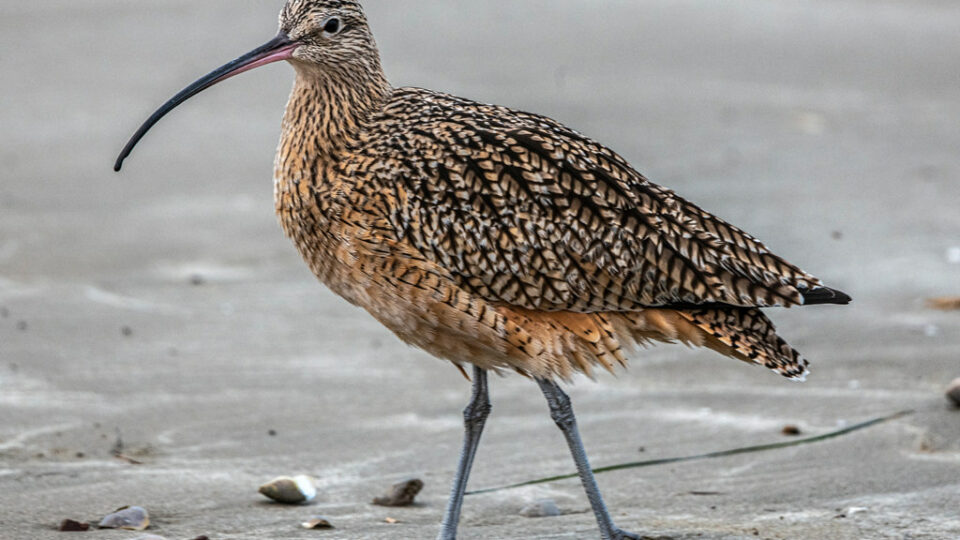
A new study of bird migration shows the migration patterns are shifting as a result of climate change.   Researchers at Colorado State University, the University of Massachusetts, and the Cornell Lab of Ornithology, looked at the impacts of climate change on a continental scale.

The team looked at the nocturnal migratory behaviors of hundreds of species representing billions of birds using radar and other data.  They found that spring migrants are likely to pass certain stops earlier now than they would have 20 years ago.  Temperature and migration timing are closely aligned and the greatest changes in migration timing are occurring in regions warming most rapidly.  During the fall, shifts in migration were less apparent.

Migratory birds play an important role in ecosystems.  They consume insects, disperse seeds, and perform various other significant functions. Birds serve as critical metrics of the health of ecosystems.

Bird migration is a global phenomenon that can provide unique visibility into changes in the climate.  The ability to look at it on a global scale has only recently become practical as a result of big data technology and cloud computing.  The team was able to crunch the numbers for the study in 48 hours, a task that previously would have taken over a year of continuous computing.

The findings have implications for understanding future patterns of bird migration because birds depend on food and other resources as they travel.  As the climate changes, the timing of blooming vegetation or the emergence of insects may end up out of sync with the passage of migratory birds.  This could have negative consequences for the health of migratory birds.

**********

Web Links

Bird migration timing skewed by climate, new research finds

Photo, posted November 5, 2019, courtesy of Jerry Kirkhart via Flickr.

Earth Wise is a production of WAMC Northeast Public Radio.
An Upside Of Climate Change

October 15, 2019 By EarthWise Leave a Comment

In contrast with most countries in the world, the main political factions in the United States have very different views of climate change.  Somehow, one side of the aisle remains skeptical about the changing climate even as temperature records are broken, arctic ice disappears, and powerful storms become increasingly common.

But putting aside the increasingly inexplicable political schism about climate change, there are instances where the consequences of the warming climate are not all dire.  In fact, there are places where climate change is having a positive effect.

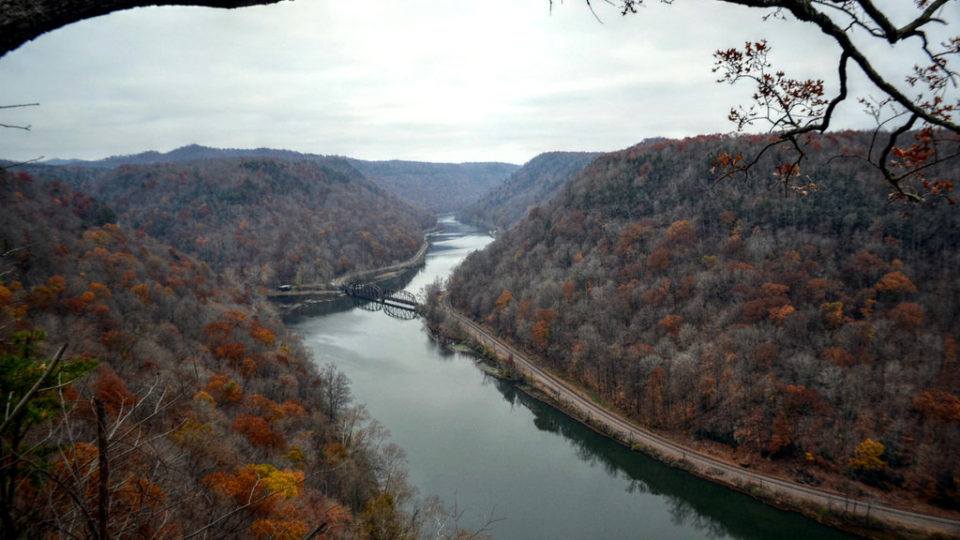
One such place is West Virginia, where research studies are finding a real upside to the changing climate.

A recent study of the climate in West Virginia over the period from 1900 to 2016 found the maximum temperatures trended downward, average minimum temperatures ascended, and annual precipitation increased.  On average, West Virginians are now seeing cooler summers, warmer winters and wetter weather.

Given these changes, there have been big changes in agriculture.  Yields of important crops like hay, corn, winter wheat, and soybeans have all increased.  The winter season has shrunk by as much as 20 days and the growing season itself has increased by approximately 13 days.  A number of crops that historically did not fare well in West Virginia may now become viable.  It may even be possible to pursue double cropping, meaning that the longer growing season may allow farmers to raise one crop, harvest it, and then raise and harvest a second crop within the same year.

In the big picture, climate change is shaping up as a global calamity, but for a few people in certain places – such as West Virginia – it may have some real upside.

**********

Web Links

The positive implications of…climate change? WVU researcher sees agricultural, food availability and economic possibilities

Photo, posted November 12, 2014, courtesy of Mike via Flickr.

Earth Wise is a production of WAMC Northeast Public Radio.
Falling Bee Populations

September 9, 2019 By EarthWise Leave a Comment

For many years, scientists have been sounding the alarm on the global struggle of pollinators.  A reported 40% of invertebrate pollinator species, including bees and butterflies, are facing extinction. And since as much as three-quarters of the world’s food crops depend on pollination, the decline of these pollinators poses a major threat to global food security.

Pollinators aid in the production of all sorts of crops, including coffee, cacao, cotton, apples, and almonds – to name a few.  The global value of crops requiring pollination ranges from $235-$577 billion annually.

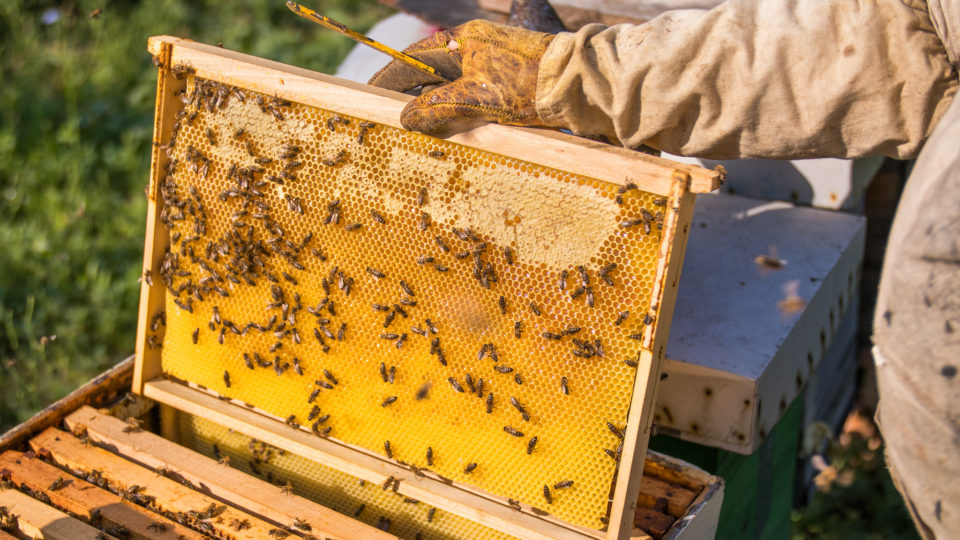
Honey bees are among the struggling pollinators.  Over the past 15 years, bee colonies have been disappearing at an alarming rate in what is known as the “colony collapse disorder.”  Some regions have seen losses of up to 90%. 

In the United States, managed honey bee populations declined by nearly 40% over this past winter, the largest such winter decline since surveying began in 2006.

In recent months, mass honey bee declines have also been reported in Russia, according to the BBC.  Russia, which produces a whopping 110,000 tons of honey annually, expects that figure to drop by as much as 20%.  The widespread bee decline is likely to not only push up honey prices, but the prices of other popular foods as well.  Many staple food crops in Russia, including sunflowers, buckwheat, and fruit trees, rely on bees for pollination.

Experts have blamed the bee decline crisis on a combination of factors, including pesticides (most notably neonicotinoids), varroa mites, and climate change.   

Bees play a vital role in food production, and their continued decline will have devastating consequences. 

**********

Web Links

Russia alarmed by large fall in bee populations

Photo, posted July 28, 2019, courtesy of Ivan Radic via Flickr.

Earth Wise is a production of WAMC Northeast Public Radio.
Exotic Pets Can Become Problems

August 26, 2019 By EarthWise Leave a Comment

Each year, millions of exotic animals are sold as pets around the world.  The term “exotic” lacks a set definition but is generally used to refer to an animal that’s wild or more unusual than standard pets, like cats and dogs. 

The exotic pet trade is a multi-billion dollar industry,  involving tens of millions of individual animals from thousands of species, including reptiles, amphibians, fish, birds, and mammals.

Some of the exotic pet trade is legal, but a lot of it isn’t.  Many animals are illegally captured from the wild to meet the global demand for exotic pets. 

People often purchase exotic animals without completely understanding the consequences.  Some exotic pets, for example, can live nearly twice as long as the average dog.  Caring for exotic pets can be both expensive and risky, since they are largely undomesticated (and therefore can have unpredictable behavior).

As a result, it’s not uncommon for owners to release exotic pets intentionally.  When this happens, the consequences can be catastrophic.  Sometimes the animal dies from starvation or predation, but in other instances, the animal proliferates and becomes an invasive species.

Invasive species are the second largest driver of biodiversity loss worldwide, and they cost the U.S. $120 billion a year. 

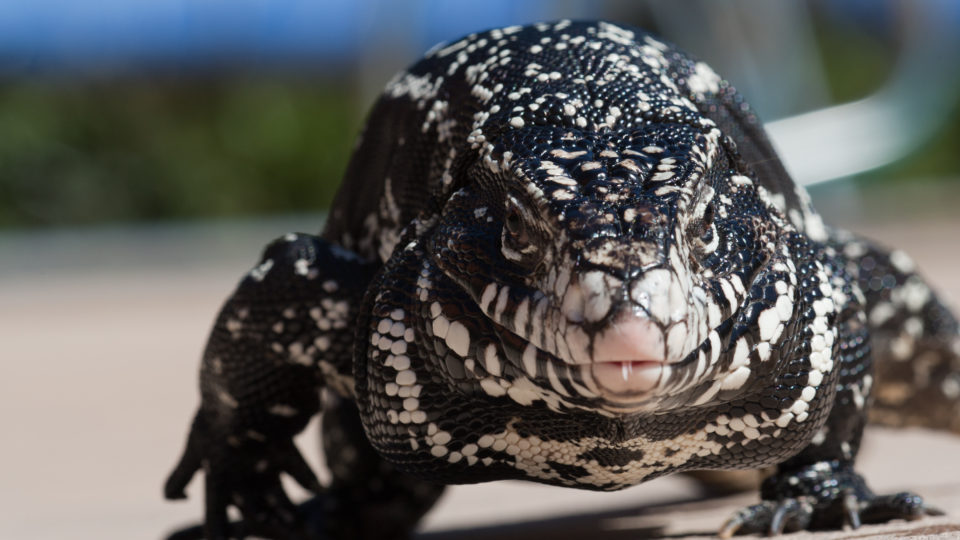
According to an academic review recently published in the journal Frontiers in Ecology and the Environment, the exotic pet trade is one of the primary causes of the spread of invasive species and has fueled the establishment of hundreds of them.  Tegus, Burmese pythons, and red lionfish are examples of pets-turned-pests. 

The best way to combat this trend is through education, detection, and rapid response. 

**********

Web Links

Why you should never release exotic pets into the wild

Photo, posted September 19, 2010, courtesy of Mike Baird via Flickr.

Earth Wise is a production of WAMC Northeast Public Radio.

Capturing CO2 From The Air

November 9, 2018 By EarthWise Leave a Comment

https://earthwiseradio.org/wp-content/uploads/2018/10/EW-11-09-18-Capturing-CO2-from-the-Air.mp3

It is increasingly clear that the rate at which carbon dioxide emissions are being reduced is not sufficient to prevent dire consequences of climate change.  It appears that it will be necessary to try to actually remove carbon dioxide from the air.  Such actions are termed “negative emissions.”

[Read more…] about Capturing CO2 From The Air

Glacial Engineering

October 24, 2018 By EarthWise Leave a Comment

https://earthwiseradio.org/wp-content/uploads/2018/10/EW-10-24-18-Glacial-Engineering.mp3

As the world struggles with trying to limit carbon emissions and slow the pace of global warming, there is increasing analysis of various forms of geoengineering.   Often, these consist of nearly unthinkable efforts to intervene in the climate on a global scale with unpredictable and possibly catastrophic consequences.

[Read more…] about Glacial Engineering

Rapid Response To Climate Change More Important Than Ever

October 17, 2018 By EarthWise Leave a Comment

https://earthwiseradio.org/wp-content/uploads/2018/10/EW-10-17-18-Rapid-Response-to-Climate-Change.mp3

The Intergovernmental Panel on Climate Change has issued a new report emphasizing the importance of taking rapid action to limit global warming to 1.5 degrees Celsius and examining the consequences of allowing temperatures to rise 2 degrees instead.

[Read more…] about Rapid Response To Climate Change More Important Than Ever

Hippo Waste And Fish

September 10, 2018 By EarthWise Leave a Comment

https://earthwiseradio.org/wp-content/uploads/2018/08/EW-09-10-18-Hippo-Pools.mp3

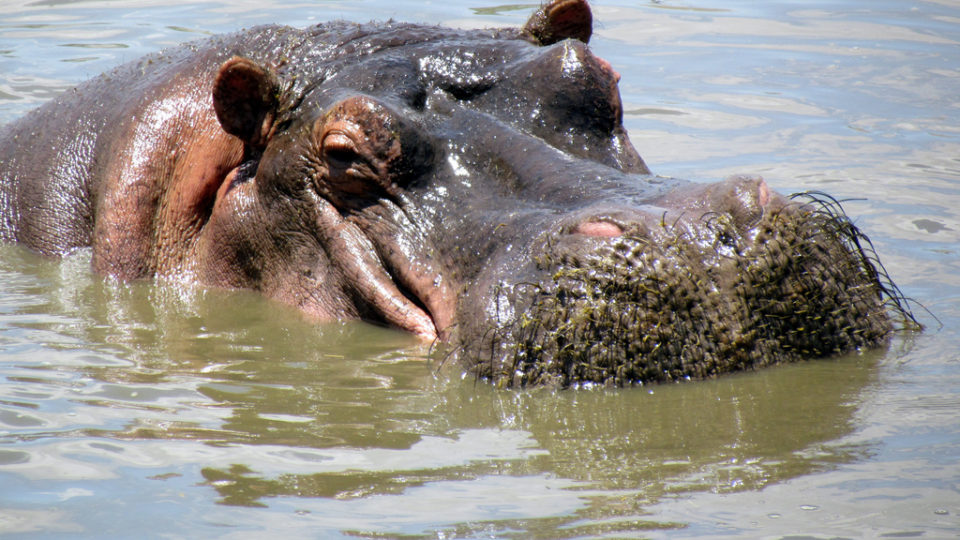
Agricultural and sewage pollution can cause low-oxygen conditions and fish kills in rivers. A new study published in Nature Communications reports that hippo waste can have a similar effect in Africa’s Mara River, which passes through the world renowned Maasai Mara National Reserve of Kenya and is home to more than 4,000 hippos.

[Read more…] about Hippo Waste And Fish

Heat-Resistant Corals

August 31, 2018 By EarthWise Leave a Comment

https://earthwiseradio.org/wp-content/uploads/2018/08/EW-08-31-18-Heat-Resistant-Corals.mp3

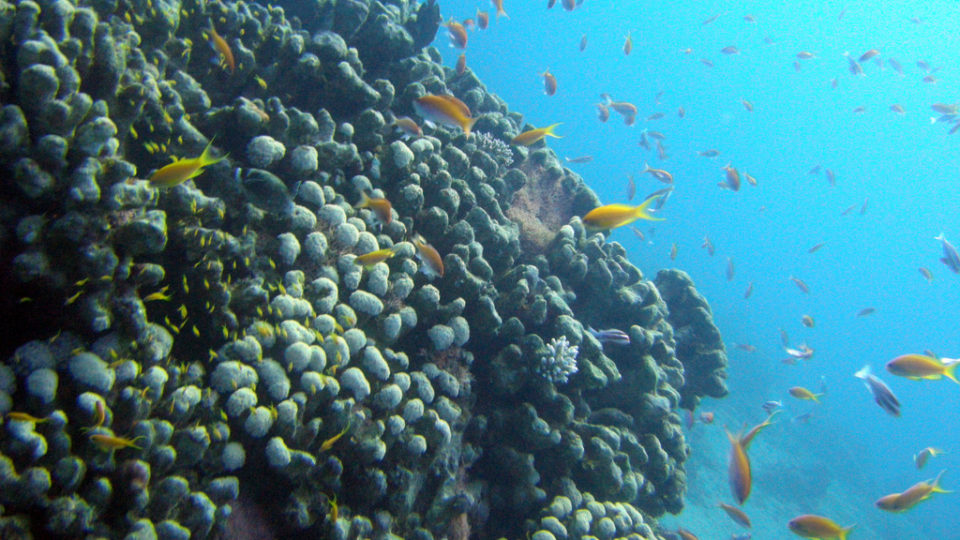
All over the world, coral reefs are being wiped out by rising sea temperatures brought about by climate change.  When sea temperatures get too high, the symbiotic relationship between coral polyps and microscopic algae living within the coral breaks down and the coral either digests or expels the algae.   The result is coral bleaching which weakens, and if it persists, kills the coral.

[Read more…] about Heat-Resistant Corals

Salt Cocktails Compromise Freshwater

August 1, 2018 By EarthWise Leave a Comment

https://earthwiseradio.org/wp-content/uploads/2018/07/EW-08-01-18-Salt-Cocktails.mp3

Human activities are exposing US rivers and streams to a cocktail of salts, with consequences for infrastructure and drinking water supplies. Road salt, fertilizers, and mining waste – as well as natural weathering of concrete, rocks, and soils – all contribute to increased salt in waterways. When these different salt compounds combine, their harmful effects can amplify.

[Read more…] about Salt Cocktails Compromise Freshwater

Losing Forests Is Felt Far Away

July 6, 2018 By EarthWise 2 Comments

https://earthwiseradio.org/wp-content/uploads/2018/06/EW-07-06-18-Losing-Forests-is-Felt-Far-Away.mp3

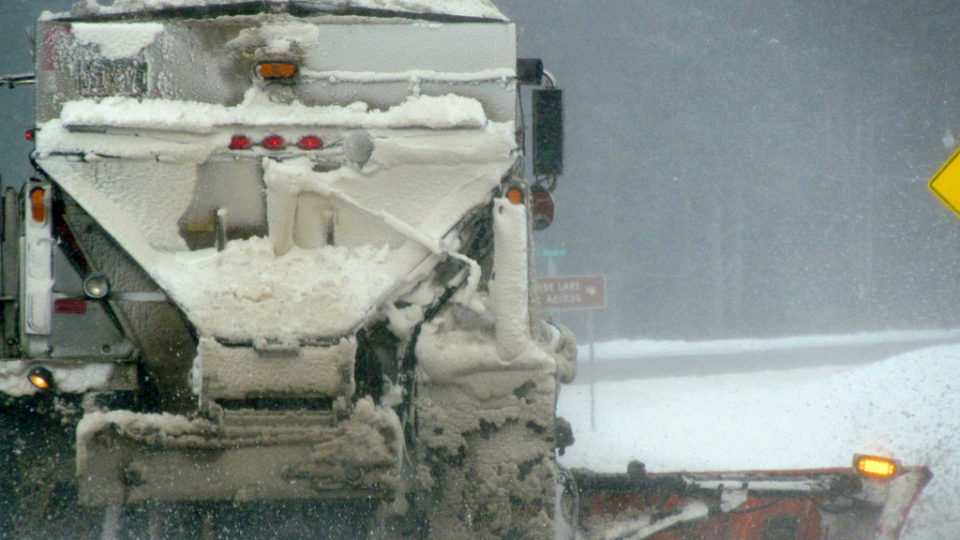
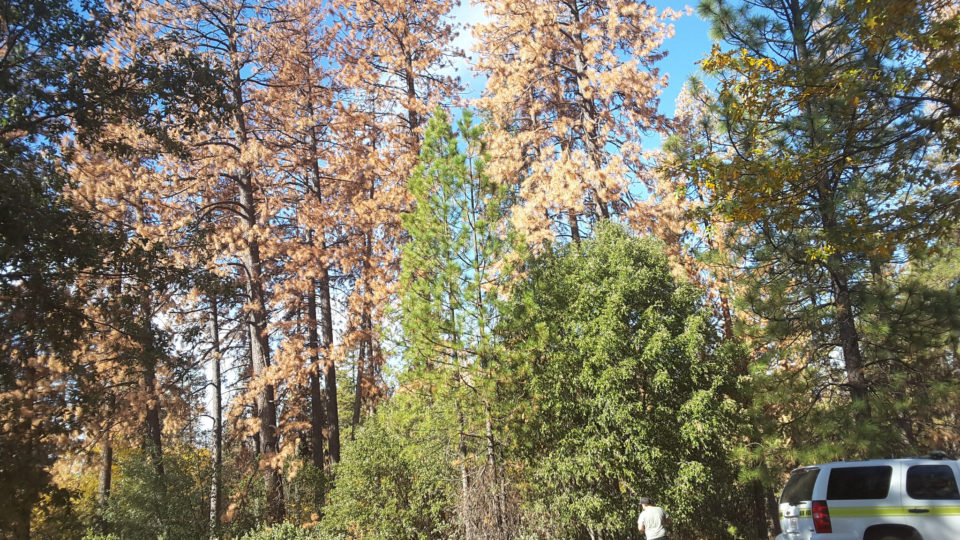
Large areas of forests in our country are vulnerable to drought, fires and disease.  When forests are heavily damaged, there are well-known local impacts:  drier soils, stronger winds, increased erosion, loss of shade and loss of habitat.

[Read more…] about Losing Forests Is Felt Far Away

Another CO2 Milestone

May 22, 2018 By EarthWise Leave a Comment

https://earthwiseradio.org/wp-content/uploads/2018/05/EW-05-22-18-Another-CO2-Milestone.mp3

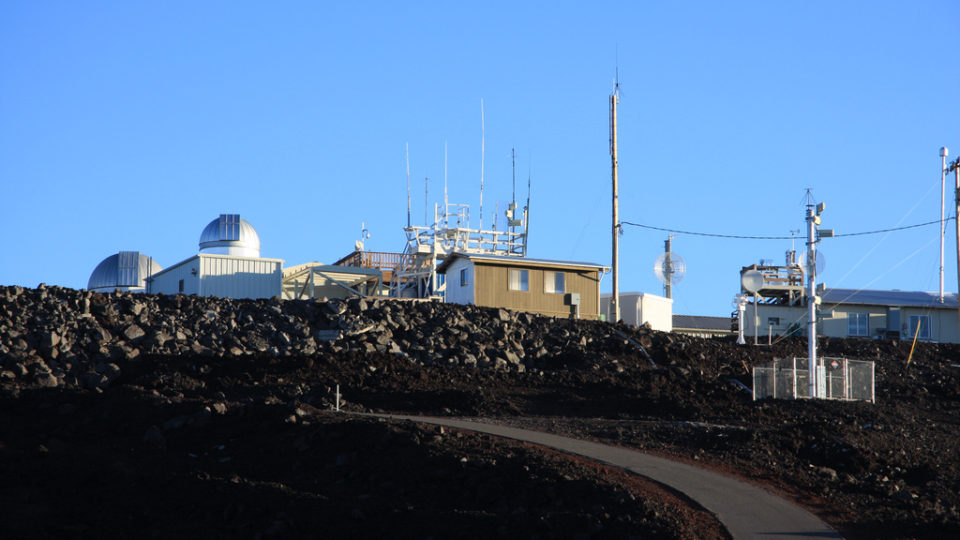
The global concentration of carbon dioxide in the atmosphere was measured at 400 parts per million for the first time in recorded history in May of 2013.  It was a brief event at the Mauna Loa Observatory in Hawaii at the time.  Within the next couple of years, however, readings of at least 400 ppm became standard.

[Read more…] about Another CO2 Milestone

The Sahara Desert Is Expanding

May 15, 2018 By EarthWise Leave a Comment

https://earthwiseradio.org/wp-content/uploads/2018/05/EW-05-15-18-The-Sahara-Desert-Is-Expanding.mp3

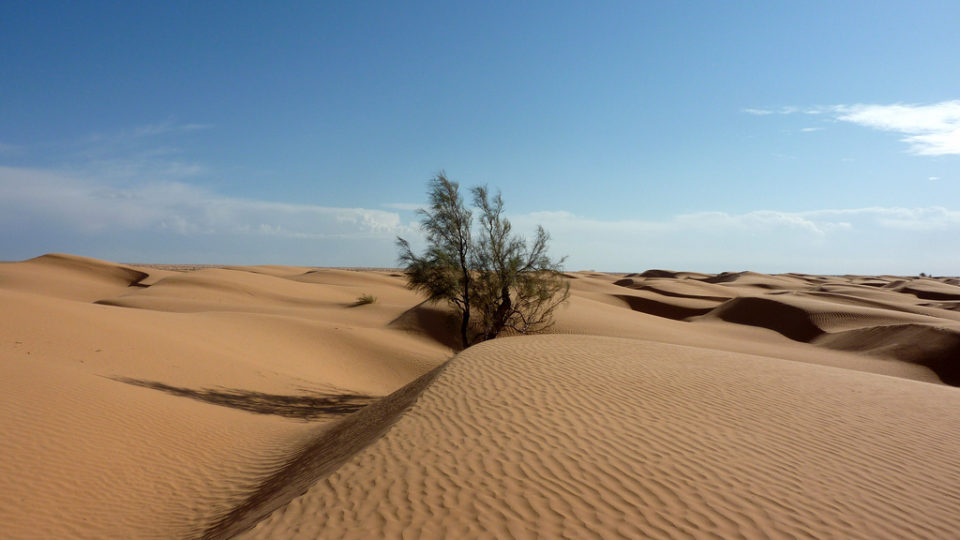
Deserts are barren areas of land where little precipitation occurs, resulting in living conditions that are hostile for plant and animal life. These regions are typically defined by low average annual rainfall—usually 100 millimeters (less than 4 inches) of rain per year or less. 

[Read more…] about The Sahara Desert Is Expanding

Elephant Losses Imperil Forests

April 20, 2018 By EarthWise Leave a Comment

https://earthwiseradio.org/wp-content/uploads/2018/04/EW-04-20-18-Elephant-Losses-Imperil-Forests.mp3

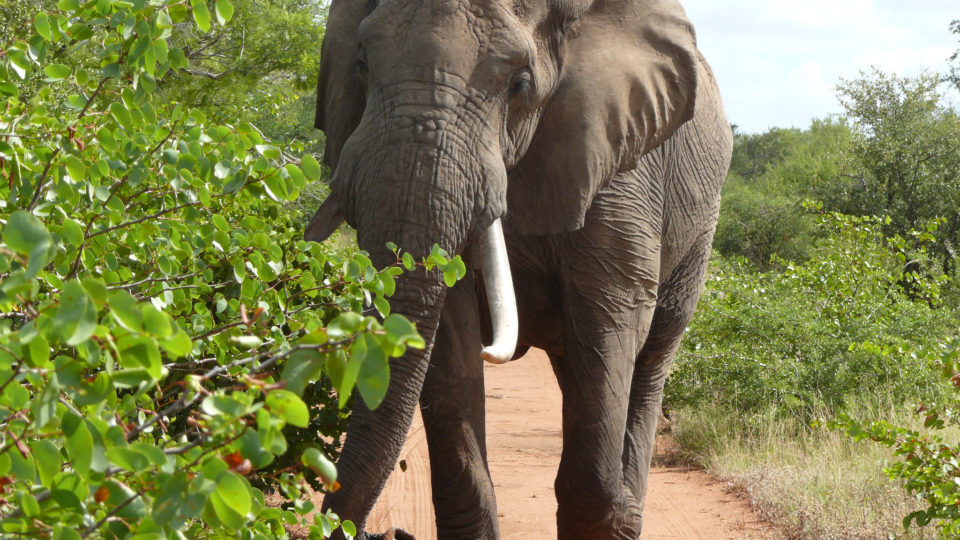
Poaching and habitat loss have reduced Central African elephant populations by 63% since 2001.  These losses not only pose dire consequences for the elephants themselves but also for the forests in which they live.

[Read more…] about Elephant Losses Imperil Forests

Climate Change And Biodiversity

April 19, 2018 By EarthWise Leave a Comment

https://earthwiseradio.org/wp-content/uploads/2018/04/EW-04-19-18-Climate-Change-and-Biodiversity.mp3

According to a new study recently published in the journal Climatic Change, up to half of the plant and animal species in the world’s most naturally-rich areas could face local extinction by the turn of the century due to climate change.  This projection, jeopardizing the biodiversity in places like the Amazon and the Galapagos, assumes carbon emissions continue to rise unchecked. 

[Read more…] about Climate Change And Biodiversity

Fracking And Streams

March 8, 2018 By EarthWise Leave a Comment

https://earthwiseradio.org/wp-content/uploads/2018/03/EW-03-08-18-Fracking-and-Streams.mp3

Hydraulic fracturing – better known as fracking – is a method of extracting oil and gas from shale deposits in which millions of gallons of freshwater and chemicals are injected into deep underground deposits.  There has been a great deal of concern related to the effects that this process has on water quality and also on the stability of the ground in the vicinity of where it takes place.

[Read more…] about Fracking And Streams

Endangered Chocolate

February 14, 2018 By EarthWise Leave a Comment

https://earthwiseradio.org/wp-content/uploads/2018/01/EW-02-14-18-Endangered-Chocolate.mp3

There are many scary stories floating about with regard to dire potential consequences of climate change, but one that should really strike fear into many of our hearts is the prediction from scientists at the National Oceanic and Atmospheric Administration that cacao plants are likely to go extinct as early as 2050 as a result of the changing climate.

[Read more…] about Endangered Chocolate

Banning Foreign Trash

February 6, 2018 By EarthWise Leave a Comment

https://earthwiseradio.org/wp-content/uploads/2018/02/EW-02-06-18-Banning-Foreign-Trash.mp3

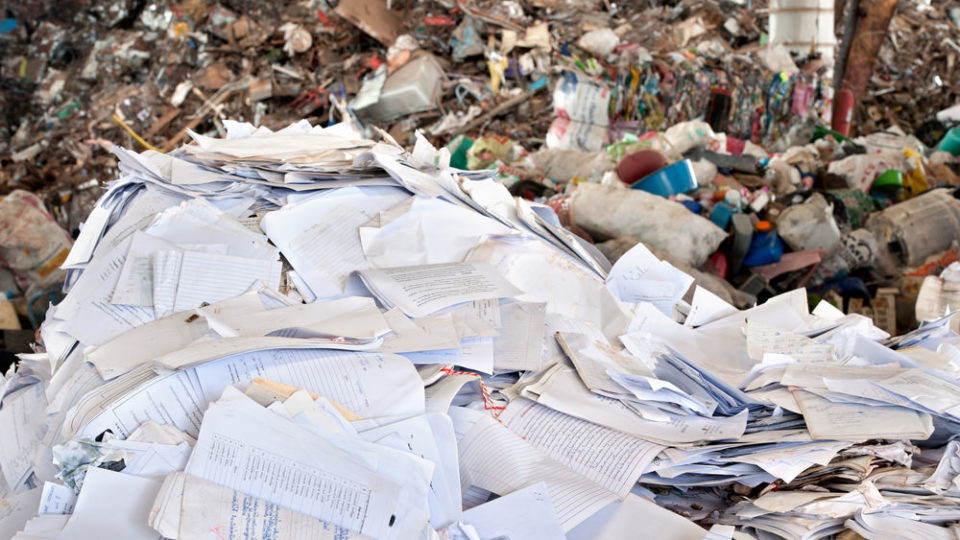
Since the 1980s, China has been the largest importer of foreign trash.  In 2012, up to 56% of global exported plastic waste wound up in China.  The trash has been both a valuable resource for the country’s booming manufacturing sector as well as an enormous source of environmental and health problems.   

[Read more…] about Banning Foreign Trash

Geoengineering And Climate Denial

December 21, 2017 By EarthWise Leave a Comment

https://earthwiseradio.org/wp-content/uploads/2017/12/EW-12-21-17-Geoengineering-and-Climate-Denial.mp3

Geoengineering broadly refers to the use of sophisticated scientific techniques to deliberately make changes to the climate, for example to reverse the impacts of climate change or perhaps pull greenhouse gases out of the atmosphere.

[Read more…] about Geoengineering And Climate Denial

  • « Go to Previous Page
  • Page 1
  • Page 2
  • Page 3
  • Go to Next Page »

Primary Sidebar

Recent Episodes

  • An uninsurable future
  • Clean energy and jobs
  • Insect declines in remote regions
  • Fossil fuel producing nations ignoring climate goals
  • Trouble for clownfishes

WAMC Northeast Public Radio

WAMC/Northeast Public Radio is a regional public radio network serving parts of seven northeastern states (more...)

Copyright © 2026 ·