As the world looks to reduce carbon emissions, many companies are dealing with paying for their carbon emissions as part of the cost of doing business. But apart from the situations in which companies already are required to pay for their carbon emissions, a growing number of companies now build carbon pricing into their business plans even if they are not yet directly paying for their emissions. This practice is known as putting an internal price of carbon into their business plan.
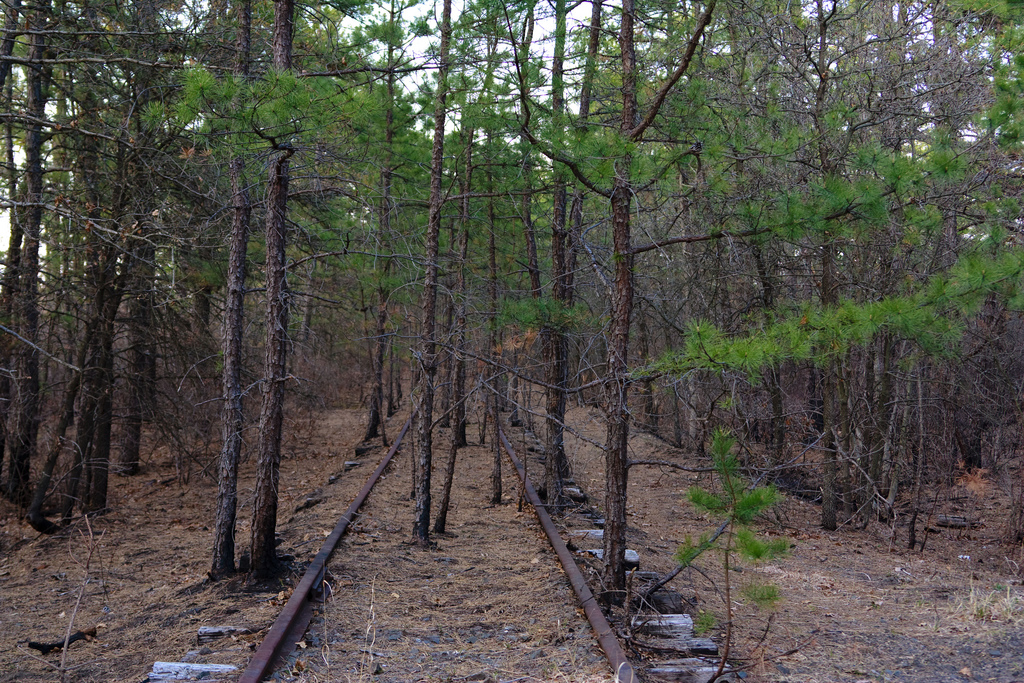
Pine barrens occur throughout the northeastern U.S. from New Jersey to Maine. They are plant communities that occur on dry, acidic, infertile soils dominated by grasses, forbs, low shrubs, and small to medium-sized pines. The Pine Bush Preserve in Albany, New York is one of the larger inland pine barrens in the country.
Public opinion about global warming is an important influence on decision making about policies to combat global warming and to be prepared for its consequences. An extensive polling effort by Yale University has produced an estimate of public opinions down to state, congressional district, and county levels.
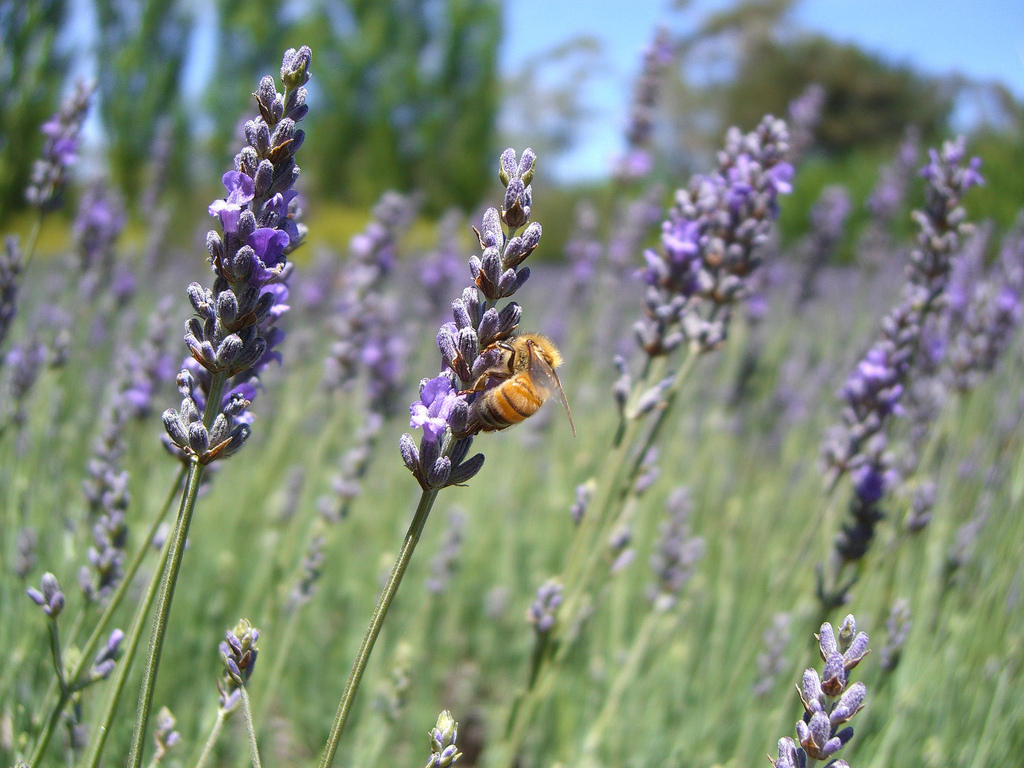
There has been lots of discussion about the decline in bee populations and its dire consequences for agriculture. We have also talked about the efforts to save the monarch butterfly, whose numbers have been dropping dramatically over the years. But the rest of the insect world does not get much attention. For the most part, we think of insects as a nuisance or as potential pests.
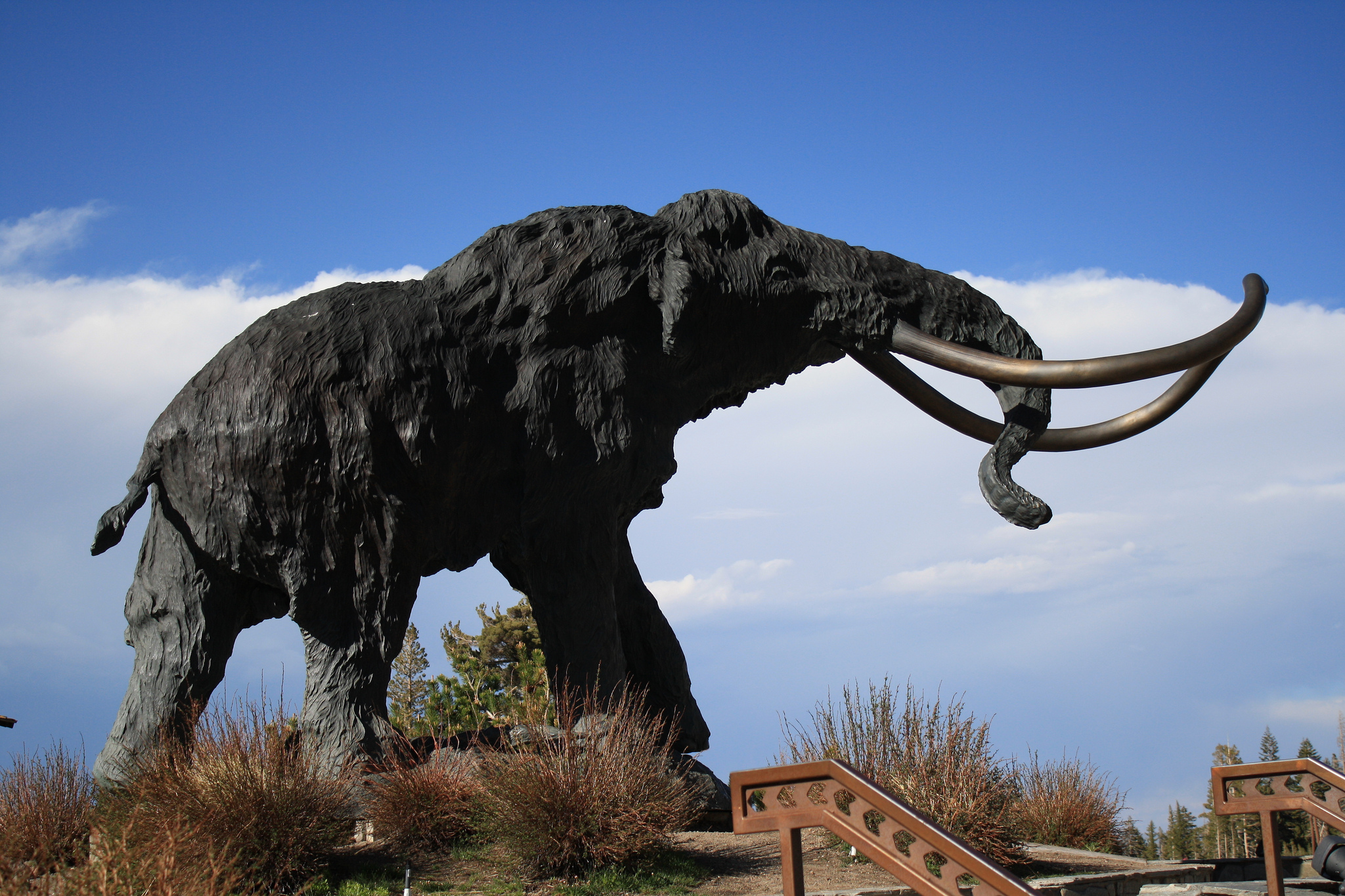
De-extinction, or the act of bringing extinct species back from the dead, has been riding a wave of enthusiasm. Nearly 2 million people have watched Steward Brand’s TED talk on the topic, and Beth Shapiro’s book How to Clone a Mammoth has received rave reviews.