• Skip to primary navigation
  • Skip to main content
  • Skip to primary sidebar

Earth Wise

A look at our changing environment.

  • Home
  • About Earth Wise
  • Where to Listen
  • All Articles
  • Show Search
Hide Search
You are here: Home / Archives for biodiversity

biodiversity

The Future Of Animals

June 12, 2019 By EarthWise Leave a Comment

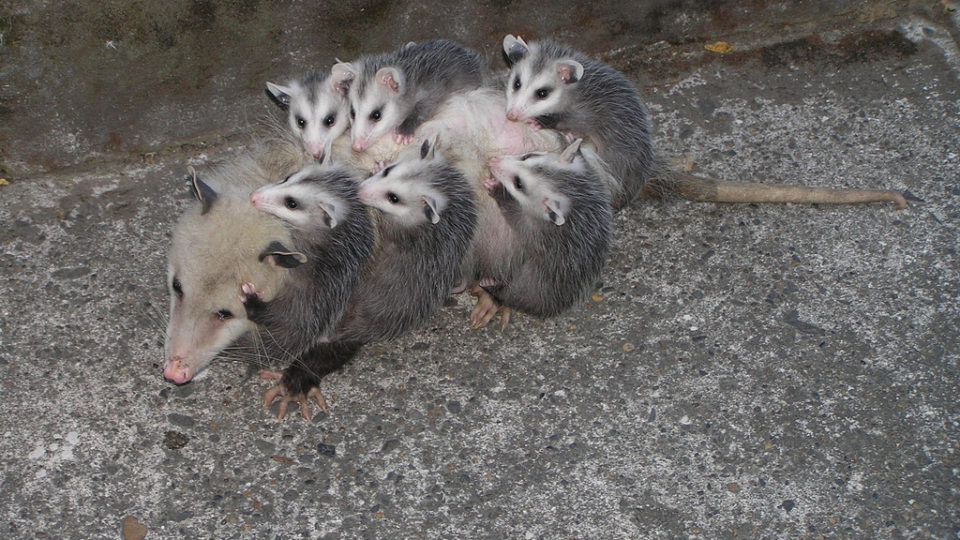
Researchers at the University of Southampton have forecast a global shift towards smaller birds and mammals over the next century.   

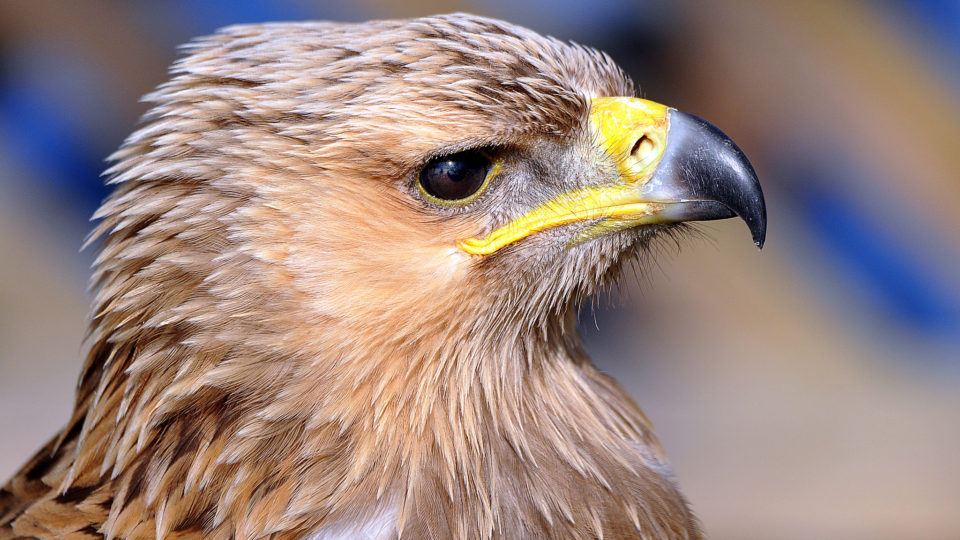
According to the research team, small, fast-lived, highly fertile, and insect-eating animals, which can thrive in all sorts of habitats, will predominate in the future.  Rodents and songbirds are examples of the so-called ‘winners.’  Less adaptable, slow-lived species, requiring specialist habitats, will be more likely to face extinction.  Among the so-called ‘losers’ are the black rhino and the tawny eagle. 

The researchers focused on more than 15,000 living mammals and birds and considered the following five characteristics: body mass, breadth of habitat, diet, litter or clutch size, and length of time between generations.  Using this data and data from the IUCN’s Red List of Threatened Species, the researchers used modern statistical tools to project and evaluate the loss of biodiversity.  

The study, which was recently published in the journal Nature Communications, predicts that the average body mass of mammals will collectively decline by 25% over just the next 100 years.  Over the past 130,000 years, the average body size of mammals only declined 14%.

This substantial downsizing of animals is forecasted to occur due to the effects of ecological change. But, according to the study’s lead author, the loss of these species, which perform unique functions within the global ecosystem, may ironically wind up being a driver of change as well.       

The researchers hope future studies will further explore the long-term effects of species extinction on habitats and ecosystems. 

**********

Web Links

Study predicts shift to smaller animals over next century

Photo, posted April 6, 2013, courtesy of Nic Trott via Flickr.

Earth Wise is a production of WAMC Northeast Public Radio.
Shipping And Invasive Species

May 7, 2019 By EarthWise Leave a Comment

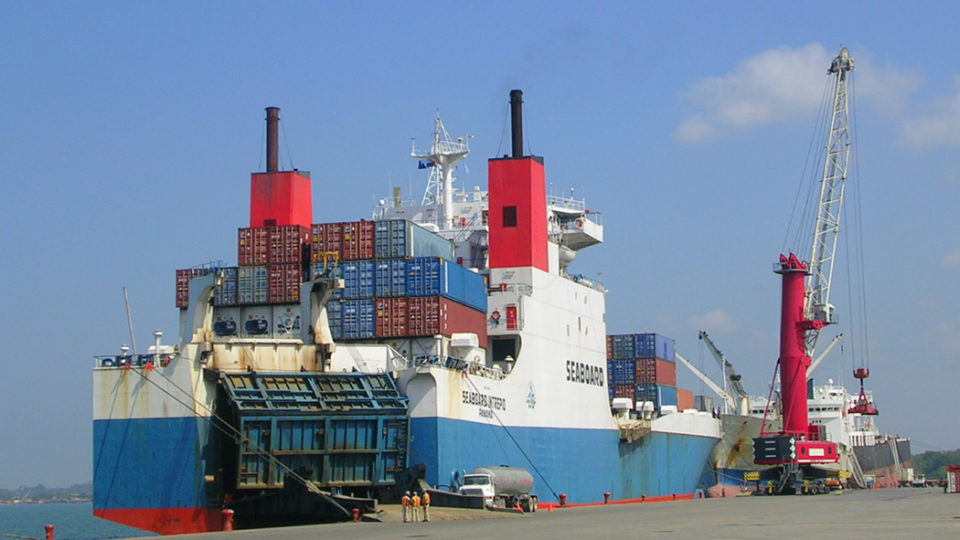
The increasing numbers of invasive species around the world are a major driver of biodiversity change and cause billions of dollars in economic damages annually.  Climate change is a major factor in the spread of invasive species, but a new study by McGill University suggests that global shipping growth will far outweigh climate change in the spread of non-indigenous pests to new environments in the coming decades.

One of the most significant ways in which the disparate regions of the world are interconnected is via transportation networks.   The global shipping network is the primary means by which materials and goods are moved worldwide, accounting for over 80% of world trade.  And for this reason, the global shipping network is responsible for much of the introduction of non-indigenous species across the planet.

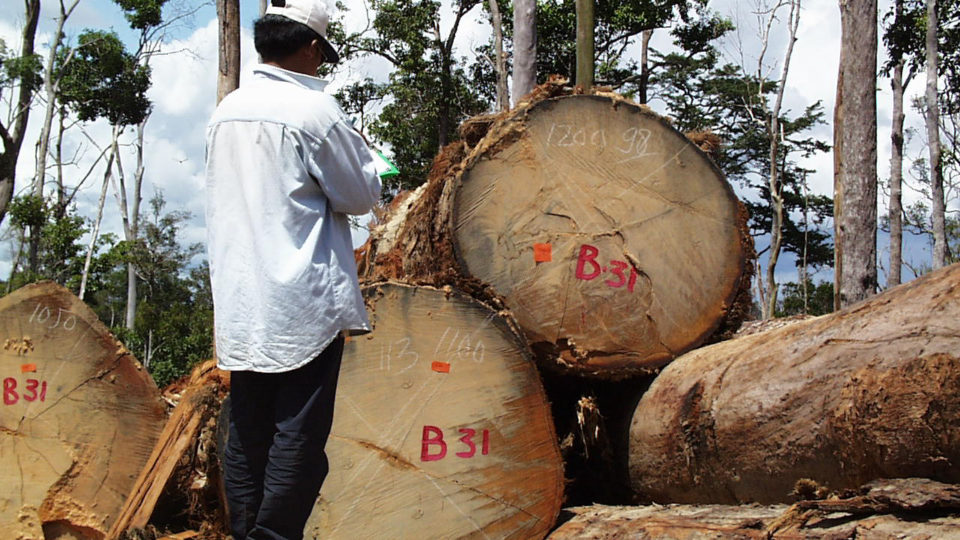
Living organisms are often transported through ballast water, which is taken up to stabilize cargo vessels.  Other species are transported by biofouling, whereby they attach to the hulls of ships.  Taken together, these two pathways account for anywhere between 60 and 90% of marine bioinvasions.   (Terrestrial invaders are generally moved as a byproduct of shipping, for example by infesting wood packaging material).

The McGill study looked at trends in global shipping and how socioeconomic factors are driving change.  For example, China’s share of global container throughput has gone from 1.4% in 1990 to 20.1% in 2013.  So, the distribution and patterns of shipping have been changing dramatically and with it the spread of non-indigenous species.

Awareness of this issue is increasing.  For example, there have been policy initiatives such as the International Ballast Water Management Convention that is an effort to control bio-invasions through measures such as ballast exchange.  We need to take measures to limit the unintentional spread of species.

**********

Web Links

Global forecasts of shipping traffic and biological invasions to 2050

Photo, posted December 3, 2009, courtesy of Roger W via Flickr.

Earth Wise is a production of WAMC Northeast Public Radio.
Climate Change And Infertility

March 8, 2019 By EarthWise Leave a Comment

Many of us are all too familiar with the effects of climate change.  Our changing climate, as a result of our actions, is leading to rising global temperatures, biodiversity loss, ocean acidification, wildfires, more weather extremes like floods and droughts. But a lesser known effect of climate change could lead to frightening consequences: infertility.

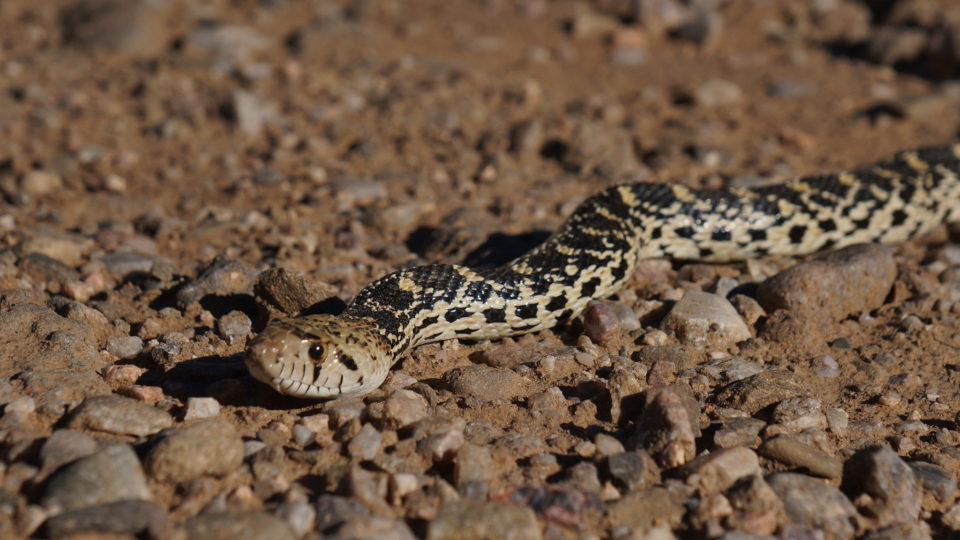
According to researchers at the University of Liverpool, rising temperatures could make some species sterile and lead them to succumb to the effects of climate change far earlier than currently thought. Their work was recently published in the journal Trends in Ecology and Evolution, and it was produced in collaboration with scientists from the University of Leeds, University of Melbourne, and Stockholm University.

Biologists and conservationists are trying to predict where species will be lost due to climate change so that suitable reserves can be established in other locations.  But the problem is that most data on when temperature will make an area unlivable for a species is based on its ‘critical thermal limit’ or CTL.  This is the temperature at which a species would collapse, stop moving, or die. 

The authors of the article fear that the impact of climate change on species survival is being underestimated.  Because rather than zeroing in on lethal temperatures, the scientists argue the focus should be on the temperatures at which organisms can no longer breed.  Extensive plant and animal data suggest organisms lose fertility at a lower temperature than their CTL.

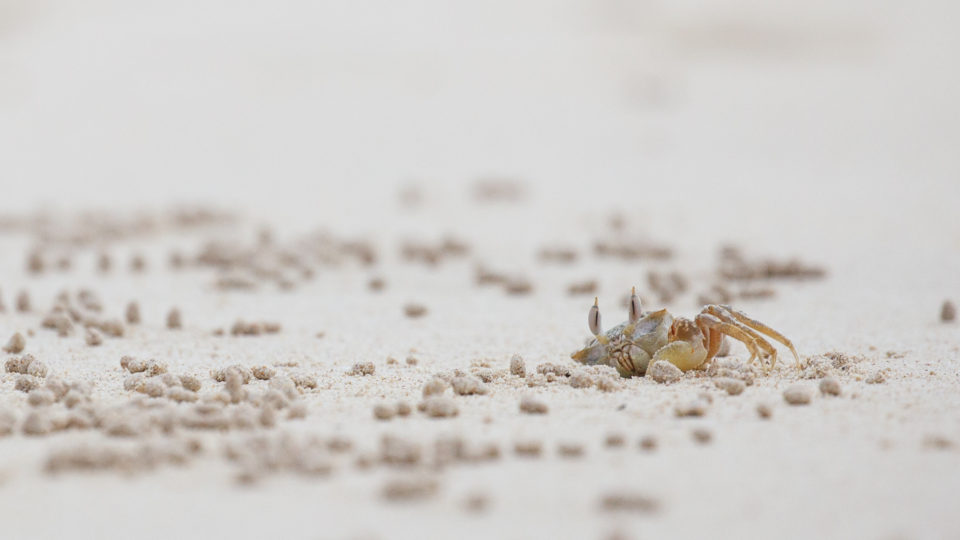
The scientists have proposed a new fertility-based metric to gauge how organisms function as temperatures climb: Thermal Fertility Limit or TFL.  Understanding when a species will cease to reproduce will certainly help conservation measures. 

**********

Web Links

Climate change and infertility — a ticking time bomb?

Photo, posted August 11, 2013, courtesy of Mike Lewinski via Flickr.

Earth Wise is a production of WAMC Northeast Public Radio.
Food Production And Climate Change

January 29, 2019 By EarthWise Leave a Comment

According to a University of Oxford study recently published in the journal Science, food production is a major driver of climate change as it’s responsible for 26% of all greenhouse gas emissions.  But the research team found that the environmental impact of different foods varied greatly. 

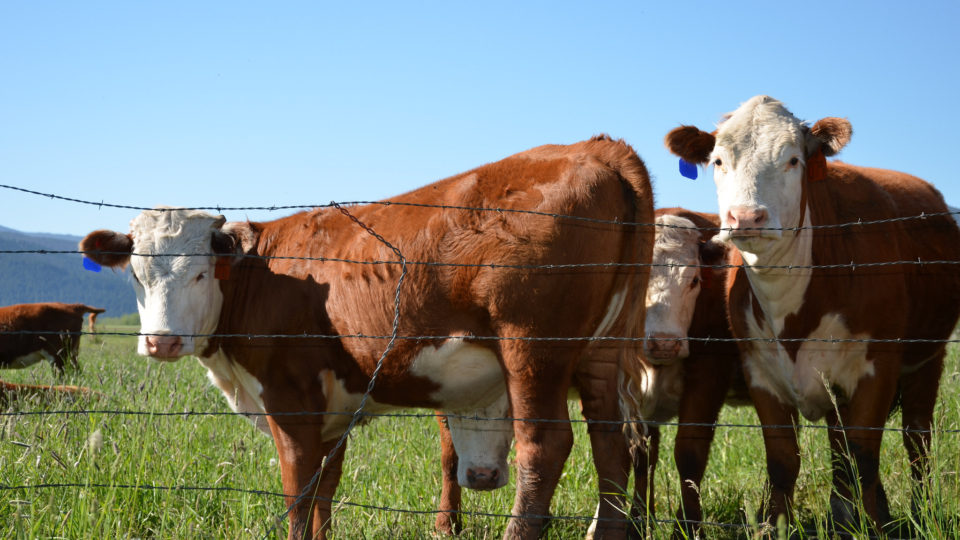
Meat and other animal products are responsible for 58% of all food-related greenhouse gas emissions, despite only providing approximately one-fifth of the calories we consume.  The researchers found that beef and lamb in particular have the most damaging effect on the planet, responsible for half of all greenhouse gas emissions from animal agriculture. 

These findings echo recommendations from the Intergovernmental Panel on Climate Change about how individuals can reduce their carbon footprint through diet.  The IPCC suggests we consume less meat and dairy products, consume more locally-sourced seasonal foods, and throw less food in the trash.  

Avoiding meat and dairy products can reduce an individual’s carbon footprint from food by two-thirds.  The effects of doing so include everything from conserving water and preserving biodiversity to reducing pollution and deforestation. 

Interestingly, the same food can have major differences in terms of environmental impacts.  For example, beef raised on deforested land is responsible for 12 times as many greenhouse gas emissions as that raised on natural pastures.  But even the most climate-friendly meat options are still responsible for more greenhouse gas emissions than the highest-impact vegetable proteins, like beans and nuts. 

Big differences can also be made by avoiding chocolate and coffee produced from deforested lands.  

To learn more about the climate impact of your diet, follow the link to the ‘Climate Change Food Calculator’ on our website: Earth-Wise-Radio.org. 

**********

Web Links

Reducing food’s environmental impacts through producers and consumers

Climate change food calculator

Photo, posted June 21, 2011, courtesy of USDA NRCS Montana via Flickr.

Earth Wise is a production of WAMC Northeast Public Radio.
The Problem Of Urban Growth

January 2, 2019 By EarthWise Leave a Comment

https://earthwiseradio.org/wp-content/uploads/2018/12/EW-01-02-19-The-Problem-of-Urban-Growth.mp3

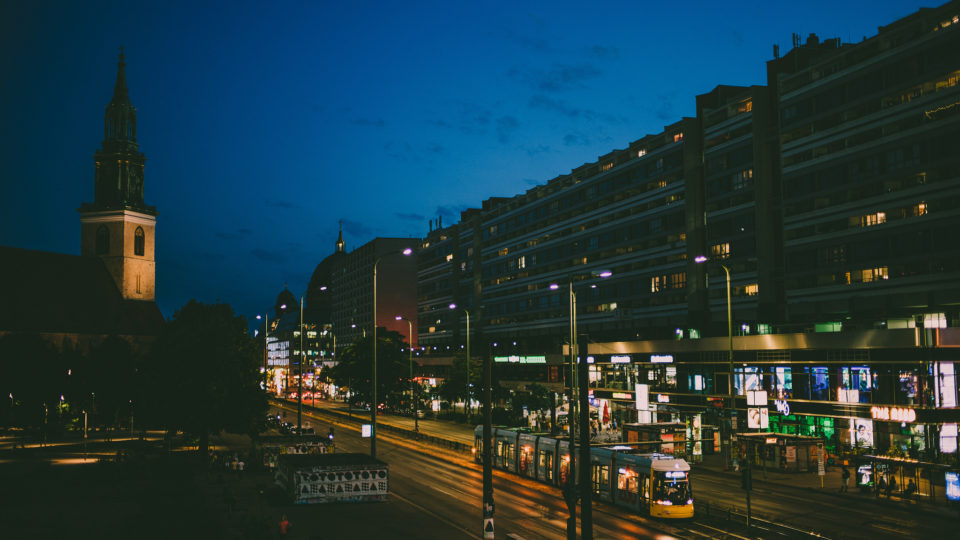
The rapid expansion of cities around the world has accelerated in recent decades.  If current trends continue, the equivalent of a city the size of London could be created every seven weeks by the year 2050, according to a study at Texas A&M University.

[Read more…] about The Problem Of Urban Growth

Deforestation In The Amazon Rainforest

December 19, 2018 By EarthWise Leave a Comment

https://earthwiseradio.org/wp-content/uploads/2018/12/EW-12-19-18-Deforestation-in-the-Amazon-Rainforest.mp3

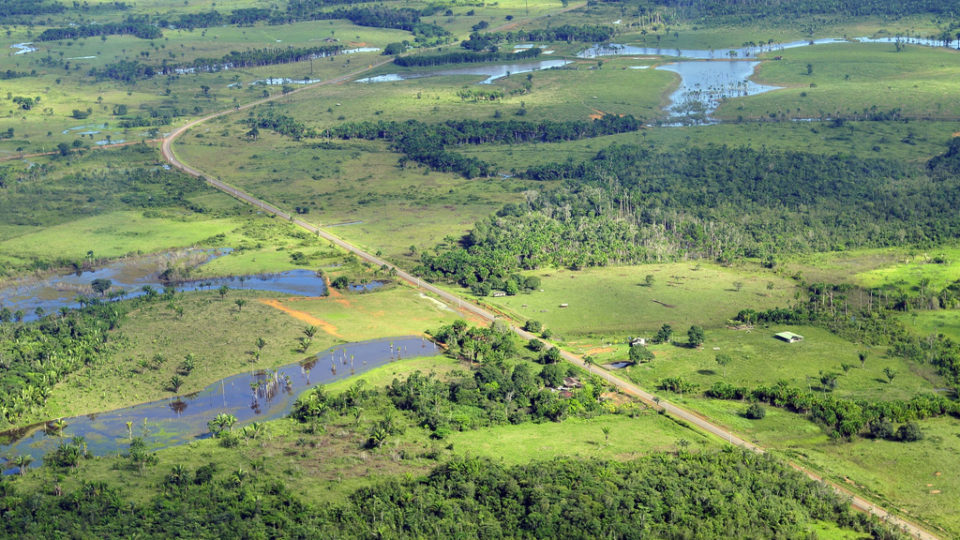
The Amazon rainforest is the biggest in the world.  In fact, it’s larger than the next two rainforests combined.  The Amazon rainforest covers more than three million square miles, roughly the size of the lower 48 states.  It functions as a critical sink for carbon in the atmosphere, and is home to 10% of all known species in the world.  The region’s biodiversity is so rich that scientists are still discovering new plant and animal species today. 

[Read more…] about Deforestation In The Amazon Rainforest

The Global Vertebrate Population Is Struggling

December 6, 2018 By EarthWise Leave a Comment

https://earthwiseradio.org/wp-content/uploads/2018/12/EW-12-06-18-The-Global-Vertebrate-Population.mp3

According to a new report by the World Wildlife Fund, the planet’s populations of vertebrates have dropped an average of 60% since 1970.

[Read more…] about The Global Vertebrate Population Is Struggling

Bring The Wild Back Into Farmlands

December 4, 2018 By EarthWise Leave a Comment

https://earthwiseradio.org/wp-content/uploads/2018/11/EW-12-04-18-Bring-the-Wild-Back.mp3

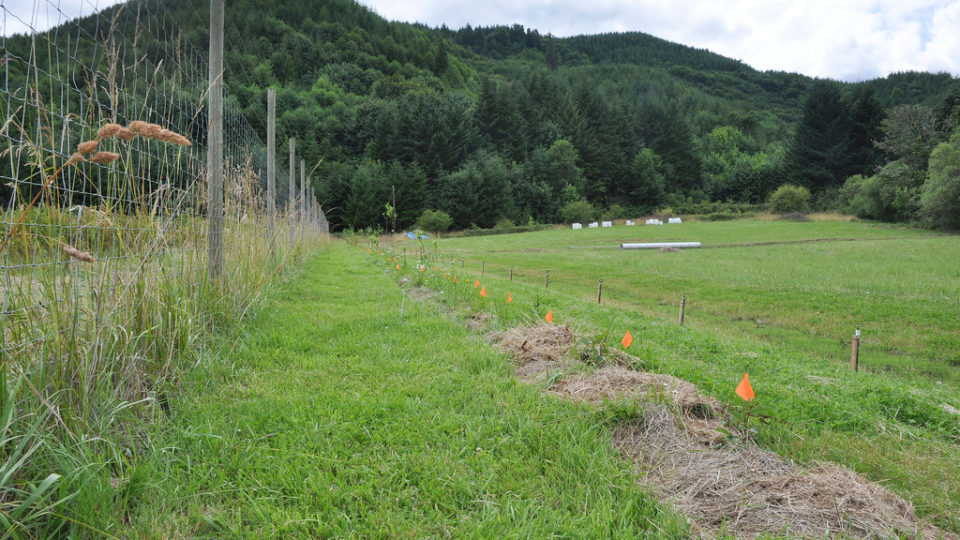
A recent study published in Science looks at the effects of maintaining at least a little bit of the wild on working lands including farmland, rangeland and forests.  The study concludes that doing so may be a key to preserving biodiversity in the face of climate change.

[Read more…] about Bring The Wild Back Into Farmlands

Biomass: Renewable But Not Sustainable

July 23, 2018 By EarthWise 1 Comment

https://earthwiseradio.org/wp-content/uploads/2018/07/EW-07-23-18-Biomass-Renewable-Not-Sustainable.mp3

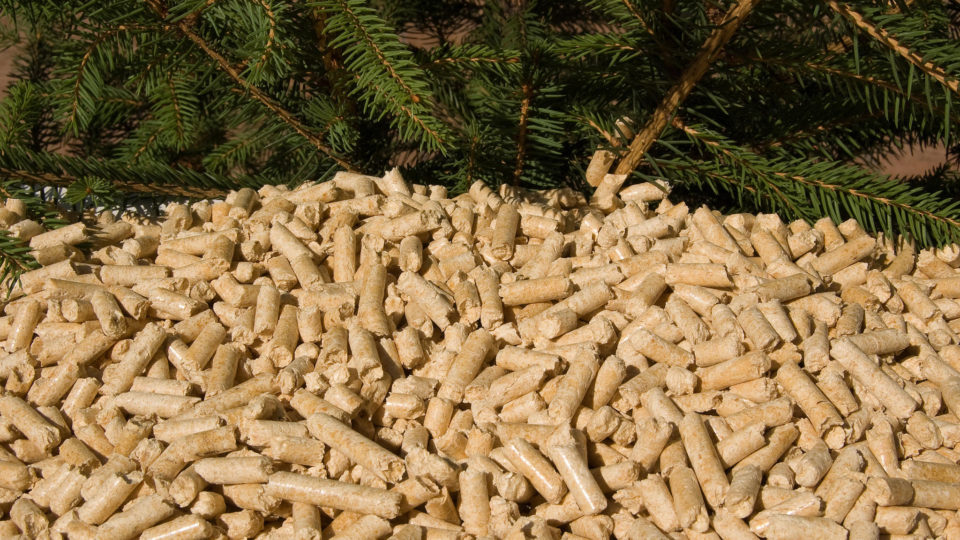
Biomass is often touted as a green energy source. Just recently, the US Environmental Protection Agency declared biomass energy to be carbon neutral – a policy already embraced by many European countries. However, burning forests for fuel has hard limitations and ecological consequences.

[Read more…] about Biomass: Renewable But Not Sustainable

Conflicts In Conservation

July 20, 2018 By EarthWise Leave a Comment

https://earthwiseradio.org/wp-content/uploads/2018/07/EW-07-20-18-Conflicts-in-Conservation.mp3

In recent years there has been a great deal of discussion about animal intelligence and the idea of animal consciousness.   In the past, the notion that animals have feelings had been relegated to fringe status, but these days, a wealth of scientific findings has made it much more mainstream to entertain such ideas.

[Read more…] about Conflicts In Conservation

The Value Of Biodiversity

July 16, 2018 By EarthWise Leave a Comment

https://earthwiseradio.org/wp-content/uploads/2018/06/EW-07-16-18-The-Value-of-Biodiversity.mp3

It is often said that biodiversity is crucial for staving off extinctions.  Ecosystems are complex and are essentially defined by the interdependencies among the various animals and plants.  It stands to reason that removing species from an ecosystem can have significant effects up and down the food chain.  Extinctions are much more likely when biodiversity diminishes.

[Read more…] about The Value Of Biodiversity

Deforestation-Free Palm Oil

July 10, 2018 By EarthWise Leave a Comment

https://earthwiseradio.org/wp-content/uploads/2018/07/EW-07-10-18-Deforestation-Free-Palm-Oil.mp3

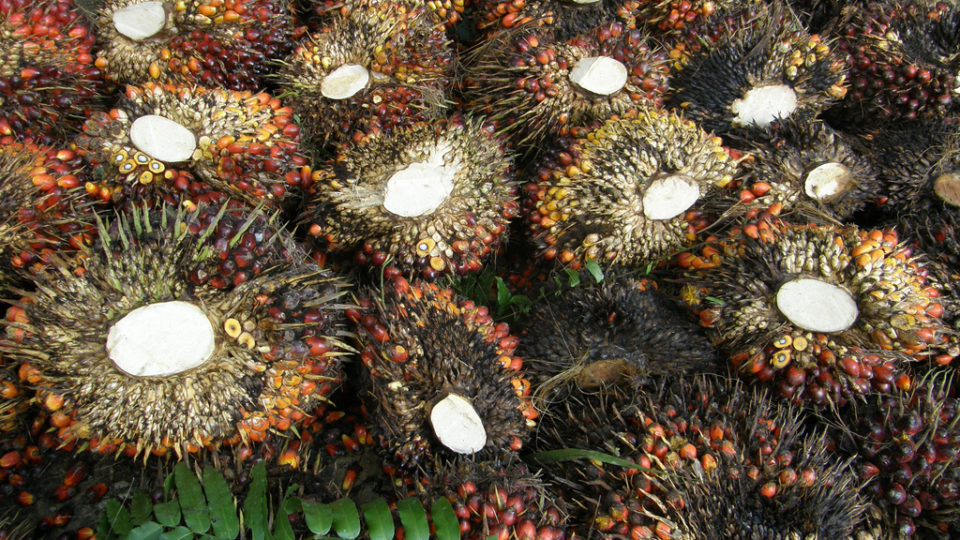
Few of us cook with palm oil or have ever even seen the stuff.  Nevertheless, 50% of all packaged grocery items – everything from ice cream and pizza to detergents and cosmetics – include it as an ingredient.  The global market for palm oil was $65 billion in 2015, and that number was projected to grow by more than 7% each year through 2021.

[Read more…] about Deforestation-Free Palm Oil

Hunting Grizzly Bears

June 7, 2018 By EarthWise Leave a Comment

https://earthwiseradio.org/wp-content/uploads/2018/06/EW-06-07-18-Hunting-Grizzly-Bears.mp3

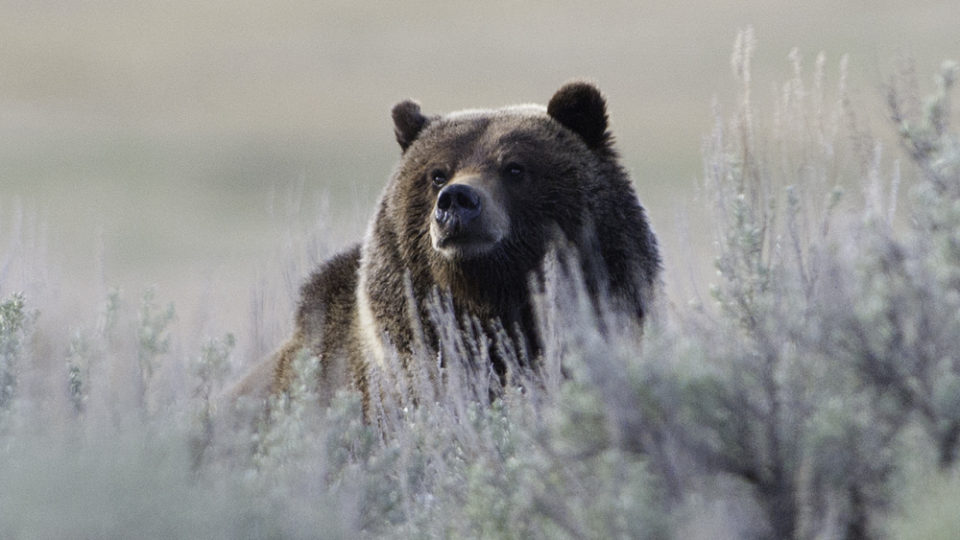
One year ago, the U.S. Department of the Interior announced that the grizzly bear population in the Yellowstone area would be delisted from the Endangered Species Act, and more recently, announced that those federal protections would not be restored.

[Read more…] about Hunting Grizzly Bears

Indonesian Deforestation Continues

May 3, 2018 By EarthWise Leave a Comment

https://earthwiseradio.org/wp-content/uploads/2018/05/EW-05-03-18-Indonesian-Deforestation-Continues.mp3

Worldwide, deforestation and land disturbance are responsible for about a quarter of all greenhouse gas emissions.  The largest contributor to this problem is Indonesia and getting control of its emissions is a crucial part of meeting global carbon reduction targets.

[Read more…] about Indonesian Deforestation Continues

Climate Change And Biodiversity

April 19, 2018 By EarthWise Leave a Comment

https://earthwiseradio.org/wp-content/uploads/2018/04/EW-04-19-18-Climate-Change-and-Biodiversity.mp3

According to a new study recently published in the journal Climatic Change, up to half of the plant and animal species in the world’s most naturally-rich areas could face local extinction by the turn of the century due to climate change.  This projection, jeopardizing the biodiversity in places like the Amazon and the Galapagos, assumes carbon emissions continue to rise unchecked. 

[Read more…] about Climate Change And Biodiversity

Making Room For Wildlife

February 28, 2018 By EarthWise Leave a Comment

https://earthwiseradio.org/wp-content/uploads/2018/01/EW-02-28-18-Making-Room-for-Wildlife.mp3

Protecting biodiversity is a critical challenge facing humanity.  Global vertebrate populations – from elephants to amphibians – declined by 58% from 1970 to 2012 and losses are expected to reach 67% in the next two years.  Think about it:  at least two-thirds of all vertebrate animals on earth have vanished over the lifetime of anyone fifty years old or over.

[Read more…] about Making Room For Wildlife

Natural Climate Solutions

February 13, 2018 By EarthWise Leave a Comment

https://earthwiseradio.org/wp-content/uploads/2018/01/EW-02-13-18-Natural-Climate-Solutions.mp3

The Paris Climate Agreement embodies a commitment to hold the increase in the global average temperature to less than 2 Celsius degrees above preindustrial levels.  Most strategies to achieve this goal involve reductions in greenhouse gas emissions from human activities such as burning fossil fuels as well as various land use activities.  But there are also so-called Natural Climate Solutions, which relate to the storage of carbon and reduction in carbon emissions across global forests, wetlands, grasslands, and agricultural lands.

[Read more…] about Natural Climate Solutions

Learning From Fire

December 28, 2017 By EarthWise Leave a Comment

https://earthwiseradio.org/wp-content/uploads/2017/12/EW-12-28-17-Learning-from-Fire-1.mp3

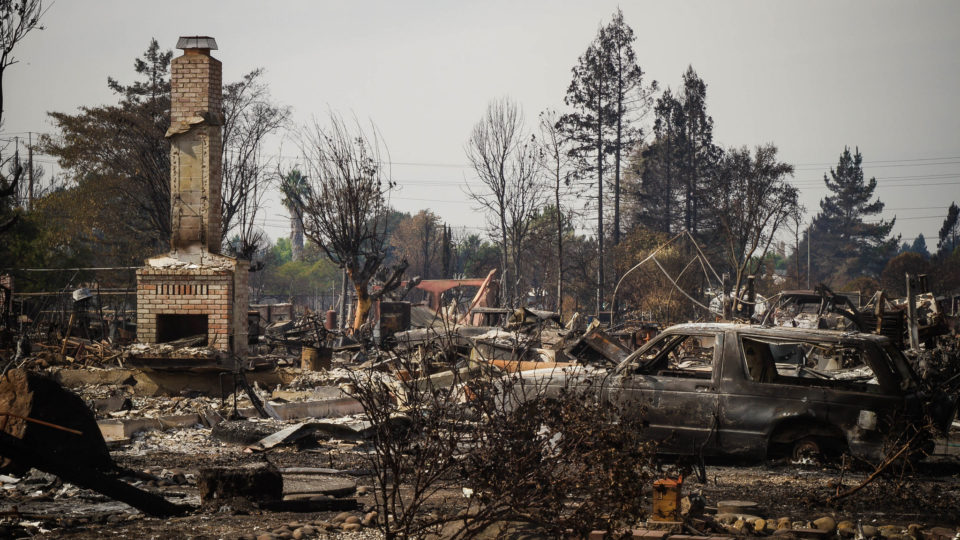
The Tubbs Fire was the huge wildfire that burned parts of Napa, Sonoma and Lake counties in Northern California in October.  Between that fire and several smaller ones going on at the same time, at least 43 people died and over 8,400 homes and buildings were destroyed.  The Tubbs Fire alone burned over 36,000 acres. The even larger December wildfires in Southern California scorched hundreds of thousands of acres in multiple counties.

[Read more…] about Learning From Fire

Sea Turtle Populations Are Rebounding

November 7, 2017 By EarthWise Leave a Comment

https://earthwiseradio.org/wp-content/uploads/2017/11/EW-11-07-17-Sea-Turtle-Populations.mp3

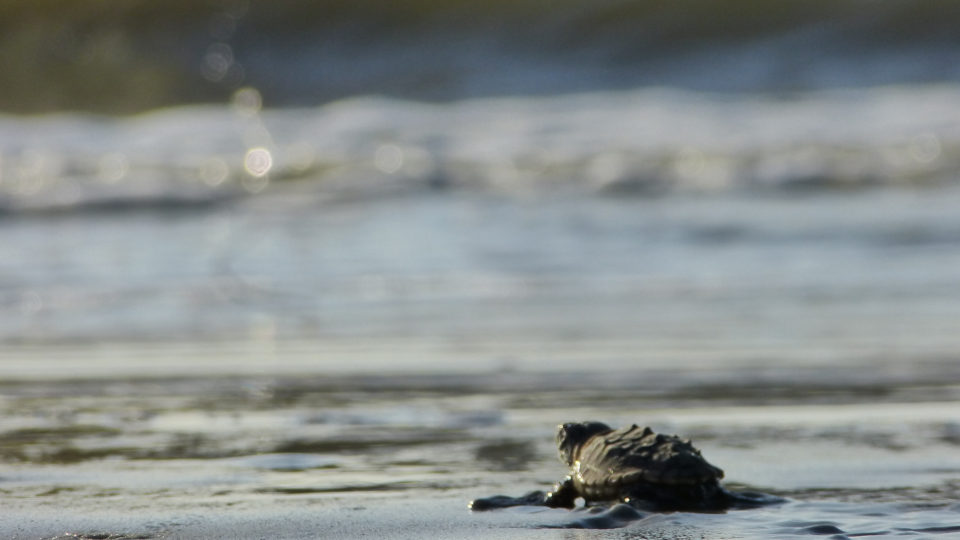
The increasing disappearance of so many plants and animals around the world has made many scientists believe that we are experiencing a sixth mass extinction.  Despite ongoing conservation efforts, living things are struggling with habitat loss, climate change, and many other natural and man-made pressures.  Conservation success stories seem to be rare events.

[Read more…] about Sea Turtle Populations Are Rebounding

Genetic Engineering And Conservation

September 8, 2017 By EarthWise

https://earthwiseradio.org/wp-content/uploads/2017/08/EW-09-08-17-GE-and-Conservation.mp3

Genetic engineering, or equivalently synthetic biology, is a multi-billion-dollar enterprise involved in pharmaceuticals, chemicals, biofuels and, of course, agriculture.  In these fields, it is already the source of a great deal of controversy.  But there is increasing interest in using synthetic biology (or synbio) technology as a tool for protecting the natural world, which is a prospect some find tantalizing and others find absolutely terrifying.

[Read more…] about Genetic Engineering And Conservation

  • « Go to Previous Page
  • Page 1
  • Interim pages omitted …
  • Page 3
  • Page 4
  • Page 5
  • Page 6
  • Page 7
  • Go to Next Page »

Primary Sidebar

Recent Episodes

  • An uninsurable future
  • Clean energy and jobs
  • Insect declines in remote regions
  • Fossil fuel producing nations ignoring climate goals
  • Trouble for clownfishes

WAMC Northeast Public Radio

WAMC/Northeast Public Radio is a regional public radio network serving parts of seven northeastern states (more...)

Copyright © 2026 ·