• Skip to primary navigation
  • Skip to main content
  • Skip to primary sidebar

Earth Wise

A look at our changing environment.

  • Home
  • About Earth Wise
  • Where to Listen
  • All Articles
  • Show Search
Hide Search
You are here: Home / Archives for biodiversity

biodiversity

Timber Cities | Earth Wise

October 3, 2022 By EarthWise 2 Comments

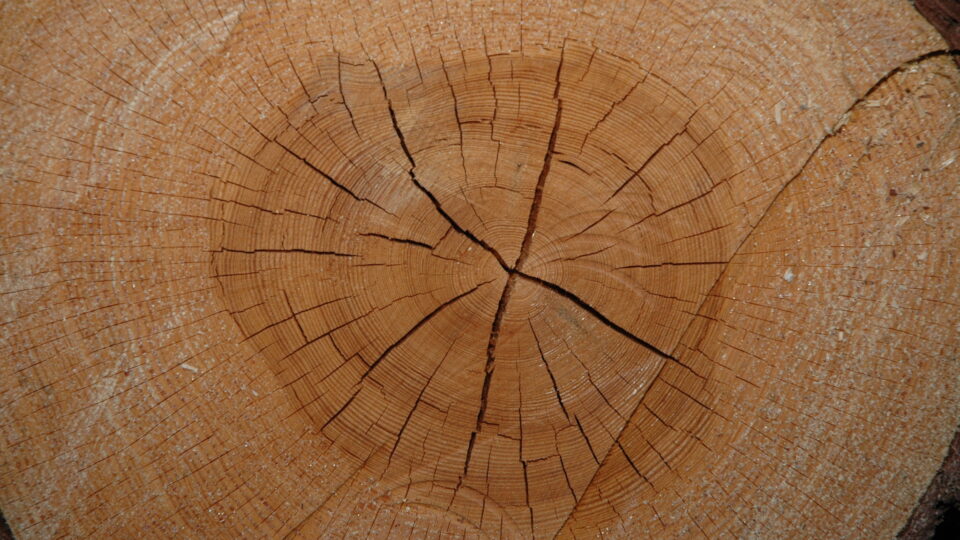
More than half of the world’s population lives in cities and by 2100, this percentage is predicted to be much higher.  This means that more homes will be built with steel and concrete, which both have very large carbon footprints.  According to a study by the Potsdam Institute in Germany, housing a growing population in homes made of wood instead could avoid more than 100 billion tons of carbon dioxide emissions over the remainder of the century.  This is about 10% of the remaining global carbon budget for staying below the 2-degree Celsius climate target.

The study presents the alternative of housing new urban populations in mid-rise buildings – no more than 4-12 stories high – that are substantially made of wood.  Wood is a renewable resource that carries the lowest carbon footprint of any comparable building material.  Trees take up CO2 from the atmosphere to grow.  Producing engineered wood releases far less CO2 than production of concrete and steel and the finished product continues to store carbon.

The study shows that sufficient wood for new mid-rise urban buildings can be produced without a major impact on food production.  The wood would come from timber plantations as well as natural forests.  The study also looked at biodiversity impacts and ways that ecosystems could be protected while still providing the necessary timber.

Overall, the Potsdam study demonstrates that urban homes made out of wood could play a vital role in climate change mitigation based on their long-term carbon storage potential coupled with the reduced utilization of the carbon-intensive concrete and steel industries.

**********

Web Links

Living in timber cities could avoid emissions – without using farmland for wood production

Photo, posted May 24, 2005, courtesy of Stig Anderson via Flickr.

Earth Wise is a production of WAMC Northeast Public Radio
Decreasing Forest Area Per Capita | Earth Wise

September 7, 2022 By EarthWise Leave a Comment

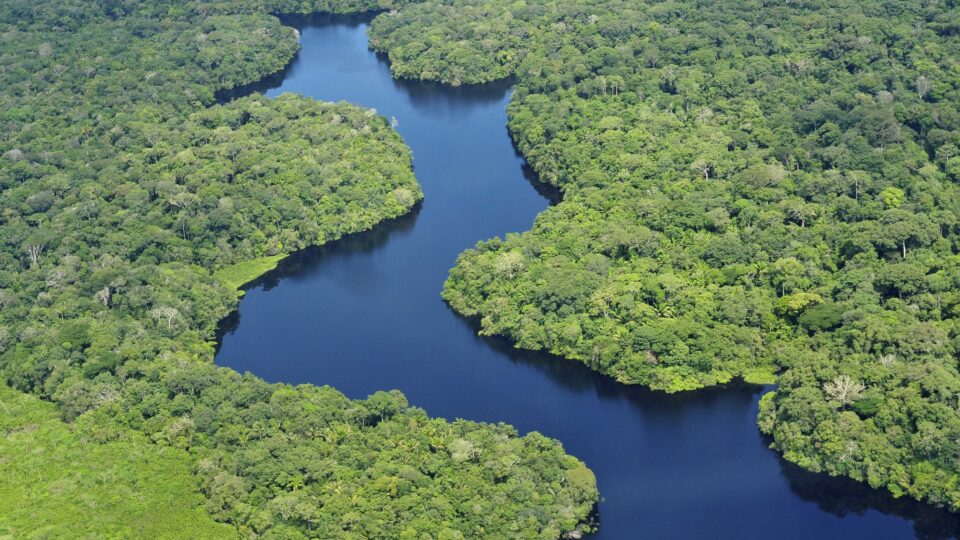
Over the past 60 years, global forest area has decreased by 315,000 square miles, an area about twice the size of California. Combined with global population growth over that period, this has resulted in more than a 60% decline in global forest area per capita.

The continuous loss as well as degradation of forest affects the integrity of forest ecosystems and reduces their ability to generate and provide essential services and sustain biodiversity.  It impacts the lives of at least 1.6 billion people worldwide – primarily in developing countries – who depend upon forests in multiple ways.

According to the new study published in the journal Environmental Research Letters, forest losses have been occurring primarily in lower-income countries in the tropics while forest gains have occurred in higher-income countries in the mid-latitudes or extratropics. 

More than half of the world’s forest losses were in Brazil, home to the Amazon rainforest.  In the past 60 years, that country has had a net loss of 170,000 square miles of forest.  While most high-income countries had net forest gains, Canada actually had a net loss of about 11,000 square miles of forest.

Economic growth has a stronger association with net forest gain than with net forest loss.  Therefore, the study highlights the need to strengthen the support given to lower income countries, especially in the tropics, to help improve their capacity to minimize or curtail their forest losses.  To help address this ongoing displacement of forest losses to lower income countries, higher-income nations need to reduce their dependence on imported tropic forest products.

**********

Web Links

New study finds global forest area per capita has decreased by over 60%

Photo, posted April 19, 2011, courtesy of ©2011CIAT/NeilPalmer via Flickr.

Earth Wise is a production of WAMC Northeast Public Radio.

Better Marine Protected Areas | Earth Wise

August 17, 2022 By EarthWise Leave a Comment

Marine protected areas are regions of seas, oceans, estuaries, and in the US, the Great Lakes, that are afforded special protections.  MPAs restrict human activity for conservation purposes, generally in order to protect natural or possibly cultural resources.   MPAs may limit such things as development, fishing practices, fishing seasons, catch limits, moorings, and removal or disruption of marine life.

A new study by the University of Plymouth in the UK looked at the effectiveness of MPAs in increasing the total abundance of reef species.  It looked at the MPAs in Lyme Bay, off the south coast of England, where two of them are co-located but governed by different constraints.

The study found that whole-site management of an MPA can increase the total abundance of reef species within its borders by up to 95%.  This is in contrast to the MPA where only known features are conserved and human activity is otherwise allowed to continue unchecked.  In that place, species abundance increased by only 15%.

The whole-site MPAs were observed to have other benefits as well.   They show higher levels of functional redundancy, meaning that when there are species losses, they are compensated by other species.  Whole-site MPAs also exhibit higher levels of species diversity.

MPAs are increasingly being recognized as a sustainable way to enhance the marine environment even while supporting coastal communities.  The Global Ocean Alliance, a 72-country alliance led by the UK, has set a target of protecting 30% of all marine areas by 2030.  The new study shows that even more important than simply establishing marine protected areas, it is essential that they are effectively implemented.

**********

Web Links

Whole-site management of Marine Protected Areas can lead to a 95% increase in reef species

Photo, posted October 28, 2011, courtesy of Benjamin Evans via Flickr.

Earth Wise is a production of WAMC Northeast Public Radio.

Environmental DNA | Earth Wise

August 5, 2022 By EarthWise Leave a Comment

Marine protected areas are sections of the ocean where governments place limits on human activity.  They are intended to provide long-term protection to important marine and coastal ecosystems.  MPAs are important because they can protect depleted, threatened, rare, and endangered species and populations.

In January 2020, the Republic of Palau in the western Pacific Ocean created one of the world’s largest marine protected areas.  The Palau National Marine Sanctuary covers 80% of the country’s economic zone and prohibits all extractive activity like fishing and mining over a 183,000 square mile area in order for the island nation to ensure its food security and grow its economy in the face of climate change.

The Marine Sanctuary is an ambitious enterprise.  The question is how Palau can evaluate whether and how well it is working?

A team of scientists from Stanford University and Palau-based colleagues are making use of Environmental DNA – or eDNA – technology to monitor the large-scale marine protected area.  eDNA is the cells, waste, viruses, and microorganisms that plants and animals leave behind.  Samples of marine eDNA effectively provide a fingerprint of the organisms that have recently passed through the water in a given area.  This gives scientists a way to assess an ecosystem’s biodiversity and keep track of the types of species inhabiting a specific area.  Using eDNA, it is possible to keep track of all the  organisms that live below the surface and learn about things we can’t even see.

The team has embarked on a program of periodic sampling of the waters off Palau and hope to be able to monitor the results of establishing the Marine Sanctuary.

**********

Web Links

eDNA: Bringing biodiversity to the surface

Photo, posted June 12, 2013, courtesy of Gregory Smith via Flickr.

Earth Wise is a production of WAMC Northeast Public Radio.

Climate Resilient Microalgae | Earth Wise

July 21, 2022 By EarthWise Leave a Comment

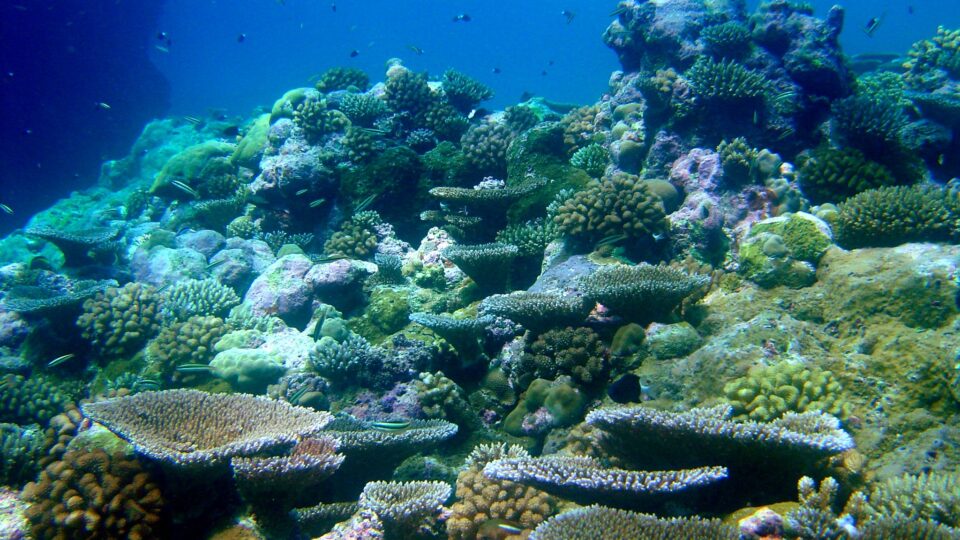
The plight of the world’s coral reefs has been a growing environmental crisis for many years.  Coral reefs provide sustenance and income to half a billion people, are major tourist attractions, protect coastlines, and are important centers of biodiversity.   And because of the warming climate as well as other effects of human activity, more than half of the world’s coral reefs are under stress.

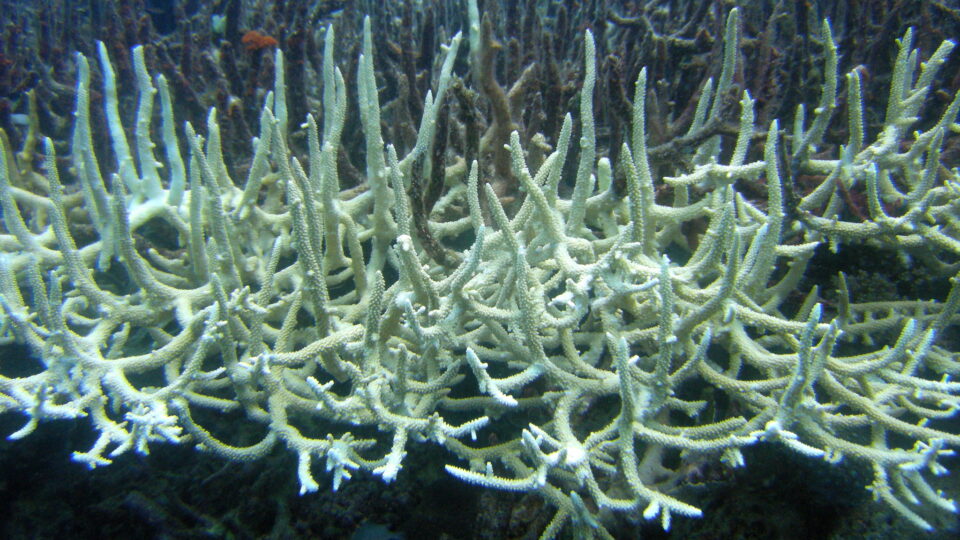
The primary threat is coral bleaching, which is the disruption of the symbiotic relationship between coral polyps (which are tiny animals) and the heavily pigmented microalgae that live within the coral structures and provide most of the energy for the polyps. When corals are stressed, often because water temperatures are too high, they expel the microalgae within them.  The structures then become transparent, leaving only the white skeletal corals.  Bleached corals aren’t dead, but they are at great risk of starvation and disease until and unless new symbiont algae are acquired.

A new study by scientists at Uppsala University in Sweden investigated how different species of coral symbiont algae react to temperature stress.  They discovered differences among symbiont cells that enable the prediction of how temperature stress tolerant the cells are.  Such predictive ability could provide the means to identify and select more temperature-tolerant coral symbionts that could conceivably be introduced into coral host larvae in order to make corals more robust against climate change.

The research has a ways to go, but the new tools may help coral reef monitoring and increase the speed at which reef restoring efforts can create stocks of climate-resistant symbionts.

**********

Web Links

Climate resilient microalgae could help restore coral reefs

Photo, posted September 28, 2009, courtesy of Matt Kieffer via Flickr.

Earth Wise is a production of WAMC Northeast Public Radio.

Declining Bird Populations | Earth Wise

June 16, 2022 By EarthWise Leave a Comment

A study by scientists from multiple institutions around the world including Cornell University has found that significant declines in bird populations are taking place across the planet.  Loss and degradation of natural habitats, direct overexploitation of many species, and climate change are driving the bird population declines.

According to the study, approximately 48% of existing bird species worldwide are known or suspected to be undergoing population declines.  The populations of 39% of bird species appear to be stable.  Only 6% of birds have increasing populations.

A study in 2019 determined that nearly 3 billion breeding birds have been lost in the U.S. and Canada over the past 50 years.  The new study shows that the same patterns of population decline and extinction are happening globally.  According to the study, there are now the first signs of a new wave of extinctions of continentally distributed bird species.

The ultimate fate of bird populations is strongly dependent on stopping the loss and degradation of habitats.   Habitat loss is generally driven by human demand for resources.  Reducing the human footprint on the natural world is what is needed.  Birds are a highly visible indicator of environmental health, and their declining populations signal a much wide loss of biodiversity and threats to human health and wellbeing.

There is a global network of bird conservation organizations trying to prevent further loss of bird species and bird abundance.  Keeping track of the situation is essential and there is growing participation by the public in bird monitoring.  But ultimately, it depends on governments and society in general to support sustainable resource use and learn how to share the planet with nature.

**********

Web Links

Global Bird Populations Steadily Declining

Photo, posted January 9, 2022, courtesy of Martien Brand via Flickr.

Earth Wise is a production of WAMC Northeast Public Radio.

Forests And Water | Earth Wise

June 15, 2022 By EarthWise Leave a Comment

We hear a great deal about the environmental services provided by forests.  Deforestation is one of the major factors contributing to increasing levels of carbon dioxide in the atmosphere.  And, of course, forests – most notably rainforests – are major contributors to biodiversity.  A new study by the U.S. Forest Service looked at the role forests play in providing water for Americans.

According to the study, published in the journal Water Resources Research, forested lands across the U.S. provide 83 million Americans with at least half of their water.  125 million people – well over a third of the country – receive at least 10% of their water from forests.  Notably, in the drought-stricken western U.S., nearly 40 million people get more than half of their drinking water from forests that are increasingly threatened by wildfires.

The study looked at surface water sources for more than 5,000 public water systems.  It provides a critical update to the map of where our water comes from.  The study focused on surface waters such as lakes, rivers, and streams because it is too difficult to trace sources of groundwater on a national scale.  Included is a new database of inter-basin water transfers, which are how surface water moves from places where it is plentiful to where it is not.  Examples are the California Aqueduct and the Central Arizona Project which respectively supply Los Angeles and Phoenix with drinking water.  

In Los Angeles, 69% of the water coming in through inter-basin transfers originated in forested lands.  In Phoenix, the figure is 82%.  There are many urban communities that obtain more than half of their drinking water from inter-basin transfers.  Even far from forests, water from forests is essential for millions of Americans.

**********

Web Links

U.S. Forests Provide 83 Million People with Half Their Water

Photo, posted September 26, 2016, courtesy of Don Graham via Flickr.

Earth Wise is a production of WAMC Northeast Public Radio.

Birds Bees And Coffee | Earth Wise

May 3, 2022 By EarthWise Leave a Comment

Biodiversity adds value to agriculture

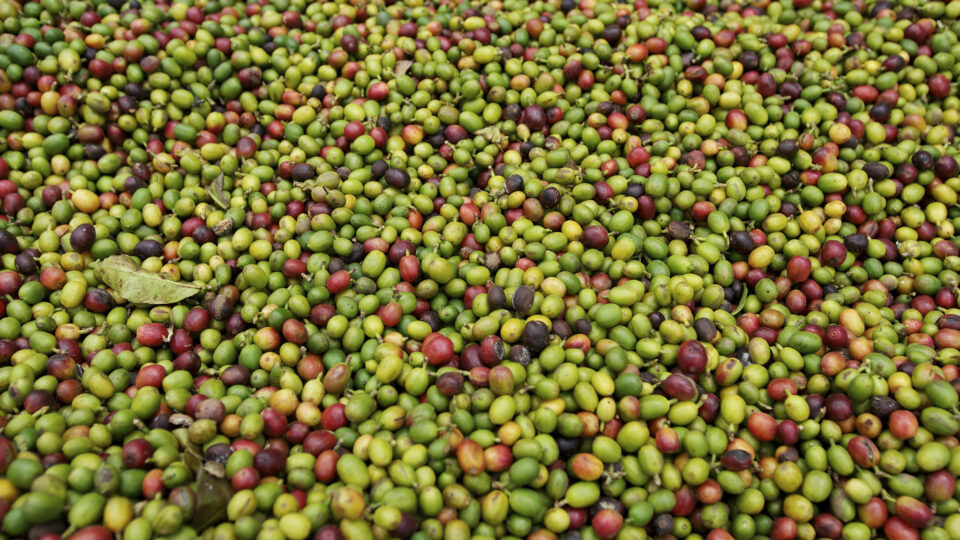
A new study by the University of Vermont in collaboration with researchers from three Latin American countries looked at the effects of birds and bees on coffee crops.  They found that coffee beans are bigger and more plentiful when birds and bees team up to protect and pollinate coffee plants.

The real-world study manipulated coffee plants across 30 farms by excluding birds and bees with a combination of large nets and small lace bags.  They looked at four scenarios:  bird activity alone (pest control), bee activity alone (pollination), no bird and bee activity at all, and a natural environment where birds and bees were free to pollinate and eat insects that otherwise damage coffee plants.

The study looked at fruit set, fruit weight, and fruit uniformity – important factors that determine the quality and price of the coffee crop.  The results were that the combined positive effects of birds and bees were greater than their individual effects.   Without birds and bees, the average coffee yield on the farms declined nearly 25%.  That is important information for the $26 billion coffee industry.

A surprising result of the study is that many birds providing pest control to coffee plants in Costa Rica had migrated thousands of miles from Canada and the U.S.

Previous studies looked at the benefits of natural factors separately and then added them up.  But the new study demonstrates that nature is an interacting system with both synergies and trade-offs.  Past assessments of individual ecological services may have underestimated the benefits biodiversity provides to agriculture and human wellbeing.  Ecosystems services are more valuable together than separately.

**********

Web Links

The Secret to Better Coffee? The Birds and the Bees

Photo, posted March 2, 2012, courtesy of Caroline Gluck/Oxfam via Flickr.

Earth Wise is a production of WAMC Northeast Public Radio.

Record Levels Of Deforestation In The Amazon | Earth Wise

March 25, 2022 By EarthWise Leave a Comment

Record levels of deforestation in the Amazon Rainforest

The Amazon rainforest is the largest rainforest in the world, covering more than 2.5 million square miles.  It’s home to 10% of all known species in the world.  The Amazon rainforest’s biodiversity is so rich that scientists are still discovering new plant and animal species today.  

The Amazon rainforest absorbs huge amounts of carbon dioxide from Earth’s atmosphere, making it a key part of mitigating climate change.  The vast rainforest acts as what’s known as a carbon sink.  Simply put, a carbon sink is anything that absorbs more carbon from the atmosphere than it releases.  But as trees in the Amazon disappear, so does the ability of the rainforest to absorb carbon dioxide.

Deforestation of the Amazon rainforest remains a major problem.  According to satellite data from the Brazilian government, the number of trees cut down in the Brazilian Amazon in January far exceeded deforestation figures for the same month last year.  Approximately 166 square miles of land was deforested in January alone, which is five times greater than what was lost in January, 2021.

Cattle ranching – both for beef and for leather – remains the leading cause of deforestation in the Amazon rainforest.  Trees in the Amazon are also cut down for their wood, as well as to clear the land in order to grow food crops, such as soy, sugar, and oil palm. 

Many companies have pledged to achieve “net zero” deforestation in their supply chains over the years, but most have not lived up to the commitment. 

Deforestation is not only a major driver of climate change, but it’s also the leading cause of species extinction.  Preserving the Amazon rainforest is vital. 

**********

Web Links

Amazon deforestation: Record high destruction of trees in January

Greenpeace calls on fast food giants to take a stand against Bolsonaro’s Amazon destruction

Hundreds of Companies Promised to Help Save Forests. Did They?

Photo, posted July 14, 2018, courtesy of Alexander Gerst via Flickr.

Earth Wise is a production of WAMC Northeast Public Radio.

Arctic Communities And Permafrost Thaw | Earth Wise

December 16, 2021 By EarthWise Leave a Comment

Permafrost thaw threatens arctic communities

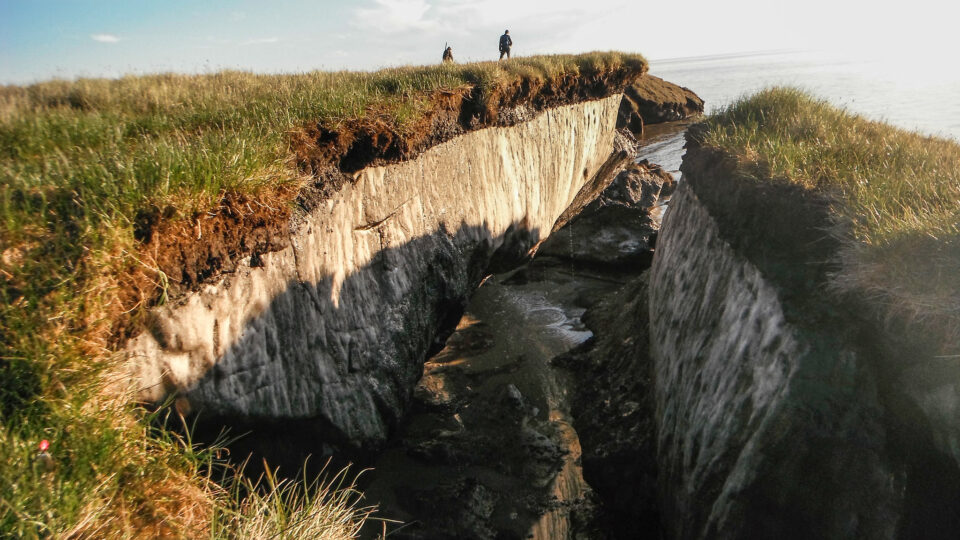
Permafrost is frozen soil, rock or sediment that can be as much as a few thousand feet thick.  To qualify as permafrost , the material has to have been at or below the freezing point of water for two or more years.  Most of it is located in high latitudes in the Arctic and Antarctic regions.   Permafrost covers nearly a quarter of the exposed land in the Northern Hemisphere.

Permafrost contains enormous amounts of carbon in the form of frozen soil that includes remnants of plants and animals, in some cases that have been there for more than 20,000 years.

The Arctic region has been warming faster than any place else on earth and thawing permafrost is already unleashing methane and carbon dioxide to the atmosphere, adding to the global temperature rise.

Apart from the impact on the global climate, thawing permafrost is making the ground unstable and is causing serious problems for local communities.

Recent research using satellite observations provides an overview of the Arctic to identify communities and infrastructure that will be at risk over the next 30 years.

Using high-resolution data from the Copernicus Sentinel satellite missions along with ground-based data going back to 1997, researchers modeled the permafrost ground temperature trends and extrapolated them out to 2050.  The results were that 55% of the infrastructure currently located on permafrost and within 60 miles of the Arctic coastline – infrastructure on which many communities rely – is likely to be affected.

Most human activity in the Arctic takes place along permafrost coasts.  Permafrost thaw is exposing these coasts to rapid change that threatens biodiversity and puts pressure on communities.

**********

Web Links

Satellites pinpoint communities at risk of permafrost thaw

Photo, posted January 24, 2014, courtesy of Brandt Meixell / USGS via Flickr.

Earth Wise is a production of WAMC Northeast Public Radio.

How Quickly Can The Planet Recover? | Earth Wise

December 6, 2021 By EarthWise Leave a Comment

Climate change refers to long-term shifts in temperatures and weather patterns.  Historically, these shifts were natural.  But since the Industrial Revolution, scientists have found that the main driver of climate change has been human activities, primarily by adding significant amounts of greenhouse gases into the atmosphere through the burning of fossil fuels. 

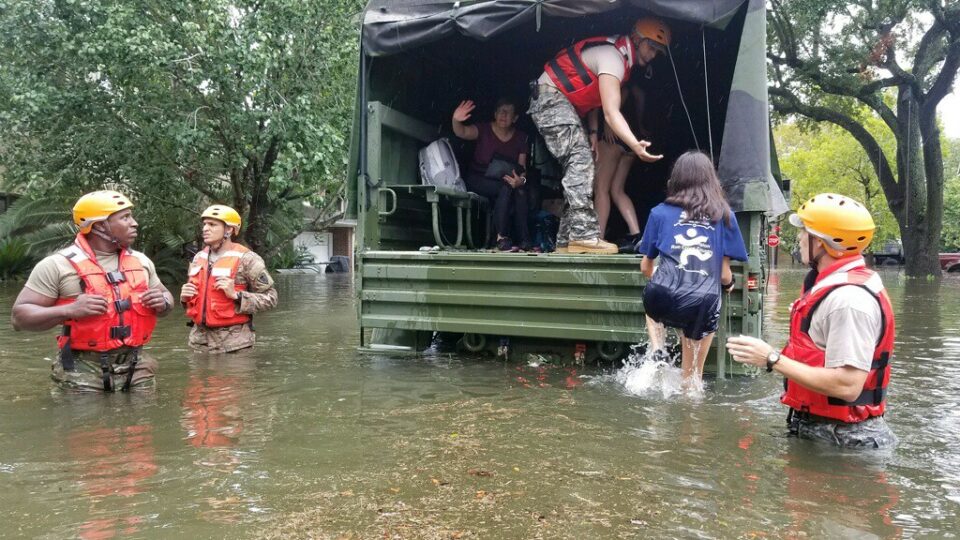
Today, climate change is destabilizing Earth’s temperature equilibrium and is having a widespread impact on humans, animals, and the environment.  Some of the consequences of anthropogenic climate change include warmer air and ocean temperatures, shrinking glaciers, increasing spread of pests and pathogens, declining biodiversity, and more intense and frequent extreme weather events. 

But how quickly can the climate recover from the warming caused by an increase in carbon dioxide in the atmosphere? 

Researchers from Johannes Gutenberg-University Mainz in Germany looked into this question by investigating the significant rise in global temperatures that took place 56 million years ago.  Likely triggered by a volcanic eruption,  the increase of between 5 and 8 degrees Celsius was the fastest natural period of global warming that has impacted the climate. 

Because higher temperatures cause rocks to weather faster, the research team decided to analyze the weathering processes that occurred during the warming event 56 million years ago.  Their findings, which were recently published in the Journal Science Advances, indicate that the climate took between 20,000 and 50,000 years to stabilize following the rise in global temperatures.

Climate change is not some distant problem.  It is happening now and it poses a serious threat to all forms of life.  We need to address the problem with more urgency. 

**********

Web Links

How quickly does the climate recover?

Photo, posted August 27, 2017, courtesy of Lt. Zachary West (100th MPAD) / Texas Military Department via Flickr.

Earth Wise is a production of WAMC Northeast Public Radio.

Coral Reefs And Ecosystem Services

October 18, 2021 By EarthWise Leave a Comment

The ecosystem services of coral reefs

A new study led by the University of British Columbia provides the first comprehensive look at what climate change, overfishing, and habitat destruction of coral reefs mean for their ecosystem services.  For humans, this means how the global decline in coral reefs has affected their ability to provide essential benefits including food, livelihoods, and protection from storms.

The study found that global coverage of living corals has declined by about half since the 1950s and the diversity of reef species has declined by more than 60%.  So, it is no surprise that there has been a significant loss in the ability of reefs to provide ecosystem services.

The study analyzed data from coral reef surveys around the world, fisheries catches, indigenous consumption, and more.  Apart from the declines in reef coverage and biodiversity, the study found that fish catches on coral reefs peaked in 2002 and has steadily declined since then, despite increased fishing efforts.

The findings of the study led the researchers to conclude that continued degradation of coral reefs in the years to come threaten the well-being and sustainable development of millions of people in communities on the coast that depend on coral reefs.  Fish and fisheries provide essential nutrients in places with few alternative sources of nutrition.  Coral reef biodiversity and fisheries have added importance for indigenous communities, where important cultural relationships exist with reefs.

The study’s authors say that the results are a call to action.  The level of destruction happening all over the world’s coral reefs is threatening people’s culture, their daily food, and their history.  It is not just an environmental issue; it is a human rights issue.

**********

Web Links

Photo, posted September 22, 2010, courtesy of David Burdick / NOAA Photo Library via Flickr.

XXXXXXXXXXX

Promoting Biodiversity In Agriculture | Earth Wise

September 13, 2021 By EarthWise Leave a Comment

The best methods to promote biodiversity in agriculture

The organic foods industry is one of the fastest growing agricultural segments in the United States.  According to the Organic Trade Association, U.S. organic sales reached $61.9 billion in 2020, a jump of more than 12% over the previous year. 

Organic food has many benefits.  Organic food is free of antibiotics, growth hormones, and GMOs, and is grown using fewer pesticides.  Organic farming tends to be better for the environment by reducing pollution, conserving water, reducing soil erosion, increasing soil fertility, and using less energy.   And it’s also better for the health of nearby wildlife as well as the people who live close to farms. 

But when it comes to promoting biodiversity in agriculture, is organic farming the only alternative to conventional agriculture? It turns out it’s not – at least according to a new study recently published in the journal Trends in Ecology and Evolution. 

According to an international research team led by the University of Göttingen in Germany, a landscape mosaic of natural habitats and small-scale and diverse cultivated areas is the key to promoting biodiversity on a large scale in both conventional and organic agriculture.

According to the research team, areas cultivated to organic standards have one third more species, but don’t reach the yield level of conventional farming.  This means that more land would need to be cultivated organically in order to produce the same amount of food.  But as larger areas are cultivated, the advantages for biodiversity would disappear.    

Landscapes with small fields, long edges, high crop diversity, and at least 20% near-natural habitats can promote biodiversity significantly more than just organic certification.   

**********

Web Links

U.S. Organic Industry Survey 2021

Promoting biodiversity-friendly landscapes – beyond organic farming

Photo, posted August 29, 2019, courtesy of Lance Cheung/USDA via Flickr.

Earth Wise is a production of WAMC Northeast Public Radio.

Climate Change And Kenya’s Tana River Basin | Earth Wise

September 6, 2021 By EarthWise Leave a Comment

Climate change threatens biodiversity within the Tana River Basin

The Tana River is the longest river and most important waterway in Kenya.  It flows 620 miles from its headwaters in the Abderdare mountain range and Mount Kenya to the Indian Ocean.  The Tana River produces approximately half of the country’s electricity, and supplies Nairobi, the capital of Kenya, with 80% of its water.   

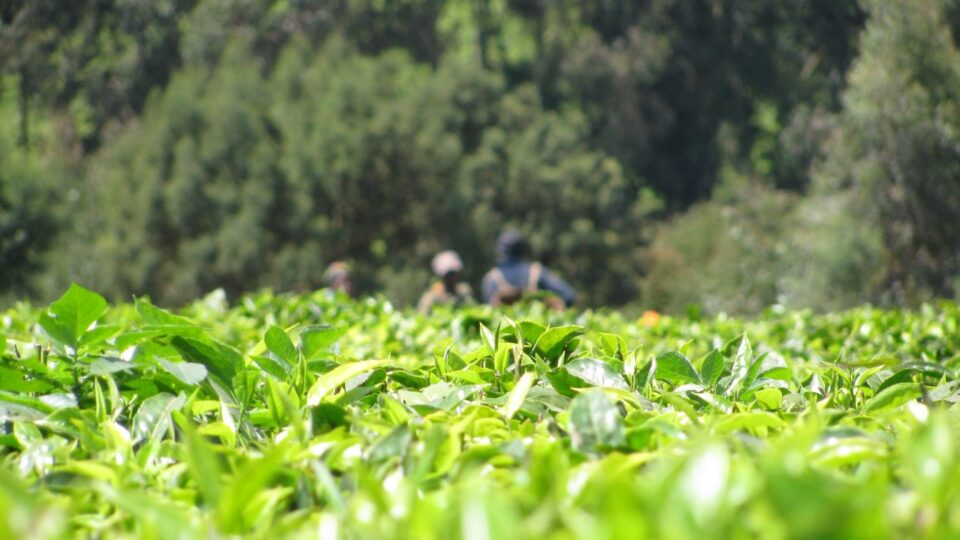
According to the United Nations Environment Programme, eight million people live along the Tana River, where coffee, tea, corn and other crops are grown for export, and fishing and cattle grazing help produce food for large portions of the country’s population. 

But the long-term ability of the river to provide these and other essential services is increasingly under threat due to many factors, including pollution, soil erosion, deforestation, and poor land use practices.   

Climate change is also complicating matters.  According to new research from the University of East Anglia, many species within the Tana River Basin will be unable to survive if global temperatures continue to rise at the current pace.  However, the study, which was recently published in the journal PLOS ONE, also found that many of these species could be saved if the world could meet the climate goals of the Paris Agreement. 

Globally, climate and land use changes are the two biggest threats to biodiversity.  According to researchers, 36% of the Tana River Basin has already been converted to agriculture. 

The research team says stronger commitments on climate change are needed from global leaders.  The climate and biodiversity crises can only be solved with urgent action to reduce global greenhouse gas emissions. 

**********

Web Links

The impact of climate change on Kenya’s Tana river basin

Economics of Ecosystem Services of the Tana River Basin

Photo, posted August 19, 2010, courtesy of Luigi Guarino via Flickr.

Earth Wise is a production of WAMC Northeast Public Radio.

Wild Pigs And The Environment | Earth Wise

September 3, 2021 By EarthWise Leave a Comment

Wild pigs cause significant climate damage all around the globe

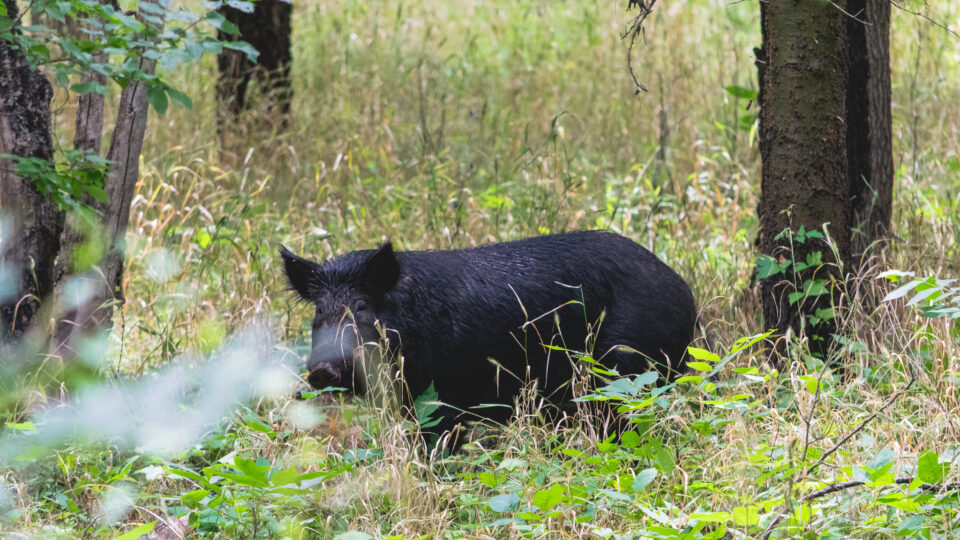
There are millions of wild pigs in the world with the largest numbers in the United States and Australia but significant numbers in South America, Europe, and China.  In the US, there are as many as 9 million feral swine living in 38 states.  A conservative estimate indicates that they cause about $1.5 billion in property and agricultural damage each year in this country.

Researchers in Australia have studied the climate damage wild pigs are causing across five continents.  According to the study, by uprooting carbon trapped in soil, wild pigs are releasing over 5 million tons of carbon dioxide annually, which is the equivalent of 1.1 million cars.

When soils are disturbed from humans plowing a field, or from wild animals uprooting, carbon is released into the atmosphere.  According to the researchers, wild pigs are just like tractors plowing through fields, turning over soil to find food.

The study used predictive population models coupled with advanced mapping techniques to pinpoint the damage wild pigs are causing.  According to the models, pigs are currently uprooting an area between 14,000 and 47,000 square miles, which is an enormous amount of land.  The effects are not just on the health of the soil and on carbon emissions.  This much damage also threatens biodiversity and food security.

Wild pigs are basically a human-caused problem, being either feral descendants of domestic swine, or hybrids of domestic swine and wild boars.  Wild pigs are prolific and their numbers have been expanding rapidly  Controlling their populations will require cooperation and collaboration across multiple jurisdictions.

**********

Web Links

The climate impact of wild pigs greater than a million cars

Photo, posted July 1, 2017, courtesy of Shiva Shenoy via Flickr.

Earth Wise is a production of WAMC Northeast Public Radio.

Coral Reefs And Fish Survival | Earth Wise

August 25, 2021 By EarthWise Leave a Comment

The warming and acidifying oceans threaten corals, fish, and livelihoods

The precarious state of the world’s coral reefs has been a highly visible subject for a decade or more.  Mostly what we hear about is the loss of some of the most beautiful sights on the planet. But there is far more at stake than scenic wonders.

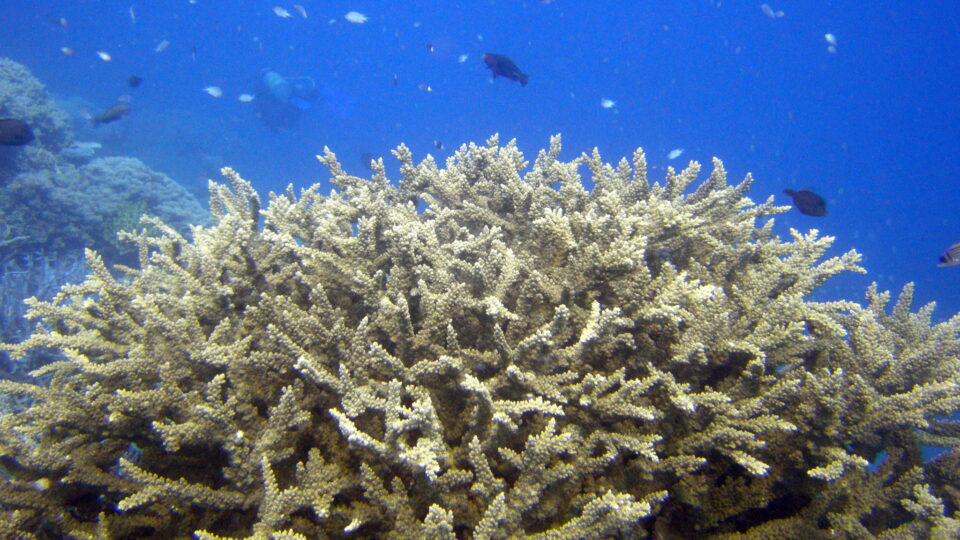
The warming and acidifying of ocean waters are causing corals to increasingly bleach and often die.  Corals provide a unique food source for some species of fish and a three-dimensional habitat for many others.  The fish that depend on corals are often prey for fish that don’t depend directly on corals and so on up the food chain.

What happens to fish when coral reefs disappear?  The fish species that feed on corals will starve while others will seek alternative rocky habitats.

A new study by the University of Helsinki uses statistical methods to predict how fish diversity will respond to declines in coral diversity. It concludes that a future coral loss might cause a 40% reduction in reef fish diversity globally.  This is more than a loss of colorful sights for snorkelers; reef fishes provide essential protein for millions of people around the world.

The estimate of potential loss of fish species greatly exceeds the number of species known to depend directly or even indirectly on coral.  The implication is that coral reef food webs will begin to unravel if corals go extinct.  This unraveling is expected to be worse in some places than others.  The Central Pacific, for example, could lose 60% of its reef fish.

For both snorkelers and for the millions who depend upon reef fishes for food, the need for greater efforts to conserve and restore coral reefs is apparent.

**********

Web Links

A fu­ture ocean that is too warm for cor­als might have half as many fish spe­cies

Photo, posted September 27, 2009, courtesy of Matt Kieffer via Flickr.

Earth Wise is a production of WAMC Northeast Public Radio.

The Importance Of Double-Cropping | Earth Wise

July 28, 2021 By EarthWise Leave a Comment

Double-cropping is important to feed a growing global population

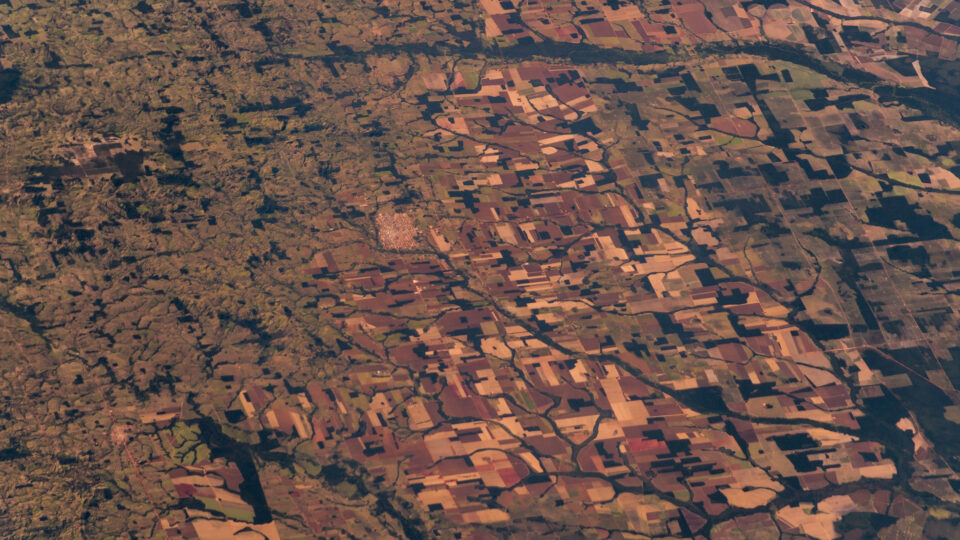
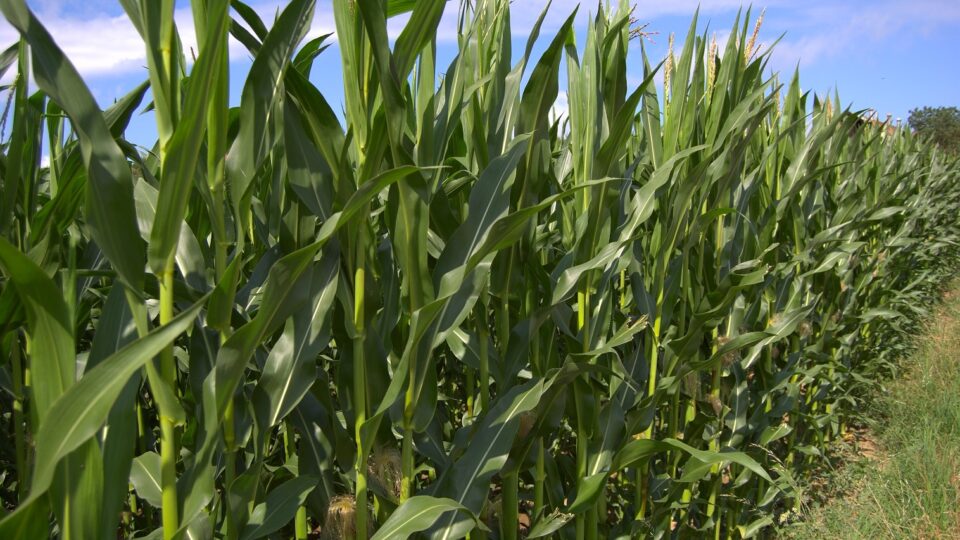
In agriculture, double-cropping is the practice of growing two or more crops or commodities on the same piece of land in the same calendar year.  In Brazil, grain production has increased more than fourfold between 1980 and 2016.  The country now stands as the world’s largest exporter of soybeans and the second largest exporter of corn.  There were two primary drivers of this increase in food production: cropland expansion and double-cropping. 

Cropland expansion has long been recognized as a key driver behind the increase in Brazil’s agricultural output.  But cropland expansion is also a threat to biodiversity by driving habitat loss, deforestation, and an increase in carbon emissions. 

A new study recently published in the journal Nature Food quantified for the first time the impact that double-cropping had on helping Brazil achieve its tremendous growth in grain production.  The international research team examined data from three key agricultural regions in Brazil: the Centre-West, Southeast-South, and Matopiba region.  These three regions accounted for 79% of soybean production and 85% of  corn production in 2016. 

Soybean fields account for more than one third of Brazil’s cropland.  While the increase in soybean production was largely a result of cropland expansion, the increase in corn production was a result of double-cropping. 

Between 2003 and 2016, the study found that double-cropping in Brazil offset the equivalent of approximately 190 million acres of arable land for corn production. (This is more than twice the annual harvested area of corn in the United States).

Double-cropping represents a way to produce more food without clearing more land. 

**********

Web Links

The impact of double-cropping

Photo, posted July 15, 2009, courtesy of Daniel Bauer via Flickr.

Earth Wise is a production of WAMC Northeast Public Radio.

Plastic Pollution And The Galapagos Islands | Earth Wise

July 12, 2021 By EarthWise 1 Comment

Plastic pollution is infiltrating the pristine Galapagos Islands

The proliferation of plastics remains one of the world’s most challenging environmental problems.  Plastic pollution can be found in some of the most remote regions of the planet, including atop the world’s tallest mountains and in the deepest depths of the ocean.  Even the Galapagos Islands, a volcanic archipelago in the Pacific Ocean, are no exception.

According to a new study by researchers from the University of Exeter, the Galapagos Conservation Trust, and the Galapagos Science Center, plastic pollution has been found in seawater, on beaches, and inside marine animals at the Galapagos Islands. 

In the most polluted hotspots, more than 400 plastic particles were found per square metre of beach. The researchers found that only 2% of macroplastic pollution – plastic fragments larger than five millimeters – was identified as coming from the Galapagos islands. All seven of the marine invertebrate species examined – 52% of individuals tested – were found to contain microplastics.

Significant accumulations of plastic were also found in key habitats, including rocky lava shores and mangroves. In fact, plastics were found in all marine habitats at the island of San Cristobal, which is where Charles Darwin first landed in Galapagos.

Most of the plastic pollution in the Galapagos appears to arrive via ocean currents. According  to the research team, the highest levels of plastic pollution were found on east-facing beaches, which are exposed to pollution carried across the ocean on the Humboldt Current. 

The pristine images of the Galapagos, a world-famous biodiversity haven, might give the impression that the region is protected from plastic pollution.  But clearly that is not the case.

**********

Web Links

Plastic in Galapagos seawater, beaches and animals

Photo, posted April 12, 2012, courtesy of Ben Tavener via Flickr.

Earth Wise is a production of WAMC Northeast Public Radio.

Biodiversity And Trawling Bans | Earth Wise

June 7, 2021 By EarthWise Leave a Comment

Trawling devastates biodiversity

Trawling is a method of commercial fishing that involves pulling or dragging a fishing net – called a trawl – through the water or across the seabed in hopes of catching fish.  Commercial fishing companies favor towing trawl nets because large quantities of fish can be caught in one go.  

However, the trouble with trawling is that it’s destructive to the seafloor and indiscriminate in what it catches.  When towing these large trawl nets, the largest of which is reportedly big enough to catch thirteen 747 jets, everything that happens to be in the way gets caught.  As a result, trawling results in lots of bycatch, a fishing industry term used to describe the deaths of non target species during the process. 

In 2012, the Hong Kong government implemented a territory-wide trawling ban in its waters in hopes of rehabilitating the marine benthic habitat.  The benthic zone refers to the ecological region at the bottom of the ocean. 

Researchers from City University of Hong Kong collected sediment samples from 28 locations six months before the trawl ban and two and a half years after the trawl ban to see whether such interventions can facilitate ecosystem recovery. 

According to the study, which was recently published in the journal Communications Biology, the ban on trawling significantly improved marine biodiversity.  The researchers observed substantial increases in the richness of species and the abundance of benthic marine organisms following the trawling ban.  And since small benthic organisms are the main source of food for large species like fish and crabs, the trawling ban actually helps support fisheries.

More governments should consider a trawl ban to promote sustainable fisheries and marine biodiversity conservation.

**********

Web Links

Research confirms trawl ban substantially increases the abundance of marine organisms

Photo, posted December 4, 2018, courtesy of John via Flickr.

Earth Wise is a production of WAMC Northeast Public Radio.

The Cost Of Invasive Species | Earth Wise

May 7, 2021 By EarthWise Leave a Comment

Invasive species cost the global economy trillions of dollars

A new study published in Nature has tried for the first time to put a price tag on the impact of invasive species.  Researchers have been studying the effects of invasive species for decades, but it is a problem that has not really captured the attention of the public and policy makers.

According to the research by scientists at the French National Museum of Natural History, from 1970 to 2017, invasive species have cost the global economy at least $1.28 trillion dollars in damages and efforts to control them.

The team screened over 19,000 published papers, ultimately analyzing nearly 2,000 that detailed costs of various invasions at particular times.   Annual costs roughly doubled every six years, reaching a yearly bill of $162 billion in 2017.

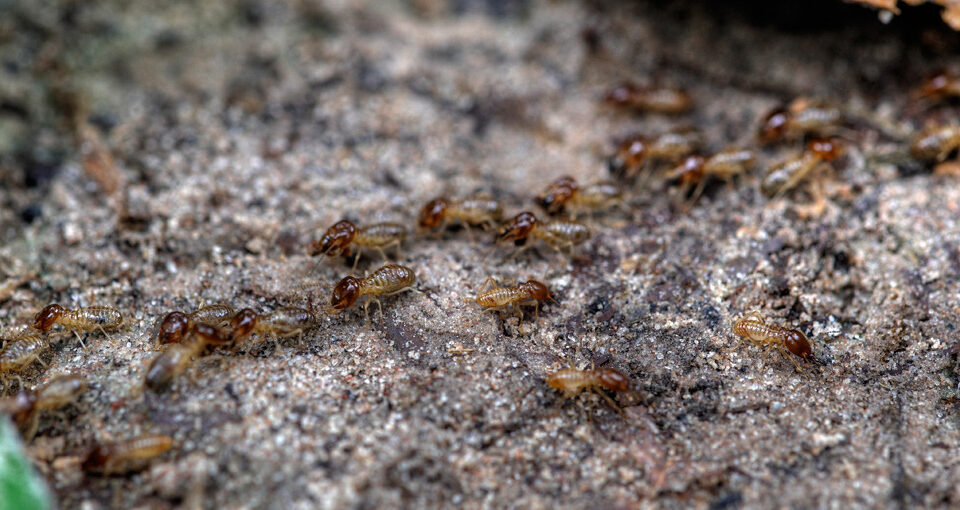
The five costliest invasive species are Aedes mosquitos, rats, cats, termites, and fire ants, collectively accounting for a quarter of the global damage.

Asian tiger mosquitos and yellow fever mosquitos alone accounted for $149 billion in damage to public health as they spread from country to country.  Rats hitchhike on human boats and drive native species to extinction on islands around the world.  Cats inflict damage primarily by their impact on native biodiversity.  By some estimates, they kill a billion birds each year in the US alone.   Termites, as they spread across the globe, wreak havoc on all sorts of infrastructure.  Fire ants can feed on a variety of seedlings, from citrus to soybeans, reduce the size of grazing lands for livestock and bite and sting farm animals and humans.

The study shows invasive species are a massive problem that is getting worse.

**********

Web Links

Invasive Species Cost Billions of Dollars in Damages Annually, Researchers Find

Photo, posted March 29, 2012, courtesy of Aleksey Gnilenkov via Flickr.

Earth Wise is a production of WAMC Northeast Public Radio.

  • « Go to Previous Page
  • Page 1
  • Page 2
  • Page 3
  • Page 4
  • Page 5
  • Interim pages omitted …
  • Page 7
  • Go to Next Page »

Primary Sidebar

Recent Episodes

  • An uninsurable future
  • Clean energy and jobs
  • Insect declines in remote regions
  • Fossil fuel producing nations ignoring climate goals
  • Trouble for clownfishes

WAMC Northeast Public Radio
WAMC/Northeast Public Radio is a regional public radio network serving parts of seven northeastern states (more...)
Copyright © 2026 ·