• Skip to primary navigation
  • Skip to main content
  • Skip to primary sidebar

Earth Wise

A look at our changing environment.

  • Home
  • About Earth Wise
  • Where to Listen
  • All Articles
  • Show Search
Hide Search
You are here: Home / Archives for africa

africa

Hacking Photosynthesis

February 25, 2019 By EarthWise Leave a Comment

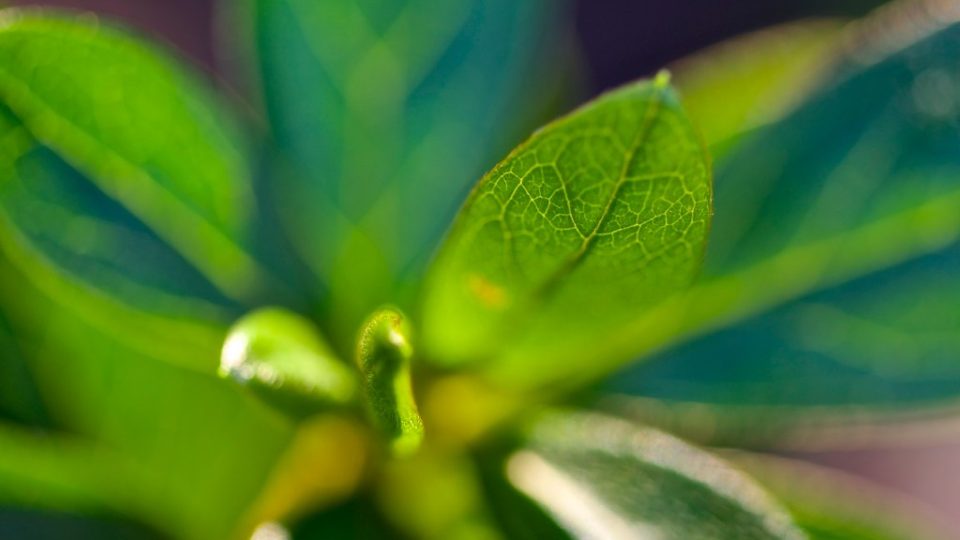
There is an enzyme known as RuBisCo that is involved in carbon fixation, the process plants use to convert carbon dioxide into sugar molecules.  The RuBisCo molecule is inside the leaves of most plants and is probably the most abundant protein in the world.

RuBisCo picks up carbon dioxide from the air and uses energy from the sun to turn the carbon into sugar molecules.  This process of photosynthesis is pretty much the foundation of life on Earth.

Wonderful as it is, the process is not perfect.  RuBisCo is not very selective in grabbing molecules from the air.  It picks up oxygen as well as CO2 and it produces a toxic compound when it does that.

Plants operate a whole other complicated chemical process to deal with this toxic byproduct and uses up a lot of energy along the way, leaving less energy for making leaves or food that we can eat.

A research program at the University of Illinois called Realizing Increased Photosynthetic Efficiency (or RIPE) has been trying to correct this problem; they have been trying to hack photosynthesis.  And they may well have succeeded.

Using genetic modification on tobacco plants, they have shut down the existing detoxification process and set up a much more efficient new one.  The result is super plants that grow faster and up to 40% bigger.

The next step is to get it to work on plants that people actually rely upon for food, like tomatoes, soybeans and black-eyed peas (which are a staple food crop in sub-Saharan Africa where food is scarce.)

It will be years before we know if the process can really produce more food and be safe, but it may end up leading to a major increase in crop productivity.

**********

Web Links

Scientists Have ‘Hacked Photosynthesis’ In Search Of More Productive Crops

Photo, posted June 10, 2013, courtesy of Boon Hong Seto via Flickr.

Earth Wise is a production of WAMC Northeast Public Radio.
A Breakthrough In Animal Identification

December 25, 2018 By EarthWise Leave a Comment

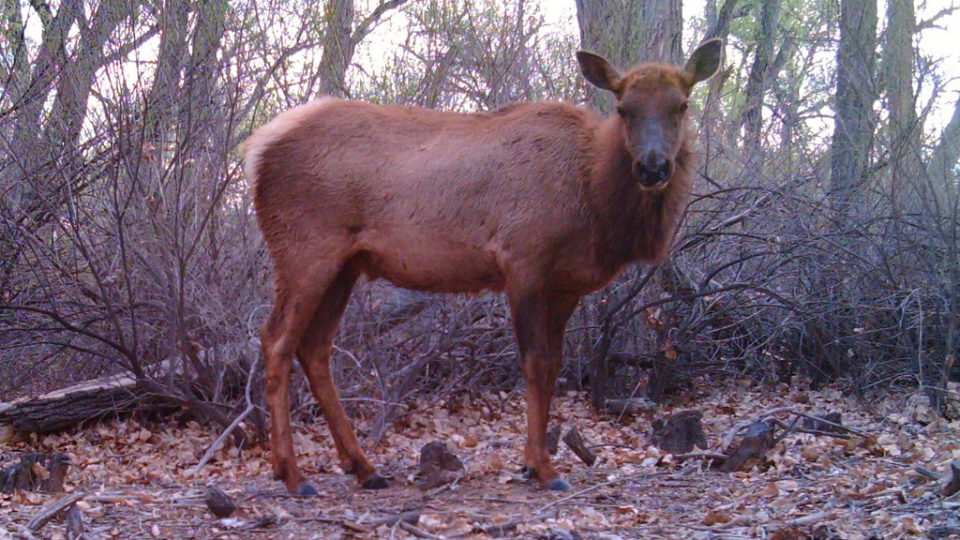
Researchers from the University of Wyoming have developed a computer model that can identify wild animals in camera-trap photographs with remarkable accuracy and efficiency.

This breakthrough in artificial intelligence (AI), detailed in a paper recently published in the scientific journal Methods in Ecology and Evolution, represents a significant advancement in the study and conservation of wildlife. According to the paper’s authors, “the ability to rapidly identify millions of images from camera traps can fundamentally change the way ecologists design and implement wildlife studies.”

This study builds on previous research from the university in which a computer model analyzed 3.2 million images captured by camera traps in Africa.  The A-I technique called deep learning categorized animal images at a 96.6% accuracy rate.  This was the same accuracy rate as teams of human volunteers achieved, but the computer model worked at a much more rapid pace. 

In the latest study, UW researchers trained a deep neural network on a powerful computer cluster to classify wildlife species using 3.37 million camera-trap images of 27 different animal species.  The model was tested on nearly 375,000 images at a rate of about 2,000 images per minute. It achieved a 97.6% accuracy rate, which is likely the highest accuracy to date in using machine learning for wildlife image classification. 

Artificial intelligence has been used in environmental science in other ways as well. For example, AI has been used to increase agricultural yields in farm fields and to help predict extreme weather. 

Maybe artificial intelligence can prove to be a game changer for the environment.   


**********

Web Links

Researchers Successfully Train Computers to Identify Animals in Photos

Photo, posted January 8, 2012, courtesy of the U.S. Fish and Wildlife Service via Flickr. 

Earth Wise is a production of WAMC Northeast Public Radio.
Powering Africa With The Sun

December 3, 2018 By EarthWise Leave a Comment

https://earthwiseradio.org/wp-content/uploads/2018/12/EW-12-03-18-Powering-Africa-With-The-Sun.mp3

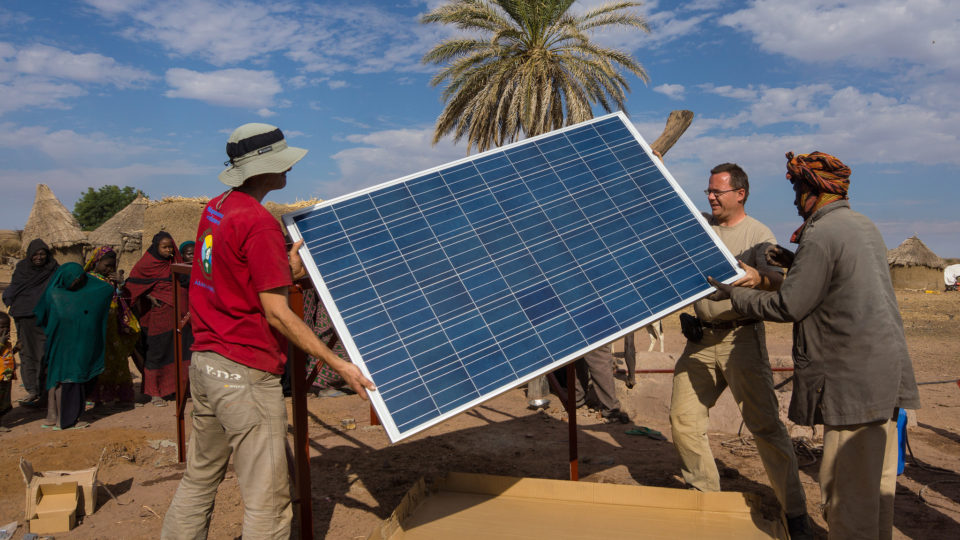
There are roughly 600 million people in sub-Saharan Africa who currently live without electric power.  Putting in the infrastructure to supply power to these people in their various countries has been a major economic and logistical challenge.

[Read more…] about Powering Africa With The Sun

Hippo Waste And Fish

September 10, 2018 By EarthWise Leave a Comment

https://earthwiseradio.org/wp-content/uploads/2018/08/EW-09-10-18-Hippo-Pools.mp3

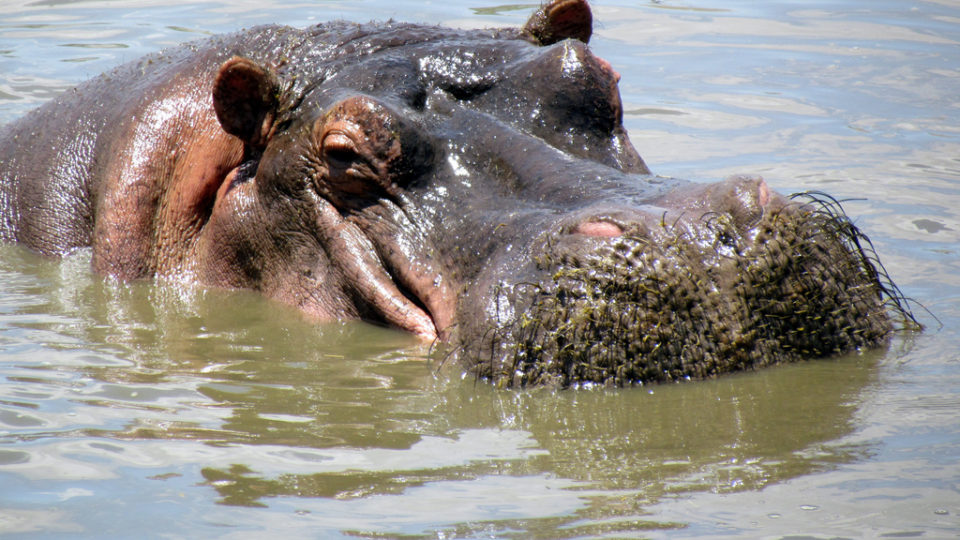
Agricultural and sewage pollution can cause low-oxygen conditions and fish kills in rivers. A new study published in Nature Communications reports that hippo waste can have a similar effect in Africa’s Mara River, which passes through the world renowned Maasai Mara National Reserve of Kenya and is home to more than 4,000 hippos.

[Read more…] about Hippo Waste And Fish

The Return Of The Bald Ibis

September 6, 2018 By EarthWise 1 Comment

https://earthwiseradio.org/wp-content/uploads/2018/08/EW-09-06-18-The-Return-of-the-Bald-Ibis.mp3

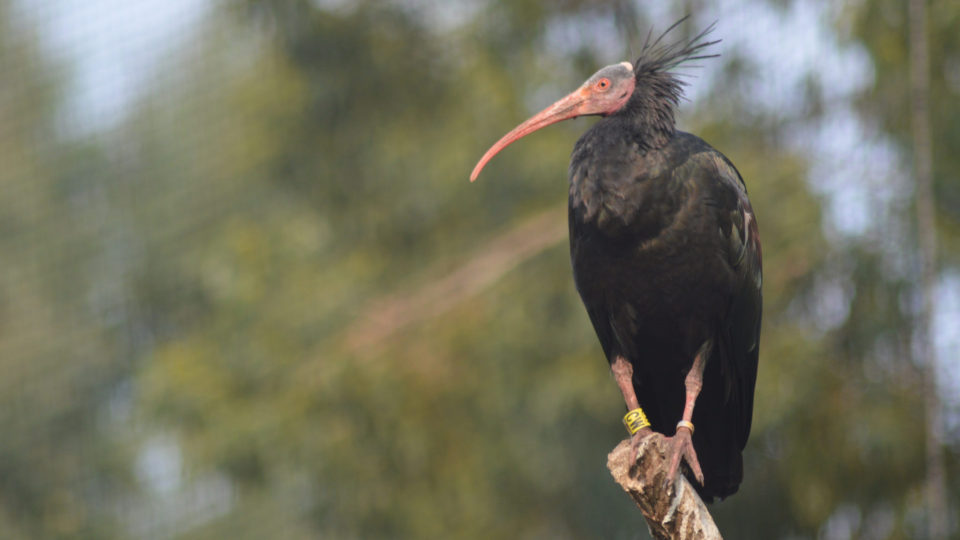
The northern bald ibis, also known as the waldrapp, is a strange-looking bird with a long, curved beak, a naked head, and feathers that point straight into the air like a Mohawk haircut.  In former centuries, it occurred widely in northern and eastern Africa, Asia Minor, Arabia, and parts of Europe.  The ancient Egyptians considered it to be an afterworld divinity and its likeness can be seen in hieroglyphs dating back thousands of years.

[Read more…] about The Return Of The Bald Ibis

Climate Change And Temperature Variations

June 20, 2018 By EarthWise Leave a Comment

https://earthwiseradio.org/wp-content/uploads/2018/06/EW-06-20-18-Climate-Change-and-Temperature-Variations.mp3

It’s no surprise that not everyone on the planet is equally responsible for the effects of climate change.  For instance, the Northern Hemisphere, which is home to 13 of the 15 largest countries by GDP, emits far more greenhouse gases than the Southern Hemisphere does.  But the whole planet heats up as a result. 

[Read more…] about Climate Change And Temperature Variations

The Sahara Desert Is Expanding

May 15, 2018 By EarthWise Leave a Comment

https://earthwiseradio.org/wp-content/uploads/2018/05/EW-05-15-18-The-Sahara-Desert-Is-Expanding.mp3

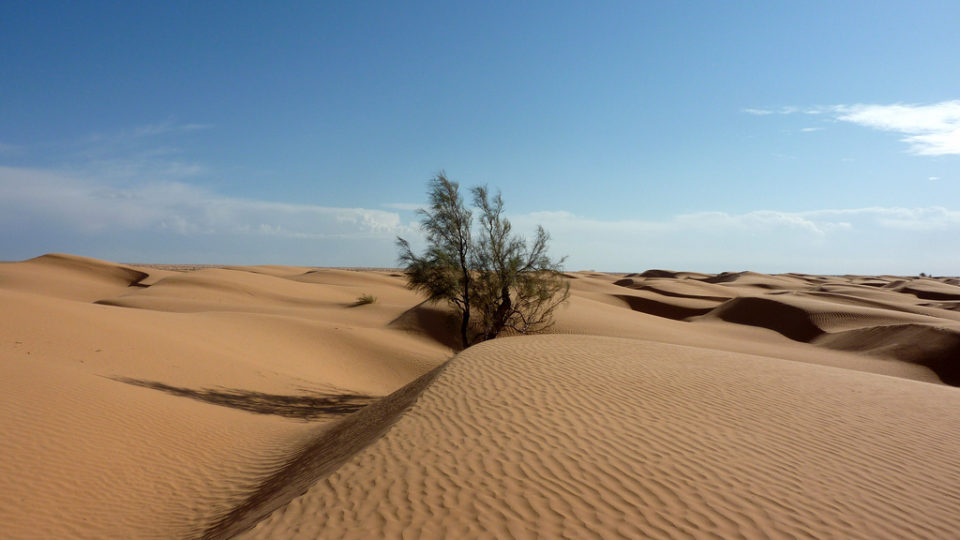
Deserts are barren areas of land where little precipitation occurs, resulting in living conditions that are hostile for plant and animal life. These regions are typically defined by low average annual rainfall—usually 100 millimeters (less than 4 inches) of rain per year or less. 

[Read more…] about The Sahara Desert Is Expanding

Are Big Cats In Big Trouble?

January 16, 2018 By EarthWise Leave a Comment

https://earthwiseradio.org/wp-content/uploads/2017/12/EW-01-16-18-Big-Cats-in-Big-Trouble.mp3

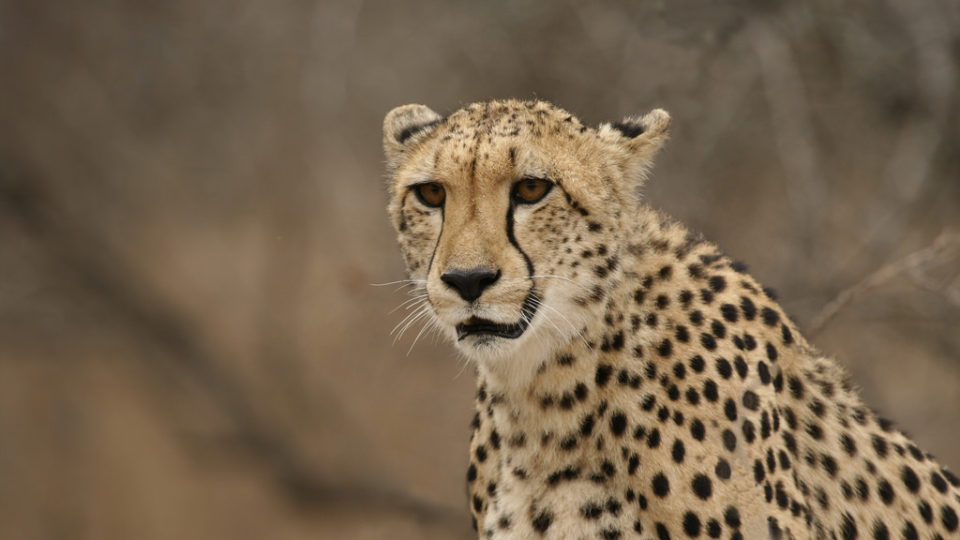
According to researchers with the National Geographic Society’s Big Cats Initiative, cheetahs are much closer to extinction than previously thought. The research team has released a study, which was recently published in the journal PeerJ, that updates the cheetah population numbers in southern Africa, the largest of its remaining habitat.

[Read more…] about Are Big Cats In Big Trouble?

A New Orangutan Species

November 29, 2017 By EarthWise Leave a Comment

https://earthwiseradio.org/wp-content/uploads/2017/11/EW-11-29-17-A-New-Orangutan-Species.mp3

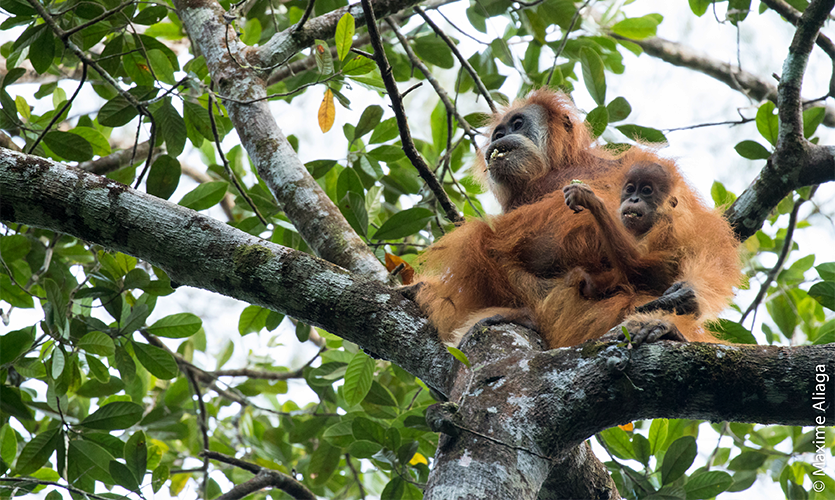
Orangutans are some of the planet’s most intelligent animals.  In fact, orangutans and human beings share 97% of their DNA sequence.  Orangutans can only be found in the wild on the Indonesian island of Sumatra and the island of Borneo, which is a land mass shared by Indonesia, Malaysia and Brunei. 

[Read more…] about A New Orangutan Species

Saving African Cattle With Perfume

November 27, 2017 By EarthWise Leave a Comment

https://earthwiseradio.org/wp-content/uploads/2017/10/EW-11-27-17-Saving-African-Cattle.mp3

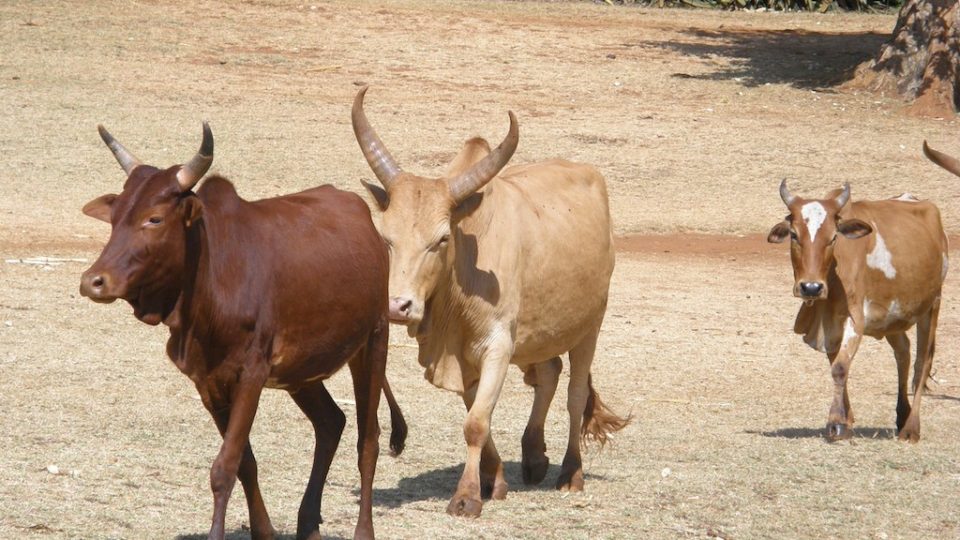
Tsetse flies are widespread in Africa. They feed on blood and are the source of the dreaded sleeping sickness, an infection that can be lethal, damages the nervous system and, in its final stage, causes a dozy state, which gave the disease its name. Sleeping sickness is a real danger for people in tropical Africa, but tsetse flies can also transfer the disease to cattle.  This leads to huge losses in milk, meat and manpower.  The damage caused by the flies in Africa is estimated to be nearly $5 billion a year.

[Read more…] about Saving African Cattle With Perfume

A Record Drop In Coal Consumption

August 2, 2017 By EarthWise

https://earthwiseradio.org/wp-content/uploads/2017/08/EW-08-02-17-Coal-Consumption.mp3

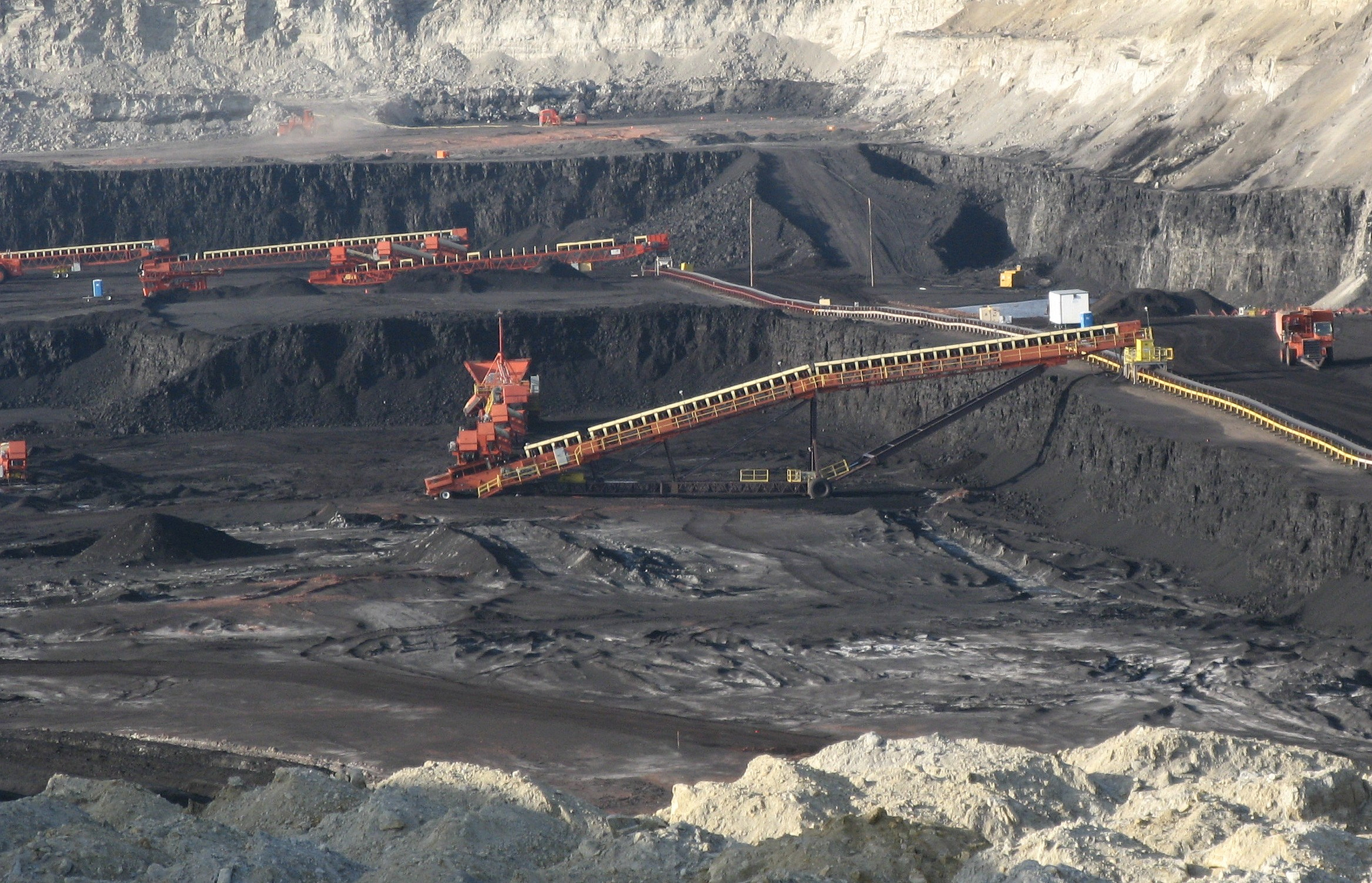
Global consumption of coal dropped by 1.7% last year.  This is a major change considering that it had increased by an average of 1.9% per year from 2005 to 2015.   China, which accounts for about half of the coal burned in the world, used 1.6% less in 2016, as compared to an increase of 3.7% per year over the previous 11 years.

[Read more…] about A Record Drop In Coal Consumption

Saving Borneo’s Forest

July 3, 2017 By EarthWise

https://earthwiseradio.org/wp-content/uploads/2017/07/EW-07-03-17-Saving-Borneos-Forest.mp3

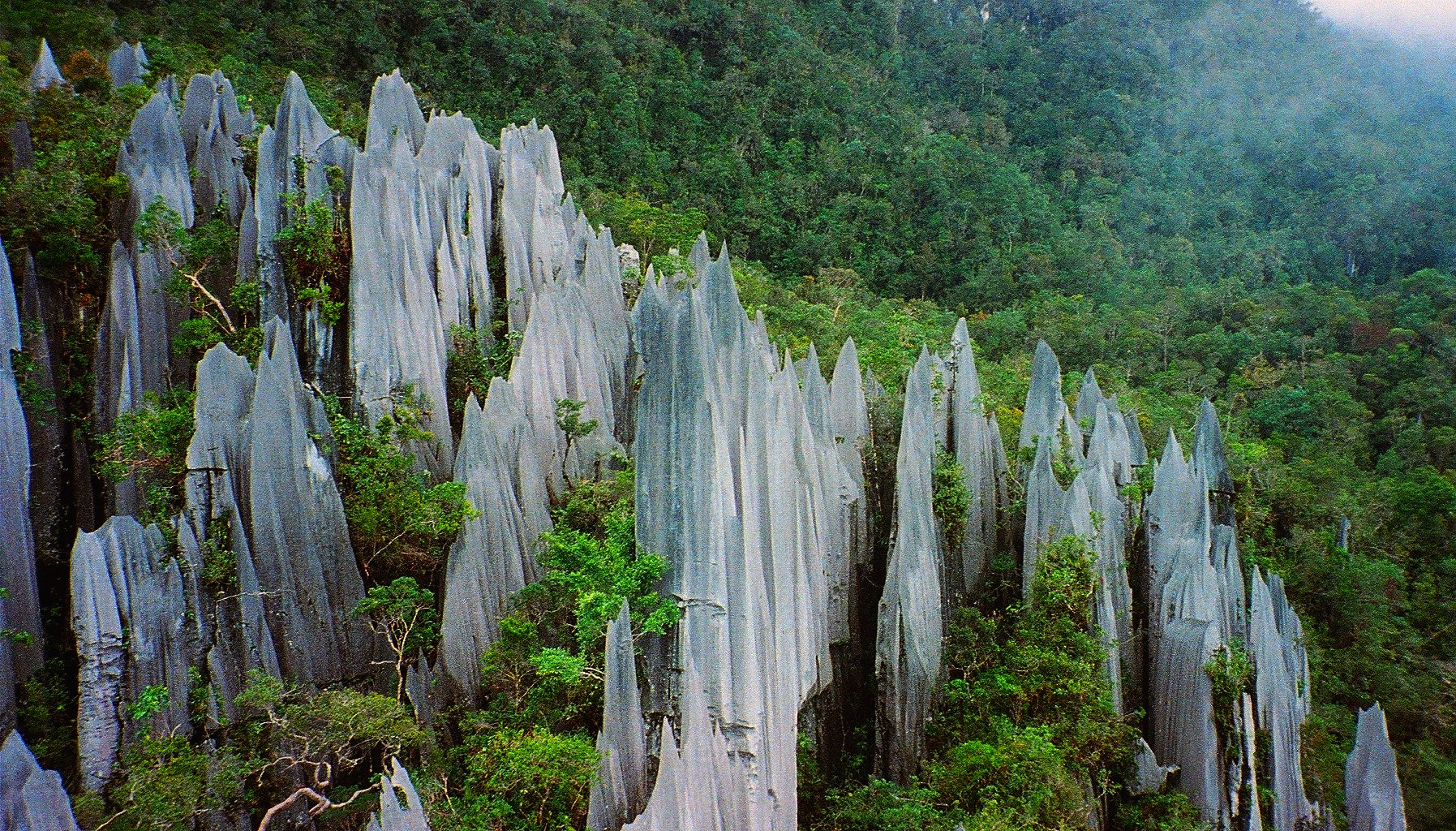
Borneo is the third-largest island in the world, home to part of Indonesia, part of Malaysia, and the small sultanate of Brunei.   It is also home to the oldest forest on earth – 130 million years old – which is more than twice as old as the Amazon rain forest.

[Read more…] about Saving Borneo’s Forest

Can Cheetahs Survive?

January 24, 2017 By EarthWise

https://earthwiseradio.org/wp-content/uploads/2017/01/EW-01-24-17-Cheetahs-Survival-Threatened.mp3

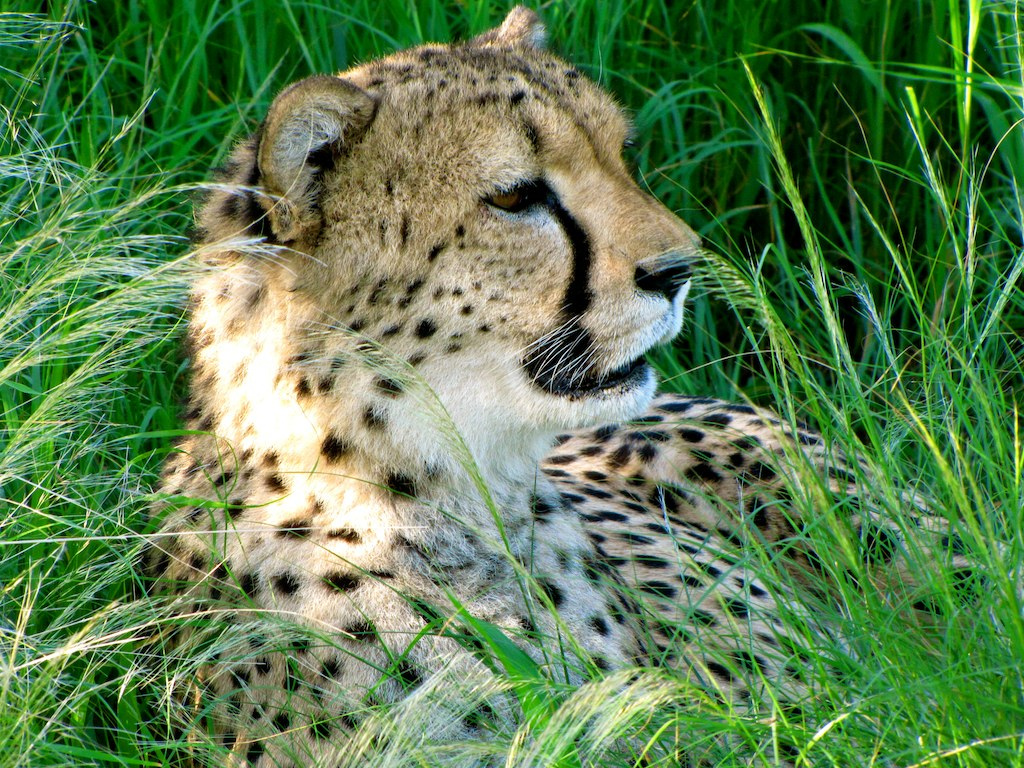
A new study has revealed that the global population of the world’s fastest land animal – the cheetah – is down to only 7,100, a drop of 50% over the past 40 years.  The dramatic decline in cheetah population could soon lead to the extinction of the species unless urgent conservation efforts are made.

[Read more…] about Can Cheetahs Survive?

Vulnerable to Extinction

January 10, 2017 By EarthWise

https://earthwiseradio.org/wp-content/uploads/2016/12/EW-01-10-17-Giraffe-Decline.mp3

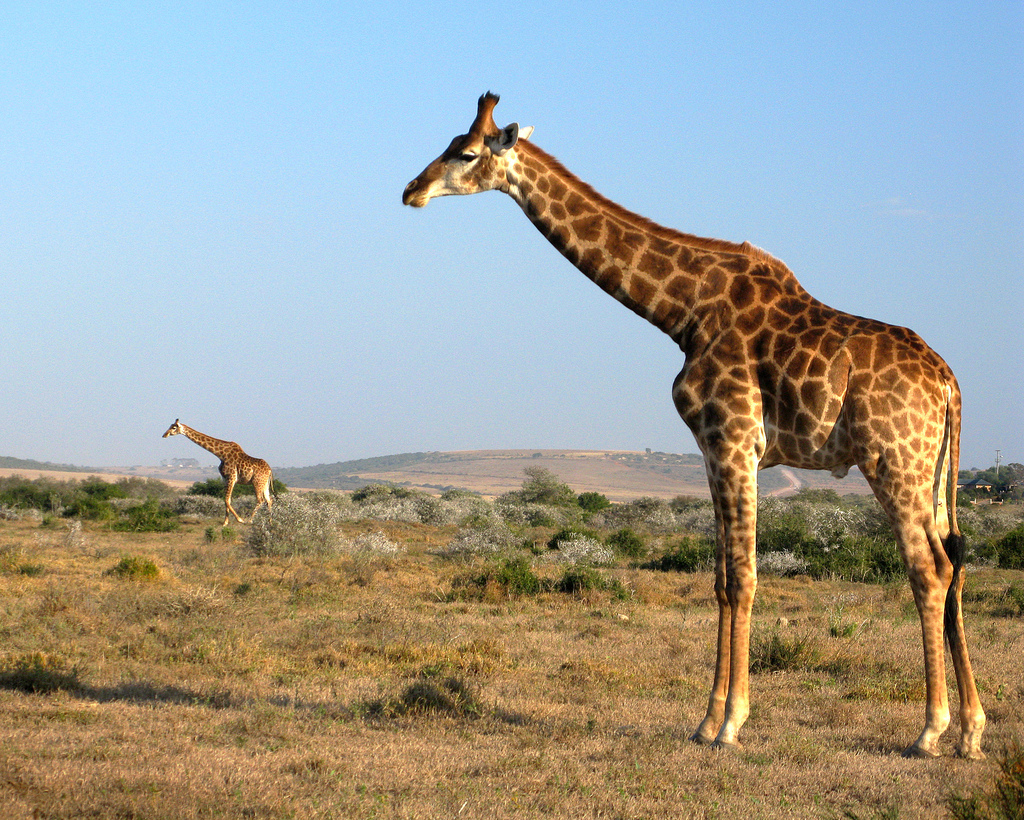
According to the International Union for the Conservation of Nature, the world’s tallest land mammal may be in trouble.  Giraffe populations have declined dramatically over the past 30 years, falling to approximately 97,000 from 163,000 in the 1980s. 

[Read more…] about Vulnerable to Extinction

Solar Power And African Food Security

January 2, 2017 By EarthWise

https://earthwiseradio.org/wp-content/uploads/2016/12/EW-01-02-17-Solar-Power-and-African-Food-Security.mp3

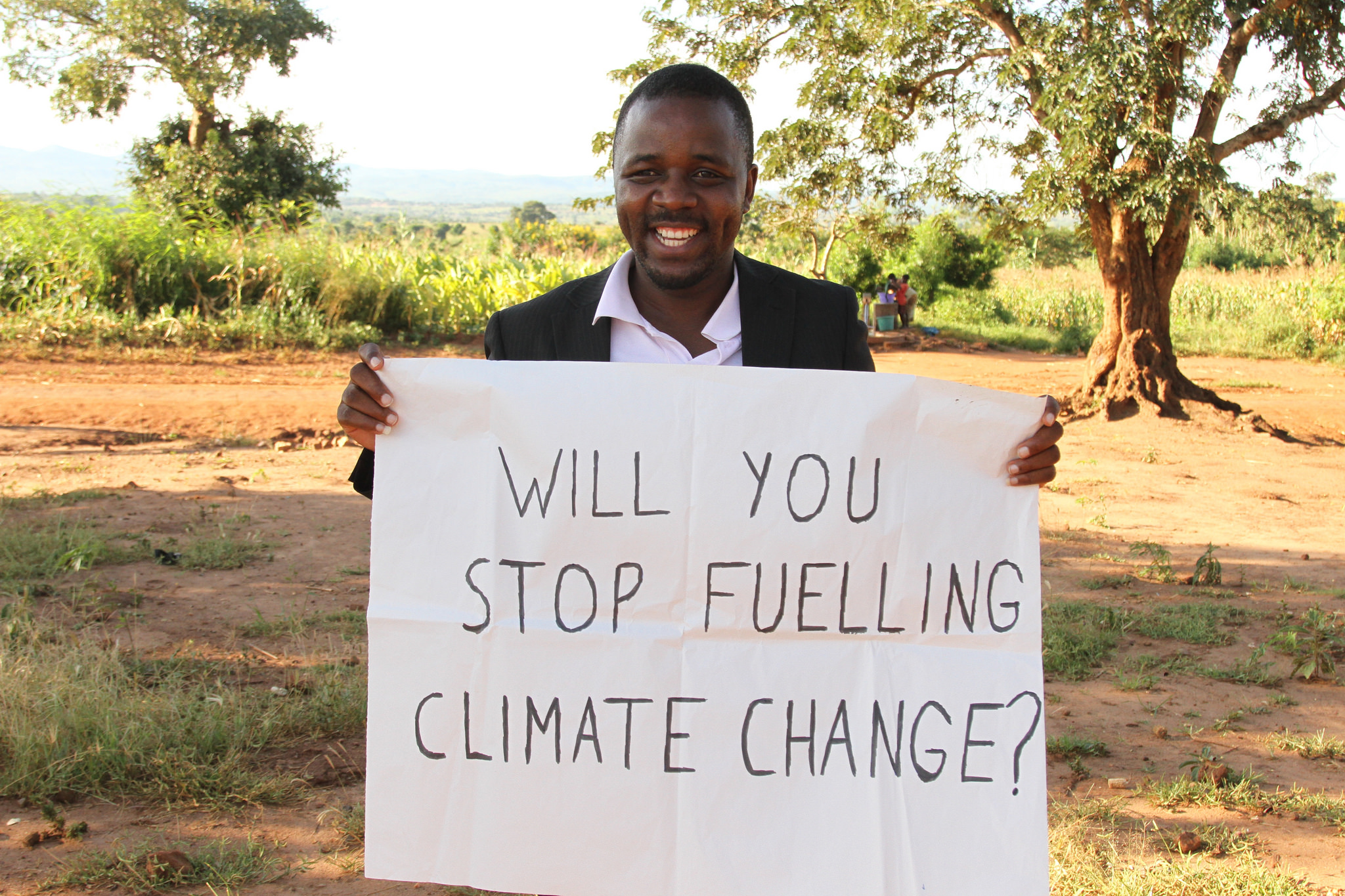
Some of the poorest countries in the world are unfortunately among the most vulnerable to the effects of climate change.   Malawi, for example, has 90% of its population in rural areas and 80% of its labor force is associated with agriculture.

[Read more…] about Solar Power And African Food Security

The Threat Of Bushmeat Hunting

November 22, 2016 By WAMC WEB

https://earthwiseradio.org/wp-content/uploads/2016/11/EW-11-22-16-The-Threat-of-Bushmeat-Hunting.mp3

A recent study has identified the steep decline of more than 300 species of mammals as a result of unregulated or illegal hunting.  Humans are consuming many of the world’s wild mammals to the point of extinction.

[Read more…] about The Threat Of Bushmeat Hunting

Wilderness Lost

October 10, 2016 By WAMC WEB

https://earthwiseradio.org/wp-content/uploads/2016/10/EW-10-10-16-Wilderness-Lost.mp3

Wilderness areas are strongholds for biodiversity.  They buffer and regulate local climates, and they support many of the world’s most politically and economically marginalized communities.  While there is a great deal of attention being paid to the loss of species around the world, there is relatively little focus on the loss of entire ecosystems.  Simply put, wilderness is on the decline, and it has been ever since human civilization began its inexorable expansion.

[Read more…] about Wilderness Lost

Dehorning Rhinos

September 30, 2016 By WAMC WEB

https://earthwiseradio.org/wp-content/uploads/2016/09/EW-09-30-16-Dehorning-Rhinos.mp3

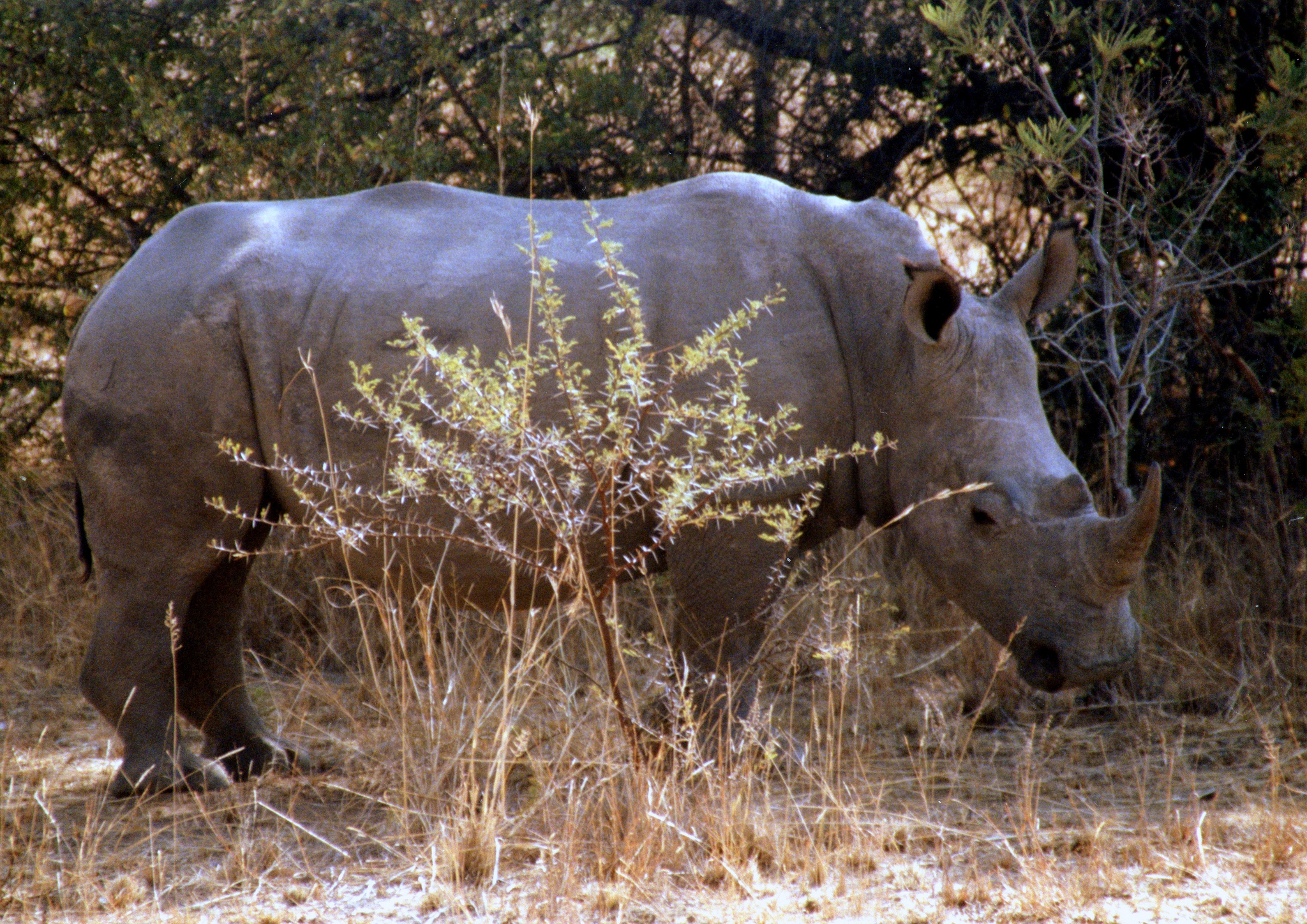
At the beginning of the 20th century, there were about 500,000 rhinos across Africa and Asia.  By 1970, the number was down to 70,000.  Today, there are less than 30,000 rhinos in the wild.  The number of black rhinos dropped to as low as 2,300 in 1993.  Aggressive conservation efforts have brought their numbers up to over 5,000 today.

[Read more…] about Dehorning Rhinos

Ebola And Bats

August 29, 2016 By WAMC WEB

https://earthwiseradio.org/wp-content/uploads/2016/08/EW-08-29-16-Ebola-and-Bats.mp3

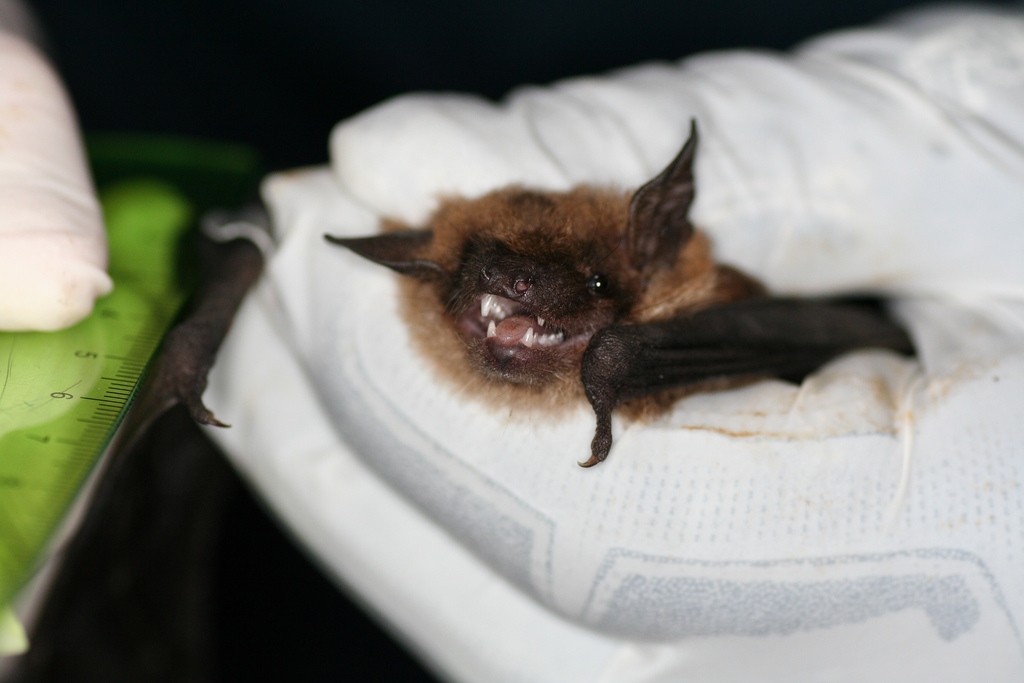
Filoviruses have devastating effects on people and primates, as evidenced by the 2014 Ebola outbreak in West Africa. For nearly 40 years, preventing spillovers has been hampered by an inability to pinpoint which wildlife species harbor and spread the viruses.

[Read more…] about Ebola And Bats

Some Good News For Coral Reefs

August 12, 2016 By WAMC WEB

https://earthwiseradio.org/wp-content/uploads/2016/08/EW-08-12-16-Good-News-for-Coral-Reefs.mp3

Most recent news about coral reefs around the world has been bad news.  There has been unprecedented coral bleaching in places like Australia’s Great Barrier Reef.   The effects of climate change – including warming temperatures and rising seas – as well as the recent El Niño event have led to damaged reefs across the globe.

[Read more…] about Some Good News For Coral Reefs

  • « Go to Previous Page
  • Page 1
  • Page 2
  • Page 3
  • Page 4
  • Go to Next Page »

Primary Sidebar

Recent Episodes

  • An uninsurable future
  • Clean energy and jobs
  • Insect declines in remote regions
  • Fossil fuel producing nations ignoring climate goals
  • Trouble for clownfishes

WAMC Northeast Public Radio

WAMC/Northeast Public Radio is a regional public radio network serving parts of seven northeastern states (more...)

Copyright © 2026 ·