• Skip to primary navigation
  • Skip to main content
  • Skip to primary sidebar

Earth Wise

A look at our changing environment.

  • Home
  • About Earth Wise
  • Where to Listen
  • All Articles
  • Show Search
Hide Search
You are here: Home / Archives for Episode

Managing Pests With Cover Crops | Earth Wise

May 18, 2022 By EarthWise Leave a Comment

The use of pesticides in global agriculture brings with it many problems including the killing of non-target, beneficial species as well as reversing pest-management gains from the use of conservation agriculture methods.

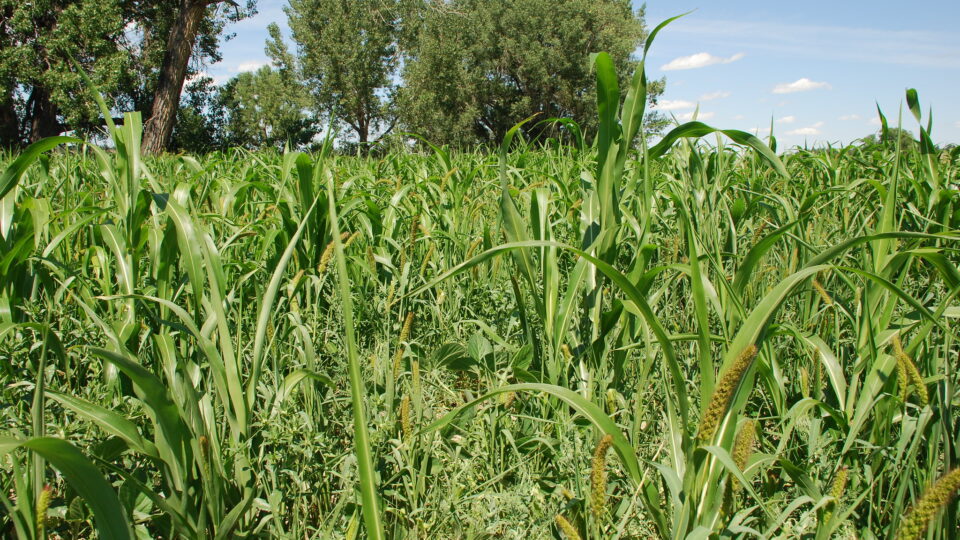
In a newly published study by researchers at Penn State University, the use of plant cover, such as cover crops, was shown to potentially be more effective at reducing pest density and crop damage than the application of insecticides without the downsides.  Cover crops reduce insect pest outbreaks by increasing pest predator abundance.

Cover crops are plantings that are primarily used to slow erosion, improve soil health, enhance water availability, smother weeds, and help control pests and diseases.  Typical cover crops include mustard, alfalfa, rye, clovers, buckwheat, and winter peas.  Most cover crops are fairly inexpensive to plant.

Plant cover can provide habitat for populations of natural enemies of pests.  Winter cover crops can harbor pest predator populations outside of the growing season of the cash crop.  When the cover crop is killed off to allow the growth of the cash crop, residues of the cover crop remain on the soil during the growing season, so they still enhance the habitat for pest predators.

Conservation agriculture includes methods like cover crops, no-till planting, and crop rotation.  The use of cover crops constitutes a form of preventive pest management that is an alternative to planting seeds treated with systemic insecticides to control early-season pests.  There is also the possibility for integrated pest managements, which is an approach in which insecticides are applied but only when pest numbers exceed economic thresholds despite the use of nonchemical tactics.

**********

Web Links

Cover crops more effective than insecticides for managing pests, study suggests

Photo, posted August 8, 2011, courtesy of USDA NRCS Montana via Flickr.

Earth Wise is a production of WAMC Northeast Public Radio.
Peak Natural Gas Generation | Earth Wise

May 17, 2022 By EarthWise Leave a Comment

Peak natural gas generation is in the past

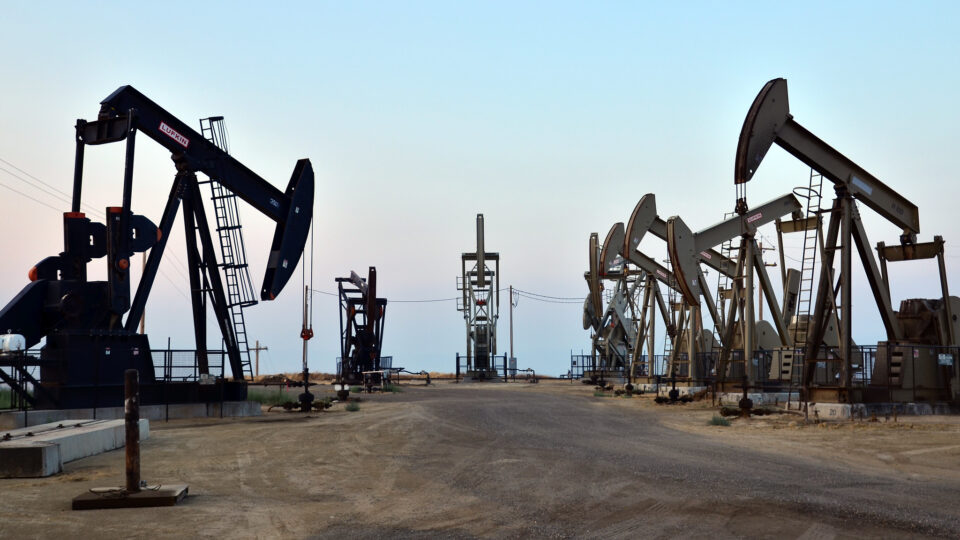
According to a new report from the Institute for Energy Economics and Finance (the IEEFA), the U.S. most likely hit its peak usage of natural gas to generate electricity in 2020.  Growth in wind and solar power are beginning to erode the use of natural gas.

At the moment, natural gas prices are unusually high as a result of supply chain issues and the war in Ukraine.  The U.S. is shipping record amounts of gas to Europe in order to help allies to wean off of Russian gas imports.  As a result, U.S. natural gas prices are at their highest level in more than 13 years.  Heating bills in the Northeast have been exceptionally high this past winter.

These high gas prices have also thrown a temporary lifeline to coal, which has seen a recent surge.  Despite this, coal in the U.S. is continuing its long-term decline.  Several of the largest power companies – including the Tennessee Valley Authority, Duke Energy, and Georgia Power – are planning to phase out coal entirely by 2035 and shift to renewable power.

The surging prices in fossil fuels – at the gas pump and in the home – along with multiple disruptions in energy security, are supercharging the already rapid pace of growth in solar, wind, and battery energy storage projects.

Wind, solar, and hydropower currently account for about 20% of U.S. power generation.  According to the IEEFA, these renewable sources could provide more than a third of our power by 2027.  Including both renewables and nuclear power plants, the U.S. could generate more than half of its electricity from carbon-free sources by that year, which represents a massive transition from just five years ago.

**********

Web Links

U.S. May Have Hit Peak Natural Gas Power Generation, Report Says

Photo, posted July 11, 2017, courtesy of John Ciccarelli / BLM via Flickr.

Earth Wise is a production of WAMC Northeast Public Radio.
Electric Cars On The Rise | Earth Wise           

May 16, 2022 By EarthWise Leave a Comment

Sales of electric vehicles surging

The first quarter of the year was a tough one for the U.S. auto industry.  Overall sales of cars and trucks were down 15.7% compared with last year.   Automakers have been dealing with shortages of computer chips and other supplies, resulting in slowdowns in production.

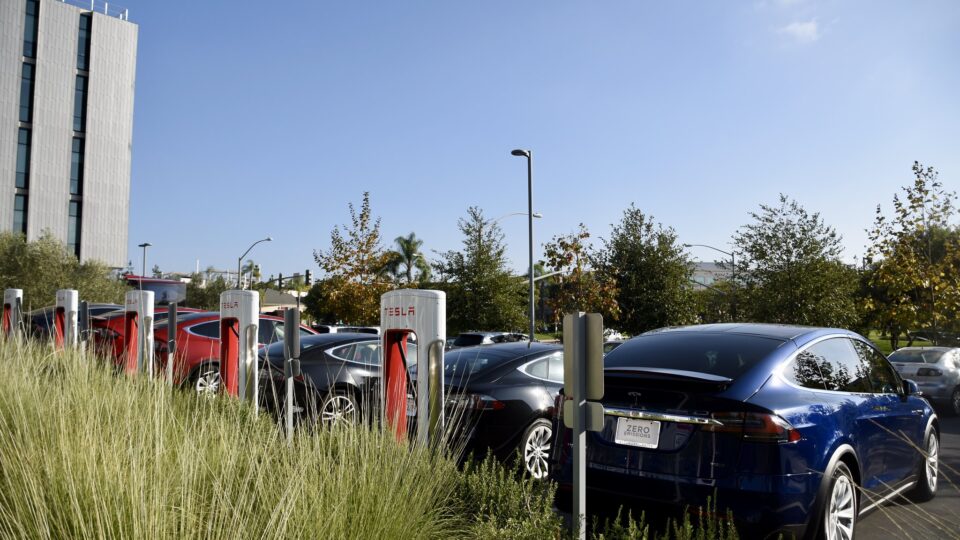
The one major exception to the trend has been sales of electric cars.  In the first quarter, U.S. electric vehicle sales were up 76% compared with last year.  This was enough to double EV’s market share to 5.2%, up from 2.5% last year.

Reaching a five percent market share is a significant indicator that electric vehicles are becoming mainstream.  According to many industry analysts, this is just the beginning of a major ramp-up in EV sales.

The strong results in the first quarter were largely driven by one company – namely, Tesla.  Tesla has been expanding rapidly and has been proactive and creative in avoiding delays due to parts shortages.  Tesla’s best-selling car is now the Model Y, which is an SUV implementation of its Model 3 design.  Overall, the company is now producing cars at a rate of more than 1 million per year and has recently opened new manufacturing plants in Texas and in Germany.

But Tesla is not the only story in the world of electric vehicles.  Mass production is beginning for Ford’s F-150 Lightning truck. 

Nissan, Hyundai and Kia have electric cars on the market and shortly near-twin electric models jointly developed by Subaru and Toyota will be available as well.

The electrification of vehicles is an essential step in reducing greenhouse gas emissions.  With gasoline at painfully high prices, electric cars are more attractive than ever.

**********

Web Links

Inside Clean Energy: US Electric Vehicle Sales Soared in First Quarter, while Overall Auto Sales Slid

Photo, posted October 13, 2017, courtesy of Rob Bertholf via Flickr.

Earth Wise is a production of WAMC Northeast Public Radio.

Antarctic Heatwave | Earth Wise

May 13, 2022 By EarthWise Leave a Comment

The Concordia Research station atop Dome C on the Antarctic Plateau is generally considered to be the coldest place on earth.  In mid-March, the normal high temperature for the day is around -56 degrees Fahrenheit.  But on March 18, the high for the day was 11.3 degrees, nearly 70 degrees warmer than normal.

The World Meteorological Organization doesn’t formally track the metric of largest temperature excess above normal, but if it did, this would probably have set a world record.  Consider a place like Washington, DC.  Its normal high temperature on March 18 is 61 degrees.   Imagine if it got up to 131 degrees! 

The 11-degree reading at the Concordia Research Station was not only the record for the month of March.  It was actually the record for any month.

The Russian Vostok research station, which is another candidate for being the coldest place on earth based on its average high temperature, also saw some record high temperatures.  Vostok reported a high temperature of zero degrees Fahrenheit, which is 63 degrees above its average for the date.  It broke the station’s previous record by almost 27 degrees.

This record warming was the result of a unique combination of meteorological events that included a moist inflow of an atmospheric river as well as a rare infusion of hot air into the Antarctic plateau.  The arrival of the moisture in the atmospheric river trapped the hot air, allowing temperatures to shoot up.

The extreme warmth in Antarctica raises concerns about the long-term effects on the ice there.  A single short heatwave is not going to have a major effect, but if such events become more common, it could be real problem.

**********

Web Links

Extraordinary Antarctica heatwave, 70 degrees above normal, would likely set a world record

Photo, posted October 15, 2016, courtesy of NASA Goddard Space Flight Center via Flickr.

Earth Wise is a production of WAMC Northeast Public Radio.
Unhealthy Air | Earth Wise

May 12, 2022 By EarthWise Leave a Comment

Most of the global population breathes unhealthy air

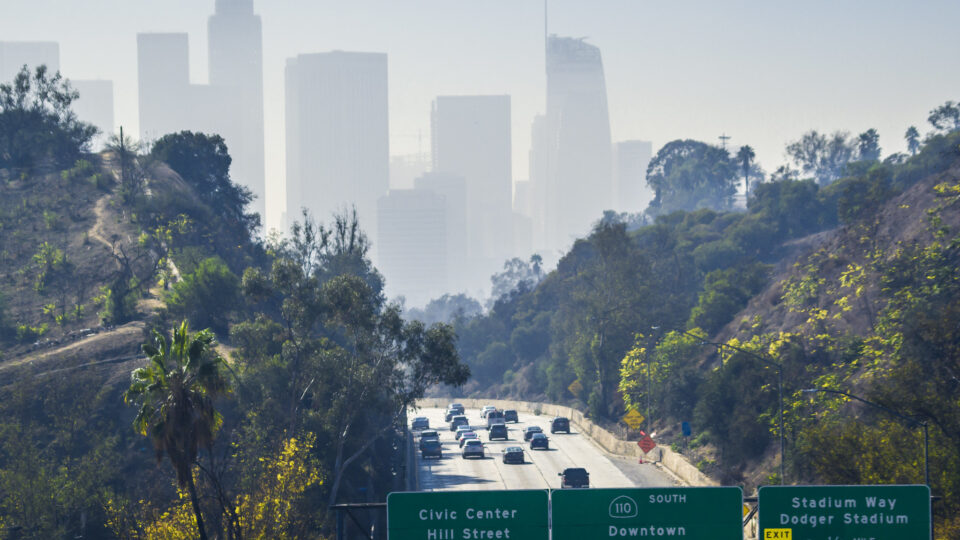
According to the World Health Organization, almost the entire global population – 99% in fact – breathes air that exceeds WHO air quality limits and threatens their health.

Air quality is of great concern everywhere.  Over 6,000 cities in 117 countries monitor air quality, but the people living in those cities are still breathing unhealthy levels of fine particulate matter and nitrogen dioxide. The WHO is citing these findings as a compelling reason to curb fossil fuel use and to take other steps to reduce air pollution levels. 

There is growing number of studies of the damage air pollution does to the human body.  Even low levels of many air pollutants can cause significant harm.  Particulate matter – especially so-called PM2.5 – is capable of penetrating deep into the lungs and entering the bloodstream, contributing to cardiovascular, cerebrovascular, and respiratory problems. 

Nitrogen dioxide is associated with respiratory diseases – especially asthma – and leads to respiratory symptoms, hospital admissions, and visits to emergency rooms.

The WHO is calling to governments around the world to take additional steps to improve air quality including adopting stricter air quality standards, supporting the transition to clean household energy sources, implementing stricter vehicle emission standards, reducing the use of incineration, and many other actions.

According to the WHO, cities in high-income countries fare better in terms of air quality, but very few places avoid unhealthy air entirely.   Seven million deaths a year are linked to unhealthy air quality.  It is a global crisis that cannot be ignored.

**********

Web Links

Billions of people still breathe unhealthy air: new WHO data

Photo, posted December 1, 2021, courtesy of Ron Reiring via Flickr.

Earth Wise is a production of WAMC Northeast Public Radio.

Conseguir un medicamento en las farmacias extranjeras no puede ser más difícil que la compra nocturna de alimentos. Si no se requiere una receta en línea para la compra de medicamentos, se puede comprar libremente, incluso no sólo en las farmacias, sino también en los supermercados, dijo un abogado y director general del grupo de consultoría vvCube Vadim Tkachenko.

Capturing Carbon Dioxide With Plastic | Earth Wise

May 11, 2022 By EarthWise 2 Comments

The world is awash in both waste plastic and in carbon dioxide emissions.   Researchers at Rice University have discovered a chemical technique for making waste plastic into an effective carbon dioxide absorbent for industry.

Chemists at Rice reported in the journal ACS Nano that heating plastic waste in the presence of potassium acetate produces particles with nanometer-scale pores that trap carbon dioxide molecules.   According to the researchers, these particles could be used to remove CO2 from the flue gas streams of power plants.

Significant sources of CO2 emissions like power plant exhaust stacks could be fitted with this waste-plastic-derived material to absorb large amounts of carbon dioxide that would otherwise enter the atmosphere. 

The Rice University process is an enhancement to the current process of pyrolyzing waste plastic – that is, breaking it down in the presence of heat.  By pyrolyzing plastic in the presence of potassium acetate, porous particles are formed that can hold up to 18% of their own weight in carbon dioxide.

According to the researchers, the cost of capturing carbon from a power plant would be $21 a ton, which is far less expensive than existing energy-intensive processes used to pull carbon dioxide from natural gas feeds.

The sorbent material can be reused.  Heating it to about 167 degrees Fahrenheit releases trapped carbon dioxide from the pores and regenerates about 90% of the material’s binding sites.

The Rice process may represent a much better way to capture carbon dioxide from power plant exhaust stacks.  It could be a way to make use of one environmental problem – waste plastic – to deal with another one.

**********

Web Links

Treated plastic waste good at grabbing carbon dioxide

Photo, posted April 19, 2021, courtesy of Ivan Radic via Flickr.

Earth Wise is a production of WAMC Northeast Public Radio.
Sand From Mining Waste | Earth Wise

May 10, 2022 By EarthWise Leave a Comment

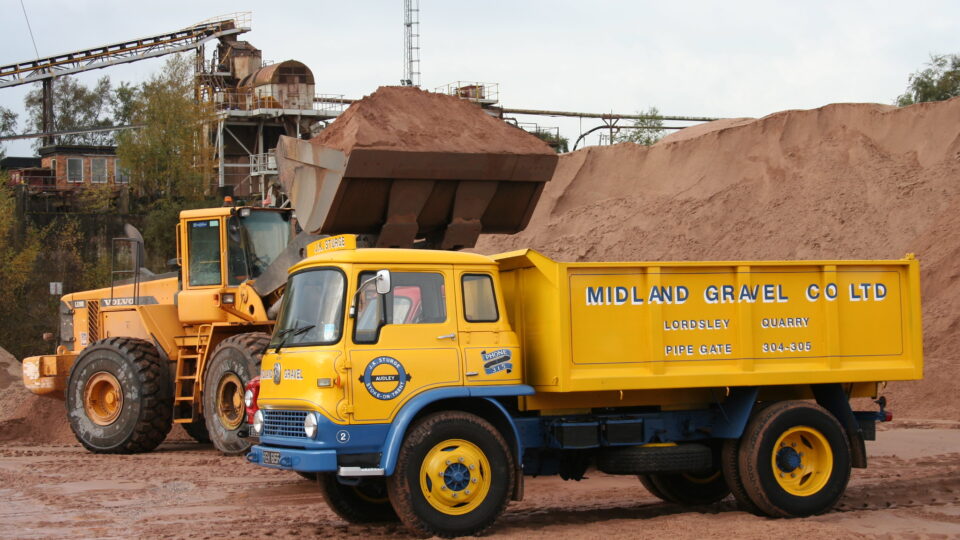
The natural resources people use the most are air and water.  It may come as a surprise that in third place is sand.  Sand is used to make glass, computer chips, toothpaste, cosmetics, food, wine, paper, paint, plastics, and more.  It is estimated that 50 billion tons of sand are used each year.

Concrete is 10% cement, 15% water, and 75% sand.  The concrete required to build a house takes on average 200 tons of sand, a hospital uses 3,000 tons, and a mile of a highway requires 15,000 tons.

One would think that there is no shortage of sand, but we are using it up faster than the planet can make it and the extraction of sand from seas, rivers, beaches, and quarries has negative impacts on the environment and surrounding communities.  For example, removing sand leads to erosion in riverbanks, significantly increasing the risk of flooding in some places.

A potential strategy to reduce the impact of extracting sand to meet society’s growing need for is also a strategy for helping to reduce the production of mineral mining waste, which is the largest waste stream on the planet.  Mining produces between 33 and 66 billion tons of waste material each year.

A new study by researchers in Switzerland and Australia looked at the potential for using mining waste as a source of so-called ore-sand.  Sand-like material left over from mining operations could be used for many current applications for sand.  Separating and repurposing these materials before they are added to the waste stream would not only reduce the volume of waste being generated by mining operations but would also create a responsible new source of sand.

**********

Web Links

Solution to world’s largest waste stream: Make sand

Photo, posted October 22, 2005, courtesy of Alan via Flickr.

Earth Wise is a production of WAMC Northeast Public Radio.

The Atmosphere Is Thirstier | Earth Wise      

May 9, 2022 By EarthWise Leave a Comment

The American West is in the throes of a two-decade-long drought.  The climate there is getting warmer and drier, which has led to increasing demand for water resources from both humans and ecosystems.  According to a new study by the Desert Research Institute and collaborators, the atmosphere across much of the U.S. is also demanding a greater share of water than it used to.

Evaporative demand, which is also called atmospheric thirst, is a measure of the potential loss of water from the earth’s surface up to the atmosphere.  It is a function of temperature, humidity, wind speed, and solar radiation.  The study, published in the Journal of Hydrometeorology, assessed trends in evaporative demand during a 40-year period from 1980-2020.

The study’s findings showed substantial increases in atmospheric thirst across much of the Western U.S. over that period, with the largest increases centered around the Rio Grande and Lower Colorado rivers.  This is important because atmospheric thirst is a persistent force in pushing Western landscapes and water supplies toward drought.

The study found that, on average, increases in temperature were responsible for 57% of the changes observed in atmospheric thirst, humidity 26%, and the other factors playing lesser roles.

For farmers and other water users, increases in atmospheric thirst mean that, in the future, more water will be required to meet existing water needs.  Crops already require more water than they did in the past and can be expected to require more water in the future.  Over time, for every drop of precipitation that falls, less and less water is likely to drain into streams, wetlands, aquifers, or other water bodies.

**********

Web Links

New study shows robust increases in atmospheric thirst across much of U.S. during past 40 years

Photo, posted August 9, 2007, courtesy of William Clifford via Flickr.

Earth Wise is a production of WAMC Northeast Public Radio.
Fires Are Larger And More Frequent | Earth Wise

May 6, 2022 By EarthWise Leave a Comment

Wildfires are becoming more frequent and larger

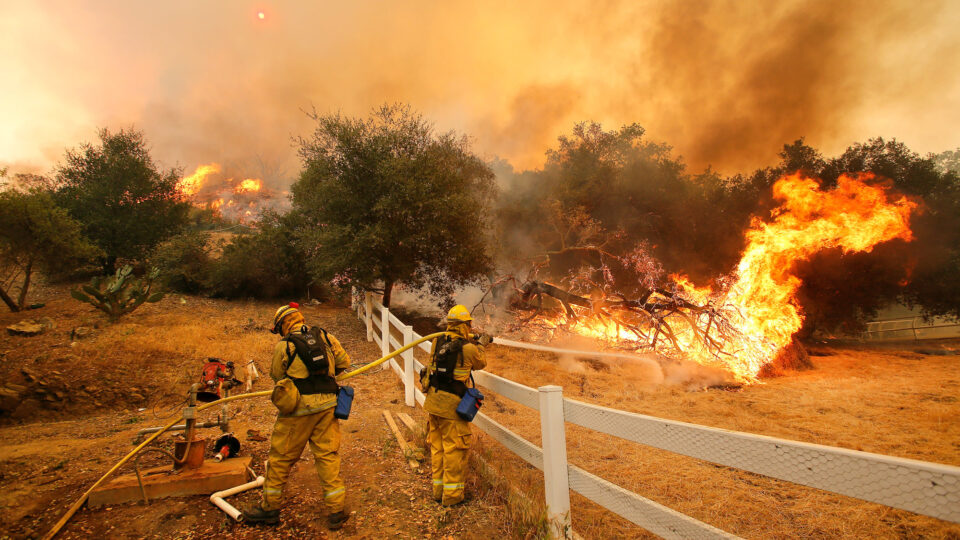
According to a new study by the University of Colorado Boulder, wildfires have gotten much larger and much more frequent across the United States since the year 2000.  The rise in wildfires in recent years has been attributed to the changing climate and the new research shows that large fires have become more common and have been spreading into new areas that previously did not burn.

The researchers analyzed data from over 28,000 fires that occurred between 1984 and 2018 using satellite imagery along with detailed state and federal fire history records.

The results are that there were more fires across all regions of the contiguous U.S. from 2005 to 2018 compared to the previous 20 years.  In the West and East, fire frequency doubled, and in the Great Plains, fire frequency quadrupled.  The amount of land burned each year at least tripled in those regions.

The team discovered that the size of fire-prone areas increased in all regions of the contiguous U.S. in the 2000s, meaning that the distance between individual fires has been getting smaller than it was in previous decades and the fires have been spreading into areas that did not burn in the past.

This comprehensive study confirms what has been assumed by the media, public, and firefighting officials.  The results also align with increasing risk trends such as the growing development of natural hazard zones. Projected changes in climate, fuel, and ignitions suggest that there will be more and larger fires in the future.  More large fires plus intensifying development mean that the worst fire disasters are still to come.

**********

Web Links

U.S. Fires Four Times Larger, Three Times More Frequent Since 2000

Photo, posted May 3, 2013, courtesy of Daria Devyatkina via Flickr.

Earth Wise is a production of WAMC Northeast Public Radio.

Phasing Out Disposables | Earth Wise      

May 5, 2022 By EarthWise Leave a Comment

Starbucks plans to phase out disposables

Humans generate a remarkable amount of garbage.  According to the World Bank, humans produce 4.5 trillion pounds of trash every year, with at least 33% of this garbage not managed in an environmentally-safe manner. By 2050, global garbage generation is expected to reach nearly 7.5 trillion pounds a year. 

Globally, an average of 1.6 lbs of waste is generated per person per day.  While high-income countries only account for 16% of the global population, they are responsible for about 34% of the world’s waste. 

But almost everything humans throw away was bought from a company.   Whether it was the packaging or the product itself, we purchased it from somewhere.  There’s a growing movement to hold the companies responsible for the trash they produce. 

Faced with increasing consumer consciousness, many companies are stepping up and announcing initiatives to reduce their waste.  Starbucks is one of them.  The company’s white logo-emblazoned paper cups and clear plastic cups are instantly recognizable symbols of the brand.  But these ubiquitous cups are disposable and also serve as a symbol of our throwaway society. 

By the end of next year, Starbucks is planning to allow customers to use their own personal mugs at every location in the U.S. and Canada.  By 2025, the company wants every customer to be able to use either their own mug or to borrow a ceramic or reusable to-go mug.  This borrow-a-mug program is currently being tested in eight different markets around the globe. 

In lieu of regulation mandating corporate responsibility for waste, we will have to hope that more companies do the right thing.

**********

Web Links

Starbucks is planning to phase out its iconic cups

Photo, posted June 11, 2010, courtesy of Sunghwan Yoon via Flickr.

Earth Wise is a production of WAMC Northeast Public Radio.
Methane Leaks Are Worse Than We Thought | Earth Wise

May 4, 2022 By EarthWise Leave a Comment

Methane leaks are worse than was previously thought

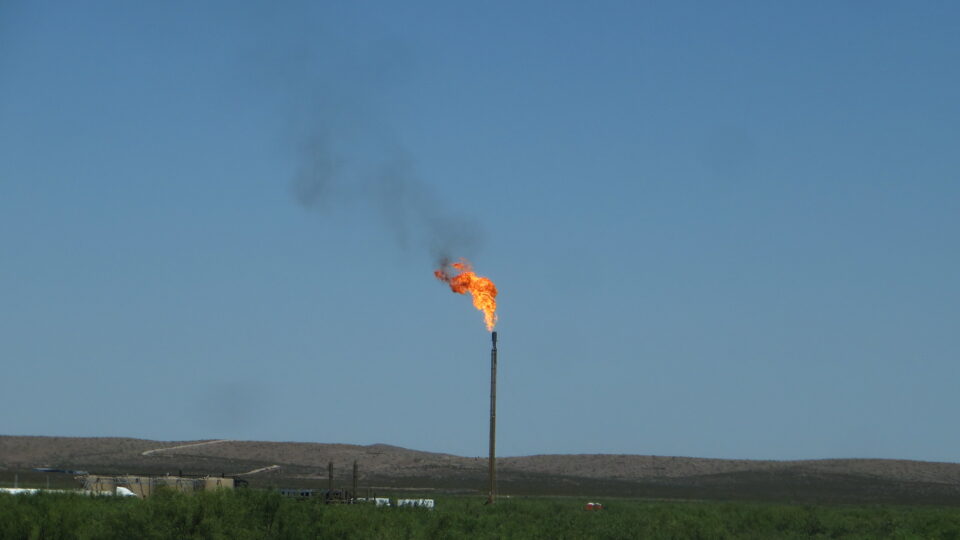
Methane leaking from oil and gas wells is a real problem for the environment because methane is far more potent at trapping heat than carbon dioxide.   The EPA has estimated that about 1.4% of the methane produced by wells nationally leaks into the atmosphere.   However, environmental experts and energy industry engineers have been concerned that leaks from mines, wells, refineries, storage facilities, and pipelines are vastly underreported.  But until recently, there really wasn’t a good way to find out.

Researchers at Stanford University have developed a technique based on the use of hyperspectral cameras mounted to airplanes.  The cameras measure sunlight reflected off of chemicals in the air that are invisible to the human eye.  Each chemical, including methane, has a unique fingerprint.  Using these sensors, methane is easy to spot and the technique can measure the output of individual wells.

The researchers performed a study of almost every oil and gas asset in the New Mexico Permian Basin, one of the largest and highest-producing oil and gas regions in the world.  They surveyed the sites for an entire year.  They estimate that more than 9% of all methane produced in the region is being leaked into the skies, far more than EPA estimates.

The positive outcome of the survey is that the researchers found that fewer than 4% of the 26,000 sites studied produced half of all the methane emissions observed.  Being able to identify the so-called super-emitter sites and dealing with them could lead to a major improvement in the situation.

The new technique is more accurate, faster, and more cost-effective than current ways to monitor emissions.

**********

Web Links

Stanford-led study: Methane leaks are far worse than estimates, at least in New Mexico, but there’s hope

Photo, posted July 10, 2016, courtesy of Ken Lund via Flickr.

Earth Wise is a production of WAMC Northeast Public Radio.
Birds Bees And Coffee | Earth Wise

May 3, 2022 By EarthWise Leave a Comment

Biodiversity adds value to agriculture

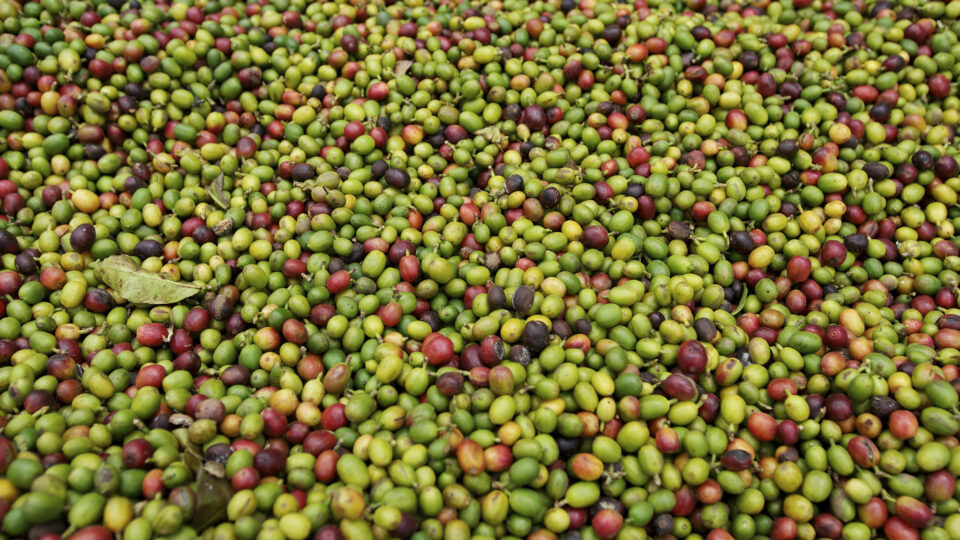
A new study by the University of Vermont in collaboration with researchers from three Latin American countries looked at the effects of birds and bees on coffee crops.  They found that coffee beans are bigger and more plentiful when birds and bees team up to protect and pollinate coffee plants.

The real-world study manipulated coffee plants across 30 farms by excluding birds and bees with a combination of large nets and small lace bags.  They looked at four scenarios:  bird activity alone (pest control), bee activity alone (pollination), no bird and bee activity at all, and a natural environment where birds and bees were free to pollinate and eat insects that otherwise damage coffee plants.

The study looked at fruit set, fruit weight, and fruit uniformity – important factors that determine the quality and price of the coffee crop.  The results were that the combined positive effects of birds and bees were greater than their individual effects.   Without birds and bees, the average coffee yield on the farms declined nearly 25%.  That is important information for the $26 billion coffee industry.

A surprising result of the study is that many birds providing pest control to coffee plants in Costa Rica had migrated thousands of miles from Canada and the U.S.

Previous studies looked at the benefits of natural factors separately and then added them up.  But the new study demonstrates that nature is an interacting system with both synergies and trade-offs.  Past assessments of individual ecological services may have underestimated the benefits biodiversity provides to agriculture and human wellbeing.  Ecosystems services are more valuable together than separately.

**********

Web Links

The Secret to Better Coffee? The Birds and the Bees

Photo, posted March 2, 2012, courtesy of Caroline Gluck/Oxfam via Flickr.

Earth Wise is a production of WAMC Northeast Public Radio.

New York Bight Offshore Wind | Earth Wise

May 2, 2022 By EarthWise Leave a Comment

Late in February, the U.S. completed the most successful offshore wind lease auction in history.  The auction for rights to develop offshore wind in the New York Bight brought in a record $4.37 billion from the companies bidding for them.

The New York Bight is an area of ocean off the coasts of New York and New Jersey that the Bureau of Ocean Energy Management has divided into six lease areas for offshore wind development.  It covers a total of 480,000 acres.  The more than $4 billion secured in the auction is more than three times the revenue received from all U.S. offshore oil and gas lease auctions over the past five years.

Five out of the six winning bids have European connections in the form of various partnerships.  Europe has a far more advanced offshore wind market than the U.S. with a total of 25 GW of installations as of 2020.  Winning bidders included participation by RWE from Germany, British-owned National Grid, and Copenhagen Infrastructure Partners, among others.  Chicago-based Invenergy was the only American company without a European partner to have a winning bid.

The expected installed capacity for the 6 leased areas in the New York Bight is expected to be between 5.6 and 7 GW, enough to power 2 million homes.  The Bureau of Ocean Energy Management said capacity could be even higher.

The successful action has set the tone and expectations for auctions to come.  BOEM has six more offshore wind auctions planned over the next three years.  Forthcoming auctions are for areas of the Carolinas, Northern and Central California, the Gulf of Mexico, the Central Atlantic, Oregon, and the Gulf of Maine.

**********

Web Links

New York Bight: 5 takeaways from the record-breaking offshore wind auction

Photo, posted August 13, 2013, courtesy of Larry via Flickr.

Earth Wise is a production of WAMC Northeast Public Radio.
A Better Way To Capture Carbon | Earth Wise

April 29, 2022 By EarthWise Leave a Comment

Developing a better way to capture carbon

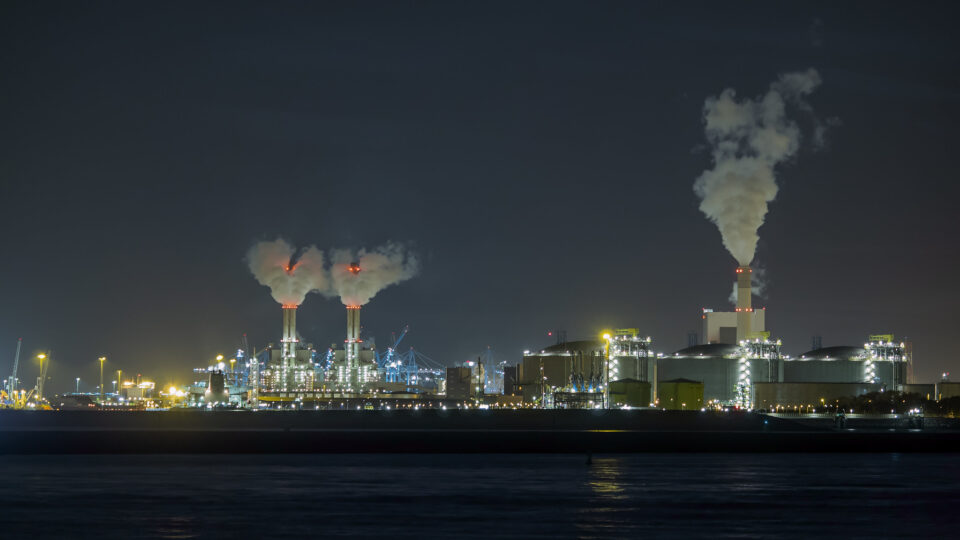
The goal of carbon capture and storage technology is to remove carbon dioxide from the atmosphere and safely store it for the indefinite future.  There are existing industrial facilities that capture carbon dioxide from concentrated sources – like the emissions from power plants.  The technology currently captures and stores only about a tenth of a percent of global carbon emissions.

Most existing CCS technologies use chemical binders to trap carbon dioxide quickly and efficiently, but they are extraordinarily energy intensive as well as expensive.

Researchers at the University of Colorado Boulder have developed a new tool that could lead to more efficient and cheaper ways to capture carbon dioxide directly out of the air.  The tool predicts how strong the bond will be between carbon dioxide and a candidate molecule for trapping it – that is, a binder.  This new electrochemical diagnostic tool can be used to identify suitable molecular candidates for capturing carbon dioxide from everyday air.

Current carbon capture technologies are very expensive at the scale required to be able to turn the captured CO2 into useful substances, such as carbonates – which are an ingredient in cement – or formaldehyde or methanol, which can be used as fuels.  Making useful materials out of the captured CO2 is an important way to offset the cost of capturing it that merely storing it away does not permit.

The new electrochemical analytical tool developed by the Colorado researchers offers the potential for identifying binders that will be more efficient and less expensive, thereby making direct air carbon capture a realistic part of the efforts to address climate change.

**********

Web Links

New method could lead to cheaper, more efficient ways to capture carbon

Photo, posted October 25, 2015, courtesy of Frans Berkelaar via Flickr.

Earth Wise is a production of WAMC Northeast Public Radio.

Computing With Honey | Earth Wise           

April 28, 2022 By EarthWise Leave a Comment

Using honey in computing devices

Researchers are always working to develop faster and more powerful computers.  Some of them believe that the future of computing lies with neuromorphic computers, which are systems designed to mimic the neurons and synapses found in the human brain.

The human brain has more than 100 billion neurons with more than 1 quadrillion synapses or connections among them.  These numbers far exceed anything people have built.  There have been some neuromorphic computer chips made that have the equivalent of more than 100 million neurons per chip, but this is still far less than the number in the brain.  Despite all its complexity, the brain uses vastly less power than a powerful computer.  Some supercomputers use tens of millions of watts to operate; the brain uses around 10 to 20 watts.

Many researchers are searching for biodegradable and renewable ways to make neuromorphic computing components.  Researchers at Washington State University have demonstrated a way to make them using, of all things, honey.  The honey is used to form a memristor, which is a component similar to a transistor that can both process and store data in memory.  The device uses honey processed into a solid form and sandwiched between two metal electrodes.  The organic device is very stable and reliable over a long time.

So far, these devices are on a micro scale – about the size of a human hair.  The researchers want to develop them on a nanoscale, which is about 1/1000 the width of a human hair, and then bundle many millions or even billions together to make a neuromorphic computing system.  Such a honey-based system would be renewable and biodegradable – which, pardon the pun, would be really sweet.

**********

Web Links

Honey holds potential for making brain-like computer chips

Photo, posted January 28, 2008, courtesy of Dino Giordano via Flickr.

Earth Wise is a production of WAMC Northeast Public Radio.

More Bleaching In The Great Barrier Reef | Earth Wise

April 27, 2022 By EarthWise Leave a Comment

Continued coral bleaching in the Great Barrier Reef

Australia’s Great Barrier Reef is an ecosystem that can be seen from space.  It has now suffered its 6th mass coral bleaching event since 1998.  Previous events happened in 1998, 2002, 2006, 2016, and 2017.  This latest bleaching has occurred even though this is a La Niña year, when more rain and cooler temperatures are supposed to help protect delicate corals.

An aerial survey of 750 separate reefs across much of the 1500 mile-long Great Barrier Reef system found severe bleaching among 60% of the corals.  The bleaching covers an area even wider than the back-to-back outbreaks in 2016 and 2017.

The bleaching is a product of a summer in Australia that started early.  December temperatures were already warmer than the historical February summer maximums.  Globally, 2021 was the hottest year on record for the world’s oceans for the sixth year in a row.

Bleached coral can recover if temperatures cool down for a long enough period, but this is becoming increasingly rare.  Between 2009 and 2019, 14% of the world’s coral reefs were lost for good.

In Australia, the plight of the Great Barrier Reef has become politicized.  The current government is not supportive of efforts to reduce the country’s fossil fuel dependence and has worked to keep the reef from being placed on the list of endangered world heritage sites.  Instead of pushing for emissions cuts, Australia has focused on a variety of long-shot projects aimed at helping the reef.

The fact is that coral reefs cannot cope with the current rate of warming and unless that slows down soon, they will simply not survive for long.

**********

Web Links

‘Can’t Cope’: Australia’s Great Barrier Reef Suffers 6th Mass Bleaching Event

Photo, posted September 28, 2009, courtesy of Matt Kieffer via Flickr.

Earth Wise is a production of WAMC Northeast Public Radio.

A Solar-Powered Target Store | Earth Wise

April 26, 2022 By EarthWise Leave a Comment

Target among many retailers adopting renewables

Many companies have made sustainability commitments of various types. Environmental organizations have urged big-box and grocery stores to install solar panels on their rooftops and parking lots thereby reducing their energy usage and expanding the country’s supply of renewable energy.  These places occupy large areas and therefore are capable of supporting large solar arrays.

According to a report by two environmental advocacy groups, rooftop solar panels on retail stores could generate enough electricity to power the equivalent of nearly 8 million U.S. homes.

Target Stores are one of the retailers that has been making an effort to be a greener company.  Target has installed solar panels on about 25% of its approximately 1,900 stores.  The Target store in Vista, California, about 40 miles north of San Diego, is the company’s most sustainable store.  It already had solar panels on its rooftop, powering a portion of the store.

But now it has installed massive carports topped with solar panels high above its parking lot.  With these panels, this Target can now produce enough renewable energy to power the entire store, from its refrigeration to its heating and air conditioning. Adding in some of the other energy-saving features of the store, Target expects to produce 10% more energy than the store needs, which it will return to the local power grid.  This is Target’s first net-zero energy store.

Target is not the only big retailer going solar.   Home Depot, Lowe’s, and Walmart all have been installing solar panels on some of their rooftops.  Even some restaurants are trying to reach sustainability goals with solar panels.  This is a trend that hopefully will continue to grow.

**********

Web Links

Target looks to massive solar panels in a California parking lot as a green model to power its stores

Photo, posted June 30, 2014, courtesy of Mike Mozart via Flickr.

Earth Wise is a production of WAMC Northeast Public Radio.

River Of Dust | Earth Wise               

April 25, 2022 By EarthWise Leave a Comment

Every year, more than 100 million tons of dust blow out of North Africa.  Strong seasonal winds lift the dust from the Sahara Desert northward.  A few times a year, the winds from the south are strong and persistent enough to drive the dust all the way to Europe.

On March 15, a large plume of Saharan dust blew out of North Africa and crossed the Mediterranean into Western Europe.  European cities were blanketed with the dust, degrading their air quality, and turning skies orange.  Alpine ski slopes were stained with the dust.

These dust events are associated with so-called atmospheric rivers that arise from storms.  Such rivers usually bring extreme moisture but can also carry dust.  Over the past 40 years, nearly 80% of atmospheric rivers over northwestern Africa have led to extreme dust events over Europe.  The March 15 event was associated with Storm Celia, a powerful system that brought strong winds, rain, sleet, hail, and snow to the Canary Islands.

Atmospheric dust plays a major role in climate and biological systems.  The dust absorbs and reflects solar energy and also fertilizes ocean ecosystems with iron and other minerals.

The climate effects of dust are complicated.  Dust can decrease the amount of sunlight reaching the surface, affect cloud formation, and decrease temperatures.  But dust also darkens the snowpack, leading to more rapid snowmelt.  A 2021 dust event resulted in a rapid melt of Alpine snow, reducing its depth by half in less than a month.

The effects of this year’s dust event are not yet known, but this atmospheric river associated with Storm Celia appeared to carry less water and more dust compared with the 2021 event.

**********

Web Links

An Atmospheric River of Dust

Photo, posted December 2, 2019, courtesy of Catherine Poh Huay Tan via Flickr.

Earth Wise is a production of WAMC Northeast Public Radio.
Turning Pollution Into Cash | Earth Wise     

April 22, 2022 By EarthWise Leave a Comment

Developing ways to turn pollution into cash

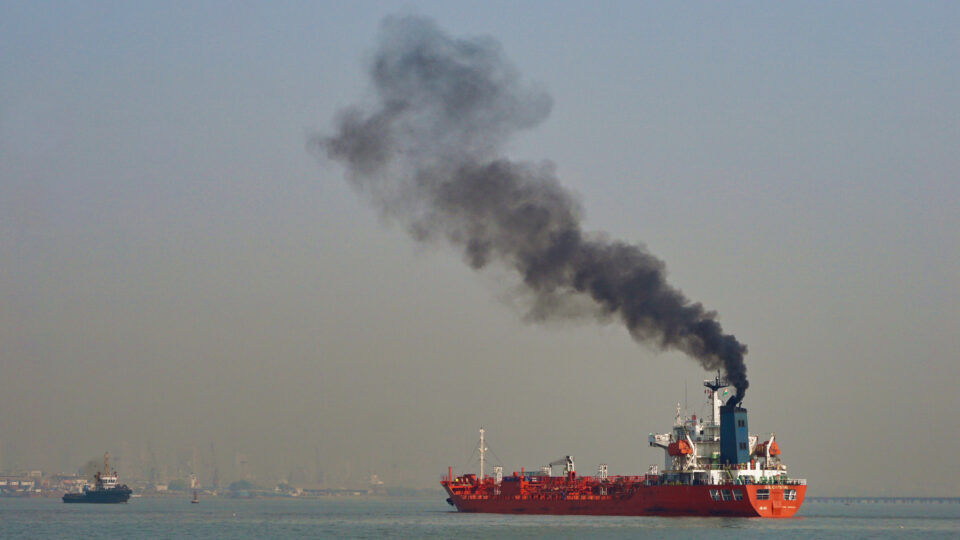
Power plants and other industrial facilities are a major source of carbon emissions.  There are a variety of techniques under development to prevent those emissions by capturing them rather than releasing them into the atmosphere.  All of them add costs to the functioning of the facility.  A good way to offset those costs is to convert the emissions into useful products, ideally making it profitable to capture emissions.

Engineers at the University of Cincinnati have developed an electrochemical system that converts carbon dioxide into ethylene, which is a chemical used in a wide range of manufacturing.  Ethylene has sometimes been called “the world’s most important chemical”.  It is used in many kinds of plastics, textiles, and the rubber found in tires and insulation. It is also used in heavy industry such as steel and cement plants as well as in the oil and gas industry.

The Cincinnati process is a two-stage cascade reaction that converts carbon dioxide to carbon monoxide and then into ethylene.  It is based on the underlying principle of the plug-flow reactor that is used for variety of production applications.  The study, published in the journal Nature Catalysis, demonstrates that the process has high ethylene selectivity – meaning that it effectively isolates the desired compound – as well as high productivity – meaning that it makes a lot of it.  The system will take more time to become truly economical, but the researchers are continuing to make progress on that front with improved catalysts.

The researchers believe that this technique can reduce carbon emissions and make a profit doing it.  Power plants and other facilities emit a lot of carbon dioxide.  With this process, it may be possible to capture it and produce a valuable chemical.

**********

Web Links

Conversion process turns pollution into cash

Photo, posted February 27, 2018, courtesy of Cyprien Hauser via Flickr.

Earth Wise is a production of WAMC Northeast Public Radio.

Floating Offshore Wind | Earth Wise

April 21, 2022 By EarthWise Leave a Comment

Floating offshore wind becoming a reality

According to a new report by the Global Wind Energy Council, floating offshore wind technology is on track to grow from a miniscule market to a substantial contribution to the world’s energy supply over the next decade.  Furthermore, the United States represents one of the countries with the greatest potential.

Wind power is stronger and steadier in the ocean than on land, so the use of offshore wind is rapidly expanding.  However, because most installations are based on fixed structures attached to the sea bottom, they cannot be installed in very deep or complex seabed locations.

Floating offshore wind is based on structures that are anchored to the seabed only by means of flexible anchors, chains, or steel cables.  Apart from making it feasible to place wind turbines in deeper and more distant locations, floating turbines and platforms can also be built and assembled on land and then towed to the offshore installation site.

The floating offshore wind industry is currently in a pre-commercial phase but has great potential.  Many offshore locations with great potential in terms of their wind resources are unsuitable for conventional installations either because of the depth of the seabed or its complex structure.  This is particularly true of the waters off the coasts of California, Oregon, and the Gulf Coast, which otherwise offer excellent wind resources.

There are many issues to deal with in expanding the use of floating offshore wind, including transporting the power to shore and the ability of the local power grids to handle the incoming power.  On the other hand, distantly placed floating offshore wind reduces environmental concerns and eliminates issues associated with the visual impact of wind farms for coastal residents.

**********

Web Links

What’s the potential of floating offshore wind?

Photo, posted May 10, 2015, courtesy of Olin Gilbert via Flickr.

Earth Wise is a production of WAMC Northeast Public Radio.

  • « Go to Previous Page
  • Page 1
  • Interim pages omitted …
  • Page 44
  • Page 45
  • Page 46
  • Page 47
  • Page 48
  • Interim pages omitted …
  • Page 154
  • Go to Next Page »

Primary Sidebar

Recent Episodes

  • An uninsurable future
  • Clean energy and jobs
  • Insect declines in remote regions
  • Fossil fuel producing nations ignoring climate goals
  • Trouble for clownfishes

WAMC Northeast Public Radio

WAMC/Northeast Public Radio is a regional public radio network serving parts of seven northeastern states (more...)

Copyright © 2026 ·