• Skip to primary navigation
  • Skip to main content
  • Skip to primary sidebar

Earth Wise

A look at our changing environment.

  • Home
  • About Earth Wise
  • Where to Listen
  • All Articles
  • Show Search
Hide Search
You are here: Home / Archives for urban

urban

Lifestyle And Carbon Footprint | Earth Wise

March 23, 2020 By EarthWise Leave a Comment

lifestyle impacts our carbon footprint

Many studies have shown, to no great surprise, that affluent lifestyles lead to larger carbon footprints. Households in Switzerland enjoy a high standard of living and a team of researchers there has been studying the consumption and travel habits of Swiss citizens to better understand the impact of various factors on carbon footprint. Key factors include household composition and income, and whether the households are in the city or the countryside – even though, in the end, people’s lifestyles do not differ greatly from one environment to another. 

A team of researchers at EPFL’s School of Architecture, Civil and Environmental Engineering analyzed data from Switzerland’s household budget survey for 2008, 2011 and 2014.  They combined that data with an environmentally extended input-output analysis to assess households’ carbon footprints by measuring their direct and indirect emissions.

Overall, households in the countryside have larger carbon footprints than those in the city, mainly because they travel more and use more energy in their homes. But urban households have larger carbon footprints than their rural counterparts when it comes to food, clothing, cultural activities and air travel.  

A household’s composition directly influences its carbon footprint. A two-person household has the largest per-capita carbon footprint, and it falls as the size of the family grows since many of the same resources are shared by more people. 

Income levels play an important role.  People consume without much thought because they can afford to and enjoy doing it. But there is a trend towards people becoming more conscious of their levels of consumption and trying to be more responsible in Switzerland.  Overall consumption has actually declined over the years studied.  

**********

Web Links

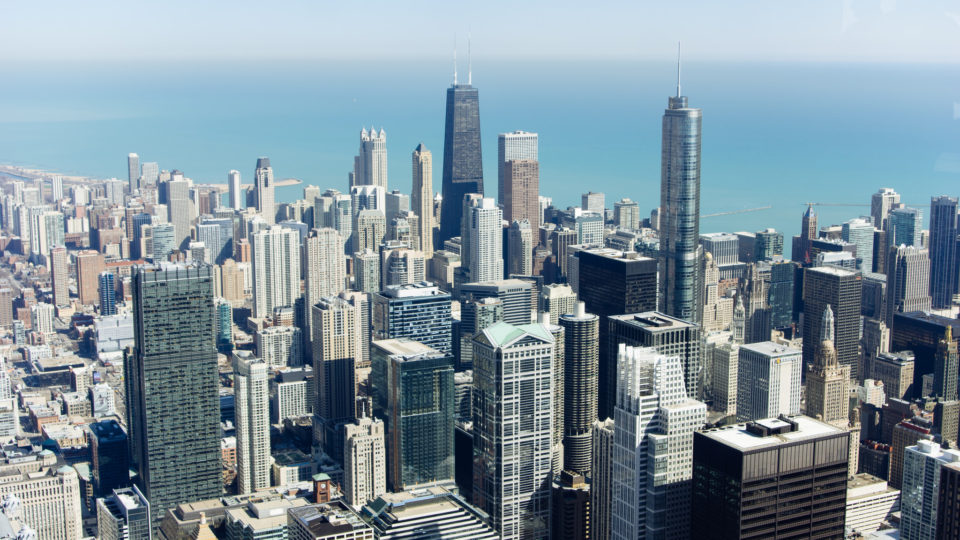
Our carbon footprint is highly impacted by how we live

Photo, posted December 19, 2017, courtesy of Alexander Kozik via Flickr.

Earth Wise is a production of WAMC Northeast Public Radio.
Reducing Air Pollution With Plants | Earth Wise

January 15, 2020 By EarthWise Leave a Comment

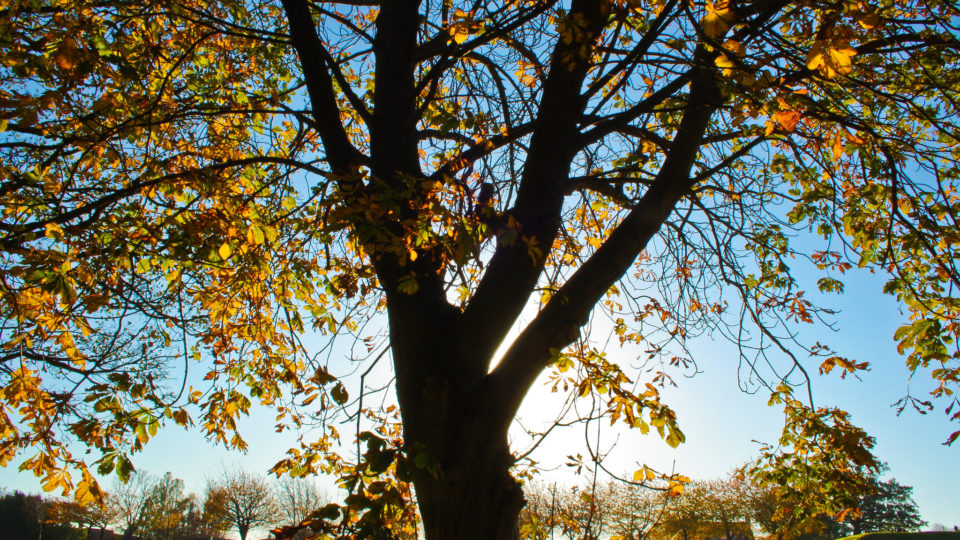
New research by Ohio State University suggests that adding plants and trees to the landscapes near factories and other pollution sources could reduce air pollution by an average of 27%.  In addition, the study indicates that, in many cases, plants may be a cheaper option for cleaning the air than more technological approaches.

The study looked at public data on air pollution and vegetation on a county-by-county basis across the lower 48 states. It then calculated what adding additional trees and plants might cost.  The calculations included the capacity of current vegetation to mitigate air pollution as well as the effects that restorative planting might have on pollution levels.

In 75% of the counties analyzed, it was cheaper to use plants to mitigate air pollution rather than add technological interventions such as smokestack scrubbers to the sources of pollution.  The results varied according to the pollution source.  For example, technology is cheaper at cleaning the air near industrial boilers than ecosystem approaches.  For the broad manufacturing industry, one approach or the other was favorable, depending on the type of factory.

Adding trees or other plants generally can lower air pollution levels in both urban and rural areas, although success rates depend on a variety of factors including how much land is available to grow new plants and current air quality.

Reducing air pollution is critical to public health.  An estimated 4 in 10 people in the U.S. live in areas with poor air quality, leading to health issues including asthma, lung cancer, and heart disease.  The study shows that nature should be part of the planning process for industry to deal with air pollution.

**********

Web Links

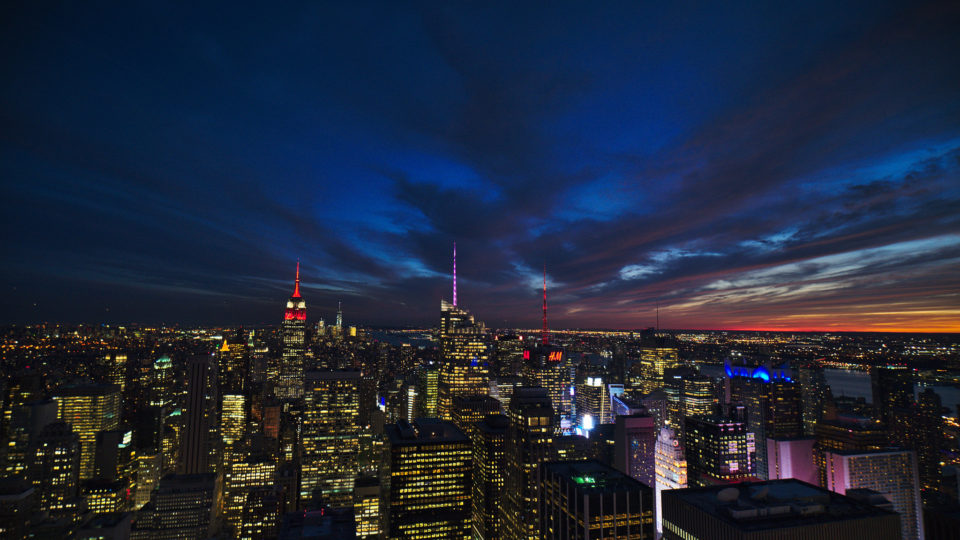
Nature might be better than tech at reducing air pollution

Photo courtesy of Flickr.

Earth Wise is a production of WAMC Northeast Public Radio.
Urban Agriculture And Sustainability Goals

November 12, 2019 By EarthWise Leave a Comment

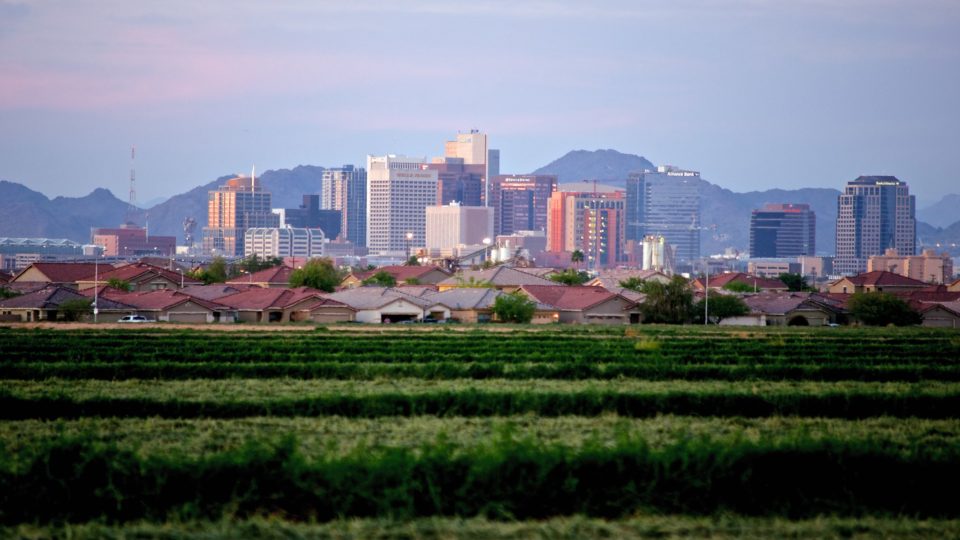
In 2016, the City Council of Phoenix, Arizona adopted eight Environmental Sustainability goals for 2050 that lay out the desired long term requirements in order to become a Sustainable Desert City.  Recently, a group of researchers from Arizona State University assessed how urban agriculture can help Phoenix, a desert city of 1.6 million people, meet those sustainability goals.  

Using public records and high-resolution satellite imagery, researchers analyzed the potential benefits of growing crops in three types of urban areas in Phoenix: vacant lots, rooftops, and building facades.  The study, which was supported by the National Science Foundation and the USDA, estimated that there are 28 square miles (or 5.4% of city space) available for urban agriculture.  The data-driven analysis found that 71% of the available areas for urban agriculture would come from existing buildings as opposed to vacant lots. 

All this available space for urban agriculture in Phoenix could supply the city with nearly 183,000 tons of fresh produce annually, which would allow for the delivery of fresh fruits and vegetables to all of the city’s existing food deserts. In fact, the city’s own urban-agriculture output could meet 90% of the fresh produce demand that currently exists in Phoenix. 

In addition to producing food, rooftop agriculture could also reduce the energy use in buildings by 3% per building per year, and displace more than 55,000 tons of CO2 annually.  The use of vacant lots could increase the total Phoenix green space by 17%, and reduce the number of areas lacking green space by 60%.   

This study demonstrates the many different ways that urban agriculture can benefit a city. 

**********

Web Links

Urban agriculture can push the sustainability

Photo, posted May 10, 2011, courtesy of Stephen Zank via Flickr.

Earth Wise is a production of WAMC Northeast Public Radio.
Cooling Down Urban Heat Islands

November 6, 2019 By EarthWise Leave a Comment

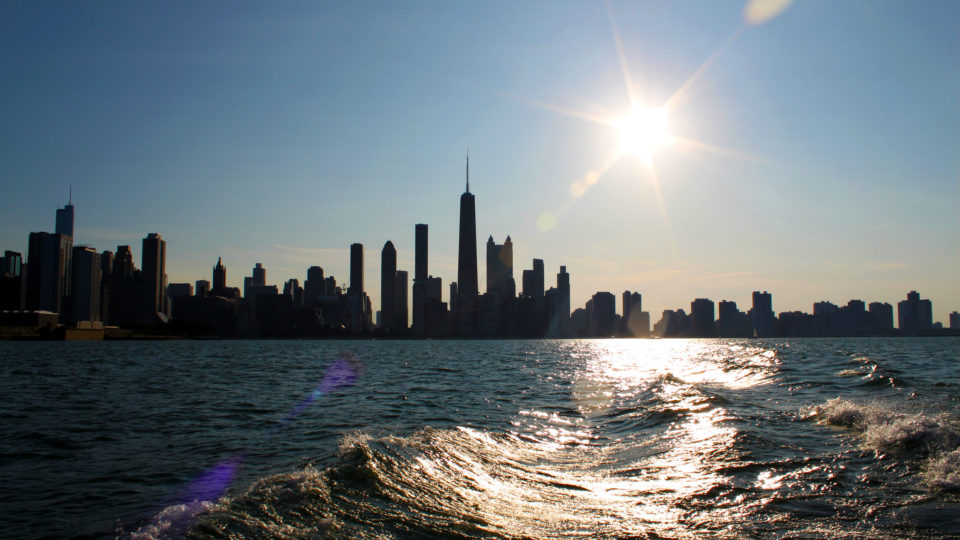
Researchers have known about and studied the urban heat island effect for quite some time.  Since large cities began to emerge in the 19th century, it has been understood that various aspects of the urban environment lead to warmer temperatures than the surrounding countryside.

Researchers led by a group at Portland State University in Oregon have been utilizing a new way of studying the urban heat island effect.  They have used citizen science volunteers in 24 cities around the world to map temperatures in the cities at ground level in great detail using mobile sensors attached to slow-moving vehicles.  Previous studies have used data from satellite or stationary sensors.  They have learned that the urban heat island effect is more complicated, more varied, and subtler than the earlier data indicated.

They found that there are six things that affect urban heat. Three are living — the volume of the tree canopy, the height of the tree canopy, and the ground level vegetation. Three are human-built — the volume of buildings, the difference in building heights, and the coloring of the buildings.

Buildings can have both negative and positive effects. Tall buildings that cast shade actually lower relative afternoon temperatures, while densely packed shorter buildings, like the big-box stores in suburban areas, lead to hotter afternoon temperatures. The studies show that increasing the difference in building heights in an area creates more air circulation, which has a cooling effect.

The study also showed that urban heat is a social justice issue.  Lower-income neighborhoods largely barren of trees have considerably higher temperatures than more affluent, tree-shaded areas.

Such detailed research can be used to guide decisions in urban planning with regard to trees, building heights, and the color and type of surfaces in our urban spaces.

**********

Web Links

Can We Turn Down the Temperature on Urban Heat Islands?

Photo, posted July 21, 2009, courtesy of Daniel Dionne via Flickr.

Earth Wise is a production of WAMC Northeast Public Radio.
Electric Buses In Latin America

October 31, 2019 By EarthWise Leave a Comment

Latin America has become increasingly urbanized.  In fact, about 80% of the region’s population lives in cities today and by 2050, that figure could climb to 90%.  Transportation is the largest and fastest-growing source of energy-related emissions in Latin America and accounts for about a third of all of the region’s carbon dioxide emissions. 

Private vehicle ownership is rising in Latin America but at the same time, the region’s rapidly growing cities have increased demand for buses, taxis, and motorcycles.  Currently, an estimated 64,000 people die prematurely every year in Latin America and the Caribbean as a result of air pollution, which is mostly caused by transportation emissions.

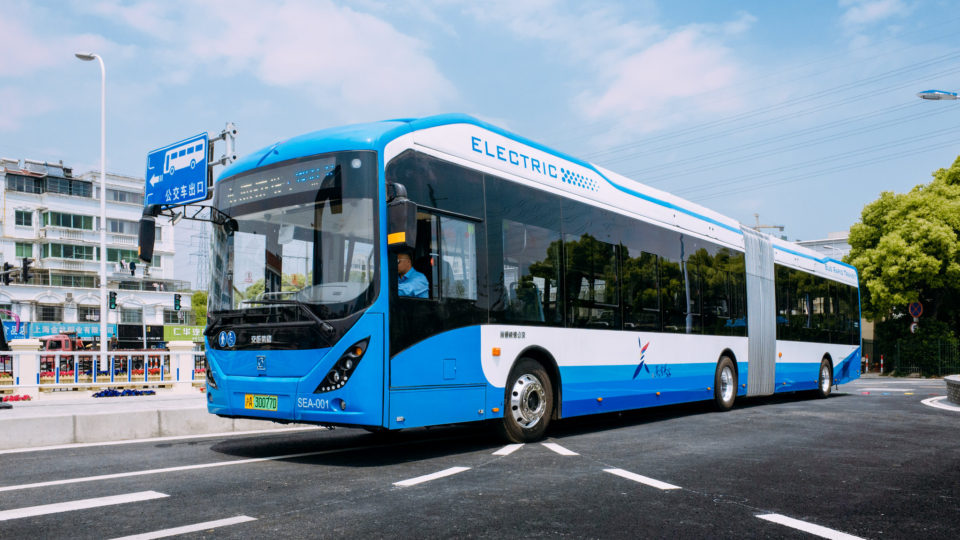
Given this situation, major cities across Latin America – from Colombia to Argentina – are starting to adopt electric bus fleets.   Latin America actually has the highest use of buses per person globally.  So, the transition to electric buses is an important step toward meeting climate targets, cutting fuel costs, and improving air quality.

Medellin, Colombia – whose metropolitan area has 3.7 million people – has started to add electric buses to its fleet, the rest of which runs on natural gas.  When new units arrive from China later this year, Medellin will have the second largest electric bus fleet in Latin America, after Santiago, Chile. 

Worldwide, 425,000 electric buses are in operation, 99% in China.  Europe has a couple of thousand while the United States has only 300.  But going forward, and especially in Latin America, electric buses are the wave of the future.  Estimates are that there will be 1.3 million on the roads by 2040.

**********

Web Links

An Increasingly Urbanized Latin America Turns to Electric Buses

Photo, posted April 22, 2018, courtesy of Hans Johnson via Flickr.

Earth Wise is a production of WAMC Northeast Public Radio.
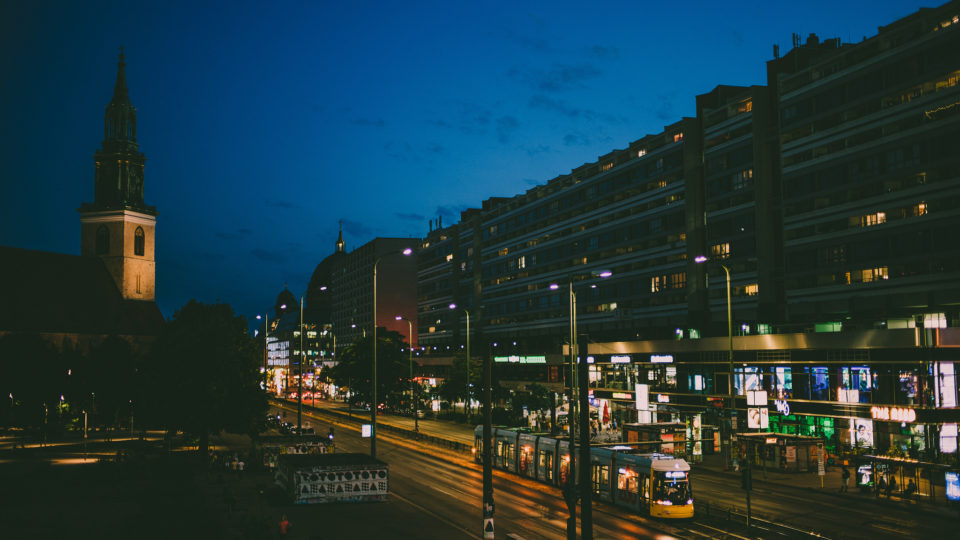
The Problem Of Urban Growth

January 2, 2019 By EarthWise Leave a Comment

https://earthwiseradio.org/wp-content/uploads/2018/12/EW-01-02-19-The-Problem-of-Urban-Growth.mp3

The rapid expansion of cities around the world has accelerated in recent decades.  If current trends continue, the equivalent of a city the size of London could be created every seven weeks by the year 2050, according to a study at Texas A&M University.

[Read more…] about The Problem Of Urban Growth

What’s In The Air?

December 12, 2018 By EarthWise Leave a Comment

https://earthwiseradio.org/wp-content/uploads/2018/11/EW-12-12-18-Whats-in-the-Air.mp3

Researchers at Yale are using some advanced technology to analyze air samples in order to obtain a detailed look at the molecular makeup of organic aerosols, which have a significant presence in the atmosphere.

[Read more…] about What’s In The Air?

Fumes From Gas Stations

November 15, 2018 By EarthWise Leave a Comment

https://earthwiseradio.org/wp-content/uploads/2018/11/EW-11-15-18-Fumes-from-Gas-Stations.mp3

A study by environmental health scientists at Columbia University examined the release of vapors from gas station vent pipes and found that emissions were 10 times higher than the estimates used to establish setback regulations that determine how close schools, playgrounds, and parks can be to the facilities.

[Read more…] about Fumes From Gas Stations

Urban Streams Are Breeding Superbugs

August 14, 2018 By EarthWise Leave a Comment

https://earthwiseradio.org/wp-content/uploads/2018/08/EW-08-14-18-Urban-Streams.mp3

City streams are subjected to a constant onslaught of synthetic chemicals found in pharmaceuticals and personal care products. Wastewater treatment facilities are not designed to filter out these compounds. Instead, they flow into surface waters where they impact aquatic organisms like microbes – which perform key ecosystem services like removing excess nutrients and breaking down leaf litter.

[Read more…] about Urban Streams Are Breeding Superbugs

Green Solutions To Storm Water Runoff

July 5, 2018 By EarthWise Leave a Comment

https://earthwiseradio.org/wp-content/uploads/2018/07/EW-07-05-18-Green-Storm-Water-Solutions.mp3

Philadelphia, America’s fifth largest city, has struggled with storm water runoff problems since the days of Benjamin Franklin.  The city’s numerous streams that run into the Schuylkill and Delaware Rivers were eventually covered with brick arches or cemented into underground sewers.  The network of underground-to-riverfront outfalls through increasingly-larger pipes is pretty much how all U.S. cities have been coping with storm water for over 200 years.

[Read more…] about Green Solutions To Storm Water Runoff

City Geometry And Urban Heat Islands

May 16, 2018 By EarthWise Leave a Comment

https://earthwiseradio.org/wp-content/uploads/2018/05/EW-05-16-18-City-Geometry-and-Heat.mp3

More than half of the world’s people now live in cities so understanding climate issues in cities is crucial.  One of the most important city climate effects which has a profound impact on both human health and energy consumption is the Urban Heat Island Effect.

[Read more…] about City Geometry And Urban Heat Islands

Cooling Cities With White Roofs

April 16, 2018 By EarthWise Leave a Comment

https://earthwiseradio.org/wp-content/uploads/2018/04/EW-04-16-18-Cooling-Cities-with-White-Roofs.mp3

The phenomenon of urban heat islands has been well known since the 19th century.  The materials from which city buildings and roads are made reflect much less solar radiation and absorb more of it than the vegetation they have replaced.  The absorbed energy is then radiated in the form of heat into the surrounding air making cities warmer.

[Read more…] about Cooling Cities With White Roofs

Making Room For Wildlife

February 28, 2018 By EarthWise Leave a Comment

https://earthwiseradio.org/wp-content/uploads/2018/01/EW-02-28-18-Making-Room-for-Wildlife.mp3

Protecting biodiversity is a critical challenge facing humanity.  Global vertebrate populations – from elephants to amphibians – declined by 58% from 1970 to 2012 and losses are expected to reach 67% in the next two years.  Think about it:  at least two-thirds of all vertebrate animals on earth have vanished over the lifetime of anyone fifty years old or over.

[Read more…] about Making Room For Wildlife

Cities Can Help Bees

December 14, 2017 By EarthWise Leave a Comment

https://earthwiseradio.org/wp-content/uploads/2017/12/EW-12-14-17-Cities-Can-Help-Bees.mp3

Global bee populations have been drastically declining as a result of habitat loss, pesticides and climate change.  But studies are showing that planting flower patches in urban gardens and green spaces can make a real difference in restoring natural pollinators.   There are already positive results in cities from Chicago to London to Melbourne.

[Read more…] about Cities Can Help Bees

Raw Wastewater On Farms

August 21, 2017 By EarthWise

https://earthwiseradio.org/wp-content/uploads/2017/08/EW-08-21-17-Raw-Wastewater-on-Farms.mp3

Clean water supplies are dwindling around the world.  As a result, the use of untreated wastewater on farms for crop irrigation is on the rise. 

[Read more…] about Raw Wastewater On Farms

Too Much Waste

October 4, 2016 By WAMC WEB

https://earthwiseradio.org/wp-content/uploads/2016/10/EW-10-04-16-Too-Much-Waste.mp3

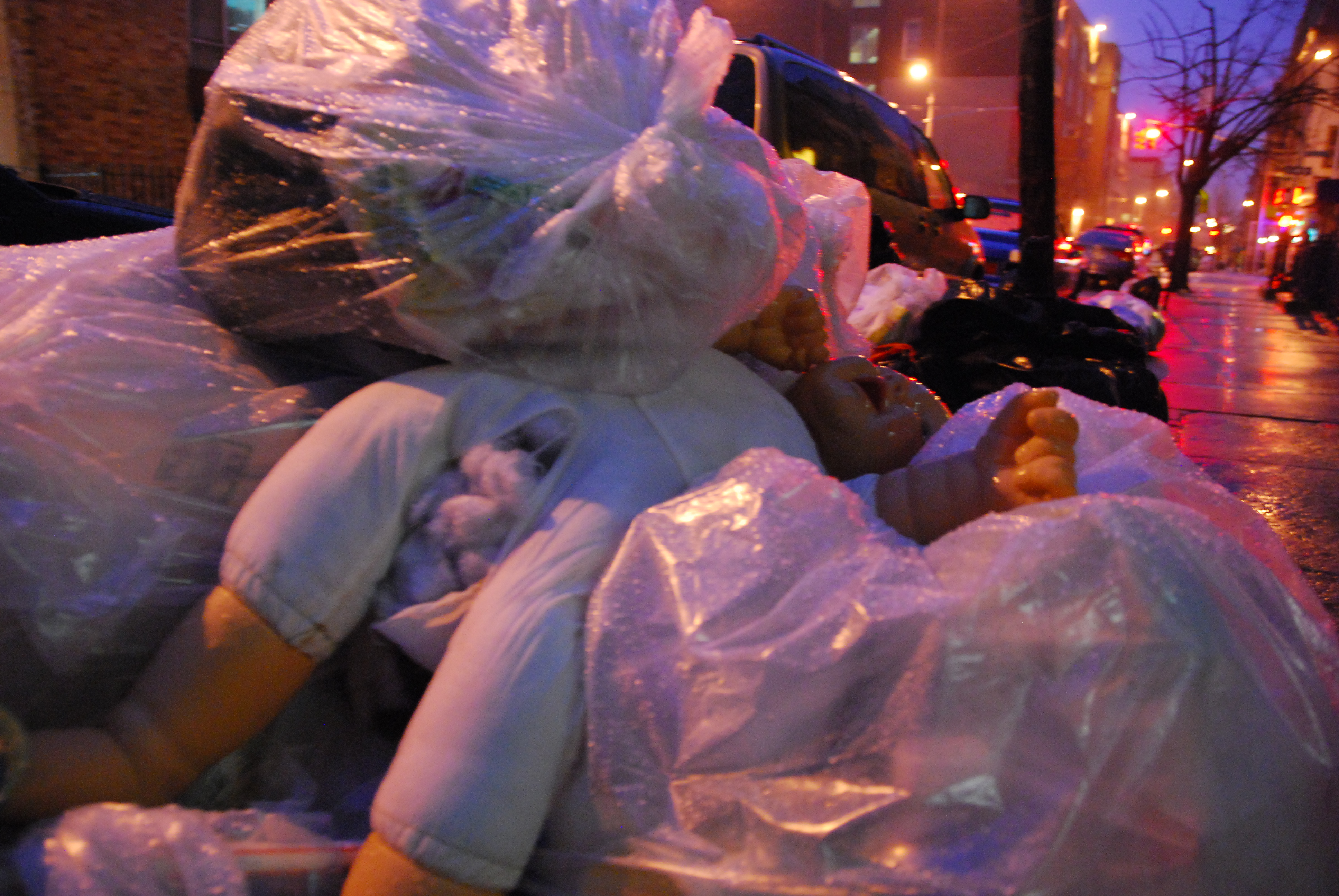
As the world’s population grows and becomes more urban and affluent, the amount of solid waste we produce grows and grows.  Over the past century, the total amount has risen tenfold.  By 2025, the world-wide total is expected to double again. The average person in the United States throws away their body weight in garbage every month. 

[Read more…] about Too Much Waste

Restoring An Urban River

August 24, 2016 By WAMC WEB

https://earthwiseradio.org/wp-content/uploads/2016/08/EW-08-24-16-Restoring-An-Urban-River.mp3

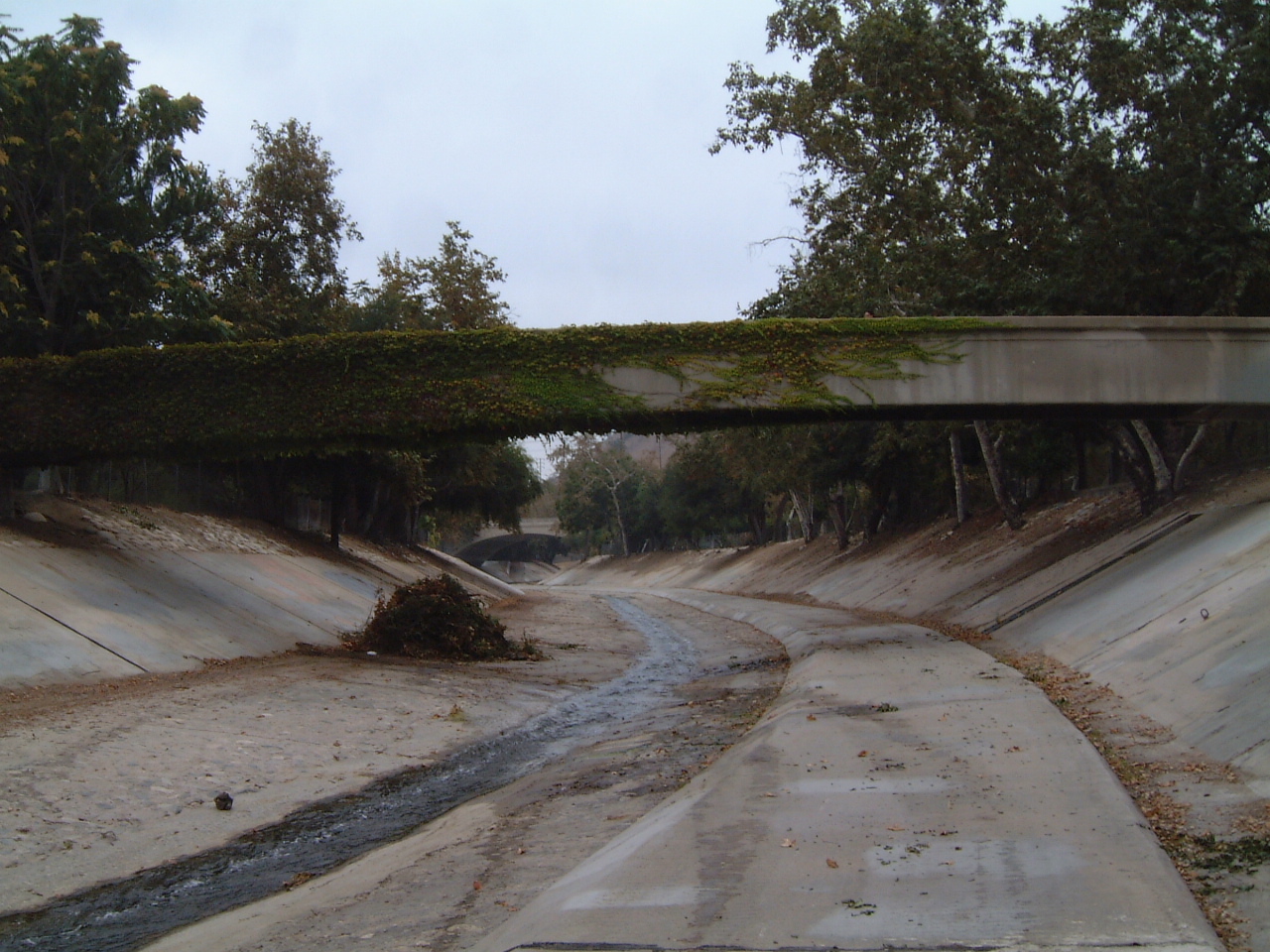
Those of us who grew up in Los Angeles are quite familiar with the L.A. River.  It’s not much of a river at all.  Just a 51-mile-long concrete drainage ditch that shows up from time to time in movies like The Italian Job and Terminator 2.

[Read more…] about Restoring An Urban River

Wildlife Adapting To Cities

May 25, 2016 By WAMC WEB

https://earthwiseradio.org/wp-content/uploads/2016/05/EW-05-25-16-Wildlife-Adapting-to-Cities.mp3

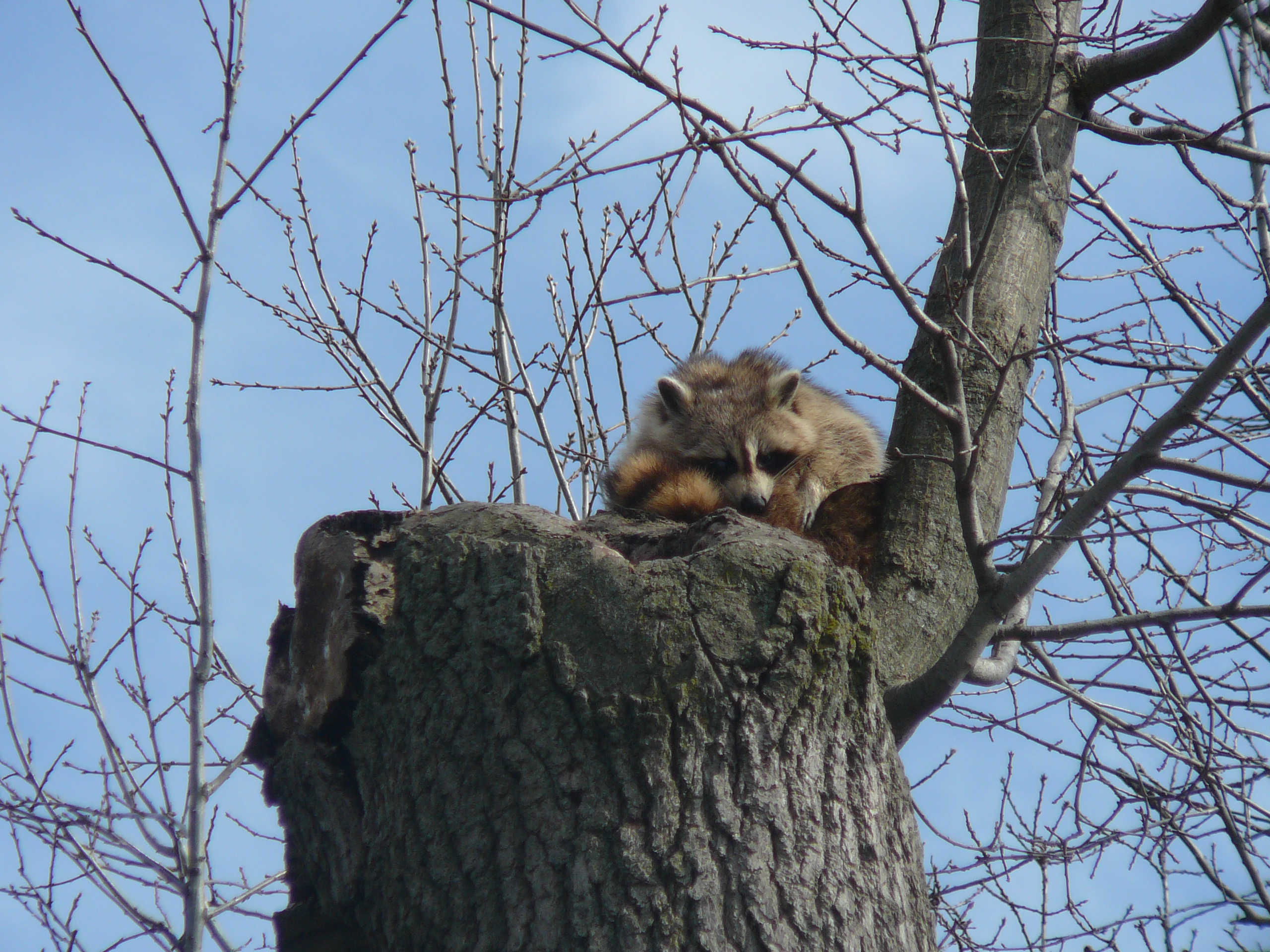
By the year 2030, two-thirds of humanity will live in cities— but we are not alone. Cities are filled with food and natural predators are scarce, so many creatures have moved in with us.

[Read more…] about Wildlife Adapting To Cities

Old Car Or New Car?

April 26, 2016 By WAMC WEB

https://earthwiseradio.org/wp-content/uploads/2016/04/EW-04-26-16-Old-Car-or-New-Car.mp3

Every few years many of us face a big decision: is it time to buy a new car? The trusty vehicle that has carried us so well has gotten too rusty to pass inspection or too old to assure us of its continued reliability. What vehicle choice is best for the environment?

[Read more…] about Old Car Or New Car?

Social And Ecological Underpinnings Of Infectious Disease

April 1, 2016 By WAMC WEB

https://earthwiseradio.org/wp-content/uploads/2016/03/EW-04-01-16-Disease.mp3

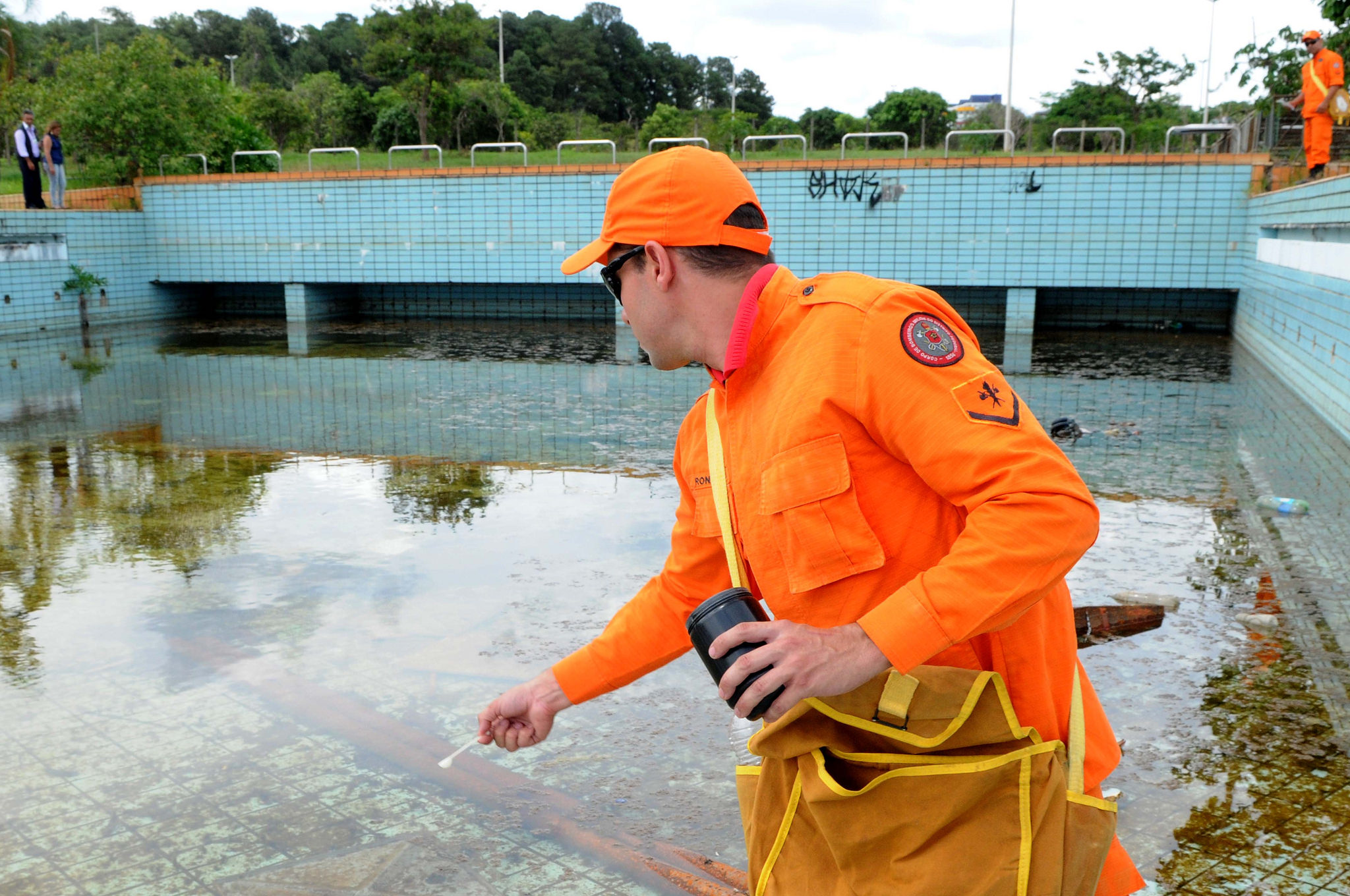
When it comes to addressing infectious disease, we have a short attention span. Forces are mobilized when we’ve crossed a tipping point, and demobilized when the immediate threat has passed. In the case of Zika, the World Health Organization declared a public health emergency based on a strong association between Zika infection and microcephaly in newborns and a spike in Guillain-Barré syndrome. 

[Read more…] about Social And Ecological Underpinnings Of Infectious Disease

  • « Go to Previous Page
  • Page 1
  • Page 2
  • Page 3
  • Go to Next Page »

Primary Sidebar

Recent Episodes

  • An uninsurable future
  • Clean energy and jobs
  • Insect declines in remote regions
  • Fossil fuel producing nations ignoring climate goals
  • Trouble for clownfishes

WAMC Northeast Public Radio

WAMC/Northeast Public Radio is a regional public radio network serving parts of seven northeastern states (more...)

Copyright © 2026 ·