
• Skip to primary navigation
  • Skip to main content
  • Skip to primary sidebar

Earth Wise

A look at our changing environment.

  • Home
  • About Earth Wise
  • Where to Listen
  • All Articles
  • Show Search
Hide Search
You are here: Home / Archives for United States

United States

30 Million Solar Homes | Earth Wise

March 29, 2021 By EarthWise Leave a Comment

An ambitious rooftop solar initiative

A national coalition made up of more than 230 organizations has launched an initiative called the 30 Million Solar Homes campaign.  The goal is to add enough rooftop and community solar energy to power 30 million homes across the U.S. over the next five years.  That would be the equivalent of one in four American households.

The major focus of the 30 Million Solar Homes initiative is to rapidly and massively scale programs that help low-income families benefit from solar power.  The coalition lists 15 federal policy initiatives including making solar tax incentives more equitable, providing more reliable low-income energy assistance through solar energy, supplementing low-income weatherization assistance with solar energy, and specifically funding solar projects in marginalized communities.

The federal government spends billions of dollars every year to help families to pay their energy costs, but these efforts only serve less than a fifth of the eligible population.  Funding rooftop and community solar access for these households would provide long-term financial relief and reduce the need for annual energy bill assistance.

The more than 230 organizations in the coalition represent organizations focused on energy equity, climate, business, environment, faith, and public health.  The coalition estimates that executing the plan would create three million good-paying jobs, lower energy bills by at least $20 billion a year, and reduce total annual greenhouse gas emissions by 1.5%.

Over the coming months, the campaign will seek to educate lawmakers and the Biden-Harris Administration about the benefits of distributed solar energy.  The vision outlined by the coalition is an ambitious one to say the least.

**********

Web Links

30 Million Solar Homes

Supporters of 30MSH

Photo, posted May 20, 2009, courtesy of Solar Trade Association via Flickr.

Earth Wise is a production of WAMC Northeast Public Radio.
Is U.S. Offshore Wind Finally Happening? | Earth Wise

March 26, 2021 By EarthWise Leave a Comment

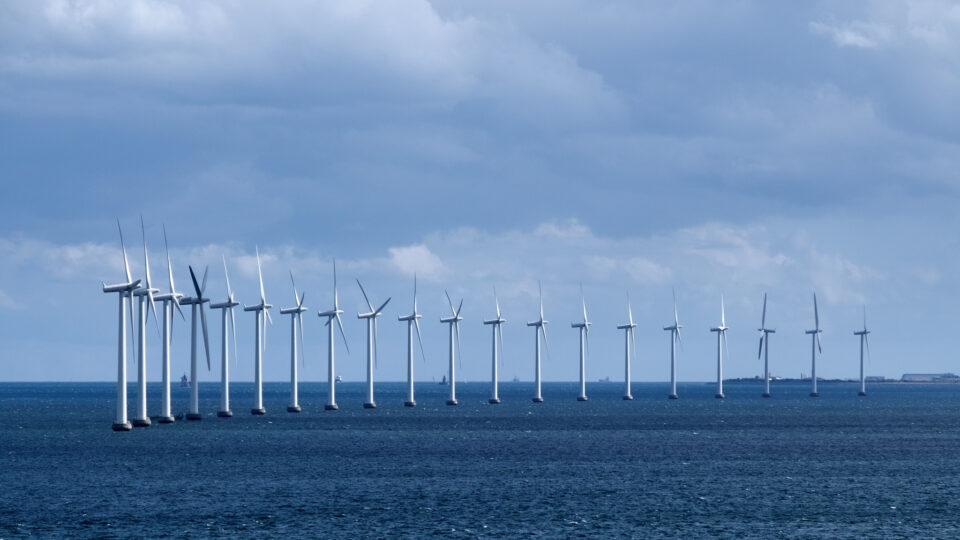
United States offshore wind is finally happening

Offshore wind capacity has been growing rapidly in recent years, especially in Europe and China.  Globally, there is now more than 30 GW of offshore wind and industry experts predict that there will be well over 200 GW of installed capacity by 2030.

Meanwhile, the U.S. has only two small pilot projects, one with five turbines off Rhode Island and another with two turbines off Virginia.  But after many years of battles with determined opponents, false starts, regulatory struggles, and other hurdles, the U.S. offshore wind industry appears to be poised to take off.

A combination of significant commitments by power companies to purchase offshore wind power, strong support by the Biden administration, and billions of dollars in investments is creating the new-found momentum.

New York, New Jersey, Virginia, Massachusetts, Connecticut, Rhode Island, and Maryland have collectively committed to buying 30 GW of offshore electricity by 2035.  (That’s enough to power roughly 20 million homes).

Among the first major offshore installations to be completed in the next few years in the U.S. will be Vineyard Wind, 15 miles off of Martha’s Vineyard, another wind farm 60 miles east of New York’s Montauk Point, a third fifteen miles off Atlantic City, New Jersey, and a fourth off the Virginia Coast.

Offshore wind projects will create nearly 40,000 jobs just in the New York-New Jersey area over the next ten years.  There is still some opposition from elements of the commercial fishing industry and from some coastal residents.  However, with state and federal governments committed to reducing carbon emissions and rapidly reducing regulatory barriers, and with the price of offshore wind continuing to get lower and lower, most observers agree that the U.S. offshore wind industry is finally on the verge of really getting going.

**********

Web Links

On U.S. East Coast, Has Offshore Wind’s Moment Finally Arrived?

Photo, posted August 9, 2016, courtesy of Lars Plougmann via Flickr.

Earth Wise is a production of WAMC Northeast Public Radio.
Paving With Plastic | Earth Wise

March 25, 2021 By EarthWise Leave a Comment

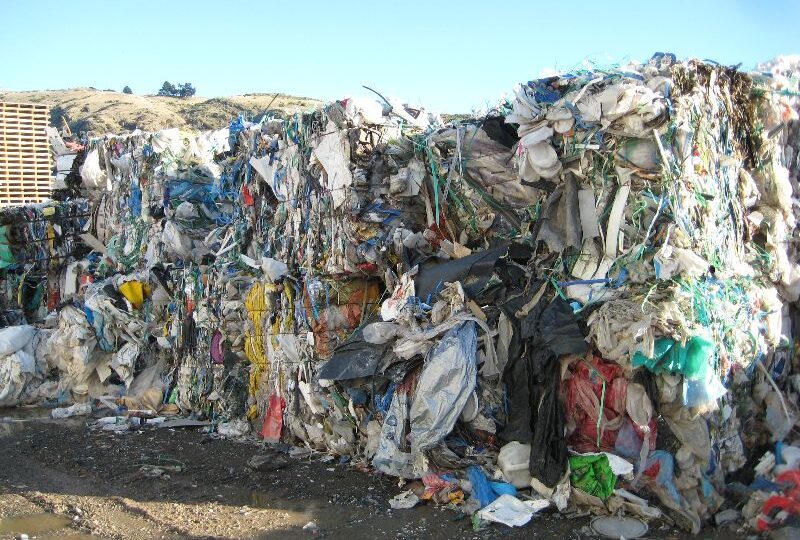
Using plastic waste as pavement

The country of Ghana has an ambitious plan to recycle and reuse as much plastic waste as it produces each year (which is over a million tons) by 2030.  As part of this plan, they have started to pave roads in Accra, the capital city, with asphalt containing a slurry of used plastics – shredded and melted bags, bottles, and snack wraps.  Only a quarter of Ghana’s roads are currently paved, so waste plastic has many opportunities for use in paving.

Plastic roads first appeared in India two decades ago.  There are now over 60,000 miles of them in that country.  Several countries have only recently built their first plastic roads including South Africa, Vietnam, Mexico, the Philippines, and the United States.

Studies have shown that roads containing waste plastic have the potential to perform as well or better than traditional roads.  They can last longer, can tolerate wide temperature swings better, are stronger and more durable, and are more resistant to water damage, cracking, and potholes.

Ordinarily, asphalt for roads consists of 90 to 95% aggregate – typically some mixture of gravel, sand, and limestone – and 5 to 10% bitumen, which is a black gooey substance extracted from crude oil that binds the aggregate together.  Plastic-enhanced roads replace varying amounts of the bitumen (often as little as 4-10%, but sometimes much more), with plastic that is actually a stronger binding agent.

Plastic roads reduce the amount of bitumen in roads, thereby reducing carbon emissions.  The plastics are not heated enough to release gases and the roads do not appear to shed microplastics.  Plastic roads will not solve the world’s plastic waste problem, but they can help by diverting lots of plastic from landfills.

**********

Web Links

How Paving with Plastic Could Make a Dent in the Global Waste Problem

Photo, posted June 4, 2010, courtesy of Sustainable Initiatives Fund Trust via Flickr.

Earth Wise is a production of WAMC Northeast Public Radio.
New Records For U.S. Wind Power | Earth Wise

March 22, 2021 By EarthWise Leave a Comment

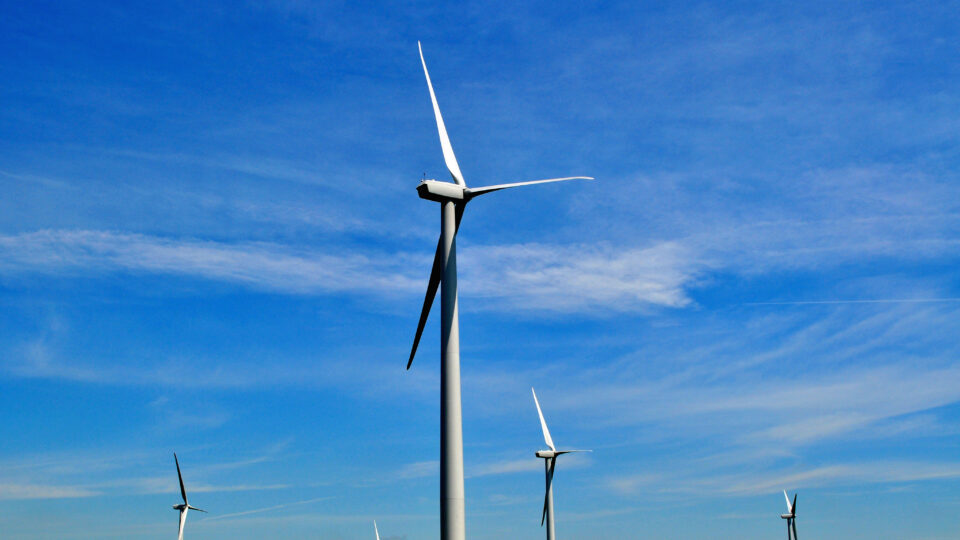
Record setting United States wind power production

Wind-powered electricity has been increasing its contribution to the American energy mix for years as the number of installed turbines has rapidly grown.  In the final months of 2020, wind power set a number of new records.  Strong wind conditions in November and December, especially in the central states, led to record output from wind turbines.

On April 10, 2019, the U.S. set a record for daily electricity generation from wind turbines in the lower 48 states by producing 1.42 million megawatthours.  That record stood until several different days during November and December.  The newest record was set on December 23 when wind generation reached 1.76 million MWh.  That constituted 17% of total electricity generation in the U.S.   For the entire year of 2020, wind power accounted for 9% of U.S. electricity generation.

Late 2020 also saw new records set for hourly dispatch of wind resources.  On December 22, between 9 and 10 pm Eastern Time, 82 gigawatts of electricity sourced from wind power was dispatched across the U.S., breaking the one-month-old previous record of 73.4 GW.  Wind power varies considerably over the course of a day.  During December, wind power across the country varied between that record of 82 GW to a low of 14.6 GW.

The contributions from wind power are expected to continue to grow.  The U.S. currently has over 112 GW of installed wind capacity.  Project developers and grid operators plan to add another 12.2 GW of new wind capacity to the U.S. grid by the end of 2021.  More than half of that new capacity will be in Texas and Oklahoma.

**********

Web Links

U.S. wind generation sets new daily and hourly records at end of 2020

Photo, posted July 12, 2010, courtesy of Tom Shockey via Flickr.

Earth Wise is a production of WAMC Northeast Public Radio.

Even The Common House Sparrow Is Declining | Earth Wise

March 17, 2021 By EarthWise Leave a Comment

Even the common house sparrow is declining as the climate changes

According to the first-ever comprehensive assessment of net bird populations published in 2019, nearly three billion birds have disappeared in the United States and Canada since 1970.  The study, by researchers from the Cornell University Lab of Ornithology, found that North American bird populations have lost 2.9 billion breeding adults during that timespan.  Forests lost one billion birds, and grassland birds declined 53%. 

According to a newer study from Cornell University, it appears that even the common house sparrow is declining.  In parts of its native range in Europe, house sparrow numbers are down nearly 60%.  Researchers from the Cornell Lab of Ornithology sought to clarify the status of the species in the U.S. and Canada by using 21 years of citizen science data collected through its Project Feederwatch program. 

Project FeederWatch is a winter-long survey of birds that visit feeders at backyards, nature centers, community areas, and other locales. For the study, which was recently published in the Wilson Journal of Ornithology, the research team reviewed recorded observations of house sparrows during their non-breeding season.  These sightings from nearly 12,500 sites were used and cross-referenced with the National Land Cover database to determine whether the U.S. sightings came from rural or urban locations.  

From 1995 to 2016, researchers found that Feederwatch sites reporting house sparrows declined 7.5%, and the mean flock sizes declined 22%.  House sparrow populations declined in urban areas, but actually remained stable in rural areas. 

The researchers say a lack of green space and nesting sites in urban areas are likely factors in the population declines. 

**********

Web Links

Study finds even the common house sparrow is declining

Nearly 3 Billion Birds Gone

Photo, posted May 14, 2014, courtesy of Jacob Spinks via Flickr.

Earth Wise is a production of WAMC Northeast Public Radio.
Solar Energy And Agriculture | Earth Wise

March 10, 2021 By EarthWise Leave a Comment

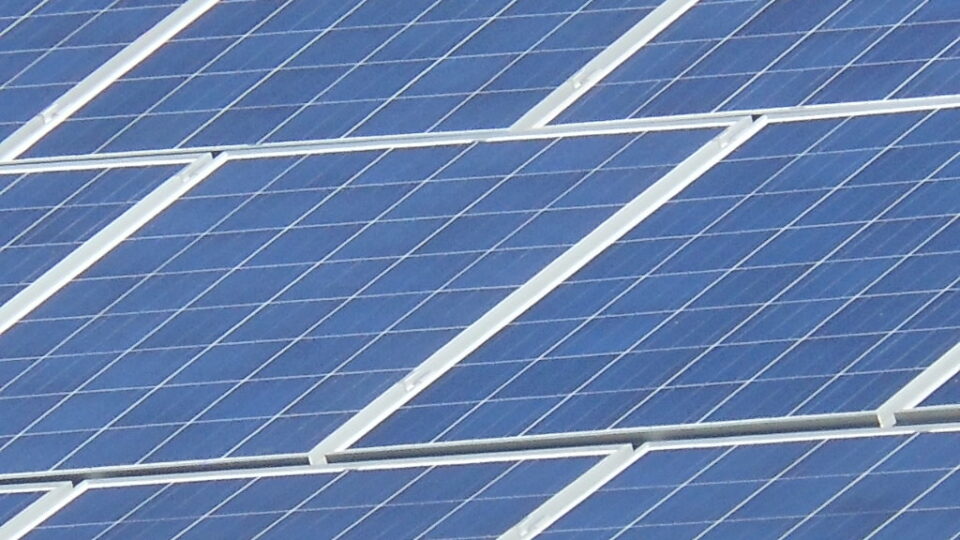
Co-developing land for both solar and solar power could provide huge benefits with minimal costs

According to a new study by Oregon State University researchers, co-developing land for both solar voltaic power and agriculture could provide 20% of total electricity generation in the United States with an investment of less than 1% of the annual U.S. budget.

The concept is known as agrivoltaics – using the same land for both growing crops and generating solar energy.  The proponents of agrivoltaics say that it provides more food, more energy, lower water demand, lower carbon emissions, and more prosperous rural communities.

According to the study, wide-scale installation of agrivoltaic systems could lead to an annual reduction of 330,000 tons of carbon dioxide emission in the U.S. – the equivalent of taking 75,000 cars off the road – and the creation of more than 100,000 jobs in rural communities.  All of this could be achieved with minimal effects on crop yields.

The study finds that an area about the size of Maryland would be needed for agrivoltaics to produce 20% of U.S. electricity generation.  That area of 13,000 square miles constitutes about 1% of current U.S. farmland.

The cost of the solar installations would be $1.1 trillion over 35 years and they would pay for themselves from the electricity generated within 17 years.  Installing the arrays would create the equivalent of 117,000 jobs lasting 20 years.

The researchers are going to install a fully functional solar farm on 5 acres of university owned land to demonstrate to the agricultural community and potential future funders how the study’s findings can be applied in real world agricultural systems.

*********

Web Links

Combining solar energy and agriculture to mitigate climate change, assist rural communities

Photo, posted October 11, 2011, courtesy of Michael Coghlan via Flickr.

Earth Wise is a production of WAMC Northeast Public Radio.
The Path To Net Zero | Earth Wise

March 8, 2021 By EarthWise Leave a Comment

The path to reaching net zero emissions

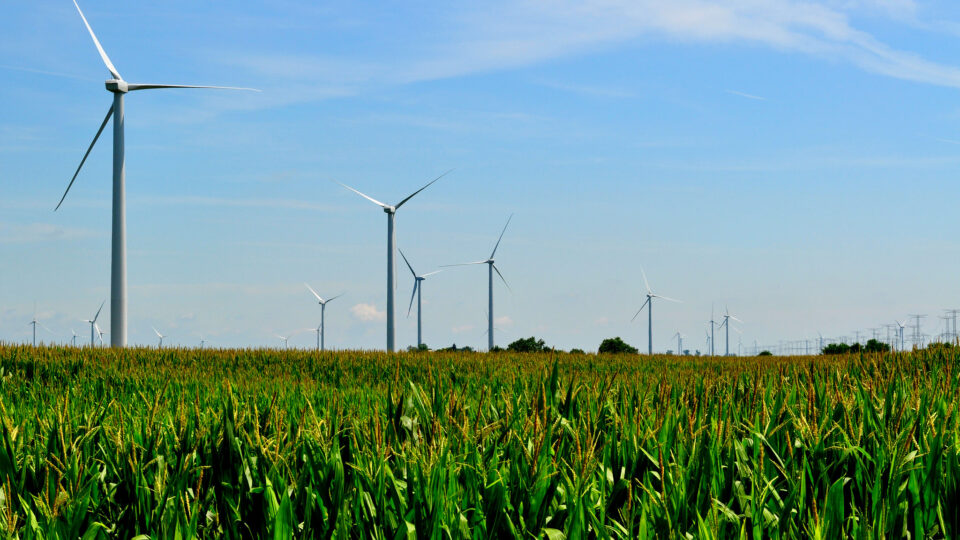
Reaching net zero emissions is both feasible and affordable, according to researchers at the Department of Energy’s Lawrence Berkeley National Laboratory, the University of San Francisco, and consulting firm Evolved Energy Research.   The researchers created a detailed model of the entire U.S. energy and industrial system to produce the first detailed, peer-reviewed study of how to achieve carbon neutrality by 2050.

The study analyzed multiple feasible technology pathways based on very different assumptions of remaining fossil fuel use, land use, consumer adoption, nuclear energy, and biofuel use.  What they had in common was increasing energy efficiency, transitioning to electric technologies, utilizing clean electricity (especially wind and solar power), and deploying small amounts of carbon capture technology.

The decarbonization of the U.S. energy system is an infrastructure transformation.  Getting to net zero by 2050 means adding many gigawatts of wind and solar power plants, new transmission lines, a fleet of electric cars and light trucks, millions of heat pumps to replace conventional furnaces and water heaters, and more energy-efficient buildings.

The various pathways studied have net costs between 0.2% and 1.2% of GDP, which is as little as $1 per person per day.  The cost variations come from various tradeoffs such as the amount of land given to solar and wind farms as well as the amount of new transmission infrastructure required. 

A key result of the study is that the actions required over the next 10 years are similar among all the pathways.   We need to increase the use of renewable energy and make sure that all new infrastructure, such as cars and buildings are low carbon.

**********

Web Links

Getting to Net Zero – and Even Net Negative – is Surprisingly Feasible, and Affordable

Photo, posted July 12, 2010, courtesy of Tom Shockey via Flickr.

Earth Wise is a production of WAMC Northeast Public Radio.

Geothermal Power In The Energy Transition | Earth Wise

February 22, 2021 By EarthWise Leave a Comment

Geothermal energy has untapped potential

The heat beneath the earth represents a vast repository of energy that in principle could provide for a significant part of our needs.  In some places, geothermal energy is easy to get to and is already being exploited.  California and Nevada operate dozens of geothermal electric generating plants.  Boise Idaho heats 92 of its biggest buildings with the river of hot water that flows 3,000 feet below the city.  In total, the U.S. produces enough geothermal electricity to power more than a million homes.

But all these examples make use of relatively rare local features that are not available to the great majority of locations.  As a result, geothermal energy has generally not been viewed as being able to play a major role in the alternative energy transition.

A number of experts around the world disagree with this assessment.  To a fair extent due to the deep-drilling techniques and knowledge about underground formations developed by the oil and gas industry during the fracking boom, there is growing interest in a type of geothermal energy called deep geothermal that accesses hot temperatures in the earth’s mantle as far down as two or three miles.

Deep geothermal can either access extremely hot water that exists down at those depths or water can be injected into hot rock down there, which is a technology known as enhanced geothermal systems.

There is enormous untapped potential for geothermal energy.  A 2019 report by the U.S. Department of Energy says that by 2050, geothermal could provide 8.5% of the United States’ electricity as well as direct heat.  Geothermal could be an important part of the so-called all-of-the-above future energy strategy.

**********

Web Links

Can Geothermal Power Play a Key Role in the Energy Transition?

Photo, posted August 2, 2008, courtesy of ThinkGeoEnergy via Flickr.

Earth Wise is a production of WAMC Northeast Public Radio.
Global Warming Could Stabilize | Earth Wise

February 19, 2021 By EarthWise Leave a Comment

Reducing emissions could stabilize global temperatures

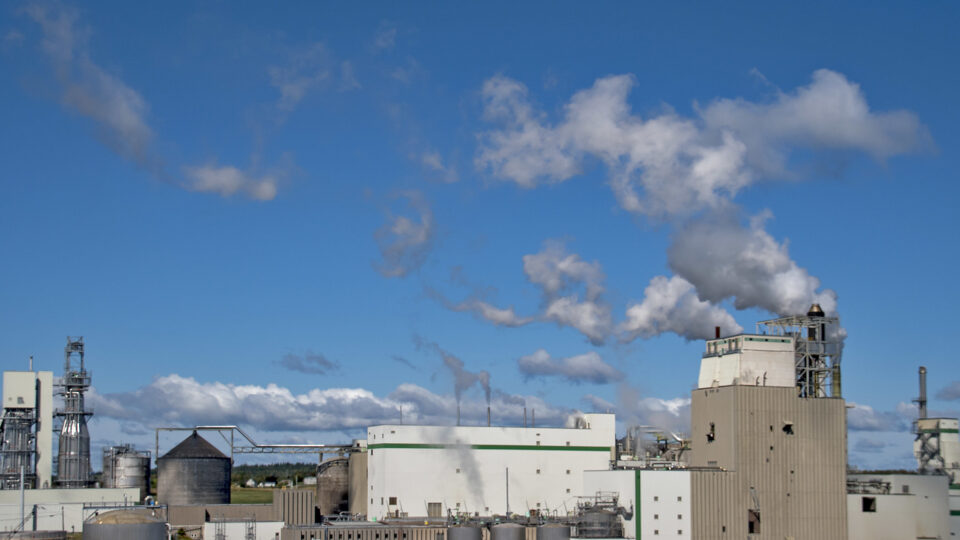
The world has been heading toward climate disaster with the effects of greenhouse gas-induced warming looming larger and larger.  But recent analysis published in Nature Climate Change offers hope that rapidly eliminating emissions could stabilize global temperatures just within a couple of decades.

For quite some time, it has been assumed that further global warming would be locked in for generations regardless of the extent of emissions reductions going forward.  This conclusion was based on having a certain carbon dioxide concentration in the atmosphere which would linger for hundreds of years even if emissions were reduced.

Recent analysis takes into account the dynamism of the Earth’s natural systems which could actually reduce atmospheric CO2 content because of the huge carbon absorption capacity of oceans, wetlands, and forests.  The key requirement is to drastically reduce emissions so that these natural systems can take over.

More than 100 countries have pledged to get to net zero emissions by 2050.  That means they will emit no more carbon dioxide than is removed from the atmosphere by such actions as restoring forests.   The UK, Japan, and the European Union are among the countries that have set this zero target, and the United States is joining the club.

Climate models show that a global temperature rise of 2 degrees Celsius over that of the pre-industrial period would lead to global calamities that include punishing heatwaves, flooding, and mass displacement of people.  The world has already heated up by 1.1 degrees and governments have committed to restrain the rise to less than 1.5 degrees under the Paris Climate Agreement.

**********

Web Links

Global Warming Could Stabilize Faster than Originally Thought If Nations Achieve Net Zero

Photo, posted September 10, 2017, courtesy of Ron Cogswell via Flickr.

Earth Wise is a production of WAMC Northeast Public Radio.

Wildfire Smoke And Dangerous Microbes | Earth Wise

February 12, 2021 By EarthWise Leave a Comment

Wildfire smoke is a major global health concern

The worsening severity of wildfires across the globe is a major public health concern.  The pulmonary and cardiovascular consequences of wildfire smoke inhalation have been well researched and have been an increasing focus for officials in places like California, other western states, and Australia.  More recently, another public health concern has emerged related to the fact that wildfire smoke can carry microbes that cause infectious diseases.

A new analysis, published in the journal Science, points out that the risk of potential infection from airborne microbes has not been the subject of much research.

The fungus coccidioides, for example, becomes airborne when soils are disturbed by fire. When this fungus is inhaled, it can cause Valley fever, an infection with flu-like symptoms that sometimes progresses to pneumonia or meningitis.  Inhalation risk of these microbes is highest closest to fires, so coccidioidomycosis is listed as a professional risk for firefighters.

A recent study found an increase in cases of invasive mold infection, aspergilliosis, as well as cases of coccidioidomycosis at hospitals within 200 miles of major wildfires in California.

Wildfire smoke has been shown to carry airborne particles of fungal and bacterial cells, hitching a ride on water vapor or charred carbon, over thousands of miles.  Some microbes in soil appear to be tolerant of or even thrive under high temperatures following wildfires.

A multidisciplinary research collaboration is needed to better understand the relationship between microbes, wildfire, and public health.  Such knowledge is increasingly vital as severe wildfires become seasonal norms in parts of the world such as the United States and Australia.

**********

Web Links

Wildfire Smoke Can Carry Dangerous Microbes Thousands of Miles, Scientists Warn

Photo, posted September 9, 2020, courtesy of Christopher Michel via Flickr.

Earth Wise is a production of WAMC Northeast Public Radio.

Rivers Changing Color | Earth Wise

February 10, 2021 By EarthWise Leave a Comment

Why do rivers change colors?

A recent study, published in Geophysical Research Letters, found that one-third of large American rivers have had significant changes of color over the past 30 years.  Rivers can appear to be shades of blue, green, and yellow and we tend to expect healthy rivers to have colors in shades of blue.  According to the new study, only 6% of American rivers are dominantly blue.

The study looked at 235,000 Landsat images taken from 1984 to 2018.  The results are that 56% of rivers studied were dominantly yellow, 38% dominantly green, and 6% blue.  Over the 34 years studied, 33% of the rivers had significant changes in color. About 21% became greener and 12% more yellow. 

The chief causes of color changes in rivers are farm fertilizer runoff, dams, efforts to fight soil erosion, and climate change.  Climate change increases water temperature and rain-related runoff.

Color changes are not necessarily a sign of poor river health, but dramatic changes could point to issues that need attention.  A river can change color based on the amount of sediment, algae, or dissolved organic carbon in the water.   If a river becomes greener, it can often mean large algae blooms are present that cause oxygen loss and can produce toxins.  On the other hand, rivers that are getting less yellow demonstrate the success of regulations to prevent soil erosion.

The study of river colors can pinpoint which rivers are undergoing rapid environmental change.  What the study does not provide is information on water quality.  Water quality measurements will be important to determine the health of many of the rapidly changing rivers.

**********

Web Links

One Third of U.S. Rivers Changed Their Color, Three Decades of Satellite Images Show

Photo, posted July 6, 2016, courtesy of Jeffrey Beall via Flickr.

Earth Wise is a production of WAMC Northeast Public Radio.

The Costs Of Mislabeled Seafood | Earth Wise

January 27, 2021 By EarthWise Leave a Comment

Mislabeled seafood has huge hidden costs

Seafood is the world’s most highly traded food commodity and reports of seafood mislabeling have become increasingly common over time.  A new study by Arizona State University looked at the environmental effects of mislabeled seafood.

What is mislabeled seafood?  Sometimes the snapper you were served was really Pacific Ocean Perch.  Maybe grouper was really whitefin weakfish.  Many times white leg shrimp are actually giant tiger prawns.

Approximately 190,000 to 250,000 tons of mislabeled seafood are sold in the U.S. each year, or 3.4 to 4.3% of consumed seafood.  Previous studies focused on the economic aspects of getting cheaper fish when paying for more expensive fish.  The new research looks at the environmental costs associated with mislabeled seafood.

Substituted seafood is 28% more likely to be imported from other countries, which may have weaker environmental laws than the U.S.  In the United States, fishery management is pretty good.  There is strong monitoring and enforcement to support limits on fishing.  Metrics like fish abundance, fishing mortality, bycatch, and discards are all monitored.  In many other places, this is not the case.

To really evaluate the overall effects of seafood mislabeling, one has to take into account both the rates of substitution and the levels of consumption. 

Consuming fish from a well-managed fishery should not have a negative impact in terms of the population now or in the future.  But even inadvertently consuming fish from poorly managed fisheries in not sustainable.  It is good to get your seafood from a trusted source.

**********

Web Links

ASU Study Looks At The Environmental Effects Of Purchasing, Consuming Mislabeled Fish

Photo, posted August 1, 2014, courtesy of Ralph Daily via Flickr.

Earth Wise is a production of WAMC Northeast Public Radio.
Mollusks And Microplastics | Earth Wise

January 26, 2021 By EarthWise Leave a Comment

Microplastics are contaminating marine creatures

Plastic debris comes in all different shapes and sizes, but pieces that are less than five millimeters in length are called microplastics.  Microplastics are everywhere, including in the food we eat, the water we drink, and the air we breathe.

Much of the oceanic microplastic pollution comes from the breakdown of plastic litter.  Another source of microplastic pollution is microbeads.  Microbeads, which are sometimes added to cleansing and exfoliating personal care products, pollute the environment when they get flushed down the drain.  

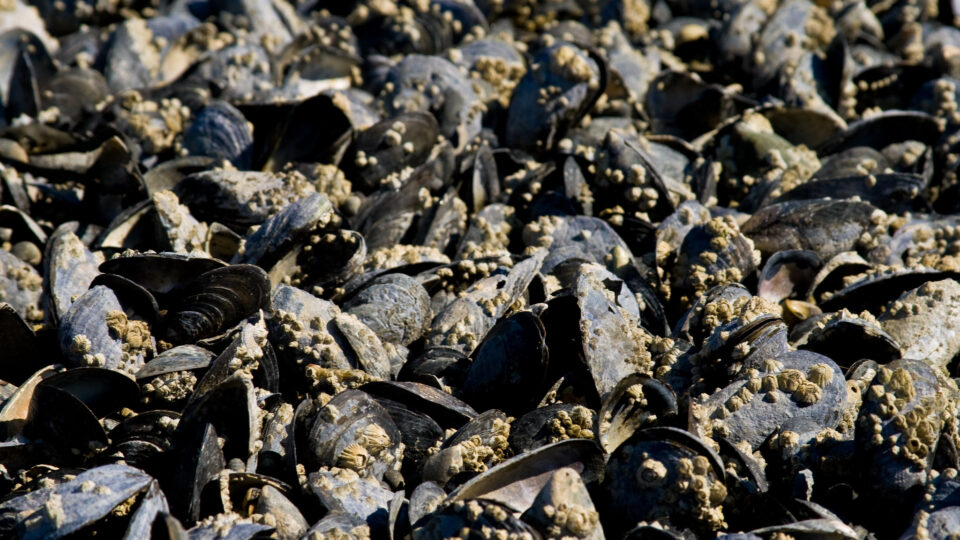
According to a new study by researchers at Hull York Medical School and the University of Hull in the U.K., mussels, oysters and scallops have the highest levels of microplastic contamination among seafood.  The research team examined 50 studies between 2014 and 2020 to determine the levels of microplastic contamination globally in fish and shellfish.  The team found that microplastic content was 0-10.5 microplastics per gram in mollusks, 0.1-8.6 microplastics per gram in crustaceans, and 0-2.9 microplastics per gram in fish.  

The researchers found that mollusks collected off the coasts of Asia were the most heavily contaminated with microplastics.  China, Australia, Canada, Japan and the United States are among the largest consumers of mollusks, followed by Europe and the U.K.

While the human health implications of consuming microplastics are not well understood, early evidence from other studies suggest they do cause harm. 

According to the research team, more data is needed from different parts of the world in order to better understand how microplastics vary between different oceans, seas, and waterways.

**********

Web Links

Highest levels of microplastics found in molluscs, new study says

Photo, posted September 3, 2007, courtesy of Andrew Malone via Flickr.

Earth Wise is a production of WAMC Northeast Public Radio.
Shifting Climate Attitudes – Even In Texas | Earth Wise

January 25, 2021 By EarthWise Leave a Comment

Attitudes on climate change continue to evolve

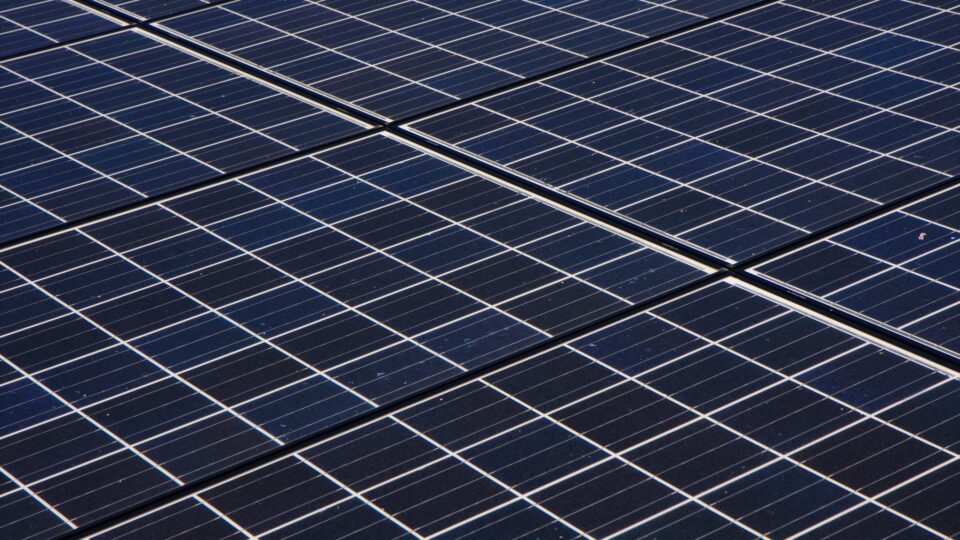
Any conversation about climate policy and energy in the United States has to take Texas into consideration.  Texas leads the nation in energy production, providing more than one-fifth of U.S. domestically produced energy.  Texas also uses more energy than any other state and accounts for almost one-seventh of total U.S. energy consumption.  The state’s industrial sector, which includes petroleum refining and chemical manufacturing, accounts for almost half of Texas energy consumption.

As a result, longstanding skepticism among Texans toward the climate movement has represented a real impediment in developing and implementing effective climate policy in this country.  But according to new research at the University of Houston, attitudes in Texas have changed and now mirror those in the rest of the United States.

About 80% of Americans believe that climate change is happening, and now about 81% of Texans hold the same view.  Two out of three Americans are worried about climate change; more than 60% of Texans agree.

Nationwide, 55% agree that the oil and gas industries have deliberately misled people on climate change; 49% of Texans agree. 64% of Americans say hydraulic fracking has a negative effect on the environment and 61% of Texans agree.  People everywhere are willing to pay more for carbon-neutral energy, and a higher premium for gasoline as well.

Mitigation strategies for climate change are not well understood.  While 61% nationwide have heard of carbon taxes, less than half are familiar with carbon management, and only a third have heard of carbon pricing.

As the U.S. heads toward reengaging in efforts to address climate change, Texans appear to have caught up with the rest of the nation.

**********

Web Links

Attitudes About Climate Change Are Shifting, Even in Texas

Photo, posted October 1, 2011, courtesy of Steve Rainwater via Flickr.

Earth Wise is a production of WAMC Northeast Public Radio.
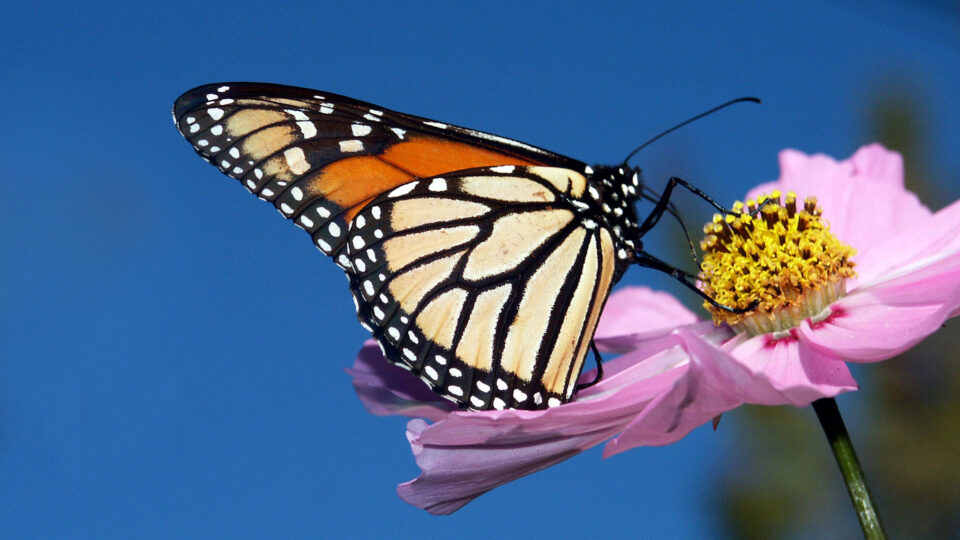
Non-Native Plants And Insect Decline | Earth Wise

January 15, 2021 By EarthWise Leave a Comment

The impact of non-native plants on insect decline

Global insect populations have been in decline since the beginning of the 20th century.  The decline accelerated during the 1950s and 1960s, and it has reached alarming levels during the past 20 years.

The causes of plummeting insect populations include habitat destruction, deforestation, climate change, light pollution, and the rise of industrial agriculture.  This so-called insect apocalypse is being mirrored by a bird Armageddon because so many bird species depend on insects for their diets.

A still controversial, but increasingly likely factor in the decline of insect populations is the spread of non-native plants in agriculture, agroforestry, and horticulture.  A recent study published in the journal Ecological Entomology presents recent data supporting the proposition that the widespread displacement of native plants is a key cause of insect declines. 

Many insects depend on a limited number of plants for survival.  In many cases, insects’ diets are restricted to a single plant family.  When native host plants dwindle or disappear from an area, the population of insects that depend on those plants shrinks.

There are examples of insects that adopt introduced plants as food sources, such as silver-spotted skipper butterfly larvae feeding on invasive kudzu in the eastern U.S.  But generally, the widespread incursion of non-native plants is harmful to native insect populations.

Non-native plants are especially popular for horticulture.  Millions of acres of potential insect habitat have been transformed into food deserts for native insects.  The authors of the recent study recommend that Americans should extensively include native plants in their yards to help preserve insect diversity.

**********

Web Links

How Non-Native Plants Are Contributing to a Global Insect Decline

Photo, posted May 2, 2004, courtesy of Bernard Spragg via Flickr.

Earth Wise is a production of WAMC Northeast Public Radio.
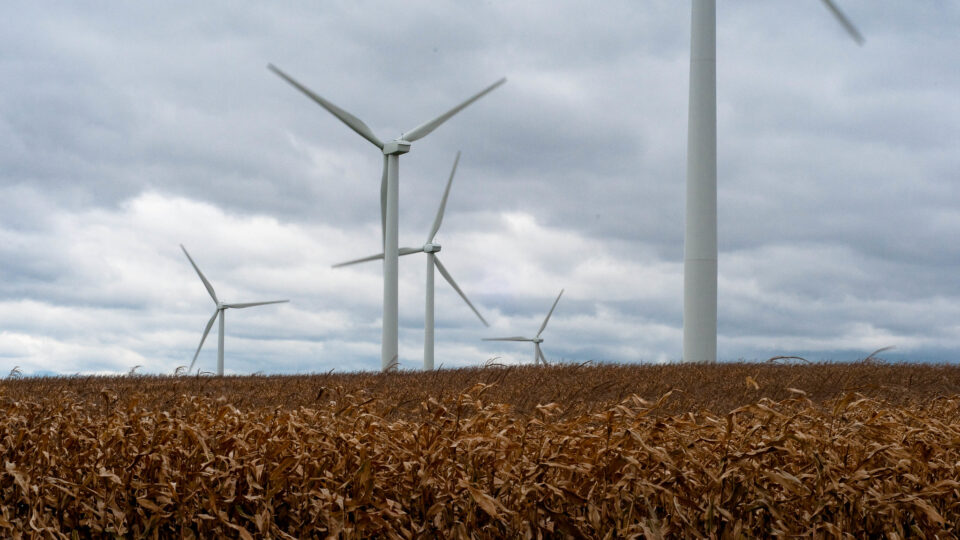
New York And Renewables | Earth Wise

January 7, 2021 By EarthWise Leave a Comment

Renewables growing in New York

In 2019, New York generated more electricity from renewable sources than all but three other states.  The 39.4 million MWh of renewable electricity generated in New York was the largest of any state east of the Mississippi. 

New York has been a leader in renewable power long before it became a topic of great interest because of its hydroelectric power.  In 2019, 78% of the state’s renewable electricity came from hydropower.  The Robert Moses Niagara hydroelectric plant is the second-largest capacity conventional hydroelectric power plant in the country. 

The three states that generated more renewable electricity than New York are California, Texas, and Washington.  Washington gets 69% of all its electricity generation from its multiple hydroelectric plants which together produce a quarter of all hydroelectric power in the nation.  Texas leads the nation in wind-powered generation and gets over 17% of its in-state generation from wind.  California gets 14% of its power from solar generation, 7% from wind, and over 16% from its own hydroelectric resources.

Wind is the second-largest source of renewable power in New York, accounting for 11% of renewable generation in the state and 3% of total electricity generation.  Solar power is expanding in New York, but the great majority of it is still in the form of small-scale installations on residential and commercial rooftops.

New York’s renewable generation grew from 19% in 2005 to 30% at present.  New York’s Clean Energy Standard adopted in 2015 requires the state to generate 100% carbon-free electricity by 2040.

**********

Web Links

New York generated fourth most electricity from renewables of any state in 2019

Photo, posted October 15, 2010, courtesy of michael-swan via Flickr.

Earth Wise is a production of WAMC Northeast Public Radio.

Electronic Waste On The Decline | Earth Wise

January 6, 2021 By EarthWise Leave a Comment

Electronic waste is declining

A new study published in the Journal of Industrial Ecology has found that the total mass of electronic waste generated by Americans has been declining since 2015.  Given that electronic devices are playing an ever-growing role in our lives, this finding seems rather surprising.  It also seems like pretty good news, but the underlying facts should dampen our level of enthusiasm.

The main reason for the decline is the disappearance of large, bulky cathode-ray tube televisions and computer monitors.  Since about 10 years ago, CRT displays have been on the decline in the waste stream, thereby leading to an overall decline in total e-waste mass.

Many state regulations with respect to e-waste recycling have targets based on product mass.  The regulations were typically designed to keep electronics with high levels of lead and mercury out of landfills.

At present, the more pertinent concern is how to recover valuable elements like cobalt (from lithium-ion batteries) and indium (from flat-panel displays).  These elements are not so environmentally toxic, but rather are relatively scarce in the earth’s crust. 

The main conclusion to be drawn from the declining mass of electronic waste is not that we are necessarily winning the battle against generating it but rather that e-waste is changing and regulations concerning it need to be rethought.  Focusing regulations on capturing critical elements not only would have significant economic benefits but also would be important in addressing geopolitical uncertainties that potentially could threaten what could be termed the mineral security of the U.S.

E-waste recycling is regulated at the state level and only half the states have e-waste recycling laws.  It may be time for more uniform policies across the country.

*********

Web Links

Electronic Waste on the Decline, New Study Finds

Photo, posted January 22, 2013, courtesy of Thorsten Hartmann via Flickr.

Earth Wise is a production of WAMC Northeast Public Radio.
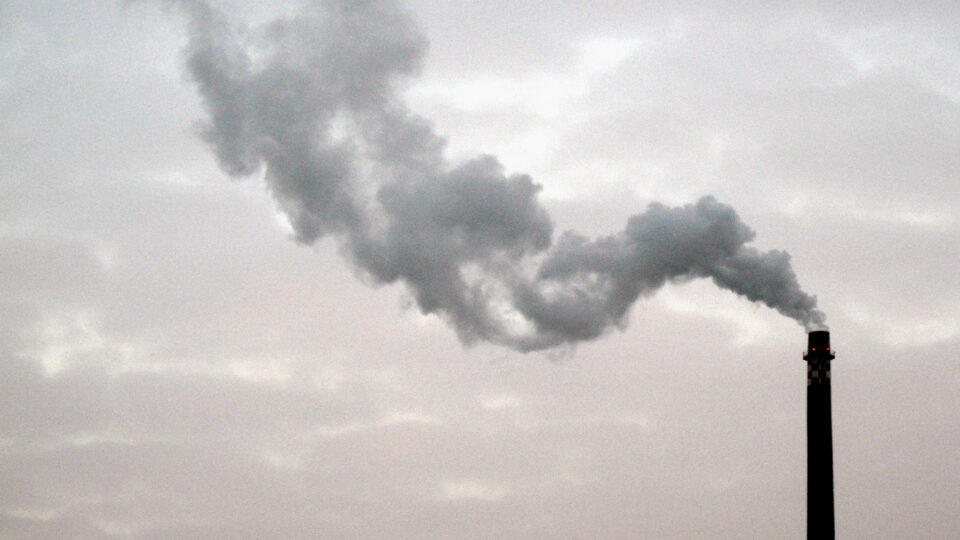
A Large Drop In U.S. Greenhouse Gas Emissions | Earth Wise

December 29, 2020 By EarthWise Leave a Comment

Greenhouse gas emissions in the United States has dropped

Greenhouse gas emissions in the U.S. in 2020 are on track to be at their lowest level in nearly 30 years as a result of the COVID-19 pandemic.  U.S. emissions haven’t been this low since 1983, when the economy was not even 40% of its current size.

According to a new study by the research group BloombergNEF, U.S. emissions for the year will be 9% lower than they were in 2019, which will be the largest yearly drop on record.  The report also anticipates that whatever happens in the pandemic, 2021 emissions will be well below pre-COVID levels as well.

The pandemic has inadvertently put the U.S. back on track to meet its original commitments to the Paris Climate Agreement, despite the fact that we have pulled out the agreement.  The incoming administration plans to return the U.S. to the pact.

Overall, U.S. emissions have been trending downward since 2008, primarily as a result of the lower dependence of the power sector on coal.  The report estimates that in the absence of the pandemic, 2020 emissions would have been 1% lower than last year’s.

The dramatic drop in emissions is not really a great cause for celebration.  Achieving significant emission reductions through massive economic hardship and societal disruption does not point the way towards making progress on climate change.  The economic upturn that will undoubtedly occur when the pandemic loses its grip on the world will lead to rebounding levels of greenhouse gas emissions.  But as is the case with all major crises, the current situation does present a chance to turn this temporary downturn in emissions into a more permanent one by making appropriate investments and policy changes.

*********

Web Links

Due to COVID-19, 2020 greenhouse gas emissions in the U.S. are predicted to drop to lowest level in three decades

Photo, posted January 13, 2013, courtesy of Onnola via Flickr.

Earth Wise is a production of WAMC Northeast Public Radio.
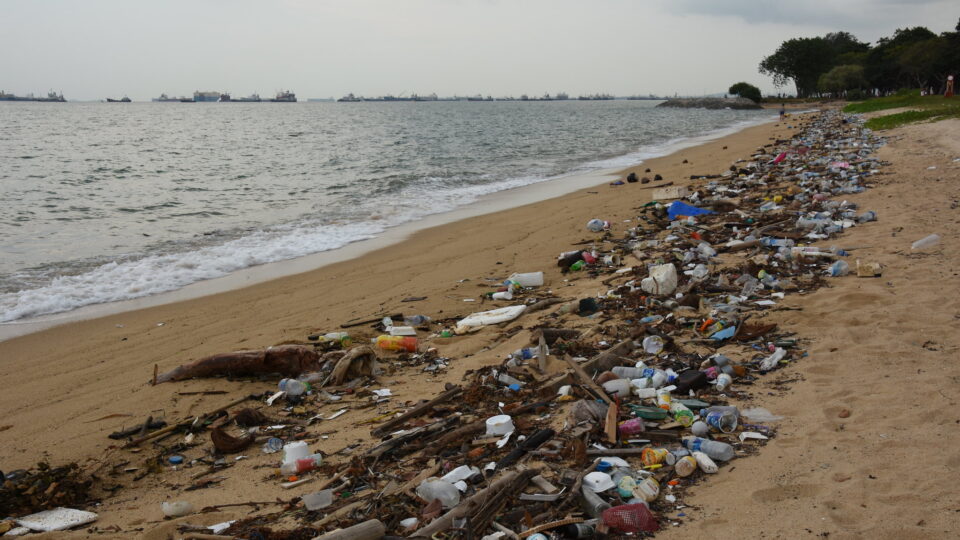
More Plastic Pollution From The United States | Earth Wise

December 7, 2020 By EarthWise Leave a Comment

United States remains a top plastic polluter

A new study published in the journal Science Advances has revealed that the United States is contributing far more to coastal plastic pollution than was previously believed.  A previous study using 2010 data ranked the US 20th globally, in its contribution to ocean plastic pollution from mismanaged waste.  The new study ranks the U.S. third among the world’s countries.

The largest contributor to the discrepancy is that the earlier study did not account for plastic scrap exports.  Using plastic waste generation data from 2016 – which is the most recent global data available – the study’s authors calculated that more than half of all plastics collected for recycling in the US were shipped abroad.  This amounts to over 2 million tons.  Of this amount, some 88% went to countries struggling to effectively manage, recycle, or dispose of plastics, and between 15-25% was, in fact, low-value or contaminated, meaning that it was effectively unrecyclable.  When all of these factors were taken into account, the researchers estimated that a million tons of US-generated plastic waste ended up polluting the environment.  It just occurred beyond our own borders.

Overall, 2-3% of all plastic waste generated in the US – about a million tons – is either littered or illegally dumped into the domestic environment.  When this is combined with the exported waste, the US is responsible for more than 2 million tons of plastic waste being dumped into the environment.  About two-thirds of that ends up in coastal environments, where it is likely to enter the ocean by wind or through waterways.

The United States generates the most plastic waste of any country in the world.  Unfortunately, we have been operating under the illusion that we were doing a pretty good job of dealing with it.

*********

Web Links

New Study Reveals United States a Top Source of Plastic Pollution in Coastal Environments

Photo, posted April 3, 2015, courtesy of Vaidehi Shah via Flickr.

Earth Wise is a production of WAMC Northeast Public Radio.

Pandemic Lockdowns And Carbon Emissions | Earth Wise

November 25, 2020 By EarthWise Leave a Comment

pandemic impact on carbon emissions

The early months of the COVID-19 pandemic saw many human activities reduced to a fraction of what they were previously.  Notably, air pollution in major cities was dramatically lower than it had been in decades.  Now, a new study has looked at the effect of the pandemic shutdowns on carbon dioxide emissions.

An international team of climate scientists has published an assessment of carbon dioxide emissions by industry, transportation, and other sectors from January through June.  According to their measurements, this year’s pandemic lockdowns resulted in a 9% decline in emissions from 2019 levels.

An earlier study reported a 17% drop in CO2 emissions, but the new study was more comprehensive and detailed.

The new data includes estimates of day-by-day, sector-specific and country-level differences in CO2 emissions derived from frequently updated data sources, some of which are nearly in real-time.  It tracks the effects of COVID-19-related disruptions of human activities in China starting in February and in the United States and Europe in March through May.

The data revealed the resumption of emissions in many regions, such as in China, where they are now back to pre-pandemic levels.  Emissions in the Americas and Europe have been slower to recover, especially in the US, where COVID-19 hotspots are continuing to emerge. 

The reduction in carbon emissions has been due mostly to transportation with fewer people driving to work and traveling by air.  Even by June, when lockdowns were easing, global emissions were still significantly reduced.  In any case, a pandemic is a highly undesirable and unwelcome way to reduce carbon emissions, but the data from this year does show that it is effective.

**********

Web Links

Pandemic lockdowns caused steep and lasting carbon dioxide decline

Photo, posted August 7, 2020, courtesy of Michael Mueller via Flickr.

Earth Wise is a production of WAMC Northeast Public Radio.

  • « Go to Previous Page
  • Page 1
  • Interim pages omitted …
  • Page 35
  • Page 36
  • Page 37
  • Page 38
  • Page 39
  • Interim pages omitted …
  • Page 49
  • Go to Next Page »

Primary Sidebar

Recent Episodes

  • An uninsurable future
  • Clean energy and jobs
  • Insect declines in remote regions
  • Fossil fuel producing nations ignoring climate goals
  • Trouble for clownfishes

WAMC Northeast Public Radio

WAMC/Northeast Public Radio is a regional public radio network serving parts of seven northeastern states (more...)

Copyright © 2026 ·