
• Skip to primary navigation
  • Skip to main content
  • Skip to primary sidebar

Earth Wise

A look at our changing environment.

  • Home
  • About Earth Wise
  • Where to Listen
  • All Articles
  • Show Search
Hide Search
You are here: Home / Archives for United States

United States

The Largest Turbines In The Largest Offshore Wind Farm | Earth Wise

November 11, 2020 By EarthWise Leave a Comment

wind energy progress

The world’s largest planned offshore wind farm is going to make use of the world’s largest installed offshore wind turbines.  The Dogger Bank Wind Farm in the North Sea off the Yorkshire coast of England will ultimately generate electricity for more than 4.5 million homes in the United Kingdom.

The 3.6 GW project will cost $10 billion and will be developed in three phases, the first two of which will use 13-MW wind turbines built by General Electric.  The turbine’s blades measure 351 feet – longer than a soccer field.  The turbines stand more than 850 feet tall, which is five times the size of the Arc de Triomphe.  GE claims that a single rotation of one of these huge turbines can supply enough electricity to power the average British household for two days.  When the project is completed in 2026, it will generate 5% of the United Kingdom’s electricity.

The previous version of GE’s Haliade-X turbines, rated at 12 MW, were ordered by the energy company Orsted for installation in two forthcoming U.S. windfarm: the Skipjack Farm off the coast of Maryland, and the Ocean Wind farm off the coast of New Jersey.  The new version will be the largest turbines to reach operation in a commercial project.  Meanwhile, Siemens Gamesa has a 14 MW turbine under development.

The order for 190 of the 13 MW giant turbines for the Dogger Bank farm arrived at GE on the same day that the company announced that it will no longer supply power equipment to new coal plants.  Work on the Dogger Bank project started in January in an area of the North Sea that was previously dominated by oil and gas development.

**********

Web Links

World’s Biggest Offshore Wind Farm Will Boast World’s Largest Installed Turbines

Photo, posted February 22, 2014, courtesy of Jonny Longrigg via Flickr.

Earth Wise is a production of WAMC Northeast Public Radio.

Nitrous Oxide Is No Laughing Matter | Earth Wise

November 10, 2020 By EarthWise Leave a Comment

nitrous oxide is a big climate problem

Carbon dioxide is the most well-known of greenhouse gases.  But there are others deserving of their own spotlight.  Nitrous oxide is one of them.  It turns out that the same “laughing gas” once used by dentists as an anesthetic is pretty bad for the environment.  In fact, it’s more than 300 times more potent as a greenhouse gas than carbon dioxide, and it can remain in the atmosphere for more than 100 years.

According to a new study by a team of international scientists, rising nitrous oxide emissions around the world are jeopardizing the climate goals of the Paris Agreement.  The growing use of nitrogen fertilizers in global food production is increasing atmospheric concentrations of nitrous oxide.

The study, which was led by Auburn University and recently published in the journal Nature, finds that nitrous oxide emissions are increasing faster than any emission scenario developed by the Intergovernmental Panel on Climate Change.  The current trajectory would lead to global mean temperature increases well above 3°C from pre-industrial levels.  The Paris Agreement aims to limit global warming to less than 2°C.    

According to the study, nitrous oxide levels have risen 20% from pre-industrial levels, with the fastest growth observed in the last 50 years due to emissions from human activities.  The largest contributors to nitrous oxide emissions come from East Asia, South Asia, South America, and Africa.  The United States, China, and India dominate nitrous oxide emissions from synthetic fertilizers, while Africa and South America dominate releases of nitrous oxide from natural sources, like livestock manure. 

Nitrous oxide emissions pose an increasing threat to the climate.  

**********

Web Links

Nitrous oxide emissions pose an increasing climate threat, study finds

Photo, posted April 22, 2012, courtesy of Bill Meier via Flickr.

Earth Wise is a production of WAMC Northeast Public Radio.
Do Forests Grow Better With Our Help? | Earth Wise

November 9, 2020 By EarthWise Leave a Comment

forest restoration

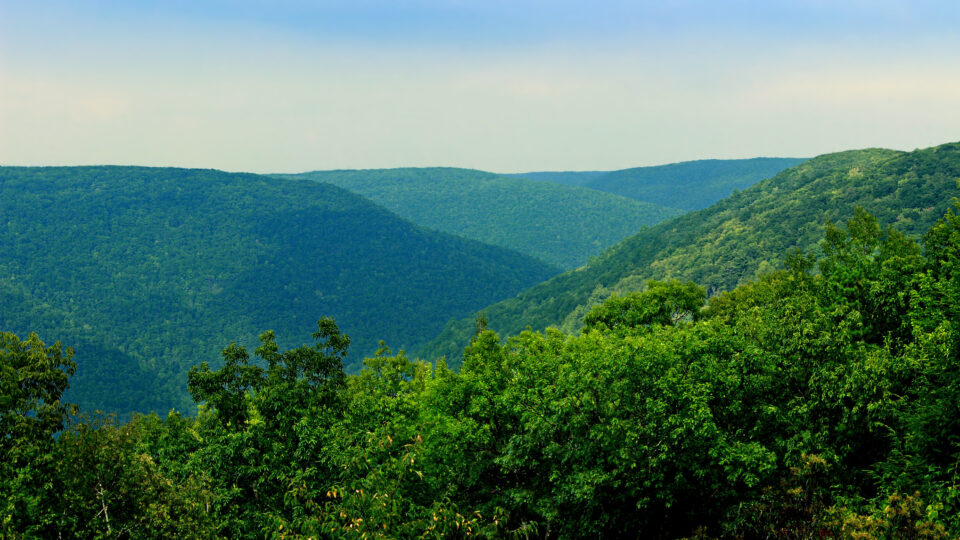
Tree planting has become a worldwide cause.  International calls to plant a trillion trees to combat climate change have led to multiple initiatives by countries around the world.  Even the current U.S. administration, with support from businesses and nonprofits has promised to plant over 800 million trees across an estimated 2.8 million acres.  Planting trees is widely seen to be a vital nature-based solution to climate change; a way of moderating its effects as the world works to reduce carbon emissions.  However, recent studies have created some pushback from that view.

The new studies are not opposed to trees.  What they have revealed is that allowing forests to grow back naturally is a better strategy than planting trees.  The new data has shown that, among other things, estimates of the rate of carbon accumulation by natural forest regrowth have on average been 32% too low and, for tropical forests, have been 53% too low.

A new study published in Nature identified 1.67 billion acres that could be set aside to allow trees to regrow.  It excludes land under cultivation or built on, along with various existing valuable ecosystems. 

Natural regrowth allows nature to select which tree species take hold and turns out to happen quite rapidly and in a widespread manner.  The great thing about natural restoration of forests is that it often requires nothing more than human inaction.  Because it requires no policy initiatives, investments, or oversight, data on its extent is rather scarce.  But the data we have reveals that wherever forests have been allowed to recover on their own, it appears to happen rapidly and with great success.

**********

Web Links

Natural Debate: Do Forests Grow Better With Our Help or Without?

Photo, posted September 5, 2015, courtesy of Nicholas A. Tonelli via Flickr.

Earth Wise is a production of WAMC Northeast Public Radio.
Bees Threatening Bees | Earth Wise

October 16, 2020 By EarthWise Leave a Comment

bees threatening bees

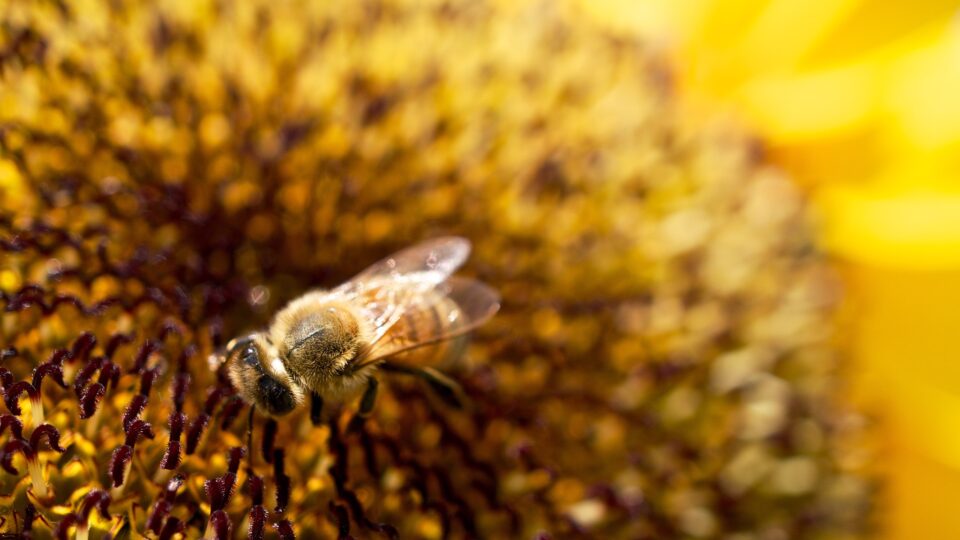
Domesticated honeybees are an essential part of our agricultural system, being responsible for one in every three bites of food Americans consume and contributing $15 billion a year to the value of the nation’s crop production.  Millions of bee colonies are trucked across the country every year to pollinate cranberries, melons, broccoli, blueberries, and cherries, and also to produce honey.

After the growing seasons, honeybees are trucked to various locations to rest and rebuild their population and to replenish bees lost to disease and pesticides.  Some of these locations are in national forests.  Thousands of hives belonging to 112 apiaries are currently permitted in national forests by the Department of Agriculture.  This presents a problem because these hives are being permitted on public lands with virtually no environmental review and with little consideration of the impact these colonies can have on local wild bee populations.

The 4,000 wild bee species in the U.S. consume up to 95% of local available pollen.  Nearly 40 federally listed threatened or endangered species of bees, butterflies, and flower flies depend on national forest land for their survival.  And now the pollinators in these places, which were once refuges for these species and others, increasingly face competition from millions of domesticated honeybees.

Honeybees are super-foraging machines and are literally taking the pollen out of the mouths of other bees and pollinators.  Honeybees themselves have been facing numerous problems from habitat loss, pesticides, and other stress factors.  So, what is happening is essentially a pollinator habitat crunch that carries long-term implications for the U.S. food supply.  We need to find some answers and the sooner the better.

**********

Web Links

Will Putting Honey Bees on Public Lands Threaten Native Bees?

Photo, posted August 9, 2015, courtesy of Tak H. via Flickr.

Earth Wise is a production of WAMC Northeast Public Radio.
Crops May Need To Move | Earth Wise

October 5, 2020 By EarthWise Leave a Comment

Climate change might force crops to move

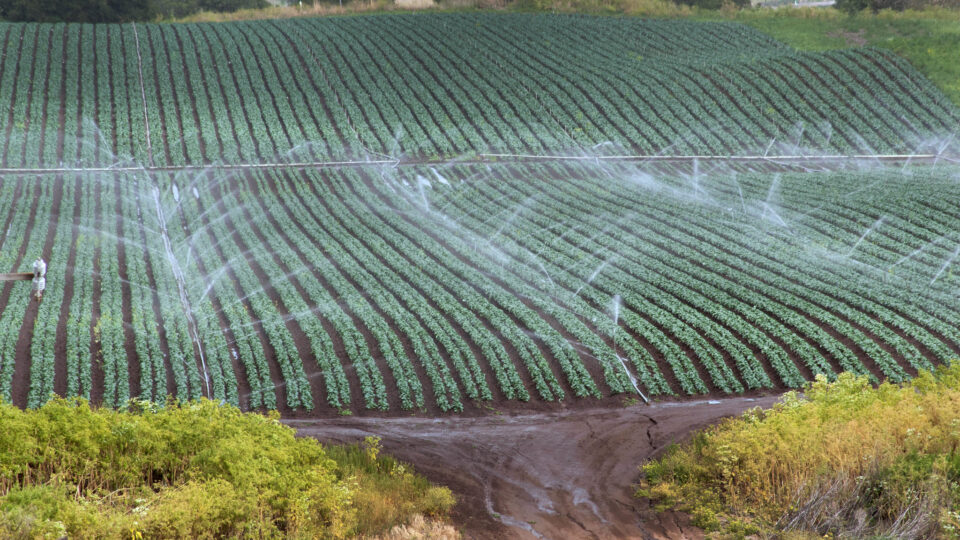
California has unique micro-climate diversity that creates ideal growing conditions for a wide range of crops.  One third of the vegetables and two-thirds of the fruits and nuts we eat in this country are grown on the more than 76,000 farms in California.  But as the climate continues to change, many farmers have started to worry about where and when crops can be grown in the future.   Within the next 20 years or so, some parts of California may become too hot and dry to sustain agricultural production.

According to new research from the Lawrence Berkeley National Laboratory, by the years 2045-2049, warmer temperatures will have a significant effect on cool-season crops such as broccoli and lettuce such that their growing season will need to shift.  On the other hand, warm-season crops like cantaloupe, tomatoes, and carrots will need to move to entirely new growing locations.

The study looked at five key crops that are produced more in California than elsewhere and studied the climate conditions under which they prosper and those under which they fail.  They established the range of conditions for which the crops can remain successful.  Finally they looked at climate projections for various parts of the state.

California’s agriculture is an essential part of our food security, so it is important to predict how future warming will affect when and where crops can be grown.  Changing these things presents challenges.  For example, when considering relocating crops, growers have specialized knowledge of their land and their crops.  If crops need to move to a new area, either the farmers have to move to that area, or they have to grow a different crop.  Either way, it presents a practical and economic burden on the farmer.

**********

Web Links

Some of America’s Favorite Produce Crops May Need to Get a Move On by 2045

Photo, posted June 16, 2011, courtesy of the U.S. Department of Agriculture via Flickr.

Earth Wise is a production of WAMC Northeast Public Radio.

Permanent Time Observation | Earth Wise

September 25, 2020 By EarthWise Leave a Comment

permanent standard time

Americans have debated the value of daylight savings time going all the way back to Benjamin Franklin.  As a country, we adopted the practice of changing our clocks twice a year in 1918.

Since the energy crisis of the 1970s, there have been a number of initiatives aimed at making daylight savings time permanent.  However, there is also a growing movement to eliminate the practice entirely.

In August, the American Academy of Sleep Medicine published a position statement calling for the abolishing of daylight savings time in favor of fixed, national, year-round standard time.

The statement describes the adverse effects of the annual abrupt switch to daylight savings time, which range from increased risk of stroke and hospital admissions to sleep loss and increased production of inflammatory markers, which are one of the body’s responses to stress.  It also cites studies that show that traffic fatalities increase by as much as six percent in the first few days following the change to daylight savings time.  Other research shows that there is an 18% increase in adverse medical events related to human error in the week after switching to daylight savings time.

In July, a survey by the academy of more than 2,000 U.S. adults found that 63% support the elimination of seasonal time changes in favor of a national, fixed year-round time, and only 11% oppose the idea, but many of those in favor of the idea actually want permanent daylight savings time.

The sleep academy contends that permanent standard time is the best choice to most closely match our circadian sleep-wake cycle while daylight saving time results in more darkness in the morning and more light in the evening, disrupting the body’s natural rhythm.

Residents of Arizona and Hawaii get to sit out this debate since they don’t change their clocks.

**********

Web Links

American Academy of Sleep Medicine calls for elimination of daylight saving time

Photo, posted May 28, 2018, courtesy of Kis Akos via Flickr.

Earth Wise is a production of WAMC Northeast Public Radio.

Ocean Currents And Climate Change | Earth Wise

September 22, 2020 By EarthWise Leave a Comment

Climate change intensifies marine heatwaves

Oceans cover more than 70% of the earth and absorb 94% of incoming solar radiation.  As a result, oceans play a major role in the climate system.  With their massive size and capacity to store heat, oceans help keep temperature fluctuations in check.  But oceans also play a more active role.  Ocean currents are responsible for moving vast amounts of heat around the planet.  

According to a paper recently published in the journal Nature Communications, the world’s strongest ocean currents will experience more intense marine heatwaves than the global average in the coming decades.  These strong ocean currents play key roles in fisheries and ocean ecosystems.  

Sections of the Gulf Stream near the United States, the Kuroshio Current near Japan, the East Australian Current near Australia, and the Antarctic Circumpolar Current will all see more intense marine heatwaves over the next 30 years. 

Scientists from the University of Tasmania and CSIRO in Australia relied on high-resolution ocean modeling to carry out their research.  They confirmed the model’s accuracy by comparing outputs with observations from 1982-2018.  They then used the same model to project how marine heatwaves would alter with climate change out to 2050.

The model projects, for example, that intense marine heatwaves are more likely to form well off the coast of Tasmania, while more intense marine heatwaves along the Gulf Stream start to appear more frequently close to the shore from Virginia to New Brunswick, Canada. 

Marine heatwaves are on the rise globally, but knowing where they will occur and how much hotter they will be will help policymakers, ecologists, and fisheries experts in their regional decision-making. 

**********

Web Links

Where marine heatwaves will intensify fastest: New analysis

Photo, posted April 17, 2016, courtesy of Nicolas Henderson via Flickr.

Earth Wise is a production of WAMC Northeast Public Radio.
Solar On Commercial Buildings | Earth Wise

September 17, 2020 By EarthWise Leave a Comment

commercial solar panels

The United States installed 3.6 gigawatts of photovoltaic solar capacity in the first quarter of this year to reach a total installed capacity of 81.4 GW.  That is enough to power about 16 million American homes.  More than 2/3 of that capacity has been installed during the past five years.  

There has been a boom in solar installations in recent years and, until the Covid-19 pandemic stuck, 2020 was expected to be the biggest year yet.  Now the unprecedented health, social, and economic conditions in our country creates great uncertainty in such forecasts.

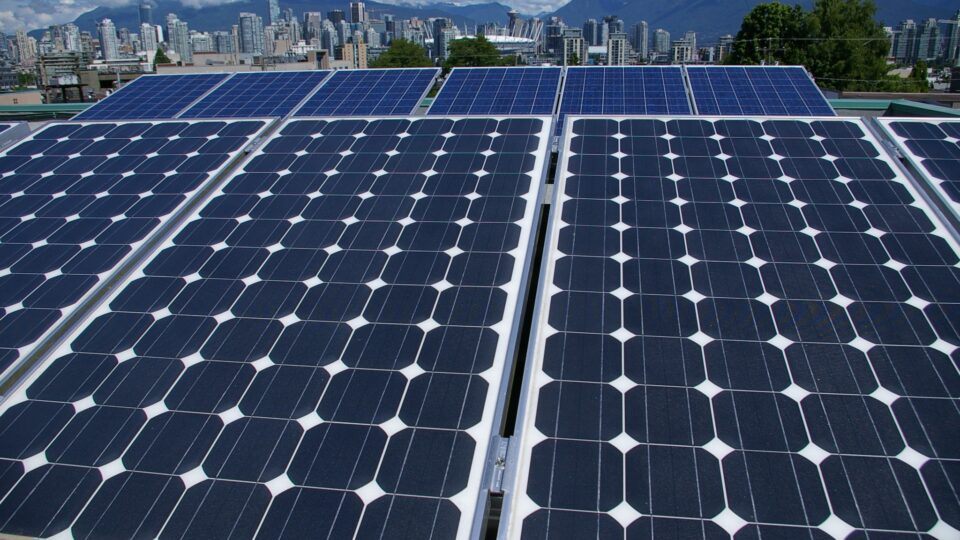
Nevertheless, the opportunities for growth in solar power continue to be substantial.  A new report from the energy research firm Wood Mackenzie looked at the prospects for using the roof space of commercial buildings for solar power.

Currently, just 3.5% of commercial buildings in the U.S. have solar panels on their roofs.  Another 1% of those buildings are attached to solar projects located off-site.  The report looked at how many buildings are potential targets for solar projects.

After accounting for buildings that are too small or that use too little electricity to make solar power a worthwhile investment, the report estimated that 70% of commercial buildings in the U.S. – amounting to some 600,000 sites – are candidates for solar installations.  Doing this would provide 145 GW of new solar capacity, which is nearly twice as much as currently exists in this country. 

Commercial solar installations have their own unique logistical and financial challenges.  While utility solar can scale to lower costs and residential solar has financing opportunities, commercial solar has neither.  But ultimately, it represents an important opportunity for our future energy system.

**********

Web Links

U.S. Commercial Rooftops Hold 145 Gigawatts of Untapped Solar Potential

Photo, posted June 25, 2014, courtesy of Rob Baxter via Flickr.

Earth Wise is a production of WAMC Northeast Public Radio.
Widespread Drought | Earth Wise

September 7, 2020 By EarthWise Leave a Comment

united states drought

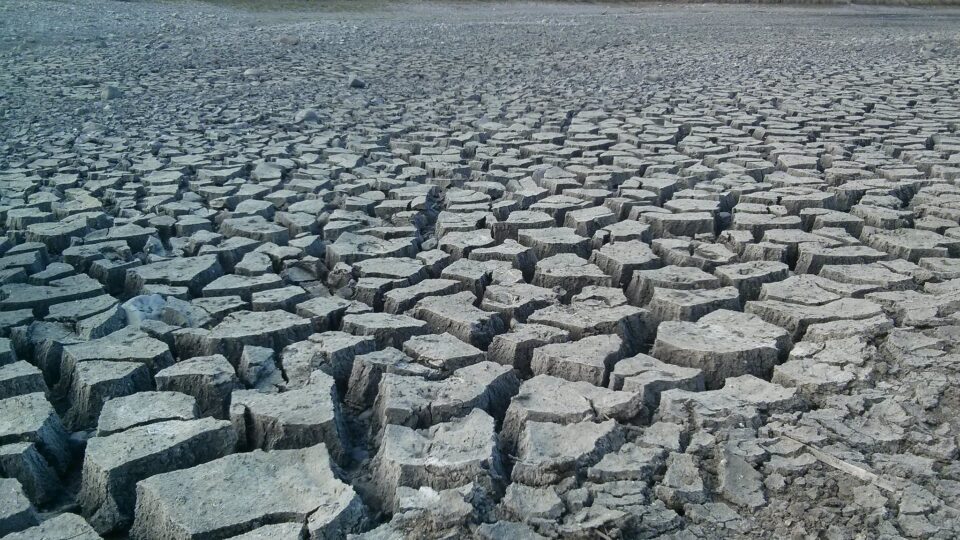
As the U.S. enters the last part of the summer, fully one-third of the country is experiencing at least a moderate level of drought.   Much of the West is reaching severe drought conditions and New England has been unusually dry and hot.  In total, over 50 million Americans are living in drought-affected areas.

According to the U.S. Drought Monitor program, more than 93% of Utah, Colorado, Nevada, and New Mexico are experiencing drought to some degree.  More than 60% of both Utah and Colorado are in severe drought.   More than three-quarters of Oregon, Arizona, and Wyoming are also in drought.  And most of these areas had no sign of drought this time last year.

Severe drought conditions result in stunted and browning crops, limited pasture yields, dust storms, reduced well water levels, and an increase in the number and severity of wildfires.

Warm air temperatures and minimal snowfall in spring set the stage for this summer’s drought conditions.  A ridge of high pressure over the northeastern Pacific Ocean pushed the jet stream farther north than usual.  And, once again, there has been a failure of the southwestern monsoon in Arizona and New Mexico and the Four Corners region.  Monsoon rains provide half of the year’s precipitation in many of those areas. 

Instead, there has been extreme heat in the region.  Phoenix has already smashed the record for the most days over 110oF in a calendar year (42 as of August 18), with five months to go.  Las Vegas hasn’t seen measurable rainfall since April, and Cedar City, Utah has recorded a record low of 0.05 inches of rain this summer.

Conditions are not expected to get better for a couple of months.

**********

Web Links

A Third of the U.S. Faces Drought

Photo, posted May 7, 2014, courtesy of Tyler Bell via Flickr.

Earth Wise is a production of WAMC Northeast Public Radio.
The Decline Of Pollinators Threatens Food Security | Earth Wise

August 24, 2020 By EarthWise Leave a Comment

Pollinator decline threatens food security

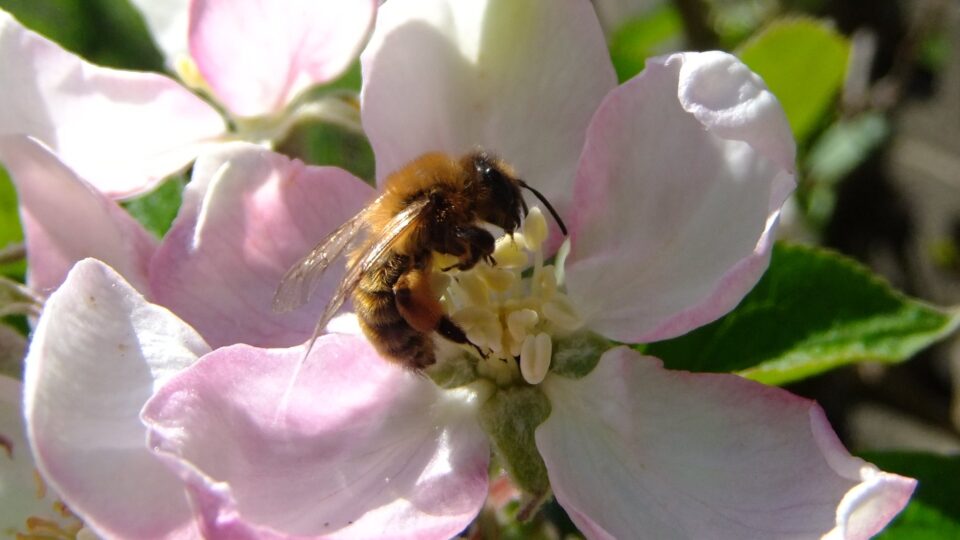
Scientists have been sounding the alarm on the global struggle of pollinators for many years.  According to a United Nations-sponsored report, 40% of invertebrate pollinator species, including bees and butterflies, are facing extinction.  Approximately 80% of all flowering plant species, which are responsible for 35% of global food production, depend on pollination. 

According to new research led by Rutgers University, crop yields for apples, blueberries, and cherries in the United States are being reduced by a lack of pollinators.  The study, the most comprehensive of its kind to date, found that crop production would be increased if crop flowers received more pollination.  In the U.S., the production of crops that depend on pollinators generates more than $50 billion a year.    

For the study, which was recently published in the journal Proceedings of the Royal Society B, researchers collected data on insect pollination of crop flowers and yield of apples, highbush blueberries, sweet cherries, tart cherries, almonds, watermelons, and pumpkins at 131 farms across the United States and British Columbia, Canada.  Four of those seven crops – apples, blueberries, sweet cherries, and tart cherries – showed evidence of being limited by pollination, meaning that their yields are lower than they would be with full pollination. 

The researchers observed that honey bees and wild bees provided similar amounts of overall pollination, so managing habitat for native bee species or stocking more honey bees would boost pollination levels and, in turn, crop production.

Bees and other pollinators play a critical role in food production, and their continued decline could have devastating consequences.

**********

Web Links

Decline of bees, other pollinators threatens US crop yields

Photo, posted April 22, 2012, courtesy of Flickr.

Earth Wise is a production of WAMC Northeast Public Radio.
Renewables Are Slowly Taking Over | Earth Wise

August 17, 2020 By EarthWise Leave a Comment

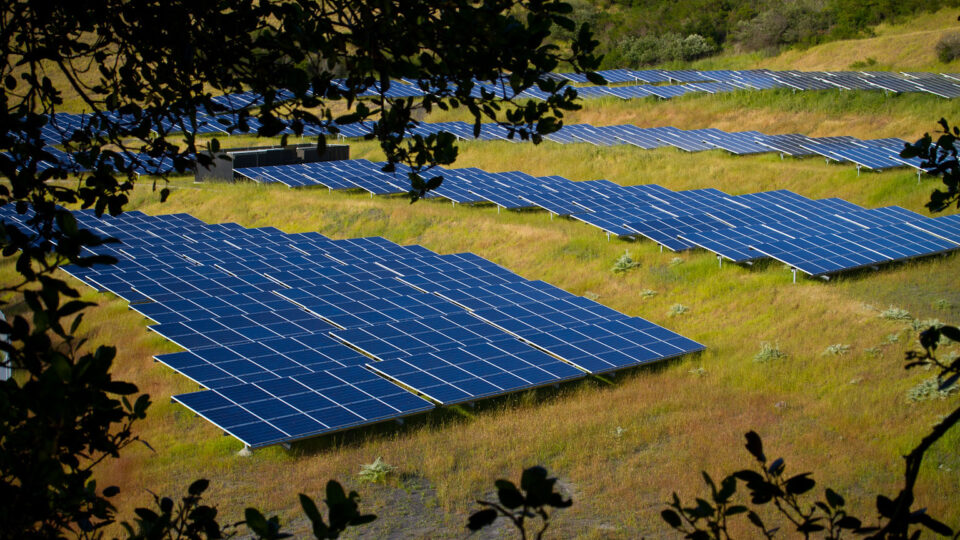
According to data released by the Federal Energy Regulatory Commission, wind, solar, and hydropower provided 100% of the 1.3 GW in new U.S. electrical generating capacity added in April 2020.  Furthermore, the FERC report revealed that renewable sources accounted for 56% of the 9 GW added during the first four months of the year.  Apart from renewables, the balance of new generation was almost entirely made up of new natural gas capacity.   There have been no new capacity additions by coal, oil, nuclear power, or geothermal energy since the beginning of the year.

Renewable energy sources now account for nearly 23% of the nation’s total available installed generating capacity and continue to increase their lead over coal, which now accounts for only 20% of the nation’s electricity generation.

FERC data also suggests that renewables’ share of generating capacity should increase significantly over the next three years.  So-called “high probability” generation capacity additions for wind, minus anticipated retirements, project a net increase of nearly 27 GW, while solar is projected to grow by 24 GW.  By comparison, net growth for natural gas is expected to be just over 20 GW. 

Hydropower, geothermal, and biomass are all expected to experience net growth while the generating capacity of coal and oil are expected to plummet.   Nuclear power is forecasted to remain essentially unchanged.

In total, over the next three years,  the mix of all renewables is predicted to add more than 50 times the net new generating capacity added by natural gas, coal, oil, and nuclear power combined.  Renewables are truly on the rise.

**********

Web Links

Renewable Energy Provides All New US Generating Capacity in April – Forecast to Add Almost 50x More Than Coal, Oil, Gas & Nuclear Over Next Three Years

Photo, posted May 24, 2011, courtesy of Michael Mees via Flickr.

Earth Wise is a production of WAMC Northeast Public Radio.

Destroying Forever Chemicals | Earth Wise

August 11, 2020 By EarthWise Leave a Comment

PFAS, short for poly and perfluoroalkyl substances, have been used in commercial products since the 1940s.  There are more than 4,000 different chemicals in the class.   Some of the most commonly used PFAS chemicals, like PFOS and PFOA, have long half-lives, which has earned them the moniker “forever chemicals.” 

These dangerous chemicals have not been manufactured in the U.S. since the early 2000s, but they can still be found in various imported goods.  PFAS chemicals have been linked to cancer, birth defects, thyroid disease, and liver damage.  These forever chemicals linger in the environment and scientists have found them in the blood of virtually all Americans.

Researchers at Rice University have recently discovered an efficient catalyst for destroying PFAS forever chemicals.  Unexpectedly, the catalyst was actually in the control group in a study they were performing.

The study, published in the journal Environmental Science and Technology Letters, found that boron nitride, acting as a light-activated catalyst, destroyed PFOA at a faster clip than any previously reported photocatalyst.

The catalyst, boron nitride powder, is a commercially available synthetic mineral that is widely used in makeup, skincare products, thermal pastes for cooling computer chips, and various other industrial products.  The discovery began with dozens of failed experiments on a variety of more promising PFAS catalysts.  But along the way, they found that the boron nitride control material repeatedly yielded positive results.

The research has already attracted the attention of industrial partners seeking to develop off-grid water treatment systems that both protect human lives and support sustainable economic development.

**********

Web Links

Boron nitride destroys PFAS ‘forever’ chemicals PFOA, GenX

Photo, posted April 9, 2009, courtesy of Rex Roof via Flickr.

Earth Wise is a production of WAMC Northeast Public Radio.
Expensive And Dangerous Storms | Earth Wise

August 7, 2020 By EarthWise Leave a Comment

billion-dollar united states weather disasters becoming common

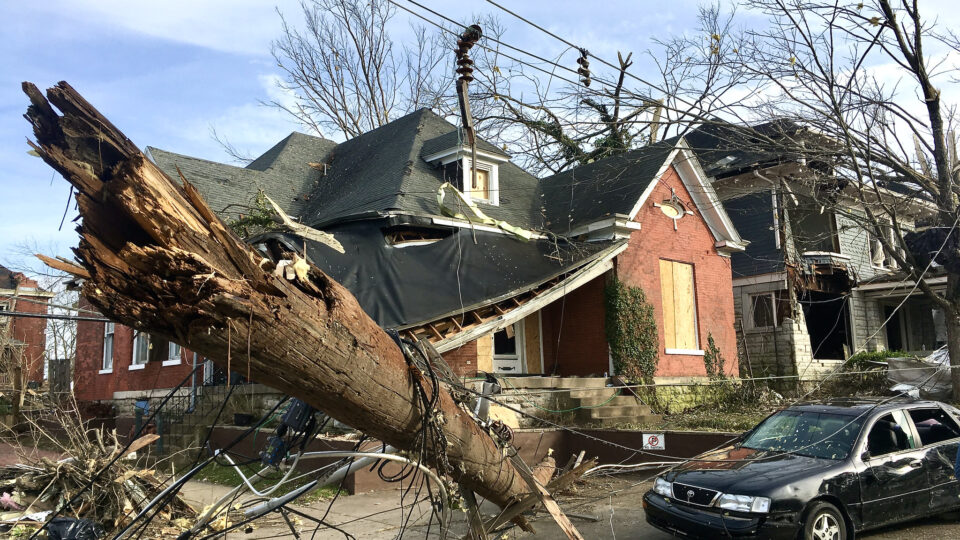
Severe storms are getting more and more common.  Early in July, the United States experienced its 10th billion-dollar weather disaster of the year – the earliest this has happened.  It also marks 2020 as the sixth consecutive year with at least 10 such extreme weather events, which is also a record.  With the country struggling with the effects of a global pandemic, extreme weather is pretty much the last thing we need.

This year’s 10 storms have primarily consisted of tornadoes, damaging winds, and hail.  Seven out of the 10 storms were in the South or Southeast.  An Easter Sunday outbreak in that region saw 190 tornadoes and 36 people were killed that day.

Since 1980, the US has averaged nearly 7 billion-dollar weather disasters per year.  But the last five years have seen nearly 14 severe storms on average.  The way things are going this year, there will probably be more than that number.

This year’s growing total does not include the looming hurricane season, which is widely predicted to be more active than usual.  Because so many places in the South are still recovering from earlier disasters, they are particularly vulnerable to the effects of an active hurricane season.

Meanwhile, much of the country is suffering from drought conditions, making wildfires a major concern.  Recent years have seen deadly and destructive wildfires in many places, notably in California two years ago.  Between hurricanes and wildfires, the prospects are alarming for what could turn out to be a disastrous year for expensive and dangerous severe weather.

**********

Web Links

US hits 10th billion-dollar weather disaster of the year — at a record pace

Photo, posted March 3, 2020, courtesy of Flickr.

Earth Wise is a production of WAMC Northeast Public Radio.
The Menace Of Abandoned Oil Wells | Earth Wise

August 3, 2020 By EarthWise Leave a Comment

Abandoned oil wells are leaking methane

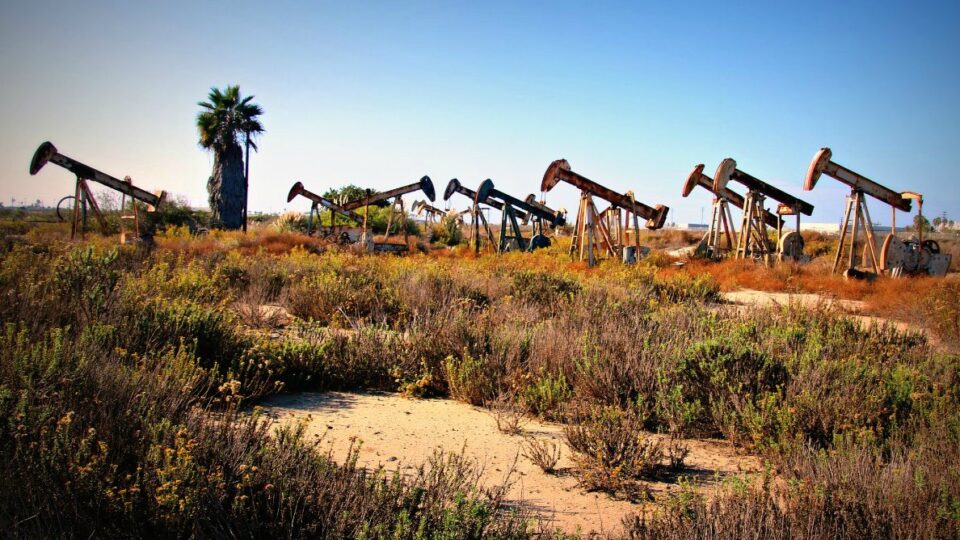
More than a century of oil and gas drilling has left behind millions of abandoned wells and many of them are leaching pollutants into the air and water.  Drilling companies continue to abandon even more wells as demand for oil diminishes and bankruptcies become more common.

Leaks from abandoned wells have long been known to be an environmental problem and a health hazard.  They have been linked to many instances of groundwater contamination and to dangerous fumes near homes and farms.

There have recently been efforts to track the amounts of methane leaching from abandoned oil and gas wells, and the figures in United States are alarming.  According to the most recent EPA report, more than 3.2 million abandoned oil and gas wells emitted a total of 281,000 tons of methane in 2018.  That is the climate-damage equivalent of consuming about 16 million barrels of crude oil, which is as much as the U.S. uses in a typical day.  According to the EPA, the actual amount could be as much as three times higher, because of incomplete data.   The agency believes that most of the methane comes from more than 2 million abandoned wells that were never properly plugged.

New York’s Department of Environmental Conservation has records of over 2,000 abandoned wells, but the state believes the actual number could be much higher.  This is a problem that won’t just go away.  Wells don’t leak for a year and then stop.  They can continue to leak for a century or more.  Cleaning up and plugging an abandoned well runs from $20,000 to $145,000, meaning that countrywide, cleaning up this environmental menace could cost somewhere between $60 billion and $435 billion.

**********

Web Links

Special Report: Millions of abandoned oil wells are leaking methane, a climate menace

Photo, posted October 13, 2015, courtesy of Flickr.

Earth Wise is a production of WAMC Northeast Public Radio.
New Jersey And Offshore Wind | Earth Wise

July 28, 2020 By EarthWise Leave a Comment

New Jersey commits to offshore wind

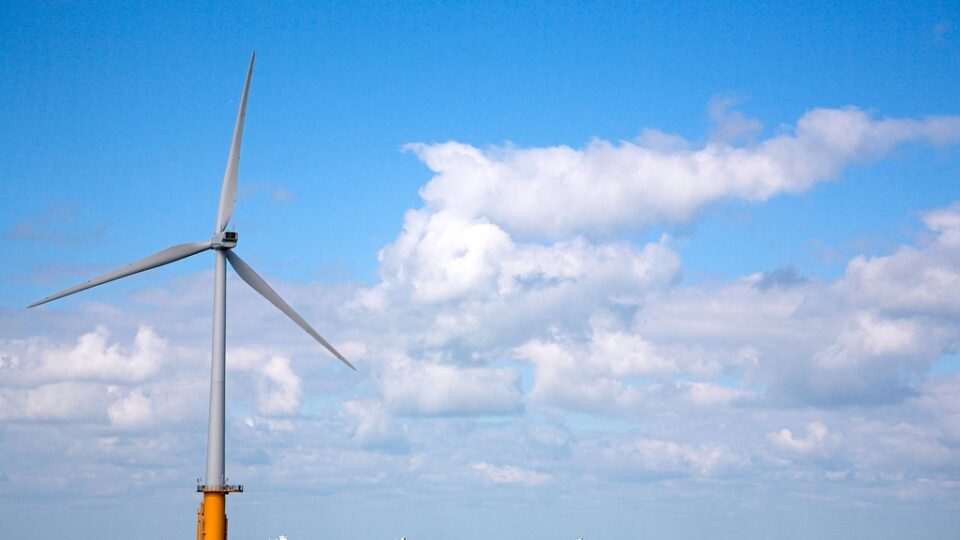
New Jersey intends to become a major hub for offshore wind in the United States.  The state recently announced a plan to build a 30-acre port along the Delaware River for assembling and deploying wind turbines, as well as an additional 25 acres for manufacturing facilities.   The new port is expected to cost as much as $400 million and create 1,500 jobs in southern New Jersey.

The port will be located on an artificial island that was built by the U.S. Army Corps of Engineers early in the 20th century.  The island is already home to three nuclear reactors.  No bridges exist between the island and the Atlantic Ocean, so turbines that are built at the staging facility could be hoisted upright and towed out to sea without obstruction.  Some components are as tall as 500 feet and when fully constructed on the ocean, the turbines selected for New Jersey’s first offshore wind project will be more than 850 feet tall.

A second phase of the program would add over 150 acres to accommodate extensive manufacturing facilities for turbine components like blades and nacelles.

Construction on the port is expected to start next year.  New Jersey has pledged to produce 7,500 megawatts of offshore wind energy by 2035 and to generate 100% of its electricity from renewables by 2050.  Apart from deploying offshore wind, New Jersey wants to have a significant piece of the supply chain for what is likely to be a growing industry along the northeast coast.  The state views offshore wind as a once-in-a-generation opportunity to not only protect the environment but also greatly expand its economy in a way that has immediate impacts and long-term growth.

**********

Web Links

New Jersey Announces $400 Million Offshore Wind Port

Photo, posted September 18, 2010, courtesy of Vattenfall Nederland via Flickr.

Earth Wise is a production of WAMC Northeast Public Radio.

The United States And Ticks | Earth Wise

July 21, 2020 By EarthWise Leave a Comment

United States tick data is lagging

Tiny ticks are a big problem.  Measuring only three to five millimeters in size, ticks are widely distributed around the world.  They are external parasites, feasting on the blood of birds, reptiles, amphibians, and mammals – including humans.

According to estimates from the Centers for Disease Control and Prevention, ticks infect more than 300,000 people with Lyme disease in the United States every year, and the numbers continue to rise.  Other common tick-borne diseases include anaplasmosis, babesiosis, Rocky Mountain Spotted Fever, and powassan encephalitis.

But while the prevalence of tick-borne illnesses has steadily increased in the United States over the past two decades, a new study on tick surveillance and control “has revealed an inconsistent and often under-supported patchwork of programs across the country.”

The study, by university researchers at the CDC’s five Vector-Borne Disease Regional Centers of Excellence, is the first-ever examination of tick management programs in the United States.  The researchers found clear gaps in our public health infrastructure. 

According to the study, which was recently published in the Journal of Medical Entomology, less than 50% of public health and vector-control agencies conduct tick surveillance.  Only 25% test ticks for disease-causing germs.  And only 12% conduct or support tick-control efforts.  Researchers also discovered that the capacity for public tick-control efforts is low, as is the capacity for information and data sharing between agencies on ticks.    

The findings highlight the degree to which tick surveillance and control is lagging in the United States.  According to the research team, greater support for tick-management programs is critical, and they hope their findings will serve as a baseline from which to measure future improvements.  

**********

Web Links

Tick surveillance and control lagging in US

Photo, posted May 4, 2009, courtesy of Jerry Kirkhart via Flickr.

Earth Wise is a production of WAMC Northeast Public Radio.

Preserving Produce With Eggs | Earth Wise

July 17, 2020 By EarthWise Leave a Comment

Using eggs to preserve produce

Researchers at Brown University have developed an inexpensive coating to protect fruits and vegetables that is made from eggs that would otherwise be wasted.  The micron-thick coating solves problems for the produce and its consumers as well as for the environment.

The coating relies on eggs that never reach the market.  The U.S. produces more than 7 billion eggs a year.  The supply chain rejects about 3% of them, typically because of shell damage, which means that more than 200 million eggs end up in landfills.

The coating is mostly made from egg, the rest consisting of nanoscale cellulose extracted from wood, a tiny amount of curcumin (the main active ingredient in turmeric that has antimicrobial properties), and a bit of glycerol for added elasticity.  The coating is applied to produce by spraying or dipping.  It shows a remarkable ability to resist rotting for an extended period comparable to standard coatings like wax, but without their shortcomings.

Along with being edible, the coating retards dehydration, provides antimicrobial protection, and is largely impermeable to both water vapor to prevent dehydration and to gas to prevent premature ripening.  The coating is entirely natural, and it washes off with water.  So, anyone sensitive to the coating, such as someone with an egg allergy, can easily eliminate it.

Lab tests of the coating studied its effects on strawberries, avocados, bananas and other fruits.  All were seen to maintain their freshness far longer than uncoated produce.

The researchers are continuing to refine the coating.  They are also considering other source materials.  They chose egg proteins because there are so many wasted eggs, but it may be possible to make use of plant proteins instead to address the needs of vegan consumers.

**********

Web Links

Egg-based coating preserves fresh produce

Photo, posted July 13, 2012, courtesy of Liz West via Flickr.

Earth Wise is a production of WAMC Northeast Public Radio.
Dust From The Sahara | Earth Wise

July 9, 2020 By EarthWise Leave a Comment

hazardous air quality

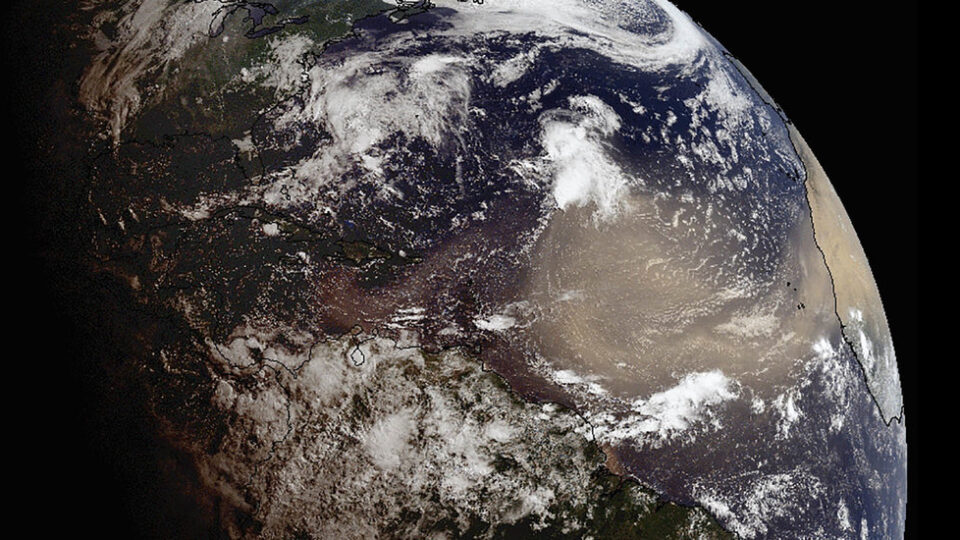
A vast cloud of dust from the Sahara Desert blanketed the Caribbean in late June before drifting across the southeastern U.S.  The phenomenon is nothing new; only the magnitude of the occurrence this time around was unusual.  According to experts, this is the most significant Sahara dust event in 50 years.

The Sahara Desert is the major source on Earth of mineral dust, with some 60-200 million tons of it per year being lifted into the atmosphere.  Convection currents over hot desert areas lift the dust to very high altitudes.  From there, it can be transported worldwide by winds.   The dust, combined with the extremely hot, dry air of the Sahara Desert often forms an atmospheric layer called the Saharan Air Layer, which can have significant effects on tropical weather by interfering with the development of hurricanes.  The Saharan Air Layer typically moves across the North Atlantic every three to five days from late spring to early fall, peaking in the middle of the summer.  It can occupy a layer as much as two miles thick in the atmosphere.

The dust plume this summer was highly visible from space, covering thousands of miles of the Atlantic Ocean and the Caribbean Sea.

A common effect of Sahara dust is that normally blue skies can acquire a milky haze, but beyond that can lead to spectacular sunsets.  But apart from the visual spectacle, the dust can aggravate the conditions of people with asthma, respiratory illnesses, and allergies. On the positive side, as long as the dust is around, it is much less likely that tropical storms and hurricanes will form.

**********

Web Links

Sahara dust blankets Caribbean, air quality hazardous

Photo, posted June 22, 2020, courtesy of Sagar Rana via Flickr.

Earth Wise is a production of WAMC Northeast Public Radio.
Renewables Surpass Coal | Earth Wise

July 3, 2020 By EarthWise Leave a Comment

Renewable energy surpasses coal

In 2019, energy consumption in the U.S. from renewable sources exceeded consumption from coal for the first time since before 1885.  This has come about from a combination of the continued decline in the amount of coal used for electricity generation as well as the continued growth in renewable energy, mostly from wind and solar.

Until the mid-1800s, burning wood was the main source of energy in the U.S. and, in fact, it was the only commercial-scale renewable energy source until the first hydroelectric plants came online in the 1880s.  Coal was used as fuel for steamboats and trains and making steel but only started to be used to generate electricity in the 1880s.

In 2019, U.S. coal consumption decreased for the sixth consecutive year and fell to its lowest level in 42 years.  Natural gas has displaced much of the energy generation from retired coal plants.

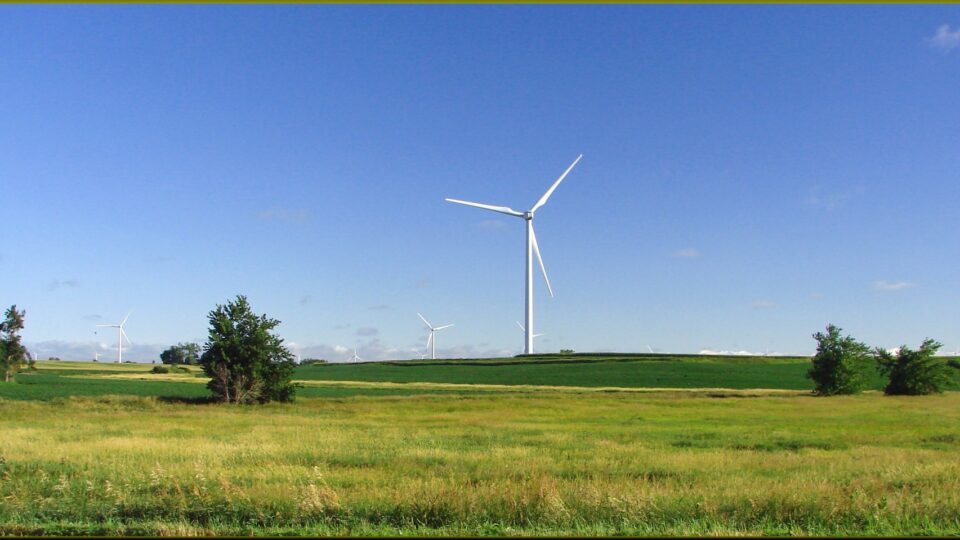
At the same time, renewable energy consumption in the U.S. grew for the fourth year in a row to a record high level, almost entirely as a result of the growing use of wind and solar power.  In 2019, wind power surpassed hydroelectric power for the first time and is now the most-used source of renewable energy for electricity generation in the U.S.

Coal was once commonly used in the industrial, transportation, residential, and commercial sectors.  Today, in the U.S., it is mostly used to generate electricity, and that use is rapidly declining.

Electricity consumption for 2020 is likely to be anomalous in many ways as a result of the Covid-19 pandemic shutdowns.  From all indications, however, the role of renewable energy will only have been increased during the shutdown period.

**********

Web Links

U.S. renewable energy consumption surpasses coal for the first time in over 130 years

Photo, posted July 26, 2013, courtesy of Don Graham via Flickr.

Earth Wise is a production of WAMC Northeast Public Radio.

Powering Amazon By The Sun | Earth Wise

June 29, 2020 By EarthWise Leave a Comment

Amazon and solar power

Amazon.com is a multinational conglomerate company that sells nearly $300 billion dollars a year worth of products, employs over 800,000 people, and by any measure, consumes a tremendous amount of resources.  In terms of its environmental impact, Amazon is estimated to be responsible for the emission of 50 million tons of CO2 annually, which is more than the yearly total for countries like Switzerland, Ireland, New Zealand, Denmark, and about 140 other countries.

Amazon is trying to reduce its environmental impact.  The company recently announced five new renewable energy projects in China, Australia and the U.S. as part of its commitment to reach 80% renewable energy by 2024, 100% renewable energy by 2030, and to reach net zero carbon by 2040.

The projects include a 100 MW solar project in Shandong, China, a 105 MW solar project in New South Wales, Australia, two solar projects in Ohio (one 200 MW and one 80 MW), and a 130 MW solar project in Virginia.

To date, Amazon has announced 31 utility-scale wind and solar renewable energy projects as well as 60 solar rooftops on fulfillment centers and sort centers around the world.  Taken together, these projects provide almost 3 GW of capacity and will deliver more than 7.6 million MWh of renewable energy annually.

In order for the world to meet the climate goals set by the Paris Agreement, it will take more than just countries to make and keep commitments.   Whatever else one may think about Amazon’s place in the world, their latest efforts for the environment are a big step in the right direction.

**********

Web Links

Amazon announces five new utility-scale solar projects to power operations in China, Australia, and the US

Photo, posted November 16, 2018, courtesy of Todd Van Hoosear via Flickr.

Earth Wise is a production of WAMC Northeast Public Radio.

  • « Go to Previous Page
  • Page 1
  • Interim pages omitted …
  • Page 36
  • Page 37
  • Page 38
  • Page 39
  • Page 40
  • Interim pages omitted …
  • Page 49
  • Go to Next Page »

Primary Sidebar

Recent Episodes

  • An uninsurable future
  • Clean energy and jobs
  • Insect declines in remote regions
  • Fossil fuel producing nations ignoring climate goals
  • Trouble for clownfishes

WAMC Northeast Public Radio

WAMC/Northeast Public Radio is a regional public radio network serving parts of seven northeastern states (more...)

Copyright © 2026 ·