temperature
Farming In Solar Farms
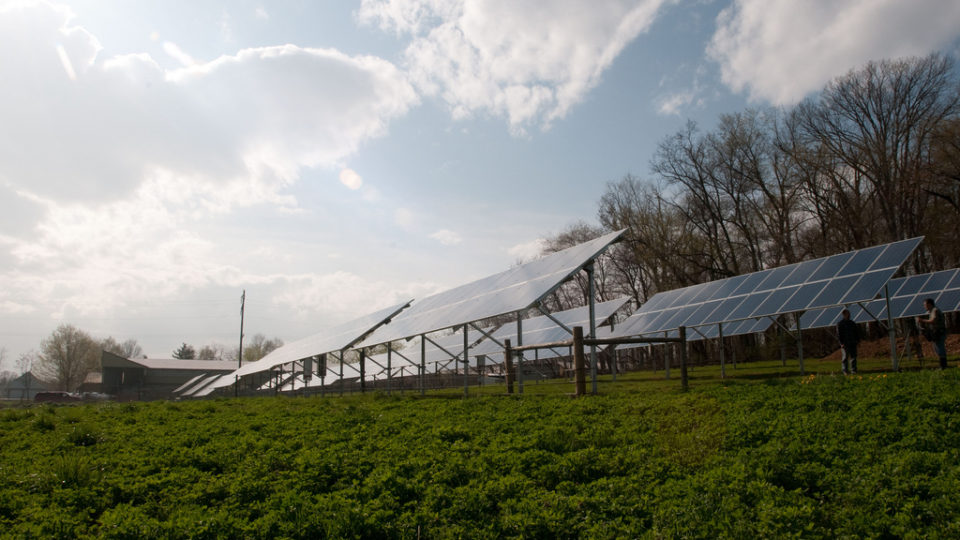
Utility-scale solar installations have been expanding rapidly. The amount of land used for solar projects is becoming quite substantial. The National Renewable Energy Laboratory (NREL) predicts that 3 million acres will be devoted to solar farms by 2030, and 6 million by 2050. These numbers pale in comparison with the land used for corn, soybeans, and wheat, but are more than used for such familiar crops as oats, barley and rice.
2017 Was Hot

There’s no argument to be made about whether 2017 was hot or not. The only uncertainty is whether it was the second or third warmest year ever recorded.
Endangered Chocolate

There are many scary stories floating about with regard to dire potential consequences of climate change, but one that should really strike fear into many of our hearts is the prediction from scientists at the National Oceanic and Atmospheric Administration that cacao plants are likely to go extinct as early as 2050 as a result of the changing climate.
Natural Climate Solutions
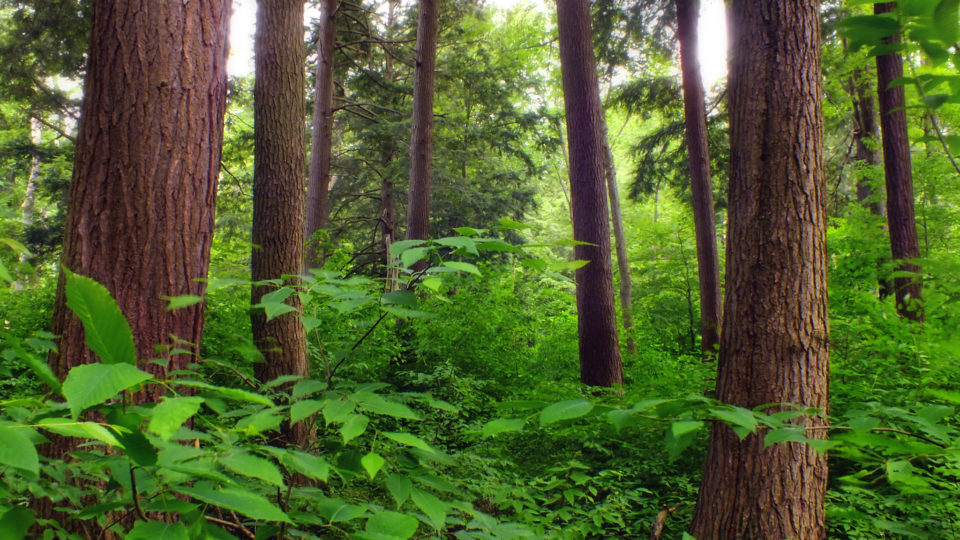
The Paris Climate Agreement embodies a commitment to hold the increase in the global average temperature to less than 2 Celsius degrees above preindustrial levels. Most strategies to achieve this goal involve reductions in greenhouse gas emissions from human activities such as burning fossil fuels as well as various land use activities. But there are also so-called Natural Climate Solutions, which relate to the storage of carbon and reduction in carbon emissions across global forests, wetlands, grasslands, and agricultural lands.
Disappearing Kelp Forests
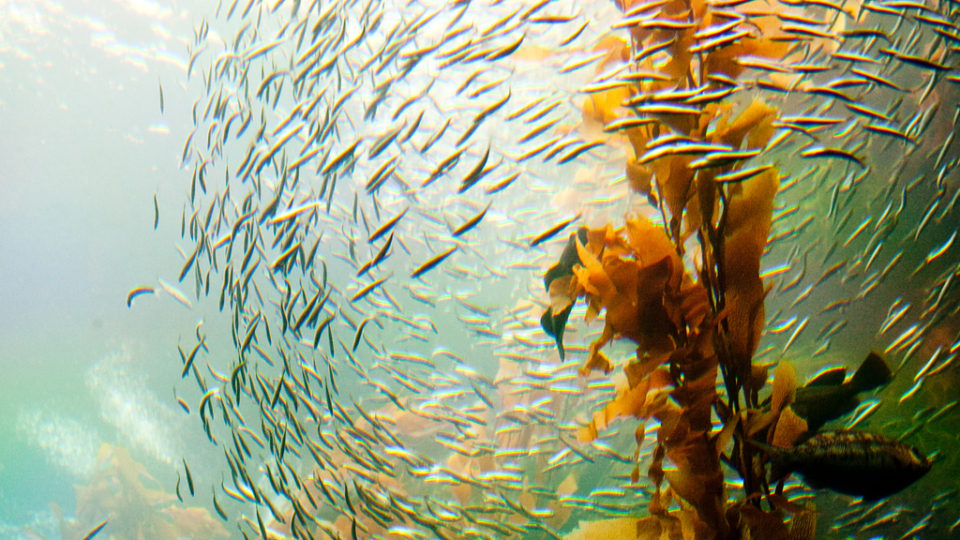
In recent decades, ocean temperatures in many places have warmed by nearly 3 degrees Fahrenheit. An effect of this warmer water is the decimation of what were once luxuriant giant kelp forests in eastern Australia and Tasmania. There used to be thick canopies covering much of the region’s coastal sea surface, but they have wilted in the intolerably warm and nutrient-poor water.
Learning From Fire
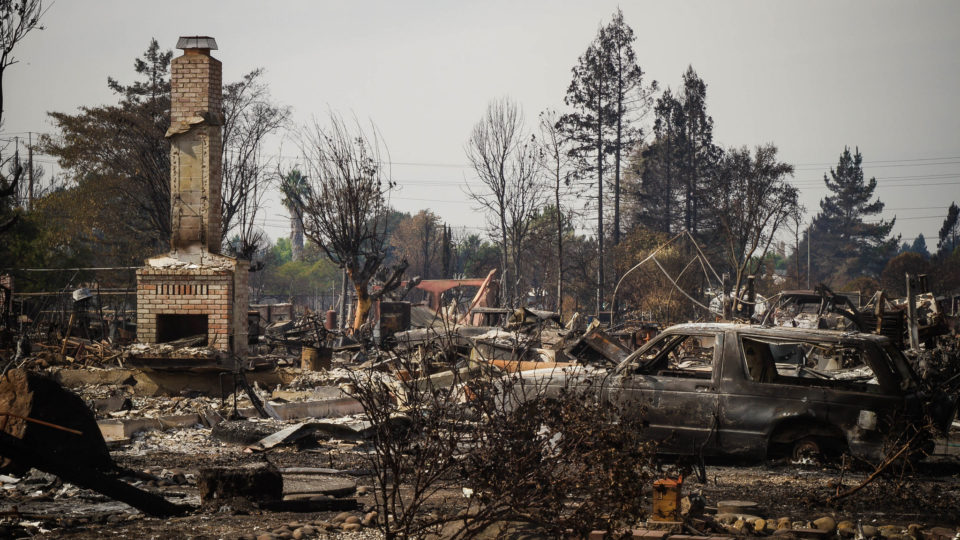
The Tubbs Fire was the huge wildfire that burned parts of Napa, Sonoma and Lake counties in Northern California in October. Between that fire and several smaller ones going on at the same time, at least 43 people died and over 8,400 homes and buildings were destroyed. The Tubbs Fire alone burned over 36,000 acres. The even larger December wildfires in Southern California scorched hundreds of thousands of acres in multiple counties.
Fuel From Greenhouse Gases
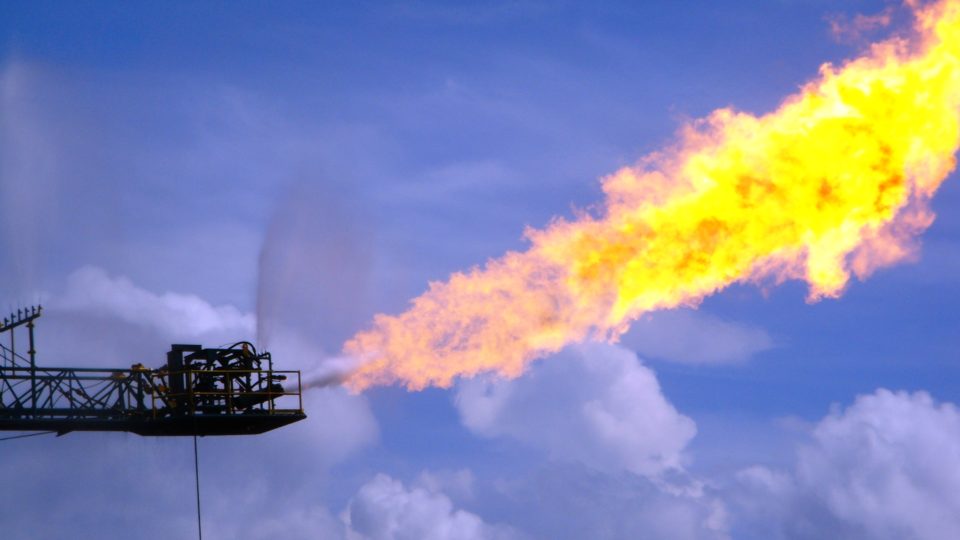
Carbon dioxide and methane are the two greenhouse gases that are having the greatest impact on the global climate. There are basically three ways to prevent them from getting into the atmosphere: don’t emit them, trap them and store them away, or turn them into something useful.
An Ancient Way To Store Energy

Firebricks, which are bricks designed to withstand high heat, have been around for more than 3000 years. The Hittites used them to line iron-smelting kilns. They are simply bricks made from clays that can withstand much higher temperatures than ordinary bricks.
The Effects Of One Degree
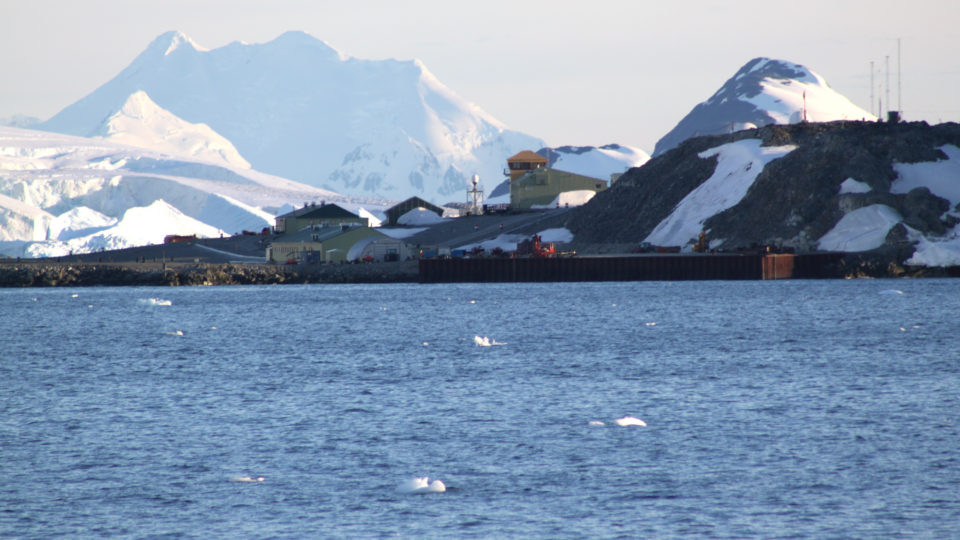
In discussions of global warming, we often hear about the effects of a 2-degree rise in temperature or a 1-degree rise in temperature. For most of us, such changes seem pretty insignificant. Of course, in our daily lives, a one-degree temperature change is not particularly noticeable. But in the context of climate change, we are talking about a change in average temperature over time, not the temperature on a particular day or at a particular time.
The Perils Of Air Conditioning

The battle to reduce greenhouse gas emissions is heavily focused on replacing fossil fuel power plants with renewable energy and replacing internal combustion engine autos with electric cars. But there is another elephant in the room: air conditioners.
Genetic Engineering And Conservation

Genetic engineering, or equivalently synthetic biology, is a multi-billion-dollar enterprise involved in pharmaceuticals, chemicals, biofuels and, of course, agriculture. In these fields, it is already the source of a great deal of controversy. But there is increasing interest in using synthetic biology (or synbio) technology as a tool for protecting the natural world, which is a prospect some find tantalizing and others find absolutely terrifying.
Invasion Of The Sea Pickles
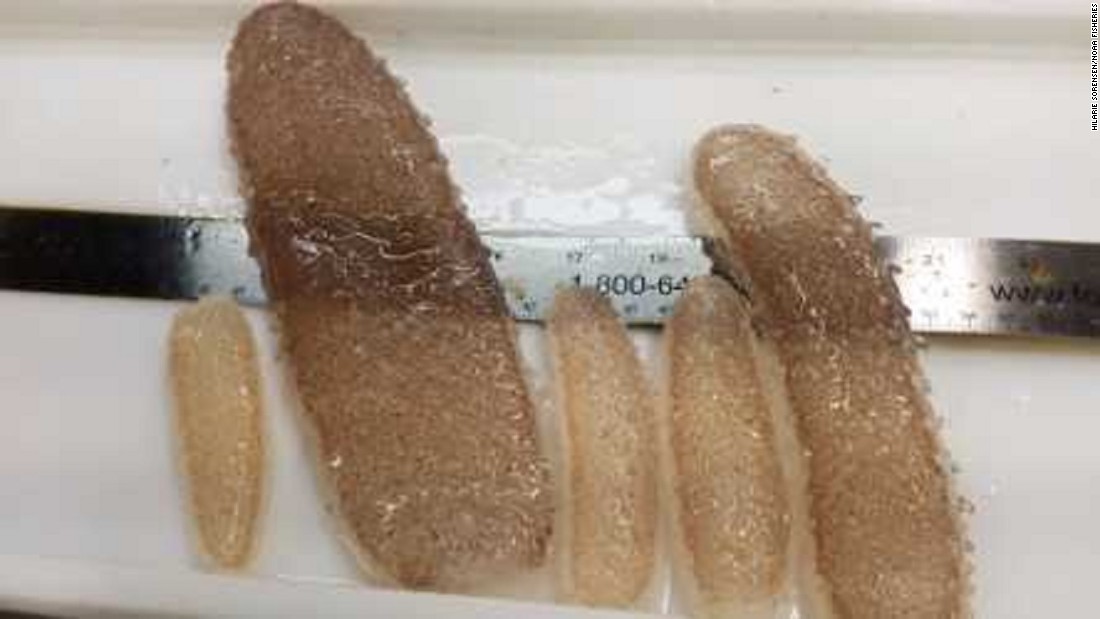
Sea pickles are translucent, tubular creatures that are usually found in tropical ocean waters. Also known as pyrosomes, they are actually made up of many small multicellular organisms that are linked together in a tunic to form a tubelike colony that is closed on one end.
Tipping Points
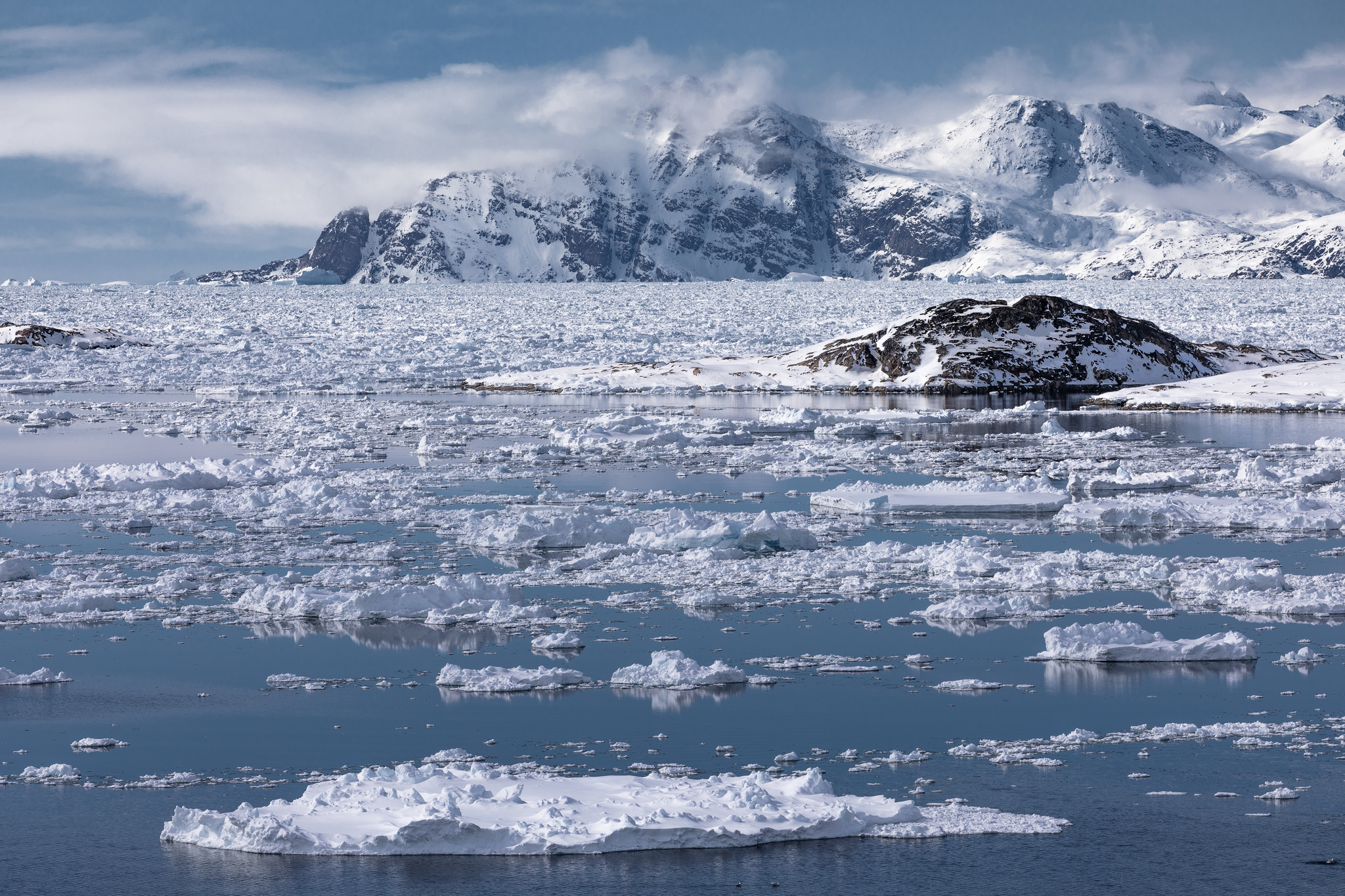
A tipping point is a point in time when a small thing can make a big change happen. The term was popularized in sociology in recent decades, but really comes from physics where is refers to adding a small amount of weight to a balanced object causing it to topple over.
Mapping Risk
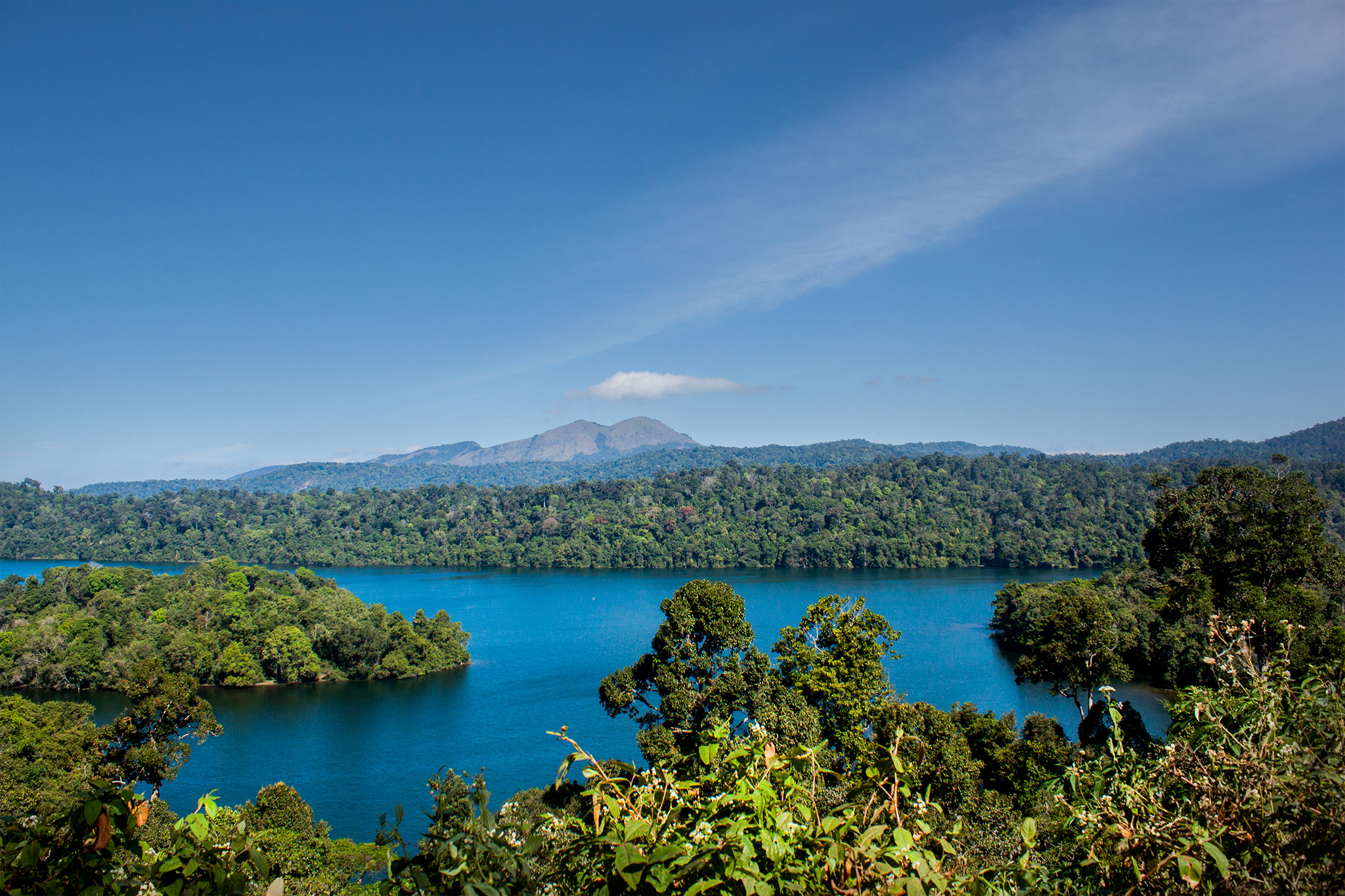
The International Union for Conservation of Nature (IUCN) is the global authority for determining species’ vulnerability in the face of threats such as habitat loss and climate change. How widely a species can be found – its geographic range – is a key indicator used by the IUCN to assign an appropriate conservation status.
Ocean Oxygen Levels
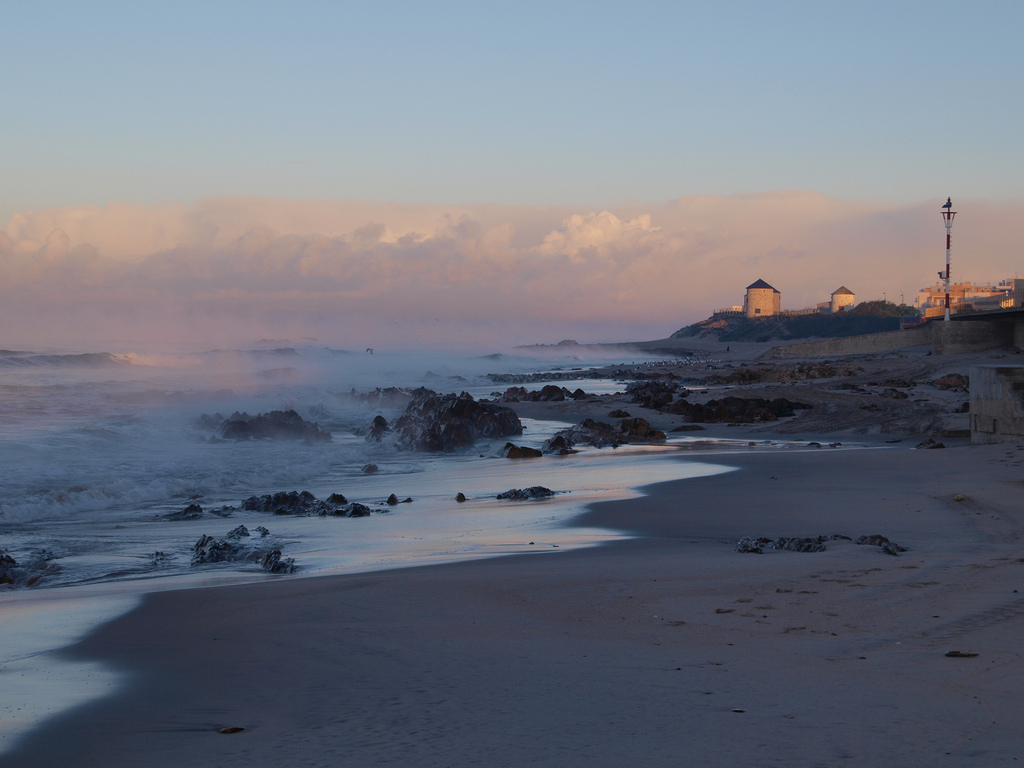
When we think of global climate change, what comes to mind? Rising seas? Melting glaciers? Shrinking sea ice? How about diminishing ocean oxygen levels?
A Better Way To Farm Algae
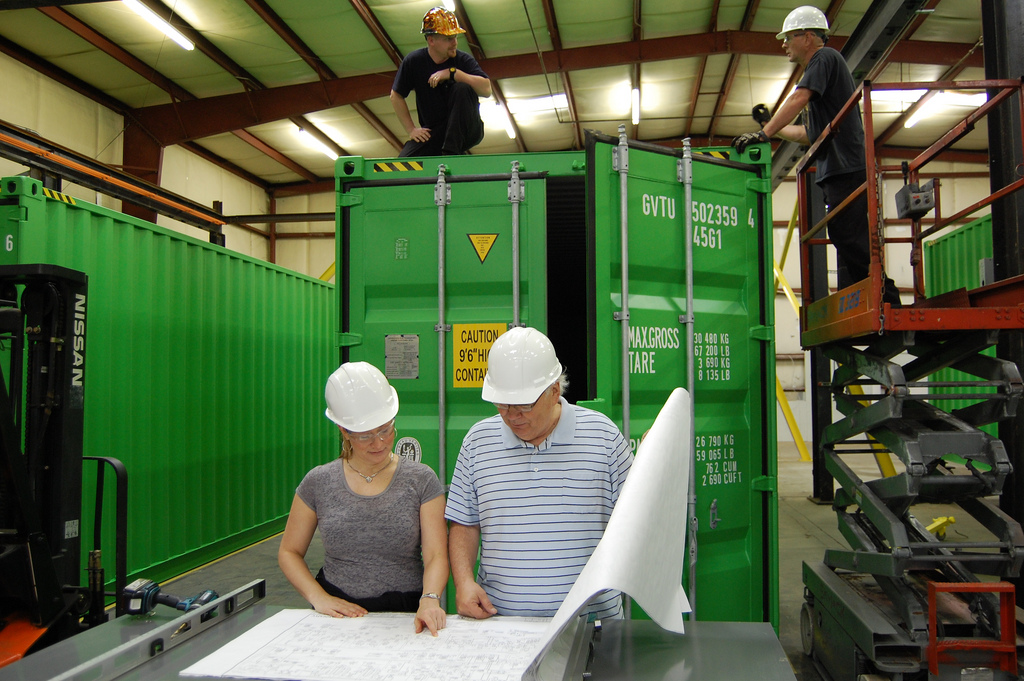
Microalgae biofuels may provide a viable alternative to fossil fuels. Algae efficiently use CO2 and can produce biomass very quickly. Some species can double their mass in as little as 6 hours. Such single-celled organisms are amenable to high-throughput techniques to evolve new strains, unlike terrestrial biomass sources like corn which can take years to modify.
Last Year Was Hot
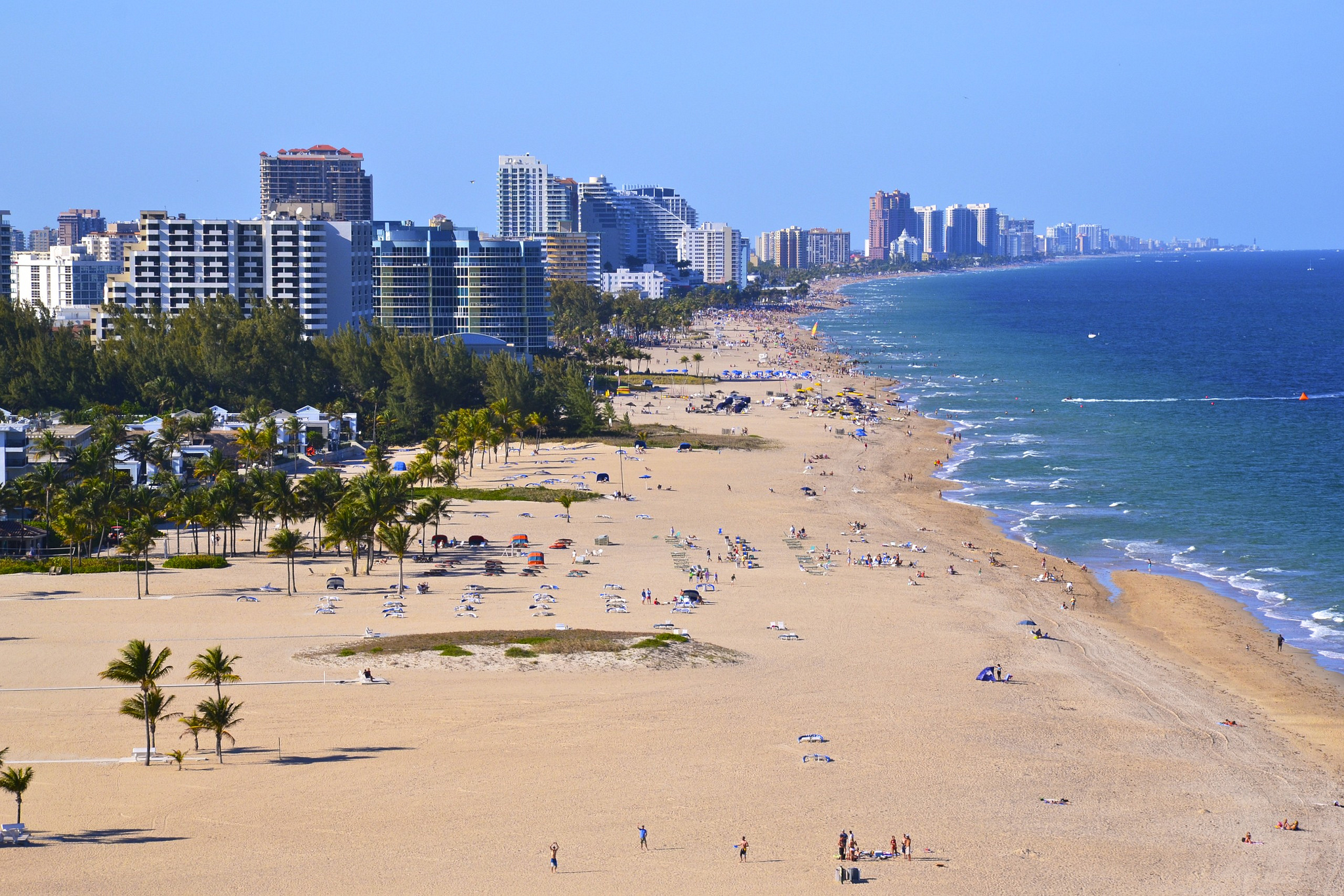
Last year was not the hottest year on record in the United States; it was only the second hottest. 2012 was the hottest because of some searing heat waves that summer. However, 2016 marked 20 above-average temperature years in a row. The five hottest years recorded have all happened since 1998. Every state had a temperature ranking at least in the top seven and both Georgia and Alaska had their hottest years ever. While it was only the second hottest year on record in the U.S., last year was the hottest year for the entire world.
Climate Change And Heat Waves
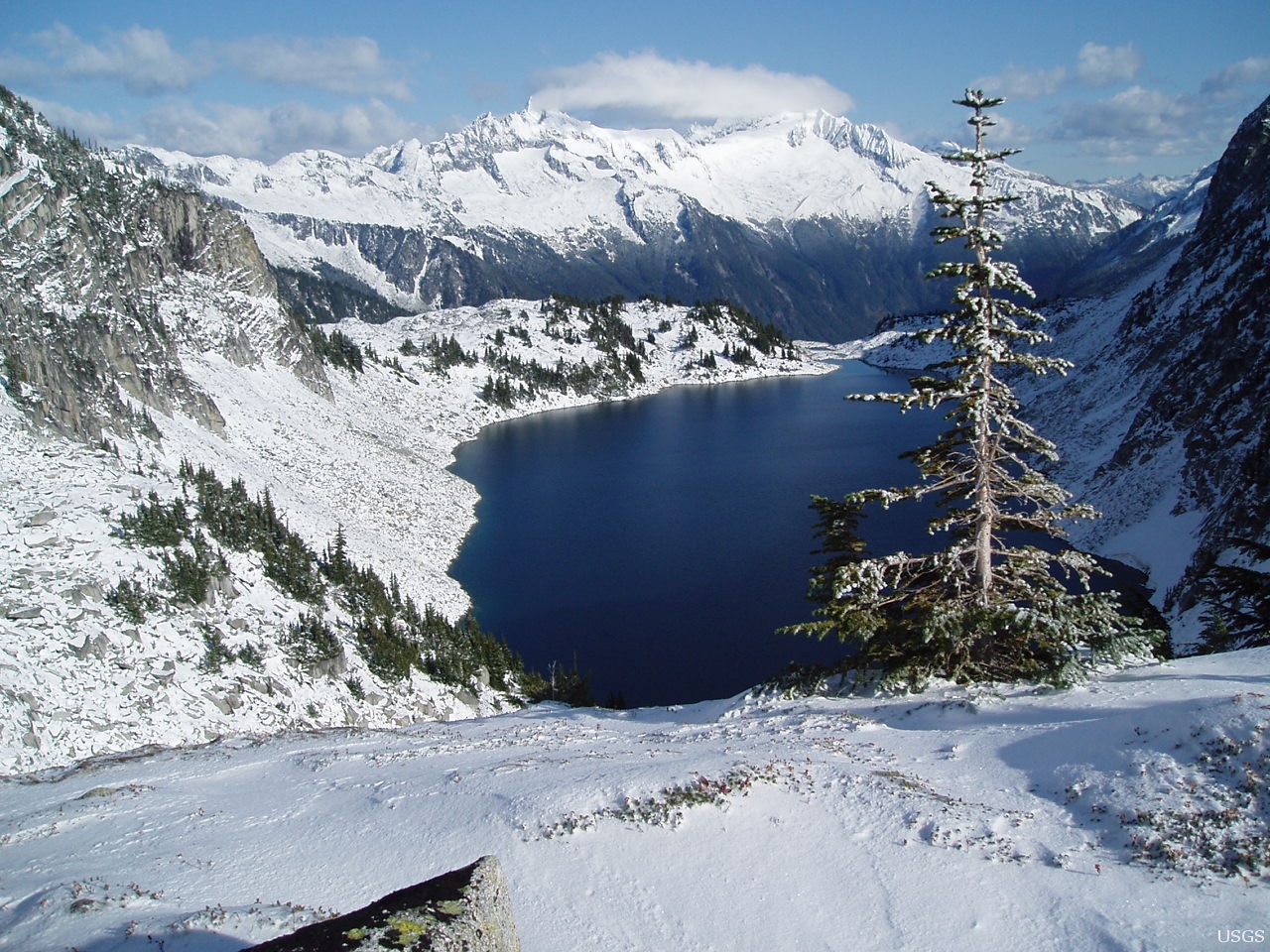
2016 was the hottest year on record and saw many extreme weather events. How much of what happened resulted from climate change has yet to be assessed. However, the analysis of 2015 – which was the hottest year on record up until last year – has been presented in a special publication by the American Meteorological Society.