• Skip to primary navigation
  • Skip to main content
  • Skip to primary sidebar

Earth Wise

A look at our changing environment.

  • Home
  • About Earth Wise
  • Where to Listen
  • All Articles
  • Show Search
Hide Search
You are here: Home / Archives for soil

soil

Forests And Climate Change | Earth Wise

June 17, 2021 By EarthWise Leave a Comment

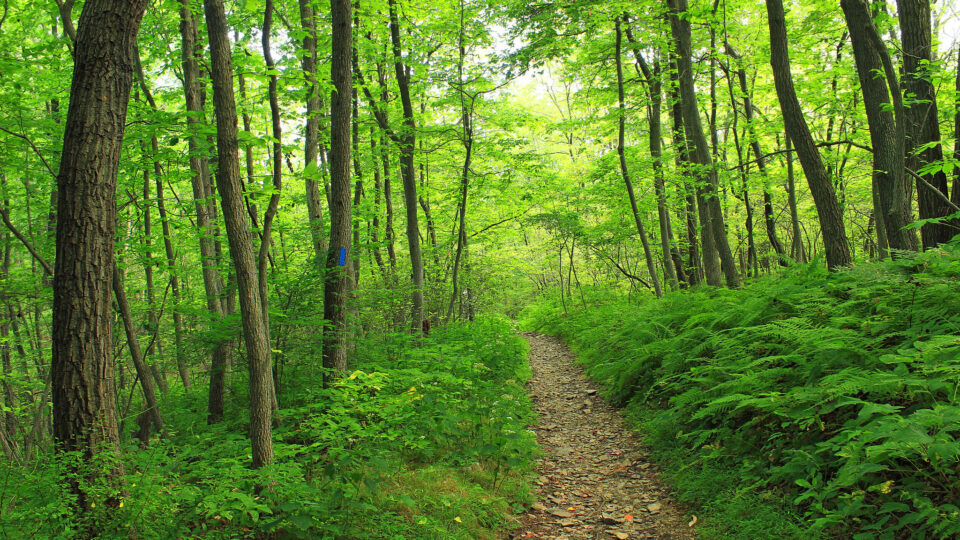
Planting new trees is not enough to mitigate climate change

A carbon sink is anything that absorbs more carbon from the atmosphere than it releases.  Examples of carbon sinks include the ocean, soil, and plants.  In contrast, a carbon source is anything that releases more carbon into the atmosphere than it absorbs.  Volcanic eruptions and burning fossil fuels are two examples.

Forests are among the most important carbon sinks.  Trees remove carbon from the air and store it in their trunks, branches, and leaves, and transfer some of it into the soil.  But in many regions, deforestation, forest degradation, and the impacts of climate change are weakening these carbon sinks. As a result, some climate activists advocate for large-scale tree-planting campaigns as a way to remove heat-trapping CO2 from the atmosphere and help mitigate climate change. 

But according to a new study recently published in the journal Science, planting new trees as a substitute for the direct reduction of greenhouse gas emissions could be a pipe dream.  While planting trees is easy, inexpensive, and can help slow climate warming, the ongoing warming would be simultaneously causing the loss of other trees.  Instead, the research team says it makes more sense to focus on keeping existing forests healthy so they can continue to act as carbon sinks, and to reduce emissions as much as possible and as quickly as possible.        

But keeping forests healthy will require a paradigm shift in forest management.  Instead of trying to maintain forests as they were in the 20th century, the research team says forests need to be managed proactively for the changes that can be anticipated. 

One thing is clear: We cannot plant our way out of the climate crisis.

**********

Web Links

Forests and climate change: ‘We can’t plant our way out of the climate crisis’

Photo, posted August 9, 2015, courtesy of Nicholas A. Tonelli via Flickr.

Earth Wise is a production of WAMC Northeast Public Radio.
A Dangerous Fire Season | Earth Wise

June 9, 2021 By EarthWise Leave a Comment

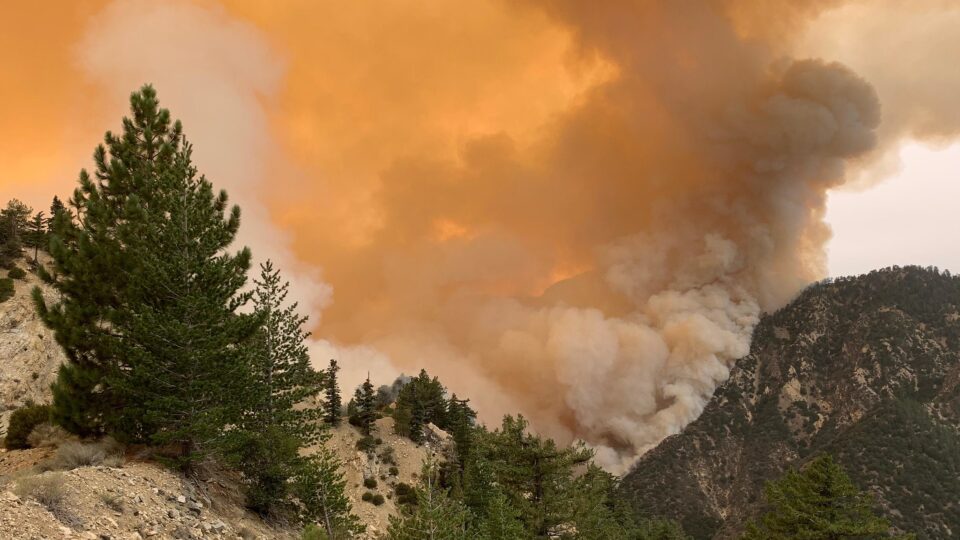
Drought conditions expected to cause worse fire season

The western United States is entering the fire season under much worse drought conditions than last year.  Last year, 15,800 square miles burned in the U.S., mostly in the West.

The western U.S. is in the midst of a 20-year mega-drought.  Rainfall in the Rocky Mountains and farther west was the second lowest on record this April.  The soil in the western half of the country is the driest it has been since 1895.

The situation is particularly bad in California and the Southwest.  In March, less than a third of California was experiencing extreme or exceptional drought.  Now, 73% of the state is.  A year ago, a record-breaking fire season burned 4% of the state and, at that time, only 3% of California was in a state of extreme drought.

A year ago, no parts of Arizona, Nevada, or Utah were in extreme or exceptional drought.  Now, more than 90% of Utah, 86% of Arizona, and 75% of Nevada face severe drought conditions.  At this time last year, only 4% of New Mexico faced extreme drought but 77% does now.

These extreme drought conditions, which are believed to be linked to climate change, are causing increased tree mortality among many species, ranging from junipers in the Southwest even to drought-tolerant blue oaks in the San Francisco Bay Area.

Conditions are extremely ripe for a lot of forest fire this year.  Last year was a terrible year for wildfires in the West and we are heading into a fire season with much drier fuels than there were last year.  The risks of great damage from wildfires are higher than ever.

**********

Web Links

US West Enters Fire Season Facing Extremely Dry Conditions

Photo, posted September 18, 2020, courtesy of USFS/National Interagency Fire Center via Flickr.

Earth Wise is a production of WAMC Northeast Public Radio.
Turning Wood Into Plastic | Earth Wise

May 4, 2021 By EarthWise Leave a Comment

Could wood solve the plastics problem?

Plastic pollution is particularly pernicious because plastics can take hundreds of years to degrade in the environment.  For this reason, researchers across the globe search for ways to shift from petrochemical plastics to ones that are biodegradable.

Producing biodegradable plastics is challenging both from the standpoint of the methods needed and from the results obtained.  Producing them often requires toxic chemicals and can be very expensive.  The materials that emerge often do not have the durability and strength of conventional plastics and can be unstable when exposed to moisture.

Researchers at the Yale School of the Environment have developed a process of decomposing the porous matrix of natural wood into a slurry that can be formed into a biodegradable plastic.  The material shows high mechanical strength, stability when holding liquids, and is resistant to the effects of ultraviolet light.  Along with all these favorable properties, the material can be recycled or safely biodegraded in the natural environment.

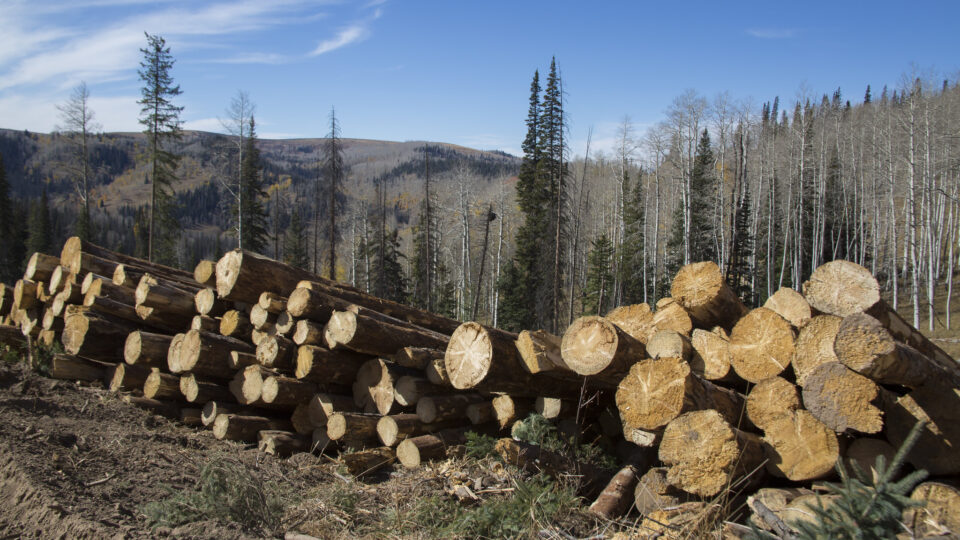
The slurry mixture is created by taking wood powder – a processing residue usually discarded in lumber mills – and deconstructing it with a biodegradable and recyclable solvent.  The resulting mixture has a high solid content and high viscosity and can be casted and rolled without breaking.

The researchers conducted a comprehensive life cycle assessment to test the environmental impacts of the bioplastic compared with conventional plastics.  Sheets of it were buried in soil and observed to fracture after two weeks and completely degrade after three months.  The material can also be broken back down into the slurry by mechanical stirring.

The remaining topic to investigate is the potential impact on forests if the manufacturing of this bioplastic is scaled up.

**********

Web Links

Turning wood into plastic

Photo, posted October 12, 2016, courtesy of the US Forest Service via Flickr.

Earth Wise is a production of WAMC Northeast Public Radio.
Fighting Zombie Fires | Earth Wise

April 30, 2021 By EarthWise Leave a Comment

New tool in the fight against zombie fires

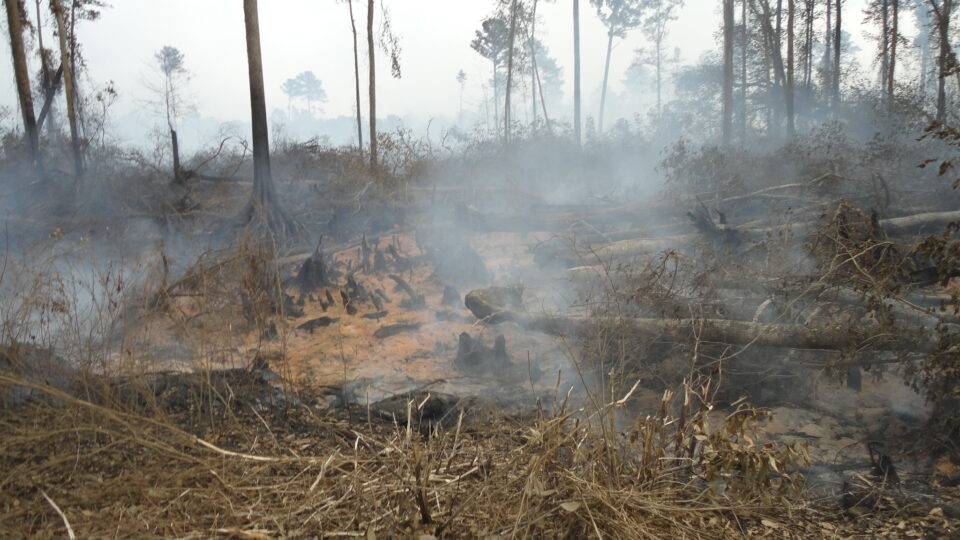
Peat fires are a global threat to both economies and the environment.  They generally burn a smaller area than fast-moving forest fires, but they can burn up to ten times more fuel matter per acre, producing far more smoke and far more carbon emissions.  They ignite very easily, are notoriously difficult to put out, all while releasing as much as 100 times more carbon into the atmosphere than flaming fires.  Some smoldering peat megafires are the largest and longest burning fires on Earth and are responsible for as much as 15% of annual global greenhouse gas emissions.

Peat fires are known as “zombie fires” because of their ability to hide and smolder underground and then reemerge as new flames days or weeks after they were supposedly extinguished.

Firefighters use billions of gallons of water to tackle a peat fire.  For example, fighting the 2008 Evans Road peat fire in North Carolina used up 2 billion gallons of water.  When water alone is used to extinguish peat fires, it tends to create large channels in the soil, which diverts water from nearby smoldering hotspots.  This is one reason that it is so difficult to extinguish a peat fire.

Researchers at Imperial College London have combined water with an environmentally friendly fire suppressant – one already used on flaming wildfires – and tested its use on peat fires.  They found that adding the suppressant to water helped them put out peat fires nearly twice as fast as using water alone, while using only a third to half of the usual amount of water.  The suppressant reduces the surface tension of the liquid, making it less likely to create large channels.  Instead, the liquid flows uniformly through the soil.  This could be an important tool in battling peat fires.

**********

Web Links

‘Magical’ fire suppressant kills zombie fires 40% faster than water alone

Photo, posted in August, 2011, courtesy of Chris Lowie / USFWS via Flickr.

Earth Wise is a production of WAMC Northeast Public Radio.
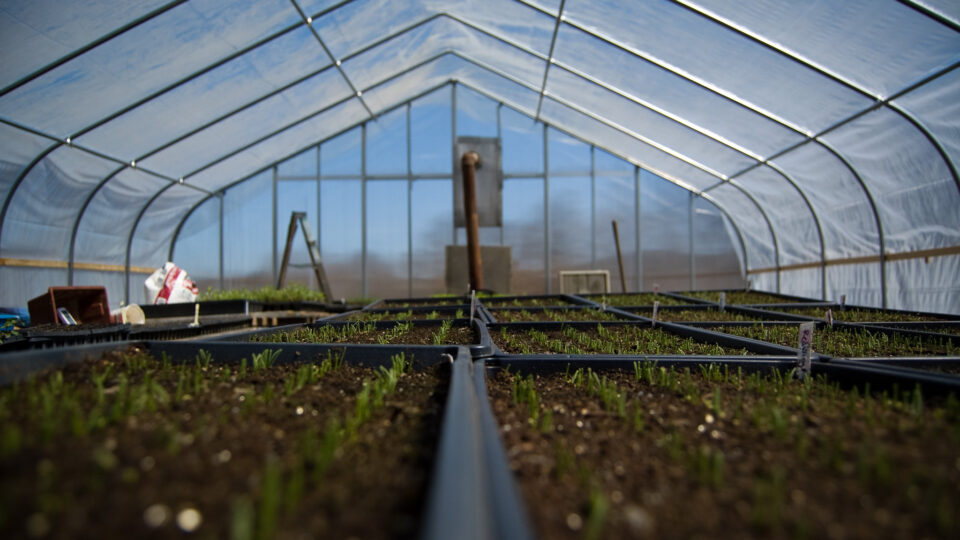
Solar Cell Greenhouses | Earth Wise

April 21, 2021 By EarthWise Leave a Comment

Using solar panel technology for greenhouses

A recent study at North Carolina State University has shown that it can be feasible to use see-through solar panels in greenhouses to generate electricity.  The idea is to use semi-transparent solar panels on greenhouses that allow some of the light to get in for the plants to grow while making the greenhouses energy neutral or even allowing them to generate more power than they use.

The question is how the semi-transparent solar panels might affect greenhouse crops.  To investigate this issue, researchers grew crops of red leaf lettuce from seed to full maturity under a standard set of growing conditions – temperature, water, fertilizer, and CO2 concentration – but varied the light they get. 

A control group was exposed to the full spectrum of white light while three experimental groups were exposed to light through different types of filters that absorbed the particular wavelengths of light that would be absorbed by different types of semitransparent solar cells.

The researchers paid close attention to characteristics of the lettuce that are important to growers, grocers, and consumers:  general appearance, leaf number, leaf size, and weight.  The results were that the lettuce produced using all three kinds of filtered light was essentially identical to that produced in the control group.    Further research is underway looking at how harvesting various wavelengths of light affects biological processes for lettuces, tomatoes, and other crops.

Getting growers to use solar-powered greenhouses would be very difficult if doing so would result in a loss of productivity.  But given these experimental results, it appears as though the decision will boil down to a simple economic argument about whether the investment in new greenhouse technology would be offset by energy production and its resultant savings.

**********

Web Links

Study Finds Plants Would Grow Well in Solar Cell Greenhouses

Photo, posted April 8, 2008, courtesy of Brian Boucheron via Flickr.

Earth Wise is a production of WAMC Northeast Public Radio.
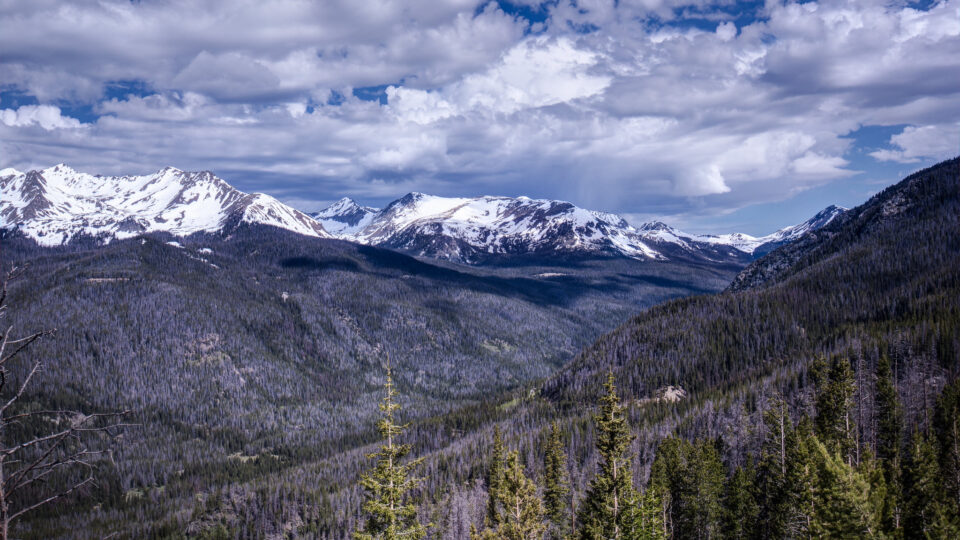
Not All Trees Cool The Planet | Earth Wise

March 24, 2021 By EarthWise Leave a Comment

Planting certain trees can actually lead to a warmer planet

A new study from Clark University has found that deforestation does not always contribute to planetary warming, as is generally assumed.  The researchers have found that there can be places where removing trees actually cools the planet.

Forests soak up carbon dioxide from the air and store it in the trees themselves and in the soil.   This process is important for slowing the accumulation of greenhouse gases in the atmosphere.

The new research focuses on a different effect that forests have on climate.  They are darker than other surfaces, which causes them to absorb more sunlight and retain heat.  This is known as the albedo effect.

In most places, the absorption of carbon outweighs the albedo effect and forests help cool the planet.  But there are some locations, including the Intermountain and Rocky Mountain West, where more forest actually leads to a hotter planet when both processes are taken into account.  State-of-the-art satellite remote sensing allowed the researchers to quantify the effects of forest loss in the United States.

The upshot of this research is that large-scale tree-planting initiatives, such as Canada’s 2Billion Trees Initiative and the Nature Conservancy’s Plant a Billion Trees campaign need to make sure to put the right trees in the right places.

Every year, about a million acres of forest are being converted to non-forest across the lower 48 states as a result of suburban and exurban expansion and development.   It is important to take into account the albedo effect in trying to replace the climate-cooling capabilities of these disappearing forests by planting more trees.

**********

Web Links

Clark geographer Christopher Williams: More trees do not always create a cooler planet

Photo, posted June 5, 2017, courtesy of Todd Petrie via Flickr.

Earth Wise is a production of WAMC Northeast Public Radio.

Wildfire Smoke And Dangerous Microbes | Earth Wise

February 12, 2021 By EarthWise Leave a Comment

Wildfire smoke is a major global health concern

The worsening severity of wildfires across the globe is a major public health concern.  The pulmonary and cardiovascular consequences of wildfire smoke inhalation have been well researched and have been an increasing focus for officials in places like California, other western states, and Australia.  More recently, another public health concern has emerged related to the fact that wildfire smoke can carry microbes that cause infectious diseases.

A new analysis, published in the journal Science, points out that the risk of potential infection from airborne microbes has not been the subject of much research.

The fungus coccidioides, for example, becomes airborne when soils are disturbed by fire. When this fungus is inhaled, it can cause Valley fever, an infection with flu-like symptoms that sometimes progresses to pneumonia or meningitis.  Inhalation risk of these microbes is highest closest to fires, so coccidioidomycosis is listed as a professional risk for firefighters.

A recent study found an increase in cases of invasive mold infection, aspergilliosis, as well as cases of coccidioidomycosis at hospitals within 200 miles of major wildfires in California.

Wildfire smoke has been shown to carry airborne particles of fungal and bacterial cells, hitching a ride on water vapor or charred carbon, over thousands of miles.  Some microbes in soil appear to be tolerant of or even thrive under high temperatures following wildfires.

A multidisciplinary research collaboration is needed to better understand the relationship between microbes, wildfire, and public health.  Such knowledge is increasingly vital as severe wildfires become seasonal norms in parts of the world such as the United States and Australia.

**********

Web Links

Wildfire Smoke Can Carry Dangerous Microbes Thousands of Miles, Scientists Warn

Photo, posted September 9, 2020, courtesy of Christopher Michel via Flickr.

Earth Wise is a production of WAMC Northeast Public Radio.
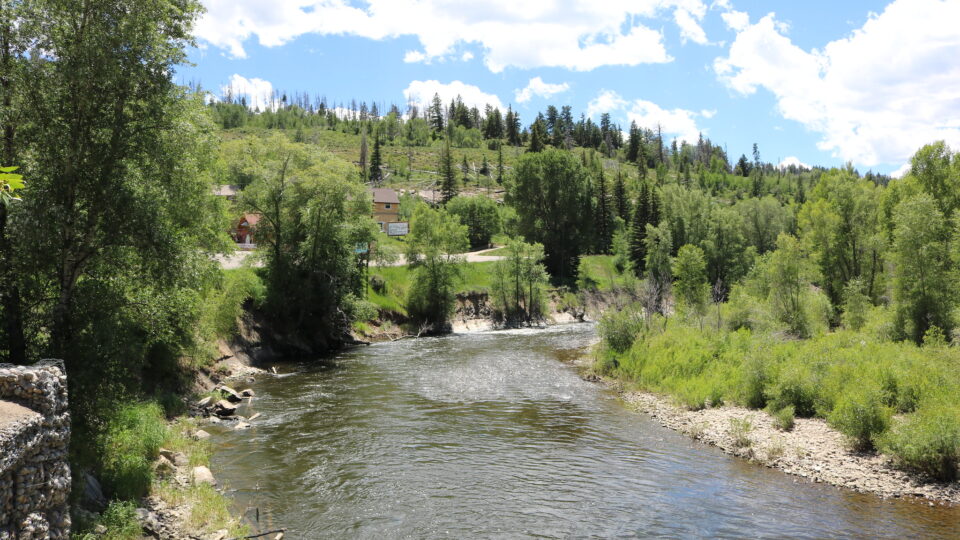
Rivers Changing Color | Earth Wise

February 10, 2021 By EarthWise Leave a Comment

Why do rivers change colors?

A recent study, published in Geophysical Research Letters, found that one-third of large American rivers have had significant changes of color over the past 30 years.  Rivers can appear to be shades of blue, green, and yellow and we tend to expect healthy rivers to have colors in shades of blue.  According to the new study, only 6% of American rivers are dominantly blue.

The study looked at 235,000 Landsat images taken from 1984 to 2018.  The results are that 56% of rivers studied were dominantly yellow, 38% dominantly green, and 6% blue.  Over the 34 years studied, 33% of the rivers had significant changes in color. About 21% became greener and 12% more yellow. 

The chief causes of color changes in rivers are farm fertilizer runoff, dams, efforts to fight soil erosion, and climate change.  Climate change increases water temperature and rain-related runoff.

Color changes are not necessarily a sign of poor river health, but dramatic changes could point to issues that need attention.  A river can change color based on the amount of sediment, algae, or dissolved organic carbon in the water.   If a river becomes greener, it can often mean large algae blooms are present that cause oxygen loss and can produce toxins.  On the other hand, rivers that are getting less yellow demonstrate the success of regulations to prevent soil erosion.

The study of river colors can pinpoint which rivers are undergoing rapid environmental change.  What the study does not provide is information on water quality.  Water quality measurements will be important to determine the health of many of the rapidly changing rivers.

**********

Web Links

One Third of U.S. Rivers Changed Their Color, Three Decades of Satellite Images Show

Photo, posted July 6, 2016, courtesy of Jeffrey Beall via Flickr.

Earth Wise is a production of WAMC Northeast Public Radio.
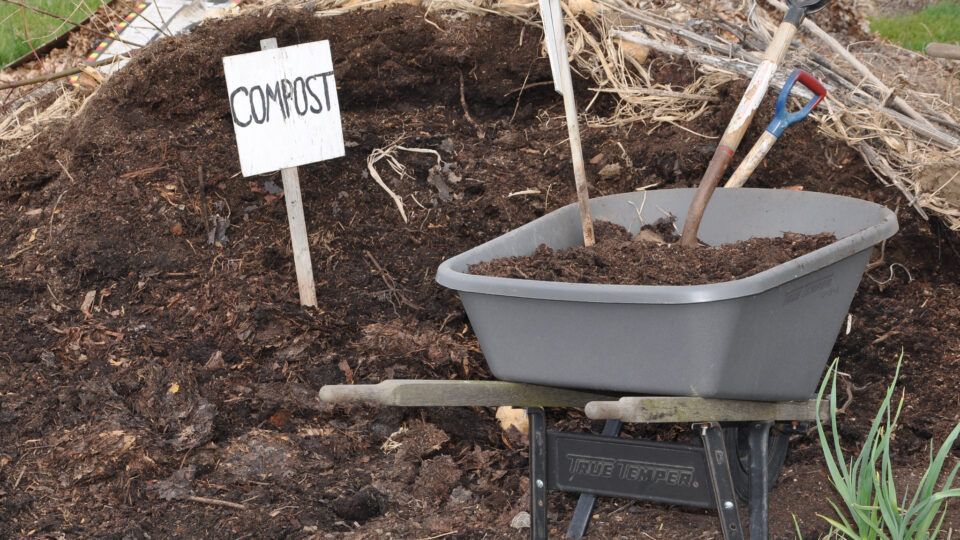
Compost And Landfills | Earth Wise

January 19, 2021 By EarthWise Leave a Comment

the importance of landscaping

Composting is popular as a way to keep solid waste out of landfills and many people turn much of their kitchen waste into rich soil amendments.   Cities and towns across the country have composting programs that collect waste from residents to produce large quantities of compost rather than adding the waste to landfills.  A new study from North Carolina State University looked into the environmental benefits of actually using compost at landfills.

Most municipal composting programs require that the compost they produce gets used “beneficially”.  The new research shows that using compost as an alternative daily cover at landfills is competitive and often superior to the use of compost as a soil amendment in terms of its environmental benefits.

Landfills apply a layer of daily cover to reduce odors, reduce windblown debris, and keep vermin out of landfill waste.  Federal regulations require six inches of soil as a daily cover.

Compost from food waste in particular is not always suitable for soil amendment in gardens and agricultural fields because it often contains broken glass and other contaminants.

The North Carolina State study looked at the environmental impact of using compost as daily cover in landfills compared with its use as a soil amendment.  They looked at global warming potential, acidification potential, eutrophication (which is the amount of nutrients released to ground and surface water), cumulative energy demand, and the depletion of resources.

The study concluded that using compost as landfill daily cover is environmentally superior with regard to eutrophication, acidification, and global warming potential.  On the other hand, soil amendment was better in terms of resource depletion and cumulative energy demand.

**********

Web Links

Applying Compost to Landfills Could Have Environmental Benefits

Photo, posted April 22, 2008, courtesy of Alachua County via Flickr.

Earth Wise is a production of WAMC Northeast Public Radio.
Self-Watering Soil | Earth Wise

December 9, 2020 By EarthWise Leave a Comment

Self-watering soil could help conserve water

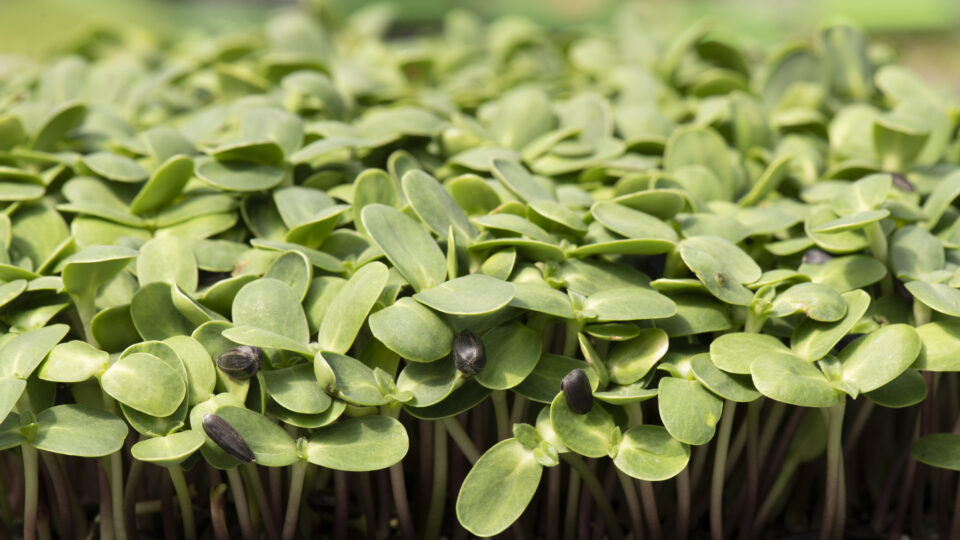
Researchers at the University of Texas at Austin have created a new type of soil that can pull water from the air and distribute it to plants.  Such soil has the potential to expand the map of farmable land to previously inhospitable places as well as to reduce water use in agriculture in an era of growing droughts.

The team’s atmospheric water irrigation system makes use of super-moisture-absorbent gels to capture water from the air.  When they are heated to a high enough temperature, the gels release the water, making it available to plants.

The gels in the soil pull water out of the air during cooler, more humid periods at night and when the sun heats the soil during the day, the water-containing gels release their contents into the soil.

Each gram of soil can extract about 3-4 grams of water.  Depending on the specific crop, somewhere between a couple of ounces and 2 pounds of the soil can provide enough water to irrigate a square yard of farmland.

Experiments on the soil found that it retains water better than the sandy soils found in dry areas and needs much less water to grow plants.

In one experiment, radish plants germinated in the soil all survived a 14-day period without any irrigation beyond the initial watering when they were planted.  Radish plants in ordinary sandy soil irrigated for the first four days of the experiments lasted no more than two days further without watering.

The Austin group has been developing gel-polymer materials that work like super-sponges for two years.  These materials extract large amounts of water from the ambient air, clean it, and release it when heated with solar energy.

**********

Web Links

Self-Watering Soil Could Transform Farming

Photo, posted October 21, 2020, courtesy of the U.S. Department of Agriculture via Flickr. USDA Media by Lance Cheung.

Earth Wise is a production of WAMC Northeast Public Radio.

Lead Exposure Remains A Persistent Problem | Earth Wise

October 29, 2020 By EarthWise Leave a Comment

lead exposure remains a global problem

According to a new report from UNICEF and the international nonprofit Pure Earth, a staggering number of children – approximately 800 million or one out of every three globally – may have dangerously high levels of lead in their blood.    

Long-term exposure to lead can cause serious health problems, especially in children.  Children are particularly vulnerable because their early years are characterized by rapid growth and brain development. 

Lead is a powerful neurotoxin that can cause damage even at low levels of exposure.  Lead poisoning can be acute, and can cause all sorts of health issues, including stomach pain, brain damage, and even death.  Because lead accumulates in the body over time, lead poisoning can develop slowly. The most common symptom of lead poisoning is lethargy.  Lead exposure can also contribute to a lower IQ and behavioral problems that can last a lifetime.     

Lead is a naturally occurring element found in small amounts in earth’s crust.  But as a result of human activities, lead can be found in all parts of the environment, including the air, soil, and water. 

According to the report, much of the lead poisoning comes from lead-acid batteries that are not properly recycled.  Water pipes, paint, canned foods, makeup, toys, and even contaminated spices can all be sources of lead exposure.  Lead was also previously added to gasoline and traces of this remain in soil samples today. 

The report found that children in low- or middle-income countries, especially in South Asia and among marginalized groups in general, are most vulnerable to lead poisoning. 

Lead exposure remains a dangerous and persistent problem all around the world. 

**********

Web Links

The Toxic Truth: Children’s Exposure to Lead Pollution Undermines a Generation of Future Potential

800 million children still exposed to lead

Photo, posted February 11, 2017, courtesy of J. Brew via Flickr.

Earth Wise is a production of WAMC Northeast Public Radio.

Sustainable Flip-Flops | Earth Wise

September 9, 2020 By EarthWise Leave a Comment

Sustainable technologies

Flip-flops are the world’s most popular shoe.  They are lightweight, comfortable, affordable, and durable.  In fact, the global market for flip-flops is expected to reach a whopping $23.8 billion by the year 2025. 

But the popularity comes with a price.  Flip-flops account for a troubling percentage of plastic waste that ends up in our landfills and oceans.  As a result, demand for alternatives is compelling researchers to develop more sustainable versions of the popular footwear.

Scientists at the University of California San Diego have spent years working on this issue, and recently announced a breakthrough.  According to a study recently published in Bioresource Technology Reports, the research team has formulated polyurethane foams – made from algae oil – to meet commercial specifications for mid-sole shoes and the foot-bed of flip-flops.   In other words, the scientists have created sustainable, biodegradable, and consumer-ready materials that could replace plastics in some footwear. 

The UC San Diego scientists collaborated with Algenesis Materials – a technology startup – on the research.  Together, they worked to not only create the shoes, but to degrade them as well.  The team tested their customized foams by immersing them in traditional compost and soil.  The algae-based materials degraded after just 16 weeks.  

The life of any material should be proportionate to the life of the product.  The researchers point out that it doesn’t make sense to create a product that will last 500 years if it’ll only be used for a year or two. 

The research team is currently working on production details with its manufacturing partners.  The creation of biodegradable flip-flops that meet commercial footwear standards could eliminate tons of plastic waste from the environment.   

************ 

Web Links

New science behind algae-based flip-flops

Flip Flops Market Size Worth $23.8 Billion by 2025

Photo, posted December 12, 2019, courtesy of Flickr.

Earth Wise is a production of WAMC Northeast Public Radio.
More Carbon Dioxide From Thawing Permafrost | Earth Wise

July 30, 2020 By EarthWise Leave a Comment

Climate models underestimate CO2 emissions from thawing permafrost

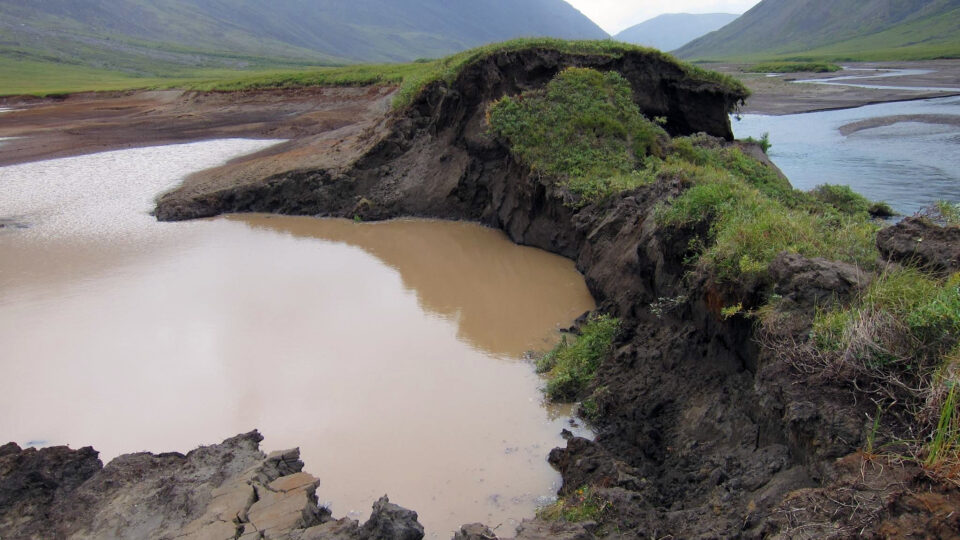
The Arctic is warming much faster than the rest of the planet.  Stories about the loss of polar ice and hundred-degree temperatures in Siberia have become commonplace.  One of the most troubling aspects of the warming Arctic is the thawing of permafrost.  Permafrost is ground that remains frozen for at least two years; some of it has been frozen for tens or hundreds or even thousands of years.  Found under a layer of soil, permafrost is composed of rock, soil, sediments, and varying amounts of ice.  It stores the carbon-based remains of plants and animals that froze before they could decompose.  Permafrost covers almost a quarter of North America, but it is starting to thaw.

Scientists estimate that there are more than 16,000 billion tons of carbon locked away in Arctic permafrost, which is almost double the amount of carbon that is currently in the atmosphere.  Climate models predict that the warming of the Arctic could lead to 5 to 15% of that carbon to be emitted as carbon dioxide by the year 2,100, which would be enough to raise global temperatures by 0.3 to 0.4 degrees Celsius.

New research has increased this estimate because it includes a key pathway for CO2 to enter the atmosphere that earlier models ignored.   When carbon from thawing permafrost escapes into Arctic lakes and rivers, it is oxidized by ultraviolet and visible light and it then escapes into the atmosphere as CO2.  This process is known as photomineralization and is estimated to raise permafrost-related CO2 emissions by 14%.

Recent studies project that with every 1-degree Celsius increase in temperature, 1.5 million square miles of permafrost could be lost through thawing.

**********

Web Links

Climate Models Underestimate CO2 Emissions from Permafrost by 14 Percent, Study Finds

Photo, posted July 7, 2014, courtesy of NPS Climate Change via Flickr.

Earth Wise is a production of WAMC Northeast Public Radio.

Tropical Forests As Carbon Sinks | Earth Wise

April 21, 2020 By EarthWise Leave a Comment

tropical forests absorb carbon

Tropical forests are an important part of the global carbon cycle because they take up and store large amounts of carbon dioxide.  Because of this, deforestation in the Amazon and other tropical forests is a major contributor to the growing CO2 levels in the atmosphere.

Therefore, climate models need to accurately take into account the ability of tropical forests to sequester carbon.  It turns out that this is not such a simple matter.  A new study by the International Institute for Applied Systems Analysis sought to determine how much detail about tropical forests is needed in order to make valid assumptions about the strength of forest carbon sinks.

They looked at the role of both biotic factors – differences between plant species that are responsible for capturing more or less carbon from the atmosphere – and abiotic factors – local environmental factors like soil properties that also influence carbon sink strength.

It is generally assumed that more diverse forest communities capture available resources more efficiently as a result of complementary characteristics and preferences of certain species to specific conditions.  Factors like soil texture and chemistry are also important.  In general, the results show that abiotic and biotic factors interact with one another to determine how much carbon can be stored by the ecosystem.

Traditional projections of the role of tropical forests in storing carbon mostly rely on remote sensing techniques that integrate over large spatial areas.  The new study shows that there can be large differences in the carbon storing ability of tropical forests and that more detailed models are needed to produce more accurate projections.

**********

Web Links

Shedding light on how much carbon tropical forests can absorb

Photo, posted July 17, 2014, courtesy of Flickr.

Earth Wise is a production of WAMC Northeast Public Radio.

Saving The Arctic Permafrost | Earth Wise

April 17, 2020 By EarthWise Leave a Comment

Permafrost is frozen ground – a combination of soil, rock, sand, and ice – that remains at or below freezing for at least two consecutive years.  Approximately 25% of the land in the Northern Hemisphere meets this criterion, the majority of which can be found in northern Russia, Canada, Alaska, Iceland, and Scandinavia.

But as a result of the changing climate, these permafrost soils in the Arctic are beginning to thaw.  As they thaw, large quantities of greenhouse gases could be released, further accelerating climate change.  

A new study recently published in the journal Scientific Reports explores an unconventional countermeasure: resettling massive herds of large herbivores.  According to researchers from the University of Hamburg in Germany, herds of horses, bison, and reindeer could be used to significantly slow the loss of permafrost soils. 

During Arctic winters, the air temperature is often much colder than the permafrost.  Thick layers of snow can insulate the ground from the frigid air, keeping the permafrost warm (relatively speaking). But when the snow cover is scattered and compressed by the hooves of grazing animals, the insulating effect is reduced, which intensifies the freezing of the permafrost.

If climate change continues unchecked, the research team expects permafrost temperatures to rise 3.8-degrees Celsius.  This would result in half of the world’s permafrost thawing by the year 2100.  But in contrast, researchers found that the permafrost would only warm by 2.1 degrees Celsius with the resettled animals.  This 44% reduction in permafrost temperature would preserve 80% of the existing permafrost by 2100.

Natural manipulations of ecosystems could have tremendous results. 

**********

Web Links

How horses can save the permafrost

Photo, posted July 17, 2012, courtesy of Kitty Terwolbeck via Flickr.

Earth Wise is a production of WAMC Northeast Public Radio.

Metal From Plants | Earth Wise

March 31, 2020 By EarthWise 2 Comments

harvesting metal from plants

Large amounts of metal in soil are generally bad for plants.  But there are about 700 species of plants that thrive in metal-rich soils.  These plants don’t just tolerate minerals from soil in their bodies but actually seem to hoard them to ridiculous levels.

In areas where soils are naturally rich in nickel, typically in the tropics and Mediterranean basin, plants have either died off or have adapted to become nickel loving.  Slicing open a tree with this adaptation produces a neon blue-green sap that is actually one-quarter nickel, which is far more concentrated than the ore that typically feeds commercial nickel smelters.

A group of researchers from the University of Melbourne and other institutions is investigating whether this phenomenon is not just interesting but might also be of real commercial value.  They established a plot of land in a rural village in Borneo and have been harvesting growth from nickel-hyper accumulating plants.  Every six to twelve months, a farmer shaves off one foot of growth from these plants and either burns or squeezes the metal out.  After a short purification, they end up with about 500 pounds of nickel citrate, potentially worth thousands of dollars on international markets.

Phytomining – extracting minerals from hyper-accumulating plants – cannot fully replace traditional mining techniques.  But the technology could enable areas with toxic soils to be made productive and might allow mining companies to use plants to clean up their former mines and waste while actually collecting some revenue.

There are other plants that suck up cobalt, zinc, and similarly crucial metals.  With growing demand for metals, perhaps it is time to harvest them on the farm.

**********

Web Links

Down on the Farm That Harvests Metal From Plants

Photo courtesy of the University of Queensland.

Earth Wise is a production of WAMC Northeast Public Radio.
Breaking Down Forever Chemicals

October 25, 2019 By EarthWise Leave a Comment

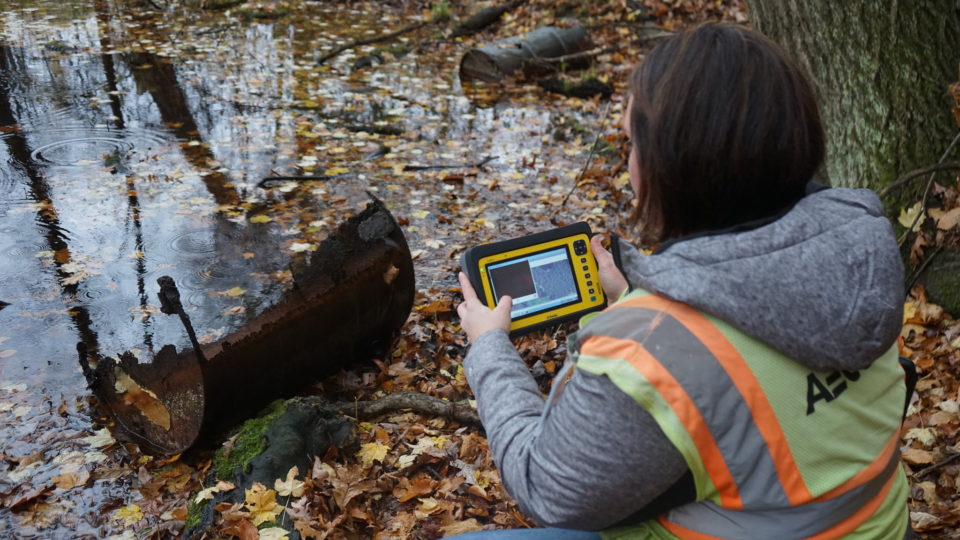
One of the toughest classes of pollutants are per- and polyfluoralkyl substances, or PFAS, as they are known.  PFAS are often called “forever chemicals” because they are extremely long-lasting and difficult to clean up.  They are found in household products including non-stick pans, dental floss, water-repellent fabrics, and many others.  They can be found extensively in U.S. waterways and soil.

PFAS move through the food chain, accumulating in humans at levels that scientists say can cause adverse health effects.  While these have not been definitively proven, there is evidence that higher cholesterol levels, cancer, thyroid disruption, and low infant birth rates are all associated with PFAS ingestion.

PFAS are difficult to get rid of because their carbon-fluorine covalent bonds are some of the strongest in organic chemistry.  Researchers at Princeton University have been studying a process known as Feammox in which ammonium breaks down in acidic, iron-rich soils in New Jersey wetlands and similar locations.  They found that this reaction takes place when a bacterium called Acidimicrobium A6 is present.

Using gene-sequencing techniques, they found that the microbe has characteristics that could help break down carbon-fluorine bonds, and therefore break down PFAS.  In tests using microbe-loaded soil samples, they found that the bacterium removed 60% of PFAS pollutants within 60 days.

The research has been published in the journal Environmental Science and Technology and the team is now testing the bacterium’s effectiveness over different time-spans in lab conditions before testing it in the field.

**********

Web Links

New Jersey Soil Microbe Shown to Break Down ‘Forever Chemicals’

Photo, posted November 9, 2017, courtesy of the Department of Environmental Quality via Flickr.

Earth Wise is a production of WAMC Northeast Public Radio.

Eco-Friendly Agriculture

October 21, 2019 By EarthWise Leave a Comment

Modern agriculture has steadily destroyed native grasslands, among other ecosystems.  In fact, farming is one of the most ecologically destructive things that humans do.  But we do have to eat.  In response, there is a growing movement for agrarian reform, from grain farming on the prairie, to agroforestry, to raising livestock more sustainably.  Efforts are accelerating to develop a kinder, gentler agriculture adapted to a changing world.

One such effort has come from the Land Institute, an organization in Kansas that works on natural systems agriculture, which seeks to retain the ecological stability of the prairie with its perennial seed plants along with a grain and seed yield comparable to that from annual crops.

After four decades of effort, the institute has introduced its first commercial grain, a trademarked variety called Kernza.  Kernza is a domesticated perennial wild grass – a so-called intermediate wheatgrass – that has a long, slender head that resembles wheat seeds.  People describe its taste as sweet and nutty.   Kernza is already being made into a cereal called Honey Toasted Kernza by Cascadian Farms.  Patagonia Provisions – a spin-off from the clothing company – is making beer from the new grain.

Although Kernza is already being grown and sold commercially, it is not yet ready for prime time.  Last year, there were only about 1,000 acres in cultivation and the yield is only a third to a tenth of the yield of wheat. 

Developing a sustainable perennial polyculture of edible plants would have major benefits such as not having to plow every year, plants developing large root systems that can reach water far beneath the surface and, without annual plowing, having soil carbon remain in the ground.

**********

Web Links

With New Perennial Grain, a Step Forward for Eco-Friendly Agriculture

Photo courtesy of Cascadian Farms/General Mills.

Earth Wise is a production of WAMC Northeast Public Radio.
Plastic-Eating Mushrooms

September 11, 2019 By EarthWise 2 Comments

Plastic waste has become one of the most pressing environmental issues in the world.  Whether it is about drinking straws, grocery bags, or six-pack rings, getting rid of plastic items in the waste stream is a major focus of attention for more and more people.

Al mismo tiempo, cerca del 35% de los que tomaron Vyleesi sintieron una disminución de la atracción. Además, alrededor del 40% de los participantes en el ensayo clínico sintieron náuseas después de inyectarse Vyleesi, y el 13% tuvo náuseas masculinafuerte.com lo suficientemente graves como para requerir medicación. Los efectos secundarios incluían el oscurecimiento de las encías y la piel, especialmente en la cara y el pecho. Sin embargo, sólo se observó en el 1% de los pacientes.

A really promising way to deal with all the plastic ending up in landfills has grown out of research that was being conducted in the Amazon rain forest in 2012.  Back then, a group of students from Yale University discovered a fungus that eats only polyurethane.  It is a mushroom known as Pestalotiopsis microspore and it not only can survive exclusively on the plastic, but it can do it in anaerobic (that is, oxygen-free) environments.  Thus, these plastic-eating mushrooms could potentially thrive at the bottom of landfills.

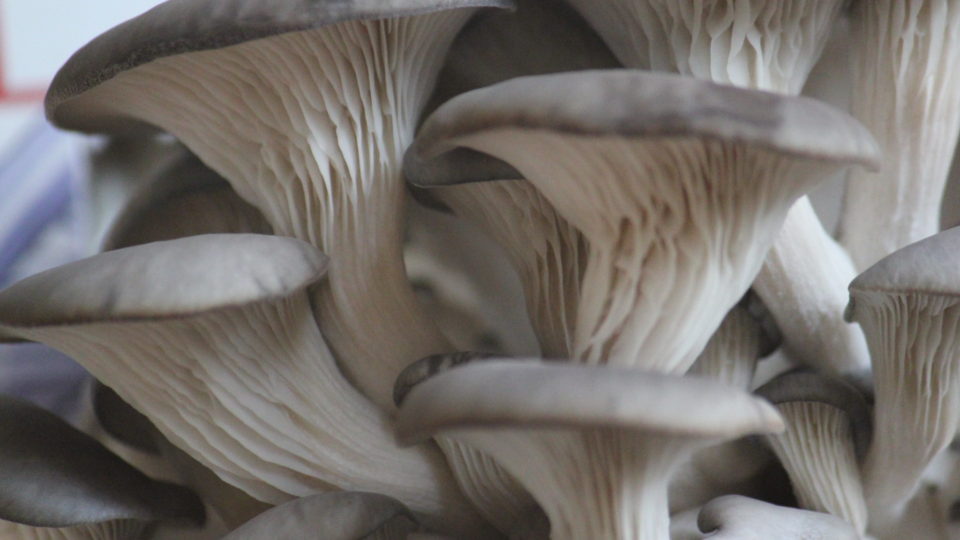
More recently, other studies have identified additional mushroom species that can eat plastic.  Some of them are common, such as the oyster mushroom, which itself is edible.  In 2018, the first ever State of the World’s Fungi symposium took place in London.  The event focused on multiple applications for mushrooms, including their use as building materials, their ability to remove pollutants from soil, and their capacity to enable the conversion of waste into biofuels.

Under controlled conditions, it takes just a few weeks for plastic-eating mushrooms to start breaking down plastics.  After a few months, all that is left are puffy white mushrooms which, even if they are not used for anything themselves, can be composted and turned into soil.

So far, there has been relatively little exploitation of mushrooms for improving the environment, but they may well be a big help in dealing with the growing problem of plastic waste.

**********

Web Links

Scientists discovered a mushroom that eats plastic, and believe it could clean our landfills

Photo, posted August 12, 2014, courtesy of Tim Sheerman-Chase via Flickr.

Earth Wise is a production of WAMC Northeast Public Radio.
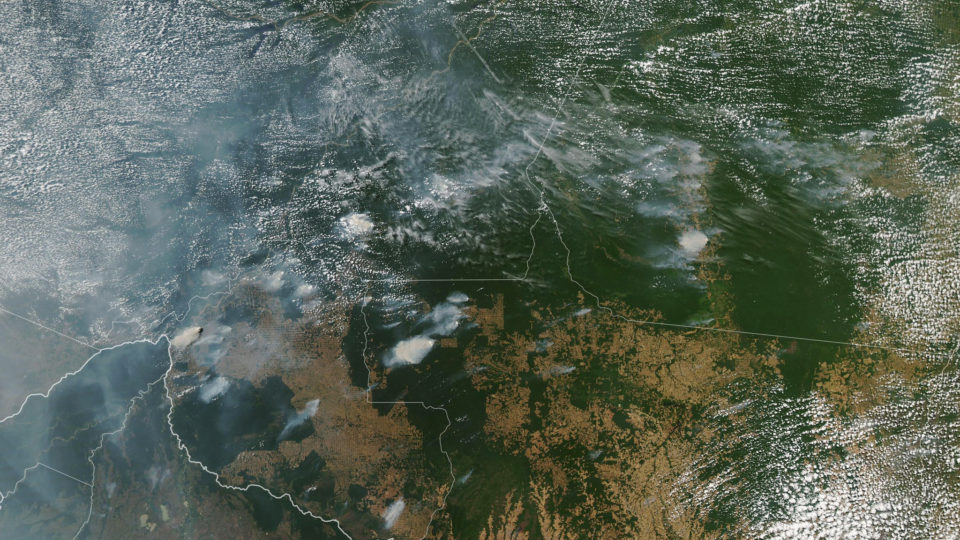
The Importance Of The Amazon Rainforest Fires

September 10, 2019 By EarthWise Leave a Comment

The Amazon rainforest covers extensive parts of Brazil, Peru, Colombia, and small parts of six other countries.  It is the largest rainforest in the world and is instrumental in driving the weather and climate in South America.

The raging wildfires in the Amazon rainforest are a source of great concern.  The Amazon is always prone to wildfires during the dry season in South America, but the extent and number of fires this year cannot be attributed simply to drought.  The surge in fires has come from illegal deforestation by loggers and farmers, who are using the cleared-out land for cattle ranching.

Rainforests produce consistently high amounts of rainfall throughout the year by pulling water from the soil and then releasing it into the atmosphere.  The Amazon rainforest essentially makes it rain in South America. 

Over time, the forest plays a crucial role in cycling carbon out of the atmosphere by turning it into biomass.  The Amazon jungle sucks up as much as a quarter of the planet’s atmospheric carbon dioxide.

Pristine rainforest burns less frequently and less intensely than cleared and recovering forest.  As more and more of the Amazon rainforest is deforested, it becomes more likely to burn each year.

The major disruption of the water dynamics in South America has the potential to not only drive the weather in South American countries but even potentially influence natural resources like snow packs in the Northern Hemisphere.

The skies of Sāo Paulo, Brazil’s financial hub have been dark at midday because of the Amazon fires.  This is like having a fire in California and seeing the smoke in Boston.  The Amazon rainforest fires are a big problem for the whole world.

**********

Web Links

The Amazon Rainforest has been burning for weeks. Here’s why that matters.

Photo, posted August 21, 2019, courtesy of NASA Goddard Space Flight Center via Flickr.

Earth Wise is a production of WAMC Northeast Public Radio.

  • « Go to Previous Page
  • Page 1
  • Page 2
  • Page 3
  • Page 4
  • Page 5
  • Page 6
  • Go to Next Page »

Primary Sidebar

Recent Episodes

  • An uninsurable future
  • Clean energy and jobs
  • Insect declines in remote regions
  • Fossil fuel producing nations ignoring climate goals
  • Trouble for clownfishes

WAMC Northeast Public Radio

WAMC/Northeast Public Radio is a regional public radio network serving parts of seven northeastern states (more...)

Copyright © 2026 ·