• Skip to primary navigation
  • Skip to main content
  • Skip to primary sidebar

Earth Wise

A look at our changing environment.

  • Home
  • About Earth Wise
  • Where to Listen
  • All Articles
  • Show Search
Hide Search
You are here: Home / Archives for sea level rise

sea level rise

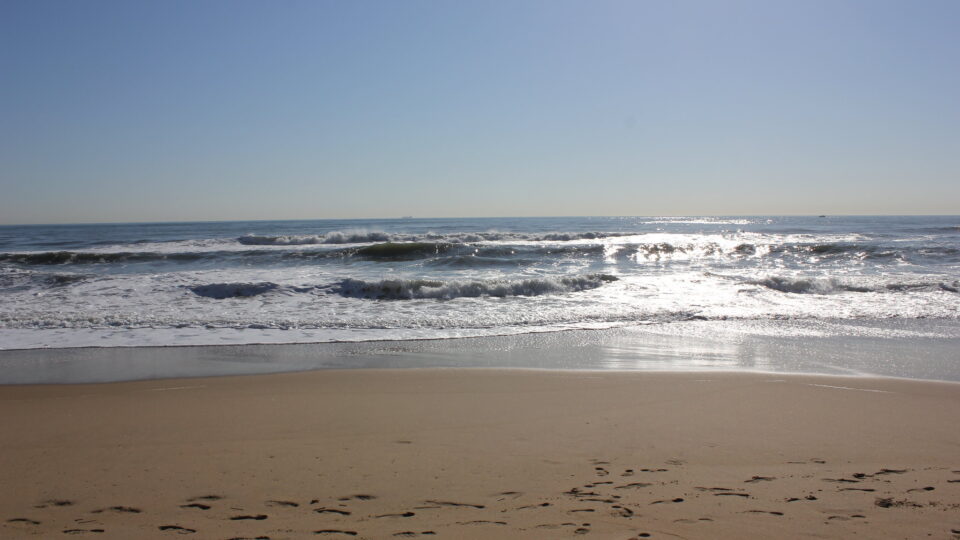
Coastlines and Climate Change | Earth Wise

August 16, 2021 By EarthWise Leave a Comment

Scientists predict how climate change will affect coastlines

Climate change poses a fundamental threat to life on earth and has already left observable effects on the planet.  For example, glaciers have shrunk, oceans have warmed, heatwaves have become more intense, and plant and animal ranges have shifted. 

As a result of the changing climate, coastal communities around the world are confronting the increasing threats posed by a combination of extreme storms and the predicted acceleration of sea level rise. 

Scientists from the University of Plymouth in England have developed a simple algorithm-based model to predict how coastlines could be affected by climate change.  This model allows coastal communities to identify the actions they need to take in order to adapt to their changing environment.

The Forecasting Coastal Evolution (or ForCE)  model has the potential to be a game-changer because it allows adaptations in the shoreline to be predicted over timescales of anything from days to decades. As a result, the model is capable of predicting both the short-term impact of extreme storms as well as predicting the longer-term impact of rising seas.   

The ForCE model relies on past and present beach measurements and data showing the physical properties of the coast.  It also considers other key factors like tidal, surge, and global sea-level rise data to assess how beaches might be impacted by climate change.  Beach sediments form the frontline defense against coastal erosion and flooding, and are key in preventing damage to valuable coastal infrastructure.

According to the study, which was recently published in the journal Coastal Evolution, the ForCE model predictions have shown to be more than 80% accurate in current tests in South West England.

**********

Web Links

New model accurately predicts how coasts will be impacted by storms and sea-level rise

Photo, posted April 17, 2016, courtesy of Nicolas Henderson via Flickr.

Earth Wise is a production of WAMC Northeast Public Radio.
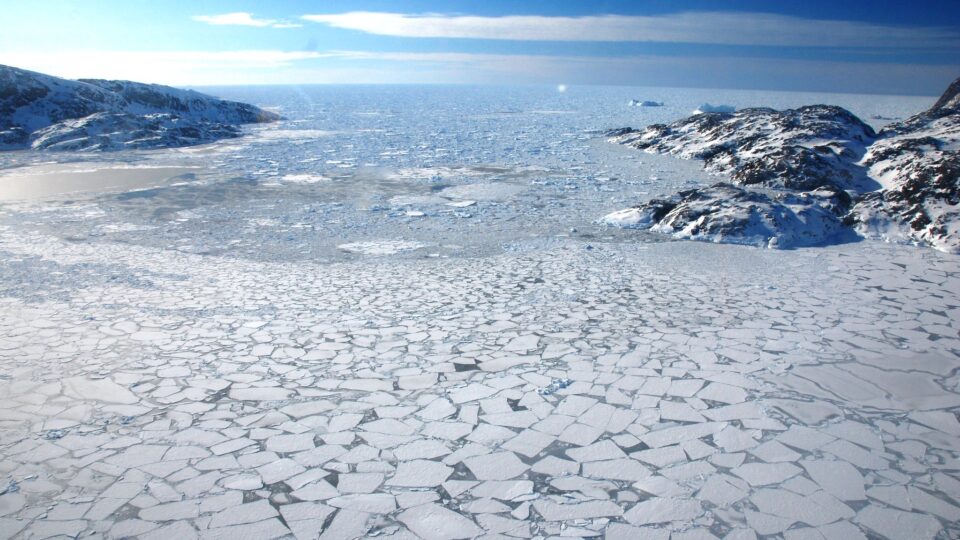
Greenland Becoming Darker | Earth Wise

July 5, 2021 By EarthWise Leave a Comment

Greenland is becoming darker and warmer

According to research published by Dartmouth University, a weather pattern that pushes snowfall away from parts of Greenland’s ice sheet is causing the continent to become darker and warmer.

Reducing the amount of fresh, lighter-colored snow exposes older, darker snow on the surface of Greenland’s ice sheets.  Fresh snow is the brightest and whitest. The reflectivity of snow decreases fairly quickly as it ages. This decrease in albedo – or reflectivity – allows the ice sheet to absorb more heat and therefore melt more quickly. 

The research attributes the decrease in snowfall in Greenland to a phenomenon called atmospheric blocking in which persistent high-pressure systems hover over the ice sheet for up to weeks at a time.  Such systems have increased over Greenland since the mid-1990s.  They push snowstorms to the north, hold warmer air over Western Greenland, and reduce light-blocking cloud cover.

All of this contributes to Greenland melting faster and faster.  According to research cited in the study, the Greenland ice sheet has warmed by nearly 5 degrees Fahrenheit since 1982.  Overall, Greenland is experiencing the greatest melt and runoff rates in the last 450 years, at the minimum, and quite likely the greatest rates in the last 7,000 years.

The Greenland ice sheet is the second largest ice body in the world, after the Antarctic ice sheet.  It is 1,800 miles long and about 700 miles wide at its greatest width.  Its thickness is between 1.2 and 1.9 miles.  If the entire sheet were to melt, it would lead to a global sea level rise of 24 feet.  So, the darkening of Greenland is a source of great concern.

**********

Web Links

Greenland Becoming Darker, Warmer as Snow Changes

Photo, posted April 3, 2012, courtesy of Francesco Paroni Sterbini via Flickr.

Earth Wise is a production of WAMC Northeast Public Radio.
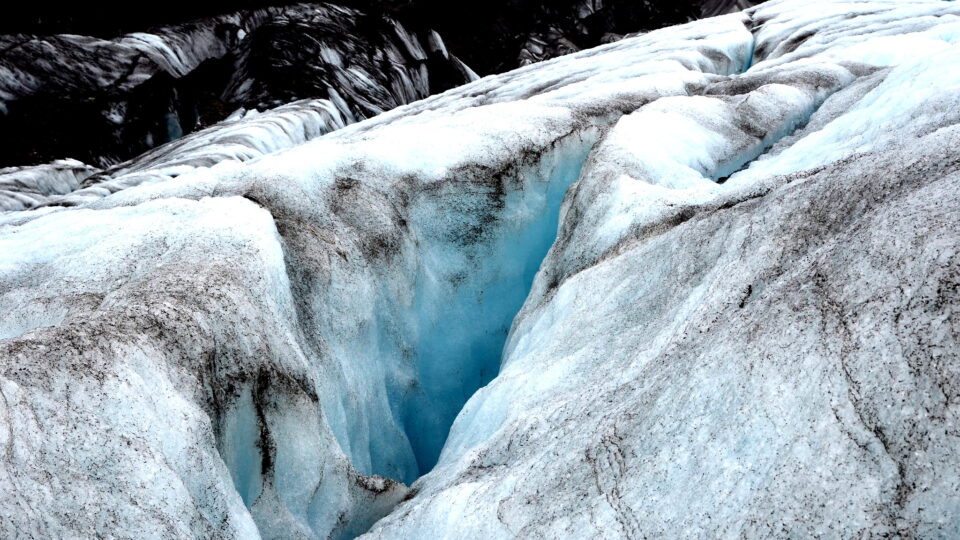
Accelerating Global Glacier Loss | Earth Wise

June 10, 2021 By EarthWise Leave a Comment

Global glacier loss is accelerating

Glaciers represent the snows of centuries compressed over time to form flowing rivers of ice.  Glaciers always change, accumulating snow in the winter and losing ice to melting in the summer.  But in recent times, the melting has been outpacing the accumulation.

Glaciers are a sensitive indicator of climate change.  They have been melting at a high rate since the mid-20th century – regardless of altitude or latitude. But up until recently, the full extent of glacial ice loss has only been partially measured and understood.

Now, according to new research led by scientists from ETH Zurich in Switzerland and the University of Toulouse in France, nearly all the world’s glaciers are becoming thinner and losing mass.  And the changes are accelerating.  The study, which is the most comprehensive and accurate of its kind to date, is the first to include all the world’s glaciers – around 220,000 in total – excluding the Greenland and Antarctic ice sheets. The research team’s findings were recently published in the journal Nature.

Between 2000 and 2019, the world’s glaciers lost an average of more than 294 billion tons of ice per year.  Between 2000 and 2004, glaciers lost an average of about 250 billion tons of ice each year.  But between 2015 and 2019, ice mass loss jumped up to an average of approximately 328 billion tons annually.    

Glacial melt is responsible for 21% of the observed sea level rise during this two decade time period studied.

This research is just another reminder of how we need to act urgently if we want to prevent the worst-case climate change scenario from becoming a reality. 

**********

Web Links

Global glacier retreat has accelerated

Photo, posted September 17, 2015, courtesy of Richard Whitaker via Flickr.

Earth Wise is a production of WAMC Northeast Public Radio.
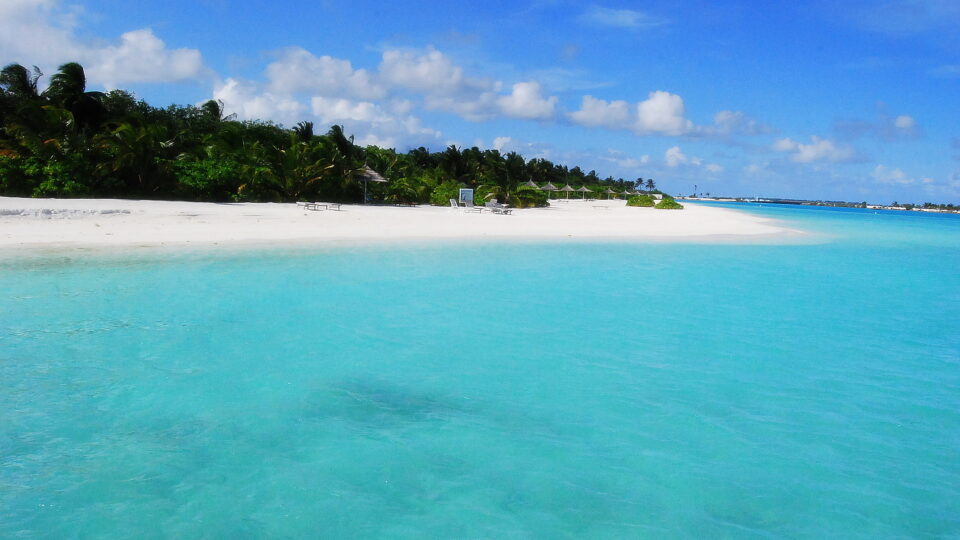
Rising Seas In The Maldives | Earth Wise

May 24, 2021 By EarthWise Leave a Comment

Rising seas are threatening the Maldives

The Republic of Maldives is an archipelago in the Indian Ocean, southwest of Sri Lanka and India and about 400 miles from the Asian mainland.  It is one of the world’s most geographically dispersed sovereign states, the smallest Asian country by land area, and, with a little over 500,000 inhabitants, the second least populous country in Asia.  With its spectacular scenic beauty, it is also a premier tourist attraction.

With more than 80% of its 1,190 coral islands standing less than 1 meter above sea level, the Maldives has the lowest terrain of any country in the world.  As a result, the Maldives is particularly vulnerable to the sea level rise associated with climate change.

Some studies predict a grim future for the Maldives as well as other low-lying islands.  One study concluded that the islands could become uninhabitable by 2050 as wave-driven flooding becomes more common and freshwater becomes limited.

The Maldives government has explored plans to purchase land on higher ground in other countries.  Planners are also working to enhance the resilience of the country’s current islands.   An example is Hulhumalé, a newly constructed artificial island northeast of the country’s capital, Malé.

Construction of Hulhumalé began in 1997 and it now covers 1.5 square miles, making it the fourth largest island in the Maldives.  Its population is now more than 50,000, with more than 200,000 expected to eventually move there.  The new island, built by pumping sand from the seafloor onto a coral platform, rises about 2 meters above sea level.  The extra height could make the new island a refuge for Maldivians driven off lower-lying islands by the rising seas.

**********

Web Links

Preparing for Rising Seas in the Maldives

Photo, posted June 15, 2009, courtesy of Elena N via Flickr.

Earth Wise is a production of WAMC Northeast Public Radio.
Rising Seas And Wastewater Leakage | Earth Wise

April 28, 2021 By EarthWise Leave a Comment

Rising seas will further damage coastal wastewater infrastructure

Global mean sea level has risen nearly 9 inches since 1880, with over two inches of that over just the last 25 years.  The rising water level is primarily due to two factors:  additional water in the oceans coming from melting glaciers and ice sheets; and the thermal expansion of seawater as it warms.  Climate models estimate that over the course of the century, global sea levels will rise at least a foot even if efforts to reduce greenhouse gas emissions are quite successful and, in the worst case, levels could rise as much as 8 feet.

Faced with this situation, the greatest concerns are, initially, increasing amounts of coastal flooding and erosion and, as things get worse, inundation of coastal regions making many places uninhabitable and creating millions of climate refugees.

Recently, computer modeling studies have focused on an additional imminent problem:  the flooding of coastal wastewater infrastructure, which includes sewer lines and cesspools.

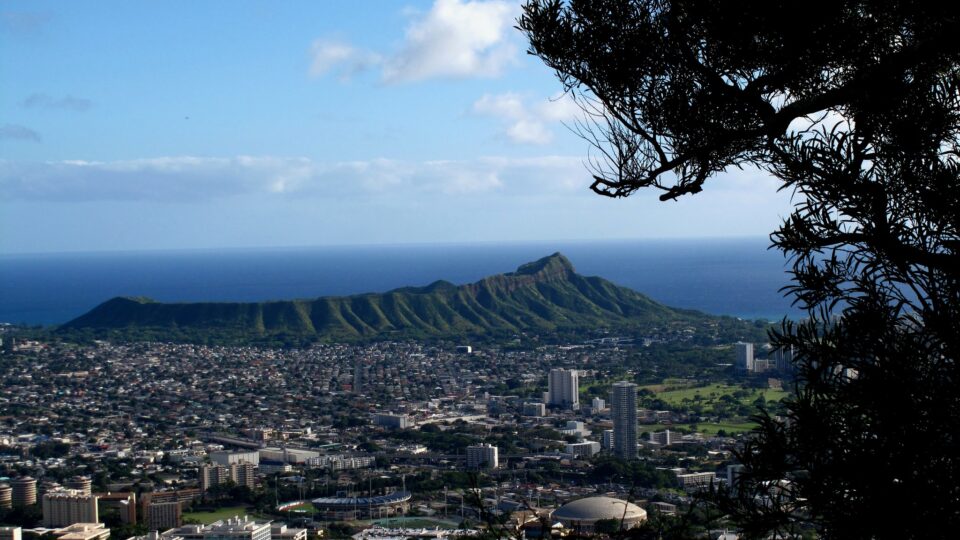
A new study by the University of Hawaii at Manoa is the first to provide direct evidence that tidally driven groundwater inundation of wastewater infrastructure is already occurring in urban Honolulu.  The study shows that higher ocean water levels are leading to wastewater entering storm drains and the coastal ocean.  The result is degradation of coastal water quality and ecological health.

The researchers used chemical tracers to detect groundwater discharge and wastewater present at multiple low-lying areas during spring tides.  During high tides, storm drains become channels for untreated wastewater to flood streets and sidewalks. 

People tend to think of sea-level rise as a future problem, but there are already serious effects going on today that are only going to get worse.

**********

Web Links

Sea-level rise drives wastewater leakage to coastal waters

Photo, posted August 23, 2011, courtesy of Eric Tessmer via Flickr.

Earth Wise is a production of WAMC Northeast Public Radio.
Hudson River Tidal Marshes And Sea Level Rise | Earth Wise

January 29, 2021 By EarthWise Leave a Comment

Hudson River estuary marshes resilient to accelerated sea level rise

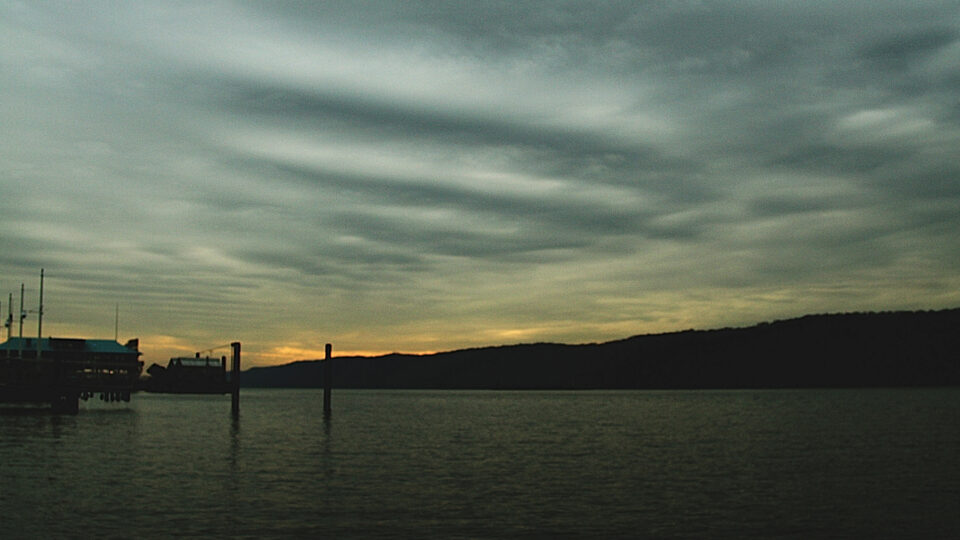
A new study at the University of Massachusetts Amherst looked at the resilience of Hudson River Estuary marshes to rising sea levels.  They observed that these marshes are growing upward at a rate two or three times faster than sea level rise, suggesting that they should be resilient to accelerated sea level rise in the future.

The study documented the fact that more than half of Hudson River tidal marshes actually formed since 1850.  In that year, the river channel was straightened, and a riverside railroad, berms, jetties and human-made islands of dredged soil were built.  All of these human-made features trapped sediment and created backwaters that often turned into marshes.

The research centered on seven sites spanning more than 100 miles of the Hudson Estuary from Wall Street up to Albany.  Although these marshes were an unintended result of early industrial development, they serve to protect the shoreline and provide rich ecosystems in terms of direct ecological and human benefits.  Marshes are a first line of defense against coastal flooding, provide an essential habitat for juvenile commercial fish species, store huge amounts of carbon that mitigates climate change, provide habitat for migratory birds, and filter nutrients coming off the land.

The study determined that such marches form relatively quickly.  When sediment is readily available, freshwater tidal wetlands can develop rapidly in sheltered settings.   There is concern that marshes globally will be drowned by rising sea levels, but this Hudson River case study shows how marshes may be able to resist the rising seas.  The research will help guide future land acquisition and land conservation strategies for areas adjacent to the river.

**********

Web Links

New Study Finds More than Half of Hudson River Tidal Marshes were Created Accidentally by Humans; Resilient Against Sea Level Rise

Photo, posted December 4, 2008, courtesy of Daina Dajevskis via Flickr.

Earth Wise is a production of WAMC Northeast Public Radio.
The Caspian Sea And Climate Change | Earth Wise

January 22, 2021 By EarthWise Leave a Comment

Climate change will lower water levels in the Caspian Sea

According to the National Oceanic and Atmospheric Administration, global sea levels have been rising over the past century, and the rate has increased in recent decades.  Sea levels are currently rising about one-eighth of an inch every year.

Sea level rise is caused primarily by two factors related to climate change:  the added water from melting glaciers and ice sheets, and the expansion of seawater as it warms.  While climate change is causing global sea levels to rise, higher temperatures in other regions are having exactly the opposite effect.  The water levels are falling.

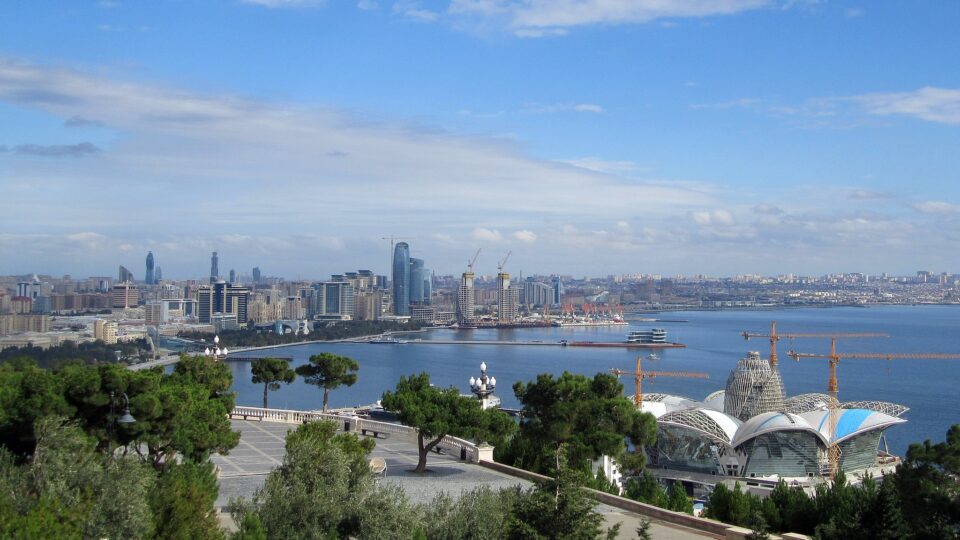
According to researchers from the University of Bremen in Germany, the Caspian Sea is a perfect example of how a body of water will change.  While it is named a sea due to its size and high salinity, the Caspian Sea is actually a lake.  In fact, it’s the largest lake in the world.  Its largest inflow is the Volga River and it has no natural connection to the ocean.  Its water level is determined by the proportional influences of inflow, precipitation, and evaporation.  Climate change is causing increased evaporation, which leads to a declining water level. 

According to the research team, the water level of the Caspian Sea could fall by 29 to 59 feet during this century.

The Caspian Sea is surrounded by Kazakhstan, Turkmenistan, Iran, Azerbaijan and Russia.  It’s an important regional water reservoir, and a biological and commercial center. 

The researchers hope the Caspian Sea will be used as an example in scientific research to assess the vulnerability of other regions to falling water levels.

********** 

Web Links

Climate crisis is causing lakes to shrink

Photo, posted October 31, 2016, courtesy of Amanderson2 via Flickr.

Earth Wise is a production of WAMC Northeast Public Radio.
Climate Change and Komodo Dragons | Earth Wise

October 12, 2020 By EarthWise Leave a Comment

climate change threatens komodo dragons

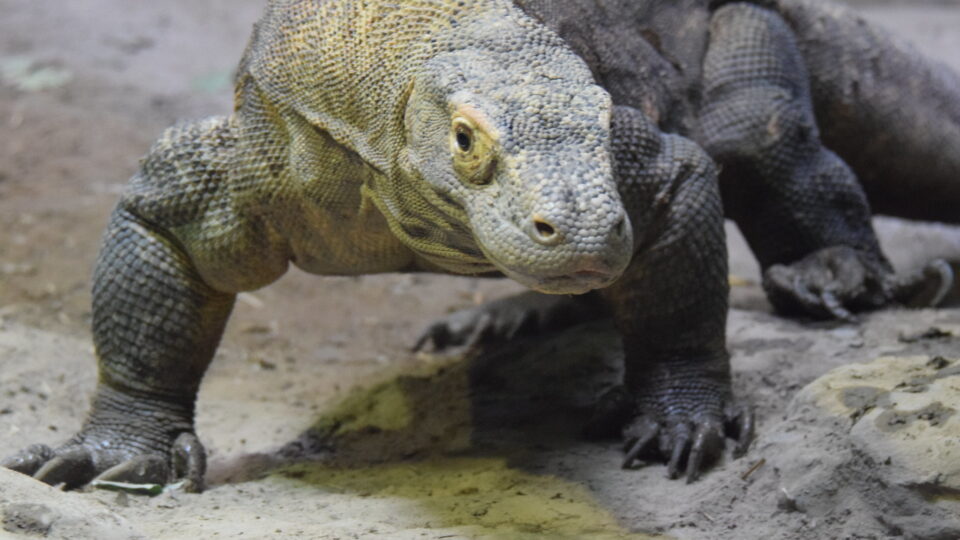
The Komodo dragon is the world’s largest and most iconic lizard.  Growing up to 10 feet long and weighing up to 360 pounds, Komodo dragons are endemic to five islands in southeast Indonesia, four of which are part of Komodo National Park, as well as a fifth that has three nature reserves.  Komodo dragons have existed on earth for at least four million years, and it’s estimated that 4,000 of them survive in the wild today.

But according to a new study by researchers from the University of Adelaide and Deakin University in Australia, Komodo dragons could soon be driven to extinction.  The research team found that the impacts of both global warming and sea level rise are likely to cause a sharp decline in  available habitat for Komodo dragons.  Current conservation strategies are not enough to avoid climate-driven Komodo dragon population declines. 

The study, which was recently published in the journal Ecology and Evolution, involved close collaboration with Komodo National Park and the Eastern Lesser Sunda Central Bureau for Conservation of Natural Resources.

Climate-change-informed decisions should be a common part of conservation practice.  According to the research team’s conservation model, Komodo dragons on two of the five Indonesian islands are less vulnerable to climate change.  But those two islands might not be enough for the survival of the species.  Conservation managers may need to translocate Komodo dragons in the future – to sites where these animals have not been found for decades – in order to protect the species from extinction. 

Without taking immediate action to mitigate climate change, the research team says many range-restricted species like Komodo dragons are at risk of extinction.

**********

Web Links

Climate change threatens Komodo dragons

Photo, posted August 6, 2016, courtesy of Tony Alter via Flickr.

Earth Wise is a production of WAMC Northeast Public Radio.
Mangrove Trees And Climate Change | Earth Wise

July 7, 2020 By EarthWise Leave a Comment

climate change threatens mangrove trees

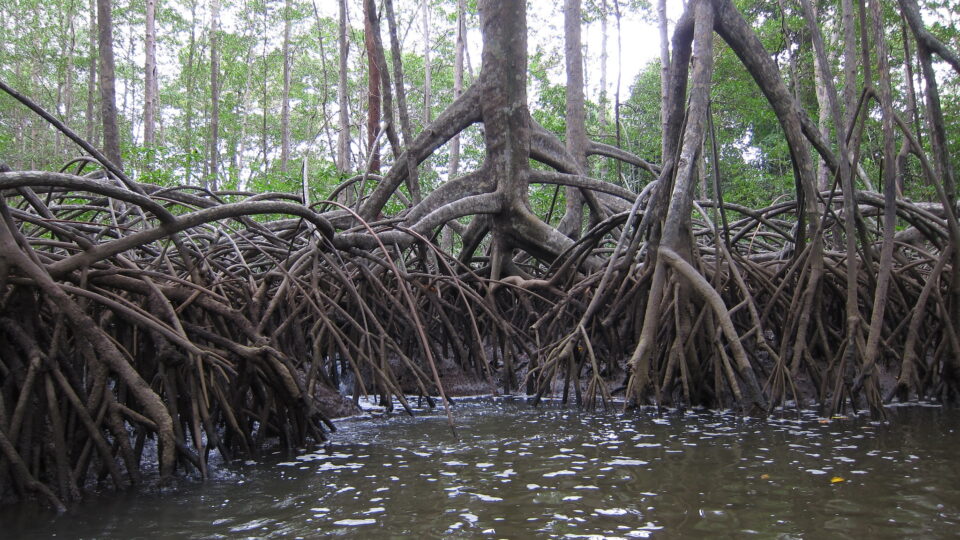
Mangrove trees are small trees that grow in coastal saline or brackish water at tropical and subtropical latitudes.  Many mangrove trees can be identified by their dense tangle of prop roots.  These roots make the trees appear as if they are standing on stilts above the water.  The tangle of roots allows mangrove trees to handle the daily rise and fall of tides and to slow the movement of tidal waters.  

Mangrove forests provide many ecosystem services, including stabilizing the coastline by reducing erosion from storm surges, waves, and tides.  The intricate root system of mangrove trees are attractive to fish and other species seeking food and shelter from predators.  Mangrove forests also store large amounts of carbon.     

But according to a new study recently published in the journal Science, mangrove trees won’t survive sea level rise by 2050 if greenhouse gas emissions aren’t reduced.  

Using sediment data from 78 locations over the last 10,000 years, an international team of scientists led by Macquarie University in Australia estimated the chances of mangrove trees survival based on the projected rates of future sea-level rise.

When sea level rise rates exceeded 6 millimeters per year, which is similar to estimates under high-emissions scenarios for 2050, researchers found that mangrove trees were unlikely to keep pace with the rising water levels.  But when the annual increase was 5 millimeters or less – which is the projected low-emissions scenario this century – mangrove trees are much more likely to survive. 

These findings underscore the importance of reducing greenhouse gas emissions to mitigate rapid sea level rise.  The future of mangrove trees may depend on it.  

**********

Web Links

Mangrove trees won’t survive sea-level rise by 2050 if emissions aren’t cut

Photo, posted December 17, 2012, courtesy of Edward Stojakovic via Flickr.

Earth Wise is a production of WAMC Northeast Public Radio.
Living In Extreme Heat | Earth Wise

June 3, 2020 By EarthWise Leave a Comment

extreme heat from climate change

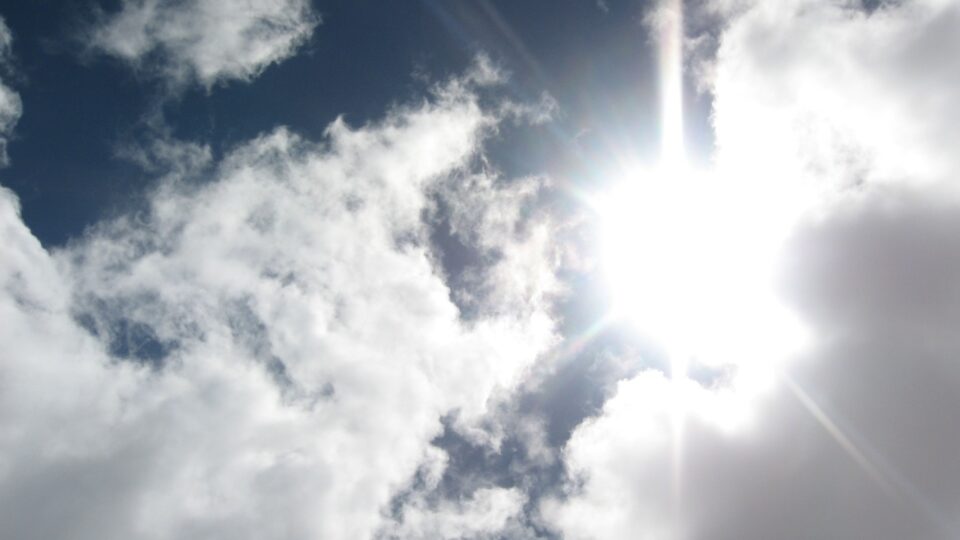
Global climate change has already left observable effects on the planet.  Glaciers have shrunk, trees are flowering sooner, plant and animal ranges have shifted, and so on. Many effects of climate change that scientists had predicted in the past are now occurring.  The loss of sea ice, intensifying heat waves, and accelerating sea level rise are some examples.

According to a new study recently published in the journal Proceedings of the National Academy of Sciences, climate change is going to affect humans earlier, harder, and more widely than previously projected.  The research team found that one billion people will be either displaced or endure insufferable heat for every one degree Celsius rise in global temperatures.  

Under a worst case climate scenario, land that one third of the world’s population currently calls home will be as hot as the hottest parts of the Sahara desert within 50 years.  Even under a more optimistic climate outlook, 1.2 billion people will still be exposed to temperatures outside the climate niche in which humans have thrived for at least 6,000 years.

The majority of the human population has always lived in regions where the average annual temperatures were between 43 degrees Fahrenheit and 82 degrees Fahrenheit.  These are ideal temperatures for human health and for food production.  But this temperature range is shrinking and shifting as a result of climate change. 

The study’s authors predict there will be more change in the next 50 years than there has been in the past 6,000 years.  They hope their findings will convince policymakers to accelerate their plans for emissions reductions and other climate mitigation strategies.   

**********

Web Links

Future of the human climate niche

One billion people will live in insufferable heat within 50 years – study

Photo, posted November 22, 2008, courtesy of Ronnie Finger via Flickr.

Earth Wise is a production of WAMC Northeast Public Radio.
A First In The Climate Change Fight | Earth Wise

March 6, 2020 By EarthWise Leave a Comment

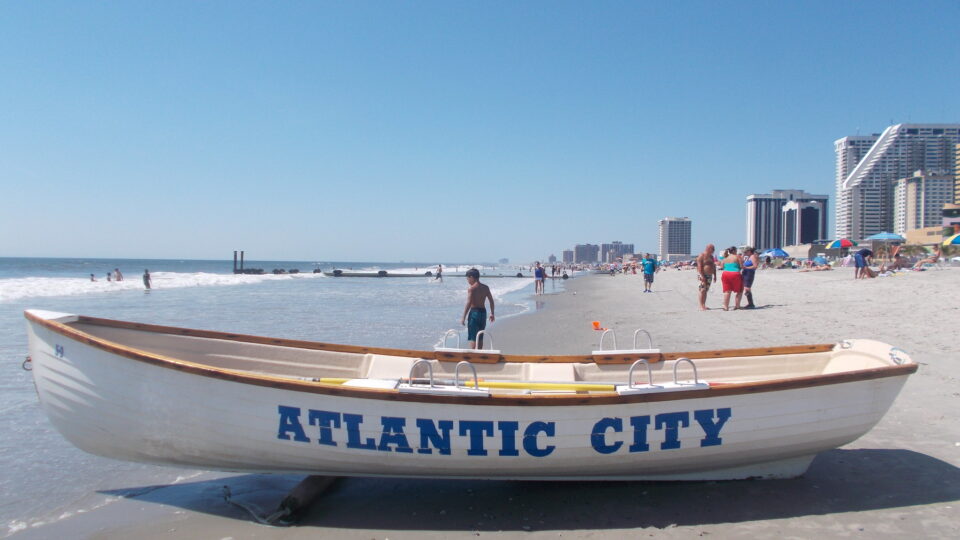
Under a new initiative, builders in New Jersey will have to take climate change into account in order to win government approval for projects.  New Jersey is the first state in the United States to enact such a requirement, which will leverage land-use rules to control what and where developers can build, and limit the volume of pollution. 

Through executive order, New Jersey Governor Phil Murphy will require the state Department of Environmental Protection to draft new building regulations.  The changes, to be adopted by January 2022, do not require legislative approval, but could face political and legal challenges. 

Climate change is expected to have a significant impact on New Jersey and its 130 miles of coastline.  According to a recent study from Rutgers University, the sea level along the New Jersey coast rose 1.5 feet since 1911, which was more than twice as much as the global average. The sea level is expected to rise by as much as another foot by 2030.  At the same time, some coastal areas of New Jersey are gradually sinking.

The initiative by New Jersey comes on the heels of a Trump administration proposal which would allow federal agencies to not take climate change into account when evaluating infrastructure projects. The federal changes are geared towards speeding up approvals for highway construction, pipelines, oil and gas leases, and other major infrastructure projects.   

In the absence of anything resembling leadership on climate change from the federal government, it remains for states like New Jersey to continue to press ahead.  In addition to the new building initiative, New Jersey also plans to produce 100% clean energy by 2050. 

**********

Web Links

Excluding Climate Change From Infrastructure Planning | Earth Wise

With 130-Mile Coast, New Jersey Marks a First in Climate Change Fight

Photo, posted August 27, 2016, courtesy of Rashaad Jorden via Flickr.

Earth Wise is a production of WAMC Northeast Public Radio.
Should New York Build A Storm Surge Barrier?

December 6, 2019 By EarthWise Leave a Comment

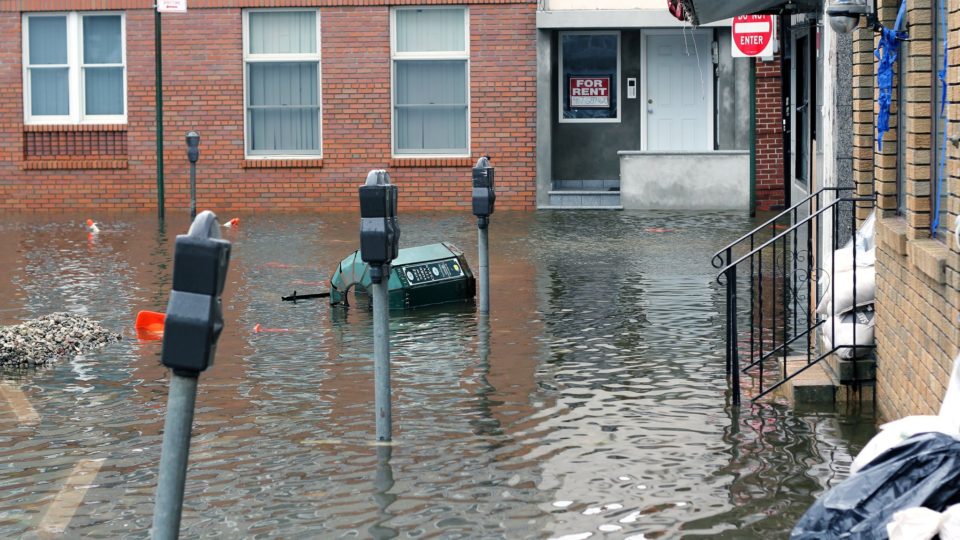
In 2012, Superstorm Sandy’s storm surge combined with a high tide and buried lower Manhattan under 13 feet of water.  Across all five boroughs, subways, highways, and parking garages flooded and homes and businesses were destroyed.  Sandy caused nearly $20 billion in damages in New York City alone and more than 50 people died.

Ever since that disaster took place, there have been discussions about building storm surge barriers to protect the city from future storms.  Columbia University’s Sabin Center recently hosted an event to discuss the feasibility of building such barriers.

A study by the U.S. Army Corps of Engineers called the NY and NJ Harbor and Tributaries Focus Area Feasibility Study (HATS, for short) evaluates five options for coastal protection, which range in scope and price.

The most extensive option would involve constructing six miles of storm surge gates along with 26 miles of floodwalls, levees, and buried seawalls.  This option would cost $62 billion but could theoretically save $131 billion in damages and protect 95% of the study area.

The study also considers the side effects of building storm surge barriers.  These include environmental impacts such as effects on fish and wildlife, water quality, noise and vibrations, and changes in water flow.  While these effects can be quite serious and there is opposition from many quarters related to environmental impacts, others point out that there is really no other credible defense against storm surge.  The debate over whether or not to build storm surge barriers could easily last for many more years.

In the bigger picture, storm surge barriers do nothing to protect against rain-driven flooding, sea level rise, and tidal floods which continue to increase.

**********

Web Links

Should New York Build a Storm Surge Barrier?

Photo, posted October 30, 2012, courtesy of Pamela Andrade via Flickr.

Earth Wise is a production of WAMC Northeast Public Radio.
The ‘Biggest Ever’ Arctic Expedition

October 3, 2019 By EarthWise Leave a Comment

The Arctic is warming faster than any other region on Earth.  In fact, it’s warming at a rate of almost twice the global average.  And, since what happens in the Arctic doesn’t stay in the Arctic, the world is already feeling the effects: rising sea levels, changes in climate and precipitation patterns, increasing severe weather events, and so on. 

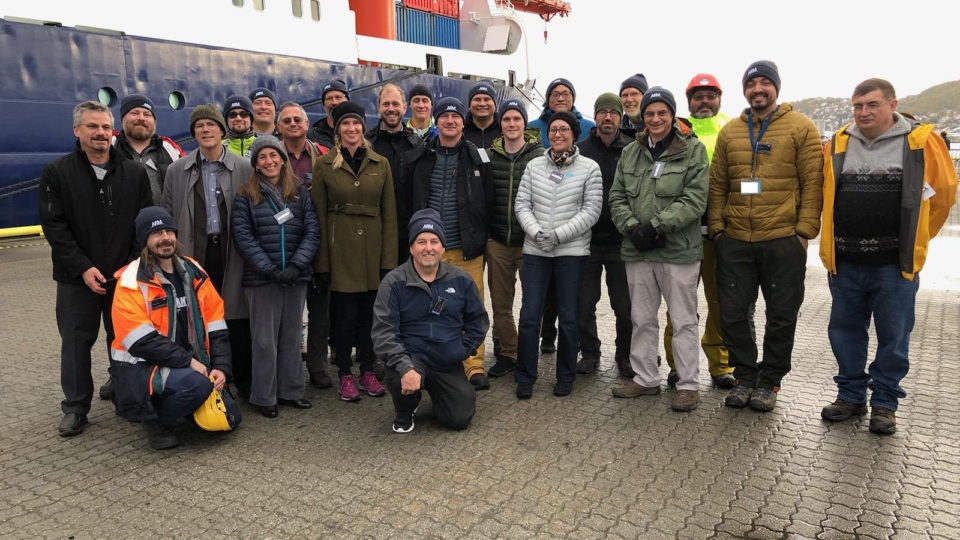
As a result, researchers from more than a dozen countries have launched the biggest and most complex expedition ever attempted in the Arctic.  They plan to freeze Germany’s largest research vessel, the Polarstern, into Arctic sea ice, where it will remain trapped for twelve months.  The ship will drift with the sea ice as the sea ice drifts.  The vessel will serve as a research laboratory, hosting a rotating crew of 300 scientists.  The ice, the ocean, the atmosphere, and even the wildlife will all be sampled.  This year-long journey will give researchers their closest look at how the polar climate and its fragile ecosystems are changing. 

Led by the Alfred Wegener Institute for Polar and Marine Research in Germany, the Multidisciplinary drifting Observatory for the Study of Arctic Climate project (or MOSAiC) is expected to cost about $150 million. 

One major goal of MOSAiC is to improve strikingly uncertain climate projections for the Arctic.  Climate models disagree on how much more the Arctic will warm as the concentration of greenhouse gases in the atmosphere rises and sea ice shrinks.  Some project a 5ºC rise by 2100 relative to the 1986-2005 average.  Others predict a 10ºC increase. 

Understanding the complex processes occurring in the Arctic is essential for projecting the future impacts of climate change. 

**********

Web Links

Climate scientists prepare for largest ever Arctic expedition

Climate change: Polarstern leaves for ‘biggest ever’ Arctic expedition

Image courtesy of the U.S. Department of Energy Atmospheric Radiation Measurement (ARM) user facility.

Earth Wise is a production of WAMC Northeast Public Radio.
The State Of The Climate

September 19, 2019 By EarthWise Leave a Comment

The federal government has issued the annual State of the Climate report and it is a sobering one.  The report states that carbon dioxide in the atmosphere rose to levels the world has not seen in at least 800,000 years.  Global carbon dioxide concentrations reached a record 407.4 parts per million during 2018.  That is 2.4 ppm more than 2017.

Other greenhouse gases like methane and nitrous oxide also continued their rapid increase.  Taken together, the global warming power of greenhouse gases was 43% stronger than it was in 1990.

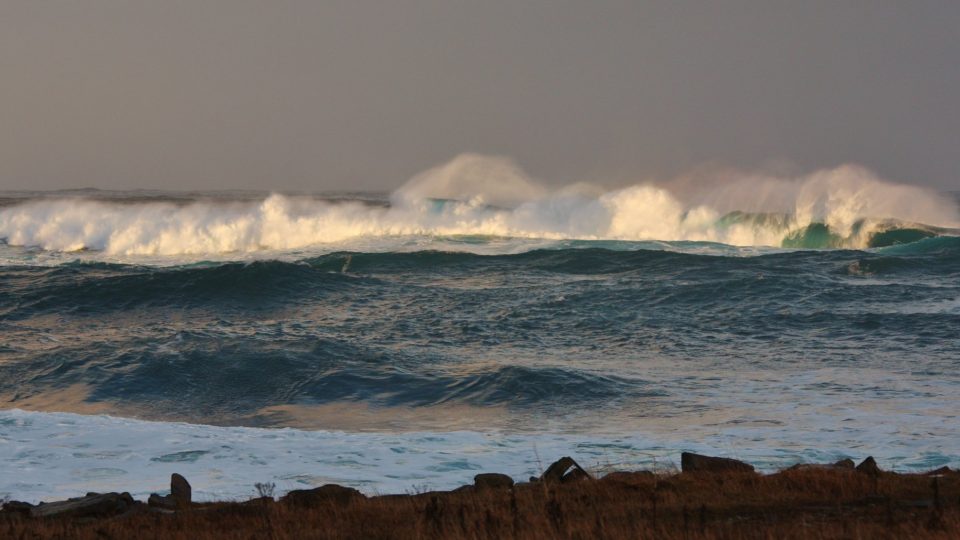
Along with greenhouse gases, global sea levels also reached their highest levels on record for the seventh consecutive year.  Ocean levels are rising about an inch per decade, but that number may rise if ice melt at the poles continues to accelerate.

Global temperatures had their fourth highest level on record in 2018, slightly lagging 2016, 2015, and 2017 for the highest ever.  A La Niña over the Pacific cooled ocean waters for part of 2018, keeping temperatures a bit lower.  So far, 2019 is on track to be the warmest year in recorded history.

Global sea temperatures also set a record level in 2018.  And glaciers continued to melt at an alarming rate for the 30th consecutive year.

The State of the Climate report is yet another in a series of expert, science-based reports that continue to sound the alarm about the climate crisis.  Climate change is affecting our weather, agricultural productivity, water supply, public health and national security.  Unfortunately, the facts continue to be drowned out for many people by blogs, pundits, and posts on social media.

**********

Web Links

Greenhouse Gases Reach Unprecedented Level

Photo, posted January 13, 2014, courtesy of Ronnie Robertson via Flickr.

Earth Wise is a production of WAMC Northeast Public Radio.
Protecting Vulnerable Shorelines

May 21, 2019 By EarthWise Leave a Comment

Global climate change is having noticeable effects on the environment. For example, glaciers are shrinking.  Plant and animal ranges are shifting and populations decreasing.  And droughts, floods, and wildfires are becoming more frequent and more intense.  According to the Intergovernmental Panel on Climate Change, the evidence indicates that the net damage costs of climate change are likely to be significant and to increase over time. 

Our coastal shorelines, which are already stressed by human activity, pollution, storms, and invasive species, are one of many areas expected to be further threatened by climate change.  Sea level rise and more intense and frequent storms are expected to erode and inundate coastal ecosystems and eliminate wetlands.  Ocean acidification is also projected to disrupt marine environments. 

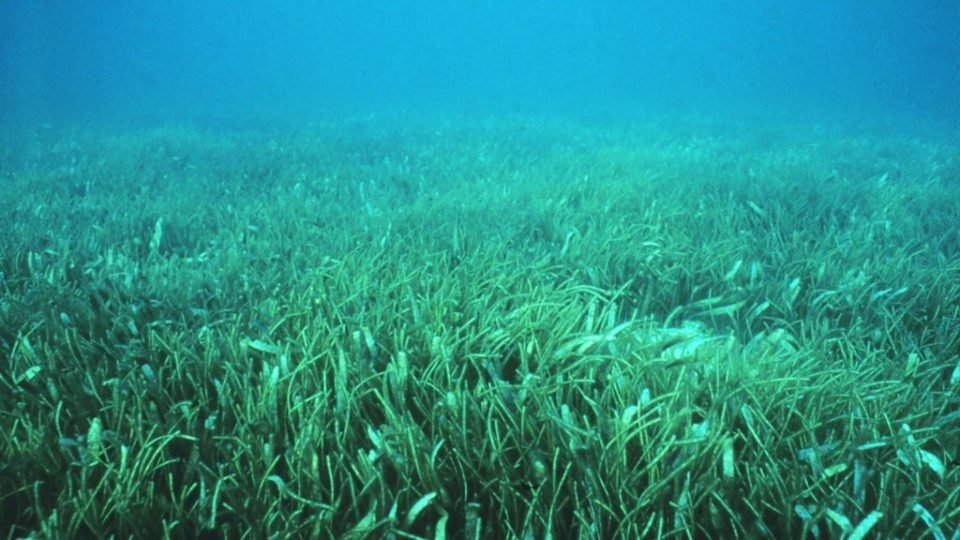
But according to scientists at the Massachusetts Institute of Technology, seagrasses could play a key role in protecting these vulnerable shorelines from this onslaught.  The MIT research team demonstrated how the ubiquitous marine plants dissipate wave energy and help protect against erosion, which could help mitigate damage from rising seas. 

Using mathematical modelling and experiments, the MIT researchers were able to quantify for the first time how large and dense a continuous meadow of seagrass must be in order to provide adequate damping of waves in a given setting.  They also found that seagrasses offer significant environmental benefits, including preventing beach erosion, protecting seawalls and coastal structures, improving water quality, and sequestering carbon. 

Submerged aquatic vegetation, including seagrasses, provides an ecosystem service exceeding $4 trillion annually.  Hopefully these findings can help provide useful guidance for seagrass restoration efforts.

**********

Web Links

Seagrass’ strong potential for curbing erosion

The Effects of Climate Change

Photo, posted October 13, 2010, courtesy of the NOAA Photo Library via Flickr.

Earth Wise is a production of WAMC Northeast Public Radio.
More Antarctic Warming

April 23, 2019 By EarthWise Leave a Comment

East Antarctica is the coldest place on Earth.  It makes up two-thirds of the continent, is home to the South Pole, and has vast ice sheets that have been around for tens of millions of years and are nearly three miles thick in places.  Temperatures there hover around 67 degrees below zero.  In 2010, a few spots on East Antarctica’s polar plateau reached a record-breaking 144 degrees below zero.

But almost unbelievably, parts of the East Antarctic seem to be melting.

Scientists are seeing worrying signs of ice loss in the East Antarctic.  Glaciers are starting to move more quickly and are dumping their ice into the Southern Ocean.  Satellite images show the fast-moving ice.  The biggest glacier – the Totten Glacier – alone contains enough ice to raise global sea levels by over 12 feet.

The Antarctic as a whole contains about 90% of the planet’s ice.  In theory, if it all melted, it would raise global sea levels by an average of 200 feet.

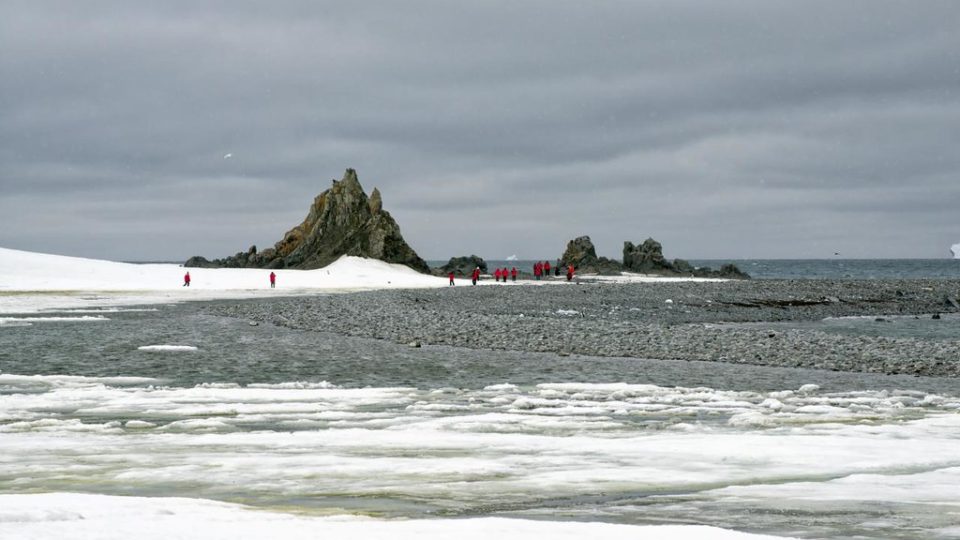
The growing concerns about eastern Antarctica are not that its interior plateau will soon start to melt.  It is still extremely cold there and should stay that way for a long time.  But its edges, which are in contact with warming ocean waters, are the real worry.  As the region’s ice shelves, which float atop the Southern Ocean, erode, the vast glaciers behind them could rapidly accelerate their slide into the sea.

Today, satellites show huge glaciers moving rapidly toward the coast, with wide rivers of ice sometimes moving several miles a year.  In the face of rapid change and limited data, it is difficult to predict what the Antarctic will do in the future.  But it doesn’t look good.

**********

Web Links

Polar Warning: Even Antarctica’s Coldest Region Is Starting to Melt

Photo, posted January 3, 2013, courtesy of Christopher Michel via Flickr.

Earth Wise is a production of WAMC Northeast Public Radio.
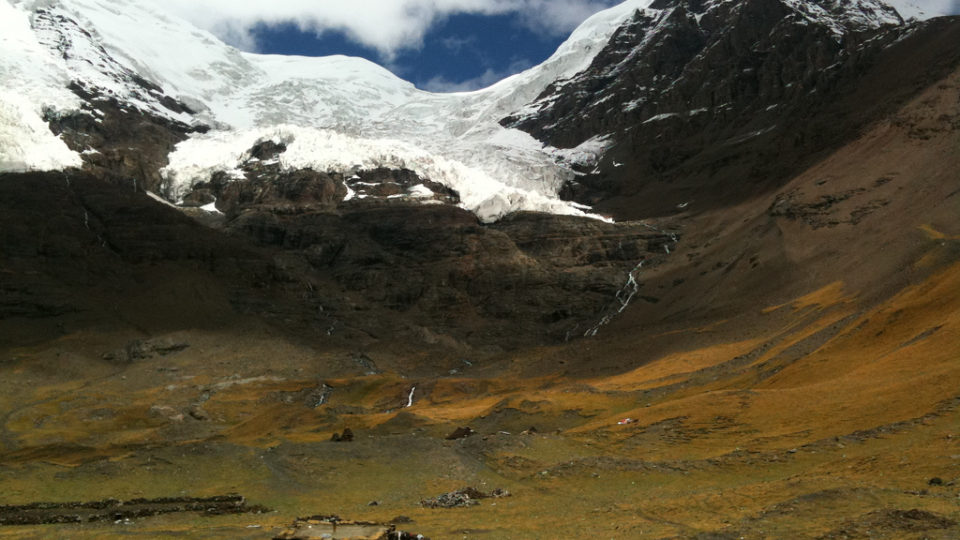
Glaciers And Water Supply

March 25, 2019 By EarthWise Leave a Comment

The world has roughly 150,000 glaciers covering about 200,000 square miles of the earth’s surface.  Over the last 40 years they’ve lost the equivalent of a layer of ice 70 feet thick.  Most of them are getting shorter as well.  Some have shrunk to nothing; many smaller glaciers in places like the Rockies and the Andes have disappeared entirely.

Glaciers represent the snows of centuries, compressed over time to form flowing rivers of ice.  They always change over time, accumulating snow in winter and losing ice to melting in summer.  But in recent times, the warming climate has allowed the melting to outpace the accumulation.

Much of the discussion about the retreating glaciers relates to sea level rise, catastrophic floods, debris flow, and the effects on rivers and ecosystems.

But in some places, the biggest impact of the loss of glaciers is on the supply of water for people and agriculture.  In Kazakhstan, Almaty, the country’s largest city depends on glacier-fed rivers for drinking water for its 2 million people and for irrigation water for crops.  All across the Tibetan Plateau and the Himalayan and Karakmoram mountain ranges, hundreds of millions of people rely on glacier-fed rivers for their water supplies. 

A melting glacier can at first increase stream flow but eventually reaches a tipping point and meltwater begins to taper.  In the short term, the melting glaciers may provide increased amounts of water coming down from the mountains, but eventually the flow in the rivers will begin to decline and populations will face a crisis.

It will be essential for people in many places to carefully plan for their future water needs in a changing world.

**********

Web Links

Glaciers Are Retreating. Millions Rely on Their Water.

Photo, posted September 16, 2011, courtesy of Flickr.

Earth Wise is a production of WAMC Northeast Public Radio.
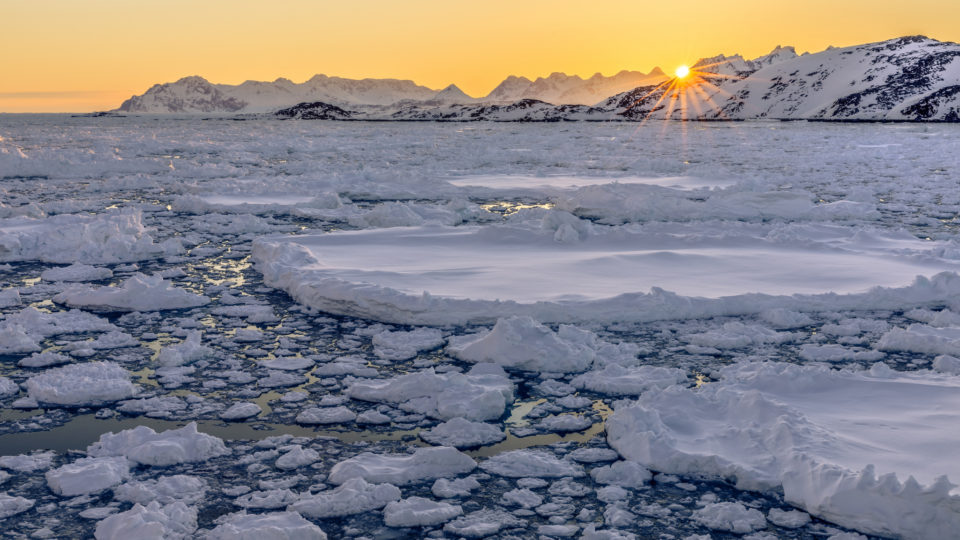
Ice Melt In Greenland

March 12, 2019 By EarthWise 1 Comment

A new study published in the Proceedings of the National Academy of Sciences warns that Greenland’s ice Is melting much faster than previously thought.  The ice loss rapidly accelerated around 2002-2003 and by 2012 the annual loss was nearly four times the rate in 2003.

Most of the new ice melt is in southwest Greenland, a part of the island that wasn’t known to be losing ice that rapidly and is not where most of the large glaciers are in Greenland.  The loss is coming from the land-fast ice sheet itself.

Data from NASA satellites and GPS stations scattered around Greenland’s coast shows that between 2002 and 2016, Greenland lost approximately 280 billion tons of ice per year.  That is enough melt to cover the entire states of Florida and New York hip deep in meltwater, as well as drowning Washington, D.C. and one or two other small states.

Global warming of just 1 degree Celsius is the main driver behind this massive meltdown of ice.  The temperature rise coupled with a negative phase of the North Atlantic Oscillation causes rapid surface melt of the ice sheet during summers.  The Oscillation is a natural, irregular change in atmospheric pressure that brings warm, sunny weather to the western side of Greenland during its negative phase.

The Greenland ice sheet is 2 miles thick in some places and contains enough ice to raise sea levels 23 feet if it all melted.  The melting Greenland ice is already slowing the Gulf Stream, which is wreaking havoc with European weather.  If we don’t get a handle on global temperature rise, things are only going to get worse.

**********

Web Links

Greenland’s ice is melting four times faster than thought—what it means

Photo, posted April 21, 2017, courtesy of Markus Trienke via Flickr.

Earth Wise is a production of WAMC Northeast Public Radio.
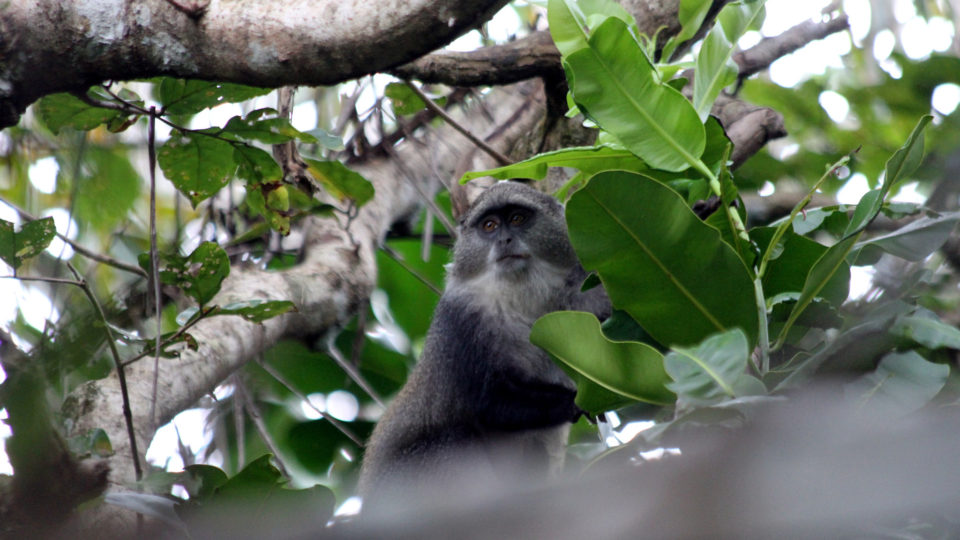
Saved By The Trees

February 1, 2019 By EarthWise Leave a Comment

The island of Kokota, part of the Zanzibar Archipelago off the coast of Tanzania, is tiny – only one square kilometer and home to just 500 people.  For centuries, its residents subsisted by harvesting the islet’s natural resources, including its trees.

By the early 21st century, the deforestation had become unsustainable and the islanders faced a crisis.  Fisheries were depleted, and rivers ran dry.  The changing climate brought rising sea levels, more erratic rainfall, and coral bleaching in the surrounding waters.  The situation looked hopeless.

But in recent years, the island has come back from the brink of ruin.  Reforestation efforts began in 2008 on the larger island of Pemba and on Kokota itself, led by a Pemba local and a Canadian tree planter who formed the non-profit Community Forests International.  Since then, nearly 2 million trees have been planted on the two islands.  Enthusiastic volunteers on Kokota usually help plant trees during the rainy season, when water is plentiful.

Community Forests International, along with spearheading the tree planting effort, also built Kokota’s first school, and installed rainwater storage tanks for the community.

The conservation group is now devising ways for Kokota to make more money by diversifying its agriculture with crops that grow well in its climate including spices like cloves, cinnamon, and nutmeg.  They are also helping locals to grow more and different vegetables in their gardens.

Small, poor communities are often the most vulnerable to the effects of climate change, such as drought, powerful storms, and depleted fisheries.  Tiny Kokota provides an example of an environmental comeback.  Fighting climate change requires economic solutions along with environmental solutions.  For this one tiny island, it  appears to have been saved by the trees.

**********

Web Links

This island was on the brink of disaster. Then, they planted thousands of trees.

Photo, posted July 18, 2015, courtesy of Marco Zanferrari via Flickr.

Earth Wise is a production of WAMC Northeast Public Radio.
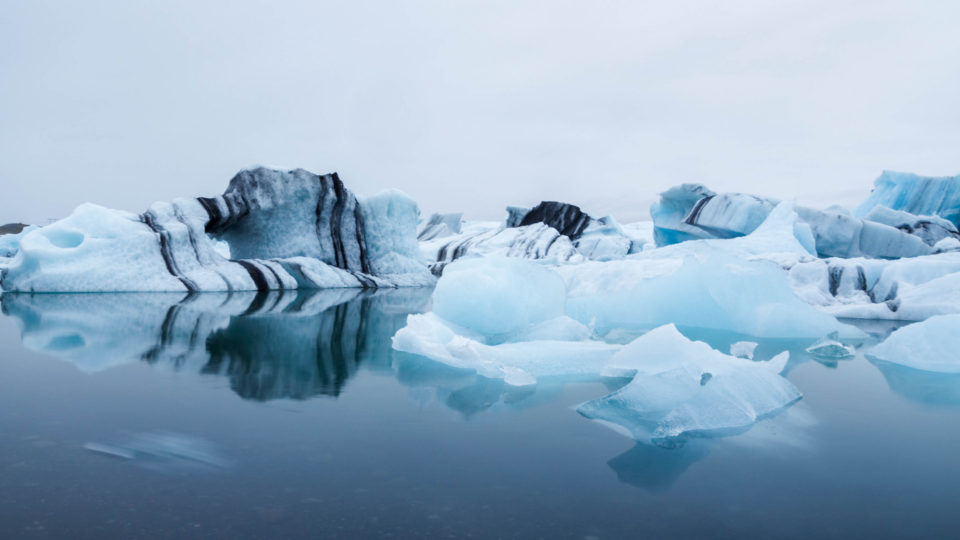
Melting Ice In Greenland

January 18, 2019 By EarthWise Leave a Comment

The Greenland ice sheet is the second largest ice body in the world after the Antarctic ice sheet.  It covers over 660,000 square miles, more than twice the size of the state of Texas.  But it is melting.

According to a new study published in the journal Nature, the Greenland ice sheet is melting faster today than at any point in the last 350 years.  A team of U.S. and European researchers analyzed more than three centuries of melt patterns in ice cores from western Greenland. They then linked this historical data to modern observations of melting and runoff across the entire ice sheet.

According to the researchers, from an historical perspective, today’smelt rates are off the charts.  There is a 50% increase in total ice sheet melt water runoff since the start of the industrial era and a 30% increase since the 20th century alone.

Over the last 20 years, melt intensity has increased 250 to 575 percent compared to pre-industrial melt rates. The period from 2004-2013, the most recent decade analyzed, experienced a more sustained and greater magnitude of melt than in any previous 10-year period in the 350-year record.

The Greenland ice sheet is the largest single contributor to global sea level rise.  It is adding 72 cubic miles of meltwater to the world’s oceans every year.

The melting of the Greenland ice sheet is accelerating which is a frightening prospect.  If the sheet were to melt in its entirety, global sea levels would rise by 23 feet.  The world needs to do whatever it can to keep that doomsday scenario from happening.

**********

Web Links

Greenland Ice Sheet Melting At Fastest Rate in 350 Years

Photo, posted September 8, 2014, courtesy of Marco Verch via Flickr.  

Earth Wise is a production of WAMC Northeast Public Radio.

  • « Go to Previous Page
  • Page 1
  • Page 2
  • Page 3
  • Go to Next Page »

Primary Sidebar

Recent Episodes

  • An uninsurable future
  • Clean energy and jobs
  • Insect declines in remote regions
  • Fossil fuel producing nations ignoring climate goals
  • Trouble for clownfishes

WAMC Northeast Public Radio

WAMC/Northeast Public Radio is a regional public radio network serving parts of seven northeastern states (more...)

Copyright © 2026 ·