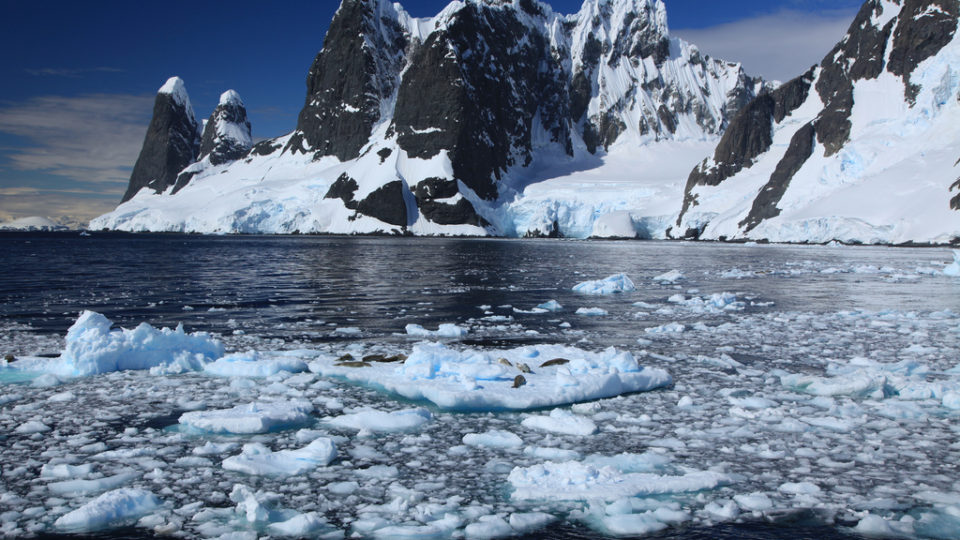
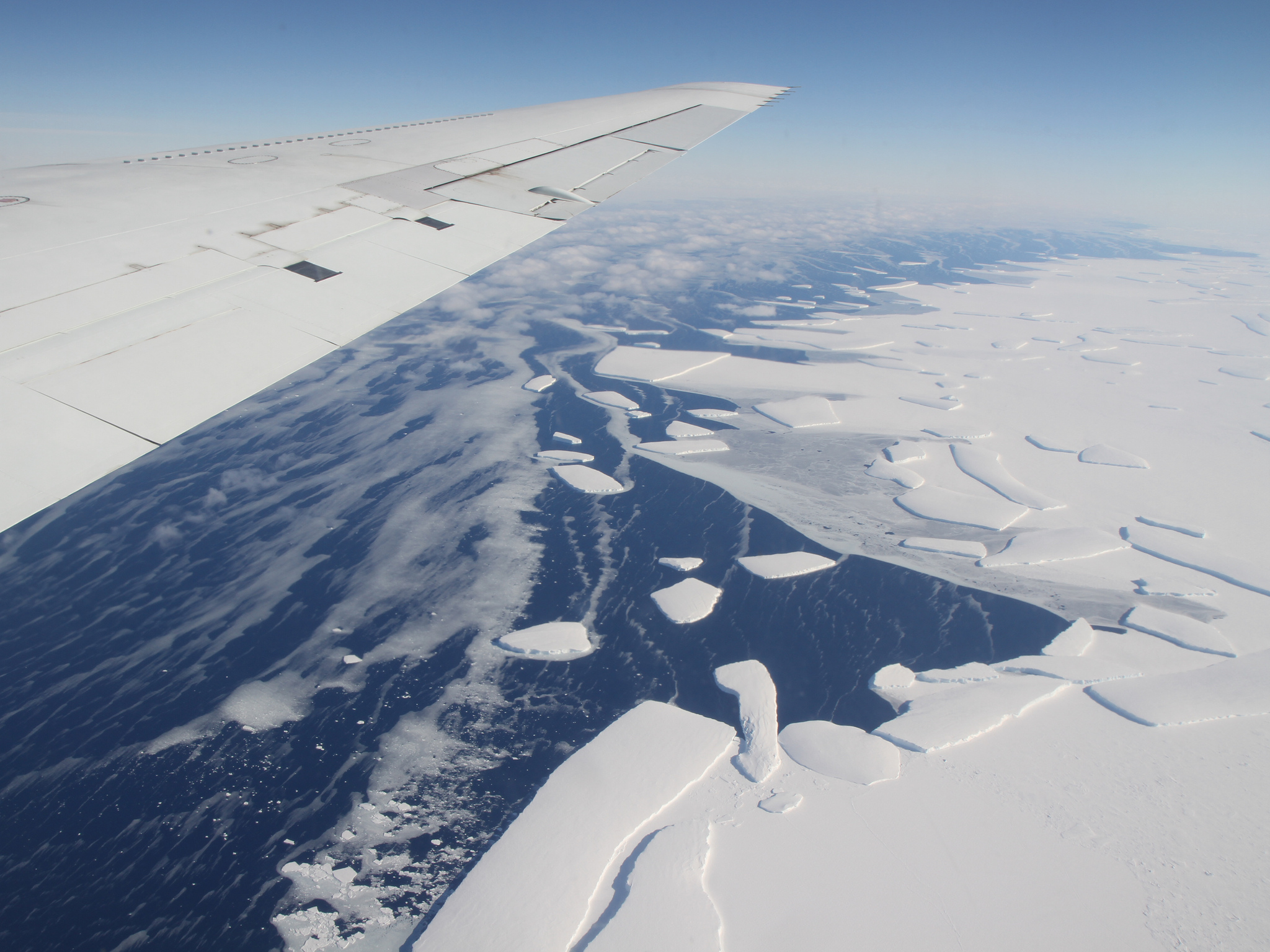
Antarctica’s ice sheets contain enough frozen water to raise sea levels globally about 190 feet. Ice in the Antarctic is melting at a record-breaking rate and subsequent sea rises could have catastrophic consequences around the world. So, it is no surprise that scientists have been closely tracking ice loss in recent decades to understand both the current and future impacts of climate change.
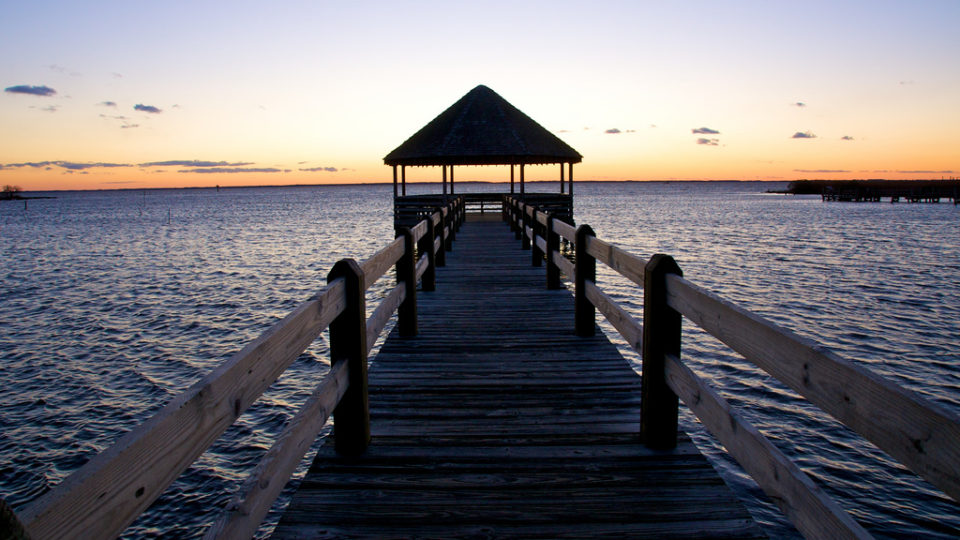
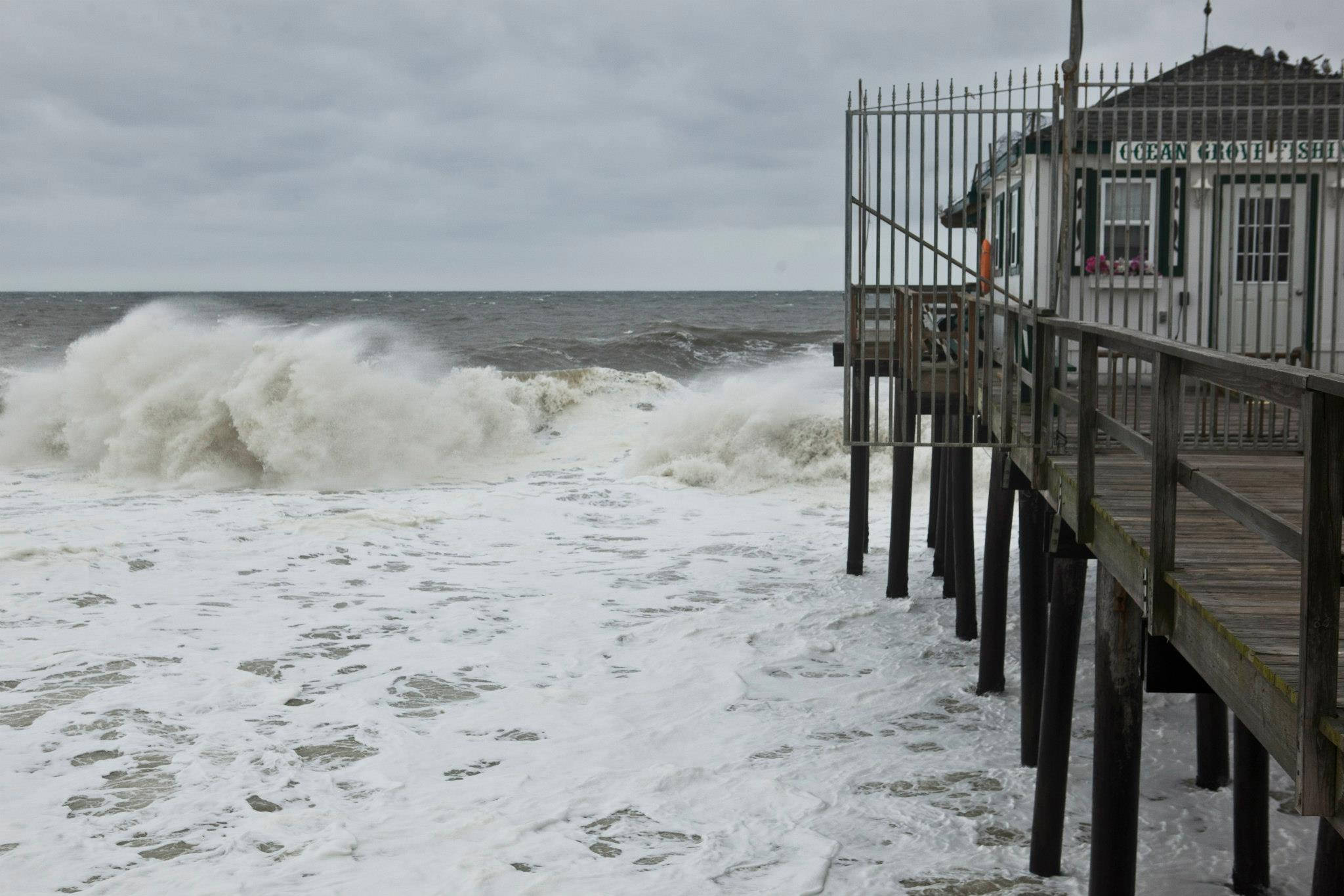
Global sea levels are rising by about a tenth of an inch per year, but in some places, the rise is faster… much faster. From 2011 to 2015, sea levels rose up to 5 inches – an inch per year – in some locales along the Eastern Seaboard. Places like Norfolk, Virginia and Miami are experiencing so-called sunny day flooding, something that had not been expected for decades according to climate projections. So, what is going on?
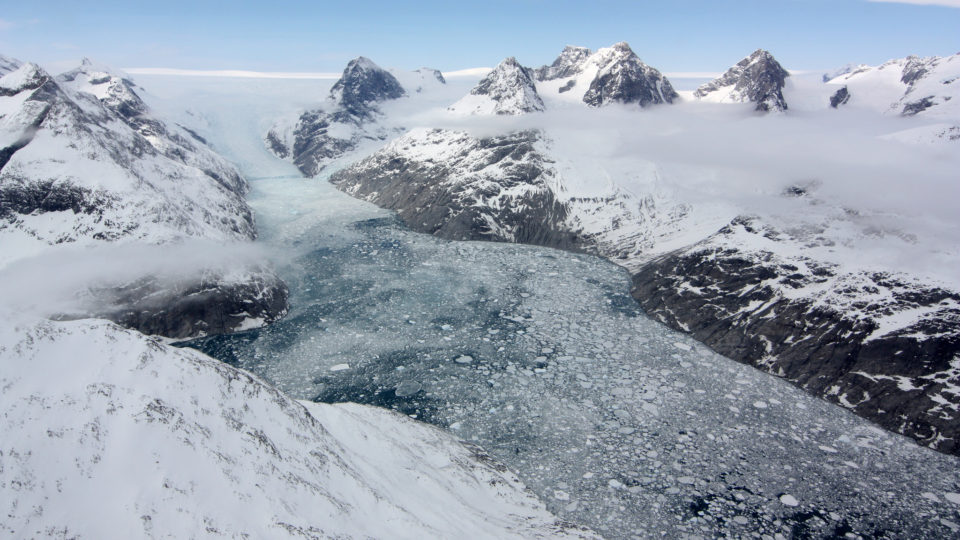
The Greenland Ice Sheet is the second largest ice body in the world, after the Antarctic ice sheet. It is about 1,500 miles long, nearly 900 miles across at its widest point, and averages more than a mile in thickness. It has experienced record melting in recent years and is a source of great concern as the climate continues to warm. The Greenland Ice Sheet is losing an estimated 270 billion tons of ice each year. If the entire sheet were to melt, global sea levels would rise by 24 feet which, of course, would be a world-wide catastrophe.
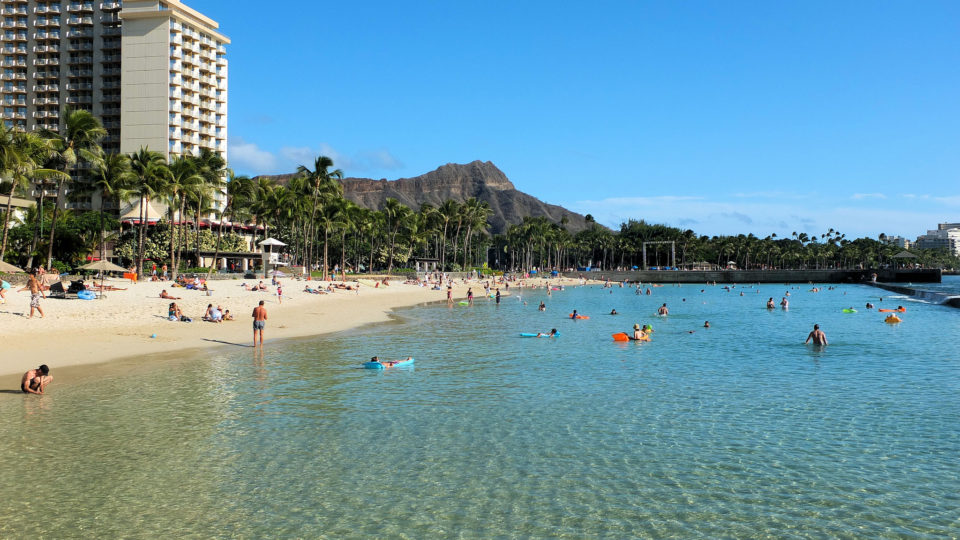
The Hawaiian Islands are an archipelago of eight major islands, several atolls, numerous smaller islets, and seamounts in the North Pacific Ocean. The islands are a world-renowned vacation spot, known for their white-sand beaches, lush flora, and near perfect weather. But stormier days may be ahead.
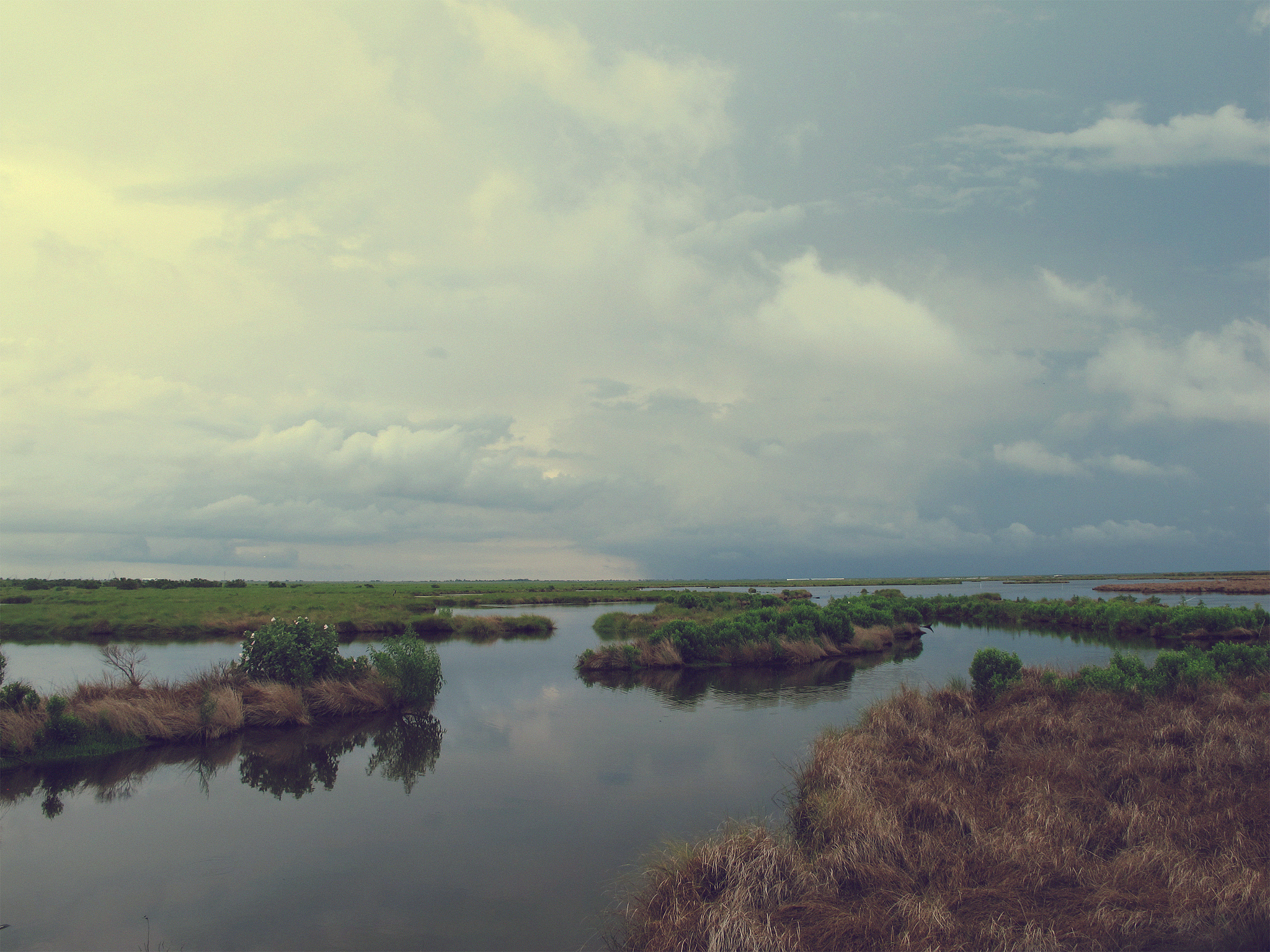
The world’s rivers carry billions of cubic yards of sediment – sand, silt and other material – and transport it to wetlands and coastal areas. Until fairly recently, this was viewed as a negative thing. But that has changed.
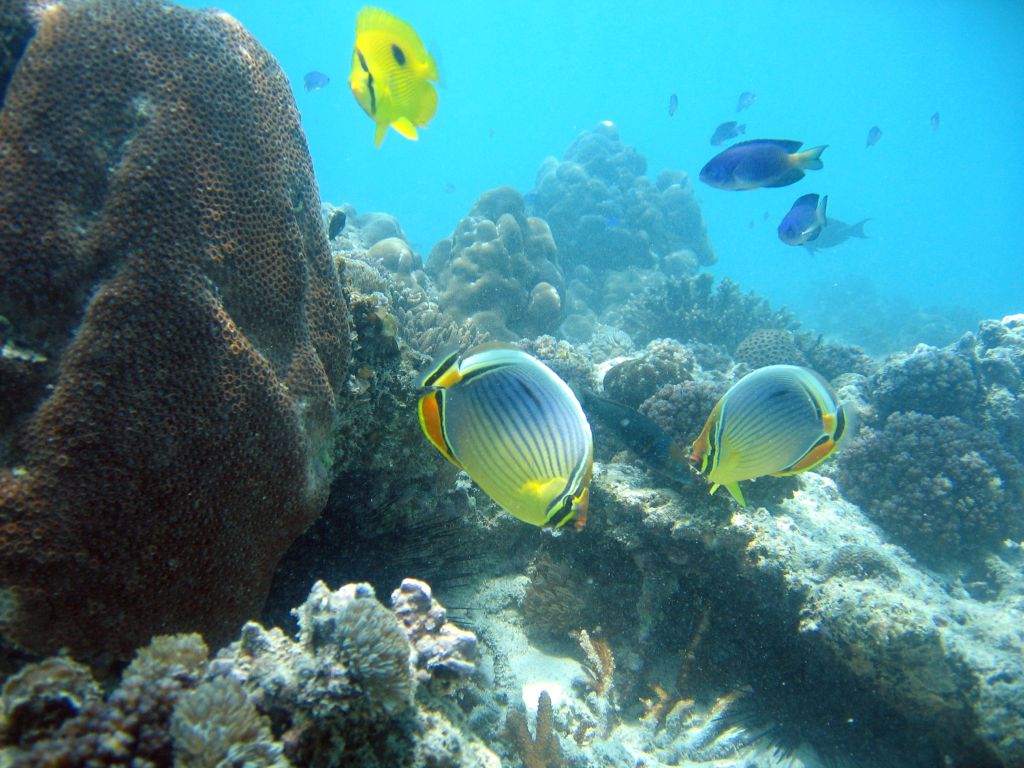
A new study warns that coral reefs are in danger of disappearing forever. According to U.N. research, the world’s coral reefs could die out completely by mid-century unless carbon emissions are reduced enough to slow ocean warming.
Back in February, we did a story about a rapidly-growing crack in the fourth-largest ice shelf in Antarctica. At that time, the crack in the Larsen C ice shelf was more than 100 miles long and was growing at a pace of about 5 football fields a day.
A rapidly-growing crack in the fourth-largest ice shelf in Antarctica has scientists watching for it to break off entirely. By early February, the crack in the Larsen C ice shelf was more than 100 miles long and some parts of it were 2 miles wide. In the two-month period between December and February, the crack grew by 17 miles, a pace of about five football fields a day.
Sea levels are rising around the world because of melting ice as well as warming waters since water expands as its temperature goes up. Average sea levels around the world are predicted to rise by about three feet by the end of the century as a consequence of the warming climate.
The North American Bird Conservation Initiative recently released its annual “State of the Birds’ report, which is a comprehensive analysis of North American birds. And as with many other things these days, we’re not doing well.