scientists
Air Pollution And Solar Power
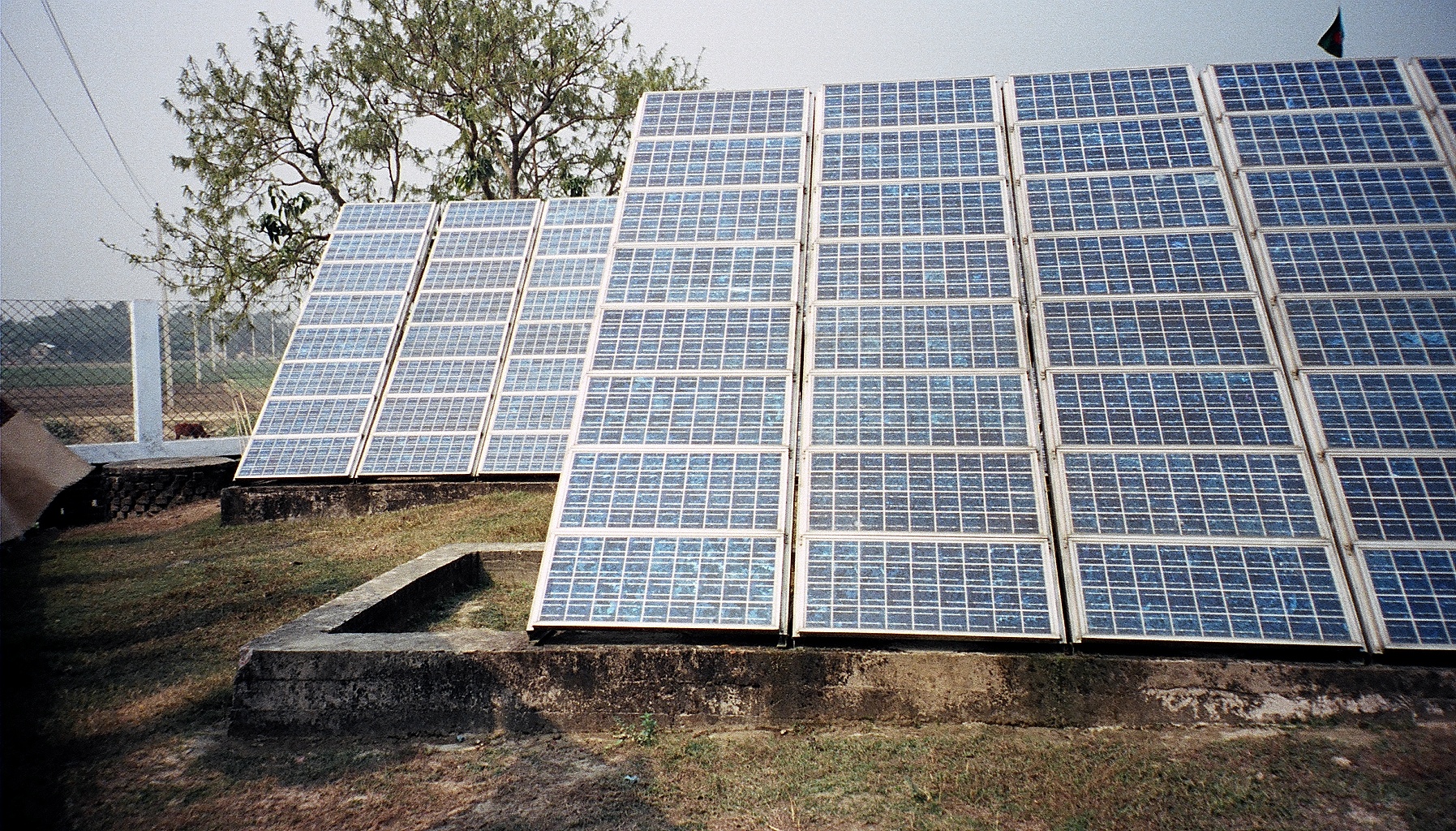
We are well-aware of the negative effects of air pollution on human health and on the environment, but a recent study at Duke University has revealed that global solar energy production is taking a major hit due to air pollution and dust.
Fern-Inspired Energy Storage
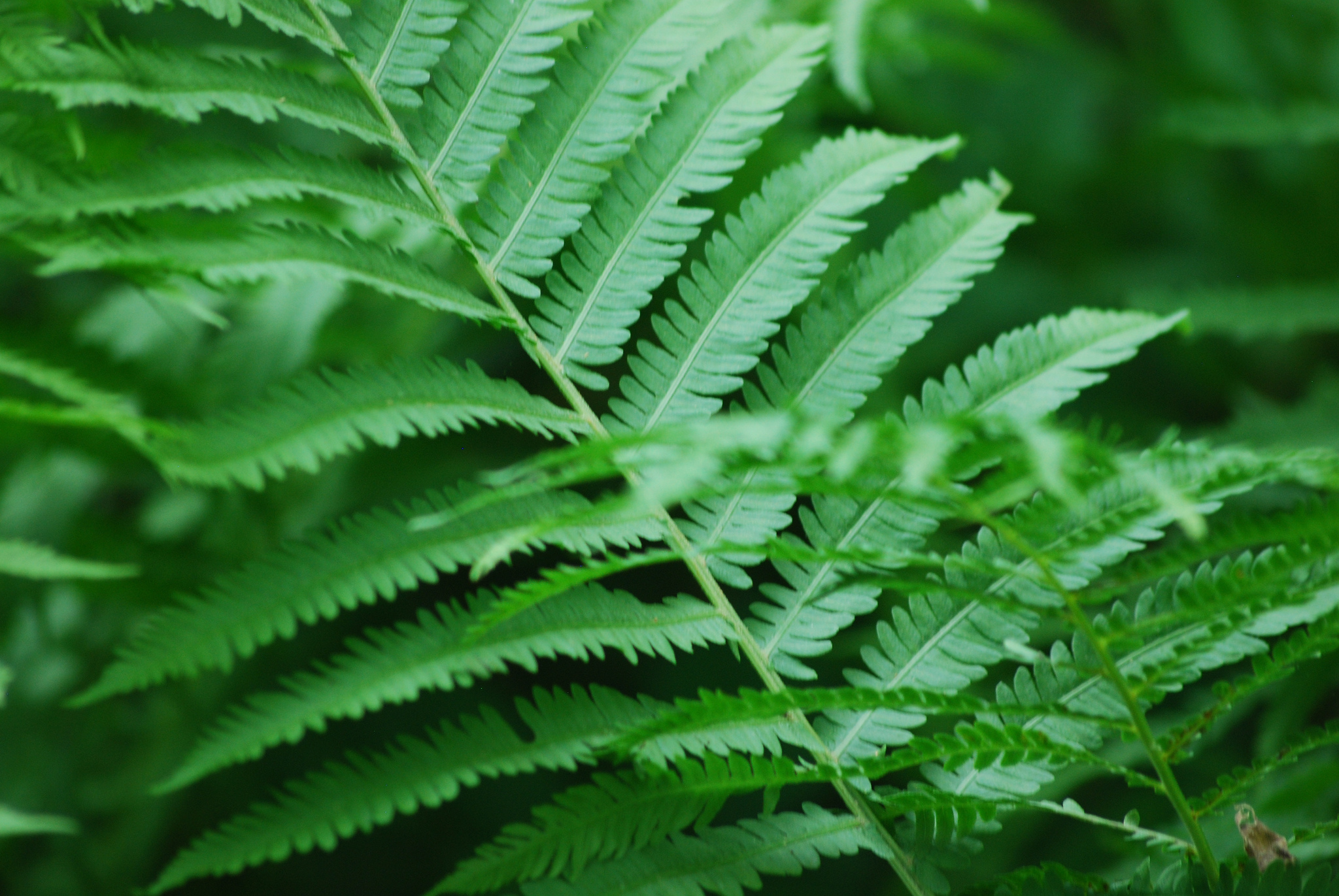
The amount of solar energy striking the surface of the earth in two hours is enough to supply all of humankind’s needs for an entire year. For this reason, it is widely thought that solar energy should be our primary source of electricity. If this is to happen, however, there must be cost-effective ways to obtain solar electricity regardless of the time of day, weather, or seasonal changes. Essentially, there must be ways to store the energy from the sun to use it when we need it.
Antarctica Is Getting Greener
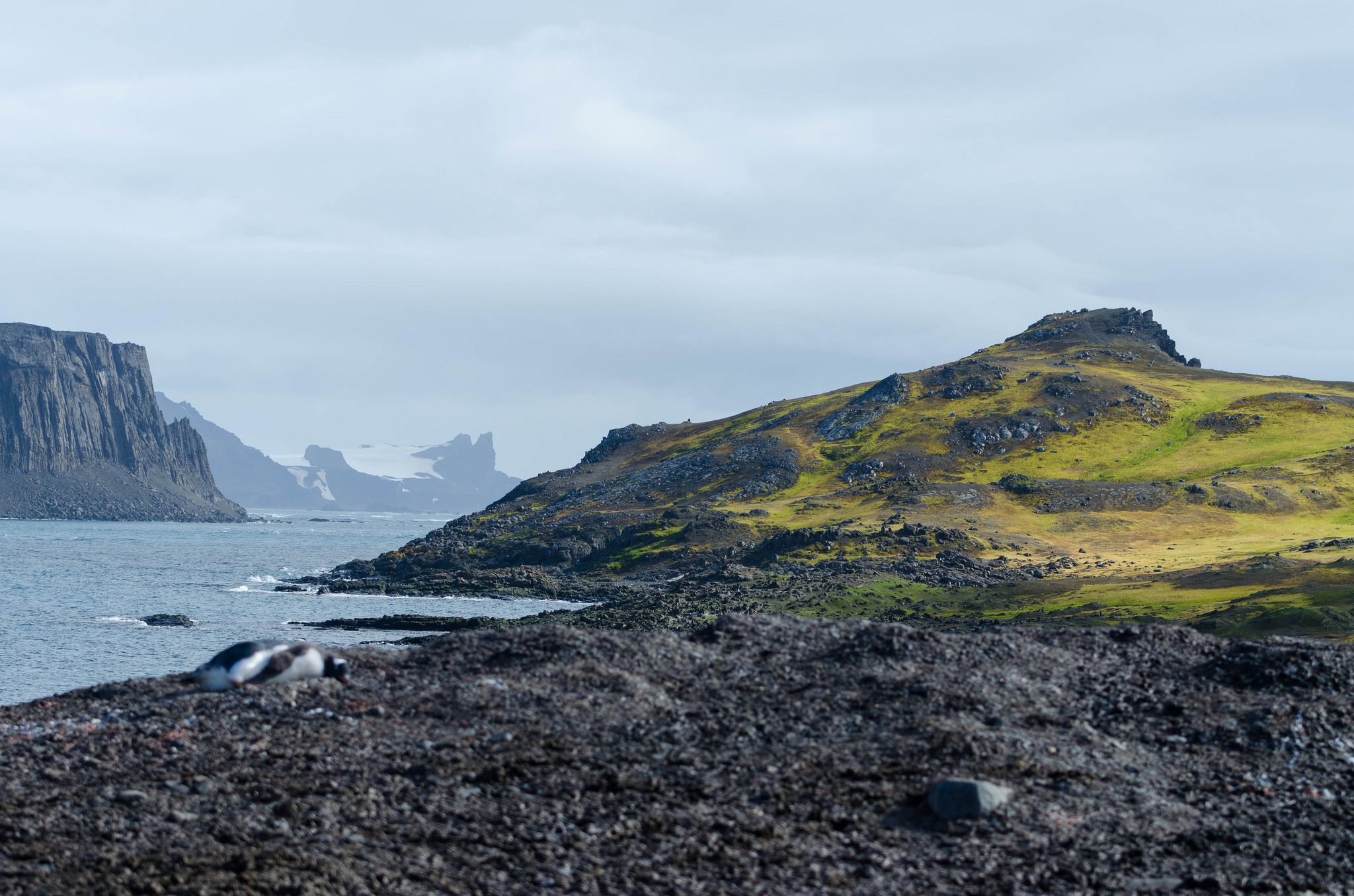
The frozen landscape of Antarctica is getting greener. Researchers drilling into layers of moss that have been accumulating in Antarctica over the last 150 years have found that the growth rate of the moss has been speeding up over the past 50 years.
An Aluminum Battery

The battery industry is currently dominated by lithium-ion batteries. We have them in our phones and computers. They power electric cars. And they are increasingly being used to store energy generated by solar panels and other renewable energy sources.
Mapping Risk
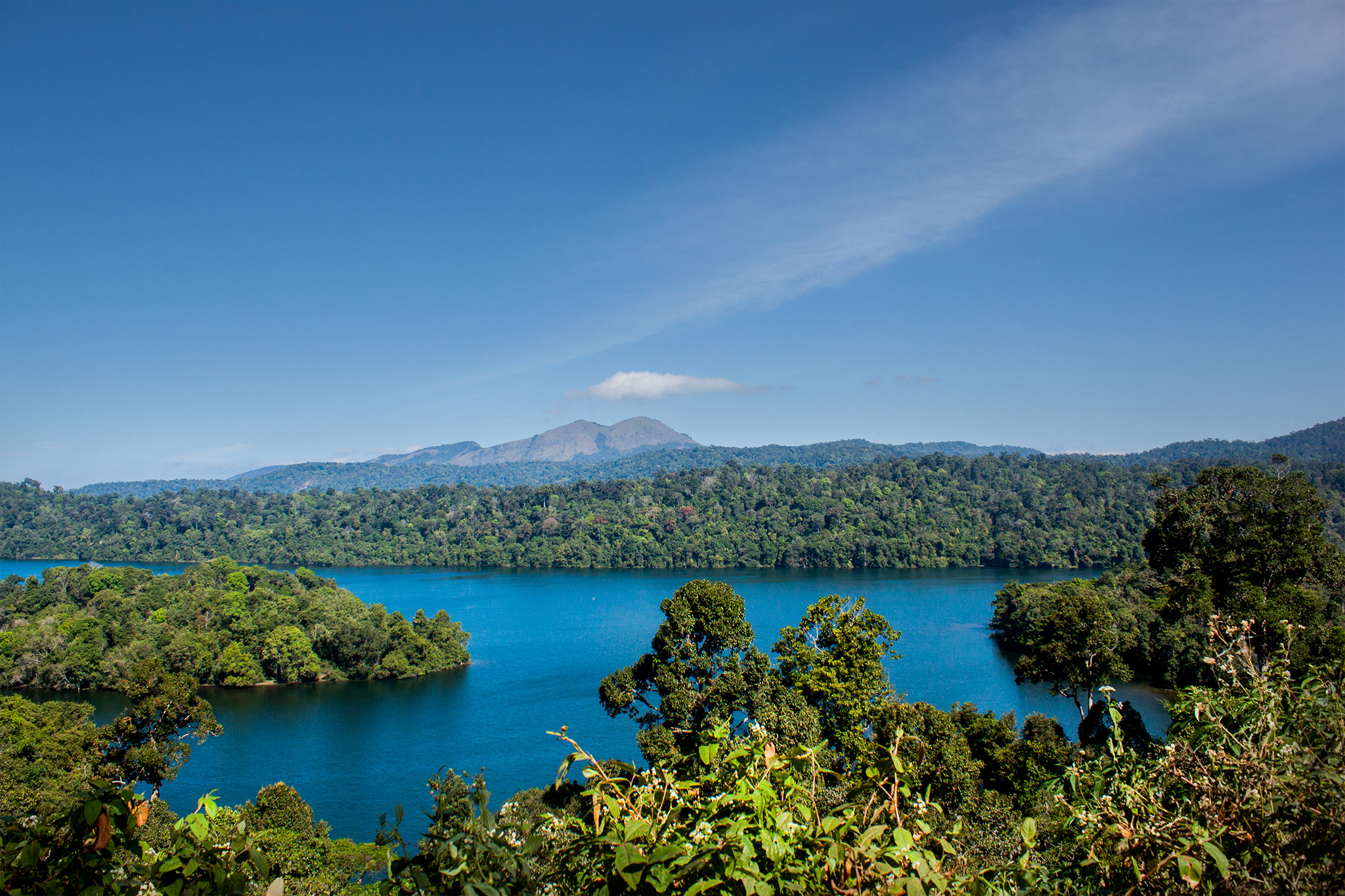
The International Union for Conservation of Nature (IUCN) is the global authority for determining species’ vulnerability in the face of threats such as habitat loss and climate change. How widely a species can be found – its geographic range – is a key indicator used by the IUCN to assign an appropriate conservation status.
Liana Vines And Carbon
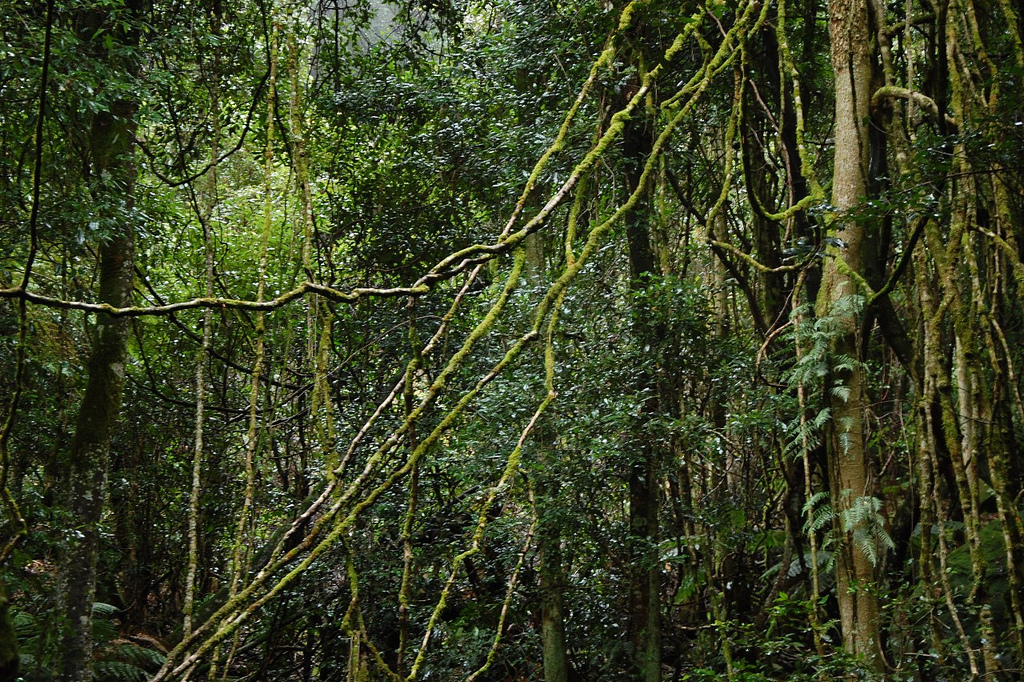
Liana vines are long-stemmed, woody vines that are rooted in the soil at ground level and use trees or other means of vertical support to climb up to the canopy to gain access to sunlight. There are numerous varieties from many plant families. And, for reasons that are not entirely clear, their abundance has doubled in recent decades.
Threats To Coral Reefs
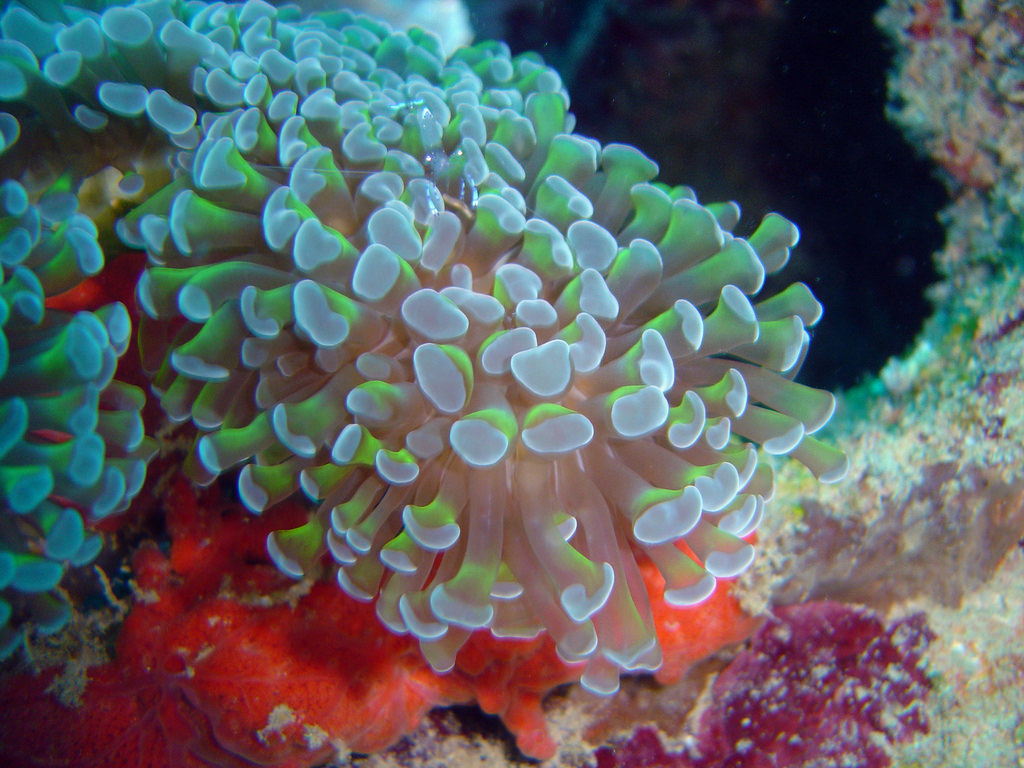
There has been much news recently about the growing bleaching events going on in the world’s coral reefs associated with ocean warming and acidification. The massive damage to Australia’s Great Barrier Reef is an ongoing tragedy.
Turning Seawater Into Drinking Water
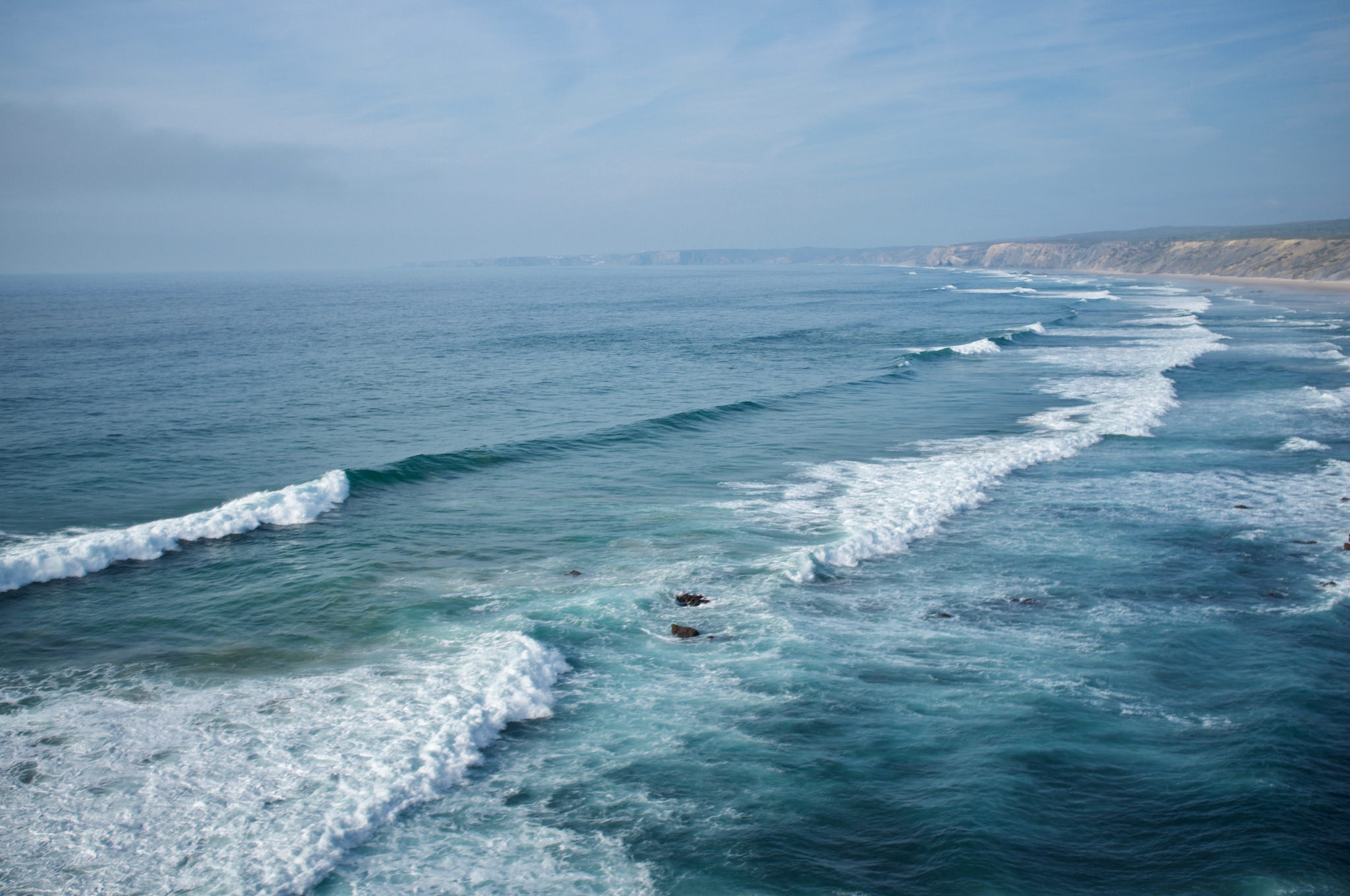
Graphene is often called the wonder material. First isolated by scientists in 2004, it is a form of carbon that is just one atom thick, extremely light, two hundred times stronger than steel, highly flexible, and an excellent conductor of heat and electricity. Scientists are finding numerous applications for it.
Reviving Vaquitas
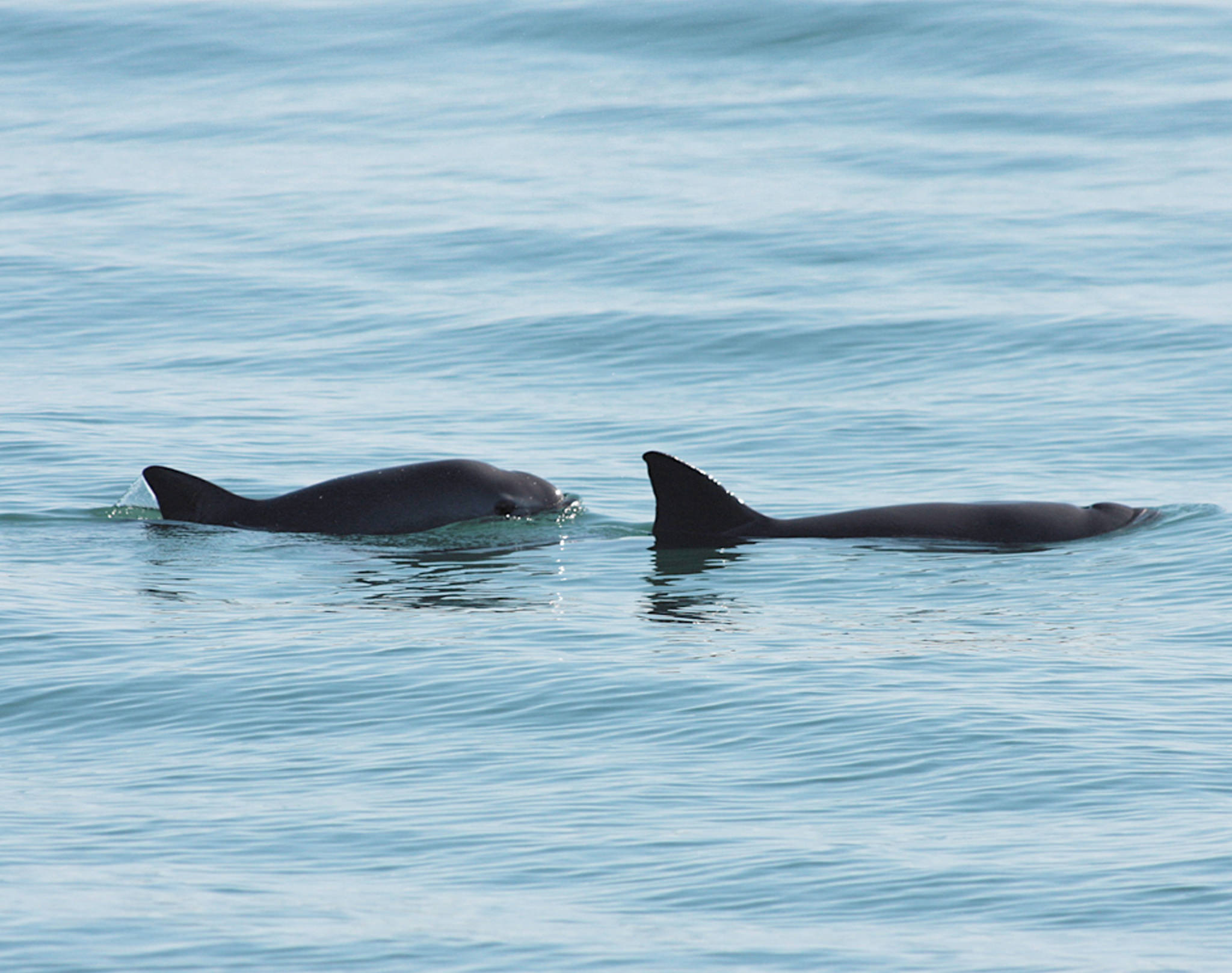
The world’s smallest porpoise is in real trouble. According to scientists, there could be as few as 30 vaquitas remaining on the planet. We highlighted the plight facing this species in detail last month.
Tracking Climate Opinions
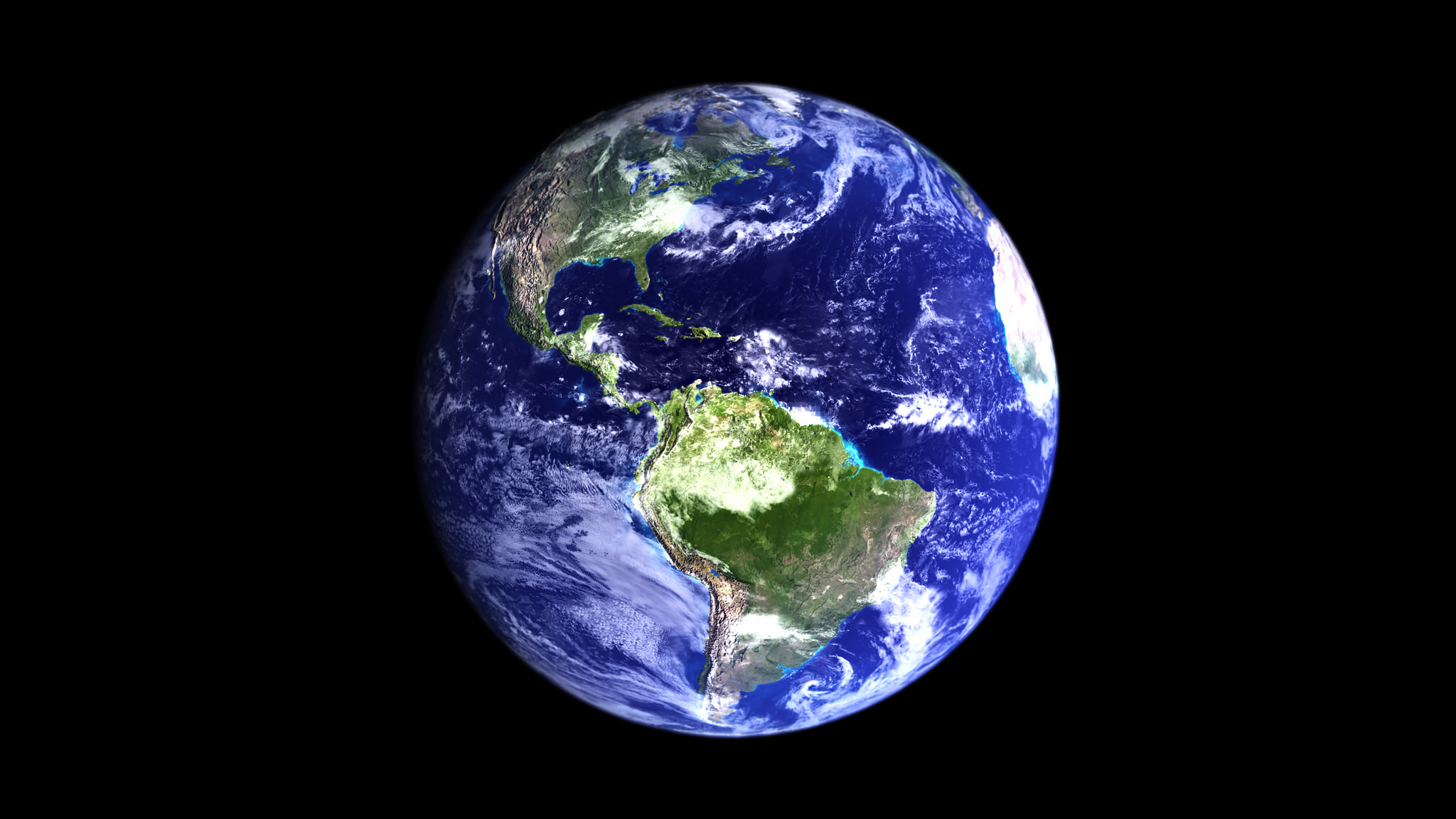
Public opinion about global warming is an important influence on decision making about policies to combat global warming and to be prepared for its consequences. An extensive polling effort by Yale University has produced an estimate of public opinions down to state, congressional district, and county levels.
Wildlife Rediscoveries
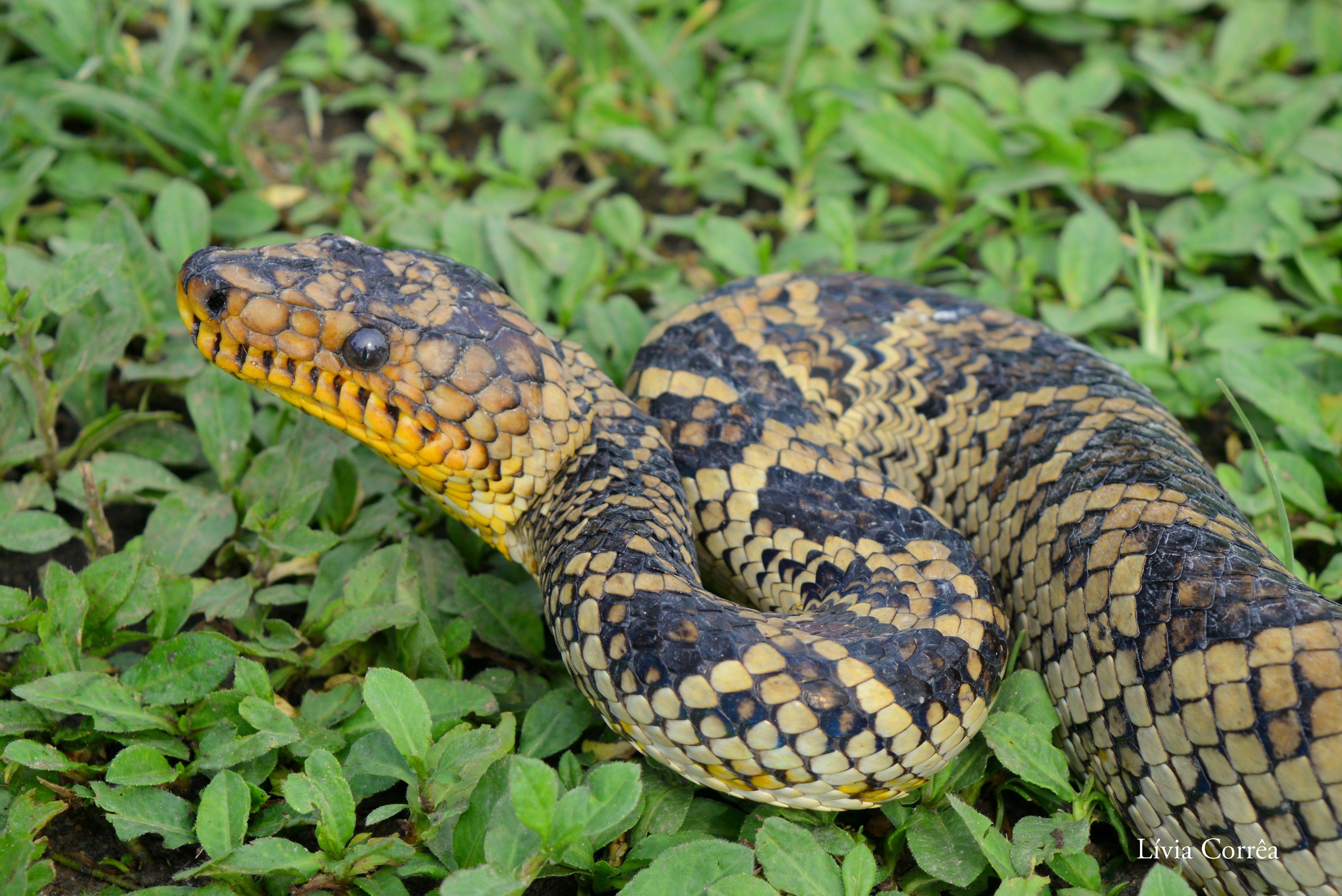
We recently brought you the rediscovery story of cave squeakers. These tiny frogs, known for their high-pitched whistling calls, were native to the mountainous region of eastern Zimbabwe but had not been seen since 1962. That all changed in late 2016, when researchers found four cave squeakers, confirming that after 58 years the species was not extinct. Cave squeakers remain critically endangered according to the IUCN’s Red List of Endangered Species.
Last Year Was Hot
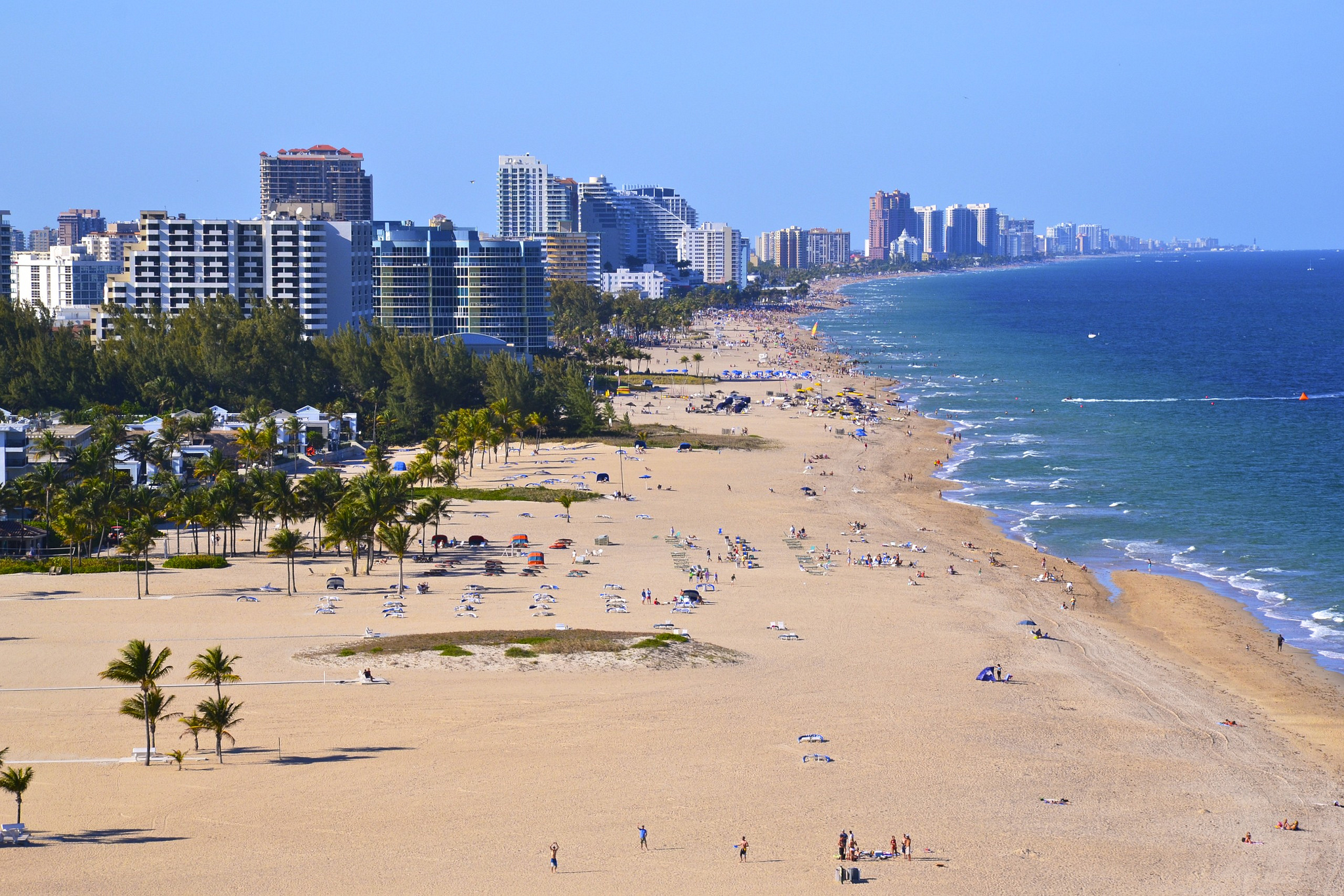
Last year was not the hottest year on record in the United States; it was only the second hottest. 2012 was the hottest because of some searing heat waves that summer. However, 2016 marked 20 above-average temperature years in a row. The five hottest years recorded have all happened since 1998. Every state had a temperature ranking at least in the top seven and both Georgia and Alaska had their hottest years ever. While it was only the second hottest year on record in the U.S., last year was the hottest year for the entire world.
Climate Change And Heat Waves
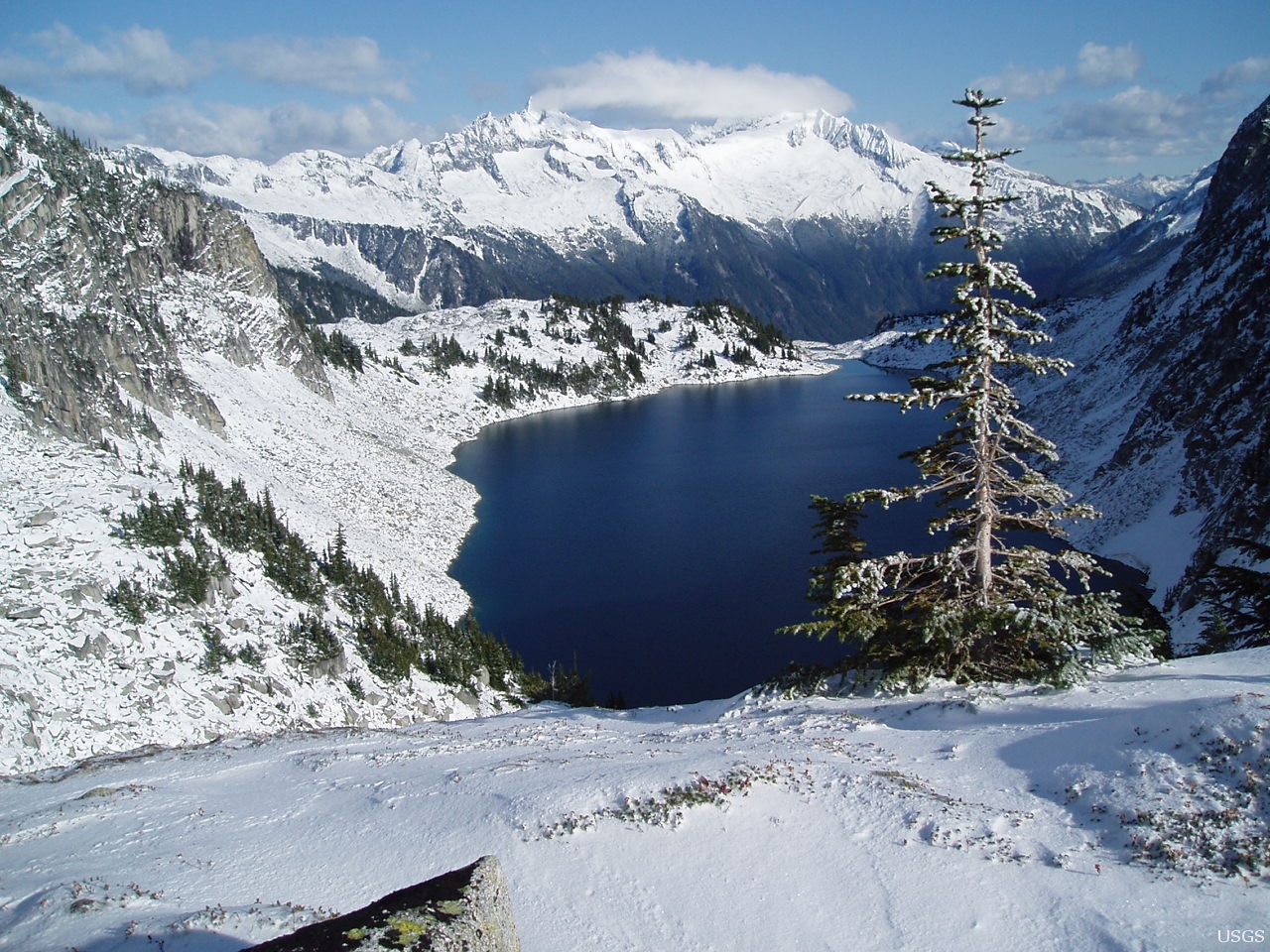
2016 was the hottest year on record and saw many extreme weather events. How much of what happened resulted from climate change has yet to be assessed. However, the analysis of 2015 – which was the hottest year on record up until last year – has been presented in a special publication by the American Meteorological Society.
Lake Baikal
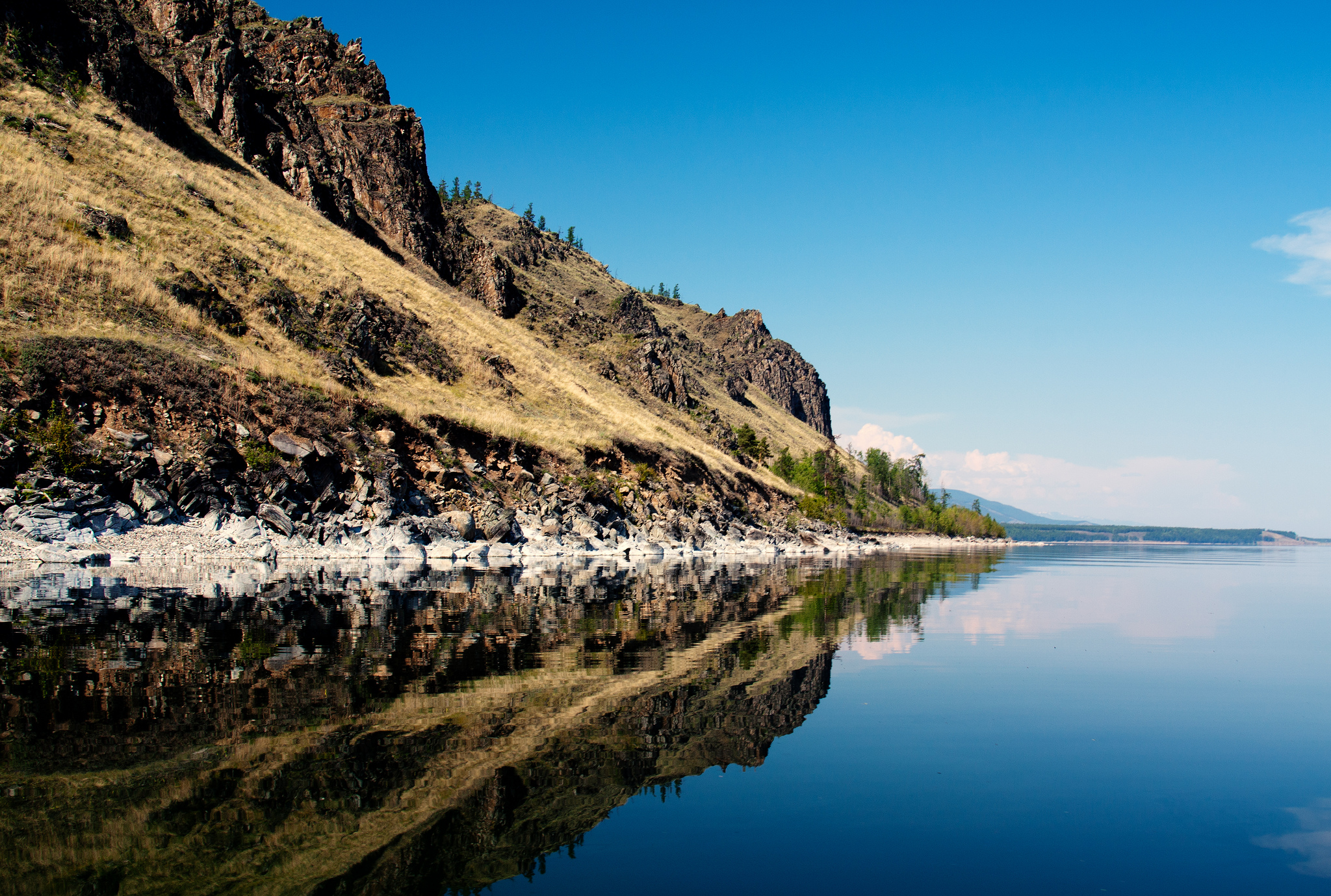
Lake Baikal is an ancient and massive body of freshwater found in the mountainous Russian region of Siberia. Deep and voluminous, Lake Baikal holds 20% of the planet’s unfrozen freshwater. And it’s often been described as the world’s cleanest and most pristine lake.
The Ocean As A Heat Sink
From 1998 until 2013, scientists observed a slowing in the rate of global mean surface warming. In other words, global temperatures were not rising as quickly as before. This quickly became known as the “global warming hiatus.”
Climate Change And Fish
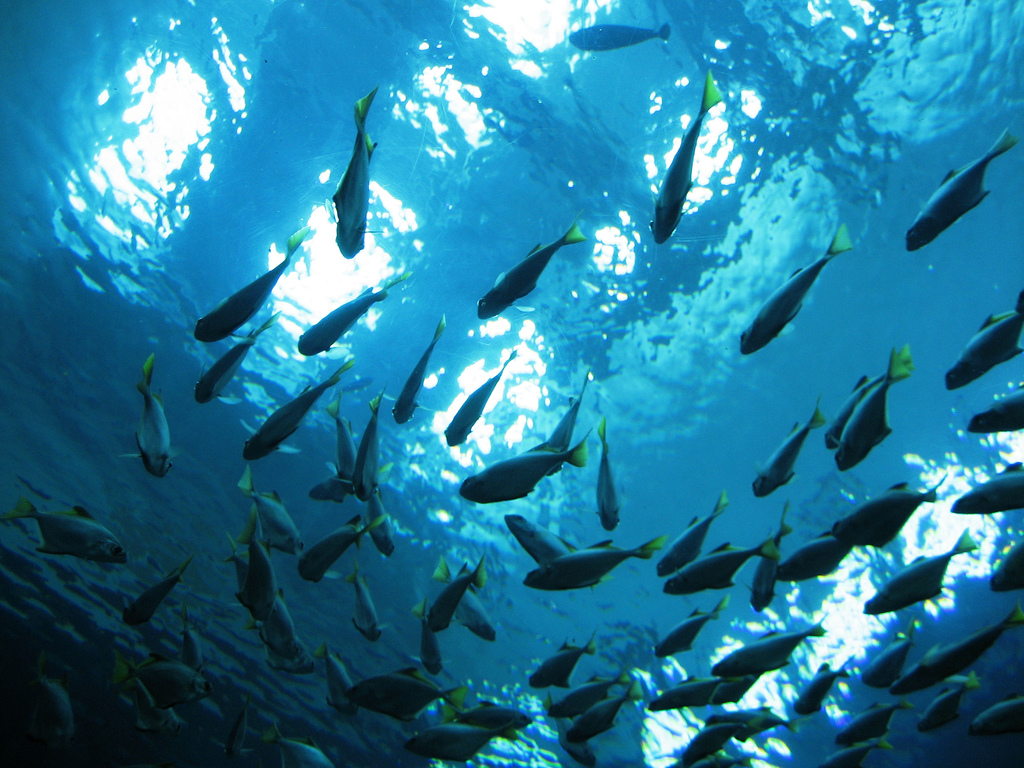
According to a recent study published in the journal Global Change Biology, rising CO2 levels in the ocean can disrupt the sensory systems of fish and can even make them swim toward predators and ignore the sounds that normally deter them from risky habitats.
More Ice In Antarctica
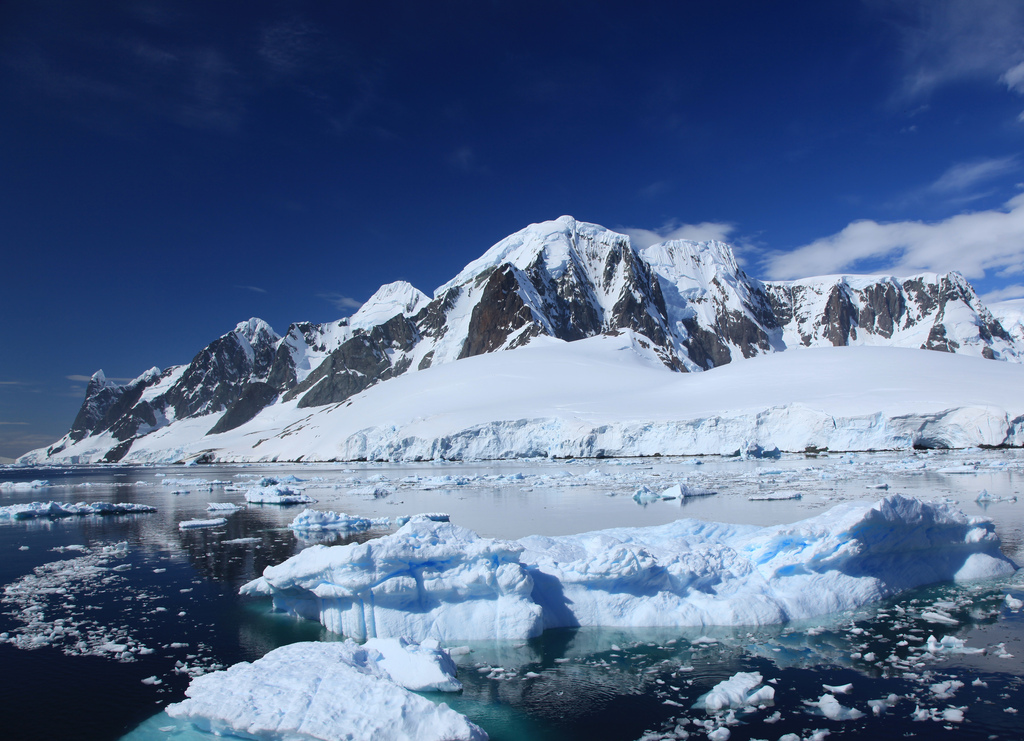
Two years ago, NASA reported that the sea ice surrounding Antarctica reached a new record high extent, surpassing levels mapped since the late 1970s. This seemed to be quite contrary to the global warming trend that is leading to the melting of the Arctic and glaciers worldwide. And in fact, it does seem rather puzzling.
Light Pollution And Early Spring

We have talked about the impact of light pollution on our ability to see stars and the Milky Way. We have also discussed its impact on our circadian rhythms. Recently, scientists in Great Britain published a report on the relationship between light pollution and the timing of when trees produce their buds. The results of the study suggest that light pollution is causing plants to jump the gun on spring.