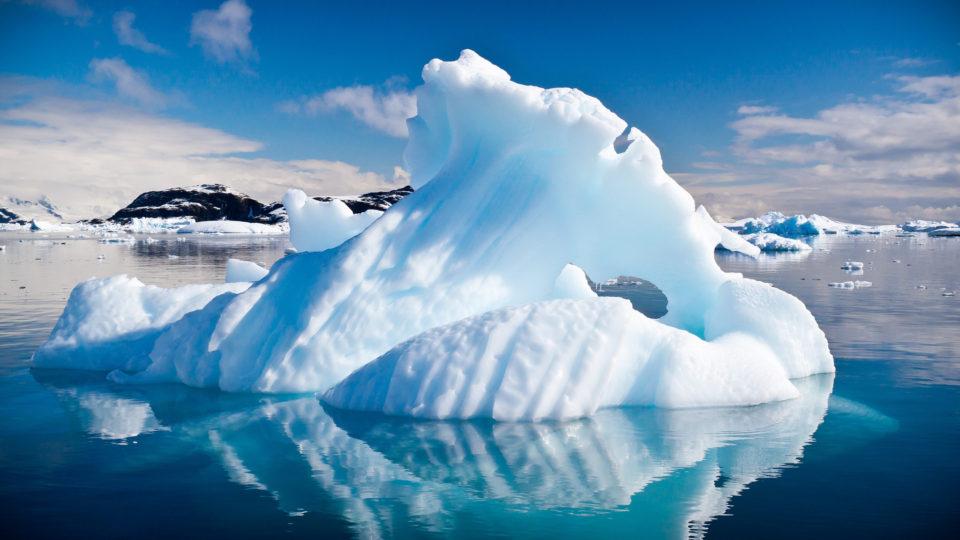
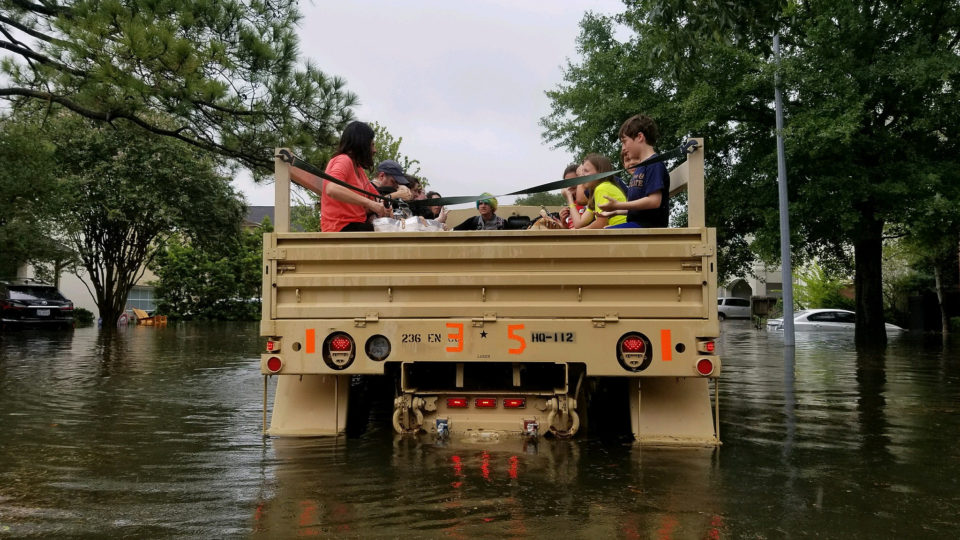
As the world struggles with trying to limit carbon emissions and slow the pace of global warming, there is increasing analysis of various forms of geoengineering. Often, these consist of nearly unthinkable efforts to intervene in the climate on a global scale with unpredictable and possibly catastrophic consequences.
One still hears reference to “the debate on global warming”. Is there really a debate? Certainly, there are people who want to think there is, especially those with a vested interest in not doing anything about it.
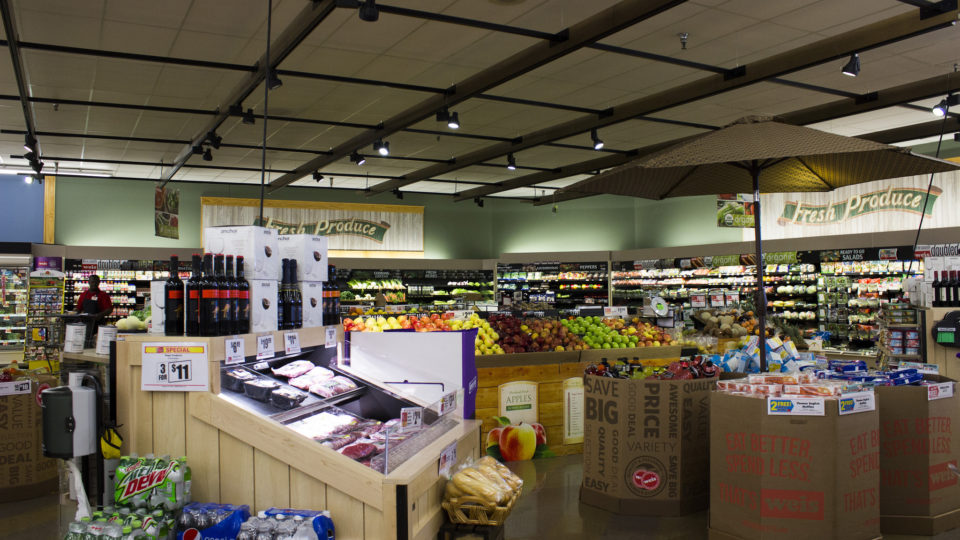
By the year 2050, scientists predict that there will be two billion more people to feed in the world. And climate change isn’t making that task any simpler. From extreme weather events to rising global temperatures, climate change is expected to affect the types of food we grow, and to negatively affect the food production needed to feed the growing population.
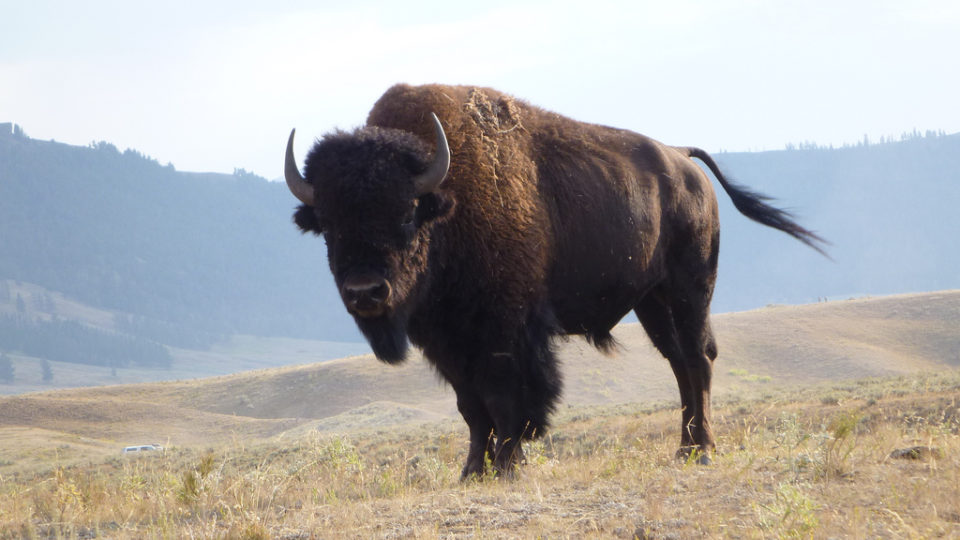
At one time there were 20 to 30 million bison in North America, dominating the landscape from the Appalachians to the Rockies, and from the Gulf Coast to Alaska. A combination of habitat loss and totally unregulated hunting of the huge animals reduced the population to just over 1,000 in 1889.
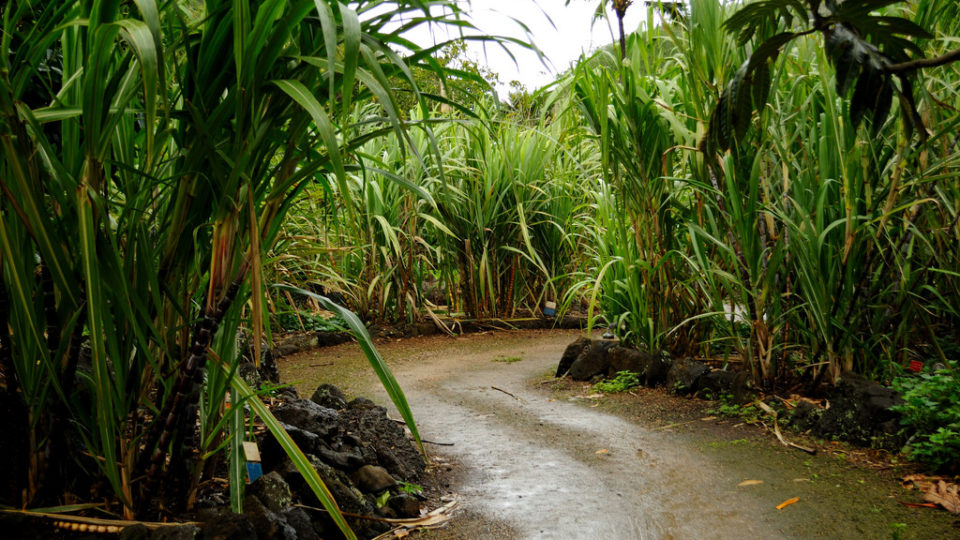
Brazil is the world’s second largest producer of ethanol fuel behind the United States. More than that, it has the first sustainable biofuel economy, which is based on sugarcane ethanol, not corn ethanol. It is sustainable because of Brazil’s advanced agri-industrial technology and its enormous amount of arable land. Furthermore, producing sugarcane ethanol is far more energy-efficient than corn ethanol. It actually makes energy sense to produce it.
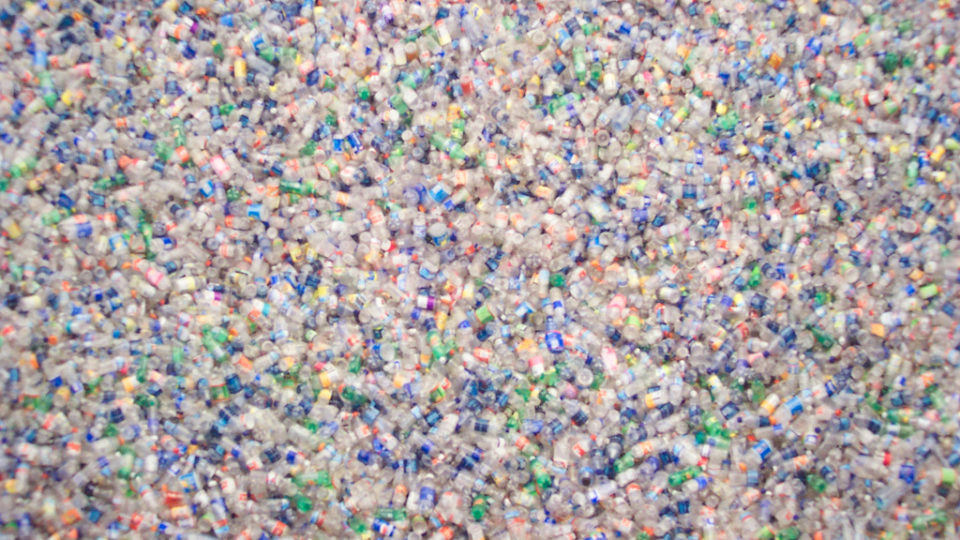
In the 1940s and 1950s, synthetic polymers became very popular. These man-made materials were designed to be cheap and durable and soon began replacing metals and glass in everything from automobiles and airplanes to bottles and dishes.
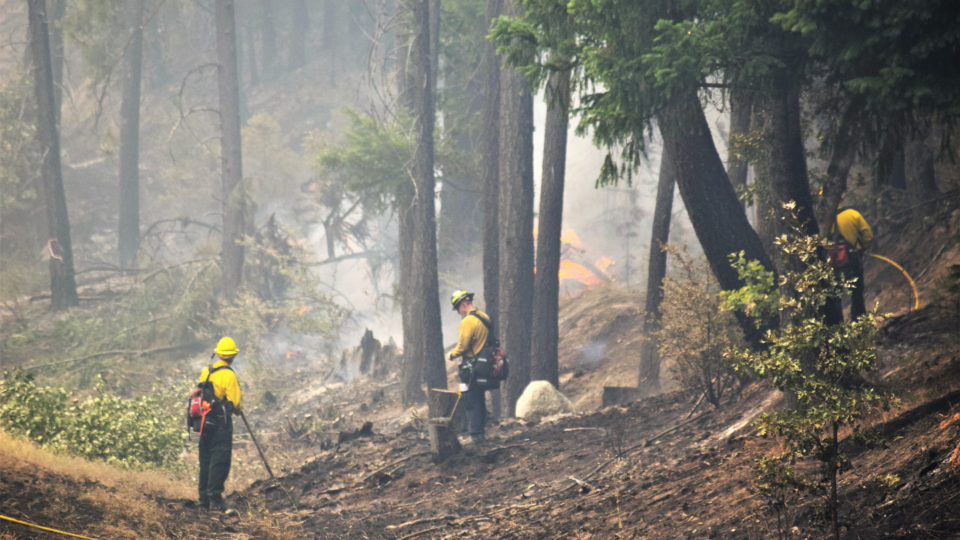
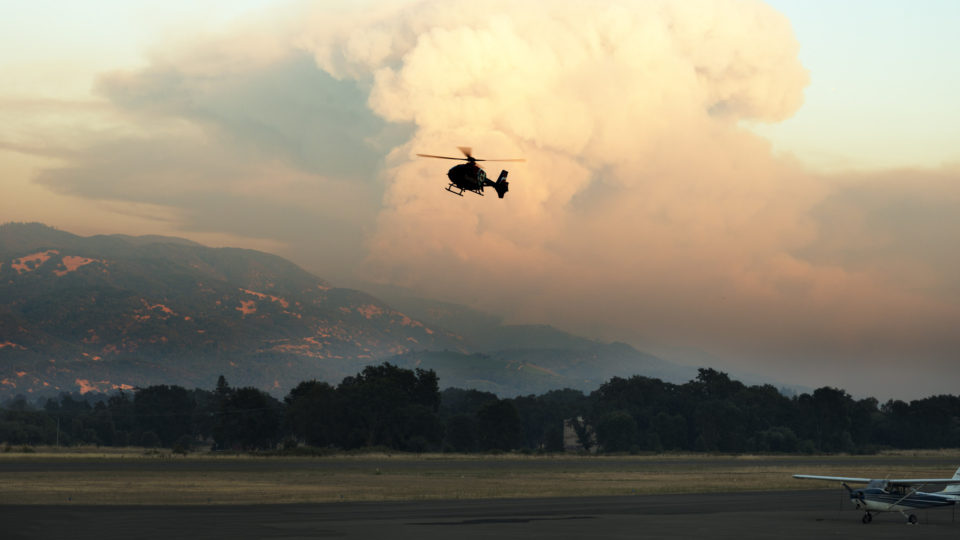
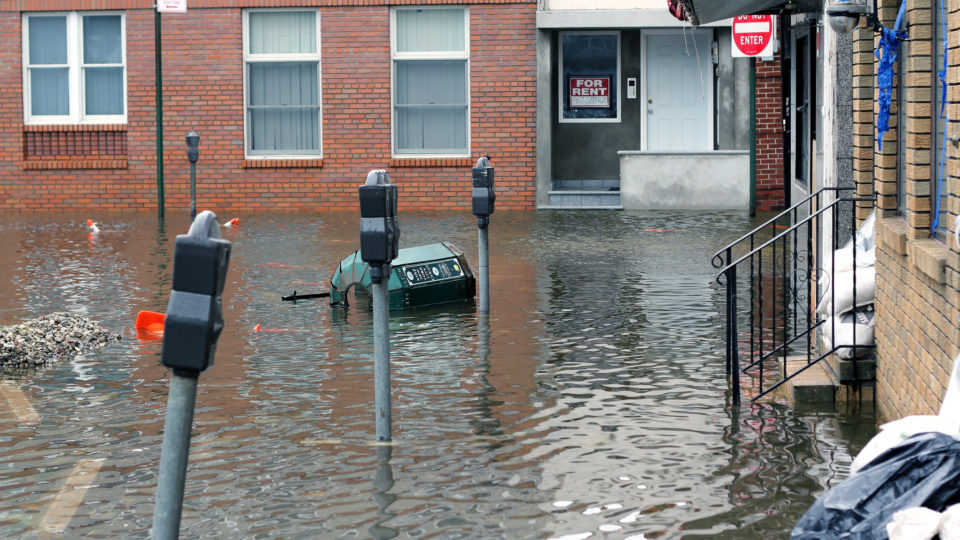
This summer has seen record heat in many places and some record-breaking wildfires. In short, it looks a lot like the future that scientists have been warning about in the era of climate change. And still some people continue to argue about whether anything is happening to the climate.
Aerosols – tiny particles in the atmosphere released from fires and other sources – can cool the planet by reflecting sunlight back into space and by increasing cloud brightness.
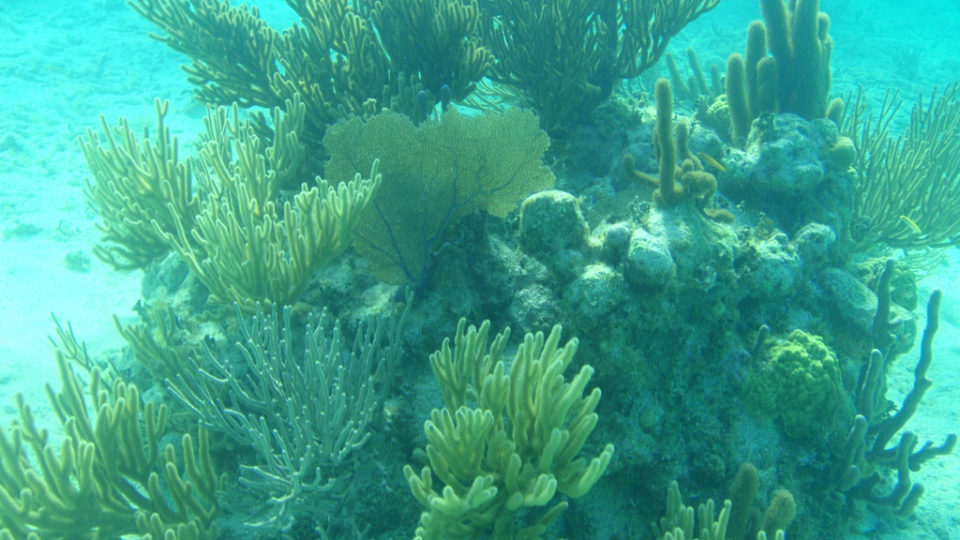
The Belize Barrier Reef is the largest barrier reef system in the Northern Hemisphere. It extends roughly 200 miles, and is made up of a series of coral reefs, cays and islands, many of which are covered with mangroves. It was designated a Unesco World Heritage Site in 1996, and added to its endangered list in 2009.
Many extreme weather events are associated with unusual behavior by the jet stream. Jet streams are the global air currents that circle the earth. The meandering and speed changes in the jet stream affect weather and also play a big role in how long it takes aircraft to make their way across the country. The behavior that leads to extreme weather events is known as “blocking” in which the meandering jet stream stops weather systems from moving eastward.
A group of scientists and engineers at McMaster University in Hamilton, Ontario, has developed a new technology that could replace traditional “best before” dates on food and beverages with a definitive indication of the safety of the product.
Scientists studying marine life have to figure out ways to get cameras into areas that are too dense or dangerous for people to enter. This often means sending delicate equipment into places where collisions are both likely and damaging and that equipment is generally tethered to ships or other objects. To really see what is going on in the underwater world, a better approach is needed.
Earth system scientists say that there are four major human-caused forces that threaten to cause irreversible and abrupt environmental upheaval: climate change, deforestation, biodiversity loss, and excess nitrogen.
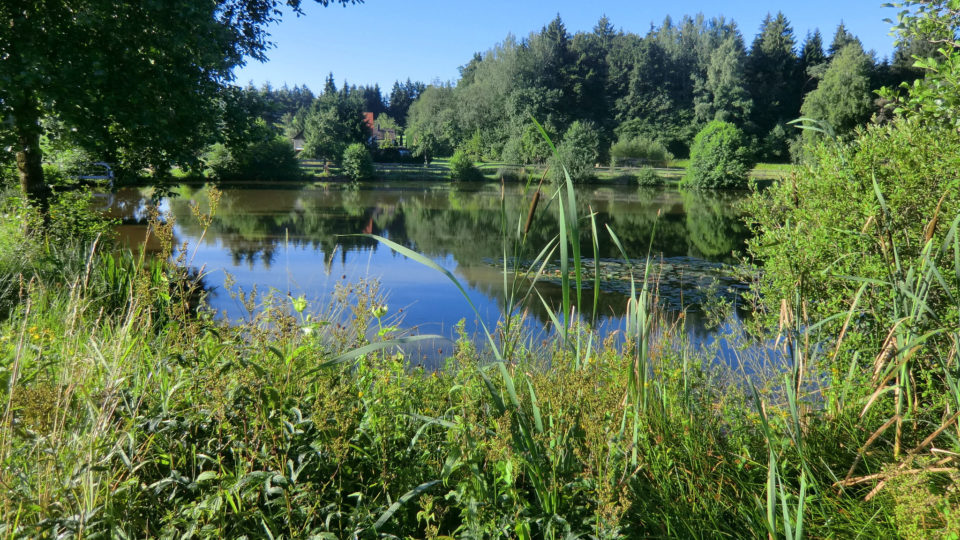
There are millions of lakes on our planet. Many are quite large such as the Great Lakes in our country and Lake Victoria in Africa, but one-third of the world’s standing water is contained in lakes and ponds of 25 acres or less. Many of these lakes are found in remote, often mountainous areas with no inflow and outflow. Nevertheless, in most of these lakes there are fish.
Water is life. It’s a fundamental need for every human being on the planet. Each person requires more than five gallons of clean and safe water a day for drinking, cooking, and keeping clean. Dirty water, on the other hand, can be deadly. An estimated 1.8 million people die every year as a result of diarrheal diseases like cholera. And tens of millions of people are seriously sickened by water-related maladies.
There is no shortage of dangers to honey bees, but a parasitic mite known as Verroa destructor is considered to be the greatest threat because it transmits virus diseases which lead to colony death.
Geoengineering broadly refers to the use of sophisticated scientific techniques to deliberately make changes to the climate, for example to reverse the impacts of climate change or perhaps pull greenhouse gases out of the atmosphere.
In a recent report to a United Nations ocean conference, scientists are warning that new rules are desperately needed to protect marine life in the open seas. That’s because more than 60% of the ocean has no conservation rules since it’s located outside national jurisdictions. The open ocean is at risk from climate change, over-fishing, deep sea mining, farm pollution, and plastics pollution.
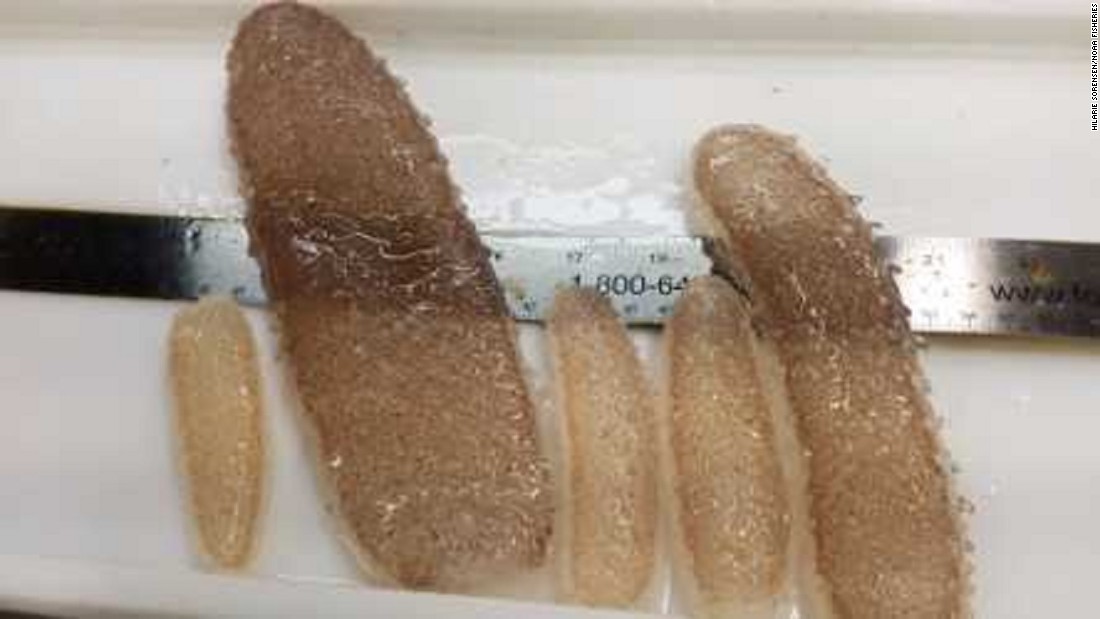
Sea pickles are translucent, tubular creatures that are usually found in tropical ocean waters. Also known as pyrosomes, they are actually made up of many small multicellular organisms that are linked together in a tunic to form a tubelike colony that is closed on one end.
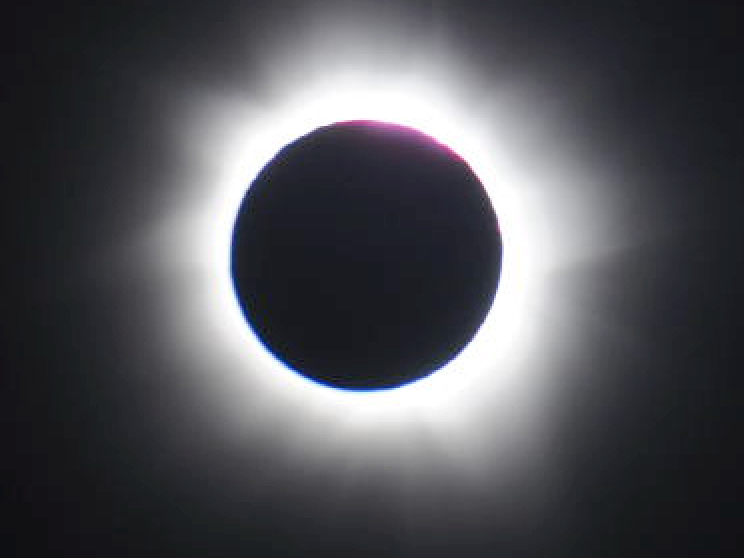
On Monday, August 21, there will be a total solar eclipse visible in a band across the entire contiguous United States. The last time that happened was in June of 1918. In fact, the last time a total solar eclipse was visible anywhere at all in the continental U.S. was in 1979. So, this is a big deal for American eclipse watchers and millions of us will be heading for some part of the 65-mile-wide band of totality that wends its way from Oregon to South Carolina.