• Skip to primary navigation
  • Skip to main content
  • Skip to primary sidebar

Earth Wise

A look at our changing environment.

  • Home
  • About Earth Wise
  • Where to Listen
  • All Articles
  • Show Search
Hide Search
You are here: Home / Archives for scientists

scientists

Shrinking Ice In The Bering Sea | Earth Wise

October 19, 2020 By EarthWise Leave a Comment

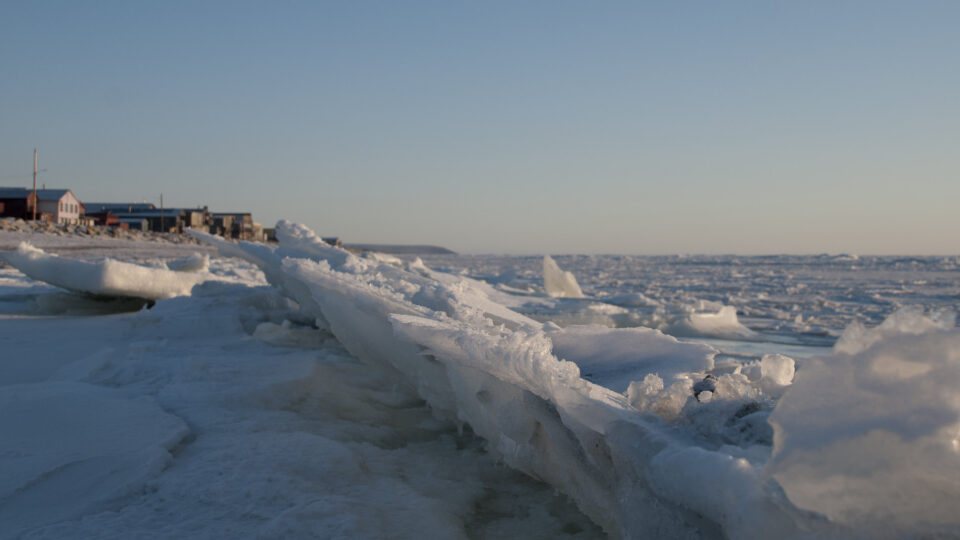
Bering Sea ice continues to shrink

The Bering Sea forms the divide between the two largest landmasses on Earth:  Eurasia and the Americas.  Recent analysis of vegetation from a Bering Sea island has determined that the extent of sea ice in the region is the lowest it has been for over 5,000 years.

St. Matthew Island, a small island in the middle of the Bering Sea, has essentially been recording what is happening in the ocean and atmosphere around it, in the form of the composition of peat layers on the island.  By analyzing the chemical composition of peat core samples, scientists can estimate how sea ice in the region has changed over the course of time.

Changes in the relative amounts of two oxygen isotopes in the sediment and plant debris trapped in the peat on the island reflect the nature of precipitation during the period when the peat layers formed.  That ratio is correlated with the amount of sea ice in the region.  Satellite data acquired over the past 40 years confirms this correlation.

Analysis of the data shows that the current ice levels are unprecedented in the last 5,500 years.  These long-term findings affirm that reductions in Bering Sea ice are due to more than recent higher temperatures associated with global warming.  Atmospheric and ocean currents, which have also been altered by climate change, play a large role in the presence of sea ice.

Summertime sea ice in the Arctic was expected to reach its second-lowest extent in September in 40 years of observation.  Sea ice typically builds up again each winter, but the changes in ice extents actually lag behind changes in greenhouse gas level by decades.  Future ice loss is already built into the system.

**********

Web Links

Bering Sea ice extent is at most reduced state in last 5,500 years

Photo, posted December 2, 2012, courtesy of Bering Land Bridge National Preserve via Flickr.

Earth Wise is a production of WAMC Northeast Public Radio.

Danger For North American Biomes | Earth Wise

October 8, 2020 By EarthWise Leave a Comment

North American biomes are losing their resilience

Biomes are large, naturally occurring communities of flora and fauna that occupy a major habitat.  Examples include several different kinds of forests, grasslands, deserts, and tundra.  According to a new study published in the journal Global Change Biology, the resilience of North America’s plant biomes is declining, which means that they are in danger of succumbing to a major extinction event.

The research analyzed over 14,000 fossil pollen samples from 358 sites across North America for the purpose of reconstructing their “landscape resilience”, meaning the ability of the habitats to persist or quickly rebound in response to disturbances.

Some 13,000 years ago, North American ecosystems were destabilized by the one-two punch of the retreat of glaciers at the end of the last ice age along with the arrival of humans.  That combination resulted in the extinction of large terrestrial mammals on the continent. 

Today, there is a comparable one-two punch created by the rapidly changing climate combined with the dramatic expansion of the footprint of human civilization.   The result could again be the demise of some of North America’s biomes.  In past eras, forests persisted longer than grasslands, but also took longer to reestablish after disruptions.  Overall, only 64% of historic biomes regained their original ecosystem type.

The scientists said that strategic conservation effects could help counteract or slow down the impacts of climate change in the coming decades.  In particular, efforts focusing on improving landscape and ecosystem resilience by increasing local connectivity and concentrating on regions with high richness and diversity could have the greatest positive effect.

**********

Web Links

North American Biomes Are Losing Their Resilience, With Risks for Mass Extinctions

Photo, posted January 9, 2020, courtesy of Tony Webster via Flickr.

Earth Wise is a production of WAMC Northeast Public Radio.

Ocean Currents And Climate Change | Earth Wise

September 22, 2020 By EarthWise Leave a Comment

Climate change intensifies marine heatwaves

Oceans cover more than 70% of the earth and absorb 94% of incoming solar radiation.  As a result, oceans play a major role in the climate system.  With their massive size and capacity to store heat, oceans help keep temperature fluctuations in check.  But oceans also play a more active role.  Ocean currents are responsible for moving vast amounts of heat around the planet.  

According to a paper recently published in the journal Nature Communications, the world’s strongest ocean currents will experience more intense marine heatwaves than the global average in the coming decades.  These strong ocean currents play key roles in fisheries and ocean ecosystems.  

Sections of the Gulf Stream near the United States, the Kuroshio Current near Japan, the East Australian Current near Australia, and the Antarctic Circumpolar Current will all see more intense marine heatwaves over the next 30 years. 

Scientists from the University of Tasmania and CSIRO in Australia relied on high-resolution ocean modeling to carry out their research.  They confirmed the model’s accuracy by comparing outputs with observations from 1982-2018.  They then used the same model to project how marine heatwaves would alter with climate change out to 2050.

The model projects, for example, that intense marine heatwaves are more likely to form well off the coast of Tasmania, while more intense marine heatwaves along the Gulf Stream start to appear more frequently close to the shore from Virginia to New Brunswick, Canada. 

Marine heatwaves are on the rise globally, but knowing where they will occur and how much hotter they will be will help policymakers, ecologists, and fisheries experts in their regional decision-making. 

**********

Web Links

Where marine heatwaves will intensify fastest: New analysis

Photo, posted April 17, 2016, courtesy of Nicolas Henderson via Flickr.

Earth Wise is a production of WAMC Northeast Public Radio.
Sharks On The Decline | Earth Wise

September 4, 2020 By EarthWise Leave a Comment

shark populations declining

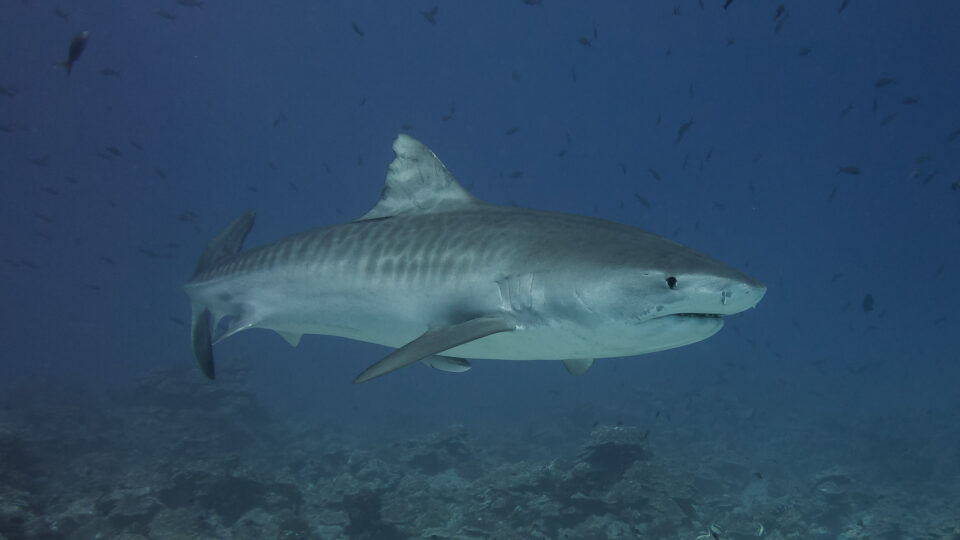
During the past 70 years, global shark populations have been on the decline.   Many species have become threatened or endangered.  Conservation efforts have been underway in many places, but shark populations continue to be at risk because of over-fishing and habitat loss.

A comprehensive study by marine biologists at Texas A&M University deployed more than 15,000 baited remote underwater video stations on 371 coral reefs in 58 countries.   The study included 59 different shark species in the Atlantic, Pacific and Indian Oceans.  The researchers were surprised to find that no sharks at all were detected in almost 20% of the locations surveyed and were almost completely absent from coral reefs in several nations. 

Scientists believe that demand for shark products, such as fins and meat, and bycatch (that is, sharks captured in nets by fisherman trapping other kinds of fish) are strong contributors to the widespread declines in shark numbers around the world.

The study shows that if corrective steps are not taken in regions where marine management is still ineffective, continued depletion of shark populations is highly likely. 

Sharks have important roles in marine ecosystems.  When their habitats deteriorate and their populations decrease, ecosystem stability and health is degraded because sharks help regulate prey populations.

Some countries, notably the Bahamas, are combating the problem by providing sanctuaries for sharks where fishing and harvesting is prohibited.  Such places support some of the healthiest shark populations in the world.  However, the decline of coral reefs is just another challenge facing shark populations around the world.

**********

Web Links

Study Shows Alarming Decline In Shark Numbers Around The World

Photo, posted January 9, 2017, courtesy of Kris-Mikael Krister via Flickr.

Earth Wise is a production of WAMC Northeast Public Radio.
A Camera For Insects | Earth Wise

August 26, 2020 By EarthWise Leave a Comment

Developing tiny cameras for insects

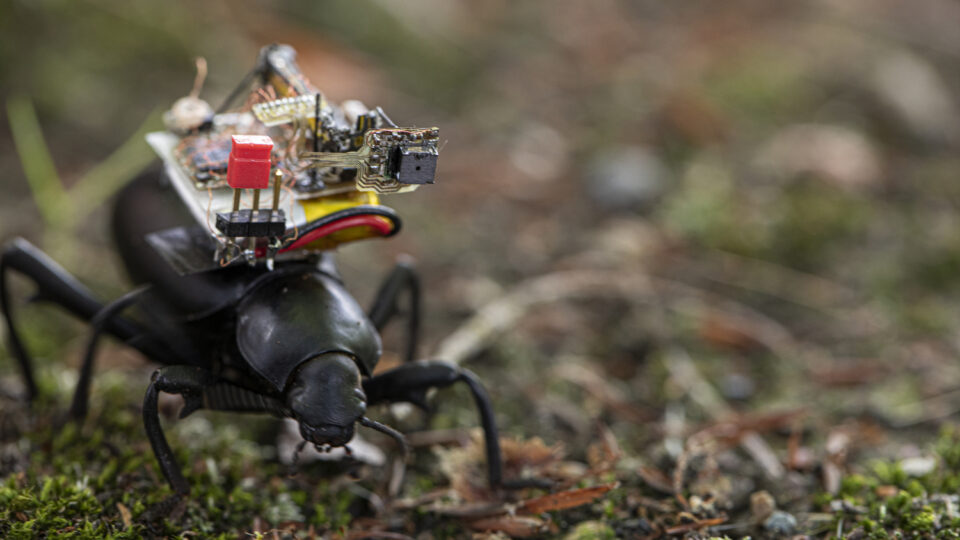
Electronic devices get smaller and smaller all the time.  We are used to carrying around phones in our pockets that incorporate a whole host of sophisticated devices. But we can still be amazed by miniaturization.  Recently, scientists at the University of Washington announced the development of a tiny, wireless camera small enough to be worn by insects.  The work was published in the journal Science Robotics.

The device weighs only 250 milligrams, which is less than one hundredth of an ounce.  The camera streams high-resolution video to a smartphone at up to 5 frames per second, which allows scientists to record video of what insects see in real time.

The device has a mechanical arm that allows the camera to pivot 60 degrees, which can allow it to create panoramic shots.  It is controlled by a smartphone app and can be operated up to 120 meters away from the insect.

The new camera system enables scientists to better understand insect behavior and explore novel environments.  Having a first-person view from the back of a beetle while it is walking around allows researchers to explore how it responds to different stimuli that it sees in its environment.

Of more general interest, the technology can be used to help develop the next generation of small robots.  Insects can traverse rocky environments, which is really challenging for small robots to do.  The device will allow engineers to study how insects can move around in such environments.  It will also be useful for observing and collecting samples from hard-to-navigate spaces.

It is remarkable how sophisticated technology keeps getting smaller and smaller.

*********

Web Links

Scientists Develop Tiny Camera Backpack for Insects

Photo courtesy of Mark Stone/University of Washington.

Earth Wise is a production of WAMC Northeast Public Radio.
Beavers And The Warming Arctic | Earth Wise

August 5, 2020 By EarthWise Leave a Comment

Beavers are accelerating climate change

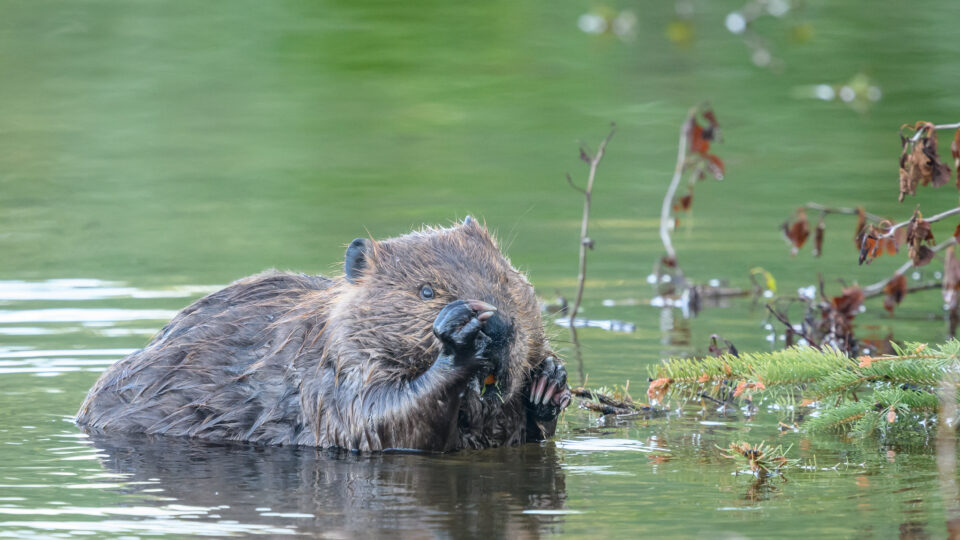
Beavers have a remarkable ability to transform landscapes.  Using their sharp teeth, they fell trees and shrubs and build dams, which cause small valleys to fill with water and form new lakes.  Some of these lakes measure five or ten acres in size, or even more.  And beavers are very efficient builders; they often build their dams at precisely those points where can they have the greatest effect with the least effort.

Scientists studying beaver activity in the Arctic regions of Alaska have found that the changing climate is leading to a substantial increase in beaver populations and their effect on the landscape.

In 2018, researchers found that the beavers living in a 7,000 square-mile area in northwest Alaska had created 56 new lakes in just five years.  Thanks to rising temperatures, more and more habitats offer the shrubs that beavers need for food and building material.  In addition, the lakes, which used to freeze solid, now offer beaver-friendlier conditions.  Also, beavers are not hunted as intensively as in the past.

The scientists were surprised that beavers have seized the opportunity so intensively.  There is basically an exponential growth in beaver dams.  This is actually a worrisome situation.  Forming all these new lakes degrades ice-rich permafrost in the area.  In the Kotzebue region of Alaska, the overall water area has increased by more than 8% over the past 17 years, and roughly two-thirds of that is due to beavers.

The degradation of the Arctic’s permafrost is a dangerous situation and it appears that anyone who wants to predict its future has to keep the activity of beavers in mind.

**********

Web Links

Beavers gnawing away at the permafrost

Photo, posted June 23, 2018, courtesy of Becky Matsubara via Flickr.

Earth Wise is a production of WAMC Northeast Public Radio.
More Carbon Dioxide From Thawing Permafrost | Earth Wise

July 30, 2020 By EarthWise Leave a Comment

Climate models underestimate CO2 emissions from thawing permafrost

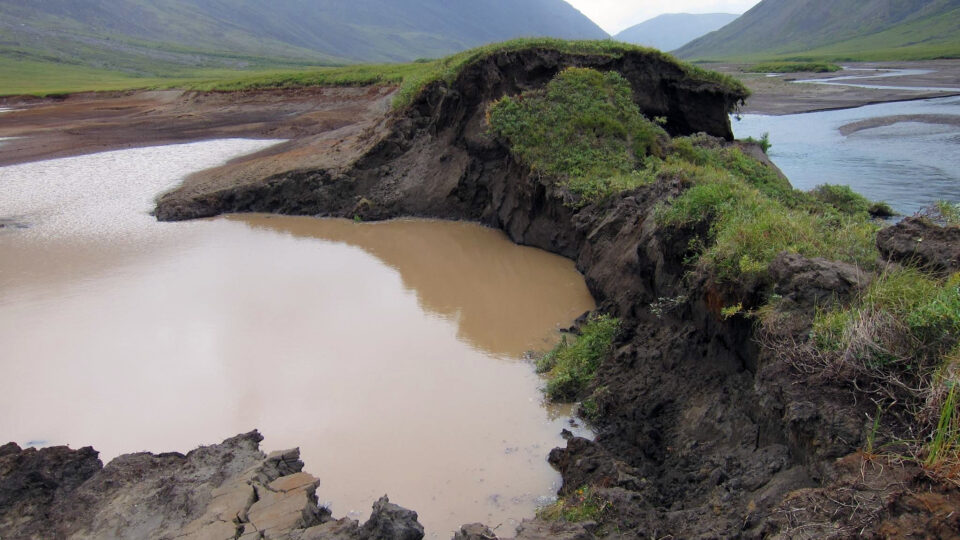
The Arctic is warming much faster than the rest of the planet.  Stories about the loss of polar ice and hundred-degree temperatures in Siberia have become commonplace.  One of the most troubling aspects of the warming Arctic is the thawing of permafrost.  Permafrost is ground that remains frozen for at least two years; some of it has been frozen for tens or hundreds or even thousands of years.  Found under a layer of soil, permafrost is composed of rock, soil, sediments, and varying amounts of ice.  It stores the carbon-based remains of plants and animals that froze before they could decompose.  Permafrost covers almost a quarter of North America, but it is starting to thaw.

Scientists estimate that there are more than 16,000 billion tons of carbon locked away in Arctic permafrost, which is almost double the amount of carbon that is currently in the atmosphere.  Climate models predict that the warming of the Arctic could lead to 5 to 15% of that carbon to be emitted as carbon dioxide by the year 2,100, which would be enough to raise global temperatures by 0.3 to 0.4 degrees Celsius.

New research has increased this estimate because it includes a key pathway for CO2 to enter the atmosphere that earlier models ignored.   When carbon from thawing permafrost escapes into Arctic lakes and rivers, it is oxidized by ultraviolet and visible light and it then escapes into the atmosphere as CO2.  This process is known as photomineralization and is estimated to raise permafrost-related CO2 emissions by 14%.

Recent studies project that with every 1-degree Celsius increase in temperature, 1.5 million square miles of permafrost could be lost through thawing.

**********

Web Links

Climate Models Underestimate CO2 Emissions from Permafrost by 14 Percent, Study Finds

Photo, posted July 7, 2014, courtesy of NPS Climate Change via Flickr.

Earth Wise is a production of WAMC Northeast Public Radio.
Side Effects Of Geoengineering | Earth Wise

July 20, 2020 By EarthWise Leave a Comment

Reflecting sunlight to cool the planet will cause other global changes

As the world struggles to reduce the greenhouse gas emissions that are warming the global climate, some researchers are exploring proposals to deliberately engineer climate changes to counteract the warming trend.  One of the most widely discussed approaches is to shade the Earth from a portion of the sun’s heat by injecting the stratosphere with reflective aerosol particles.  Proponents of this idea point out that volcanoes do essentially the same thing, although generally for only a limited amount of time.  Particularly large eruptions, such as the Krakatowa eruption of 1883, wreaked havoc with weather around the world for an entire year.

Schemes to launch reflective aerosols – using planes, balloons, and even blimps – appear to be quite feasible from the standpoint of physically accomplishing them. But this says nothing about the political, ethical, and societal issues involved.  The point is that such an approach could indeed lower global temperatures and thereby potentially offset the warming effects of greenhouse gases.

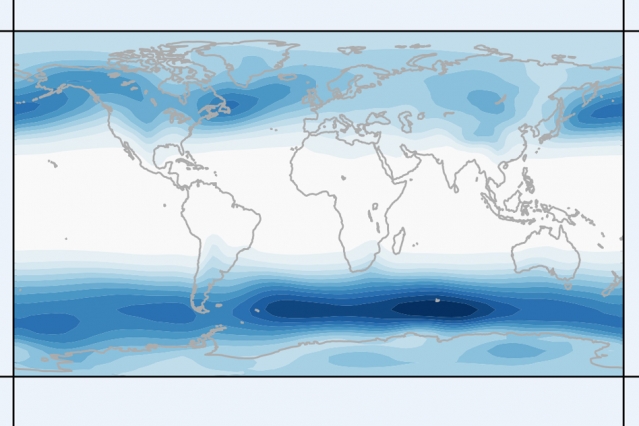
A study by scientists at MIT looked at what other effects such a solar geoengineering project might have on the climate.  Their modeling concluded that it would significantly change storm tracks in the middle and high latitudes.  These tracks give rise to cyclones, hurricanes, and many more ordinary weather phenomena.

According to the study, the northern hemisphere would have weakened storm tracks, leading to less powerful winter storms, but also stagnant conditions in summer and less wind to clear away air pollution.  In the southern hemisphere, there would be more powerful storm tracks.

Aside from turning the world’s weather patterns inside out, solar geoengineering would do nothing to address the serious issue of ocean acidification caused by increasing carbon dioxide levels.

As many have pointed out, playing the geoengineering game would have many unintended consequences.

**********

Web Links

Study: Reflecting sunlight to cool the planet will cause other global changes

Photo courtesy of MIT.

Earth Wise is a production of WAMC Northeast Public Radio.
Heat-Resistant Coral | Earth Wise

June 23, 2020 By EarthWise Leave a Comment

heat resistant coral

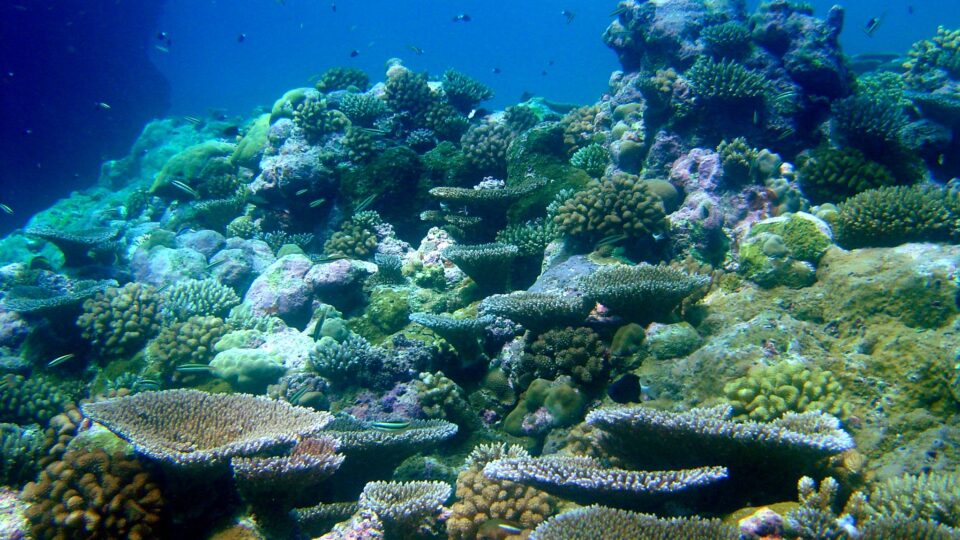
Coral reefs are in decline all over the world.  Corals are under increasing pressure as water temperatures rise and the frequency and severity of coral bleaching events increase.  Nowhere is this more evident than in Australia’s Great Barrier Reef system, where severe bleaching events have happened in three of the past five years. Long-term prospects for the survival of the world’s largest reef system are now considered to be poor.

A team of scientists at Australia’s national science agency – the Commonwealth Scientific and Industrial Research Organization – along with the Australian Institute of Marine Science and the University of Melbourne have successfully produced in a laboratory setting a coral that is more resistant to increased seawater temperatures.

The team made the coral more tolerant to temperature-induced bleaching by bolstering the heat tolerance of the microalgae symbionts that live inside the coral tissue.  They isolated the microalgae from coral and cultured it in the laboratory using a technique called “directed evolution”.  Over the course of four years, they exposed the microalgae to increasingly warmer temperatures.  When the heat-adapted strain of algae was reintroduced into coral larvae, the newly established coral-algal symbiosis was more heat tolerant than the original one.  The heat-tolerant microalgae are better at photosynthesis and improve the heat response of the coral animal.

The next step is to further test the algal strains in adult colonies across a range of coral species.  This groundbreaking research provides a promising and novel tool to increase the heat tolerance of corals and might potentially lead to a way to save the Great Barrier Reef as the world continues to warm.

**********

Web Links

Scientists successfully develop heat resistant coral to fight bleaching

Photo, posted September 22, 2010, courtesy of NOAA via Flickr.

Earth Wise is a production of WAMC Northeast Public Radio.

Living In Extreme Heat | Earth Wise

June 3, 2020 By EarthWise Leave a Comment

extreme heat from climate change

Global climate change has already left observable effects on the planet.  Glaciers have shrunk, trees are flowering sooner, plant and animal ranges have shifted, and so on. Many effects of climate change that scientists had predicted in the past are now occurring.  The loss of sea ice, intensifying heat waves, and accelerating sea level rise are some examples.

According to a new study recently published in the journal Proceedings of the National Academy of Sciences, climate change is going to affect humans earlier, harder, and more widely than previously projected.  The research team found that one billion people will be either displaced or endure insufferable heat for every one degree Celsius rise in global temperatures.  

Under a worst case climate scenario, land that one third of the world’s population currently calls home will be as hot as the hottest parts of the Sahara desert within 50 years.  Even under a more optimistic climate outlook, 1.2 billion people will still be exposed to temperatures outside the climate niche in which humans have thrived for at least 6,000 years.

The majority of the human population has always lived in regions where the average annual temperatures were between 43 degrees Fahrenheit and 82 degrees Fahrenheit.  These are ideal temperatures for human health and for food production.  But this temperature range is shrinking and shifting as a result of climate change. 

The study’s authors predict there will be more change in the next 50 years than there has been in the past 6,000 years.  They hope their findings will convince policymakers to accelerate their plans for emissions reductions and other climate mitigation strategies.   

**********

Web Links

Future of the human climate niche

One billion people will live in insufferable heat within 50 years – study

Photo, posted November 22, 2008, courtesy of Ronnie Finger via Flickr.

Earth Wise is a production of WAMC Northeast Public Radio.

The Earth Itself Is Quieter | Earth Wise

May 15, 2020 By EarthWise Leave a Comment

Coronavirus quiets the earth

Our stories often discuss how human activities change the natural environment.  With most of us confined to our homes, the lack of human activities is having profound effects on the environment.  We are talking about some of these this week.

With about a third of the world’s population sheltering in place, our planet is much quieter these days.  It isn’t just our machines, vehicles, and factories that are making less noise.  The earth itself is quieter.  There has been a reduction in the earth’s seismic vibrations.

According to the journal Nature, various human-powered movements contribute to the persistent vibration of the earth’s crust.  Things like engines firing up in factories, trains pulling into stations, and trucks barreling down highways all make contributions to seismic activity.  Taken individually, such things are insignificant, but taken together, they produce a background of seismic noise that makes it difficult for seismologists to detect natural signals such as volcanic activity and earthquake aftershocks.

With much human activity on pause during the coronavirus outbreak, seismologists across the globe are seeing significant reductions in background seismic noise levels.

This respite in seismic noise, for as long as it lasts, represents an opportunity for scientists to better study the natural activity in the earth’s crust. Researchers studying the impact of ocean waves to predict volcanic activity and those who triangulate the location of earthquake epicenters may be able to make more sensitive measurements than under normal conditions.

There are very few positive things one can say about the coronavirus crisis, but it is providing opportunities to study and observe aspects of the natural world that are ordinarily drowned out by the bustle of humanity.

**********

Web Links

Coronavirus lockdowns across the globe are actually causing the Earth to move less

Photo, posted March 9, 2020, courtesy of Jeremy Segrottvia Flickr.

Earth Wise is a production of WAMC Northeast Public Radio.

More Trouble For Monarchs | Earth Wise

April 14, 2020 By EarthWise Leave a Comment

the decline of monarch butterflies

Monarch butterflies have been in trouble for quite a while and now it seems like their prospects are worse than ever.  Multiple surveys of butterfly populations are reporting plummeting numbers.

Western monarch butterflies spend their winters on the central California coast.  Months later, they breed in California’s Central Valley and as far north and east as Idaho.  But in recent years, it has become harder and harder to find them in their breeding sites.

The Western monarch population was in the millions in the 1980s.  In 2017, an annual survey found 200,000 butterflies.  In 2018 and 2019, only about 30,000 butterflies were tallied.  The loss of Western butterflies in general has come about from a variety of factors, including development, climate change, farming practices and the widespread use of pesticides by farmers and on home and business lawns.

Scientists use the area of land that migrating Monarchs occupy in Mexico to gauge populations.  This year, they covered about 7 acres, down from 15 acres in 2019.

Meanwhile, there are also far fewer Eastern monarch butterflies on the opposite side of the country.  According to a new population survey, the Eastern monarch has passed the extinction threshold.  Its population in 2020 dropped 53% from its already low 2019 numbers.  Scientists were expecting lower numbers this year, but they were staggered by their findings.

Butterfly populations are quite variable, so it is possible that the drastic declines this year are not necessarily irreversible, but the news is not good.   Researchers and environmental advocates continue to point out that mitigating the climate crisis, reducing pesticide use and planting pollinator gardens could help the butterflies to recover.

**********

Web Links

Monarch Butterfly Populations Are Plummeting

Photo, posted September 7, 2017, courtesy of C. Watts via Flickr.

Earth Wise is a production of WAMC Northeast Public Radio.

Figuring Out Photosynthesis | Earth Wise

March 16, 2020 By EarthWise Leave a Comment

unraveling the mystery of photosynthesis

Plants have been harnessing the sun’s energy for hundreds of millions of years. Algae and photosynthetic bacteria have been doing the same for even longer, all with remarkable efficiency and resiliency. 

People have used the energy of the sun in one way or another for millennia, but only recently have we gotten sophisticated about it by using devices like solar panels and sensors.  And we still have a long way to go to get anywhere close to the efficiency of plants. It’s no wonder, then, that scientists have long sought to understand exactly how photosynthesis works.

Scientists from the U.S. Department of Energy’s (DOE) Argonne National Laboratory, and collaborators at Washington University in St. Louis, recently solved a critical part of the age-old mystery of photosynthesis, studying the initial, ultra-fast events through which photosynthetic proteins capture light and use it to initiate a series of electron transfer reactions.  Electrons in plants have two possible pathways to travel but only use one.   

But as a result of their efforts, the scientists are now closer than ever to being able to design electron transfer systems in which they can send an electron down a pathway of their choosing. 

By gaining the ability to harness the flow of energy, it may be possible to incorporate new design principles in non-biological energy systems. This could allow us to greatly improve the efficiency of many solar-powered devices, potentially making them far smaller. Understanding the intricacies of photosynthesis creates a tremendous opportunity to open up completely new disciplines of light-driven biochemical reactions, perhaps even ones that haven’t been envisioned by nature.

**********

Web Links

Scientists unravel mystery of photosynthesis

Photo, posted June 14, 2017, courtesy of Alex Holyoake via Flickr.

Earth Wise is a production of WAMC Northeast Public Radio.
Engineering Mosquitoes | Earth Wise

February 21, 2020 By EarthWise Leave a Comment

Engineering mosquitoes to repel disease

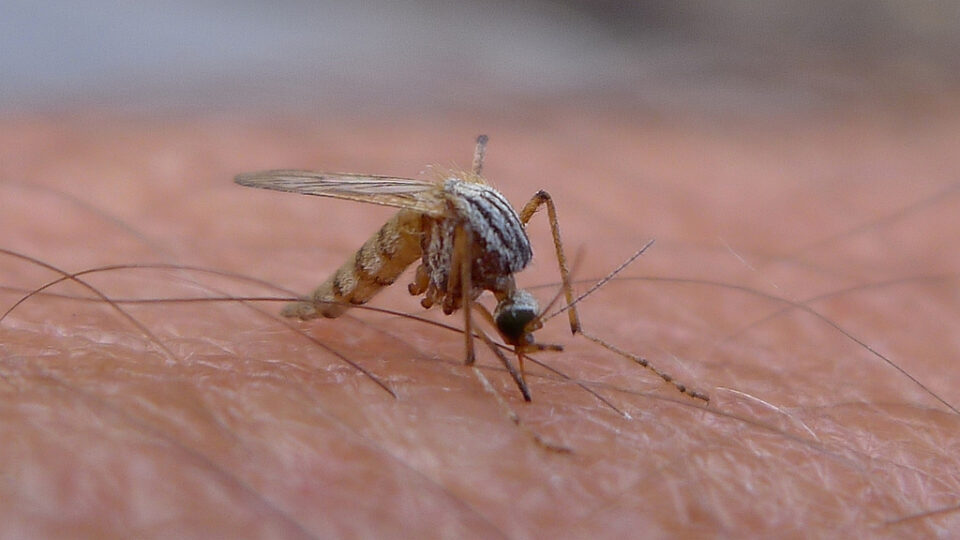
Tropical regions grapple with the spread of diseases – such as dengue, yellow fever, zika, chikungunya, and malaria – by mosquitoes.  A fairly successful strategy has been the Sterile Insect Technique, which is essentially insect birth control. The process involves rearing large quantities of sterilized male mosquitoes in dedicated facilities, and then releasing them to mate with females in the wild. As they do not produce any offspring, the insect population declines over time.

A problem with this approach is that while mosquitoes create health problems for people, they also play important roles in various ecosystems, such as providing food for bats and other animals.  Eliminating mosquito populations on a large scale can trigger major changes in ecosystems.

Recently, an international team of scientists has synthetically engineered mosquitoes that halt the transmission of the dengue virus.  They genetically engineered mosquitoes with an antibody “cargo” that gets expressed in the female mosquitoes that spread the dengue virus.  Once the female mosquito takes in blood, the antibody is activated which hinders the replication of the virus and prevents its dissemination throughout the mosquito, thereby preventing its transmission to humans. Essentially, what the researchers have done is transfer genes from the human immune system to confer immunity to mosquitoes.  The researchers are testing methods to neutralize mosquitoes against other viruses they spread.

This opens up a whole new approach to interrupt mosquito-borne human diseases.  Mosquitoes are among the deadliest killers on the planet because they are the messengers that transmit deadly diseases.  Until now, the only real solution has been to kill the messenger.  The new approach may be a better way to deal with a serious problem.

**********

Web Links

Mosquitoes engineered to repel dengue virus

Photo, posted June 20, 2014, courtesy of Flickr.

Earth Wise is a production of WAMC Northeast Public Radio.
Harvesting Blue Energy | Earth Wise

February 7, 2020 By EarthWise Leave a Comment

researchers closer to harvesting osmotic energy

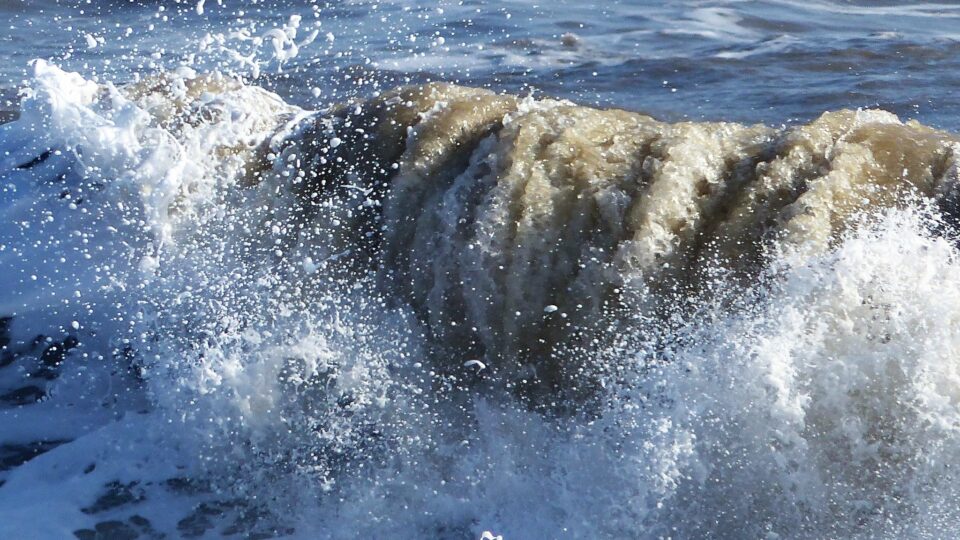
There are various ways to generate renewable energy from the world’s oceans, most obviously from the power of tides and waves.  But there is also an oceanic energy source called osmotic or “blue” energy.  Osmotic energy uses the differences in pressure and salinity between freshwater and saltwater to generate electricity. 

When freshwater and saltwater are mixed together, large amounts of energy are released. If the freshwater and seawater are then separated via a semi-permeable membrane, the freshwater will pass through the membrane and dilute the saltwater due to the chemical potential difference. This process is called osmosis. If the salt ions are captured completely by the membrane, the passing of water through the membrane will create a pressure known as osmotic pressure. This pressure can be used to generate electricity by using it to drive a turbine.  This has been demonstrated to work as far back as the 1970s, but the materials we have to use are not adequate to withstand ocean conditions over the long term and tend to break down quickly in the water.

New research, published in the journal Joule, looked to living organisms for inspiration to develop an improved osmotic energy system.  Scientists from the U.S. and Australia combined multiple materials to mimic the kind of high-performance membranes that are found in living organisms.  They created a hybrid membrane made from aramid microfibers (like those used in Kevlar) and boron nitride.  The new material provides both the flexibility of cartilage and the strength and stability of bone.

The researchers believe that the low cost and high stability of the new hybrid membrane will allow it to succeed in volatile marine environments.  They also expect the technology will be both efficient and scalable. 

**********

Web Links

Inspired by the Tissues of Living Organisms, Researchers Take One Step Closer to Harvesting “Blue Energy”

Photo, posted February 14, 2017, courtesy of Marian May via Flickr.

Earth Wise is a production of WAMC Northeast Public Radio.
Narwhal Tusks And Stories Teeth Can Tell | Earth Wise

February 4, 2020 By EarthWise Leave a Comment

teeth can tell stories narwhal tusks

Teeth and particularly narwhal tusks are getting some unusual press recently when one of them was the weapon of choice to fend off the London Bridge attacker, which was a good choice according to Harvard dental researcher Dr. Martin Nweeia.  Turns out that narwhal tusks have some pretty amazing physical features.  They exhibit both extreme strength and flexibility at the same time.  The narwhal is known as the unicorn of the sea, a pale-colored, medium-sized whale found in Arctic coastal waters and rivers.  In males, the more prominent tooth grows into a sword like, spiral tusk up to 8.8 feet long.

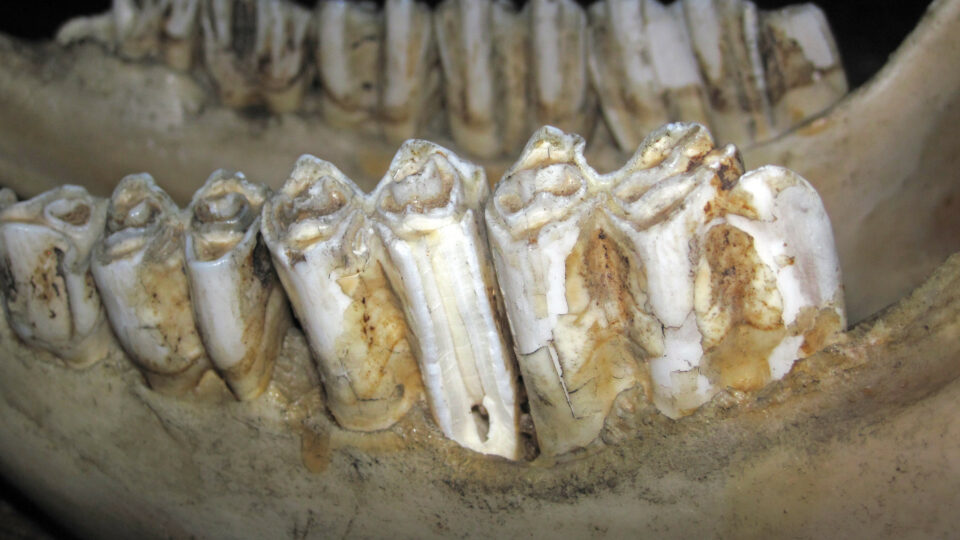
Changes in the shape of teeth over time can tell us about climate change. Adaptations in horse teeth 55 million years ago from North America were observed and caused by changes in climate, favoring different food sources.  The horses changed their diets from fruit to more favorable grasses and their teeth changed in response. For this same reason, the teeth of elephants adapting in different environments of Asia and Africa have different tooth forms.  Both eat plants but Asian elephants, with more ridges on their teeth, eat larger amounts of grasses while African elephants, with wider spread ridges, eat more leaves. 

Teeth have been used to link land mass theories like the Bering Land Strait Theory, hypothesizing that North America and Asia were once one land mass. The teeth shape and form of people on both sides of the Bering Land Bridge shared a common “mongoloid dentition” with unique features. And so, can the narwhal tusk tell us something about a changing Arctic?  Scientists have discovered that the narwhal tusk is a giant sensory organ that is able to continually monitor its environment and has the ability to detect ice formation, and melt, both capabilities helpful for surviving in a changing Arctic.

**********

–Earth Wise acknowledges script contribution from Dr. Martin Nweeia of Harvard University.

Web Links

Fossil teeth reveal new facts about a mass extinction 260 million years ago

From the Horse’s Mouth: Teeth Reveal Evolution

Photo, posted April 3, 2019, courtesy of James St. John via Flickr.

Earth Wise is a production of WAMC Northeast Public Radio.
Much More Microplastics In The Ocean | Earth Wise

January 28, 2020 By EarthWise Leave a Comment

microplastics in ocean image

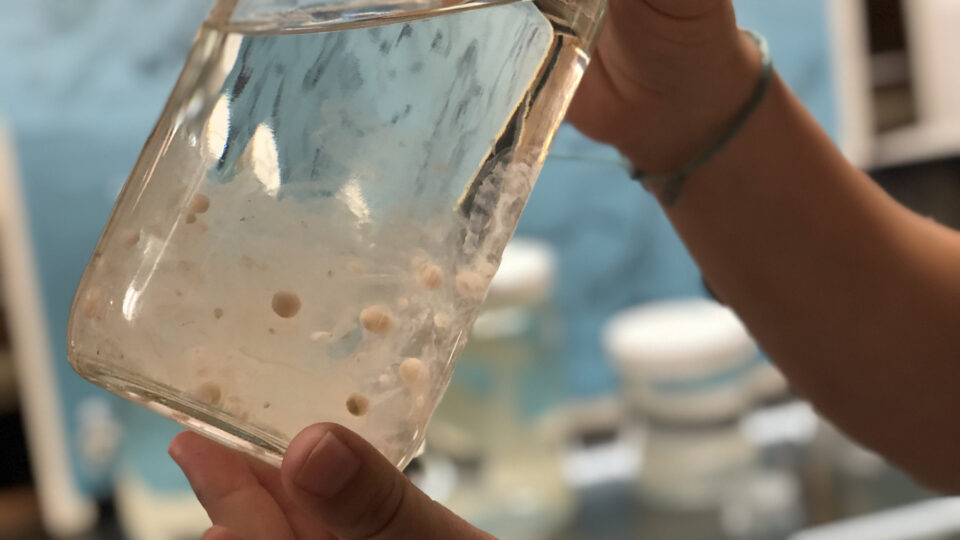
We’ve been hearing more and more about plastic contamination (microplastics) in the ocean.  It is pulled from the nostrils of sea turtles, found in Antarctic waters, and tracked in increasing quantities in sedimentary layers dating back to the 1940s.  A new study by researchers from the Scripps Institution of Oceanography suggests that there could be a million times more pieces of plastic in the ocean than previously estimated.

Oceanographers found that some of the tiniest countable microplastic particles in seawater occur at much higher concentrations than previously measured.  Apparently, the traditional way of counting marine microplastics most likely misses the smallest particles, and therefore underestimates the number of particles by a factor of anywhere from 10,000 to a million.

The new measurements estimate that the oceans may be contaminated by 8 million pieces of so-called mini-microplastics per cubic meter of water.  Earlier studies that only looked at larger pieces of plastic found only 10 pieces per cubic meter. 

Microplastic studies typically trawl or pull a fine net behind a ship to collect samples.  But the meshes previously used could only capture plastics as small as 333 microns.  The new study found plastic particles as small as 10 microns, which is less than the width of a human hair.

Plastics keep breaking down into smaller and smaller particles, but they are so chemically strong that their chemical bonds don’t break down. They remain bits of plastic.  Scientists are concerned that these particles can get small enough to enter the human bloodstream.  The potential effects on human health are not well known and not extensively studied.

The problem of plastics just keeps getting bigger.

**********

Web Links

Microplastics a million times more abundant in the ocean than previously thought

Photo courtesy of UC San Diego.

Earth Wise is a production of WAMC Northeast Public Radio.
Ocean Acidification And Mass Extinction

November 26, 2019 By EarthWise Leave a Comment

Since the industrial revolution, the concentration of carbon dioxide in the atmosphere has increased due to the burning of fossil fuels and land use changes.  The ocean absorbs about 30% of the CO2 that is released in the atmosphere.  As the levels of atmospheric CO2 increase, so do the levels in the ocean.

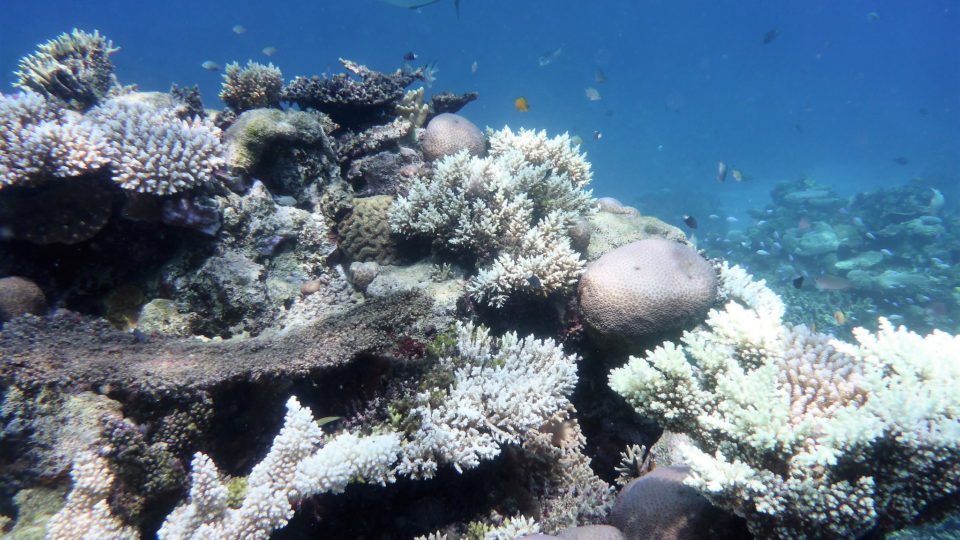
When CO2 is absorbed by the ocean, a series of chemical reactions occur, resulting in seawater becoming more acidic.  Ocean acidification threatens calcifying organisms, such as clams and corals, as well as other marine animals, like fish.  When these organisms are at risk, the entire marine ecosystem may also be at risk.

In fact, according to research recently published in the journal Proceedings of the National Academy of Sciences, fossil evidence from 66 million years ago has revealed that ocean acidification can cause the mass extinction of marine life.  Researchers analyzed seashells in sediment laid down shortly after a giant meteorite hit earth.  This strike wiped out the dinosaurs and 75% of marine species.  Chemical analysis of the shells revealed a sharp drop in the PH of the ocean over hundreds of years after the meteorite strike.  The meteorite impact vaporized rocks, causing carbonic acid and sulphuric acid to rain down, acidifying the ocean.  The strike also resulted in mass die-off of plants on land, increasing atmospheric CO2.  

Researchers found that the pH dropped by 0.25 pH units in the 100 to 1,000 years after the meteorite strike.  Alarmingly, scientists expect the pH of the ocean to drop by 0.4 pH units by 2100 if our carbon emissions continue as projected. 

**********

Web Links

Ocean acidification can cause mass extinctions, fossils reveal

Photo, posted March 16, 2017, courtesy of Zachary Martin via Flickr.

Earth Wise is a production of WAMC Northeast Public Radio.
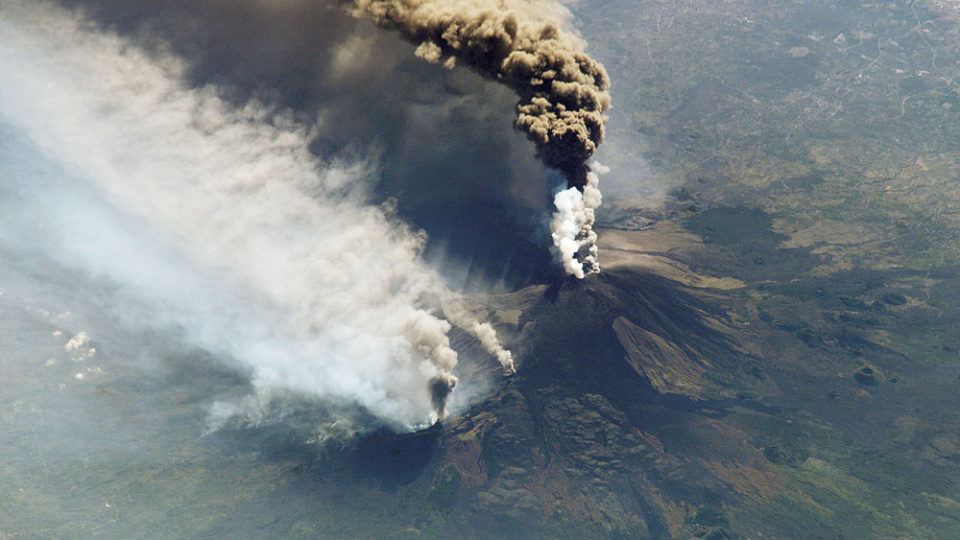
Geoengineering And Volcanoes

November 14, 2019 By EarthWise Leave a Comment

Solar geoengineering is a theoretical strategy for curbing the effects of climate change by introducing aerosol particles in the upper atmosphere to reflect some of the Sun’s radiation back into space and thereby cool the planet.  It would basically be intentionally tinkering with the climate system on a global scale.

The concept is fraught with the danger of unintended consequences and most experts consider the idea almost unthinkable.  But there are those who see it as a last resort if all our other efforts to mitigate the effects of climate change are unsuccessful.

Proponents of the idea like to describe the technique as being like a human-made volcano.  Major volcanic eruptions spew ash particles into the atmosphere which can linger for as long as a few years.  The result is cooler temperatures, sometimes across much of the globe.  The Krakatoa eruption of 1883 lowered average Northern Hemisphere temperatures by more than 2 degrees and created chaotic weather patterns until about 1888.

Researchers at the Carnegie Institution and two Chinese research institutions used sophisticated modeling techniques to compare the effects on the climate of a volcanic eruption with long-term geoengineering deployment.

They found that the volcanic eruption created a greater temperature difference between the land and sea than the geoengineering and resulted in very different precipitation scenarios.  In both cases, there would be less available water for people on land.

Overall, the study demonstrated that volcanic eruptions are imperfect analogs for geoengineering and that scientists should be very cautious about extrapolating too much from them.  It is important to evaluate geoengineering from an informed position, but the truth is that it represents a great and perilous unknown.

**********

Web Links

Geoengineering Versus A Volcano

Photo, posted November 1, 2002, courtesy of the NASA Goddard Space Flight Center via Flickr.

Earth Wise is a production of WAMC Northeast Public Radio.

The ‘Biggest Ever’ Arctic Expedition

October 3, 2019 By EarthWise Leave a Comment

The Arctic is warming faster than any other region on Earth.  In fact, it’s warming at a rate of almost twice the global average.  And, since what happens in the Arctic doesn’t stay in the Arctic, the world is already feeling the effects: rising sea levels, changes in climate and precipitation patterns, increasing severe weather events, and so on. 

As a result, researchers from more than a dozen countries have launched the biggest and most complex expedition ever attempted in the Arctic.  They plan to freeze Germany’s largest research vessel, the Polarstern, into Arctic sea ice, where it will remain trapped for twelve months.  The ship will drift with the sea ice as the sea ice drifts.  The vessel will serve as a research laboratory, hosting a rotating crew of 300 scientists.  The ice, the ocean, the atmosphere, and even the wildlife will all be sampled.  This year-long journey will give researchers their closest look at how the polar climate and its fragile ecosystems are changing. 

Led by the Alfred Wegener Institute for Polar and Marine Research in Germany, the Multidisciplinary drifting Observatory for the Study of Arctic Climate project (or MOSAiC) is expected to cost about $150 million. 

One major goal of MOSAiC is to improve strikingly uncertain climate projections for the Arctic.  Climate models disagree on how much more the Arctic will warm as the concentration of greenhouse gases in the atmosphere rises and sea ice shrinks.  Some project a 5ºC rise by 2100 relative to the 1986-2005 average.  Others predict a 10ºC increase. 

Understanding the complex processes occurring in the Arctic is essential for projecting the future impacts of climate change. 

**********

Web Links

Climate scientists prepare for largest ever Arctic expedition

Climate change: Polarstern leaves for ‘biggest ever’ Arctic expedition

Image courtesy of the U.S. Department of Energy Atmospheric Radiation Measurement (ARM) user facility.

Earth Wise is a production of WAMC Northeast Public Radio.

  • « Go to Previous Page
  • Page 1
  • Interim pages omitted …
  • Page 3
  • Page 4
  • Page 5
  • Page 6
  • Page 7
  • Interim pages omitted …
  • Page 9
  • Go to Next Page »

Primary Sidebar

Recent Episodes

  • An uninsurable future
  • Clean energy and jobs
  • Insect declines in remote regions
  • Fossil fuel producing nations ignoring climate goals
  • Trouble for clownfishes

WAMC Northeast Public Radio

WAMC/Northeast Public Radio is a regional public radio network serving parts of seven northeastern states (more...)

Copyright © 2026 ·