
• Skip to primary navigation
  • Skip to main content
  • Skip to primary sidebar

Earth Wise

A look at our changing environment.

  • Home
  • About Earth Wise
  • Where to Listen
  • All Articles
  • Show Search
Hide Search
You are here: Home / Archives for renewables

renewables

Stranded Coal Assets In Japan

November 25, 2019 By EarthWise Leave a Comment

Japan is facing a looming financial problem as a result of heavy investments in coal technology that may quickly become stranded assets as renewable energy sources become increasingly inexpensive.

Japan is gradually adding more ambitious policies with regard to climate change including goals to reduce emissions and to have renewables become the main source of power over the next three decades.  But despite these policy efforts, Japan is still investing heavily in coal power.  Japan currently has 21 new coal projects with over 11 GW of under-construction, permitted or pre-permitted coal capacity.  But these tens of billions of dollars in assets would have to be closed prematurely in order to remain consistent with the goals of the Paris Climate Agreement.

According to a new report by the Carbon Tracker Initiative, a financial think tank, and the University of Tokyo, offshore wind power will be cheaper than coal in Japan by 2022, new solar cheaper by 2023, and onshore wind less expensive by 2025.  The price of offshore wind is already comparable to existing coal power in Japan.  Japan had a total of 55.5 GW of solar capacity last year and has the potential to reach 150 GW by 2030.

The report notes that 42% of the global coal fleet likely became unprofitable last year and this could rise to 72% by 2040.  The authors contend that building coal power today equals high-cost power and financial liabilities tomorrow.  The planned and operating coal capacity in Japan is partially protected by regulations that give coal generators an unfair advantage in the marketplace.  Ultimately, the stranded coal assets are likely to be passed down to consumers through higher power prices.

**********

Web Links

Land of the Rising Sun and Offshore Wind

Photo, posted April 25, 2019, courtesy of Jen via Flickr.

Earth Wise is a production of WAMC Northeast Public Radio.

Amazon And Climate Change

October 30, 2019 By EarthWise Leave a Comment

Online shopping giant Amazon has unveiled a Climate Pledge, committing to meet the goals of the Paris climate agreement ten years ahead of schedule, and to be carbon neutral by 2040. This is the company’s most ambitious push yet to reduce its carbon footprint, which currently rivals that of a small country.  In fact, Amazon is responsible for 48.9 million tons of carbon dioxide last year, which is about 85% of what Switzerland typically emits in a year. 

Amazon, which ships more than 10 billion items a year on fossil fuel-intensive planes and trucks, has ordered a fleet of 100,000 electric vans that will start delivering packages to doorsteps in 2021.  The vans will be made by Rivian, a Michigan-based company that Amazon invested in earlier this year. 

Amazon plans to get 100% of its energy from solar and other renewable sources by 2030.  Currently, it gets about 40% of its energy from renewables. 

Amazon is also investing $100 million in nature-based climate solutions and reforestation projects around the world in order to remove carbon from the atmosphere. 

While announcing these initiatives recently at the National Press Club in Washington, D.C., Amazon CEO Jeff Bezos said the company needs to be a leader on the climate change issue:

We want to say look, if a company of Amazon’s complexity, scale, scope, physical infrastructure, delivering 10 billion items can do this, so can you.

After revealing Amazon’s Climate Pledge, Bezos said he would talk with CEOs of other large companies to try to get them to also sign it.  You can find a link to Amazon’s progress on its commitments by visiting this website.

**********

Web Links

‘Middle of the herd’ no more: Amazon tackles climate change

Amazon: Committed to a sustainable future (track progress here)

Photo courtesy of Amazon.

Earth Wise is a production of WAMC Northeast Public Radio.

Floating Solar Fuel Farms

September 20, 2019 By EarthWise Leave a Comment

Limiting global warming will require a massive reduction in CO2 emissions from fossil fuel burning.  Renewable energy sources are playing a growing role in the power grid and electric cars are becoming increasingly popular.  Despite all this, carbon-based liquid fuels will continue to dominate our energy use for the foreseeable future.

Researchers in Norway and Switzerland have described a potential scheme that would help remove CO2 from the atmosphere and produce a valuable liquid fuel.

The idea is to create floating islands containing large numbers of solar panels that convert carbon dioxide in seawater into methanol, which can fuel airplanes and trucks.

A combination of largely existing technologies would be the basis of these floating islands, which would be similar to present-day floating fish farms.  The researchers envision clusters each composed of 70 circular solar panels that in total cover an area of roughly half a square mile.  The solar panels would produce electricity, which would split water molecules and isolate hydrogen.  The hydrogen would then react with carbon dioxide pulled from seawater to produce usable methanol.

The technology already exists to build the floating methanol islands on a large scale in areas of the ocean free from large waves and extreme weather.  Suitable locations are off the coasts of South America, North Australia, the Arabian Gulf, and Southeast Asia.

A single floating solar farm could produce more than 15,000 tons of methanol a year – enough to fuel a Boeing 737 airliner for more than 300 round-trip flights across the country.  Floating energy islands would not be a magic bullet for limiting the effects of climate change, but they could well be an important part of an overall strategy.

**********

Web Links

Giant Floating Solar Farms Could Make Fuel and Help Solve the Climate Crisis, Says Study

Photo courtesy of PNAS.

Earth Wise is a production of WAMC Northeast Public Radio.
Falling U.S. Carbon Emissions

September 16, 2019 By EarthWise Leave a Comment

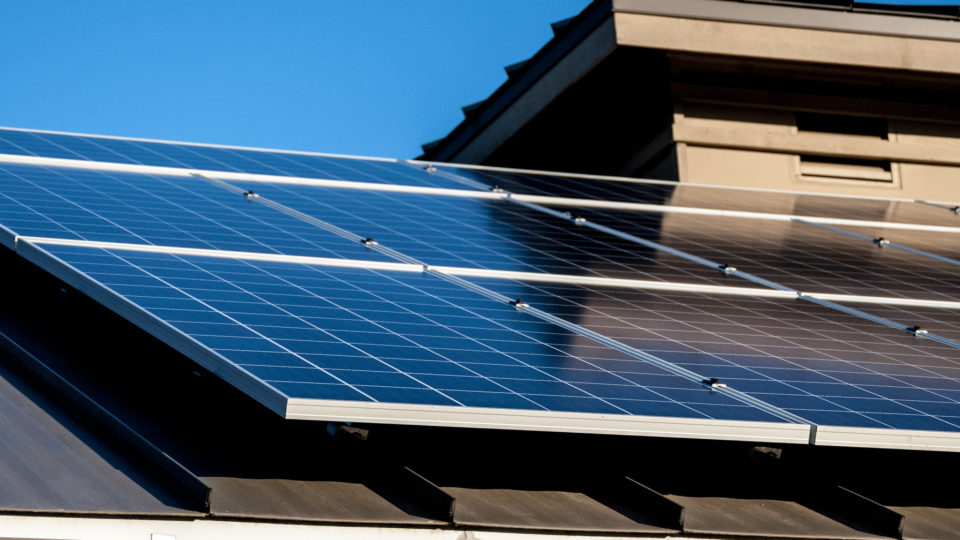
Reducing carbon emissions is a goal embraced by nearly every country in the world, but actually accomplishing it isn’t easy. It is true that renewable energy sources are playing a growing role in energy systems, but counterbalancing that trend is growing energy demand, especially in developing countries.

Here in the US, energy-related CO2 emissions actually went up nearly 3% in 2018 compared with 2017.  But the US Energy Information Administration is now forecasting a 2% drop in emissions this year.

The main reason energy-related emissions are headed lower at this point is coal-fired power plant retirements.  More than 90% of the coal used in the US goes toward electric power and utilities are increasingly turning away from coal.

The rapid shift away from coal has mostly been due to the increasing use of natural gas.  Natural gas is not actually a clean and green fuel, but it is definitely less carbon-intensive than coal.  Overall, the total installed capacity of renewable sources – hydropower, wind, solar, geothermal, and biomass – has now actually surpassed the capacity of coal plants.  Given that renewables have in many places become the cheapest power option, there is little chance that coal has much of a future, despite efforts by the current administration.

The electric power sector is gradually moving away from all carbon-emitting sources – a trend that is being reinforced by legislation in many states.  The real CO2 emissions leader is petroleum, which accounts for nearly half of the total.  We have a long way to go to reduce emissions from the use of petroleum.  There are over 250 million cars and trucks on US roads and only a little over a million of them don’t burn fossil fuels.

**********

Web Links

US energy-related CO2 emissions expected to fall this year, almost solely due to a drop in coal use

Photo, posted November 6, 2017, courtesy of Cindy Shebley via Flickr.

Earth Wise is a production of WAMC Northeast Public Radio.
Scottish Wind Power

September 5, 2019 By EarthWise Leave a Comment

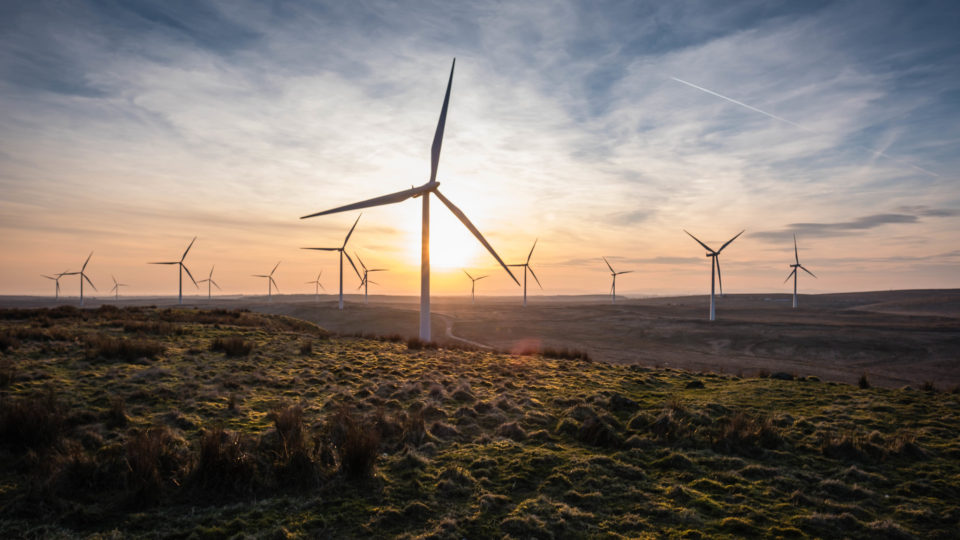
Scotland is a windy country.  Most wind turbines in the European Union produce electricity at an average of 25% of their maximum rated power as a result of the variability of wind resources.  The west and northern coasts of Scotland have an average capacity of 31% or more.  Some wind farms in Scotland have achieved more than 50% capacity over the course of a year.

As of the end of last year, Scotland had more than 8 GW of installed wind power capacity.  This included 7.8 GW of onshore wind and 623 MW of offshore wind generators.  Estimates are that more than 11 GW of onshore wind could be installed in Scotland.  The total offshore potential is far greater than that but would be much more expensive.  There are multiple large-scale wind farms proposed or under construction in Scotland.

All of this growth in wind power has led to some remarkable results.  During the first half of 2019, wind turbines in Scotland produced enough electricity to power every home in the country twice over.  Scottish wind farms generated nearly 10 million megawatt-hours between January and June, which is equal to the consumption of 4.5 million homes during that period.   That is enough to take care of all of Scotland’s homes plus a large portion of northern England’s. 

Scotland has set a target of generating half of its electricity from renewable sources by 2030 and decarbonizing its energy system almost entirely by 2050.  The recent performance of its wind power installations shows that the country might be able to reach its goal much sooner than anticipated.

**********

Web Links

Scotland’s Wind Farms Generate Enough Electricity to Power Nearly 4.5 Million Homes

Photo, posted March 27, 2017, courtesy of Ian Dick via Flickr.

Earth Wise is a production of WAMC Northeast Public Radio.
Lots Of Renewable Energy Jobs

August 16, 2019 By EarthWise Leave a Comment

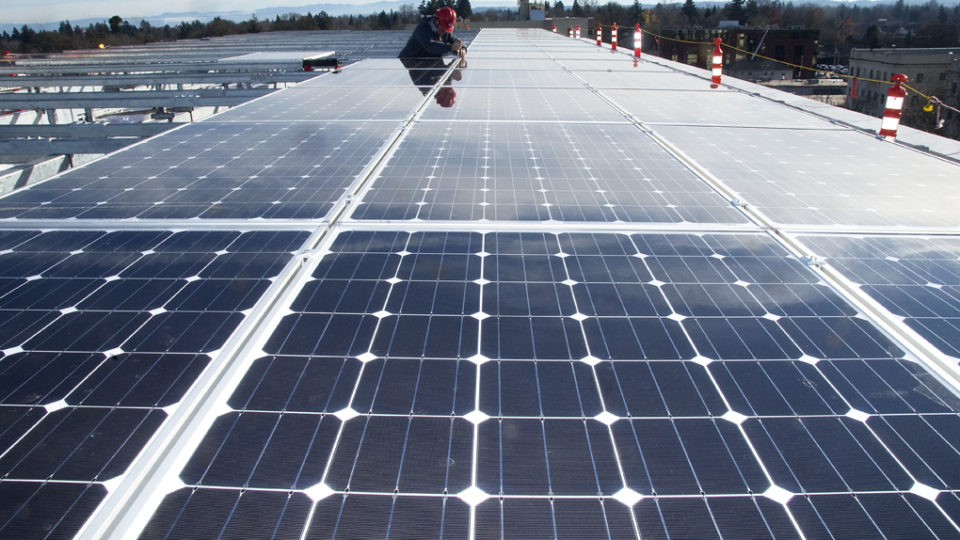
According to the International Renewable Energy Agency, there were 11 million people employed in renewable energy worldwide in 2018.  This compares with 10.3 million in 2017.  So roughly three-quarters of a million new jobs were added last year.   As more and more countries manufacture, trade and install renewable energy technologies, renewables jobs continue to reach new high levels.

The geographic footprint of renewable energy jobs is changing.  Until now, renewable energy industries have remained relatively concentrated in a handful of major markets such as China, the US, and the European Union.  But more recently, East and Southeast Asian countries have emerged alongside China as key exporters of solar technology.  Malaysia, Thailand, and Vietnam were responsible for a greater share of growth in renewables last year.  Overall, Asia has a 60% share of renewable energy jobs worldwide.

Beyond climate goals, low-carbon economic growth has become a driver for renewables technology.  Renewables deliver on all the major elements of sustainable development:  environmental, economic and social.

The solar photovoltaic industry continues to be the most dynamic renewable enterprise.  It accounts for a third of the renewable energy workforce with more than three million jobs.  

Biofuel jobs were up by 6% to over 2 million.  Wind power supports 1.2 million jobs, with onshore projects predominant.  But the offshore wind segment is gaining traction.  Hydropower is still the largest installed capacity of all renewables but is now only expanding slowly.  The hydropower sector employs 2.1 million people directly, three-quarters in operations and maintenance.

**********

Web Links

Renewable energy market employs 11 million in 2018 – IRENA

Photo, posted January 11, 2012, courtesy of the Oregon Department of Transportation via Flickr.

Earth Wise is a production of WAMC Northeast Public Radio.
The New York Climate Plan

July 24, 2019 By EarthWise Leave a Comment

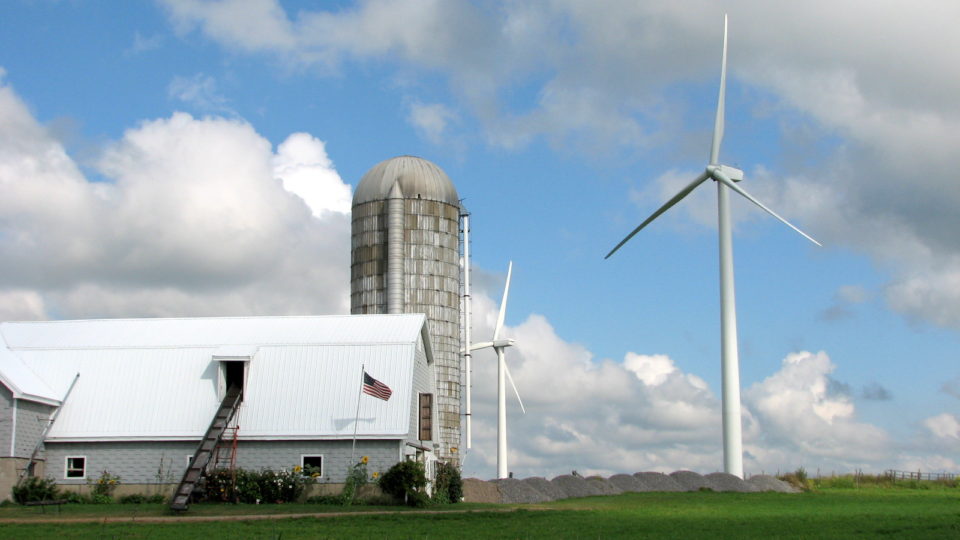
New York lawmakers have passed a sweeping climate plan that requires the state to eliminate almost all of its greenhouse gas emissions by 2050.  The plan calls for the phase-out of gasoline cars and oil- and gas-burning furnaces and requires all of the state’s electricity to come from carbon-free sources.

The Climate Leadership and Community Protection Act requires the state to slash its carbon emissions to 85% below 1990 levels by 2050 and to offset the remaining 15% by other means such as removing carbon dioxide from the atmosphere.  The bill requires New York to get 70% of its electricity from renewable sources by 2030.

The challenges of reaching the program’s goals are daunting.   New York has so far only reduced its emissions by 8% since 1990.  The state currently does get 60% of its electricity from carbon-free sources – mostly hydroelectric dams and nuclear power plants – but it will require offshore windfarms, ramped-up solar installations, and battery storage systems to push the numbers dramatically higher.

Transportation, which is responsible for a third of New York’s emissions, will be particularly tough to tackle.  The Trump administration is rolling back federal vehicle efficiency rules and is trying to prevent states from setting stricter standards.  Currently, electric car ownership is primarily attractive for single-family homeowners who can plug in their cars at home.  Far more pervasive charging stations – for example, all over the streets of New York City – would be needed to make electric cars practical for everyone.

The plan aims for industries to bear most of the financial burden, but supporters say that the costs of not acting on climate will be vastly greater for businesses.  The plan’s deadlines for major emissions reductions are a decade away but there will be much to do quite soon.

**********

Web Links

New York to Approve One of the World’s Most Ambitious Climate Plans

Photo, posted September 17, 2009, courtesy of Flickr.

Earth Wise is a production of WAMC Northeast Public Radio.
100% Renewables Does Not Necessarily Mean Carbon-Free

July 16, 2019 By EarthWise Leave a Comment

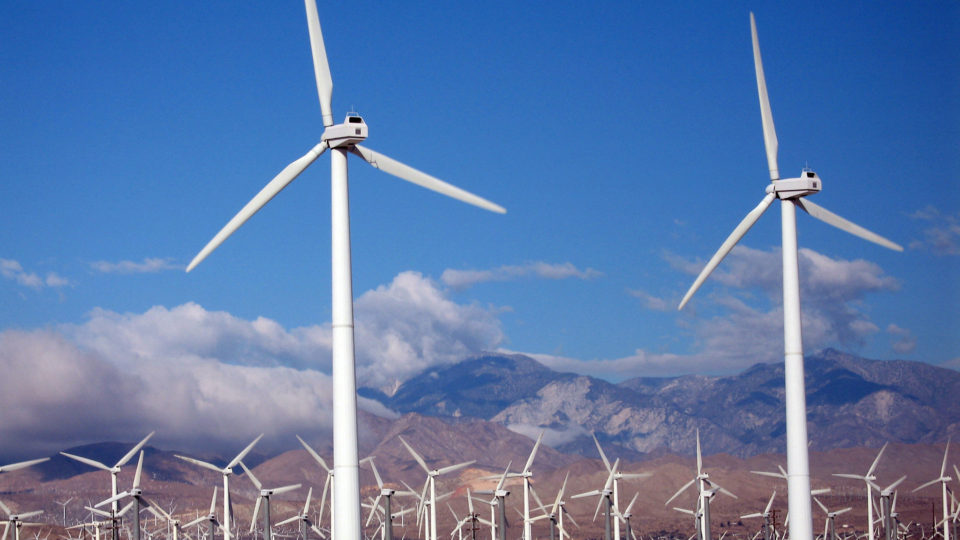
Hundreds of companies around the world have committed to use 100% renewable energy in order to fight climate change.  But a new study from Stanford University points out that 100% renewable energy does not necessarily mean 100% carbon-free energy.

The problem is that the carbon content of electricity can vary a lot over the course of a day in many locations.  Using yearly averages can overstate the carbon reductions associated with a particular power source, in some cases by significant amounts.

Suppose a California company purchases or generates enough solar power to match 100% or more of their electricity use over the course of the year.  In reality, it may generate far more electricity than it uses during the afternoon and sell the excess.  Then, at nighttime, it purchases power from the grid, which would be far more carbon-intensive if it involves the burning of fossil fuels.

But in Britain, for example, the situation is very different.  With a high reliance on wind power, grid carbon intensity is actually lower at night.  So very different consumption patterns over the course of a day would be less carbon-intensive.

If sufficient energy storage capacity can be implemented into the grid as well as suitable long-range transmission, these time-based fluctuations in the electricity supply could be ironed out.  Until such time, electricity consumers need to evaluate the environmental benefits of their renewable strategies on an hourly basis rather than using averages.  And the best strategies are entirely dependent upon the characteristics of the specific grid they interact with.  The need for this kind of analysis will only grow as renewable generation expands.  Transparent, precise and meaningful carbon accounting is necessary.

**********

Web Links

100% renewables doesn’t equal zero-carbon energy, and the difference is growing

Photo, posted January 29, 2013, courtesy of U.S. Fish and Wildlife Service via Flickr.

Earth Wise is a production of WAMC Northeast Public Radio.
Complications For New York Solar Farms

July 12, 2019 By EarthWise Leave a Comment

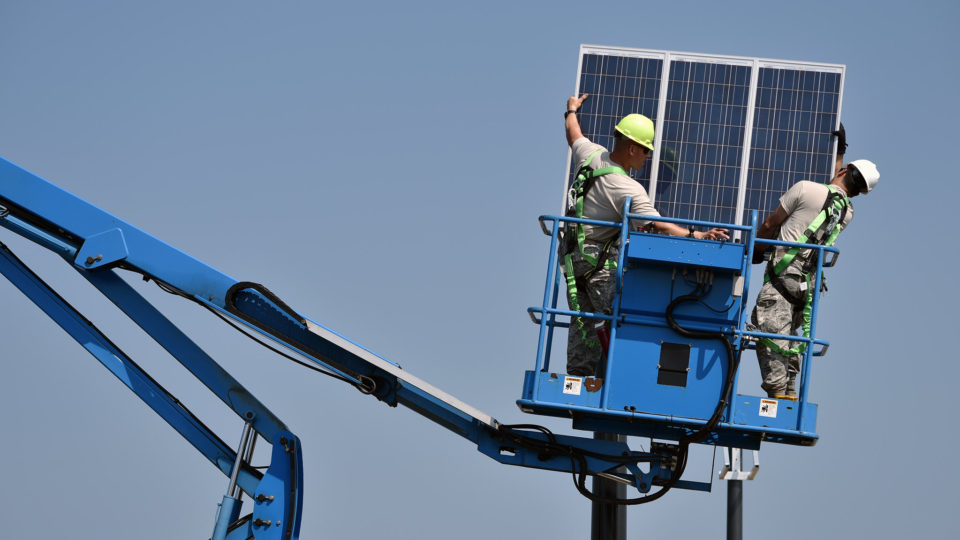
A study by engineers at Cornell University looked at the implications of adding utility-scale solar farms throughout New York State.  Adding such farms could reduce demand for electricity from conventional sources by nearly 10% in some places.  But the engineers caution that winters in upstate New York could create some novel problems for the state’s power system.

Electrical energy demand tends to be low around midday when many people are not home.  Electrical production from solar farms is high at that time when the sun is at its highest position in the sky.  This can lead to what power system operators call “ramping”, which is the term for rapid increases or decreases in demand.

This sort of ramping was first discussed in California years ago.  When people wake up and prepare for the day, there is a morning peak in electrical load, which occurs before solar production ramps up.   When people get home from work in the evening, energy demands create a second peak.  A graph of this lack of synchronicity of load and supply looks a little like the shape of a duck and is popularly known as the duck curve.

The Cornell engineers figured out that maximum ramping in New York – where electrical demand and electricity supply from solar farms are out of synch- will take place in the winter.  In fact, when there are several days of sunshine in a row during winter, the largest ramping in the New York power system will take place.

The general issue of having solar energy available when it is most needed is one that is the driver for energy storage technology. If the energy can be provided when demand calls for it, there would be no more ramping.

**********

Web Links

Winter could pose solar farm ‘ramping’ snag for power grid

Photo, posted September 8, 2015, courtesy of New York National Guard via Flickr.

Earth Wise is a production of WAMC Northeast Public Radio.
Sunlight As A Cash Crop

July 10, 2019 By EarthWise Leave a Comment

It isn’t so easy to be a farmer these days.  Farming has always involved long hours, hard work and the uncertainties of weather and yield.  The 21st Century has added new and unique challenges such as increasingly unpredictable weather, insect infestation and disease, and low commodity prices.  Add in sudden tariffs and farmers struggle even more to make ends meet.  The default rate for farmers’ loans is the the highest in at least nine years.

One thing that remains reliable for farmers is the sun.  It rises in the morning and goes down at night.  The sun can be trusted, unlike politicians, rain, or commodity prices.  These days, many farmers are taking advantage of the dependability of the sun to make money from a new cash crop: solar energy.

The trend is spreading.  North Carolina has been a leading solar energy state for several years and a 2017 report found that solar energy generates 30% of the income of many farms.  Typical annual rent payments for farmland by solar companies range from $500 to $1,400 per acre in North Carolina.

A growing list of states have clean energy mandates targeting 100% use of renewable energy.   These mandates provide incentives for farmers that make installing solar a financially smart decision and falling prices for solar installations make it an even better deal.

Solar works well when co-located on a farm and can be built in ways that minimizes impact.  It is quiet, uses almost no water, doesn’t pollute, and if it is decommissioned, the land can go back to its previous use.  If the solar facilities are raised up, the same land can be used to graze livestock or grow shade-tolerant crops.

**********

Web Links

Harvesting the sun is the new cash crop

Photo, posted December 25, 2017, courtesy of Flickr.

Earth Wise is a production of WAMC Northeast Public Radio.
Two Million Solar Installations

July 1, 2019 By EarthWise Leave a Comment

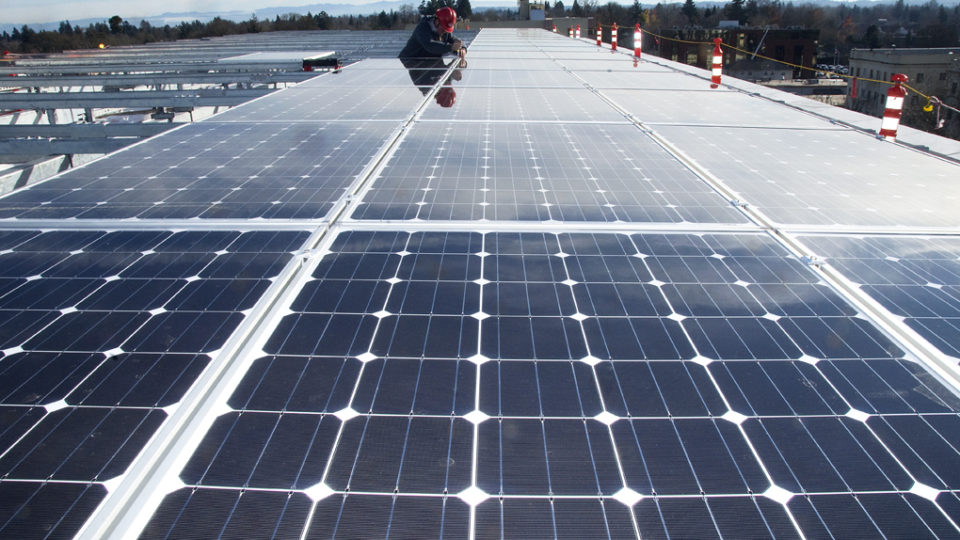
Three years ago, we reported that the United States had installed its one millionth solar energy system, a feat that took 40 years to accomplish.  Recently, the Solar Energy Industries Association announced that there are now more than 2 million U.S. installations.

Analysts forecast that there will be 3 million installation in 2021 and 4 million in 2023.

California continues to lead the nation in installing solar power.  More than 50% of the first million installations were in that state and California accounted for 43% of the second million.  Its share is nevertheless slowly dropping with the growth of the residential solar sector that is rapidly diversifying across state markets.  Some places have seen extremely rapid growth.  In South Carolina, there were barely more than 1,000 cumulative installations in 2016; today, the state is home to more than 18,000 solar systems and expects to add 22,000 more over the next five years.

The five leading states in terms of number of solar installations are California, Arizona, New York, New Jersey, and Massachusetts.    Other states recently seeing rapid growth in solar installations are Texas, Utah, Florida, Rhode Island and Maryland.  Looking ahead, Illinois is forecast to grow from only 4,000 installations today to nearly 100,000 by 2024.  The top ten state markets apart from California expect to add nearly 750,000 installation over the next five years.

The United States is at least the third nation that is home to more than 2 million solar installations.  (Australia hit the milestone late least year and Japan actually topped 2 million in September 2014).

According to forecasts from analyst first Wood Mackenzie, by the year 2024, there will be on average one new solar installation every minute.

**********

Web Links

The United States surpasses 2 million solar installations

Photo, posted January 11, 2012, courtesy of the Oregon Department of Transportation via Flickr.

Earth Wise is a production of WAMC Northeast Public Radio.
A Giant Solar Farm In Dubai

June 26, 2019 By EarthWise Leave a Comment

Like many places in the Middle East, Dubai made its fortune from oil.  But the Emirate’s oil resources are limited, and its economy has evolved in other directions.  Today, oil provides less than 5% of Dubai’s revenues; its economy relies on revenues from trade, tourism, aviation, real estate, and financial services.

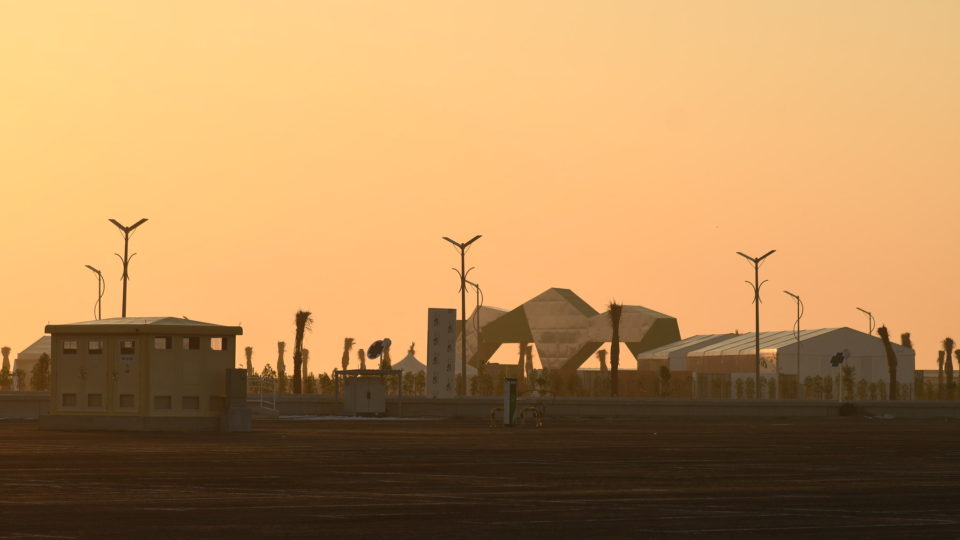
Dubai is also away from fossil fuels to meet its energy needs. A monumental construction project is underway deep within Dubai’s desert interior which will be the largest solar energy facility in the world.

The Mohammed Bin Rashid Al Maktoum Solar Park – named after Dubai’s ruler – has been under development for 7 years.  Total investment in the project will be nearly $14 billion when it is completed in 2030.  It will have a total capacity of 5,000 megawatts, enough to power 1.3 million homes.  Only some large hydroelectric power plants, the largest nuclear power plants, and a couple of Asian coal plants have more generating capacity.

Phases one and two of the project are already complete and feature more than 2 million solar panels.  Phase three – well along the way in construction – will add another 3 million solar panels and should be completed next year.

Phase four will not involve solar panels but instead will make use of the world’s tallest concentrated solar power tower.  It will use mirrors to focus sunlight at the top of the tower to heat up molten salt that will power steam turbines to generate electricity and will be able to operate long after the sun goes down.

Currently, the Tengger Desert Solar Park in China is the largest photovoltaic park in the world, but a colossal farm in India will take its place in a few years.  Big solar is getting bigger all the time.

**********

Web Links

$13.6B record-breaking solar park rises from Dubai desert

Photo, posted December 15, 2018, courtesy of Anoop S. via Flickr.

Earth Wise is a production of WAMC Northeast Public Radio.
Our Growing Appetite For Energy

June 13, 2019 By EarthWise Leave a Comment

Energy consumption in the United States set a record high in 2018.  Overall, energy consumption reached 101.2 quadrillion BTUs or quads last year, breaking the previous record of 101.0 set in 2007.  Most of us are not too familiar with quadrillions of anything, nor with BTUs for that matter.  If it is any more illuminating, 101 quads are the equivalent of about 300 billion kilowatt hours.  Our energy use increased by 3.6% from 2017, which was the largest annual increase since 2010.

Wind, solar, and natural gas provided the largest increases in energy supply.  In 2018, solar and wind energy were both up by 0.18 quads, representing a 22% gain for solar and a 7.5% increase for wind.  Over the past ten years, overall renewable energy has doubled in the U.S., with wind increasing by a factor of 5 since 2008 and solar by an amazing factor of 48. 

Natural gas generation increased by 10.7%, or a total of 3 quads over the previous year.   The growth in natural gas use isn’t good news, but since much of it represents replacing coal, it at least corresponds to reduced greenhouse gas emissions.

The unfortunate part of our energy consumption is that the majority of it is still in the form of “rejected energy”.  It most often takes the form of waste heat, such as the warm exhaust from automobiles and furnaces.  The efficiency of our cars, lightbulbs and factories determines how much waste heat is produced and in turn how much fuel and electricity can be put to productive use.

**********

Web Links

US energy consumption hits record high in 2018, solar/wind/natural gas grow

Photo, posted April 27, 2015, courtesy of Mathias Appel via Flickr.

Earth Wise is a production of WAMC Northeast Public Radio.
Solar Equity for Low-Income Communities

May 30, 2019 By EarthWise Leave a Comment

A couple of years ago, the number of American roofs covered with solar panels passed the one million mark and the numbers keep growing.  But nearly half of U.S. households – accounting for more than 154 million people – aren’t able to host their own solar arrays because they lack suitable rooftop space, or they rent their homes.  But millions more simply can’t afford to spend tens of thousands of dollars to buy or lease solar panels.

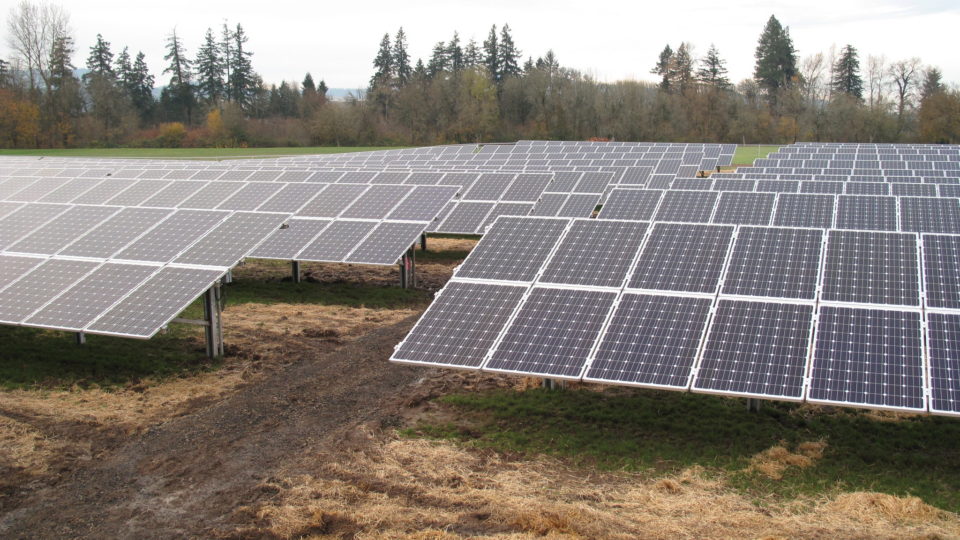
In recent years, community solar has become popular.  These are projects where multiple participants own or lease shares in a mid-sized solar facility and receive credits that lower their monthly utility bills.  Community solar in the U.S. has more than quadrupled just since 2016.

However, the majority of community solar subscribers to date have been businesses, universities, government agencies, and higher-earning households.  These users can generally pay steep project enrollment fees or meet various financial requirements.  Meanwhile, those who could benefit most from access to renewable energy and lower utility bills – low-income residents – have largely been left out.

Low-income households on average spend over 8% of their income on utility bills, about three times more than moderate- to high-income households.  So, reducing electricity bills with community solar power is a big deal for them.

Given this situation, there are now a growing number of programs that make use of community solar to reduce living expenses for low-income households.  In a dozen states, new programs include a variety of mandates, financial incentives, and pilot programs targeting benefits for people with low incomes.  These programs will allow them to participate in both the environmental and economic benefits of renewable energy.

**********

Web Links

Energy Equity: Bringing Solar Power to Low-Income Communities

Photo, posted November 27, 2012, courtesy of Oregon State University via Flickr.

Earth Wise is a production of WAMC Northeast Public Radio.
Utility-Scale Solar On The Rise

May 8, 2019 By EarthWise Leave a Comment

According to research from Goldman Sachs, utility-scale solar power capacity is expected to grow by double digits globally over the next two years.  The growth will be driven by expanding use of the technology in the United States, Europe, the Middle East, and China.

Solar power is the world’s fastest growing source of electricity generation and is slowly taking market share from fossil fuels like coal and natural gas.  The transition is being driven by a combination of continuously lower prices for solar power and the impact of policies aimed at reducing emissions.

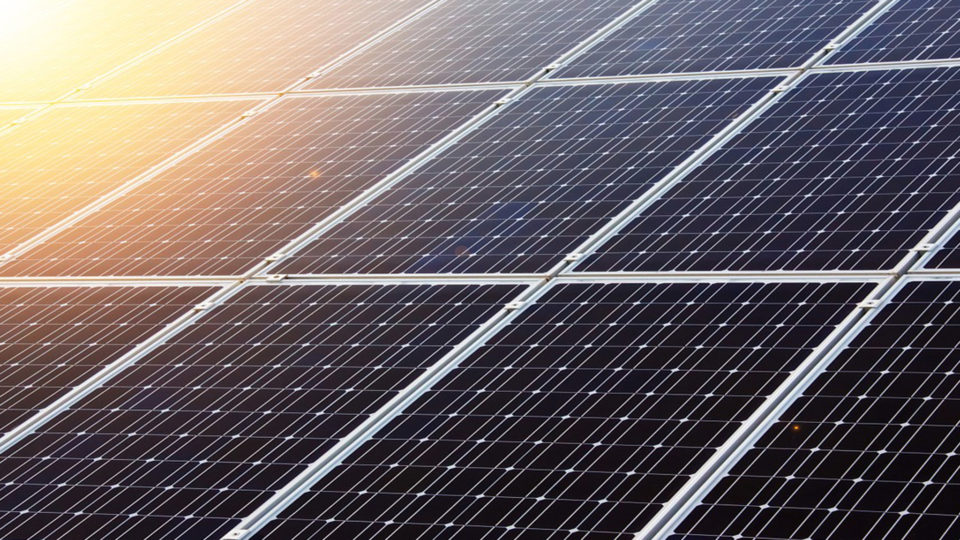
Utility-scale solar is defined as installations designed solely to feed electricity into the grid, in contrast to smaller-scale residential or commercial building units.  There are now solar farms larger than half a gigawatt in generating capacity.  According to the Goldman report, global utility-scale solar installations will reach 108 gigawatts in 2019, up 12% over the previous year, and will then grow another 10% to 119 gigawatts in 2020.

When residential and other smaller installations are included, most analysts expect global solar power capacity to soon hit 600 gigawatts.  To put this in perspective, the global capacity only reached 100 gigawatts in 2012 and was actually less than 10 gigawatts in 2007.

Even more dramatic than the growth of solar installations is the reduction in solar cost, and the two are obviously closely related.  Solar panel costs have dropped from around $70 per watt of electricity generated in 1980 to 36 cents per watt currently in the United States.  When favorable policies both from governments and related to corporate sustainability targets are added to the mix, the booming growth in solar power is easy to understand.

**********

Web Links

Large-scale solar power set for double-digit growth: Goldman Sachs

Photo, posted March 7, 2019, courtesy of Hedgerow Inc via Flickr.

Earth Wise is a production of WAMC Northeast Public Radio.
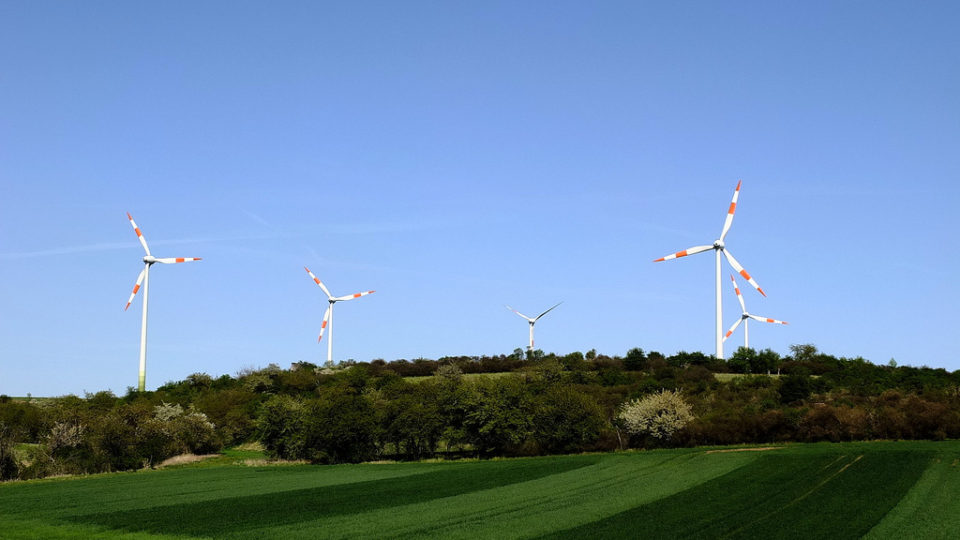
Lots Of Renewable Energy In Germany

April 29, 2019 By EarthWise Leave a Comment

As the contributions to the electrical grid from renewable sources continue to rise, people have expressed concerns about what might happen as sources like wind and solar energy become dominant.  Not many years ago, there was a common concern that if wind and solar contributed more than about a quarter of the energy mix, the grid might become unstable or unreliable.  Theoretical models looked at this situation but there hadn’t been much real-world data to look at.

One place where there is now real-world data on a large scale is Germany.  Germany has been aggressively deploying both wind and solar energy for years as part of a national initiative called the Energiewende or energy transition.  Germany recently increased its renewable energy goal from 55% to 65% by the year 2030.   The increased share of renewables takes into account the decommissioning of aging nuclear and coal power plants.

A demonstration of the feasibility of such a goal occurred in the first week of March when renewable sources actually supplied nearly 65% of Germany’s electricity.  Wind power alone provided nearly half of the country’s power.  As a result, fossil fuel plants ran at a minimum output and nuclear facilities were shut down at night.

Germany has a very large domestic coal industry and indeed lignite coal generated an average of 24% of the country’s power last year.   However, recently that share was down to just 12%.  During that first week of March, solar power contributed more than 5% of Germany’s electricity, biomass 7.6%, and hydropower 3.5%.

While the week with 65% renewable set a record, the ongoing trend is very positive as well.  In 2018, renewable energy generated an average of more than 40% of Germany’s electricity.

**********

Web Links

Renewables Generated a Record 65 Percent of Germany’s Electricity Last Week

Photo, posted April 28, 2012, courtesy of Flickr.

Earth Wise is a production of WAMC Northeast Public Radio.

Another Way To Make Solar Cells

March 21, 2019 By EarthWise Leave a Comment

Millions of rooftops now contain solar panels and the majority of the solar cells that make up those panels today are made from silicon.  Silicon solar cells require expensive, multi-step processing conducted at very high temperatures in special clean room facilities.  Despite these complications, the price of solar panels has continued to drop dramatically over the years.

But even as the price of solar cells gets lower and lower, there are still widespread efforts to find even better ways to make them.   One of those ways is with perovskite solar cells.  Perovskites are materials with a characteristic crystal structure and are quite common in nature.  Perovskites can be formed with a wide range of elements and can exhibit a variety of properties.

They were first used to make solar cells about 10 years ago and those first cells were unimpressive in most respects.  However, there has been steady progress since that time.  The potential advantages of perovskite solar cells are that they can be made from low-cost materials and can be manufactured using liquid chemistry, a far cheaper process than what is used to make silicon cells.

Researchers at MIT and several other institutions have recently published the results of research on how to tailor the composition of perovskite solar cells to optimize their properties.   What used to be a trial-and-error process can now become much more engineered and should lead to perovskite solar cells with performance that could exceed that of silicon cells.

Silicon solar panels are a huge, worldwide industry and displacing them in favor of an alternative technology is a tall order.  But if perovskite cells can be optimized for large-scale manufacturability, efficiency and durability, they could definitely give silicon a run for its money.

**********

Web Links

Unleashing perovskites’ potential for solar cells

Photo courtesy of Ken Richardson/MIT.

Earth Wise is a production of WAMC Northeast Public Radio.
Renewables Taking Over In Britain

March 14, 2019 By EarthWise Leave a Comment

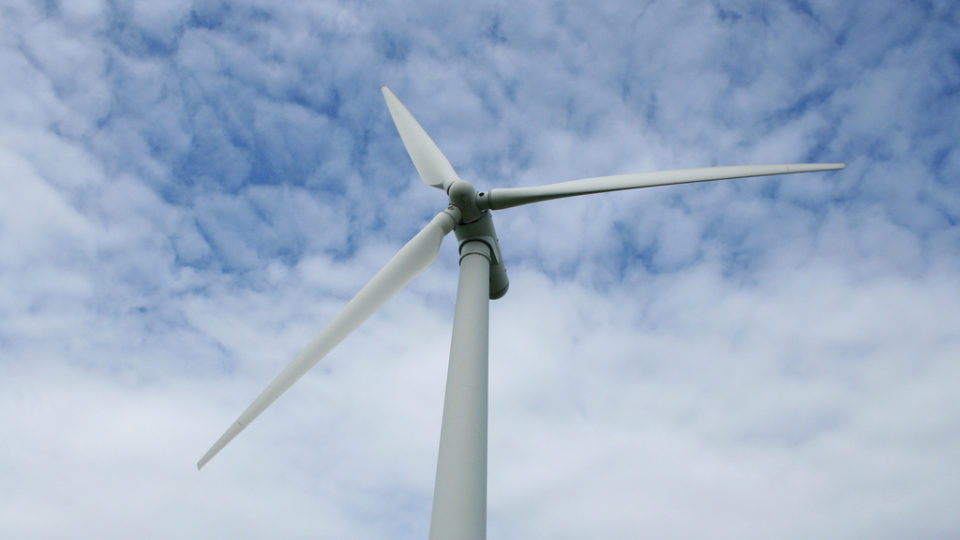
A year-and-a-half ago, we reported on the steep decline in the use of coal in Britain, including the conversion of the giant Drax Power Station from burning coal to running on wood chips.  Since then, Britain has been steadily moving away from fossil fuels and towards renewable energy sources.  The transformation is being driven by a surge in offshore wind farms currently under construction or about to begin operating.  Britain is in the process of adding over 6 GW of offshore wind to its current total of 8 GW.  Renewables generated one-third of the UK’s electricity last year, and half of that came from wind power. 

In 2018, coal- and gas-fired power stations generated about 131 terawatt-hours of electricity in Britain.  Renewable energy plants – including wind, solar, biomass, and hydropower – produced about 96 terawatt-hours.  Based on the new projects coming online, renewable sources could generate 121 TWh by 2020 and fossil fuel plants are likely to fall to 105.6 TWh as more coal plants are retired.  Thus, within the next year or so, renewables in Britain are likely to surpass fossil fuels in electricity generation.

The transformation in Britain has been rapid and dramatic.  In 1974, the country generated 80% of its electricity using coal.  By 2016, that number had dropped to 9%.  Last April, the British power grid went three days in a row without burning any coal.  The UK is expected to shut down its remaining coal plants by 2025, if not sooner. 

At the same time, Britain’s renewable energy capacity has more than quadrupled since 2010, jumping from 21 TWh that year to 96 TWh last year.  Britain’s energy mix is changing fast and getting significantly cleaner every year.

**********

Web Links

Renewables Could Surpass Fossil Fuels in Britain by 2020

Photo, posted August 2, 2008, courtesy of Richard Allaway via Flickr.

Earth Wise is a production of WAMC Northeast Public Radio.
A Quiet Clean Energy Revolution

March 5, 2019 By EarthWise Leave a Comment

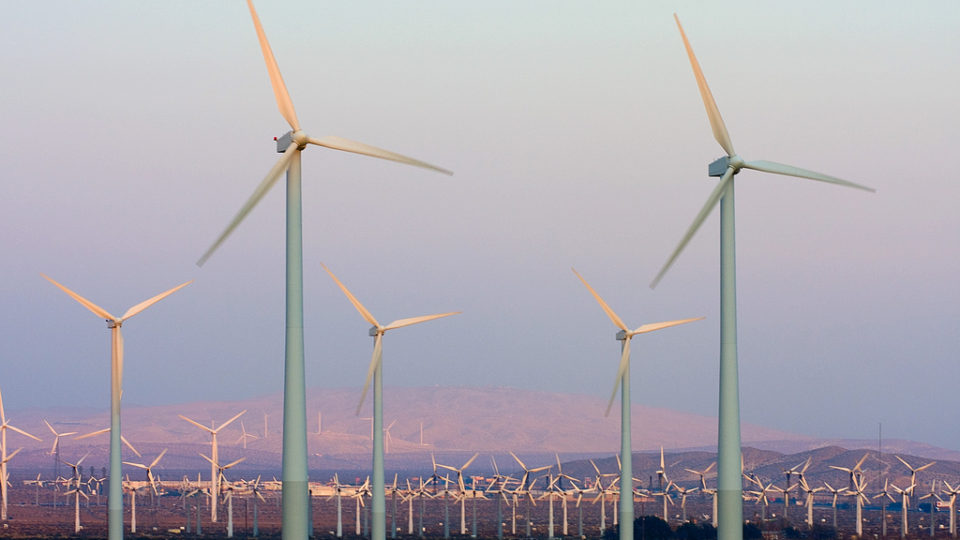
While the Trump administration seeks to prop up and promote use of fossil fuels, the country continues to move in the opposite direction.  Last year was actually a pretty positive year for clean energy in the U.S.

In terms of public opinion, 70% of Americans surveyed believe the country should produce 100% of its electricity from renewable energy sources and more than half of survey respondents think renewables are a good idea even if they raise energy bills.

Companies in the U.S. purchased a record 6.43 gigawatts of renewable power, enough to power 1.5 million homes.  The number of corporations entering into renewable energy deals doubled last year.

More than 300 U.S. cities, towns or counties have made commitments to climate action and, as of November, 99 cities have committed to 100% renewable energy, doubling the total from a year ago.

A number of gubernatorial candidates running on ambitious renewable energy platforms were elected in November including those in Illinois, Colorado, New Mexico, Maine and Nevada.

Utilities are responding to the growing demand for clean energy.  Consumers Energy in Michigan plans to cut carbon emissions by 80% and stop using coal.  Iowa-based MidAmerican Energy will become the first U.S. utility to source 100% of its electricity from renewable sources next year.  Xcel Energy, one of the biggest utilities in the country, has committed to be 80% carbon-free by 2030 and go completely carbon-free by 2050.

The fossil fuel industry with its supporters in high places is still kicking and screaming, but there is no doubt that the U.S. energy system is changing, and the quiet clean energy revolution will only pick up more steam in 2019.

**********

Web Links

The US Underwent a Quiet Clean Energy Revolution Last Year

Photo, posted August 15, 2009, courtesy of Ken via Flickr.

Earth Wise is a production of WAMC Northeast Public Radio.
More Renewables Without Storage In Texas

February 27, 2019 By EarthWise Leave a Comment

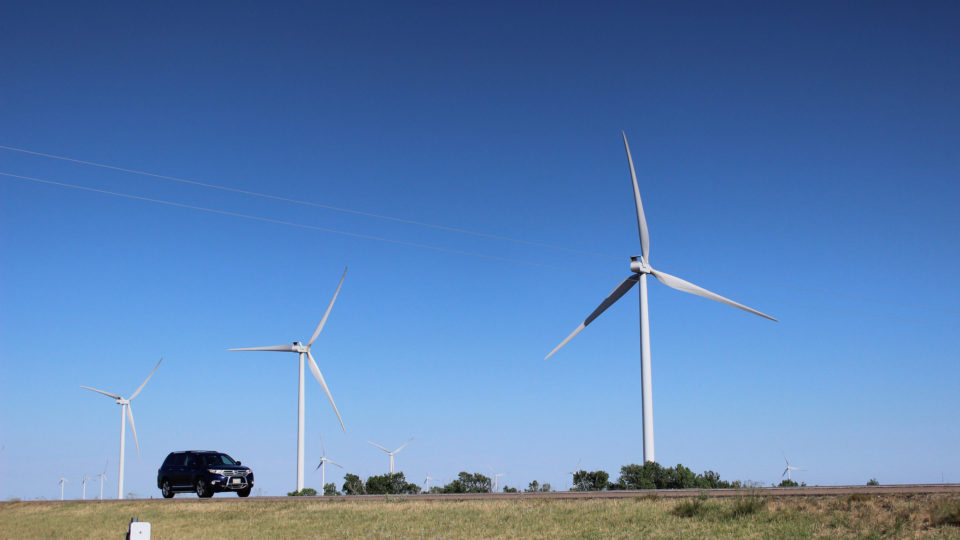
Texas has a Texas-sized appetite for electricity and relies most heavily on natural gas, coal and nuclear power to get it.  But in recent times, wind power has grown tremendously in the Lone Star State and it has already leapfrogged past nuclear power.  Coal could be the next domino to fall.

In the past few years, solar power has become competitive with wind in terms of price.  Texas is a large, coastal state in the sunny southwestern U.S. and has significant solar resources.  As a result, the amount of solar power in Texas is now growing rapidly.

In order for a combination of solar and wind power to address the bulk of electricity demand in Texas, there needs to be a way to provide reliability that these intermittent sources don’t necessarily provide.  Energy storage is a solution that ultimately is likely to be part of most electricity grids, but currently it is still expensive on a utility scale.

A new study from Rice University looked at the complementarity of solar and wind power in Texas.  Complementarity refers to balancing the output of solar and wind systems.  The peak performance of wind and solar occurs at very different times in different regions of the state.  The study suggests that the right mix of solar and wind systems in the right parts of Texas could provide a continuously reliable energy system.  On both a yearly and daily basis, wind and solar power resources in Texas complement each other in terms of peak performance.  It is a matter of locating the solar power and wind farms in the right places.

With the Texas solar industry really starting to boom, there is a real opportunity to integrate far more renewable energy into the Texas grid.

**********

Web Links

More Renewables with Less Energy Storage: Texas Shows How

Photo, posted June 8, 2018, courtesy of Laura Lee Dooley via Flickr.

Earth Wise is a production of WAMC Northeast Public Radio.

  • « Go to Previous Page
  • Page 1
  • Interim pages omitted …
  • Page 3
  • Page 4
  • Page 5
  • Page 6
  • Page 7
  • Page 8
  • Go to Next Page »

Primary Sidebar

Recent Episodes

  • An uninsurable future
  • Clean energy and jobs
  • Insect declines in remote regions
  • Fossil fuel producing nations ignoring climate goals
  • Trouble for clownfishes

WAMC Northeast Public Radio

WAMC/Northeast Public Radio is a regional public radio network serving parts of seven northeastern states (more...)

Copyright © 2026 ·