• Skip to primary navigation
  • Skip to main content
  • Skip to primary sidebar

Earth Wise

A look at our changing environment.

  • Home
  • About Earth Wise
  • Where to Listen
  • All Articles
  • Show Search
Hide Search
You are here: Home / Archives for protection

protection

Invasive Species On Ships In Antarctica | Earth Wise

February 23, 2022 By EarthWise Leave a Comment

Invasive species threaten Antarctica

The Southern Ocean around Antarctica is the most isolated marine environment on Earth.  Antarctica’s native species have been isolated for the last 15-30 million years.  As a result, wildlife there has not evolved the ability to tolerate the presence of many groups of species.

New research by the University of Cambridge and the British Antarctic Survey has traced the global movements of all the ships entering Antarctic water and has found that Antarctica is connected to all regions of the globe via ship activity to an extent much greater than previously thought.  Fishing, tourism, research, and supply ships are exposing Antarctica to invasive, non-native species that threaten the existing ecosystems.

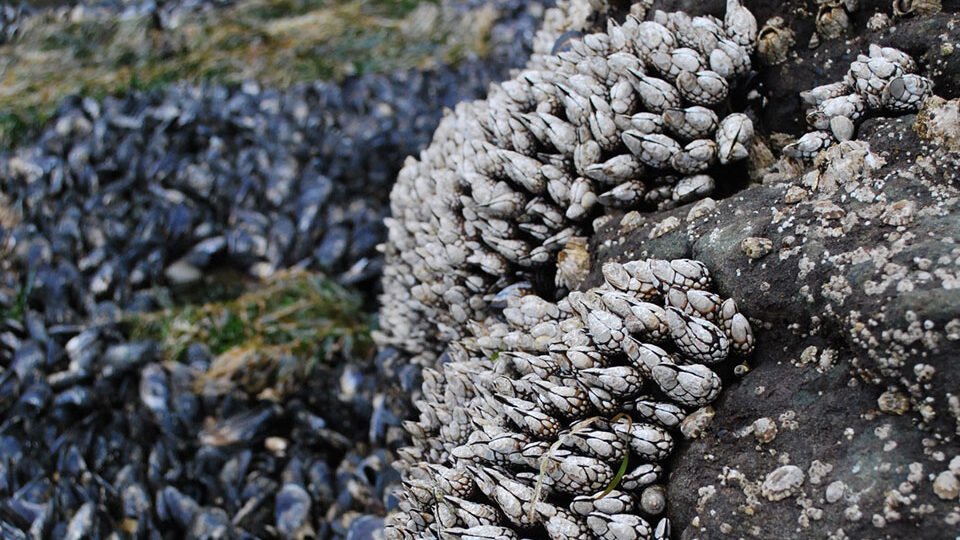
In all, the research identified over 1,500 ports with links to Antarctica.  From all these places, non-native species including mussels, barnacles, crabs, and algae attach themselves to ships’ hulls.  The process is known as biofouling. 

The greatest concern is the movement of species from pole to pole.  These species are already cold-adapted.  They may come on tourist or research vessels that spend the northern hemisphere summer in the Arctic before traveling south for the Antarctic summer season.

Mussels have no competitors in Antarctica should they be accidentally introduced.  Shallow water crabs would introduce a new form of predation that Antarctic animals have never encountered before.

Current biosecurity measures to protect Antarctica, such as cleaning ships’ hulls, focus on a small group of so-called gateway ports.  The new findings indicate that these measures need to be expanded to protect Antarctic waters from non-native species.

**********

Web Links

Invasive species ‘hitchhiking’ on ships threaten Antarctica’s unique ecosystems

Photo, posted April 12, 2016, courtesy of NOAA’s National Ocean Service via Flickr.

Earth Wise is a production of WAMC Northeast Public Radio.
Removing Carbon With The Oceans | Earth Wise

January 26, 2022 By EarthWise Leave a Comment

Oceans play a huge role in climate

There is increasing concern that reducing carbon emissions alone will not be sufficient to stabilize the climate and that technologies that actively remove carbon dioxide from the air will be needed.  There has been a fair amount of analysis of the efficacy of storing carbon in agricultural soil and in forests, but there has not been comparable studies of the risks, benefits, and trade-offs of ocean-based strategies. 

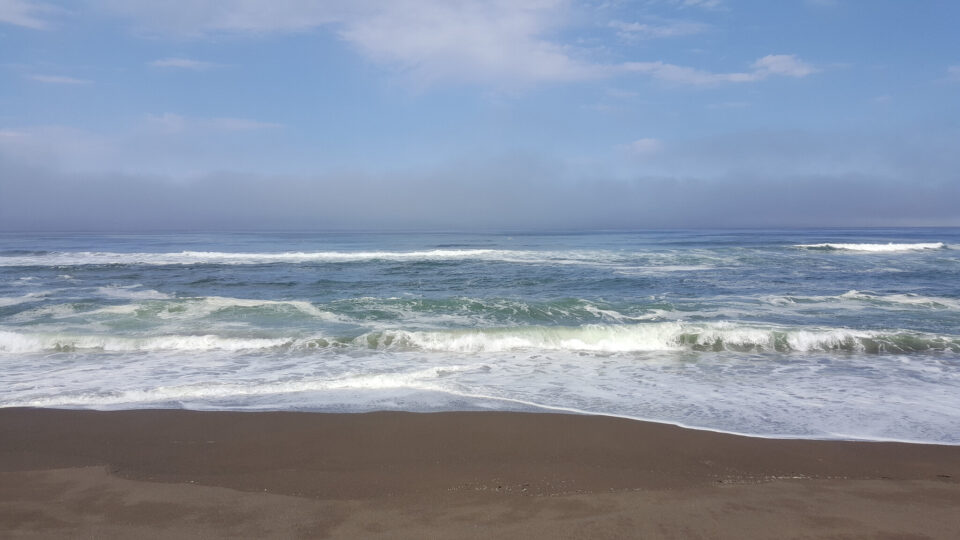
The oceans currently absorb about a quarter of the world’s carbon dioxide emissions.  There are multiple ways in which oceans could be induced to store much more.  A new report from the National Academies of Sciences, Engineering, and Medicine looks at several ocean carbon dioxide removal strategies in terms of efficacy, potential costs, and potential environmental risks.

One approach involves adding nutrients to the ocean surface to increase photosynthesis by phytoplankton.  The approach has a medium to high chance of being effective and has medium environmental risks.

Another approach is large-scale seaweed farming that transports carbon to the deep ocean or into sediments.   It has medium efficacy chances but higher environmental risks.

Protection and restoration of coastal ecosystems including marine wildlife would have the lowest environmental risk but only low to medium efficacy.

Chemically altering ocean water to increase its alkalinity in order to enhance reactions that take up carbon dioxide would be highly effective but a medium environmental risk.

The report describes some other approaches as well.  It recommends a $125 million research program to better understand the technological challenges as well as the potential economic, social, and environmental impacts of increasing the oceans’ absorption of carbon dioxide.

**********

Web Links

Oceans Could Be Harnessed to Remove Carbon From Air, Say U.S. Science Leaders

Photo, posted August 21, 2016, courtesy of Quinn Dombrowski via Flickr.

Earth Wise is a production of WAMC Northeast Public Radio.
Armadillos Heading North | Earth Wise

December 27, 2021 By EarthWise Leave a Comment

Armadillos are heading north

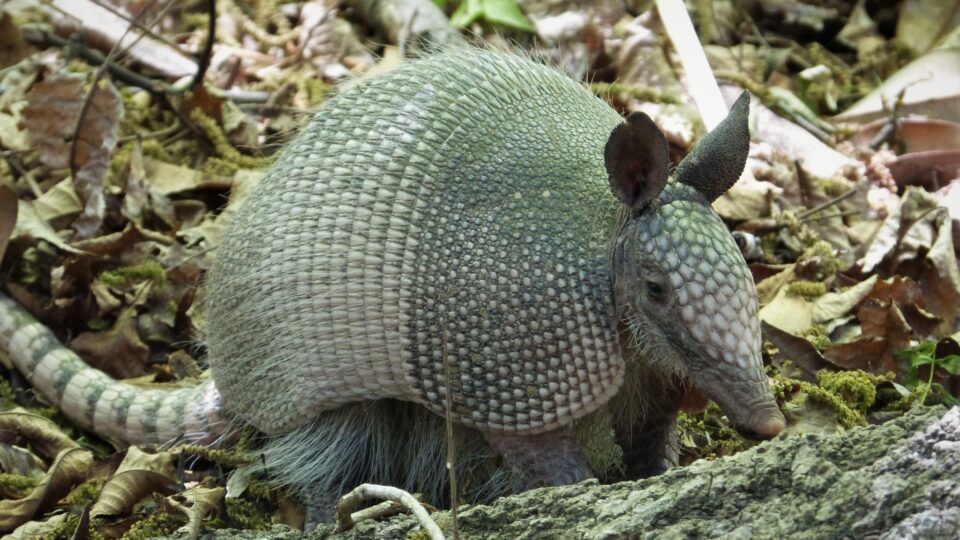
Armadillos are small mammals known for their unique armor-like shell and their digging habits.  There are 21 species, primarily native to South America.  Some species have expanded northward due to their rapid breeding cycle, adaptability, and reduced number of predators.  Only one species – the nine-banded armadillo – is found in the United States.  In fact, it is the official small mammal of the state of Texas.

Over time, armadillos have expanded their range to states in the Deep South.  More recently, the animals have been pushing further north.  Milder winters in the changing climate have allowed them to inhabit new areas, including parts of the Blue Ridge Mountains. They were first sighted in North Carolina in 2007 and their numbers have recently been growing in the western half of the state.

There are now armadillos as far north as Missouri, Nebraska, and Iowa, and there is little to halt their further advance.  They are able to hold their breath for six minutes at a time, so they can cross rivers by walking along the bottom or by inflating their intestines and floating across the top.  Their hard shell provides protection from predators.  They reproduce prolifically.  Females give birth to quadruplets multiple times over the course of their 12-15-year lifespan.

Armadillos are fun to look at, but they are a nuisance where people live.  They are prone to digging holes in lawns.  In parts of North Carolina, some people have placed bounties on the animals.  They are difficult to trap and there aren’t common repellents for them.  As the climate continues to warm, it is only a matter of time before the range of armadillos expands into other states.

**********

Web Links

Armadillos Advance Northward As Temperatures Rise

Photo, posted May 2, 2017, courtesy of Gail Hampshire via Flickr.

Earth Wise is a production of WAMC Northeast Public Radio.
Sunscreen For Corals | Earth Wise

August 6, 2021 By EarthWise Leave a Comment

Scientists examine why some corals are better equipped to survive a changing environment

Sunscreen from beachgoers entering ocean waters is one of the greatest threats to coral reefs and there are global efforts to reduce or eliminate the use of many of the most harmful chemicals people use to protect themselves from the sun’s rays.  However, scientists at the Smithsonian Conservation Biology Institute have found that some corals have a natural sunscreen of their own that helps protect them from the effects of climate change.

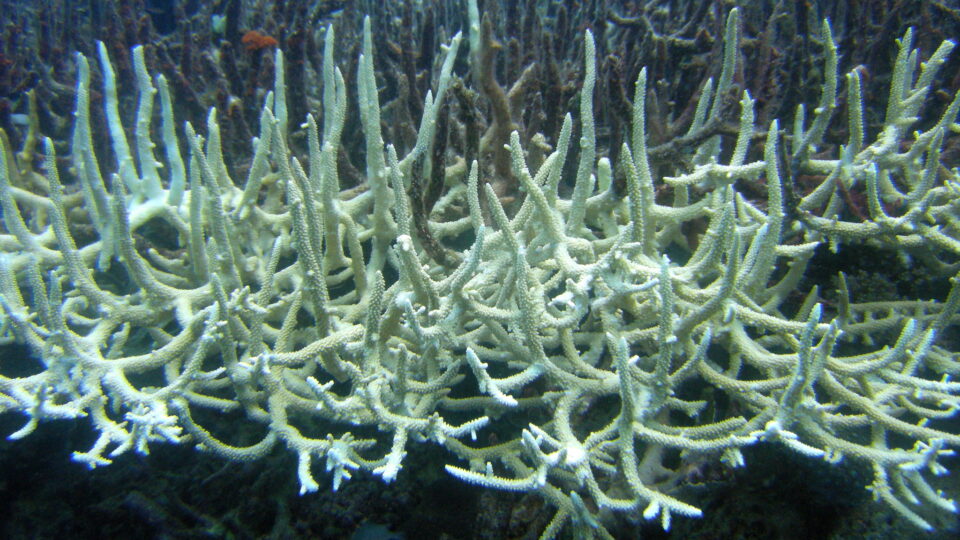
Hawaiian blue rice corals feature a deep blue pigment that is created by chromoprotein that filters out harmful ultraviolet radiation from the sun.  UV damage has harmful impacts to reproduction in many coral species, but it appears not to have the same effect on blue rice coral.

In a study published in Scientific Reports, Smithsonian researchers studied the devastating effects that bleaching had on brown rice coral in the Hawaiian bleaching events of 2014 and 2015.  During the same events, blue rice coral either recovered quickly or was not affected by the elevated ocean temperature at all.

The blue-pigmented corals had dramatically greater reproductive vigor than the brown-pigmented version.  The key factor appears to be the sun-screening ability of the blue pigment in the particular symbiotic algae that lives inside the coral tissue known as zooxanthellae.  The coral protects the algae and in turn the algae provide the coral with food in the form of sugars produced as a waste product from photosynthesis.  In the case of the blue version, the algae also produce sunscreen for the coral.

By better understanding the role UV-protective pigments play in mitigating the adverse effects of climate change and warming oceans, scientists can learn why some species are better equipped to survive in a changing environment.

**********

Web Links

Smithsonian Conservation Biology Institute Scientists Find Corals’ Natural “Sunscreen” May Help Them Weather Climate Change

Photo, posted September 28, 2009, courtesy of Matt Kieffer via Flickr.

Earth Wise is a production of WAMC Northeast Public Radio.

Protecting The Ocean Has Multiple Benefits | Earth Wise

June 21, 2021 By EarthWise Leave a Comment

The benefits of protecting the ocean

An international team of authors from 18 institutions has recently published a paper in the journal Nature that offers a solution that addresses several of humanity’s most pressing problems at the same time.  The paper provides a comprehensive assessment of where strict ocean protection can contribute to a more abundant supply of healthy seafood, help address climate change, and protect embattled species and habitats.

The study identified specific areas of the ocean that could provide all of these benefits if they were protected.  Currently, only about 7% of the ocean is under any kind of protection.  According to the study, if the appropriate 30% of the ocean was protected by the actions of the relevant countries by 2030, the cited benefits would be realized.

Safeguarding these regions would protect nearly 80% of marine species while increasing fishing catches by almost 9 million tons a year. It would also prevent the release of more than 1 billion tons of carbon dioxide by protecting the seafloor from bottom trawling, which is a widespread and destructive fishing practice.

Ocean life has been declining worldwide because of overfishing, habitat destruction, and climate change.  The study pioneers a new way to identify the places that – if protected – will boost food production and safeguard marine life, while at the same time reducing carbon emissions.  The study finds that countries with large national waters and large industrial trawl fisheries have the highest potential to contribute to climate change mitigation by protecting the carbon stored on the ocean floor.  The ocean covers 70% of the Earth and its importance in solving the challenges of our time must not be underestimated.

**********

Web Links

Three Times the Gains

Photo, posted January 10, 2016, courtesy of Hafsteinn Robertsson via Flickr.

Earth Wise is a production of WAMC Northeast Public Radio.
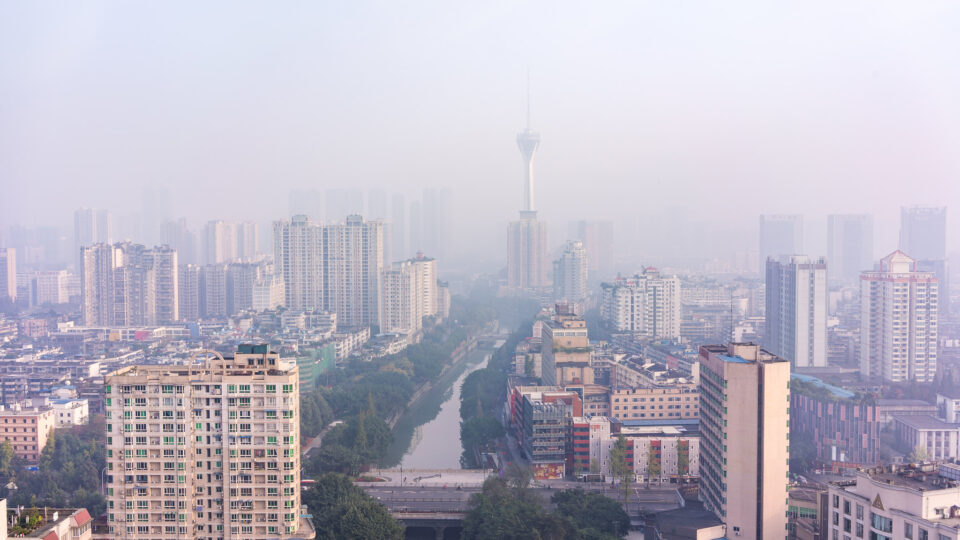
The Silent Killer | Earth Wise

April 26, 2021 By EarthWise Leave a Comment

Air pollution is a silent killer

Air pollution is deadly.  Studies have found that particles from air pollution can enter our lungs and bloodstream, contributing to major health conditions including heart disease, stroke, cancer, and kidney disease.  Globally, air pollution is responsible for the premature deaths of millions of people every year. 

The first line of defense against air pollution is ambient air quality standards.  But according to researchers from McGill University, more than half of the world’s population lives without the protection of adequate air quality standards.

The research team focused on a specific type of air pollution called particulate matter 2.5 (more commonly called PM2.5).  PM2.5 refers to tiny particles or droplets in the air that are two and one half microns or less in width.  These tiny particles are responsible for an estimated 4.2 million premature deaths every year globally, including more than one million deaths in China, nearly 200,000 in Europe, and more than 50,000 in the United States.

In the study, which was recently published in the Bulletin of the World Health Organization, the researchers found that where there are air quality protections, the standards are often worse than what the WHO considers safe.  Some regions with high air pollution levels, like the Middle East, don’t even measure PM2.5 air pollution.  The researchers found that the weakest air quality standards are often violated, while the strictest standards are often met. 

More than half of the world’s population is in urgent need of adequate air quality standards.   

**********

Web Links

Air pollution: The silent killer called PM 2.5

Photo, posted November 17, 2019, courtesy of Kristoffer Trolle via Flickr.

Earth Wise is a production of WAMC Northeast Public Radio.
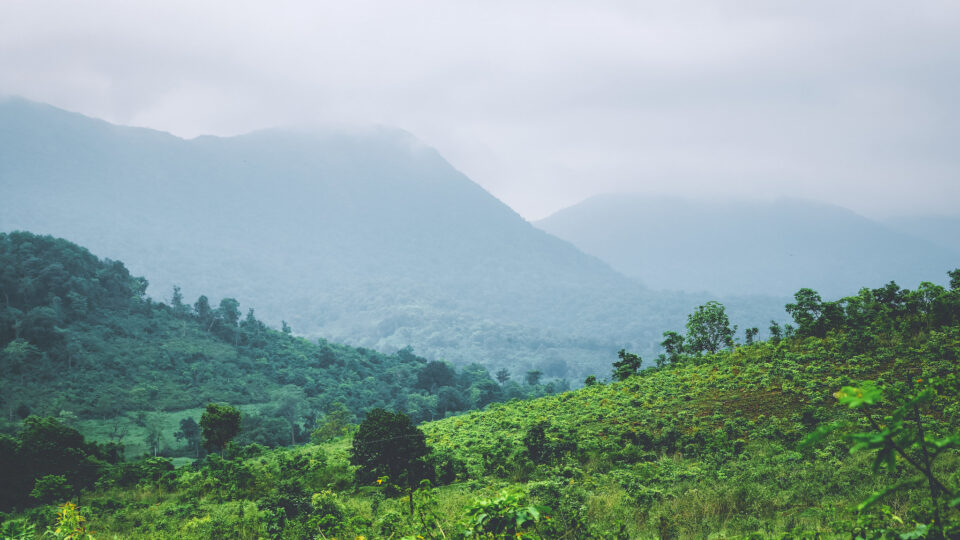
Protecting Nature Is Valuable | Earth Wise

April 15, 2021 By EarthWise Leave a Comment

Preserving nature is the best economic decision

A study by the University of Vermont, the University of Cambridge, and several other institutions compared the value of protecting nature at particular locations with that of exploiting it.   The study concluded that the economic benefits of conserving or restoring natural sites outweigh the profit potential of converting them for intensive human use.

The study analyzed dozens of sites across the globe – from Kenya to Fiji and China to the UK across six continents.  It was published in the journal Nature Sustainability.

The analysis utilized a methodology devised ten years ago called TESSA (the Toolkit for Ecosystem Service Site-based Assessment) which enables users to measure, and in many cases, assign monetary values to services provided by sites – clean water, nature-based recreation, crop pollination, and so on.  This is then compared with the economic benefits that can be derived by converting the site for farming, logging, or other human uses.

A major economic benefit of natural sites comes from their ability to sequester carbon and thereby help regulate the quantity of greenhouse gases in the atmosphere.  If one assigns a value to global society of $31 a ton of carbon removed, over 70% of the sites surveyed had a greater value to society when kept natural rather than being converted.  Many scientists actually consider this carbon price to be conservative.  Nevertheless, if carbon is assigned the paltry cost of $5 a ton, 60% of the sites are still more valuable in their natural state.

Beyond these economic calculations, there is the pressing issue that current rates of habitat conversion are driving a species extinction crisis unprecedented in human history.  But even if one is only interested in dollars and cents, conserving and restoring nature is now very often the best bet for human prosperity.

**********

Web Links

Economic Benefits of Protecting Nature Exceed Value of Exploiting it, Global Study Finds

Photo, posted June 7, 2017, courtesy of Mouli Choudari via Flickr.

Earth Wise is a production of WAMC Northeast Public Radio.
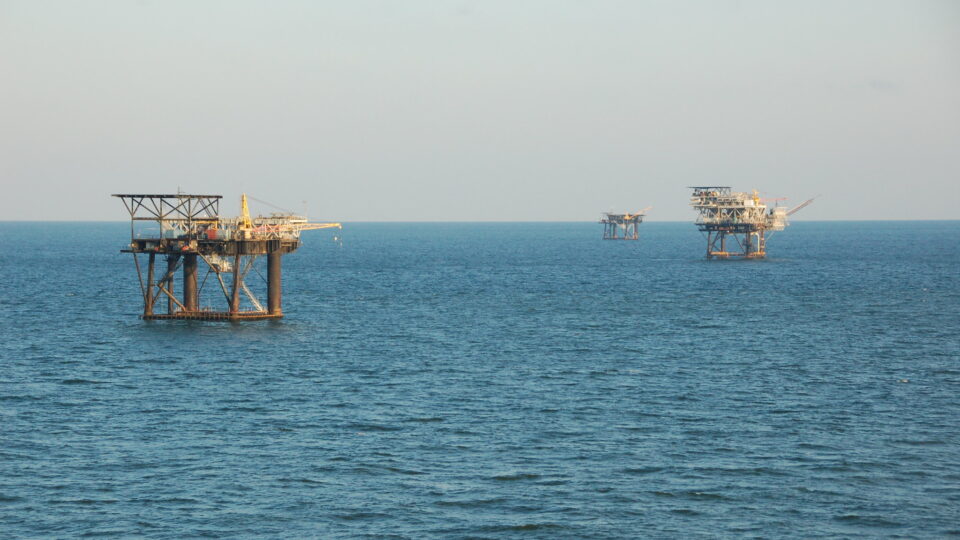
Oil Platforms And Biodiversity | Earth Wise

April 8, 2021 By EarthWise Leave a Comment

Decommissioned oil rigs should become artificial marine reefs

We have previously reported on the important role that offshore oil platforms seem to play for fish.  In short, the support structures of offshore oil platforms that often rise hundreds of feet through the water column create essentially a prefabricated reef for marine life.

According to a new study recently published in the British journal Ecological Solutions and Evidence, the large gatherings of fish around oil and gas platforms attract harbour porpoises searching for food – despite the fact that noise from industrial activities normally scares porpoises away.    

Harbour porpoises are one of the smallest whale species and the only whale species that’s known to breed in Danish waters.  The species has been protected in Danish waters since 1967.  Previous studies have demonstrated that underwater noises from sources like shipping and industry typically scare porpoises away. 

But according to new research from scientists at Aarhus University in Denmark, there are actually more porpoises around the largest Danish oil platform – Dan F – in the North Sea than there are within the three to ten kilometers surrounding the platform.  The research team found that the platform acts as a natural reef where porpoises can find favorable habitat and food. 

Currently, the international OSPAR convention requires that all decommissioned oil and gas platforms be removed from the ocean.  But according to researchers, leaving the old platforms in the ocean to serve as artificial reefs is actually more beneficial to the marine environment. 

In the Gulf of Mexico, the United States program Rigs to Reefs has converted 558 oil and gas platforms into artificial reefs.

**********

Web Links

Harbor porpoises attracted to oil platforms when searching for food

Photo, posted March 26, 2008, courtesy of Dave Herholz via Flickr.

Earth Wise is a production of WAMC Northeast Public Radio.
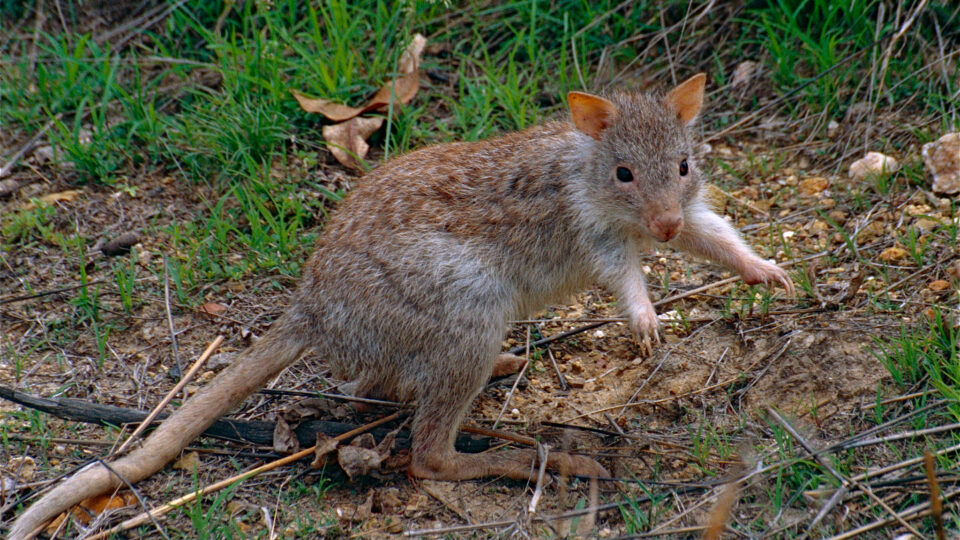
Assisting Evolution | Earth Wise

March 11, 2021 By EarthWise Leave a Comment

As the climate changes, choosing what species to protect is becoming more difficult

As plants and animals around the world grapple with climate change, invasive species, disease, and other threats, conservationists grapple with the issue of what it means to protect what is natural and how far to go to prevent extinctions.

Australia is where many of these issues have risen to the forefront.  Imported mammals – particularly cats and foxes – have decimated many of Australia’s indigenous marsupials.  Much of the focus for decades has been on killing off the invaders and cordoning off protected animals.  In recent years, however, there have been efforts to expose prey animals to limited numbers of predators to develop prey populations that are better equipped to survive among predators.  Getting rid of all the predators is not realistic.  Saving species may require helping them to adapt.

On the Great Barrier Reef, where half its coral populations have perished because of rising water temperatures, scientists are breeding corals that are more heat tolerant.  They are even considering the use of gene editing technology to “assist evolution” in developing corals that can survive in a changing world.

At SUNY College of Environmental Science and Forestry in Syracuse, New York, researchers have produced a genetically modified American chestnut tree that is resistant to chestnut blight, the fungal pathogen that killed off nearly every chestnut tree in North America in the early 20th century.

The idea of conservation is to protect what is natural in our world.  However, at a time when there are unprecedented threats to so many species, the distinction between what is natural and what is artificial may no longer provide a sound guide to what should be done to protect life on earth.

**********

Web Links

Assisting Evolution: How Far Should We Go to Help Species Adapt?

Photo, posted November, 2000, courtesy of Bernard Dupont via Flickr.

Earth Wise is a production of WAMC Northeast Public Radio.
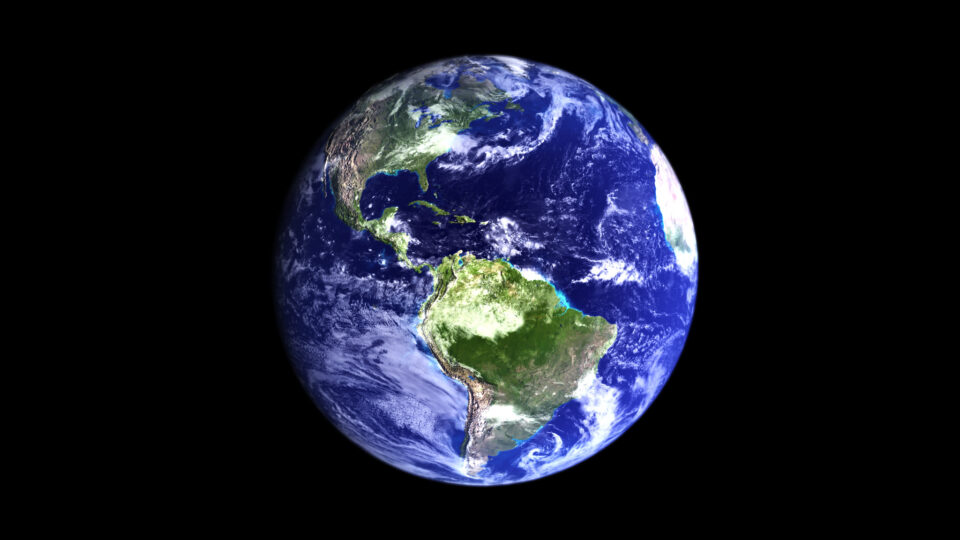
The First Earth Fund Awards | Earth Wise

December 25, 2020 By EarthWise Leave a Comment

Environmental organizations receiving large grants

Last February, Amazon CEO Jeff Bezos announced that he was launching the Bezos Earth Fund that would grant money to scientists, activists, NGOs and others making an effort to help preserve and protect the natural world.  The fund would start out with $10 billion and would begin issuing grants later in the year.

In November, the first Earth Fund award recipients were announced.  In total, 16 organizations will be receiving nearly $800 million in funding.

The largest awards include the following:  the Environmental Defense Fund received $100 million to build and launch MethaneSAT, a satellite that will locate and measure sources of methane pollution around the world and provide public access to data that assures accountability.

The Natural Resources Defense Council was awarded $100 million to advance climate solutions and legislation at the state level, promote policies and programs focused on reducing oil and gas production, protect and restore ecosystems that store carbon, and accelerate sustainable and regenerative agriculture practices.

The Nature Conservancy also received $100 million and plans to use the money to help protect the Emerald Edge forest.  (That is the largest intact coastal rainforest on Earth, spanning 100 million acres through Washington, British Columbia and Alaska).

The World Resources Institute will receive $100 million, doled out over five years, to be used to develop a satellite-based monitoring system to advance natural climate solutions around the world.

An additional $100 million award went to the World Wildlife Fund to help protect and restore mangroves, develop new markets for seaweed as an alternative to fossil fuel-based products, and to protect forests and other ecosystems around the world.

**********

Web Links

The organizations that will benefit from Bezos’ $791M and what will they do with the money

Photo, posted March 4, 2015, courtesy of Kevin Gill via Flickr.

Earth Wise is a production of WAMC Northeast Public Radio.
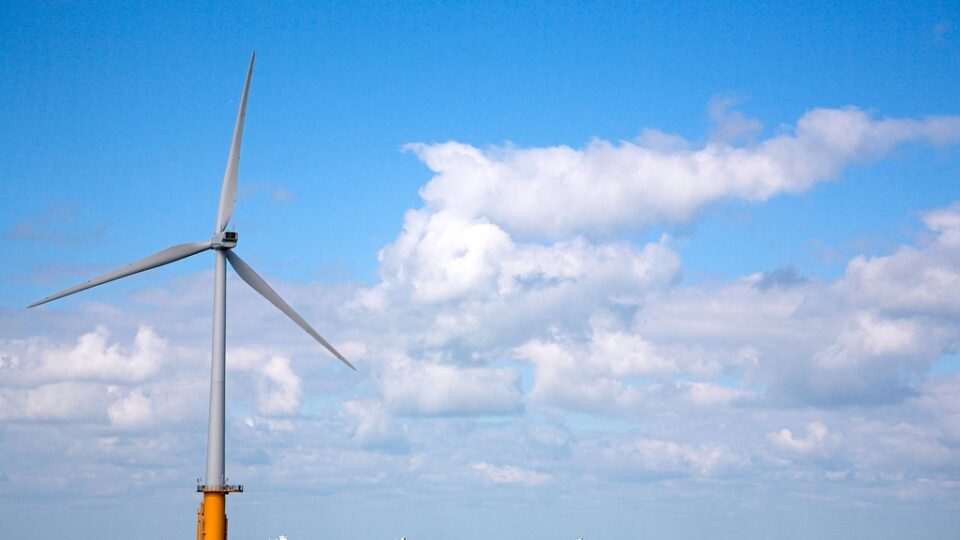
New Jersey And Offshore Wind | Earth Wise

July 28, 2020 By EarthWise Leave a Comment

New Jersey commits to offshore wind

New Jersey intends to become a major hub for offshore wind in the United States.  The state recently announced a plan to build a 30-acre port along the Delaware River for assembling and deploying wind turbines, as well as an additional 25 acres for manufacturing facilities.   The new port is expected to cost as much as $400 million and create 1,500 jobs in southern New Jersey.

The port will be located on an artificial island that was built by the U.S. Army Corps of Engineers early in the 20th century.  The island is already home to three nuclear reactors.  No bridges exist between the island and the Atlantic Ocean, so turbines that are built at the staging facility could be hoisted upright and towed out to sea without obstruction.  Some components are as tall as 500 feet and when fully constructed on the ocean, the turbines selected for New Jersey’s first offshore wind project will be more than 850 feet tall.

A second phase of the program would add over 150 acres to accommodate extensive manufacturing facilities for turbine components like blades and nacelles.

Construction on the port is expected to start next year.  New Jersey has pledged to produce 7,500 megawatts of offshore wind energy by 2035 and to generate 100% of its electricity from renewables by 2050.  Apart from deploying offshore wind, New Jersey wants to have a significant piece of the supply chain for what is likely to be a growing industry along the northeast coast.  The state views offshore wind as a once-in-a-generation opportunity to not only protect the environment but also greatly expand its economy in a way that has immediate impacts and long-term growth.

**********

Web Links

New Jersey Announces $400 Million Offshore Wind Port

Photo, posted September 18, 2010, courtesy of Vattenfall Nederland via Flickr.

Earth Wise is a production of WAMC Northeast Public Radio.

Protecting Fresh Produce | Earth Wise

May 26, 2020 By EarthWise Leave a Comment

protecting fresh produce from disease

Fresh fruits and vegetables can sometimes become contaminated by microorganisms during their long journey from fields to restaurants and grocery stores.  Contaminated produce can spoil other produce, which increases the number of fruits and vegetables in the supply chain that can cause illnesses. 

In order to prevent this cross-contamination between produce, researchers from Texas A&M University have designed a coating that can be applied to food-contact surfaces, like buckets, rollers, and conveyor belts.  The newly-created dual-function coating is both water-repellent and germicidal.  In other words, it can both repel and kill.  Without water, the researchers say bacteria can’t stick or multiply on surfaces, drastically reducing contamination.

To make this dual-function coating, the researchers chemically-attached a thin layer of silica to an aluminum sheet.  They then added a mixture of silica and lysozyme, a naturally-occurring germicidal protein found in egg whites and tears.  Together, the silica-aluminum and the silica-lysozyme formed microscopic bumps and crevices.  According to the research team, this rough texture, albeit microscopic, is the key to the coating’s superhydrophobic properties.  

The researchers tested the coating’s effectiveness at curbing the growth of two strains of disease-causing bacteria:  Salmonella and Listeria.  Upon review, the number of bacteria found on the dual-coating surfaces was 99.99% less than what was found on the uncoated surfaces. 

Despite the success in preventing bacterial spread, the research team said more research needs to be done to see how well the coating works for mitigating viral cross-contamination.  Since the coating would need to be reapplied after a certain amount of use, the researchers also plan to develop more permanent, dual-function coatings. 

**********

Web Links

New dual-action coating keeps bacteria from cross-contaminating fresh produce

Photo, posted April 14, 2012, courtesy of U.S. Department of Agriculture via Flickr.

Earth Wise is a production of WAMC Northeast Public Radio.
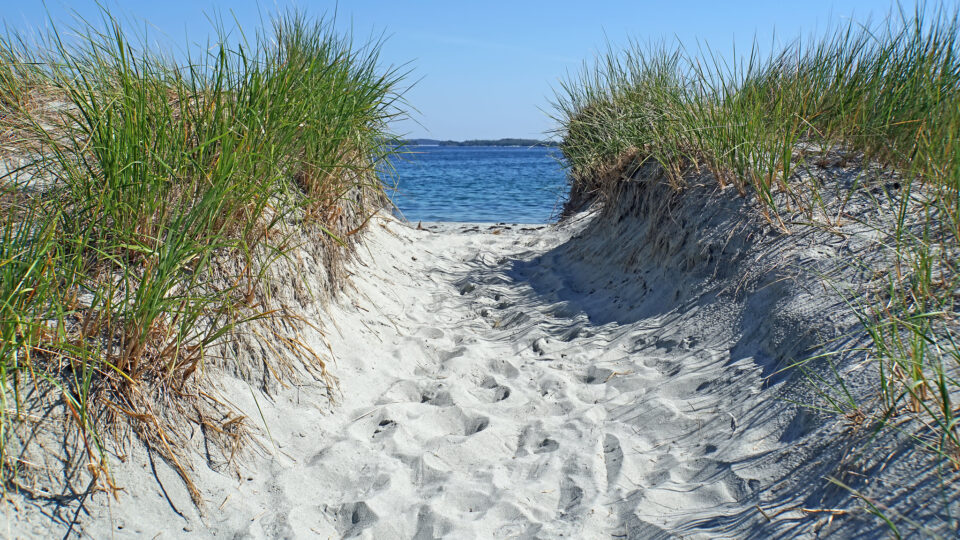
Coastal Plants And Climate Change | Earth Wise

March 18, 2020 By EarthWise Leave a Comment

Rising sea levels and the increased frequency and intensity of extreme weather events are leaving observable effects on beaches, cliffs, and coastal infrastructures all around the world.  But a new study suggests that the impact of climate change on coastal plant communities needs more attention. 

According to research recently published in the journal Annals of Botany, coastal plants are a critical element of global sea defense.  But coastal plants are increasingly under threat from flooding, erosion, and other human-induced effects of climate change.  Habitats like salt marshes, mangrove forests, sand dunes, and kelp beds make important contributions  to coastal protection.

The research was led by scientists from the University of Plymouth, in conjunction with researchers at Utrecht University and Manchester Metropolitan University.

The study follows a recent assessment by the Intergovernmental Panel on Climate Change, which found that anthropogenic climate change poses a severe threat to estuaries and coastal ecosystems.  

Conservative estimates of the capital investments needed to combat rising seas and intensifying storms run into the hundreds of billions of dollars in the coming decades.  However, coastal vegetation could offer a dynamic, natural, and relatively low-cost defense strategy at a fraction of the cost when compared with the cost of so-called hard defenses like concrete walls and barriers. 

According to the research team, identifying the key species and habitats for coastal defense and how coasts can be protected and promoted is critical.  More long-term monitoring is also needed in order to better understand and predict where and how storms and other effects of climate change will impact coastal ecosystems. 

**********

Web Links

The gathering storm: optimizing management of coastal ecosystems in the face of a climate-driven threat

Losing coastal plant communities to climate change will weaken sea defences

Photo, posted September 14, 2018, courtesy of Dennis Jarvis via Flickr.

Earth Wise is a production of WAMC Northeast Public Radio.
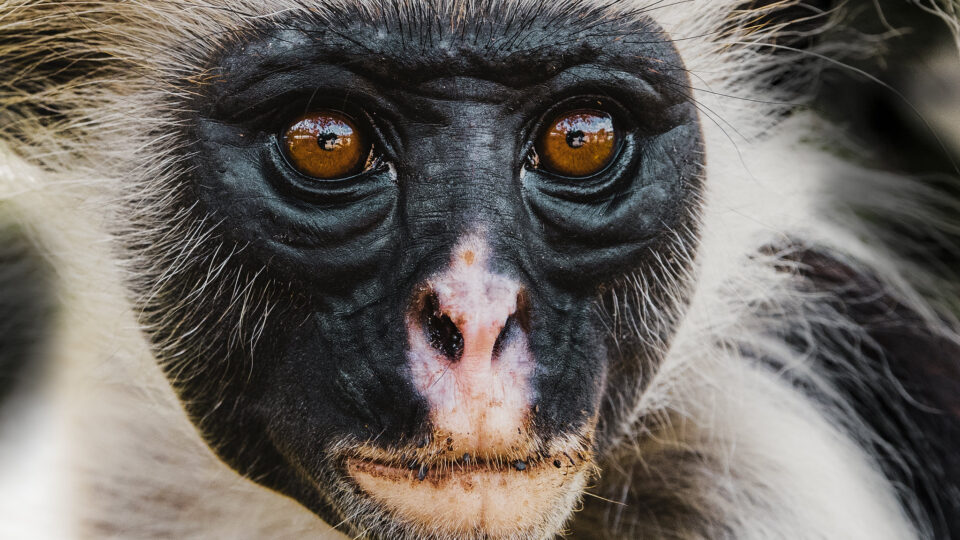
What Is An Endangered Species? | Earth Wise

March 3, 2020 By EarthWise Leave a Comment

Defining an endangered species

Biodiversity is declining rapidly throughout the world and people are mostly the reason.  Species are disappearing because of changes in land and sea use, the direct exploitation of organisms, climate change, pollution, and invasive alien species resulting from globalization.  The challenges of conserving the world’s species are many and difficult.  Among these challenges are determining which species are endangered and how and when to protect them.

What constitutes an endangered species is not necessarily obvious. 

Extinction risk increases as a species is driven to extinction from portions of its natural range.  Most mammal species have already been driven to extinction from half or more of their historic ranges because of human activities.

According to a recent survey of ordinary Americans, three-quarters of participants said that a species deserves special protections if it had been driven to extinction from any more than 30% of its historic range.  This compares with the language of the U.S. Endangered Species Act that defines an endangered species as one that is “in danger of extinction throughout all or a significant portion of its range.”

Experts and decision-makers are more accepting of risks and losses because they believe greater protection would be impossibly expensive.  Decision-makers tend to be influenced by special interest groups with a vested interest in not instituting protections.

Before human activities began elevating extinction risk, a typical vertebrate species would have experienced an extinction risk of 1% over a 10,000-year period.  Current policies consider a 5% risk over 100 years to be acceptable.  Policies consider whether we can afford to protect species.  Given the dangers of declining biodiversity, we should ask whether we can afford not to.

**********

Web Links

What Is An Endangered Species?

Photo, posted July 29, 2018, courtesy of Sergio Boscaino via Flickr.

Earth Wise is a production of WAMC Northeast Public Radio.
Protecting Canola Crops From Frost

November 20, 2019 By EarthWise Leave a Comment

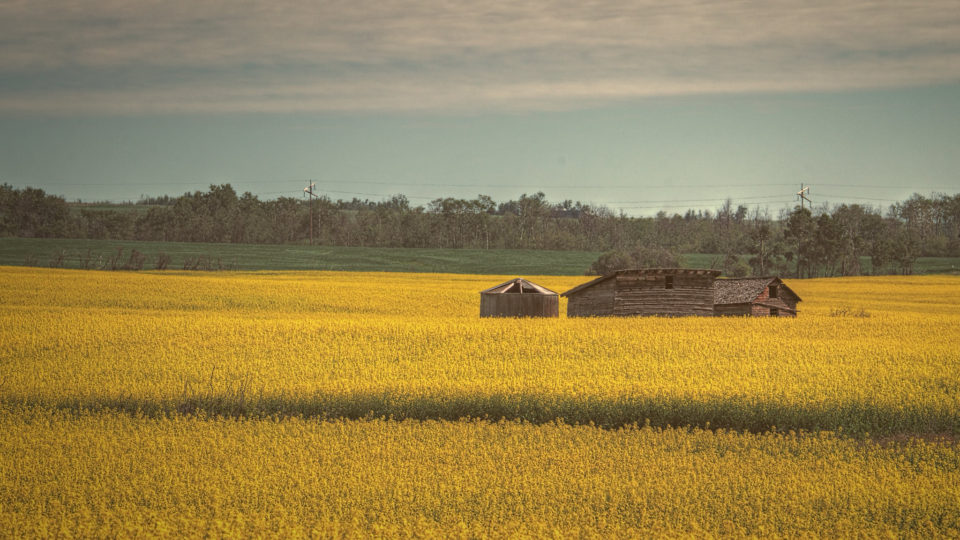
Canola is one of Canada’s most valuable crops.  In fact, Canada is the world’s largest exporter of canola oil.  The international market for canola oil is $27 billion a year.  The oil is very popular because it has a relatively low amount of saturated fat, a substantial amount of monosaturated fat, and is very neutral tasting.

Canadian canola farmers worry a great deal about late season, non-lethal frosts because the frosts prevent chlorophyll – a photosynthetic pigment in the seeds – from breaking down, a process they call “degreening”.  The farmers seek to have high-quality yellow embryos at seed maturity.  When the harvest contains more than 2% of green seeds, it can no longer produce Grade No. 1 quality oil.  When green seeds are processed to extract canola oil, the chlorophyll in the seeds reduces the oil’s storability and quality.  As a result, farmers receive a lower price for frost-damaged green seed canola.  This costs Canadian farmers and estimated $150 million annually.

Researchers at the University of Calgary have developed gene-based technology to produce canola plants that can withstand late-season frost and still produce high-quality seed.  They identified a specific protein that controls chlorophyll breakdown and seed maturity.  Genetic manipulation is able to enhance the seed degreening system.  They were able to reduce the amount of chlorophyll in the genetically modified canola lines by 60% after the plants were exposed to non-lethal frost. 

Ultimately, the researchers plan to develop a method to incorporate the modification into canola hybrid lines in such a way that it will be readily accepted by consumers concerned about genetically modified organisms.

**********

Web Links

New technology helps protect valuable canola crops from frost

Photo, posted August 29, 2018, courtesy of Tinker and Rove via Flickr.

Earth Wise is a production of WAMC Northeast Public Radio.
Which Cities To Save From The Changing Climate

October 28, 2019 By EarthWise Leave a Comment

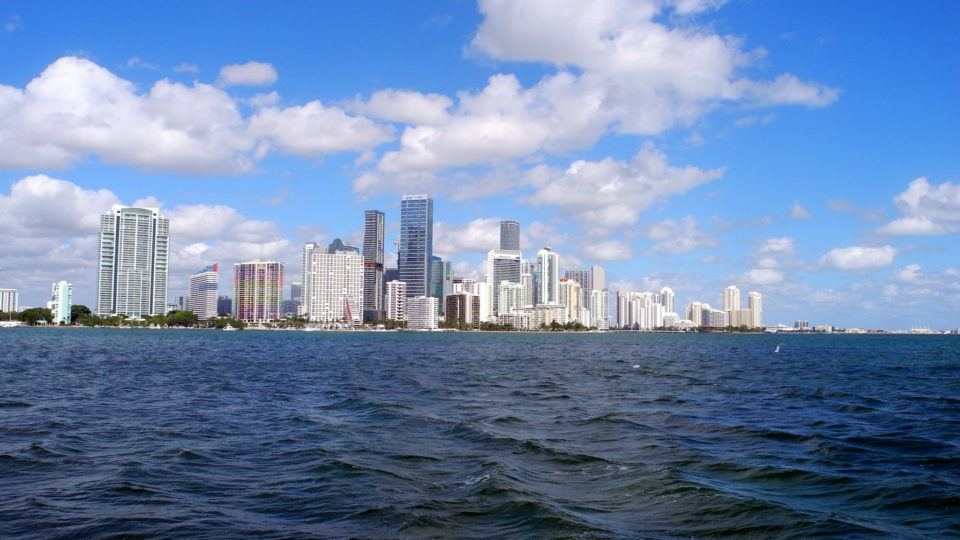
After several years of brutal flooding and hurricanes in the U.S., a distressing debate is emerging:  if there is not enough money available to protect every coastal community from the effects of global warming, how do we decide which ones to save first.

Recent research looked at the costs involved in providing basic storm-surge protection in the form of sea walls for all coastal cities with more than 25,000 residents.  That number was $42 billion.  Expanding the list to include communities smaller than 25,000 people would increase that cost to more than $400 billion.   Realistically, that is just not going to happen.

This particular study only looked at sea walls and no other methods for minimizing flood risk, such as moving homes and businesses away from the most flood-prone areas.   It also didn’t look at additional and costlier actions that will be required even with sea walls, such as revamping sewers, storm water, and drinking water infrastructure.

The facts are that many cities, especially small ones, will not be able to meet the costs facing them.  Those that can’t will depend on federal funding.  But even optimistically large proposals for federal infrastructure spending are likely to fall far short of the vast need.  Ultimately, the money will end up being spent where it can do the most good – even if it means that some places are left out.

But what criteria will be used to direct the money?  Economic value?  Historic significance?  Population?  Political influence?

This is a looming and massive issue whose chief obstacle may be that many officials refuse to acknowledge that it is happening.  This is the next wave of climate denial – denying the costs that we are all facing.

**********

Web Links

With More Storms and Rising Seas, Which U.S. Cities Should Be Saved First?

Photo, posted October 31, 2018, courtesy of Patrick Kinney via Flickr.

Earth Wise is a production of WAMC Northeast Public Radio.
A Powerful Case For Protecting Whales

October 24, 2019 By EarthWise Leave a Comment

Efforts to mitigate climate change typically face two major challenges.  One is to find effective ways to reduce the amount of atmospheric carbon dioxide.  The other is how to raise enough money to implement climate mitigation strategies. 

Many proposed solutions to climate change, like carbon capture and storage, are complex, expensive, and in some cases, untested.  What if there was a low-tech solution that was effective and economical?

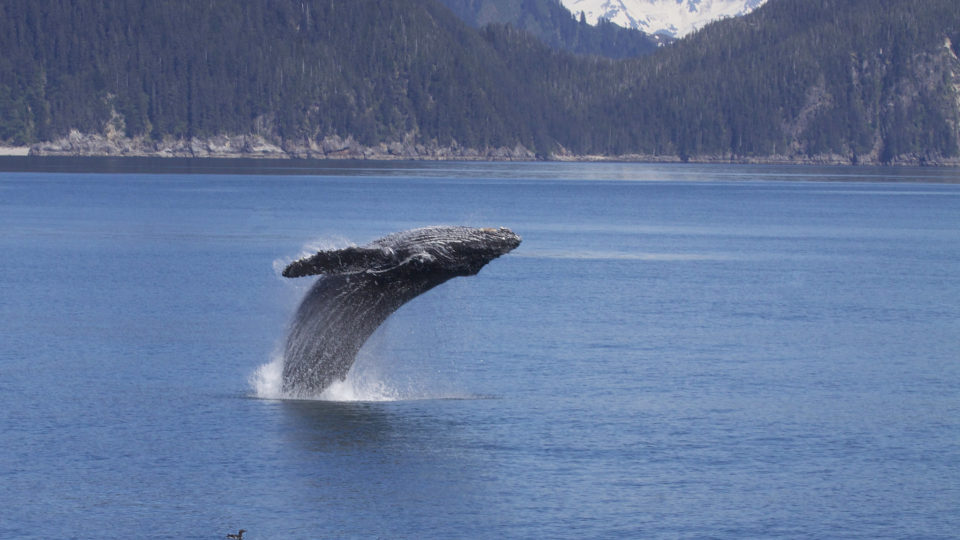
Well, it turns out there is one, and it comes from a surprisingly simple, “no-tech” strategy to capture CO2: increase global whale populations. 

According to a recent analysis by economists with the International Monetary Fund, whales help fight climate change by sequestering CO2 in the ocean. 

Whales sequester carbon in a few ways.  They hoard it in their fat and protein-rich bodies, stockpiling tons of carbon apiece.  When whales die, they turn into literal carbon sinks on the ocean floor.  While alive, whales dive to feed on tiny marine organisms like krill and plankton before surfacing to breathe and excrete. Those latter activities release an enormous plume of nutrients, including nitrogen, iron, and phosphorous, into the water.  These so-called “poo-namis” stimulate the growth of phytoplankton, microscopic marine algae that pull CO2 out of the air and return oxygen to the air via photosynthesis.  Phytoplankton are responsible for every other breath we take, contributing at least 50% of all oxygen to the atmosphere and capturing approximately 40% of all CO2 produced. 

With other economic benefits like ecotourism factored in, economists estimate that each whale is worth $2 million over its lifetime, making the entire global population possibly a one trillion dollar asset to humanity.

*********

Web Links

How much is a whale worth?

Photo, posted June 12, 2013, courtesy of Gregory Smith via Flickr.

XXXXXXXXXXXXXXXXXX

Protecting Vulnerable Shorelines

May 21, 2019 By EarthWise Leave a Comment

Global climate change is having noticeable effects on the environment. For example, glaciers are shrinking.  Plant and animal ranges are shifting and populations decreasing.  And droughts, floods, and wildfires are becoming more frequent and more intense.  According to the Intergovernmental Panel on Climate Change, the evidence indicates that the net damage costs of climate change are likely to be significant and to increase over time. 

Our coastal shorelines, which are already stressed by human activity, pollution, storms, and invasive species, are one of many areas expected to be further threatened by climate change.  Sea level rise and more intense and frequent storms are expected to erode and inundate coastal ecosystems and eliminate wetlands.  Ocean acidification is also projected to disrupt marine environments. 

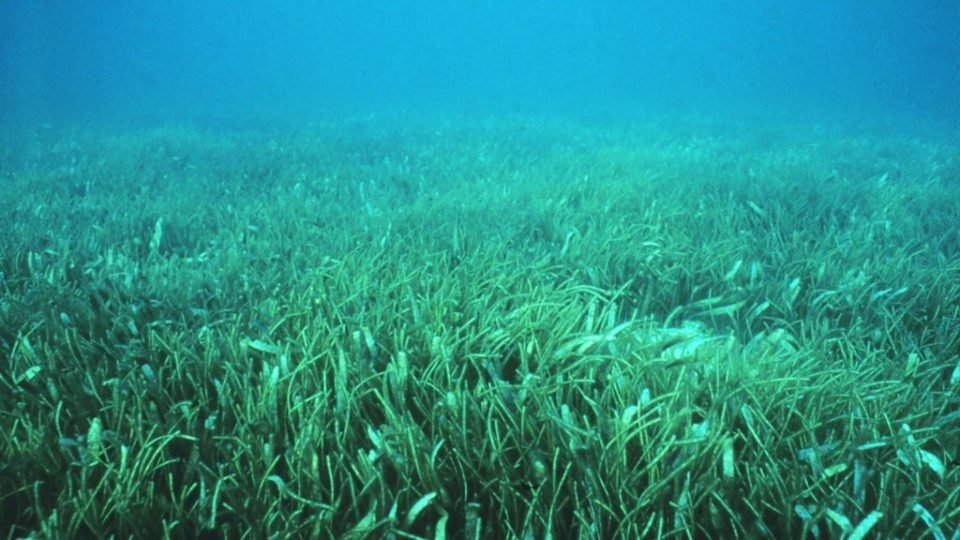
But according to scientists at the Massachusetts Institute of Technology, seagrasses could play a key role in protecting these vulnerable shorelines from this onslaught.  The MIT research team demonstrated how the ubiquitous marine plants dissipate wave energy and help protect against erosion, which could help mitigate damage from rising seas. 

Using mathematical modelling and experiments, the MIT researchers were able to quantify for the first time how large and dense a continuous meadow of seagrass must be in order to provide adequate damping of waves in a given setting.  They also found that seagrasses offer significant environmental benefits, including preventing beach erosion, protecting seawalls and coastal structures, improving water quality, and sequestering carbon. 

Submerged aquatic vegetation, including seagrasses, provides an ecosystem service exceeding $4 trillion annually.  Hopefully these findings can help provide useful guidance for seagrass restoration efforts.

**********

Web Links

Seagrass’ strong potential for curbing erosion

The Effects of Climate Change

Photo, posted October 13, 2010, courtesy of the NOAA Photo Library via Flickr.

Earth Wise is a production of WAMC Northeast Public Radio.
Protection From Toxic Algae

March 28, 2019 By EarthWise Leave a Comment

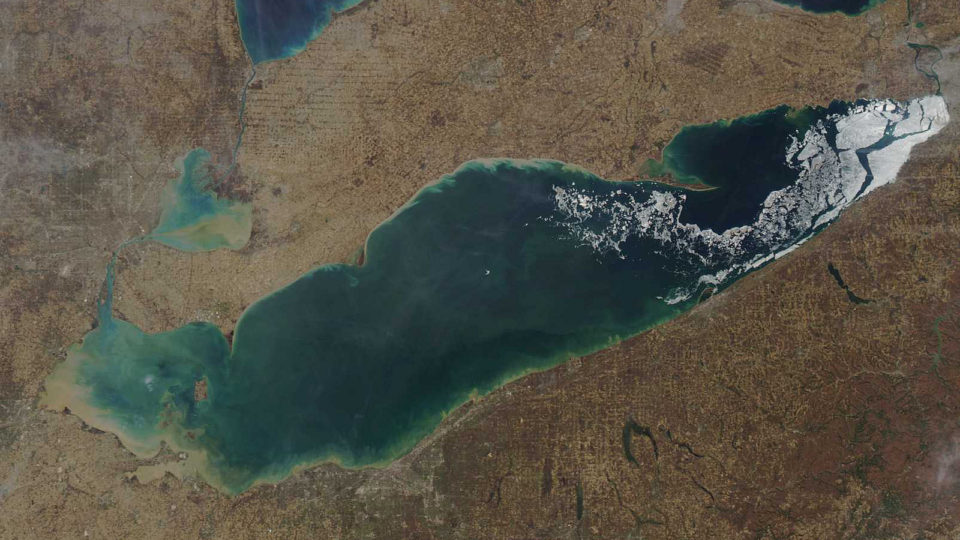
Toxic algal blooms have been a growing problem in recent years associated with warming waters and nutrient-rich agricultural runoff in lakes, rivers, and oceans.  In 2014, an algal bloom in Lake Erie left half a million residents of Toledo, Ohio without safe drinking water for three days.

The most common toxic substance released by algal blooms in the lake is called microcystin, which is closely linked to liver cancer and other diseases.  Toxicologists measure microcystin and other contaminants using the metric of parts per billion.  The EPA recommends that young children not drink water containing more than 0.3 parts per billion and adults no more than 1.6 parts per billion of microcystin.

Scientists at the University of Toledo have been working on developing a biofilter that uses naturally occurring Lake Erie bacteria to remove microcystin released by algal blooms and thereby reduce or eliminate the use of chlorine and other chemicals.

They have successfully isolated a number of types of bacteria that degrade microcystin toxin at a daily rate of up to 19 parts per billion.  To their knowledge, such bacteria have not been previously used to fight algal blooms in other parts of the world.  Based on the recorded toxin levels in Lake Erie in recent years, the bacteria would be able to effectively remove microcystin from water supplies.  None of the 13 bacterial isolates they found have any association with human disease so their use in future water-purifying biofilters should not pose a public health concern.

The researchers are now developing and testing biofilters, which are water filters containing the specialized bacteria that will degrade the toxins from lake water as it flows through the filter.

**********

Web Links

Scientists advance new technology to protect drinking water from Lake Erie algal toxins

Photo, posted April 30, 2014, courtesy of NOAA via Flickr.

Earth Wise is a production of WAMC Northeast Public Radio.
Saving Beaches With Seagrass

February 22, 2019 By EarthWise Leave a Comment

Almost a quarter of the Gross Domestic Product of places around the Caribbean Sea is earned from tourism.  Preserving the beaches in the region is an economic imperative.  With increasing coastal development, the natural flow of water and sand is disrupted, natural ecosystems are damaged, and many tropical beaches simply disappear into the sea.

With such high stakes, expensive coastal engineering efforts such as repeated replenishing of sand and the construction of concrete protective walls are common strategies.  Rising sea levels and increasingly powerful storms only increase the threat to tropical beaches.

Researchers from The Netherlands and Mexico recently published a study in the journal BioScience on the effectiveness of seagrass in holding onto sand and sediment along shorelines.

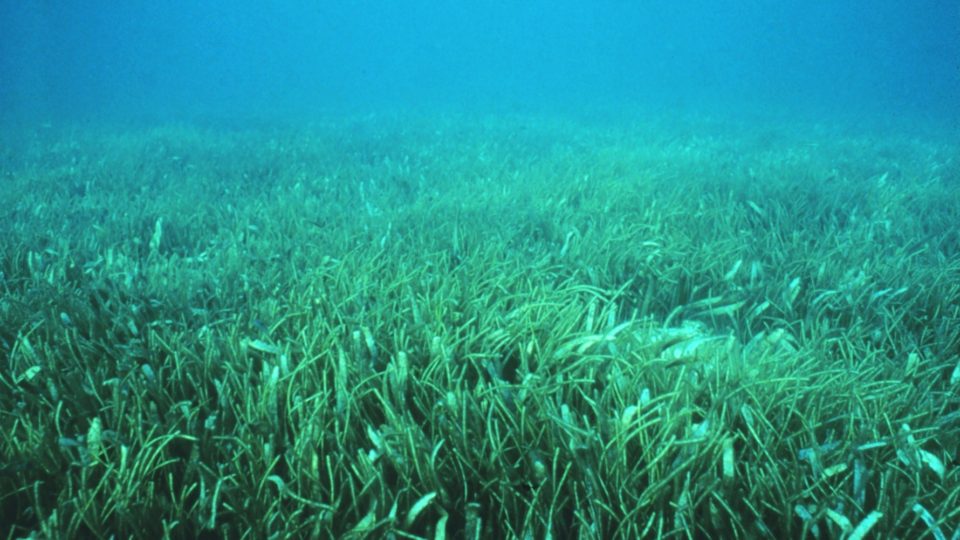
Seagrasses are so-named because most species have long green, grass-like leaves. They are often confused with seaweeds but are actually more closely related to flowering plants seen on land. Seagrasses have roots, stems and leaves, and produce flowers and seeds. Seagrasses can form dense underwater meadows and are one of the most productive ecosystems in the world. Seagrasses provide shelter and food to an incredibly diverse community of animals, from tiny invertebrates to large fish, crabs, turtles, marine mammals and birds.

The researchers performed measurements of the ability of seagrass along Mexico’s Yucatan Peninsula coastline to keep sand in place and prevent erosion.  They found that the amount of erosion was strongly linked to the amount of vegetation.  Quite often, seagrass beds have been regarded as a nuisance, rather than a valuable asset for preserving valuable coastlines.  The study opens opportunities for developing new tropical beach protection schemes in which ecology is integrated into engineering solutions.

**********

Web Links

Seagrass Saves Beaches and Money

Photo, posted October 13, 2010, courtesy of NOAA via Flickr.

Earth Wise is a production of WAMC Northeast Public Radio.
  • « Go to Previous Page
  • Page 1
  • Page 2
  • Page 3
  • Page 4
  • Page 5
  • Go to Next Page »

Primary Sidebar

Recent Episodes

  • An uninsurable future
  • Clean energy and jobs
  • Insect declines in remote regions
  • Fossil fuel producing nations ignoring climate goals
  • Trouble for clownfishes

WAMC Northeast Public Radio

WAMC/Northeast Public Radio is a regional public radio network serving parts of seven northeastern states (more...)

Copyright © 2026 ·