• Skip to primary navigation
  • Skip to main content
  • Skip to primary sidebar

Earth Wise

A look at our changing environment.

  • Home
  • About Earth Wise
  • Where to Listen
  • All Articles
  • Show Search
Hide Search
You are here: Home / Archives for protection

protection

A fern-based insecticide

December 8, 2023 By EarthWise Leave a Comment

Using ferns to create insecticides

A spore-producing bacterium is the source of various crystal toxins (known as Cry proteins) that are widely used in modern agriculture to combat insect pests – generally caterpillars and other larvae – that attack important crops.  Pest control in corn, soybean, and cotton use these insecticidal proteins for protection against major insect pests.  The pesticides are obtained from Bacillus thringiensis (Bt) bacteria to produce the proteins.

Bt Cry proteins are secreted by the bacteria but are harmless to the bacteria.  They are harmless until ingested by insects and are then activated by the alkaline environment in the gut of insects which is entirely different from the acidic environment of our own digestive systems.  In the insect’s gut, the proteins become a powerful feeding inhibitor by breaking down the insect’s gut lining.  Bt Cry proteins are considered safe for humans.

Researchers continue to seek alternative solutions because there are concerns that insect pests could develop resistance to these toxic proteins.

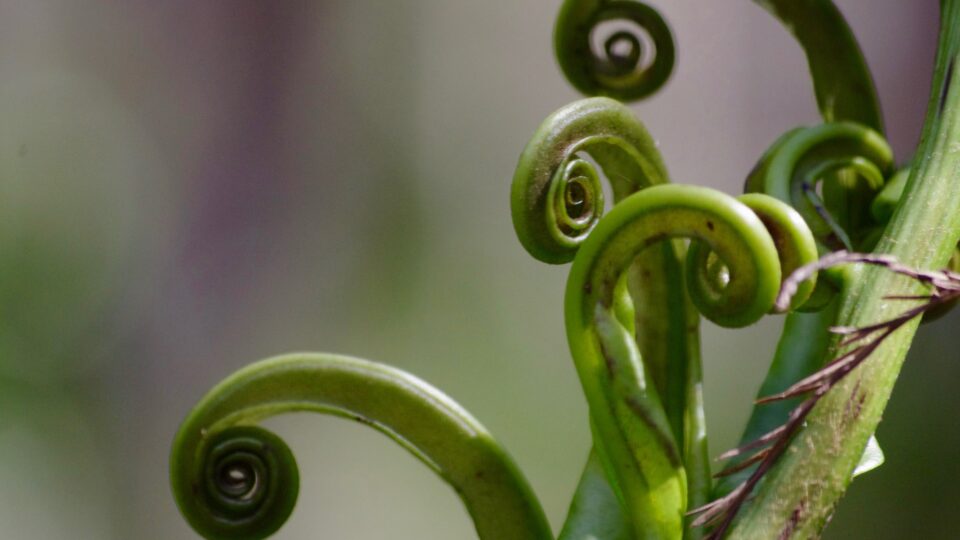
Researchers from two Australian universities have analyzed the structure of a novel insecticidal protein that could be effective in protecting essential crops.  The protein is naturally produced by ferns including common houseplants like brake ferns.

The newly discovered proteins offer a different mode of action from the Cry proteins and therefore are a potential solution to the problem of pest resistance to existing insecticides.  The new family of insecticidal proteins is designated as iPD113 and has been shown to be very effective against caterpillar pests of corn and soybeans.

**********

Web Links

Discovery: ferns produce crop-saving insecticide

Photo, posted October 5, 2015, courtesy of Marianne Serra via Flickr.

Earth Wise is a production of WAMC Northeast Public Radio

Protecting berries with sunflower extract

November 30, 2023 By EarthWise Leave a Comment

Using sunflower extract to protect berries from molding

Many of us buy blueberries, raspberries, blackberries, and more in those little clear plastic clamshell boxes.  We try to check them out at the store to make sure they are ok and even if are, many soon end up coated with gray mold and other fungi.  It is a problem that is both disappointing and expensive.

Researchers from several Chinese Universities recently reported that compounds extracted from sunflower crop waste are quite effective at preventing rotting in blueberries.  They suggest that the food industry could use these natural compounds to protect berries from postharvest diseases.

Sunflowers are grown globally for their seeds and oil.  The flower stems themselves are generally considered to be a waste product.  Sunflowers are known to be particularly resistant to many plant diseases so the researchers decided to investigate whether there might be chemical constituents within the plants that are responsible for the protective property.

Their research led to the isolation of 17 different compounds known as diterpenoids, including four that have never been identified before.  They found that 4 of the compounds, including 2 of the newly discovered ones, were effective at preventing the growth of fungus on the blueberries. 

Berries were wetted with the compounds and then dried off and injected with mold spores.  Half of the treated berries were protected from the mold.

There is no reason that the method couldn’t be applied to a variety of crops.  There is great appeal in the concept of using a harmless extract from a plant to render a food crop safe from fungal infestation.  The technique holds great promise in preventing postharvest disease in fruit.

**********

Web Links

Sunflower extract fights fungi to keep blueberries fresh

Photo, posted August 26, 2006, courtesy of Liz West via Flickr.

Earth Wise is a production of WAMC Northeast Public Radio
Wind turbines and bats

October 31, 2023 By EarthWise Leave a Comment

How to reduce bat collisions with wind turbines

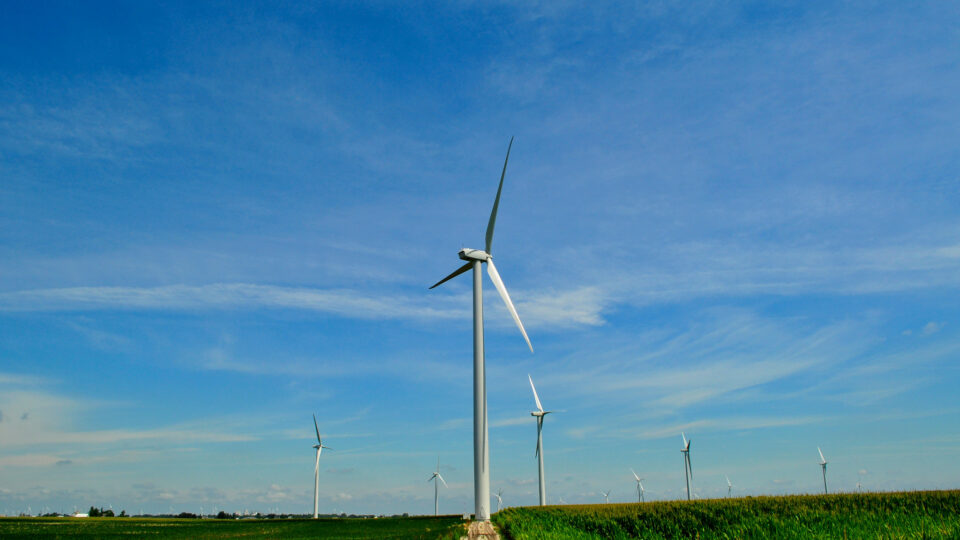
Collisions with wind turbines are one of the leading causes of bat mortality in North America and Europe.  Most bat fatalities are caused by bats colliding with the rotating blades of wind turbines.  Fatalities are highest during autumn migration and on nights with low wind speeds.

According to a recent study, land-based wind turbines kill as many as 880,000 bats a year and are wiping out so many threatened bats that some species may become endangered unless preventative action is taken.

The big challenge is that bat conservation experts and scientists don’t know how to stop or reduce turbine collisions.  They don’t really know why bats are interacting with turbines to the extent that they are.  Do turbines attract bats?  Do turbines’ bright lights or just their silhouettes stimulate an attraction response?

The U.S. Department of Energy has awarded $8 million to five research centers to develop strategies for deterring bats from wind turbines. 

One of these is Bat Conservation International, which is an organization whose mission is to accelerate research to address knowledge gaps in bat ecology and behavior and develop technologies and industry methods to reduce fatality of bats at wind farms.  Among the approaches to be tested is limiting the use of nighttime lighting on wind farms to make migrating bats less likely to fly through blades. 

Another team at Boise State University is designing ultrasonic noisemakers to scare off bats. 

In announcing the new program, the Department of Energy states that wind energy must be appropriately and responsibly sited, which includes the protection of wildlife and their habitats.

**********

Web Links

Experts Seek to Spare Bats From Wind Turbine Collisions

Photo, posted January 10, 2013, courtesy of Tom Shockey via Flickr.

Earth Wise is a production of WAMC Northeast Public Radio

Banning Neonicotinoid Pesticides | Earth Wise

October 19, 2023 By EarthWise Leave a Comment

Banning neonicotinoids

New York’s Birds and Bees Protection Act contains a targeted restriction on neonicotinoid pesticides. These widely-used insecticides are absorbed by plants and can be present in pollen and nectar, making them toxic to bees and other pollinators.

Among the largest applications of neonics (as they are called) has been in the form of coatings on crop seeds, such as corn and soybeans.  In 2019, Canada’s Quebec province strongly limited neonic use to protect pollinators and the environment.  The chemical industry vigorously protested the regulations and claimed that the restrictions would cause the collapse of the grain sector in Quebec.

Seed suppliers began supplying uncoated seeds in 2019 and now there is scarcely any use of coated seeds in the province.  Monitoring of over 1,000 agricultural sites has shown that there have been no crop failures related to the pesticide restrictions.  In fact, use of the neonics had no economic benefits. 

Naysayers warned that even more harmful pesticides or other farming practices would be used instead.  But that hasn’t happened either. Some farmers switched to much safer insecticides and others abandoned insecticide treatments altogether.

New York has faced similar opposition by farmers and chemical manufacturers to the Birds and Bees Protection Act and all of the same arguments that have been proven to be invalid in Quebec are being made in New York.  Most major environmental advocates in the state support the measures embodied in the legislation.  As usual, it boils down to a battle between economic interests and the health of the environment.

**********

Web Links

Québec’s experience with pesticide ban offers a glimpse of what New York can expect

Photo, posted August 29, 2013, courtesy of the United Soybean Board / the Soybean Checkoff via Flickr.

Earth Wise is a production of WAMC Northeast Public Radio
Finding Homes For Rhinos | Earth Wise

October 6, 2023 By EarthWise Leave a Comment

White rhino conservation

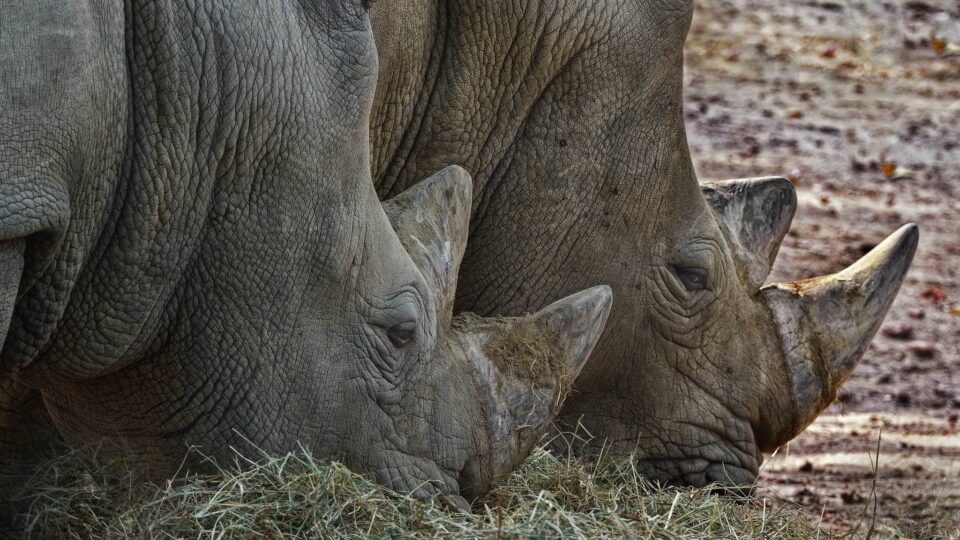
Northern White Rhinos are virtually extinct; only two female individuals survive in Kenya.  Southern White Rhinos also nearly vanished early in the 20th century, mostly because of excessive hunting.   A surviving group of fewer than 100 animals was identified in South Africa, and ongoing conservation efforts led to the existing population of southern white rhinos, which now numbers more than 16,000.

Among the most successful conservation efforts took place at a 30-square-mile farm, Platinum Rhino, that was set up in 2009 about 100 miles southwest of Johannesburg.  The owner of the farm did a great job of maintaining genetic diversity of the herd and protecting it from poachers.  Eventually, it was costing $175,000 a month just for security against illegal hunters seeking rhino horns.

Faced with unsustainable expenses, the farm put the herd of 2,000 rhinos up for auction in April with a starting price of $10 million.  No bidders came forward. 

Fortunately, in September, the conservation group African Parks announced that it had reached a deal to take over the herd.  African Parks partners with 12 countries in Africa to manage 77,000 square miles of protected areas.

The plan is to start moving the rhinos into a series of new sites in the wild starting next year.  Moving the 5,000-pound animals to new locations will be complicated and expensive, costing anywhere from $1,500 to move a single rhino by land within South Africa to $50,000 for far afield air transport.  African Parks is now raising funds to relocate the animals.

**********

Web Links

Now Available: 2,000 Rhinos, Free to Good Homes With Plenty of Space

Photo, posted September 4, 2023, courtesy of Eric Huybrechts via Flickr.

Earth Wise is a production of WAMC Northeast Public Radio
Protecting The Amazon Rainforest | Earth Wise

September 5, 2023 By EarthWise Leave a Comment

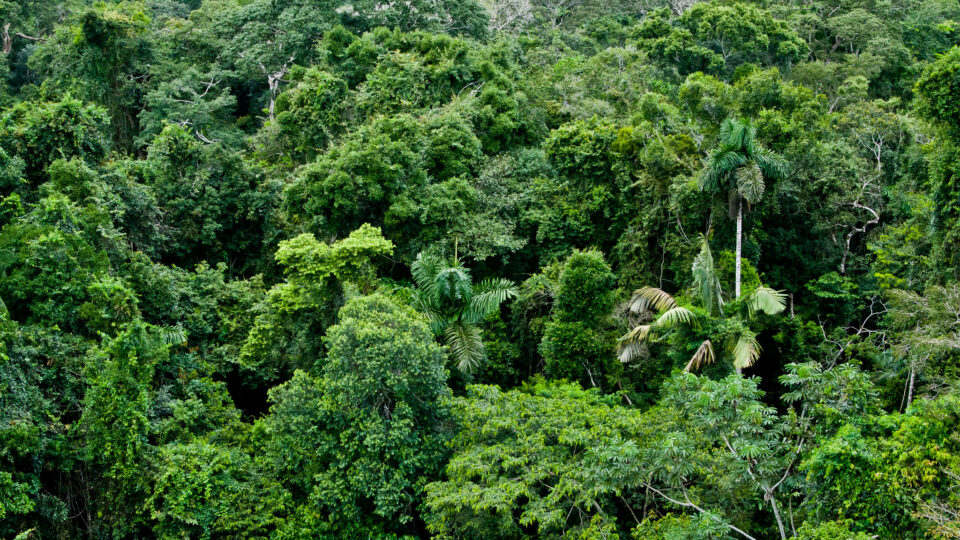
The Amazon rainforest absorbs one-fourth of all the carbon dioxide absorbed by the land of the Earth.  It is by far the world’s largest rainforest, bigger than the next two largest – in the Congo Basin and Indonesia – combined.  Nearly two-thirds of it is found in Brazil but the more than 2 million square miles of rainforest includes portions in 8 countries.

The amount of carbon dioxide absorbed by the Amazon rainforest is 30% less today than it was in the 1990s as a result of deforestation, to a great extent driven by cattle ranching as well as other agricultural activities.

In early August, the leaders of the eight countries that are home to the Amazon River basin agreed to work together to conserve the rainforest.  The agreement, called the Belém Declaration, provides a roadmap to stave off the rampant deforestation. 

The agreement provides coordination between the countries of Bolivia, Brazil, Colombia, Ecuador, Guyana, Peru, Suriname, and Venezuela to establish law enforcement to combat illegal mining and logging as well as to pool development funds for conservation and sustainable employment.  Despite the unity portrayed at the meeting, many of the governments in South America are in a precarious position because of various economic and political struggles

Apart from its critical climate impact, the Amazon rainforest is a haven for biodiversity and further deforestation would be disastrous for tens of thousands of species and could transform it into a net emitter rather than absorber of greenhouse gases.  Some parts of the region have already reached that point.

**********

Web Links

Amazon Countries, Led by Brazil, Sign a Rainforest Pact

Photo, posted October 17, 2016, courtesy of Yeoboya via Flickr.

Earth Wise is a production of WAMC Northeast Public Radio
Endangered Plants And The Changing Climate | Earth Wise

August 31, 2023 By EarthWise Leave a Comment

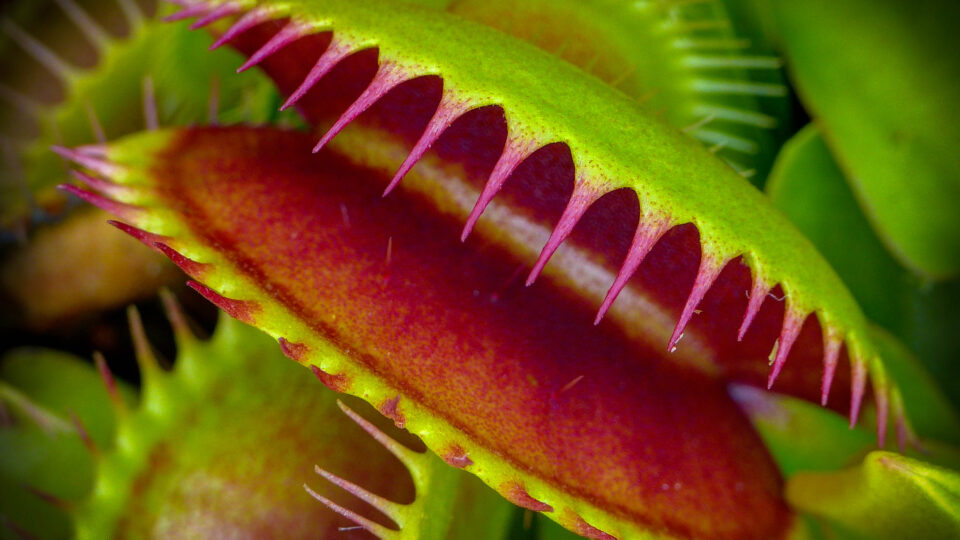
Plants are a critical resource because of the countless ways they support life on Earth. Plants release oxygen into the atmosphere, absorb carbon dioxide, and provide food and habitat for humans and wildlife.  Plants are also used to produce fibers, building materials, and medicines. 

Plants form the backbone of natural ecosystems, and absorb about 30% of all the carbon dioxide emitted by humans each year.  But plants are struggling to adapt in a human-dominated world.  Even though they are easier and cheaper to protect than animals, plants are often overlooked in conservation efforts.

Ironically, conservation efforts appear to be overlooking a key threat to endangered plants.  According to a new study led by researchers from Penn State University, all plants and lichens listed as endangered under the Endangered Species Act are sensitive to climate change, but there are few plans in place to address that threat directly. 

The threat that climate change poses to endangered plants and lichens had not been thoroughly evaluated in more than a decade.  In the study, which was recently published in the journal PLOS Climate, the research team adapted existing assessment tools used to examine the threat of climate change for wild animals and applied them to 771 endangered plant species.  The researchers found that all endangered plant and lichen species are at least slightly threatened by climate change, and little is being done to protect the listed species from that threat.

The researchers hope their findings will be used to aid future conservation planning.  After all, plants can live without humans, but humans cannot live without plants.

**********

Web Links

Climate change threatens 771 endangered plant and lichen species

Photo, posted June 12, 2014, courtesy of Mark Freeth via Flickr.

Earth Wise is a production of WAMC Northeast Public Radio
The Value Of Seagrass | Earth Wise

August 7, 2023 By EarthWise Leave a Comment

Seagrasses provide enormous amounts of value to society each year

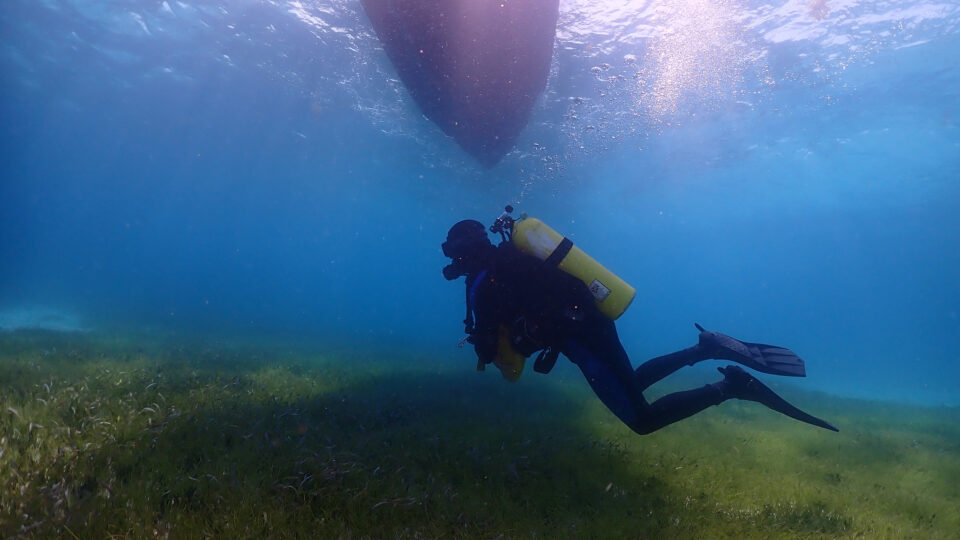
Seagrasses are found in shallow salty and brackish waters in many places around the world, from the tropics to the Arctic Circle.  They get their name from their long green, grass-like leaves.  They are not seaweeds at all but are more closely related to flowering plants on land. 

We hear a lot about threatened ocean ecosystems and most of the attention is on coral reefs and coastal mangrove forests.  Seagrass meadows get much less press, but they in fact provide wide-ranging services to society and store a great deal of carbon.

A new study by the University of Michigan demonstrates that seagrass ecosystems should be high up on the global conservation agenda.  The study puts a dollar value on the many services – which include storm protection, fish habitat, and carbon storage – provided by seagrasses in the Caribbean.  The numbers are enormous.

The researchers estimate that the Caribbean holds up to half of the world’s seagrass meadows by surface area, and it contains about a third of the global carbon storage by seagrasses.  They calculated that the Caribbean seagrasses provide about $255 billion in services to society each year, which includes $88 billion in carbon storage.

In the Bahamas alone, ecosystems services provided by seagrasses are valued at more than 15 times the country’s 2020 gross domestic product.

Blue carbon is the name used to describe carbon stored in coastal and open-ocean ecosystems.  The idea of selling blue carbon offset credits, which monetize the carbon stored in this way, is gaining traction.  For many Caribbean nations, this is likely to provide impetus for protecting seagrass ecosystems from human impacts, including nutrient pollution and overfishing.

**********

Web Links

Caribbean seagrasses provide services worth $255B annually, including vast carbon storage, study shows

Photo, posted June 27, 2023, courtesy of Daniel Eidsmoe via Flickr.

Earth Wise is a production of WAMC Northeast Public Radio
Fungus And Carbon Storage | Earth Wise

July 26, 2023 By EarthWise Leave a Comment

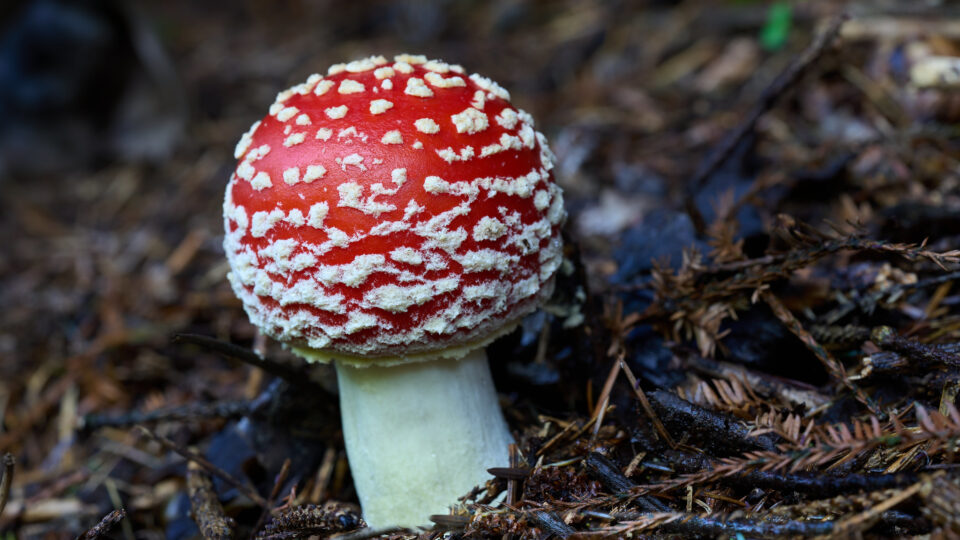
It is well-known that plants and trees store enormous amounts of carbon.  What has not been common knowledge is that the vast underground network of fungi across the world’s lands stores billions of tons carbon, roughly equivalent to 36% of yearly global fossil fuel emissions.

These mycorrhizal fungi form symbiotic relationships with almost all land plants.  The fungi transport carbon, converted by sugars and fats by plants, into soil.  They have been supporting life on land for at least 450 million years and form sprawling underground networks everywhere – even beneath roads, gardens, and houses – on every continent on earth.

An international team of scientists analyzed hundreds of studies looking at plant-soil processes to understand how much carbon is being stored by fungi on a global scale.  The findings, published in the journal Current Biology, revealed that over 13 billion tons of CO2 is transferred from plants to fungi each year, more than China emits annually.  This process transforms the soil beneath our feet to a massive carbon pool and constitutes the most effective carbon storage activity in the world.

Given that fungi have such a crucial role in mitigating carbon emissions, the researchers are recommending that fungi should be considered in biodiversity and conservation policies. More needs to be done in protecting the underground networks of mycorrhizal fungi. The UN has warned that human activities are degrading soils and that 90% of the world’s soils could be degraded by 2050.  Not only would this obviously be very bad for the productivity of crops and plants, but we now know this could be catastrophic for curbing climate change and rising temperatures.

**********

Web Links

Fungi stores a third of carbon from fossil fuel emissions and could be essential to reaching net zero

Photo, posted May 28, 2023, courtesy of Geoff McKay via Flickr.

Earth Wise is a production of WAMC Northeast Public Radio
Chasing The Ivory-Billed Woodpecker | Earth Wise

June 13, 2023 By EarthWise Leave a Comment

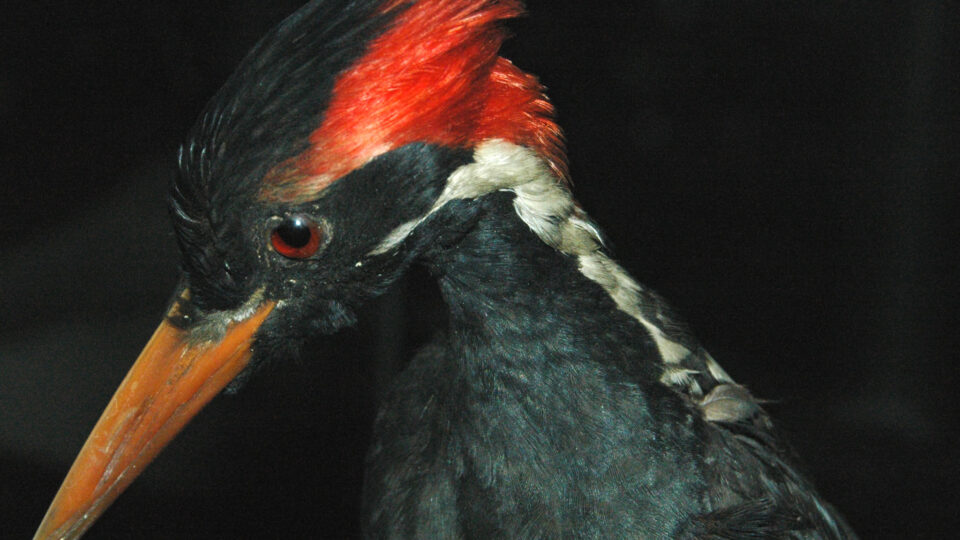
The ivory-billed woodpecker is or was the largest woodpecker in the United States. The last unassailable sighting of the bird was in 1944.  Since then, there have various reports of glimpses of the bird or of hearing its distinctive sounds.  But there has not been anything resembling proof that the bird still exists.

Despite this, the ivory-billed woodpecker has been legally protected under the Endangered Species Act.  There has been a proposal to end that protection and formally declare the species extinct.  Because of the controversy surrounding the bird, a final ruling on its status has been repeatedly delayed by the US Fish and Wildlife Service.

Very recently, a peer-reviewed study in the journal Ecology and Evolution makes the case that the ivory-billed woodpecker still exists and that it is premature to declare it extinct.  The study cites visual encounters by expert observers, audio recordings, tree-damage, and rather grainy video evidence.  The authors claim that there is intermittent but repeated presence of birds that at least look and behave like ivory-billed woodpeckers.

One might ask:  why does it matter whether this bird is declared extinct or not?  The answer is that there are limited federal funds for conservation efforts, and they should be spent on saving genuinely endangered species and habitats.  The authors of the new study say that removing federal protection would be bad for any remaining ivory bills, which may be living in some swampy old-growth forests in Louisiana.  Other scientists consider conservation resources expended on the ivory-billed woodpecker to be chasing a ghost.

As is the case for several other notorious objects, one really clear photograph of an ivory-billed woodpecker could solve a long-standing mystery.

**********

Web Links

A Vanished Bird Might Live On, or Not. The Video Is Grainy

Photo, posted October 19, 2014, courtesy of James St. John via Flickr.

Earth Wise is a production of WAMC Northeast Public Radio

A New Deep-Sea Reef In The Galapagos | Earth Wise

June 2, 2023 By EarthWise Leave a Comment

Like in many other places around the world, ocean warming has mostly destroyed the shallow-water reefs in the Galapagos Islands.  The islands are some of the most carefully protected places in the world, but they can’t escape the effects of a warming planet.

Recently, however, scientists have discovered a healthy, sprawling coral reef hidden deep under the sea in the Galapagos.  More than 1,300 feet underwater, the reef extends for several miles along the ridge of a previously unknown volcano in the Galapagos Marine Preserve.

The reef is pristine and is teeming with all sorts of marine life including pink octopus, batfish, squat lobsters, and a variety of deep-sea fish, sharks, and rays.

The expedition that discovered the new reef was led by the University of Essex in the UK.  Prior to this discovery, scientists thought that coral reefs were all but gone from the Galapagos.  A period of ocean warming in 1982 through 1983 wiped out more than 95% of the corals in the archipelago.  Only a few reefs in shallow waters remained.  The newly discovered reefs are sheltered deep under the sea and would have been protected from the deadly heat.

According to the scientists from the expedition, the newly discovered reef potentially has global significance because it represents a site that can be monitored over time to see how such a pristine habitat evolves with the ongoing climate crisis.  Reefs like this are clearly very old because coral reefs take a long time to grow. Finding this one means that it is likely that there are more healthy reefs across different depths that are waiting to be discovered.

**********

Web Links

Pristine Deep-Sea Reef Discovered in the Galápagos

Photo, posted March 28, 2009, courtesy of Derek Keats via Flickr.

Earth Wise is a production of WAMC Northeast Public Radio
Seaweed On The Way | Earth Wise

April 28, 2023 By EarthWise Leave a Comment

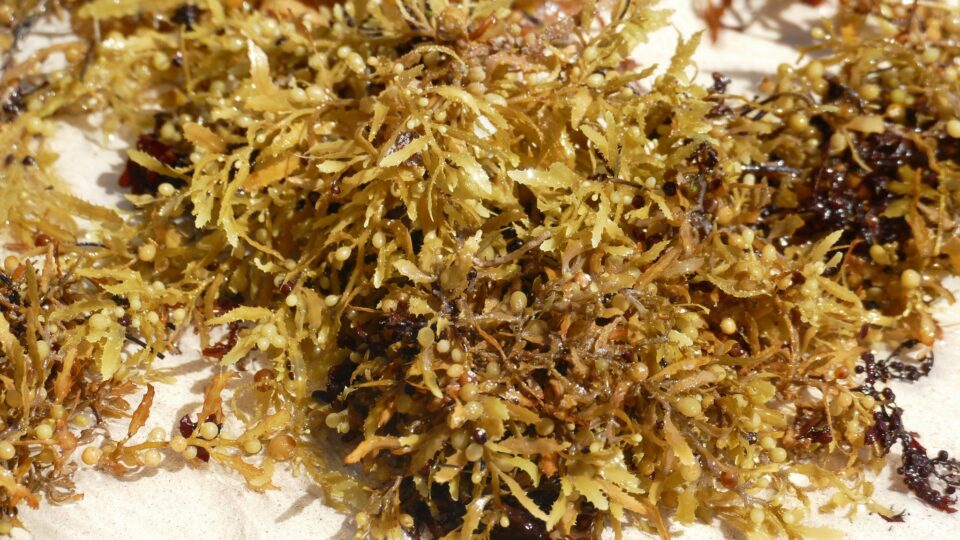
Massive blob of sargassum heading towards the Gulf of Mexico

A type of seaweed called sargassum has long formed large blooms in the Atlantic Ocean.  It gets its name from the Sargasso Sea in the western Atlantic.  Since 2011, scientists have been tracking massive accumulations of the stuff each year that starts out off the coast of Africa and works its way across the Atlantic to end up in the Gulf of Mexico. 

The amount of sargassum present each year can shift depending on factors like changes in nutrients, rainfall, and wind conditions.  But since the 1980s, nitrogen content in the Atlantic has gone up by 45%.  This is likely due to human activities such as agriculture and fossil fuel production dumping materials into the rivers that feed into the ocean.

According to recent observations, the mass of seaweed now heading for Florida and other coastlines throughout the Gulf of Mexico may be the largest on record.  The giant blob of sargassum spans more than 5,000 miles in extent.  It is moving west and will pass through the Caribbean and up into the Gulf during the summer.  The seaweed is expected to become prevalent on beaches in Florida around July.

The seaweed provides food and protection for fishes, mammals, marine birds, crabs, sea turtles, and more.  But unfortunately, when sargassum hits the beaches, it piles up in mounds that can be difficult to walk through and eventually emits a gas that smells like rotten eggs.

Tourist destinations in the Caribbean region have their work cut out for them to remove seaweed that can pile up several feet deep.  For example, in Barbados, locals were using 1,600 dump trucks a day to clean their beaches.  Caribbean and Florida resorts spend millions of dollars each year to remove sargassum seaweed.

**********

Web Links

A 5,000-mile-wide blob of seaweed is headed for Florida, threatening tourism across the Caribbean

Photo, posted February 24, 2020, courtesy of Bernard Dupont via Flickr.

Earth Wise is a production of WAMC Northeast Public Radio
Protecting Wetlands | Earth Wise

March 28, 2023 By EarthWise Leave a Comment

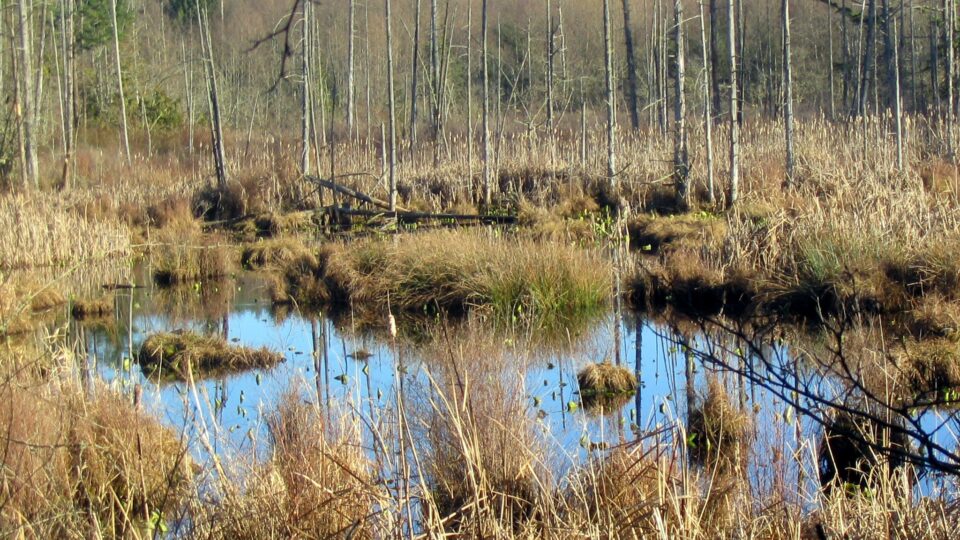
Wetlands are distinct ecosystems that are flooded or saturated by water, either permanently or seasonally.  They include mangroves, marshes, swamps, forested wetlands, bogs, wet prairies, and vernal pools.   The feature that most wetlands share is soil or substrate that is at least periodically saturated with or covered by water.

Wetlands are some of the most threatened ecosystems in the world.  While wetlands can be affected by a variety of natural stressors, including erosion, droughts, and storms, human activities have been the major driver of wetland decline. 

But according to a new study by researchers from McGill University in Canada, the global loss of wetland areas since 1700 has likely been overestimated.  The research team calculated that the area of wetland ecosystems around the world has declined 21-35% since 1700 as a result of human activities – far less than the 50-87% decline estimated in other studies.  The study’s focus beyond regions with historically high wetland losses and its avoidance of possibly misleading extrapolations likely resulted in the lower estimate.      

According to the study, which was published in the journal Nature, more than 2.1 million square miles of wetlands have been lost during the past 300 years – an area roughly the size of India.  The five countries with the highest wetland losses are the United States, China, India, Russia and Indonesia. 

But discovering that fewer wetlands have been historically lost than previously thought gives researchers a second chance to protect wetlands.  The findings of the study will help researchers prioritize global conservation and restoration actions.

**********

Web Links

A second chance to protect wetlands

Photo, posted February 2, 2005, courtesy of Jan Tik via Flickr.

Earth Wise is a production of WAMC Northeast Public Radio
Assessing The Planet’s Most Unique Birds | Earth Wise

January 11, 2023 By EarthWise Leave a Comment

Birds come in a huge variety of shapes, sizes and plumages.  The physical attributes of birds are adaptations that have taken countless millennia to develop, and physical attributes are closely related to the roles birds play in their environment.   

According to a new study led by researchers from the University College London in the U.K., bird species with extreme or uncommon combinations of traits have the highest risk of extinction.  Losing these bird species and the unique roles they play in the environment, including seed dispersal, pollination and predation, could have severe consequences on the health of ecosystems.

In the study, which was recently published in the British Ecological Society journal Functional Ecology, the researchers analyzed the extinction risk and physical attributes of 99% of all living bird species.  The research team used a dataset of measurements collected from living birds and museum specimens.  The measurements included things like beak size and shape, and the length of wings, tails and legs.  The researchers combined this data with extinction risk, and then ran simulations to see what would happen if the most threatened birds were to go extinct.

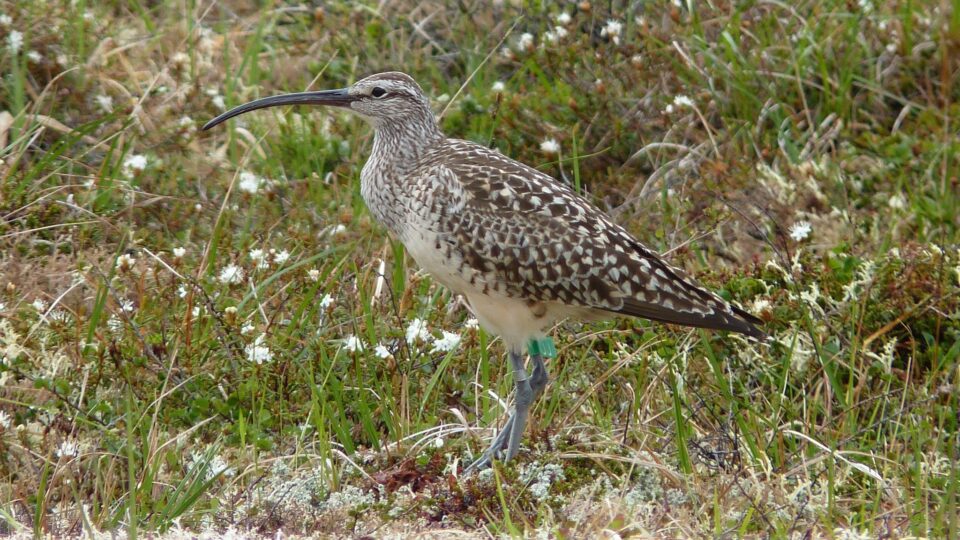
Some of the bird species that are both most unique and most threatened include the Christmas Frigatebird and the Bristle-thighed Curlew.  Kiwis were excluded from the study because the researchers viewed them as extreme morphological outliers.

While most unique birds were also classified as threatened on the Red List, the research was unable to show what links uniqueness in birds to extinction risk

The research team warns that if more isn’t done to protect these threatened species and avoid extinctions, the functioning of ecosystems will be dramatically disrupted.

*********

Web Links

Planet’s most unique birds at higher risk of extinction

Photo, posted June 25, 2012, courtesy of Kristine Sowl / USFWS via Flickr.

Earth Wise is a production of WAMC Northeast Public Radio.

Reef Insurance | Earth Wise

January 4, 2023 By EarthWise Leave a Comment

Insuring coral reefs

Coral reefs around the world face multiple dangers from warming waters, acidification, human activity, and more.  Powerful storms often cause tremendous damage to reefs.  When possible, snorkelers and divers are deployed to try to repair damage to reefs.  But philanthropy and government grants are basically the only resources available to fund such actions.

Three years ago, tourist businesses and the government in the Mexican state of Quintana Roo purchased an insurance policy to offset costs of protecting the local parts of the Mesoamerican Reef.  The environmental group the MAR Fund later took out an insurance policy on the rest of the reef in Mexico, Belize, Guatemala, and Honduras. 

With this precedent, the Nature Conservancy recently purchased an insurance policy on behalf of the state of Hawaii to help offset repair work on its coral reefs.  It is the first U.S. coral insurance contract.

Coral reefs are more than just hosts for marine life.  They provide barriers against ocean storm surges, which is a major financial incentive for protecting them and hence an incentive to invest in insurance.

The new Hawaiian insurance policy has a premium of $110,000 a year and will provide $2 million in protection.  Payouts occur when wind speeds go above 50 knots.  No further proof of damage is required.

The Nature Conservancy has created teams called ‘Reef Brigades’ composed of snorkelers and divers who recover reef fragments, store them in ocean or shore-based nurseries, and then re-attach them when conditions are safe.  It can be very expensive to do this sort of work, particularly when new corals grown in a nursery are required.

**********

Web Links

Analysis: First U.S. coral insurance marks the rise of the reef brigades

Photo, posted September 14, 2011, courtesy of Greg McFall/NOAA Office of National Marine Sanctuaries via Flickr.

Earth Wise is a production of WAMC Northeast Public Radio
Rainforest Promises | Earth Wise

December 23, 2022 By EarthWise Leave a Comment

Rainforest promises in Brazil

The recent UN climate summit in Sharm el Sheikh, Egypt brought with it lots of pledges for action.   Among them was a promise from the three countries that are home to more than half of the world’s tropical rainforests to try to do something to protect them.

The ministers of Brazil, Indonesia, and the Democratic Republic of Congo signed an agreement pledging cooperation on sustainable management and conservation, restoration of critical ecosystems, and creation of economies that would ensure the health of both their people and their forests.

The plan has no financial backing of its own.  The countries are pledging to work together to establish a funding mechanism that could help to preserve the tropical forests that both help regulate the Earth’s climate and sustain a wide range of animals, plants, birds, and insects.

That such an agreement has come about at all is a result of the election of Luiz Lula da Silva as Brazilian president, replacing Jair Bolsonaro, who was famously an opponent of any and all environmental conservation or protections.  President Lula addressed the attendees of the climate summit promising that “Brazil is back.”   He described his country as having been in a cocoon for the past four years under his predecessor.  He declared that going forward, Brazil will be a force to combat climate change.  Given the importance of the Amazon rainforest, that is critical for the success of the world’s efforts.

Like all other issues on the table at the climate summit, the real challenge is not to come up with meaningful pledges on climate action, it is to be able to follow through on those pledges.  If past summits are any indication, that is not an easy task.

**********

Web Links

Brazil, Indonesia and Congo Sign Rainforest Protection Pact

Photo, posted September 15, 2013, courtesy of Moises Silva Lima via Flickr.

Earth Wise is a production of WAMC Northeast Public Radio
Carbon In The Congo Peatlands | Earth Wise

December 16, 2022 By EarthWise Leave a Comment

Studying the carbon in the Congo Peatlands

The Congo peatlands in central Africa are the world’s largest tropical peatlands complex, occupying an area of 65,000 square miles, about the size of the entire state of Florida. Peatlands represent a huge store of carbon and therefore are important to the stability of the climate.

A study by scientists at the University of Leeds and University College London found that around the time that Stonehenge was built – about 5,000 years ago – there was an extended drying period in central Congo and the peatlands started emitting carbon dioxide rather than storing it.  Over the course of time, the climate in the area got wetter again and over the past 2,000 years, the Congo peatlands have been a place that takes large amounts of carbon out of the atmosphere.

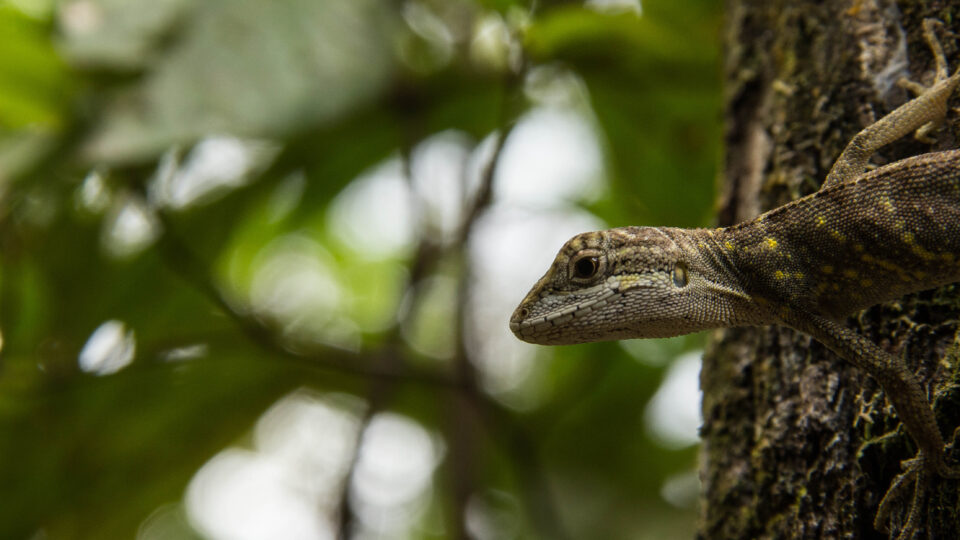
The study utilized peat samples taken from beneath remote swamp forests to build a record of the vegetation and rainfall in the central Congo Basin over the past 17,500 years.

In a paper published in Nature, the researchers warn that if modern-day global warming produces extended droughts in the Congo region, history could repeat itself and the peatlands could once again become carbon emitters.  If that were to happen, over 30 billion tons of carbon could be released into the atmosphere.  That is the equivalent to the total global emissions from fossil fuel burning over a three-year period.

There is some evidence that dry seasons are lengthening in the Congo Basin, but it is unknown if these will continue.  In any case, the study reveals that peatlands are more vulnerable than previously thought and need to be protected.  They are some of the most wildlife and carbon-rich ecosystems on Earth.

**********

Web Links

Congo peatlands could release billions of tonnes of carbon

Photo, posted November 5, 2016, courtesy of Roni Ziade / Forest Service via Flickr.

Earth Wise is a production of WAMC Northeast Public Radio
The State Of The Birds | Earth Wise

November 28, 2022 By EarthWise Leave a Comment

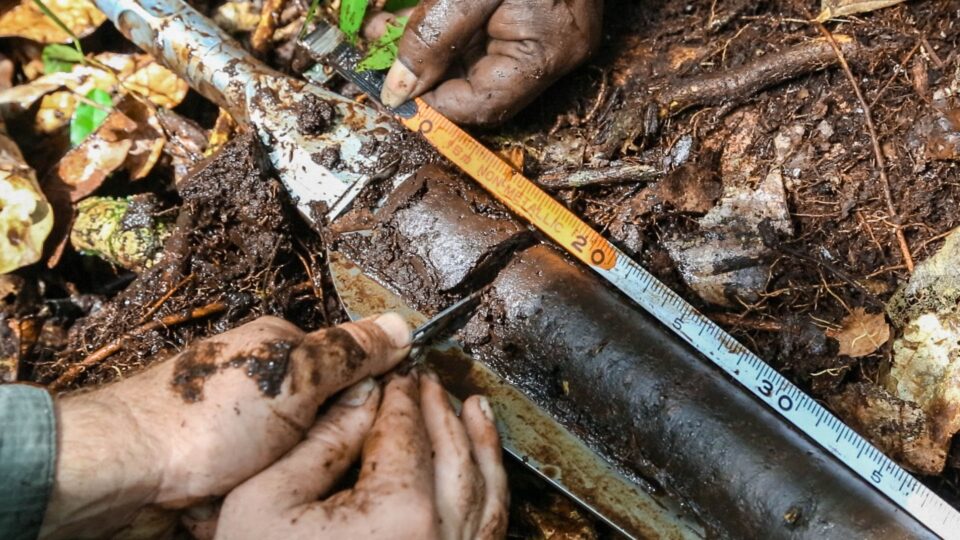
The U.S. Committee of the North American Bird Conservation Initiative has published the State of the Birds 2022, an assessment of bird populations in North America. The news is not good.  The report identifies 70 Tipping Point species, which are those that have lost half or more of their breeding population since 1970 and are on track to lose another half or more in the next 50 years. According to research published in Science in 2019, the United States and Canada have lost 3 billion breeding birds since 1970, which is about a quarter of the total population.

More than half of the bird species in the United States are in decline. According to the Conservation Initiative, the tipping point species in particular require proactive conservation protections to avoid becoming endangered.  Species that inhabit grasslands are declining more rapidly, while waterfowl like ducks and geese are actually increasing.  That increase is most likely a result of the investments in conservation funded by the hunting industry.

Those waterfowl gains demonstrate that when there are concerted efforts to protect and promote bird populations, positve changes can happen.  Some say that protecting birds is not a high priority given all the other crises in the world, but what is good for birds is also good for people.  For example, planting trees and other vegetation to enhance bird habitat also helps to sequester carbon, protect coastlines from storm surges, increase groundwater recharge, and reduce urban heating effects.

The loss of 3 billion birds is a major biodiversity crisis and requires action.  Bird conservation benefits wildlife, people, entire ecosystems, and our planet.

**********

Web Links

What’s Good for Birds Is Good for People and the Planet. But More Than Half of Bird Species in the U.S. Are in Decline

Photo, posted November 4, 2020, courtesy of Tom Koerner/U.S. Fish and Wildlife Service via Flickr.

Earth Wise is a production of WAMC Northeast Public Radio
The Living Planet Index | Earth Wise

November 22, 2022 By EarthWise Leave a Comment

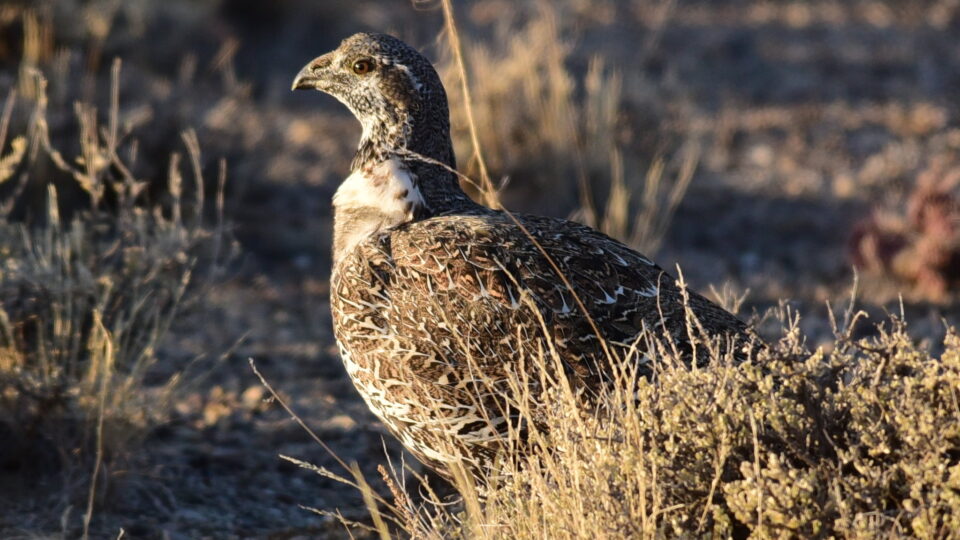
The World Wildlife Fund and the Zoological Society of London recently published the latest Living Planet Index, which is designed to measure how animal populations are changing through time.  The purpose is to provide an assessment of the health of ecosystems and the state of biodiversity.

The LPI only looks at the population of vertebrates:  birds, mammals, reptiles, amphibians, and fish.  The latest survey looked at how populations have changed between 1970 and 2018.  The results are that populations of these animal groups have declined by an average of 69% over that 48-year period.

This result highlights a very real and very severe crisis of biodiversity loss.  However, it does not mean that there are 2/3 fewer animals today than 48 years ago.  The way the index is calculated is to look at the changes in individual populations of over 5,000 different species.  Then these individual relative declines are averaged to get the result.  

There are shortcomings in the LPI.  For example, individual species that have seen massive population declines will bring the average down.  But even removing the outliers both of a negative and a positive impact does not dramatically change the result.

There is no perfect indicator for biodiversity and ecosystem health.  The Living Planet Index is nonetheless a useful metric and indicates that many species around the world are in decline.  Policymakers and environmental advocates need to make decisions about conservation and protection measures and this index is one tool they can use.

**********

Web Links

There’s a frightening new report about wildlife declines. But many are getting the story wrong.

Photo, posted October 12, 2019, courtesy of Visit Rwanda via Flickr.

Earth Wise is a production of WAMC Northeast Public Radio
Koalas Are Endangered | Earth Wise             

March 22, 2022 By EarthWise Leave a Comment

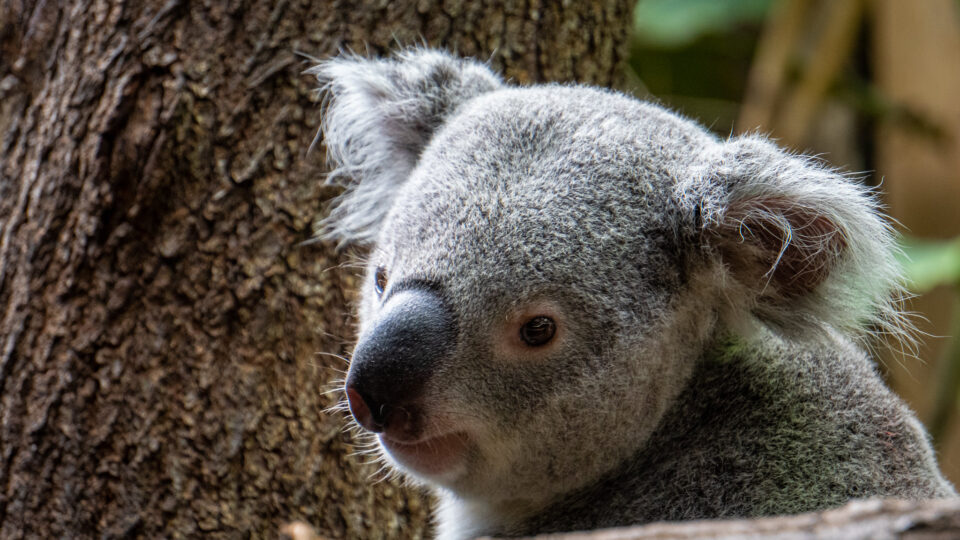
Koalas are endangered

The koala is one of the world’s most iconic animal species and is widely considered to be the symbol of Australia.   Koalas are not bears; they are marsupials. 

Being iconic symbols is not sufficient to prevent koalas from going extinct.  In the 1920s, hundreds of thousands of koalas were shot for the fur trade, greatly reducing their population.

More recently, drought, bush fires, disease, and habitat loss have drastically reduced the numbers of koalas.  Since 2018, there has been a 30% decline in koala populations across Australia.  It is difficult to get an accurate count of the animals because they don’t move around much, and they live high up in tree canopies where they are hard to spot.

 Estimates are that the koala population has dropped from between 45,000-82,000 in 2018 to between 32,000-58,000 in 2021.  The koala is now extinct in 47 Australian electorates and in many others, there are only handfuls of animals remaining.   The population decline was accelerated by devastating wildfires in late 2019 into early 2020.  Some estimates are that koalas could be extinct by 2050.  Conservation organizations around the world have been demanding greater protection for koalas for years.

Given this dire situation, the Australian government recently declared the koala an endangered species, reclassifying it from being a vulnerable species.  The government plans to adopt a recovery plan that will include new laws protecting koalas and their natural woodland environments.  The details of the plan remain to revealed.

According to the Australian Koala Foundation, however, the new status of the koala means very little in and of itself.  If the clearing of the koala habitat continues, the species has little chance of surviving in the wild.

**********

Web Links

‘In rapid decline’: Australia has lost 30% of its koalas in just 3 years, foundation says

Australia Declares Koalas an Endangered Species

Photo, posted September 18, 2019, courtesy of Guido Konrad via Flickr.

Earth Wise is a production of WAMC Northeast Public Radio.

  • « Go to Previous Page
  • Page 1
  • Page 2
  • Page 3
  • Page 4
  • Page 5
  • Go to Next Page »

Primary Sidebar

Recent Episodes

  • An uninsurable future
  • Clean energy and jobs
  • Insect declines in remote regions
  • Fossil fuel producing nations ignoring climate goals
  • Trouble for clownfishes

WAMC Northeast Public Radio
WAMC/Northeast Public Radio is a regional public radio network serving parts of seven northeastern states (more...)

Copyright © 2026 ·