• Skip to primary navigation
  • Skip to main content
  • Skip to primary sidebar

Earth Wise

A look at our changing environment.

  • Home
  • About Earth Wise
  • Where to Listen
  • All Articles
  • Show Search
Hide Search
You are here: Home / Archives for hunting

hunting

Beavers And The Warming Arctic | Earth Wise

August 5, 2020 By EarthWise Leave a Comment

Beavers are accelerating climate change

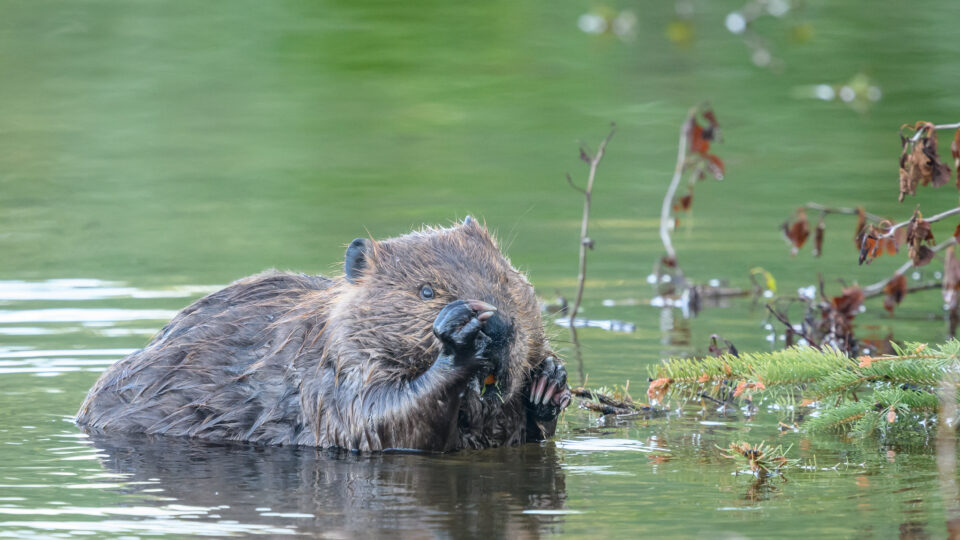
Beavers have a remarkable ability to transform landscapes.  Using their sharp teeth, they fell trees and shrubs and build dams, which cause small valleys to fill with water and form new lakes.  Some of these lakes measure five or ten acres in size, or even more.  And beavers are very efficient builders; they often build their dams at precisely those points where can they have the greatest effect with the least effort.

Scientists studying beaver activity in the Arctic regions of Alaska have found that the changing climate is leading to a substantial increase in beaver populations and their effect on the landscape.

In 2018, researchers found that the beavers living in a 7,000 square-mile area in northwest Alaska had created 56 new lakes in just five years.  Thanks to rising temperatures, more and more habitats offer the shrubs that beavers need for food and building material.  In addition, the lakes, which used to freeze solid, now offer beaver-friendlier conditions.  Also, beavers are not hunted as intensively as in the past.

The scientists were surprised that beavers have seized the opportunity so intensively.  There is basically an exponential growth in beaver dams.  This is actually a worrisome situation.  Forming all these new lakes degrades ice-rich permafrost in the area.  In the Kotzebue region of Alaska, the overall water area has increased by more than 8% over the past 17 years, and roughly two-thirds of that is due to beavers.

The degradation of the Arctic’s permafrost is a dangerous situation and it appears that anyone who wants to predict its future has to keep the activity of beavers in mind.

**********

Web Links

Beavers gnawing away at the permafrost

Photo, posted June 23, 2018, courtesy of Becky Matsubara via Flickr.

Earth Wise is a production of WAMC Northeast Public Radio.
Reducing Polar Bear Attacks

April 8, 2019 By EarthWise Leave a Comment

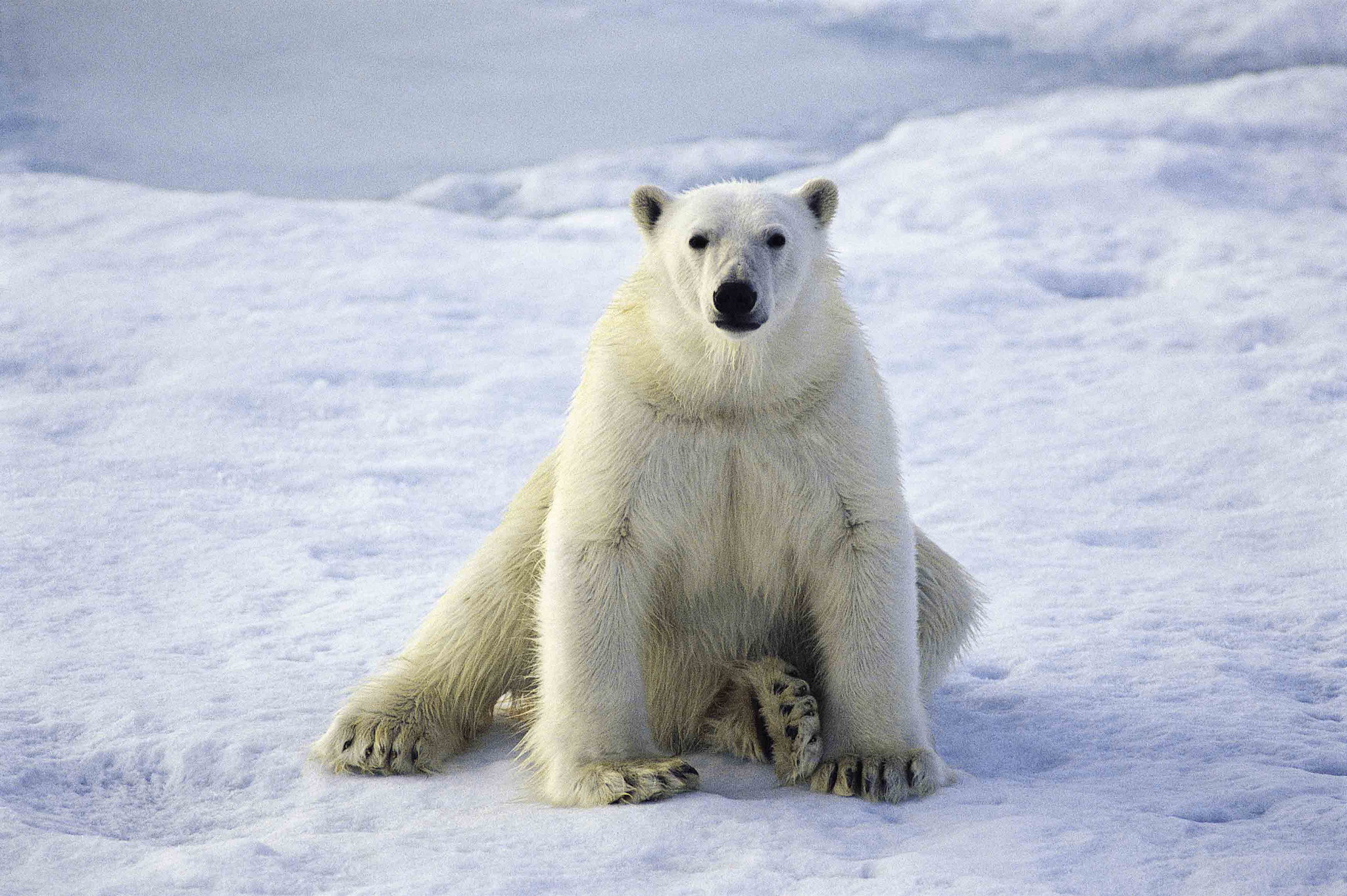
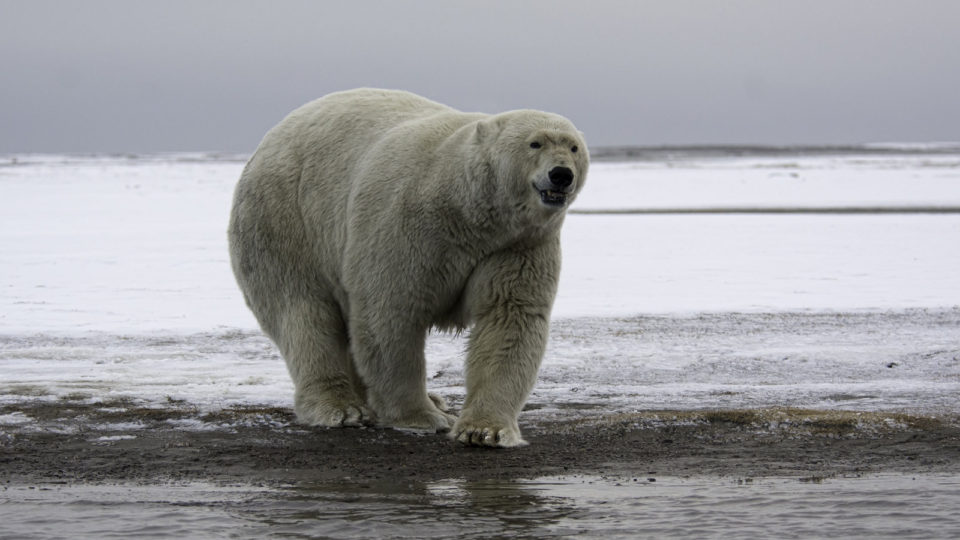
The increasing reduction of sea ice in the Arctic is changing the behavior of polar bears.  Because they are spending more time on land, they are interacting with people much more frequently, occasionally with deadly results.

A study, published in 2017, looked at 144 years’ worth of polar bear attacks on humans in the Arctic.  Between 1960 and 2009, there were a reported 47 attacks by polar bears on people – between 7 and 12 per decade.  Between 2010 and 2014, as sea ice reached record lows, there were 15 attacks, a record for a four-year period.  Since 2000, 88% of attacks have occurred between July and December, when sea ice is at its lowest level of the year.

Last July, a young male polar bear attacked and killed a man who was berry picking with his children.  A month later, a mother polar bear attacked and killed an Inuit hunter and injured two others.  This was the first known fatal attack by a mother polar bear.

As a result, Inuit communities in the Nunavut region are asking for higher legal polar bear harvest quotas, arguing that bear populations have increased to a dangerous level.

These recent human fatalities have also provided an impetus for developing new non-lethal conflict-resolution tools than can be used in northern communities before more people as well as bears are killed.

There are now polar bear patrol teams tasked with driving bears away from settlements.  There is a bear hotline and electric fencing around sled dog compounds.

The changing face of the Arctic is creating growing stress on the polar bear population and on the people who make their home in that region.

**********

Web Links

As Polar Bear Attacks Increase in Warming Arctic, a Search for Solutions

Photo, posted September 28, 2015, courtesy of Anita Ritenour via Flickr.

Earth Wise is a production of WAMC Northeast Public Radio.
Japan And Whaling

January 10, 2019 By EarthWise Leave a Comment

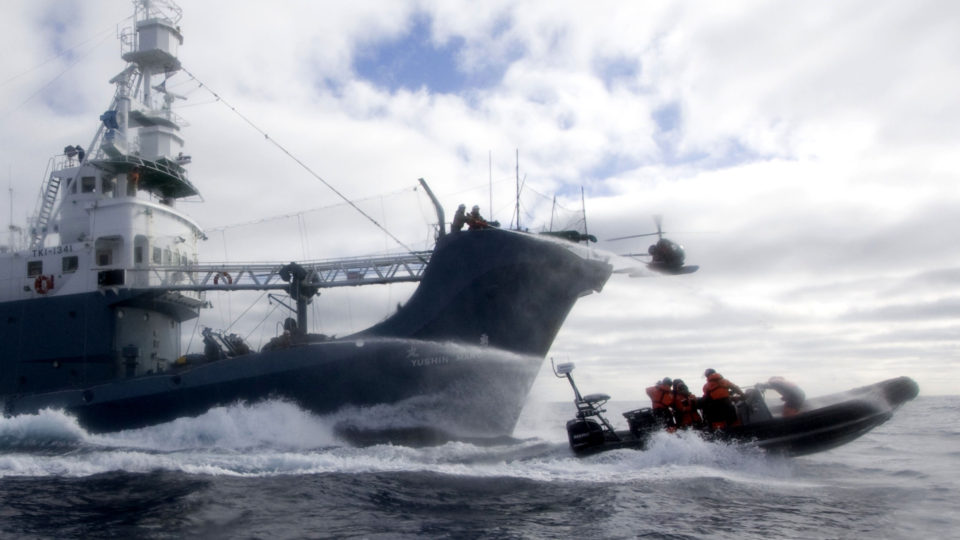
The commercial hunting of whales nearly drove the giant mammals to extinction.  By the 1960s, as hunting technologies improved and ships began to resemble floating factories, it became clear that whaling could not continue unchecked. 

But despite all this, commercial whaling was never actually banned.  Instead, in 1986, members of the International Whaling Committee (IWC) agreed to a whaling moratorium in order to allow whale stocks to recover.  Pro-whaling nations like Japan, Iceland, and Norway expected the moratorium to be temporary until the whales stocks recovered, and a consensus on catch quotas could be established.  But the temporary moratorium became a quasi-permanent ban, much to the delight of conservationists and to the dismay of whaling nations. 

As a result, Japan recently announced it is leaving the international agreement and plans to resume commercial whaling.  The agreement though never really stopped Japanese whaling in the first place, because it allowed the country to kill whales for scientific research.  Japan has had an annual Antarctic catch quota of 333 minke whales, producing notoriously little in terms of whale science while producing  lots of whale meat.  As part of its withdrawal from the IWC, Japan will cease its Antarctic hunts and limit whalers to its own waters.  Commercial Japanese whaling will resume in July. 

Once popular in Japan, whale meat consumption has plummeted, falling 98% between 1962 and 2016. The industry employs fewer than 1,000 people and is dependent on government subsidies. 

Many governments and conservationist groups condemned Japan’s withdrawal, declaring the move out of step with the international community.  They argue that, rather than hunting whales, urgent action is needed to conserve marine ecosystems. 

**********

Web Links

Japan to Resume Commercial Whaling, Defying International Ban

Photo, posted February 5, 2009, courtesy of Flickr.

Earth Wise is a production of WAMC Northeast Public Radio.

Sustainable Whaling?

October 10, 2018 By EarthWise Leave a Comment

https://earthwiseradio.org/wp-content/uploads/2018/10/EW-10-10-18-Sustainable-Whaling.mp3

The hunting of whales in the 19th and 20th Century nearly drove the giant mammals to extinction. By the 1960s, improved hunting methods and factory ships made it clear that whaling could not continue unchecked. 

[Read more…] about Sustainable Whaling?

The Return Of The Bison

September 28, 2018 By EarthWise Leave a Comment

https://earthwiseradio.org/wp-content/uploads/2018/09/EW-09-28-18-The-Return-of-the-Bison.mp3

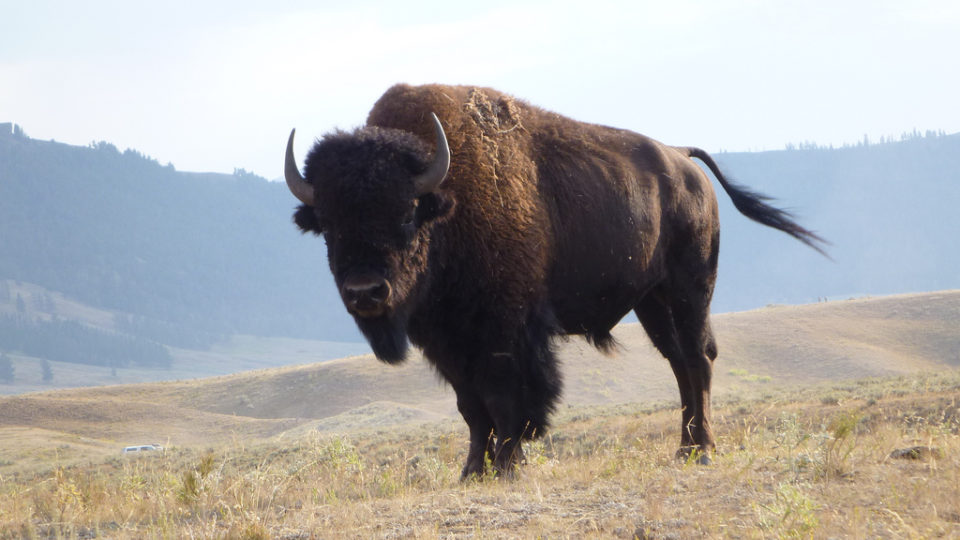
At one time there were 20 to 30 million bison in North America, dominating the landscape from the Appalachians to the Rockies, and from the Gulf Coast to Alaska.   A combination of habitat loss and totally unregulated hunting of the huge animals reduced the population to just over 1,000 in 1889.  

[Read more…] about The Return Of The Bison

Cold Weather In A Warming Climate

June 25, 2018 By EarthWise Leave a Comment

https://earthwiseradio.org/wp-content/uploads/2018/06/EW-06-25-18-Cold-Weather-In-A-Warming-Climate.mp3

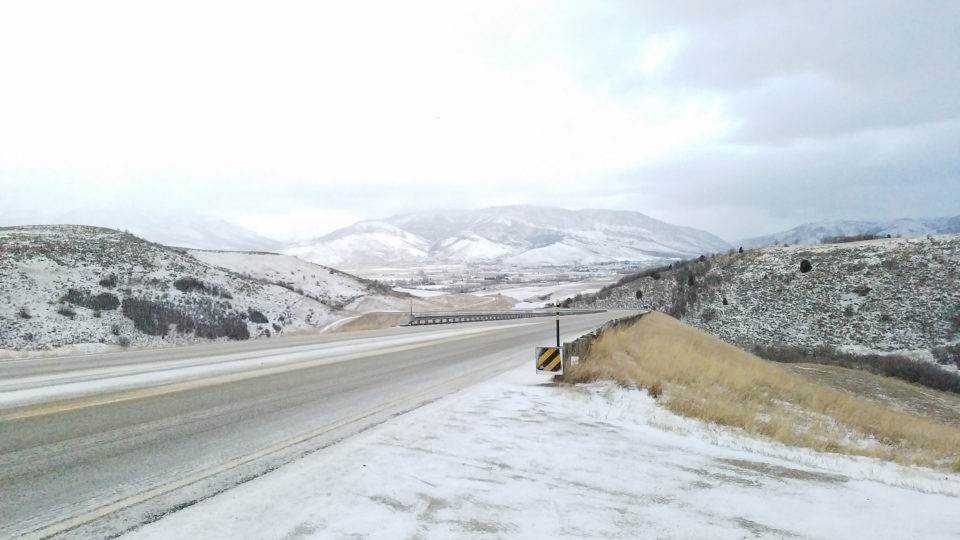
The climate is warming.  The average global temperature is going up year after year, bringing about significant changes to weather around the world.  But the fact is that these changes don’t always lead to warmer weather.  And ordinary variations in local weather can also go in either direction.

[Read more…] about Cold Weather In A Warming Climate

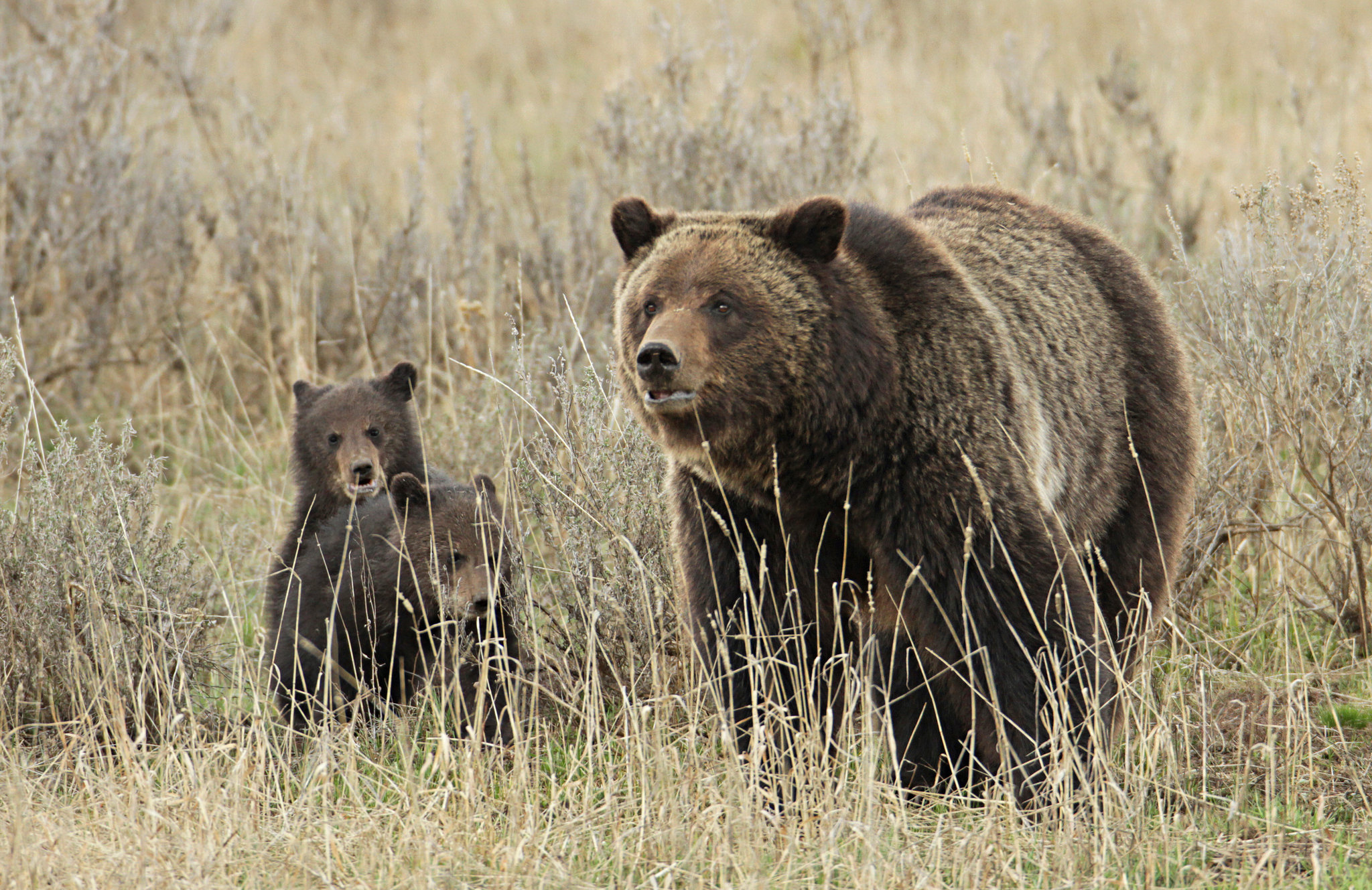
Hunting Grizzly Bears

June 7, 2018 By EarthWise Leave a Comment

https://earthwiseradio.org/wp-content/uploads/2018/06/EW-06-07-18-Hunting-Grizzly-Bears.mp3

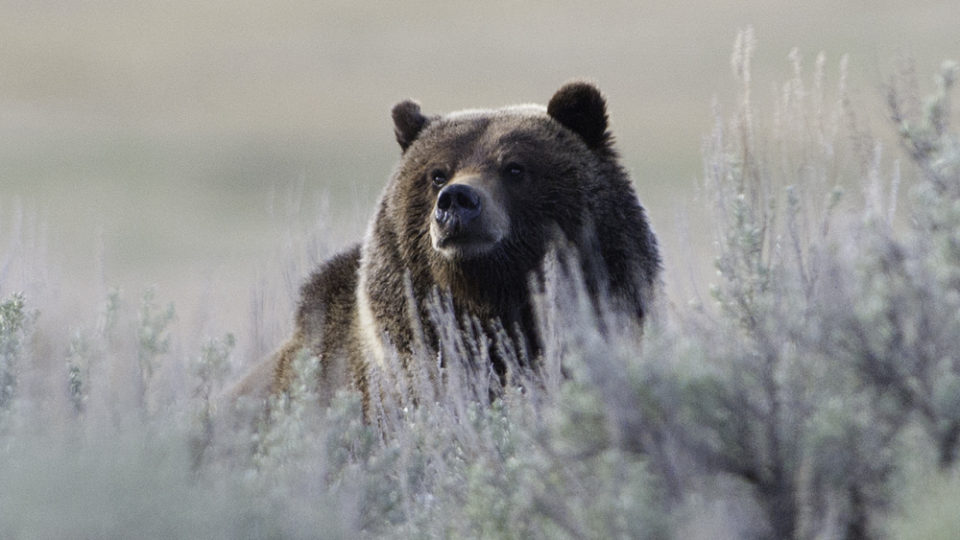
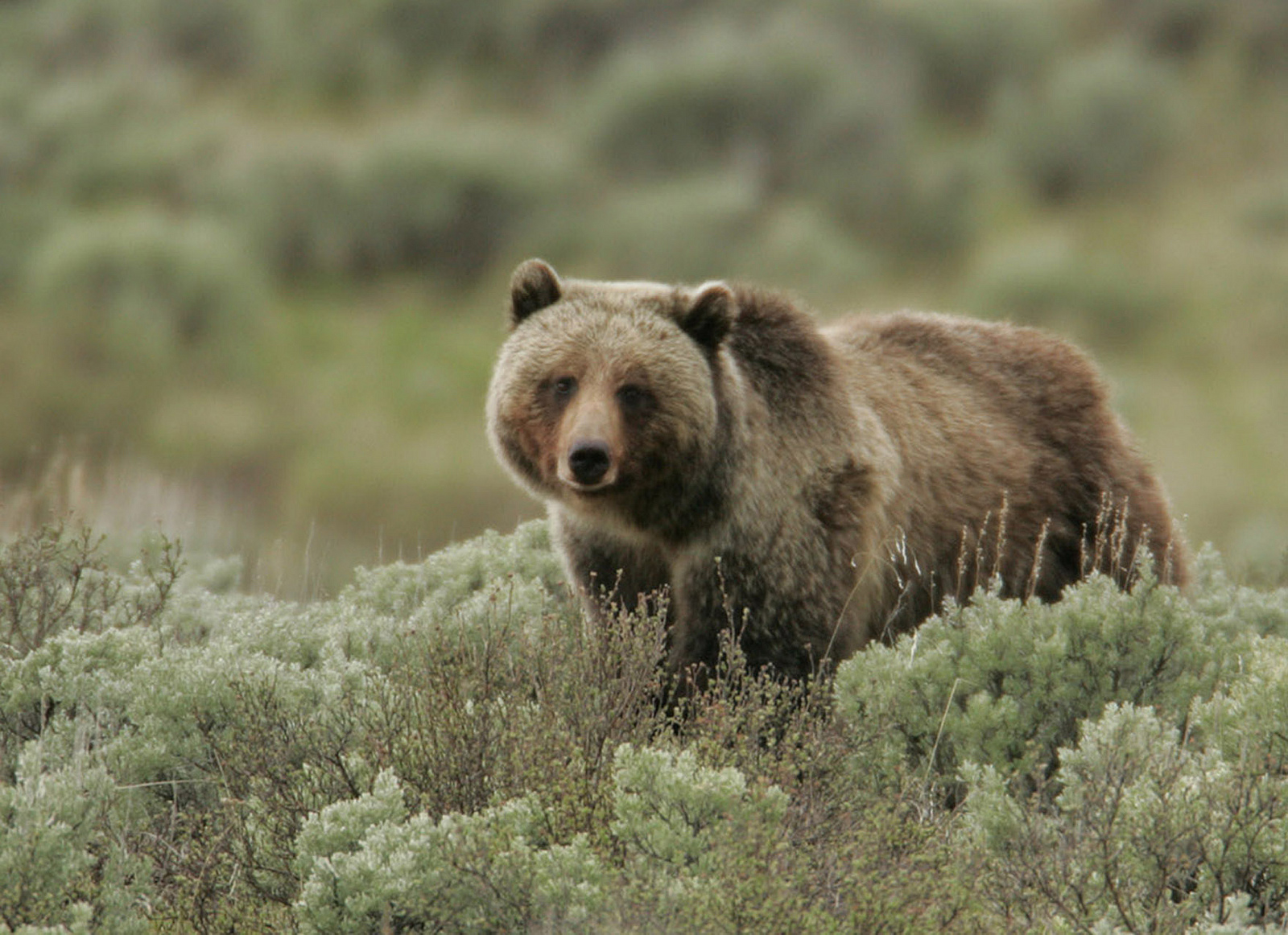
One year ago, the U.S. Department of the Interior announced that the grizzly bear population in the Yellowstone area would be delisted from the Endangered Species Act, and more recently, announced that those federal protections would not be restored.

[Read more…] about Hunting Grizzly Bears

Pollinators With Backbones

May 25, 2018 By EarthWise Leave a Comment

https://earthwiseradio.org/wp-content/uploads/2018/05/EW-05-25-18-Pollinators-with-Backbones.mp3

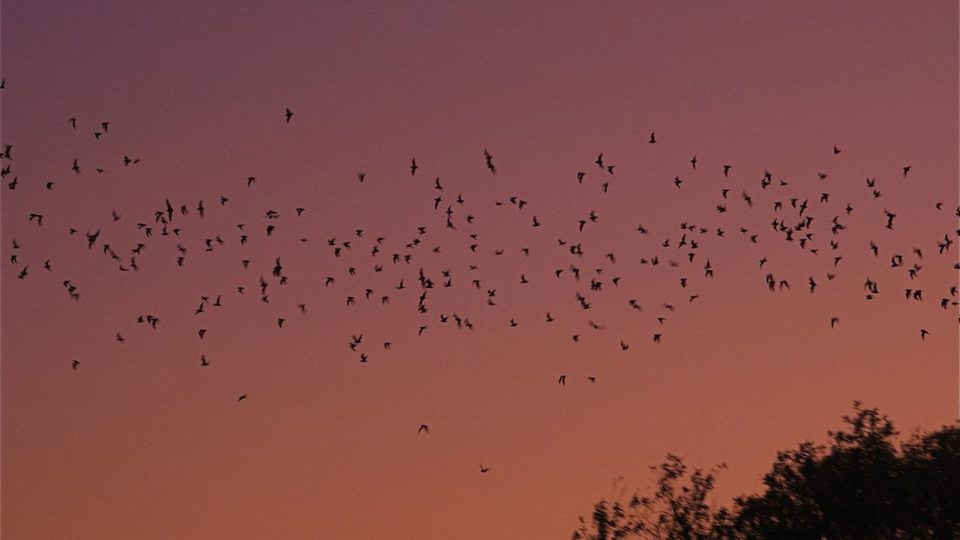
There is a great deal of concern about the status of pollinators like bees and butterflies.  They play a crucial role for many important food crops.  But it turns out that lizards, mice, bats and other vertebrates are important pollinators too.

[Read more…] about Pollinators With Backbones

Endangered Orangutans

March 20, 2018 By EarthWise 1 Comment

https://earthwiseradio.org/wp-content/uploads/2018/03/EW-03-20-18-Endangered-Orangutans.mp3

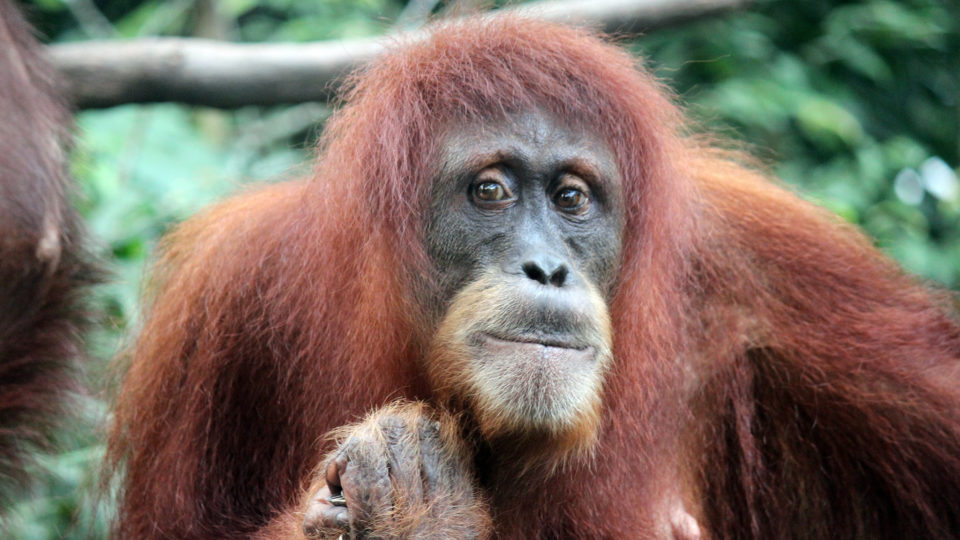
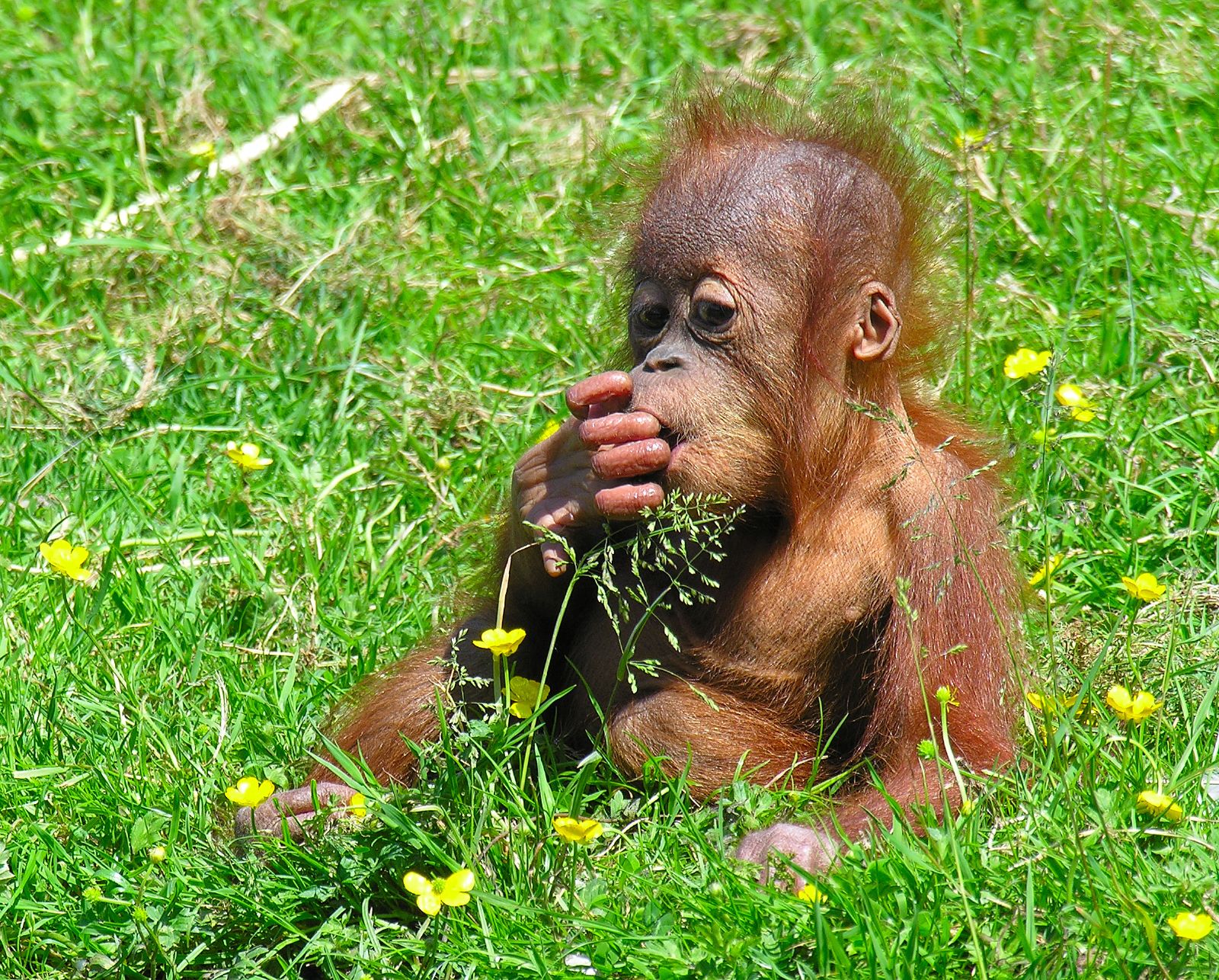
Orangutans are some of the planet’s most intelligent animals.  In fact, orangutans and human beings share 97% of their DNA sequence.  Orangutans can only be found in the wild in Southeast Asia on the Indonesian island of Sumatra and the island of Borneo, which is a landmass shared by Indonesia, Malaysia, and Brunei.  And while all orangutans are endangered, the critically-endangered Bornean orangutans are under exceptional duress. 

[Read more…] about Endangered Orangutans

Yellowstone Grizzlies

July 27, 2017 By EarthWise

https://earthwiseradio.org/wp-content/uploads/2017/07/EW-07-27-17-Yellowstone-Grizzlies.mp3

Grizzly bears once roamed much of North America and symbolized the continent’s untamed wilderness.  But hunters and trappers nearly wiped them out across most of the Lower 48 states by the late 1800s.

[Read more…] about Yellowstone Grizzlies

Can Polar Bears Be Saved?

January 30, 2017 By EarthWise

https://earthwiseradio.org/wp-content/uploads/2017/01/EW-01-30-17-Can-Polar-Bears-Be-Saved.mp3

Climate change is posing a major threat to polar bear survival.  The polar bear, whose native range lies largely within the Arctic Circle, depends on sea ice for nearly all of its life cycle functions.  And rising temperatures are causing that sea ice to disappear. 

[Read more…] about Can Polar Bears Be Saved?

Wildlife Corridors

December 28, 2016 By EarthWise

https://earthwiseradio.org/wp-content/uploads/2016/12/EW-12-28-16-Wildlife-Corridors.mp3

It is widely thought that we are in the midst of the 6th great mass extinction of species on Earth and, unlike the previous ones that were caused by things like asteroid impacts or ice ages, this one is caused by us.  Our impact on the climate, on natural resources, on landscapes and habitats, and more, has wreaked havoc on ecosystems across the globe.

[Read more…] about Wildlife Corridors

The Threat Of Bushmeat Hunting

November 22, 2016 By WAMC WEB

https://earthwiseradio.org/wp-content/uploads/2016/11/EW-11-22-16-The-Threat-of-Bushmeat-Hunting.mp3

A recent study has identified the steep decline of more than 300 species of mammals as a result of unregulated or illegal hunting.  Humans are consuming many of the world’s wild mammals to the point of extinction.

[Read more…] about The Threat Of Bushmeat Hunting

Wiping Out Our Relatives

September 20, 2016 By WAMC WEB

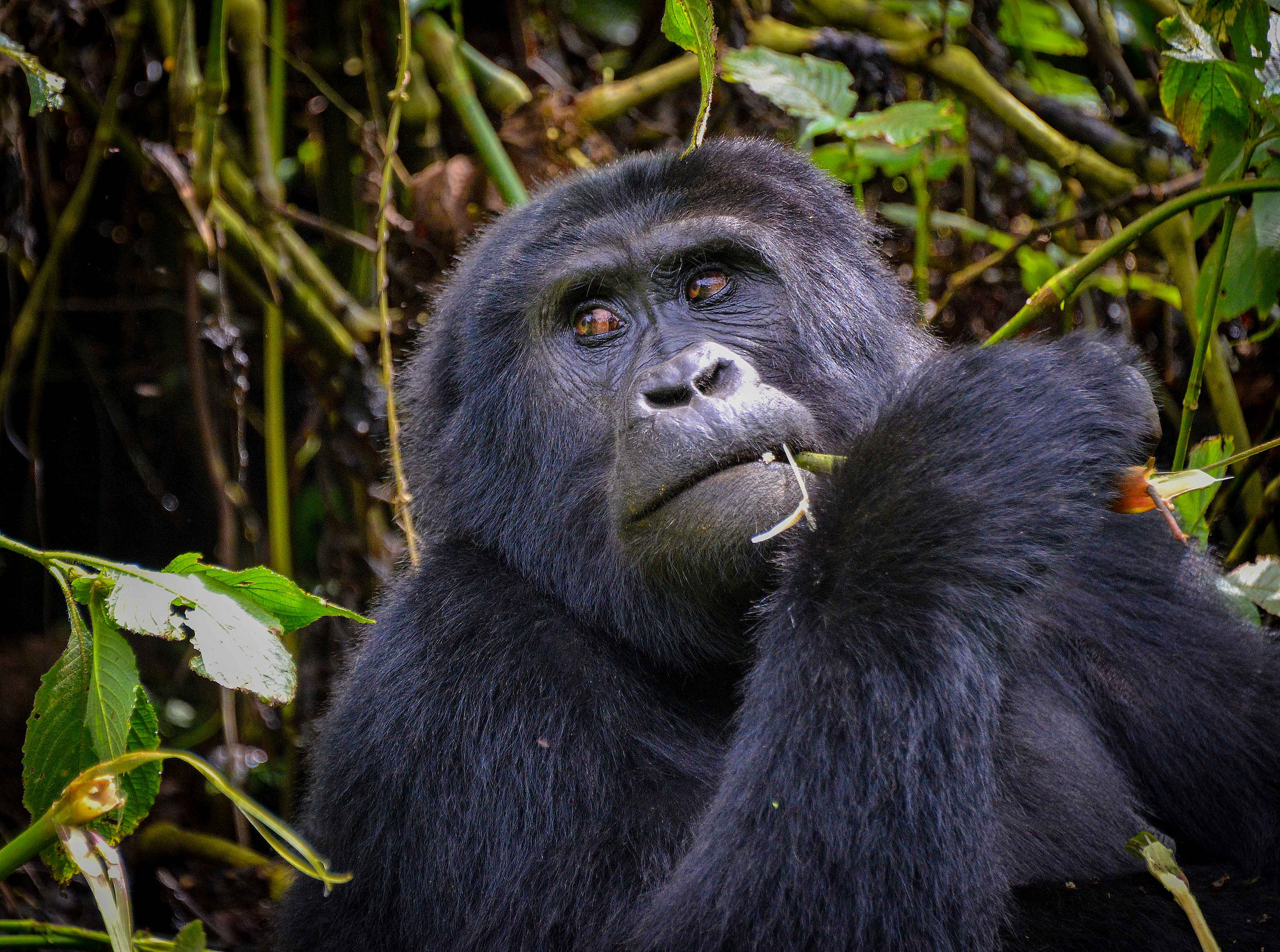
https://earthwiseradio.org/wp-content/uploads/2016/09/EW-09-20-16-Eastern-Gorillas.mp3

We recently highlighted the plight of orangutans.  Following years of failed conservation measures, all orangutans are now listed as critically endangered by the International Union for the Conservation of Nature.  The Sumatran orangutan had been listed as critically endangered for nearly two decades, but the Bornean orangutan was a recent addition.  According to the IUCN, all orangutans have an “extremely high risk of extinction in the wild.”  

[Read more…] about Wiping Out Our Relatives

The Plight Of Orangutans

August 1, 2016 By WAMC WEB

https://earthwiseradio.org/wp-content/uploads/2016/08/EW-08-01-16-The-Plight-of-Orangutans.mp3

Orangutans – one of the planet’s most intelligent animals – can only be found in the wild on the Indonesian island of Sumatra and the island of Borneo, which is a land mass shared by Indonesia, Malaysia and Brunei.  And for years conservationists have been warning that measures put in place to protect orangutans have been failing.  And they were correct.  It was recently declared that orangutans are officially headed for extinction.

[Read more…] about The Plight Of Orangutans

Food Insecurity In The Arctic

April 13, 2016 By WAMC WEB

https://earthwiseradio.org/wp-content/uploads/2016/03/EW-04-13-16-Food-Insecurity-in-the-Arctic.mp3

Food shortages have always been a challenge for the Inuit and other aboriginal people in the Arctic, because they depend on subsistence hunting and fishing, which often means living life on the edge.

[Read more…] about Food Insecurity In The Arctic

Ending The Protection Of Grizzly Bears

March 28, 2016 By WAMC WEB

https://earthwiseradio.org/wp-content/uploads/2016/03/EW-03-28-16-Grizzly-Bears.mp3

Grizzly bears, also known as North American brown bears, once roamed much of North America and symbolized the continent’s untamed wilderness.  But hunters and trappers nearly wiped them out across most of the Lower 48 states by the late 1800s. 

[Read more…] about Ending The Protection Of Grizzly Bears

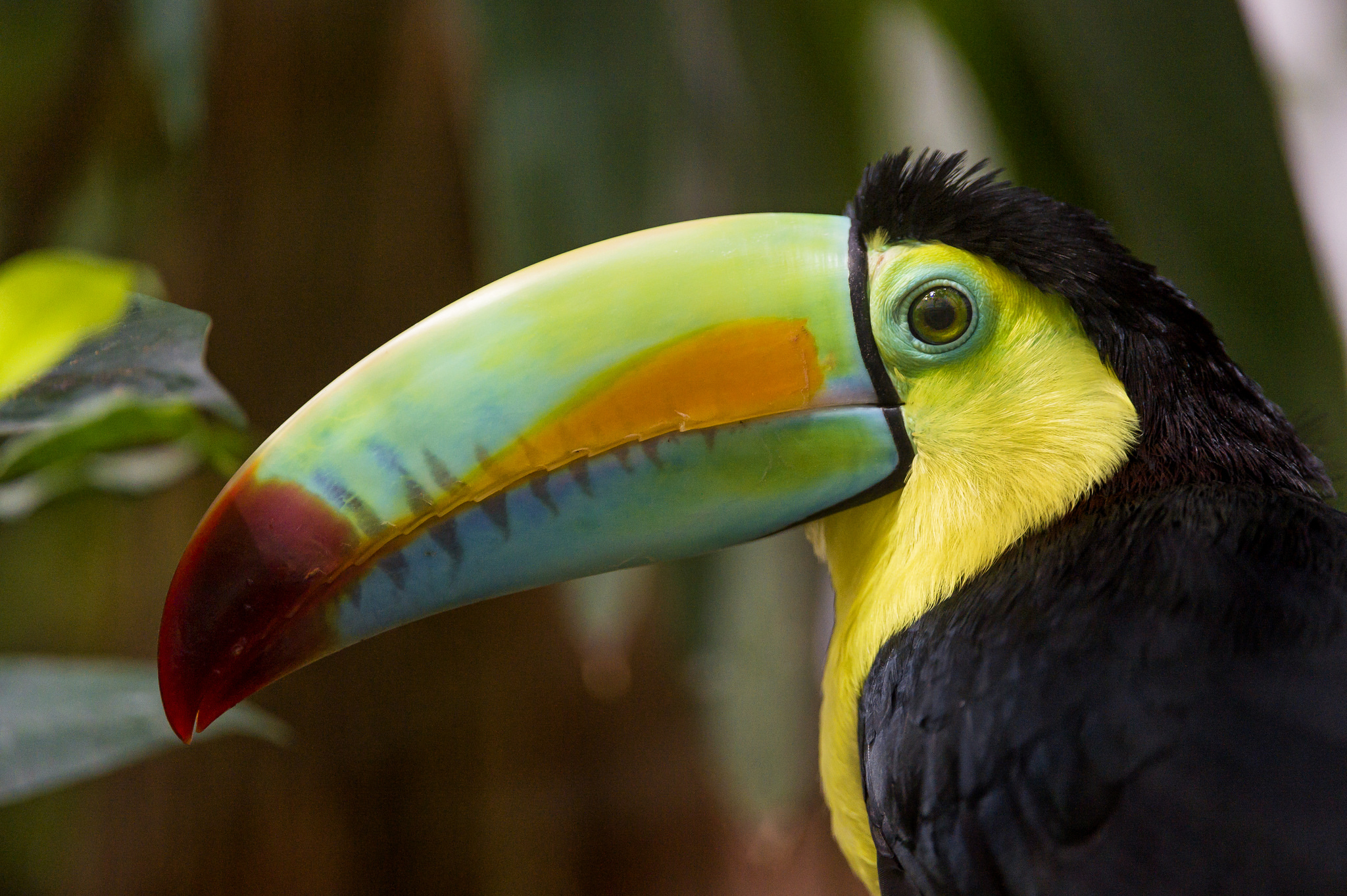
Primates And Toucans As Climate Allies

January 14, 2016 By WAMC WEB

https://earthwiseradio.org/wp-content/uploads/2016/01/EW-01-14-16-Big-Animals.mp3

Many of us have a soft spot for primates and toucans. These charismatic creatures are prized for their intellect and beauty. But did you know they also play a vital role in combating climate change?

[Read more…] about Primates And Toucans As Climate Allies

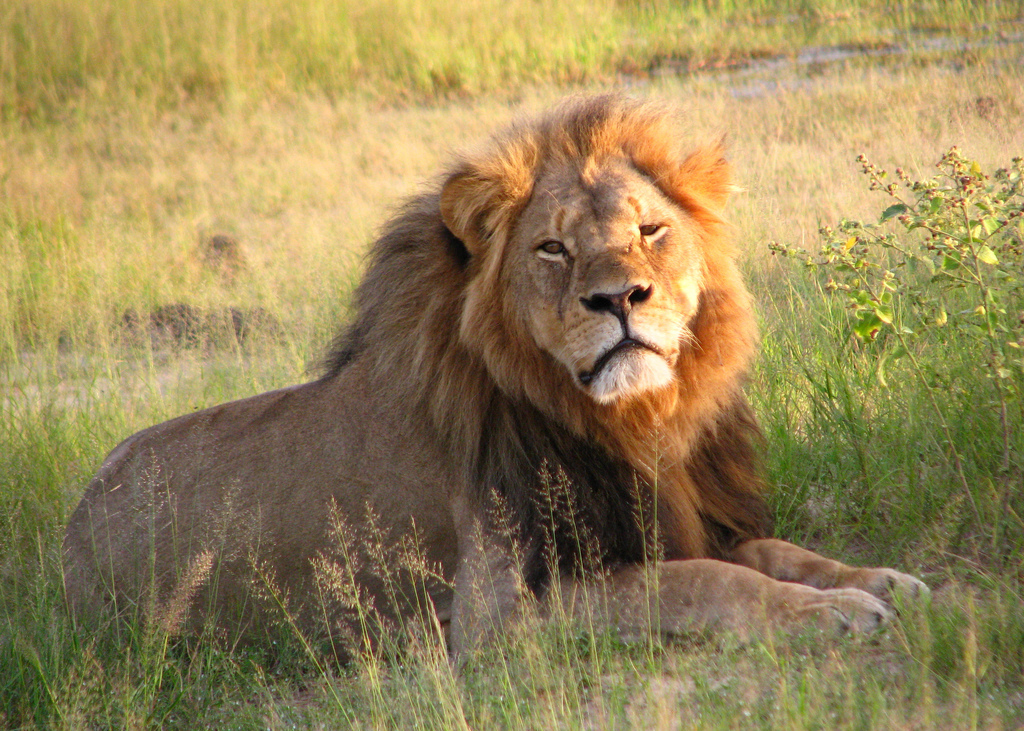
The Complicated Case Of Cecil The Lion

August 27, 2015 By EarthWise

Cecil the Lion

https://earthwiseradio.org/wp-content/uploads/2015/08/EW-08-27-15-Cecil-the-Lion.mp3

The recent killing of Zimbabwe’s Cecil the Lion sparked a world-wide reaction and has focused a great deal of attention on the ethics of trophy hunting.  There is no question that trophy hunting is an extremely polarizing issue and there are demands around the world to curtail the practice.

[Read more…] about The Complicated Case Of Cecil The Lion

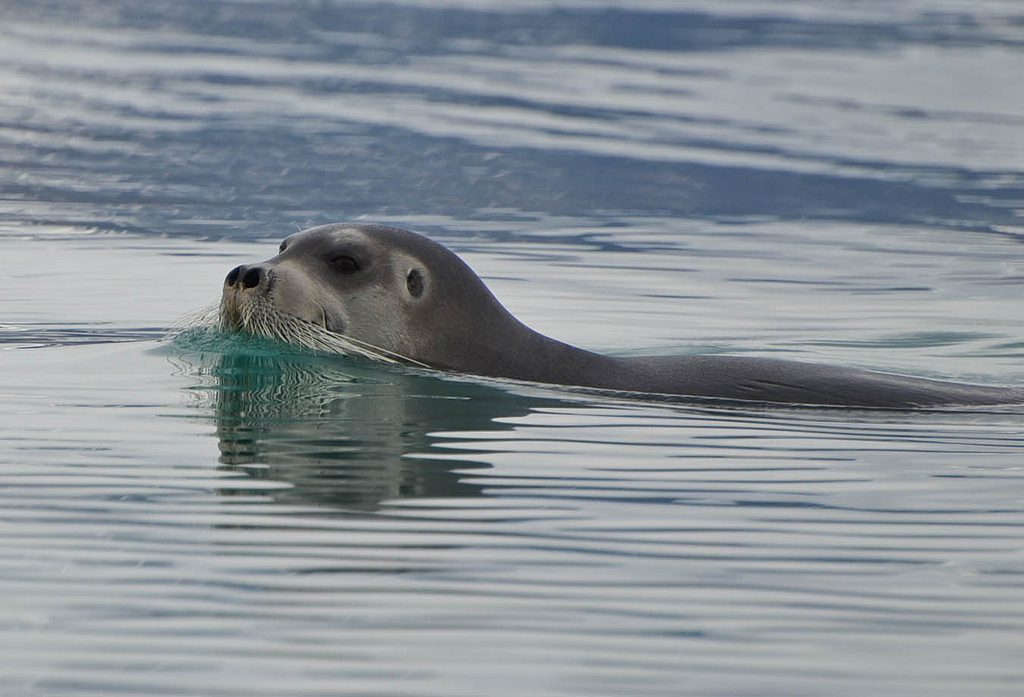
Too Warm For Seal Hunting

August 7, 2015 By EarthWise

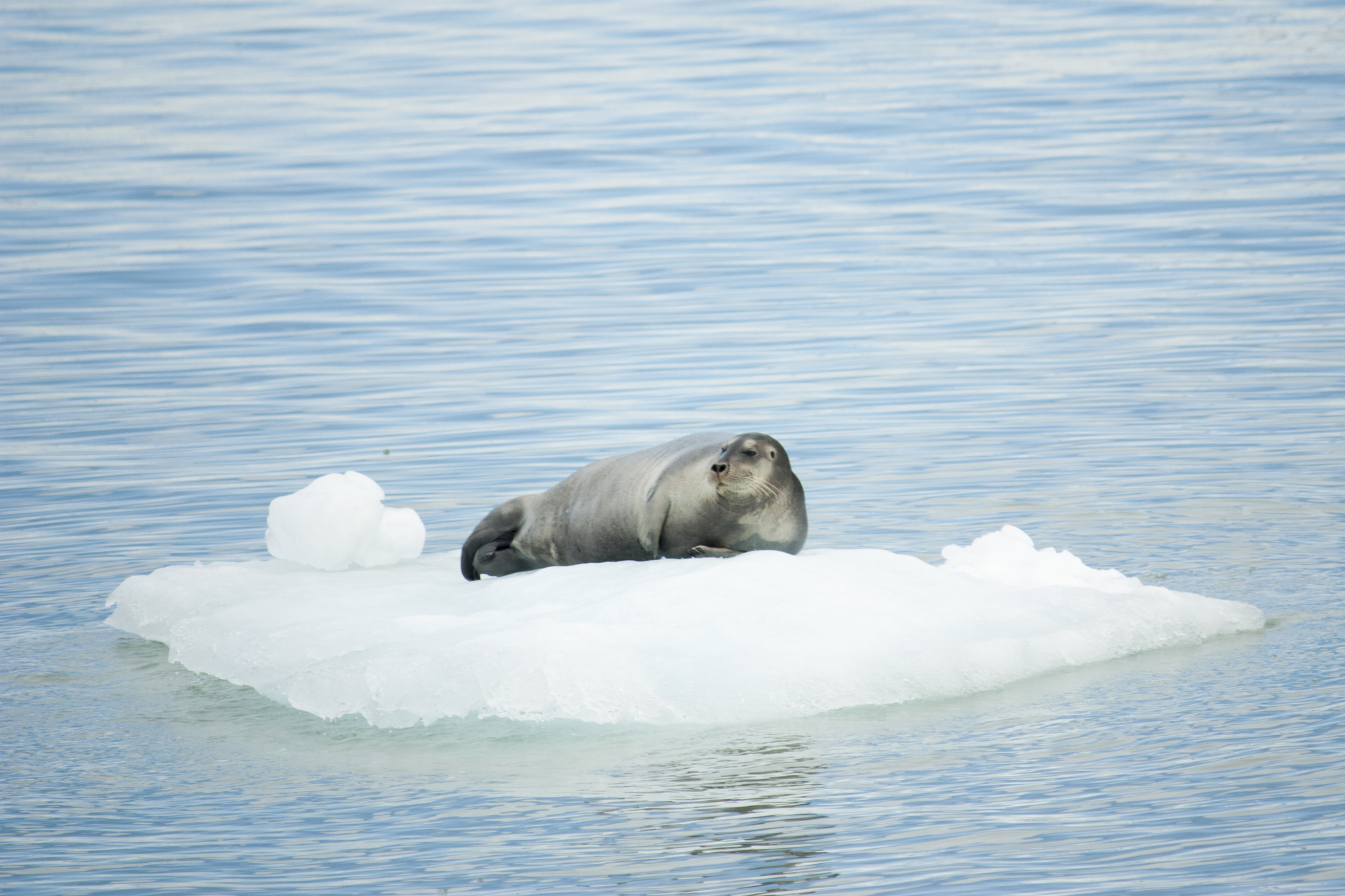
Bearded Seal

https://earthwiseradio.org/wp-content/uploads/2015/08/EW-08-07-15-Too-Warm-for-Seal-Hunting.mp3

In the far north of Alaska, generations of hunters have traversed the broken sea ice of Kotzebue Sound every late June and early July hunting for bearded seals.  A single seal can supply hundreds of pounds of meat, enough to feed a large family for an entire winter.  Its meat and oil products are an important food source.

[Read more…] about Too Warm For Seal Hunting

  • « Go to Previous Page
  • Page 1
  • Page 2

Primary Sidebar

Recent Episodes

  • An uninsurable future
  • Clean energy and jobs
  • Insect declines in remote regions
  • Fossil fuel producing nations ignoring climate goals
  • Trouble for clownfishes

WAMC Northeast Public Radio

WAMC/Northeast Public Radio is a regional public radio network serving parts of seven northeastern states (more...)

Copyright © 2026 ·