• Skip to primary navigation
  • Skip to main content
  • Skip to primary sidebar

Earth Wise

A look at our changing environment.

  • Home
  • About Earth Wise
  • Where to Listen
  • All Articles
  • Show Search
Hide Search
You are here: Home / Archives for greenhouse gas emissions

greenhouse gas emissions

Carbon Capture In Denmark | Earth Wise

January 11, 2022 By EarthWise Leave a Comment

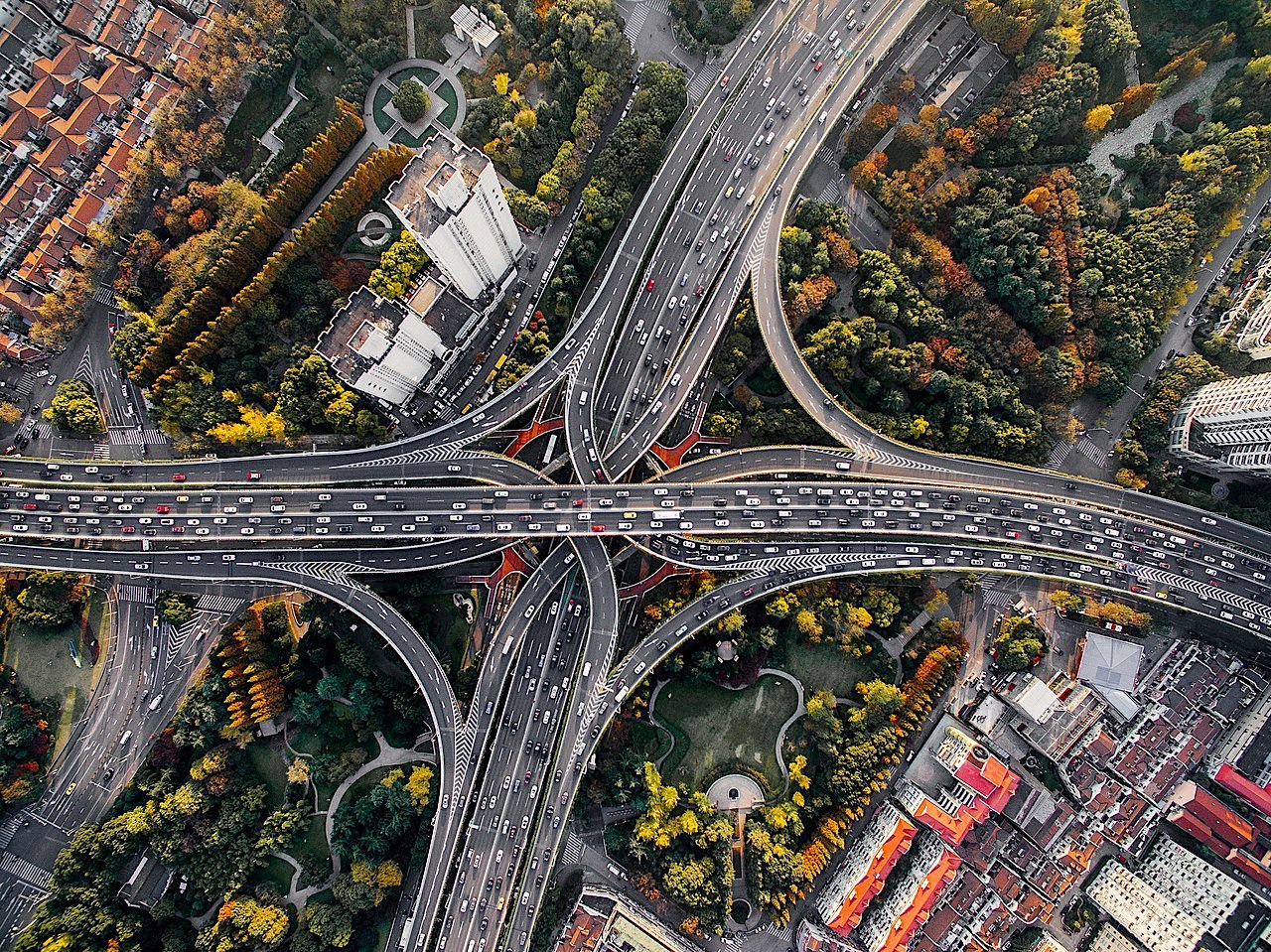
Denmark pursuing carbon capture technologies

Denmark has pledged to reduce greenhouse gas emissions 70% by 2030 compared with 1990 levels. The country has also banned oil exploration in Danish waters and plans to phase out offshore drilling in the North Sea by 2050.

Instead of pumping oil from the North Sea, Denmark plans to capture CO2 and store it there.  To meet its climate goals, Denmark is investing $2.4 billion in a plan to capture carbon dioxide from its energy and industrial sectors and inject it into the seabed in geological formations that previously held oil and gas deposits.

The first North Sea carbon capture and storage facilities will be put into service in 2025 and will remove nearly half a million tons of emissions from the atmosphere each year.  The carbon dioxide will be captured from energy and industrial sectors such as waste incineration and cement production.

There are multiple carbon capture projects underway around the world.  Many are directed at so-called direct air capture, which is taking carbon dioxide out of the air once it is already there.  In Iceland, a project named “Orca” is extracting CO2 from the air and piping into a processing facility where it is mixed with water and diverted into a deep underground well.  Other large direct air capture plants are being built in the U.S. Southwest and in Scotland.

Whether capturing carbon from industrial operations or directly from the air ultimately makes environmental and economic sense remains to be seen.  What is driving the development of these technologies is the troubling math that reducing emissions is not happening fast enough to stave off the destructive effects of climate change that will result from global temperatures rising too much.

**********

Web Links

Denmark bets on North Sea carbon capture to hit climate goals

Photo, posted July 2, 2018, courtesy of Ansgar Koreng via Flickr.

Earth Wise is a production of WAMC Northeast Public Radio.

Emissions And The Pandemic | Earth Wise

January 3, 2022 By EarthWise Leave a Comment

Studying the effects of the pandemic on emissions

The early months of the COVID-19 pandemic saw drastic reductions in travel and other economic sectors across the globe that greatly decreased air pollution and greenhouse gas emissions. These dramatic changes occurred quite suddenly.  This abrupt set of changes gave scientists the unprecedented opportunity to observe the results of changes that would ordinarily have taken years if they came about through regulations and gradual behavior shifts.

A comprehensive study by Caltech on the effects of the pandemic on the atmosphere has revealed some surprising results.

The biggest surprise is that even though carbon dioxide emissions fell by 5.4% in 2020, the amount of CO2 in the atmosphere continued to grow at about the same rate as in previous years.  According to the researchers, the reasons are that the growth in atmospheric concentrations was within the normal range of year-to-year variations caused by natural processes and, in addition, the ocean did not absorb as much CO2 because of the reduced pressure of CO2 in the air at the ocean’s surface.

A second result involved the reduction in nitrogen oxides, which led to a reduction in a short-lived molecule called the hydroxyl radical, which is important in breaking down gases including methane in the atmosphere.  Reducing nitrogen oxides is advantageous with respect to air pollution, but they are important for the atmosphere’s ability to cleanse itself of methane.  In fact, the drop in nitrogen oxide emissions actually resulted in a small increase of methane in the atmosphere because it was staying there longer.

The main lesson learned is that reducing activity in industrial and residential sectors is not a practical solution for cutting emissions.  The transition to low-carbon-emitting technology will be necessary.

**********

Web Links

Emission Reductions From Pandemic Had Unexpected Effects on Atmosphere

Photo, posted March 22, 2020, courtesy of Greg via Flickr.

Earth Wise is a production of WAMC Northeast Public Radio.
Food And Greenhouse Gas Emissions | Earth Wise

December 29, 2021 By EarthWise Leave a Comment

How to reduce the greenhouse gas emissions associated with food

According to a study published in the journal Nature Food, the world’s food systems are responsible for more than one third of global greenhouse gas emissions caused by human activities. 

‘Eat Local’ is often recommended as a way to minimize the carbon footprint of our diet.  But from a climate impact perspective, eating local only has a significant impact if transportation is responsible for a large portion of a food’s final carbon footprint.  And in many cases, greenhouse gas emissions related to transportation make up only a small portion of the emissions from food and what we eat is far more important. 

There are massive differences in the greenhouse gas emissions of various foods. 

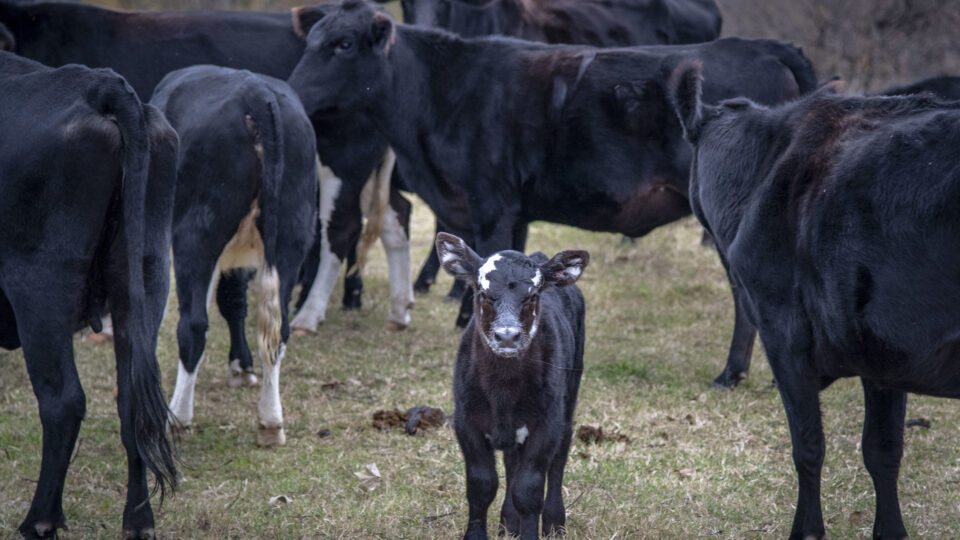
For example, producing one pound of beef generates 60 pounds of greenhouse gas emissions.  This is more than double the next closest food (lamb), and more than 60 times greater than some plant crops like corn and cassava. 

For most foods – especially the largest emitters – greenhouse gas emissions from land use change combined with the emissions from processes at the farm stage account for more than 80% of the environmental footprint.  Meanwhile, transportation accounts for less than 10%, and its contribution for the largest emitters is even smaller.  For example, transportation accounts for 0.5% of emissions from beef production.

Eating beef or lamb has many times the carbon footprint of most other foods.  It matters very little in terms of emissions whether it was grown locally or shipped from another part of the world.  It’s not the location that makes the carbon footprint of our dinner large.  It’s what is on our plate that matters.

**********  

Web Links

Food systems account for over one-third of global greenhouse gas emissions

You want to reduce the carbon footprint of your food?

Photo, posted November 7, 2018, courtesy of Preston Keres / USDA via Flickr.

Earth Wise is a production of WAMC Northeast Public Radio.
Climate Change And Crops | Earth Wise

December 22, 2021 By EarthWise Leave a Comment

Climate change will impact yield of food crops

A new NASA study published in the journal Nature Food looks at the impact of global climate change on food crops.  According to the study, declines in global crop yields are likely to become apparent by 2030 if high greenhouse gas emissions continue.

The study used advanced climate and agriculture models to predict the effects of projected increases in temperature, shifts in rainfall patterns, and elevated surface carbon dioxide concentrations from human-caused greenhouse gas emissions.

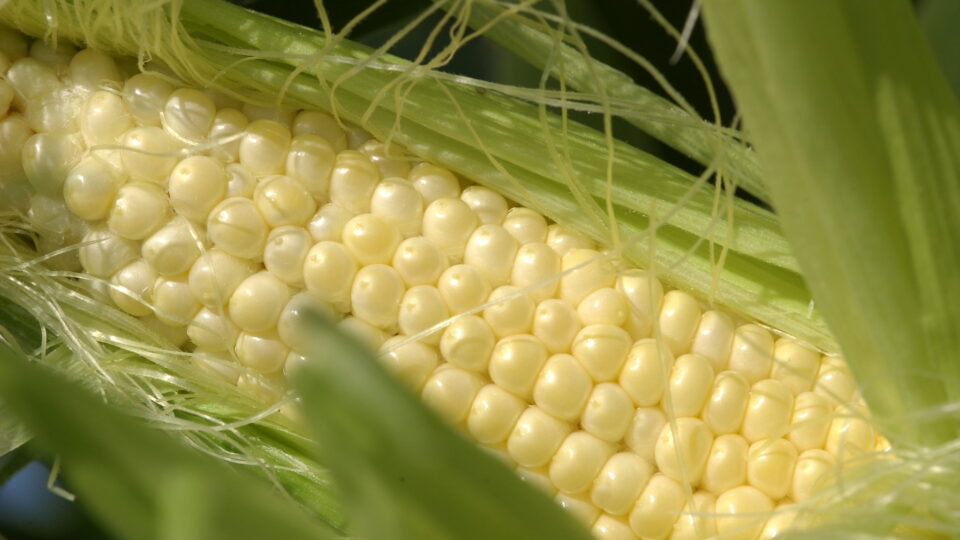
These climate changes would make it more difficult to grow corn in the tropics but would actually expand wheat’s growing range.  The reduction in corn yields could be as much as 24% by late in the century.   Corn Is grown all over the world and large quantities are produced in countries nearer to the equator.  As temperatures rise in countries such as the US, Brazil, and China, yields are likely to decline because of the increased stress on the plants.

Wheat, which grows best in temperate climates may see a broader area where it can be grown as temperatures rise, but these gains are likely to level off by mid-century.

Rising temperature is not the only factor influencing crop yields.  Rising carbon dioxide levels have a positive effect on photosynthesis and therefore on crop yields, especially for wheat.  But changing rainfall patterns and rising temperatures can affect the length of growing seasons and accelerate crop maturity.  This can result in the production of less grain than in a longer development period.

The changing climate has complicated effects on the growth of breadbasket crops and will be felt worldwide.

**********

Web Links

Global Climate Change Impact on Crops Expected Within 10 Years, NASA Study Finds

Photo, posted September 8, 2004, courtesy of Lynn Ketchum/Oregon State University via Flickr.

Earth Wise is a production of WAMC Northeast Public Radio.
Banning Gas Cars | Earth Wise

November 12, 2021 By EarthWise Leave a Comment

Many states and countries have passed gas car bans

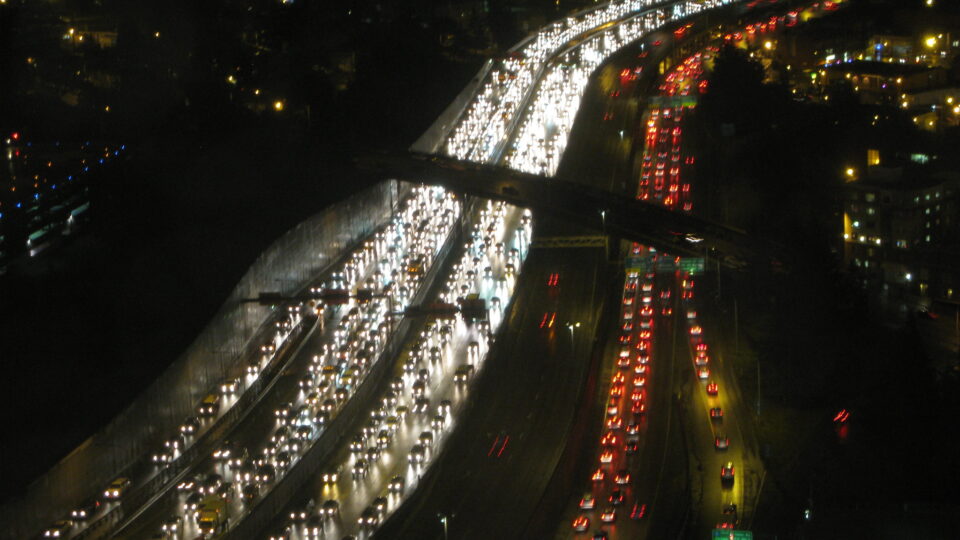
The transition to electric vehicles from gas-powered vehicles is essential for reducing greenhouse gas emissions as well as air pollution in general.  Currently, transportation is responsible for 30% of greenhouse gas emissions in the United States.

There is no doubt that there is surging interest in electric cars.  There are now millions of them being sold around the world each year.  But they still represent a small fraction of new car sales in most places.  Notable exceptions are several European countries such as Norway and Switzerland where plug-in vehicles are dominant.  In the United States, on the other hand, EVs still represent less than 3% of new car sales.

Given the urgency in reducing vehicle emissions, many countries around the world have devised plans, goals, or laws to end the sale of gasoline cars.  Gas car bans vary quite a bit around the world, but they are being implemented in many places.

There are 28 countries and US states that have imposed gas car bans to take effect over the next five to 20 years.  These include European countries like Norway, Belgium, Austria, Netherlands, Denmark, Iceland, Ireland, Sweden, Scotland, Slovenia, the UK, France, and Spain.  Asian countries include South Korea, India, Japan, China, Singapore, Sri Lanka, and Taiwan.  In the Middle East, Israel and Egypt have announced bans.  Here in the US, New York and California both have bans starting in 2035.  Canada also has announced a ban.

Car manufacturers have seen the writing on the wall.  Most have started adding EVs to their lineups.  Many have announced their own timetables for phasing out gas cars entirely.  There are more than 15 new electric models available this year and there are many more to follow next year.

**********

Web Links

Over 25 Countries And U.S. States Are Planning to Ban Gasoline Powered Cars

Photo, posted January 24, 2009, courtesy of Oran Viriyincy via Flickr.

Earth Wise is a production of WAMC Northeast Public Radio.

Marine Heatwaves And Fish | Earth Wise

November 4, 2021 By EarthWise Leave a Comment

Extremely hot years will hurt fishing revenues and cost jobs

Marine heatwaves are periods of abnormally high temperatures in the ocean that can trigger devastating impacts on ecosystems, including coral bleaching, toxic algal blooms, and mass mortality events.  Marine heatwaves can occur in any ocean and in any season.  They are defined based on the differences between actual and expected temperatures for the location and time of year.     

According to several studies, even under moderate climate warming scenarios, oceans will experience more frequent and longer-lasting marine heatwaves in the years to come.

Researchers from the University of British Columbia’s Institute for the Oceans and Fisheries in Canada have found that extremely hot years will wipe out hundreds of thousands of tons of fish globally this century.  These losses are in addition to the projected decreases to fish stocks from long-term climate change. 

Under a worst-case scenario where no action is taken to curb greenhouse gas emissions, the research team’s model predicts a 6% drop in the amount of potential catches per year.  In addition, the biomass (or amount of fish by weight) is projected to decrease in 77% of exploited species due to the extreme temperatures.

As a result of climate change and these extreme heat events, the research team projected that fisheries’ revenues would decrease by an average of 3% globally, and employment would fall by 2% globally – a loss of likely millions of jobs.

The research team says active fisheries management is critical.  Catch quotas, for example, need to be adjusted in years when fish stocks are suffering from marine heat events.  In severe cases, the fisheries may need to be shuttered in order to allow fish stocks to rebuild.  

**********

Web Links

Fevers are plaguing the oceans — and climate change is making them worse

Marine heatwaves could wipe out an extra six per cent of a country’s fish catches, costing millions their jobs

Photo, posted October 11, 2016, courtesy of Kahunapule Michael Johnson via Flickr.

Earth Wise is a production of WAMC Northeast Public Radio.

Emissions From Global Computing

October 20, 2021 By EarthWise Leave a Comment

Global computing creates enormous amounts of carbon emissions

A recent study from Lancaster University in the UK has concluded that global computing is likely to be responsible for a greater share of greenhouse gas emissions than previously thought and that share is continuing to grow.

Previous calculations of the contributions from information and communications technology (or ICT) estimated that globally it accounts for 1.8 to 2.8% of total emissions.  According to the new study, these estimates likely fall short of the sector’s real climate impact because they only show a partial picture.

Prior estimates do not account for the full lifecycle and supply chain of ICT products and infrastructure.  They do not include the energy expended in manufacturing the products and equipment, the carbon cost associated with all the components in the products, and the operational carbon footprint of the companies producing those components. 

The study argues that the true contribution of ICT to global greenhouse gas emissions could be between 2.1 and 3.9%, which is more than the aviation industry.  Furthermore, the study warns that new trends in computing and ICT such as the use of big data and artificial intelligence, the so-called Internet of Things, and the use of blockchain and cryptocurrencies, risk driving further substantial growth in ICT’s greenhouse gas footprint.

It has been a commonly held believe that ICT and computing technologies lead to greater efficiencies across many other sectors, leading to savings in net greenhouse gas emissions.  According to the new study, the historical evidence indicates the opposite.  ICT has driven wide-ranging efficiency and productivity improvements, but the net result in emissions has been that they have been growing steadily.

**********

Web Links

Emissions from computing and ICT could be worse than previously thought

Photo, posted March 13, 2018, courtesy of Flickr.

XXXXXXXXXX

Carbon From 25 Cities | Earth Wise

September 10, 2021 By EarthWise Leave a Comment

Urban carbon emissions are a major driver of climate change

There are roughly 10,000 cities in the world, defined as places with at least 50,000 inhabitants with a sufficient population density.  Roughly half the world’s population lives in cities.

Urban carbon emissions are one of the world’s biggest problems with respect to the climate.  A new study has determined that just 25 cities globally are responsible for 52% of urban greenhouse gas emissions.

The study gathered data on greenhouse gas emissions in 167 cities in 53 countries.  The results were that megacities in Asia, such as Shanghai and Tokyo, were among the biggest total emitters, and that major cities in Europe, the US, and Australia tended to have larger per capita emissions.  Several Chinese cities, however, matched levels seen in developed countries.  Researchers tracked emissions over time in 42 of the cities studied.  Some cities saw declining emissions in the period between 2005 and 2016.  These included Oslo, Houston, Seattle, and Bogota.  Others saw large increases, including Rio de Janeiro, Johannesburg, and Venice.

The largest sources of emissions are power generation, industry, and transportation.  In a third of the cities, road transportation alone accounted for over 30% of emissions.  (Railways, waterways, and aviation combined only accounted for less than 15% of total emissions).

Half of the world’s population lives in cities, but cities are responsible for more than 70% of greenhouse gas emissions.  Thus, cities have a big responsibility for the decarbonization of the global economy.  Of the 167 cities in the study, 113 have set emission-reduction targets.  But as the study shows, cities have much more work to do to meet the goals of the Paris Climate Agreement.

**********

Web Links

Two Dozen Large Cities Produce 52 Percent of Urban Carbon Emissions

Photo, posted December 1, 2017, courtesy of Hector Galbis via Flickr.

Earth Wise is a production of WAMC Northeast Public Radio.

Spending Habits And Carbon Emissions | Earth Wise

September 1, 2021 By EarthWise Leave a Comment

Consumption choices have a major impact on carbon emissions

According to a new Swedish study recently published in the Journal of Industrial Ecology, men spend their money on greenhouse gas-emitting goods and services, such as meat and fuel, at a much higher rate than women. 

The study looked at the carbon emissions created by consumption among categories like food, clothing, furniture, and vacations to see if households could reduce their greenhouse gas emissions by buying different products and services.  The research team reviewed Swedish government data through 2012 and analyzed the spending habits of households, single men, and single women. 

According to the study, single Swedish men spent about 2% more money overall than single Swedish women.  But the stuff that the men bought created 16% more greenhouse gases than the stuff that the women bought.  That’s because men were more likely to spend money on high-emitting categories, like fuel for cars, while women spent more on less-emitting categories like furniture, health care, and clothing. 

For both men and women, vacations were a major source of emissions, accounting for approximately one-third of their total carbon footprint. 

While the carbon impact of men’s and women’s diets were nearly equal, men spent more money on meat while women spent more on dairy.  Both meat and dairy production are major sources of global greenhouse gas emissions.   

The study found single people were responsible for more greenhouse gas emissions than married people or people in households. 

According to the research team, people could decrease their carbon emissions nearly 40% by making more environmentally-friendly choices, including switching to plant-based foods and traveling by train as opposed to flying or driving when possible. 

**********   

Web Links

Men have a bigger carbon footprint than women, climate study finds

Photo, posted June 17, 2012, courtesy of Stephen Ausmus/USDA via Flickr.

Earth Wise is a production of WAMC Northeast Public Radio.
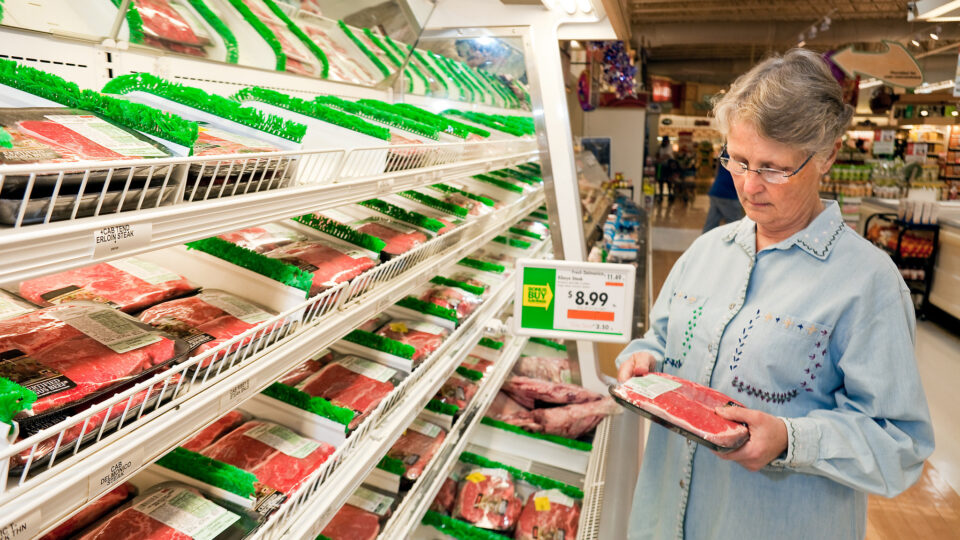
Greenhouse Gas Emissions From Water Reservoirs | Earth Wise

July 27, 2021 By EarthWise Leave a Comment

Water reservoirs produce a surprising amount of greenhouse gas emissions

A new study by researchers from Washington State University and the University of Quebec at Montreal looked at greenhouse gas emissions from water reservoirs.  It is perhaps surprising to think that water reservoirs are a source of greenhouse gas emissions at all, but that much was already known.  The new study found that those emissions are actually around 29% higher than previously thought.

Overall, the researchers found that the world’s water reservoirs annually produce methane, carbon dioxide, and other greenhouse gases at an amount equivalent to 1.07 billion tons of carbon dioxide.   That is a small fraction of the 36 billion tons produced by fossil fuels and other industrial sources, but it is by no means a negligible amount.   In fact, it is more greenhouse gases than emitted by the entire country of Germany, which is the world’s sixth largest emitter.

Decomposing plant matter near the bottom of reservoirs fuels the production of methane, which is far more potent than carbon dioxide in warming the atmosphere.  This methane degassing accounts for about 40% of emissions from reservoirs.

The study is particularly important because it may be possible to reduce methane emissions from reservoirs by selectively only withdrawing water from near the reservoirs’ surface, which tends to be relatively methane-poor compared to greater depths.  In a related study, reducing withdrawal depth by 10 feet in a Malaysian reservoir reduced methane degassing emissions by 92%.

Human-generated greenhouse gas emissions come from a surprisingly wide range of sources and it is worthwhile studying as many of them as possible in the hope of finding additional ways to reduce the total.

**********

Web Links

Greenhouse gas emissions from water reservoirs higher than previously expected

Photo, posted July 22, 2016, courtesy of Iain Merchant via Flickr.

Earth Wise is a production of WAMC Northeast Public Radio.

Peatlands And Greenhouse Gas Emissions | Earth Wise

July 21, 2021 By EarthWise Leave a Comment

Peatlands play a significant role in greenhouse gas emissions

As the world seeks to reduce the greenhouse gas emissions that have been warming the climate, most of the focus has been on the primary contributors to the problem, such as the burning of fossil fuels.  But there are many smaller contributors to greenhouse gas emissions that individually play only a minor role but collectively add up to significant amounts.  One of these is the emissions from peatlands.

Peatlands are a type of wetland that occur in almost every country on Earth, covering 3% of the global land surface.  They are terrestrial ecosystems in which waterlogged conditions prevent plant material from fully decomposing.  As a result, the production of organic matter exceeds its decomposition, which results in a net accumulation of peat.  Peatlands are, in fact, the largest natural terrestrial carbon store, storing more over 700 billion tons of carbon, more than all other types of vegetation combined.

Human activity, such as creating drainage in peatlands for agriculture and forest plantation, results in the release of over 1.6 billion tons of CO2 into the atmosphere each year. This constitutes 3% of all global greenhouse gas emissions caused by human activities.

Large numbers of people rely on peatlands for their livelihoods, so it is not reasonable for these emission-generating activities to be greatly curtailed.  But researchers at the University of Leicester in the UK analyzed the potential effects of cutting the current drainage depths in croplands and grasslands on peat in half and showed that this could reduce CO2 emissions by more than 500 million tons a year. This equates to one percent of all greenhouse gas emissions caused by human activities.

There are numerous opportunities to reduce emissions a little bit at a time.

**********

Web Links

Better peatland management could cut half a billion tonnes of carbon

Photo, posted August 17, 2013, courtesy of Joshua Mayer via Flickr.

Earth Wise is a production of WAMC Northeast Public Radio.
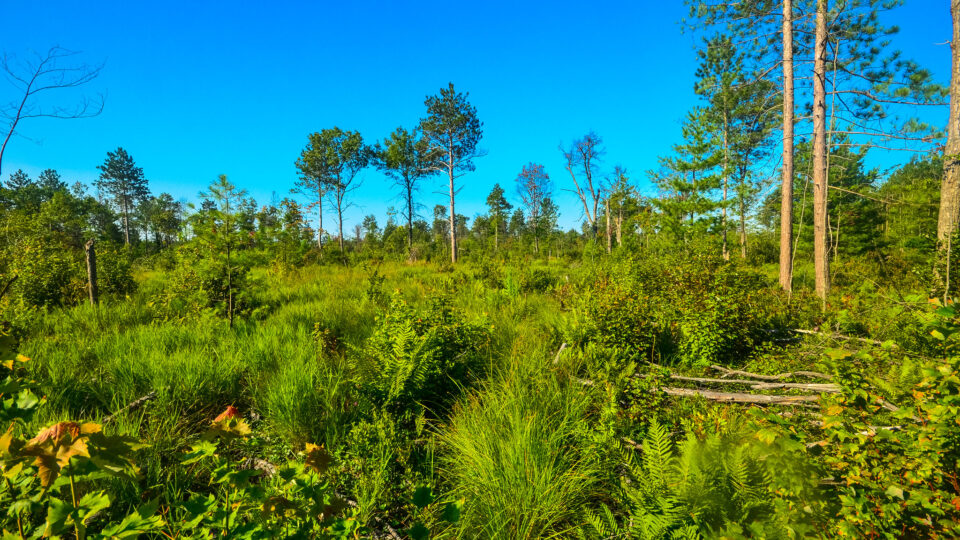
Fighting Zombie Fires | Earth Wise

April 30, 2021 By EarthWise Leave a Comment

New tool in the fight against zombie fires

Peat fires are a global threat to both economies and the environment.  They generally burn a smaller area than fast-moving forest fires, but they can burn up to ten times more fuel matter per acre, producing far more smoke and far more carbon emissions.  They ignite very easily, are notoriously difficult to put out, all while releasing as much as 100 times more carbon into the atmosphere than flaming fires.  Some smoldering peat megafires are the largest and longest burning fires on Earth and are responsible for as much as 15% of annual global greenhouse gas emissions.

Peat fires are known as “zombie fires” because of their ability to hide and smolder underground and then reemerge as new flames days or weeks after they were supposedly extinguished.

Firefighters use billions of gallons of water to tackle a peat fire.  For example, fighting the 2008 Evans Road peat fire in North Carolina used up 2 billion gallons of water.  When water alone is used to extinguish peat fires, it tends to create large channels in the soil, which diverts water from nearby smoldering hotspots.  This is one reason that it is so difficult to extinguish a peat fire.

Researchers at Imperial College London have combined water with an environmentally friendly fire suppressant – one already used on flaming wildfires – and tested its use on peat fires.  They found that adding the suppressant to water helped them put out peat fires nearly twice as fast as using water alone, while using only a third to half of the usual amount of water.  The suppressant reduces the surface tension of the liquid, making it less likely to create large channels.  Instead, the liquid flows uniformly through the soil.  This could be an important tool in battling peat fires.

**********

Web Links

‘Magical’ fire suppressant kills zombie fires 40% faster than water alone

Photo, posted in August, 2011, courtesy of Chris Lowie / USFWS via Flickr.

Earth Wise is a production of WAMC Northeast Public Radio.
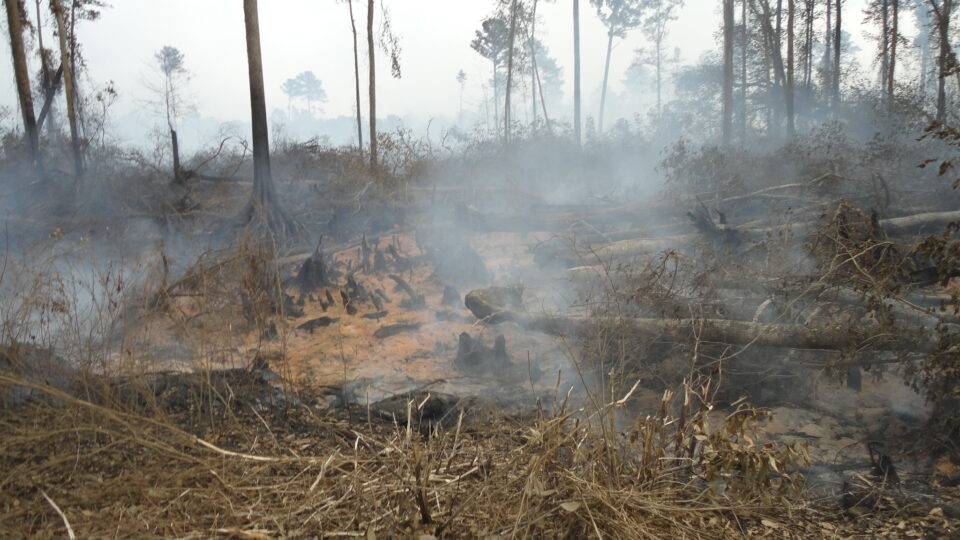
Climate Change And The Coronavirus | Earth Wise

March 19, 2021 By EarthWise Leave a Comment

Climate change may have played a role in the emergence of the Covid-19 pandemic

It’s no secret that our planet is heating up.  Scientists have concluded that the changing climate is primarily the result of increased human-caused (or anthropogenic) greenhouse gas emissions.  Some of the effects of global climate change include thawing permafrost, warming oceans, intensifying storms and wildfires, and rising seas.     

In southern China, the surge in greenhouse gas emissions over the past century has driven the growth of forest habitat favored by bats, leading to the creation of a hotspot for bat-borne coronaviruses in that region. 

According to a new study by researchers from the University of Cambridge in the UK, climate change could have played a direct role in the emergence of SARS-CoV-2, the virus that caused the COVID-19 pandemic.

The study, which was recently published in the journal Science of the Total Environment, revealed large-scale changes in the type of vegetation in the southern Chinese Yunnan province over the last century, as well as in the adjacent regions of Myanmar and Laos.  Increases in temperature, sunlight, atmospheric carbon dioxide and other climatic changes have transformed natural habitats from tropical shrubland to tropical savannah and deciduous woodland.  These changes have created ideal habitats for many bat species that predominantly live in forests.

According to the study, an additional 40 bat species moved into Yunnan province over the past century.  This is the region where genetic data suggests SARS-CoV-2 may have arisen.  Each bat species harbors an average of 2.7 coronaviruses. 

The researchers urge policymakers to acknowledge the role that climate change plays in outbreaks of viral diseases and to work together to reduce global greenhouse gas emissions. 

**********

Web Links

Climate change may have driven the emergence of SARS-CoV-2

Photo, posted July 21, 2013, courtesy of the U.S. Fish and Wildlife Service/Ann Froschauer via Flickr.

Earth Wise is a production of WAMC Northeast Public Radio.

Methane-Eating Bacteria And Greenhouse Gas Emissions | Earth Wise

May 20, 2020 By EarthWise Leave a Comment

greenhouse gas emissions

One of the great concerns about the warming Arctic temperatures is that thawing permafrost will release alarming amounts of methane into the atmosphere.  Organic material in the permafrost begins to decompose when temperatures rise, and methane is released in the process.

Methane is a far more potent greenhouse gas than carbon dioxide.  Methane’s lifetime in the atmosphere is much shorter than carbon dioxide, but it is more efficient at trapping radiation.  Pound for pound, the comparative impact of methane is more than 25 times greater than carbon dioxide.

A new study, published by scientists at Purdue University, has discovered a type of methane-oxidizing bacteria living in upland Arctic soils that could potentially be reducing the amount of methane emitted by decomposing permafrost.

The findings of the research indicate that the net greenhouse gas emissions from the Arctic may be much smaller than previously modeled because of the increased productivity of a type of bacteria known as high affinity methanotrophs, or HAMs.  This group of bacteria uses atmospheric methane as an energy source.  The emissions from wetlands will potentially be very large, but the contribution from the uplands will be mitigated by the bacteria.

Organic-rich soils, including permafrost, comprise only 13% of the Arctic land area and are the major source of methane emissions.  The other 87% of the region is dominated by mineral-rich soils that support HAMs.  Because of this, overall methane emissions continue to be less than climate models have predicted.

While this is good news, the researchers warn that Arctic emissions overall will continue to increase as shown in other studies.

**********

Web Links

Methane-Eating Bacteria Could Help Decrease Greenhouse Gas Emissions From Thawing Arctic Tundra

Photo, posted July 12, 2016, courtesy of Flickr.

Earth Wise is a production of WAMC Northeast Public Radio.
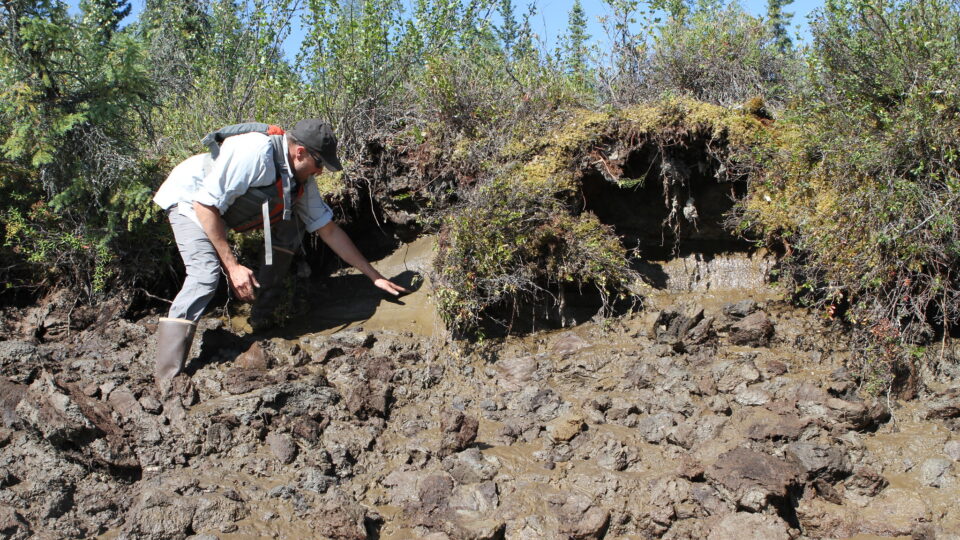
Excluding Climate Change From Infrastructure Planning | Earth Wise

January 14, 2020 By EarthWise Leave a Comment

New York City bridge

According to a new Trump administration proposal, federal agencies would no longer need to take climate change into account when evaluating infrastructure projects.  The proposed changes to the 50-year-old National Environmental Policy Act (NEPA) are aimed at speeding up approvals for highway construction, pipelines, oil and gas leases, and other major infrastructure projects.   

Under NEPA, federal agencies are required to consider how their proposed actions would affect everything from water quality to wildlife to greenhouse gas emissions.  They’re also required to understand how rising seas and other consequences of climate change might affect a given project.  These requirements have proven to be an obstacle to projects like the Keystone XL pipeline, for example. 

According to reporting in the New York Times, the administration also plans to narrow the range of projects that require environmental review in the first place.  That could make it more likely for projects to be approved without having to disclose plans to do things like cut down trees, discharge waste, or increase air pollution. 

The administration says that the changes would improve the environmental review and permitting process while ensuring a safe, healthy, and productive environment. Environmentalists say the proposed changes would weaken critical safeguards for air, water, and wildlife. 

The proposed changes to NEPA would revise the rules that guide the implementation of the law, as opposed to amending the act itself.  Once these proposed changes appear in the federal register, the public will have 60 days to comment on them. 

A decision on whether or not to weaken the nation’s benchmark environmental law is expected before November.

**********

Web Links

Trump Rule Would Exclude Climate Change in Infrastructure Planning

Photo, posted February 23, 2016, courtesy of Lissy Wild via Flickr.

Earth Wise is a production of WAMC Northeast Public Radio.

Emissions-Free Cement

October 29, 2019 By EarthWise Leave a Comment

The production of cement – which is the world’s leading construction material – is a major source of greenhouse gas emissions, accounting for about 8% of global man-made emissions. 

Cement production produces carbon dioxide in two ways:  from a key chemical process and from burning fuel to produce the cement.  The process of making “clinker” – the key constituent of cement – emits the largest amount of CO2.  Raw materials, mainly limestone and clay – are fed into huge kilns and heated to over 2,500 degrees Fahrenheit, requiring lots of fossil fuel.  This calcination process splits the material into calcium oxide and CO2.  The so-called clinker is then mixed with gypsum and limestone to produce cement.

A team of researchers at MIT has come up with a new way of manufacturing cement that greatly reduces the carbon emissions.  The new process makes use of an electrolyzer, where a battery is hooked up to two electrodes in water producing oxygen at one electrode and hydrogen at the other.  The oxygen-evolving electrode produces acid and the hydrogen-evolving electrode produces a base.  In the new process, pulverized limestone is dissolved in the acid at one electrode and calcium hydroxide precipitates out as a solid at the other.

High-purity carbon dioxide is released at the acid electrode, but it can be easily captured for further use such as the production of liquid fuels or even in carbonated beverages and dry ice.  The new approach could eliminate the use of fossil fuels in the heating process, substituting electricity generated from renewable sources. 

The process looks to be scalable and represents a possible approach to greatly reducing one of the perhaps lesser known but nevertheless very significant sources of greenhouse gas emissions.

**********

Web Links

New approach suggests path to emissions-free cement

Photo, posted March 26, 2014, courtesy of Michael Coghlan via Flickr.

Earth Wise is a production of WAMC Northeast Public Radio.

The Hottest Month Ever

August 27, 2019 By EarthWise Leave a Comment

European climate researchers announced that July was the hottest July ever recorded and since July is generally the hottest month of the year, it was indeed the hottest month ever recorded.  It just barely beat out the previous record set in July 2016.  There are multiple agencies that track temperatures around the world, and it is possible that some of them may report slightly different results. 

But whatever July’s ultimate ranking is, it is part of a long-term trend.  The past five years have been the hottest on record.   The 10 hottest years ever recorded have all occurred during the past twenty years.

This June was also the warmest on record, and the previous five months were all among the four warmest for their respective months.  All of that puts this year on track to be in the top five warmest years, or perhaps the hottest ever.

The highest above-average conditions were recorded across Alaska, Greenland, and large areas of Siberia.   Large parts of Africa and Australia were warmer than normal, as was much of central Asia.  New temperature records were set in Belgium, the Netherlands, and Germany with temperatures over 104 degrees Fahrenheit.  Great Britain saw an all-time record of 101.7 degrees and Anchorage, Alaska stayed above 79 degrees for a record six days in a row.

Wildfires have raged across the Russian Arctic, India has suffered heatwaves and severe water shortages, and Japan saw more than 5,000 people seek hospital treatment during a heatwave.

While scientists cannot directly link any particular heatwave to climate change, the trend for new heat records is likely to continue and accelerate unless we do something about curbing greenhouse gas emissions.

**********

Web Links

How Hot Was July? Hotter Than Ever, Global Data Shows

Photo, posted May 25, 2019, courtesy of Jakob Montrasio via Flickr.

Earth Wise is a production of WAMC Northeast Public Radio.
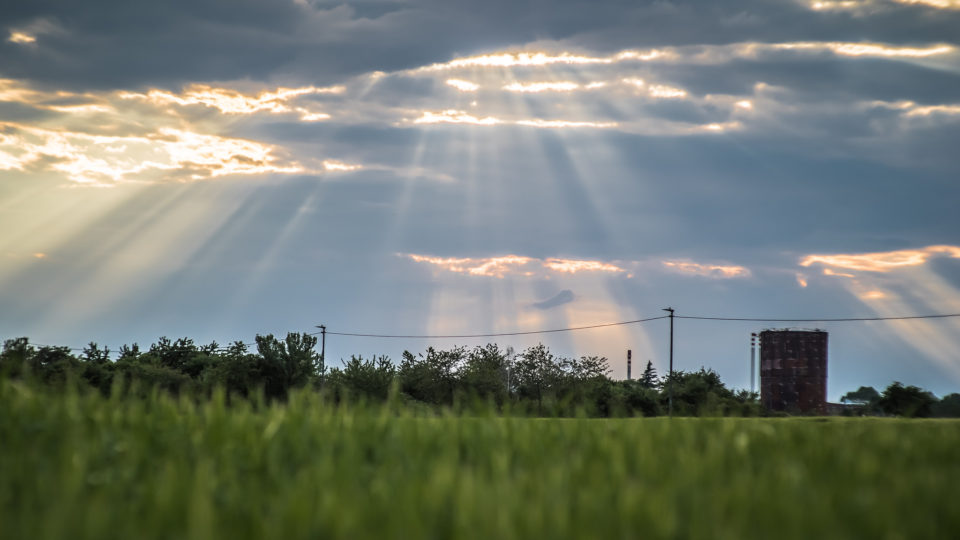
Climate Change And Energy Demand

August 7, 2019 By EarthWise Leave a Comment

Human beings are utterly dependent upon energy both for our well-being and for societal development.  Our energy use is highly dependent upon climate since so much energy is expended either keeping us warm in winter or cool in summer.  As the climate changes, it is important to understand how energy demand is likely to be affected.

A new study published in Nature Communications by researchers in Austria, Italy and the United States explored this topic.  The study is a global analysis using temperature projections from 21 climate models, and population and economy projections for five socioeconomic scenarios.  The purpose was to determine how energy demand would shift relative to today’s climate under modest and high-warming scenarios by the year 2050.

The findings indicate that, compared to scenarios in which energy demand is driven only by population and income growth, climate change will increase the global demand for energy by 11-27% by the year 2050 under a modest warming scenario.  With vigorous climate warming, energy demand would increase by 25-58%.  (Large areas of the tropics, as well as southern Europe, China, and the US are likely to experience the highest increases).

These findings are important because if energy use rises and leads to additional emissions of heat-trapping greenhouse gases, it will be increasingly difficult to mitigate future climate warming.  Quantifying this risk provides even more incentive for reducing greenhouse gas emissions before these effects upon demand are realized and it becomes even more difficult to prevent further impacts.

Policymakers need to be aware that even moderate levels of climate change will lead to increases in energy demand that will make it increasingly difficult to minimize the harmful effects on their societies.

**********

Web Links

More energy needed to cope with climate change

Photo, posted December 15, 2008, courtesy of Matt Hintsa via Flickr.

Earth Wise is a production of WAMC Northeast Public Radio.

Why Choose Chicken Over Beef?

July 22, 2019 By EarthWise Leave a Comment

Food production is a major driver of climate change.  It’s responsible for more than a quarter of all greenhouse gas emissions.  But the environmental impact of different foods varies greatly, and making seemingly insignificant changes can actually have significant impacts. 

According to a first-ever national study of U.S. eating habits and their carbon footprints, choosing chicken over beef will cut your dietary carbon footprint in half.

The National Health and Nutrition Examination Survey asked more than 16,000 participating Americans to name all the foods they consumed in the past 24 hours. The research team then calculated the carbon footprint of what people said they ate.  If a respondent consumed broiled beef steak, for example, researchers calculated what the carbon footprint would have been had broiled chicken been consumed instead.   

The study’s findings illustrate how making one simple substitution can significantly reduce a person’s dietary carbon footprint.  A diet’s carbon footprint is the amount of greenhouse gas emissions that result from the energy, fertilizer, land use, and other inputs necessary to produce food.

In general, animal-based foods have a bigger carbon footprint than plant-based foods.  For example, producing beef uses 20 times the land and emits 20 times the emissions as growing beans (per gram of protein), and requires 10 times more resources than producing chicken. 

According to the World Resources Institute, keeping the increase in global warming below 2°C will be impossible without limiting the global rise in meat consumption. 

Last year, the EAT-Lancet Commission report found that a radical transformation of the global food system was needed because it’s threatening the stability of the climate. 

Make a change – big or small – today. 

**********

Web Links

Choosing chicken over beef cuts our carbon footprints a surprising amount

Photo, posted August 30, 2011, courtesy of Ken Hawkins via Flickr.

Earth Wise is a production of WAMC Northeast Public Radio.

Airports and Rising Seas

October 18, 2018 By EarthWise Leave a Comment

https://earthwiseradio.org/wp-content/uploads/2018/10/EW-10-18-18-Airports-and-Rising-Seas.mp3

There are many low-lying coastal airports around the world.  These airports are increasingly vulnerable to the rising sea levels and the more extreme weather brought about by climate change.  

[Read more…] about Airports and Rising Seas

  • « Go to Previous Page
  • Page 1
  • Page 2
  • Page 3
  • Go to Next Page »

Primary Sidebar

Recent Episodes

  • An uninsurable future
  • Clean energy and jobs
  • Insect declines in remote regions
  • Fossil fuel producing nations ignoring climate goals
  • Trouble for clownfishes

WAMC Northeast Public Radio

WAMC/Northeast Public Radio is a regional public radio network serving parts of seven northeastern states (more...)

Copyright © 2025 ·