• Skip to primary navigation
  • Skip to main content
  • Skip to primary sidebar

Earth Wise

A look at our changing environment.

  • Home
  • About Earth Wise
  • Where to Listen
  • All Articles
  • Show Search
Hide Search
You are here: Home / Archives for forests

forests

Wildfires And Carbon

September 17, 2019 By EarthWise Leave a Comment

This summer has been an unprecedented year for fires in the Arctic.  Major fires have burned throughout the Arctic in Russia, Canada, and Greenland.  In total these fires released 50 million tons of carbon dioxide in June alone, which is as much as Sweden emits in an entire year.

In an average year, wildfires around the world burn an area equivalent to the size of India and emit more carbon dioxide to the atmosphere than global road, rail, shipping and air transport combined.

Ordinarily, this is part of a natural cycle.  As vegetation in burned areas regrows, it draws CO2 back out of the atmosphere through photosynthesis.  This is part of the fire-recovery cycle, which can take less than a year in grasslands, but decades in forests.  But in Arctic or tropical peatlands, full recovery may not occur for centuries.

A recent study looked at and quantified the important role that charcoal plays in helping to compensate for carbon emissions from fires.  In wildfires, some of the vegetation is not consumed by burning, but instead is transformed to charcoal – referred to as pyrogenic carbon.   This carbon-rich material can be stored in soils and oceans over very long time periods.

Researchers have combined field studies, satellite data, and modelling to quantify the amount of carbon that is placed in storage in the form of charcoal.  Their results are that the production of pyrogenic carbon amounts to about 12% of the CO2 emissions from fires and can be considered a significant buffer for landscape fire emissions.

Charcoal does not represent a solution to the problem of increasingly intense wildfires, but it is important to take it into account in understanding what is happening.

**********

Web Links

How wildfires trap carbon for centuries to millennia

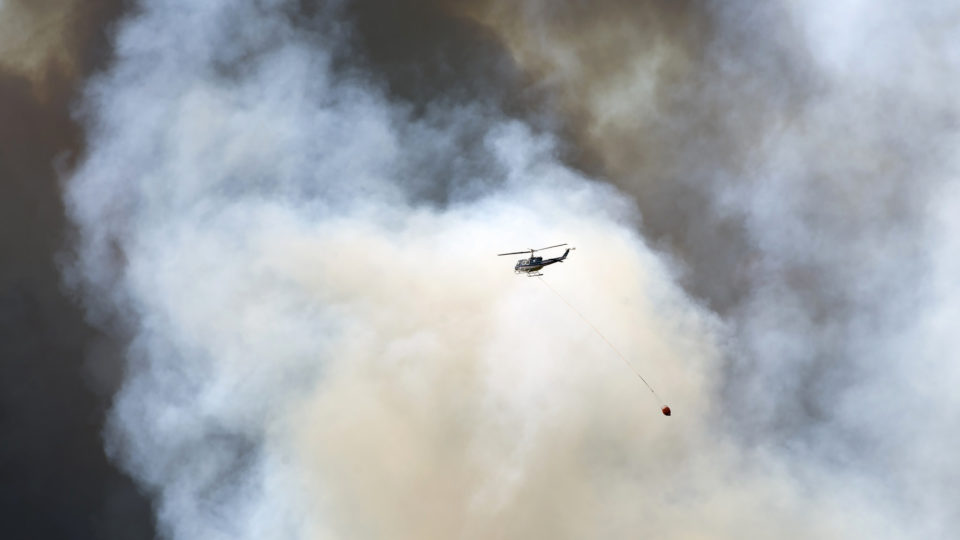
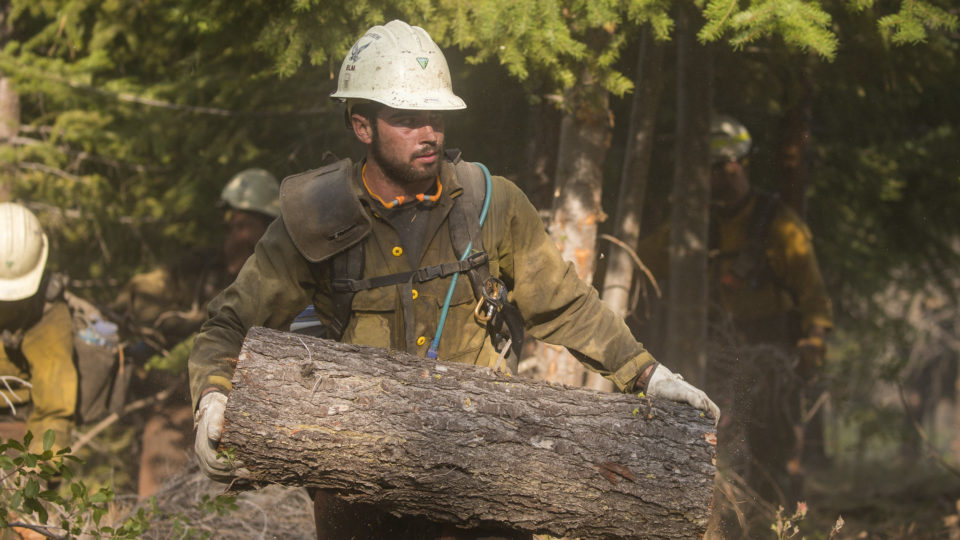
Photo, posted August 17, 2018, courtesy of the Bureau of Land Management Oregon and Washington via Flickr.

Earth Wise is a production of WAMC Northeast Public Radio.
Fighting Climate Change With Trees

August 20, 2019 By EarthWise Leave a Comment

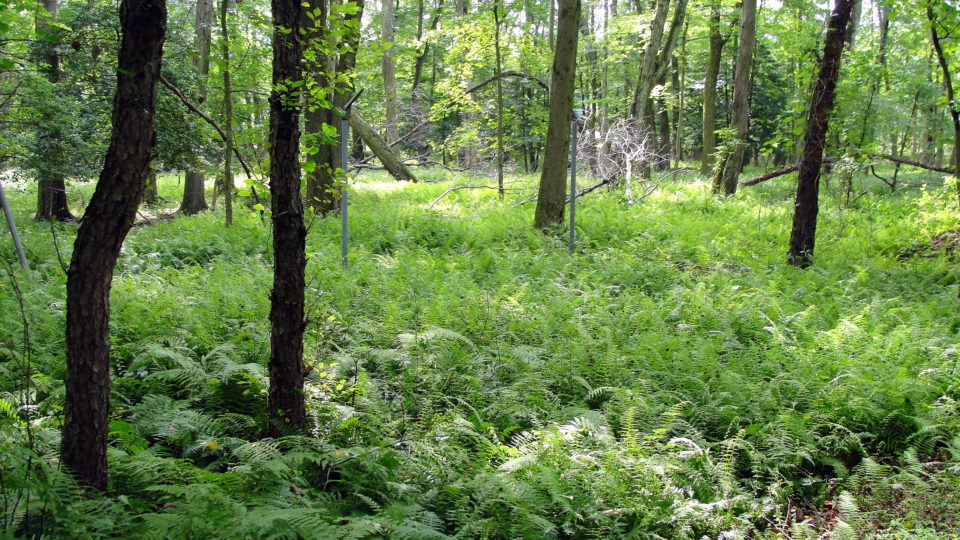
We cut down forests all around the world for a myriad of reasons, including livestock grazing, agricultural production, timber, and urban development.  But what if we stopped cutting down forests for these things and additionally grew new forests on vacant lots and any other available parcels of land on earth?  What impact could this have on our survival? 

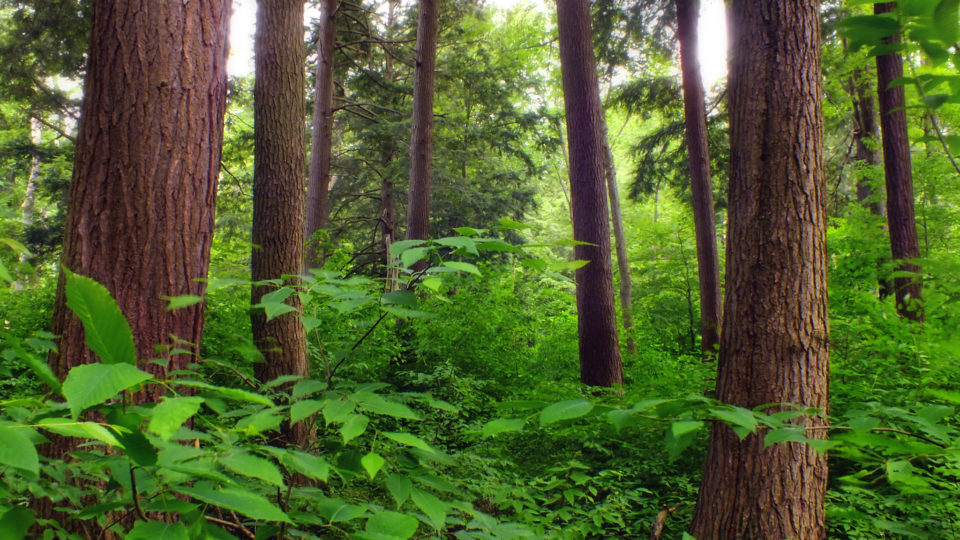
For the first time, scientists have quantified what impact this plan could have.  According to a new study by researchers at ETH Zurich – a university that specializes in science, technology, and engineering – the planet could support nearly 2.5 billion additional acres of forest without shrinking current cities and farms.  When all those acres of forest mature, the trees could store an extra 200 gigatons of carbon.  This reforestation could stave off the most devastating impacts of global climate change. 

Russia could restore the most acres of forest – 373 million acres to be precise – followed by the United States with 255 million acres and Canada with 193 million acres.  Australia, Brazil, and China also have large areas well-suited for forest restoration. 

The average global temperature has risen by 1.8 degrees Fahrenheit since the start of the industrial age with its surge in greenhouse gas emissions.  Temperatures are projected to rise even more in the coming years as the planet continues to warm.   

Trees absorb CO2 from the atmosphere and store it in their roots and branches.  The absorbed carbon becomes part of the soil when trees die and decompose, and it can linger there for millennia depending on things like temperature and soil management.  Trees are critical in the fight against climate change. 

**********

Web Links

How trees could save the climate

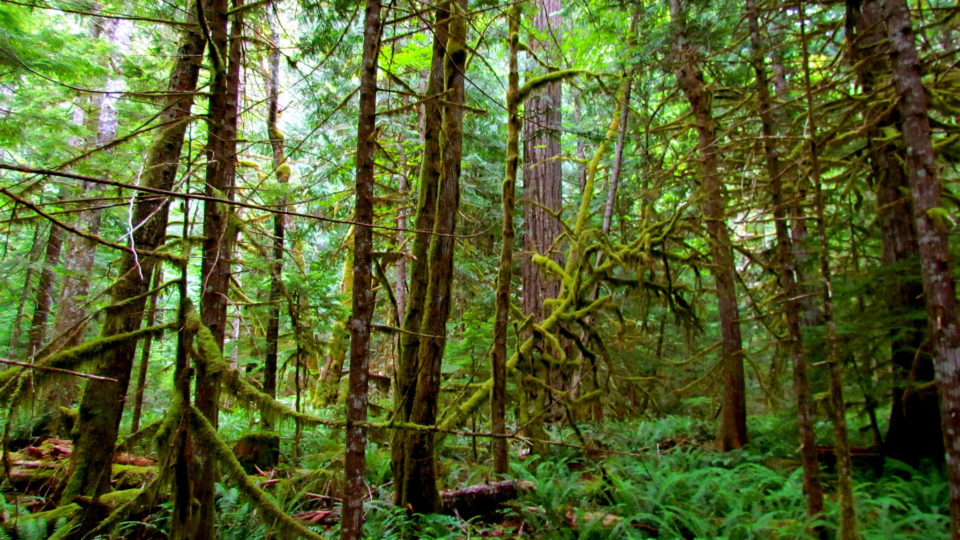
Photo, posted June 18, 2011, courtesy of K.W. Barrett via Flickr.

Earth Wise is a production of WAMC Northeast Public Radio.
The Price of Chocolate

April 18, 2019 By EarthWise Leave a Comment

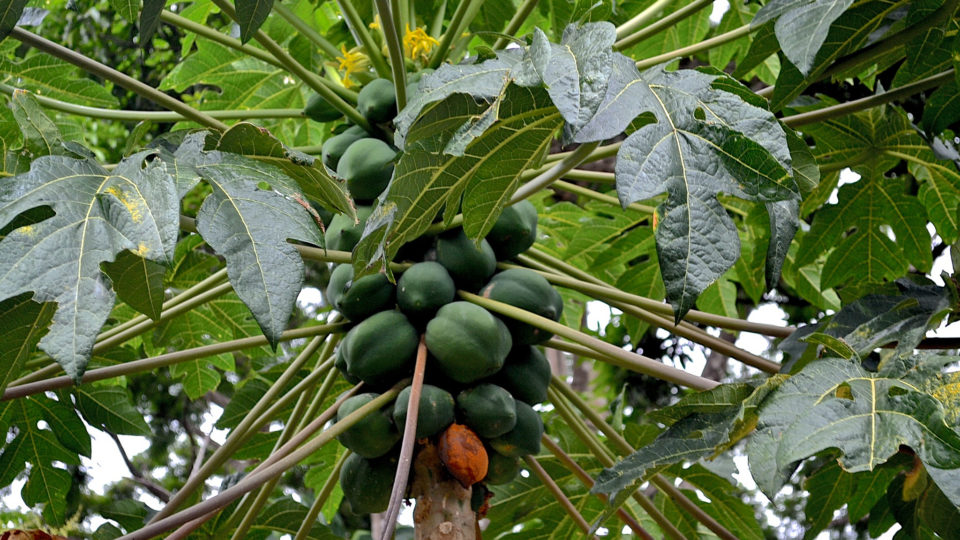
The Ivory Coast has lost more than 80% of its forests in the last 50 years, mainly as a result of cocoa production.

The Ivory Coast is a West African country the size of New Mexico and it produces more than a third of the world’s cocoa.  But around 40% of the country’s cocoa crop – supplying more than a tenth of the world’s chocolate bars – is grown illegally in the country’s national parks and 230 supposedly protected government-owned forests. 

Over the decades, as many as one million landless people from drought-stricken places like Mali and Burkina Faso moved into national parks and protected forests and started farming cocoa.  The Marahoue National Park alone has 30,000 illegal inhabitants.

Most cocoa is grown in monocultures of what is known as the full-sun system, which requires the removal of all surrounding trees.  As a result, many allegedly protected areas have been completely converted into farms.  Most of the cocoa in the Ivory Coast is grown on small farms, typically plots of 7 to 10 acres.  The farmers are caught in an exploitative and corrupt system of cocoa trading and land appropriation, and most earn less than a dollar a day.  Meanwhile, government agencies charged with protecting the forests are more interested in collecting bribes than safeguarding woodlands.

The Ivory Coast government is unveiling a plan to actually remove protection from most of its remaining forests and hand them over to the world’s chocolate traders.    The claim is that this will protect other forests by improving cocoa productivity in already deforested areas.  Needless to say, conservation groups are dubious that the new plan will positively impact an already terrible situation.

**********

Web Links

The Real Price of a Chocolate Bar: West Africa’s Rainforests

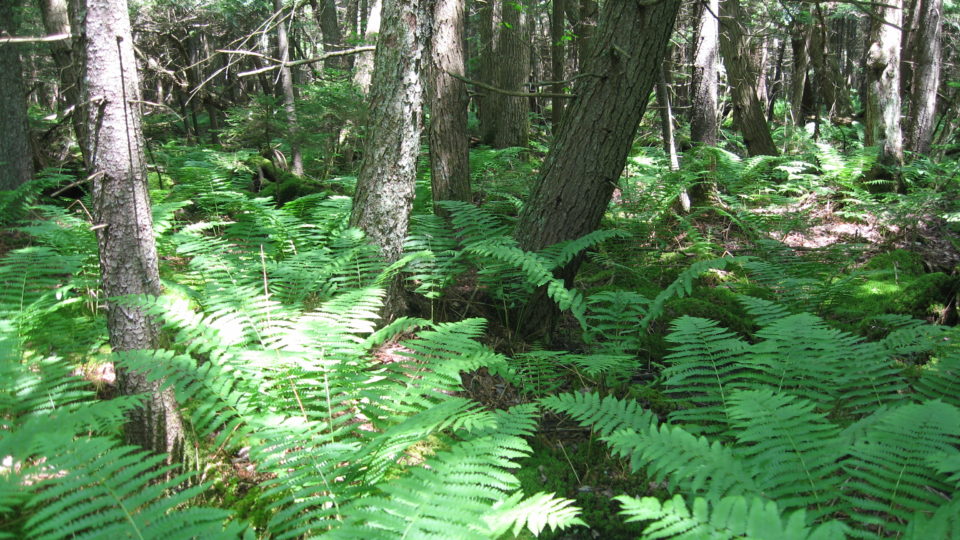
Photo, posted April 17, 2015, courtesy of Tom Coady via Flickr.

Earth Wise is a production of WAMC Northeast Public Radio.
Natural Climate Solutions Are Not Enough

April 1, 2019 By EarthWise Leave a Comment

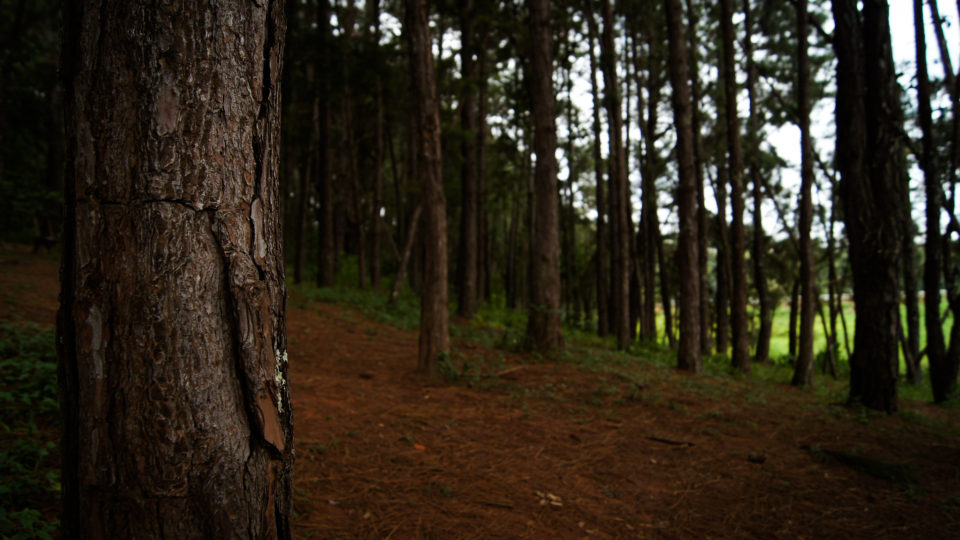
A new policy perspective published in Science by researchers at seven prestigious institutions looked at the role of natural science solutions in stabilizing the Earth’s climate for people and ecosystems.   While they asserted that it is imperative to ramp up natural climate solutions, they also concluded that natural solutions alone will not be sufficient.

Natural science solutions include such things as enhancing carbon sinks from forests, agriculture and other lands.  Doing these things are very beneficial in their own right as they lead to improved forests, croplands, grazing lands, and wetlands.

However, these things will not be enough to meet the goals of the Paris Climate Agreement and must be combined with rapid efforts to decrease emissions from the energy and industrial sectors.  Among their various findings, the researchers warn that a ten-year delay in emissions reductions from these sectors could completely negate any potential benefits of natural climate solutions.

As has become increasingly clear, there is not an either-or situation with regard to the actions that need to be taken with respect to climate change.

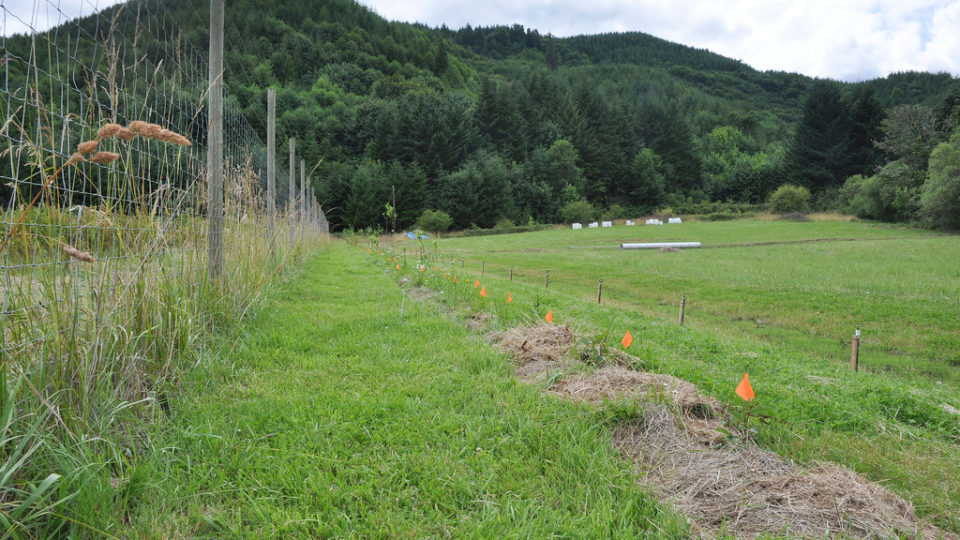
Maximizing natural climate solutions and reducing emissions from the energy and industrial sectors will provide broad benefits beyond climate change mitigation.  Doing these things will improve forests and habitats, reduce the risk of wildfires, and decrease air and water pollution thereby improving human health and well-being.

Of course, to reduce cumulative emissions and put a cap on the warming of the planet, there will need to be policy mechanisms and incentives in place that support both natural climate solutions and increasing mitigation efforts across the energy and industrial sectors.

**********

Web Links

Natural Climate Solutions Are Not Enough

Photo, posted February 11, 2012, courtesy of Joao Andre O. Dias via Flickr.

Earth Wise is a production of WAMC Northeast Public Radio.

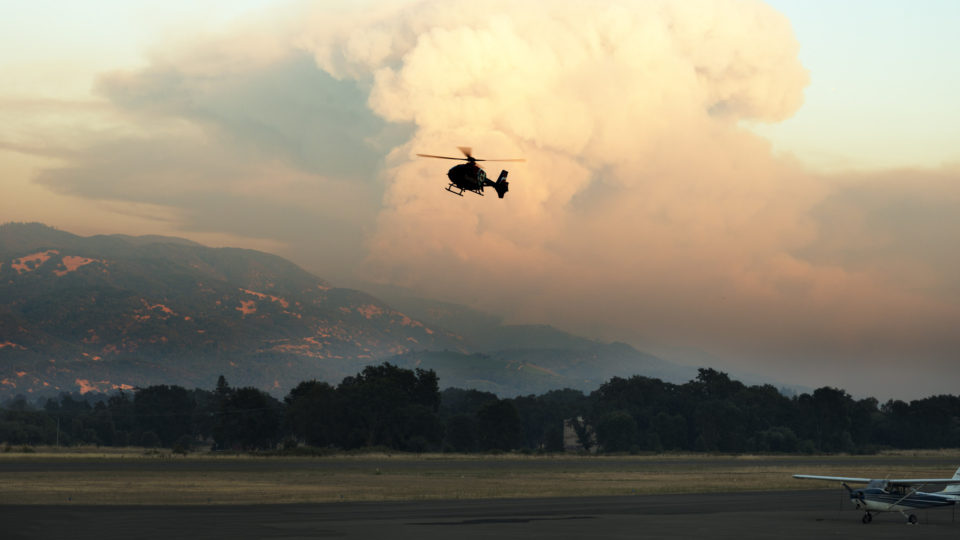
Wildfire Pollution

January 24, 2019 By EarthWise Leave a Comment

California’s record-breaking wildfires this past season have been an unmitigated disaster with respect to loss of life, property, impact on human health, and in multiple other ways.  And as if all of that was not bad enough, the impact on carbon emissions into the atmosphere was equally catastrophic.  The wildfires were deadly and cost billions of dollars but were also terrible for the environment and for the public’s health.

According to estimates from the U.S. Department of the Interior, the California wildfires released emissions equivalent to about 68 million tons of carbon dioxide into the atmosphere.  That is equal to the emissions from generating one year’s worth of electricity in the state, or about 15% of the total annual emissions in the state of California.

It is a vicious circle in which the changes to the climate that have lengthened the fire season and shortened the precipitation season are creating additional contributions to the warming of the climate.

Over the past century, California has warmed by about 3 degrees Fahrenheit.  That extra-warmed air sucks water out of plants and soils, resulting in trees, shrubs, and rolling grasslands that are dry and primed to burn. That vegetation-drying effect compounds with every additional degree of warming.  Plants lose their water more efficiently as temperatures get higher.

The result is that wildfires are increasing in size both in California and across the western United States. Fire experts at Columbia University estimate that since the 1980s, the warming climate has contributed to an extra 10 million acres of burning in western forests – an area about the size of Massachusetts and Connecticut combined.

It’s a bad situation that is getting worse.

**********

Web Links

California’s 2018 Wildfires Have Emitted A Year’s Worth of Power Pollution

Photo, posted October 11, 2017, courtesy of Bob Dass via Flickr. 

Earth Wise is a production of WAMC Northeast Public Radio.
Agroforestry

December 27, 2018 By EarthWise 2 Comments

https://earthwiseradio.org/wp-content/uploads/2018/12/EW-12-27-18-Agroforestry.mp3

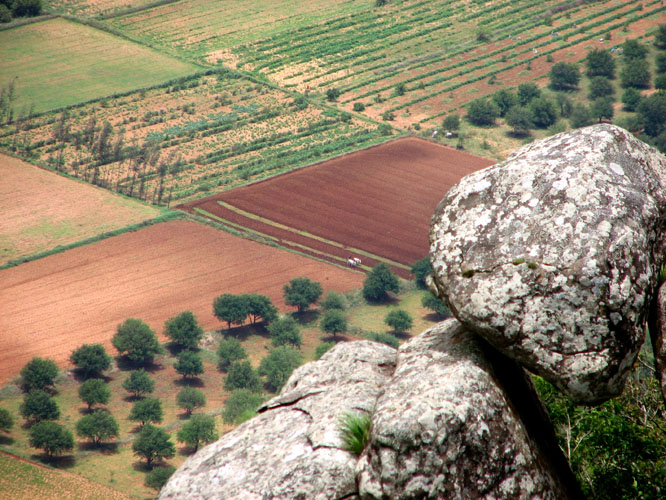
It has become increasingly evident that reducing carbon dioxide emissions is not happening quickly enough to prevent runaway climate change and that negative emission techniques will need to be utilized as well.  Negative emissions means removing carbon dioxide that is already in the atmosphere.

[Read more…] about Agroforestry

The Cockroaches Of The Ocean

December 14, 2018 By EarthWise Leave a Comment

https://earthwiseradio.org/wp-content/uploads/2018/12/EW-12-14-18-The-Cockroaches-of-the-Ocean.mp3

The coast of Northern California is home to underwater forests – huge, sprawling tangles of brown seaweed.  Kelp forests play a similar role in the oceans as the one that ordinary tree forests play on land.  Like trees, kelp absorbs carbon emissions and provides critical habitat and food for a wide range of species.

[Read more…] about The Cockroaches Of The Ocean

What’s In The Air?

December 12, 2018 By EarthWise Leave a Comment

https://earthwiseradio.org/wp-content/uploads/2018/11/EW-12-12-18-Whats-in-the-Air.mp3

Researchers at Yale are using some advanced technology to analyze air samples in order to obtain a detailed look at the molecular makeup of organic aerosols, which have a significant presence in the atmosphere.

[Read more…] about What’s In The Air?

Bring The Wild Back Into Farmlands

December 4, 2018 By EarthWise Leave a Comment

https://earthwiseradio.org/wp-content/uploads/2018/11/EW-12-04-18-Bring-the-Wild-Back.mp3

A recent study published in Science looks at the effects of maintaining at least a little bit of the wild on working lands including farmland, rangeland and forests.  The study concludes that doing so may be a key to preserving biodiversity in the face of climate change.

[Read more…] about Bring The Wild Back Into Farmlands

Wildfires And The Water Supply

November 12, 2018 By EarthWise Leave a Comment

https://earthwiseradio.org/wp-content/uploads/2018/10/EW-11-12-18-Wildfires-and-the-Water-Supply.mp3

Hotter and dryer conditions are leading to an increasing number of wildfires in North America and elsewhere around the world.  The damage they cause is well-known.  But one aspect of that damage that tends to be overlooked is the impact on aquatic environments and drinking water supplies.

[Read more…] about Wildfires And The Water Supply

How To Measure Carbon Emissions

November 5, 2018 By EarthWise Leave a Comment

https://earthwiseradio.org/wp-content/uploads/2018/11/EW-11-05-18-How-To-Measure-Carbon-Emissions.mp3

The Paris climate accord by nearly 200 countries seeks to reduce global carbon emissions.  But how can the actions of these countries be monitored, reported, and verified?  It is not an easy task.

[Read more…] about How To Measure Carbon Emissions

Carbon And North American Forests

September 24, 2018 By EarthWise Leave a Comment

https://earthwiseradio.org/wp-content/uploads/2018/09/EW-09-24-18-Carbon-and-North-American-Forests.mp3

Researchers have for the first time calculated the capacity of North American forests to sequester carbon.  The detailed analysis by UC Santa Cruz and collaborators in China and Arizona considers two key factors:  the natural process of forest growth and regeneration, and effects brought about by climate change.

[Read more…] about Carbon And North American Forests

Fires And Atmospheric Cooling

September 11, 2018 By EarthWise Leave a Comment

https://earthwiseradio.org/wp-content/uploads/2018/08/EW-09-11-18-Fires-and-Atmospheric-Cooling.mp3

Aerosols – tiny particles in the atmosphere released from fires and other sources – can cool the planet by reflecting sunlight back into space and by increasing cloud brightness.

[Read more…] about Fires And Atmospheric Cooling

Biomass: Renewable But Not Sustainable

July 23, 2018 By EarthWise 1 Comment

https://earthwiseradio.org/wp-content/uploads/2018/07/EW-07-23-18-Biomass-Renewable-Not-Sustainable.mp3

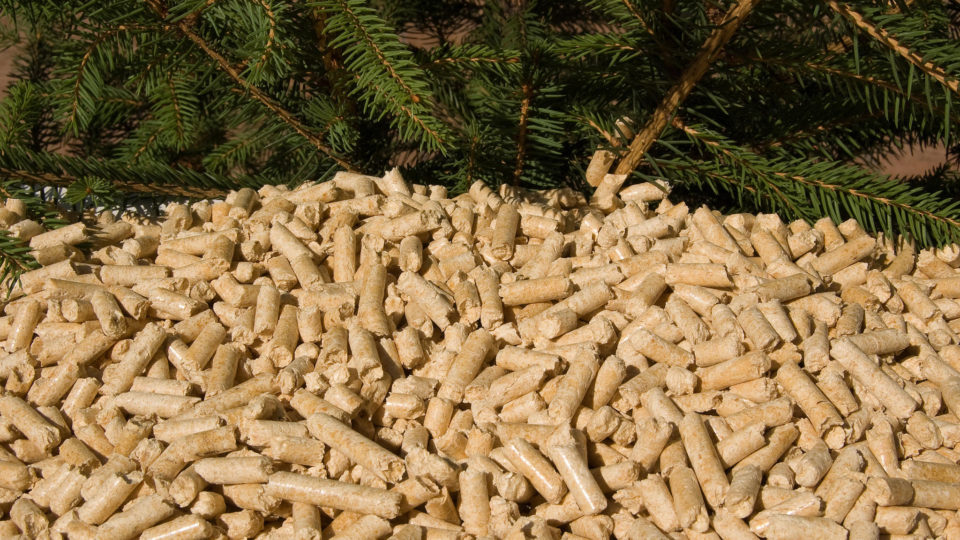
Biomass is often touted as a green energy source. Just recently, the US Environmental Protection Agency declared biomass energy to be carbon neutral – a policy already embraced by many European countries. However, burning forests for fuel has hard limitations and ecological consequences.

[Read more…] about Biomass: Renewable But Not Sustainable

Deforestation-Free Palm Oil

July 10, 2018 By EarthWise Leave a Comment

https://earthwiseradio.org/wp-content/uploads/2018/07/EW-07-10-18-Deforestation-Free-Palm-Oil.mp3

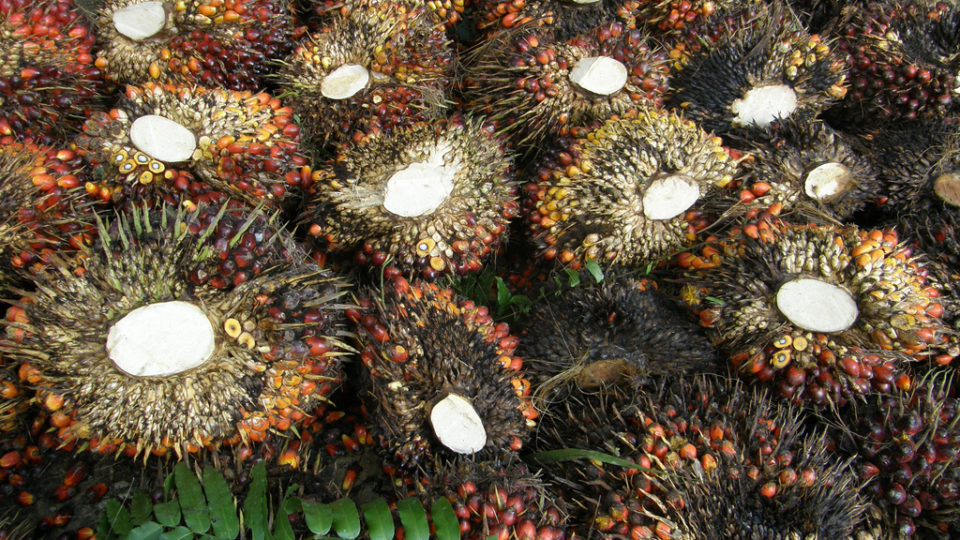
Few of us cook with palm oil or have ever even seen the stuff.  Nevertheless, 50% of all packaged grocery items – everything from ice cream and pizza to detergents and cosmetics – include it as an ingredient.  The global market for palm oil was $65 billion in 2015, and that number was projected to grow by more than 7% each year through 2021.

[Read more…] about Deforestation-Free Palm Oil

Losing Forests Is Felt Far Away

July 6, 2018 By EarthWise 2 Comments

https://earthwiseradio.org/wp-content/uploads/2018/06/EW-07-06-18-Losing-Forests-is-Felt-Far-Away.mp3

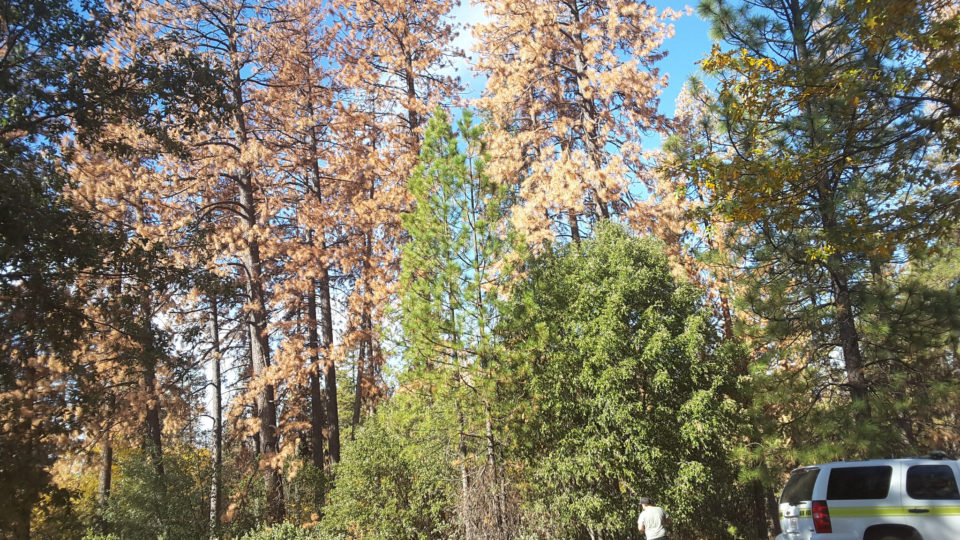
Large areas of forests in our country are vulnerable to drought, fires and disease.  When forests are heavily damaged, there are well-known local impacts:  drier soils, stronger winds, increased erosion, loss of shade and loss of habitat.

[Read more…] about Losing Forests Is Felt Far Away

Elephant Losses Imperil Forests

April 20, 2018 By EarthWise Leave a Comment

https://earthwiseradio.org/wp-content/uploads/2018/04/EW-04-20-18-Elephant-Losses-Imperil-Forests.mp3

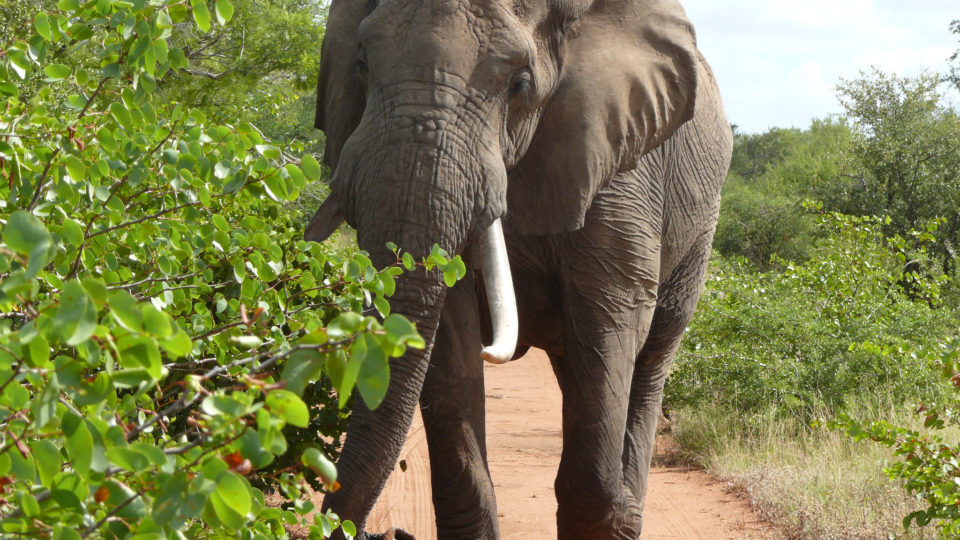
Poaching and habitat loss have reduced Central African elephant populations by 63% since 2001.  These losses not only pose dire consequences for the elephants themselves but also for the forests in which they live.

[Read more…] about Elephant Losses Imperil Forests

Natural Climate Solutions

February 13, 2018 By EarthWise Leave a Comment

https://earthwiseradio.org/wp-content/uploads/2018/01/EW-02-13-18-Natural-Climate-Solutions.mp3

The Paris Climate Agreement embodies a commitment to hold the increase in the global average temperature to less than 2 Celsius degrees above preindustrial levels.  Most strategies to achieve this goal involve reductions in greenhouse gas emissions from human activities such as burning fossil fuels as well as various land use activities.  But there are also so-called Natural Climate Solutions, which relate to the storage of carbon and reduction in carbon emissions across global forests, wetlands, grasslands, and agricultural lands.

[Read more…] about Natural Climate Solutions

Germany’s Struggle

December 15, 2017 By EarthWise Leave a Comment

https://earthwiseradio.org/wp-content/uploads/2017/12/EW-12-15-17-Germanys-Struggle.mp3

Germany has a reputation as one of the greenest countries on earth.  They have comprehensive recycling programs, they treasure their forests, and in recent decades, they have been aggressively working to replace both nuclear and coal-fired power plants with renewable energy sources.  They have been an early world leader in solar power.  And their national Energiewende or “energy turn” initiative demonstrates a strong commitment to the environment.

[Read more…] about Germany’s Struggle

Carbon And Heating Soil

November 22, 2017 By EarthWise 1 Comment

https://earthwiseradio.org/wp-content/uploads/2017/11/EW-11-22-17-Carbon-and-Heating-Soil.mp3

Plants are a critical part of the Earth’s carbon cycle.   They take in carbon dioxide during photosynthesis.   Eventually, dead leaves, branches and other materials fall to the ground where bacteria and fungi decompose the materials and release the CO2 back into the atmosphere.  This carbon-soil feedback loop is a complicated one that is critical to the overall carbon balance because soils actually contain two to three times more carbon than the atmosphere.

[Read more…] about Carbon And Heating Soil

  • « Go to Previous Page
  • Page 1
  • Page 2
  • Page 3
  • Page 4
  • Page 5
  • Go to Next Page »

Primary Sidebar

Recent Episodes

  • An uninsurable future
  • Clean energy and jobs
  • Insect declines in remote regions
  • Fossil fuel producing nations ignoring climate goals
  • Trouble for clownfishes

WAMC Northeast Public Radio

WAMC/Northeast Public Radio is a regional public radio network serving parts of seven northeastern states (more...)

Copyright © 2026 ·