flooding
Upgrading The Doomsday Seed Vault
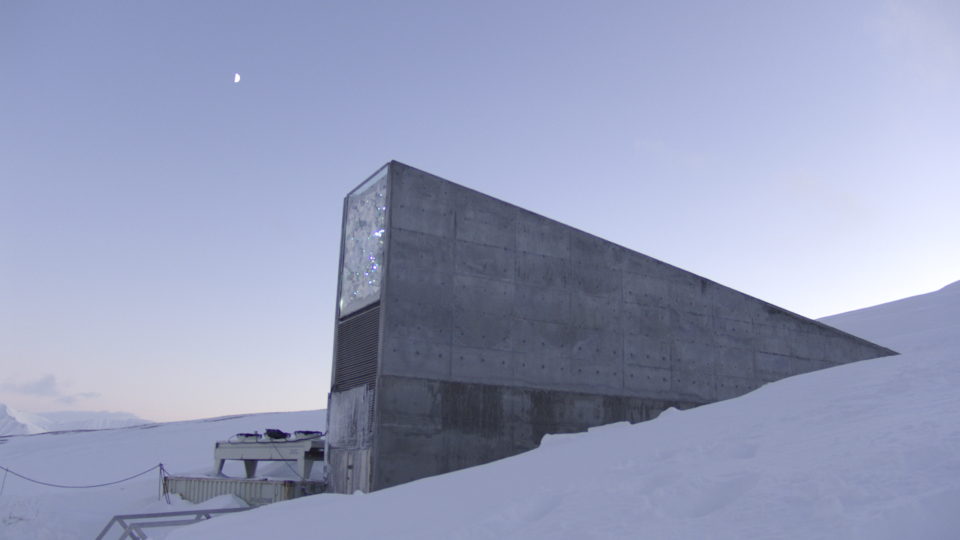
The Svalbard Global Seed Vault, located nearly 400 feet beneath the earth’s surface and fully funded by the Norwegian government, offers any government access to seeds in case of natural or man-made disaster. It’s more often referred to as the Doomsday Seed Vault. And ironically, it too is threatened by climate change.
The 100-Day Giant Battery
The Australian state of South Australia suffered crippling electricity outages in September 2016, which coincided with gale-force winds and flooding rains. The outages were triggered by storm damage to major transmission lines followed by wind farms disconnecting from the power grid.
Being Ready For Adverse Weather
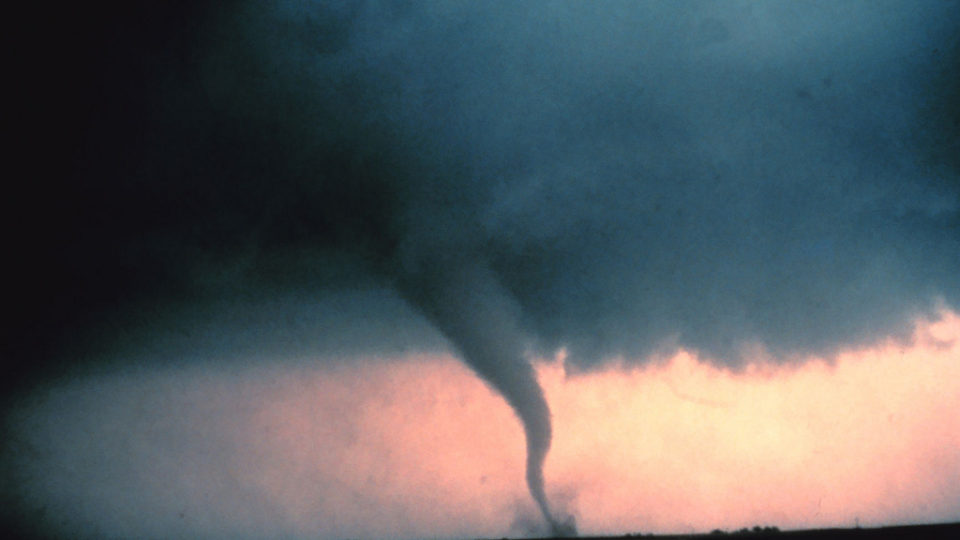
Severe weather is a major cause of death and destruction. Recent hurricanes provided all too many examples. The catastrophic flooding from Hurricane Harvey led to more than 60 deaths and necessitated thousands of emergency rescues. And yet, increasingly, weather events like hurricanes don’t occur without warning and accurate weather forecasts are increasingly common.
Climate Change And Hawaii
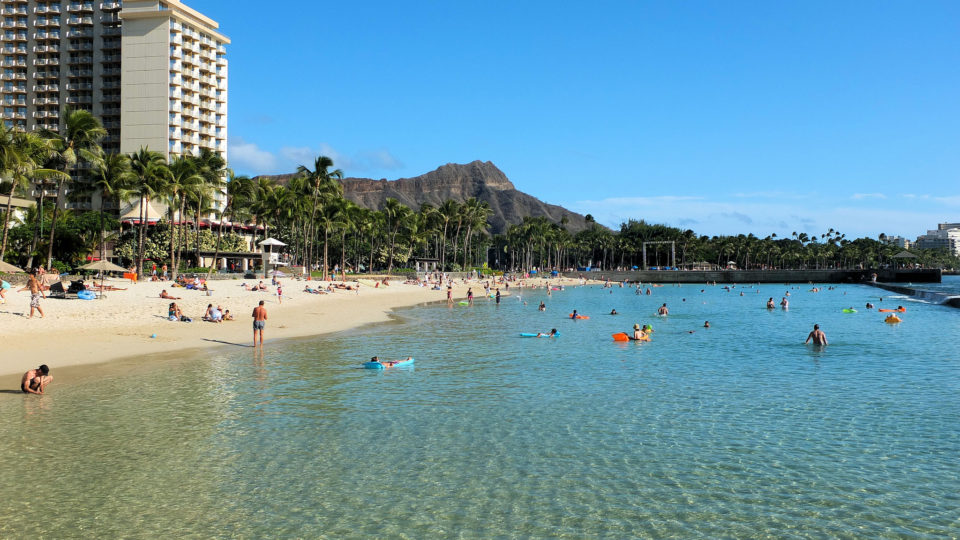
The Hawaiian Islands are an archipelago of eight major islands, several atolls, numerous smaller islets, and seamounts in the North Pacific Ocean. The islands are a world-renowned vacation spot, known for their white-sand beaches, lush flora, and near perfect weather. But stormier days may be ahead.
‘Noah’s Ark’ Takes On Water
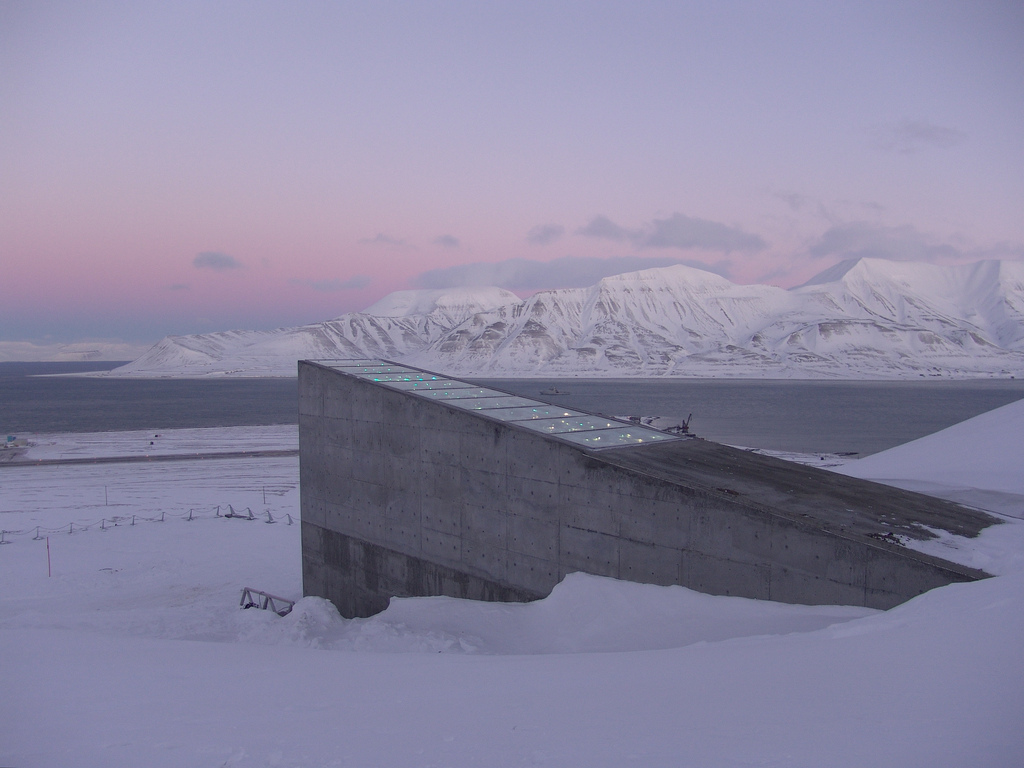
The Svalbard Global Seed Vault, built into a hillside in the Norwegian archipelago of Svalbard far above the Arctic Circle, is often described as humanity’s last hope against extinction after some global crisis. While there are more than 1,700 gene banks around the world that keep collections of seeds, all of them are vulnerable to war, natural disasters, equipment malfunctions, and other problems. Except the Svalbard vault – or so we thought. It has been dubbed the “Noah’s Ark” of seeds and a last chance for the world to regenerate if the worst should come to pass. It’s mission is to keep the world’s seeds safe.
NASA And Chimpanzees
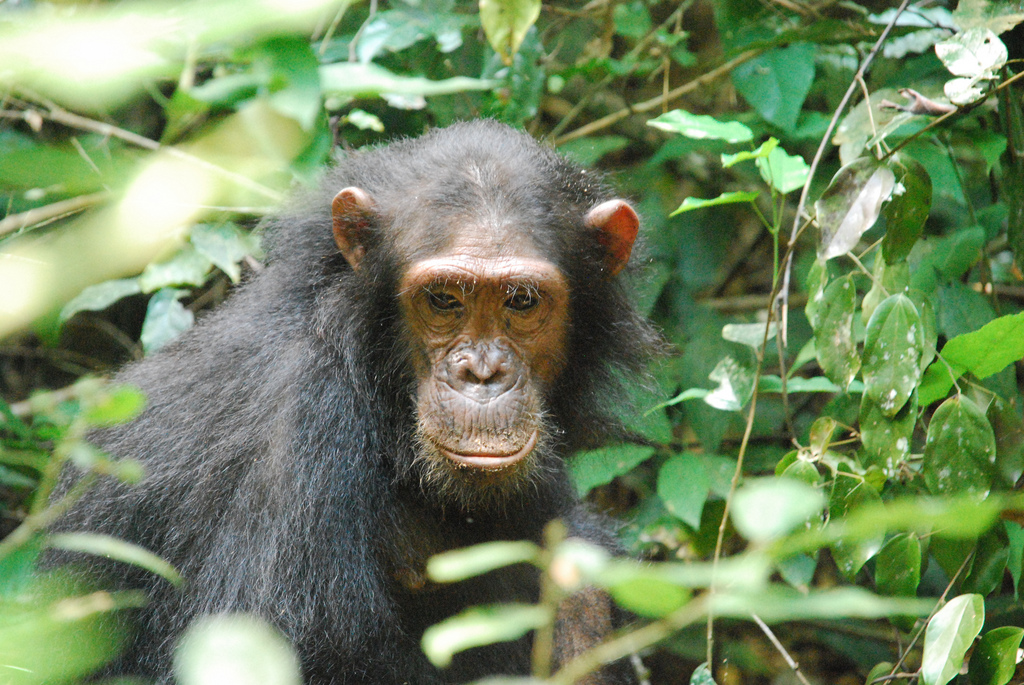
Increasingly, conservation organizations are increasingly relying on satellite imagery to help save wildlife. The Jane Goodall Institute, a nonprofit focused on chimpanzee conservation, uses NASA’s and the U.S. Geological Survey’s Landsat satellite images to guide their chimpanzee conservation strategies.
Last Year Was Hot
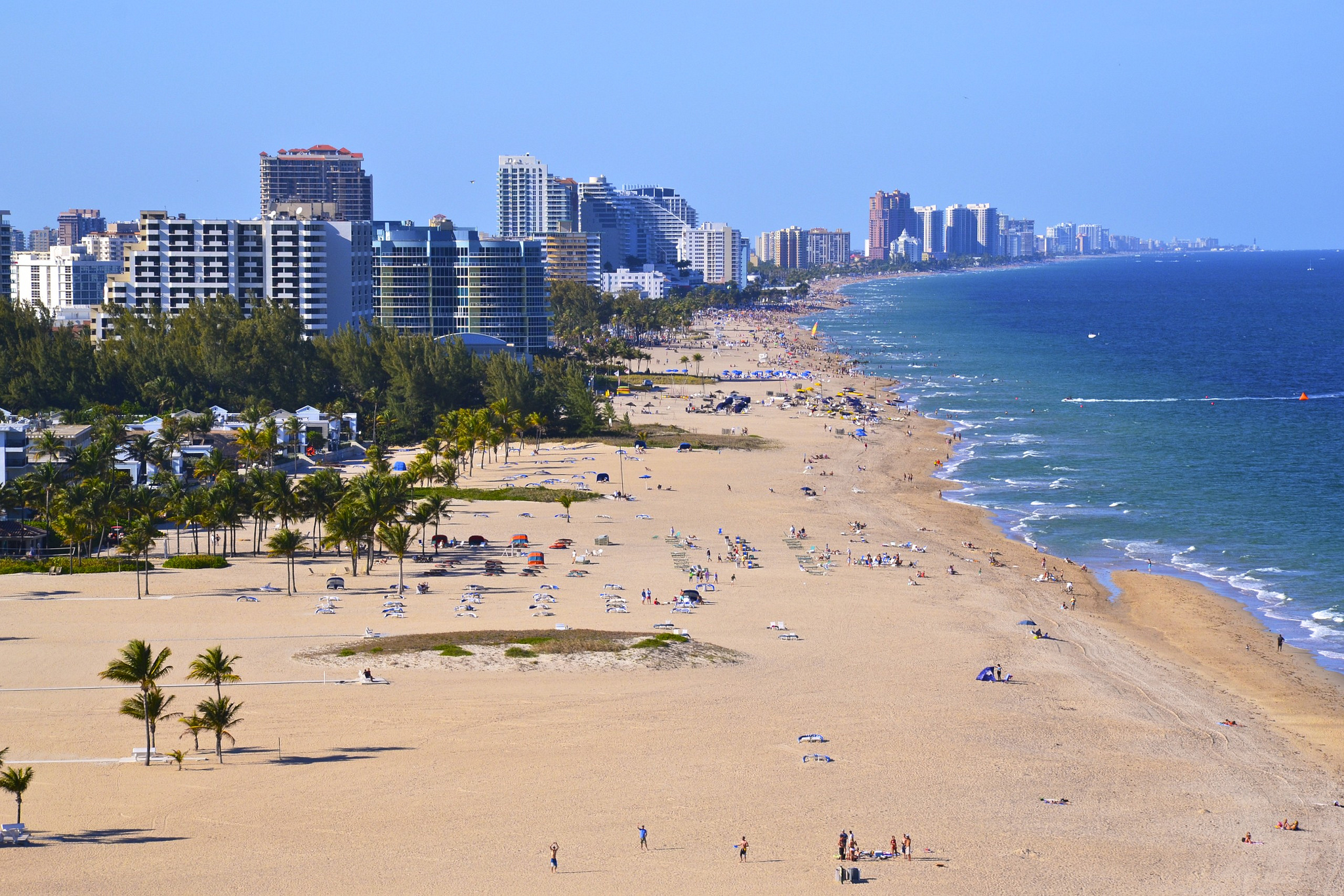
Last year was not the hottest year on record in the United States; it was only the second hottest. 2012 was the hottest because of some searing heat waves that summer. However, 2016 marked 20 above-average temperature years in a row. The five hottest years recorded have all happened since 1998. Every state had a temperature ranking at least in the top seven and both Georgia and Alaska had their hottest years ever. While it was only the second hottest year on record in the U.S., last year was the hottest year for the entire world.
Climate Change And Heat Waves
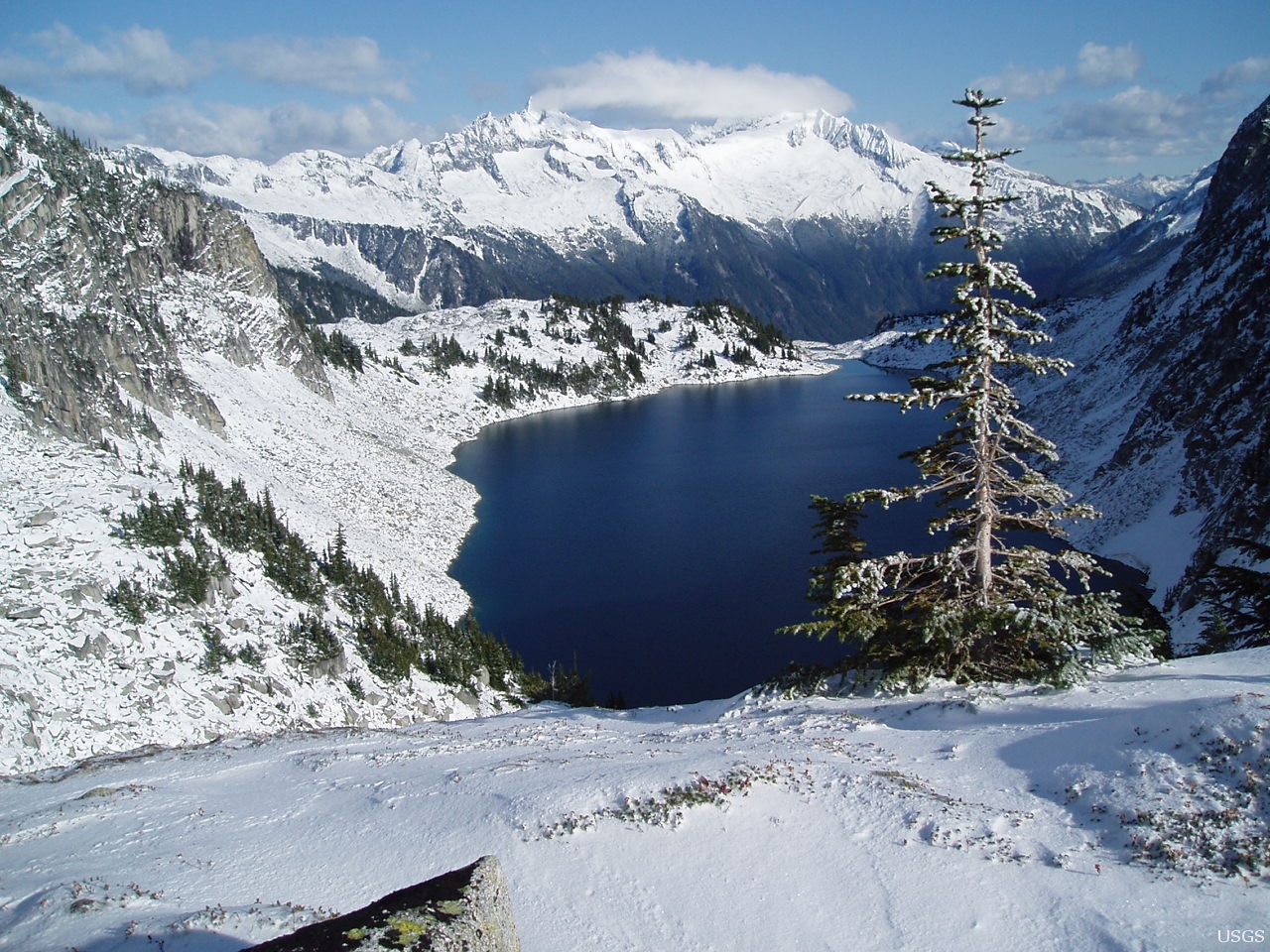
2016 was the hottest year on record and saw many extreme weather events. How much of what happened resulted from climate change has yet to be assessed. However, the analysis of 2015 – which was the hottest year on record up until last year – has been presented in a special publication by the American Meteorological Society.
Alaska’s Threatened Communities
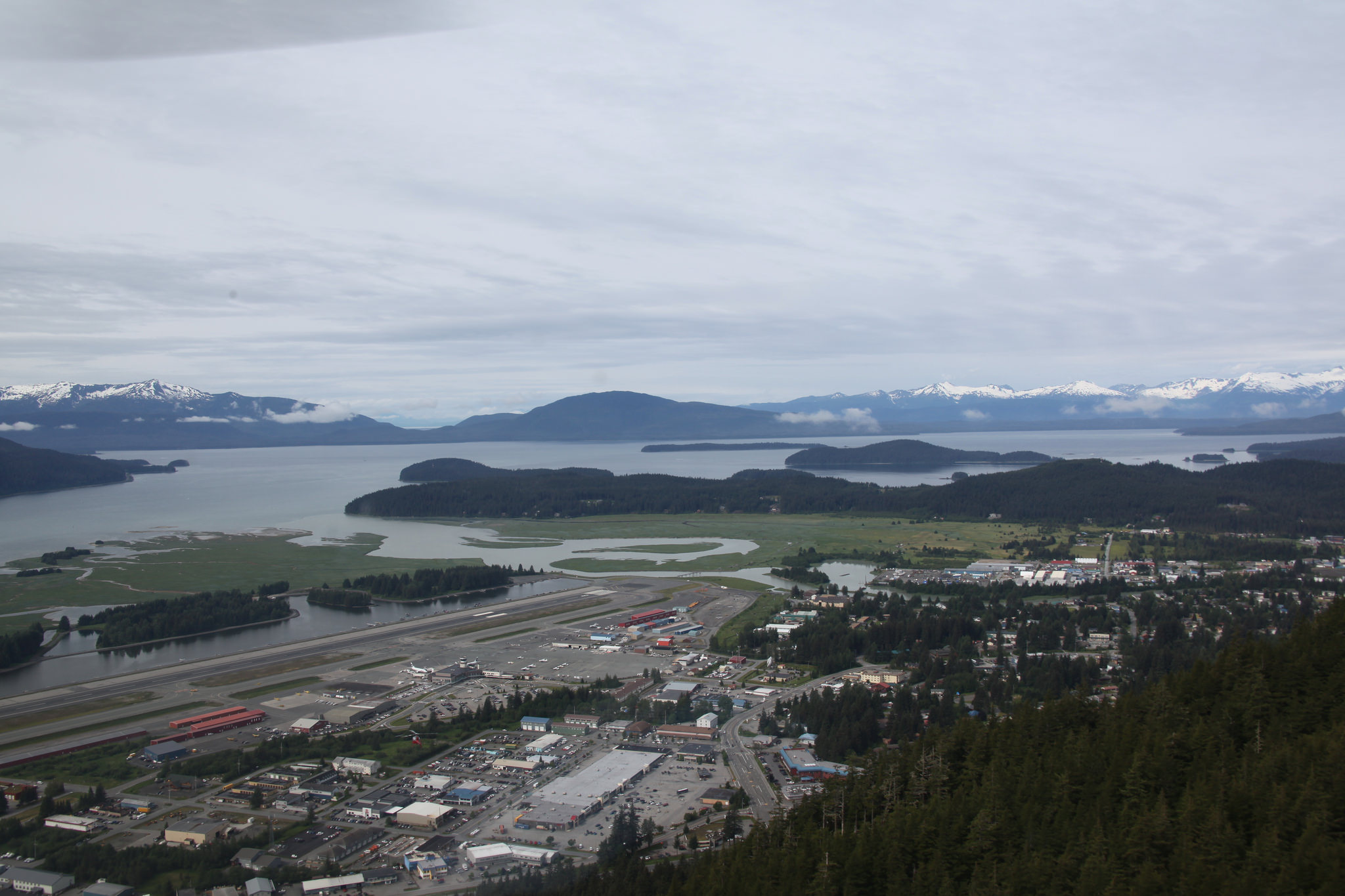
Because of its Arctic location, Alaska is warming about twice as fast as the rest of the United States. The past year has been the warmest on record. The forces of erosion and increasingly powerful storms have resulted in the imminent risk of destruction for at least 31 Alaskan towns and cities. Many are predicted to become uninhabitable over the next few decades. Residents of these places are likely to join the growing flow of climate refugees around the globe.
Climate-Induced Relocation
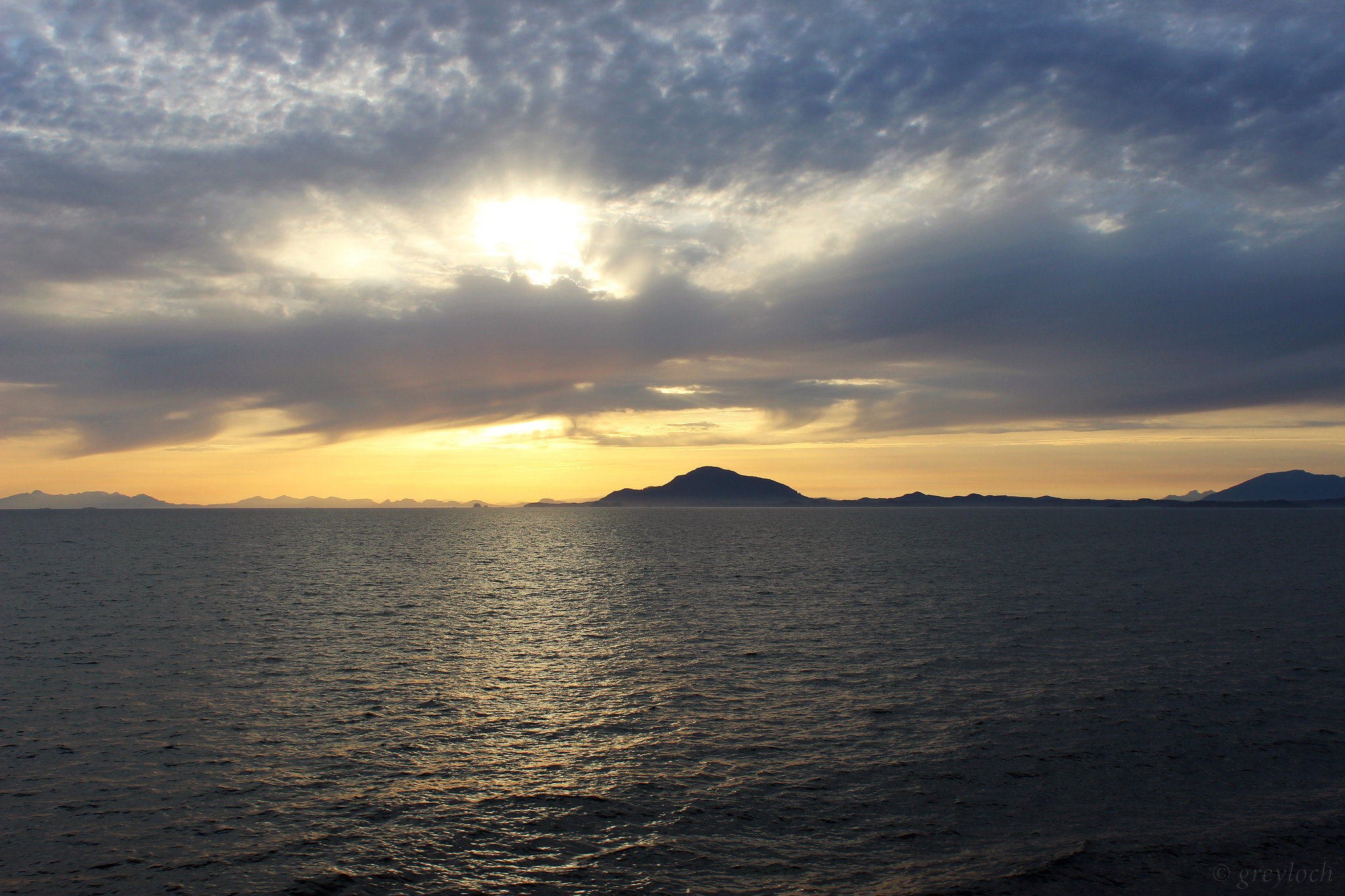
One of the thorniest problems arising from the changing climate is the degradation of inhabited areas that forces entire communities to relocate permanently. Basically, we don’t really have the infrastructure in place to deal with such occurrences.
Pakistan’s Green Tsunami
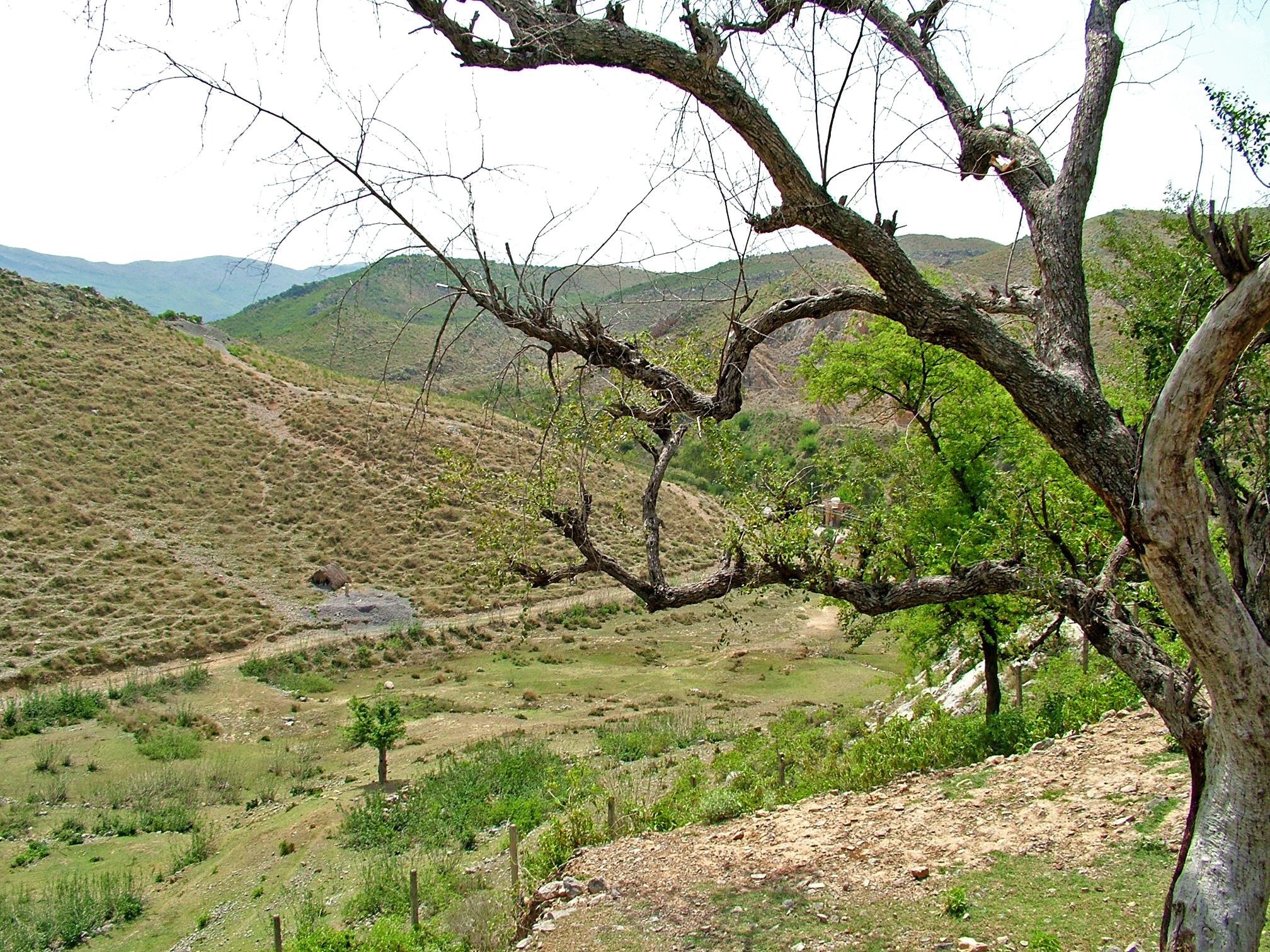
Pakistan has a terrible history of environmental degradation. Since it became an independent country in 1947, almost all of its primary forests have been cut down while its population has grown by an unbelievable 600 percent.
Making It Rain
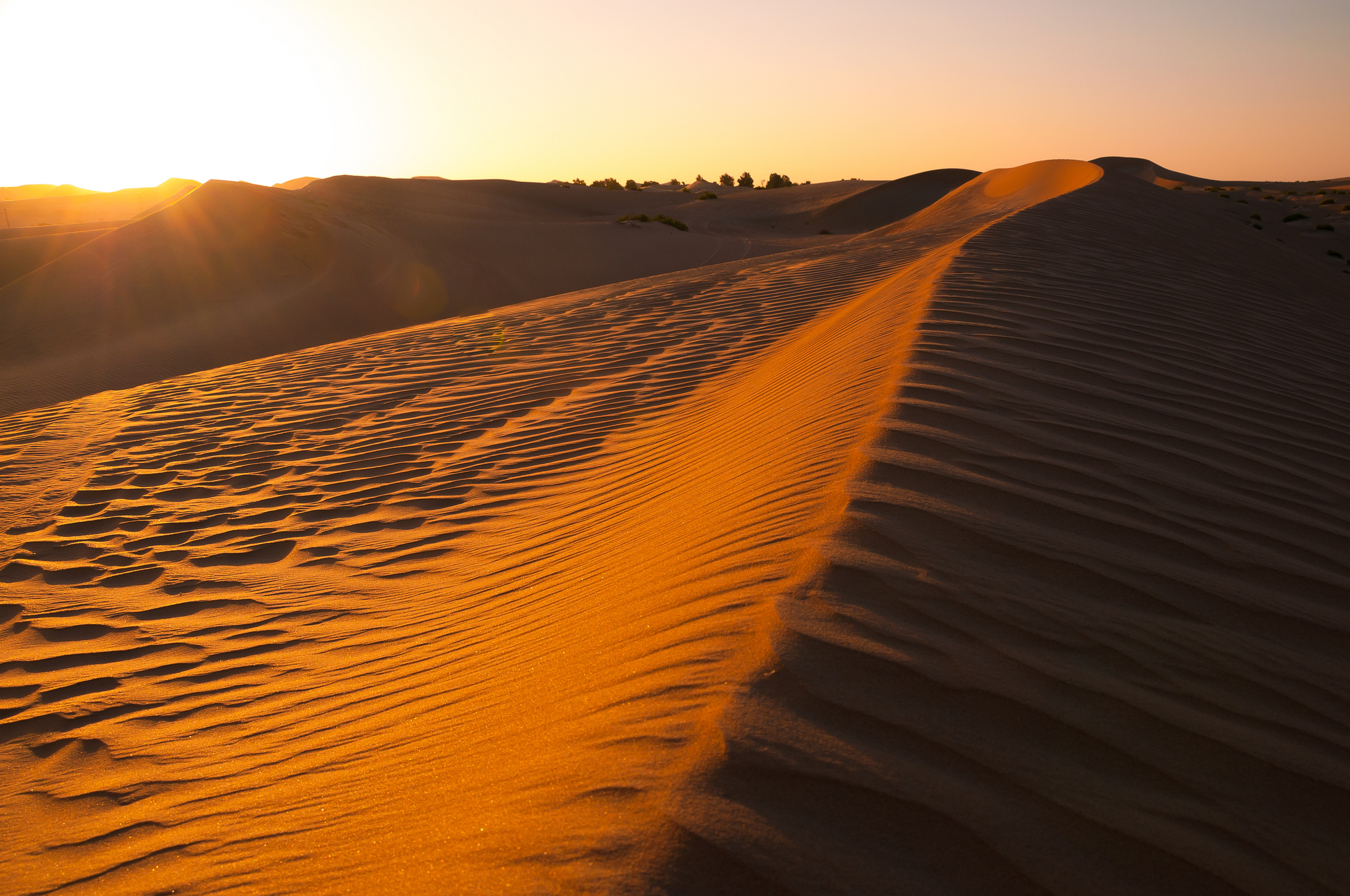
It seldom rains in the United Arab Emirates. Some areas of the UAE receive less than five inches of rain annually, and often little to none at all during the summer months when temperatures can climb above 110 degrees Fahrenheit. These conditions have led to water security concerns particularly in Dubai, a blossoming international destination, as well as in rural, farming communities.
El Niño On The Way